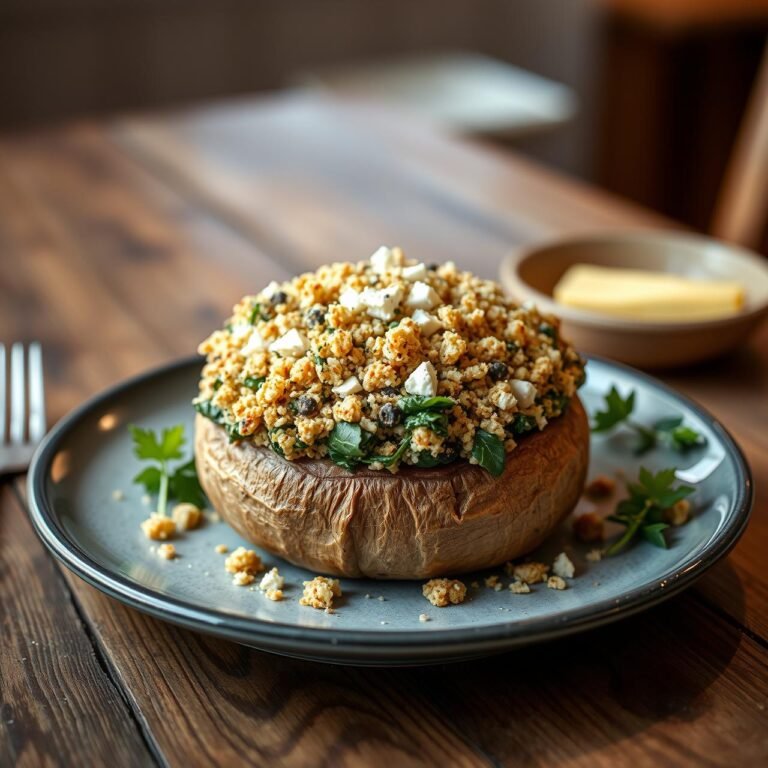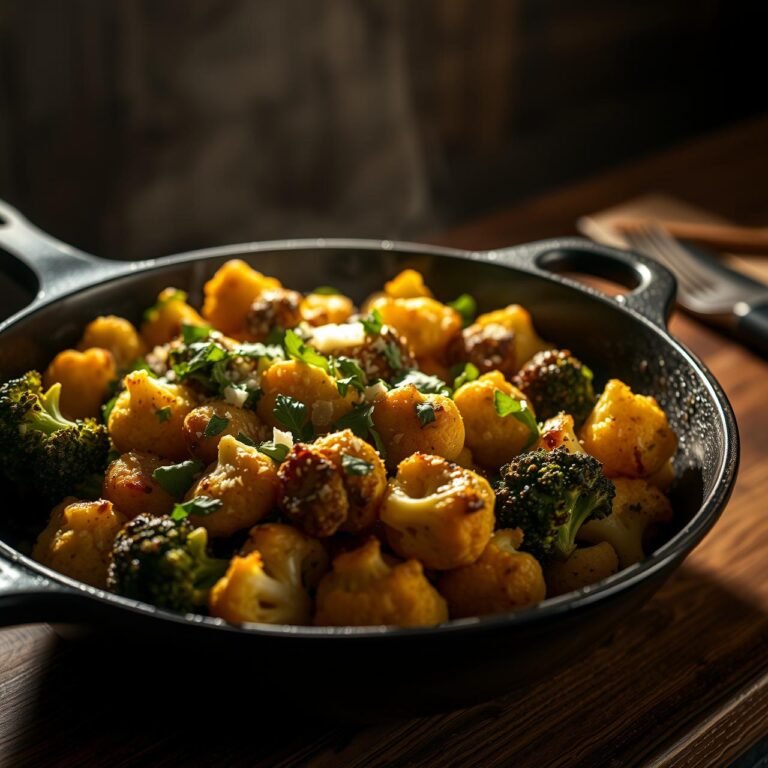
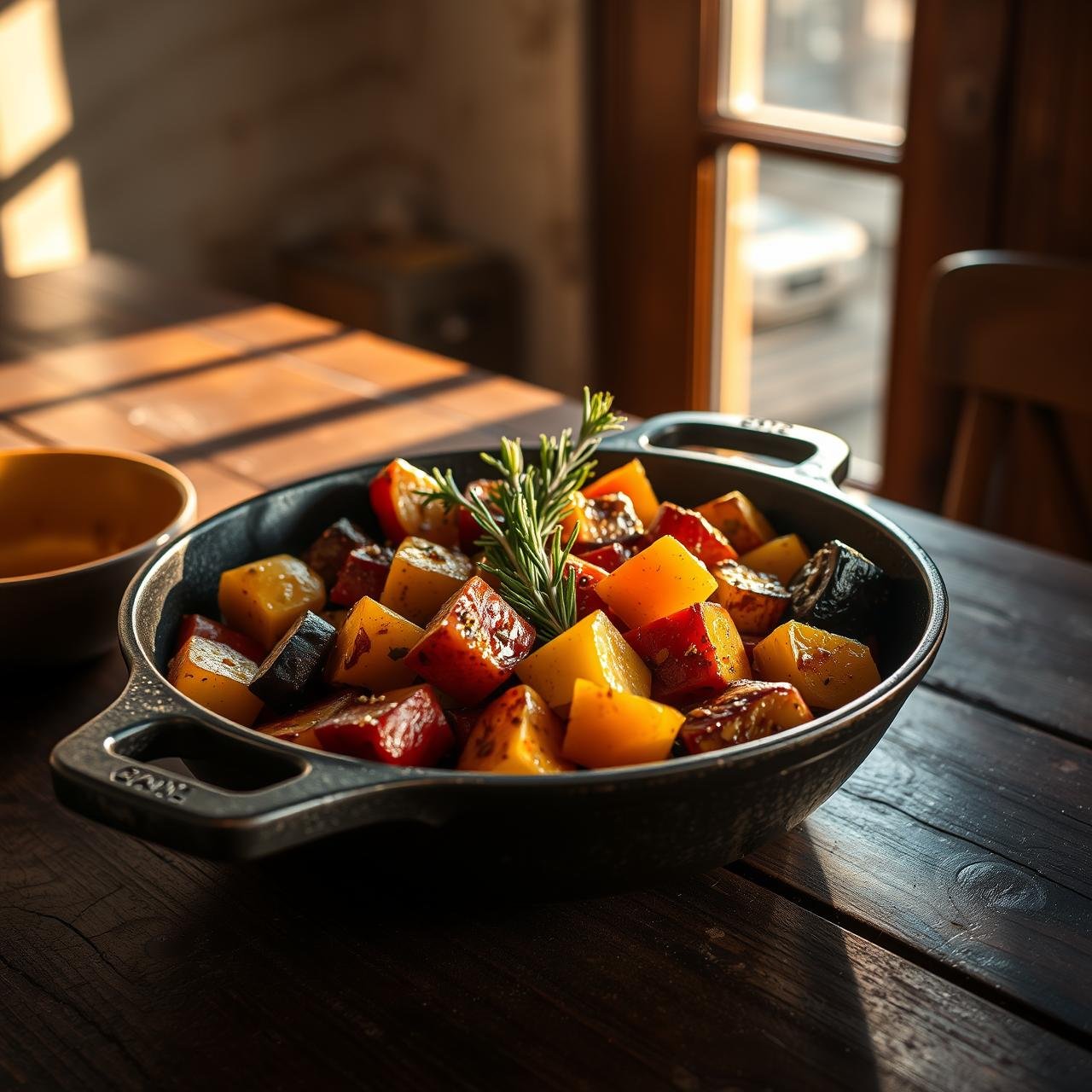
Perfectly Roasted Root Vegetable Medley (Detailed Recipe)
There is something profoundly comforting about the aroma of vegetables roasting in the oven. It’s a scent that speaks of hearth and home, of transforming humble, earth-grown ingredients into something truly spectacular. This Perfectly Roasted Root Vegetable Medley is more than just a recipe; it’s a technique, a celebration of the natural sweetness and robust flavors that lie dormant within carrots, parsnips, sweet potatoes, and their subterranean cousins. It’s a dish that caters to everyone at the table—the gourmet foodie seeking depth of flavor, the health enthusiast craving nutrient-dense meals, the budget cook making the most of seasonal produce, and the home cook looking for a reliable, show-stopping side dish.
In this detailed guide, we will walk you through every step of the process, from selecting the ideal vegetables at the market to achieving that perfect, fork-tender interior and irresistibly crispy, caramelized exterior. We’ll delve into the science of roasting, share chef-level secrets for consistent results, and explore delicious variations that will make this recipe a staple in your culinary repertoire. Prepare to elevate the simple root vegetable into a masterpiece of texture and taste.
The Symphony of the Soil: Choosing Your Root Vegetables
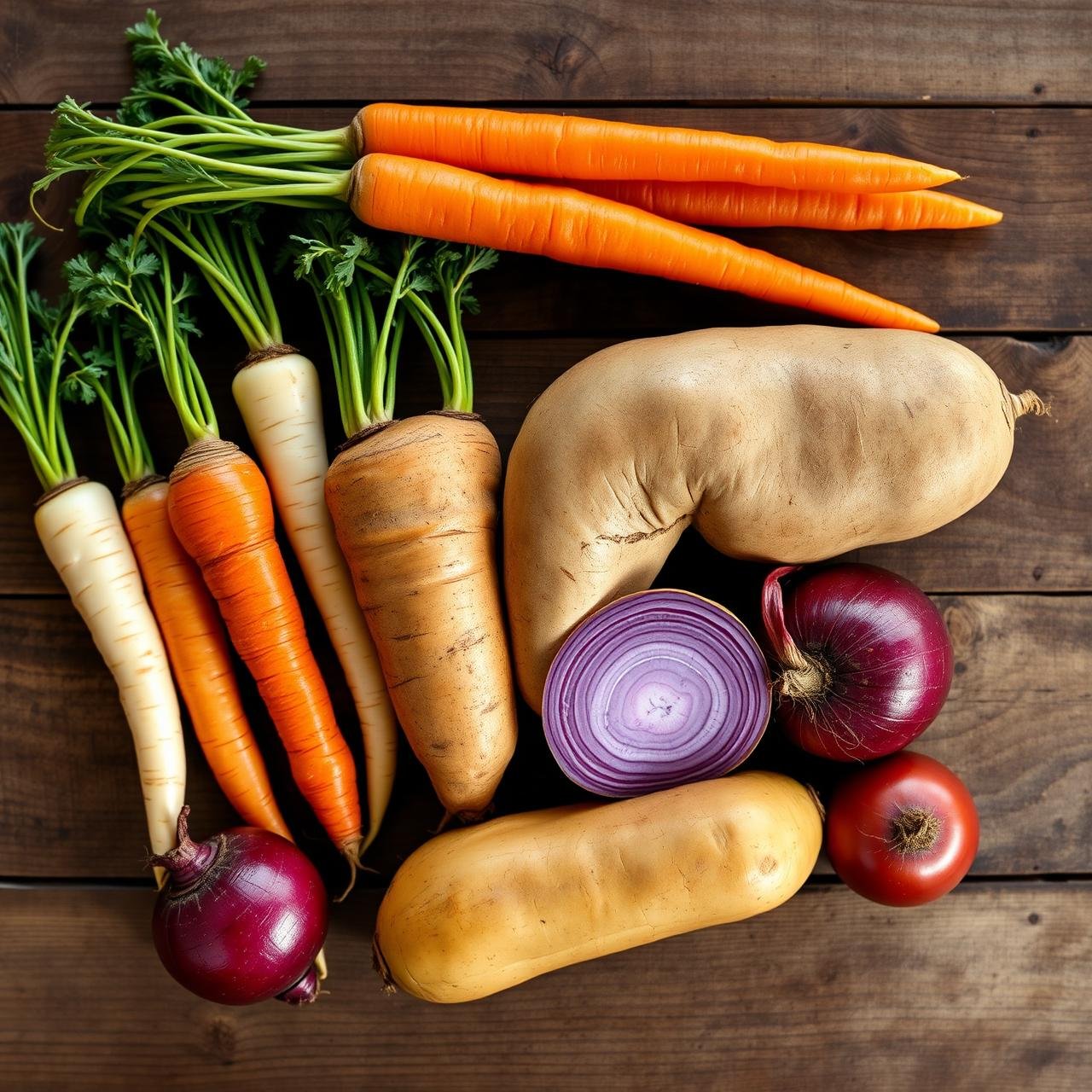
The foundation of this dish is, of course, the vegetables themselves. A great medley is all about balance—a harmony of sweet, starchy, and earthy notes. While you can use any root vegetables you have on hand, a curated selection will yield the most dynamic and delicious results. Look for produce that is firm to the touch, with smooth, unblemished skin and a vibrant color. Avoid any that are soft, shriveled, or sprouting, as these are signs of age and will lack flavor and moisture.
Our Recommended Combination:
- Carrots: They bring a dependable, earthy sweetness that intensifies beautifully with roasting. Look for medium-sized carrots, as they have a good balance of sugar and texture.
- Parsnips: A close cousin to the carrot, parsnips offer a unique, slightly spicy and nutty sweetness. They caramelize wonderfully and provide a complex counterpoint to the other vegetables.
- Sweet Potatoes: Their creamy, fluffy interior and sweet flavor make them a crowd-pleasing favorite. The natural sugars on their surface create a fantastic caramelized crust.
- Red Onions: While not technically a root, red onions are essential. They roast into soft, jammy wedges of sweetness that melt in your mouth, cutting through the richness of the other vegetables.
- Beets: For a splash of vibrant color and a deep, earthy flavor, beets are an excellent choice. We recommend golden or Chioggia beets to avoid staining the other vegetables, but classic red beets work wonderfully if you don’t mind the color bleed.
- Potatoes: Yukon Gold or red potatoes are fantastic additions. They become creamy on the inside while their skins get delightfully crispy, adding a familiar, comforting starchiness to the mix.
Feel free to experiment! Turnips, rutabagas, or even celery root can be wonderful additions. The key is to embrace the season and choose what looks best and freshest at your local market or grocery store.
The Alchemist’s Toolkit: Essential Equipment
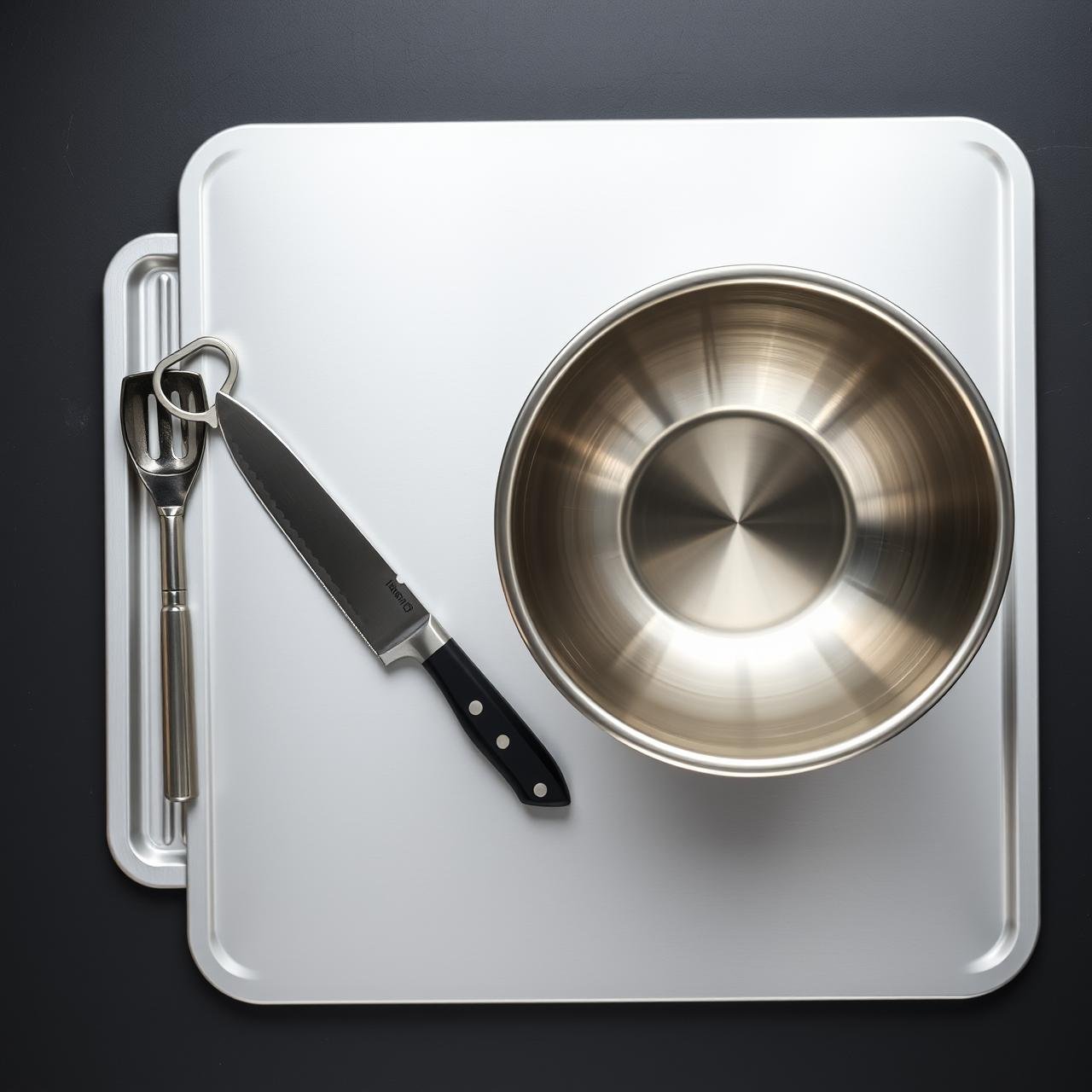
You don’t need fancy gadgets to achieve roasting perfection. The right tools, however, ensure even cooking and make the process smoother and more enjoyable. Here is the essential equipment you’ll need to turn raw vegetables into golden-brown treasures.
| Equipment | Chef’s Note |
|---|---|
| Large, Heavy-Duty Baking Sheet | This is non-negotiable. A sturdy, rimmed baking sheet (or two) made of aluminum will conduct heat evenly and prevent warping at high temperatures. The rim is crucial for keeping the vegetables and oil contained. |
| A Sharp Chef’s Knife | A sharp knife is a safe knife. It will allow you to cut the dense root vegetables into uniform pieces with precision and ease, which is key for even cooking. |
| Large Cutting Board | Use a large, stable cutting board to give yourself plenty of room to work. A board with a juice groove can be helpful for containing any mess. |
| Extra-Large Mixing Bowl | To properly coat every single piece of vegetable with oil and seasonings, you need a bowl that’s big enough to toss them freely without spilling. |
| Vegetable Peeler | A comfortable, sharp Y-peeler or swivel peeler makes quick work of prepping the vegetables. |
| Spatula or Tongs | A wide, sturdy metal spatula or a pair of long tongs is essential for flipping the vegetables halfway through the roasting process. |
The Cast of Characters: Ingredients for Roasting Perfection
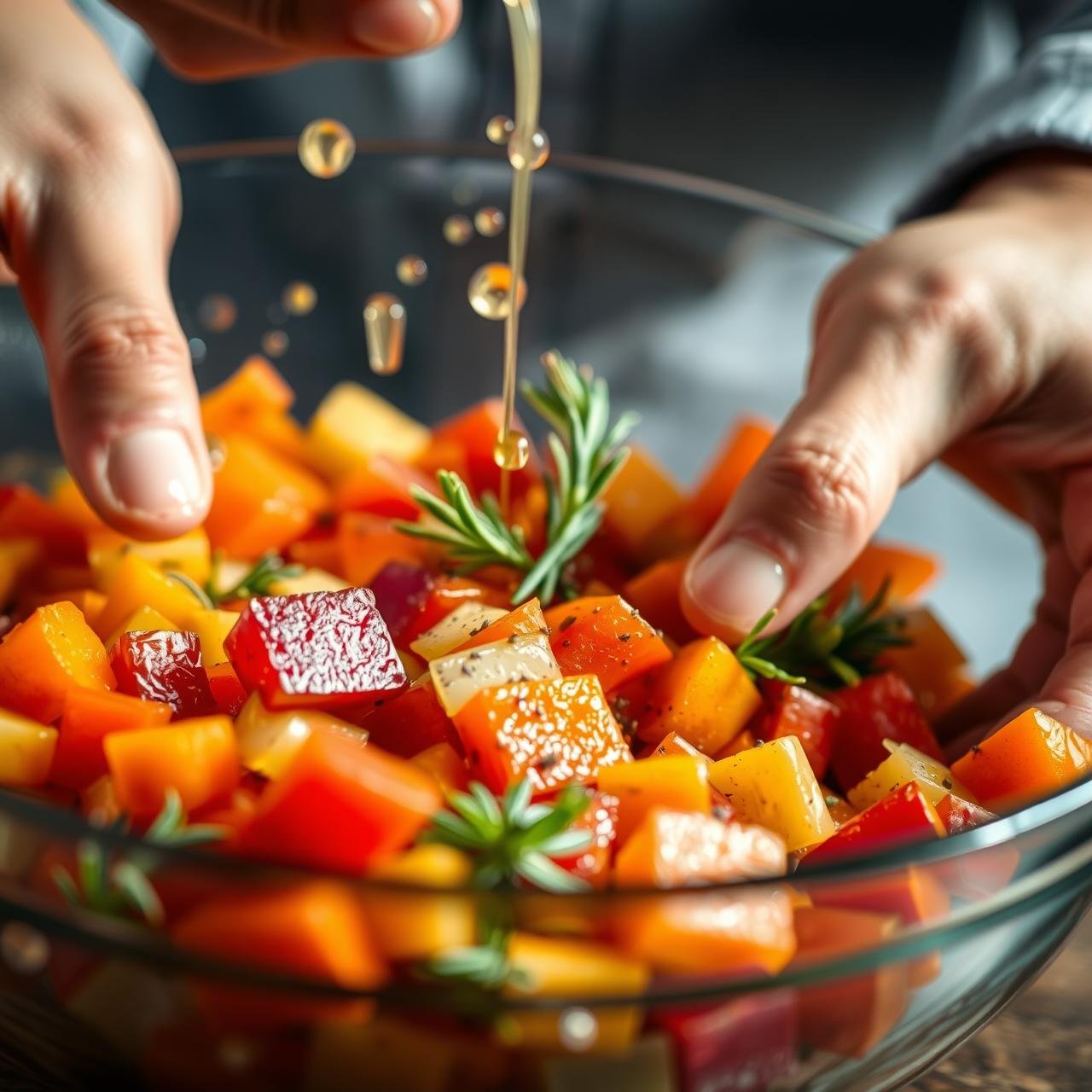
Simplicity is the soul of this recipe. We use a handful of high-quality ingredients to enhance, not mask, the glorious natural flavors of the root vegetables.
- 3 pounds mixed root vegetables (about 8-9 cups), peeled and chopped into 1 to 1.5-inch uniform pieces
- ¼ cup high-quality extra virgin olive oil
- 1 ½ teaspoons kosher salt (or to taste)
- 1 teaspoon freshly cracked black pepper
- 2 tablespoons fresh herbs, chopped (a combination of rosemary, thyme, and sage is classic)
- 4-5 cloves garlic, peeled and smashed
A Note on the Ingredients:
The Oil: Don’t skimp here. A good extra virgin olive oil not only prevents sticking but also adds a fruity, peppery flavor. Avocado oil is another excellent high-heat option.
The Seasoning: Kosher salt has larger crystals that distribute more evenly than table salt. Freshly cracked pepper provides a pungent spice that table pepper lacks. The combination is the foundation of all great savory cooking.
The Herbs: Hardy fresh herbs like rosemary and thyme can withstand the high heat of the oven and infuse the vegetables with their piney, aromatic oils. Add them at the beginning. More delicate herbs like parsley should be added after roasting.
The Garlic: We leave the cloves whole and smashed rather than minced. This allows them to soften and sweeten in the oven, imparting a gentle garlic essence without the risk of burning and becoming bitter.
The Culinary Choreography: Step-by-Step Instructions
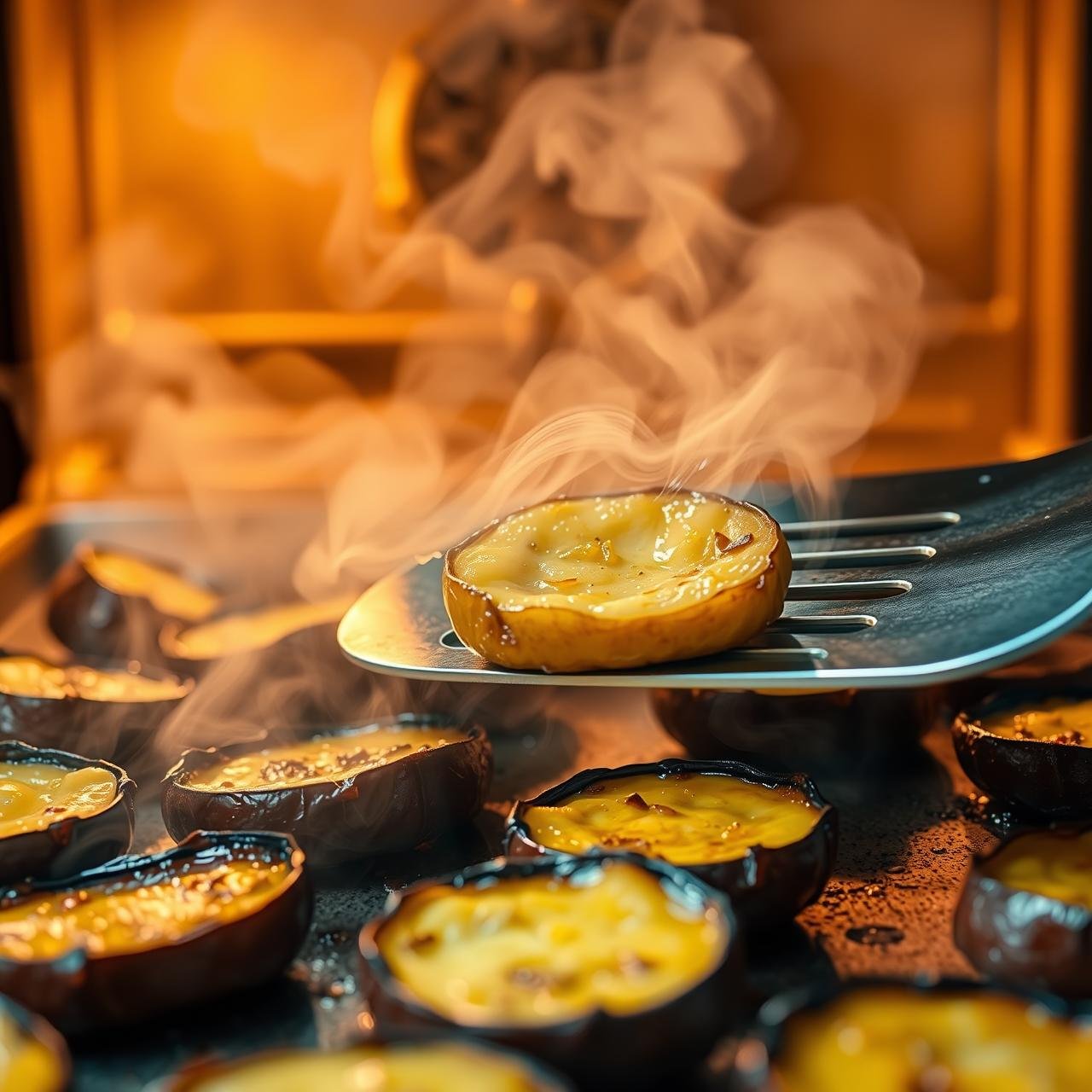
Follow these steps methodically for a flawless result every time. The magic is in the details, from the oven temperature to the arrangement on the pan.
-
Preparation is Paramount
Preheat your oven to 425°F (220°C). Position a rack in the lower-middle of the oven. High heat is essential for achieving a crispy exterior and a tender interior. While the oven preheats, wash and peel all your root vegetables.
-
The Art of the Cut
Chop the vegetables into uniform, bite-sized pieces, approximately 1 to 1.5 inches. Consistency is crucial! If some pieces are much larger than others, the smaller ones will burn before the larger ones are cooked through. For long vegetables like carrots and parsnips, slice them on a bias for more surface area, which means more caramelization.
-
Season Generously
Place all the chopped vegetables, along with the smashed garlic cloves, into your extra-large mixing bowl. Drizzle with the ¼ cup of olive oil. Sprinkle evenly with the kosher salt, black pepper, and chopped fresh herbs. Use your hands or a large spoon to toss everything together thoroughly. Every single piece should be lightly coated in a glistening layer of oil and seasoning.
-
Give Them Space
Spread the seasoned vegetables onto one or two large, rimmed baking sheets in a single, even layer. This is the most important rule of roasting! Do not crowd the pan. If the vegetables are piled on top of each other, they will steam instead of roast, resulting in a soft, mushy texture. Use a second baking sheet if necessary.
-
The Roasting Ritual
Place the baking sheet(s) in the preheated oven. Roast for 20-25 minutes. At this point, the vegetables should be starting to brown on the bottom.
-
The Mid-Roast Flip
Remove the pan from the oven. Using a spatula or tongs, flip the vegetables over. This ensures that all sides get a chance to caramelize and cook evenly. Return the pan to the oven and continue to roast for another 15-20 minutes.
-
Check for Perfection
The vegetables are done when they are deeply golden brown, caramelized at the edges, and easily pierced with a fork. The total roasting time will be around 35-45 minutes, depending on your oven and the size of your vegetable pieces. Taste a piece and adjust seasoning if needed. Serve immediately while hot.
Chef’s Secrets for Roasting Supremacy
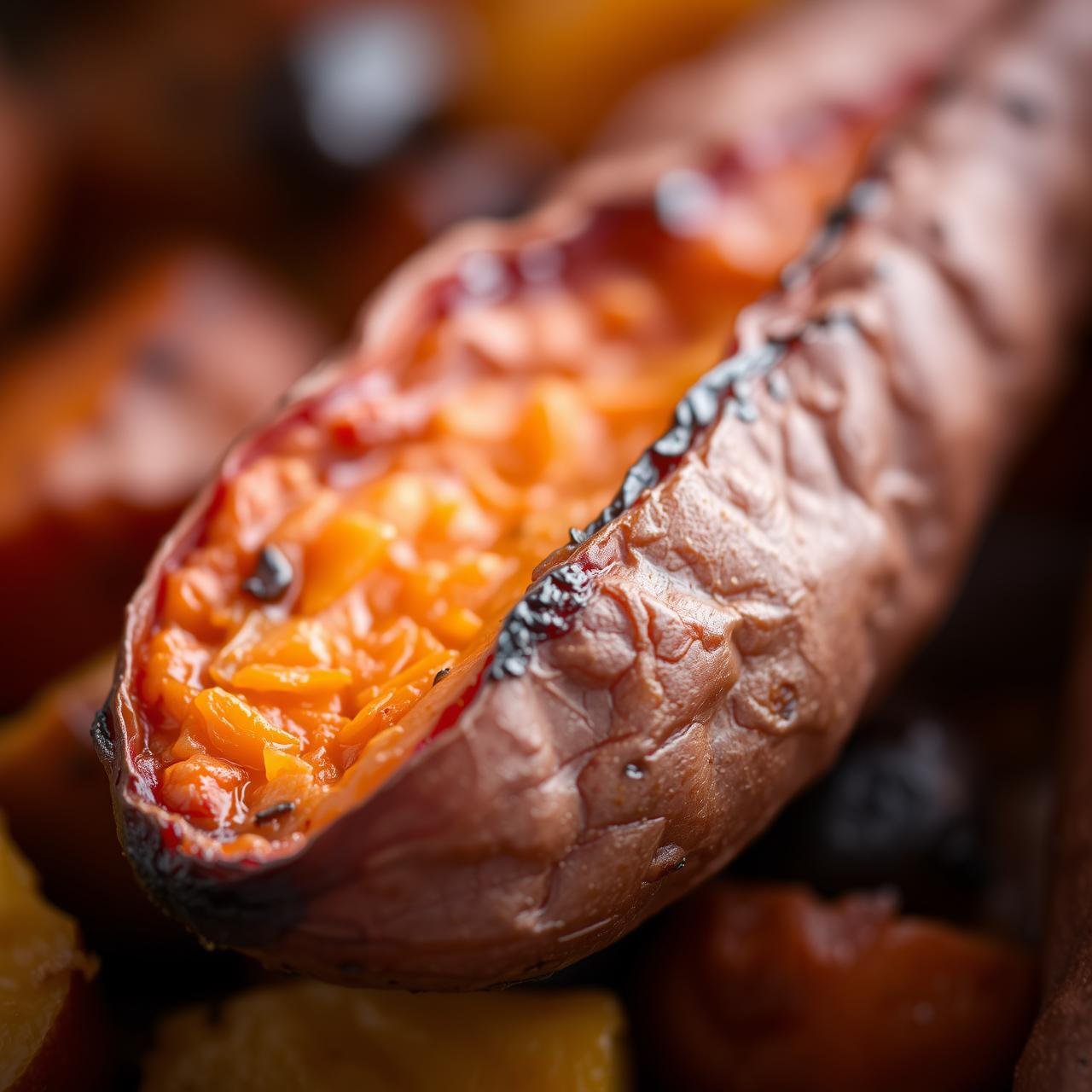
Want to take your roasted vegetables from great to sublime? These professional tips and tricks will help you master the technique and understand the ‘why’ behind each step.
Don’t Crowd the Pan
We mentioned it in the instructions, but it bears repeating. Overcrowding is the number one enemy of crispy roasted vegetables. When packed too tightly, the vegetables release moisture, creating steam. Steam lowers the temperature around the vegetables and prevents the Maillard reaction—the chemical process responsible for that delicious browning and complex flavor. Give each piece its personal space to allow hot, dry air to circulate around it.
Embrace High, Dry Heat
A hot oven is non-negotiable. 425°F (220°C) is the sweet spot. This high temperature helps the exterior of the vegetables to brown and crisp up quickly before the interior has a chance to turn to mush. Also, make sure your vegetables are completely dry after washing them. Pat them down with a paper towel before chopping; excess water will also create steam and inhibit browning.
Cut for Consistency and Caramelization
The way you cut your vegetables matters. Uniformity in size ensures everything cooks at the same rate. However, you can also be strategic. Cutting vegetables on a diagonal (on the bias) or into planks increases their surface area. More surface area in contact with the hot pan means more delicious, crispy, caramelized edges.
Preheat Your Pan
For an extra-crispy result, try this chef’s trick: place your empty baking sheet in the oven while it preheats. When you’re ready to roast, carefully remove the hot pan, add a slick of oil, and then add your seasoned vegetables. They will sizzle immediately upon contact, jump-starting the browning process for an unbeatable crust.
Flavor Variations & Creative Twists
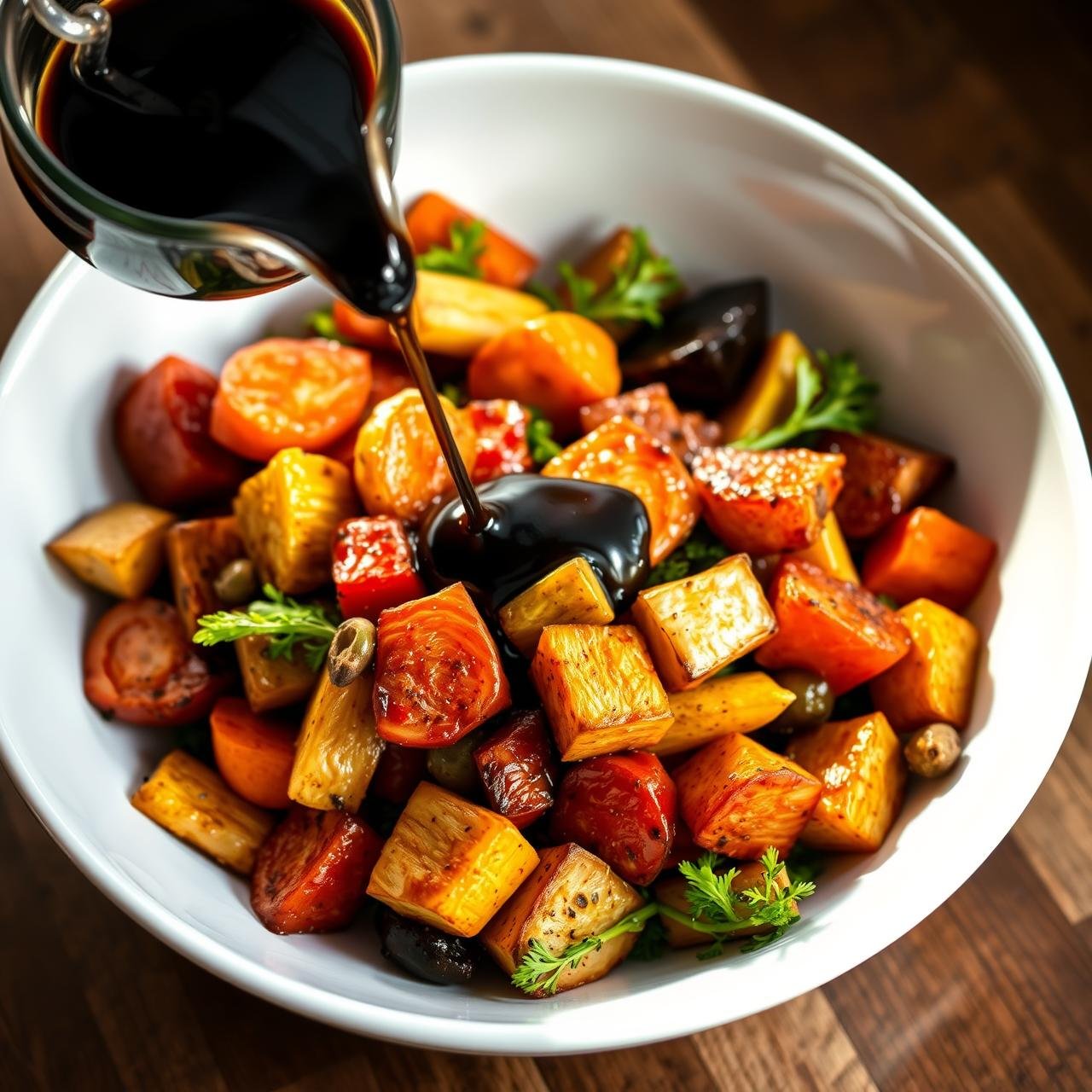
Once you’ve mastered the basic technique, this recipe becomes a canvas for your culinary creativity. Here are a few tested and loved variations to inspire you:
Sweet, Spicy, and Smoky
In the last 10 minutes of roasting, drizzle the vegetables with 1 tablespoon of maple syrup and a pinch of smoked paprika and cayenne pepper. Toss to coat and return to the oven. The sugars will caramelize further, creating a sticky, addictive glaze with a gentle kick.
Mediterranean Magic
Toss the raw vegetables with 1 teaspoon of dried oregano along with the other seasonings. After roasting, transfer the hot vegetables to a serving platter and squeeze the juice of half a lemon over them. Finish with a generous crumble of feta cheese and a sprinkle of fresh chopped parsley.
Balsamic & Umami Boost
After the vegetables are fully roasted and out of the oven, drizzle them with 1-2 tablespoons of a high-quality, thick balsamic glaze. The residual heat will warm the glaze and coat the vegetables in a tangy, sweet, and savory layer of flavor.
Curry-Spiced Delight
Add 2 teaspoons of your favorite curry powder and ½ teaspoon of turmeric to the oil and seasonings before tossing with the vegetables. The warm, aromatic spices pair beautifully with the sweetness of the root vegetables. Serve with a dollop of plain yogurt or a sprinkle of fresh cilantro.
Nutritional Profile: A Bounty of Goodness
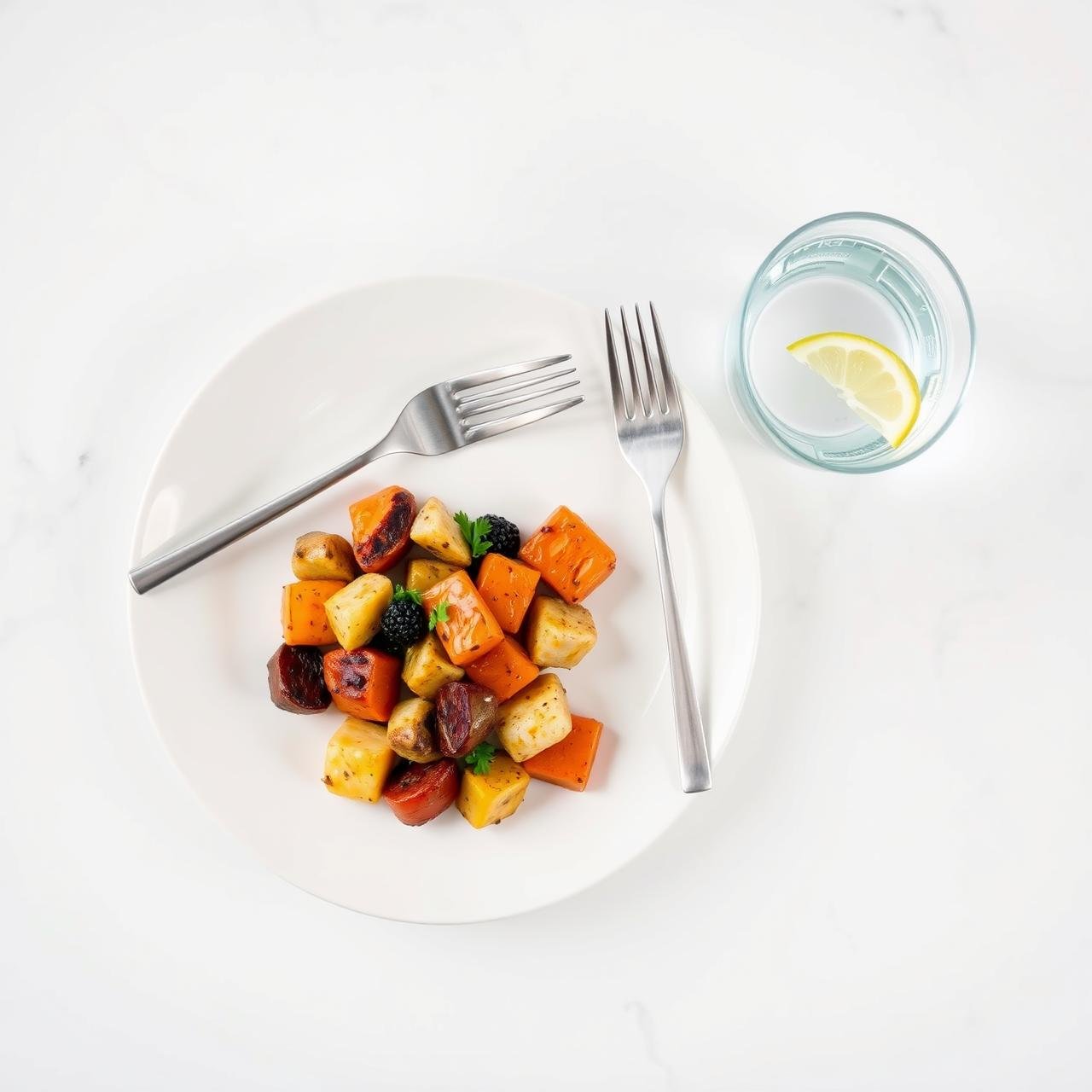
This dish is as nourishing as it is delicious. Root vegetables are packed with essential vitamins, minerals, and dietary fiber, making them a powerhouse of nutrition. They are an excellent source of complex carbohydrates, providing sustained energy. This medley is naturally vegetarian, gluten-free, and loaded with antioxidants.
| Nutrient | Amount per Serving (Approx.) |
|---|---|
| Calories | 250 kcal |
| Carbohydrates | 35g |
| Dietary Fiber | 8g |
| Sugars | 12g |
| Protein | 4g |
| Fat | 11g |
| Vitamin A | 250% DV |
| Vitamin C | 40% DV |
| Potassium | 20% DV |
| Iron | 10% DV |
*Nutritional information is an estimate and can vary based on the specific types and amounts of vegetables used.
Storing, Reheating, and Repurposing
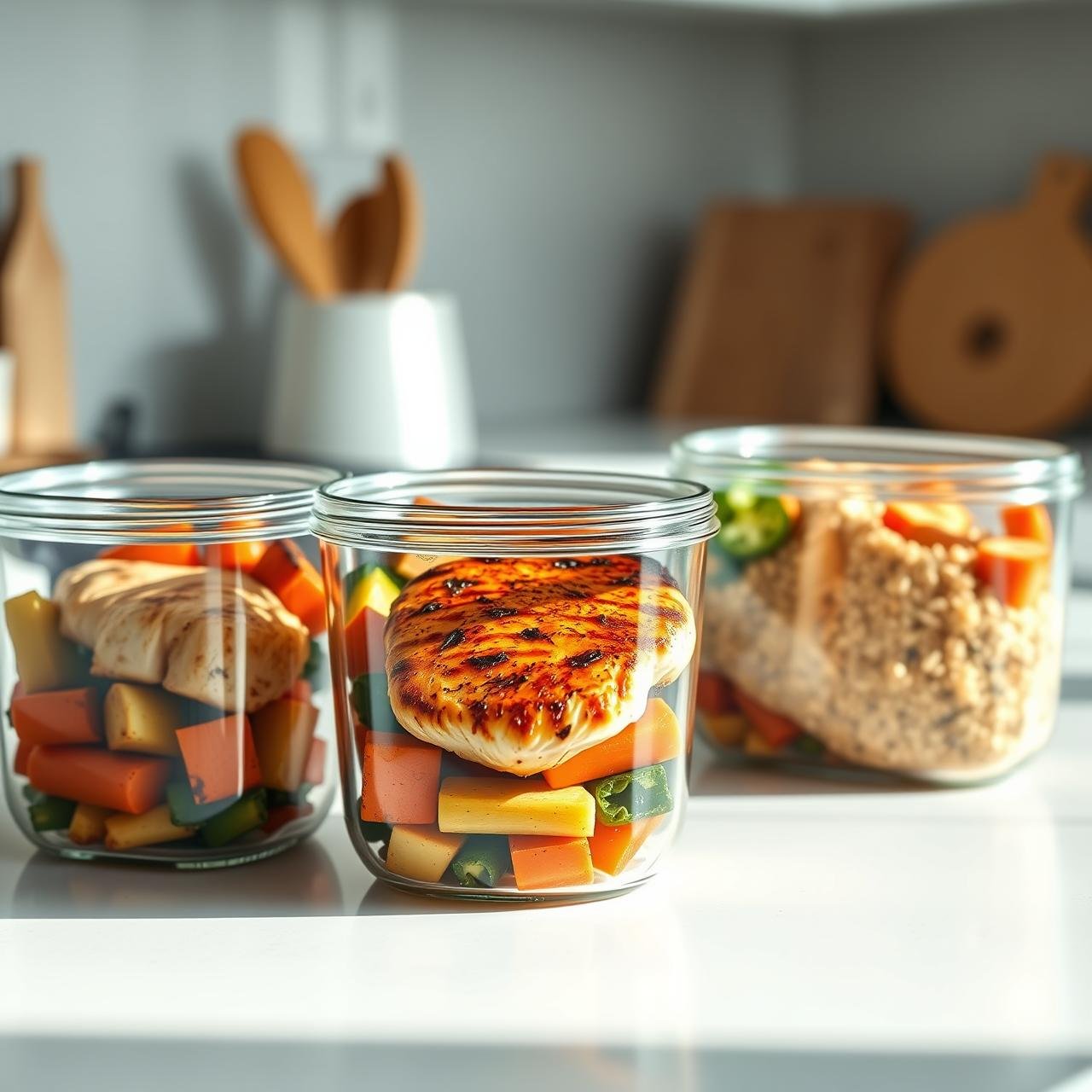
One of the best things about this recipe is that it’s fantastic for meal prep. The flavors often meld and become even more delicious the next day. Here’s how to handle your leftovers like a pro.
Storing
Allow the roasted vegetables to cool completely to room temperature. This prevents condensation from forming in the container, which would make them soggy. Store them in an airtight container in the refrigerator for up to 4 days.
Reheating
While a microwave will work in a pinch, it can make the vegetables soft. For the best texture, use one of these methods:
- Oven/Toaster Oven: Spread the vegetables on a baking sheet and heat in a 400°F (200°C) oven for 5-10 minutes, or until heated through and crisped up again.
- Air Fryer: Reheat at 375°F (190°C) for 3-5 minutes. The circulating hot air is perfect for reviving their crispy edges.
- Stovetop: Heat a cast-iron or non-stick skillet over medium-high heat with a touch of oil. Add the vegetables and pan-fry for a few minutes, tossing occasionally, until hot and slightly crisped.
Creative Repurposing
Don’t just eat leftovers; transform them!
- Root Vegetable Hash: Roughly chop the leftovers and pan-fry them until extra crispy. Top with a fried or poached egg for a spectacular breakfast.
- Warming Soup: Sauté some onion and garlic in a pot, add the leftover vegetables and enough vegetable or chicken broth to cover. Simmer for 15 minutes, then blend until smooth for a creamy, velvety soup.
- Hearty Salad Topper: Toss the cold or warm roasted vegetables with fresh greens, a sharp vinaigrette, some toasted nuts, and goat cheese for a substantial and satisfying salad.
- Taco or Wrap Filling: Mash them slightly and use them as a delicious, savory filling for tacos, burritos, or wraps.
Conclusion
The humble root vegetable, so often overlooked, holds within it a world of comforting, earthy, and sweet flavors waiting to be unlocked by the transformative power of high heat. This Perfectly Roasted Root Vegetable Medley is more than a side dish; it’s a testament to the beauty of simple, wholesome cooking. It’s a versatile, forgiving, and endlessly adaptable recipe that will warm your kitchen and nourish your body. Whether you’re serving it alongside a grand holiday feast or making it the star of a weeknight dinner, you now have the tools and techniques to achieve roasting perfection. So, embrace the rustic charm, get your hands dirty, and fill your home with the incredible aroma of this timeless culinary staple.