Perfect Garlic Roasted Asparagus With Lemon (Detailed Guide)
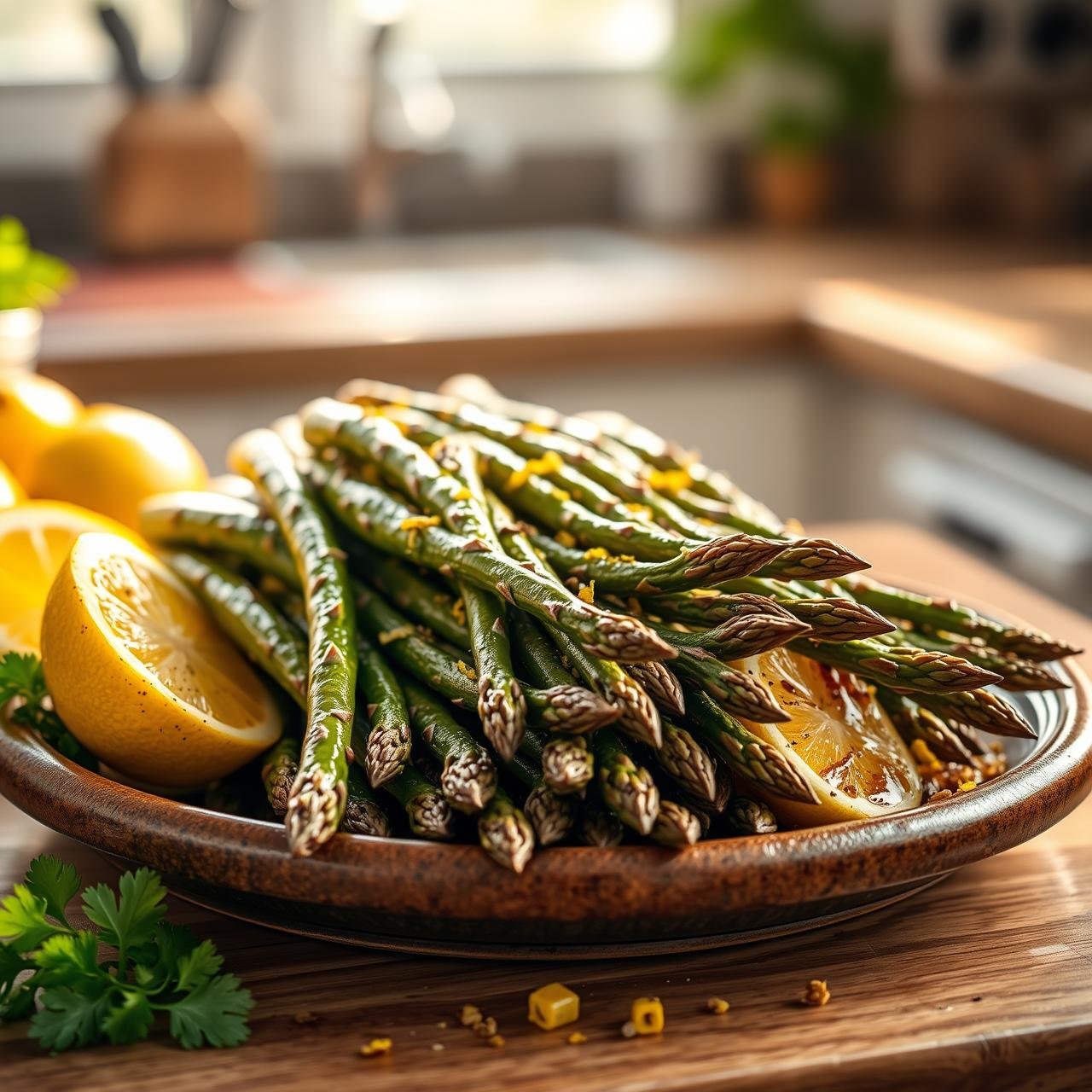
There’s a simple, rustic elegance to perfectly roasted asparagus that can elevate any meal from ordinary to extraordinary. Imagine tender spears with a satisfying snap, their earthy sweetness intensified by the high heat of the oven. Each bite is a symphony of flavors: the pungent, fragrant aroma of caramelized garlic, the bright, zesty kiss of fresh lemon, and the rich, fruity notes of quality olive oil. This isn’t just a side dish; it’s a celebration of fresh ingredients and simple techniques done right.
For years, I pursued the perfect roasted asparagus, often ending up with either limp, soggy spears or stringy, dry stalks. It was through countless trials in my own homestyle kitchen that I unlocked the key principles—the simple, chef-like secrets—that guarantee a flawless result every time. This detailed guide is more than just a recipe; it’s a masterclass in transforming a humble vegetable into a culinary masterpiece. Whether you’re a seasoned gourmet, a health enthusiast seeking clean flavors, or a home cook looking for a reliable, budget-friendly side, this method will become a treasured part of your cooking repertoire.
The Art of Selecting Perfect Asparagus
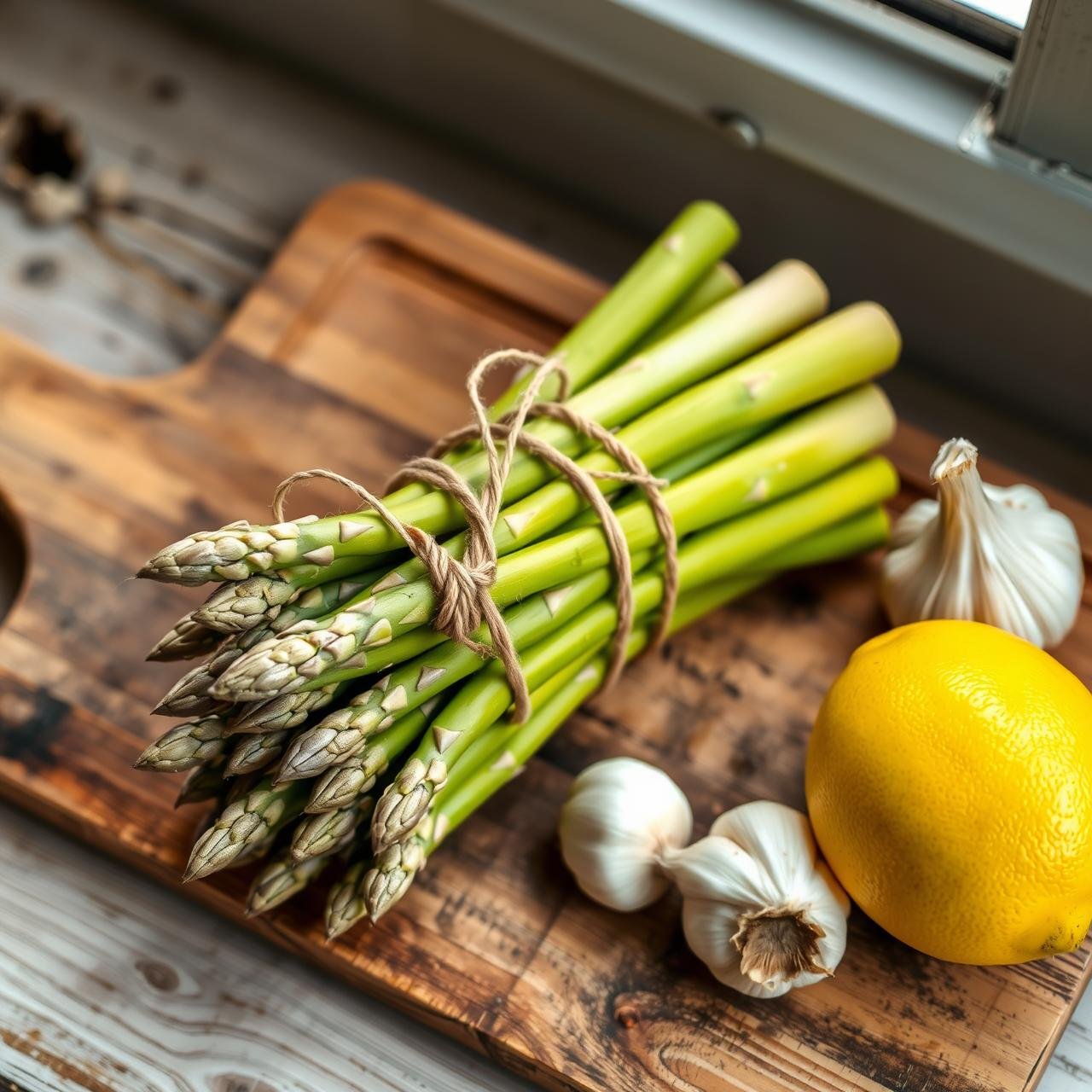
The journey to perfect roasted asparagus begins long before the oven is preheated; it starts at the market. The quality of your raw ingredients is paramount, and choosing the right asparagus spears will make all the difference. Look for stalks that are firm, smooth, and brightly colored, with a vibrant green hue that may fade to white or purple at the base. They should stand straight and proud, not limp or floppy.
Pay close attention to the tips, or buds. They should be tightly closed and compact, with a deep green or purplish color. If the tips are starting to open, spread, or look dry, the asparagus is past its prime and will likely be woody. The cut ends of the stalks should look fresh and moist, not dry, shriveled, or split.
Stalk Thickness: Does Size Matter?
You’ll find asparagus in a range of sizes, from pencil-thin to thick and jumbo. While personal preference plays a role, for this high-heat roasting method, I recommend medium-thick stalks—roughly the thickness of a Sharpie marker. Here’s why:
- Pencil-thin spears cook incredibly fast and can easily overcook, becoming dry and brittle before they have a chance to caramelize properly.
- Very thick, jumbo spears can sometimes have a tougher, more fibrous texture and require a longer cooking time, which can risk burning the garlic.
- Medium-thick spears are the sweet spot. They are robust enough to withstand the high heat, allowing the exterior to get a beautiful char while the inside becomes perfectly tender and succulent.
When you get your asparagus home, you can trim the ends and stand them upright in a glass with an inch of water, like a bouquet of flowers, then cover loosely with a plastic bag and refrigerate. This will keep them crisp and fresh for several days.
Essential Equipment for Flawless Roasting
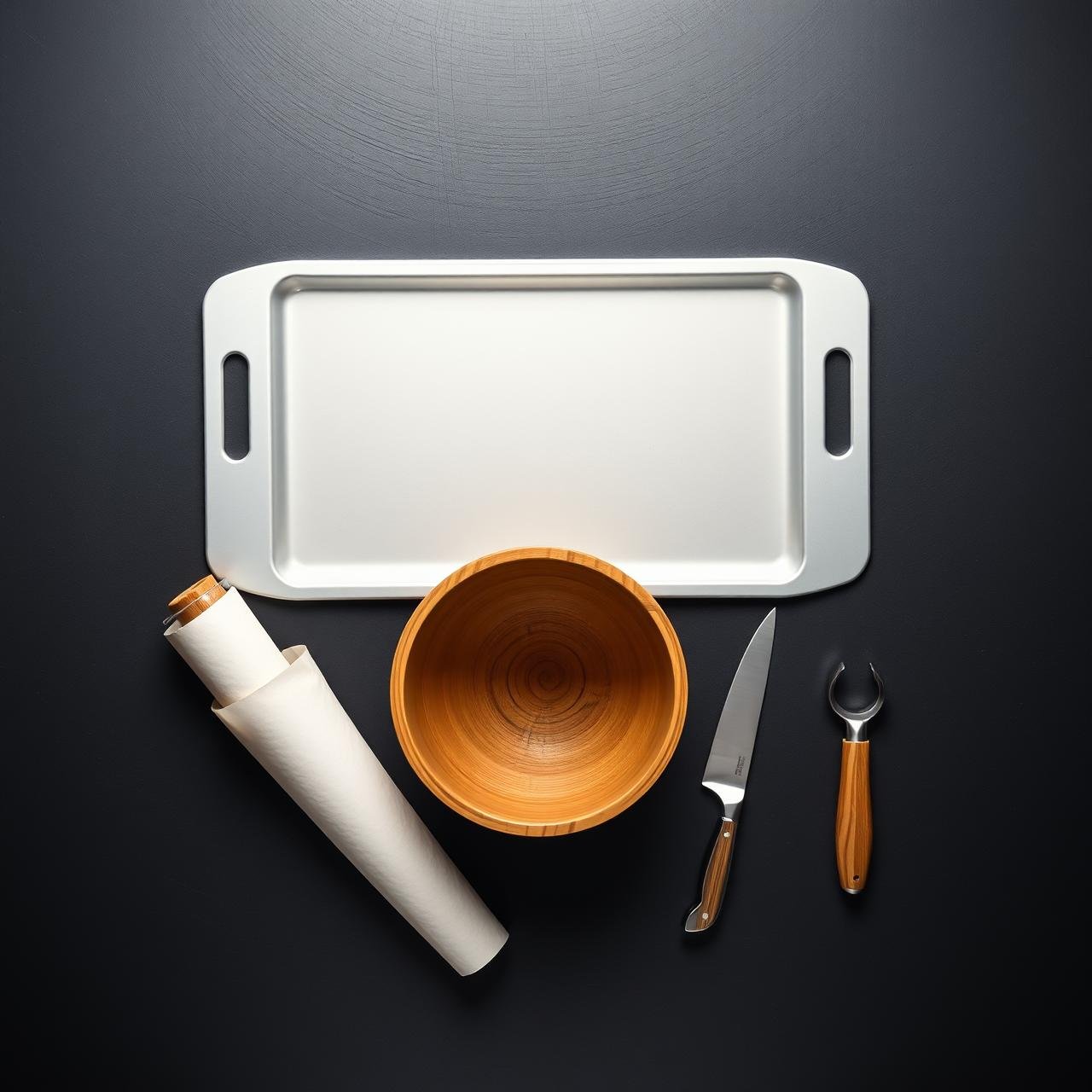
One of the beauties of this recipe is its simplicity, which extends to the equipment. You don’t need any fancy gadgets, just a few key kitchen staples to ensure even cooking and easy cleanup.
| Equipment | Chef’s Note |
|---|---|
| Large Rimmed Baking Sheet | This is non-negotiable. A large surface area allows the asparagus to lie in a single layer, which is crucial for roasting, not steaming. The rim prevents any olive oil or juices from spilling in your oven. |
| Parchment Paper | While optional, I highly recommend it for non-stick results and incredibly easy cleanup. It also helps promote even browning on the bottom of the spears. |
| Large Mixing Bowl | For tossing the asparagus with oil and seasonings. Using a bowl ensures every single spear is evenly and lovingly coated. |
| Tongs | Essential for tossing the asparagus on the baking sheet and for serving. They give you precise control without piercing the tender stalks. |
| Microplane or Zester | The key to infusing bright lemon flavor without adding excess moisture is to use zest. A microplane creates fine, fluffy zest that distributes perfectly. |
| Chef’s Knife | A sharp knife is needed for trimming the woody ends of the asparagus and for mincing the fresh garlic. |
A Symphony of Simple, High-Quality Ingredients
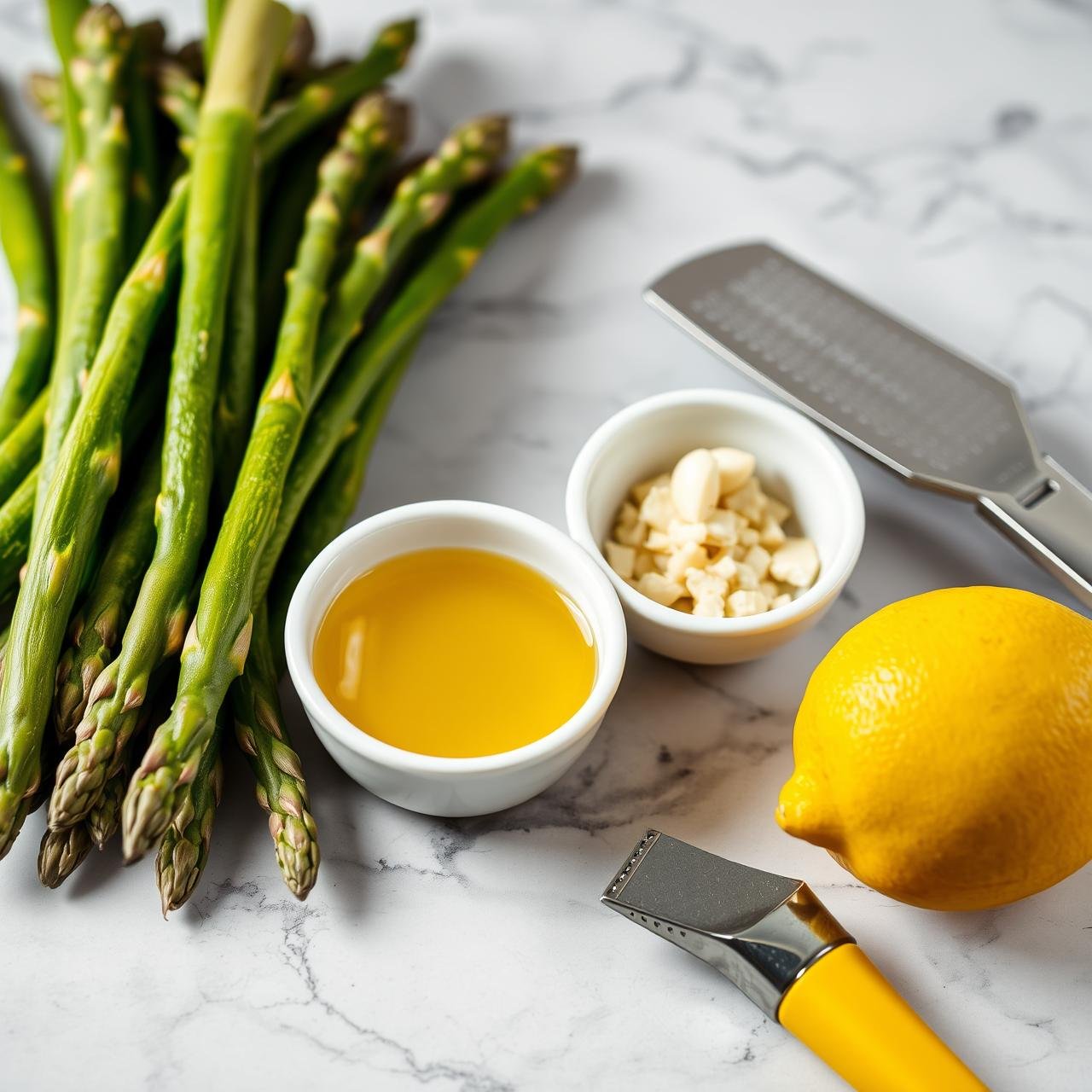
This recipe relies on just a handful of ingredients, so their quality is what makes the final dish sing. Each component plays a crucial role in building layers of flavor and texture.
- Fresh Asparagus (about 1.5 pounds): The star of the show. As discussed, choose medium-thick, vibrant spears. You’ll need enough to serve 4-6 people as a side dish.
- Extra Virgin Olive Oil (2 tablespoons): Don’t skimp here. A good quality olive oil adds a fruity, peppery flavor that complements the earthiness of the asparagus. It also helps the spears to caramelize and become golden brown.
- Fresh Garlic (3-4 cloves, minced): Fresh is always best. The potent, aromatic flavor of freshly minced garlic is far superior to the dull taste of pre-minced jarred garlic or garlic powder. Mincing it finely helps it adhere to the spears and distribute its flavor evenly.
- Kosher Salt (3/4 teaspoon): The larger flakes of kosher salt provide a better texture and season more evenly than fine table salt. It’s essential for drawing out moisture and enhancing all the other flavors.
- Freshly Ground Black Pepper (1/2 teaspoon): A coarse grind adds a touch of rustic texture and gentle heat that balances the richness of the oil and the brightness of the lemon.
- One Large Lemon: We’ll use both the zest and the juice, but at different times. The zest is mixed in before roasting for a deep, aromatic citrus note, while a final squeeze of fresh juice after roasting adds a bright, acidic pop that cuts through the richness and awakens the palate.
Step-by-Step Roasting Mastery: The Recipe
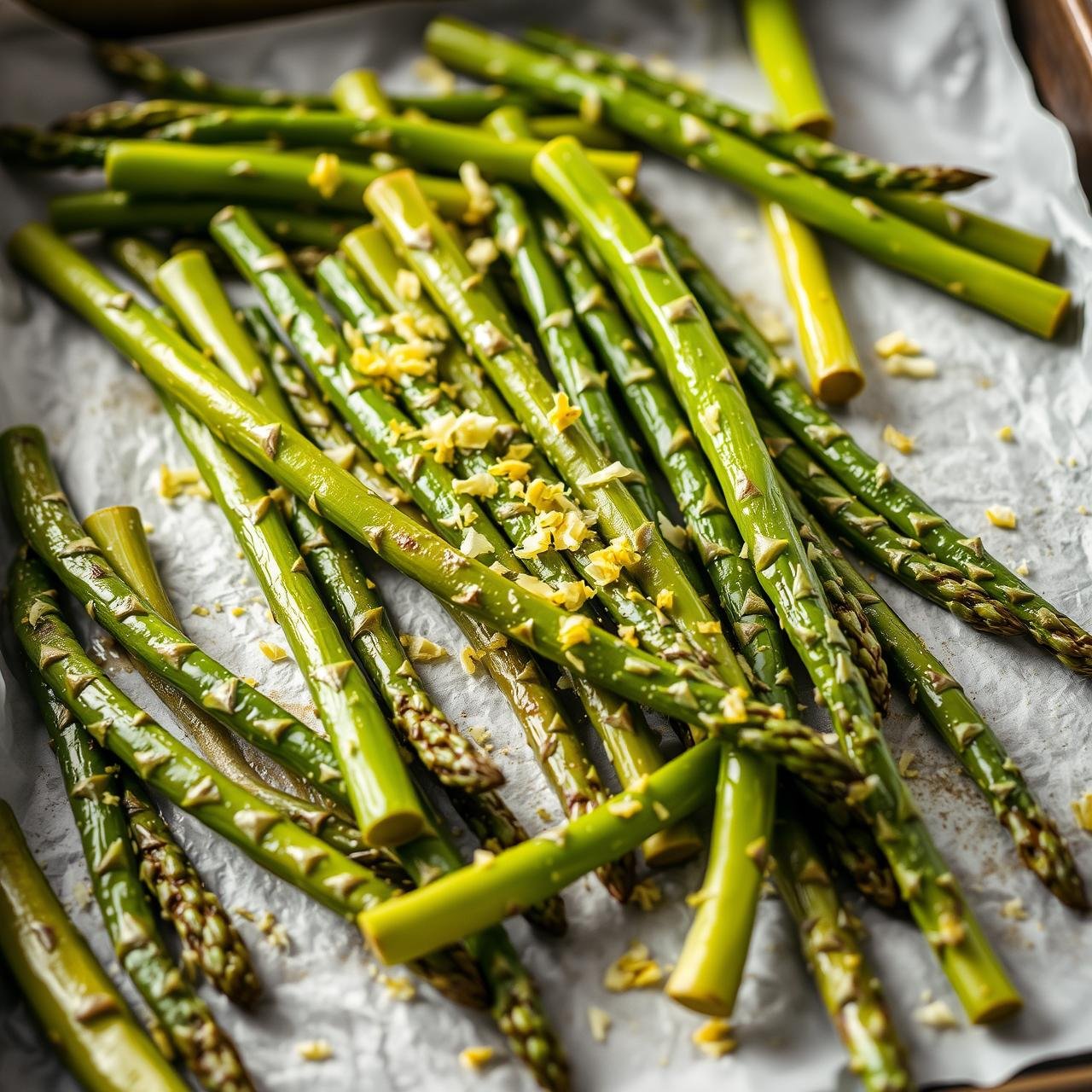
Follow these steps with care, and you will be rewarded with asparagus that is deeply flavorful, perfectly cooked, and visually stunning. The key is high heat and precise timing.
- Preheat and Prepare: Adjust your oven rack to the middle position and preheat the oven to a robust 425°F (220°C). High heat is essential for achieving that desirable tender-crisp texture. Line your large, rimmed baking sheet with parchment paper.
- Trim the Asparagus: Wash the asparagus spears under cold water and pat them thoroughly dry with a clean kitchen towel or paper towels. Moisture is the enemy of roasting, so this step is crucial. To trim the woody ends, you can snap one spear—it will naturally break where the tender part begins. Use that as a guide to line up the rest of the bunch and trim them all at once with your chef’s knife.
- Season Generously: Place the trimmed, dry asparagus in your large mixing bowl. Drizzle with the 2 tablespoons of extra virgin olive oil. Add the minced garlic, 3/4 teaspoon of kosher salt, 1/2 teaspoon of black pepper, and the zest of your lemon. Use your hands or tongs to toss everything together gently but thoroughly, ensuring every spear is coated in the fragrant mixture.
- Arrange for Success: Pour the seasoned asparagus onto the prepared baking sheet. Spread the spears into a single, even layer. Do not overcrowd the pan! If the spears are overlapping, they will steam instead of roast, resulting in a soggy texture. Use two baking sheets if necessary.
- Roast to Perfection: Place the baking sheet in the preheated oven. Roast for 10-15 minutes. The exact time will depend on the thickness of your spears. Thinner spears may be ready in as little as 8-10 minutes, while thicker ones might need closer to 15. The asparagus is done when it is tender-crisp (a fork can easily pierce the thickest part of the stalk) and you see delicious, caramelized, golden-brown spots.
- The Finishing Touch: Remove the baking sheet from the oven. Immediately squeeze the juice from half of the zested lemon over the hot asparagus. The sizzle and burst of citrus aroma are divine. Toss gently with tongs one last time.
- Serve Immediately: Transfer the roasted asparagus to a serving platter. For an extra touch of elegance, you can garnish with a sprinkle of flaky sea salt or some fresh parsley. This dish is best enjoyed hot, straight from the oven.
Chef’s Secrets for Next-Level Asparagus
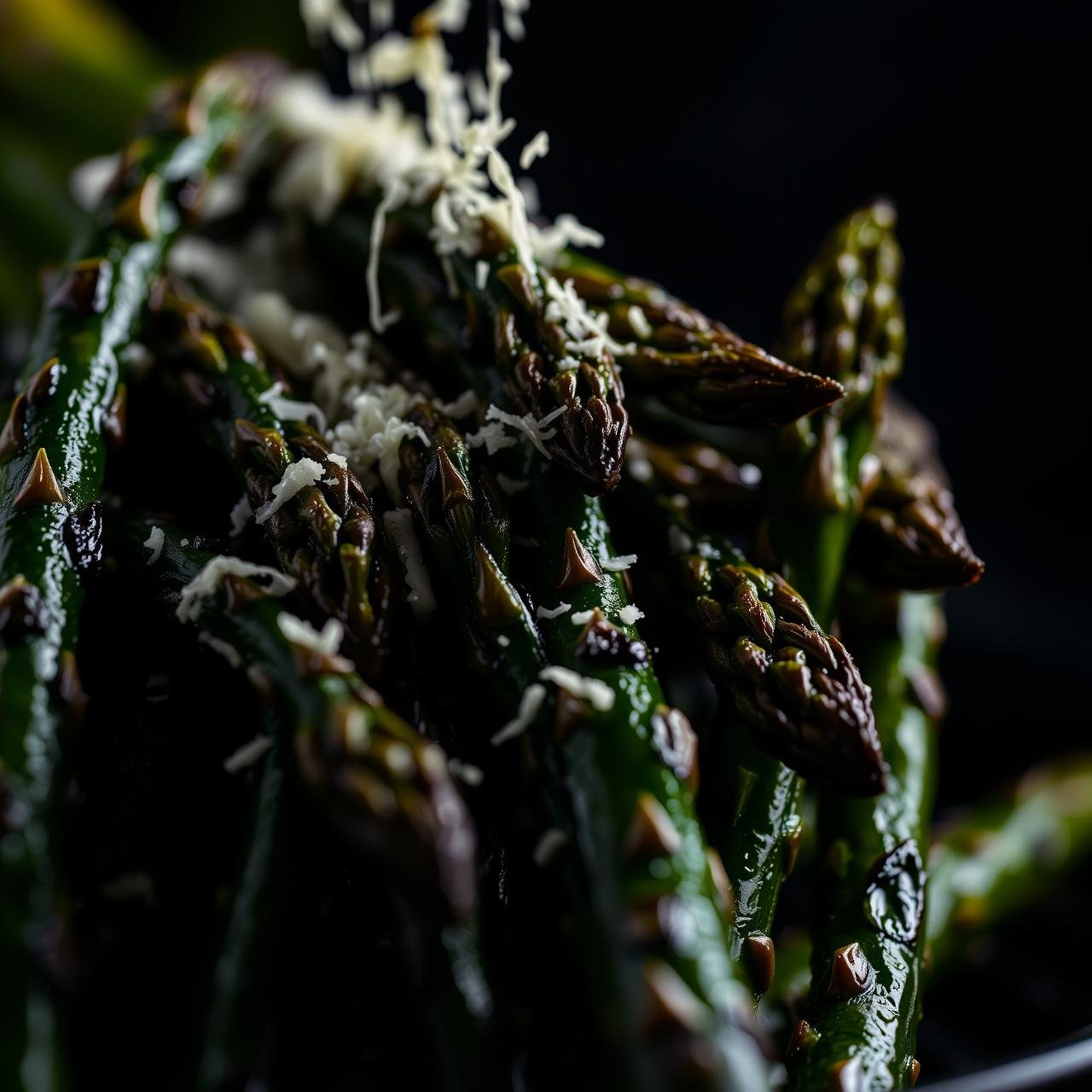
Once you’ve mastered the basic technique, you can start to play with variations and enhancements. Here are a few professional tips to elevate your roasted asparagus even further.
How to Avoid Soggy Asparagus
This is the most common pitfall. The three keys to avoiding it are: 1) Dry your asparagus completely after washing. 2) Use high heat (425°F is ideal). 3) Do not overcrowd the pan; give the spears plenty of space to roast in a single layer.
Flavor Variations and Add-ins
- Cheesy Indulgence: After roasting, sprinkle generously with freshly grated Parmigiano-Reggiano or Pecorino cheese. The residual heat will melt it slightly, creating a savory, nutty crust.
- A Touch of Heat: Add 1/4 to 1/2 teaspoon of red pepper flakes along with the garlic and salt for a gentle, warming kick.
- Balsamic Brilliance: After roasting, drizzle the asparagus with a high-quality balsamic glaze. Its sweet and tangy flavor is a classic pairing.
- Nutty Crunch: Before serving, top with a sprinkle of toasted sliced almonds, pine nuts, or chopped walnuts for a delightful textural contrast.
- Herbal Notes: Toss with fresh chopped herbs like parsley, dill, or mint right before serving for an extra layer of freshness.
Perfect Pairings
This versatile side dish pairs beautifully with almost any main course. Try it alongside a pan-seared salmon, a perfectly grilled steak, roasted chicken, or even a simple pasta dish. Its clean, bright flavors cut through richness and complement lighter fare equally well.
Nutritional Profile: A Healthy Indulgence
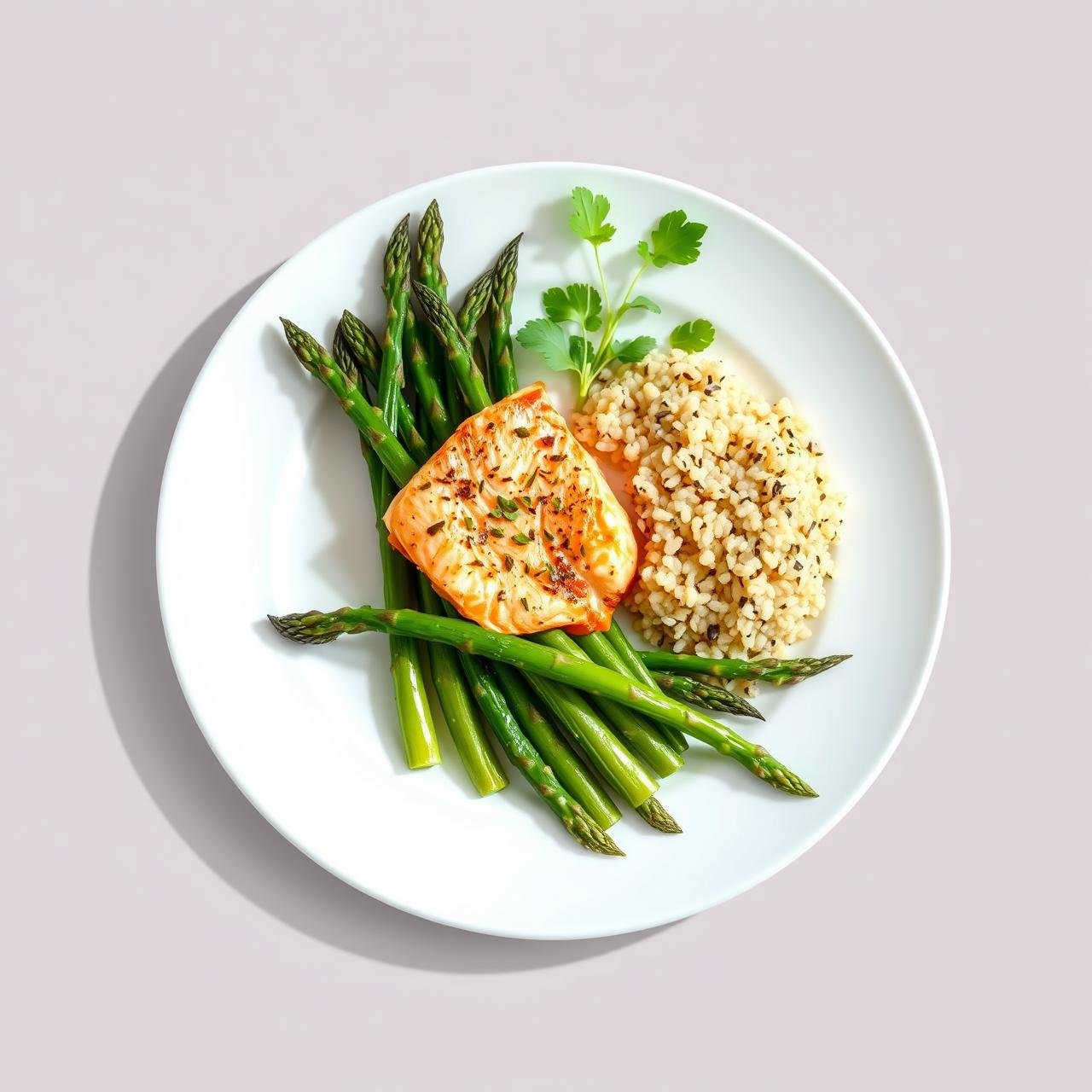
Asparagus is not only delicious but also a nutritional powerhouse. It’s packed with vitamins, minerals, and fiber while being low in calories and fat. This simple preparation keeps it light and healthy, making it a guilt-free addition to any meal.
| Nutrient | Amount Per Serving (Approx.) |
|---|---|
| Calories | 95 kcal |
| Fat | 7g |
| Saturated Fat | 1g |
| Carbohydrates | 7g |
| Fiber | 3g |
| Sugar | 3g |
| Protein | 3g |
| Vitamin K | ~70% of DV |
| Folate | ~20% of DV |
| Vitamin A | ~18% of DV |
*Nutritional information is an estimate and can vary based on the exact size of asparagus spears and ingredients used.
Storing and Reheating with Grace
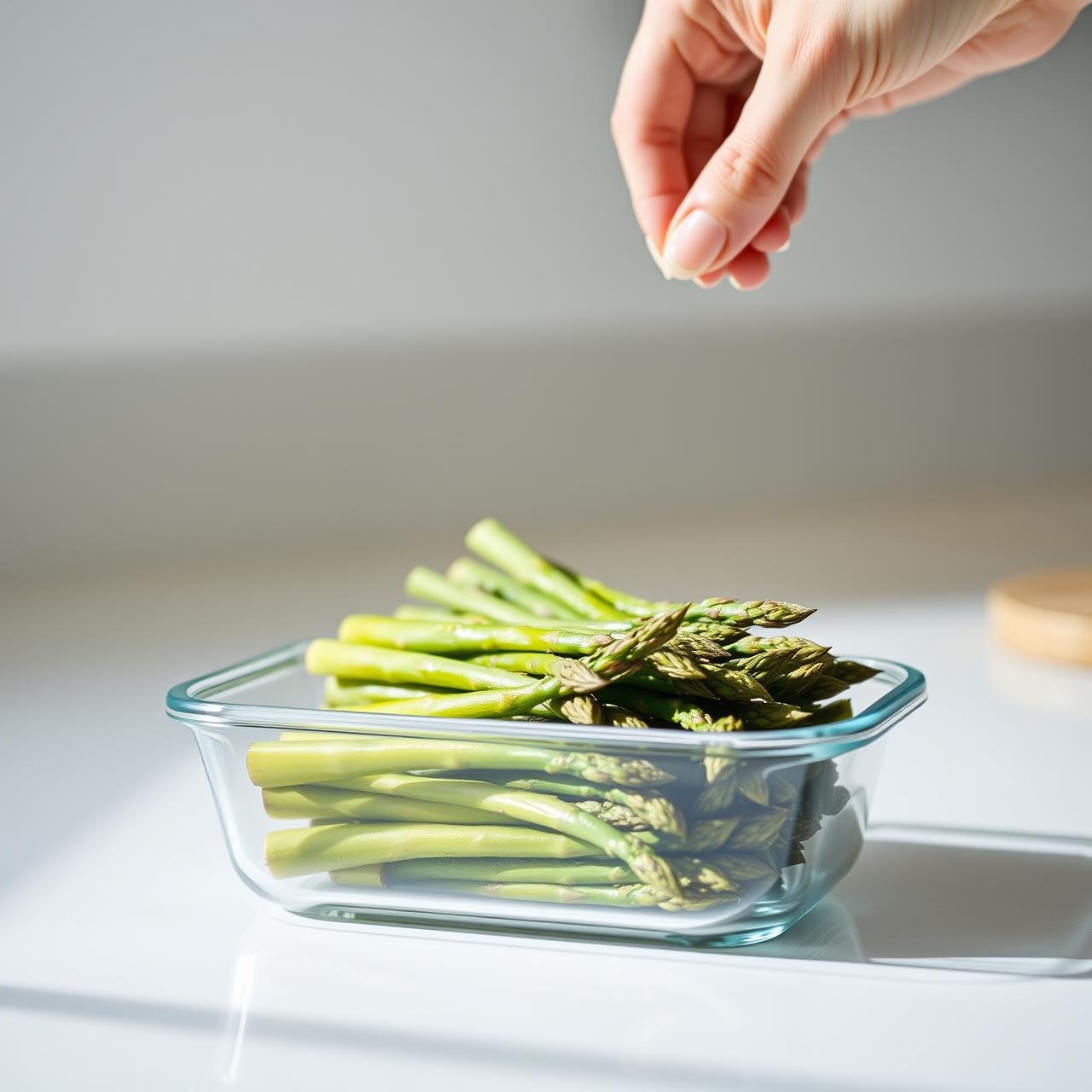
While roasted asparagus is undeniably best when fresh from the oven, leftovers can still be delicious if handled correctly. The goal is to reheat them without losing their texture.
Storage
Allow the asparagus to cool completely to room temperature. Store it in an airtight container in the refrigerator for up to 3 days. Stacking them neatly will help prevent them from getting crushed.
Reheating Methods
- The Oven (Best Method): Spread the asparagus in a single layer on a baking sheet and reheat in a 350°F (175°C) oven for about 5-7 minutes, or until just warmed through. This method best preserves its texture.
- The Air Fryer: Reheat at 350°F (175°C) for 3-5 minutes. The circulating hot air does a great job of crisping the spears back up.
- The Stovetop: Heat a skillet over medium heat with a tiny drop of olive oil. Add the asparagus and pan-sear for 2-4 minutes, turning occasionally, until heated.
I strongly advise against using the microwave, as it tends to steam the asparagus, making it soft and waterlogged.
Conclusion
There you have it—a comprehensive guide to creating truly perfect garlic roasted asparagus with lemon. By focusing on high-quality ingredients, understanding the simple but crucial techniques of high-heat roasting, and balancing the core flavors, you can consistently produce a side dish that is both humbly simple and remarkably sophisticated. It’s a testament to the idea that great cooking doesn’t require complexity, but rather a deep respect for the ingredients themselves.
This recipe is a canvas for your own creativity. Use it as a foundation and feel free to experiment with the variations we’ve discussed. Whether served at a holiday feast or a simple weeknight dinner, this dish is sure to bring a touch of rustic, healthy elegance to your table. I encourage you to embrace the process, enjoy the incredible aromas that will fill your kitchen, and share this delightful dish with people you love.