Creamy Vegan Saag Tofu: Restaurant Taste, Zero Guilt (No Fluff)
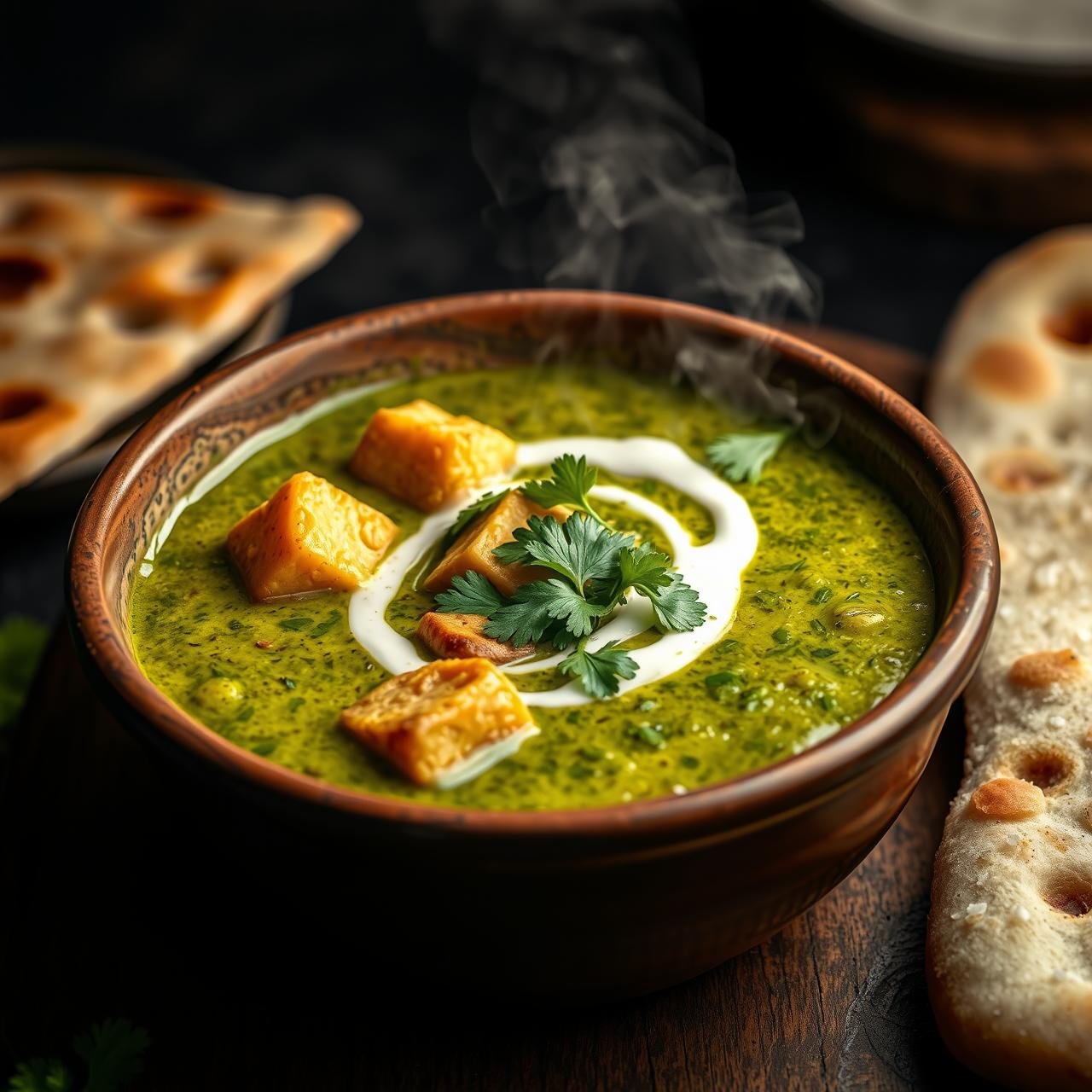
Close your eyes and imagine the aroma of freshly toasted cumin, fragrant ginger, and warming garam masala wafting through your home. Picture a vibrant, emerald-green curry, so velvety and rich it clings perfectly to every bite. This isn’t a dish from a pricey restaurant menu; this is the Creamy Vegan Saag Tofu you’re about to master. For too long, creating an authentic-tasting saag at home—especially a vegan one—has felt like a compromise. We often end up with watery sauces, bland flavors, or textures that just don’t satisfy that deep, comforting craving. But not anymore.
This recipe is a love letter to traditional Indian flavors, thoughtfully re-imagined for the modern, health-conscious home cook. We’re ditching the heavy dairy and paneer without sacrificing an ounce of the luxurious creaminess or robust taste you adore. Instead, we’re embracing the wholesome power of plants to create a dish that’s both indulgent and nourishing. We’ll teach you the chef’s technique for searing tofu to golden perfection, creating a delightful textural contrast to the silken spinach sauce. And our secret to that incredible creaminess? It’s simpler than you think. Prepare to create a meal that’s not just food, but an experience—a rustic, homestyle classic that’s unapologetically flavorful and entirely guilt-free.
Why This Saag Tofu Will Become Your New Favorite
Before we dive into the process, let’s talk about what sets this recipe apart. This isn’t just another vegan curry; it’s a carefully crafted formula designed for maximum flavor and perfect texture, hitting all the notes that gourmet foodies and health enthusiasts crave.
The Unbelievable Creaminess (Without the Cream)
The star of any great saag is its luxurious, velvety texture. We achieve this not with heavy cream or yogurt, but with a simple blend of raw cashews and a splash of full-fat coconut milk. When blended, cashews transform into a silken, neutral-tasting cream that enriches the sauce beautifully, adding healthy fats and a satisfying weight without any dairy. It’s a clean, plant-powered trick that delivers pure indulgence.
Perfectly Textured Tofu
Say goodbye to spongy, bland tofu. Our method starts with pressing the tofu to remove excess water, a non-negotiable step for achieving a firm, meaty texture. We then sear it in a hot pan until it develops a gorgeous, golden-brown crust. This not only adds a wonderful savory flavor but also ensures the tofu holds its shape in the sauce, providing a delightful chew that mimics traditional paneer.
A Symphony of Spices
Authentic Indian cooking is all about layering flavors. We don’t just dump spices in; we bloom them in oil—a technique called ‘tadka’ or ‘tempering’—to awaken their essential oils and deepen their aromas. The blend of cumin, coriander, turmeric, and garam masala creates a complex, warming, and perfectly balanced flavor profile that tastes like it’s been simmering for hours.
Nutrient-Dense & Wholesome
This dish is a powerhouse of nutrition. Spinach provides a wealth of iron, vitamins, and minerals. Tofu offers a fantastic source of plant-based protein. And by using whole-food ingredients, you’re creating a meal that nourishes your body while delighting your taste buds. It’s the perfect intersection of healthy and delicious.
Essential Equipment for a Flawless Saag

You don’t need a professional kitchen to make this dish, but having the right tools will make the process smoother and more enjoyable. Here’s what you’ll need to bring this creamy curry to life.
| Tool | Purpose |
|---|---|
| Large, Heavy-Bottomed Pot or Dutch Oven | Essential for building the sauce and simmering the curry without scorching. A heavy base ensures even heat distribution. |
| High-Speed Blender | This is crucial for achieving that ultra-smooth, creamy spinach and cashew sauce. A standard blender can work, but may result in a grainier texture. |
| Tofu Press (or Heavy Books) | To remove as much water as possible from the tofu, which is key for a firm, non-spongy texture and a perfect sear. |
| Large Non-Stick Skillet | Ideal for searing the tofu cubes to get that beautiful golden-brown crust without them sticking to the pan. |
| Fine-Mesh Sieve | Useful for rinsing the spinach thoroughly to remove any grit. |
| Measuring Cups and Spoons | For accurate measurements of spices and liquids, ensuring a balanced flavor every time. |
The Anatomy of Flavor: Ingredients Breakdown
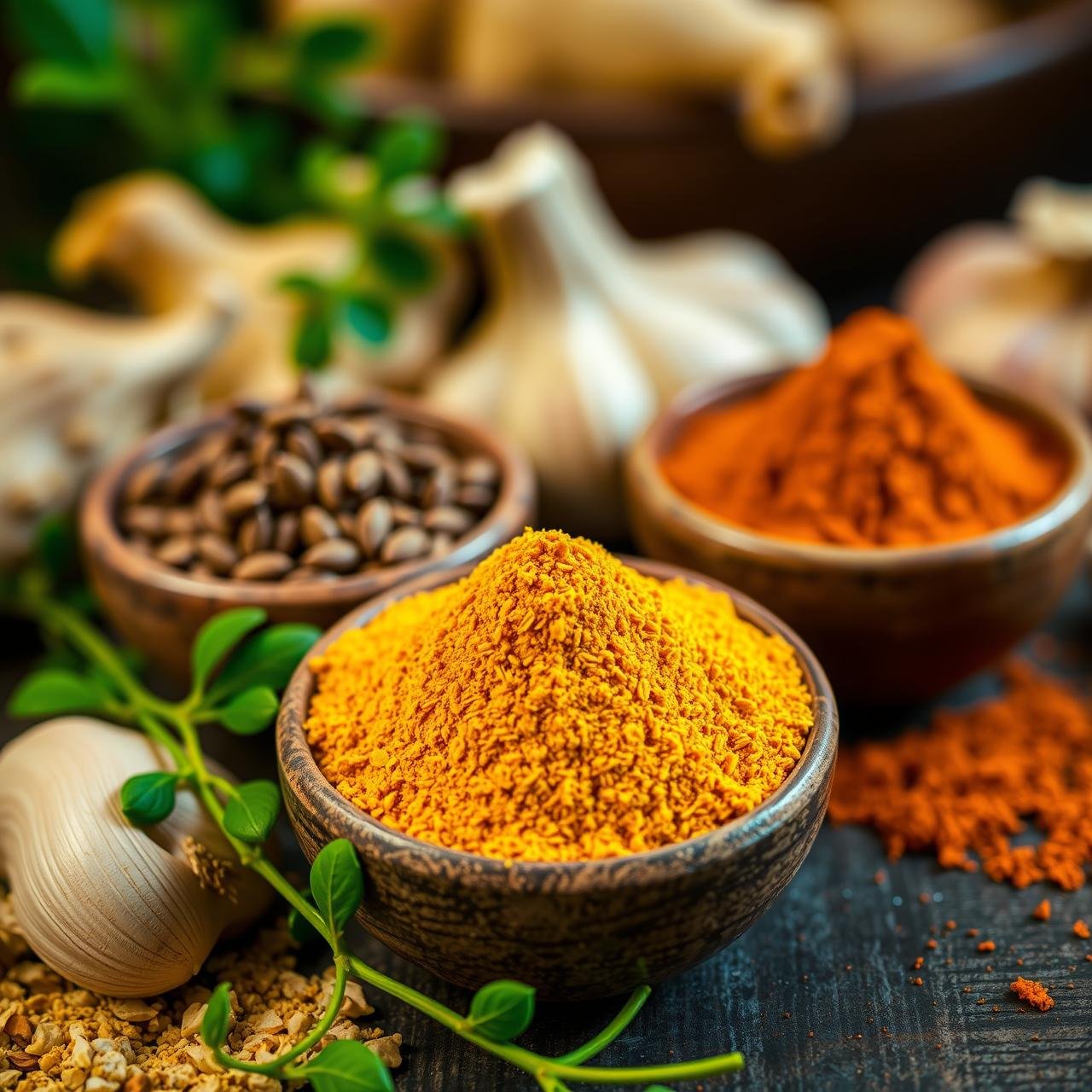
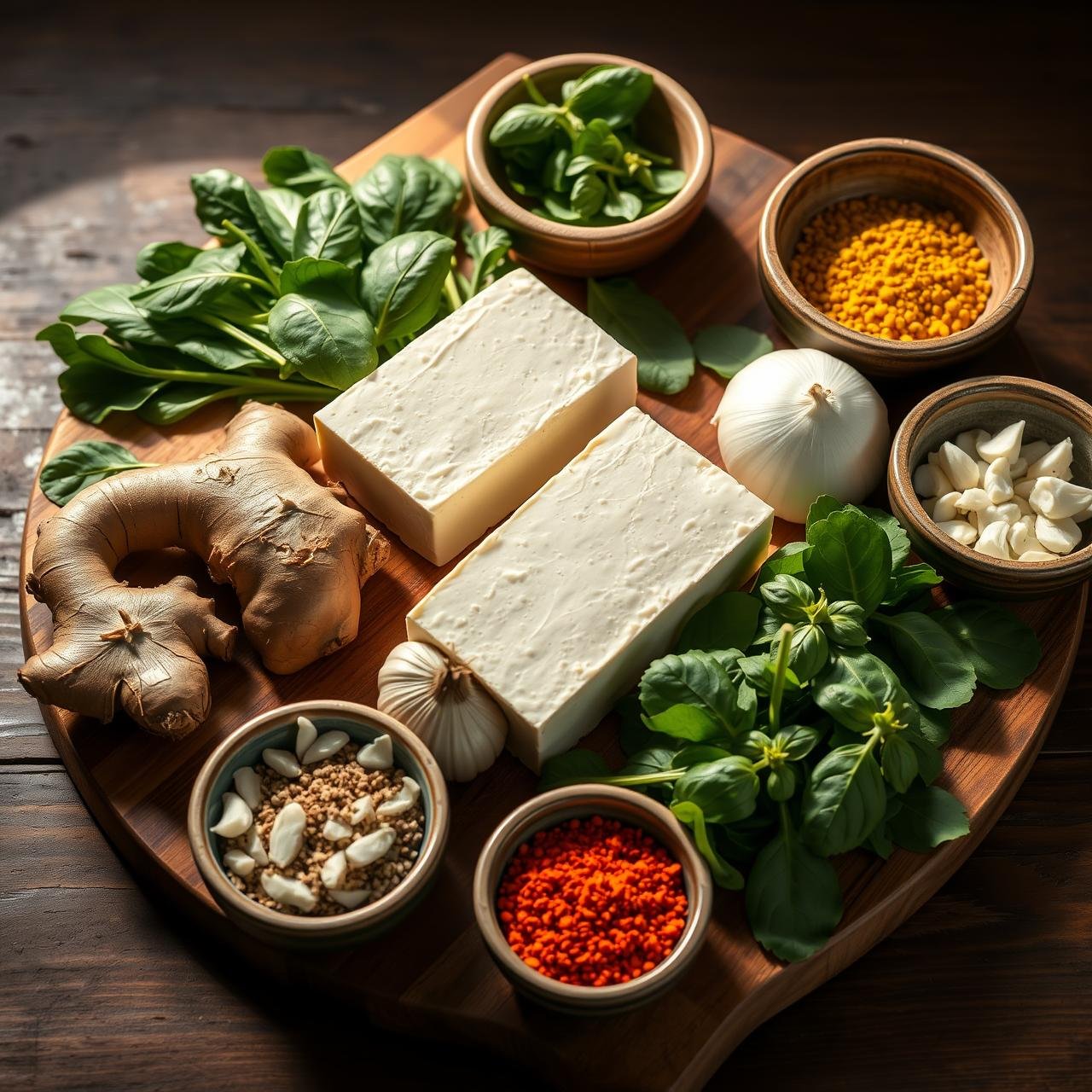
The magic of this dish lies in the synergy of simple, high-quality ingredients. Understanding the role of each component will elevate you from simply following a recipe to truly cooking with intention. This recipe is naturally gluten-free.
For the Seared Tofu:
- 1 (16-ounce) block extra-firm tofu: The foundation. Extra-firm holds its shape best.
- 1 tablespoon avocado oil or other high-heat oil: For a perfect, non-stick sear.
- Pinch of salt and black pepper: To season the tofu from the start.
For the Creamy Saag Sauce:
- 1 pound fresh spinach: The vibrant, nutrient-rich heart of the saag.
- 1/2 cup raw cashews, soaked: Our secret weapon for dairy-free creaminess.
- 2 tablespoons avocado oil or coconut oil: The base for building our layers of flavor.
- 1 large yellow onion, finely chopped: Creates a sweet, aromatic base.
- 4-5 cloves garlic, minced: Adds a pungent, savory depth.
- 1-inch piece of ginger, grated: Provides a warm, zesty spice.
- 1 serrano or jalapeño pepper, finely chopped (optional): For a gentle kick of heat. Adjust to your preference.
- 1 teaspoon cumin seeds: Toasted whole for a nutty, earthy aroma.
- 1 teaspoon ground coriander: Adds a bright, citrusy note.
- 1/2 teaspoon ground turmeric: For its warm flavor and beautiful color.
- 1/4 teaspoon cayenne pepper (optional): For an extra layer of warmth.
- 1 cup vegetable broth: To help blend the sauce and adjust consistency.
- 1/2 cup full-fat canned coconut milk: Enhances the creaminess and adds a subtle richness.
- 1 tablespoon fresh lemon juice: Brightens all the flavors at the end.
- 1/2 teaspoon garam masala: A finishing spice blend that adds complexity and warmth.
- Salt to taste: To bring all the flavors into harmony.
Mastering the Method: Step-by-Step Instructions
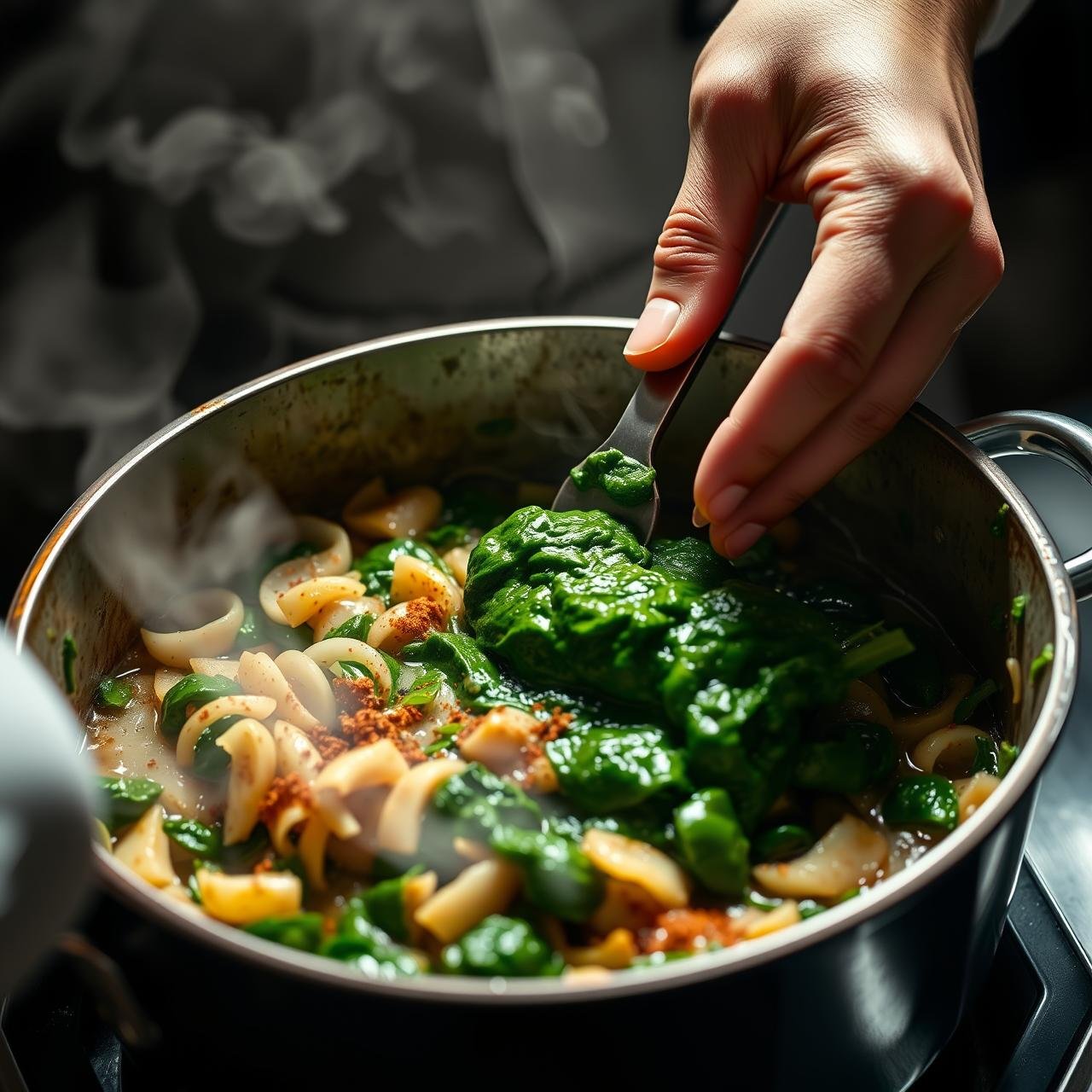
Follow these steps closely to build layers of flavor and achieve the perfect texture. We’ll break it down into three key stages: preparing the tofu, creating the spinach base, and bringing it all together.
-
Prepare the Tofu:
First, press your tofu for at least 30 minutes. You can use a tofu press or wrap the block in paper towels, place it on a plate, and set something heavy (like a cast-iron skillet or a few books) on top. This step is critical! Once pressed, cut the tofu into 3/4-inch cubes and pat them dry. Season lightly with salt and pepper.
-
Sear the Tofu:
Heat 1 tablespoon of avocado oil in a large non-stick skillet over medium-high heat. Once the oil shimmers, carefully add the tofu cubes in a single layer. Do not overcrowd the pan; work in batches if needed. Sear for 3-4 minutes per side, until golden brown and crispy on all sides. Remove the tofu from the skillet and set it aside on a plate.
-
Prepare the Spinach Base:
Bring a large pot of water to a boil. Add the fresh spinach and blanch for just 30-60 seconds, until it’s wilted and bright green. Immediately drain the spinach and plunge it into a bowl of ice water to stop the cooking process and preserve its vibrant color. Squeeze out as much excess water as possible from the cooled spinach. Transfer the spinach to your high-speed blender. Add the soaked cashews and 1/2 cup of the vegetable broth. Blend on high until completely smooth and creamy. Set aside.
-
Build the Flavor Base (Tadka):
In your large pot or Dutch oven, heat the remaining 2 tablespoons of oil over medium heat. Add the cumin seeds and toast for about 30 seconds, until they become fragrant and begin to sizzle. Add the chopped onion and sauté for 5-7 minutes, until softened and translucent. Stir in the minced garlic, grated ginger, and chopped serrano pepper (if using). Cook for another 2 minutes, stirring constantly, until aromatic.
-
Combine and Simmer:
Sprinkle the ground coriander, turmeric, and cayenne pepper over the onion mixture. Stir and cook for 1 minute to toast the spices. Pour the blended spinach-cashew purée into the pot. Use the remaining 1/2 cup of vegetable broth to rinse out the blender and add it to the pot. Stir everything together until well combined. Bring the mixture to a gentle simmer.
-
Finish the Saag:
Once simmering, stir in the full-fat coconut milk, the seared tofu cubes, and salt to taste. Reduce the heat to low, cover, and let it simmer for at least 10 minutes to allow the flavors to meld together. Just before serving, turn off the heat and stir in the fresh lemon juice and the garam masala. This final step awakens and brightens the entire dish.
-
Serve and Garnish:
Ladle the creamy saag tofu into bowls. Serve hot with basmati rice, quinoa, or warm naan bread. Garnish with a swirl of coconut cream or fresh cilantro if desired.
A Chef’s Secrets: Pro Tips for Restaurant-Quality Results

Don’t Skip the Soak
For the absolute creamiest sauce, soak your raw cashews in hot water for at least 30 minutes (or overnight in cold water in the fridge). This softens them, making them easier to blend into a silky-smooth cream, especially if you don’t have a high-powered blender.
The Ice Bath is Key
Plunging the blanched spinach into an ice bath—a technique called ‘shocking’—is a professional trick that locks in the brilliant green color. If you skip this, your saag may turn a dull, olive-green color as it cooks.
Control the Consistency
Is your saag too thick? Add a splash more vegetable broth or warm water until it reaches your desired consistency. Too thin? Let it simmer uncovered for a few extra minutes to allow some of the liquid to evaporate and the sauce to reduce.
Taste and Adjust
The final step of tasting and adjusting is what separates good cooks from great ones. Before you serve, take a spoonful. Does it need more salt? A bigger squeeze of lemon to brighten it up? A touch more garam masala for warmth? Trust your palate and adjust accordingly.
Make it Ahead
Saag Tofu tastes even better the next day! The flavors have more time to meld and deepen. This makes it a perfect dish for meal prep or for entertaining without last-minute stress. Simply prepare the entire dish, let it cool, and store it in the refrigerator.
Nutritional Profile: A Guilt-Free Indulgence
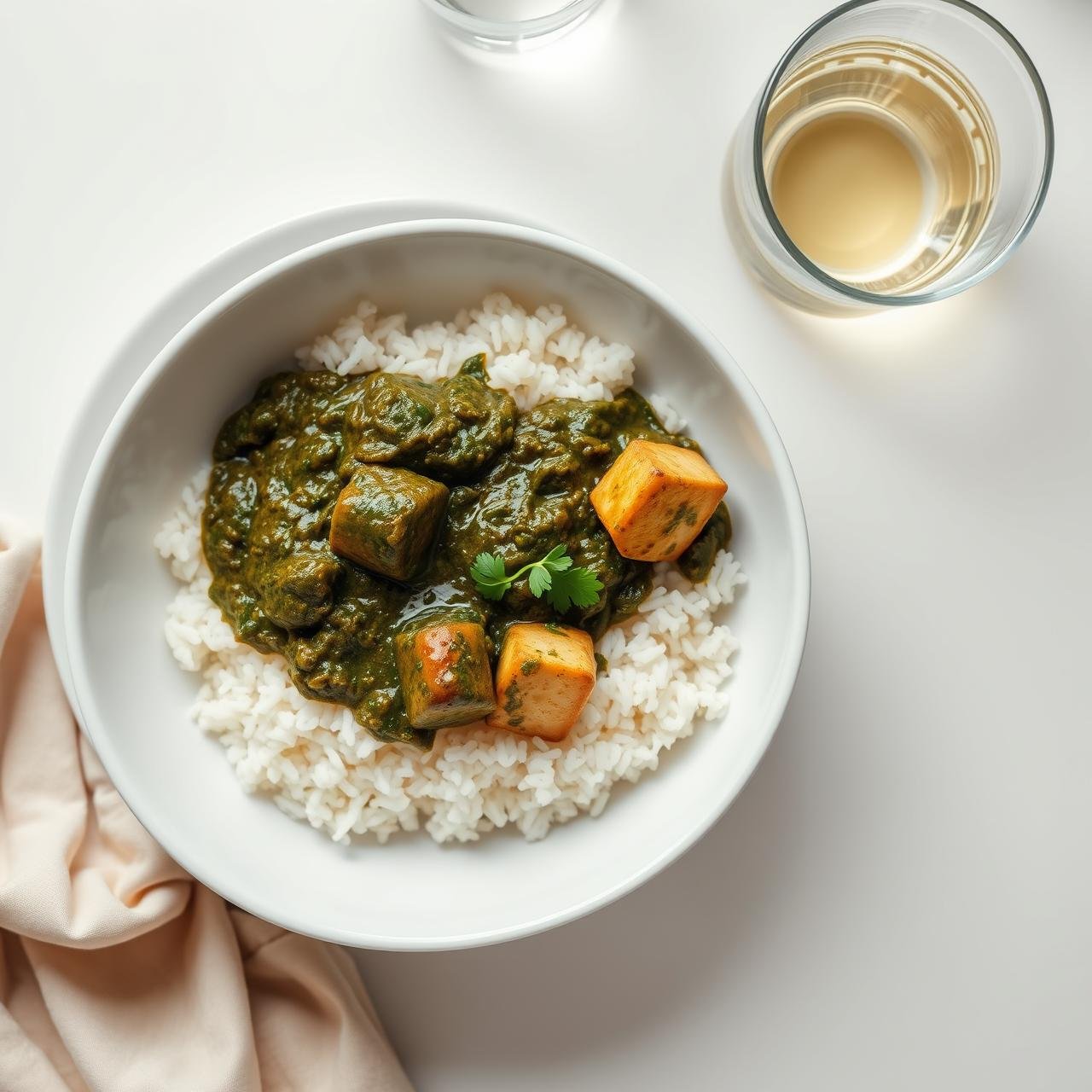
This dish is designed to be as nourishing as it is delicious. Here is an estimated nutritional breakdown per serving (assuming the recipe makes 4 servings). Please note that these values are approximate and can vary based on the specific ingredients used.
| Nutrient | Amount per Serving |
|---|---|
| Calories | ~450 kcal |
| Protein | ~22 g |
| Fat | ~32 g |
| Saturated Fat | ~10 g |
| Carbohydrates | ~20 g |
| Fiber | ~7 g |
| Sugar | ~6 g |
| Sodium | ~550 mg (will vary with salt added) |
| Iron | ~30% DV |
| Calcium | ~25% DV |
Storage, Reheating, and Freezing Instructions

Storing Leftovers
Allow the saag tofu to cool completely before transferring it to an airtight container. It can be stored in the refrigerator for up to 4 days. As mentioned, the flavors will deepen overnight, making leftovers a true delight.
Reheating
You can gently reheat the saag tofu on the stovetop over medium-low heat. Add a splash of water or vegetable broth if the sauce has thickened too much in the fridge. Stir occasionally until warmed through. You can also reheat it in the microwave in a microwave-safe bowl, stirring every minute or so until hot.
Freezing
This dish freezes beautifully! For best results, let it cool completely and store it in a freezer-safe, airtight container. It will keep well for up to 3 months. To serve, thaw it overnight in the refrigerator and reheat using the stovetop method described above. The texture of the tofu may change slightly upon thawing, but it will still be delicious.
Conclusion
There you have it—a Creamy Vegan Saag Tofu that truly delivers on its promise of restaurant taste with zero guilt. By embracing whole-food ingredients and time-honored cooking techniques, you’ve created a dish that is deeply satisfying, incredibly flavorful, and wonderfully nourishing. This rustic, homestyle curry is proof that you don’t need dairy or complicated ingredients to achieve culinary excellence in your own kitchen. It’s a versatile meal perfect for a cozy weeknight dinner, a healthy meal prep solution, or an impressive dish to share with friends and family.
We invite you to make this recipe your own. Adjust the spices, try it with different greens, or serve it with your favorite grain. Cooking is a journey of discovery, and this saag is a perfect place to continue exploring. If you try this recipe, please leave a comment below and let us know how it turned out. We love hearing about your kitchen adventures!