This Ancient Indian Soup Melts Belly Fat Fast (Detailed Recipe)
Imagine a soup so ancient, its wisdom is woven into the very fabric of wellness traditions. A soup that doesn’t just fill your stomach, but warms you from the inside out, awakening your senses with a fragrant cloud of toasted spices and nourishing your body with wholesome, clean ingredients. This is not just any soup; this is a culinary heirloom from the heart of India, a recipe celebrated for generations for its profound digestive benefits and its role in maintaining a healthy, balanced body.
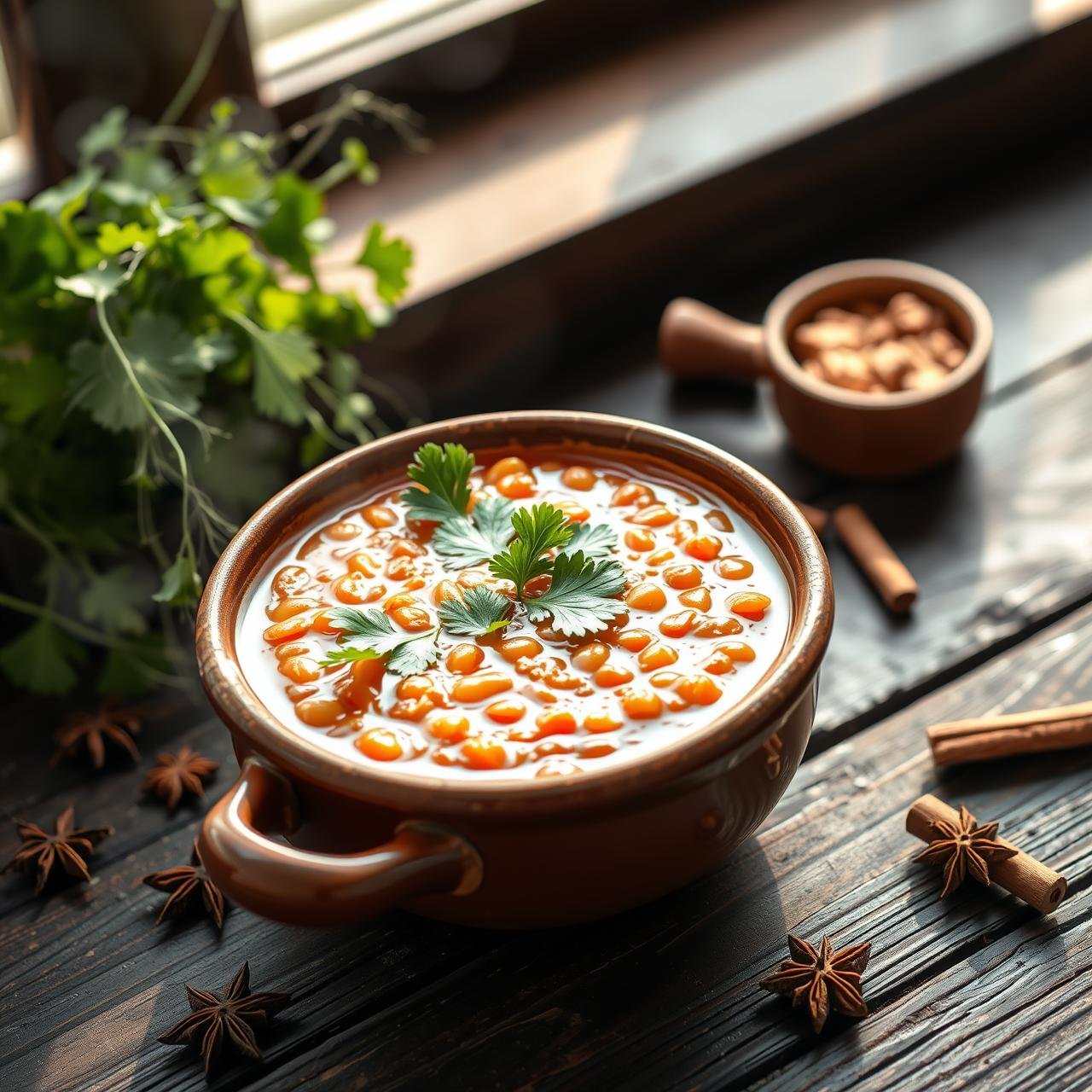
In our modern quest for health, we often look for the next new thing, but sometimes the most powerful solutions are found by looking back. This spiced lentil and tomato soup, often called ‘Rasam’ or a variation thereof, is a cornerstone of South Indian cuisine and Ayurvedic practice. It was traditionally crafted to kindle ‘agni,’ the digestive fire, which in modern terms translates to supporting a robust metabolism. Forget harsh cleanses and restrictive diets; this recipe is about abundance, flavor, and deep, holistic nourishment. It’s a liquid symphony of tangy tamarind, fiery black pepper, earthy cumin, and healing turmeric, all simmered together to create a broth that is both profoundly comforting and incredibly revitalizing. Join us as we unlock the secrets to this ancient elixir and show you, step-by-step, how to create a masterpiece in your own kitchen that tastes divine and makes you feel even better.
The Ancient Wisdom in a Bowl: Why These Ingredients Work
Before we dive into the cooking process, it’s essential to understand the culinary philosophy behind this remarkable soup. Each ingredient is chosen not just for its flavor, but for its specific therapeutic properties, working in harmony to support your body’s natural processes. This is the essence of Ayurvedic cooking—food as medicine.
The Power Players:
- Toor Dal (Split Pigeon Peas): This is our foundational protein and fiber source. Lentils are low on the glycemic index, providing sustained energy without spiking blood sugar. The high fiber content promotes satiety, keeping you feeling full and satisfied, which is crucial for managing weight.
- Tamarind: The source of the soup’s signature tangy flavor, tamarind is a gentle, natural laxative and is packed with antioxidants. It aids in digestion and helps cleanse the system, giving your body a gentle detoxifying boost.
- Turmeric (Haldi): This golden spice is a powerhouse of anti-inflammatory benefits, thanks to its active compound, curcumin. Chronic inflammation is often linked to weight gain and metabolic issues, and incorporating turmeric can help soothe and balance your system.
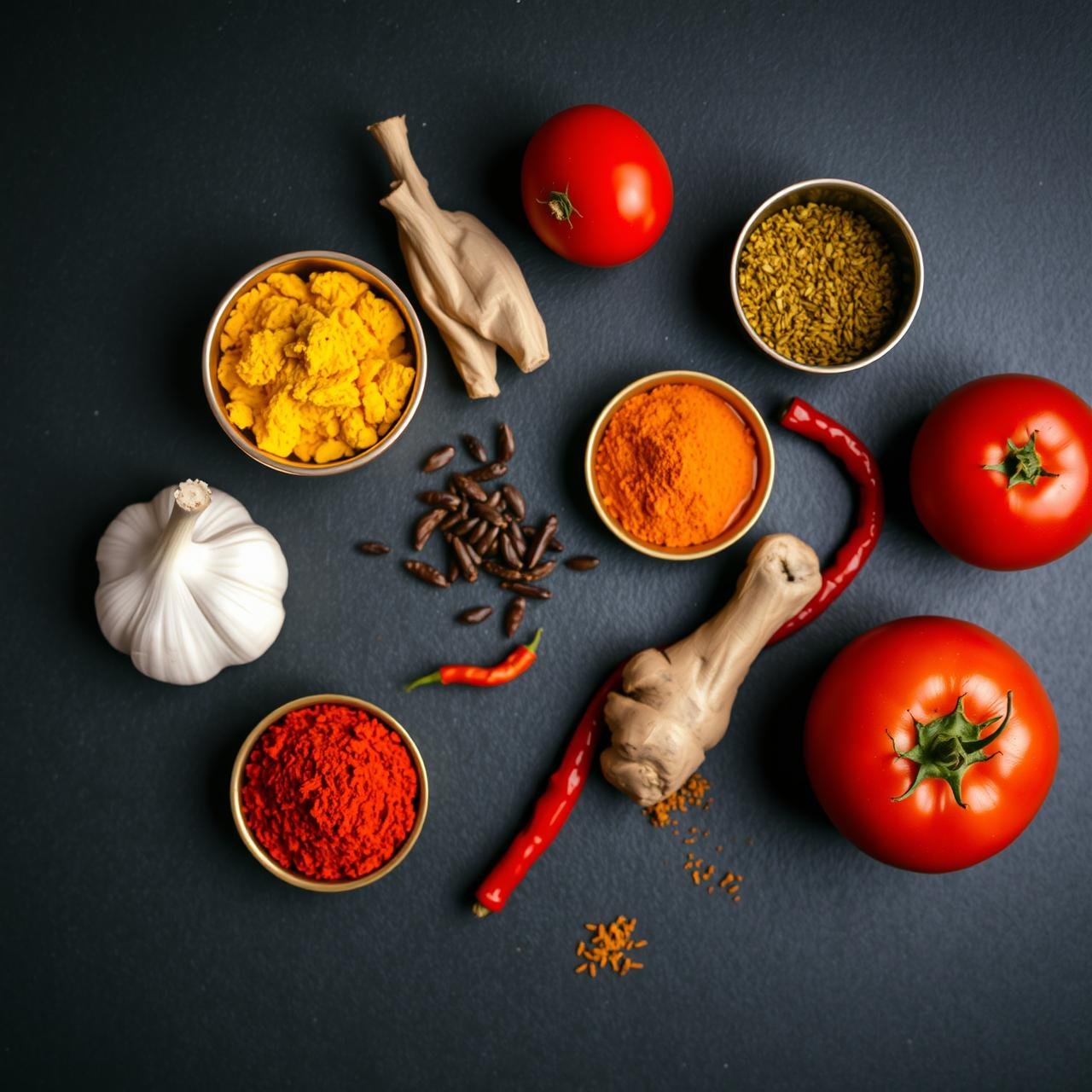
- Black Pepper (Kali Mirch): More than just a seasoning, black pepper contains piperine, a compound that not only gives it a pungent kick but also dramatically increases the bioavailability of curcumin in turmeric. They are a true power couple in the world of spices.
- Cumin & Coriander (Jeera & Dhania): This dynamic duo is celebrated for its digestive properties. Cumin stimulates the production of digestive enzymes, while coriander is known to settle the stomach and reduce bloating.
- Ginger & Garlic: Both are potent anti-inflammatory and metabolism-boosting ingredients. Ginger is a thermogenic agent, meaning it can slightly increase body temperature and calorie burn, while garlic is renowned for its immune-supporting properties.
By combining these ingredients, we aren’t just making a tasty meal. We are creating a functional food that supports digestion, reduces inflammation, and provides the body with the clean fuel it needs to thrive. This is the ‘secret’ to its reputation—simple, whole ingredients, combined with ancient wisdom.
Essential Equipment for Your Culinary Journey

Crafting this soup is a rustic and straightforward process. You won’t need any fancy gadgets, just a few reliable kitchen staples. Having your tools ready, or ‘mise en place’ as chefs say, makes the entire experience smoother and more enjoyable.
| Equipment | Purpose | Chef’s Note |
|---|---|---|
| Heavy-Bottomed Pot or Dutch Oven (3-4 quart) | For cooking the lentils and simmering the soup. | A heavy base prevents the lentils from scorching and ensures even heat distribution. |
| Small Skillet or Tadka Pan | For tempering the spices (‘tadka’ or ‘chaunk’). | This small pan is perfect for blooming spices in hot oil to unlock their full aromatic potential. |
| Fine-Mesh Sieve | For straining the tamarind pulp. | Ensures a smooth, grit-free tamarind water for your soup base. |
| Spice Grinder or Mortar & Pestle | For grinding the fresh spice blend. | Freshly ground spices offer infinitely more flavor and potency than pre-ground versions. |
| Measuring Cups & Spoons | For accurate ingredient measurements. | Precision is key, especially with potent spices. |
| Knife & Cutting Board | For prepping the fresh ingredients. | A sharp knife makes chopping the ginger, garlic, and cilantro a breeze. |
Gathering Your Ingredients: A Symphony of Spices & Produce
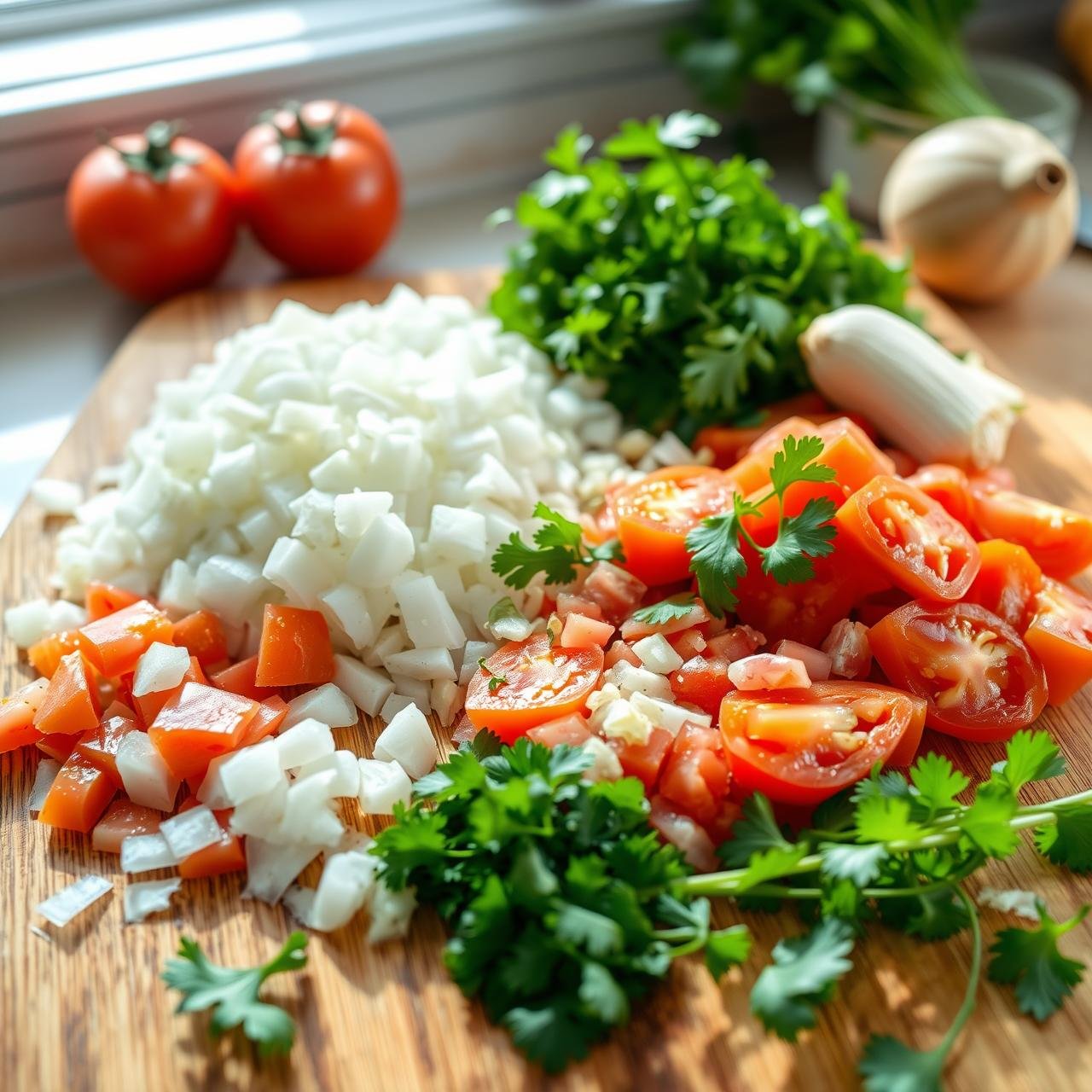
The quality of your ingredients will directly translate to the flavor and efficacy of your soup. Opt for fresh, vibrant produce and high-quality spices whenever possible. This recipe is wonderfully adaptable for budget cooks and gourmet foodies alike.
For the Lentil Base:
- Toor Dal (Split Pigeon Peas): 1/2 cup, rinsed until the water runs clear. (Budget tip: Yellow split peas or red lentils can be substituted, though cooking times may vary).
- Water: 3 cups, for cooking the lentils.
- Turmeric Powder: 1/2 teaspoon.
- A few drops of Sesame or Coconut Oil: To prevent the lentils from boiling over.
For the Tamarind Water:
- Tamarind Paste: 1 tablespoon of concentrate, or a lemon-sized ball of pulp.
- Hot Water: 1.5 cups.
For the Freshly Ground Spice Blend (Rasam Powder):
- Coriander Seeds: 1 tablespoon.
- Cumin Seeds: 1 teaspoon.
- Whole Black Peppercorns: 1 teaspoon (adjust to your heat preference).
- Dried Red Chili: 1-2, depending on desired spice level.
For the Soup Base & Tempering (Tadka):
- Ghee or Coconut Oil: 1 tablespoon.
- Mustard Seeds: 1 teaspoon.
- Cumin Seeds: 1/2 teaspoon.
- Asafoetida (Hing): 1/4 teaspoon (optional, but highly recommended for digestion and authentic flavor).
- Dried Red Chili: 1, broken in half.
- Curry Leaves: 1 sprig (about 10-12 leaves), fresh if possible.
- Ginger: 1-inch piece, finely minced or grated.
- Garlic: 3-4 cloves, finely minced.
- Ripe Tomatoes: 2 medium, finely chopped.
- Himalayan Pink Salt or Sea Salt: To taste.
- Fresh Cilantro: 1/4 cup, finely chopped for garnish.
The Art of Creation: A Step-by-Step Guide
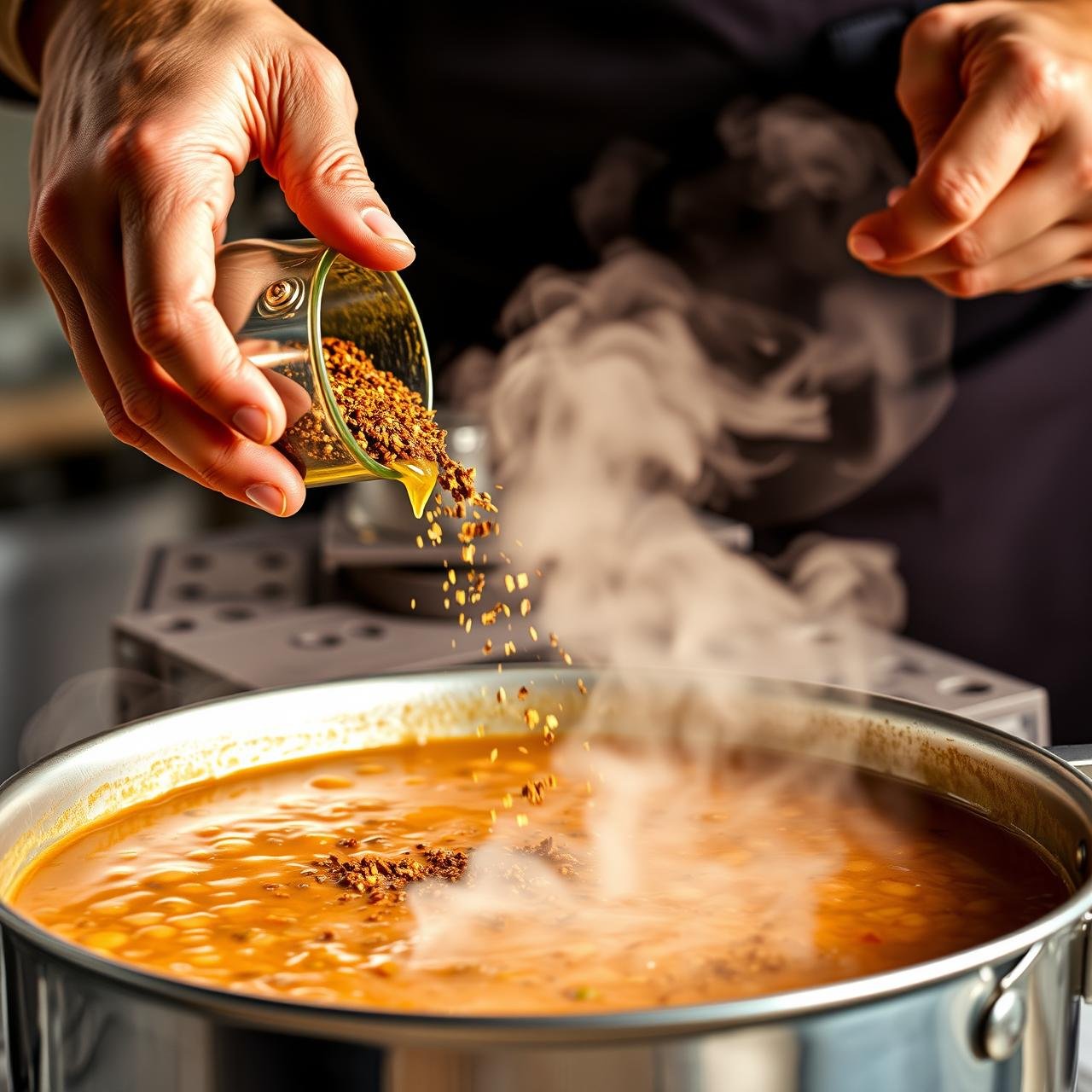
Follow these steps closely to build layers of flavor, resulting in a soup that is complex, aromatic, and deeply satisfying. Cooking is a dance, so read the steps, prepare your ingredients, and enjoy the process.
-
Cook the Lentils:
In your heavy-bottomed pot, combine the rinsed 1/2 cup of toor dal, 3 cups of water, 1/2 teaspoon of turmeric powder, and a few drops of oil. Bring to a boil, then reduce the heat to a gentle simmer. Cover and cook for 25-30 minutes, or until the lentils are completely soft and mushy. You can also use a pressure cooker to speed this up (approx. 10-12 minutes on high pressure). Once cooked, whisk the dal until it is smooth and creamy.
-
Prepare the Tamarind Water:
While the lentils cook, soak the tamarind paste or pulp in 1.5 cups of hot water for about 10 minutes. Mash the pulp with your fingers to release its flavor, then pour the liquid through a fine-mesh sieve into a bowl, pressing on the solids to extract as much liquid as possible. Discard the solids.
-
Create the Fresh Spice Blend:
In a dry skillet over medium-low heat, toast the coriander seeds, 1 tsp cumin seeds, black peppercorns, and 1-2 dried red chilies for 1-2 minutes, or until they become fragrant and slightly darker. Be careful not to burn them. Transfer the toasted spices to a spice grinder or mortar and pestle and grind them into a coarse powder. The aroma will be incredible!
-
Build the Soup Base:
Add the prepared tamarind water and the chopped tomatoes to the pot with the cooked, mashed lentils. Stir in your freshly ground spice blend and salt to taste. Bring the mixture to a gentle boil, then reduce the heat and let it simmer for 5-7 minutes for the flavors to meld. Do not over-boil the soup after adding tamarind, as it can turn bitter.
-
The Grand Finale – Tempering (Tadka):
This final step is what makes the soup truly come alive. In your small skillet or tadka pan, heat the 1 tablespoon of ghee or coconut oil over medium-high heat. When the oil is hot, add the 1 tsp mustard seeds. Wait for them to splutter and pop—this is crucial. Immediately add the 1/2 tsp cumin seeds, asafoetida, the broken dried red chili, and the curry leaves (stand back, they will sizzle!). Sauté for 30 seconds until fragrant.
-
Combine and Finish:
Add the minced ginger and garlic to the tadka pan and sauté for another 30-45 seconds until the raw smell disappears. Now, working quickly and carefully, pour this entire sizzling tempering mixture directly into the simmering soup pot. You should hear a satisfying sizzle. Stir everything together, cover the pot, and turn off the heat. Let the soup rest for 5 minutes to allow the flavors to infuse completely.
-
Garnish and Serve:
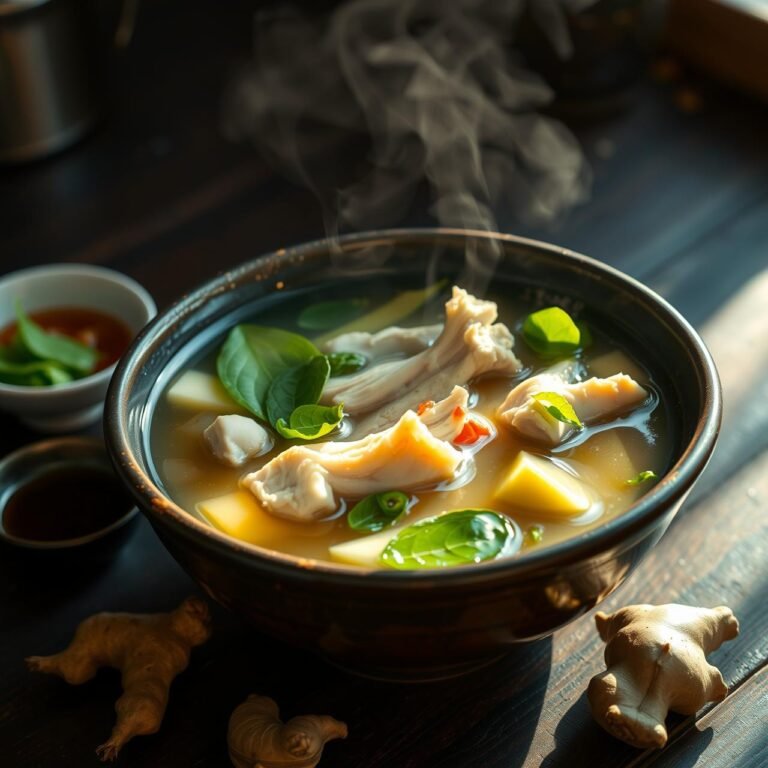
Stir in the freshly chopped cilantro just before serving. Ladle the hot, fragrant soup into bowls. It can be enjoyed on its own as a light meal or appetizer, or in the traditional South Indian way, served with steamed rice.
Chef’s Secrets for a Perfect Soup
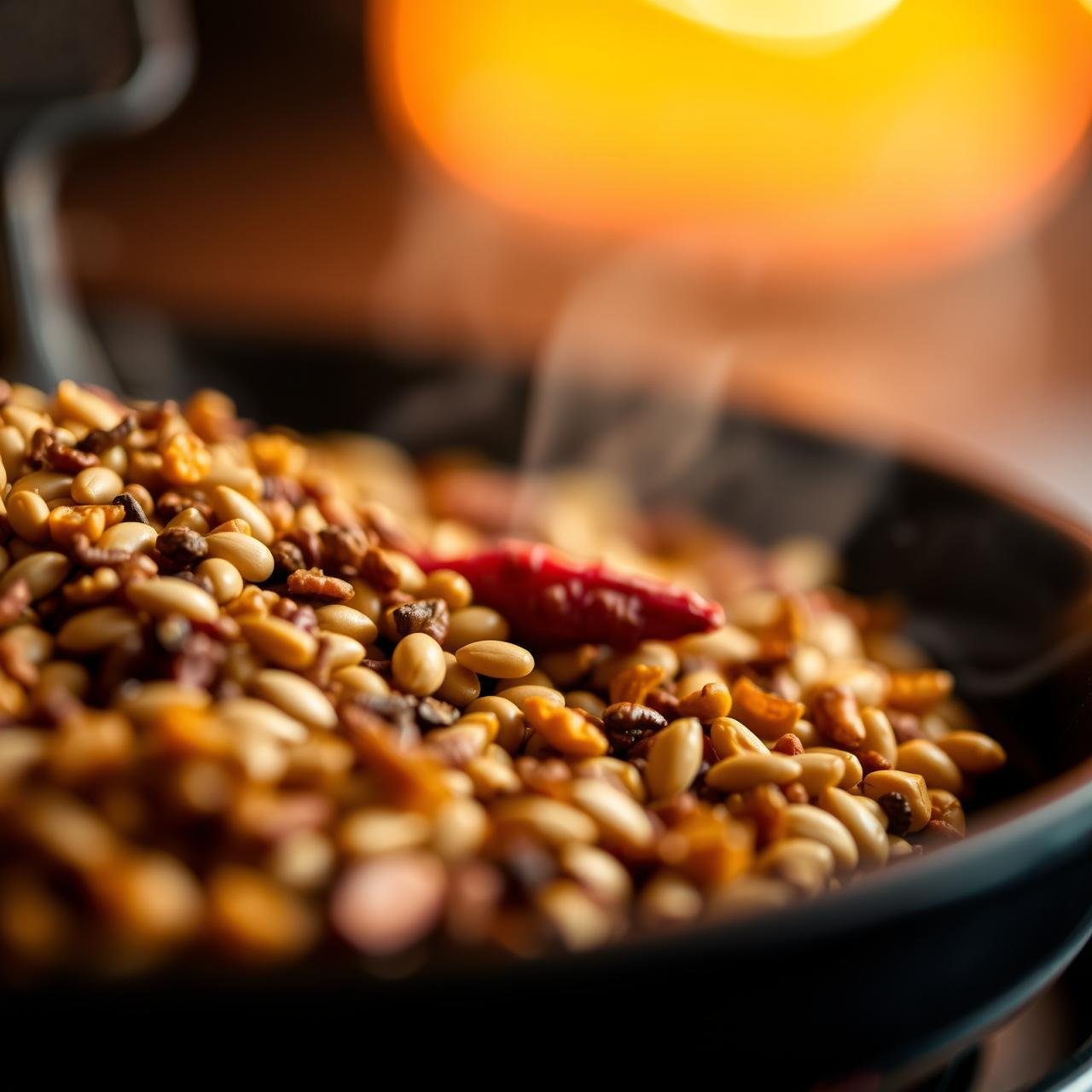
Mastering the ‘Tadka’:
The tempering process is non-negotiable for authentic flavor. The key is to have the oil hot enough so the mustard seeds pop immediately. This flash-frying process blooms the spices, releasing their essential oils and infusing the entire dish with a depth of flavor that cannot be achieved by simply stirring them in.
Balancing Flavors:
This soup is a careful balance of sour (tamarind), spicy (pepper/chili), and salty. Taste the soup before serving. If it’s too tangy, you can add a tiny pinch of jaggery or coconut sugar to balance it out. If it’s not tangy enough, a small squeeze of fresh lime juice at the end can brighten it up beautifully.
Achieving the Right Consistency:
The consistency of this soup is traditionally quite thin and broth-like, not thick like a stew. If your soup is too thick after simmering, simply stir in a bit of hot water until it reaches your desired consistency. Adjust the salt accordingly.
The Power of Freshness:
While pre-ground spices are convenient, taking five extra minutes to toast and grind your own spice blend will elevate your soup from good to unforgettable. The same goes for using fresh ginger, garlic, and curry leaves. Their vibrant, potent flavors make a world of difference.
Nutritional Profile: Fueling Your Body Wisely
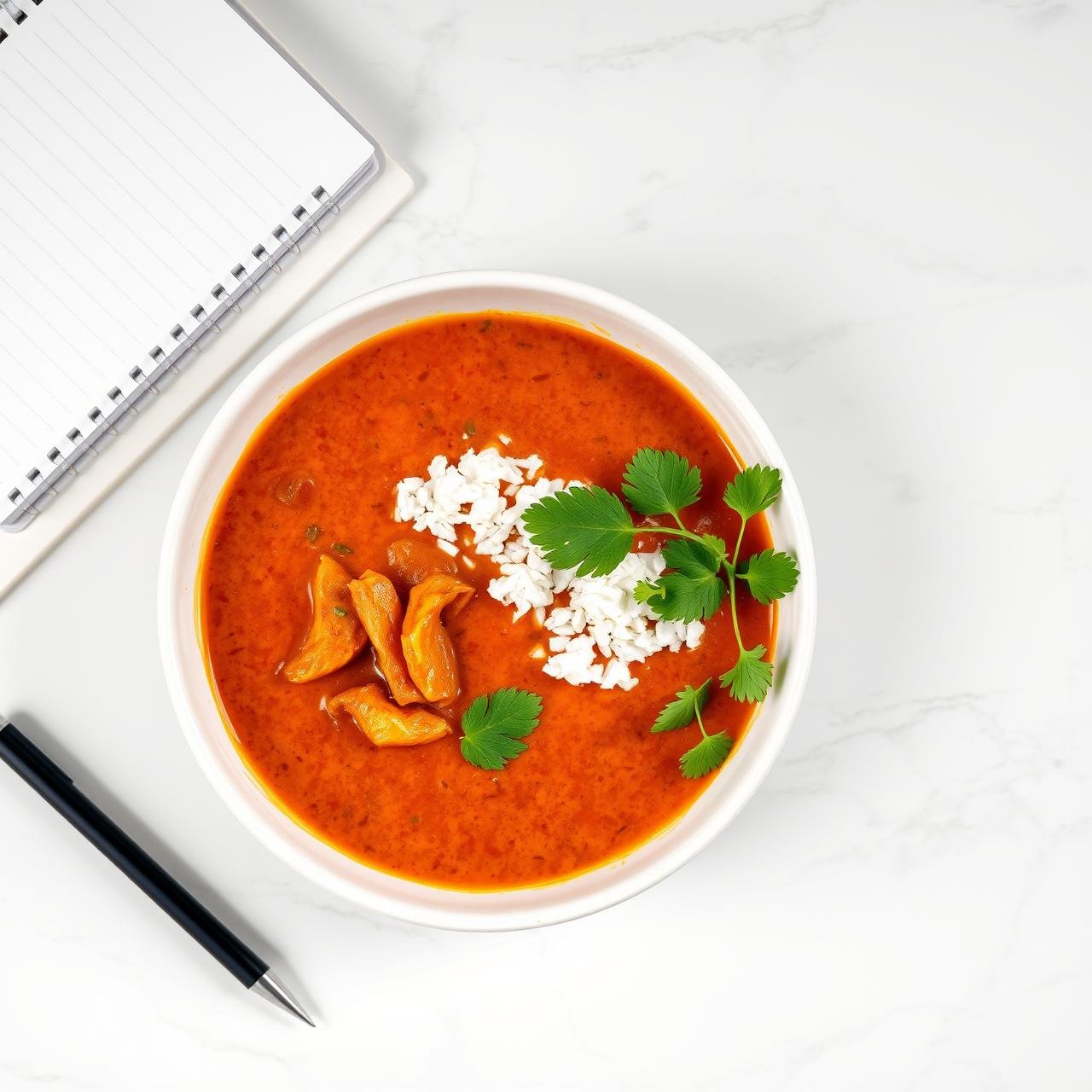
This table provides an estimated nutritional breakdown per serving. Please note that these values are approximate and can vary based on the specific ingredients used. This recipe makes approximately 4 servings.
| Nutrient | Amount Per Serving (Approx.) |
|---|---|
| Calories | 150 kcal |
| Protein | 8 g |
| Carbohydrates | 22 g |
| Fiber | 9 g |
| Sugars | 4 g |
| Fat | 4 g |
| Saturated Fat | 2 g |
| Sodium | 350 mg (will vary with salt added) |
Storing and Reheating: Savoring the Goodness Later

This soup is perfect for meal prepping and tastes even better the next day as the flavors continue to meld and deepen.
- Refrigeration: Allow the soup to cool completely to room temperature. Transfer it to an airtight container and store it in the refrigerator for up to 4 days.
- Freezing: This soup freezes exceptionally well. Pour the cooled soup into freezer-safe containers or bags, leaving about an inch of headspace for expansion. It can be frozen for up to 3 months. For easy portions, consider freezing it in individual serving sizes.
- Reheating: To reheat, gently warm the soup in a saucepan over medium-low heat until it is heated through. Avoid boiling it vigorously. If reheating from frozen, it’s best to thaw it overnight in the refrigerator first. You may need to add a splash of water to adjust the consistency. Garnish with fresh cilantro after reheating to revive its fresh flavor.
Conclusion
In every steaming spoonful of this ancient Indian soup, you are partaking in a tradition of wellness that has nourished bodies and souls for centuries. It is a beautiful reminder that healthy eating doesn’t have to be complicated or bland. By embracing the wisdom of whole foods and the vibrant magic of spices, you can create meals that are not only irresistibly delicious but also profoundly good for you. This soup is more than a recipe; it’s an act of self-care, a way to connect with the rhythm of your body, and a celebration of flavors that have stood the test of time. We encourage you to bring this rustic, homestyle tradition into your kitchen. Let the aromas fill your home, and feel the wholesome, cleansing energy with every bite. Here’s to your health, one delicious bowl at a time.