The Korean Soup Secret That Shrinks Your Waistline (Miyeok Guk)
There’s a quiet magic simmering in Korean kitchens, a secret passed down through generations, cradled in bowls on birthdays and offered as a restorative balm to new mothers. It’s a soup that speaks of heritage, health, and a profound sense of comfort. This culinary secret is Miyeok Guk (미역국), or Korean seaweed soup. While cherished for its cultural significance, Miyeok Guk holds another powerful benefit—it’s a wonderfully nourishing dish that can be a cornerstone of a healthy diet, gently helping to nurture your body and, yes, even support a slimmer waistline.
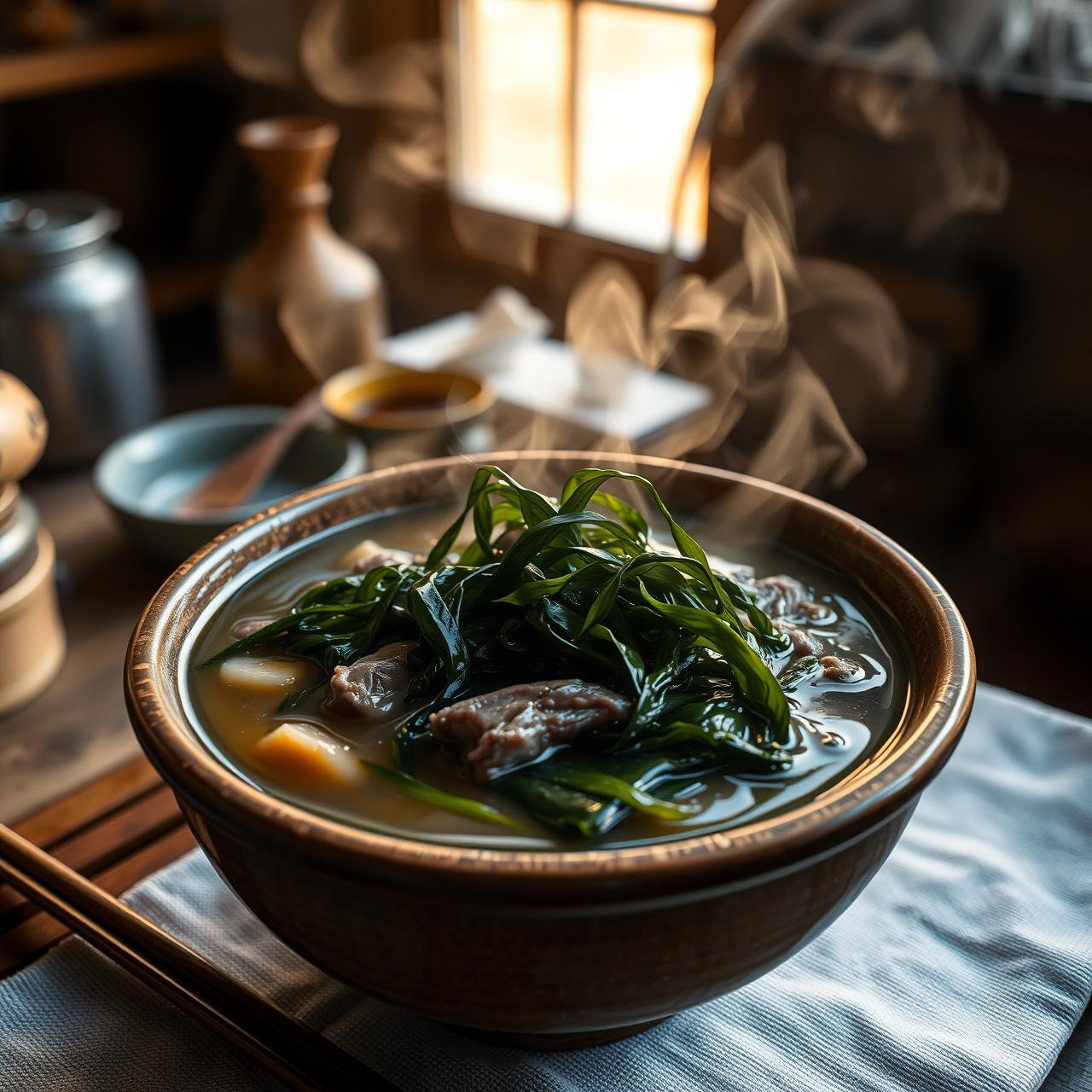
Forget bland, restrictive ‘diet’ foods. Miyeok Guk is the antithesis of deprivation. It’s a deeply savory, umami-laden broth, brimming with the silky, slightly chewy texture of rehydrated seaweed and often fortified with tender morsels of beef or seafood. Each spoonful is a journey into a clean, oceanic flavor, grounded by the earthy notes of garlic and toasted sesame oil. It is rustic, homestyle cooking at its finest—simple ingredients transformed into something truly soulful and satisfying. In this guide, we’ll not only walk through the authentic process of creating this restorative soup but also delve into why this humble dish is a nutritional powerhouse that deserves a permanent place in your recipe repertoire.
The Humble Stars: A Deep Dive into Miyeok Guk Ingredients
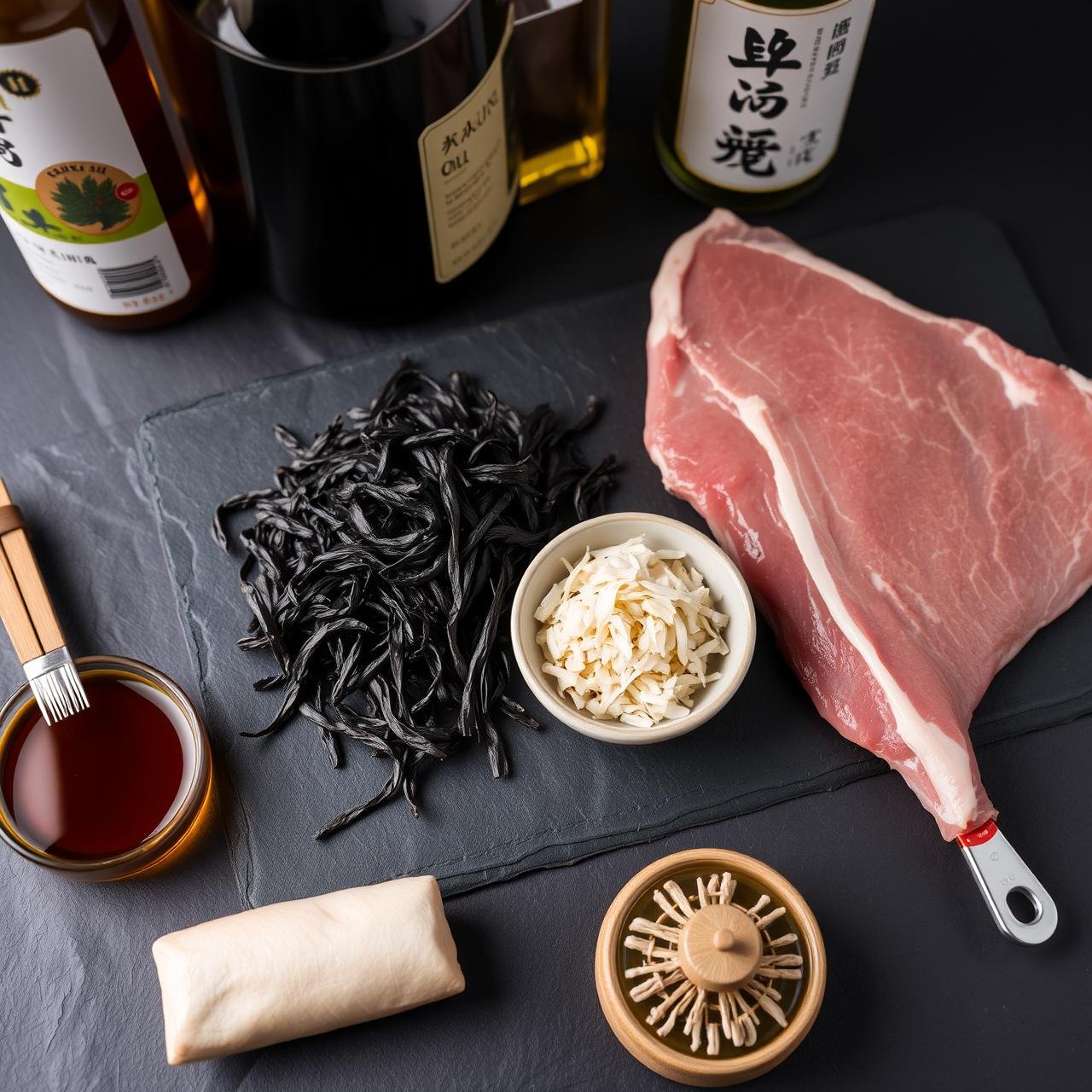
The beauty of Miyeok Guk lies in its elegant simplicity. There are no complex sauces or elaborate techniques, just a handful of high-quality ingredients that work in perfect harmony. Understanding each component is the first step to mastering this iconic soup.
The Soul of the Sea: Miyeok (Dried Seaweed)
The star ingredient, miyeok (미역), is a type of sea mustard or wakame. When you buy it, it will be in a package of dark, brittle, dried strands. Don’t be fooled by its humble appearance; when rehydrated, it blooms into silky, deep green ribbons with a subtle oceanic flavor and a satisfyingly tender-chewy texture. Nutritionally, miyeok is a giant. It’s incredibly rich in iodine, which is crucial for thyroid function and metabolism. It’s also packed with calcium, iron, and fiber, which aids in digestion and promotes a feeling of fullness, making it a fantastic ally for weight management. When shopping, look for dried miyeok that is dark green and has a glossy sheen.
The Foundation of Flavor: The Broth
The broth is the canvas upon which the flavors are painted. You have several wonderful options:
- Beef Brisket: This is the most traditional and popular choice. Slowly simmering beef brisket creates a rich, savory, and deeply satisfying broth that beautifully complements the seaweed. The tender, shredded beef adds a wonderful texture and heartiness.
- Anchovy Broth (Myeolchi Yuksu): For a lighter, cleaner, yet still deeply flavorful alternative, a classic Korean anchovy broth is perfect. Made by simmering dried anchovies, kelp (dashima), and sometimes onion or radish, it provides a clean umami base that lets the seaweed shine.
- Vegan/Vegetarian Broth: A plant-based Miyeok Guk is equally delicious. A robust broth made from dried shiitake mushrooms and kelp (dashima) provides a complex, earthy umami that is incredibly satisfying.
The Aromatic Trio: Garlic, Soy Sauce, and Sesame Oil
These three ingredients are the flavor backbone of countless Korean dishes, and Miyeok Guk is no exception.
- Toasted Sesame Oil: This isn’t just a cooking oil; it’s a critical flavor component. We use it to sauté the seaweed and protein, which ‘blooms’ its nutty, fragrant aroma and infuses the entire soup with its signature taste.
- Minced Garlic: Freshly minced garlic provides a pungent, aromatic depth that cuts through the richness of the broth and brightens the overall flavor. Be generous with it!
- Soy Sauce (Guk-ganjang): For seasoning, we turn to a specific type of soy sauce called guk-ganjang (국간장), or soup soy sauce. It’s saltier and has a more complex, fermented flavor than regular soy sauce. It seasons the soup without darkening the broth too much. If you can’t find it, you can use regular soy sauce and supplement with sea salt to taste.
Your Culinary Toolkit: Equipment for Perfect Miyeok Guk
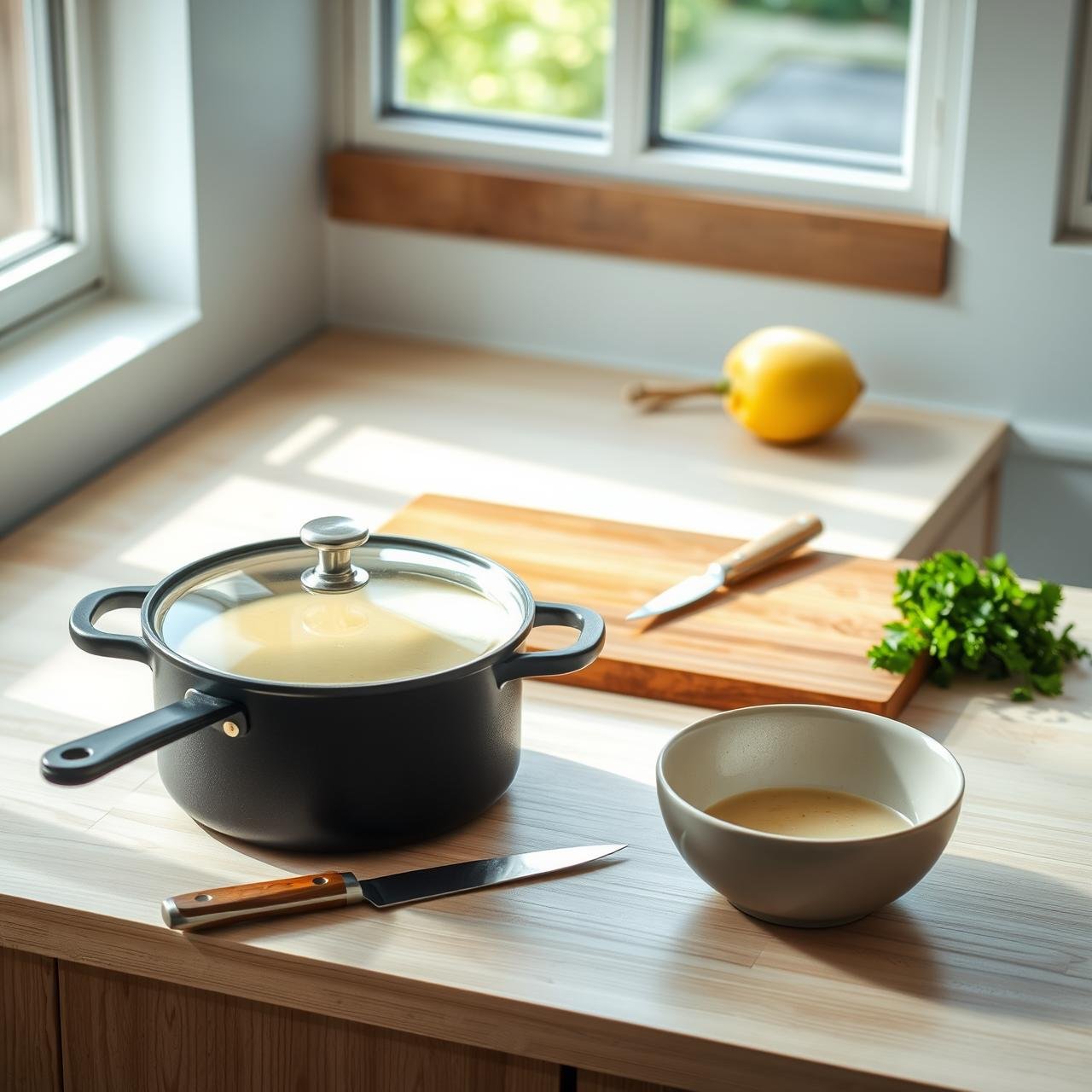
You don’t need any fancy gadgets to make a spectacular pot of Miyeok Guk. This is rustic cooking that relies on basic, quality kitchen tools.
| Equipment | Purpose |
|---|---|
| Large Pot or Dutch Oven | A heavy-bottomed pot (around 5-quarts) is ideal as it distributes heat evenly, preventing scorching when you sauté the ingredients and allowing for a gentle, steady simmer. |
| Large Bowl | Needed for rehydrating the dried miyeok. The seaweed expands significantly, so use a bowl that gives it plenty of room to grow. |
| Cutting Board & Sharp Knife | For mincing the garlic and slicing the beef. A sharp knife ensures clean cuts and makes prep work a breeze. |
| Fine-Mesh Sieve | Useful for rinsing the rehydrated seaweed thoroughly to remove any grit or excess salt. |
| Ladle | For serving the beautiful, finished soup into bowls. |
Crafting the Perfect Bowl: Step-by-Step Miyeok Guk Recipe
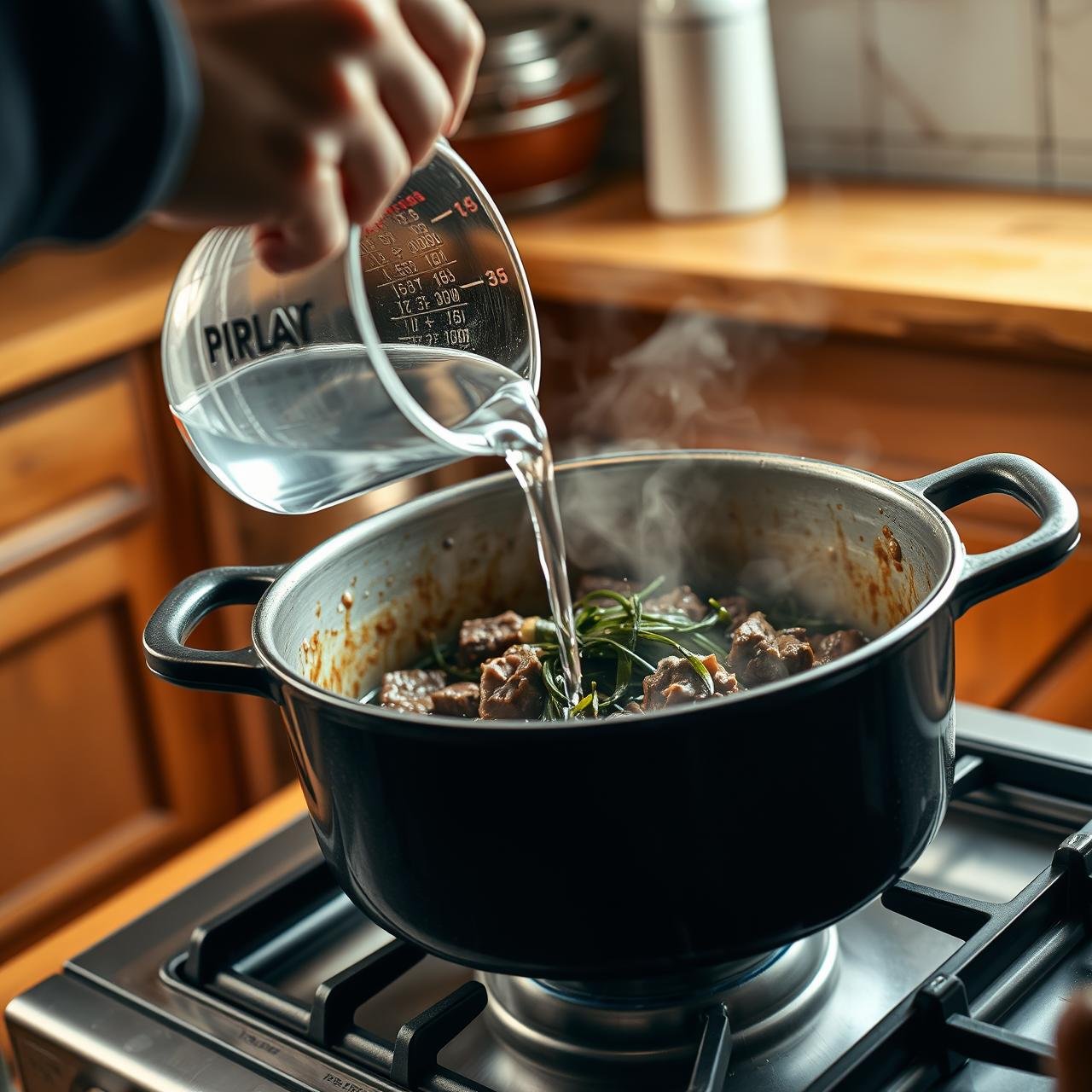
Now, let’s bring it all together. This recipe focuses on the classic beef version, which offers a rich and deeply comforting flavor. Follow these steps closely, and you’ll be rewarded with a truly authentic and delicious pot of soup.
Ingredients
- 1 ounce (about 30g) dried miyeok (Korean seaweed)
- 8 ounces (225g) beef brisket or flank steak, thinly sliced
- 2 tablespoons toasted sesame oil
- 4-5 cloves garlic, finely minced
- 2 tablespoons guk-ganjang (soup soy sauce), or to taste
- 8 cups water or unsalted beef/anchovy broth
- Sea salt, to taste
- Freshly ground black pepper, to taste (optional)
Instructions
- Prepare the Seaweed: Place the dried miyeok in a large bowl and cover it with plenty of cold water. Let it soak for about 20-30 minutes. The seaweed will expand dramatically and soften. Once fully rehydrated, drain it and rinse it under cold running water 2-3 times to remove any grit. Gently squeeze out the excess water and chop the seaweed into bite-sized pieces (about 2 inches long). Set aside.
- Sauté the Aromatics and Beef: Heat the 2 tablespoons of toasted sesame oil in a large pot or Dutch oven over medium heat. Add the sliced beef and sauté for 2-3 minutes, until it’s no longer pink. Add the minced garlic and cook for another minute until fragrant, stirring constantly to prevent the garlic from burning.
- Incorporate the Seaweed: Add the prepared, chopped seaweed to the pot with the beef and garlic. Continue to sauté for another 4-5 minutes. This step is crucial; it helps to remove any fishy smell from the seaweed and infuses it with the rich flavors of the beef and sesame oil.
- Build the Broth: Pour the 8 cups of water (or broth) into the pot. Add the 2 tablespoons of soup soy sauce. Bring the soup to a rolling boil over high heat.
- Simmer to Perfection: Once the soup is boiling, reduce the heat to medium-low, cover the pot, and let it simmer gently for at least 20-30 minutes. A longer simmer, up to an hour, will result in a more tender beef and a deeper, more flavorful broth. The flavors need time to meld and marry.
- Final Seasoning and Serving: After simmering, taste the soup. This is where you adjust the seasoning. Add more soup soy sauce if it needs more umami depth, or sea salt if it just needs more saltiness. Add a pinch of black pepper if desired. Ladle the hot soup into bowls and serve immediately with a side of steamed rice and your favorite banchan (Korean side dishes).
From My Kitchen to Yours: Expert Tips and Creative Variations
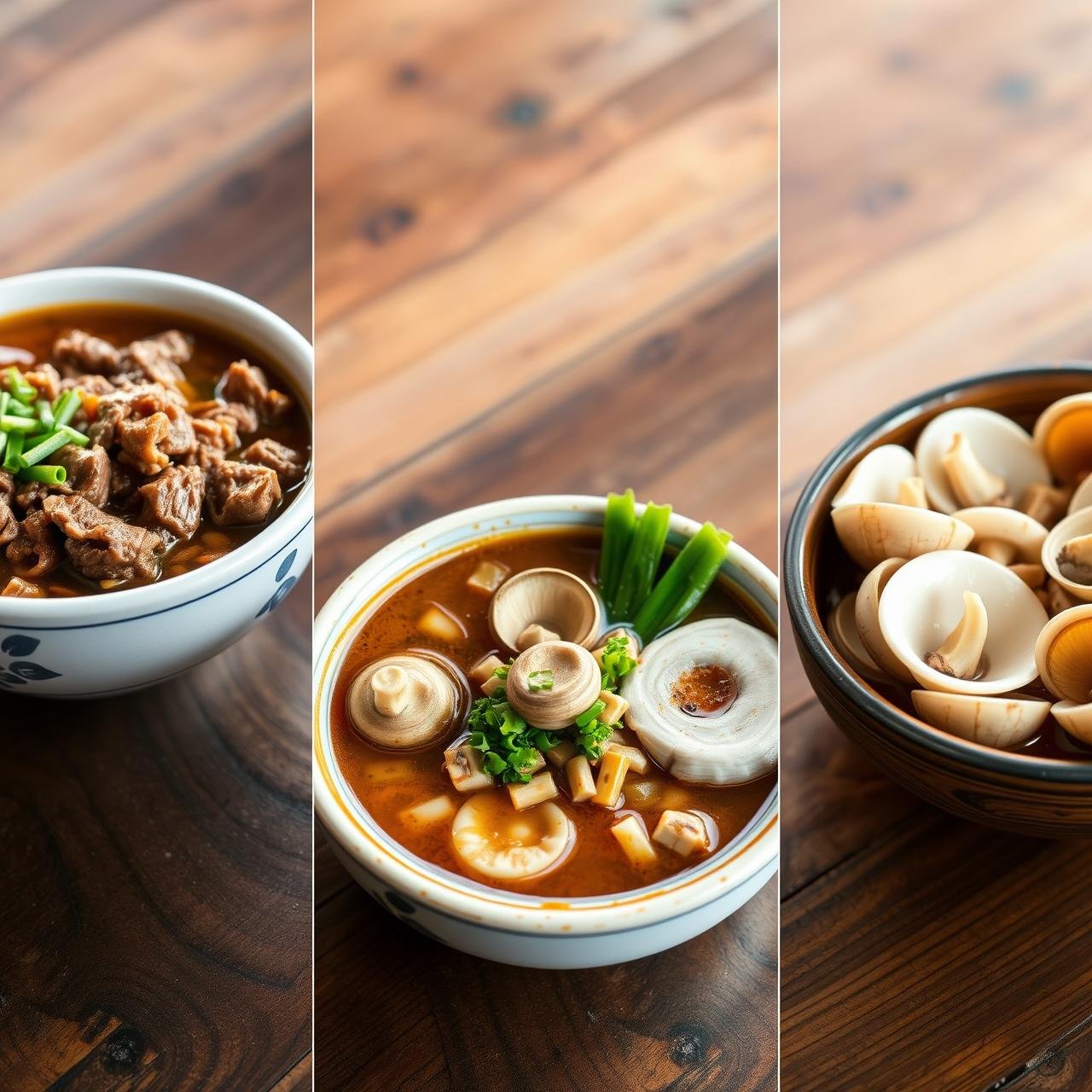
Once you’ve mastered the classic recipe, you can start to play with it. Here are some chef-approved tips to elevate your soup and some delicious variations to try.
Tips for the Deepest Flavor
- Don’t Rush the Sauté: The initial step of sautéing the seaweed in sesame oil is non-negotiable for incredible flavor. It toasts the seaweed slightly, enhancing its nutty notes and creating a foundational layer of taste for the entire soup.
- Let It Rest: Like many soups and stews, Miyeok Guk is often even better the next day. Allowing it to rest overnight in the refrigerator gives the flavors time to meld and deepen.
- Use Quality Broth: While water works perfectly well, using a high-quality homemade or store-bought unsalted beef or anchovy broth will give your soup an undeniable head start on flavor.
Delicious Dietary Variations
Miyeok Guk is wonderfully versatile. Feel free to adapt it to your dietary needs or whatever you have on hand.
- Seafood Miyeok Guk: For a taste of the sea, substitute the beef with 1 cup of fresh clams or mussels. Add them during the last 5-7 minutes of simmering, cooking just until they open. You can also use shrimp or pieces of firm white fish.
- Vegan Miyeok Guk: Create a stunningly flavorful vegan version. Start by making a broth with 4-5 dried shiitake mushrooms and a 4-inch piece of dashima (kombu) simmered in 8 cups of water for 20 minutes. Discard the dashima, then slice the rehydrated mushrooms. Sauté the seaweed and mushrooms in sesame oil and proceed with the recipe, using soy sauce for seasoning.
- Tuna Miyeok Guk: A quick and budget-friendly version popular in many Korean households uses canned tuna. Sauté the seaweed as directed, then add a can of oil-packed tuna (with the oil) and sauté for another minute before adding water and seasoning. It’s surprisingly delicious and comes together in a flash.
The Nutritional Secret to a Healthy Waistline

So, what makes this comforting soup a secret weapon for health and weight management? It’s a beautiful combination of low-calorie density and high nutrient content.
First and foremost, Miyeok Guk is incredibly hydrating and filling. The broth base and the high water content of the rehydrated seaweed help you feel full and satisfied on very few calories. The fiber in the seaweed further aids this by slowing digestion and promoting satiety, which can help prevent overeating. Unlike creamy, heavy soups, Miyeok Guk is light yet deeply nourishing.
The seaweed itself is a treasure trove of minerals. Its high iodine content is vital for a healthy thyroid, the gland that regulates your metabolism. A properly functioning metabolism is key to efficient energy use and weight maintenance. Furthermore, it’s a good source of calcium for bone health and iron to combat fatigue. When you eat a bowl of Miyeok Guk, you’re not just filling your stomach; you’re flooding your body with essential micronutrients.
*Nutritional values are an estimate and can vary based on ingredients used, especially the cut of beef and amount of salt.
Savoring Later: How to Store and Reheat Your Miyeok Guk

Miyeok Guk makes for fantastic leftovers, and the flavors often improve overnight. Proper storage ensures you can enjoy a quick, nourishing meal anytime.
Refrigeration
Allow the soup to cool down to room temperature before storing. Transfer it to an airtight container and it will keep well in the refrigerator for up to 4 days. The fat from the beef may congeal at the top; this is perfectly normal and will melt back into the soup upon reheating.
Freezing
Miyeok Guk also freezes beautifully. Let it cool completely, then portion it into individual freezer-safe containers or bags. Be sure to leave about an inch of headspace at the top to allow for expansion. It can be stored in the freezer for up to 3 months. This is a wonderful method for meal prepping; a wholesome, homemade meal is never more than a few minutes away.
Reheating
To reheat, simply transfer the desired amount of soup to a small pot and warm it gently over medium-low heat on the stovetop until it’s simmering and heated through. Avoid boiling it vigorously, as this can make the beef tough. If reheating from frozen, you can thaw it in the refrigerator overnight or reheat it directly from frozen over low heat, stirring occasionally as it thaws.
Conclusion
Miyeok Guk is far more than just a simple soup. It is a bowl of history, a gesture of love, and a testament to the power of simple, whole ingredients. It’s a culinary tradition that seamlessly blends profound flavor with exceptional health benefits. By welcoming this rustic Korean staple into your kitchen, you’re not just discovering a delicious new recipe; you’re embracing a nourishing secret that comforts the soul and nurtures the body. It proves that food that is good for you can, and should, be deeply satisfying and incredibly delicious. So, gather your ingredients, let the savory aroma fill your home, and discover the comforting, waistline-friendly magic of Miyeok Guk for yourself.