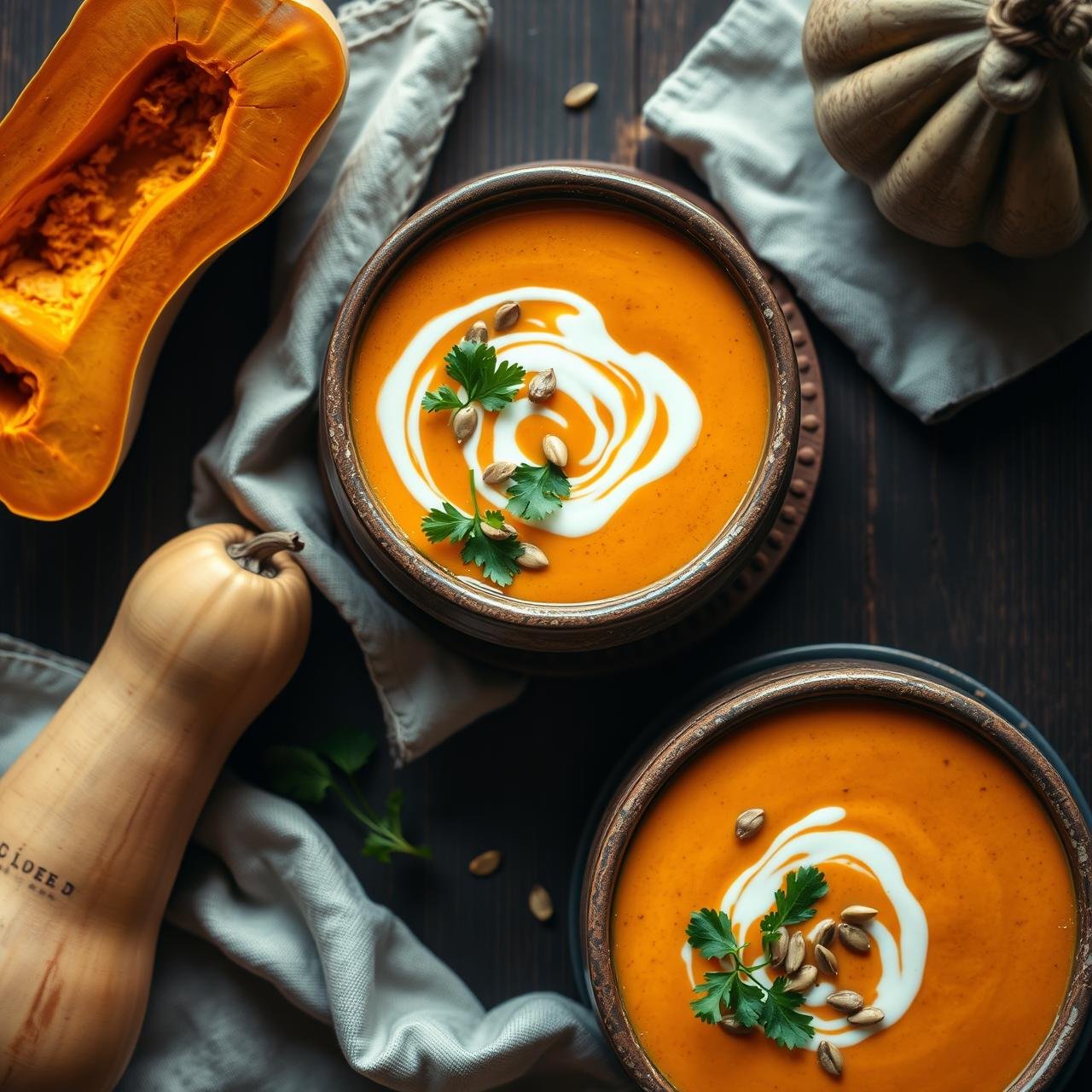
Creamy Curry Butternut Squash Soup: A Belly-Warming Detox Bowl
There are certain dishes that feel like a warm hug in a bowl, and this Creamy Curry Butternut Squash Soup is the epitome of culinary comfort. Imagine a crisp autumn evening, the scent of roasted squash and aromatic spices filling your kitchen, and the promise of a velvety, belly-warming meal. This isn’t just soup; it’s a wholesome, restorative experience. We take the humble butternut squash, unlock its deepest, sweetest flavors through roasting, and then swirl it into a luxurious, creamy broth infused with a gentle, warming curry spice and the richness of coconut milk.
This recipe is designed for everyone at the table. For the gourmet foodie, it’s a study in flavor layering—the sweetness of the squash, the earthiness of the curry, the bright zing of ginger, and the creamy, cooling effect of coconut. For the health enthusiast, it’s a veritable ‘detox bowl,’ packed with vitamins, antioxidants, and anti-inflammatory ingredients, all while being naturally vegan and gluten-free. And for the home cook, whether you’re on a budget or simply seeking a straightforward, rewarding meal, this soup delivers unparalleled flavor with minimal fuss. Prepare to ladle up a bowl of pure, unadulterated comfort that nourishes the body and soothes the soul.
The Secret to Unforgettable Flavor: Why Roasting Reigns Supreme

Before we even think about a pot or a blender, let’s talk about the single most important step in this recipe: roasting the butternut squash. While you could boil or steam the squash to soften it, you would be missing out on a world of flavor. Roasting is a transformative process. As the squash sits in the dry, high heat of the oven, two magical things happen: the Maillard reaction and caramelization.
Caramelization is the process of sugars browning, which is what gives our squash those delectable, slightly sweet, and nutty notes. It concentrates the squash’s inherent sweetness, turning it from merely vegetal to profoundly rich. The Maillard reaction is a chemical reaction between amino acids and reducing sugars that gives browned food its distinctive flavor. Think of the crust of bread or a seared steak—that’s the Maillard reaction at work. On our squash, it creates those beautifully browned edges that are packed with a savory, almost toasty depth. Boiling, on the other hand, simply introduces water, which can dilute the squash’s delicate flavor, resulting in a soup that’s watery and bland. By taking the time to roast, you are building the foundational layer of flavor that will make your soup not just good, but absolutely unforgettable.
Your Culinary Toolkit: Equipment & Ingredients
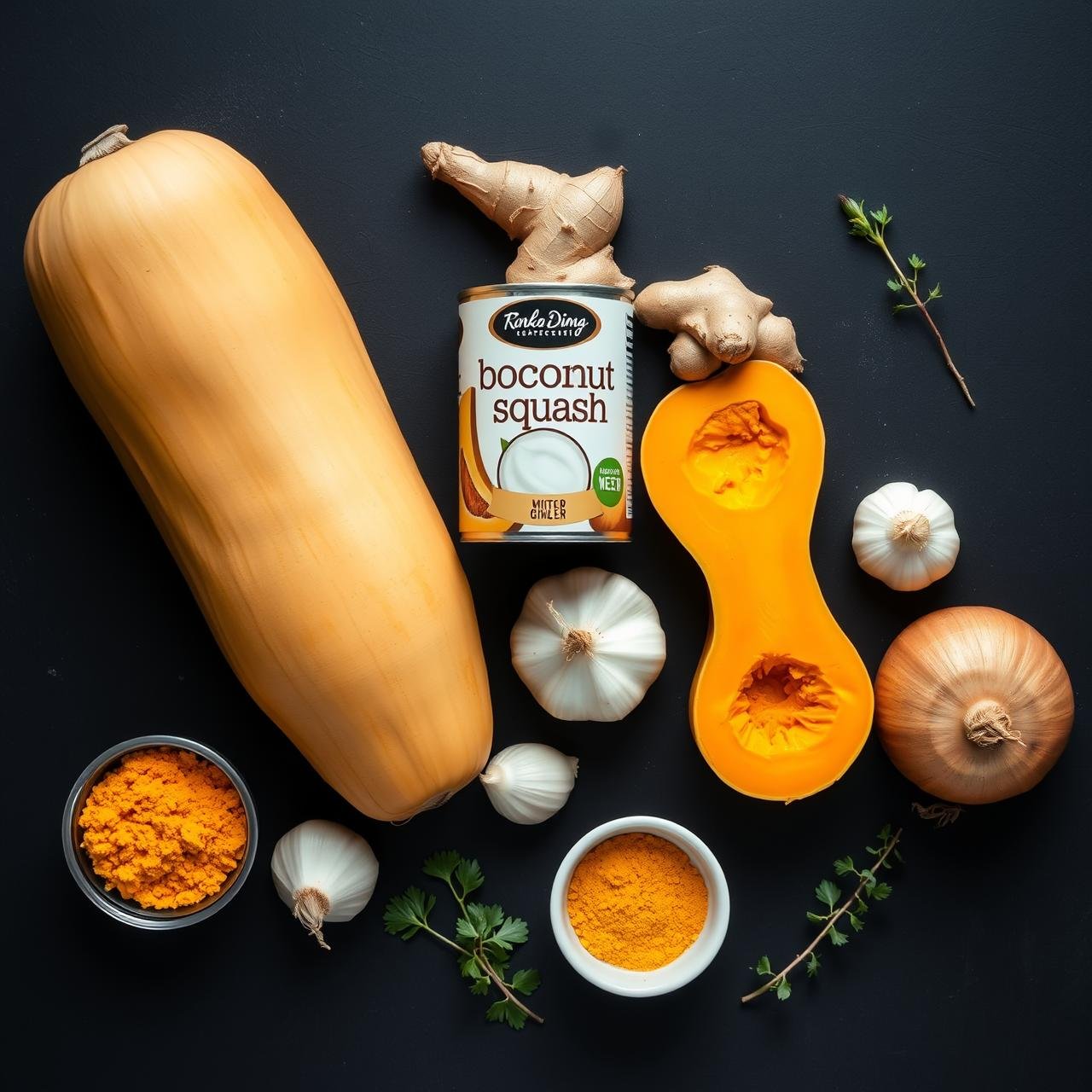
Essential Equipment
Great soup doesn’t require a professional kitchen, just a few key tools. Having these ready will make the process smooth and enjoyable.
| Tool | Chef’s Note |
|---|---|
| Baking Sheet | A large, rimmed baking sheet is essential for roasting the squash without any messy spills. |
| Large Pot or Dutch Oven | A heavy-bottomed pot, like a Dutch oven, provides even heat for building the soup’s aromatic base. |
| High-Powered Blender | This is the secret to a truly velvety, lump-free soup. An immersion (stick) blender also works, though the texture may be slightly less smooth. |
| Sharp Chef’s Knife | A good knife is crucial for safely cutting the tough butternut squash. |
The Cast of Ingredients
This recipe celebrates simple, whole ingredients that come together to create something truly special. Quality matters, so use the freshest ingredients you can find.
- 1 medium butternut squash (about 3 lbs) – The star of our show, promising a sweet, nutty, and earthy foundation.
- 1 tablespoon olive oil or avocado oil – For roasting the squash to golden perfection.
- 1 large yellow onion, chopped – Provides a sweet, savory base layer of flavor.
- 2 cloves garlic, minced – Adds a pungent, aromatic depth.
- 1 tablespoon fresh ginger, grated – Lends a bright, zesty, and warming spice that cuts through the richness.
- 1.5 to 2 tablespoons mild yellow curry powder – The heart of our spice blend. Adjust to your taste. Ensure it’s fresh for the best flavor.
- 1/4 teaspoon turmeric – For an extra anti-inflammatory boost and a vibrant golden color.
- 4 cups vegetable broth – Use a quality, low-sodium broth to control the saltiness.
- 1 (13.5 oz) can full-fat coconut milk – This is non-negotiable for the ultimate creamy texture. Do not use ‘light’ coconut milk.
- 1 tablespoon maple syrup or coconut sugar (optional) – To enhance the natural sweetness of the squash.
- Salt and freshly ground black pepper to taste.
- Optional Garnishes: Toasted pumpkin seeds (pepitas), fresh cilantro, a swirl of coconut cream, a dash of chili oil.
Crafting the Perfect Bowl: A Step-by-Step Guide
Follow these steps closely to build layers of flavor, resulting in a perfectly balanced and luxuriously smooth soup.
-
Roast the Squash
Preheat your oven to 400°F (200°C). Carefully slice the butternut squash in half lengthwise and scoop out the seeds. You can save the seeds for roasting later! Brush the cut sides of the squash generously with olive oil and season with salt and pepper. Place the halves cut-side down on your baking sheet. Roast for 40-50 minutes, or until the flesh is completely tender and easily pierced with a fork, and the edges are beautifully caramelized.
-
Build the Aromatic Base
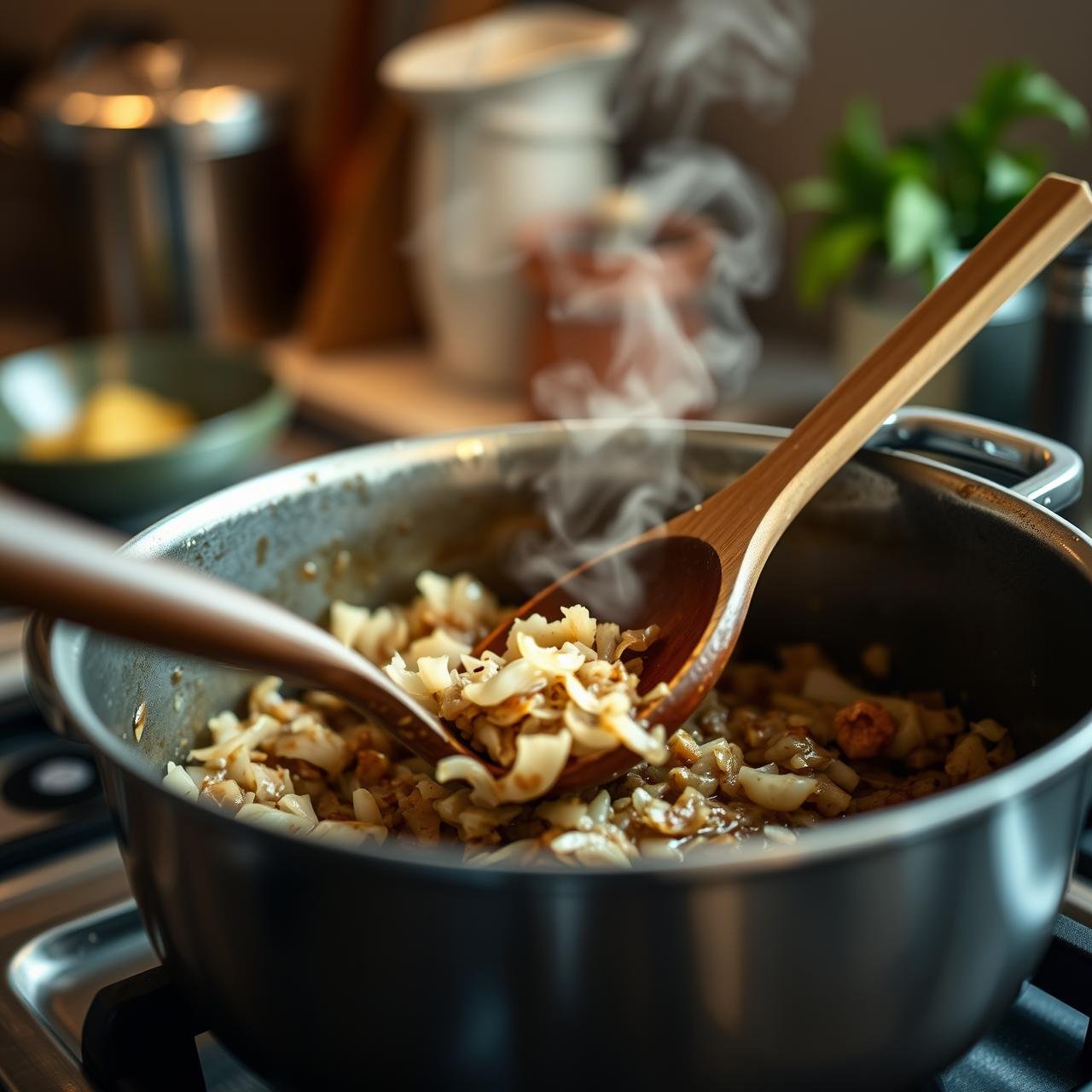
While the squash is roasting, heat 1 tablespoon of oil in your Dutch oven or large pot over medium heat. Add the chopped onion and a pinch of salt. Sauté for 5-7 minutes, stirring occasionally, until the onion is soft, translucent, and sweet. This process, known as ‘sweating,’ builds a gentle, sweet foundation. Add the minced garlic and grated ginger and cook for another minute until fragrant. Be careful not to burn them.
-
Bloom the Spices
Add the curry powder and turmeric to the pot. Stir constantly for 30-60 seconds. This step, called ‘blooming,’ toasts the spices in the oil, which deepens their flavor and unlocks their full aromatic potential. Your kitchen should smell incredible at this point!
-
Combine and Simmer
Once the squash is done roasting, let it cool slightly until you can handle it. Scoop the soft, roasted flesh away from the skin and add it directly to the pot with the aromatics. Pour in the vegetable broth. Bring the mixture to a boil, then reduce the heat to low, cover, and let it simmer for at least 15 minutes. This allows all the flavors to meld together into a harmonious whole.
-
Blend to Velvety Perfection
This is the final transformation. Carefully transfer the hot soup to a high-powered blender in batches. Important: Never fill the blender more than halfway. Remove the small cap from the blender lid and cover the opening with a folded kitchen towel to allow steam to escape safely. Blend on high until the soup is completely smooth and velvety. Alternatively, use an immersion blender directly in the pot, blending until no lumps remain.
-
The Finishing Touches
Return the blended soup to the pot over low heat. Stir in the full-fat coconut milk and the optional maple syrup. Heat gently, but do not let it boil, as this can cause the coconut milk to separate. Taste the soup and season generously with salt and pepper until the flavors pop. Your goal is a perfect balance of sweet, savory, and spice.
-
Serve and Garnish
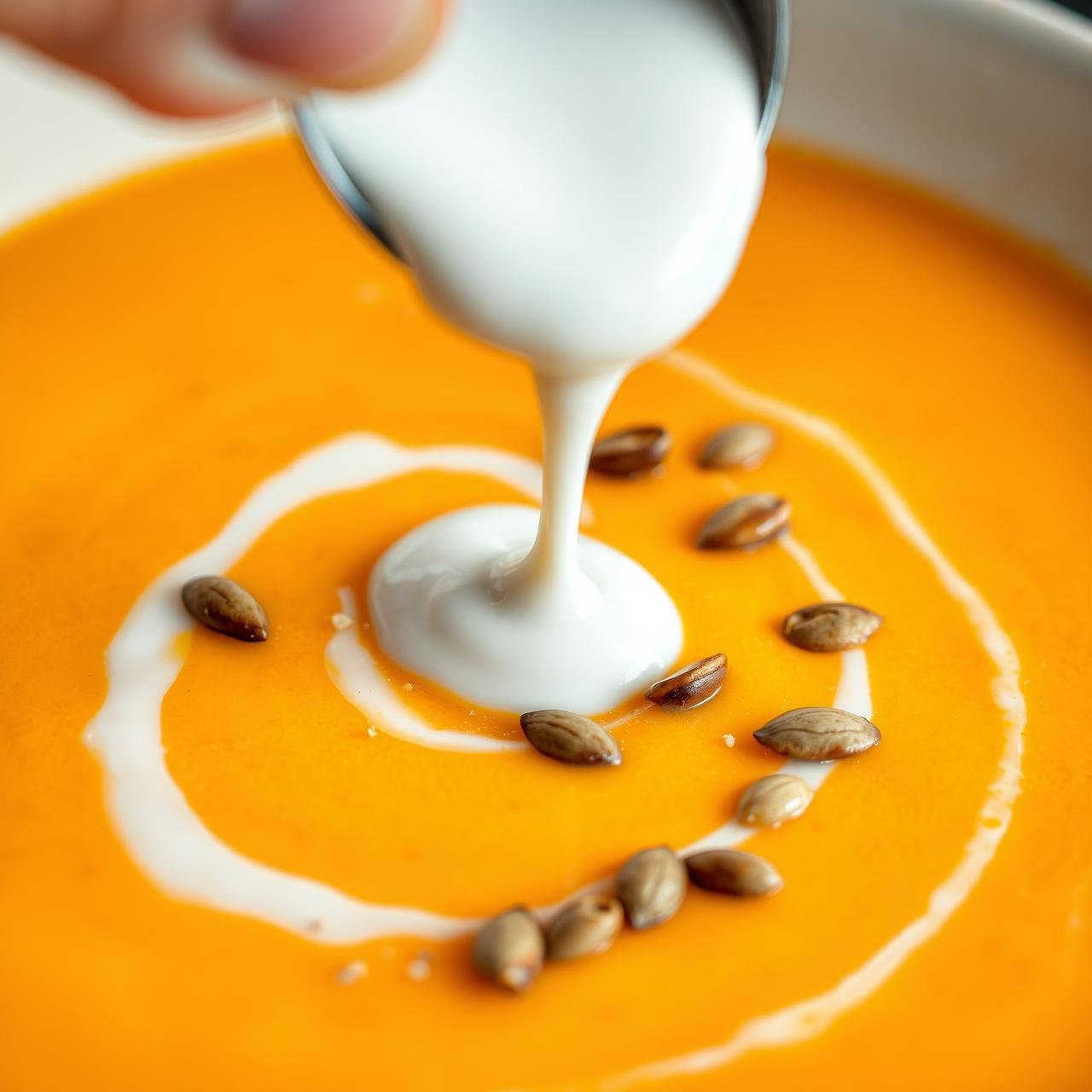
Ladle the hot, creamy soup into bowls. Elevate the presentation and flavor with your choice of garnishes. A swirl of coconut cream, a sprinkle of crunchy toasted pumpkin seeds, and a few leaves of fresh cilantro are my personal favorites.
From My Kitchen to Yours: Expert Tips & Variations
Chef’s Secrets for Success
- Don’t Rush the Onions: Take your time sweating the onions. This simple step creates a deep, sweet flavor base that you can’t achieve by rushing.
- Use Full-Fat Coconut Milk: This is crucial for creaminess. Light coconut milk or other plant-based milks won’t provide the same luxurious texture and rich mouthfeel. For an even richer soup, use a can of coconut cream.
- Taste As You Go: Curry powders vary in intensity. Start with the recommended amount and add more after blending if you desire a stronger flavor. Always do your final salt and pepper seasoning at the very end.
- Safety First When Blending: Hot liquids expand rapidly in a blender. Always vent the lid and blend in small batches to prevent a dangerous explosion of hot soup.
Creative Customizations & Variations
- Add an Apple or Carrot: For a touch more sweetness and complexity, peel and chop a tart apple (like a Granny Smith) or a large carrot and roast it alongside the squash.
- Turn Up the Heat: If you like it spicy, add a pinch of cayenne pepper or red pepper flakes with the curry powder. A drizzle of chili crisp on top when serving is also fantastic.
- Switch up the Spices: While classic yellow curry is wonderful, feel free to experiment. A Thai red curry paste would create a completely different but equally delicious soup. Add it with the garlic and ginger to cook it through.
- Boost the Protein: To make this a more substantial meal, garnish with roasted chickpeas or serve alongside a piece of crusty sourdough bread for dipping.
Nourishment by the Numbers & Keeping it Fresh
Nutritional Information
This soup is as nourishing as it is delicious. Here is an estimated nutritional breakdown per serving, based on this recipe yielding 6 servings. Please note these values are approximate and can vary based on specific ingredients used.
| Nutrient | Amount Per Serving |
|---|---|
| Calories | ~285 kcal |
| Protein | ~4 g |
| Fat | ~19 g |
| Carbohydrates | ~28 g |
| Fiber | ~7 g |
| Sugar | ~9 g |
Storage and Reheating Instructions
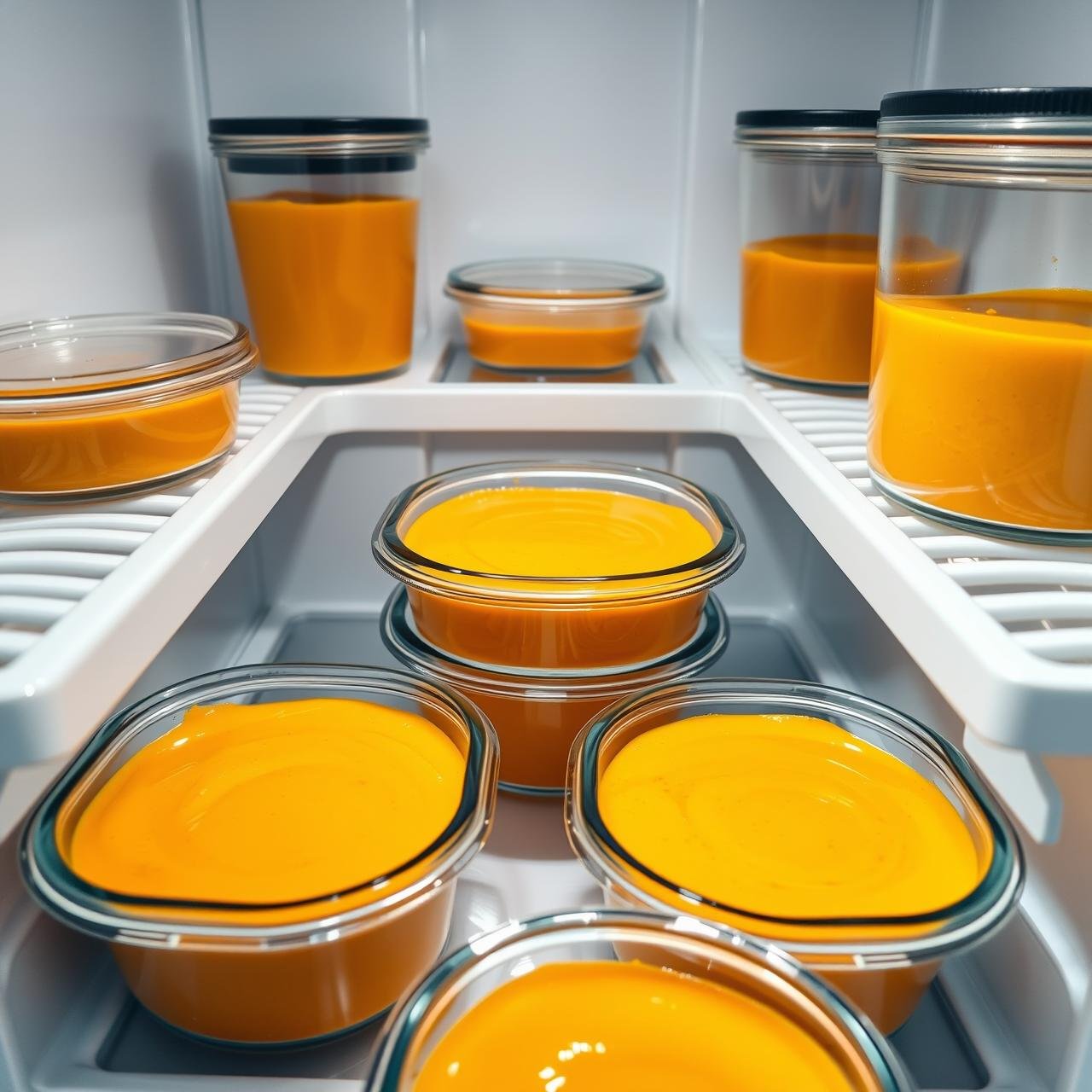
This soup is perfect for meal prep, and the flavors often get even better the next day!
- Refrigeration: Allow the soup to cool completely before transferring it to an airtight container. It will keep well in the refrigerator for up to 5 days.
- Freezing: This soup freezes beautifully. Let it cool completely, then pour it into freezer-safe containers or bags, leaving about an inch of space at the top for expansion. It can be frozen for up to 3 months.
- Reheating: To reheat, gently warm the soup in a saucepan over medium-low heat, stirring occasionally until hot. You may need to add a splash of water or broth to thin it out, as it can thicken upon cooling. If reheating from frozen, it’s best to thaw it in the refrigerator overnight first.
Conclusion
This Creamy Curry Butternut Squash Soup is more than just a recipe; it’s a celebration of seasonal flavors, a bowl of wellness, and a testament to the fact that healthy eating can be incredibly decadent and satisfying. From the deep, caramelized sweetness of the roasted squash to the aromatic warmth of the curry and the velvety kiss of coconut milk, every spoonful is a journey. It’s a versatile dish, perfect for a simple weeknight dinner, an elegant starter for a holiday meal, or a pre-prepped lunch to look forward to all week. We encourage you to embrace the process, fill your home with its beautiful aromas, and share this bowl of liquid gold with people you love. Happy cooking!