Umami Bomb Weight Loss Side: Miso Glazed Roasted Eggplant
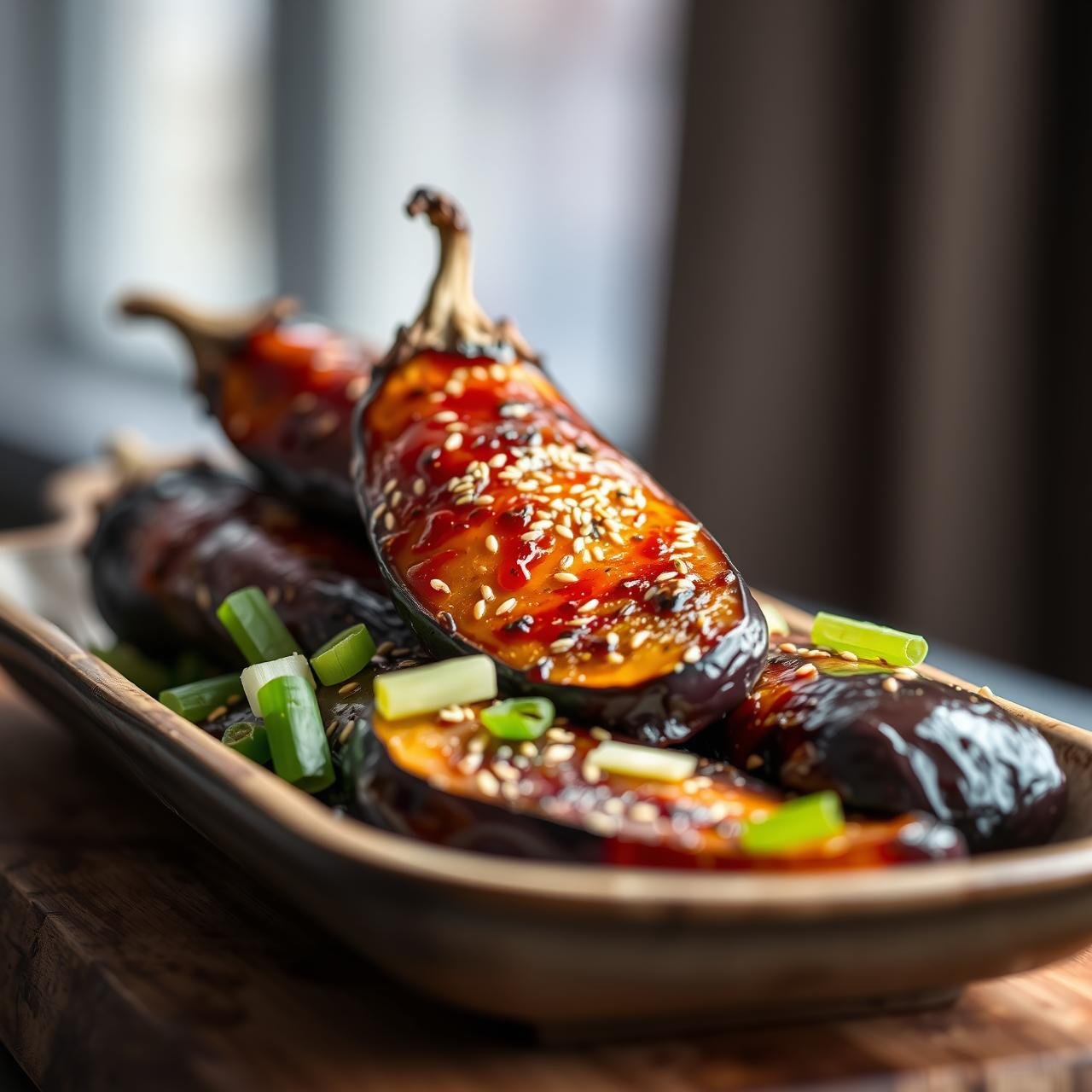
There are certain flavors that defy simple description, flavors that resonate deep within our palate, creating a sense of profound satisfaction. This is the magic of umami, the celebrated ‘fifth taste’ that translates to ‘essence of deliciousness’ in Japanese. While often associated with meat or broth, the plant kingdom holds its own umami treasures, and today, we’re unlocking one of the most potent combinations: miso and eggplant. This Miso Glazed Roasted Eggplant recipe is more than just a side dish; it’s a revelation. It transforms the humble eggplant into a meltingly tender, deeply savory, and irresistibly caramelized masterpiece. It’s a dish that feels indulgent and comforting, yet is perfectly aligned with a healthy, clean-eating lifestyle. Prepare to discover your new favorite way to cook eggplant, a true umami bomb that will nourish your body and delight your senses.
A Match Made in Flavor Heaven: The Science of Miso & Eggplant
The Soul of the Dish: Miso Paste
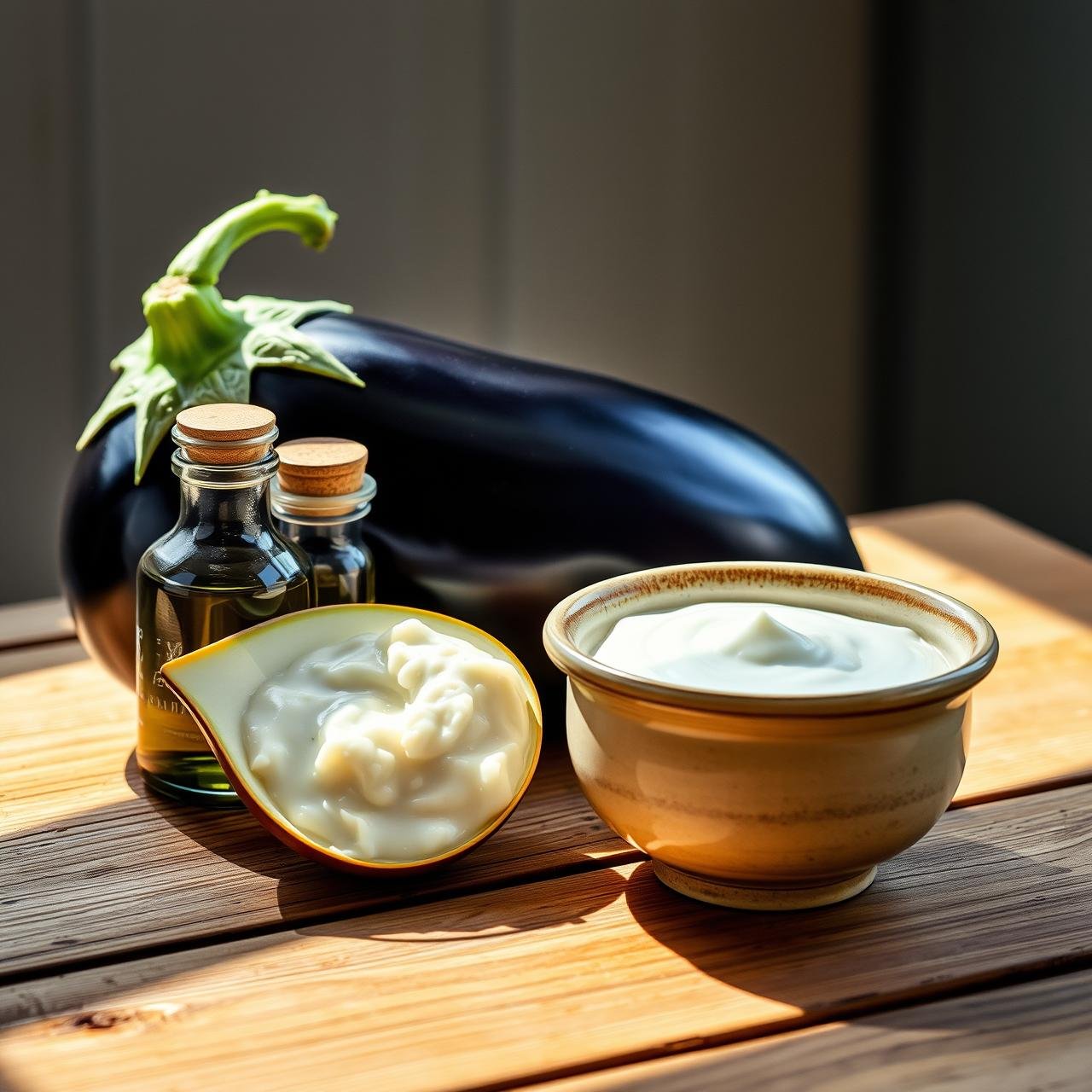
At the heart of our glaze is miso, a traditional Japanese seasoning produced by fermenting soybeans with salt and kōji (a type of fungus) and sometimes rice, barley, or other ingredients. This fermentation process is culinary alchemy, breaking down proteins into amino acids, including glutamate, the very compound responsible for the umami taste. Beyond its incredible flavor, miso is a nutritional powerhouse, rich in probiotics that support gut health, as well as essential minerals and vitamins.
- Shiro Miso (White Miso): This is the type we recommend for this recipe. It’s fermented for a shorter period, resulting in a lighter, sweeter, and less salty flavor that perfectly complements the eggplant without overpowering it.
- Aka Miso (Red Miso): Fermented longer, it’s saltier and has a much deeper, more robust flavor. While delicious, it can be a bit intense for this particular preparation.
The Perfect Canvas: The Humble Eggplant
Often misunderstood, eggplant is a culinary chameleon. Its unique, sponge-like texture makes it the perfect vessel for soaking up marinades and glazes. When roasted correctly, it sheds its occasional bitterness and transforms, becoming creamy, tender, and succulent. We specifically use Japanese or Chinese eggplants for this recipe. They are more slender, have fewer seeds, and a thinner skin than their globe-shaped counterparts, which means they cook more quickly and have a more delicate, less bitter flavor profile.
Your Culinary Toolkit: Essential Equipment
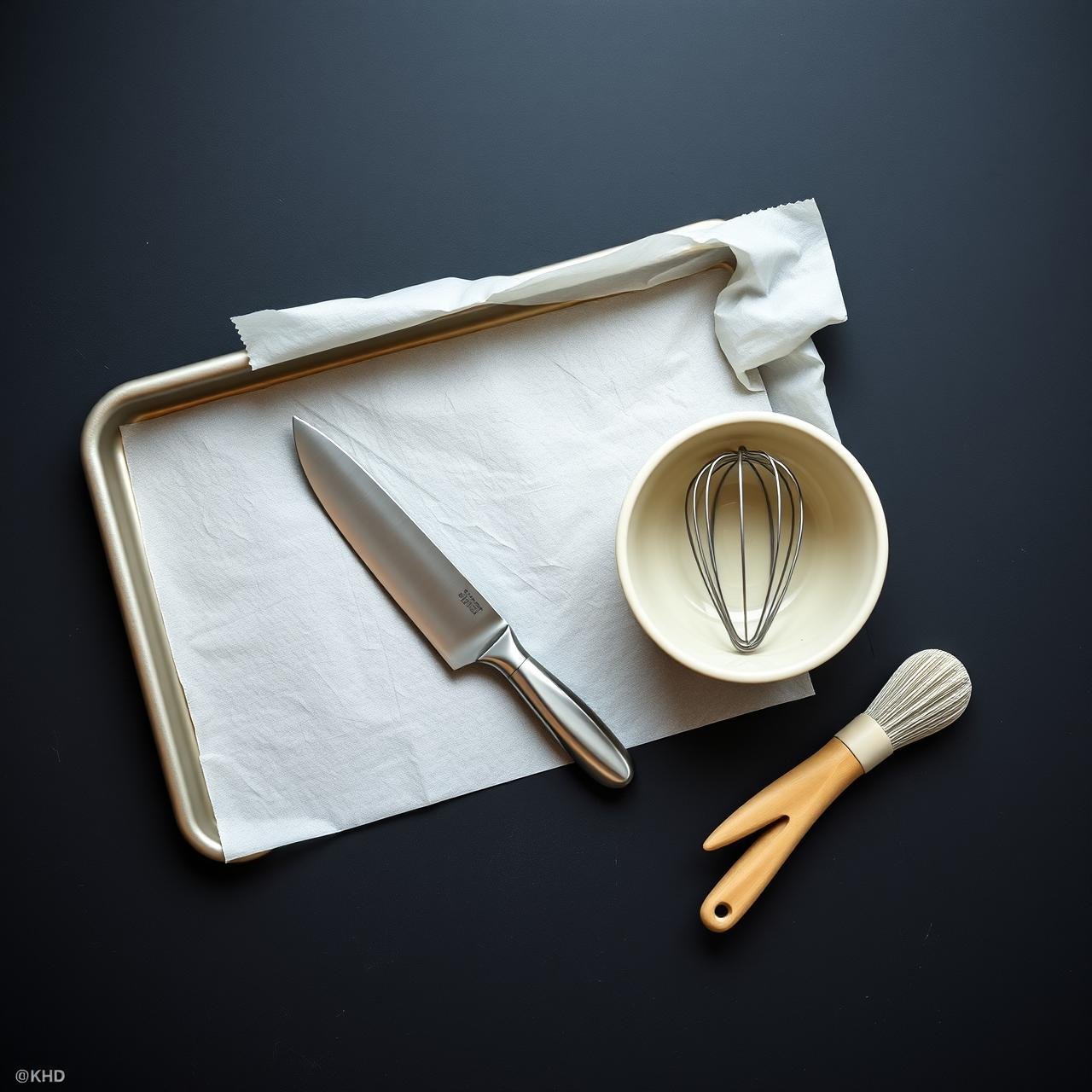
You don’t need any fancy gadgets to achieve perfection with this dish. A few basic kitchen tools are all it takes to create that beautiful, bubbly caramelization. Having your equipment ready before you begin makes the entire process smooth and enjoyable.
| Equipment | Purpose |
|---|---|
| Rimmed Baking Sheet | Provides a large, flat surface for even roasting and contains any potential drips from the glaze. |
| Parchment Paper | Prevents the sugary glaze from sticking to the pan, ensuring your eggplant releases easily and making cleanup effortless. |
| Chef’s Knife | A sharp knife is crucial for cleanly slicing the eggplant without tearing the delicate flesh. |
| Small Mixing Bowl | For whisking together the simple yet powerful miso glaze ingredients. |
| Whisk or Fork | To ensure the miso paste is fully incorporated into the other liquids for a smooth, homogenous glaze. |
| Pastry Brush | Ideal for evenly applying the sticky, thick glaze onto every surface of the roasted eggplant. |
Assembling Your Umami Arsenal: The Ingredients
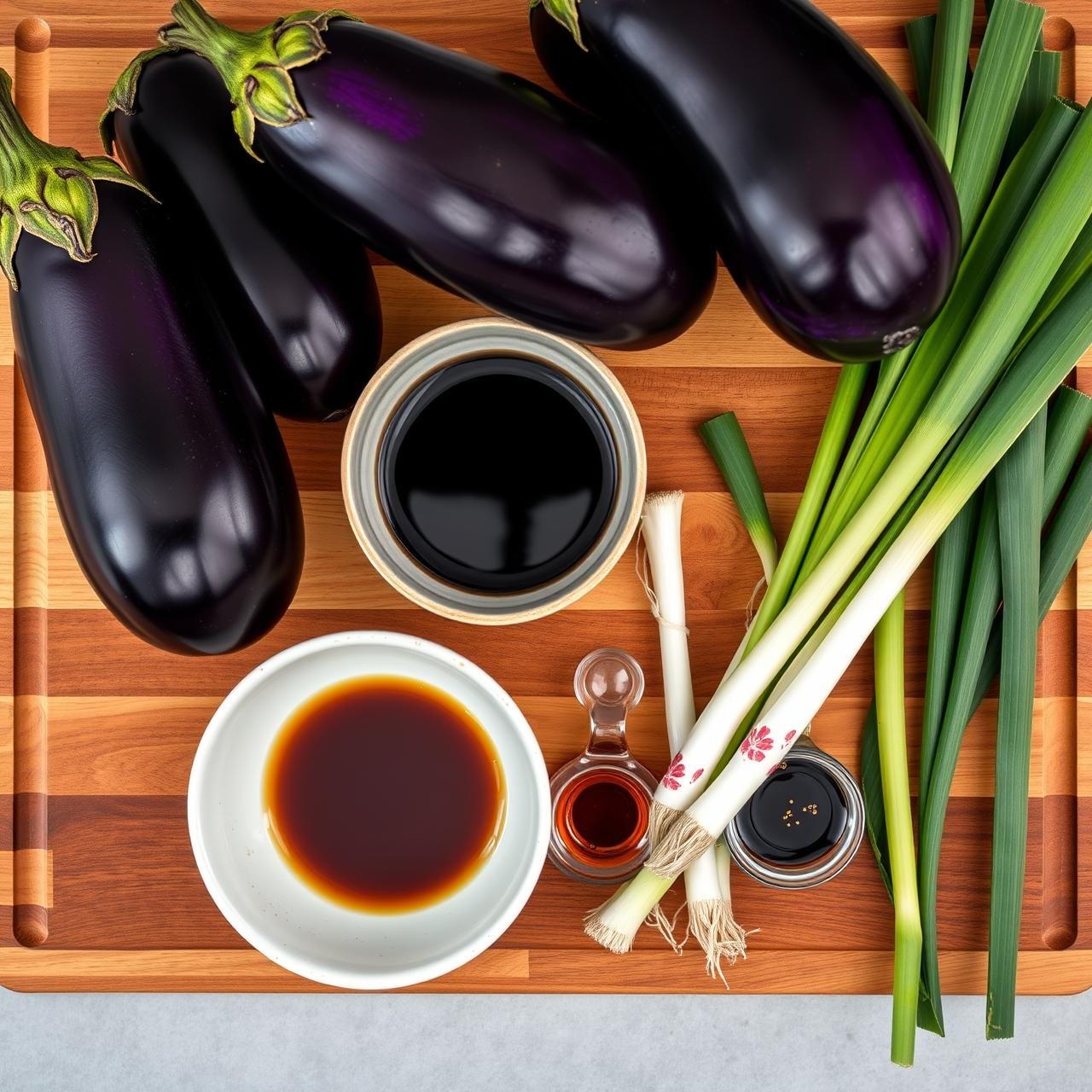
Simplicity is key to this recipe’s elegance. Each ingredient is chosen for its specific role in building layers of flavor. Using high-quality components will make a noticeable difference in the final taste.
- 2 medium Japanese or Chinese eggplants (about 1.5 lbs total)
- 1/4 cup white miso paste (Shiro Miso)
- 2 tablespoons mirin (Japanese sweet rice wine)
- 1 tablespoon sake or water
- 1 tablespoon toasted sesame oil
- 1 tablespoon maple syrup or honey (use maple for a vegan option)
- 1 teaspoon rice vinegar
- For Garnish (optional but recommended):
- 1 tablespoon toasted sesame seeds
- 2 scallions, thinly sliced
A Note on Mirin: True mirin is a sweet rice wine used for cooking. Some supermarket versions are ‘mirin-style’ seasonings which contain corn syrup and salt. If possible, seek out authentic mirin from an Asian market or specialty store for a cleaner, more complex sweetness.
The Art of Roasting: A Step-by-Step Guide to Perfection
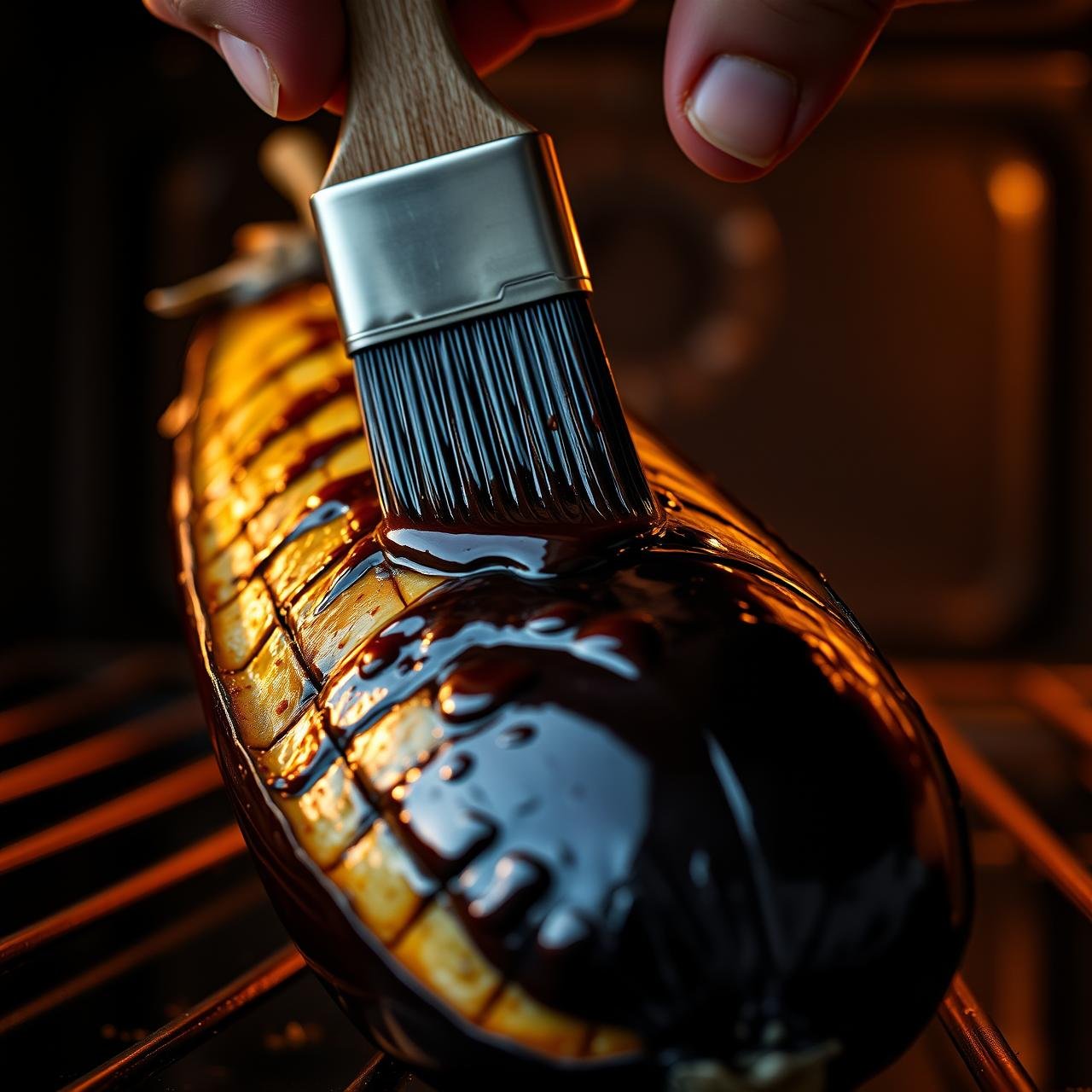
Follow these steps closely to achieve eggplant that is tender on the inside with a perfectly crisp, caramelized, and flavorful exterior. The process involves a two-stage cooking method to first soften the eggplant and then apply the glaze for a final, fiery kiss from the oven.
-
Prepare the Eggplant:
Preheat your oven to 400°F (200°C). Line a large, rimmed baking sheet with parchment paper. Wash and dry the eggplants thoroughly. Trim off the stems and slice them in half lengthwise. With your knife, gently score the cut flesh in a diamond or crosshatch pattern, about 1/2-inch deep. Be careful not to slice through the skin. This scoring allows the eggplant to cook evenly and creates little pockets for the glaze to seep into.
-
First Roast – The Softening Stage:
Place the eggplant halves cut-side-up on the prepared baking sheet. Lightly brush the cut surfaces with a little bit of the toasted sesame oil. Roast for 20-25 minutes, or until the flesh is soft, tender, and easily pierced with a fork. The edges should be just beginning to brown.
-
Whisk the Miso Glaze:
While the eggplant is in its first roast, prepare the umami bomb. In a small bowl, combine the white miso paste, mirin, sake (or water), maple syrup, and rice vinegar. Whisk vigorously until the mixture is completely smooth and has the consistency of a thick sauce. You shouldn’t see any lumps of miso paste.
-
The Glazing and Final Roast:
Remove the eggplant from the oven. Set your oven to the broil setting (high). Using a pastry brush, generously spread the miso glaze over the entire cut surface of each eggplant half, making sure it gets into all the scored crevices. Place the baking sheet back into the oven on a rack positioned about 6-8 inches from the broiler. Broil for 3-5 minutes. WATCH IT CAREFULLY! The sugars in the glaze can go from perfectly caramelized to burnt very quickly. You are looking for the glaze to be bubbly, browned in spots, and beautifully glossy.
-
Garnish and Serve:
Once beautifully caramelized, carefully remove the baking sheet from the oven. Let the eggplant rest for a minute before transferring to a serving platter. Sprinkle generously with toasted sesame seeds and freshly sliced scallions. Serve immediately while warm.
From My Kitchen to Yours: Pro Tips & Delicious Variations
Chef’s Secrets for Success
- Don’t Crowd the Pan: Give the eggplant halves plenty of space on the baking sheet. If they are too close together, they will steam instead of roast, leading to a softer, less caramelized texture. Use two pans if necessary.
- Adjust Sweetness: The sweetness of your mirin and miso can vary. Feel free to adjust the amount of maple syrup or honey to your personal preference.
- Spice it Up: For a gentle kick of heat, add a 1/2 teaspoon of sriracha or a pinch of red pepper flakes to your miso glaze.
- Add Aromatics: Whisk in 1 clove of finely grated garlic or 1 teaspoon of freshly grated ginger into the glaze for another layer of complexity.
Serving Suggestions
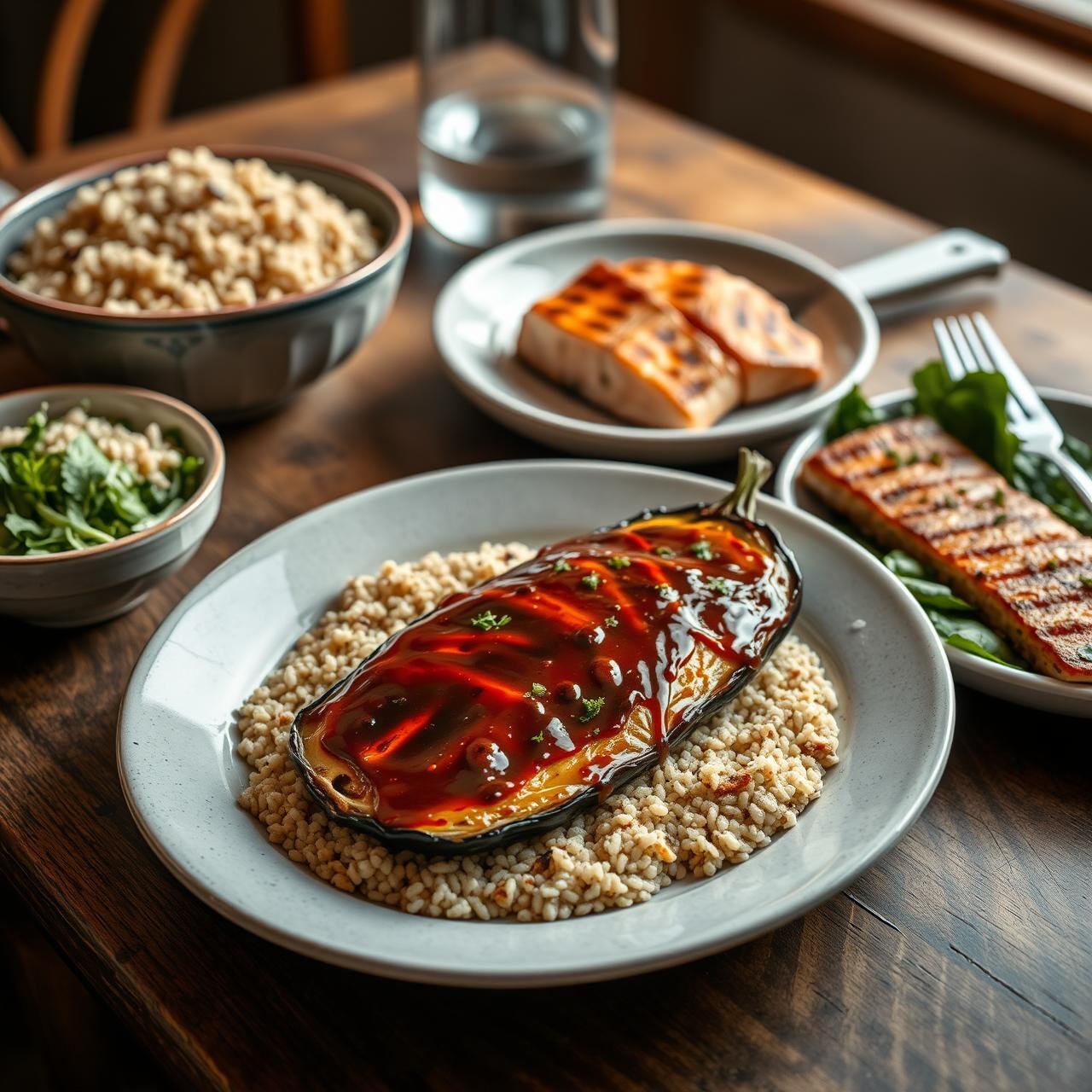
While this Miso Glazed Eggplant is a star on its own, it pairs beautifully with a variety of main courses. Serve it alongside a bowl of fluffy steamed rice or nutty quinoa to soak up any extra glaze. It’s an excellent companion to simple grilled fish like salmon or cod, grilled chicken, or pan-seared tofu for a complete and balanced meal.
Nourishment in Every Bite: Nutritional Breakdown
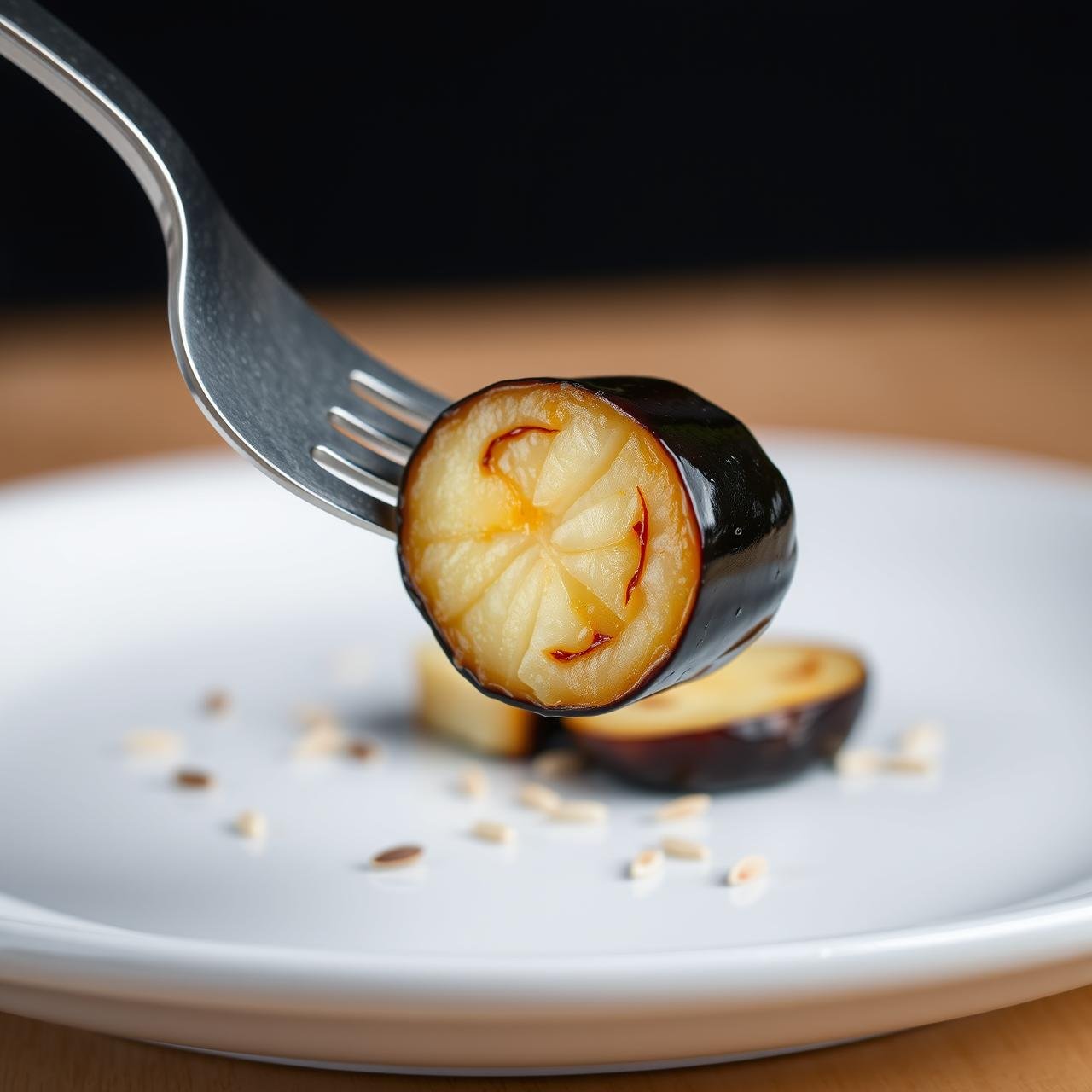
This dish is a fantastic example of how nutrient-dense food can also be incredibly decadent. It’s naturally low in calories and high in fiber from the eggplant, making it a filling side that supports weight management goals. Here is an estimated nutritional profile per serving (assuming the recipe makes 4 servings).
| Nutrient | Amount per Serving (Approx.) |
|---|---|
| Calories | 150 kcal |
| Carbohydrates | 22g |
| Fiber | 7g |
| Sugars | 12g |
| Protein | 4g |
| Fat | 5g |
| Sodium | 580mg |
Disclaimer: Nutritional information is an estimate and may vary based on the specific ingredients and brands used.
Savoring the Flavor: Storage and Reheating Instructions
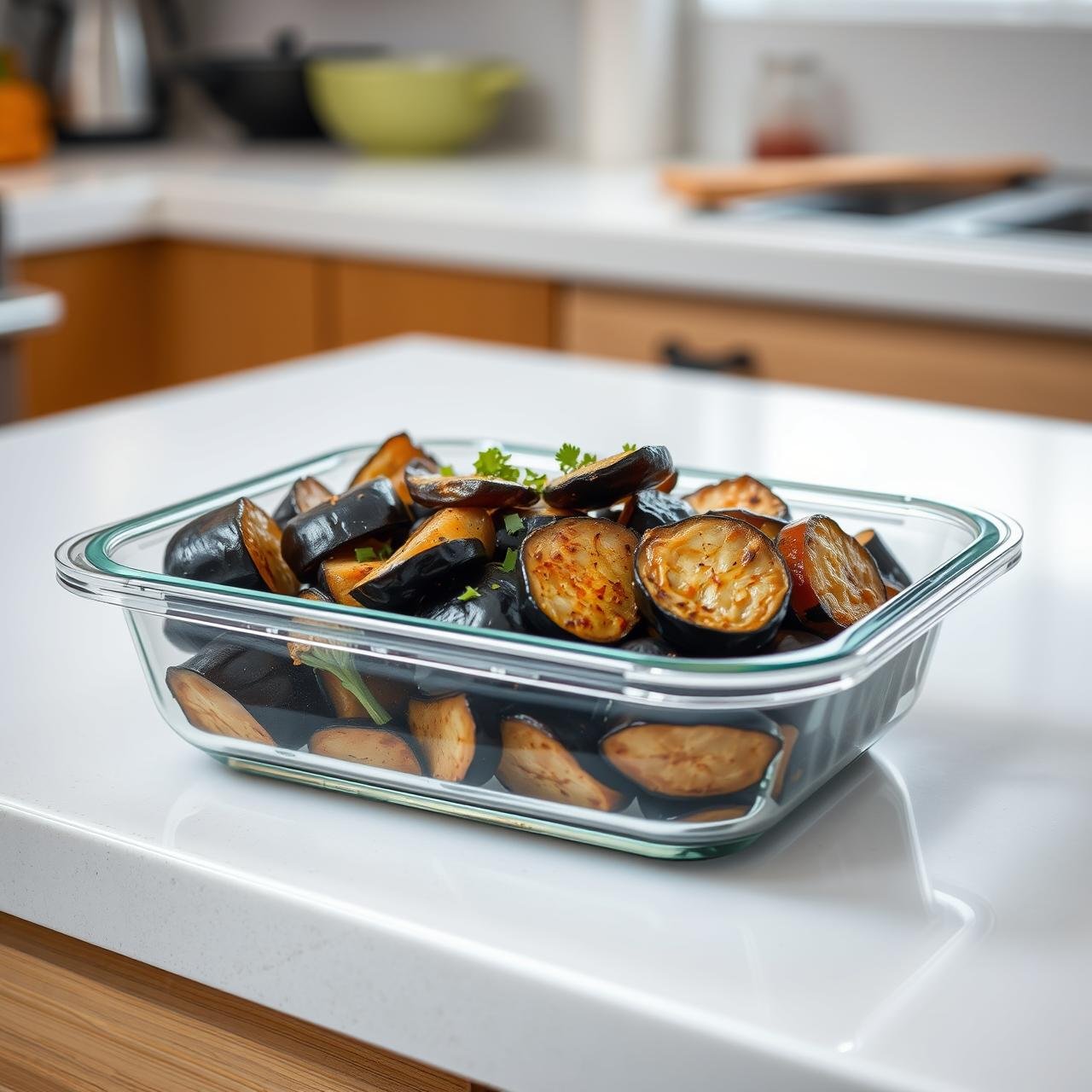
This Miso Glazed Eggplant is best enjoyed fresh from the oven to appreciate its perfect texture. However, leftovers are still incredibly delicious and easy to store.
Storage
Allow the eggplant to cool completely to room temperature. Store it in an airtight container in the refrigerator for up to 3 days. The glaze will continue to marinate the eggplant, and some find the flavor is even better the next day.
Reheating
While you can use a microwave in a pinch, it can make the eggplant’s texture a bit soft. For the best results, we recommend one of these two methods:
- Oven: Preheat your oven to 350°F (175°C). Place the eggplant on a baking sheet and heat for 8-10 minutes, or until warmed through.
- Air Fryer: An air fryer works wonderfully to restore some of the crispiness. Reheat at 350°F (175°C) for 3-5 minutes.
Conclusion
This Miso Glazed Roasted Eggplant is more than a recipe; it’s a technique and a flavor experience that will fundamentally change how you view this versatile vegetable. It proves that food designed for a healthy lifestyle doesn’t need to be bland or boring. With just a handful of ingredients, you can create a side dish that is complex, deeply satisfying, and stunningly beautiful. It’s a testament to the power of rustic, homestyle cooking and the profound deliciousness of umami. We encourage you to bring this dish into your kitchen, share it with loved ones, and savor every single caramelized, savory bite.