Cleansing Watercress Soup Recipe to Reduce Bloating Fast
There are days when we feel… heavy. Sluggish, puffy, and just not ourselves. It’s a common feeling, often the result of a rich meal, travel, or stress. In these moments, our bodies crave something simple, pure, and restorative. Enter this Cleansing Watercress Soup, a vibrant emerald elixir designed not just to delight your taste buds but to actively help reduce bloating and gently reset your system. Forget bland, boring ‘health food’; this is a chef-inspired bowl of wellness that bursts with flavor.
Watercress, with its wonderfully bold, peppery kick, is the star of this dish. For too long, it has been relegated to a mere garnish, but its nutritional prowess is truly formidable. It’s a natural diuretic, which helps your body flush out excess water retention—a primary cause of bloating. Coupled with the subtle sweetness of sautéed onions and garlic and the creamy, earthy depth of a humble potato, this soup transforms a handful of simple, rustic ingredients into a velvety, satisfying meal. It’s a culinary hug in a bowl, promising to leave you feeling lighter, brighter, and deeply nourished from the inside out.
The Star Ingredient: Why Watercress is a Bloat-Busting Hero
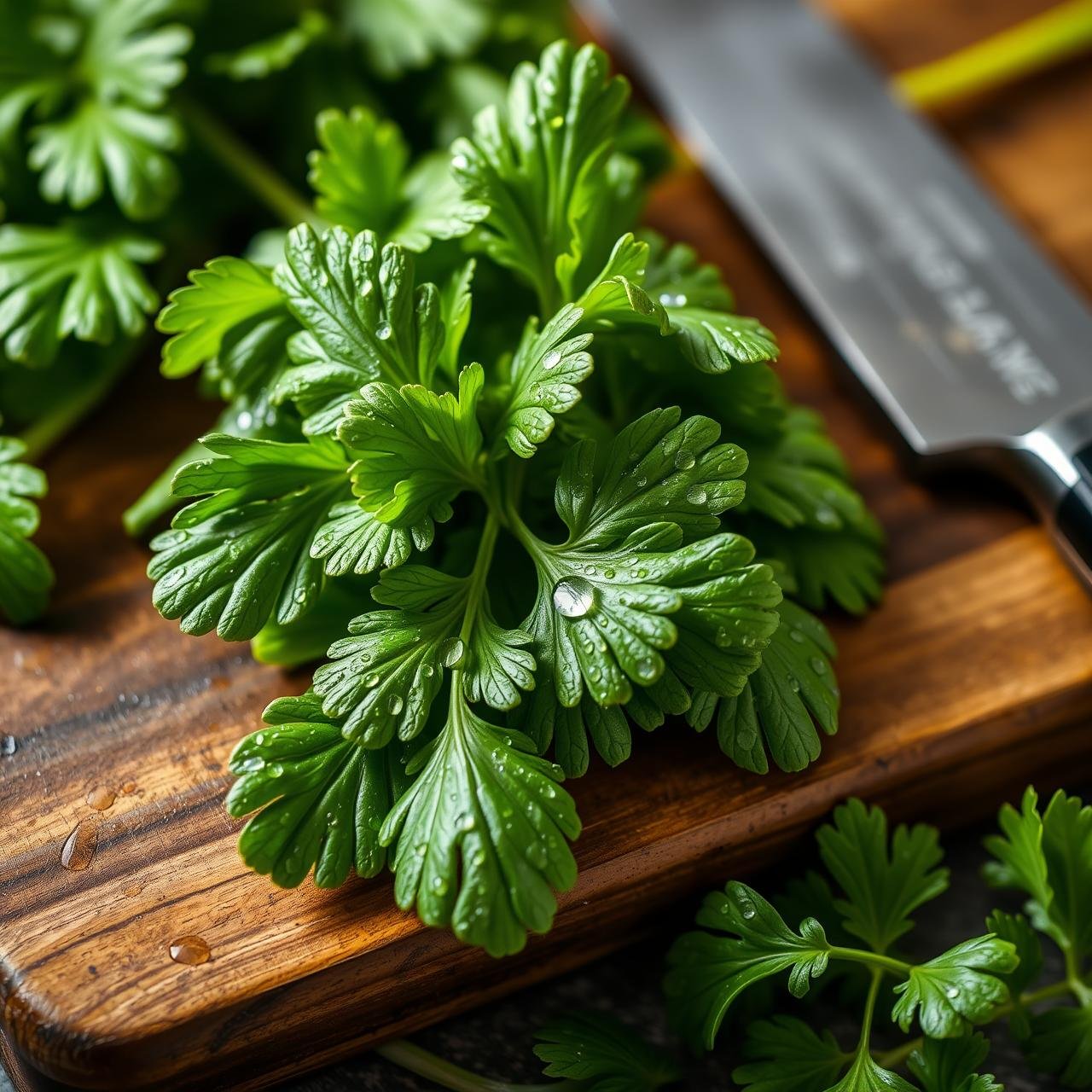
Before we dive into the cooking process, let’s take a moment to appreciate the humble yet mighty watercress. This aquatic plant, part of the cabbage family, has a rich history as both a food and a medicinal herb. Its distinctive peppery flavor is a sign of its potent nutritional content, particularly its concentration of glucosinolates, the same powerful compounds found in broccoli and kale.
So, what makes it so effective against bloating? The magic lies in a unique combination of properties:
- Natural Diuretic: Watercress is rich in potassium, a mineral that helps to counterbalance sodium levels in the body. This process encourages the kidneys to flush out excess water and salt, providing fast relief from that uncomfortable, puffy feeling.
- Digestive Support: The plant is a good source of dietary fiber, which is crucial for maintaining a healthy digestive tract. Fiber adds bulk to stool, promotes regular bowel movements, and helps to prevent the constipation that can often lead to bloating and discomfort.
- Rich in Antioxidants: Packed with Vitamin C, Vitamin A (as carotenoids), and other antioxidants, watercress helps to combat oxidative stress and inflammation in the body. A calm, non-inflamed digestive system is a happy and efficient one.
- Nutrient-Dense & Low-Calorie: This soup provides a wealth of essential nutrients, including an incredible amount of Vitamin K (vital for bone health), without weighing you down with excess calories. It nourishes your body on a cellular level, giving you energy while supporting its natural cleansing processes.
By choosing watercress, you’re not just making a soup; you’re harnessing the power of a true superfood to actively support your body’s well-being.
Gather Your Tools: Kitchen Essentials for the Perfect Soup

A great recipe is made even better with the right tools. For this soup, we are aiming for a luxuriously smooth, velvety texture. You don’t need a professional kitchen, but having these essentials on hand will make the process seamless and ensure a perfect result every time.
| Tool | Chef’s Note |
|---|---|
| Large Pot or Dutch Oven | A heavy-bottomed pot provides even heat distribution, preventing the aromatics from scorching and allowing the soup to simmer gently. A 5-quart capacity is ideal. |
| High-Powered Blender or Immersion Blender | This is crucial for achieving that silky-smooth consistency. An immersion (stick) blender allows you to blend directly in the pot, minimizing cleanup. A traditional blender may yield an even finer texture but requires careful transferring of hot liquid. |
| Sharp Chef’s Knife & Cutting Board | Proper prep is the foundation of any good dish. A sharp knife makes chopping the onion, garlic, and potato safe and efficient. |
| Wooden Spoon or Spatula | Perfect for sautéing the vegetables without scratching the surface of your pot. |
| Measuring Cups & Spoons | Accuracy in measuring broth and seasonings ensures a balanced and flavorful soup. |
The Cleansing Watercress Soup Recipe
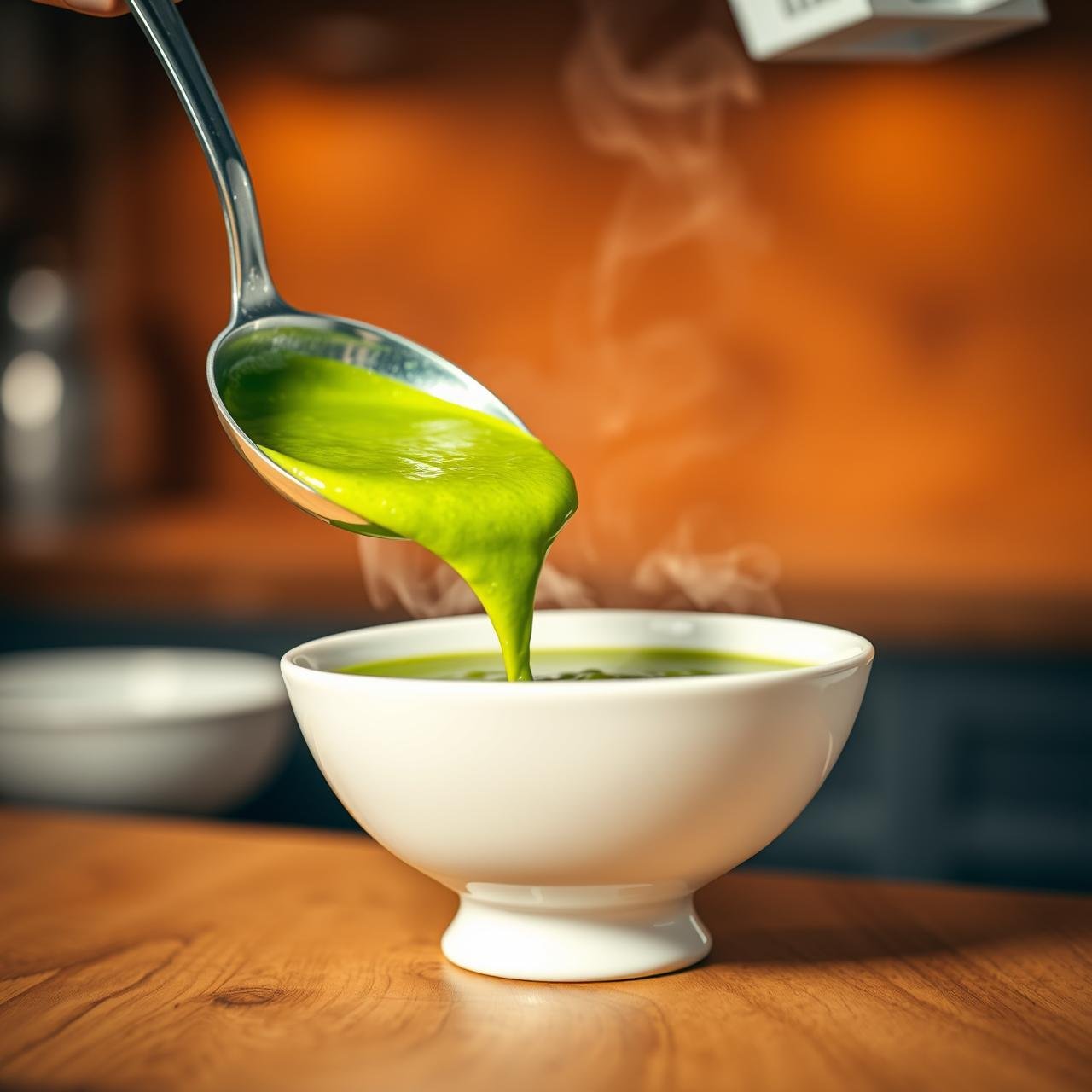
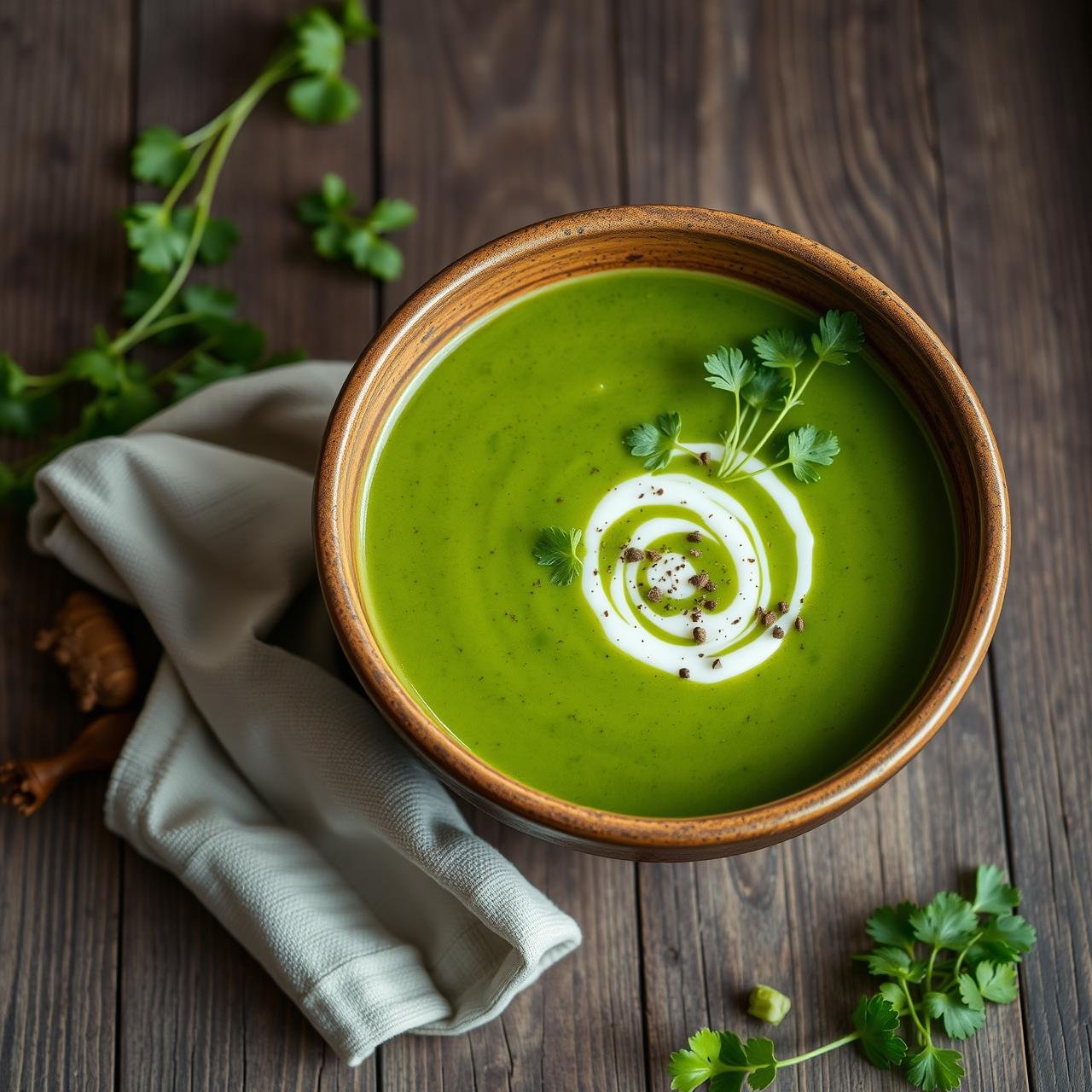
This recipe is designed for simplicity and flavor. The potato acts as a natural thickener, creating a creamy texture without the need for heavy dairy. The final touch of lemon juice brightens all the flavors and adds a fresh, zesty finish.
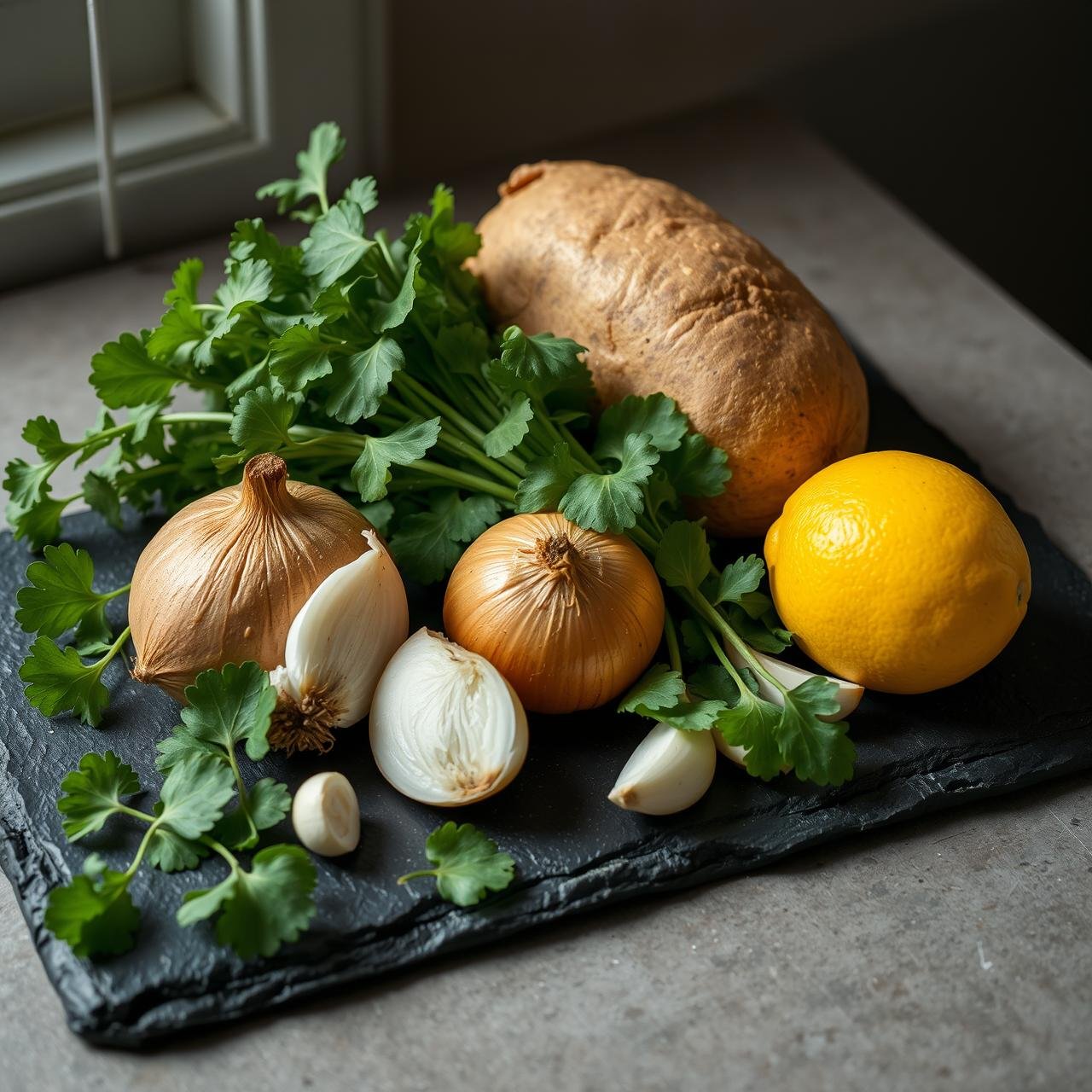
Ingredients
- 2 tablespoons extra-virgin olive oil
- 1 large yellow onion, chopped
- 3 cloves garlic, minced
- 1 large russet potato (about 1 pound), peeled and diced into 1-inch cubes
- 6 cups low-sodium vegetable broth
- 2 large bunches fresh watercress (about 8-10 ounces), thick stems removed
- 1/4 cup fresh parsley, chopped (optional, for extra green color and freshness)
- 1 tablespoon fresh lemon juice
- 1/2 teaspoon sea salt, or to taste
- 1/4 teaspoon freshly ground black pepper, or to taste
- Optional Garnish: A swirl of coconut cream or plain yogurt, a drizzle of olive oil, toasted pumpkin seeds, or fresh watercress leaves.
Step-by-Step Instructions
- Sauté the Aromatics: Heat the olive oil in your large pot or Dutch oven over medium heat. Once shimmering, add the chopped onion and a pinch of salt. Cook, stirring occasionally, for 5-7 minutes, until the onion is soft, translucent, and sweet-smelling. Add the minced garlic and cook for another minute until fragrant, being careful not to let it brown.
- Simmer the Base: Add the diced potato and the vegetable broth to the pot. Bring the mixture to a boil, then reduce the heat to low, cover, and let it simmer for 15-20 minutes. You’ll know it’s ready when the potatoes are completely tender and can be easily pierced with a fork.
- Wilt the Greens: Remove the pot from the heat. Add the entire amount of fresh watercress and the optional parsley. Push the greens down into the hot broth with your spoon. They will look like a huge amount at first, but they will wilt down significantly in just a couple of minutes from the residual heat.
- Blend to Perfection: This is where the magic happens. Using an immersion blender, blend the soup directly in the pot until it is completely smooth and a vibrant, uniform green. If using a standard blender, carefully transfer the soup in batches (never fill a blender more than halfway with hot liquid!) and blend until velvety. Remember to vent the lid to allow steam to escape. Return the blended soup to the pot.
- Season and Finish: Stir in the fresh lemon juice, sea salt, and black pepper. Taste the soup and adjust the seasonings as needed. You may want more salt to enhance the flavors or another squeeze of lemon to brighten it up.
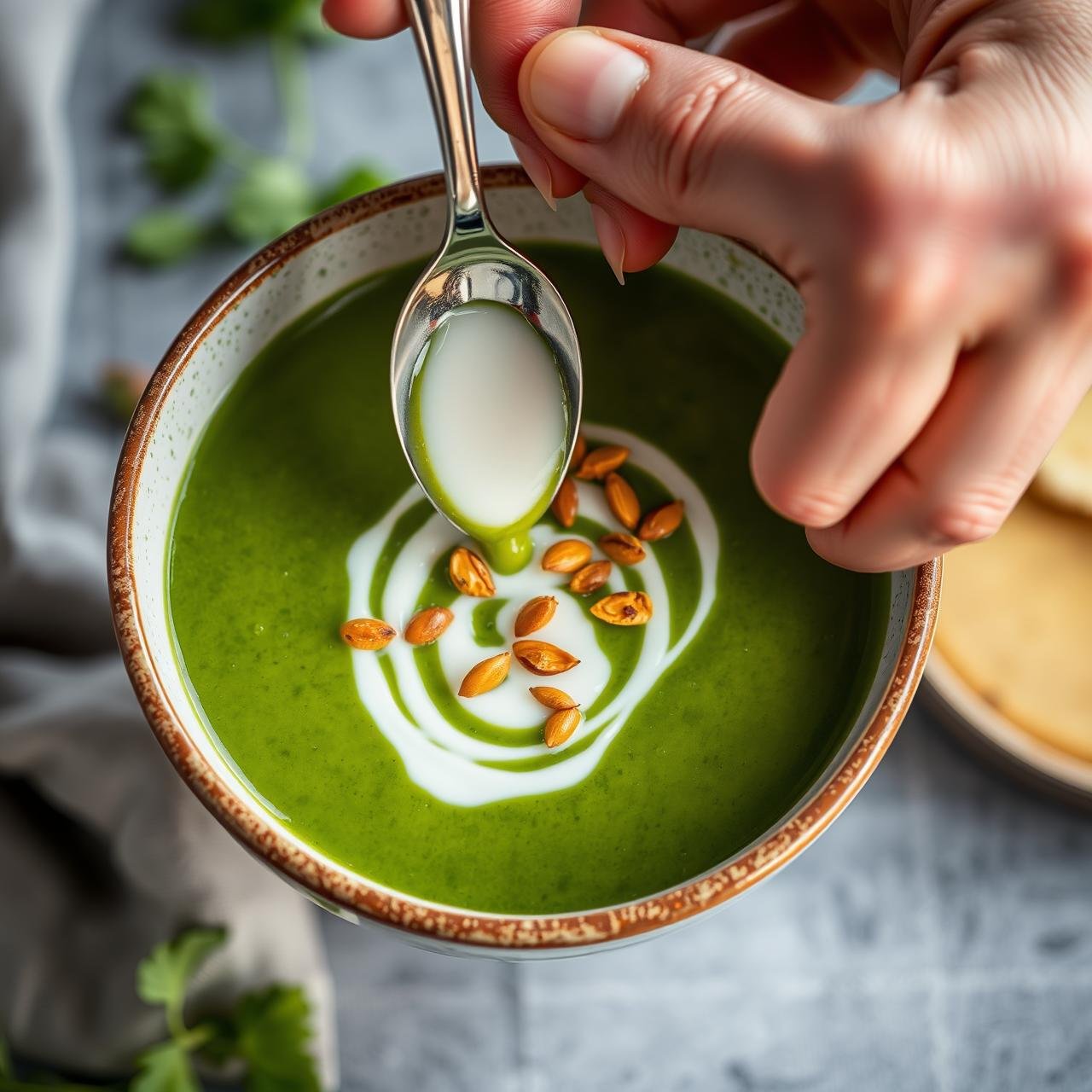
- Serve and Garnish: Ladle the hot, cleansing soup into bowls. Garnish as desired with a swirl of cream, a few fresh watercress leaves, or a sprinkle of toasted seeds for a delightful crunch. Serve immediately and enjoy the nourishing goodness.
Expert Tips & Delicious Variations
Tips for Success
- Selecting Watercress: Look for watercress with bright, deep green leaves and crisp stems. Avoid any bunches that are yellowed, wilted, or slimy. The fresher the cress, the more vibrant and peppery your soup will be.
- Managing the Pepperiness: Watercress has a natural peppery bite. If you prefer a milder soup, you can add a handful of fresh spinach along with the watercress to temper the flavor.
- Achieving Ultimate Creaminess: For an even richer, more decadent soup without dairy, you can add 1/2 cup of raw, soaked cashews to the pot along with the potatoes. They will soften as they simmer and blend into an unbelievably creamy base.
- Don’t Overcook the Greens: The key to the soup’s brilliant green color is adding the watercress off the heat. Overcooking it will result in a dull, olive-colored soup and diminish its delicate nutrients. The residual heat of the broth is all that’s needed to wilt it perfectly.
Flavor Variations
- Spicy Kick: Add a pinch of red pepper flakes or a small, deseeded jalapeño along with the garlic for a gentle, warming heat.
- Earthy Notes: Introduce a pinch of ground nutmeg or coriander when you add the salt and pepper for a warm, earthy undertone that complements the peppery greens beautifully.
- Make it a Full Meal: To make the soup more substantial, serve it topped with a scoop of cooked quinoa, roasted chickpeas, or a soft-poached egg for an extra protein boost.
Nourishment in Every Spoonful: Nutritional Profile
This soup is a powerhouse of nutrition, designed to be both light and sustaining. The values below are an estimate per serving, assuming the recipe yields four generous servings. They highlight the low-calorie, high-nutrient nature of this cleansing dish.
| Nutrient | Amount Per Serving (Approx.) |
|---|---|
| Calories | 185 kcal |
| Protein | 5 g |
| Fat | 8 g |
| Carbohydrates | 25 g |
| Fiber | 6 g |
| Sugar | 6 g |
| Sodium | 450 mg (will vary with broth and added salt) |
| Potassium | 850 mg |
| Vitamin K | Over 200% of Daily Value |
| Vitamin A | Over 100% of Daily Value |
| Vitamin C | Over 80% of Daily Value |
The high potassium content is key to its de-bloating effects, while the impressive fiber count supports digestive regularity. The abundance of Vitamins A, C, and K underscores its role as a deeply immune-supportive and nourishing meal.
Storing, Freezing, and Reheating Your Soup
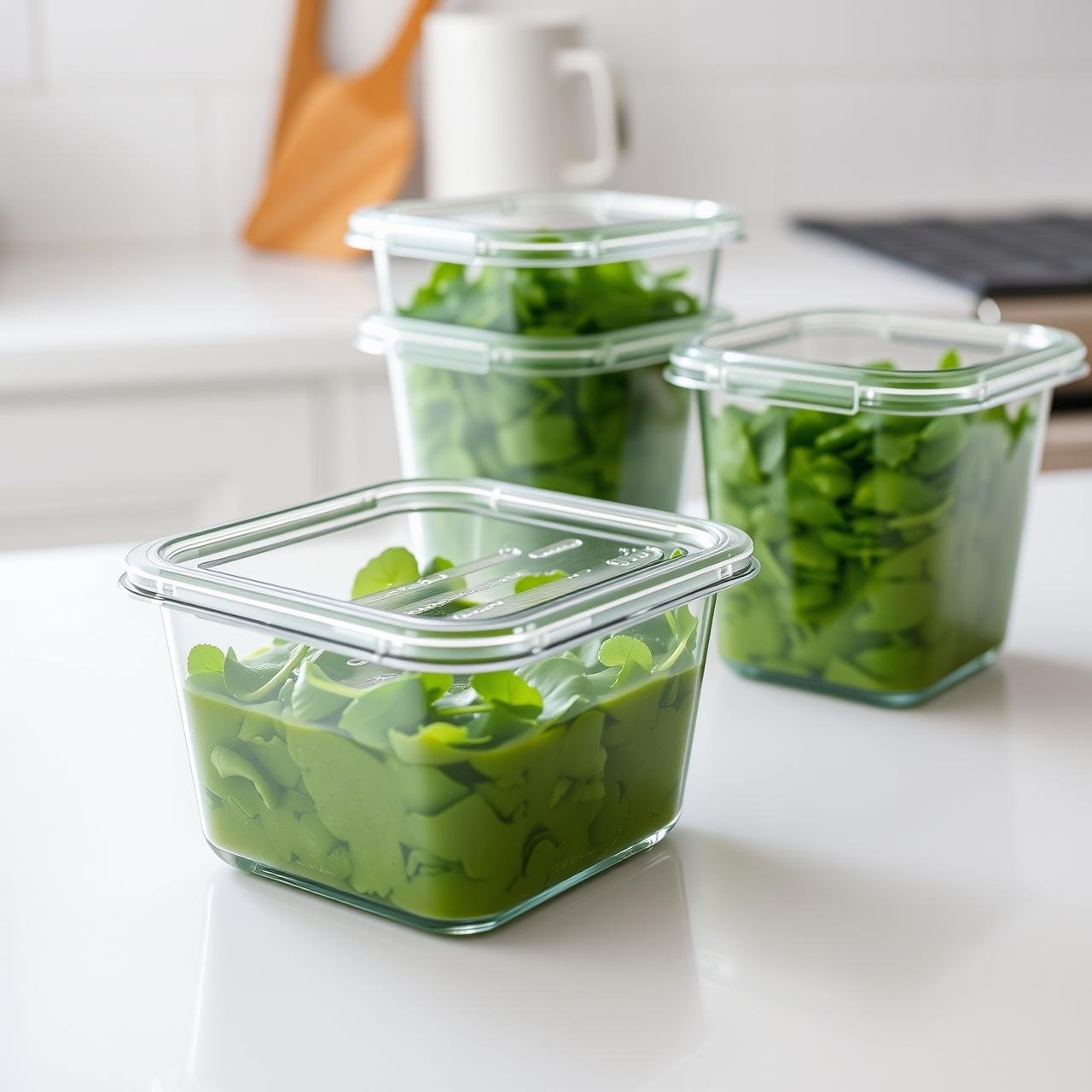
This soup is wonderful to make ahead for easy, healthy meals throughout the week. Proper storage is key to preserving its vibrant color and fresh flavor.
Refrigeration
Allow the soup to cool completely to room temperature. Transfer it to an airtight container and store it in the refrigerator for up to 4 days. The color may slightly fade over time, but the flavor will remain delicious.
Freezing
This soup freezes beautifully! Once cooled, pour it into freezer-safe containers or heavy-duty freezer bags. Be sure to leave about an inch of headspace at the top to allow for expansion. It can be frozen for up to 3 months. To thaw, simply place it in the refrigerator overnight.
Reheating
The best way to reheat this soup is gently on the stovetop. Pour the desired amount into a small saucepan and warm over medium-low heat, stirring occasionally until it’s heated through. Avoid boiling the soup, as this can alter its delicate flavor and color. If the soup has thickened upon standing, you can add a small splash of water or vegetable broth to reach your desired consistency.
Conclusion
Embracing a healthier, more comfortable you doesn’t require drastic measures or complicated regimens. Sometimes, it’s as simple as a warm, nourishing bowl of soup. This Cleansing Watercress Soup is more than just a recipe; it’s a simple act of self-care, a delicious tool to help you feel your best from the inside out. Its vibrant color, bold peppery flavor, and velvety texture are a testament to the fact that food can be both medicine and a delight. So the next time you’re feeling sluggish or bloated, turn to this simple, rustic recipe. Savor each spoonful and enjoy the feeling of lightness and rejuvenation that follows. Your body will thank you.