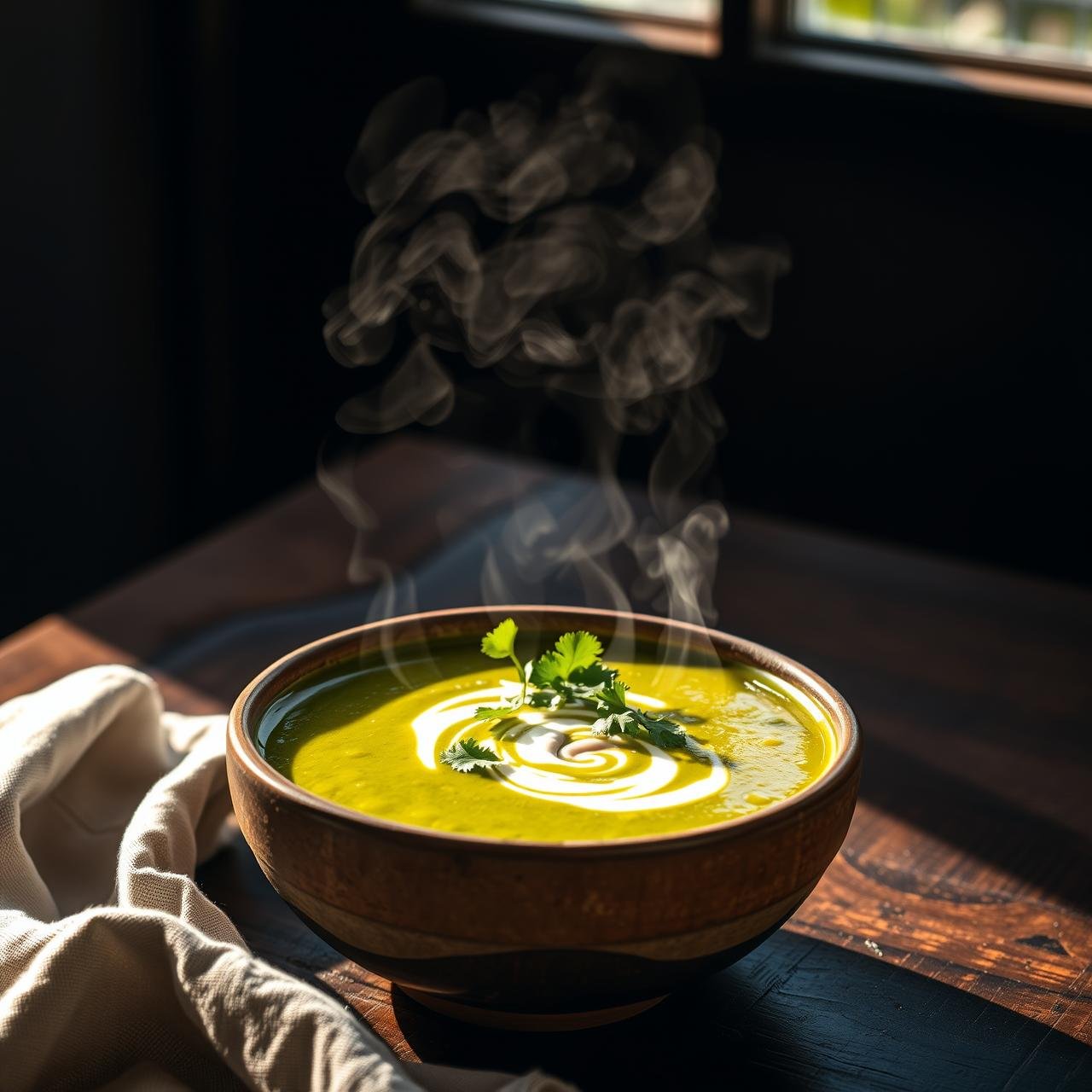
Detox Mung Bean Soup: The Ancient Secret To Debloating (No Fluff)
Do you ever have those days where you just feel… off? A little sluggish, uncomfortably bloated, and craving something that will press the reset button on your entire system. In our fast-paced world, it’s easy to feel weighed down. But what if the answer wasn’t a trendy, expensive juice cleanse, but a humble, ancient legume that has been cherished for centuries for its profound healing properties? Enter the mighty mung bean.
This Detox Mung Bean Soup is more than just a recipe; it’s a culinary ritual rooted in the ancient practices of Ayurveda and Traditional Chinese Medicine. Known for being incredibly easy to digest, packed with nutrients, and wonderfully grounding, this soup is a gentle yet powerful way to cleanse your body, soothe your digestive tract, and banish bloating. It’s the kind of meal that nourishes you from the inside out, leaving you feeling light, energized, and clear. Forget the fluff and complexity; we’re embracing the simple, rustic elegance of a dish that has stood the test of time. Prepare to discover a savory, warming, and utterly delicious secret to feeling your absolute best.
Why This Mung Bean Soup is Your Gut’s Best Friend
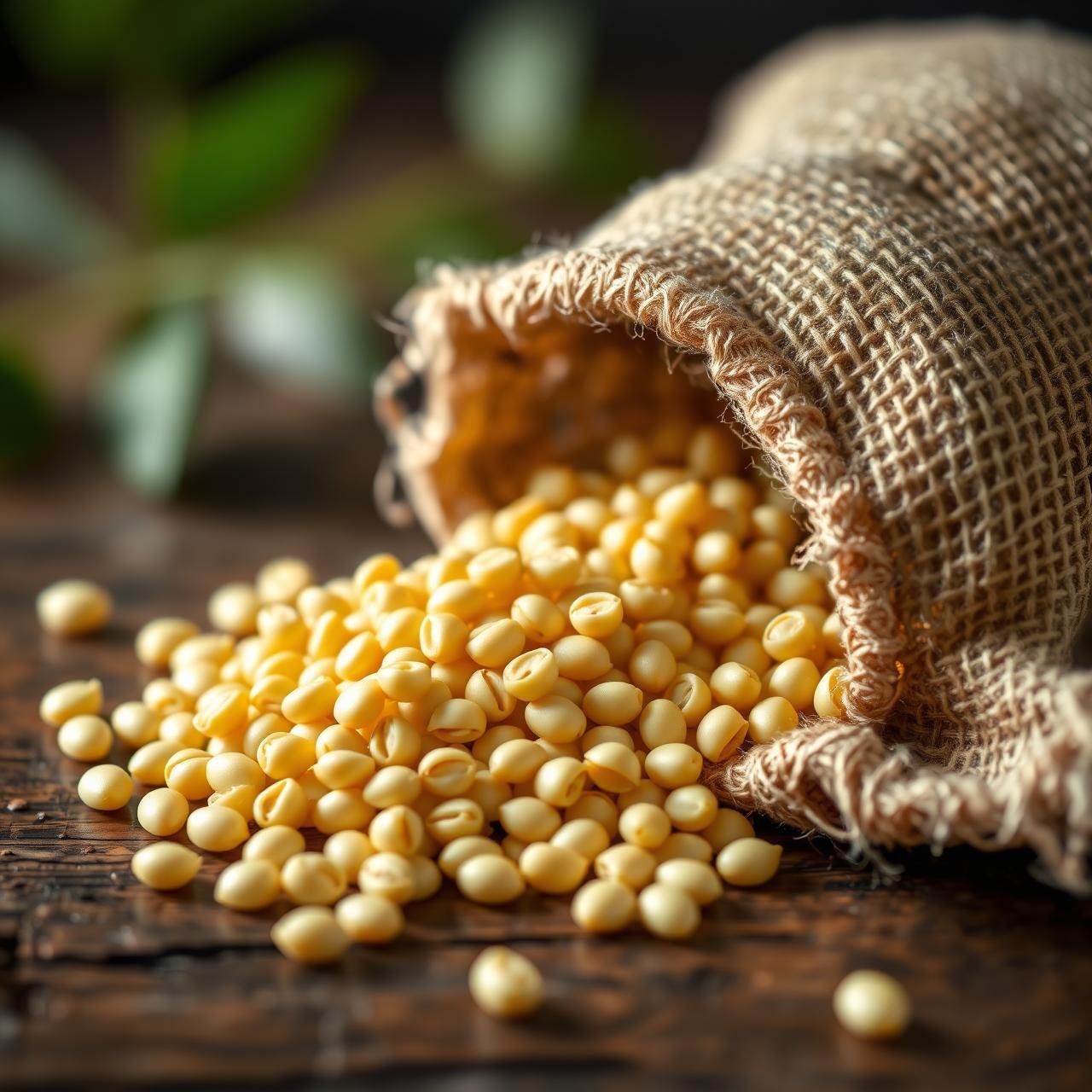
Before we dive into the pot, let’s understand the magic behind our star ingredient. Mung beans, specifically the split and hulled variety known as moong dal, are a cornerstone of Ayurvedic cooking for a reason. They are considered ‘tri-doshic,’ meaning they are balancing for all body types, a rare and prized quality in Ayurvedic foods.
From a modern nutritional standpoint, they are a powerhouse. Here’s what makes them so special for digestion and detoxification:
- Easy Digestibility: The splitting and hulling process removes the harder-to-digest outer skin, making moong dal exceptionally gentle on the stomach. This allows your digestive system to rest and repair, which is crucial for reducing bloating and discomfort.
- Rich in Fiber: Mung beans contain both soluble and insoluble fiber. Soluble fiber forms a gel-like substance in the gut that can help lower bad cholesterol, while insoluble fiber adds bulk to stool, promoting regularity and helping to sweep the digestive tract clean.
- Plant-Powered Protein: Packed with plant-based protein, this soup will keep you feeling full and satisfied, preventing the energy crashes and cravings that can accompany other ‘detox’ diets.
- Anti-Inflammatory Properties: Mung beans are rich in antioxidants like flavonoids and phenolic acids, which combat oxidative stress and inflammation in the body—a common root cause of bloating and digestive issues.
Combined with warming, digestive-aid spices like ginger, cumin, and turmeric, this soup becomes a potent elixir for your gut. It’s not about deprivation; it’s about providing your body with exactly what it needs to heal and thrive.
Kitchen Tools for the Perfect Pot of Soup

You don’t need any fancy gadgets for this rustic recipe. Simplicity is key. Here are the basic tools that will ensure your soup-making process is smooth and enjoyable.
| Equipment | Purpose |
|---|---|
| Heavy-Bottomed Pot or Dutch Oven | Ensures even heat distribution and prevents the beans from scorching on the bottom. A 4-quart or larger pot is ideal. |
| Fine-Mesh Sieve | Crucial for thoroughly rinsing the mung beans to remove any dust or debris. |
| Chef’s Knife & Cutting Board | For preparing the fresh aromatics like ginger, garlic, and cilantro. |
| Small Skillet | For preparing the ‘tadka’ or ‘tempering’—blooming the spices in oil to unlock their full flavor potential. |
| Ladle | For serving your beautiful, nourishing soup. |
| Immersion Blender (Optional) | If you prefer a perfectly smooth, creamy consistency. Otherwise, a rustic, slightly chunky texture is wonderful. |
Ingredients: A Harmony of Cleansing Flavors
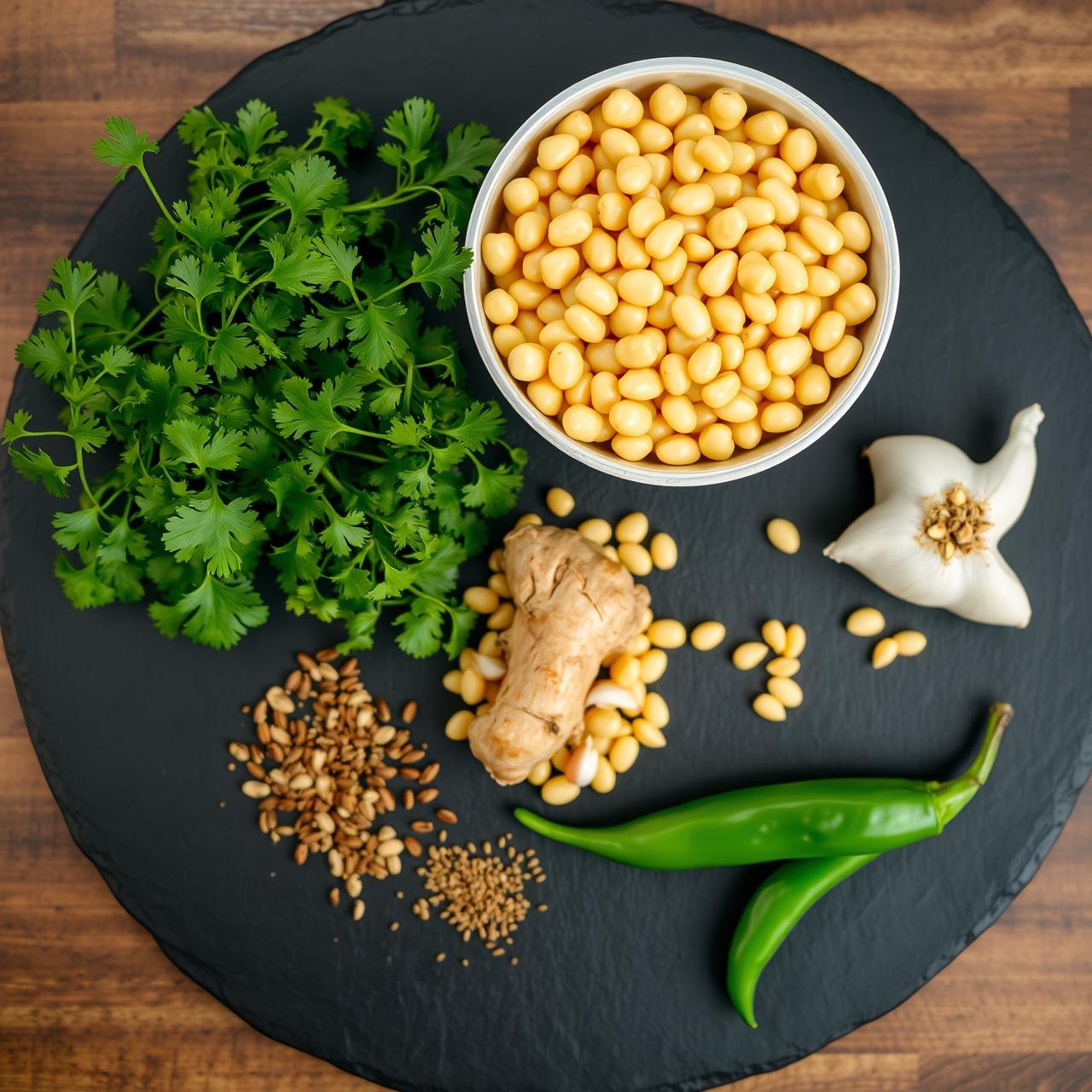
The beauty of this soup lies in its simple, wholesome ingredients. Each component is chosen for its flavor and its digestive benefits. Seek out high-quality spices for the most vibrant taste.
For the Soup Base:
- 1 cup split yellow mung beans (moong dal), picked over for any stones, rinsed well
- 6 cups vegetable broth or filtered water
- 1 inch fresh ginger, peeled and finely grated
- 2 cloves garlic, minced
- 1/2 teaspoon ground turmeric
- 1/2 teaspoon sea salt, or to taste
For the Tadka (Tempering):
- 1 tablespoon coconut oil or ghee
- 1 teaspoon cumin seeds
- 1 teaspoon black mustard seeds
- 1/4 teaspoon asafoetida (hing) – optional, but excellent for reducing gas and bloating
- 1 dried red chili (optional, for a touch of heat)
For Garnish:
- 1/4 cup fresh cilantro, chopped
- A squeeze of fresh lime or lemon juice
- A dollop of coconut yogurt (optional)
Crafting Your Detox Mung Bean Soup: Step-by-Step
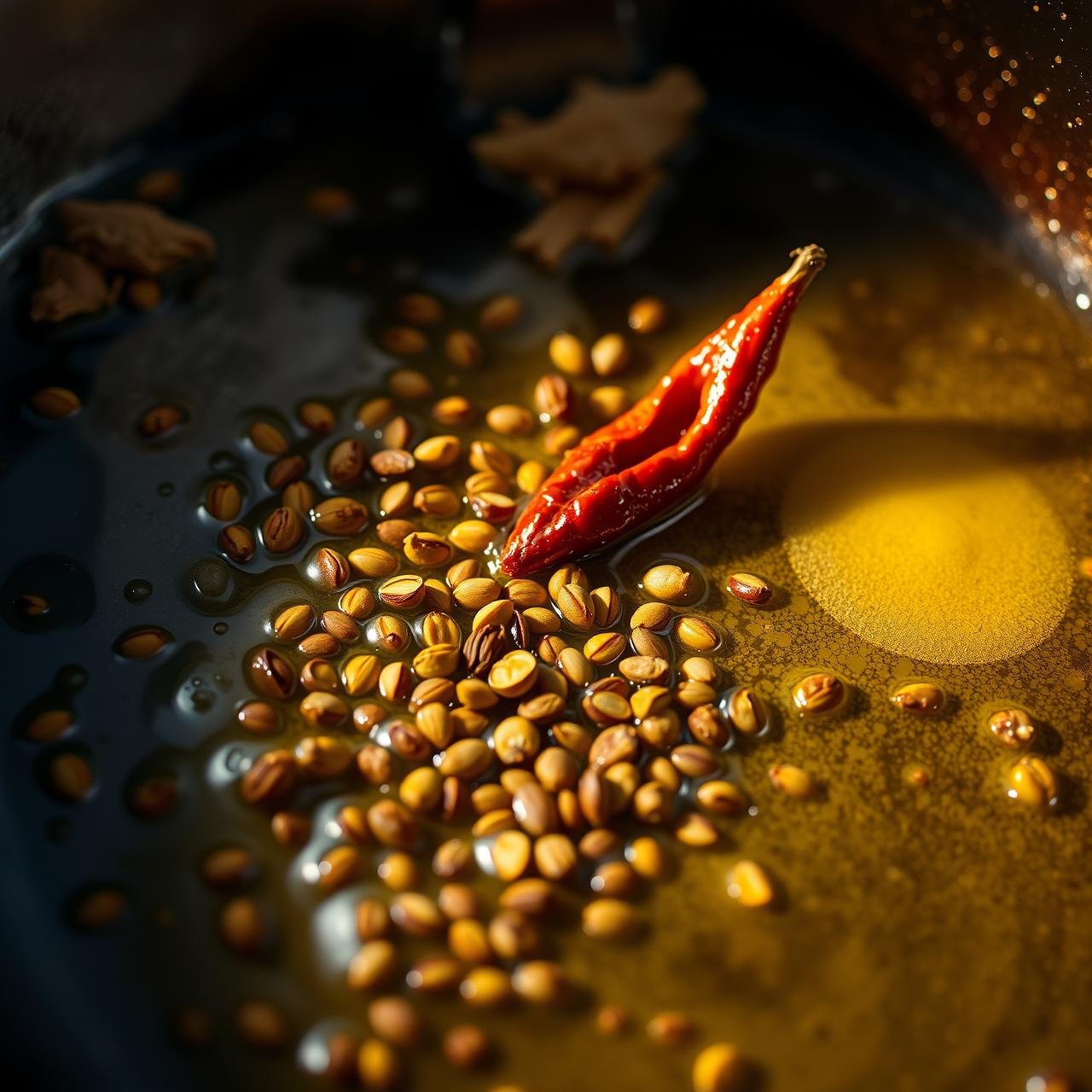
Follow this culinary ritual with intention. The process is as calming and grounding as the soup itself. The aroma that will fill your kitchen is the first step in this nourishing experience.
- Prepare the Mung Beans: Place the rinsed moong dal in a large, heavy-bottomed pot. Add the 6 cups of vegetable broth or water, grated ginger, minced garlic, and ground turmeric. Stir everything together.
- Simmer to Perfection: Bring the mixture to a boil over medium-high heat. Once boiling, reduce the heat to low, cover the pot with a lid slightly ajar to prevent boiling over, and let it simmer gently for 30-40 minutes. Stir occasionally to prevent sticking. The beans should be completely soft and starting to break down, creating a creamy, porridge-like consistency.
- Adjust Consistency: If the soup becomes too thick for your liking during cooking, feel free to add another cup of water or broth until you reach your desired texture. Once cooked, stir in the sea salt. For a smoother soup, you can use an immersion blender at this stage to blend it until creamy.
- Create the Flavorful Tadka: While the soup is finishing, prepare the tadka. In a small skillet, heat the coconut oil or ghee over medium heat. When the oil is shimmering, add the black mustard seeds. Wait for them to pop and sputter—this is essential for their flavor!
- Bloom the Spices: Once the mustard seeds are popping, add the cumin seeds and the optional dried red chili. Swirl the pan for about 30 seconds until the cumin seeds are fragrant and slightly darkened. Be careful not to burn them. Finally, add the asafoetida (if using), swirl for just a couple of seconds, and immediately remove the skillet from the heat.
- Combine and Serve: Carefully pour the hot, sizzling tadka directly into the pot of cooked mung bean soup. It will hiss and sizzle dramatically! Stir it through the soup to distribute all the aromatic flavors.
- Garnish and Enjoy: Ladle the hot soup into bowls. Squeeze a generous amount of fresh lime or lemon juice over the top—the acidity brightens all the flavors. Garnish with a sprinkle of fresh cilantro and, if desired, a dollop of creamy coconut yogurt. Serve immediately and enjoy the warmth.
From My Kitchen to Yours: Expert Tips for Success
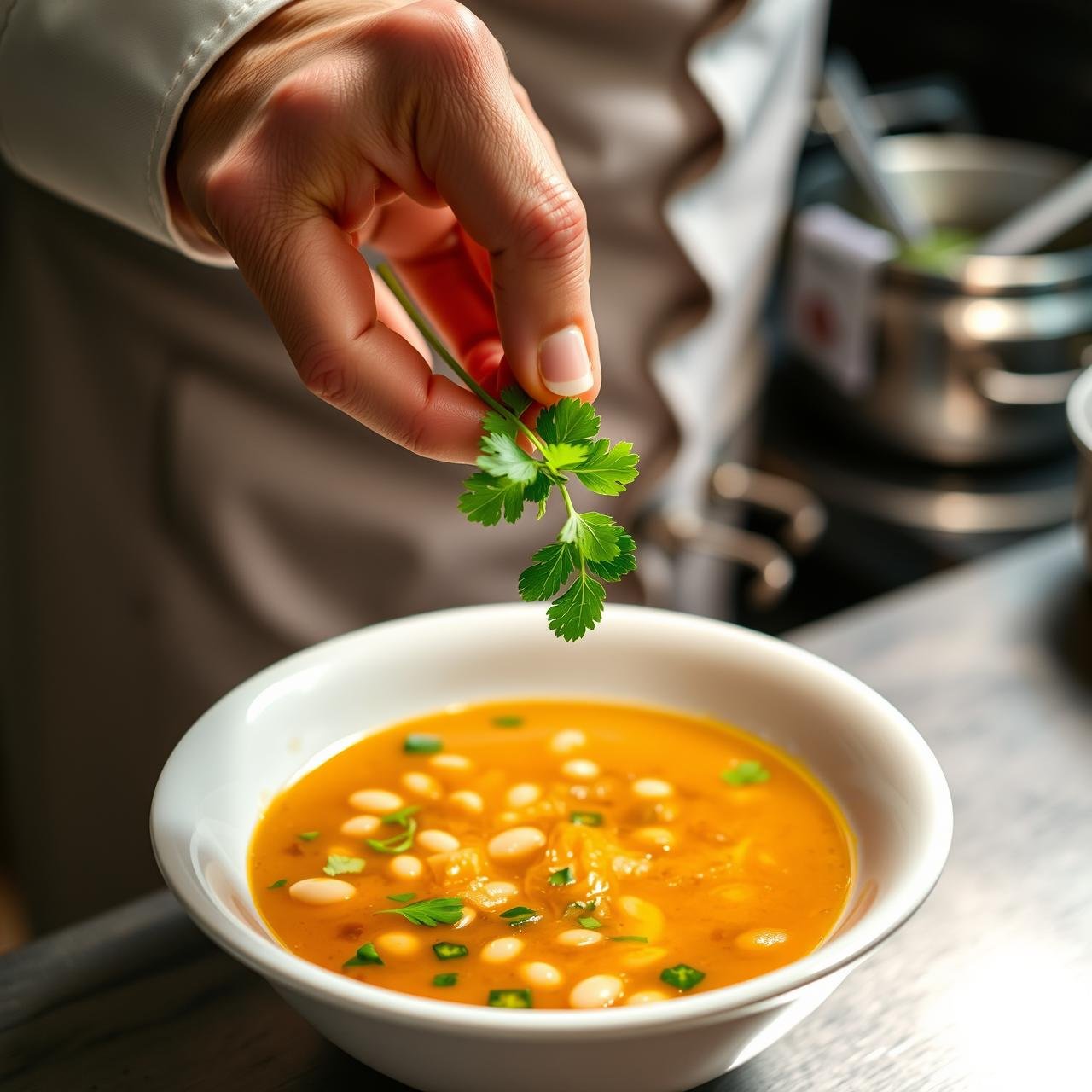
A few simple techniques can elevate this humble soup from good to extraordinary. Here are some chef-like secrets to ensure a perfect result every time.
Chef’s Secrets & Pro-Tips
- Don’t Skip the Rinse: Rinsing the moong dal until the water runs clear is a non-negotiable step. It removes excess starch and any dust, resulting in a cleaner taste and better texture. Some even advocate for soaking the beans for 30 minutes to an hour to further improve digestibility, though it’s not strictly necessary for split beans.
- Master the Tadka: The tadka is where the magic happens. The key is to have your oil hot enough so the mustard seeds pop quickly. If they don’t pop, their flavor won’t be released. Have all your spices measured and ready next to the stove, as the process moves very fast once you begin.
- Customize with Vegetables: While this recipe is a purist’s detox soup, feel free to make it your own. You can add finely chopped carrots or celery with the aromatics at the beginning, or wilt in a large handful of fresh spinach or kale at the very end for an extra boost of greens.
- Control the Consistency: The final texture is a matter of personal preference. For a thinner, more broth-like soup, simply add more water. For a thick, hearty, dal-like stew, use less liquid or simmer it a bit longer.
- The Power of Asafoetida (Hing): If you’re new to this pungent, resinous spice, don’t be intimidated by its strong smell. A tiny pinch, bloomed in hot oil, transforms into a savory, onion-garlic flavor and is a legendary carminative, meaning it actively helps prevent and relieve gas and bloating. It’s a game-changer for digestive health.
The Nourishing Numbers: A Nutritional Snapshot
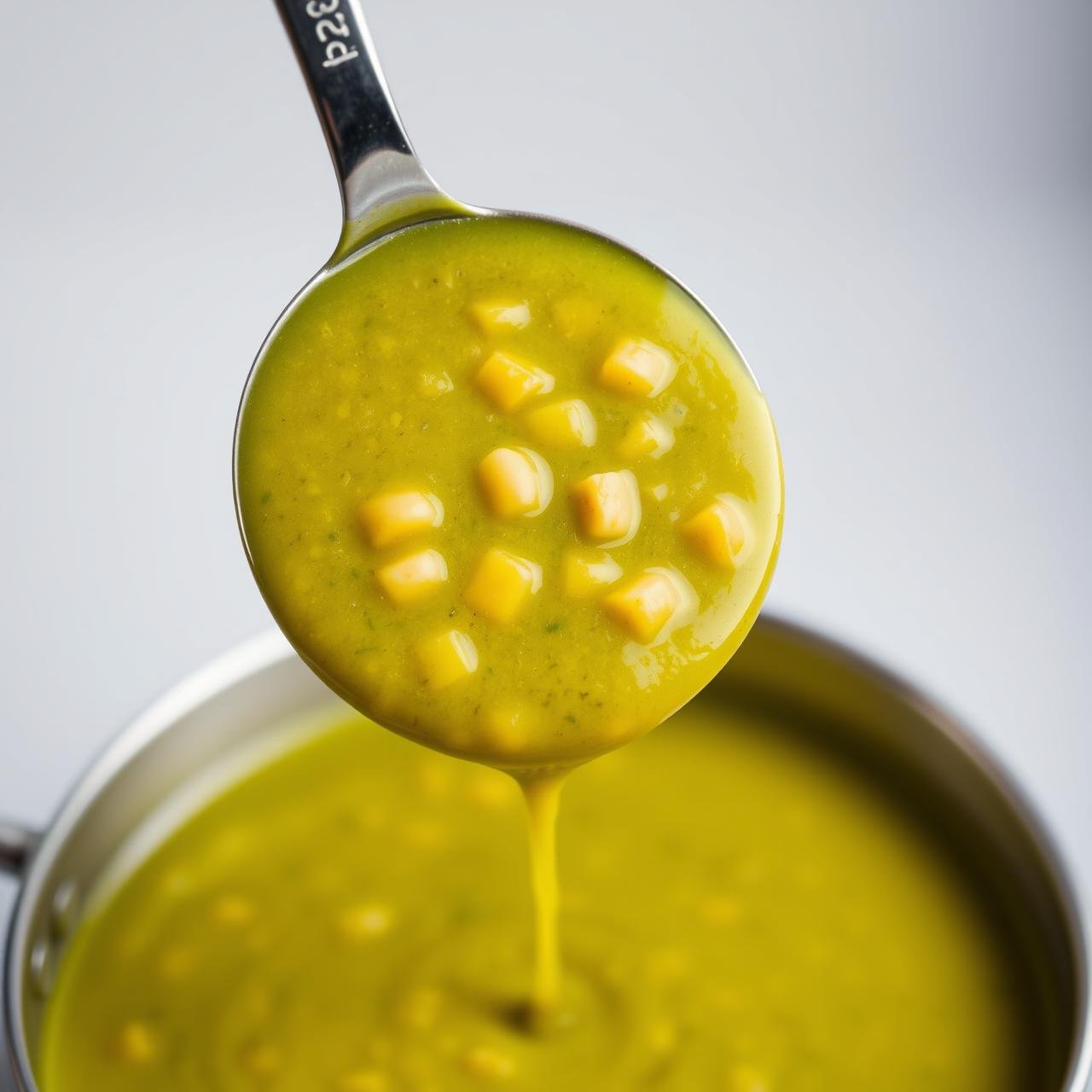
This soup is designed for nourishment, not just calorie counting. However, for those who are curious, here is an approximate nutritional profile per serving. This recipe makes about 4 servings.
| Nutrient | Amount per Serving (Approx.) |
|---|---|
| Calories | 220 kcal |
| Protein | 12 g |
| Carbohydrates | 30 g |
| Fiber | 8 g |
| Sugars | 2 g |
| Fat | 6 g |
| Sodium | 350 mg |
Disclaimer: These values are estimates and can vary based on the specific ingredients used, such as the type of broth and amount of salt.
Savoring Later: Storage and Reheating Guide

This soup is perfect for making a large batch to enjoy over a few days. It’s the kind of meal that gets even better as the flavors meld together.
- Refrigeration: Allow the soup to cool completely before transferring it to an airtight container. It will keep well in the refrigerator for up to 4-5 days. The soup will thicken considerably when chilled.
- Freezing: Mung bean soup freezes beautifully. Portion it into freezer-safe containers or bags, leaving a little headspace for expansion. It can be frozen for up to 3 months. Thaw it overnight in the refrigerator before reheating.
- Reheating: To reheat, gently warm the soup in a saucepan over medium-low heat. Because it thickens upon cooling, you will likely need to add a splash of water or vegetable broth to thin it back to its original consistency. Stir well until it’s heated through. Avoid microwaving if possible, as stovetop reheating preserves the texture better. You can even refresh the flavors with another small squeeze of lime juice and fresh cilantro before serving.
Conclusion
In a world of complex diets and fleeting food trends, there is profound comfort and wisdom in returning to simple, time-honored recipes like this Detox Mung Bean Soup. It serves as a gentle reminder that nourishing our bodies doesn’t have to be complicated or restrictive. It can be as simple as a warm bowl of soup, crafted with intention and wholesome ingredients.
Whether you’re feeling bloated and sluggish, recovering from a period of indulgence, or simply seeking a deeply satisfying and healthy meal, this soup is your answer. It’s a reset in a bowl—a delicious, grounding, and powerful way to support your digestion and honor your body. I invite you to embrace this ancient secret, make a pot for yourself, and feel the light, clean, and vibrant difference it can make.