Creamy Butternut Squash Soup: No Cream, Just Pure Veggie Goodness
There’s a certain magic that arrives with the first crisp autumn air. It’s a feeling that calls for cozy sweaters, crackling fires, and bowls of soup that warm you from the inside out. At the heart of this seasonal comfort is the humble butternut squash, a true icon of the fall harvest. Its sweet, nutty flavor is destined for greatness, and today, we’re transforming it into a soup so luxuriously creamy, you’ll swear it’s loaded with heavy cream. But here’s the secret: it isn’t. This recipe is a celebration of pure, unadulterated vegetable goodness.
We’re bypassing the dairy aisle entirely, relying instead on a simple, chef-approved technique to achieve that velvety, spoon-coating texture we all crave. By properly roasting our vegetables to concentrate their flavors and sugars, and then blending them to perfection, we unlock the natural starches that create a sublime creaminess. It’s a healthier, lighter, yet somehow richer-tasting soup that lets the true essence of the butternut squash shine. Get ready to embrace the soul of autumn with a recipe that’s as nourishing for the body as it is for the spirit.
The Science of Creaminess: How Veggies Do the Work
The belief that creamy soup requires cream is one of the biggest myths in the culinary world. The truth is, nature has already provided the perfect tools; we just need to know how to use them. The secret lies in two key elements: starch and emulsification.
Butternut squash itself is moderately starchy. When cooked, these starch molecules absorb water and swell, creating a thicker, more viscous liquid. However, to achieve that truly decadent, velvety mouthfeel, we bring in a supporting cast. A simple potato or a handful of raw cashews can be transformative. Potatoes are packed with starch, and when blended, they break down into microscopic granules that create an incredibly smooth, creamy base. Cashews, on the other hand, are high in fat and protein. When soaked and blended, they emulsify beautifully, creating a rich, dairy-like consistency without any dairy flavor.
The second part of the equation is the technique. Roasting, rather than just boiling, is non-negotiable. This process caramelizes the natural sugars in the squash, onion, and garlic, building layers of deep, complex flavor that you simply can’t get from simmering alone. It draws out moisture, concentrating the vegetable’s essence. Finally, a high-speed blender is your best friend. It pulverizes the cooked vegetable fibers to a much finer degree than a standard blender, resulting in a silky-smooth texture that coats your palate. This combination of starchy helpers, flavor-building roasting, and powerful blending is the trifecta that makes this cream-free soup a triumph.
Essential Kitchen Equipment

You don’t need a professional kitchen to make this soup, but a few key tools will ensure you get that perfectly smooth, restaurant-quality result. Here’s what you’ll need to have on hand:
| Tool | Purpose & Chef’s Note |
|---|---|
| Rimmed Baking Sheet | Essential for roasting the vegetables. A large, sturdy one allows the veggies to spread out in a single layer, promoting even caramelization instead of steaming. |
| High-Speed Blender | This is the most critical tool for achieving a silky-smooth texture. Brands like Vitamix or Blendtec are ideal, but a good-quality countertop blender will also work. An immersion blender can be used, but the soup won’t be quite as velvety. |
| Large Pot or Dutch Oven | A heavy-bottomed pot (at least 5 quarts) is perfect for sautéing the aromatics and simmering the soup. It distributes heat evenly, preventing scorching. |
| Sharp Chef’s Knife | Butternut squash can be tough. A sharp, heavy knife is crucial for safely cutting it in half and peeling it. |
| Vegetable Peeler | A sturdy Y-peeler makes quick work of removing the squash’s skin. |
Gathering Your Autumn Harvest: Ingredients
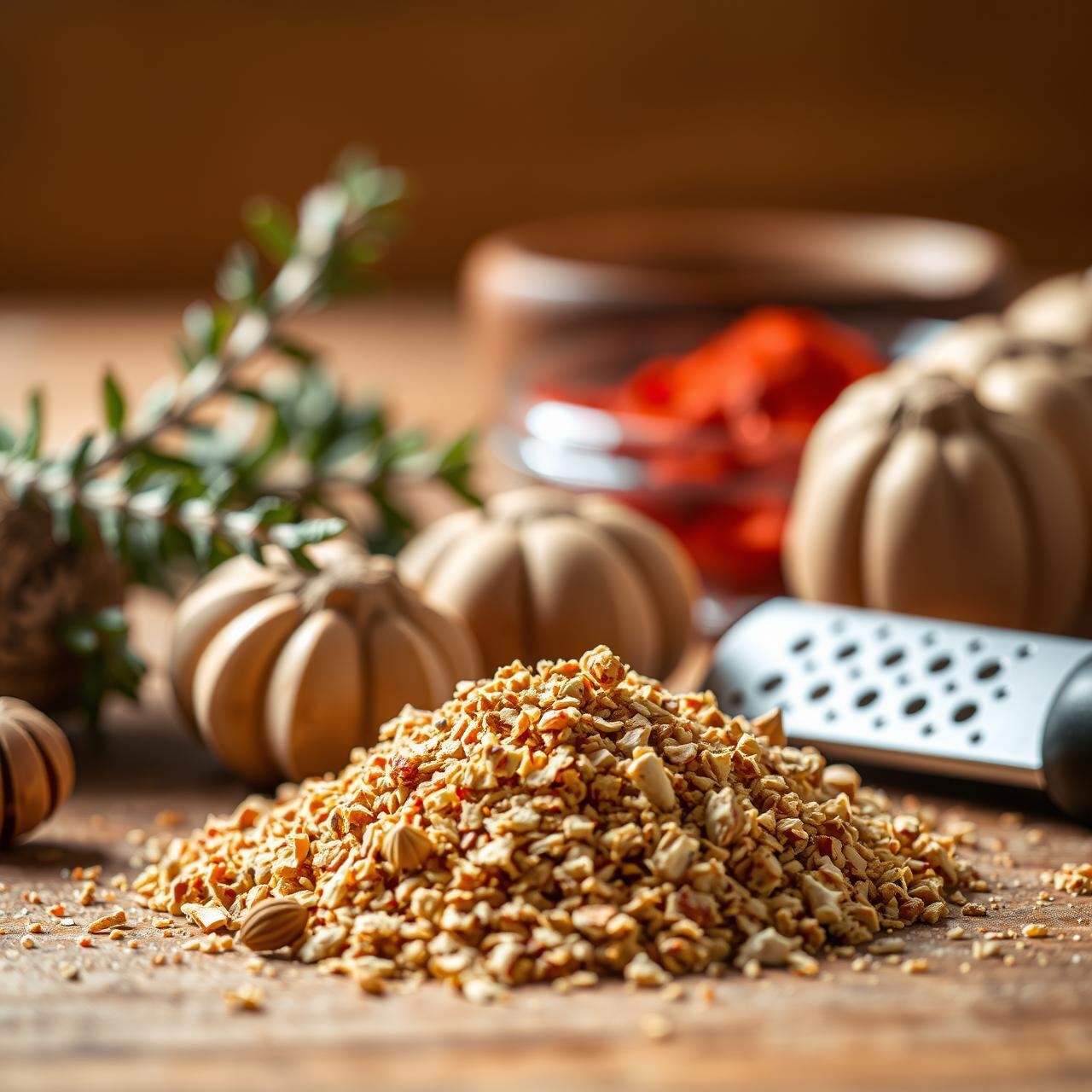
The beauty of this soup lies in its simplicity. We’re using a short list of high-quality, seasonal ingredients to create a symphony of flavor. Choose the freshest produce you can find for the best results.
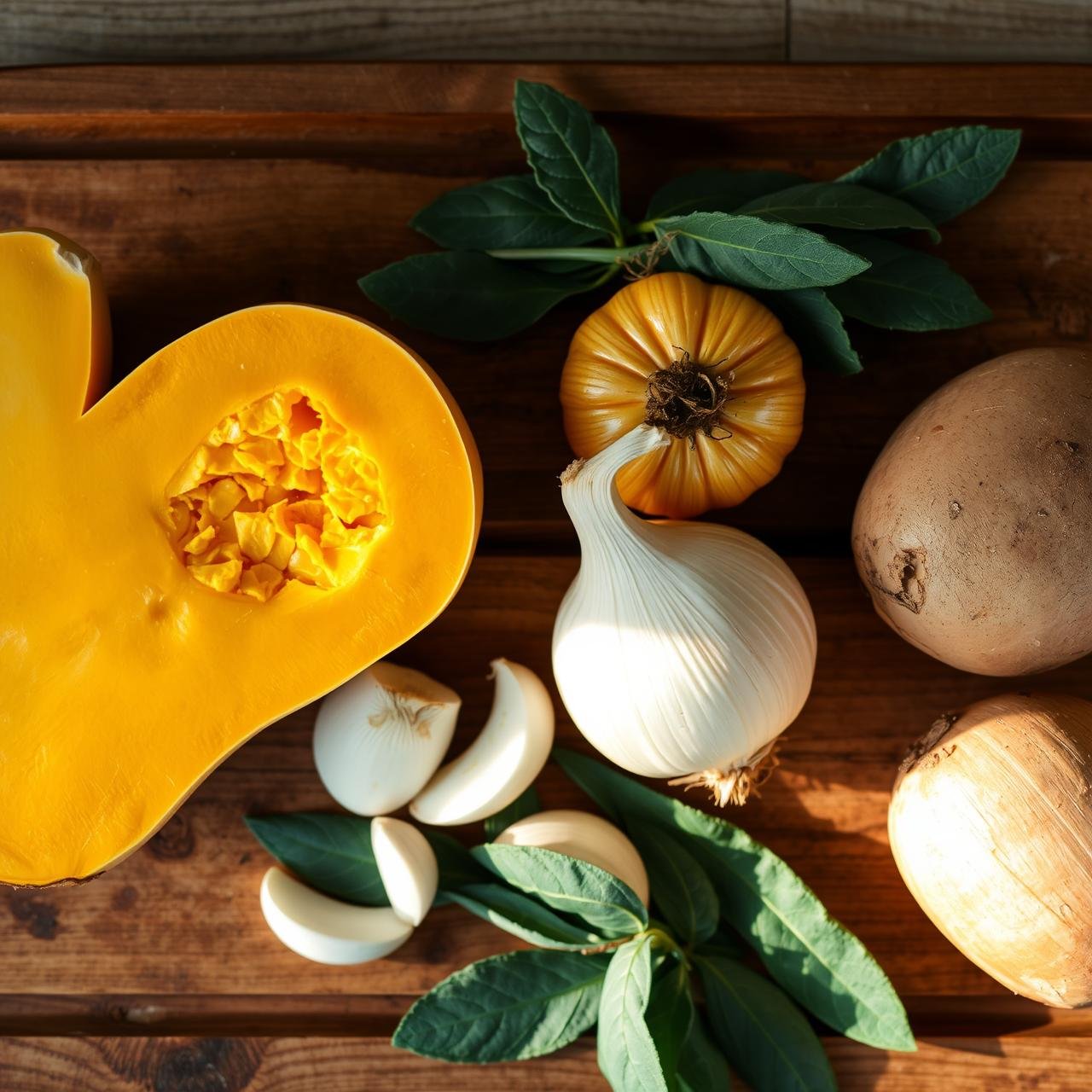
- 1 large Butternut Squash (about 3-4 pounds): Look for one with a solid beige color, free of blemishes or soft spots. It should feel heavy for its size.
- 2 tablespoons Olive Oil: A good quality extra virgin olive oil for roasting and sautéing.
- 1 large Yellow Onion: Peeled and roughly chopped. This builds the soup’s aromatic foundation.
- 2 medium Carrots: Peeled and chopped. They add a subtle sweetness and vibrant color.
- 2 Celery Stalks: Chopped. Provides a savory, herbaceous background note.
- 4-6 cloves Garlic: Left whole in their skins for roasting. Roasting garlic makes it sweet, creamy, and mild.
- 1 medium Russet Potato (about 8 ounces): Peeled and cubed. This is our primary secret weapon for creaminess.
- 6 cups Vegetable Broth: Use a low-sodium, high-quality broth to control the salt level and flavor.
- 1 teaspoon Dried Thyme: Or a few sprigs of fresh thyme.
- 1/2 teaspoon Smoked Paprika: Adds a subtle warmth and smoky depth.
- Pinch of Nutmeg: Freshly grated is best. It enhances the natural sweetness of the squash.
- Salt and Black Pepper: To taste. Seasoning at each stage is key.
Optional Garnishes:
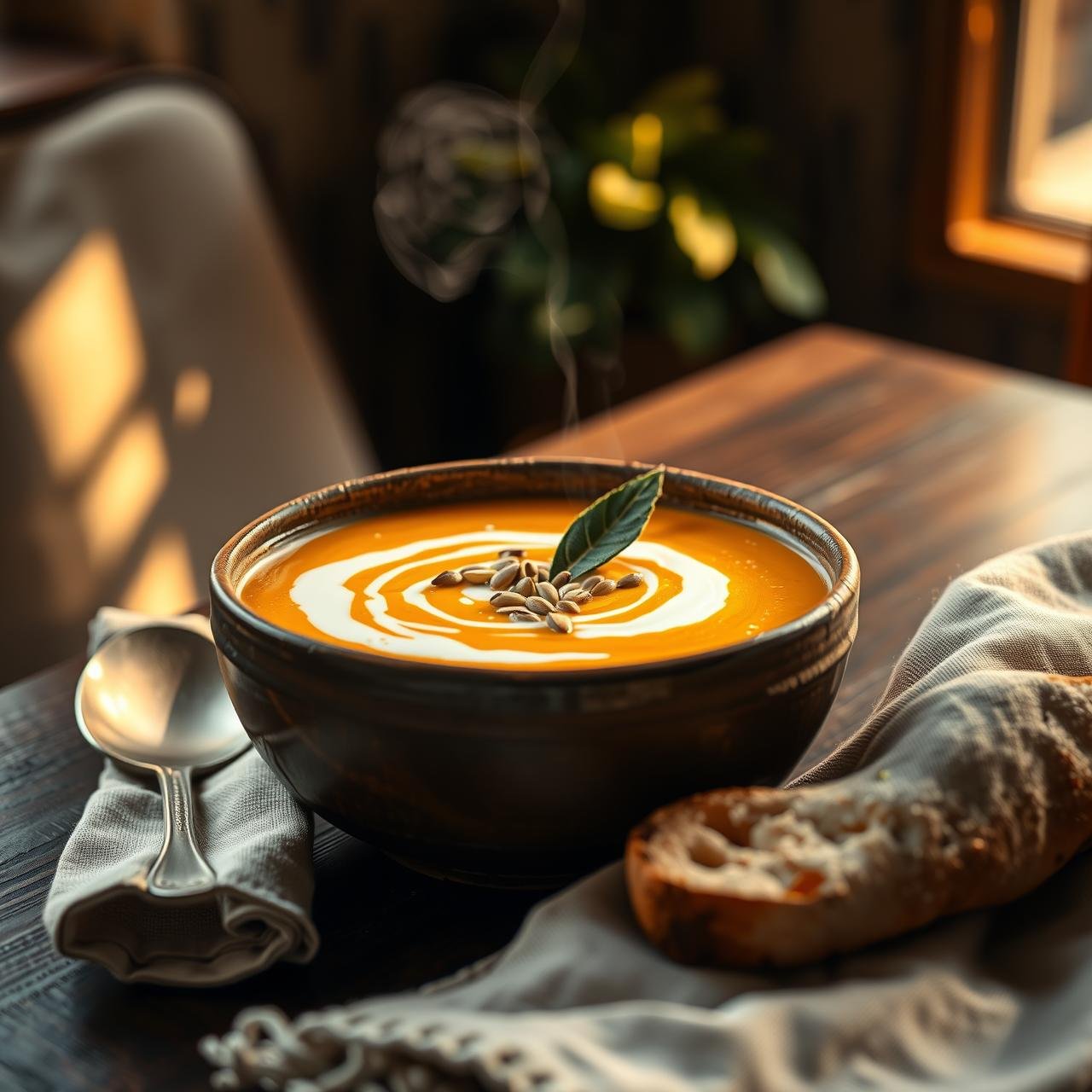
- Toasted Pumpkin Seeds (Pepitas)
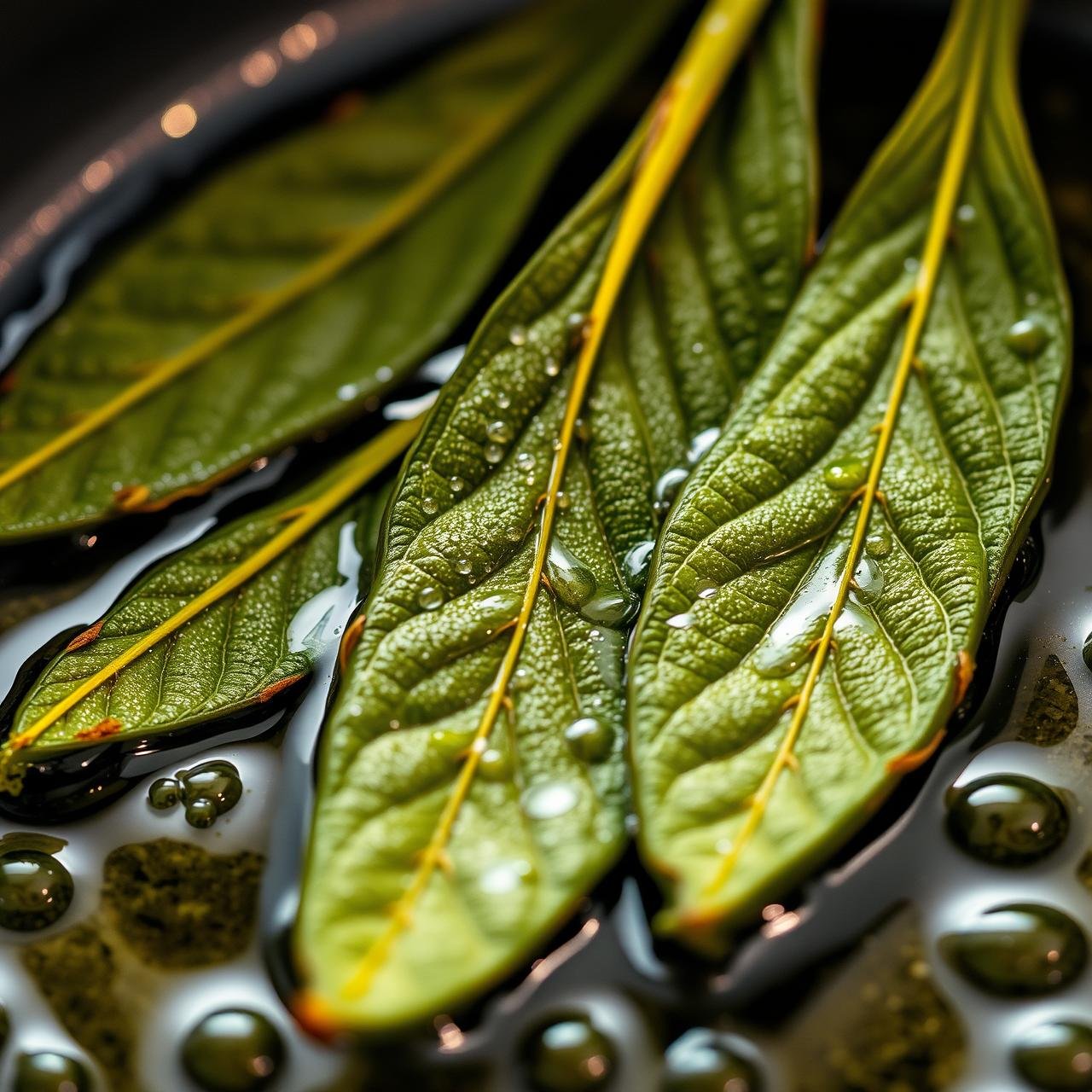
- Crispy Sage Leaves (fried in a little olive oil)
- A drizzle of high-quality olive oil or coconut milk
- Crusty bread for dipping
Step-by-Step: Crafting the Perfect Butternut Squash Soup
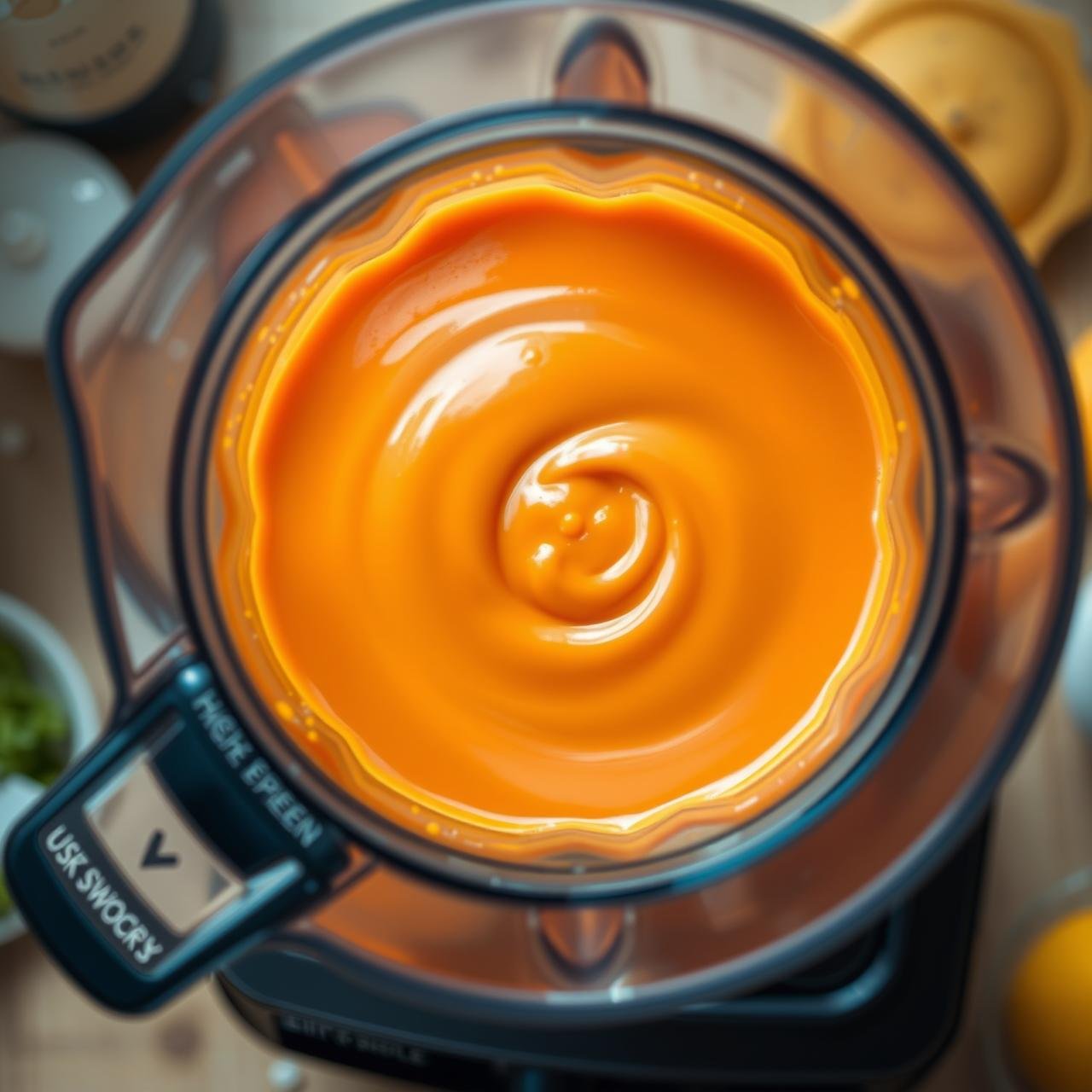
Follow these steps carefully to build layers of flavor and achieve that signature velvety texture. The process is straightforward and deeply rewarding.
-
Prepare and Roast the Vegetables:
Preheat your oven to 400°F (200°C). Carefully cut the butternut squash in half lengthwise and scoop out the seeds. You can save the seeds for roasting later! Place the squash halves, cut-side up, on a large rimmed baking sheet. Add the unpeeled garlic cloves to the sheet. Drizzle everything with 1 tablespoon of olive oil and season generously with salt and pepper. Roast for 40-50 minutes, or until the squash is fork-tender and the edges are beautifully caramelized. The garlic should be soft and fragrant.
-
Build the Aromatic Base:
While the squash is roasting, heat the remaining 1 tablespoon of olive oil in your large Dutch oven or pot over medium heat. Add the chopped onion, carrots, and celery. Sauté for 8-10 minutes, stirring occasionally, until the vegetables are softened and the onion is translucent. This step, known as building a ‘mirepoix,’ creates the foundational flavor of your soup.
-
Simmer to Marry the Flavors:
Once the squash is done roasting, let it cool slightly. Squeeze the roasted garlic cloves out of their skins and add them to the pot with the sautéed vegetables. Scoop the soft flesh of the butternut squash away from the skin and add it to the pot as well. Add the cubed potato, dried thyme, smoked paprika, and a pinch of nutmeg. Stir everything together, then pour in the vegetable broth. Bring the mixture to a boil, then reduce the heat to low, cover, and let it simmer for 20-25 minutes. This allows all the flavors to meld together beautifully.
-
Blend to Silky Perfection:
This is the final, transformative step. Carefully transfer the soup to your high-speed blender in batches. Important: Never fill the blender more than halfway with hot liquid. Remove the small cap from the blender lid and cover the opening with a folded kitchen towel to allow steam to escape safely. Blend each batch on high for 1-2 minutes, or until it is completely smooth and velvety. Pour the blended soup back into the pot.
-
Final Seasoning:
Gently reheat the blended soup over low heat. Taste it and season generously with salt and freshly ground black pepper until the flavors pop. If the soup is too thick for your liking, you can add a splash more vegetable broth to reach your desired consistency.
Chef’s Notes & Pro-Level Variations
How to Elevate Your Soup:
A great recipe is a starting point. Here are a few ways to customize this soup and make it your own.
- For a Touch of Spice: Add a pinch of cayenne pepper or a chopped chipotle pepper in adobo sauce along with the other spices for a smoky, warming kick.
- Introduce an Apple: For a brighter, slightly tart flavor profile, add one peeled and chopped Granny Smith apple to the pot along with the onions and carrots. Its acidity beautifully balances the squash’s sweetness.
- Herbaceous Infusion: For a more pronounced herbal note, tie a few sprigs of fresh sage and thyme together with kitchen twine (a ‘bouquet garni’) and add it to the pot during simmering. Remove it before blending.
- Garnish is Key: Don’t underestimate the power of a good garnish. Crispy sage leaves, toasted and spiced pepitas, a swirl of chili oil, or even some crumbled goat cheese (if not vegan) can add texture and a final burst of flavor.
Troubleshooting Common Issues:
- Soup is too thick? Simply thin it out with a little more vegetable broth or even just hot water until it reaches your preferred consistency.
- Soup is too thin? Let it simmer uncovered for 10-15 minutes to allow some of the liquid to evaporate and concentrate the soup.
- Soup tastes bland? The most common culprit is under-seasoning. Be sure to add enough salt at the end to make the flavors come alive. A small squeeze of fresh lemon juice or a splash of apple cider vinegar can also work wonders to brighten everything up.
Nutritional Profile: A Bowlful of Goodness
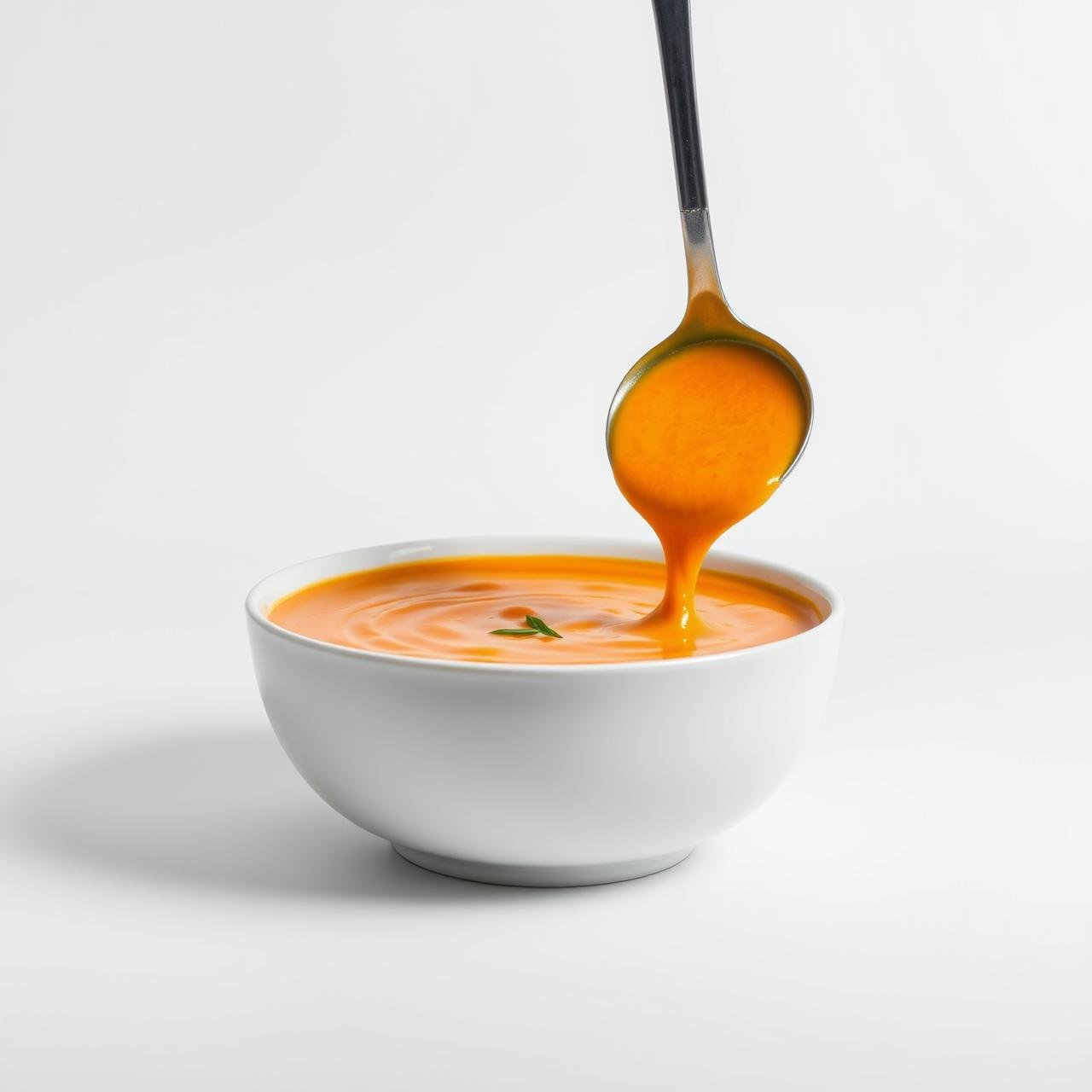
This soup isn’t just delicious; it’s packed with vitamins and nutrients. It’s a wonderful source of Vitamin A, fiber, and antioxidants. Here is an estimated nutritional breakdown per serving (assuming the recipe makes 6 servings).
| Nutrient | Amount per Serving (Approx.) |
|---|---|
| Calories | 185 kcal |
| Protein | 4 g |
| Carbohydrates | 32 g |
| Fiber | 8 g |
| Sugars | 9 g |
| Fat | 5 g |
| Saturated Fat | 0.7 g |
| Sodium | 450 mg (will vary based on broth) |
| Vitamin A | ~350% of RDI |
| Vitamin C | ~40% of RDI |
Disclaimer: The nutritional information provided is an estimate and can vary based on the specific ingredients and quantities used.
Storing and Reheating Your Liquid Gold
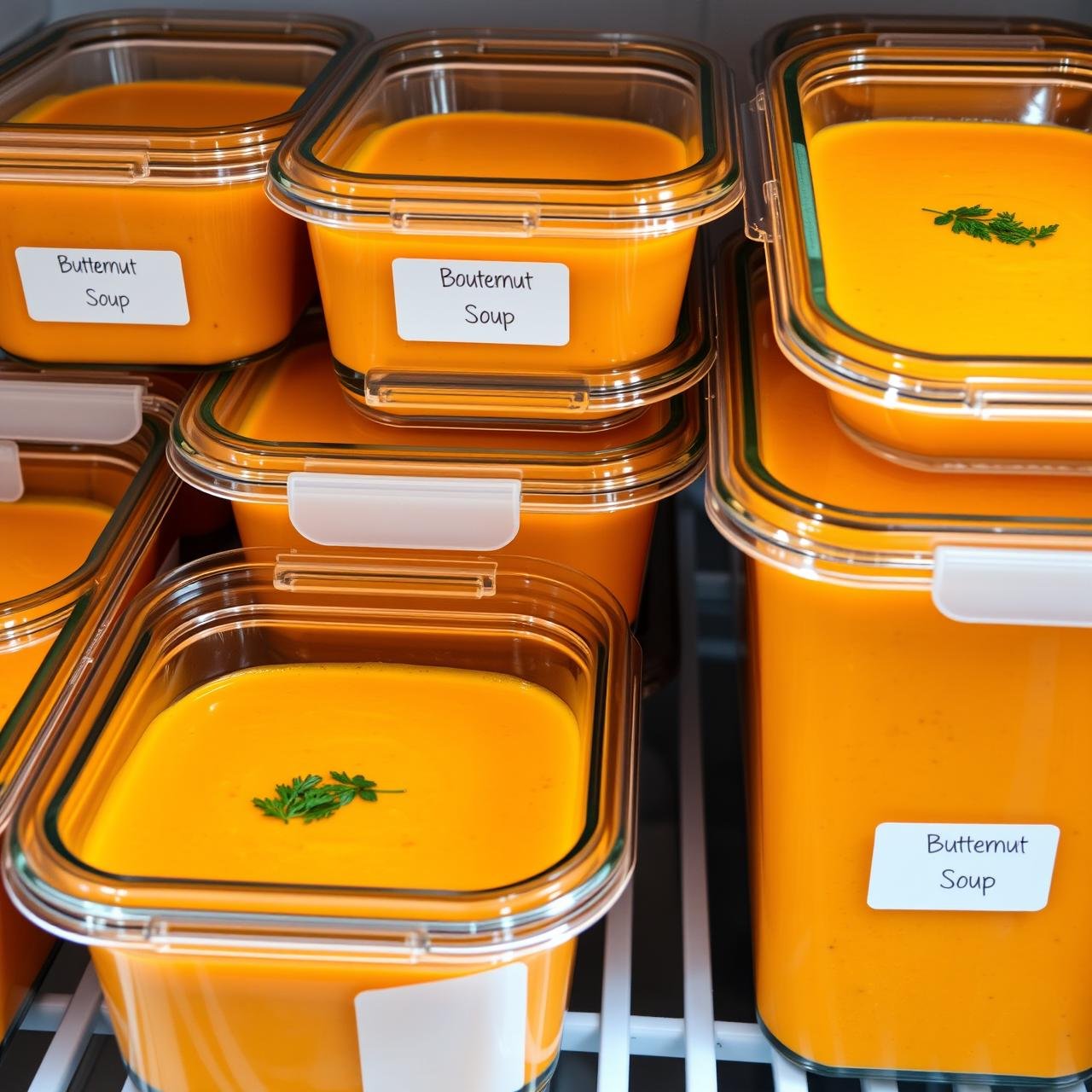
This soup is perfect for meal prep, as its flavor deepens overnight. Proper storage is key to enjoying it for days to come.
Refrigeration:
Allow the soup to cool completely to room temperature before transferring it to an airtight container. It will keep well in the refrigerator for up to 5 days. When reheating, you can do so gently on the stovetop over medium-low heat or in the microwave. The soup may thicken in the fridge, so you might need to add a splash of broth or water to thin it out as you reheat.
Freezing:
This soup freezes exceptionally well! Once cooled, pour it into freezer-safe containers or heavy-duty freezer bags. Be sure to leave about an inch of headspace at the top to allow for expansion. It can be stored in the freezer for up to 3 months. To reheat, thaw it overnight in the refrigerator and then warm it gently on the stovetop, stirring occasionally. Avoid boiling it, as this can sometimes affect the texture.
Conclusion
There you have it—a bowl of pure, unadulterated autumn. This Creamy Butternut Squash Soup is a testament to the fact that wholesome, simple ingredients can create something truly extraordinary. By letting the vegetables shine and using smart techniques, we’ve crafted a soup that’s rich and satisfying without any of the heaviness of dairy. It’s a recipe that feels both rustic and elegant, perfect for a quiet weeknight dinner or for impressing guests at a holiday gathering.
We hope this soup brings as much warmth and comfort to your kitchen as it does to ours. It’s more than just a meal; it’s a celebration of the season, a nourishing embrace in a bowl. So go ahead, grab a spoon, and savor the pure goodness of this liquid gold.