Traditional Steamed Chicken: The Cleanest Way to Eat High Protein
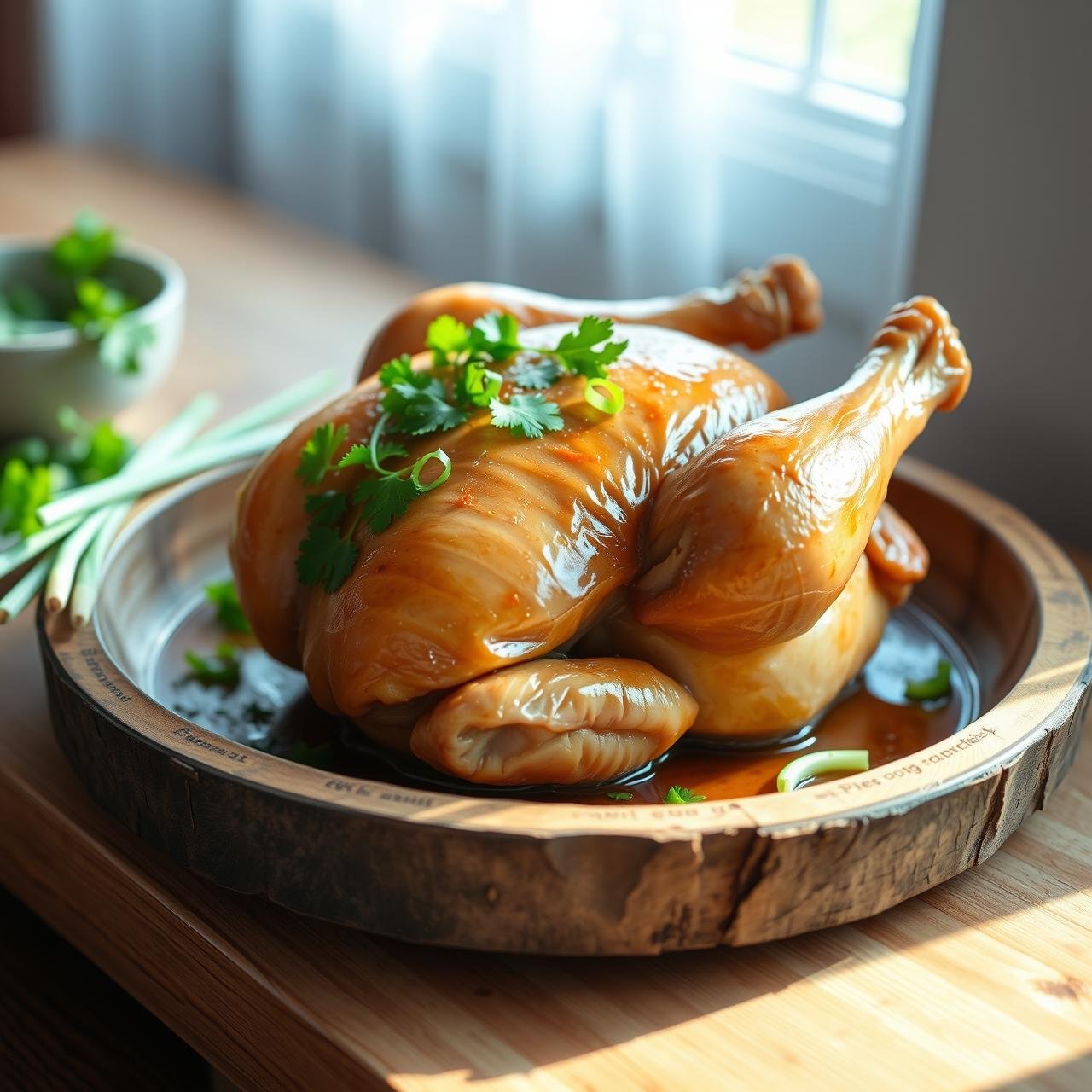
In a world of complex cooking techniques and heavy sauces, there is an unparalleled elegance in simplicity. The tradition of steaming chicken is a testament to this philosophy—a culinary method, revered for centuries, that prioritizes purity of flavor and nutritional integrity above all else. This isn’t about masking the ingredient; it’s about elevating it. Steamed chicken is the epitome of clean eating, a high-protein powerhouse that is incredibly moist, tender, and succulent without the need for added fats or oils.
This method, deeply rooted in Asian culinary traditions, is more than just a recipe; it’s a technique that respects the ingredient. By cooking the chicken with gentle, moist heat, we lock in its natural juices and preserve delicate nutrients that are often lost in high-heat methods like roasting or frying. The result is a bird that tastes profoundly of itself, clean and savory, ready to be enjoyed as is or transformed with a simple, aromatic sauce. For the home cook, the budget-conscious family, and the health-minded individual, mastering the art of steamed chicken is a game-changer. It’s an invitation to rediscover how delicious and satisfying simple, wholesome food can be.
The Purity of Steam: Why This Method Reigns Supreme
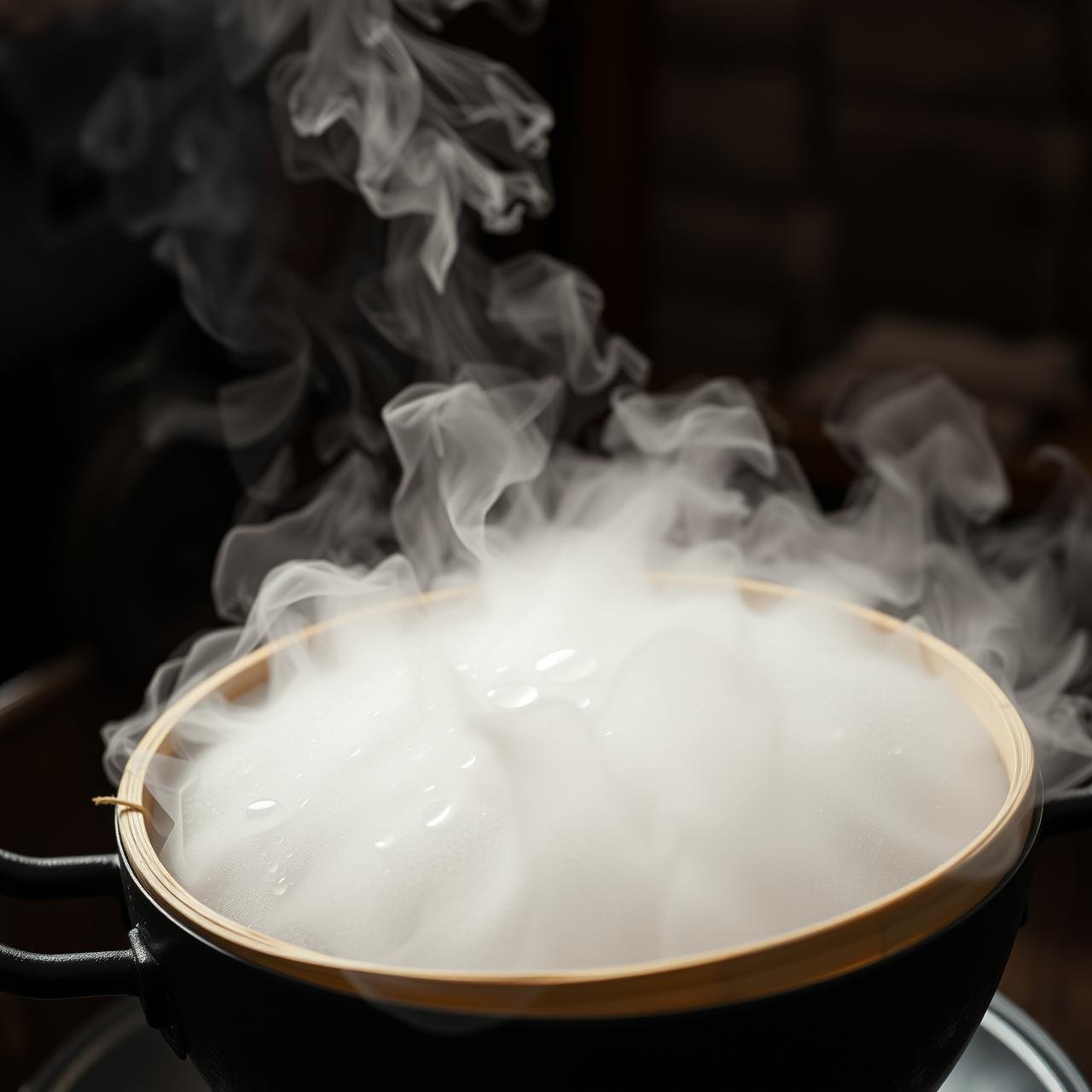
Before we handle a single ingredient, it’s crucial to understand the ‘why’ behind this technique. Steaming is a gentle, indirect cooking method that utilizes the hot vapor from boiling water. Unlike the aggressive, dry heat of an oven or the direct, intense heat of a pan, steam envelops the food, cooking it evenly and delicately.
Key Benefits of Steaming Chicken:
- Maximum Moisture Retention: The humid environment of the steamer prevents the chicken from drying out. The steam continuously bastes the bird, resulting in exceptionally juicy and tender meat, from the breast to the thigh. This is something that even the most carefully roasted chicken struggles to achieve consistently.
- Nutrient Preservation: High-heat cooking can degrade heat-sensitive vitamins and minerals. Steaming is a much gentler process, helping to preserve a higher percentage of the chicken’s nutritional content, including B vitamins and essential minerals like selenium and phosphorus.
- No Added Fats Required: The cooking process requires no oil, butter, or cooking spray. The chicken cooks in its own juices, making it one of the leanest and lowest-calorie ways to prepare protein. The natural fats within the chicken render gently, contributing to the flavor without adding excess grease.
- Pure, Unadulterated Flavor: Because no browning or charring occurs (a process known as the Maillard reaction), the true, clean flavor of the chicken shines through. This creates a perfect canvas for subtle aromatics like ginger and scallion, or for a flavorful dipping sauce served alongside.
Essential Equipment for Perfect Steamed Chicken
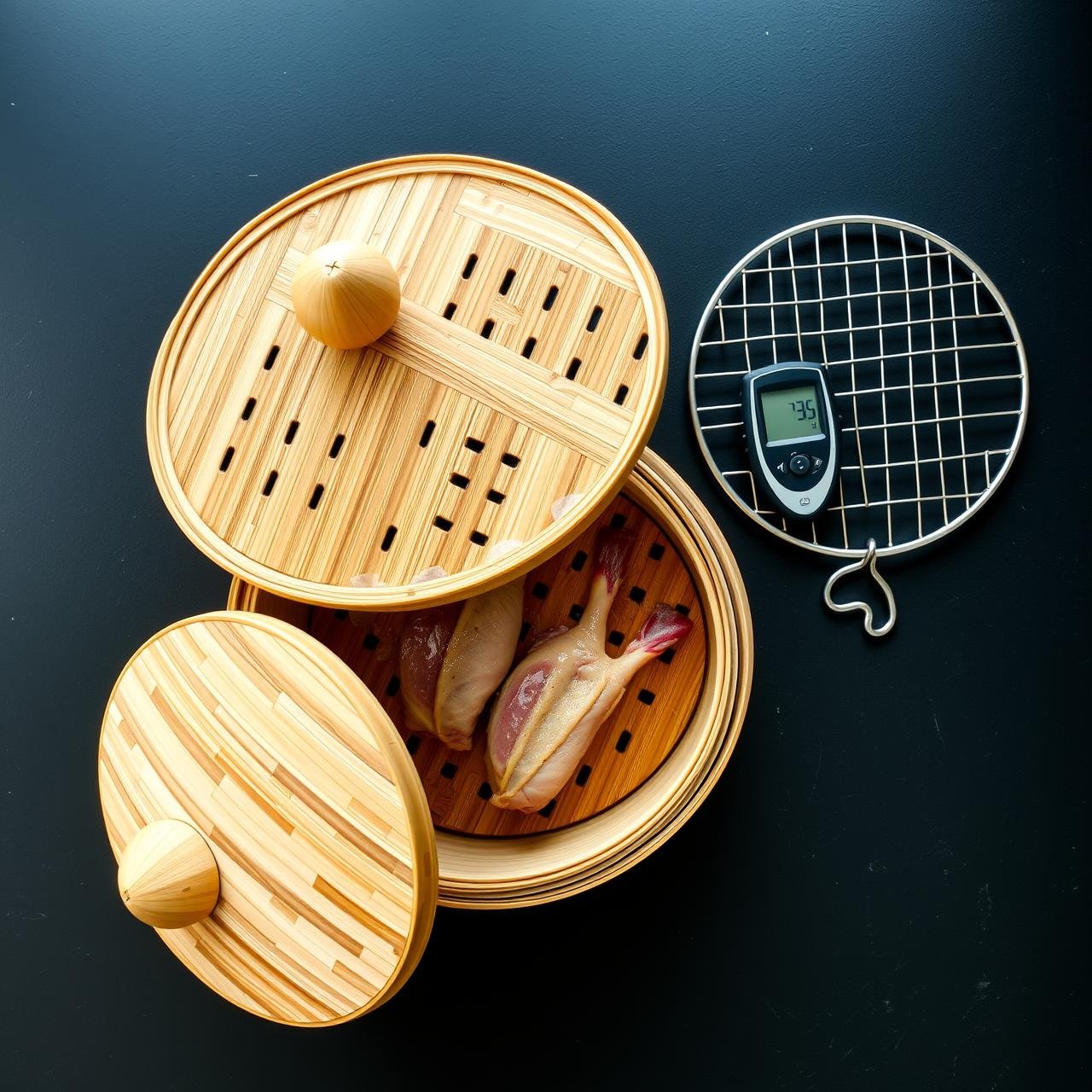
You don’t need a kitchen full of expensive gadgets to create a perfect steamed chicken. The beauty of this rustic technique lies in its simplicity. Here is what you will need:
- A Large Pot or Wok with a Lid: This will hold the water and your steaming setup. It needs to be wide enough to fit your plate and tall enough to allow the lid to close securely, trapping the steam. A Dutch oven can also work well.
- A Steaming Rack: This is the most crucial piece. It elevates the chicken above the boiling water. You can use a simple metal trivet, a collapsible steamer basket, or even a traditional bamboo steamer. If you have none of these, three evenly spaced, rolled-up balls of aluminum foil can work in a pinch.
- A Heat-Proof Plate or Shallow Bowl: The chicken will sit on this plate to catch all the incredibly flavorful juices that render during cooking. This ‘chicken essence’ is liquid gold. Ensure the plate is slightly smaller than the diameter of your pot so steam can circulate around it. Ceramic or stainless steel works best.
- An Instant-Read Meat Thermometer: While you can estimate cooking time, the only way to guarantee a perfectly cooked, safe-to-eat chicken is with a thermometer. This is a non-negotiable tool for any serious home cook.
Sourcing Your Star: The Ingredients
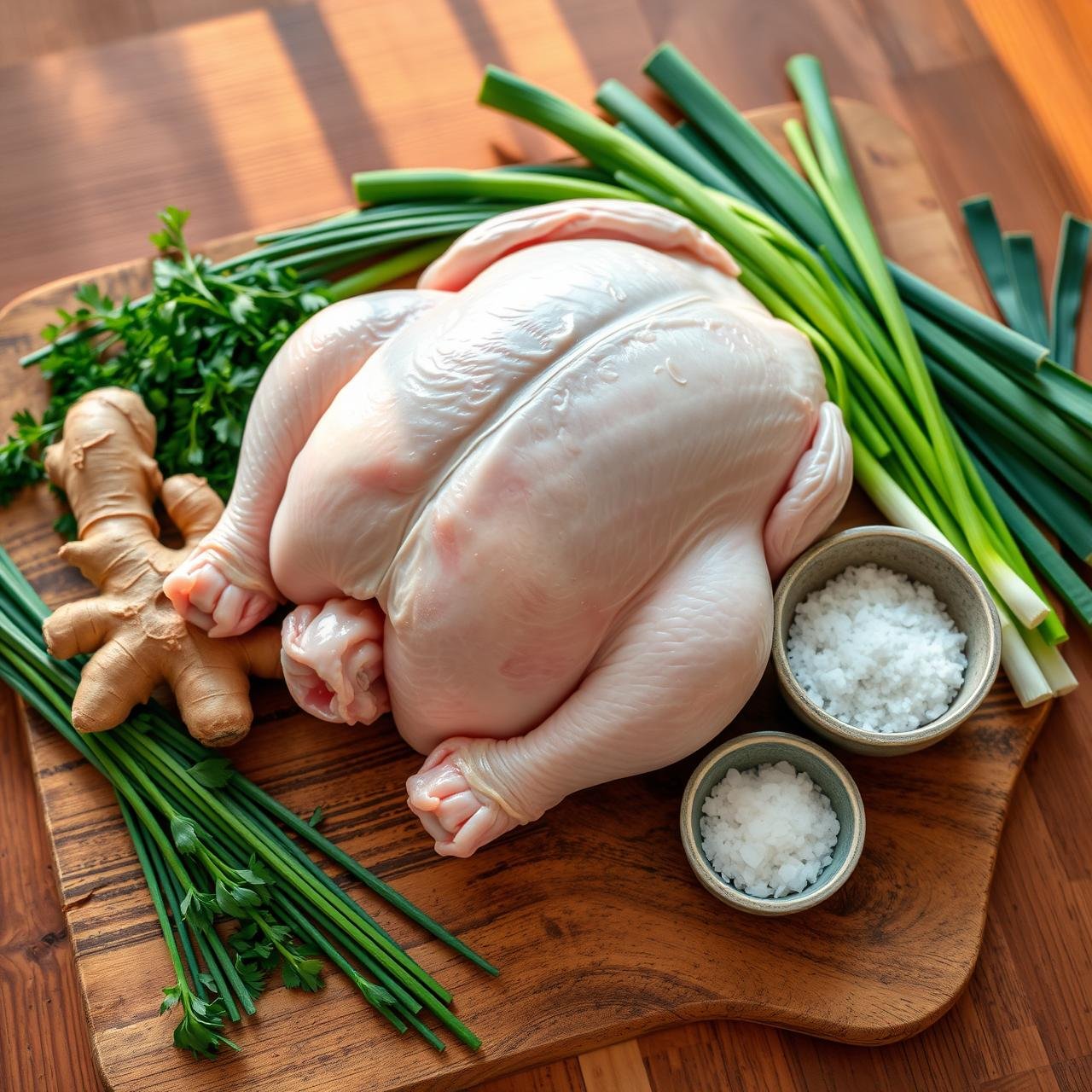
With a method this simple, the quality of your main ingredient is paramount. A fresh, high-quality chicken will yield a far superior result. This recipe uses minimal ingredients to allow the chicken’s natural flavor to be the star.
- One Whole Chicken: Look for a bird that is approximately 3 to 4 pounds (about 1.5 to 1.8 kg). A free-range or organic chicken will often have a richer flavor and better texture. Ensure it’s fresh, with no off-odors.
- Coarse Sea Salt or Kosher Salt: About 1 to 1.5 tablespoons. Salt does more than season; it helps to draw out moisture from the skin, firm up the meat, and create a more succulent final product.
- Ground White Pepper: About 1 teaspoon. White pepper is traditional in many Asian cuisines and offers a more earthy, subtle heat than black pepper, which complements the chicken beautifully.
- Fresh Ginger: A 2-inch piece, peeled and thinly sliced. Ginger adds a warm, aromatic fragrance that permeates the meat as it steams.
- Scallions (Green Onions): A bundle of 4-5 scallions. They will be used to stuff the cavity and lay underneath the chicken, releasing their sweet, delicate onion flavor during the cooking process.
- Shaoxing Wine (Optional): A splash (about 1 tablespoon) rubbed on the chicken can help to remove any gamey smell and add a layer of authentic, complex flavor. If unavailable, you can omit it or use a dry sherry.
The Art of Steaming: A Step-by-Step Masterclass
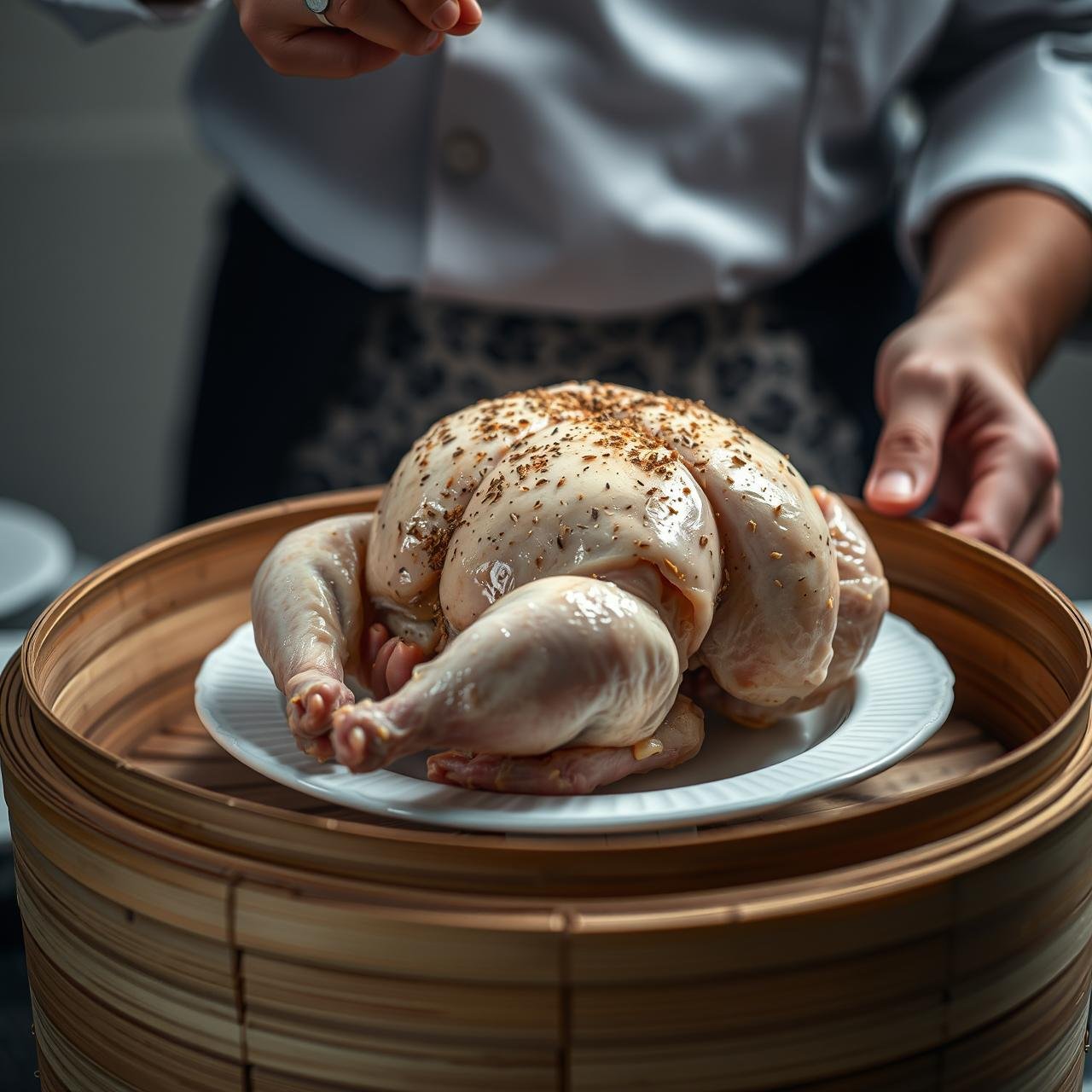
Follow these steps with care and precision. The process is straightforward, but attention to detail is what separates a good steamed chicken from a great one.
- Prepare the Chicken: Remove any giblets from the chicken cavity. Rinse the chicken inside and out with cold water and pat it thoroughly dry with paper towels. This is a critical step; a dry surface allows the seasoning to adhere properly.
- Season Generously: In a small bowl, mix the coarse salt and white pepper. Rub this mixture all over the chicken, including inside the cavity. Be thorough. If using Shaoxing wine, rub it over the chicken before applying the salt rub. Let the chicken sit at room temperature for at least 30 minutes to allow the seasoning to penetrate.
- Add the Aromatics: Take half of your sliced ginger and a few of the scallions (bruise them slightly with the back of a knife to release their oils) and place them inside the chicken’s cavity.
- Set Up Your Steamer: Place your steaming rack in the large pot or wok. Add about 2 inches of water, ensuring the water level is below the top of the rack. Bring the water to a rolling boil over high heat.
- Prepare the Plate: Scatter the remaining ginger slices and scallions on your heat-proof plate. This creates a bed for the chicken and prevents it from sticking while also infusing the bottom with flavor. Place the seasoned chicken, breast-side up, on top of the aromatics on the plate.
- Steam the Chicken: Once the water is boiling vigorously, carefully lower the plate with the chicken onto the steaming rack. Cover the pot with a tight-fitting lid. Reduce the heat to medium-high to maintain a strong, steady steam. Steam for approximately 45 to 60 minutes. The exact time will depend on the size of your bird. Avoid opening the lid, as this releases the steam and lowers the temperature.
- Check for Doneness: After 45 minutes, carefully check for doneness. Insert an instant-read thermometer into the thickest part of the thigh, avoiding the bone. The internal temperature must read 165°F (74°C). The juices should also run clear when pierced. If it’s not ready, cover and continue steaming, checking every 10 minutes.
- Rest the Chicken: This is a non-negotiable step. Carefully remove the plate from the steamer (it will be very hot). Let the chicken rest on the plate for at least 10-15 minutes before carving. This allows the juices to redistribute throughout the meat, ensuring every bite is moist.
Elevating Your Dish: Sauces and Perfect Pairings
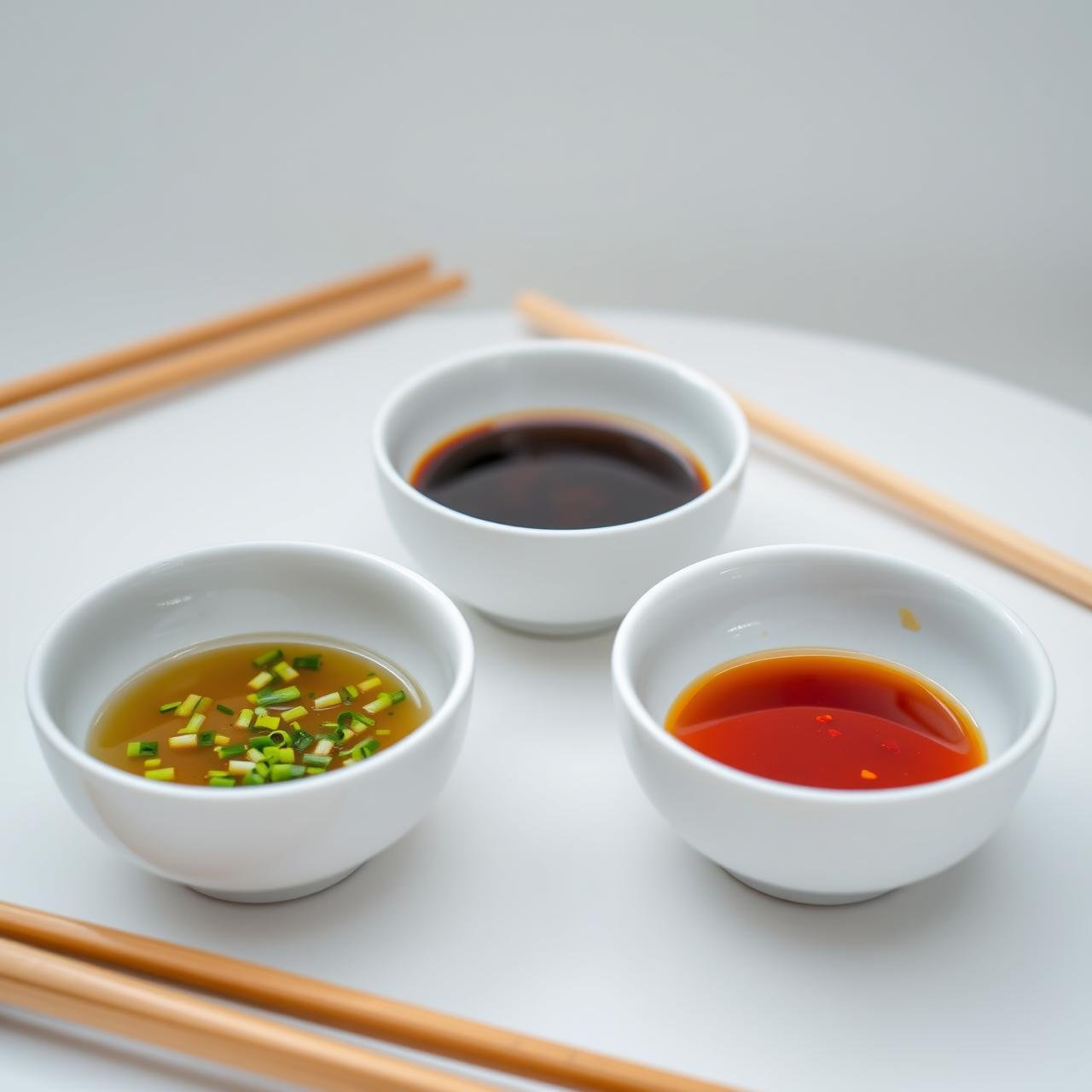
While the steamed chicken is delicious on its own, a classic dipping sauce elevates it to another level. The juices collected on the plate during steaming are precious; do not discard them! You can drizzle this flavorful essence over the carved chicken or use it as a base for a sauce.
Classic Ginger-Scallion Oil Sauce
This is the quintessential pairing. It’s aromatic, savory, and incredibly simple.
- Ingredients: 1 cup finely minced scallions (green parts only), 1/4 cup finely minced fresh ginger, 1 teaspoon salt, 1/2 cup neutral oil (like avocado or canola).
- Instructions: Combine the minced scallions, ginger, and salt in a heat-proof bowl. Heat the oil in a small saucepan until it is shimmering and just begins to smoke. Carefully pour the hot oil over the scallion-ginger mixture. It will sizzle dramatically. Stir to combine. Let it cool before serving.
Perfect Pairings
Serve your carved steamed chicken family-style with bowls of fluffy steamed rice, blanched Asian greens like bok choy or gai lan, and your choice of dipping sauces. The clean flavor profile also makes it a fantastic protein for salads, soups, and sandwiches.
Nutritional Profile: The Power of Steamed Chicken

This cooking method produces a final dish that is as nourishing as it is delicious. It is an ideal choice for athletes, those managing their weight, or anyone seeking a clean, whole-food diet. The nutritional information below is an estimate for a 4-ounce (113g) serving of mixed white and dark meat without skin.
| Nutrient | Approximate Amount |
|---|---|
| Calories | 190 kcal |
| Protein | 30 g |
| Total Fat | 7 g |
| Saturated Fat | 2 g |
| Carbohydrates | 0 g |
| Sodium | 250 mg (varies with seasoning) |
| Cholesterol | 90 mg |
The high protein content is essential for muscle repair and growth, while the low fat and zero carbohydrate profile makes it suitable for a wide range of dietary plans, including low-carb and keto. By preserving the chicken in its natural state, you are getting a pure, unadulterated source of high-quality protein.
Storing and Reheating for Lasting Flavor
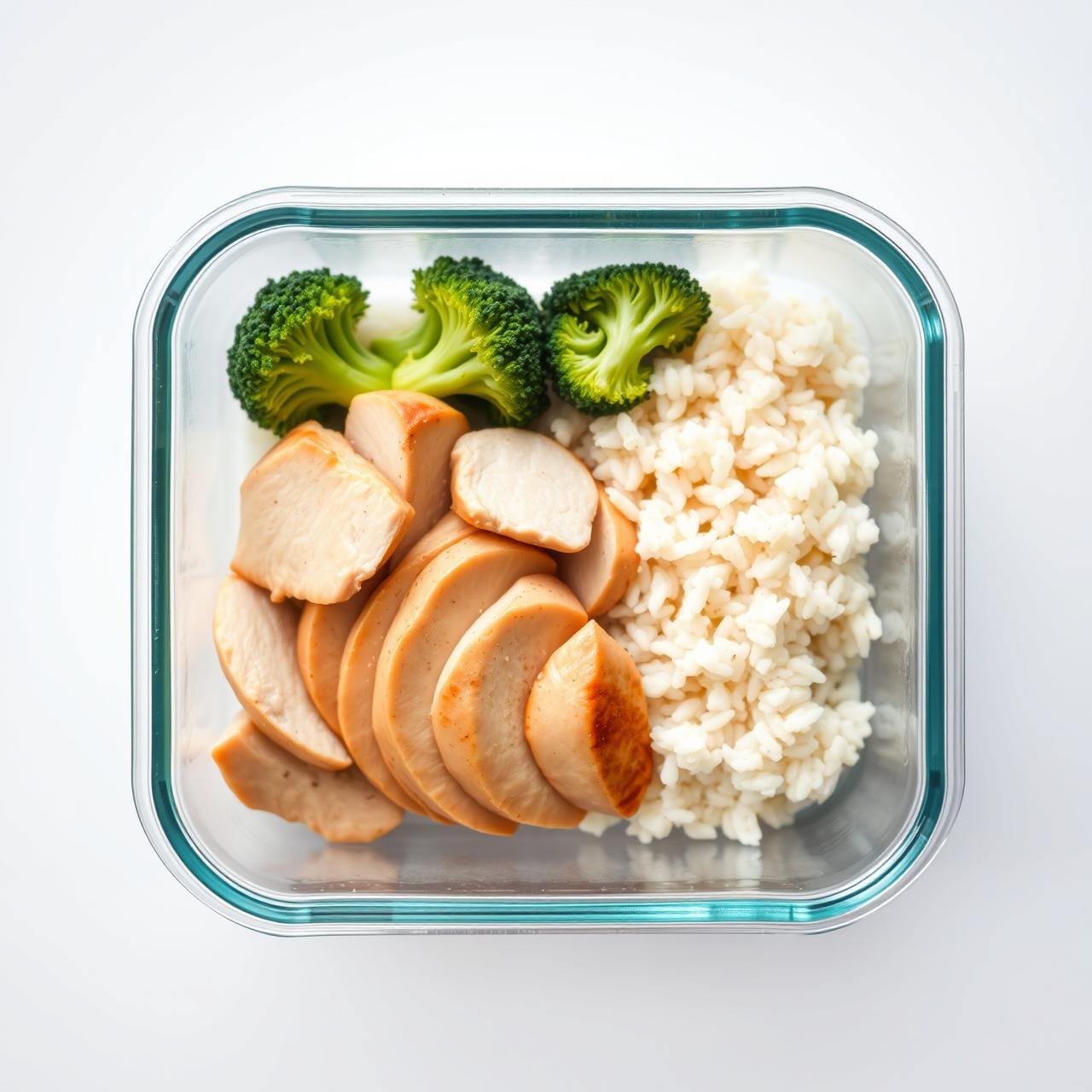
Leftover steamed chicken is fantastic for meal prepping. The key is to store and reheat it properly to maintain its signature moisture.
Storage:
Once the chicken has cooled completely, carve the meat off the bones. Store the meat in an airtight container in the refrigerator for up to 3-4 days. Be sure to pour any of the reserved chicken juices from the steaming plate over the meat to keep it moist. The carcass can be saved to make a phenomenal chicken stock.
Reheating:
- Best Method (Steaming): The best way to reheat the chicken is to steam it again for a few minutes until just warmed through. This reintroduces moisture and brings it back to its original texture.
- Microwave Method: If you’re short on time, you can use a microwave. Place the chicken in a microwave-safe dish, drizzle with a little water or chicken broth, and cover it with a damp paper towel. Heat in 30-second intervals on medium power until warm. This prevents it from becoming rubbery.
The cold leftover chicken is also excellent when shredded and added to salads, congee (rice porridge), or used as a filling for spring rolls and wraps.
Conclusion
Embracing the art of traditional steamed chicken is more than learning a new recipe—it’s adopting a healthier and more mindful approach to cooking. It proves that culinary excellence does not require complicated steps or a long list of ingredients. With just a simple pot, a good quality chicken, and a few aromatics, you can create a meal that is deeply satisfying, incredibly nourishing, and respectful of the ingredients. This technique strips cooking back to its essentials, reminding us of the profound flavor that can be achieved through purity and simplicity. Whether you are a seasoned home cook or just beginning your culinary journey, we encourage you to bring this timeless tradition into your kitchen. You will be rewarded with one of the cleanest, most succulent, and versatile high-protein meals you can make.