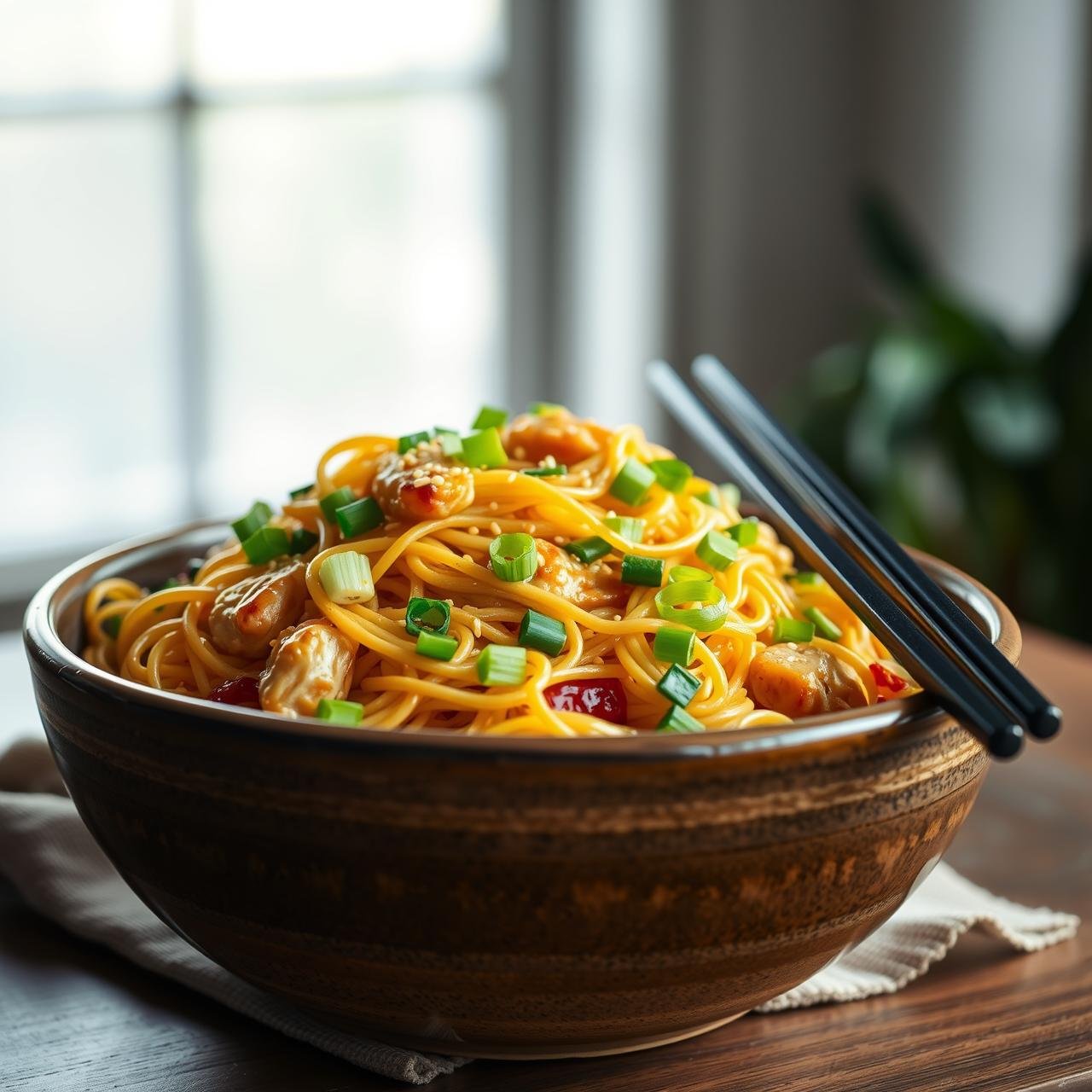
High Volume Chicken Chow Mein Using Spaghetti Squash (No Fluff)
There are nights when the craving for savory, saucy, noodle-filled Chinese takeout is simply undeniable. That familiar, comforting blend of tender chicken, crisp vegetables, and slurpable noodles is a culinary siren call. But what if you could answer that call without the carb-heavy aftermath, and with a dish so voluminous it satisfies even the most ravenous appetite? Enter the game-changer: High Volume Chicken Chow Mein made with the humble, yet miraculous, spaghetti squash.
This isn’t just another ‘healthy swap’ recipe. This is a complete reimagining of a classic, designed for maximum satisfaction, flavor, and nutrition. We’re ditching the flour-based noodles and embracing the tender, stringy strands of roasted spaghetti squash. It provides the perfect, neutral canvas for our robust, umami-rich chow mein sauce, and its unique texture mimics noodles in the most delightful way. The result is a mountain of a meal that’s light on calories and carbs but incredibly heavy on flavor and pure, unadulterated volume. It’s the kind of dish that fills your plate, your stomach, and your soul. In this no-fluff guide, we’ll walk through every chef-approved step to create a chow mein that’s rustic, wholesome, and profoundly delicious.
Why Spaghetti Squash is a Game-Changer for Chow Mein
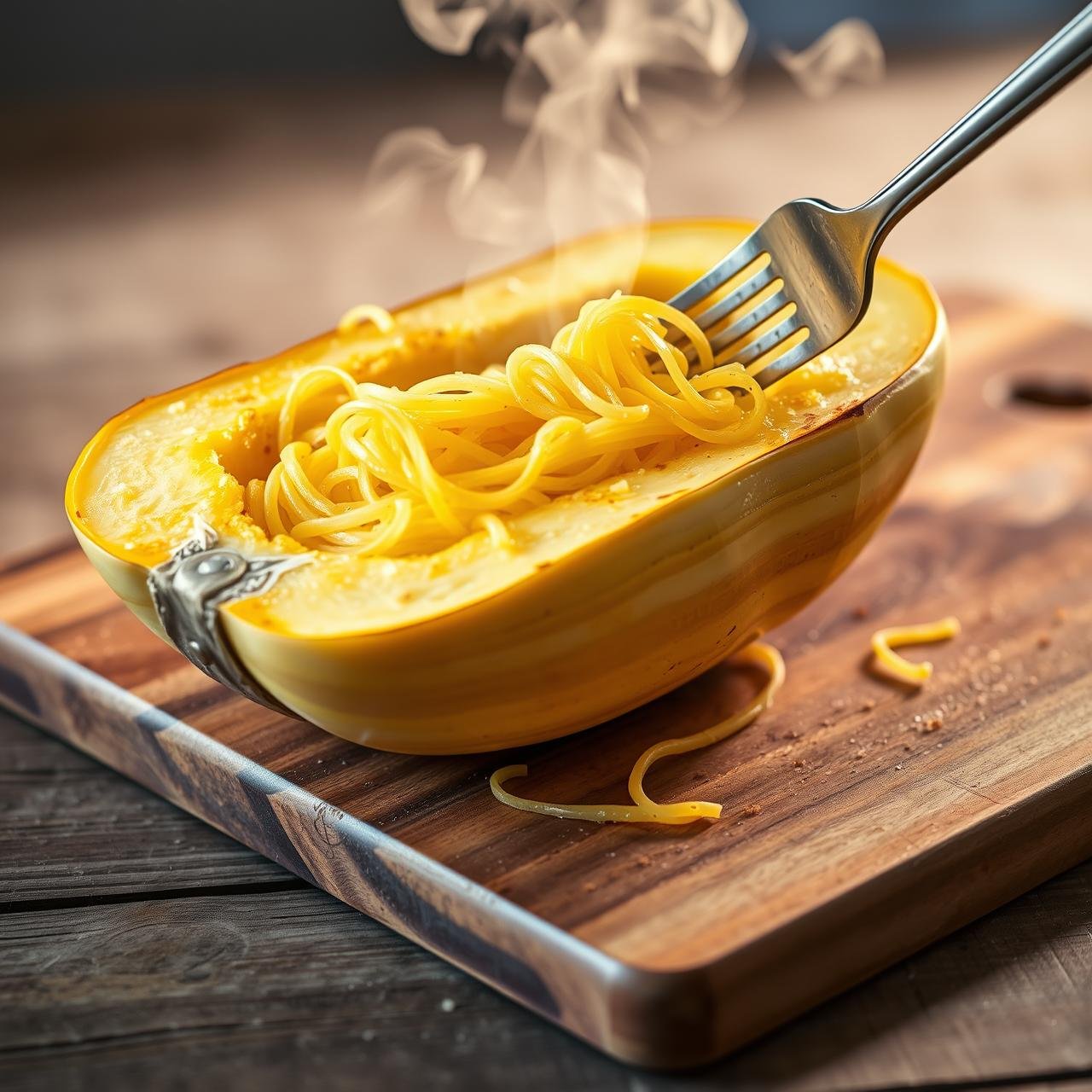
Before we dive into the wok, let’s talk about our star player. Spaghetti squash is more than just a low-carb noodle substitute; it’s a culinary powerhouse that brings unique benefits to this dish, making it superior in many ways to its traditional counterpart.
The Perfect Textural Canvas
When roasted correctly, spaghetti squash separates into long, thin strands that have a delightful al dente bite. Unlike zucchini noodles, which can become watery and mushy, spaghetti squash holds its structure beautifully in a stir-fry. The strands eagerly soak up the savory chow mein sauce without turning to mush, ensuring every bite is a perfect tangle of ‘noodle’ and flavor.
A Neutral Flavor Profile
The squash itself has a very mild, slightly sweet, and nutty flavor that doesn’t compete with the bold, savory notes of our chow mein sauce. It acts as a neutral base, allowing the ginger, garlic, soy, and sesame to shine, just as a traditional noodle would.
Nutritional Superiority and Volume
This is where the ‘high volume’ magic happens. A cup of cooked spaghetti squash contains around 42 calories and 10 grams of carbs. A cup of cooked chow mein noodles, on the other hand, can pack over 200 calories and 40 grams of carbs. You can eat a much larger, more satisfying portion of the spaghetti squash version for a fraction of the calories. It’s also rich in fiber, which aids in digestion and promotes a feeling of fullness, making it a dream ingredient for health enthusiasts and anyone looking to eat generously without compromise.
Essential Equipment for a Seamless Cooking Experience
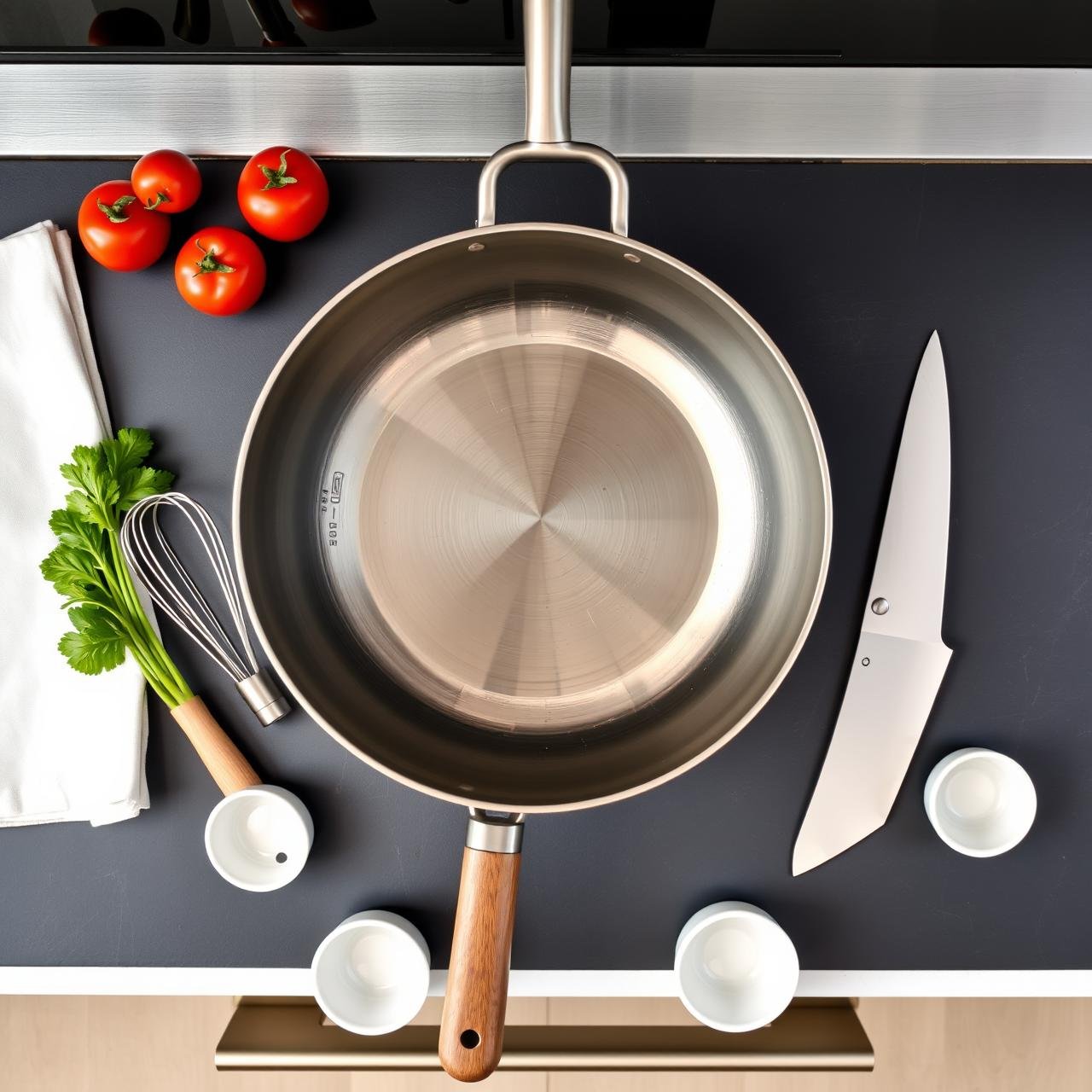
Great cooking often starts with having the right tools on hand. This recipe doesn’t require a professional kitchen, but a few key items will make the process smoother and yield restaurant-quality results. This is your ‘mise en place’ for hardware.
| Tool | Purpose | Chef’s Recommendation |
|---|---|---|
| Large, Sharp Chef’s Knife | Safely cutting the tough spaghetti squash in half. | An 8-inch knife is versatile and provides good leverage. |
| Rimmed Baking Sheet | Roasting the spaghetti squash evenly. | A heavy-duty sheet prevents warping at high temperatures. |
| Large Wok or Skillet | The heart of the stir-fry, allowing for high heat and quick cooking. | A 14-inch carbon steel wok is ideal, but a large, deep non-stick skillet works well too. |
| Multiple Small Bowls | Organizing ingredients (mise en place). | Essential for keeping the marinade, sauce, and chopped veggies separate and ready to go. |
| Whisk | Creating a smooth, emulsified sauce. | A small silicone or metal whisk is perfect for combining the sauce ingredients. |
The Anatomy of Flavor: Ingredients Breakdown
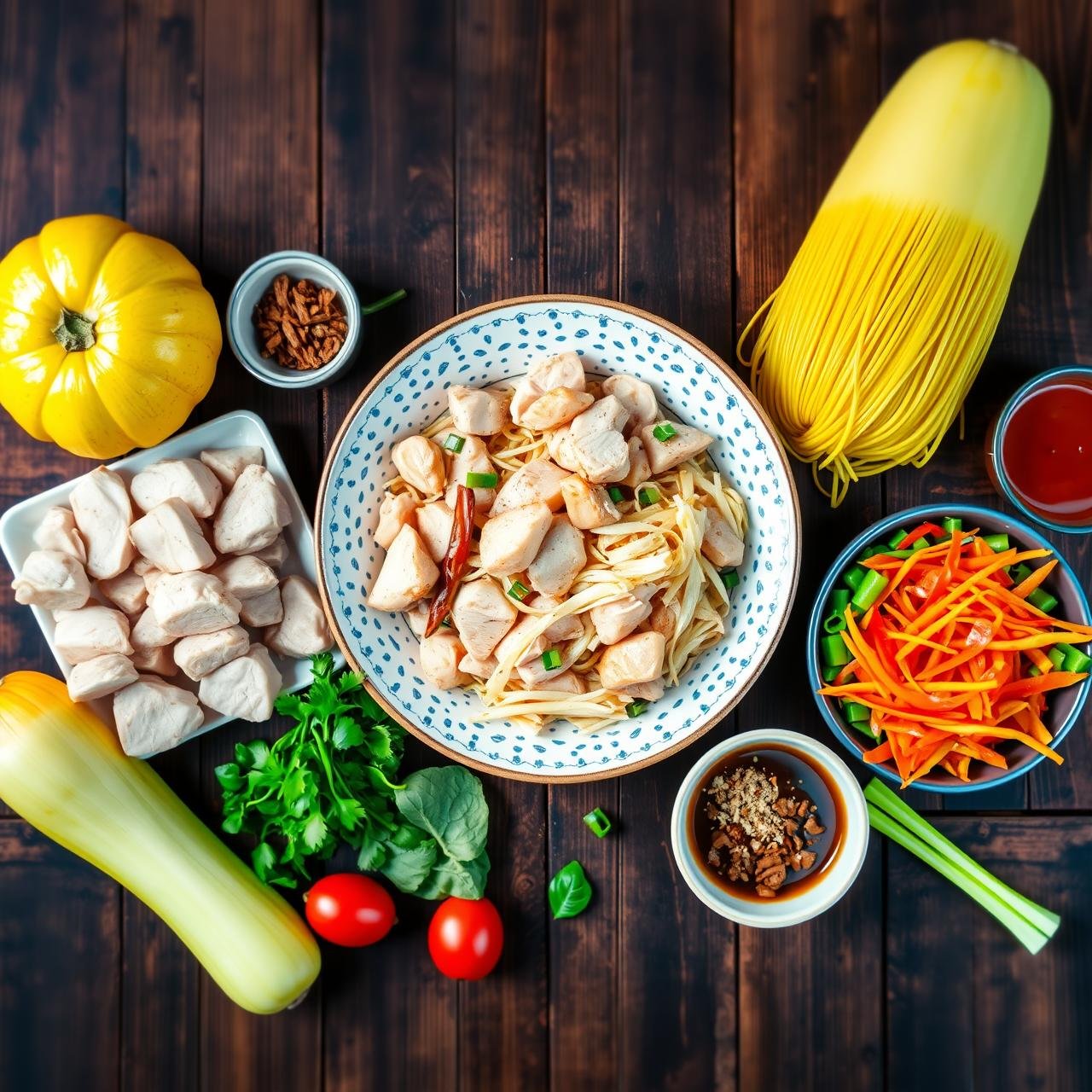
This recipe is all about building layers of flavor. We’ll use fresh, clean ingredients to create a sauce that’s both complex and perfectly balanced. Here’s what you’ll need, broken down by component:
For the Foundation: Spaghetti Squash
- 1 large spaghetti squash (about 3-4 pounds)
- 1 tablespoon avocado oil or olive oil
- 1/2 teaspoon sea salt
- 1/4 teaspoon black pepper
For the Protein: Chicken & Marinade
- 1.5 pounds boneless, skinless chicken breasts or thighs, thinly sliced
- 1 tablespoon coconut aminos (or low-sodium soy sauce)
- 1 teaspoon toasted sesame oil
- 1 teaspoon arrowroot starch (or cornstarch)
- 1/2 teaspoon white pepper
For the Soul: Stir-Fry Sauce
- 1/2 cup chicken broth, low sodium
- 1/4 cup coconut aminos (or low-sodium tamari for gluten-free)
- 2 tablespoons oyster sauce (optional, for deeper flavor)
- 1 tablespoon rice vinegar
- 1 tablespoon toasted sesame oil
- 1-2 teaspoons sriracha or chili garlic sauce (adjust to taste)
- 1 tablespoon arrowroot starch (or cornstarch) mixed with 2 tablespoons of water to create a slurry
For the Crunch & Freshness: Vegetables & Aromatics
- 2 tablespoons avocado oil, divided
- 1 medium yellow onion, sliced
- 4 cloves garlic, minced
- 1 tablespoon fresh ginger, grated
- 2 large carrots, julienned
- 1 red bell pepper, thinly sliced
- 4 cups chopped cabbage or bok choy
- 1 cup bean sprouts
- 4 green onions, sliced, for garnish
- 1 tablespoon sesame seeds, for garnish
Mastering the Method: Step-by-Step Instructions
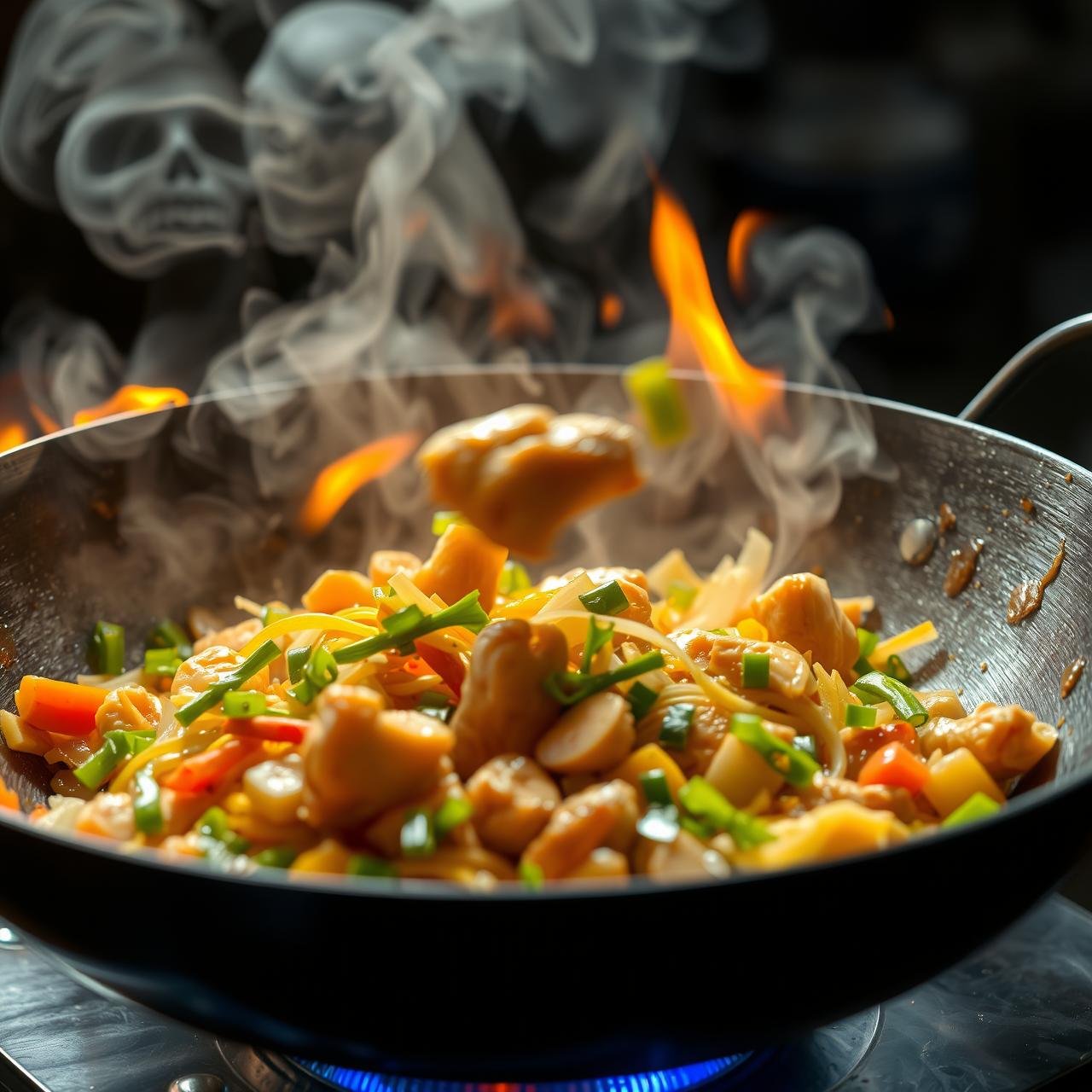
Follow these steps closely for a chow mein that is bursting with flavor and has the perfect texture. The key is preparation and high-heat, quick cooking.
-
Prepare and Roast the Spaghetti Squash
Preheat your oven to 400°F (200°C). Carefully slice the spaghetti squash in half lengthwise. Use a spoon to scoop out the seeds and stringy pulp. Rub the inside flesh with 1 tablespoon of avocado oil and season with salt and pepper. Place the halves cut-side down on a rimmed baking sheet. Roast for 30-40 minutes, or until the squash is tender and can be easily pierced with a fork. Once done, remove from the oven and let it cool for a few minutes. Use a fork to scrape the flesh, which will naturally separate into long, noodle-like strands. Set aside.
-
Marinate the Chicken
While the squash roasts, prepare the chicken. In a medium bowl, combine the thinly sliced chicken with 1 tablespoon coconut aminos, 1 teaspoon sesame oil, arrowroot starch, and white pepper. Toss well to coat every piece. The starch will create a velvety coating that keeps the chicken tender and helps thicken the sauce. Let it marinate for at least 15 minutes.
-
Whisk Together the Stir-Fry Sauce
In a small bowl or liquid measuring cup, whisk together the chicken broth, coconut aminos, oyster sauce (if using), rice vinegar, toasted sesame oil, and sriracha. Set this flavor bomb aside. Prepare your arrowroot slurry in a separate tiny bowl and keep it nearby.
-
The Stir-Fry Symphony
Heat 1 tablespoon of avocado oil in your wok or large skillet over high heat until it just begins to shimmer. Add the marinated chicken in a single layer. Cook for 2-3 minutes per side without moving it too much, allowing it to get a beautiful golden-brown sear. Once cooked through, remove the chicken from the wok and set it aside.
-
Sauté the Aromatics and Vegetables
Lower the heat to medium-high. Add the remaining 1 tablespoon of oil to the wok. Add the sliced onion and sauté for 2-3 minutes until it begins to soften. Add the minced garlic and grated ginger, stirring constantly for about 30 seconds until fragrant. Be careful not to burn them! Add the julienned carrots and sliced bell pepper, stir-frying for another 3-4 minutes until they are crisp-tender.
-
Bring It All Together
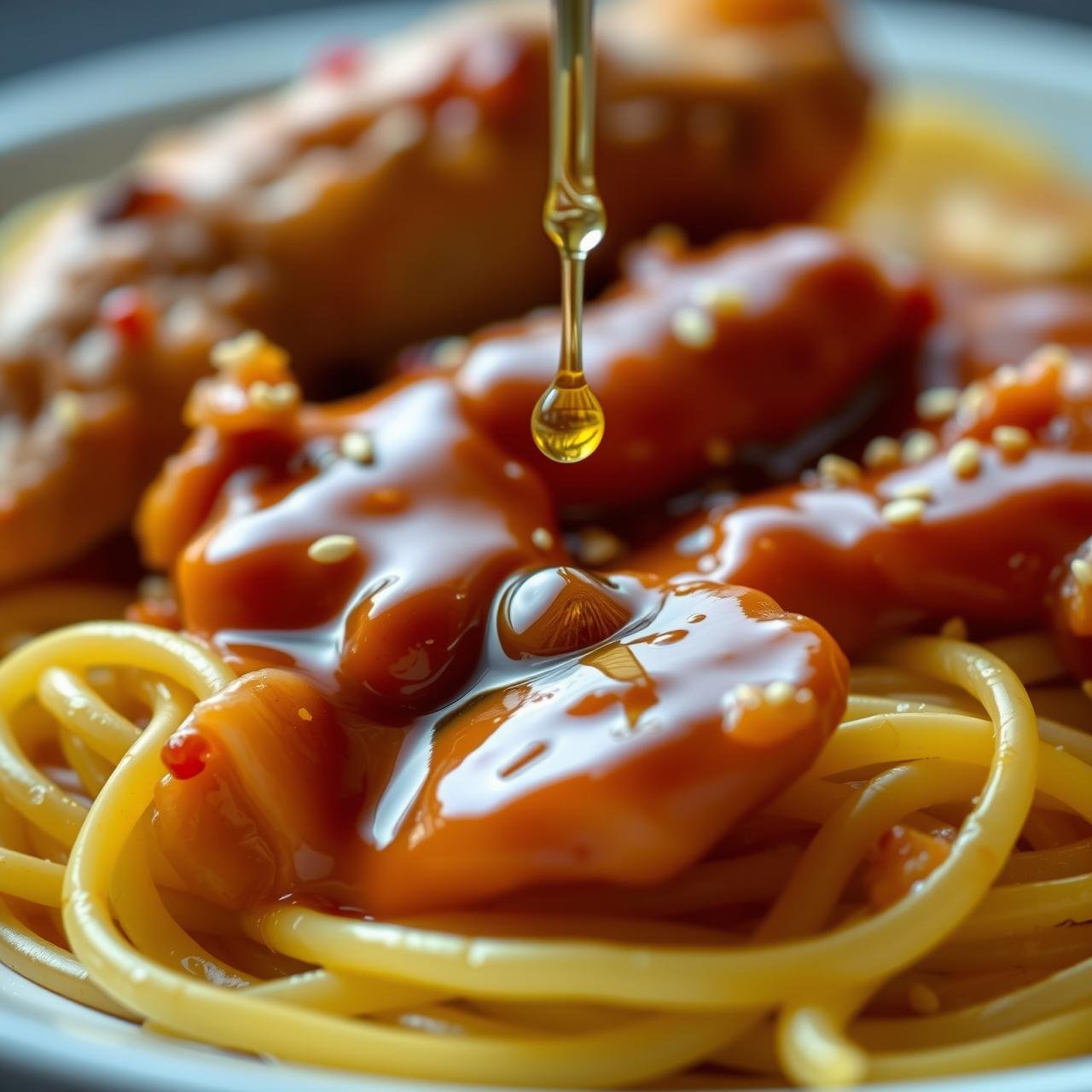
Add the chopped cabbage and cooked chicken back into the wok with the vegetables. Pour the prepared stir-fry sauce over everything and bring it to a simmer. Let it bubble for 1-2 minutes. Now, give your arrowroot slurry a quick re-stir and pour it into the wok while stirring continuously. The sauce will thicken almost instantly into a beautiful, glossy glaze.
-
Finish and Serve
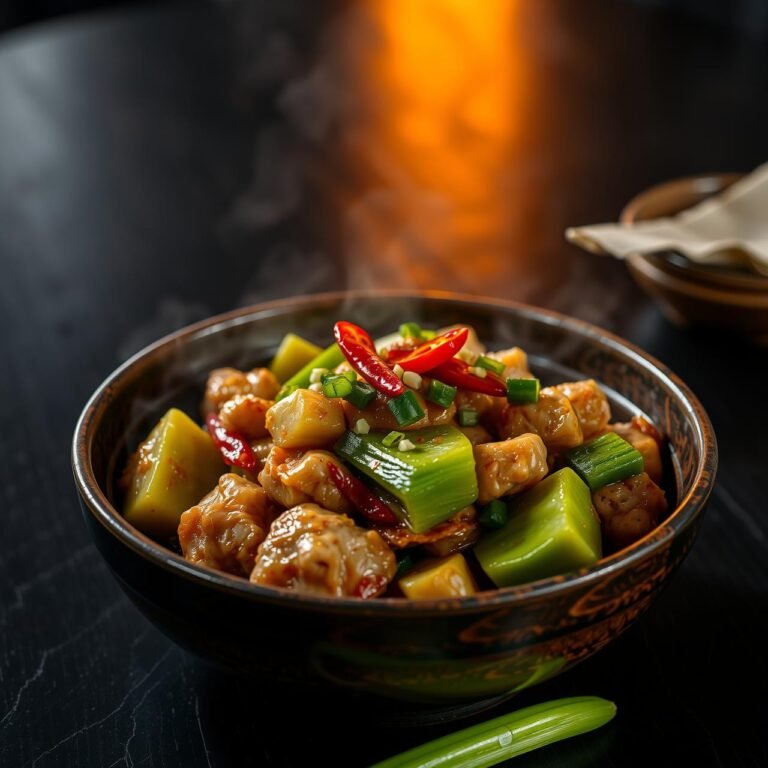
Turn off the heat. Gently fold in the prepared spaghetti squash strands and the fresh bean sprouts, tossing carefully to coat everything in the sauce without breaking up the squash ‘noodles’. Serve immediately in large bowls, garnished generously with sliced green onions and a sprinkle of toasted sesame seeds.
Chef’s Notes & Pro-Tips for Perfection
Avoiding Watery Spaghetti Squash
The number one rule for great spaghetti squash ‘noodles’ is to avoid excess moisture. After scraping the strands from the shell, you can gently pat them with a paper towel or even lightly squeeze them in a clean kitchen towel to remove any extra water. This ensures your final dish is saucy, not soupy.
Velveting Chicken for Tenderness
The technique of coating the chicken in arrowroot or cornstarch before cooking is a classic Chinese method called ‘velveting’. It creates a protective barrier that locks in moisture, guaranteeing incredibly tender and juicy chicken every time, even when using lean breast meat.
The Importance of High Heat
A successful stir-fry relies on high, consistent heat. Don’t overcrowd your pan. If your wok or skillet isn’t large enough, cook the chicken and vegetables in batches. This ensures they ‘fry’ rather than ‘steam’, maintaining that desirable crisp-tender texture.
Customization and Variations
- Make it Spicy: Add more sriracha or a pinch of red pepper flakes with the garlic and ginger.
- Add More Veggies: Broccoli florets, snap peas, mushrooms, or water chestnuts are all fantastic additions. Add them according to their cooking time.
- Protein Swap: This recipe works beautifully with thinly sliced beef (flank steak), shrimp, or even firm tofu for a vegetarian option.
Nutritional Information: A Healthy Indulgence
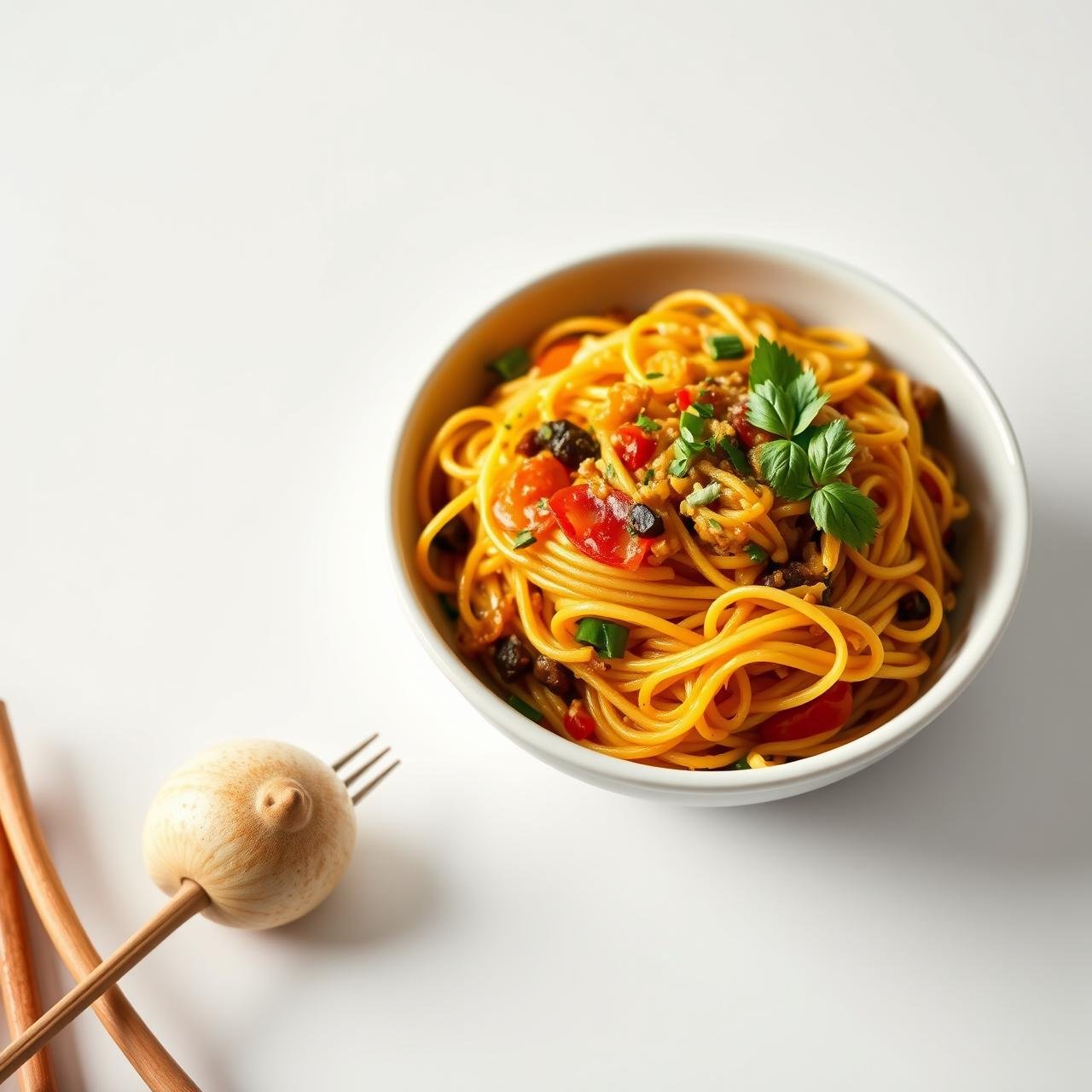
Here is an estimated nutritional breakdown for one serving of this High Volume Chicken Chow Mein. Please note that these values are approximate and can vary based on the specific ingredients and portion sizes used. This recipe makes approximately 4 large servings.
| Nutrient | Amount per Serving |
|---|---|
| Calories | ~450 kcal |
| Protein | ~40g |
| Fat | ~22g |
| Carbohydrates | ~20g |
| Fiber | ~7g |
| Net Carbs | ~13g |
| Sugar | ~9g |
| Sodium | ~750mg |
Conclusion
Storage and Reheating for Delicious Leftovers
This recipe is fantastic for meal prep. Store leftovers in an airtight container in the refrigerator for up to 4 days. To reheat, it’s best to gently warm it in a skillet over medium heat with a splash of water or chicken broth to loosen the sauce. Microwaving works too, but the skillet method helps preserve the texture of the vegetables and squash.
This High Volume Chicken Chow Mein is more than just a recipe; it’s a strategy for eating well without feeling deprived. It’s proof that you can indulge your comfort food cravings while still nourishing your body with clean, wholesome ingredients. It’s a dish that celebrates abundance, flavor, and the simple joy of a home-cooked meal that truly satisfies on every level. So go ahead, fill your bowl to the brim and enjoy every last, delicious strand.