Healthy Chicken Adobo: Savory Filipino Comfort Food Made Skinny
Chicken Adobo is more than just a dish; it’s the heart of Filipino cooking, a culinary heirloom passed down through generations. Its signature aroma—a heady blend of tangy vinegar, savory soy sauce, and pungent garlic—is the scent of home for millions. Traditionally, it’s a rich, indulgent dish, simmered slowly until the chicken is fall-apart tender. But what if we could capture that same soul-soothing comfort in a version that aligns with a healthier, cleaner lifestyle?
This recipe is the answer. We’ve meticulously re-engineered the classic, keeping the soul intact while making smart, health-conscious adjustments. We’ll show you how to build that iconic, deeply savory flavor profile using skinless chicken, reduced-sodium ingredients, and time-honored techniques. Prepare to experience a Chicken Adobo that’s not only incredibly delicious but also nourishing, proving that you don’t have to compromise on flavor to eat well. This is Filipino comfort food, reimagined for the modern, mindful kitchen.
The Philosophy of a Healthier Adobo
Making Smart Swaps Without Sacrificing Flavor
The magic of this ‘skinny’ adobo lies in a few key, intentional choices. Our goal is not to reinvent the wheel, but to refine it. Traditional adobo can be high in sodium and saturated fat, primarily from full-sodium soy sauce and chicken skin. By making a few simple swaps, we drastically improve the nutritional profile while preserving the authentic taste.
- Skinless Chicken Thighs: We opt for chicken thighs for their rich flavor and succulent texture, which holds up beautifully to the braising process. By removing the skin, we eliminate a significant amount of saturated fat and calories, allowing the lean meat to absorb the marinade more directly.
- Low-Sodium Soy Sauce or Coconut Aminos: This is our most impactful swap. Regular soy sauce is a major contributor to the dish’s high sodium content. Using a low-sodium version cuts sodium by up to 40% without a noticeable difference in savory depth. For a soy-free and gluten-free alternative, coconut aminos offer a similar umami flavor with a hint of natural sweetness and even less sodium.
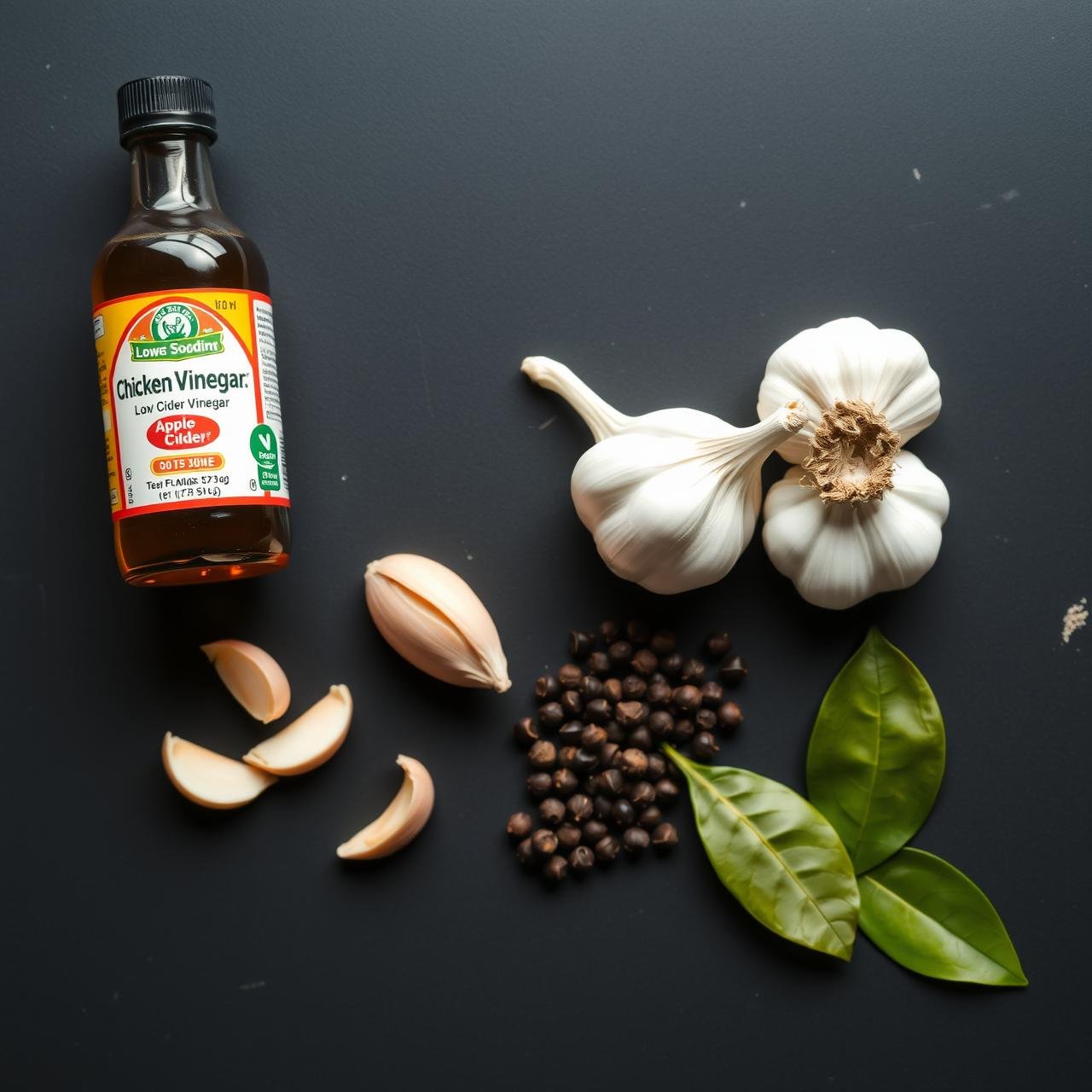
- Apple Cider Vinegar: While any white vinegar works, we prefer raw, unfiltered apple cider vinegar. It provides the essential tangy counterbalance to the soy sauce and is prized for its potential health benefits. Its slightly mellower, fruitier note adds a subtle complexity to the sauce.
- No Added Oil for Searing: By using a quality non-stick pan or a well-seasoned Dutch oven, we can achieve a beautiful golden-brown sear on the chicken without adding any extra oil. The small amount of fat rendered from the chicken thighs is more than enough to prevent sticking and create a flavorful fond (the browned bits) at the bottom of the pan, which is the foundation of our sauce.
These adjustments work in harmony to create a dish that is lighter, leaner, and better for you, yet still delivers that powerful, comforting adobo punch.
Gather Your Tools: Essential Kitchen Equipment

You don’t need a professional kitchen to create phenomenal adobo. This recipe relies on basic, hardworking tools that most home cooks already own. Having the right equipment ready makes the process smooth and enjoyable.
| Equipment | Chef’s Note |
|---|---|
| Large Bowl | For marinating the chicken. Glass or ceramic is ideal as it won’t react with the vinegar. |
| Heavy-Bottomed Pot or Dutch Oven | This is crucial for even heat distribution. It allows for a great sear and prevents the sauce from scorching during the long simmer. A 5-quart pot is a perfect size. |
| Tongs | Essential for flipping the chicken during searing to develop an even, golden-brown crust. |
| Measuring Cups and Spoons | Precision is key to achieving the perfect balance of savory, sour, and sweet in the adobo sauce. |
| Garlic Press or Knife | For mincing or crushing the garlic. Crushing the cloves releases more of their aromatic oils, infusing the dish with deeper flavor. |
The Building Blocks of Flavor: Ingredients for Skinny Chicken Adobo
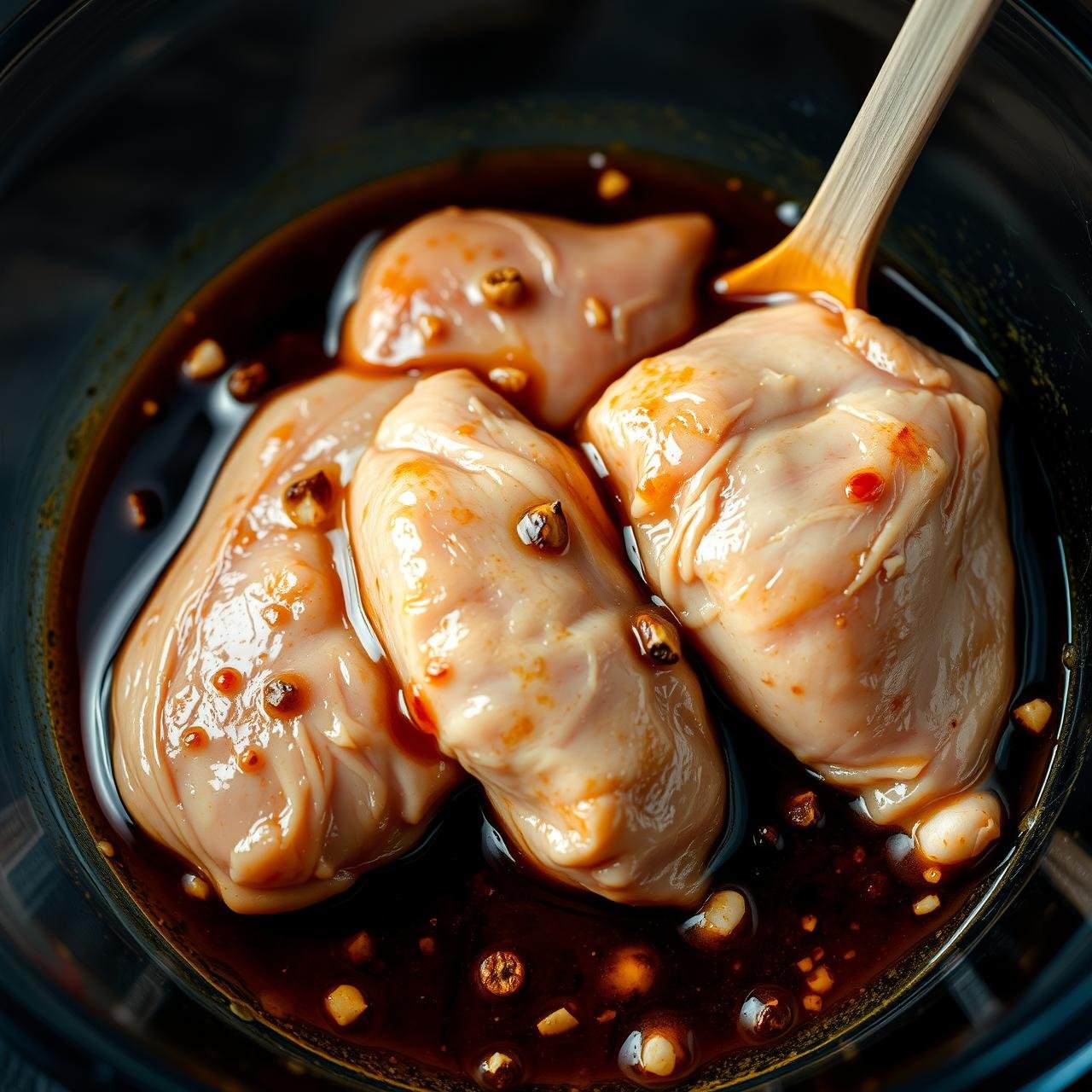
The beauty of adobo is in its simplicity. A handful of pantry staples come together to create a symphony of flavor. We prioritize quality ingredients for the best possible result.
For the Chicken and Marinade:
- 2.5 lbs skinless, boneless chicken thighs, trimmed of excess fat
- 1/2 cup low-sodium soy sauce (or coconut aminos)
- 1/2 cup apple cider vinegar (or white vinegar)
- 1 whole head of garlic, cloves peeled and roughly crushed
- 1 teaspoon whole black peppercorns, lightly crushed
- 3-4 dried bay leaves
- 1/4 cup water
For the Garnish (Optional):
- 2-3 green onions, thinly sliced
- 1 tablespoon toasted garlic bits
A Note on Ingredients:
Chicken Thighs: We strongly recommend thighs over breasts for this recipe. They contain more fat and connective tissue, which breaks down during the braise, resulting in incredibly tender, flavorful, and moist meat that’s nearly impossible to overcook. Trimming visible fat is the key to keeping it lean.
Whole Peppercorns: Using whole, lightly crushed peppercorns instead of pre-ground pepper makes a world of difference. They release their pungent, floral aroma slowly into the sauce, providing warmth and depth without overwhelming the dish.
Crafting the Perfect Healthy Adobo: Step-by-Step Instructions

Follow these steps closely to build layers of flavor, resulting in a perfectly balanced and tender adobo. The process is straightforward and rewards patience.
- Marinate the Chicken: In a large, non-reactive bowl, combine the chicken thighs, low-sodium soy sauce, apple cider vinegar, crushed garlic cloves, crushed peppercorns, and bay leaves. Use your hands or a spoon to toss everything together, ensuring each piece of chicken is well-coated. Cover the bowl and let it marinate in the refrigerator for at least 30 minutes, or up to 4 hours for a deeper flavor. Do not marinate overnight, as the vinegar can start to break down the texture of the chicken too much.
- Sear the Chicken: Remove the chicken from the marinade, reserving the marinade for later. Pat the chicken pieces dry with a paper towel; this is a critical step for achieving a proper sear. Heat a Dutch oven or heavy-bottomed pot over medium-high heat. Place the chicken thighs in the hot pan in a single layer, being careful not to overcrowd it (work in batches if necessary). Sear for 3-4 minutes per side, until a deep golden-brown crust forms. You are not cooking the chicken through at this point, just developing flavor. Transfer the seared chicken to a plate and set aside.
- Create the Sauce: Pour the reserved marinade into the hot pot. Add the 1/4 cup of water. Using a wooden spoon, scrape up any browned bits (the fond) from the bottom of the pan—this is pure flavor! Bring the liquid to a boil.
- Braise to Tenderness: Return the seared chicken to the pot. Nestle the pieces into the liquid. Once the liquid returns to a boil, reduce the heat to low, cover the pot, and let it simmer gently for 25-30 minutes. The chicken should be cooked through and tender.
- Reduce the Sauce: Uncover the pot. Remove the chicken pieces and bay leaves, and set them aside on a plate. Increase the heat to medium-high and bring the remaining sauce to a vigorous simmer. Allow the sauce to reduce for 8-10 minutes, or until it has thickened slightly and become glossy. It should be able to coat the back of a spoon. Taste the sauce and adjust if necessary, though it should be perfectly balanced.
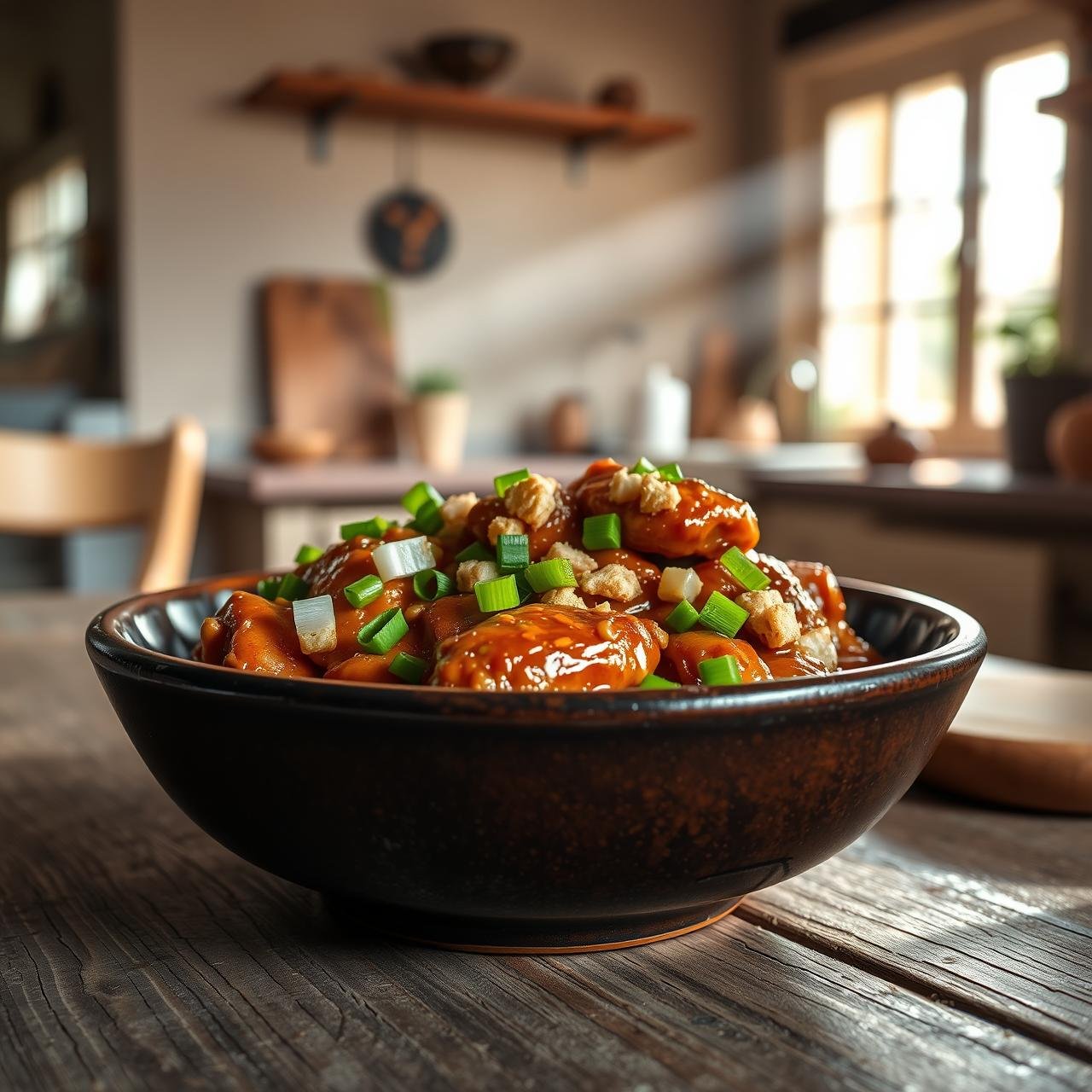
- Finish and Serve: Return the chicken to the pot and toss gently to coat each piece in the beautiful, reduced glaze. Serve hot, garnished with freshly sliced green onions and toasted garlic for added texture and flavor.
From My Kitchen to Yours: Chef’s Pro-Tips for Adobo Perfection
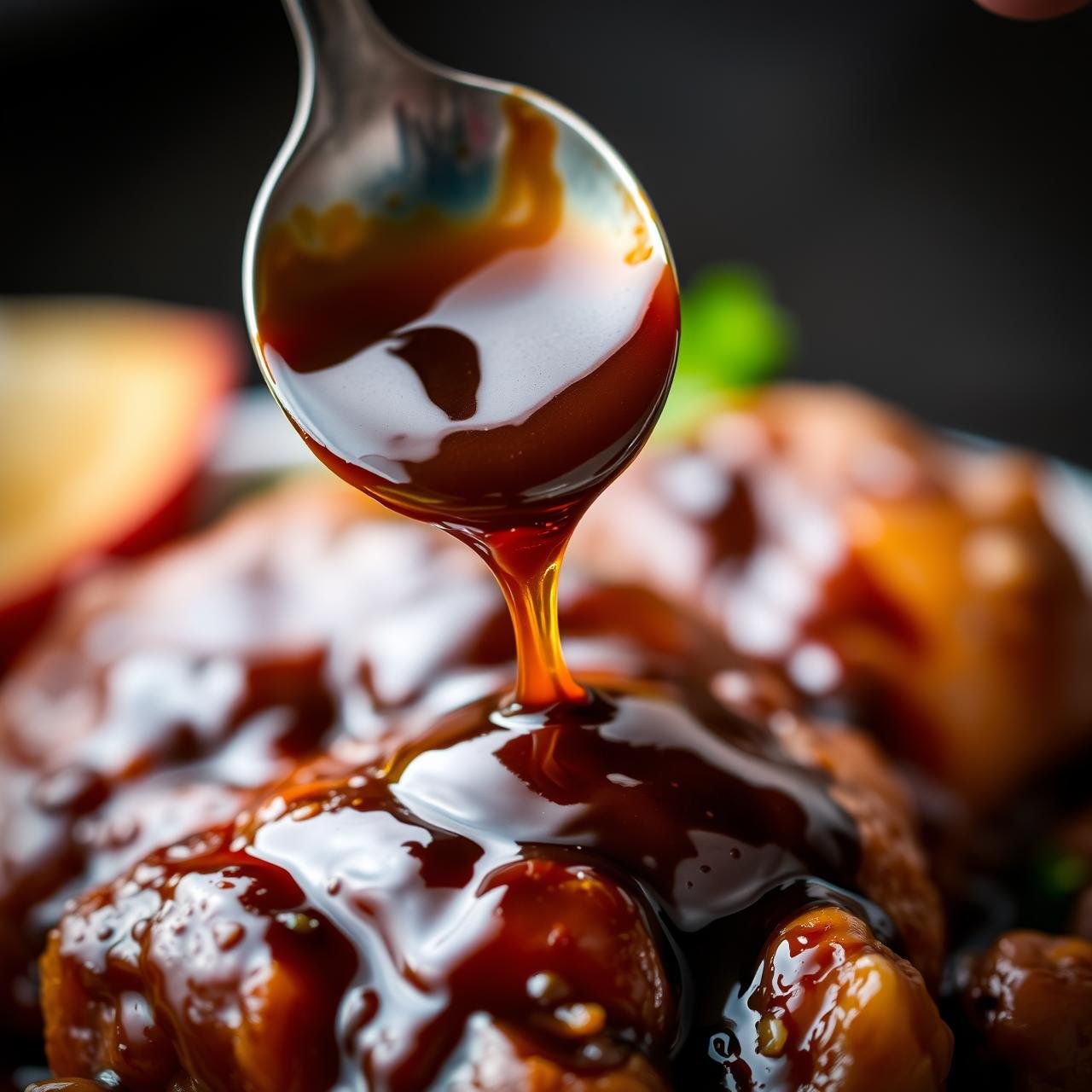
These small details and techniques will elevate your healthy adobo from simply good to truly exceptional.
- Don’t Skip the Sear: Searing the chicken (the Maillard reaction) creates complex, savory flavors that you cannot achieve by simply simmering. Patting the chicken dry before it hits the hot pan is the secret to a golden-brown crust instead of steamed, grey meat.
- Trust the Process with the Vinegar: When you first add the vinegar, the smell can be quite strong and sharp. Don’t be alarmed. As it simmers, the harshness mellows out, blending beautifully with the other ingredients to create that signature tangy-savory adobo balance.
- The Sauce Reduction is Key: The final step of reducing the sauce is what creates the luscious, sticky glaze. Be patient and let it simmer down. This concentrates the flavors and creates the perfect consistency to cling to the chicken.
- Let It Rest: Like many braised dishes, adobo’s flavor deepens and improves as it sits. It tastes even better the next day, making it a perfect dish for meal prepping. The flavors meld and mature overnight.
- Crush, Don’t Chop: For the garlic and peppercorns, a gentle crush with the side of a knife or a mortar and pestle is better than fine mincing or grinding. This allows them to release their essential oils and aromatics into the sauce more gradually for a more nuanced flavor.
Nourish Your Body: Nutritional Information
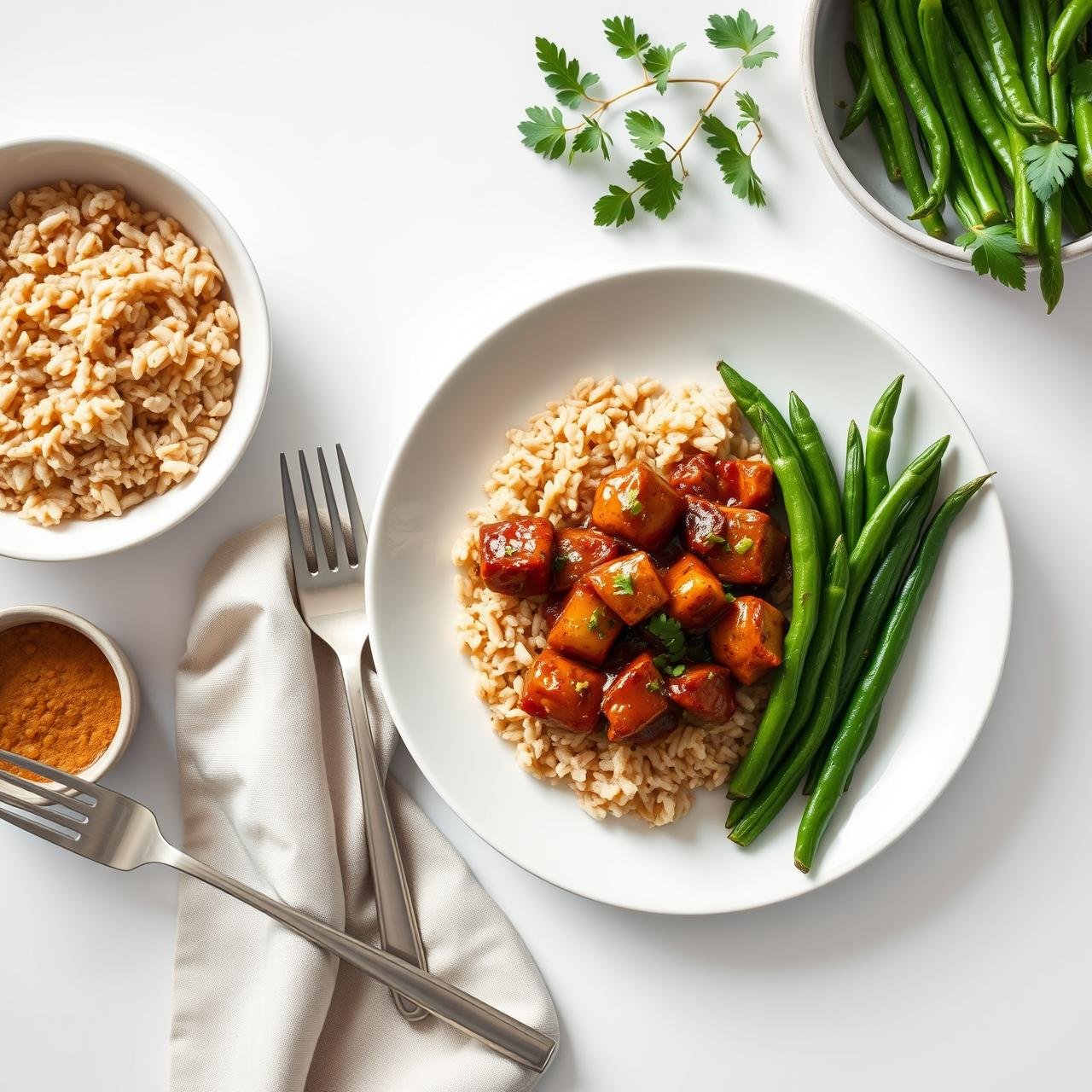
This recipe is designed to be as nourishing as it is delicious. By focusing on lean protein and reducing sodium and fat, you get a satisfying meal that fits perfectly into a healthy diet. The table below provides an estimated nutritional breakdown per serving.
Disclaimer: The nutritional information is an estimate and can vary based on the specific ingredients and portion sizes used.
| Nutrient | Amount per Serving (approx. 4-5 oz chicken + sauce) |
|---|---|
| Calories | ~280 kcal |
| Protein | 35g |
| Fat | 12g |
| Saturated Fat | 3g |
| Carbohydrates | 5g |
| Sodium | ~550mg |
Compared to a traditional adobo, which can easily exceed 1200mg of sodium and 25g of fat per serving, this version represents a significant improvement, making it a sustainable choice for regular enjoyment.
Serving, Storing, and Reheating Your Adobo
Perfect Pairings
Adobo is traditionally served with a generous portion of steamed white rice to soak up the flavorful sauce. To keep the meal light and healthy, consider these nutritious pairings:
- Steamed Brown Rice or Quinoa: For a boost of fiber and whole grains.
- Cauliflower Rice: An excellent low-carb option that readily absorbs the sauce.
- Steamed or Sautéed Greens: Serve alongside bok choy, spinach, or green beans for added vitamins and a pop of color.
- Atchara (Pickled Green Papaya): This traditional Filipino side dish provides a sweet and tangy crunch that cuts through the richness of the adobo beautifully.
Storage and Reheating
Adobo is one of the best dishes for leftovers, as the flavors continue to meld and deepen in the refrigerator.
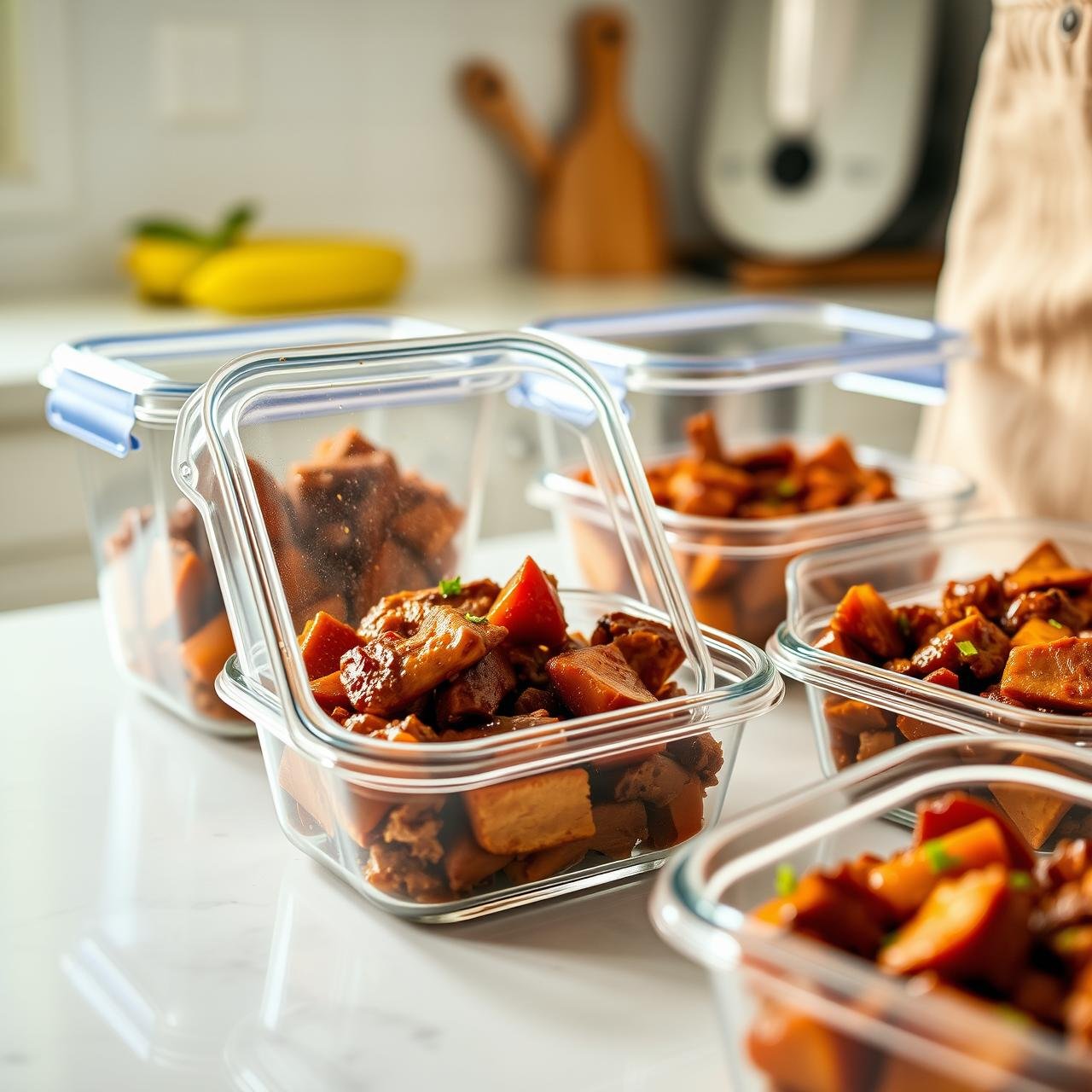
- Refrigeration: Store leftover chicken adobo in an airtight container in the refrigerator for up to 4 days.
- Freezing: For longer storage, allow the adobo to cool completely, then transfer it to a freezer-safe container or bag. It can be frozen for up to 3 months.
- Reheating: The best way to reheat adobo is gently in a saucepan over low heat. Add a splash of water if the sauce has become too thick. You can also reheat it in the microwave in 30-second intervals until warmed through.
Conclusion
We’ve journeyed through the heart of Filipino cuisine and emerged with a Chicken Adobo that is both faithful to its roots and adapted for a modern, health-conscious palate. This recipe stands as proof that ‘healthy’ and ‘comfort food’ are not mutually exclusive. By making simple, intelligent ingredient swaps and focusing on technique, we’ve created a dish that is lean, low in sodium, and bursting with the bold, unforgettable flavors of classic adobo.
This isn’t just a recipe; it’s a versatile, budget-friendly meal solution that’s perfect for a weeknight dinner, impressive enough for guests, and ideal for meal prepping. We invite you to bring this ‘skinny’ Chicken Adobo into your kitchen, to fill your home with its incredible aroma, and to share a meal that truly nourishes the body and soul. Enjoy every savory bite.