Melt in Your Mouth Low Carb Philly Cheesesteak Skillet (Ready in 20 Min)
There are few comfort foods as iconic and universally adored as the Philly Cheesesteak. That perfect harmony of thinly sliced, savory steak, sweet caramelized onions, and a cascade of melted cheese, all nestled in a hearty roll, is the stuff of culinary legends. But for those of us navigating a low-carb or keto path, that classic sandwich can feel like a distant dream. Until now.
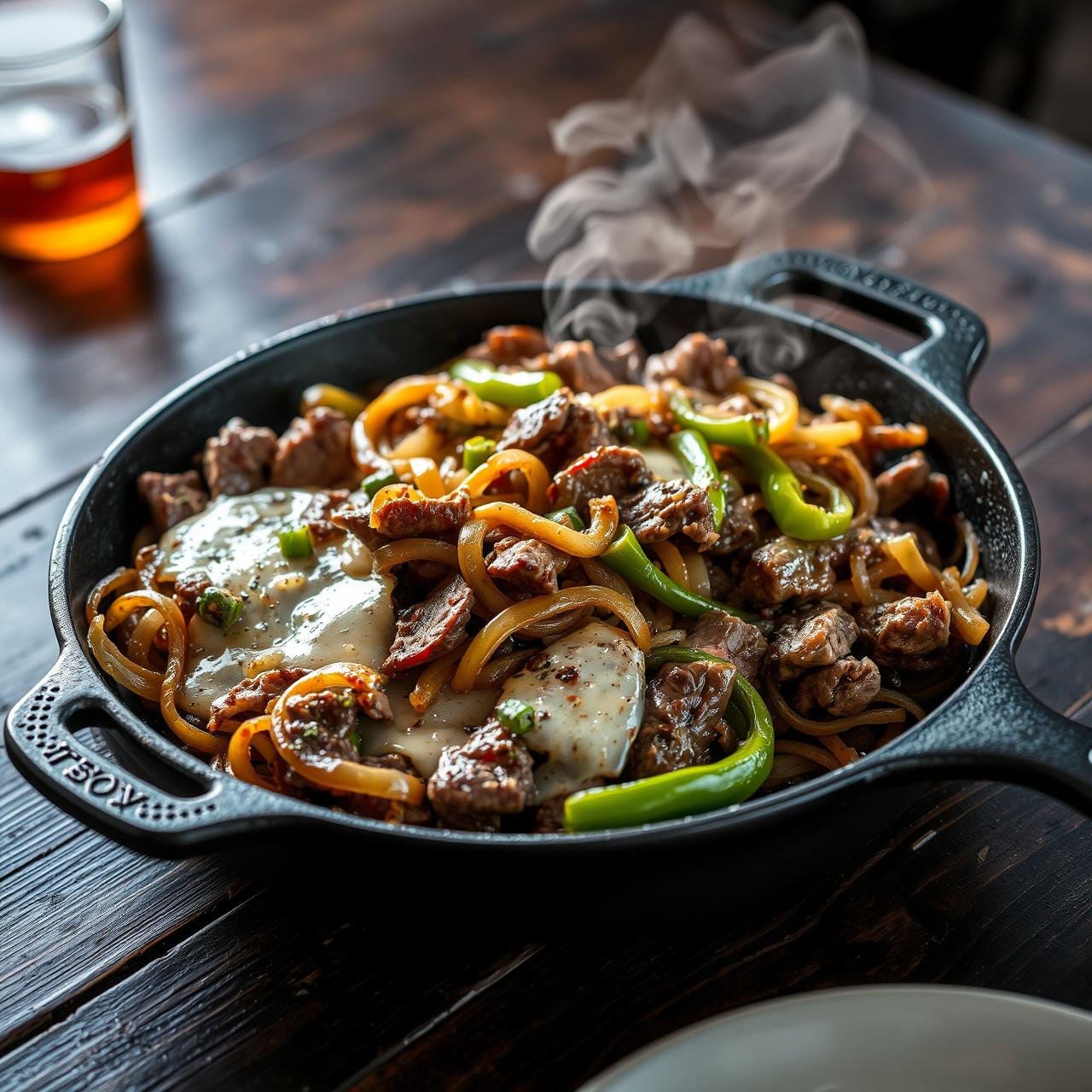
Welcome to the recipe that bridges the gap between craving and reality: the Melt-in-Your-Mouth Low Carb Philly Cheesesteak Skillet. We’ve deconstructed the classic, tossed the carb-heavy bread, and concentrated all that incredible flavor into a rustic, one-pan masterpiece that’s ready in a breathtaking 20 minutes. This isn’t just a substitute; it’s a revelation. It’s a dish that celebrates wholesome, clean ingredients without sacrificing an ounce of the rich, homestyle satisfaction you yearn for. Imagine tender ribbons of steak, seared to perfection, mingling with the subtle sweetness of softened onions and peppers, all brought together by a glorious, gooey blanket of provolone cheese. It’s a sensory experience that’s as nourishing for the body as it is comforting for the soul. This skillet is proof that you can cook with health in mind, stick to a budget, and still create a meal that tastes like a gourmet indulgence.
The Anatomy of a Perfect Cheesesteak Skillet
The Trifecta of Flavor
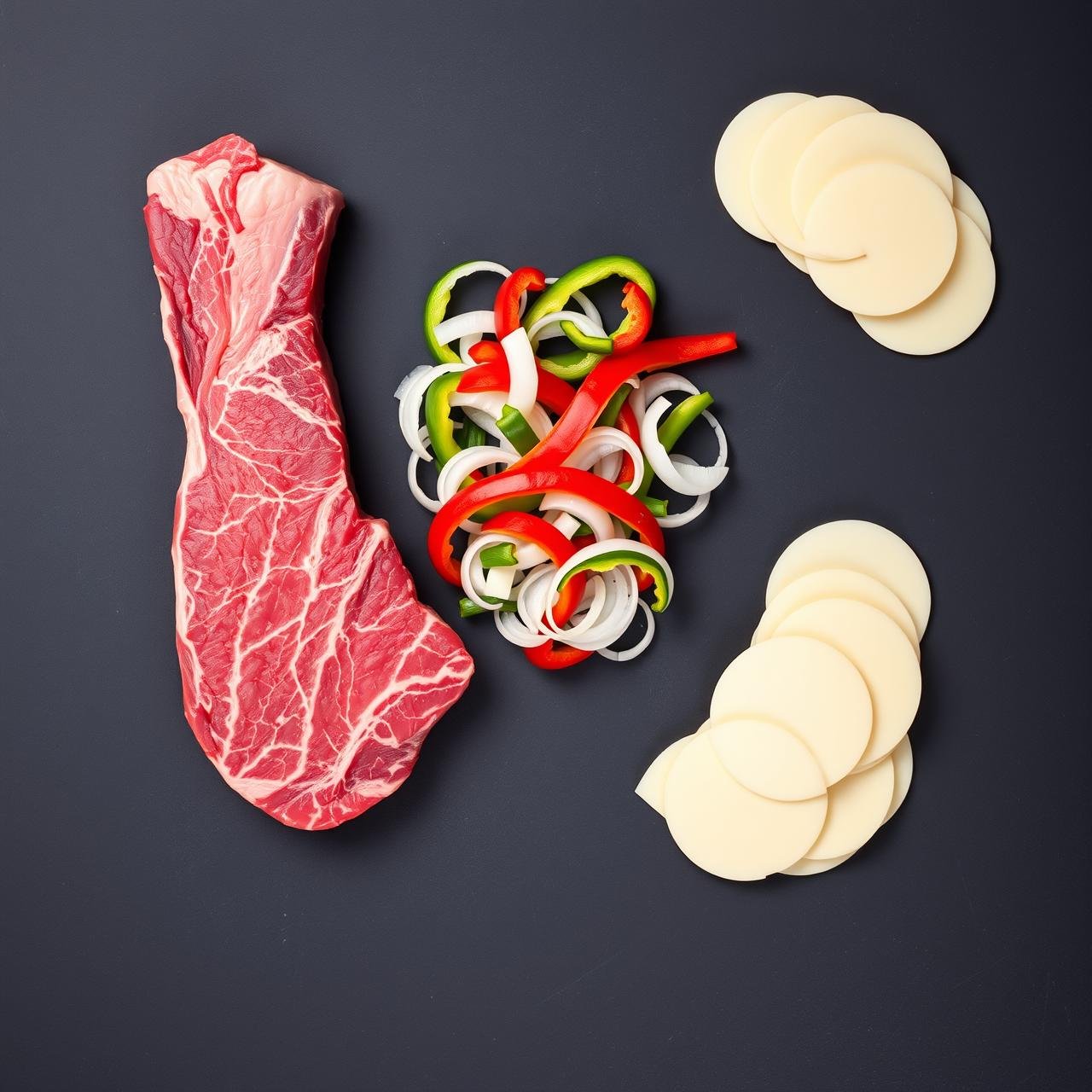
To truly master this dish, it’s essential to understand its core components. The magic of a great cheesesteak isn’t just in the combination of ingredients, but in the quality and preparation of each. We’re focusing on three key players: the beef, the vegetables, and the cheese.
- The Beef: The Star of the Show. The cut of beef is paramount. A classic Philly uses thinly sliced ribeye, prized for its marbling, which renders down to create an incredibly tender, flavorful result. For a more budget-friendly but equally delicious option, sirloin or flank steak works beautifully. The secret, as any chef will tell you, is in the slice. Slicing the beef paper-thin against the grain is non-negotiable; it ensures every bite melts in your mouth.
- The Vegetables: The Flavor Foundation. While some purists argue for onions only, the addition of bell peppers and mushrooms adds layers of flavor, texture, and nutritional value. We’re not just sautéing them; we’re coaxing out their natural sugars through caramelization. This slow browning process transforms simple vegetables into a sweet, savory base that perfectly complements the rich beef.
- The Cheese: The Crown Jewel. The debate over Cheez Whiz, provolone, or American is a tale as old as time. For our clean, low-carb version, we’re opting for high-quality Provolone. Its mild, slightly sharp flavor doesn’t overpower the beef, and it melts into a spectacular, creamy blanket that creates that iconic ‘cheese pull’ we all crave. It’s the finishing touch that brings the entire skillet together in a symphony of savory perfection.
Essential Tools for Skillet Mastery
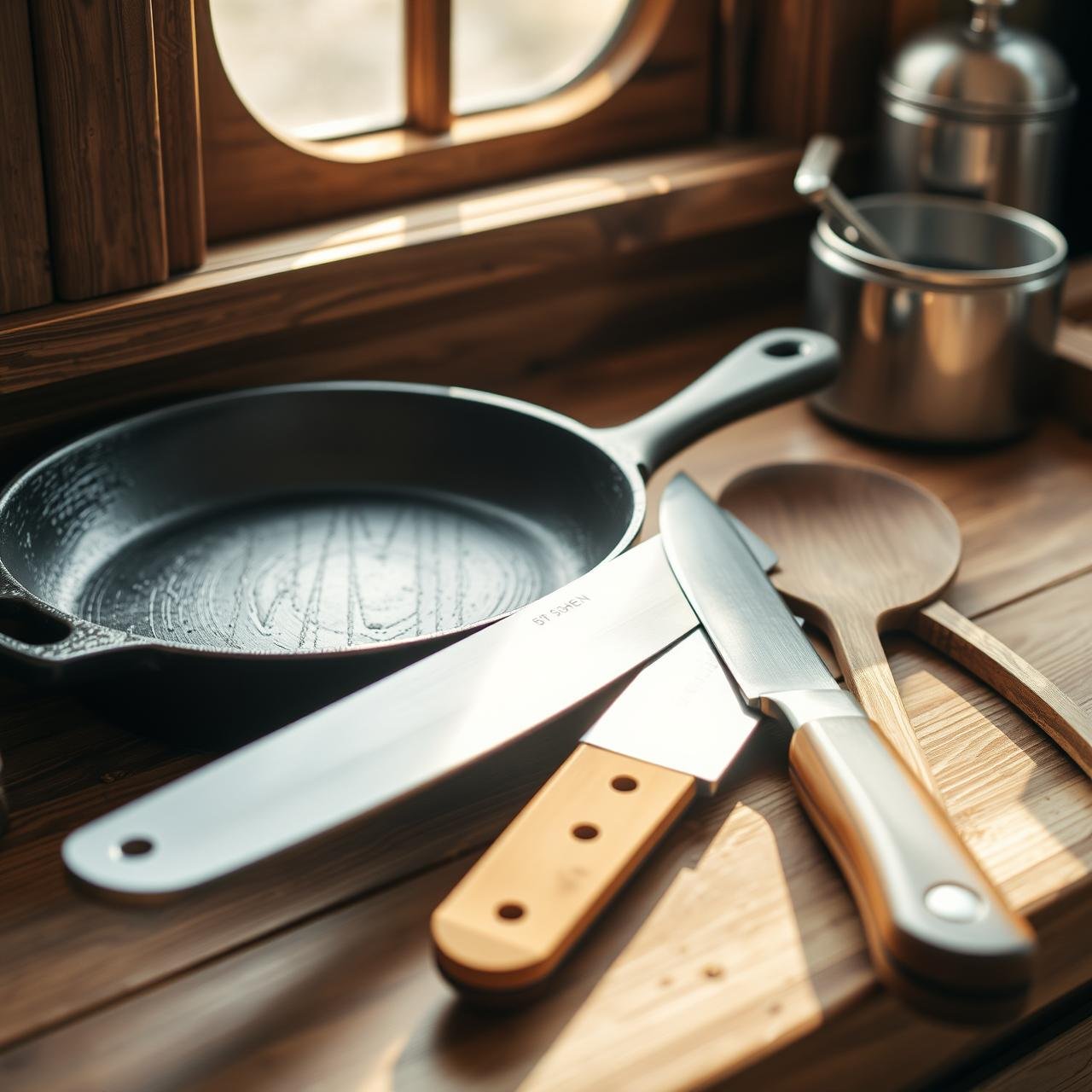
You don’t need a kitchen full of fancy gadgets to create this rustic masterpiece. The beauty of a skillet meal lies in its simplicity. Here are the key pieces of equipment that will guarantee your success:
| Tool | Chef’s Note |
|---|---|
| Large Cast-Iron Skillet (12-inch) | A cast-iron skillet is the undisputed champion for this recipe. It retains heat exceptionally well, which is crucial for achieving that perfect, deep brown sear on the steak and vegetables. A well-seasoned skillet also adds a subtle layer of flavor. If you don’t have one, a heavy-bottomed stainless steel skillet is the next best choice. |
| Sharp Chef’s Knife | To get those paper-thin slices of beef, a very sharp knife is your best friend. A dull knife will tear the meat, resulting in a tougher texture. |
| Large Cutting Board | You’ll need a stable surface for slicing your beef and chopping your vegetables. A large board prevents cross-contamination and keeps your workspace organized. |
| Wooden Spoon or Spatula | A sturdy utensil for stirring and scraping up all those delicious browned bits (the ‘fond’) from the bottom of the pan. If using cast-iron, metal is fine too, but wood is always a safe bet. |
Gathering Your Farm-Fresh Ingredients
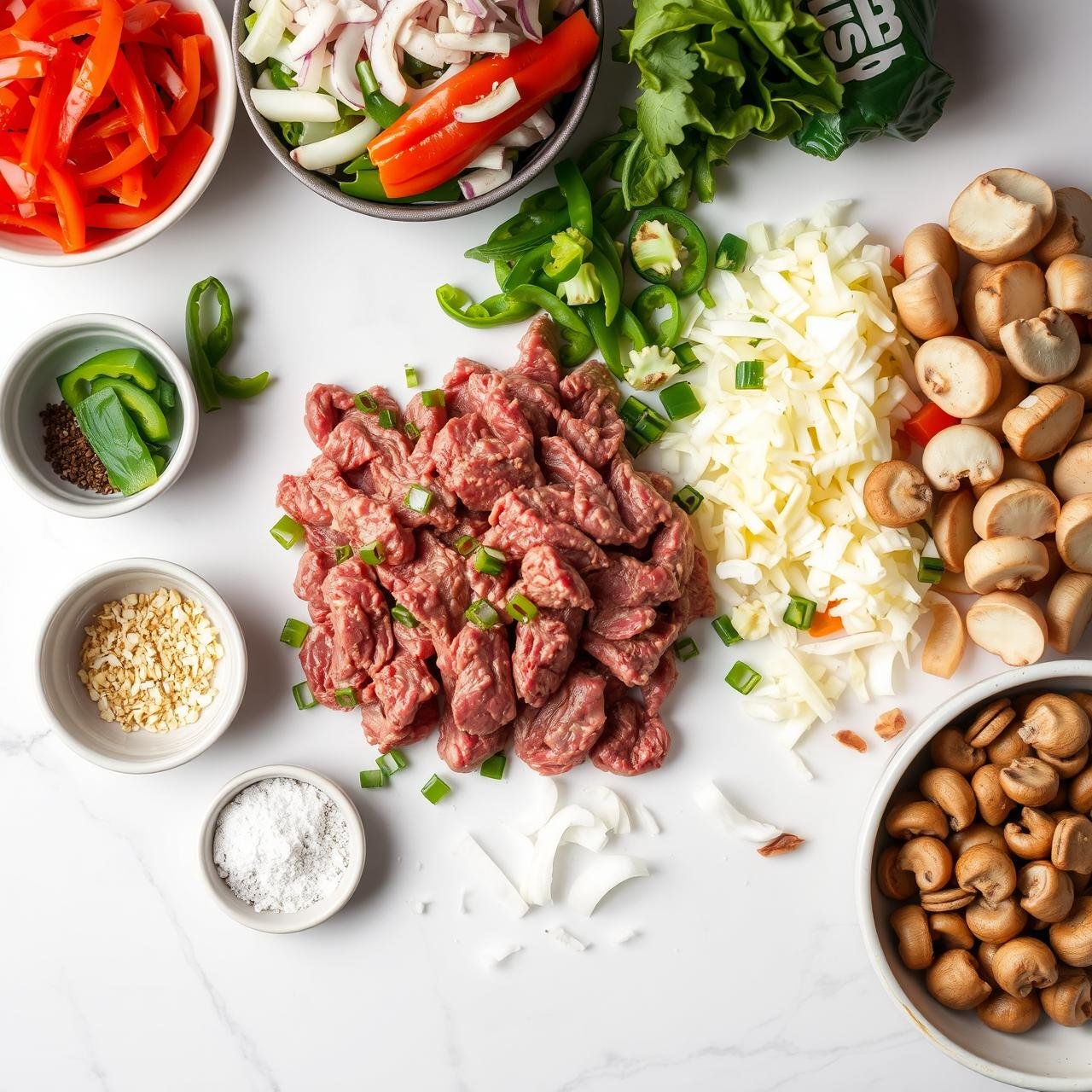
Quality ingredients are the soul of this simple dish. Freshness is key, so choose vibrant, firm vegetables and the best quality beef you can find. This recipe serves four generously.
- For the Steak: 1.5 pounds of boneless ribeye, sirloin, or flank steak, very thinly sliced against the grain.
- For the Vegetables: 1 large yellow onion, thinly sliced; 1 large green bell pepper, thinly sliced; 8 ounces of cremini mushrooms, sliced (optional, but recommended for earthy depth).
- For Searing & Flavor: 2 tablespoons of avocado oil or ghee (high smoke point is key); 2 cloves of garlic, minced; 1 teaspoon of Worcestershire sauce (check for a sugar-free version for strict keto); 1/2 teaspoon of sea salt; 1/2 teaspoon of black pepper.
- For the Cheesy Topping: 8 slices of high-quality provolone cheese. You can also use white American or mozzarella.
- Optional Garnish: Freshly chopped parsley or chives.
Step-by-Step to Skillet Perfection
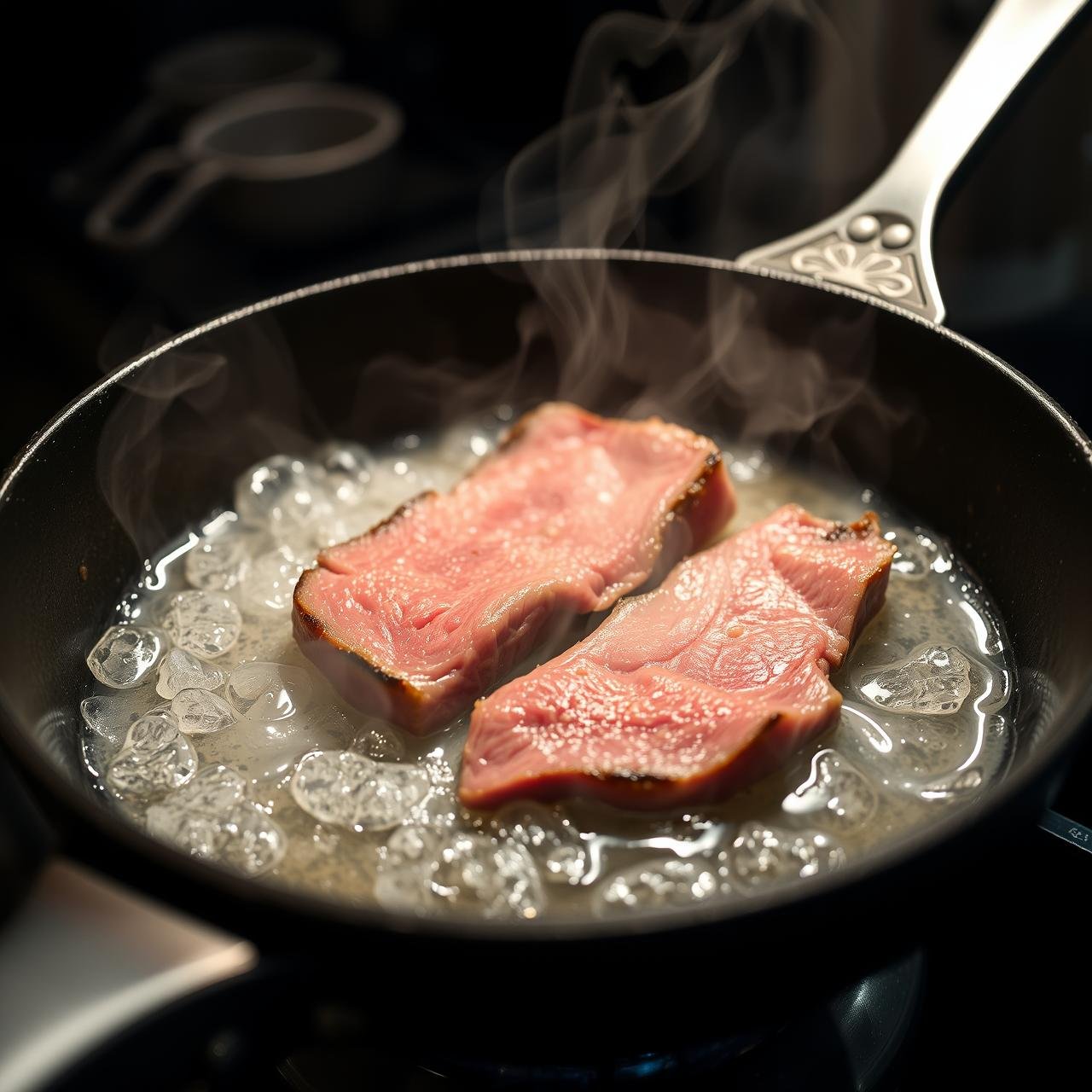
This is where the magic happens. Follow these steps closely to build layers of flavor and achieve that perfect melt-in-your-mouth texture. The entire process is a quick dance of searing, sautéing, and melting.
-
Prepare the Steak (A Chef’s Secret)
For the easiest, thinnest slicing, place your steak in the freezer for 20-30 minutes before you begin. This firms up the meat, allowing your knife to glide through it effortlessly. Slice it as thinly as you can against the grain. Once sliced, pat it completely dry with paper towels—a dry surface is crucial for a good sear. Season generously with the sea salt and black pepper.
-
Sauté the Vegetables
Place your large skillet over medium-high heat. Add 1 tablespoon of the avocado oil. Once shimmering, add the sliced onions and bell peppers (and mushrooms, if using). Cook, stirring occasionally, for about 6-8 minutes, until they are soft, tender, and starting to show beautiful caramelized brown edges. Add the minced garlic and cook for another 30 seconds until fragrant. Remove the vegetables from the skillet and set them aside on a plate.
-
Sear the Steak
Return the skillet to medium-high heat. Add the remaining 1 tablespoon of oil. Working in two batches to avoid overcrowding the pan, add the sliced steak in a single layer. Let it sear for 1-2 minutes without moving it to develop a deep brown crust. Then, stir and cook for another 1-2 minutes until just cooked through. Overcooking will make it tough, so work quickly! Remove the first batch and repeat with the second.
-
Bring It All Together
Return all the cooked steak and the sautéed vegetables to the skillet. Stir in the Worcestershire sauce and toss everything together to combine. Spread the mixture evenly across the bottom of the skillet.
-
Melt the Cheese
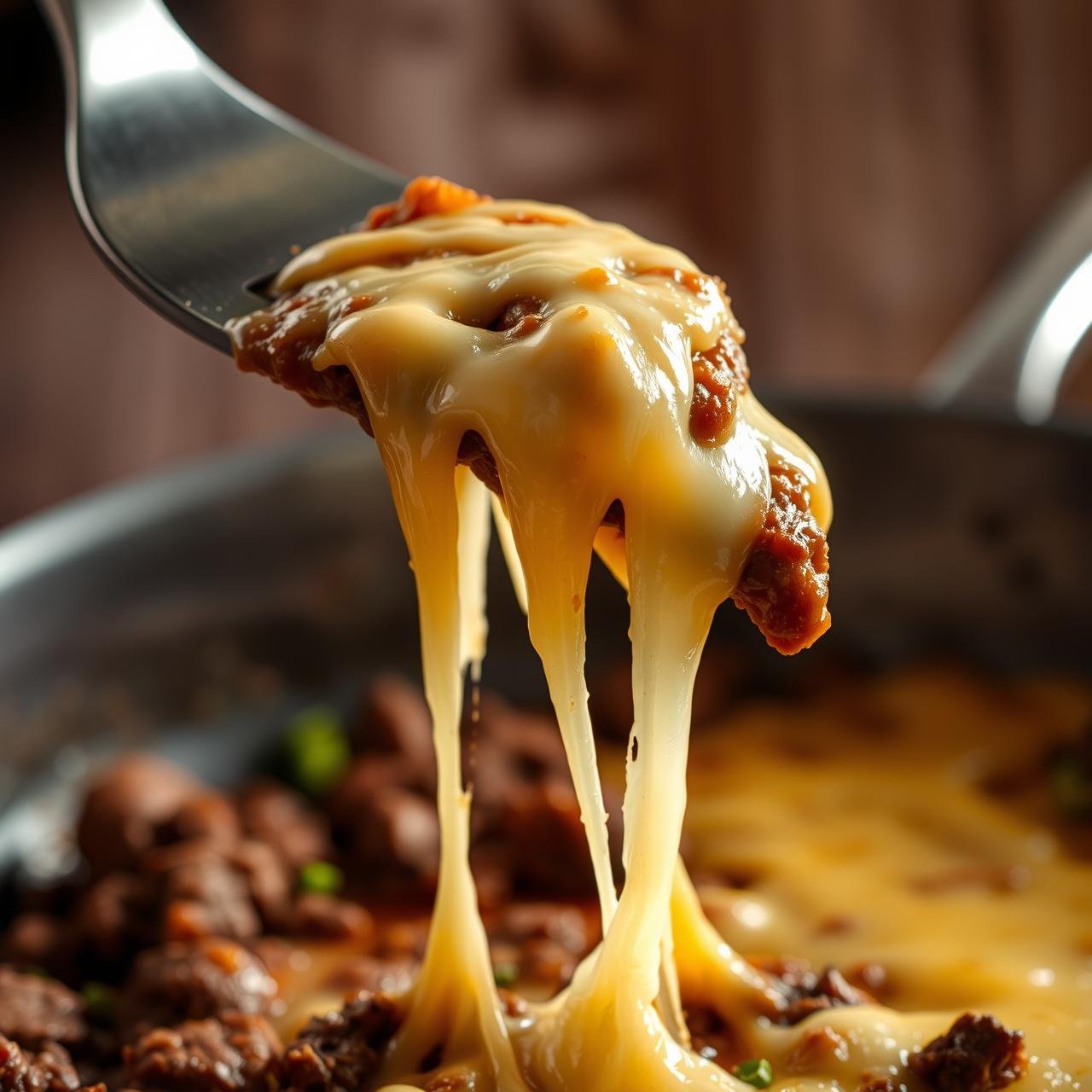
Reduce the heat to low. Lay the provolone slices evenly over the top of the steak and vegetable mixture, overlapping them slightly to ensure full coverage. Cover the skillet with a lid (or a baking sheet if you don’t have a lid) for 2-3 minutes, or until the cheese is perfectly melted, gooey, and irresistible. Remove from heat immediately and garnish with fresh parsley if desired. Serve hot directly from the skillet.
Chef’s Secrets for a Gourmet Experience
Tips for Elevating Your Skillet
A few professional tricks can take this simple dish from great to absolutely unforgettable.
- Don’t Crowd the Pan: This is the golden rule of searing. If you add too much meat to the pan at once, it will steam instead of sear. You’ll lose that delicious brown crust (known as the Maillard reaction) which is responsible for so much flavor. Cook in batches for the best results.
- Deglaze for Extra Flavor: After you’ve cooked the steak, you might notice browned bits stuck to the bottom of the pan. This is pure flavor! Before adding everything back in, you can deglaze the pan with a splash of beef broth or dry white wine, scraping the bottom with your wooden spoon to release all that goodness into your dish.
- Cheese Choices Matter: While provolone is a classic, feel free to experiment. A sharp white cheddar can add a tangy kick, while mozzarella will give you an epic cheese pull. For a creamier, diner-style melt, high-quality white American cheese is an excellent choice.
- Low-Carb Serving Suggestions: This skillet is a complete meal on its own, but it’s also incredibly versatile. Serve it over a bed of cauliflower rice, stuffed into bell peppers, or alongside a crisp green salad with a simple vinaigrette. For a truly decadent experience, spoon it over steamed broccoli or asparagus.
Nutritional Profile: A Healthy Indulgence
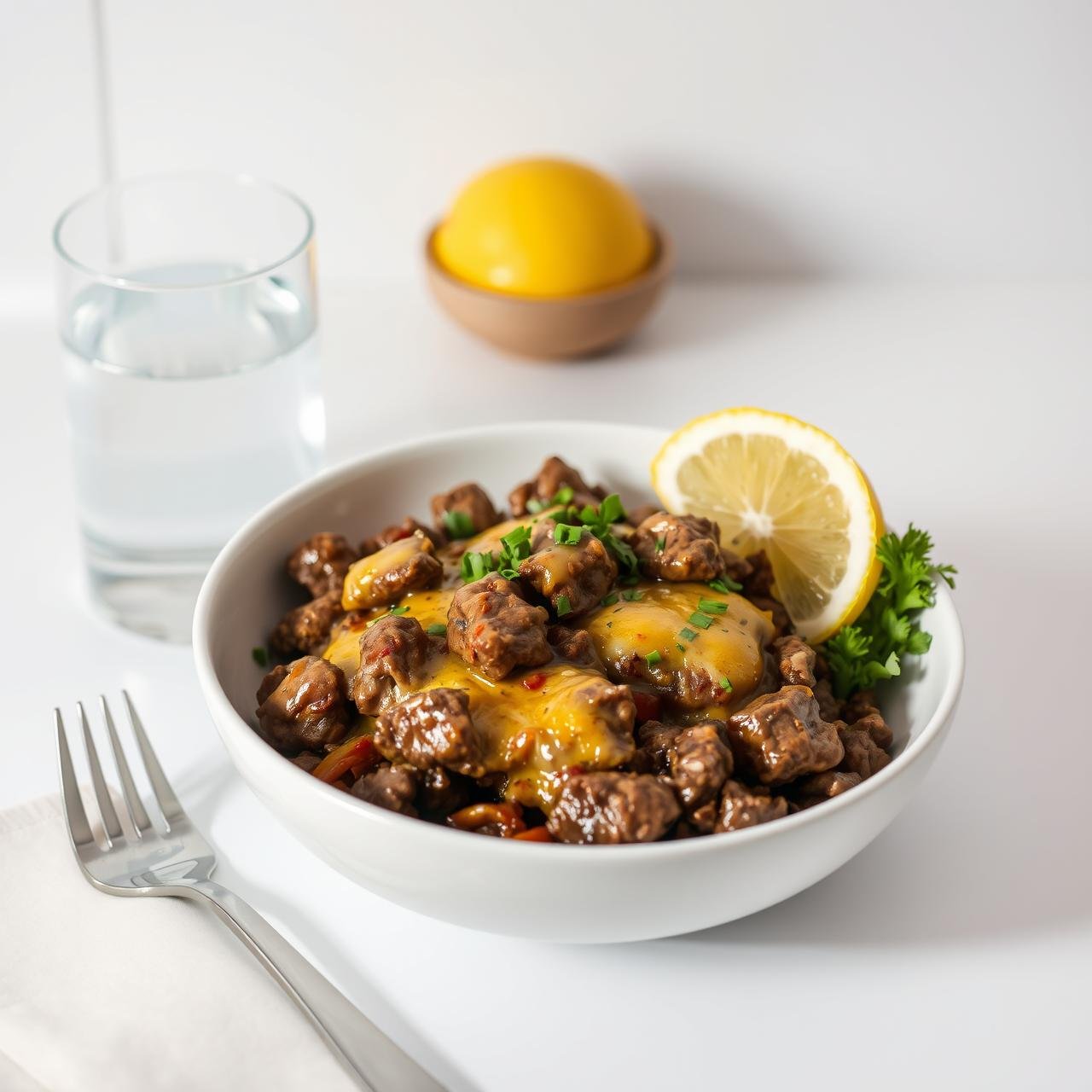
Here is an estimated nutritional breakdown for one serving of this Low Carb Philly Cheesesteak Skillet. Please note that these values are approximate and can vary based on the specific ingredients and brands you use.
| Nutrient | Amount per Serving (approx.) |
|---|---|
| Calories | 580 kcal |
| Protein | 45g |
| Fat | 42g |
| Total Carbohydrates | 9g |
| Fiber | 2g |
| Net Carbohydrates | 7g |
| Sodium | 850mg |
| Potassium | 900mg |
This dish is a powerhouse of protein and healthy fats, making it exceptionally satiating and perfect for a ketogenic or low-carb diet. The high protein content supports muscle maintenance, while the low net carbs help maintain stable blood sugar levels.
Storing and Reheating Your Creation
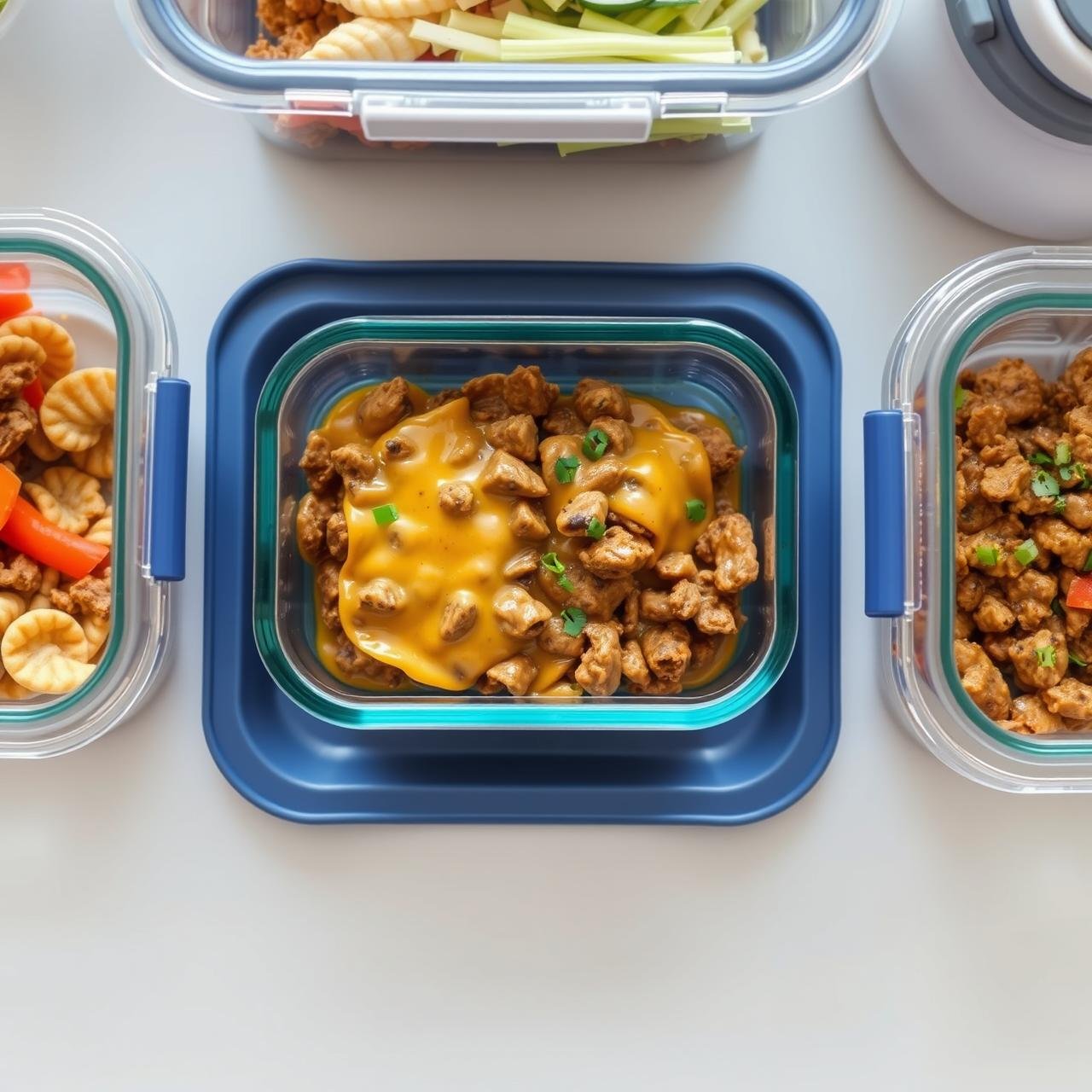
Enjoying Your Leftovers
One of the best parts of this recipe is that the leftovers are just as delicious the next day, making it perfect for meal prep. Here’s how to store and reheat it properly to maintain its flavor and texture.
- Storage: Allow the skillet to cool down slightly before transferring the contents to an airtight container. It can be stored in the refrigerator for up to 3-4 days.
- Reheating Method 1 (Skillet): For the best results, reheat the cheesesteak mixture in a non-stick skillet over medium-low heat. Add a splash of water or beef broth to create some steam, which will help rehydrate the meat and melt the cheese without drying it out. Cook, stirring gently, until warmed through.
- Reheating Method 2 (Microwave): If you’re short on time, the microwave works too. Place a serving on a microwave-safe plate and cover it with a damp paper towel. Heat in 30-second intervals, stirring in between, until it reaches your desired temperature. The paper towel helps prevent the steak from becoming rubbery.
Conclusion
There you have it—a rustic, soul-satisfying Philly Cheesesteak Skillet that honors your health goals without compromising on the deep, savory flavors of the classic. In just 20 minutes, you can transform a handful of simple, wholesome ingredients into a gourmet, low-carb meal that will delight everyone at your table. This recipe is a testament to the fact that clean eating can be incredibly delicious and that comfort food can be both nourishing and quick. So, grab your cast-iron skillet, embrace the sizzle, and prepare to fall in love with a new weeknight favorite. We invite you to try this recipe and share your creations—because good food, especially food that makes you feel this good, is meant to be shared.