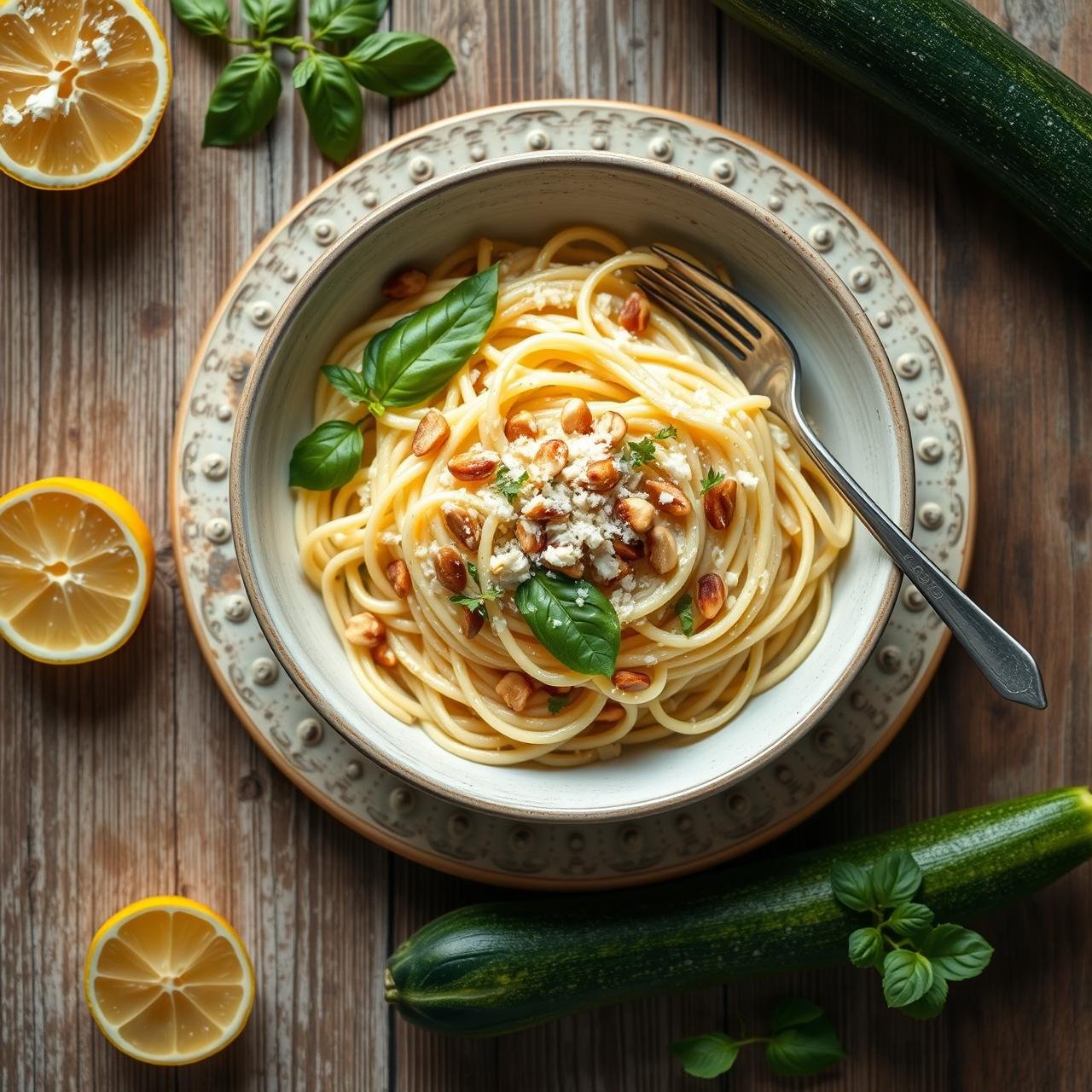
Creamy & Guilt-Free: Lemon Ricotta Zucchini Pasta (Detailed Recipe)
Imagine a pasta dish so creamy, so luxurious, it feels like a decadent splurge. Now, imagine it’s also light, packed with fresh vegetables, and bright with the zest of sunny lemon. Welcome to the magic of Lemon Ricotta Zucchini Pasta. This isn’t just a recipe; it’s a revelation. It’s the kind of homestyle, rustic meal that warms the soul, yet it’s crafted with a chef’s understanding of flavor balance and texture. We’re trading heavy creams for the wholesome, airy richness of whole milk ricotta, creating a sauce that clings lovingly to every strand of pasta without weighing you down. Tender-crisp zucchini ribbons and fragrant garlic weave through the dish, while a powerful combination of lemon zest and juice cuts through the richness, making every bite feel vibrant and clean. Whether you’re a gourmet foodie seeking simple elegance, a health enthusiast looking for nutritious comfort food, a budget cook maximizing fresh produce, or a home cook needing a quick and impressive weeknight dinner, this recipe is for you. Prepare to transform a few humble ingredients into a truly mouth-watering masterpiece.
The Allure of Simplicity: Why This Recipe Works
The true genius of this dish lies in its beautiful simplicity and the harmony between its core components. It’s a testament to the culinary principle that you don’t need a long list of complicated ingredients to create something extraordinary. Here’s the breakdown of its magic:
The Creamy, Not Heavy, Factor
The star is, without a doubt, the whole milk ricotta cheese. When warmed with a bit of starchy pasta water, it transforms from a simple cheese into a luscious, velvety sauce. It provides all the satisfying creaminess of a traditional cream sauce but with a lighter, cleaner profile and a welcome boost of protein. It’s a healthy indulgence that satisfies cravings without the guilt.
The Zesty Counterpoint
Richness needs a counterpoint, and in this dish, lemon is the hero. We use both the zest and the juice for a full-bodied citrus flavor. The zest, packed with aromatic oils, provides a fragrant, floral note that perfumes the entire dish. The juice adds a bright, acidic kick that cuts through the creaminess of the ricotta, keeping the palate refreshed and ensuring the dish never feels heavy.
The Garden-Fresh Foundation
Zucchini brings a subtle sweetness, a pleasing texture, and a dose of nutrients. By sautéing it until it’s just tender-crisp, we avoid it becoming mushy and ensure it adds a delightful bite. It’s a fantastic way to incorporate more vegetables into your diet, and its mild flavor makes it the perfect canvas for the garlic, lemon, and cheese.
The Chef’s Secret Weapon
Finally, the unsung hero of countless pasta dishes: starchy pasta water. This cloudy liquid gold is rich with salt and starch, acting as a natural emulsifier. It helps the ricotta melt smoothly, binds the sauce to the pasta, and seasons the dish from the inside out. It’s the professional touch that turns a good sauce into a great one.
Gather Your Culinary Tools
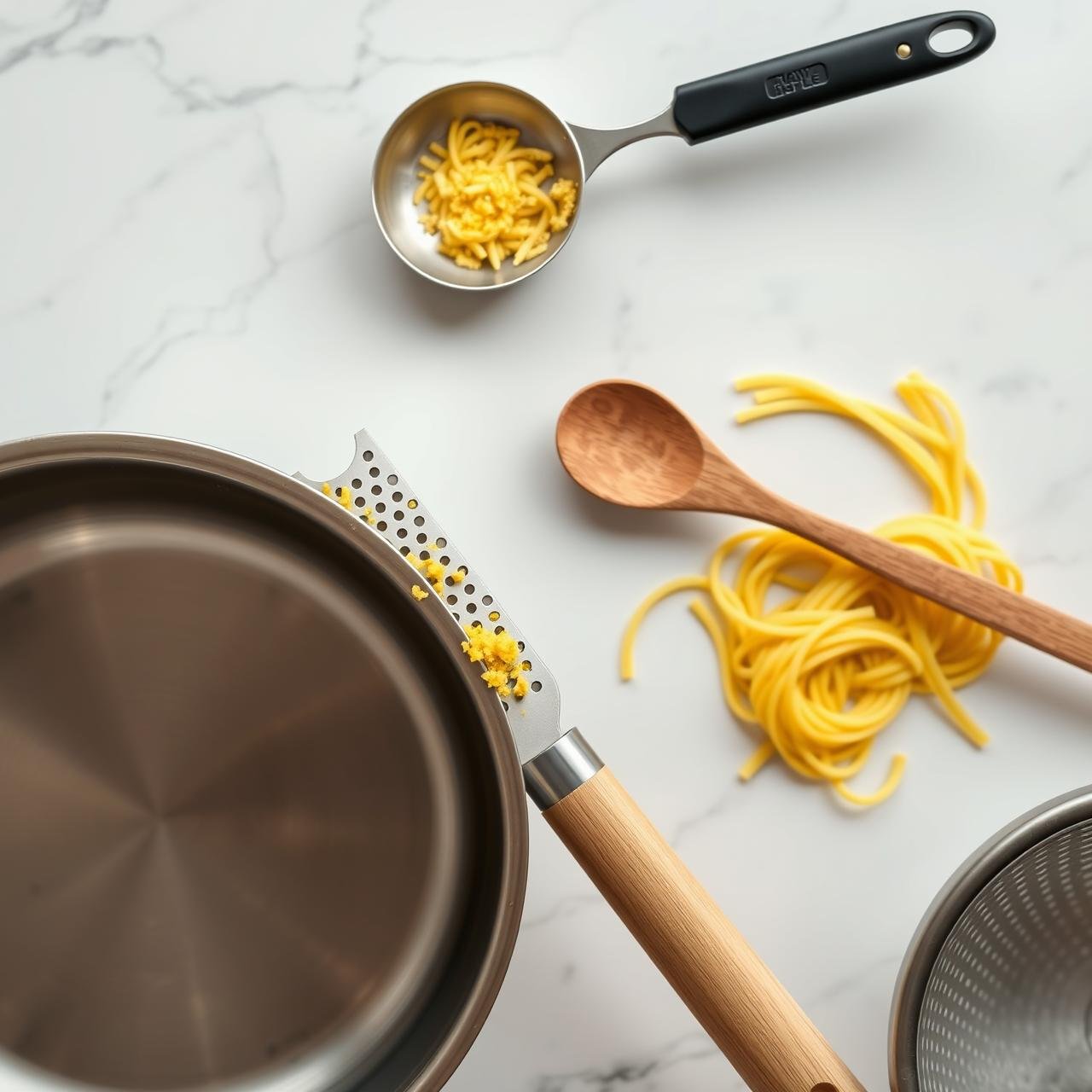
A great dish starts with great preparation, and having the right tools on hand makes the process smooth and enjoyable. You don’t need a professional kitchen, just a few key essentials to bring this recipe to life.
| Tool | Purpose |
|---|---|
| Large Pot | For boiling the pasta perfectly without it clumping together. |
| Colander or Spider Strainer | To drain the pasta while reserving that precious pasta water. |
| Large Skillet or Sauté Pan | Crucial for sautéing the zucchini and garlic and for bringing the entire dish together. Ensure it’s large enough to hold the pasta. |
| Microplane or Zester | Essential for getting fine, fragrant zest from the lemon without any bitter pith. |
| Juicer or Fork | For extracting the maximum amount of juice from your lemon. |
| Measuring Cups & Spoons | For accurate ingredient measurements, the key to a balanced sauce. |
| Tongs or Pasta Fork | For tossing the pasta and sauce together to ensure every piece is perfectly coated. |
The Anatomy of a Perfect Sauce: Your Ingredient List
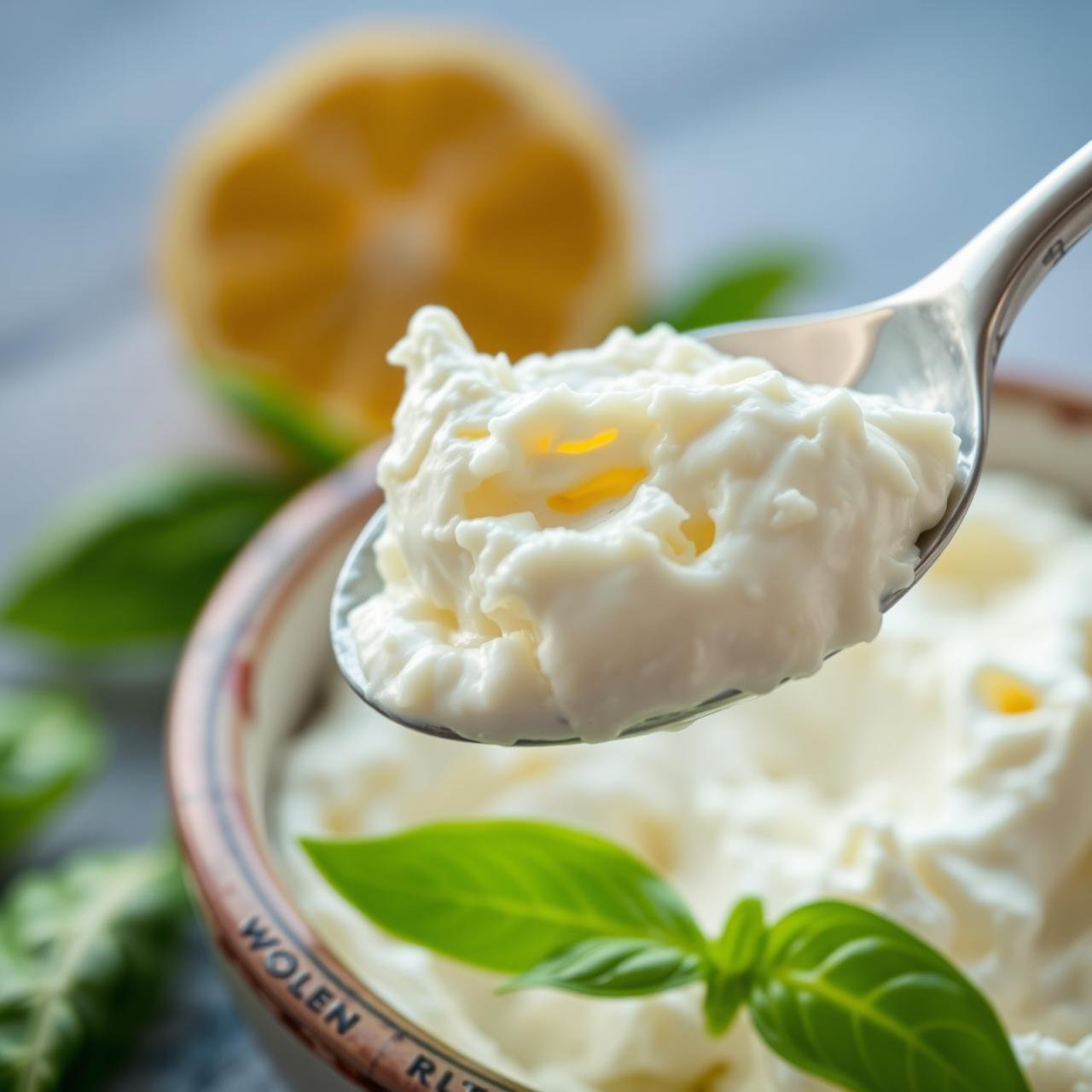
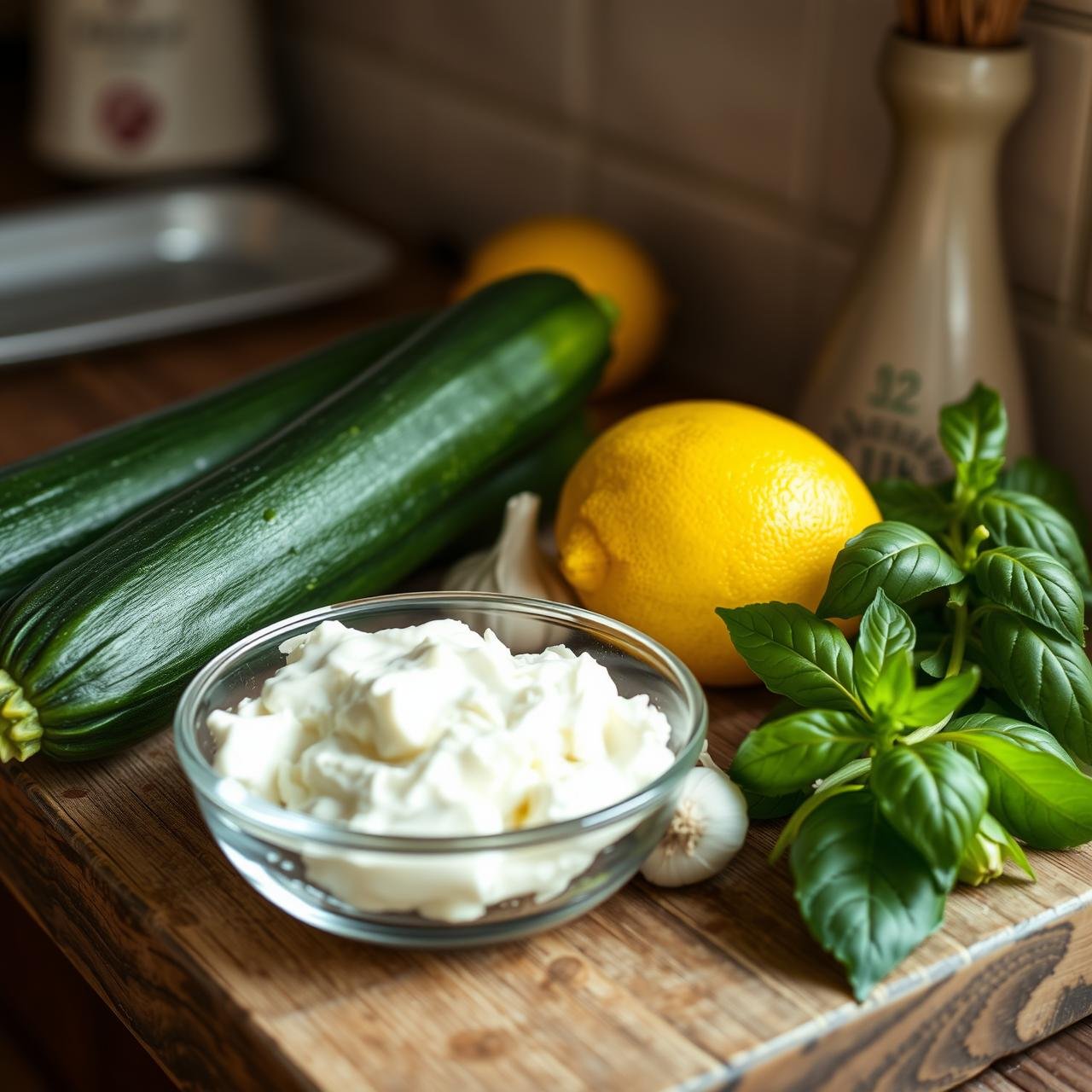
Quality ingredients are the soul of this rustic dish. Freshness is key, especially for the zucchini, lemon, and ricotta. Here’s exactly what you’ll need:
- 1 lb (450g) pasta: Long pasta like linguine, fettuccine, or spaghetti works beautifully to capture the sauce. Bronze-die cut pasta is a plus for extra texture!
- 2 tbsp extra virgin olive oil: A good quality olive oil for sautéing adds a foundational layer of flavor.
- 2 medium zucchini (about 1.5 lbs): Look for firm, vibrant green zucchini. We’ll be slicing them into half-moons.
- 4-6 cloves garlic, thinly sliced: Adjust to your preference, but don’t be shy! The garlic provides a savory, aromatic backbone.
- 1/2 tsp red pepper flakes (optional): For a gentle hum of background heat that beautifully complements the lemon.
- 15 oz (425g) whole milk ricotta cheese: This is the star. Do not use part-skim; the full-fat version is essential for the creamiest, most flavorful sauce.
- 1 large lemon: You will use both the zest and the juice, so choose a fresh, fragrant one.
- 1/2 cup grated Parmesan cheese, plus more for serving: For a salty, nutty flavor that deepens the sauce’s complexity.
- 1/2 cup fresh basil leaves, roughly chopped or torn: Adds a final touch of fresh, peppery sweetness.
- Salt and freshly ground black pepper to taste.
Crafting Your Lemon Ricotta Zucchini Pasta: A Step-by-Step Guide
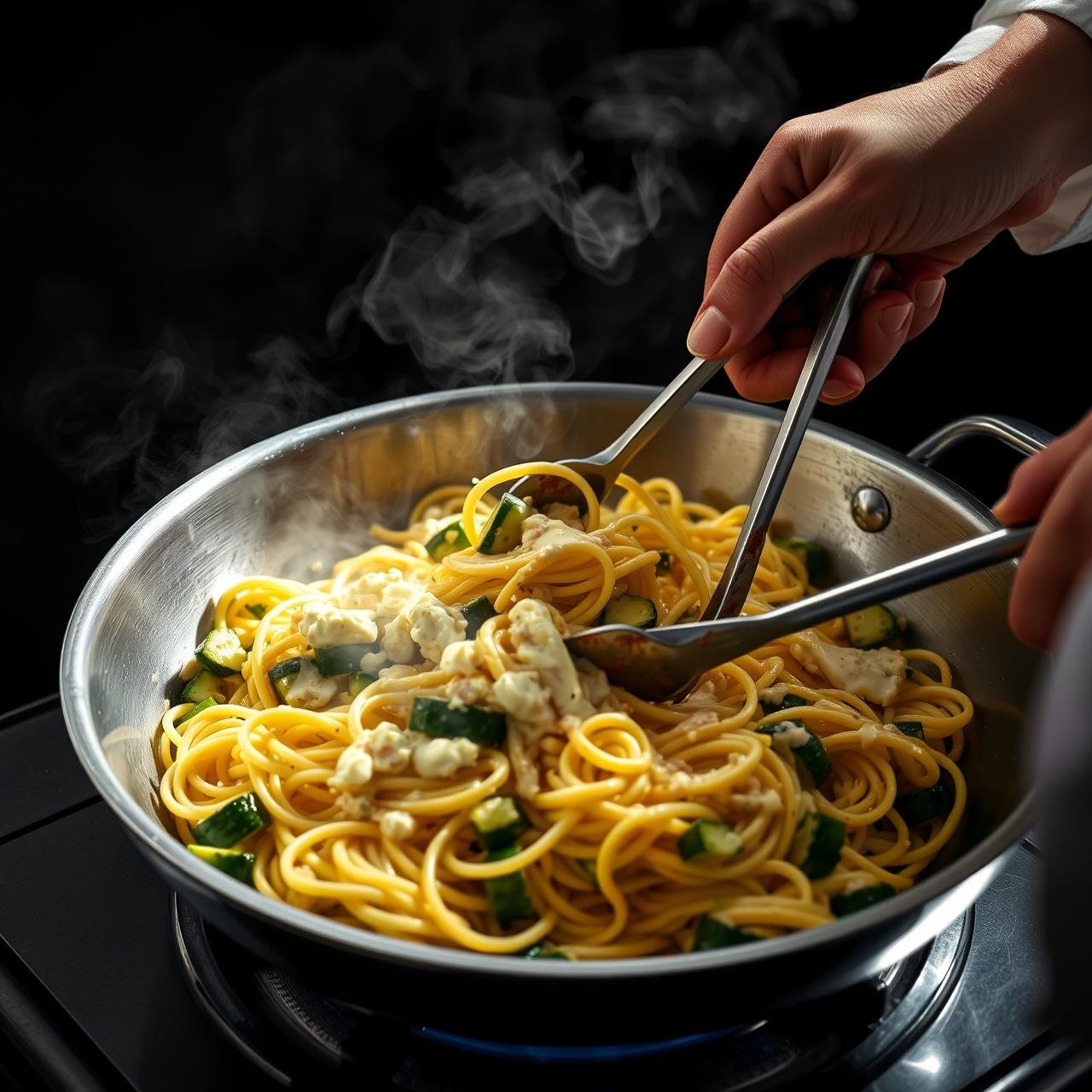
Follow these steps closely, and you’ll be rewarded with a restaurant-quality dish made in your own kitchen. The key is in the timing and the technique, particularly when creating the sauce.
-
Cook the Pasta
Bring a large pot of water to a rolling boil. Season it generously with salt—it should taste like the sea. This is your only chance to season the pasta itself. Add the pasta and cook according to package directions until it is al dente (firm to the bite). Before draining, carefully reserve about 1.5 cups of the starchy pasta water. This is liquid gold! Drain the pasta.
-
Prepare the Zucchini and Aromatics
While the pasta is cooking, heat the olive oil in your large skillet over medium heat. Add the sliced zucchini and a pinch of salt. Sauté for 5-7 minutes, stirring occasionally, until the zucchini is tender-crisp and lightly golden in spots. You want it cooked, but not mushy. Add the thinly sliced garlic and optional red pepper flakes to the pan. Cook for another 60-90 seconds until the garlic is fragrant. Be careful not to burn the garlic, or it will become bitter.
-
Build the Luscious Sauce
Turn the heat down to low. Add the cooked, drained pasta directly to the skillet with the zucchini and garlic. Add the entire container of ricotta cheese, the zest of one lemon, and the grated Parmesan cheese. Pour in 1/2 cup of the reserved pasta water to start. Using tongs, toss everything together vigorously and continuously. The heat from the pasta and the pan will melt the ricotta, and the starch from the pasta water will help it emulsify into a creamy, cohesive sauce that coats every single strand of pasta. If the sauce looks too thick, add more pasta water, a tablespoon at a time, until you reach your desired consistency. It should be creamy and flowing, not stiff or clumpy.
-
The Finishing Touches
Once the sauce is perfect, turn off the heat. Squeeze in the juice of half the lemon (about 1-2 tablespoons). Add the fresh basil. Toss everything one last time. Taste the sauce and season generously with salt and freshly ground black pepper. The salt will make all the flavors pop. Serve immediately in warm bowls, garnished with extra Parmesan cheese, a drizzle of olive oil, and more fresh basil if desired.
From My Kitchen to Yours: Expert Tips for Success
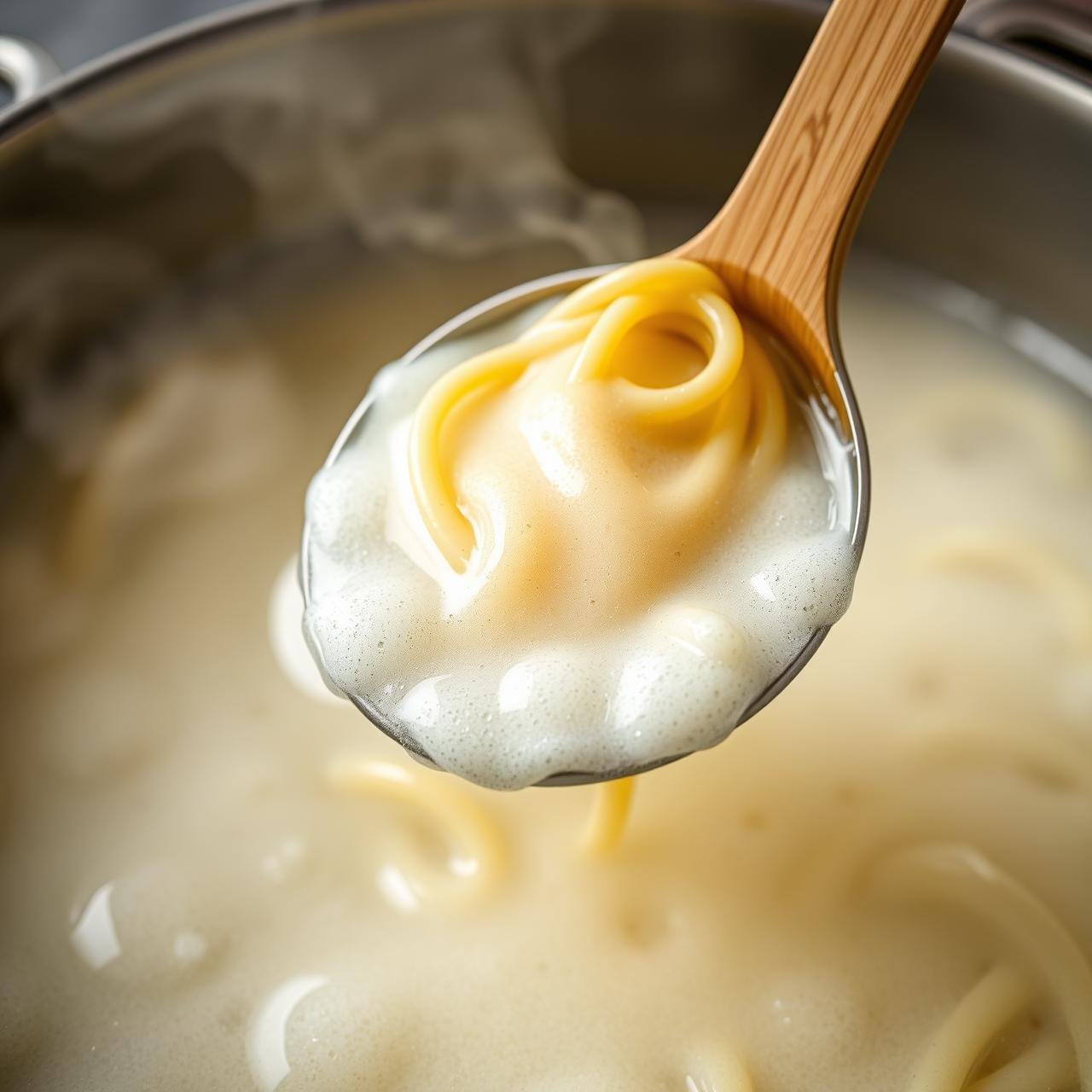
The Magic of Pasta Water
Never underestimate the power of reserved pasta water. It’s filled with starch and salt, which helps the ricotta-based sauce emulsify and cling to the pasta. It’s the difference between a clumpy sauce and a silky one. Always reserve more than you think you’ll need.
Don’t Overcook the Zucchini
The goal is tender-crisp, not mushy. Overcooked zucchini releases too much water and loses its pleasant texture. Sautéing it over medium-high heat until it gets some color but still has a bite is the key to success.
Use Whole Milk Ricotta
This is non-negotiable for the best results. Part-skim or low-fat ricotta can result in a grainy or watery sauce. The fat content in whole milk ricotta is essential for that luxurious, creamy mouthfeel.
Build the Sauce Off-Heat or on Low Heat
Ricotta can separate or become grainy if it gets too hot too quickly. By adding it to the pan with the hot pasta and using low heat, you allow it to melt gently into a smooth sauce with the help of the pasta water.
Zest Before You Juice
Always zest your lemon before you cut it in half to juice it. It’s nearly impossible to do it the other way around! A microplane will give you the finest zest without any of the bitter white pith.
Make It Your Own: Delicious Variations & Customizations
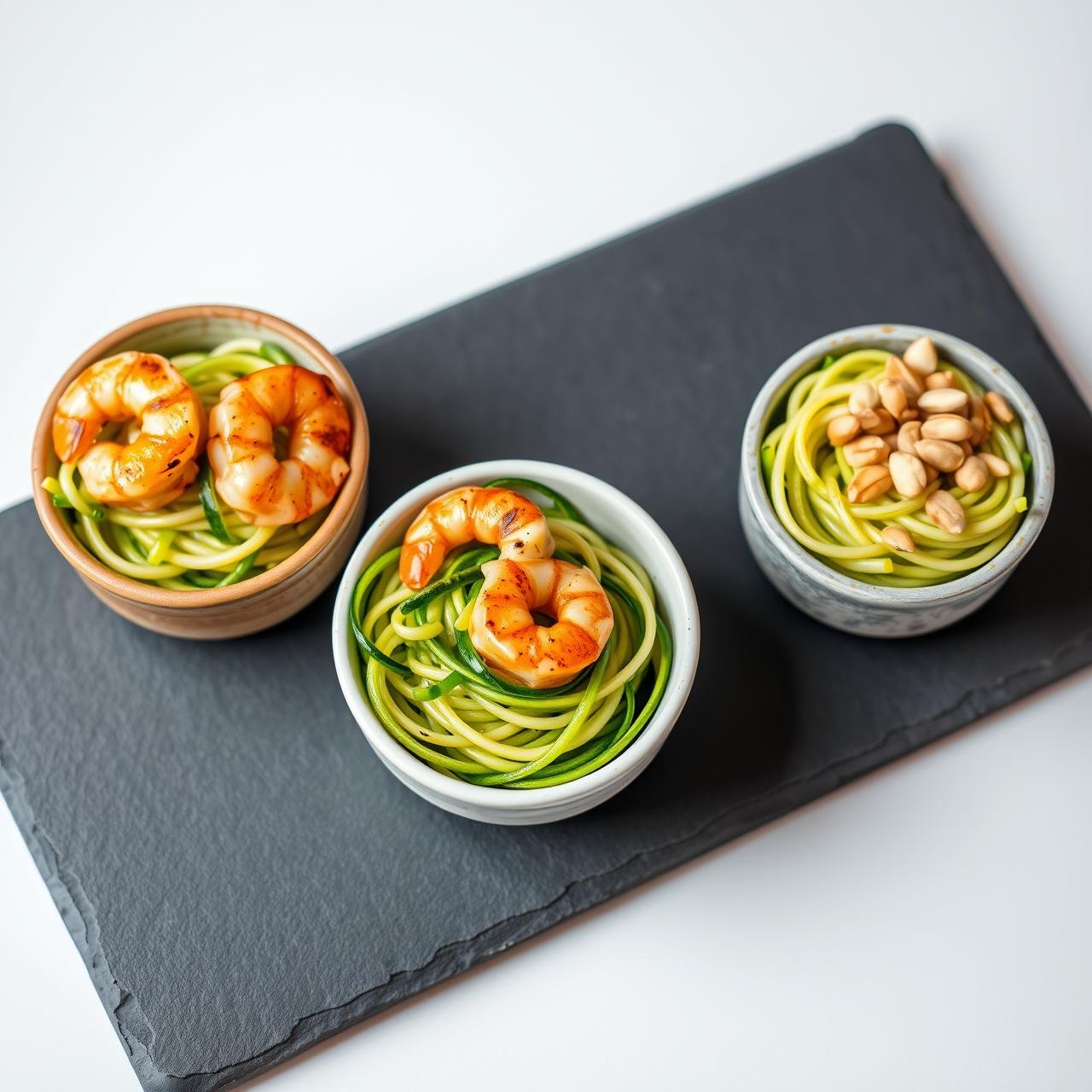
This recipe is a fantastic canvas for your culinary creativity. Here are a few tested and loved variations to try:
- For a Protein Boost: Fold in some shredded rotisserie chicken, sautéed shrimp, or pan-seared scallops at the end for a more substantial meal.
- Go Low-Carb/Gluten-Free: Swap the traditional pasta for zucchini noodles (‘zoodles’) or your favorite gluten-free pasta. If using zoodles, sauté them for only 2-3 minutes until just tender to avoid them getting watery.
- Add a Nutty Crunch: Garnish the finished dish with a tablespoon of toasted pine nuts or chopped walnuts for a delightful textural contrast.
- Introduce More Veggies: Feel free to add other quick-cooking vegetables along with the zucchini, such as fresh spinach, halved cherry tomatoes, or sautéed mushrooms.
- For a Vegan Twist: Use a high-quality, almond- or tofu-based vegan ricotta. Add a tablespoon of nutritional yeast along with the Parmesan substitute to achieve a cheesy, umami flavor.
A Healthy Indulgence: Nutritional Snapshot
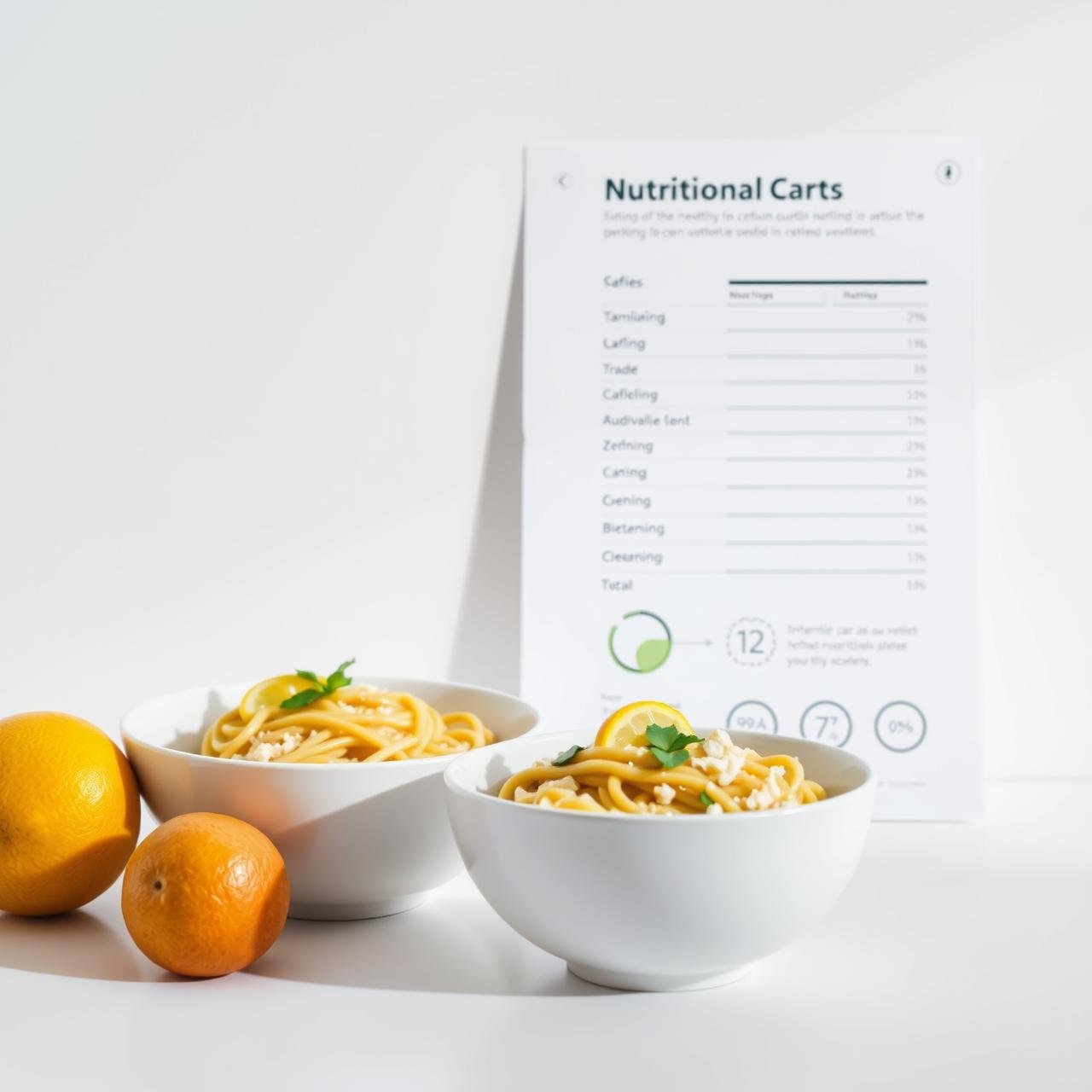
This dish proves that ‘creamy’ and ‘healthy’ can happily coexist. By using ricotta cheese instead of heavy cream and packing in the zucchini, you get a meal that is both satisfying and nutritious. Below is an estimated nutritional breakdown per serving (assuming the recipe makes 4 servings).
| Nutrient | Estimated Amount per Serving |
|---|---|
| Calories | ~580 kcal |
| Protein | ~25 g |
| Carbohydrates | ~70 g |
| Fat | ~22 g |
| Saturated Fat | ~10 g |
| Fiber | ~5 g |
| Sodium | ~450 mg (before salting to taste) |
Disclaimer: These values are estimates and can vary based on the specific ingredients and brands used.
Savoring the Leftovers: Storage and Reheating Tips
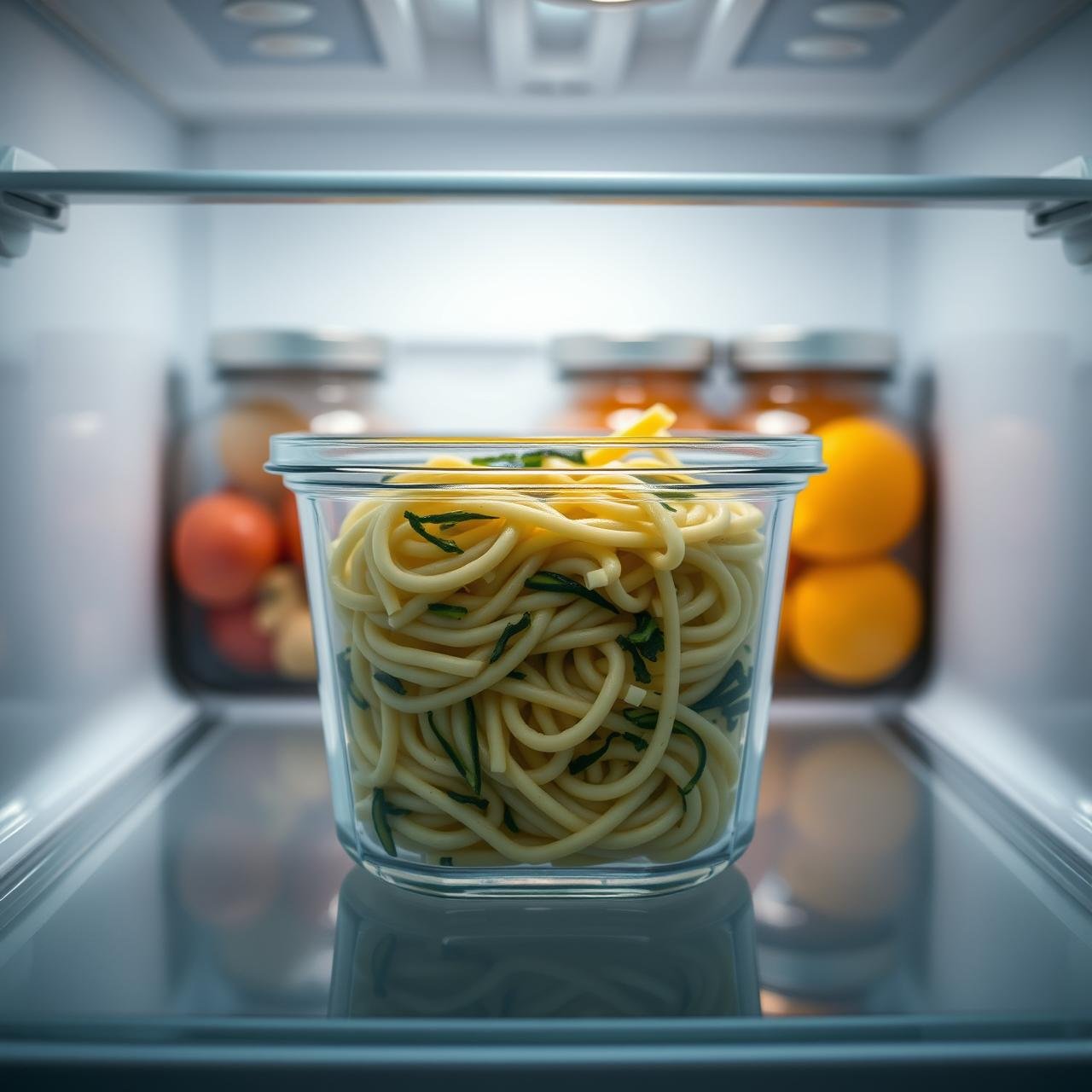
While this pasta is undeniably best when enjoyed fresh, leftovers can still be delicious if handled correctly. The key is to combat the sauce’s tendency to thicken as it cools.
Storage
Allow the pasta to cool to room temperature before transferring it to an airtight container. It can be stored in the refrigerator for up to 3 days. The sauce will thicken and be absorbed by the pasta during this time.
Reheating
The best way to reheat this dish is on the stovetop. Place the desired portion in a small skillet or saucepan over low-medium heat. Add a splash of water, milk, or even a little chicken broth to the pan. This extra liquid will help loosen the ricotta sauce and bring back its creamy consistency as it heats through. Stir gently until warmed to your liking, about 5-7 minutes. Avoid the microwave if possible, as it can reheat the pasta unevenly and make the ricotta sauce separate.
Conclusion
This Creamy Lemon Ricotta Zucchini Pasta is more than just a quick weeknight meal; it’s a celebration of fresh, simple ingredients working in perfect harmony. It’s a dish that proves you can achieve incredible depth of flavor and a luxuriously creamy texture without complicated techniques or heavy ingredients. It’s rustic, it’s elegant, and it’s endlessly adaptable to your tastes and dietary needs. We hope this recipe brings a touch of sunshine and a lot of satisfaction to your table. Cooking should be a joy, and this dish is a pure, unadulterated pleasure to both make and eat. We encourage you to try it, make it your own, and share the results. Happy cooking!