Zero Calorie Noodle Hack? Spicy Sichuan Konjac Stir Fry (Detailed Recipe)
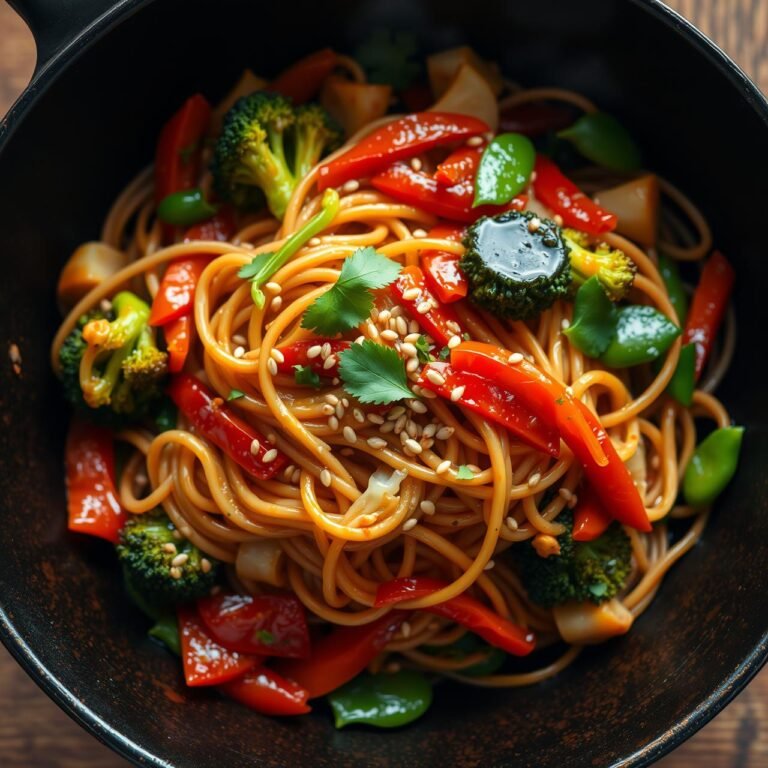
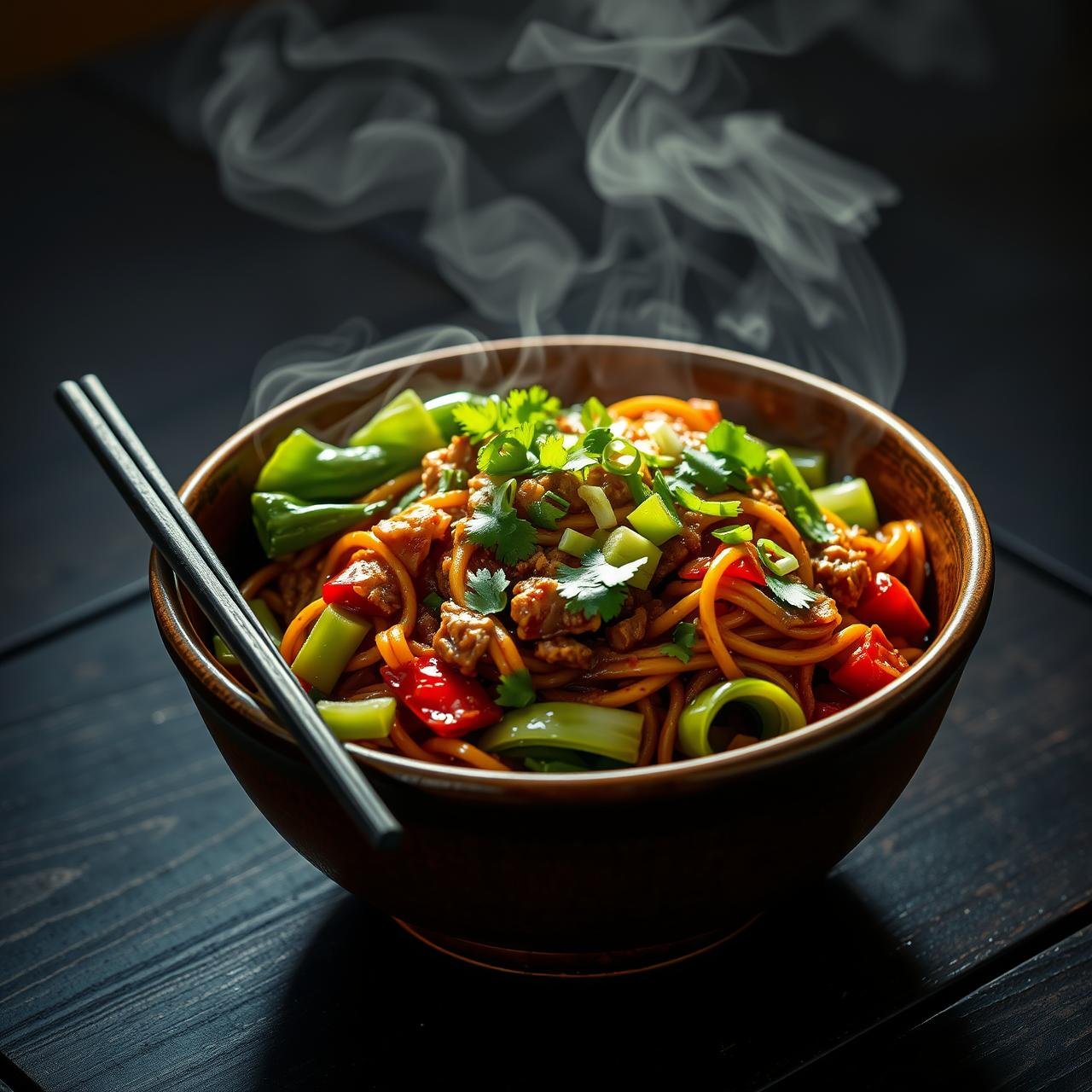
Have you ever dreamed of a heaping bowl of spicy, savory noodles that you could enjoy without a shred of guilt? It sounds like a foodie fantasy, but the ‘zero calorie noodle hack’ is very real, and it’s about to change your kitchen game forever. Welcome to the world of konjac noodles, the miraculous, plant-based pasta alternative that allows for pure, unadulterated flavor without the carbs or calories. In this detailed guide, we’re not just making a simple stir-fry; we’re diving headfirst into the heart of Chinese cuisine to create a Spicy Sichuan Konjac Stir-Fry. This dish is an explosion of ‘málà’—the iconic numbing and spicy sensation of Sichuan cooking—perfectly balanced with savory aromatics and crisp-tender vegetables. It’s a recipe designed for everyone: the gourmet foodie seeking authentic flavor, the health enthusiast on a keto or low-carb journey, the budget cook working with pantry staples, and the home cook looking to master a new and exciting dish. Prepare to be amazed at how something so healthy can be so incredibly delicious.
The Magic of Konjac: Your Guilt-Free Noodle Alternative
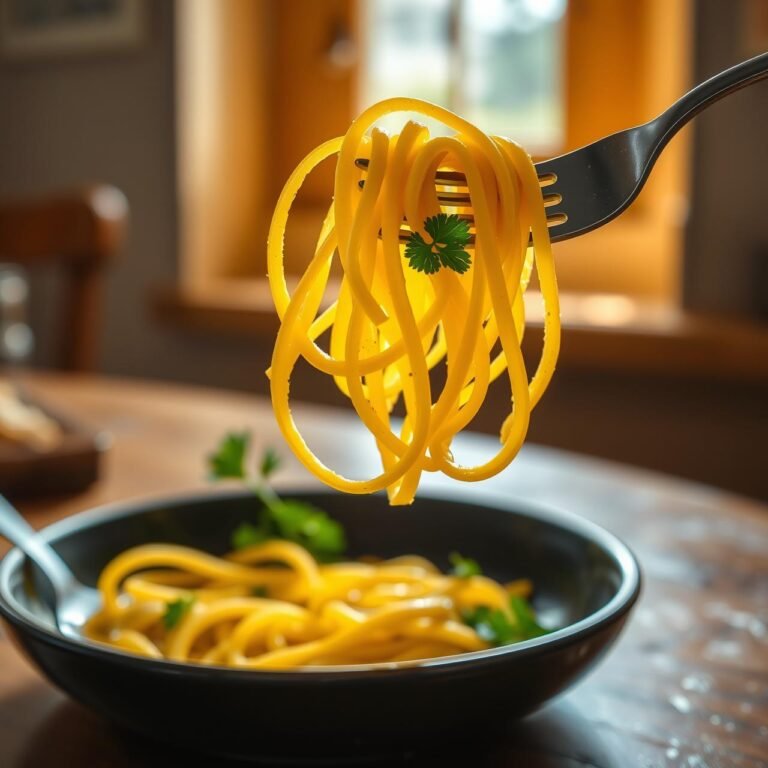
Before we fire up the wok, let’s talk about our star ingredient: konjac noodles, also known as shirataki or ‘miracle’ noodles. What exactly are they? These translucent, gelatinous noodles are made from the flour of the konjac yam, an Asian plant rich in a soluble fiber called glucomannan. This fiber is the secret to their magic—it passes through your system largely undigested, resulting in noodles that are virtually free of calories and net carbs. They are a godsend for anyone following a ketogenic, low-carb, or gluten-free diet.
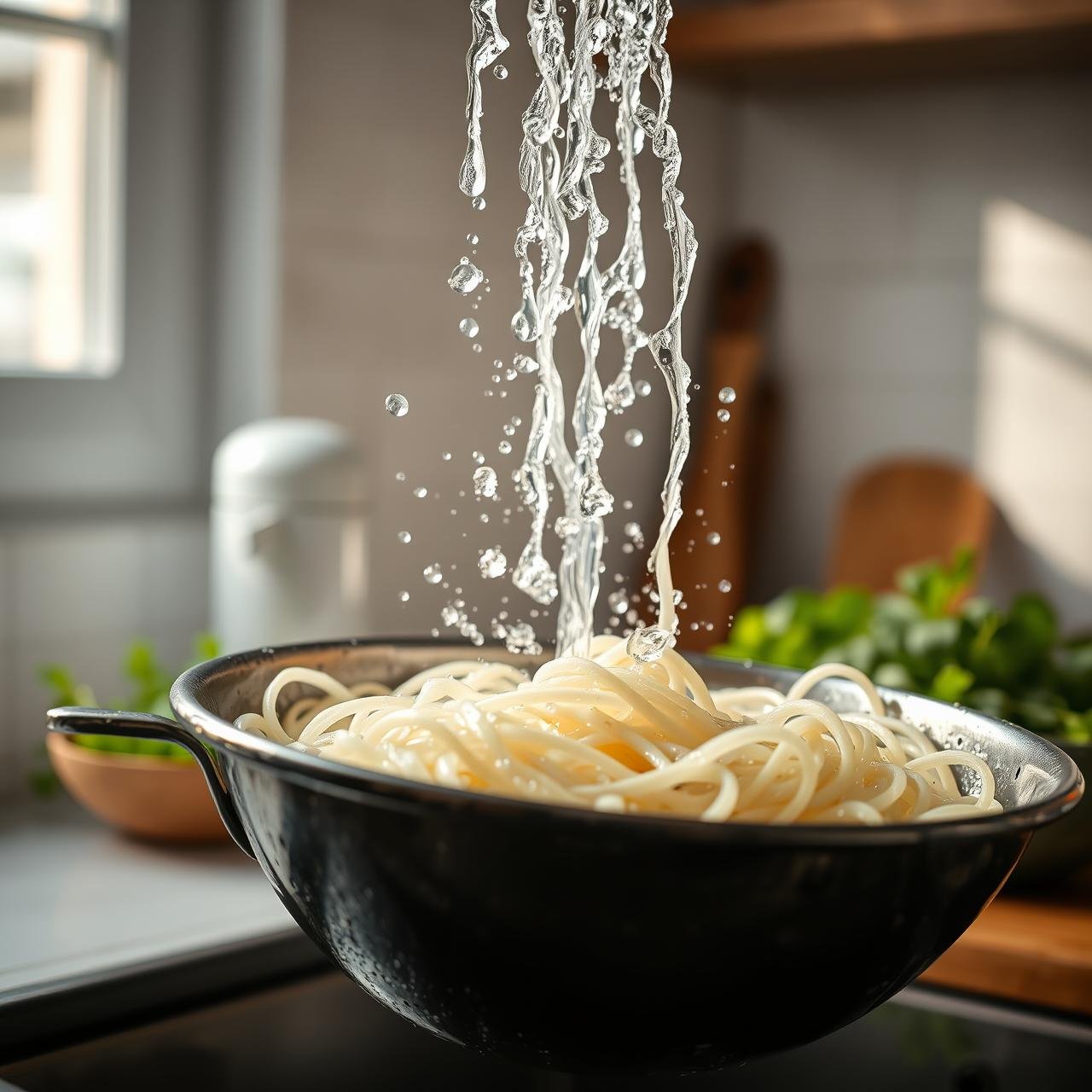
Now, a crucial chef’s note: upon opening a package of konjac noodles, you might notice a distinct ‘fishy’ or ‘earthy’ aroma. Don’t be alarmed! This is simply the smell of the alkaline solution they are packed in. Eliminating this is the first and most important step to culinary success. A thorough rinse under cold running water, followed by a quick boil and a ‘dry-fry’ in a hot pan, will completely neutralize the odor and vastly improve their texture, making them delightfully chewy and ready to absorb any flavor you throw at them. This preparation transforms them from a simple diet food into a legitimate and delicious noodle ready for our robust Sichuan sauce.
Building the Soul of Sichuan: The ‘Málà’ Sauce
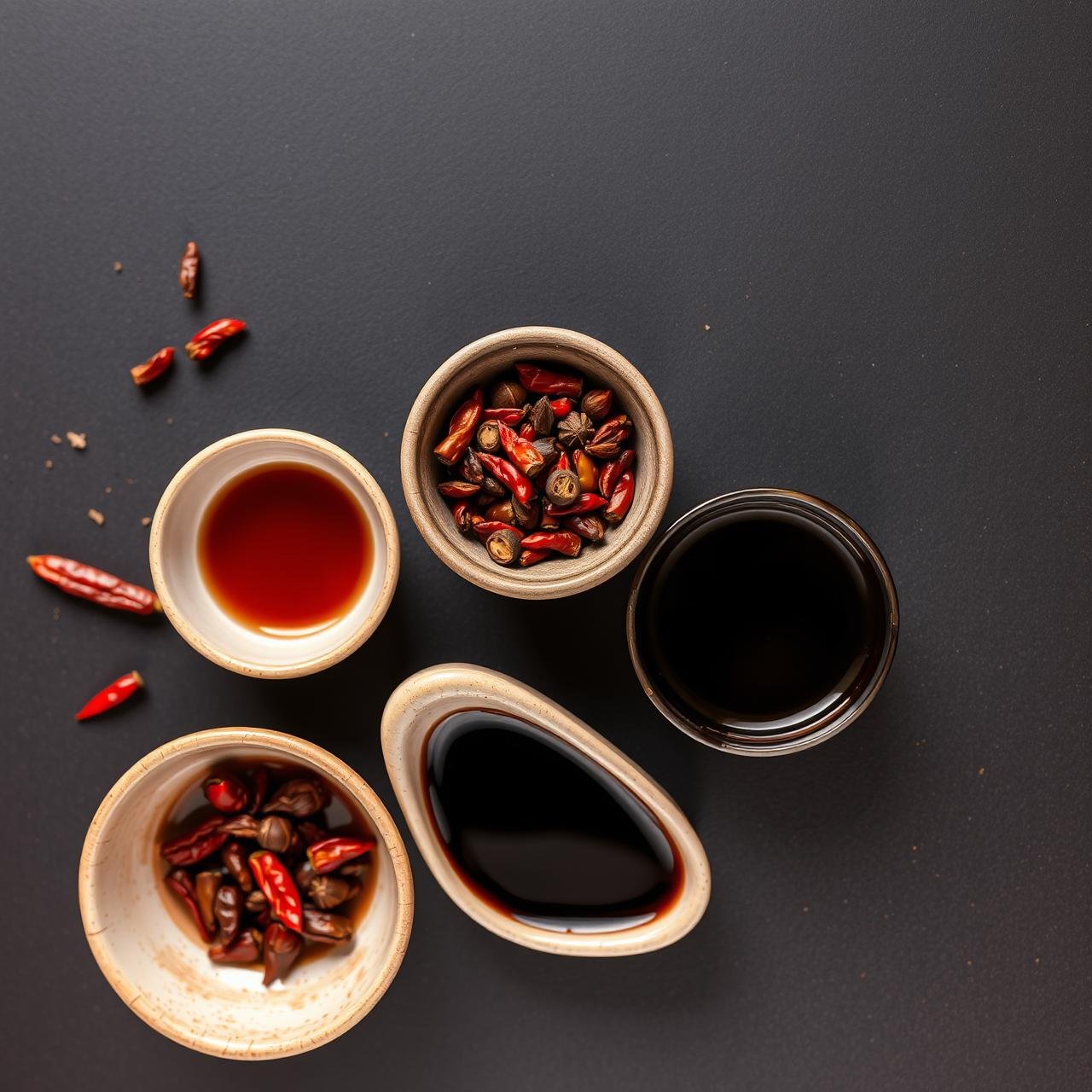
The heart and soul of this dish lies in its sauce, a perfect symphony of the iconic Sichuan ‘málà’ (麻辣) flavor profile, which translates to ‘numbing and spicy.’ This isn’t just about heat; it’s about creating a complex, multi-layered experience on the palate. Let’s break down the key players:
- Doubanjiang (Fermented Broad Bean Paste): Often called the ‘soul of Sichuan cuisine,’ this pungent, salty, and deeply savory paste provides the foundational umami flavor. Look for a brand from Pixian for the most authentic taste.
- Sichuan Peppercorns (Huā Jiāo): These are not related to black peppercorns. They are the source of the ‘mā’ (numbing) sensation, a unique, citrusy, tingling feeling that electrifies the mouth. Toasting them lightly before grinding enhances their incredible aroma.
- Dried Red Chilies (Gān Là Jiāo): This is where the ‘là’ (spicy) comes from. Varieties like ‘Facing Heaven’ chilies provide a fragrant heat that complements the numbing quality of the peppercorns.
- Chinkiang Vinegar (Zhenjiang Vinegar): A black rice vinegar that adds a subtle, malty acidity to cut through the richness and balance the bold flavors.
- Shaoxing Wine: A traditional Chinese rice wine used for cooking, it adds depth and fragrance, removing any unwanted gaminess from the protein.
- Soy Sauce & Sugar: These provide the final balance of saltiness and a hint of sweetness to round out the sauce.
By understanding and respecting these core components, you’re not just mixing ingredients; you’re crafting an authentic taste of Sichuan that will cling beautifully to every single konjac noodle.
Essential Equipment for a Perfect Stir-Fry
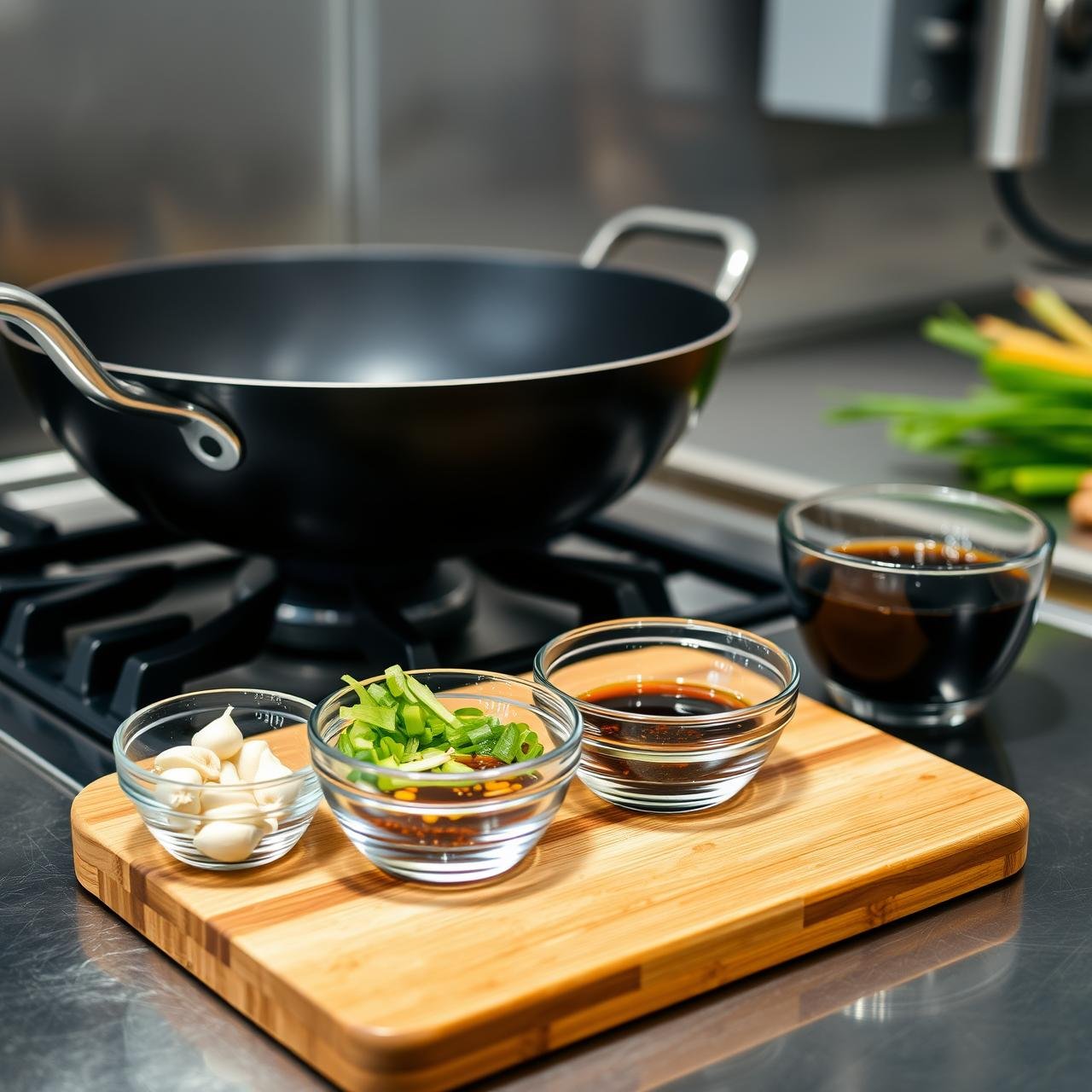
Great stir-frying is as much about the tools as it is the technique. While you don’t need a professional kitchen, having the right equipment makes the process smoother and the results far superior. The goal is to cook hot and fast, achieving that coveted ‘wok hei’ or ‘breath of the wok’.
| Equipment | Purpose & Chef’s Note |
|---|---|
| Wok or Large, Heavy-Bottomed Skillet | A carbon steel wok is traditional and ideal for its rapid heat distribution. If you don’t have one, a large cast-iron or stainless-steel skillet is the next best thing. The key is high sides and plenty of surface area. |
| Long-Handled Spatula or ‘Chuan’ | A wok spatula is curved to fit the shape of the wok, allowing you to toss and turn ingredients efficiently without breaking them. A fish spatula or a large metal spoon also works well. |
| Sharp Chef’s Knife & Cutting Board | ‘Mise en place’ (prepping all ingredients before cooking) is non-negotiable in stir-frying. A sharp knife makes quick, uniform work of your aromatics and vegetables. |
| Small Bowls for ‘Mise en Place’ | Organization is key. Having your chopped aromatics, mixed sauce, and prepped vegetables in separate bowls means you can add them to the hot wok at the perfect moment without pausing. |
Ingredients for Your Spicy Sichuan Konjac Stir-Fry
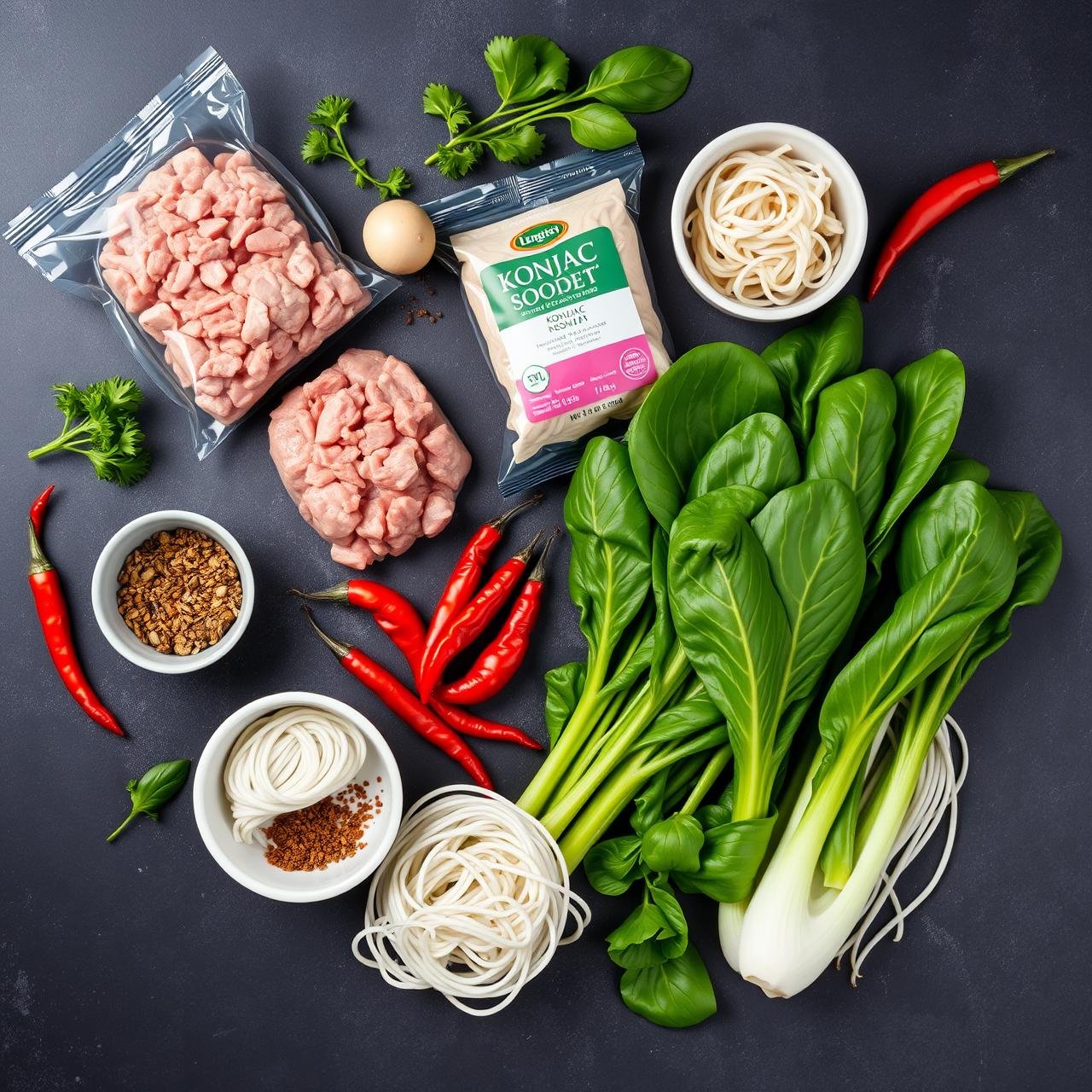
This recipe is wonderfully adaptable, but here is a balanced foundation for an incredible meal. Always taste and adjust seasonings to your preference!
For the Konjac Noodles:
- 2 packages (approx. 14 oz / 400g total) konjac or shirataki noodles (any shape works: fettuccine, spaghetti, angel hair)
For the Protein:
- 1/2 lb (225g) ground pork or chicken
- 1 teaspoon soy sauce
- 1 teaspoon Shaoxing wine
- 1/2 teaspoon cornstarch
For the Sichuan Sauce:
- 2 tablespoons Doubanjiang (fermented broad bean paste)
- 1 tablespoon soy sauce or tamari
- 1 tablespoon Chinkiang black vinegar
- 1 teaspoon toasted sesame oil
- 1 teaspoon ground Sichuan peppercorns (toast whole and grind for best flavor)
- 1/2 teaspoon sugar or monk fruit sweetener (for keto)
- 1/4 cup chicken broth or water
For the Stir-Fry:
- 2 tablespoons high-smoke point oil (like avocado or peanut oil)
- 4-6 dried red chilies, snipped in half
- 1 tablespoon minced fresh ginger
- 3 cloves garlic, minced
- 4 scallions, white and green parts separated, whites chopped, greens sliced for garnish
- 2 cups chopped vegetables of choice (e.g., baby bok choy, sliced bell peppers, shiitake mushrooms)
For Garnish (Optional):
- Toasted sesame seeds
- Fresh cilantro leaves
Step-by-Step Cooking Instructions

With your ‘mise en place’ complete, the cooking process will be fast, furious, and fun. Follow these steps for a perfect result every time.
- Prepare the Noodles: Open the packages of konjac noodles and pour them into a colander. Rinse thoroughly under cold running water for at least 1 minute. Bring a small pot of water to a boil, add the noodles, and cook for 2-3 minutes. Drain well. Heat a dry, non-stick skillet or your wok over medium-high heat. Add the drained noodles and ‘dry-fry’ for 5-8 minutes, tossing occasionally, until they are no longer wet and make a slight squeaking sound against the pan. Set aside.
- Marinate the Protein: In a small bowl, combine the ground pork (or chicken) with 1 teaspoon soy sauce, 1 teaspoon Shaoxing wine, and 1/2 teaspoon cornstarch. Mix well and set aside.
- Mix the Sauce: In another small bowl, whisk together all the sauce ingredients: Doubanjiang, soy sauce, Chinkiang vinegar, sesame oil, ground Sichuan peppercorns, sugar, and chicken broth. Set aside.
- Bloom the Aromatics: Place your wok or skillet over high heat until it is smoking slightly. Add the 2 tablespoons of oil and swirl to coat. Add the dried red chilies and toast for about 30 seconds until fragrant and slightly darkened. Add the minced ginger, garlic, and the white parts of the scallions. Stir-fry vigorously for another 30 seconds until fragrant—do not let them burn!
- Cook the Protein: Add the marinated ground pork to the wok. Use your spatula to break it up and spread it out. Let it cook undisturbed for a minute to get a good sear, then stir-fry until it’s cooked through and slightly crispy, about 3-4 minutes.
- Combine and Simmer: Pour the prepared sauce mixture into the wok over the cooked pork. Stir everything together and bring it to a simmer. Let it bubble for about 1 minute to allow the flavors to meld and the sauce to thicken slightly.
- Add Vegetables and Noodles: Add your chopped vegetables (like bok choy) to the wok. Stir-fry for 1-2 minutes until they are crisp-tender. Finally, add the prepared konjac noodles to the wok. Toss everything together thoroughly, ensuring every noodle is coated in the glorious, spicy sauce. Cook for another minute until the noodles are heated through.
- Garnish and Serve: Turn off the heat. Transfer the stir-fry to a serving bowl. Garnish generously with the sliced green parts of the scallions, toasted sesame seeds, and fresh cilantro. Serve immediately while piping hot.
Chef’s Tips for Stir-Fry Mastery
- Embrace the ‘Wok Hei’: This ‘breath of the wok’ is the smoky, seared flavor that defines a great stir-fry. It’s achieved with a very hot wok and constant motion. Don’t overcrowd your pan, as this will steam the ingredients instead of searing them. Cook in batches if necessary.
- The Dry-Fry is Non-Negotiable: Do not skip the dry-frying step for the konjac noodles. This is the single most important technique for achieving a pleasant, chewy texture rather than a rubbery one. It drives out excess water, allowing the noodle to better absorb the sauce.
- Control Your ‘Málà’: The amount of Sichuan peppercorns and dried chilies is a personal preference. If you’re new to the numbing sensation, start with a smaller amount of ground peppercorns and add more to taste. The heat from the dried chilies can be tamed by removing their seeds before cooking.
- ‘Mise en Place’ is Your Best Friend: Stir-frying happens in a matter of minutes. There is no time to stop and chop an onion or measure out soy sauce. Have every single ingredient prepped, measured, and within arm’s reach before you even think about turning on the stove.
Nutritional Information (Approximate)
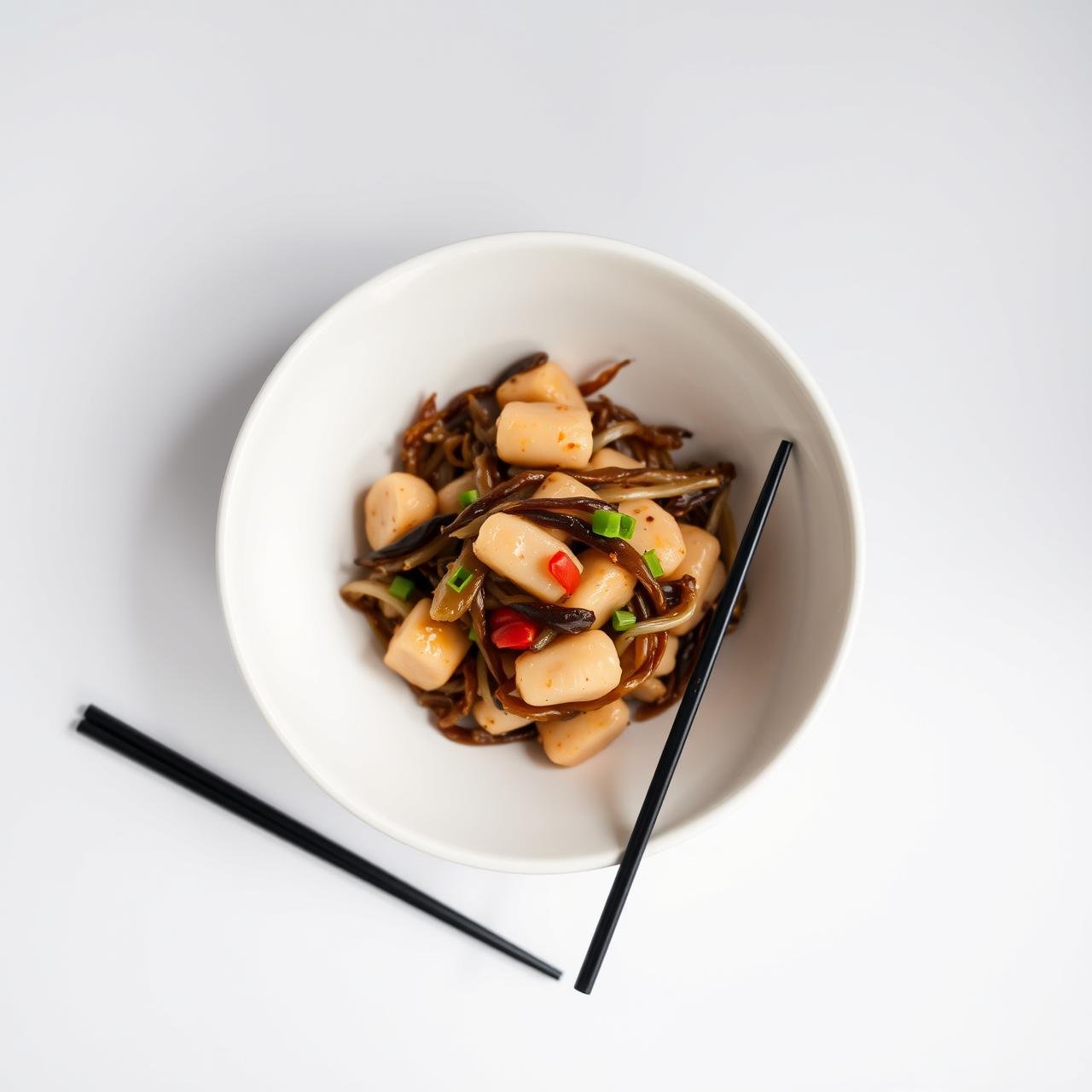
The following is an estimate for one serving, assuming the recipe makes two generous servings. Actual values may vary based on specific ingredients used.
| Nutrient | Amount per Serving |
|---|---|
| Calories | ~350 kcal |
| Protein | ~25g |
| Fat | ~22g |
| Carbohydrates | ~12g |
| Fiber | ~8g |
| Net Carbohydrates | ~4g |
This nutritional profile makes the dish exceptionally well-suited for a ketogenic or low-carb lifestyle, offering a substantial, satisfying meal with minimal impact on blood sugar.
Storage and Reheating Instructions
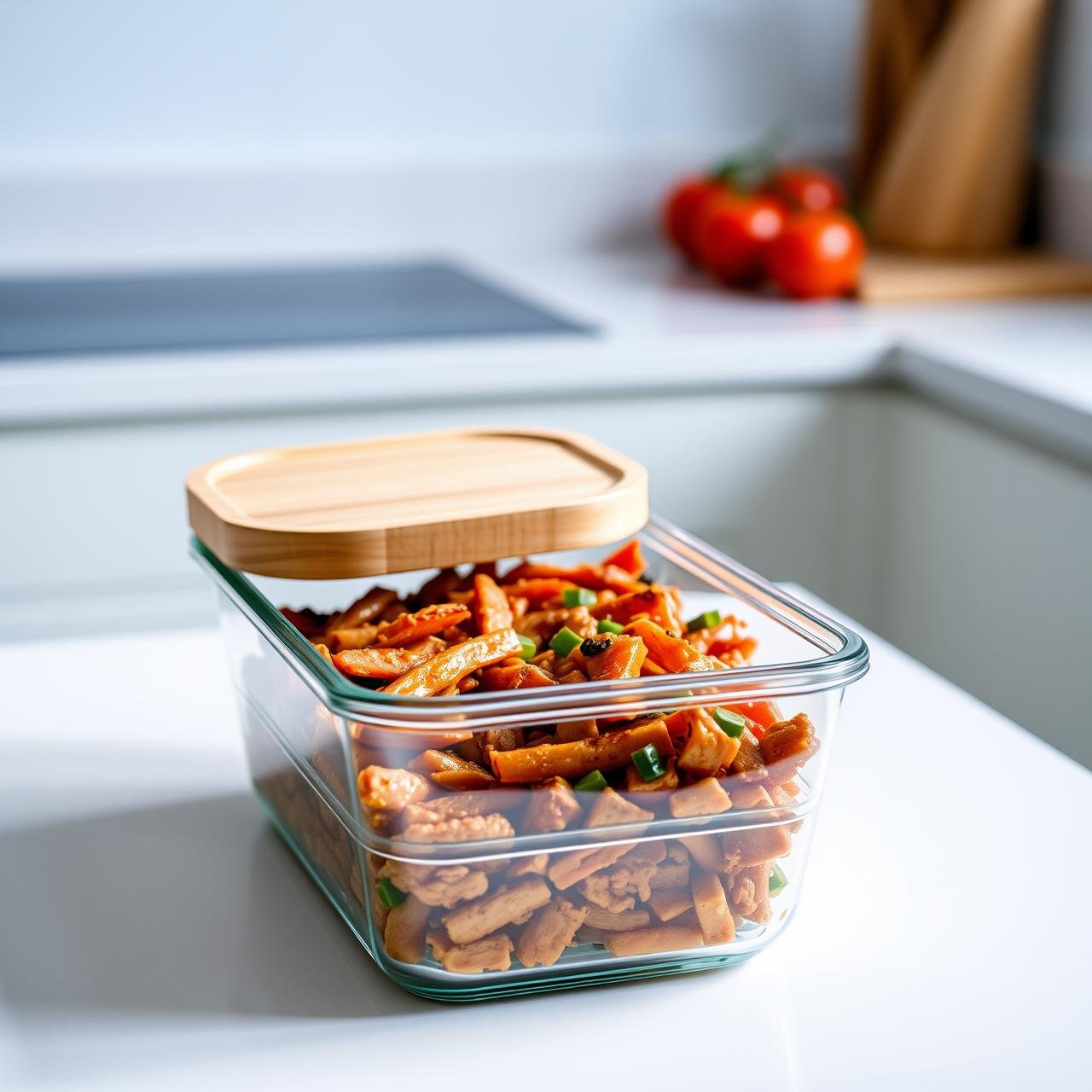
While this dish is undeniably best when served fresh from the wok, leftovers are still incredibly delicious. Konjac noodles hold up surprisingly well to reheating compared to traditional wheat noodles.
- Storage: Allow the stir-fry to cool completely before transferring it to an airtight container. It can be stored in the refrigerator for up to 3 days. The flavors will continue to meld and may even be more intense the next day.
- Reheating: For the best results, reheat the stir-fry in a skillet or wok over medium heat. Add a splash of water or chicken broth to loosen the sauce and prevent it from drying out. Stir gently until heated through. While microwaving is an option, it can sometimes make the texture of the konjac noodles slightly more rubbery, so the stovetop method is preferred.
Conclusion
You’ve now unlocked the ultimate noodle hack: a dish that delivers the bold, addictive flavors of Sichuan cuisine without the caloric load of traditional stir-fries. This Spicy Sichuan Konjac Stir-Fry is more than just a recipe; it’s a testament to the fact that healthy eating can be exciting, deeply flavorful, and immensely satisfying. By embracing the unique properties of konjac and the foundational principles of Sichuan cooking, you’ve created a meal that nourishes the body and delights the senses. So go ahead, enjoy that second helping. With a dish this delicious and guilt-free, you’ve certainly earned it. We encourage you to experiment with different vegetables or proteins and make this rustic, homestyle recipe your own. Happy cooking!