Authentic Lemongrass Chicken: A Flavor Bomb That Torches Calories
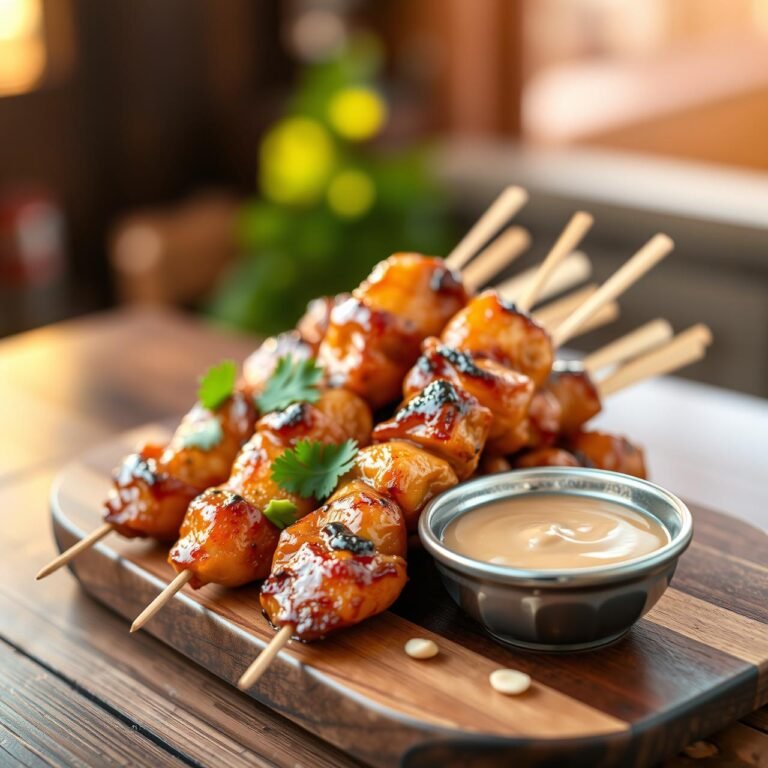
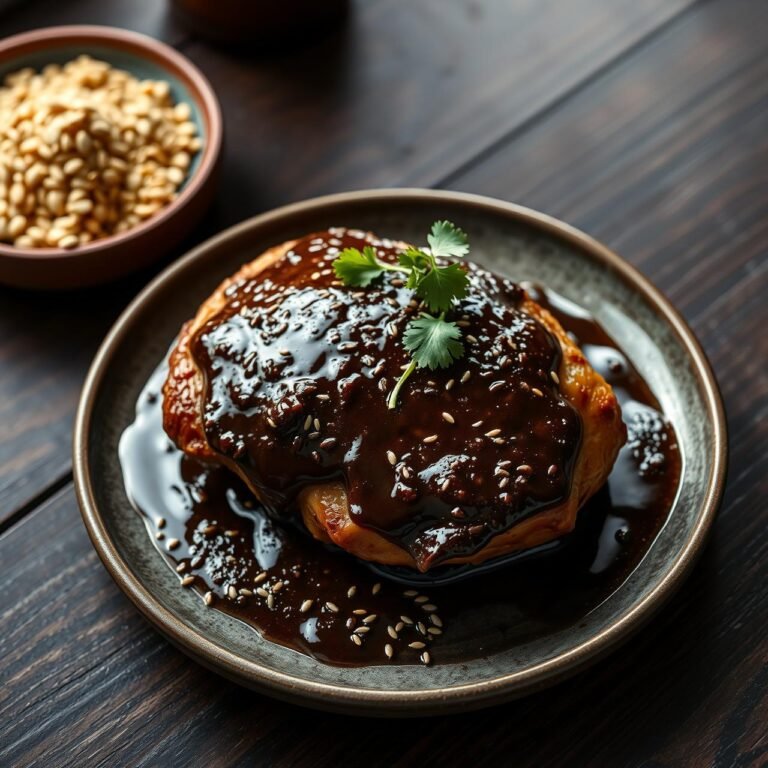
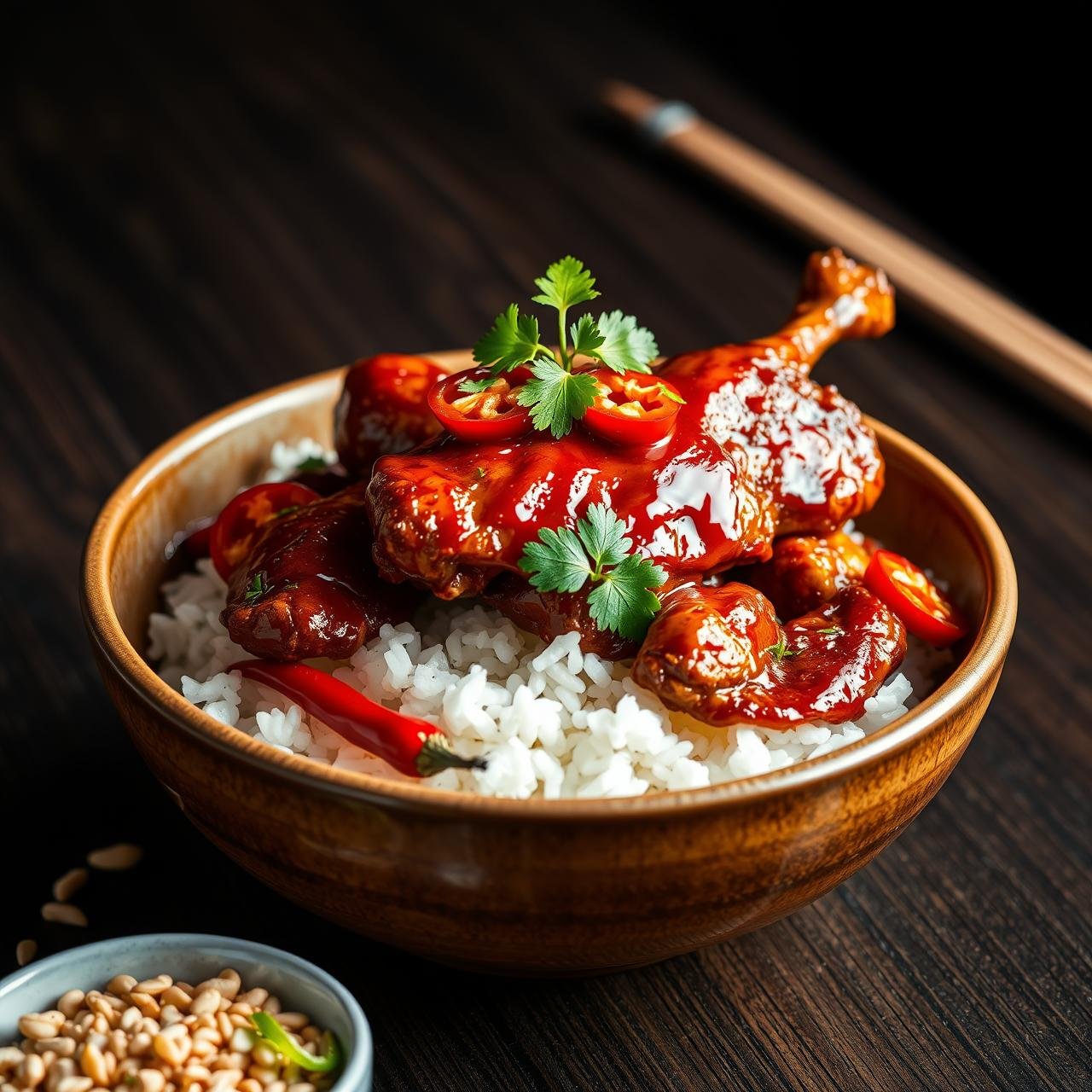
There are certain dishes that transport you with a single bite, and Vietnamese Lemongrass Chicken (Gà Xào Sả Ớt) is unequivocally one of them. It’s a culinary masterpiece born from the streets of Vietnam, a symphony of savory, sweet, spicy, and aromatic notes that dance on the palate. But this isn’t just a dish that delights the senses; it’s a powerhouse of clean, vibrant flavor that aligns perfectly with a healthy lifestyle. Forget the notion that ‘healthy’ means ‘bland.’ We’re about to embark on a journey to create a meal that is both a flavor bomb and a friend to your metabolism.
At the heart of this recipe is lemongrass, a humble, fibrous stalk that holds the very essence of Southeast Asian cuisine. Its bright, citrusy, and slightly gingery aroma is the foundation upon which we build layers of flavor. When combined with the pungent heat of chili, the savory depth of fish sauce, and a touch of sweetness, it transforms simple chicken into something extraordinary. This recipe is more than just a set of instructions; it’s a lesson in balancing tastes and textures, a technique you’ll carry with you in your culinary adventures. Prepare to fill your kitchen with intoxicating aromas and create a dish that is rustic, satisfying, and brilliantly wholesome.
Essential Kitchen Tools for Perfect Lemongrass Chicken
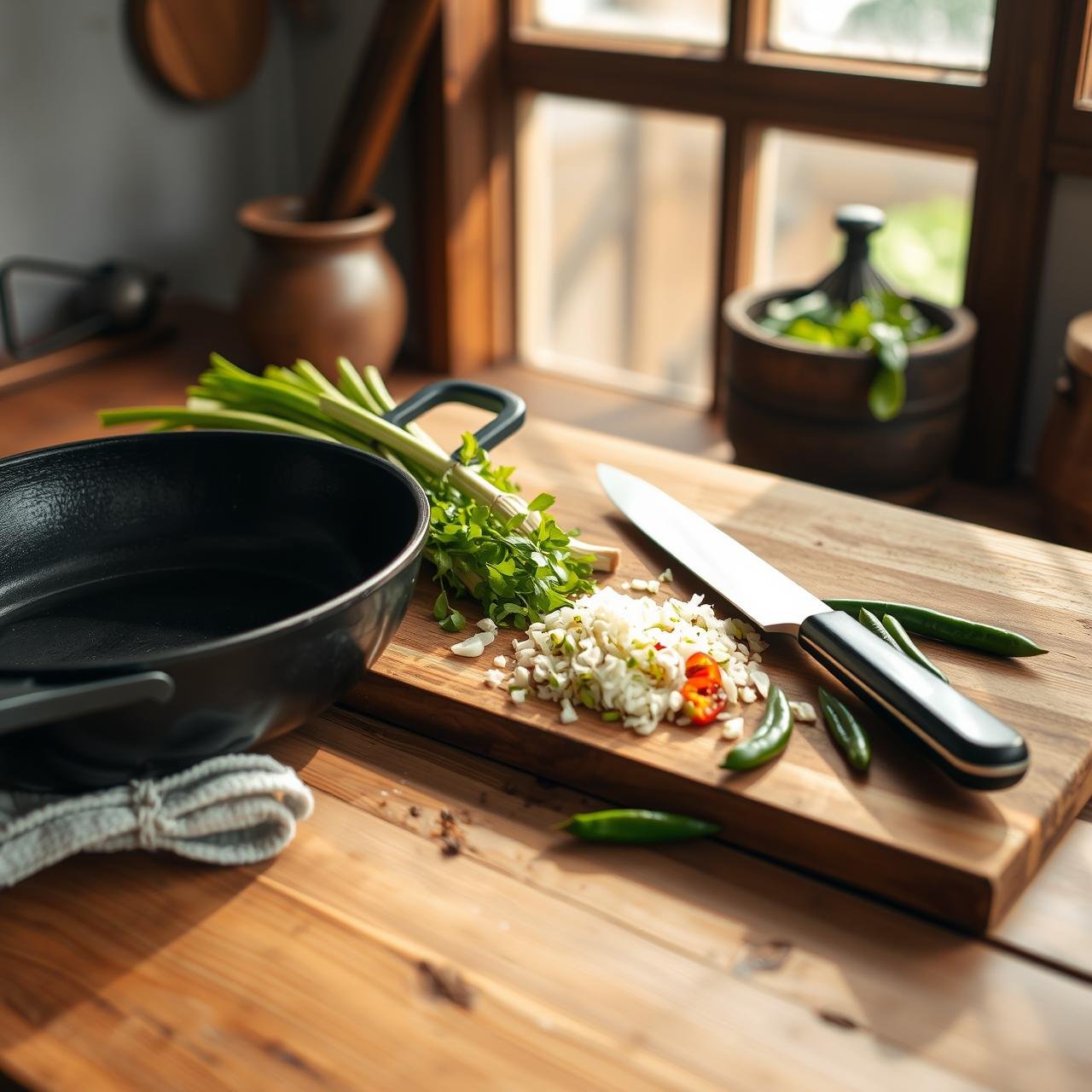
A great chef knows that the right tools are just as important as the right ingredients. For this recipe, we don’t need anything overly complicated, but a few key pieces of equipment will ensure a flawless result, from preparation to the final sear. Think of these as your partners in crafting this culinary delight.
- Large Mixing Bowl: You’ll need a non-reactive bowl (glass or stainless steel) spacious enough to thoroughly coat the chicken in the marinade without making a mess. Proper marination is key to flavor infusion.
- Sharp Chef’s Knife and Sturdy Cutting Board: Precision is crucial when preparing the aromatics. A sharp knife allows you to finely mince the lemongrass, garlic, and shallots, which helps release their essential oils and ensures they meld beautifully into the marinade.
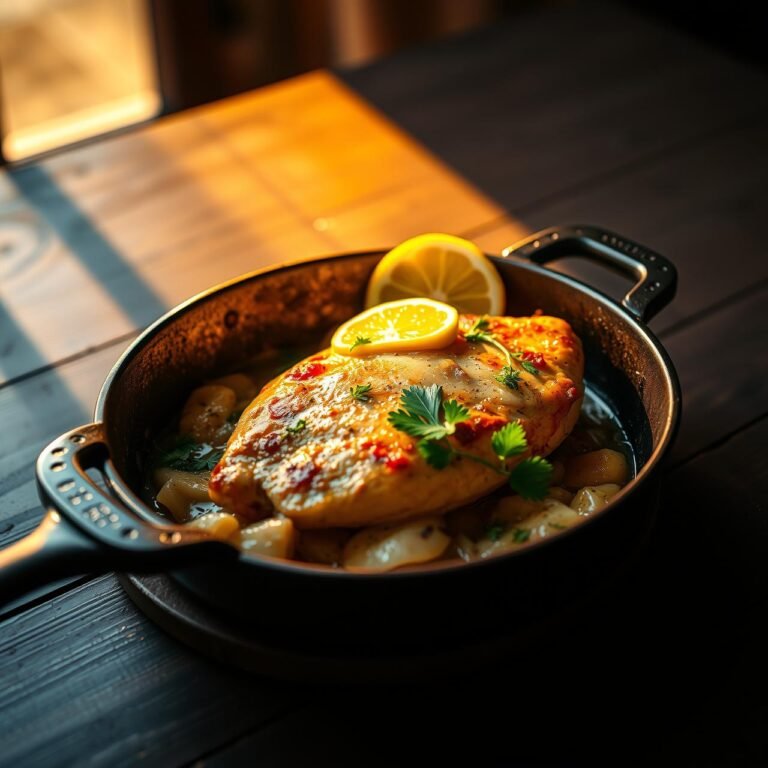
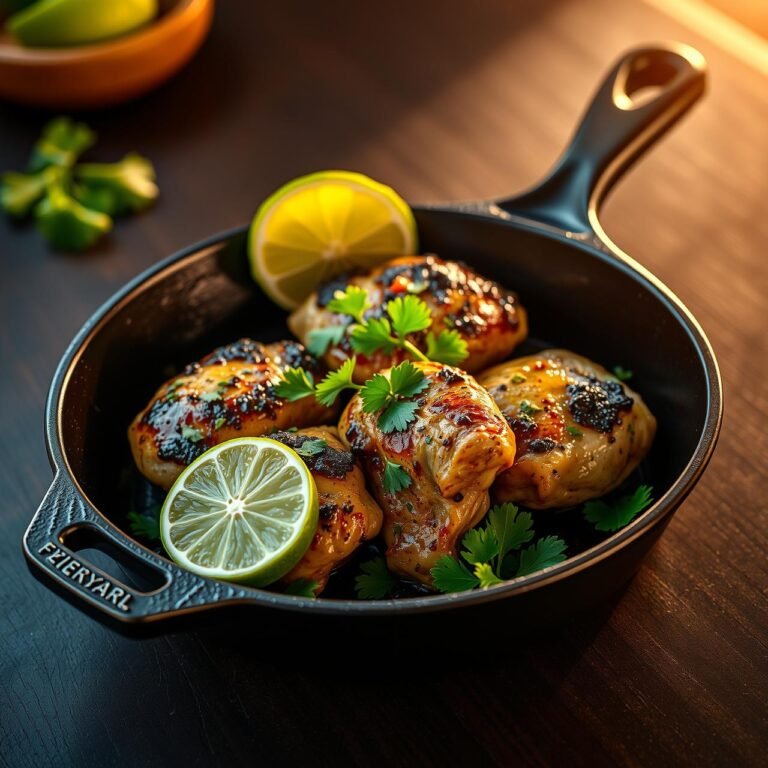
- Large Skillet or Wok: A 12-inch cast-iron skillet or a carbon steel wok is highly recommended. These materials retain high heat exceptionally well, which is essential for achieving that beautiful, deep brown sear on the chicken without steaming it. Overcrowding the pan is the enemy of caramelization, so a large surface area is your best friend.
- Microplane or Grater: While not strictly necessary, a microplane makes quick and easy work of grating ginger and garlic into a fine paste, ensuring no chunky bits and a smoother marinade.
- Mortar and Pestle (Optional): For the true traditionalist, pounding the lemongrass, garlic, and chilis in a mortar and pestle releases their flavors in a way that mincing simply cannot replicate. It creates a more rustic, fragrant paste.
The Anatomy of Flavor: Sourcing Your Ingredients
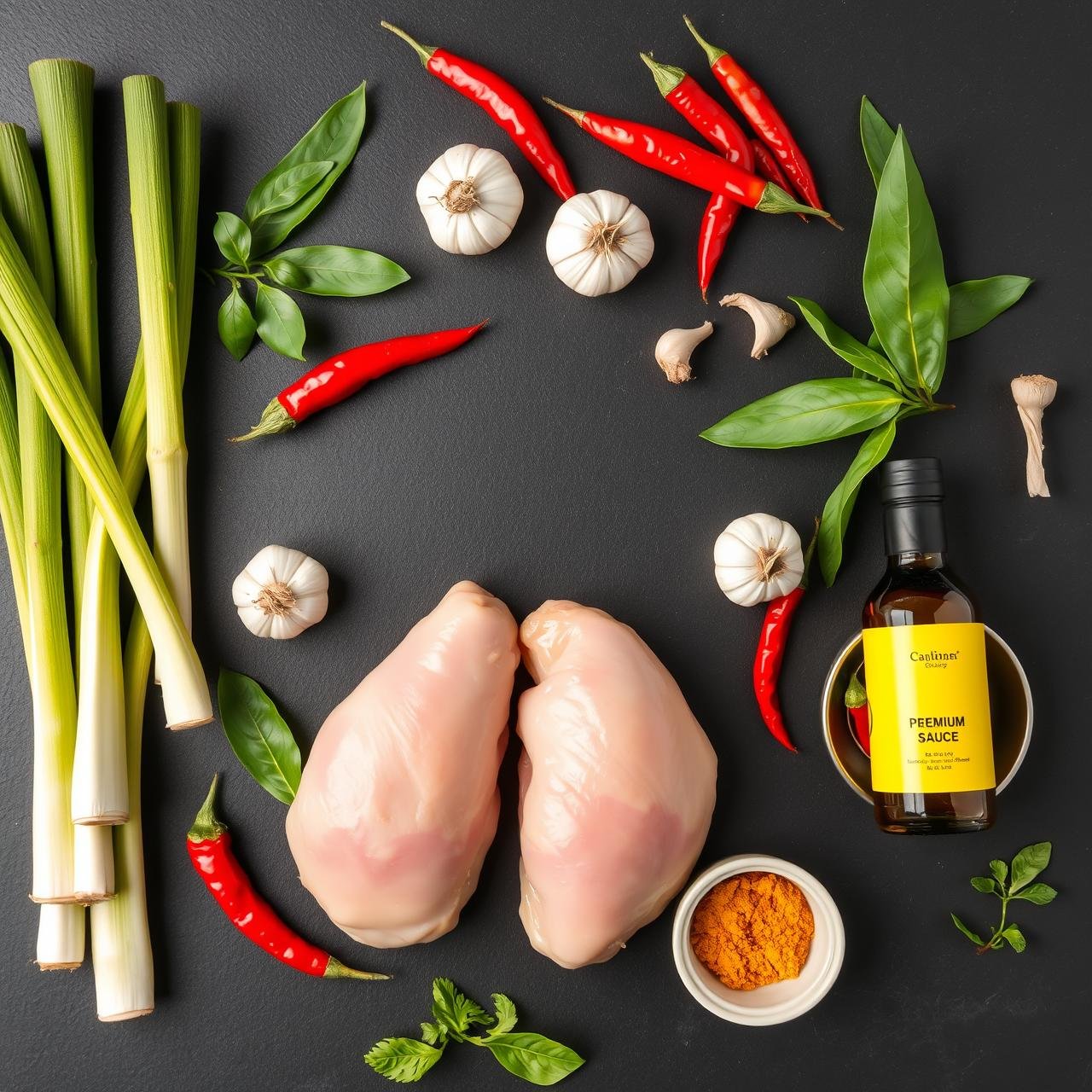
The authenticity and vibrancy of this dish hinge on the quality of your ingredients. Freshness is paramount. Here’s a breakdown of the flavor arsenal you’ll be assembling.
For the Chicken Marinade:
- Chicken: 2 lbs of boneless, skinless chicken thighs, cut into 1.5-inch pieces. Thighs are the superior choice here; their higher fat content keeps them succulent and flavorful during the high-heat cooking process.
- Lemongrass: 3-4 stalks, fresh. Look for firm stalks with a fragrant aroma. You’ll only use the tender lower third. Remove the tough outer layers before finely mincing.
- Fish Sauce: 3 tablespoons of high-quality fish sauce. This is the savory, umami backbone of the dish. Brands like Red Boat or Three Crabs are excellent choices.
- Shallots: 2 large shallots, finely minced. They provide a delicate, sweet onion flavor that is less pungent than regular onions.
- Garlic: 5-6 cloves, minced. Don’t be shy with the garlic; its pungent aroma is essential.
- Ginger: 1-inch piece, freshly grated. Adds a warm, zesty spice that complements the lemongrass.
- Brown Sugar or Coconut Sugar: 2 tablespoons, packed. This is crucial for balancing the saltiness of the fish sauce and helps the chicken caramelize beautifully in the pan.
- Thai Chilis or Serrano Peppers: 2-3 chilis, thinly sliced. Adjust to your heat preference. They provide the ‘torch’ for your taste buds.
- Vegetable or Avocado Oil: 2 tablespoons. A neutral oil with a high smoke point is needed for the marinade and for cooking.
- Turmeric Powder: 1/2 teaspoon. This adds a beautiful golden hue and a subtle, earthy flavor.
For Assembling the Dish:
- Sweet Onion: 1 medium, sliced into thin wedges.
- Garnish: Fresh cilantro, chopped roasted peanuts, and lime wedges for serving.
Mastering the Method: A Step-by-Step Guide
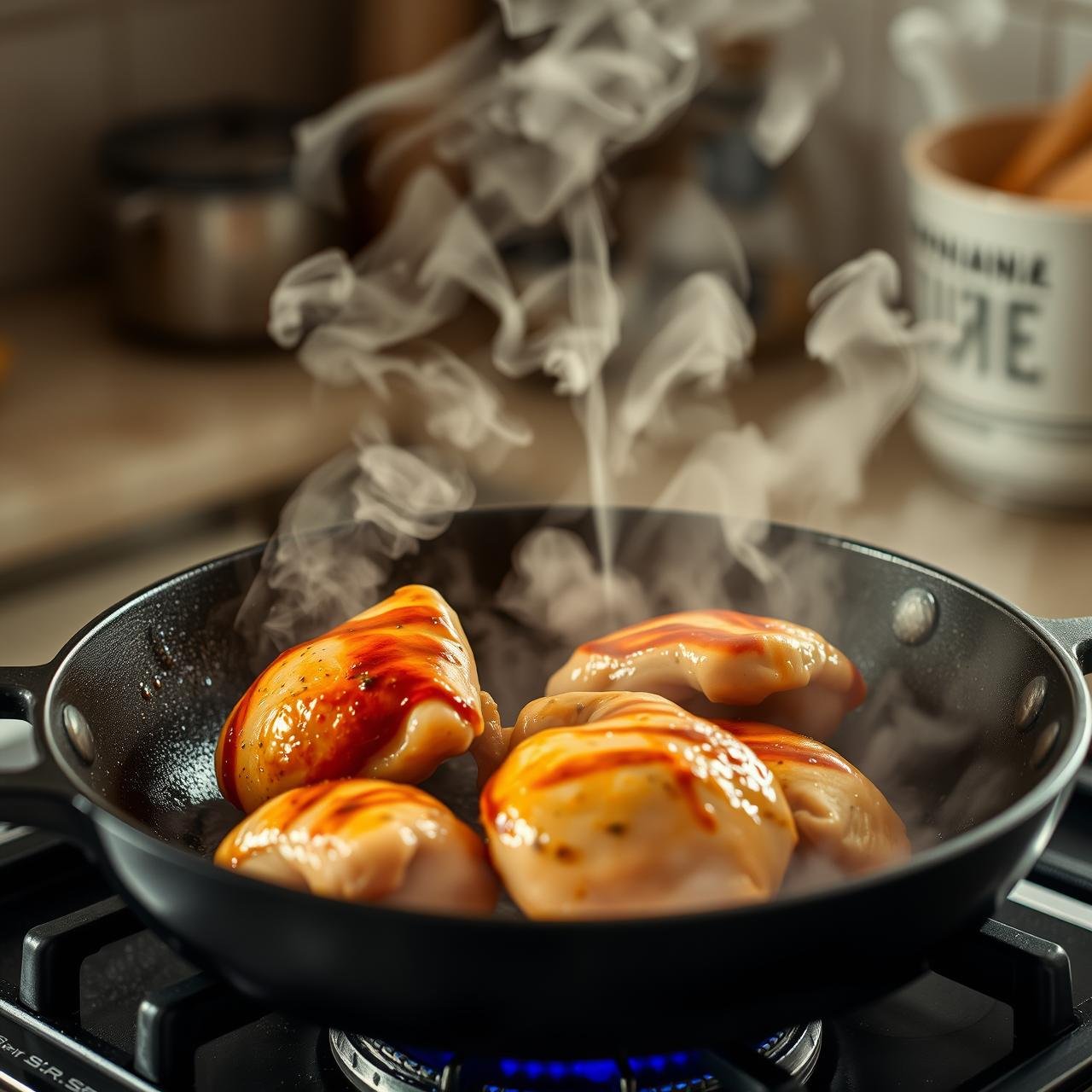
Follow these steps with care, and you’ll be rewarded with a dish that tastes like it came from a seasoned Vietnamese chef’s kitchen. The process is straightforward, focusing on building layers of flavor at each stage.
-
Prepare the Marinade:
In your large mixing bowl, combine the finely minced lemongrass, shallots, garlic, ginger, and chilis. Add the fish sauce, brown sugar, turmeric powder, and 2 tablespoons of oil. Stir vigorously until the sugar is dissolved and you have a cohesive, incredibly fragrant paste. This is the heart of your dish.
-
Marinate the Chicken:
Add the cut chicken thigh pieces to the bowl with the marinade. Use your hands or a spoon to toss everything together, ensuring every single piece of chicken is generously coated. Cover the bowl and let it marinate in the refrigerator for at least 30 minutes. For an even more profound flavor infusion, marinate for 4 hours or even overnight. This is the most crucial step for developing deep, complex flavor.
-
Sear the Chicken:
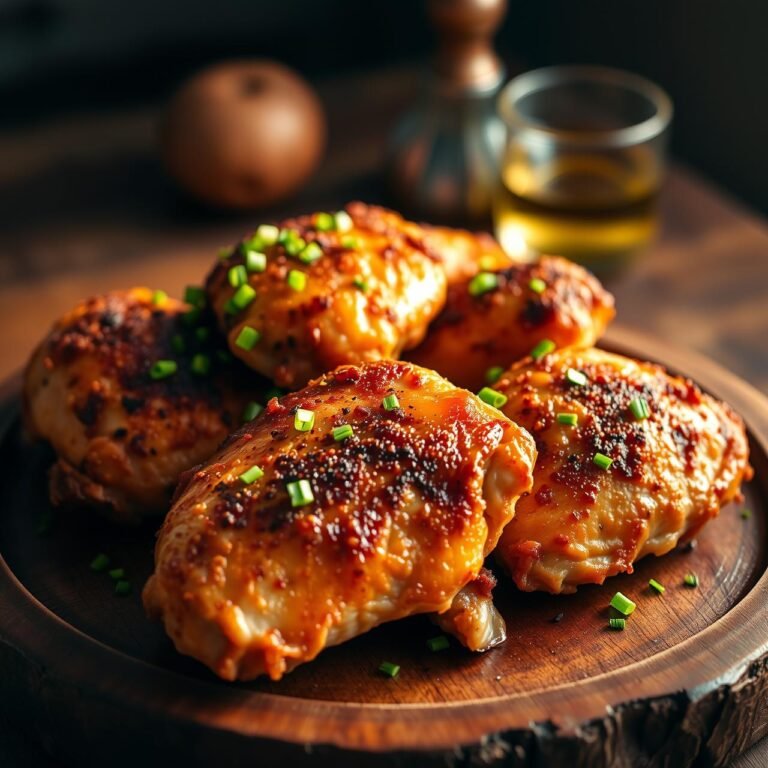
Place your large skillet or wok over medium-high heat. Add 1 tablespoon of oil and let it get shimmering hot. Carefully place the chicken pieces in the pan in a single layer, being careful not to overcrowd it. You may need to do this in two batches. Let the chicken sear undisturbed for 3-4 minutes per side, until a deep, golden-brown crust forms. This caramelization (the Maillard reaction) is where incredible flavor is built. Remove the seared chicken from the pan and set it aside.
-
Sauté the Aromatics and Finish:
Lower the heat to medium. Add the sliced sweet onion to the same pan, using the rendered chicken fat and leftover marinade bits. Sauté for 3-4 minutes until the onions soften and become fragrant. If the pan seems dry, you can add a splash of water or chicken broth to deglaze, scraping up all the flavorful browned bits from the bottom.
-
Bring it All Together:
Return the seared chicken to the skillet with the onions. Add any remaining marinade from the bowl. Stir everything together and continue to cook for another 5-7 minutes, or until the chicken is cooked through and the sauce has thickened into a beautiful glaze that coats each piece.
-
Serve and Garnish:
Serve the lemongrass chicken immediately over a bed of steamed jasmine or brown rice. Garnish generously with fresh cilantro, chopped peanuts for a delightful crunch, and a squeeze of fresh lime juice to brighten all the flavors.
From My Kitchen to Yours: Chef’s Tips for Success
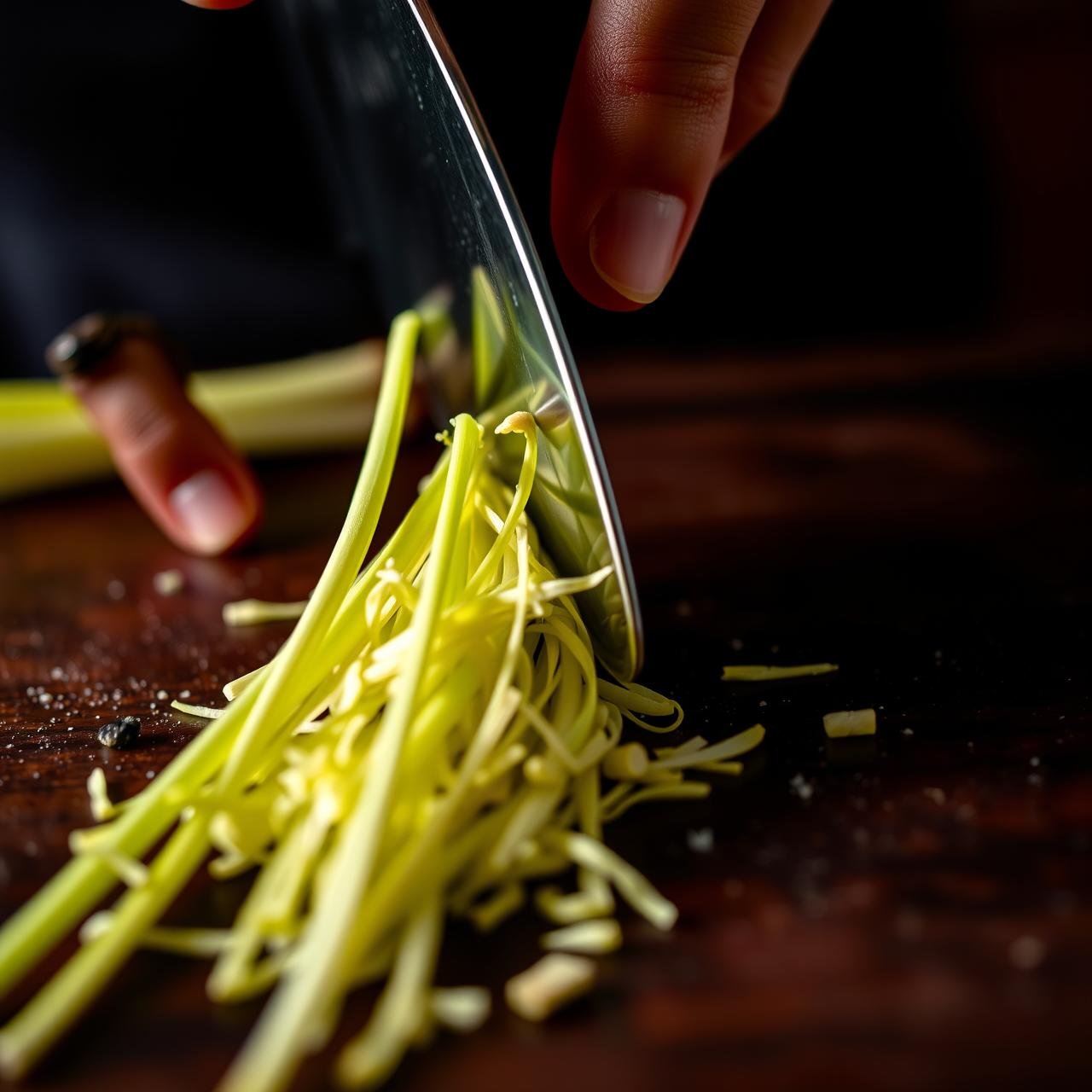
Mastering a recipe is about understanding the small details that elevate it from good to unforgettable. Here are some professional insights to ensure your lemongrass chicken is perfect every time.
- Don’t Crowd the Pan: This is the golden rule of searing. Giving each piece of chicken its own space allows moisture to evaporate quickly, promoting a beautiful, brown crust. If you overcrowd the pan, the chicken will steam in its own juices, resulting in a pale, rubbery texture. Cook in batches if necessary; the extra 5 minutes is well worth it.
- The Power of Marination Time: While 30 minutes will give you a tasty result, letting the chicken marinate for several hours (up to 24) is a game-changer. The acidic and salty components of the marinade tenderize the meat while allowing the aromatic flavors of lemongrass and garlic to penetrate deeply into the chicken.
- Proper Lemongrass Prep: Fresh lemongrass can be intimidating. Start by trimming off the very bottom root end and the dry, woody top part. Peel away the tough outer 1-2 layers until you reach the paler, more tender core. This is the part you want to mince as finely as possible to avoid fibrous, woody bits in your final dish.
- Balance is Everything: Vietnamese cooking is about the harmony of five flavors: sweet, sour, salty, bitter, and spicy. Taste your marinade before adding the chicken. Does it need more fish sauce for saltiness? A bit more sugar for sweetness? A squeeze of lime for acidity? Adjust it to your preference.
- Deglaze for Flavor: Those browned bits (fond) stuck to the bottom of your pan after searing are concentrated flavor. Don’t wash them away! When you add your onions, a small splash of water or broth will help you scrape them up, incorporating them back into your sauce for an incredible depth of flavor.
Nourishment by the Numbers: A Healthy, Flavorful Choice
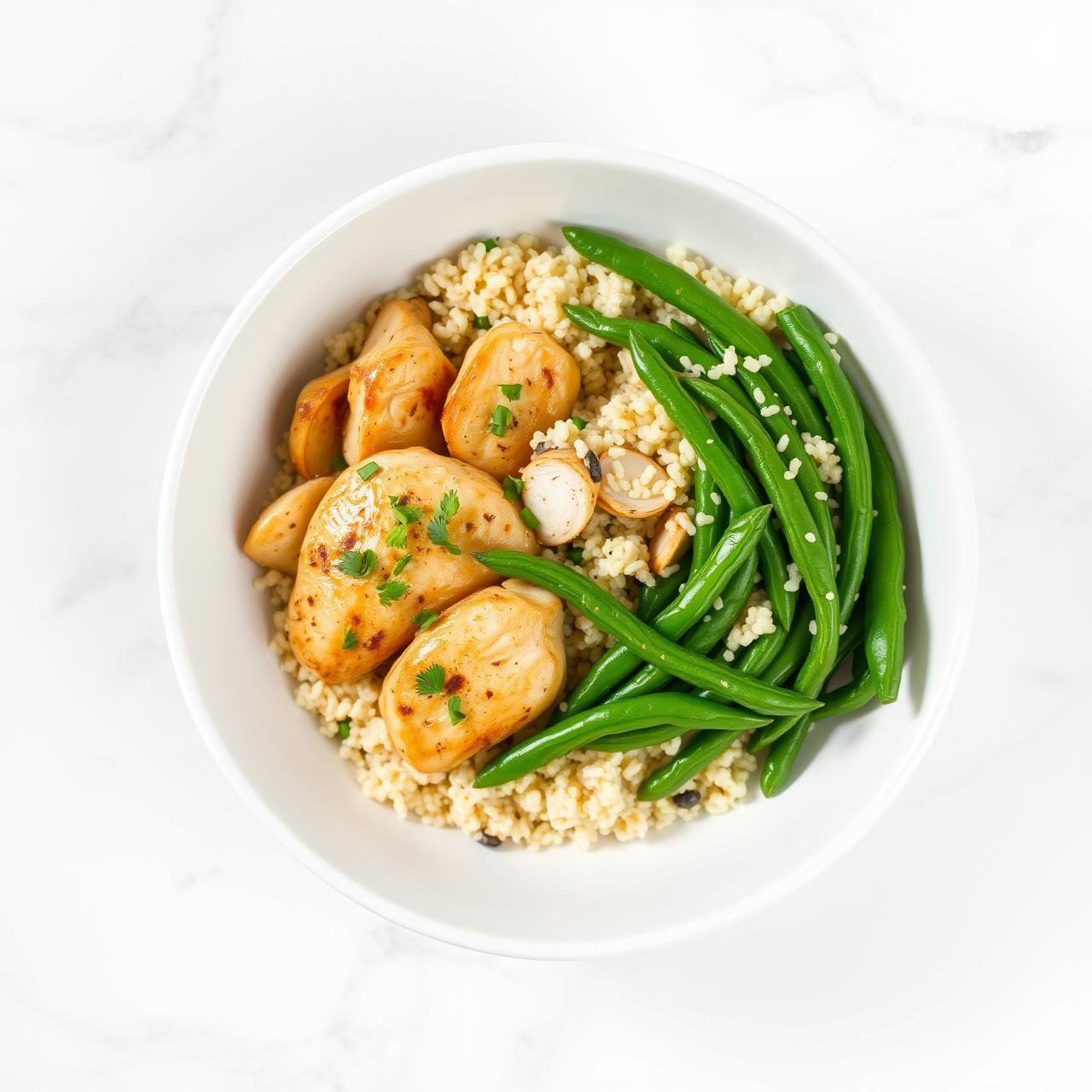
This dish proves that you don’t have to sacrifice flavor for health. By using lean protein, fresh aromatics, and minimal added sugar, you get a meal that is both satisfying and nourishing. The ingredients themselves offer benefits: lemongrass is known for its antioxidant properties, while ginger and chili can give your metabolism a gentle boost. Paired with whole grains and vegetables, it’s a perfectly balanced meal.
| Nutrient | Amount Per Serving |
|---|---|
| Calories | ~380 kcal |
| Protein | 35g |
| Fat | 20g |
| Saturated Fat | 5g |
| Carbohydrates | 12g |
| Sugar | 8g |
| Sodium | 750mg |
*Nutritional information is an estimate and may vary based on specific ingredients and portion sizes. This calculation is for the chicken dish only, excluding rice or other sides.
Savor it Later: Storage and Meal Prep Solutions
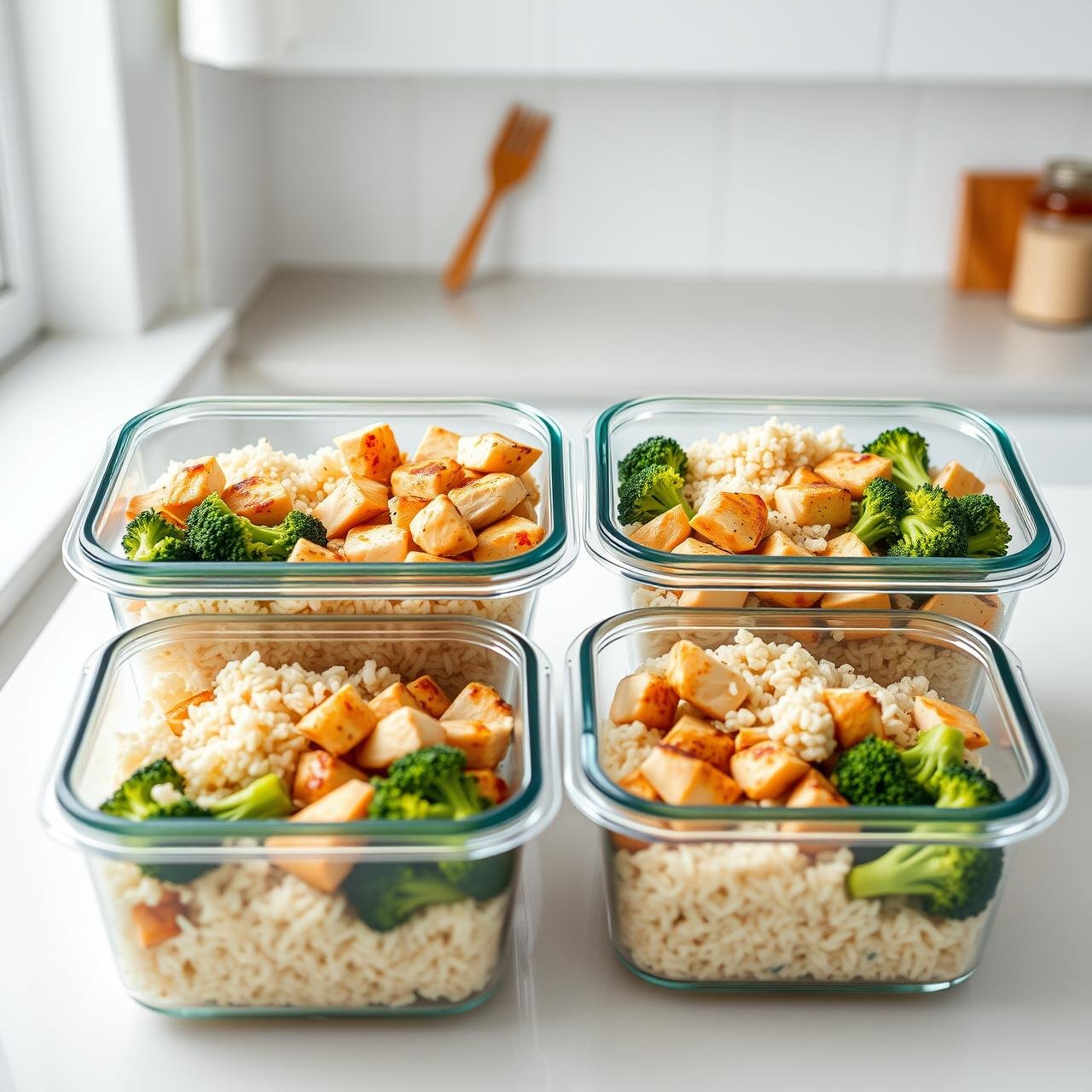
One of the best qualities of this Lemongrass Chicken is how well it holds up, making it an excellent candidate for meal prepping or enjoying as leftovers. The flavors often meld and become even more delicious the next day.
Refrigeration
Allow the cooked chicken to cool completely to room temperature. Transfer it to an airtight container and store it in the refrigerator for up to 4 days. This makes it perfect for quick lunches or dinners throughout the week.
Reheating
To reheat, you can gently warm the chicken in a skillet over medium-low heat with a splash of water or chicken broth to prevent it from drying out. Alternatively, microwave it in 30-second intervals, stirring in between, until heated through.
Meal Prep Strategy
Portion the cooked lemongrass chicken into individual meal prep containers. Add a serving of your favorite grain (like brown rice or quinoa) and a side of steamed or roasted vegetables (broccoli, bok choy, or bell peppers work wonderfully). This creates a balanced, grab-and-go meal that will save you time and keep you on track with your healthy eating goals.
Conclusion
You have now unlocked the secrets to a truly Authentic Lemongrass Chicken, a dish that delivers a powerful punch of flavor without compromising on its healthy credentials. You’ve learned to balance the fundamental tastes of Vietnamese cuisine, to harness the aromatic power of fresh ingredients, and to achieve that perfect, irresistible sear. This recipe is more than sustenance; it’s an experience. It’s the satisfaction of creating something beautiful and delicious with your own hands, filling your home with the warm, inviting scents of a faraway kitchen. So embrace the process, trust your palate, and get ready to enjoy a flavor bomb that will ignite your senses and nourish your body. This is rustic, homestyle cooking at its absolute best.