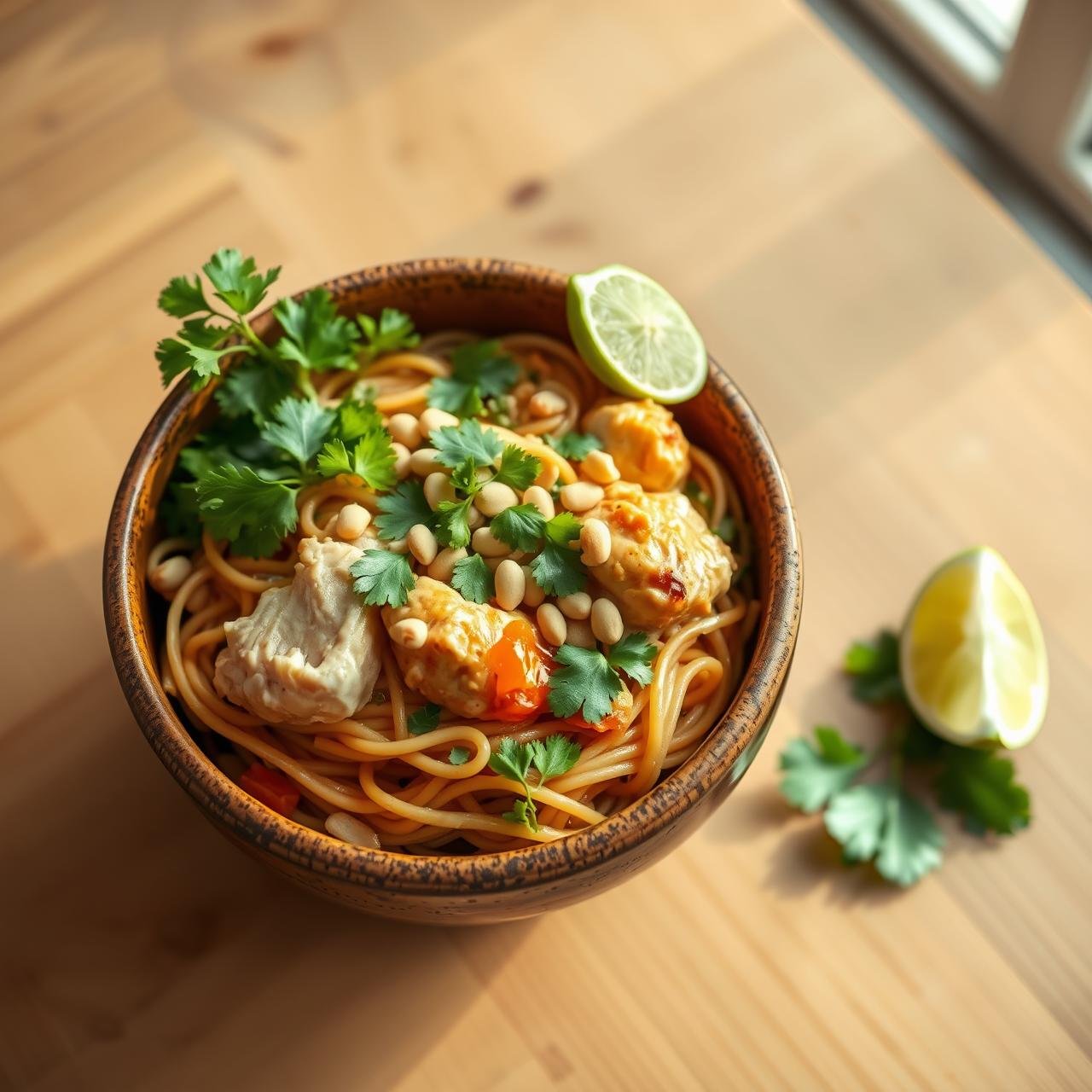
Guilt-Free Chicken Pad Thai using Miracle Noodles (Detailed Guide)
There are few dishes as universally beloved as Pad Thai. That perfect, tantalizing dance of sweet, sour, salty, and savory flavors, the delightful chew of rice noodles, the satisfying crunch of peanuts and bean sprouts—it’s a symphony in a bowl. But for those of us navigating a healthier lifestyle, a low-carb diet, or simply watching our calorie intake, a traditional plate of Pad Thai can feel like a forbidden indulgence. Until now.
Enter the culinary game-changer: Miracle Noodles, also known as shirataki noodles. Made from the fiber of the konjac plant, these translucent noodles are virtually free of calories and carbohydrates, making them the perfect canvas for our guilt-free masterpiece. This recipe isn’t about compromise; it’s about smart, delicious innovation. We’re going to build the iconic, complex flavors of an authentic Pad Thai from the ground up, ensuring every bite is as satisfying as the original. Forget bland, watery imitations. Prepare for a rich, aromatic sauce that clings perfectly to each noodle, tender chicken, and crisp-tender vegetables. This is the detailed guide to the Pad Thai you’ve been dreaming of—all of the flavor, none of the guilt.
The Essential Toolkit: Your Pad Thai Station
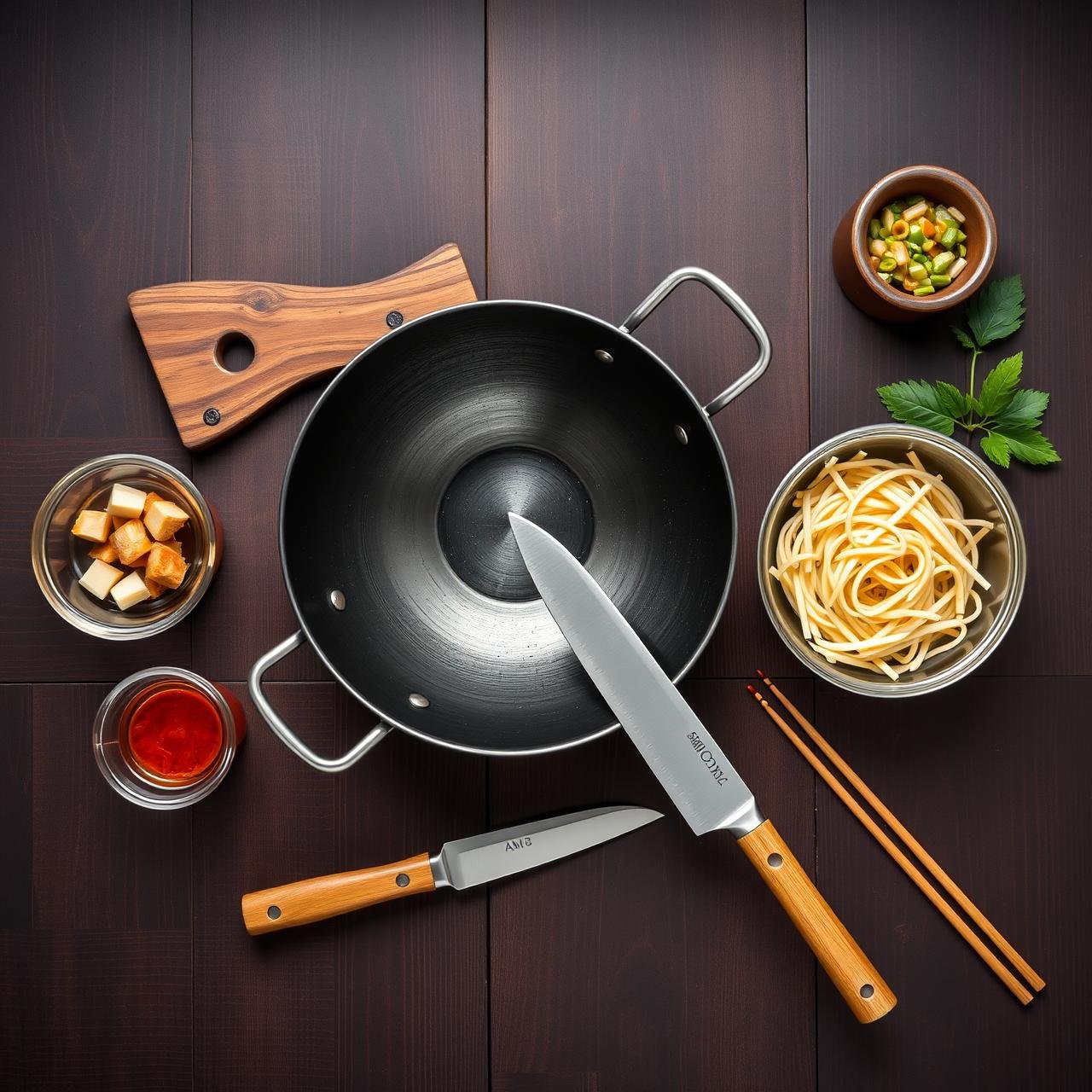
A great dish starts with great preparation. In professional kitchens, this is called ‘mise en place’—everything in its place. Having the right tools ready will make the high-heat, fast-paced process of stir-frying smooth and enjoyable. You don’t need a professional kitchen, just a few key items.
| Tool | Purpose & Chef’s Note |
|---|---|
| Large Wok or High-Sided Skillet | A wok is traditional and its sloped sides are ideal for tossing ingredients. If you don’t have one, a 12-inch or larger skillet with high sides will prevent ingredients from flying out. Cast iron or carbon steel are excellent for retaining high heat. |
| Fine-Mesh Sieve or Colander | Absolutely essential for rinsing and draining the Miracle Noodles properly. This step is key to removing their initial earthy aroma. |
| Small Saucepan | For gently warming and combining the sauce ingredients. This helps the flavors meld together beautifully before they hit the hot wok. |
| Multiple Small Bowls | The essence of ‘mise en place’. Use them to pre-measure and hold all your chopped vegetables, sauces, chicken, and garnishes. Stir-frying is too fast to be chopping as you go. |
| Sharp Chef’s Knife & Cutting Board | For efficiently slicing the chicken, shallots, garlic, and scallions. A sharp knife makes prep work safer and faster. |
| Tongs or Wok Spatula | For tossing and stirring the ingredients in the hot wok. Tongs are great for lifting and turning the noodles without breaking them. |
Gather Your Bounty: Ingredients for Authentic, Healthy Flavor
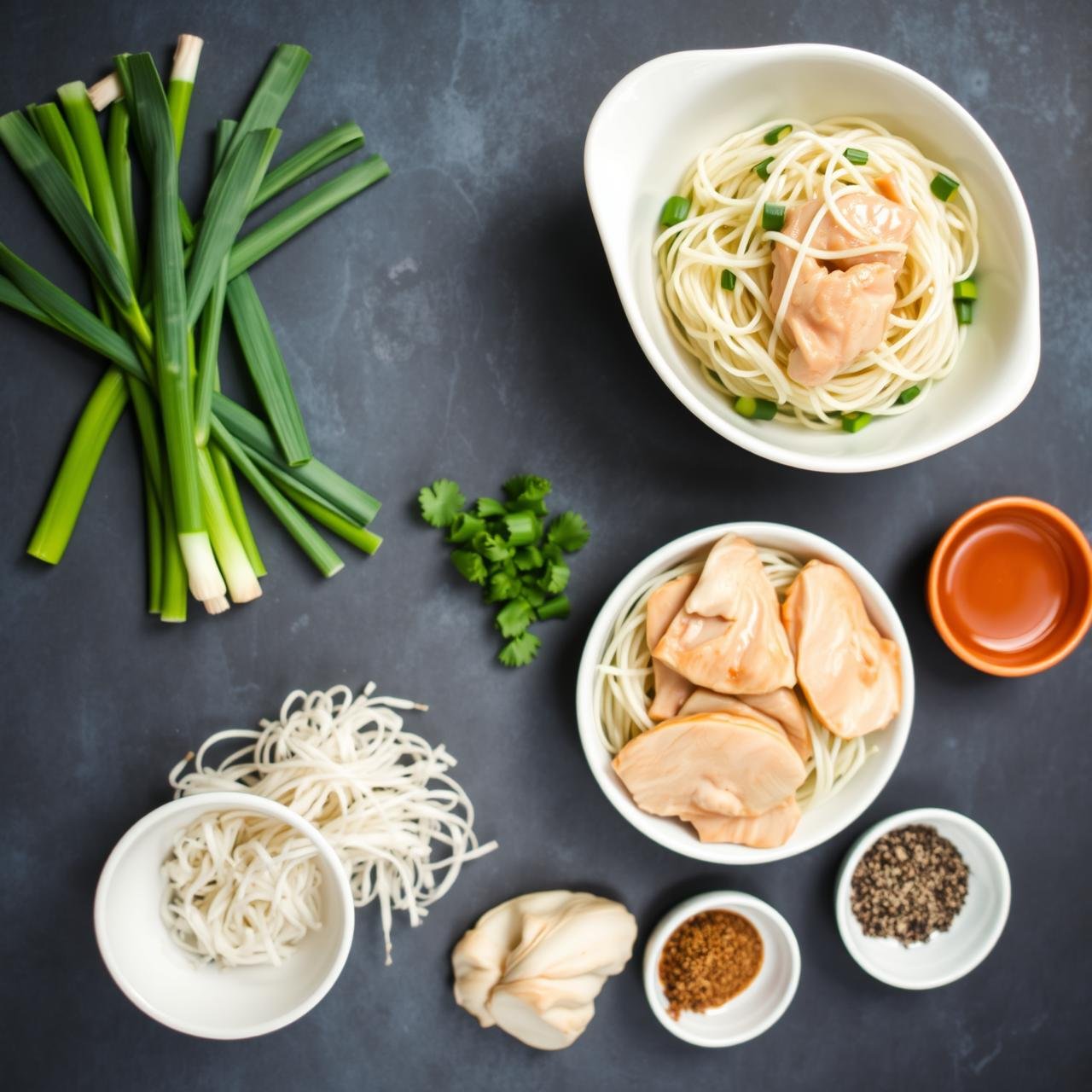
The quality of your ingredients is paramount. This recipe balances authentic Thai flavors with healthy, accessible components. We’ve broken down the list into three parts: the sauce, the stir-fry, and the essential garnishes.
For the Signature Pad Thai Sauce:
- 2 packages (14 oz total) of Miracle Noodles (shirataki noodles), any shape (fettuccine or spaghetti style works best)
- 3 tablespoons Tamarind Concentrate/Paste – This is the non-negotiable soul of Pad Thai, providing its signature sour tang. Look for one with no added sugar.
- 3 tablespoons Fish Sauce – Provides the salty, umami backbone. Red Boat or Megachef are excellent, high-quality brands.
- 1 to 3 teaspoons Sriracha or Sambal Oelek – Adjust to your preferred spice level. Start with less; you can always add more.
- 1 tablespoon Rice Vinegar – Adds a layer of bright acidity to balance the richness.
- 1 to 2 tablespoons Monk Fruit Sweetener or Stevia – Our guilt-free substitute for the traditional palm sugar. Adjust to taste, as the sweetness of tamarind paste can vary.
For the Chicken & Stir-Fry:
- 1 lb (about 2) boneless, skinless chicken breasts, thinly sliced against the grain
- 1 tablespoon Avocado Oil or Coconut Oil – For high-heat cooking.
- 3 cloves Garlic, minced
- 1 large Shallot, thinly sliced
- 2 large Eggs, lightly beaten
- 2 cups fresh Bean Sprouts, divided
- 1/2 cup firm or extra-firm Tofu, pressed and cut into small cubes (optional, for texture)
- 4 Scallions (Green Onions), cut into 1-inch pieces, white and green parts separated
For the Essential Garnishes:
- 1/2 cup Unsalted Peanuts, roughly chopped
- 1/2 cup Fresh Cilantro, roughly chopped
- 1 Lime, cut into wedges for serving
- Red Pepper Flakes, for extra heat
The Foundation: Preparing the Noodles & Crafting the Sauce
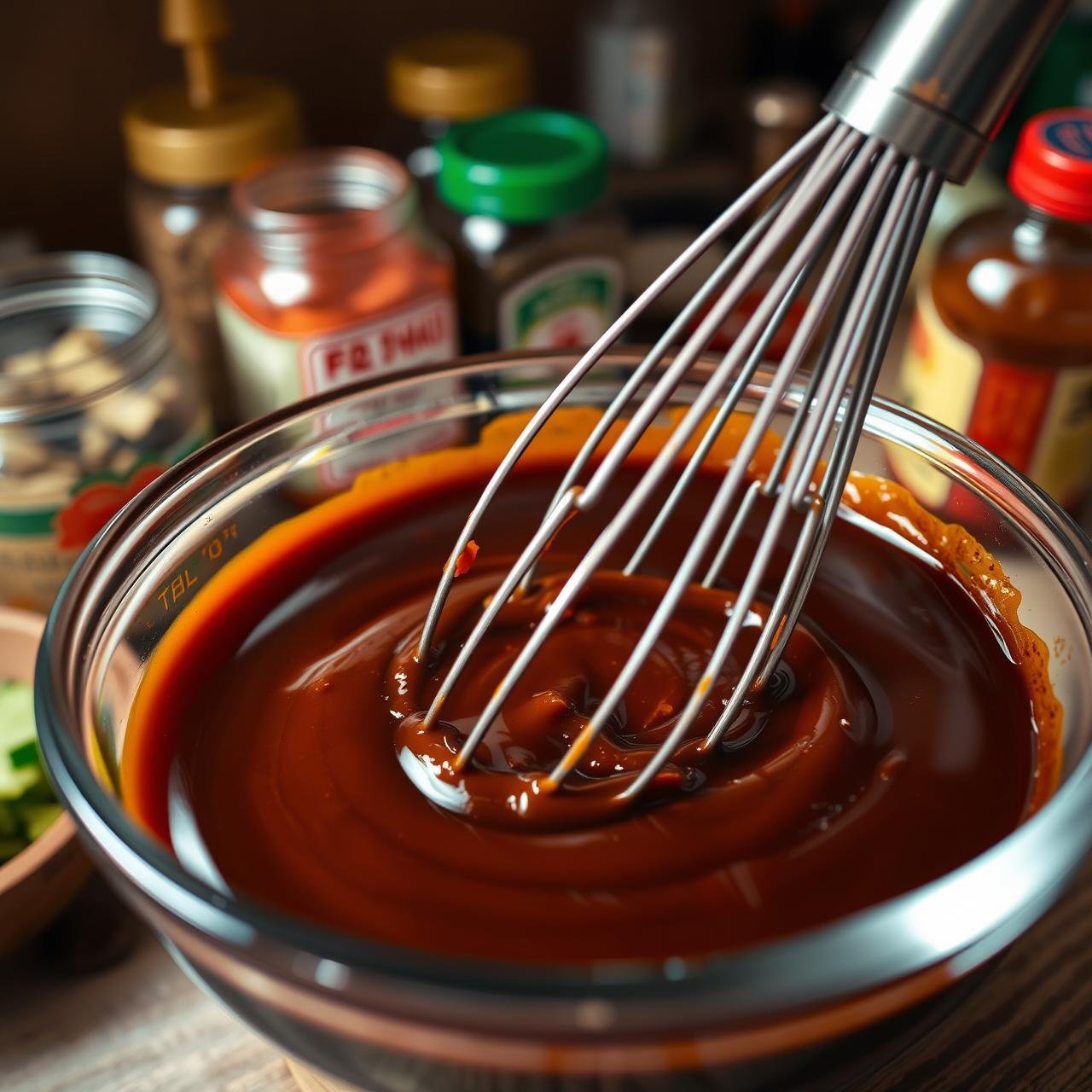
These two preliminary steps are the most critical for achieving a Pad Thai that rivals any restaurant’s. Giving proper attention here will pay dividends in the final dish.
Step 1: Taming the Miracle Noodles
Shirataki noodles have a unique texture and a slight odor when first opened, which comes from the water they are packed in. This is perfectly normal and easy to remedy. Don’t skip this process!
- Rinse Thoroughly: Open the packages of Miracle Noodles and pour them into a fine-mesh sieve. Rinse under cold running water for a full 2-3 minutes. This is crucial for washing away the initial aroma.
- Boil Briefly: Bring a pot of water to a boil. Add the rinsed noodles and boil for 2-3 minutes. This step dramatically improves their texture, making them less rubbery and more noodle-like.
- Dry Completely: Drain the noodles very well. Then, place them in a dry, non-stick skillet over medium heat. Dry-fry the noodles, tossing them frequently with tongs, for about 5-8 minutes. You’ll hear them start to squeak against the pan. This process removes excess water, which is key to preventing a watery sauce and allowing them to absorb the flavors. Set the dry noodles aside.
Step 2: Building the Perfect Sauce
This sauce is a careful balance of sweet, sour, and salty. Mixing and warming it beforehand allows the flavors to marry.
- Combine Ingredients: In a small saucepan or a microwave-safe bowl, combine the tamarind concentrate, fish sauce, Sriracha (or sambal), rice vinegar, and your chosen low-carb sweetener.
- Whisk and Warm: Whisk everything together until the sweetener is dissolved. Gently warm the mixture over low heat for 2-3 minutes, or microwave for 30 seconds. Do not boil it; you just want to ensure it’s a smooth, homogenous liquid.
- Taste and Adjust: This is your moment to be the chef. Taste the sauce. Is it tangy enough? Add a bit more tamarind. Does it need more saltiness? A tiny splash more fish sauce. Not sweet enough? A little more sweetener. The perfect sauce should make your taste buds tingle with all its complex notes.
The Grand Finale: A Step-by-Step Cooking Guide
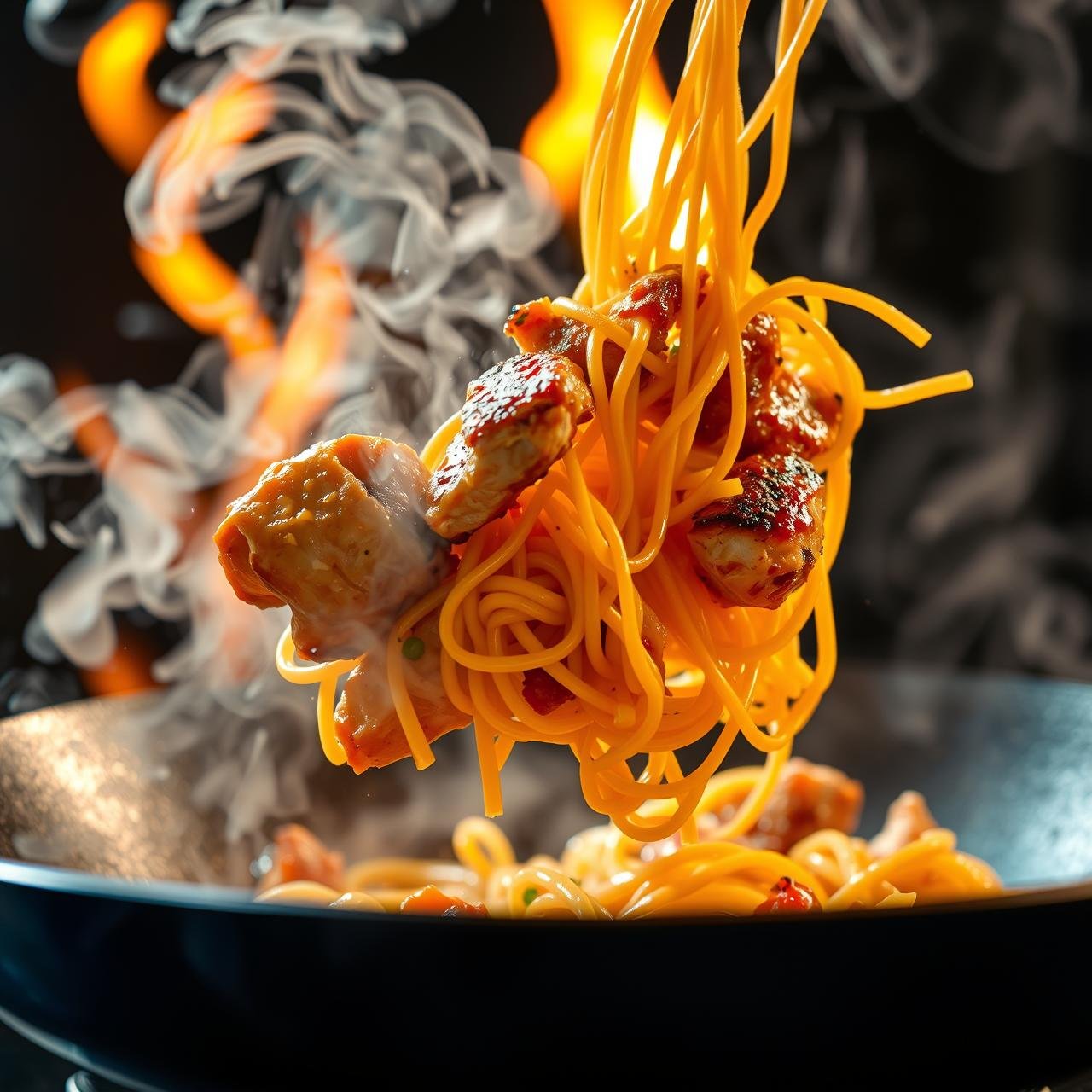
With your noodles and sauce prepped and your ingredients laid out, the final cooking process is a quick, high-heat affair. Work fast and have fun!
- Cook the Chicken: Heat your wok or large skillet over medium-high heat. Once it’s very hot, add the avocado oil. It should shimmer slightly. Add the sliced chicken in a single layer. Let it sear for 1-2 minutes without moving to get a nice brown crust, then stir-fry until it’s cooked through. Remove the chicken from the wok and set it aside.
- Sauté the Aromatics: Lower the heat to medium. Add the sliced shallot and minced garlic to the wok (add a splash more oil if needed). Sauté for about 30-60 seconds until fragrant. Be careful not to burn the garlic. If using tofu, now is the time to add it and lightly brown it on all sides.
- Scramble the Eggs: Push the aromatics to one side of the wok. Pour the lightly beaten eggs into the empty side. Let them set for a moment, then gently scramble them into soft curds. Once cooked, mix them in with the shallots and garlic.
- Combine and Sauce: Add the pre-cooked chicken back to the wok, along with your prepared Miracle Noodles. Pour the beautiful sauce all over everything. Use your tongs to gently toss and coat every single noodle and piece of chicken for about 2 minutes, allowing the noodles to absorb the sauce.
- Add Vegetables: Add the white parts of the scallions and one cup of the bean sprouts. Continue to toss for another 1-2 minutes. You want the bean sprouts to be warmed through but still have a nice, crisp bite. Overcooking will make them limp.
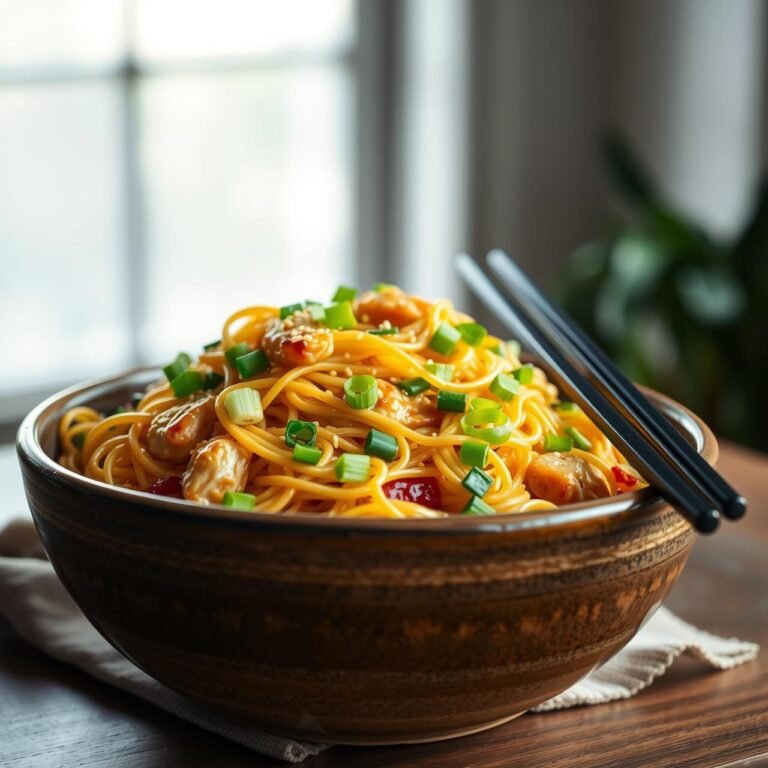
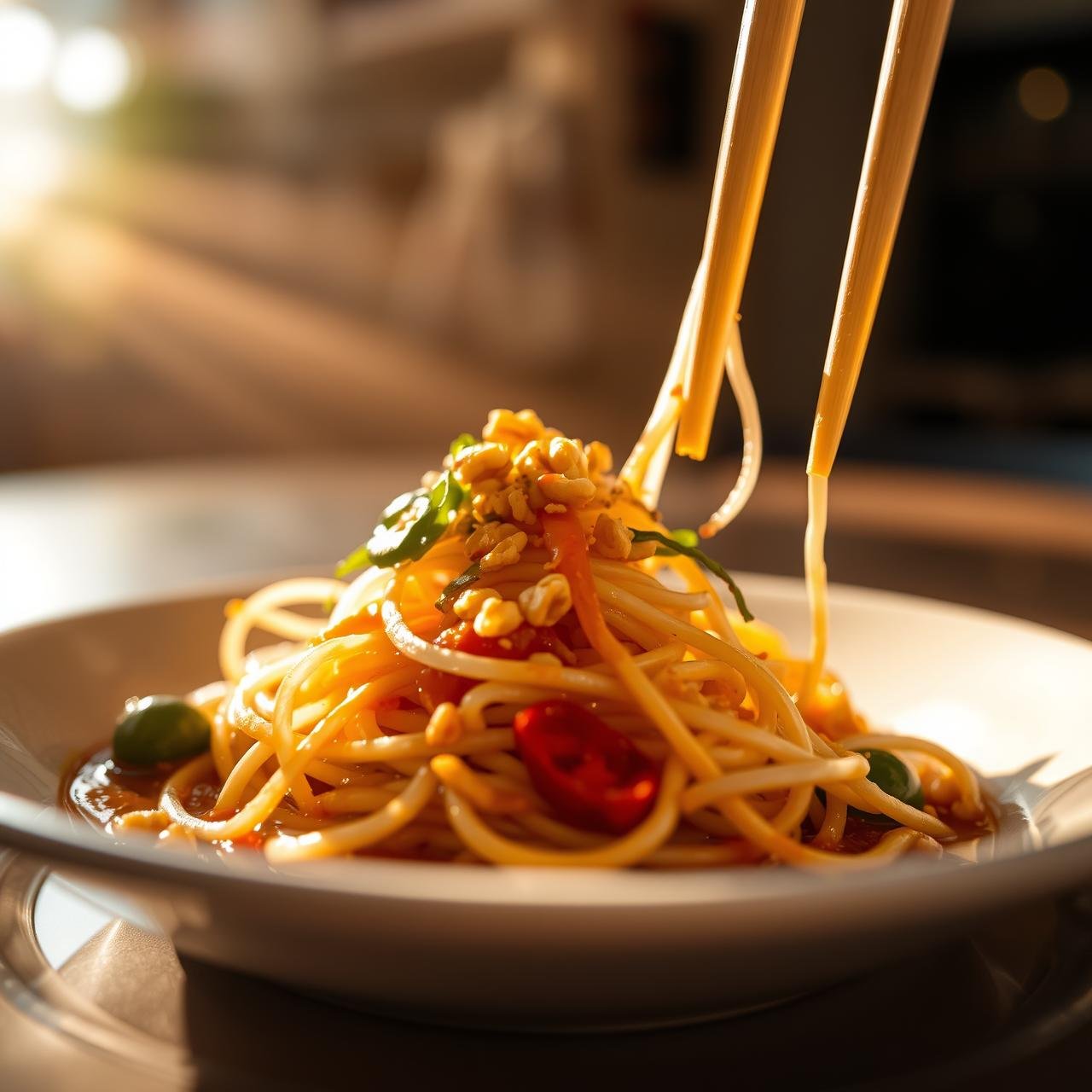
- Finish and Serve: Turn off the heat. Stir in the green parts of the scallions. Immediately transfer the Pad Thai to serving plates. Garnish generously with the remaining fresh bean sprouts, a heavy sprinkle of chopped peanuts, fresh cilantro, and a mandatory wedge of lime on the side. Serve piping hot.
Chef’s Secrets for Perfect Shirataki Pad Thai
Mastering the Noodles
The biggest challenge with shirataki noodles is their texture. The dry-frying step is non-negotiable. It expels water and gives them a much better, chewier mouthfeel that allows the sauce to cling rather than slide off.
Don’t Crowd the Pan
If you are doubling the recipe, it is far better to cook in two separate batches. Overcrowding the wok steams the ingredients instead of searing them, resulting in a soggy dish. High heat and plenty of space are the keys to a successful stir-fry.
Ingredient Swaps & Additions
- Protein: This recipe is fantastic with shrimp instead of chicken. Sauté them for just 1-2 minutes until pink and opaque. You can also use thinly sliced pork or keep it vegetarian with extra-firm tofu and edamame.
- Vegetables: Feel free to add other low-carb vegetables. Thinly sliced bell peppers, shredded carrots, or broccoli florets can be added with the shallots and garlic, just be sure to cut them small so they cook quickly.
- Nut-Free Option: For a nut-free version, simply omit the peanuts and garnish with toasted sesame seeds or sunflower seeds for a similar crunch.
The ‘Wok Hei’ Effect
In Cantonese cooking, ‘wok hei’ refers to the ‘breath of the wok’—a complex, smoky flavor that comes from cooking in a seasoned wok over extreme heat. While hard to replicate perfectly on a home stove, you can get close by ensuring your wok is screaming hot before you add the oil and by not overcrowding the pan.
Nutritional Profile: The ‘Guilt-Free’ Breakdown
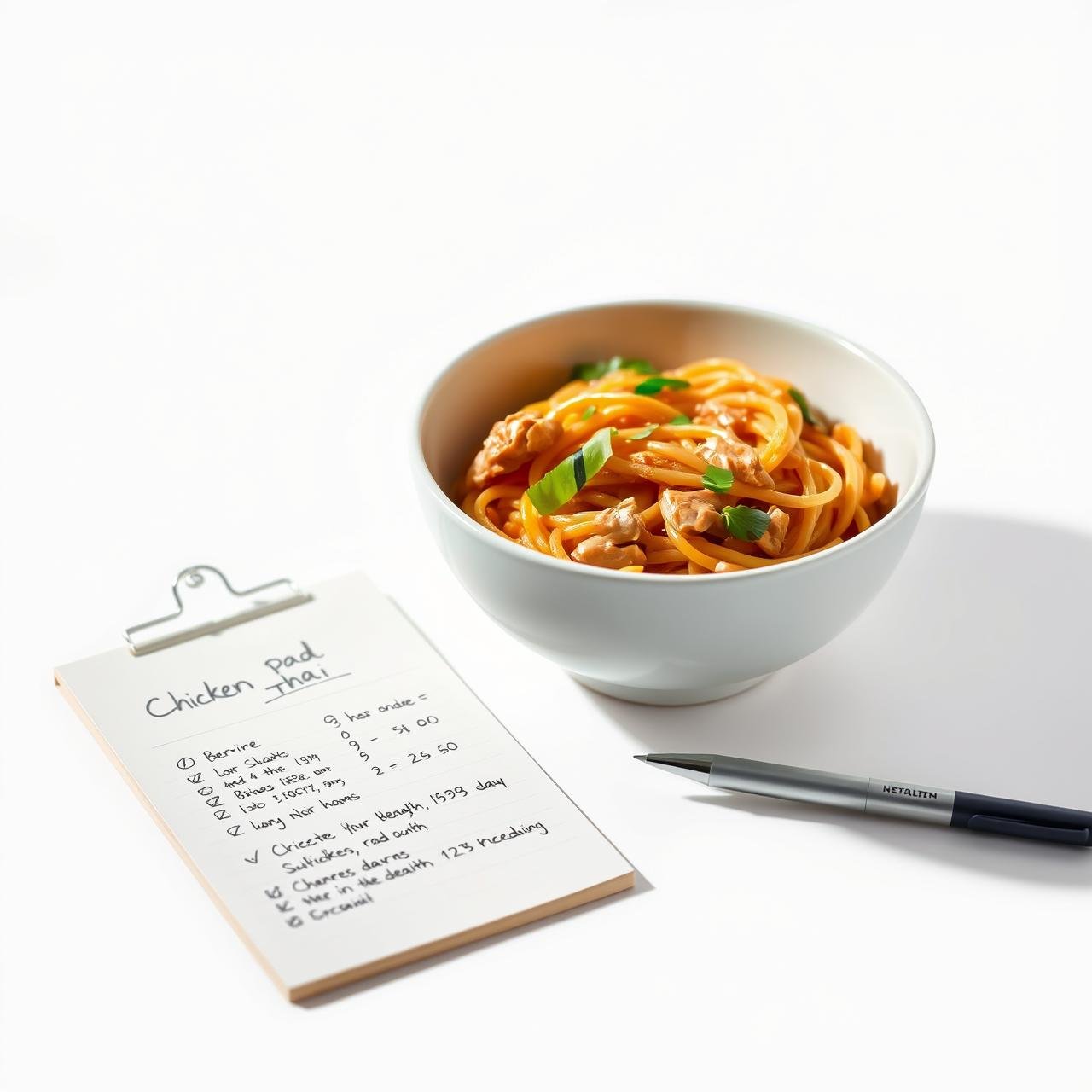
Here is an estimated nutritional breakdown for this recipe. Traditional Pad Thai can pack over 800 calories and 100g of carbs per serving. By swapping rice noodles for Miracle Noodles and using a sugar-free sweetener, we’ve created a dish that fits beautifully into a healthy, low-carb, or keto lifestyle without sacrificing flavor.
| Nutrient | Estimated Amount per Serving | Notes |
|---|---|---|
| Calories | ~380 kcal | Primarily from chicken, oil, and peanuts. |
| Net Carbohydrates | ~9g | A massive reduction from the 100g+ in a traditional version. |
| Fiber | ~4g | Miracle Noodles are a great source of soluble fiber. |
| Protein | ~45g | A very satisfying and filling meal thanks to the generous portion of chicken. |
| Fat | ~18g | Healthy fats from the peanuts and cooking oil. |
Disclaimer: Nutritional information is an estimate and can vary based on the specific brands of ingredients used.
Storing and Reheating Your Masterpiece
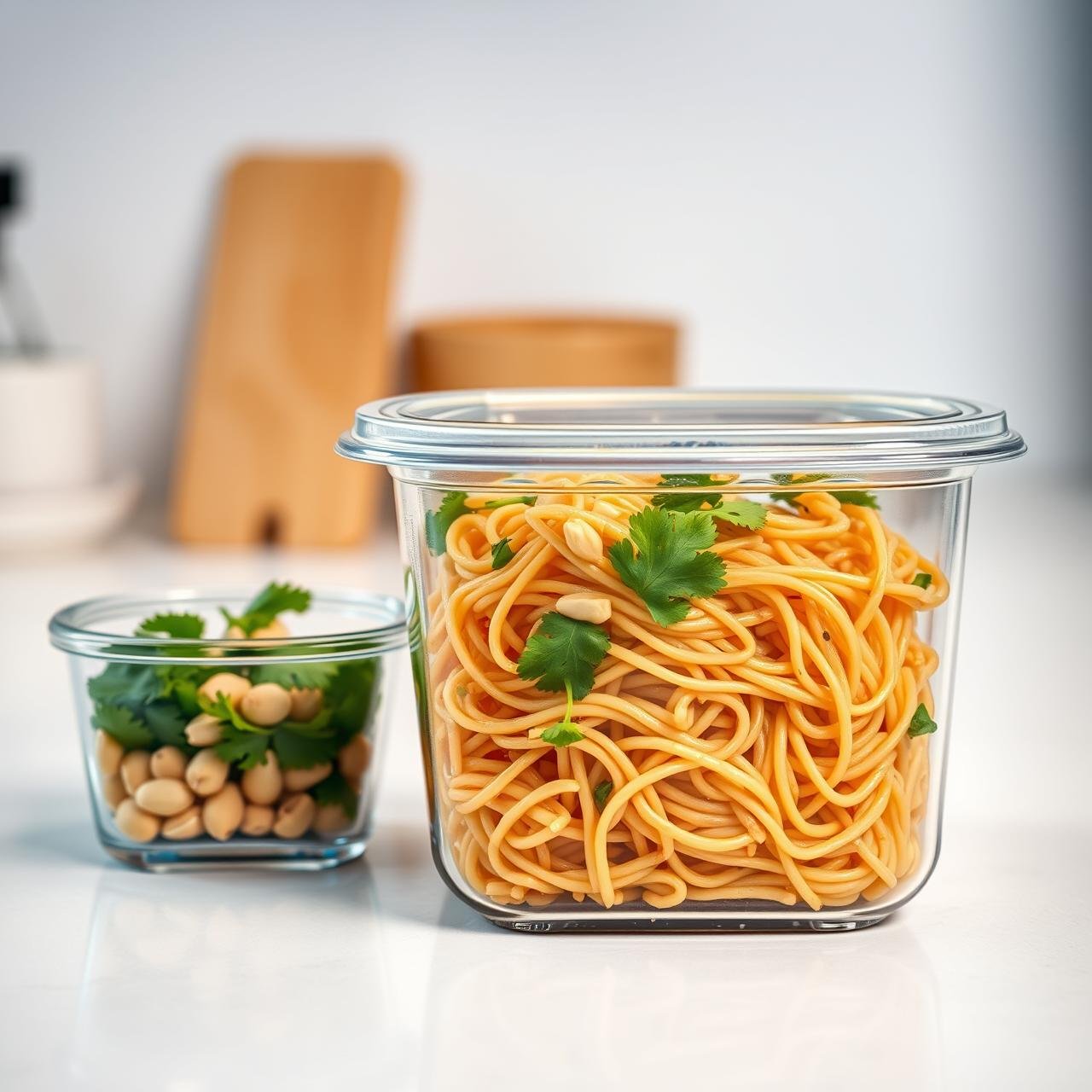
While Pad Thai is undeniably best when served fresh from the wok, leftovers can still be delicious if handled correctly. The key is to preserve the texture of the components as much as possible.
Storage
Allow the Pad Thai to cool completely to room temperature. Transfer it to an airtight container and store it in the refrigerator for up to 3 days. It’s best to store the fresh garnishes—chopped peanuts, cilantro, and extra bean sprouts—in a separate container. This keeps them from becoming soggy.
Reheating
Shirataki noodles reheat surprisingly well. Avoid the microwave if possible, as it can make the chicken tough and the bean sprouts limp. The best method is to reheat it in a skillet or wok:
- Heat a non-stick skillet over medium heat.
- Add the leftover Pad Thai to the pan. You may need to add a splash of water or chicken broth (about 1 tablespoon) to create some steam and prevent it from drying out.
- Gently toss and stir for 3-5 minutes until it’s heated through.
- Serve immediately, adding your fresh garnishes just before eating to restore that wonderful crunch and freshness.
Conclusion
Embracing a healthier way of eating should never mean sacrificing the dishes you love. This Guilt-Free Chicken Pad Thai is a testament to that philosophy. By making a few intelligent swaps—primarily welcoming Miracle Noodles into our pantry—we’ve unlocked the ability to enjoy this Thai street food classic any night of the week. The beauty of this dish lies in its harmony: the deep, tangy notes of the tamarind sauce, the savory depth of the fish sauce, the tender chicken, and the delightful textures of the crisp sprouts and crunchy peanuts. It’s a vibrant, satisfying, and deeply nourishing meal that will leave you feeling energized and proud of your culinary creation. So go ahead, grab your wok, and bring the bold flavors of Thailand into your kitchen.