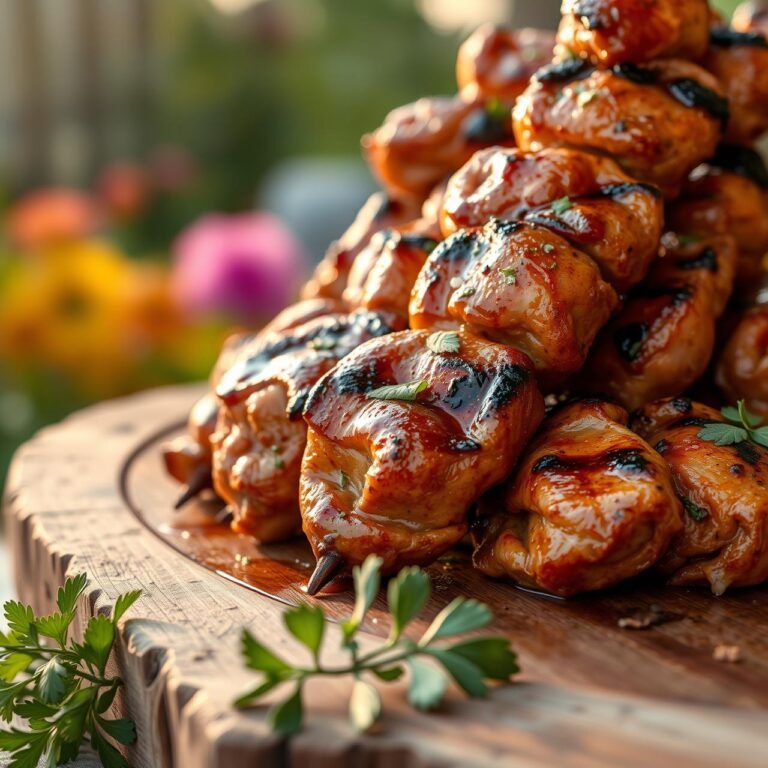
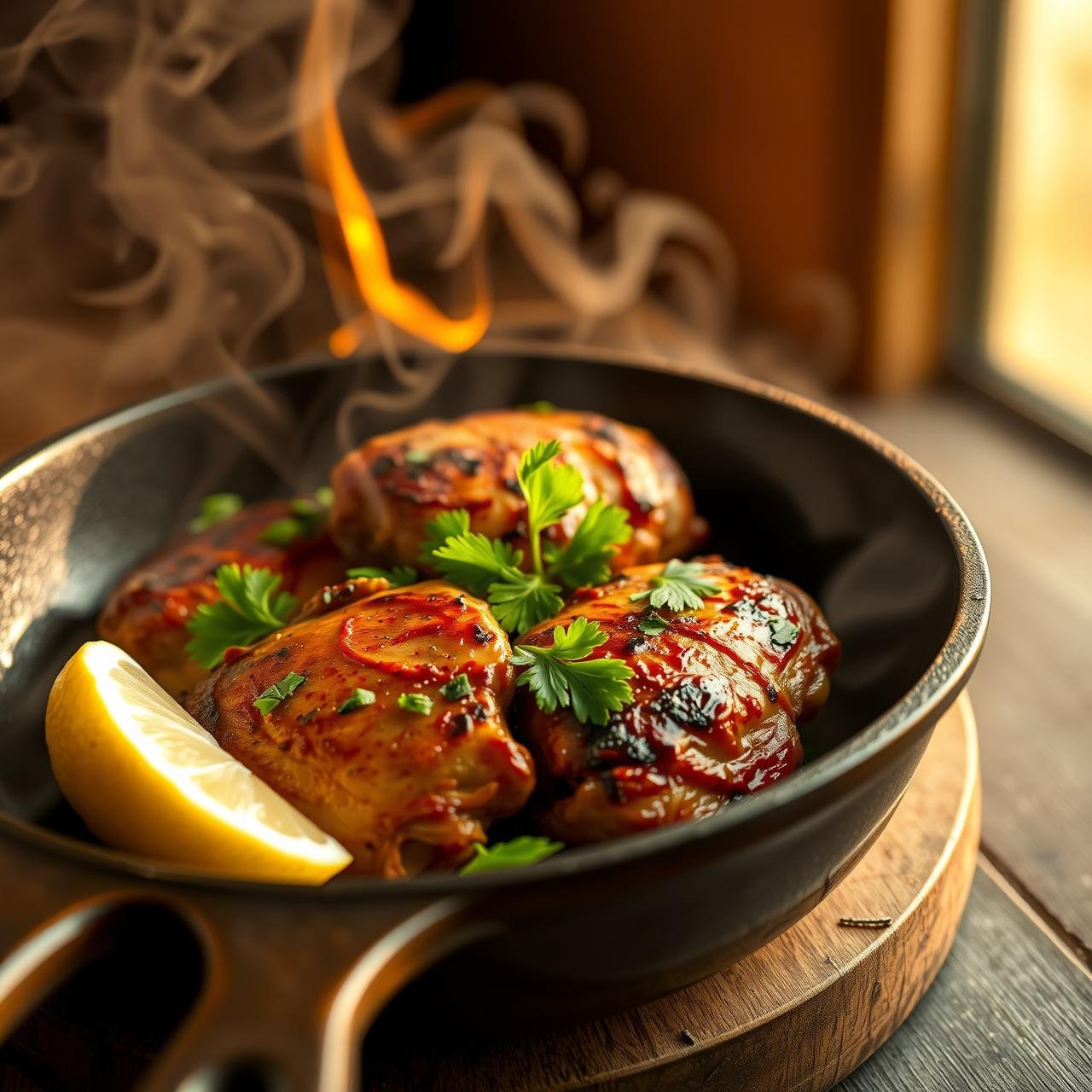
Spicy Harissa Chicken: The Metabolic Booster You Need Tonight
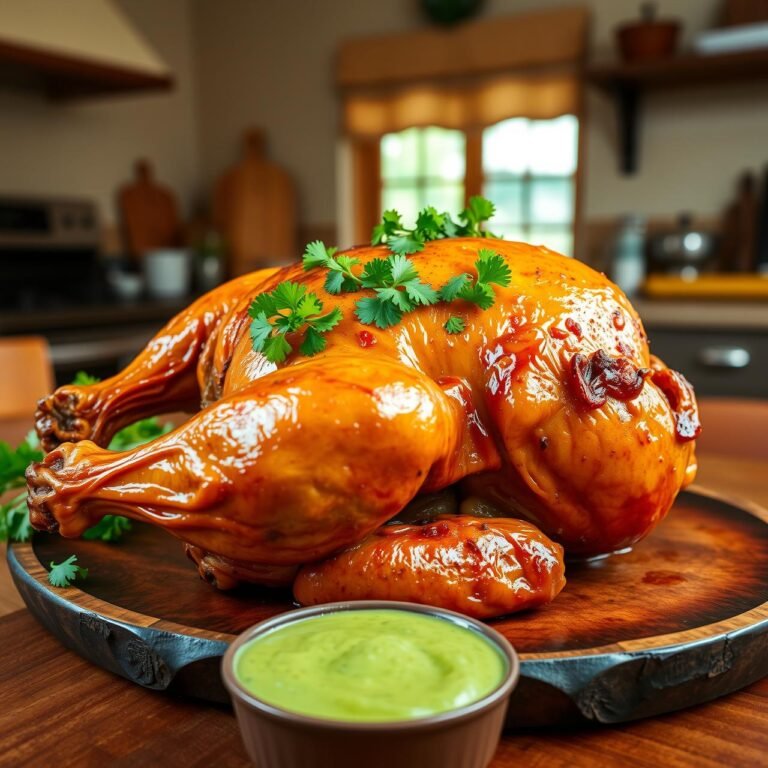
There are certain flavors that possess the power to transport you. One bite, and you’re whisked away to a bustling Moroccan souk, the air thick with the scent of spices and grilling meats. Harissa is one such flavor. This fiery, smoky, and profoundly complex chili paste is a cornerstone of North African cooking, and tonight, it’s the star of a dish that’s as nourishing as it is delicious. Welcome to our guide for Spicy Harissa Chicken, a meal that promises not just a culinary adventure, but also a gentle, warming boost to your metabolism.
In a world of bland, repetitive weeknight dinners, this recipe is a vibrant rebellion. It’s for the home cook seeking bold flavors without complicated techniques, the budget-conscious foodie who values wholesome ingredients, and anyone looking to add a little extra sizzle to their meal plan. We’ll not only walk you through crafting this succulent chicken but also delve into the magic of harissa itself and explore the science behind how a little spice can do your body good. Prepare to transform a simple chicken dinner into an unforgettable, health-conscious feast.
What is Harissa? The Soul of North African Spice
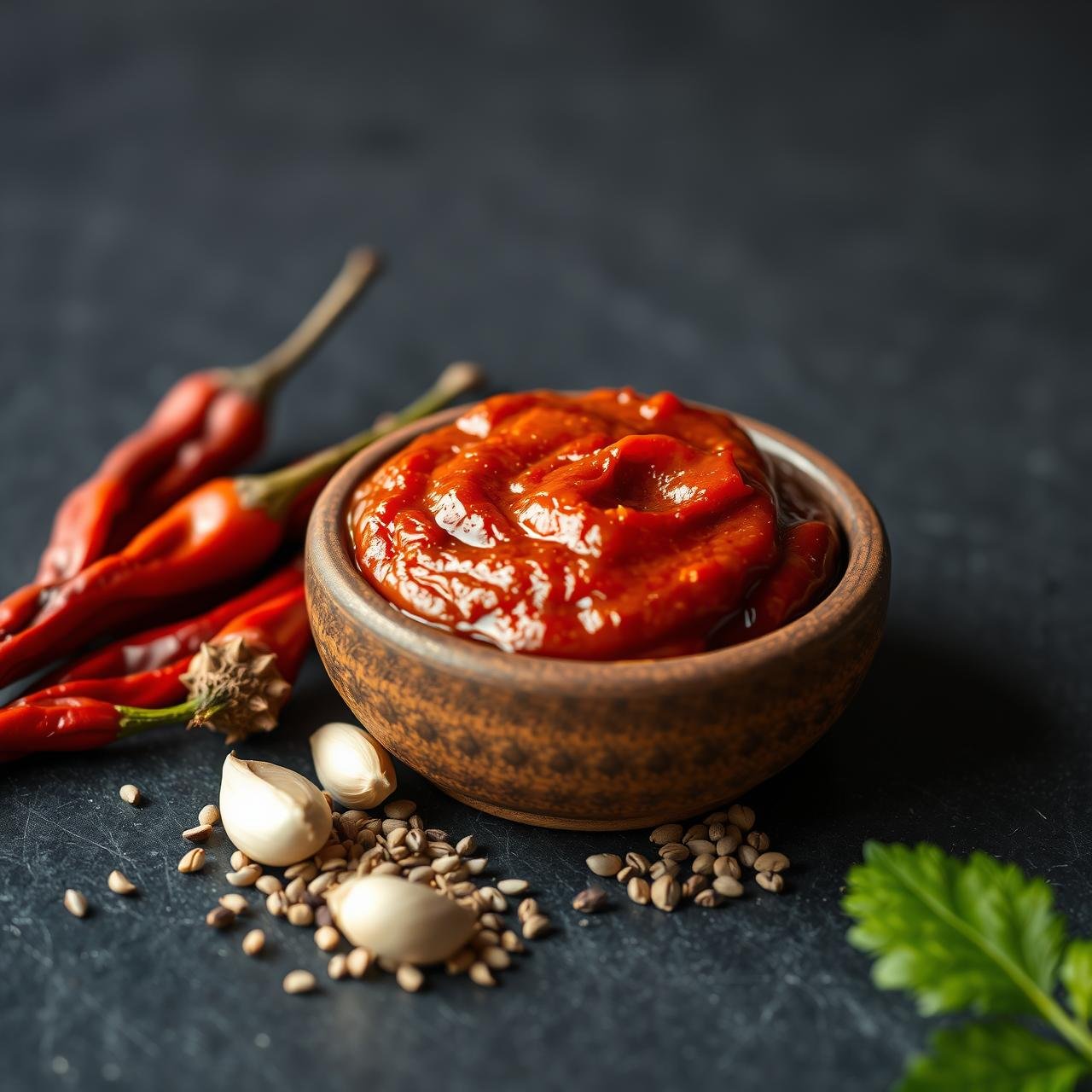
Before we turn up the heat, let’s get acquainted with our star ingredient. Harissa is a hot chili pepper paste that originated in Tunisia and is now a staple across Libya, Algeria, and Morocco. While recipes vary from family to family, its foundation typically consists of a blend of roasted red peppers, Baklouti peppers, serrano peppers, and other hot chiles, which are then pounded with spices like garlic, caraway seeds, coriander seeds, and cumin. The mixture is bound with olive oil, which helps to preserve the paste and meld its intricate flavors.
The result is a condiment that’s so much more than just ‘hot.’ It has a deep, smoky flavor from the roasted peppers, an earthy warmth from the spices, and a bright, pungent kick from the garlic. It’s this complexity that makes it incredibly versatile. A spoonful can elevate soups, stews, roasted vegetables, or, as we’ll see, serve as a spectacular marinade for chicken. You can find harissa in tubes, jars, or cans at most well-stocked grocery stores, with heat levels ranging from mild to fiery. For this recipe, choose one that suits your personal preference, but don’t be afraid to embrace the heat—it’s part of the experience.
The Science of Spice: How Harissa Can Boost Your Metabolism
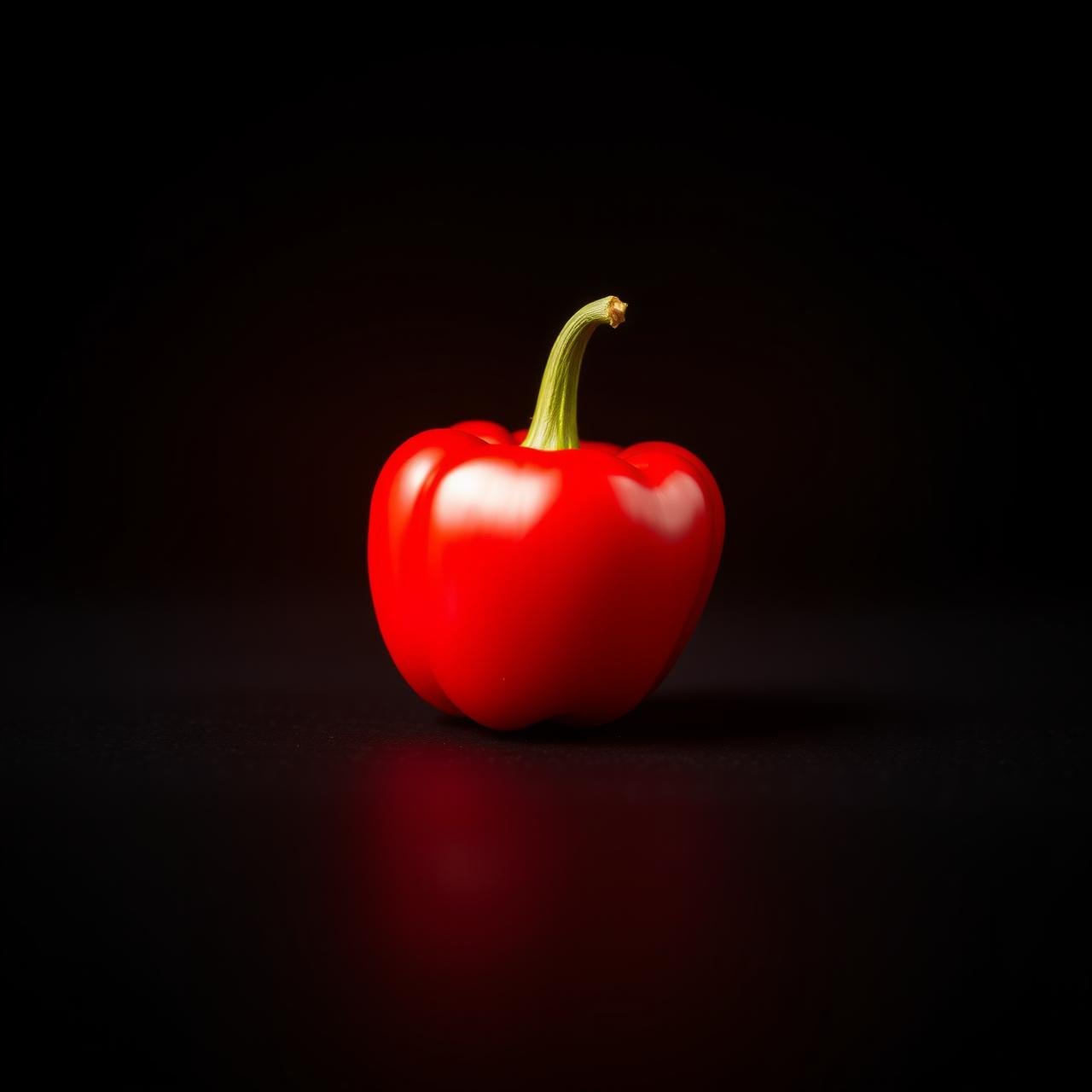
The phrase ‘metabolic booster’ is often thrown around, but what does it actually mean in the context of this dish? The secret lies in an amazing compound called capsaicin, which is the active component responsible for the spicy heat in chili peppers. When you consume capsaicin, it triggers a temporary physiological response in your body.
This process is known as diet-induced thermogenesis—essentially, your body expends energy (burns calories) to digest food. Spicy foods rich in capsaicin have been shown in various studies to slightly increase this thermogenic effect, causing a temporary spike in your metabolic rate. This means your body burns a few more calories than it otherwise would have for a short period after the meal.
Furthermore, capsaicin can also have an effect on appetite, with some research suggesting it may help increase feelings of fullness and reduce cravings. While a single spicy meal won’t cause dramatic weight loss, incorporating thermogenic foods like harissa into a balanced, healthy diet is a delicious and simple way to support your overall metabolic health. Think of it as a flavorful bonus—a little metabolic high-five for choosing a more exciting dinner.
Gather Your Arsenal: Essential Equipment
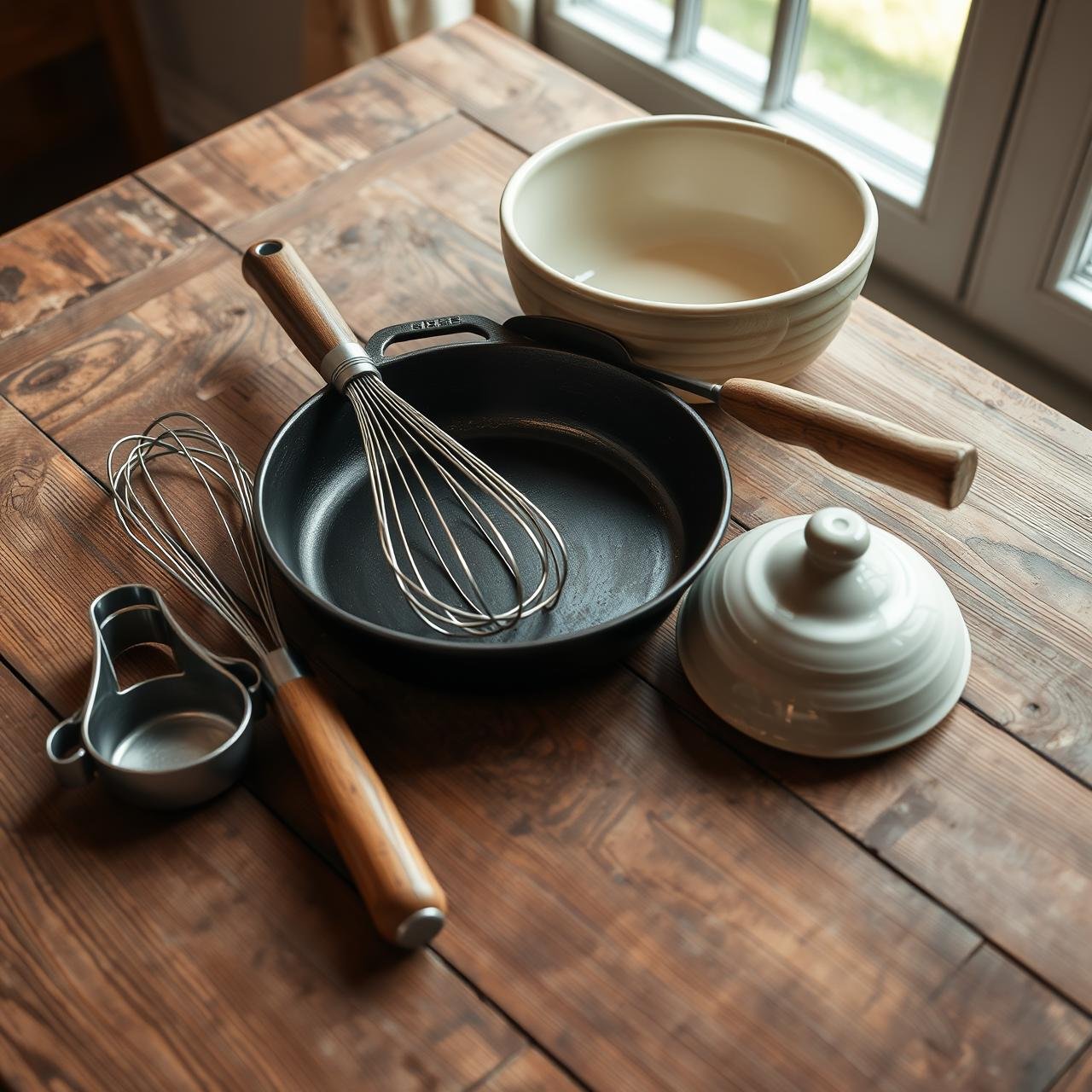
A great dish starts with the right tools. You don’t need a professional kitchen for this recipe, just a few reliable essentials that will make the process smooth and enjoyable.
| Equipment | Purpose |
|---|---|
| Large Mixing Bowl | For thoroughly combining the chicken and the marinade. |
| Whisk | To ensure the marinade ingredients are smoothly emulsified. |
| Large Skillet | A 12-inch cast-iron or heavy-bottomed stainless steel skillet is ideal for achieving a perfect sear. |
| Tongs | For safely flipping the chicken without piercing the meat. |
| Instant-Read Thermometer | The most reliable way to check for doneness without overcooking. |
| Cutting Board & Chef’s Knife | For prepping aromatics and garnishes. |
Ingredients for Fiery, Flavorful Harissa Chicken
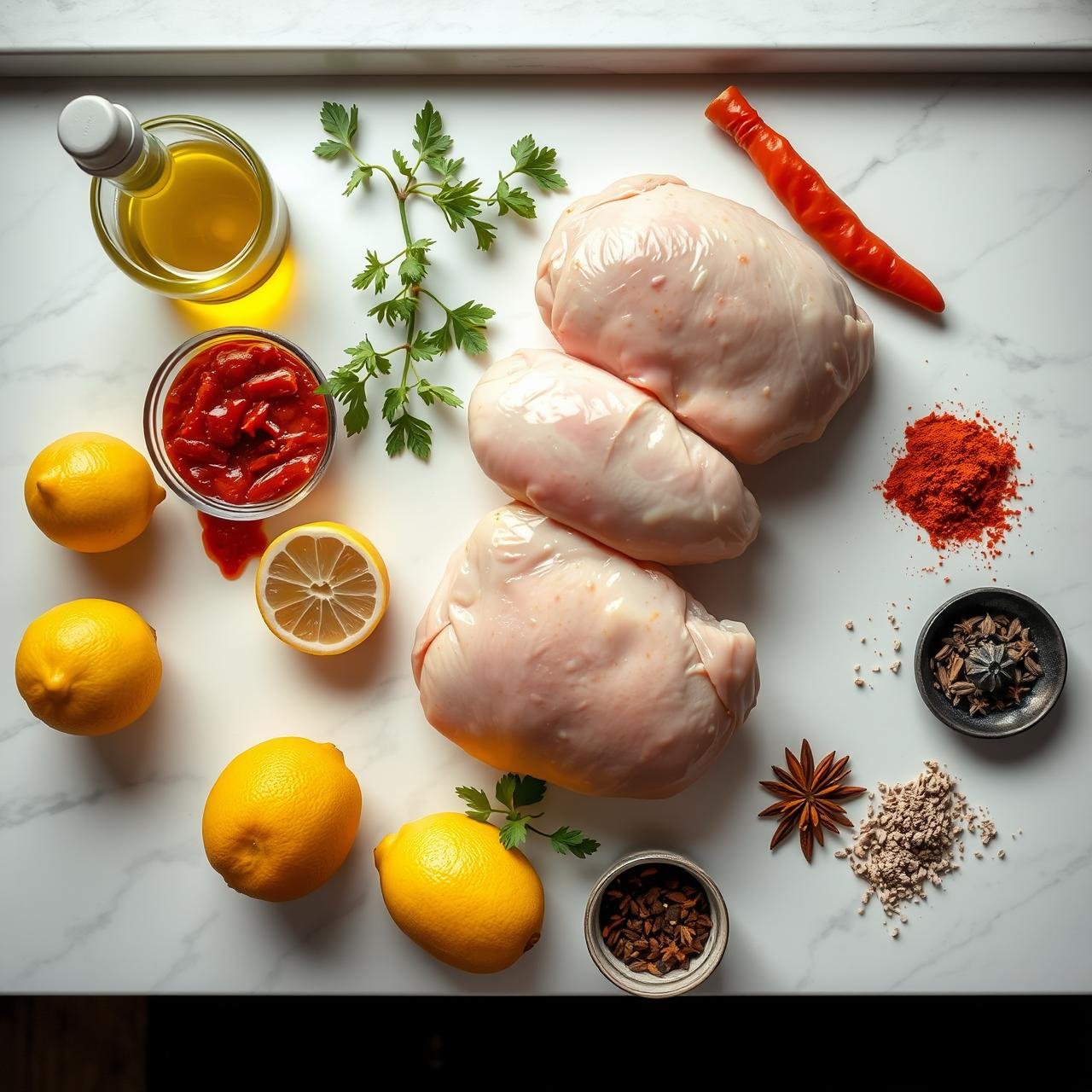
For the Chicken Marinade
- 2 lbs bone-in, skin-on chicken thighs (about 6-8 thighs)
- 1/4 cup harissa paste (use more or less depending on your spice preference)
- 3 tablespoons olive oil, plus more for searing
- 2 tablespoons lemon juice, freshly squeezed
- 4 cloves garlic, minced
- 1 teaspoon ground cumin
- 1 teaspoon smoked paprika
- 1/2 teaspoon ground coriander
- 1 teaspoon sea salt
- 1/2 teaspoon black pepper, freshly ground
For Serving & Garnish (Optional)
- 1/4 cup plain Greek yogurt or labneh
- 2 tablespoons fresh cilantro or mint, chopped
- 1 lemon, cut into wedges
- Cooked couscous, quinoa, or roasted vegetables
Step-by-Step Instructions to Culinary Perfection
- Prepare the Chicken: Pat the chicken thighs completely dry with paper towels. This step is crucial for achieving crispy skin. If time allows, let the chicken sit uncovered in the refrigerator for an hour to dry out the skin even more.
- Mix the Marinade: In a large mixing bowl, whisk together the harissa paste, olive oil, lemon juice, minced garlic, cumin, smoked paprika, coriander, salt, and pepper. Continue whisking until the marinade is smooth and well combined.
- Marinate the Chicken: Add the dry chicken thighs to the bowl with the marinade. Use your hands or tongs to ensure each piece is thoroughly coated. Cover the bowl and let it marinate in the refrigerator for at least 30 minutes. For a deeper flavor, marinate for up to 4 hours. Avoid marinating for more than 8 hours, as the lemon juice can start to break down the texture of the chicken.
- Preheat the Skillet: When you’re ready to cook, place a large cast-iron or heavy-bottomed skillet over medium-high heat. Add 1 tablespoon of olive oil. Let the skillet get hot; the oil should shimmer slightly.
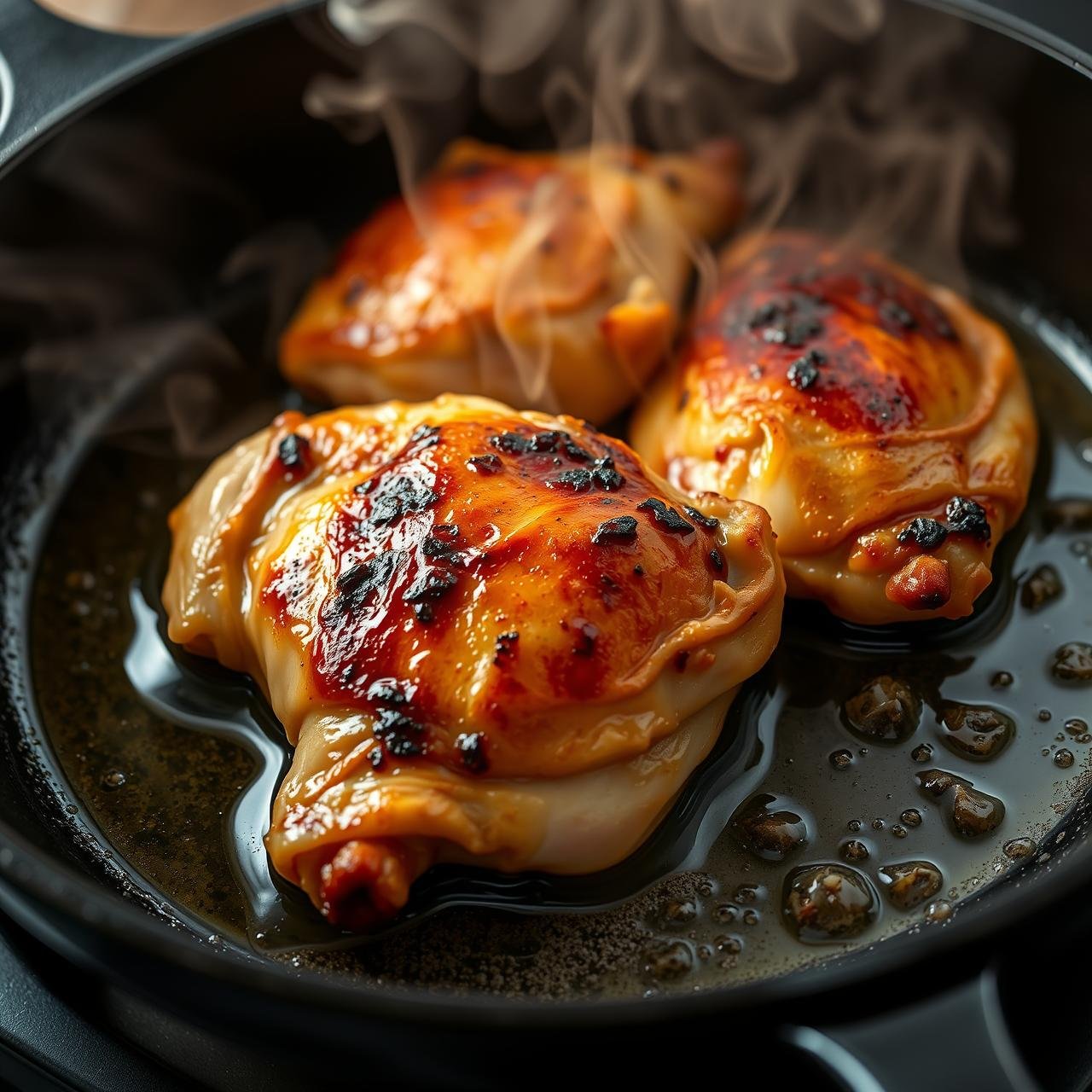
- Sear the Chicken: Carefully place the chicken thighs in the hot skillet, skin-side down. Be sure not to overcrowd the pan; cook in batches if necessary. Let the chicken sear, undisturbed, for 5-7 minutes, or until the skin is deeply golden brown and crispy.
- Flip and Finish Cooking: Using tongs, flip the chicken thighs over. Reduce the heat to medium and continue to cook for another 15-20 minutes, or until the chicken is cooked through. The most accurate way to check for doneness is with an instant-read thermometer—it should register 165°F (74°C) when inserted into the thickest part of the thigh, avoiding the bone.
- Rest the Chicken: Transfer the cooked chicken to a clean plate or cutting board. Let it rest for 5-10 minutes before serving. This allows the juices to redistribute throughout the meat, ensuring a succulent and tender result.
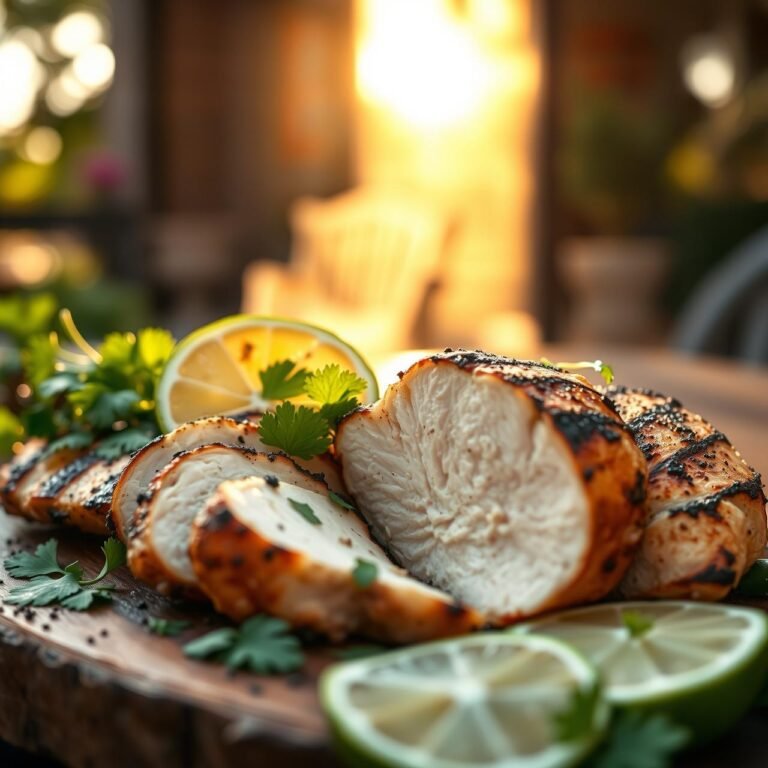
- Serve and Garnish: Serve the harissa chicken warm, drizzled with any pan juices. Top with a dollop of Greek yogurt to balance the heat, a sprinkle of fresh cilantro or mint, and a squeeze of fresh lemon juice from the wedges. It pairs beautifully with fluffy couscous or roasted root vegetables.
A Chef’s Secrets: Tips for the Best Harissa Chicken
Choosing Your Harissa
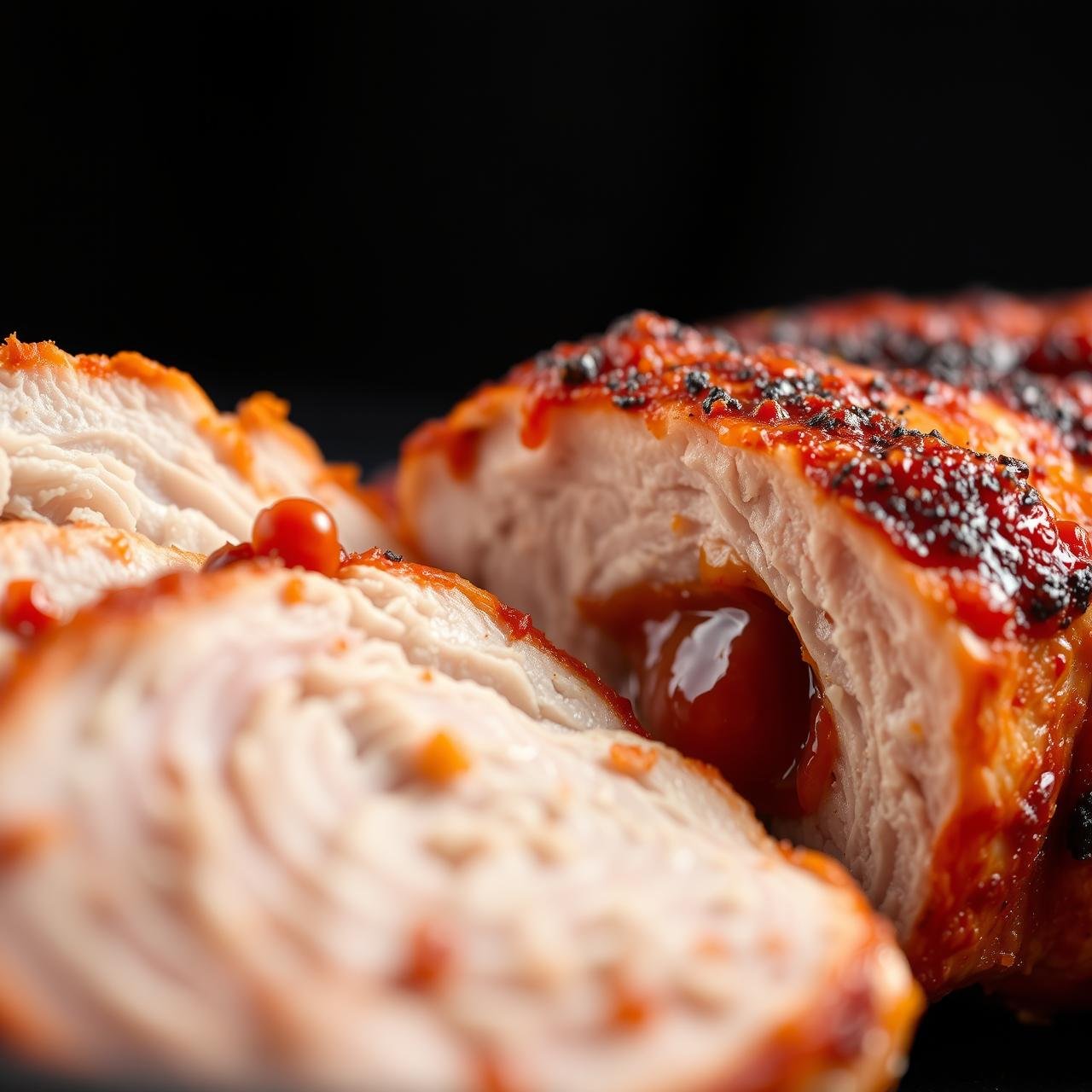
The world of harissa is vast. Some brands are intensely spicy, while others are milder and smokier. Don’t be afraid to experiment. A rose harissa can add a subtle floral note, while a chunkier, more rustic paste provides great texture. Read the label and start with a smaller amount if you’re unsure of the heat level—you can always add more.
Mastering the Sear
The key to incredible flavor and texture is a perfect sear. Three rules are paramount: 1. Dry Chicken: Moisture is the enemy of crispiness. Pat it dry. 2. Hot Pan: Don’t add the chicken until your pan and oil are properly preheated. 3. Don’t Move It: Once you place the chicken skin-side down, resist the urge to move it around. Let it sit and form that beautiful, caramelized crust.
Don’t Rush the Marinade
While 30 minutes will give you a delicious result, allowing the chicken to marinate for a few hours lets the flavors penetrate deeper into the meat. The salt in the marinade also acts as a brine, helping to keep the chicken exceptionally juicy and tender during cooking.
Serving Suggestions for a Complete Meal
This chicken is a fantastic centerpiece. To make it a full meal, serve it over a bed of fluffy pearl couscous with toasted almonds and dried apricots. A simple side of roasted broccoli or carrots tossed in a little olive oil and salt complements the spicy chicken perfectly. The cooling Greek yogurt is not just a garnish; it’s an essential counterpoint to the heat, so don’t skip it!
Nutritional Profile: A Healthy Indulgence
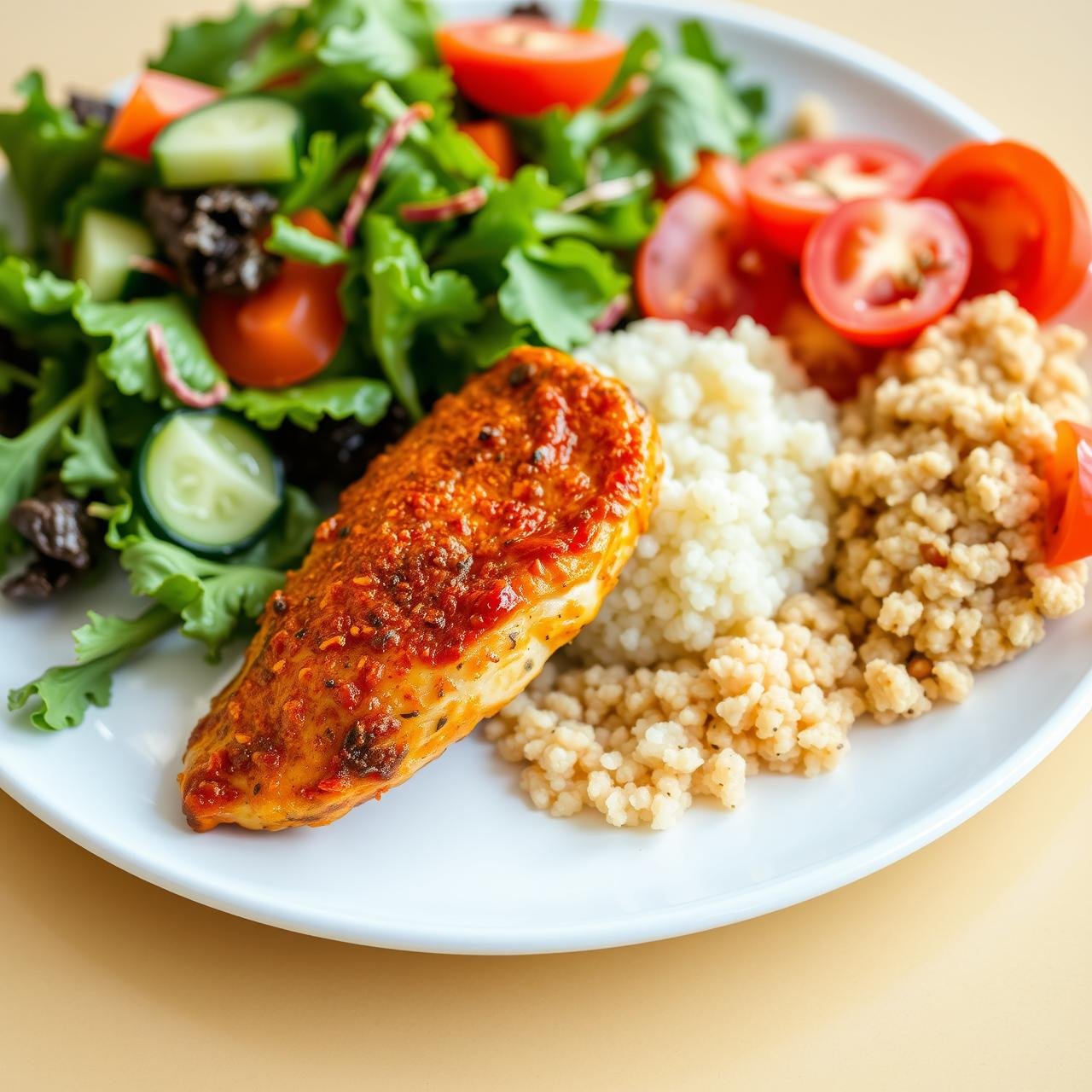
This dish is a powerhouse of protein and flavor, fitting beautifully into a healthy, balanced diet. The following is an estimated nutritional profile per serving (assuming the recipe serves 4).
| Nutrient | Amount (Approximate) |
|---|---|
| Calories | 450 kcal |
| Protein | 38 g |
| Fat | 30 g |
| Saturated Fat | 8 g |
| Carbohydrates | 5 g |
| Sugar | 2 g |
| Sodium | 750 mg |
Disclaimer: Nutritional information is an estimate and can vary based on the specific ingredients and portion sizes used.
Storage and Reheating
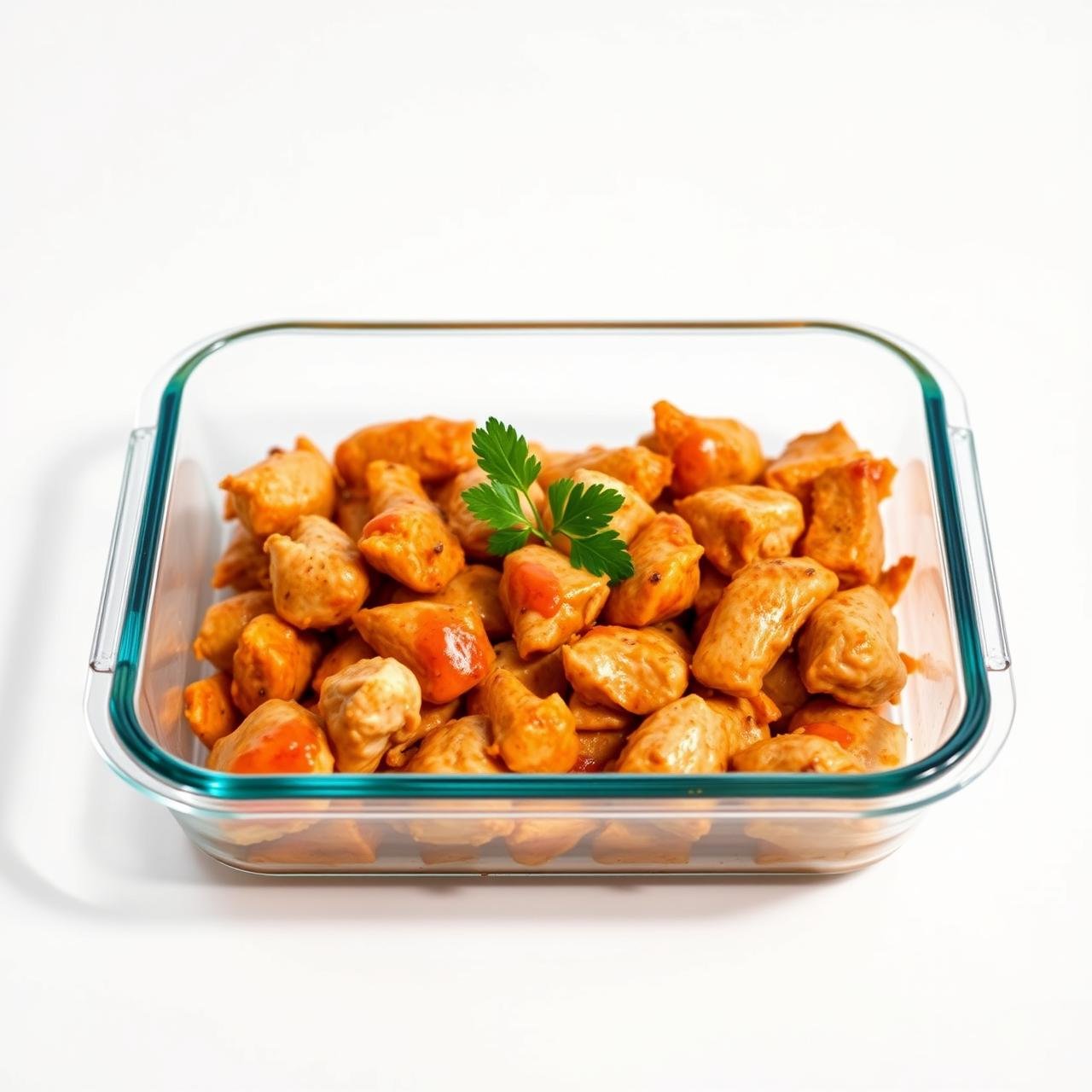
Leftover harissa chicken is fantastic for meal prep, salads, or sandwiches the next day. Here’s how to store it properly to maintain its flavor and texture.
Refrigeration
Allow the chicken to cool completely to room temperature. Store it in an airtight container in the refrigerator for up to 3-4 days. Storing it with any pan juices will help keep it moist.
Reheating
While you can use a microwave in a pinch, it can make the skin rubbery. For the best results, reheat the chicken in a skillet over medium heat for a few minutes on each side until warmed through. Alternatively, you can place it on a baking sheet in an oven preheated to 350°F (175°C) for about 10-15 minutes, which will help re-crisp the skin.
Conclusion
Spicy Harissa Chicken is more than just a recipe; it’s an invitation to explore bold new flavors and embrace the joy of wholesome, rustic cooking. It proves that a budget-friendly, easy-to-make meal can be incredibly exciting and satisfying. With its fiery kick, smoky depth, and tender, juicy texture, it’s destined to become a new favorite in your dinner rotation. Plus, the satisfying warmth and gentle metabolic boost are a welcome bonus. So, the next time you’re wondering what to make for dinner, reach for that jar of harissa and prepare for a meal that truly nourishes from the inside out.