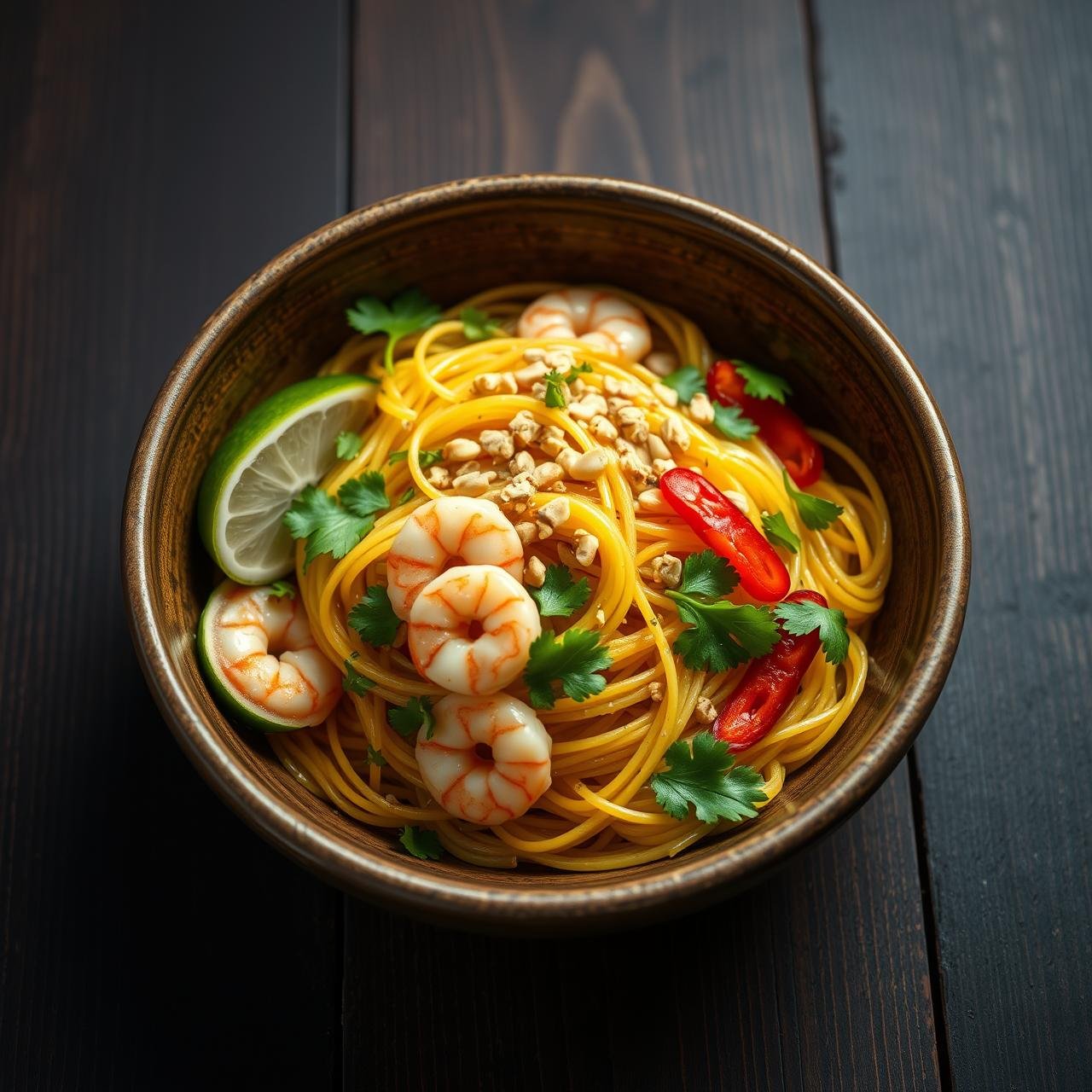
Ditch the Noodles: Spaghetti Squash Pad Thai That Kills Takeout Cravings
There’s a universal comfort in the familiar weight of a takeout container, the steam that escapes, carrying the unmistakable aroma of tamarind, peanuts, and lime. For many, Pad Thai is the undisputed king of Thai takeout—a perfect symphony of sweet, sour, salty, and spicy. But with that comfort often comes a carb-heavy, sugar-laden reality that doesn’t always align with a clean, health-conscious lifestyle. What if you could capture that soul-satisfying flavor, that delightful texture, and that vibrant energy in a dish that nourishes you from the inside out?
Enter the humble, yet miraculous, spaghetti squash. This golden gourd is nature’s answer to pasta, offering tender, thread-like strands that are the perfect vessel for flavor. In this recipe, we’re ditching the rice noodles and embracing the wholesome goodness of squash to create a Pad Thai that not only rivals your favorite local spot but elevates it. We’ll build a sauce from scratch, balancing the tangy punch of tamarind with the umami depth of fish sauce and a touch of natural sweetness. We’ll stir-fry crisp vegetables and succulent protein, bringing everything together in a whirlwind of flavor that is both deeply satisfying and refreshingly light. Prepare to transform your kitchen into your new favorite Thai restaurant; this is the Pad Thai you can feel incredible about eating any night of the week.
Why This Spaghetti Squash Pad Thai Will Become Your New Obsession
Before we dive into the nitty-gritty of roasting and stir-frying, let’s talk about why this recipe is a true game-changer for home cooks, health enthusiasts, and foodies alike.
- Incredibly Flavorful: We are not compromising on taste. The homemade sauce is the star, boasting an authentic, complex flavor profile that hits all the right notes—tangy, sweet, savory, and as spicy as you like it. It clings beautifully to every strand of spaghetti squash.
- Nutrient-Packed & Guilt-Free: By swapping rice noodles for spaghetti squash, you’re slashing the carbs and calories while loading up on fiber, vitamins, and minerals. It’s a dish that’s both light and satisfying, perfect for a healthy lifestyle.
- Naturally Gluten-Free: This recipe is inherently gluten-free, making it an excellent choice for those with celiac disease or gluten sensitivities. Just be sure to use gluten-free tamari or coconut aminos.
- Budget-Friendly Takeout: A single spaghetti squash can yield a generous amount of ‘noodles’, making this a cost-effective way to feed a family. You get all the flavor of expensive takeout for a fraction of the price.
- Completely Customizable: This recipe is a fantastic template. Not a fan of shrimp? Use chicken, tofu, or extra veggies. Want more heat? Add more chili. You are the chef, and you can tailor it perfectly to your palate.
Essential Kitchen Equipment
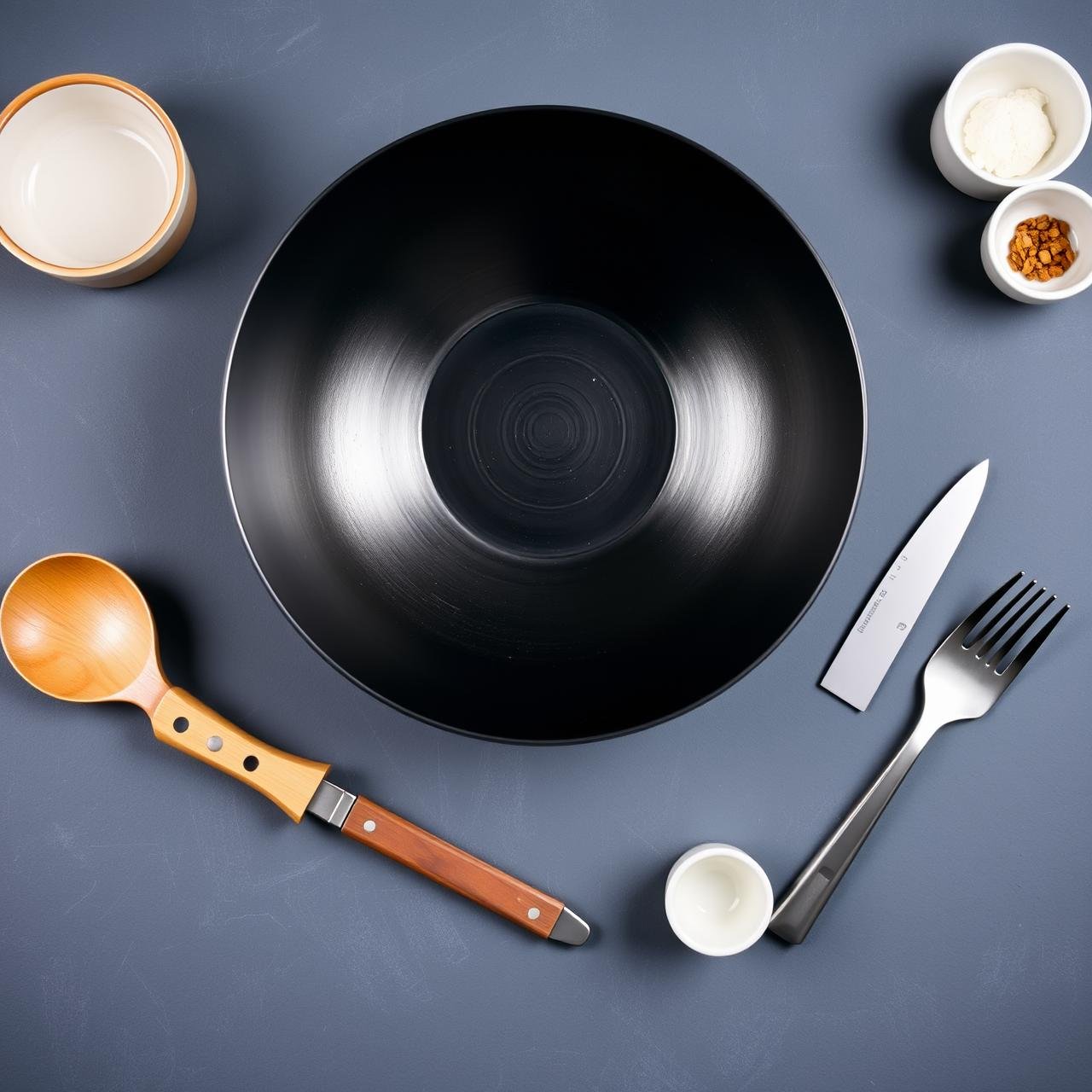
You don’t need a professional kitchen to whip up this dish. Here are the basic tools that will make the process smooth and enjoyable.
| Tool | Purpose |
|---|---|
| Large Baking Sheet | For roasting the spaghetti squash to tender perfection. |
| Sharp Chef’s Knife | Crucial for safely cutting the tough spaghetti squash in half. |
| Large Skillet or Wok | Provides ample space for stir-frying the ingredients without overcrowding the pan. |
| Small Bowl or Jar | For whisking together the Pad Thai sauce ingredients. |
| Fork | The best tool for scraping the squash into noodle-like strands. |
| Measuring Cups & Spoons | For accurately measuring the sauce components to achieve the perfect flavor balance. |
The Symphony of Flavors: Ingredients You’ll Need
A great Pad Thai is all about the quality and balance of its ingredients. Here’s your shopping list, broken down for clarity.
For the Spaghetti Squash Base:
- 1 medium spaghetti squash (about 3-4 pounds): This will serve as our delicious, low-carb noodle base.
- 1 tablespoon of avocado oil or olive oil: For roasting the squash.
- Pinch of salt and black pepper: To season the squash from the start.
For the Authentic Pad Thai Sauce:
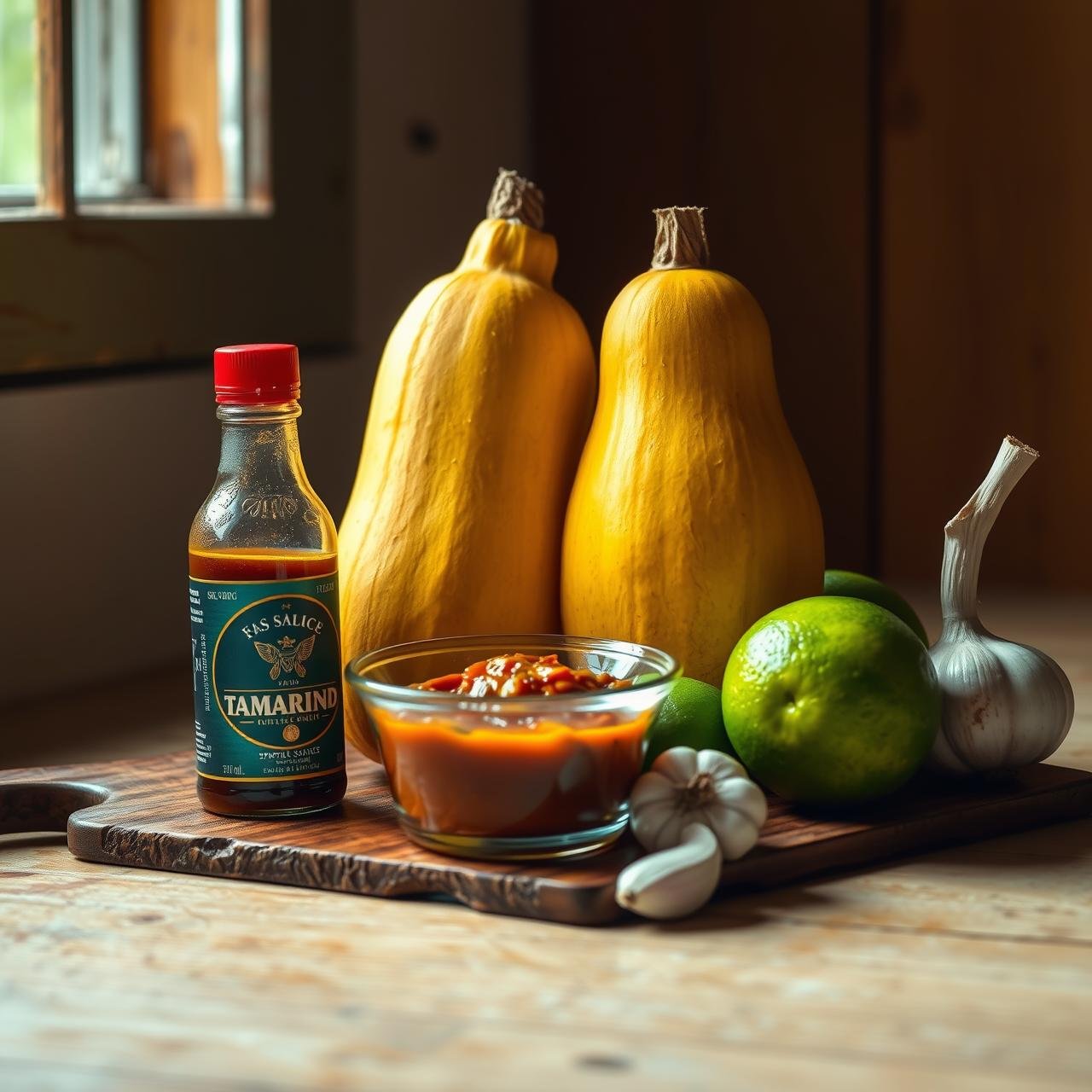
- 3 tablespoons tamarind concentrate/paste: This is the soul of Pad Thai, providing its signature tangy, sour flavor. Look for a paste without added sugar.
- 3 tablespoons fish sauce: The source of salty, umami depth. Red Boat is a fantastic brand.
- 1-2 tablespoons coconut sugar or maple syrup: For a touch of clean, rustic sweetness to balance the tamarind. Adjust to your taste.
- 1 tablespoon rice vinegar: Adds a bright, acidic note.
- 1-2 teaspoons sriracha or chili garlic sauce: For heat! Start with less and add more if you like it spicy.
- 2 tablespoons water: To thin the sauce to the perfect consistency.
For the Stir-Fry:
- 1 tablespoon coconut oil or avocado oil: For stir-frying.
- 3 cloves garlic, minced: An aromatic essential.
- 1 shallot, thinly sliced: Milder and sweeter than an onion, it’s perfect here.
- 1 pound raw shrimp, peeled and deveined: You can also substitute with 1 cup of cubed firm tofu or thinly sliced chicken breast.
- 1 red bell pepper, thinly sliced: For color, sweetness, and a lovely crunch.
- 2 large eggs, lightly beaten: A classic Pad Thai component.
- 2 cups fresh bean sprouts: Adds a wonderful, fresh crunch.
- 4 green onions, chopped, white and green parts separated: For a mild oniony bite.
- 1/2 cup fresh cilantro, chopped: For a burst of fresh, herbal flavor.
For Garnish (Don’t Skip These!):
- 1/2 cup roasted peanuts, roughly chopped: For essential crunch and nutty flavor.
- Lime wedges: A fresh squeeze of lime at the end brightens everything up.
- Extra cilantro and sliced red chili: For those who want more freshness and heat.
Mastering the Method: A Step-by-Step Guide
Follow these steps closely for a flawless, flavor-packed meal. The process can be broken down into three main stages: preparing the squash, making the sauce, and the final stir-fry.
Part 1: Roasting the Spaghetti Squash
- Preheat and Prep: Preheat your oven to 400°F (200°C). Line a large baking sheet with parchment paper.
- Cut the Squash: This is the hardest part! Carefully, using a large, sharp knife, slice the spaghetti squash in half lengthwise from stem to end. Use a spoon to scoop out the seeds and stringy pulp from the center of each half.
- Season and Roast: Drizzle the cut sides of the squash with 1 tablespoon of avocado oil and season with a pinch of salt and pepper. Place the halves cut-side down on the prepared baking sheet.
- Bake to Perfection: Roast for 30-40 minutes, or until the squash is tender enough that you can easily pierce the skin with a fork. The time will vary depending on the size of your squash.
- Create the ‘Noodles’: Remove the squash from the oven and let it cool for a few minutes until it’s safe to handle. Using a fork, gently scrape the flesh of the squash from the inside. It will naturally separate into beautiful, spaghetti-like strands. Set aside. You should have about 4-5 cups of squash noodles.
Part 2: Whisking the Perfect Sauce
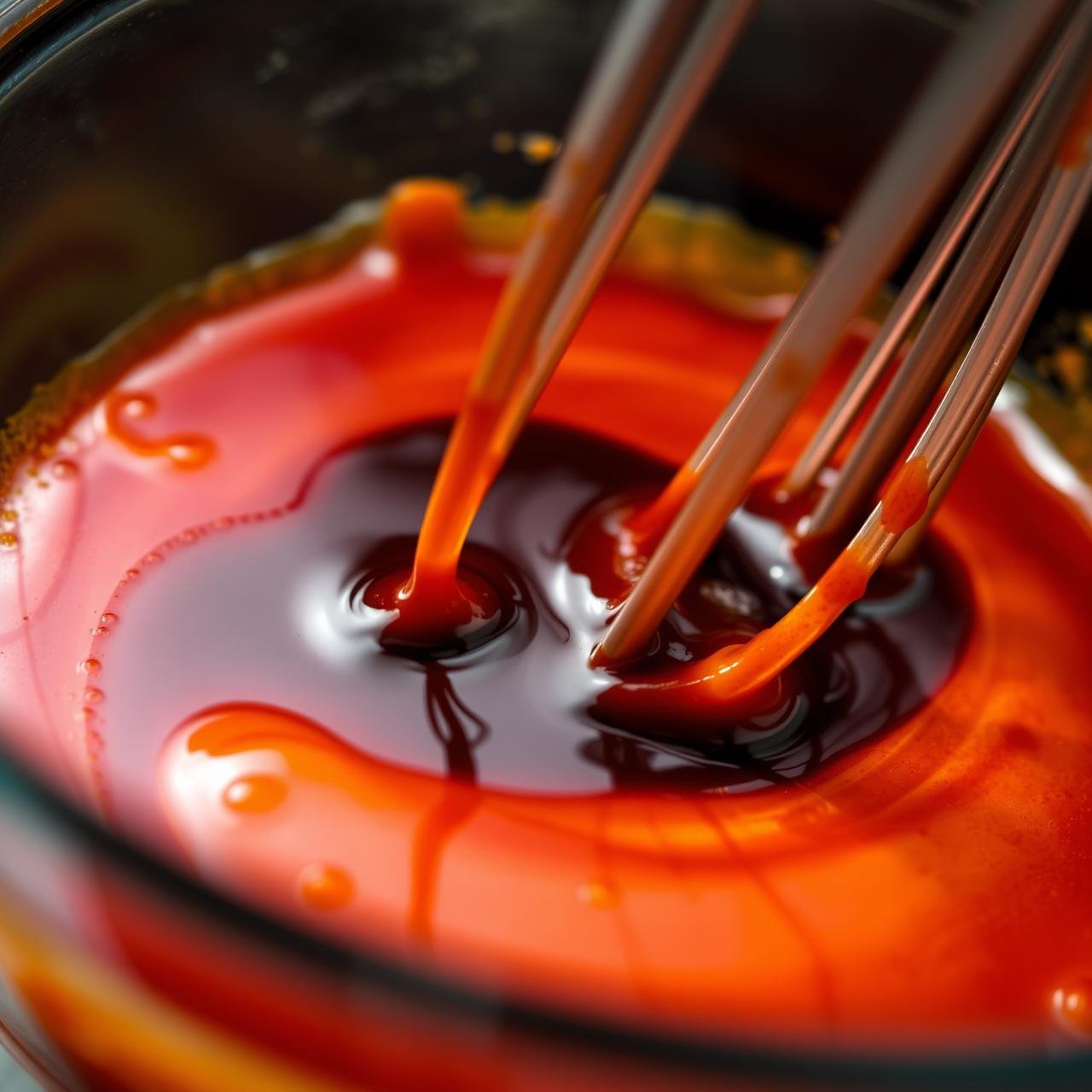
- Combine Ingredients: While the squash is roasting, prepare your sauce. In a small bowl or a mason jar, combine the tamarind concentrate, fish sauce, coconut sugar (or maple syrup), rice vinegar, sriracha, and water.
- Whisk or Shake: Whisk vigorously until the sugar is dissolved and all the ingredients are fully combined into a smooth, cohesive sauce. Taste and adjust if necessary. Does it need more sweetness? A little more spice? Now is the time to perfect it.
Part 3: Bringing It All Together
- Sauté Aromatics: Heat 1 tablespoon of coconut oil in a large wok or skillet over medium-high heat. Add the minced garlic and sliced shallot and sauté for about 30 seconds until fragrant.
- Cook the Protein: Add the shrimp (or chicken/tofu) to the skillet. Cook, stirring occasionally, until the shrimp is pink and opaque, about 2-3 minutes. If using chicken, cook until no longer pink. For tofu, cook until golden brown. Remove the protein from the skillet and set it aside.
- Scramble the Eggs: Push the aromatics to one side of the skillet. Pour the beaten eggs into the empty side. Scramble them with your spatula until they are just cooked through, then break them into smaller pieces and mix with the shallots and garlic.
- Add Veggies and Squash: Add the sliced red bell pepper and the white parts of the green onions to the skillet. Stir-fry for 1-2 minutes until slightly softened but still crisp. Add the cooked spaghetti squash strands to the wok.
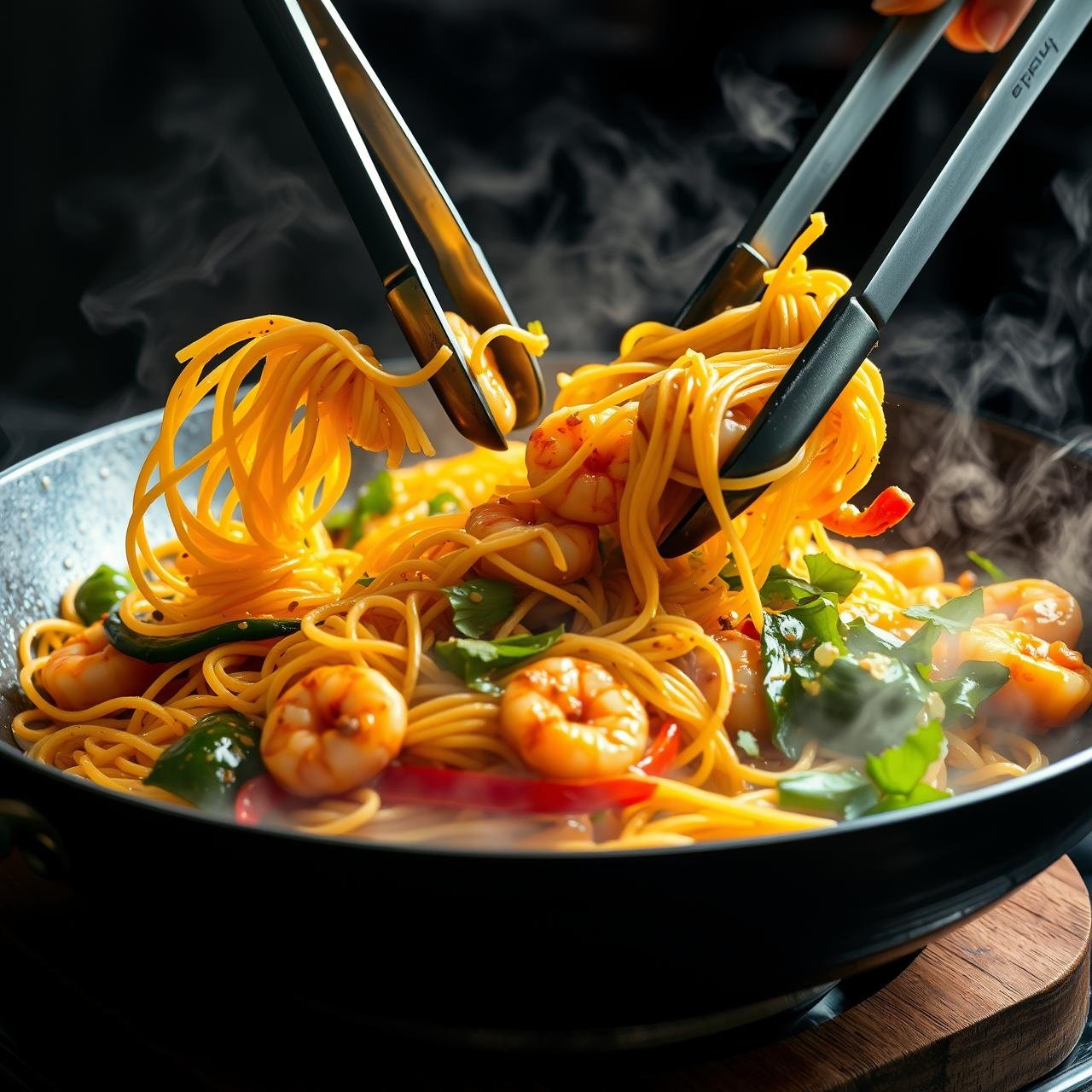
- Sauce and Combine: Pour the prepared Pad Thai sauce over everything in the skillet. Gently toss everything together using tongs, ensuring every strand of squash is coated in the delicious sauce. Allow it to cook for 2-3 minutes so the squash can absorb the flavor.
- Final Touches: Return the cooked shrimp (or other protein) to the skillet. Add the bean sprouts, the green parts of the green onions, and half of the chopped cilantro. Toss for another 30 seconds just to warm everything through—you want the bean sprouts to remain crunchy.
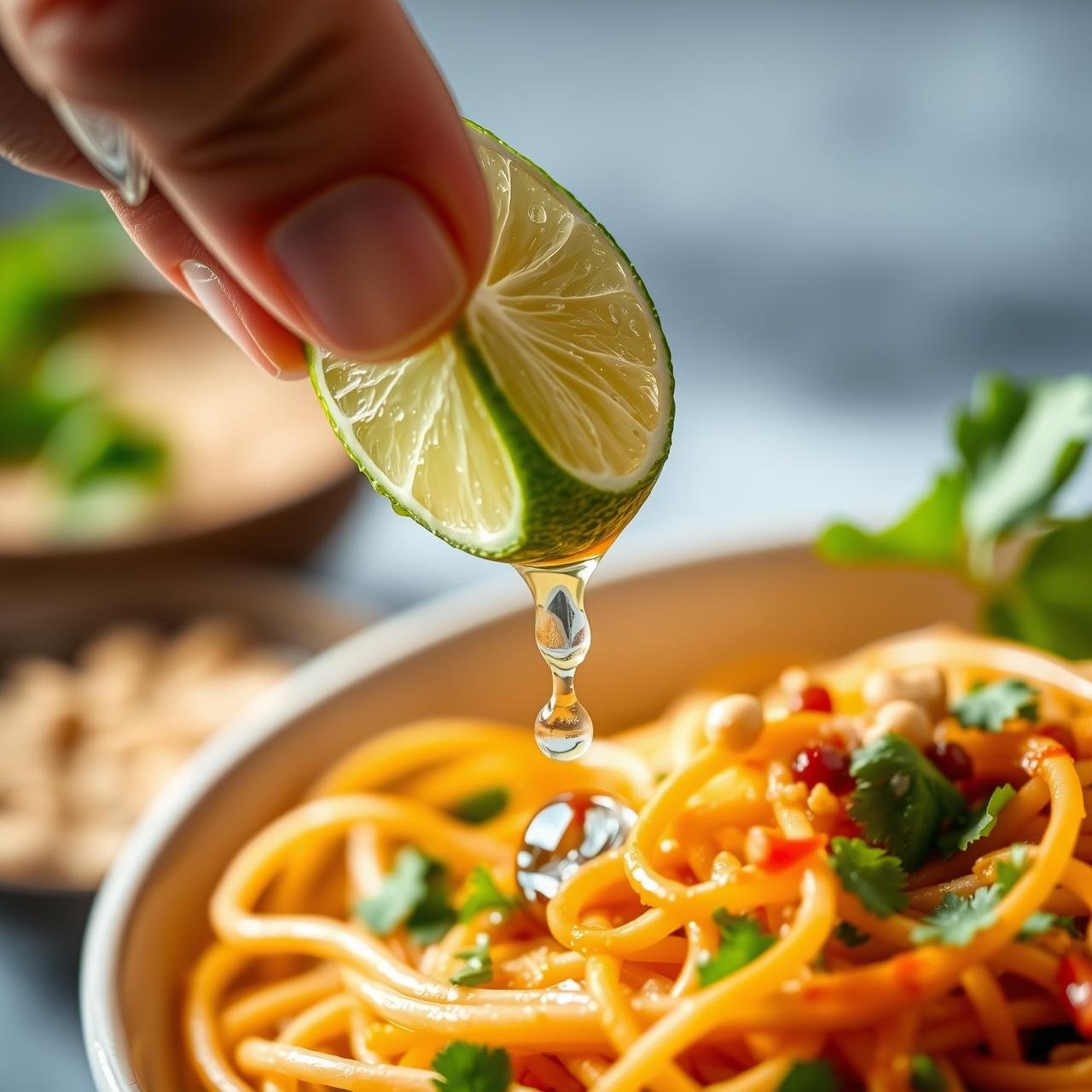
- Serve Immediately: Divide the Spaghetti Squash Pad Thai among serving bowls. Garnish generously with the chopped peanuts, extra cilantro, and a fresh lime wedge on the side for squeezing.
Chef’s Secrets for Pad Thai Perfection
Don’t Overcook the Squash
The biggest secret to great spaghetti squash ‘noodles’ is texture. You want them to be al dente, not mushy. It’s better to slightly under-roast the squash, as it will cook a little more in the skillet with the sauce. Mushy squash will result in a watery Pad Thai.
The Art of the ‘Mise en Place’
Stir-frying is a fast process. Have all your ingredients—chopped veggies, measured sauce, prepared protein—ready and waiting by your stove before you even turn on the heat. This French culinary term, meaning ‘everything in its place,’ is the key to a stress-free stir-fry experience.
Don’t Drown Your Noodles
It might be tempting to add all the sauce at once, but it’s best to add about three-quarters of it first, toss everything, and then add more only if needed. Spaghetti squash releases some water as it cooks, and you don’t want a soupy result. The sauce should coat the strands, not pool at the bottom of the pan.
Taste and Adjust
The recipe for the sauce is a fantastic starting point, but palates vary. Before you serve, take a bite. Does it need a squeeze of lime for more brightness? A pinch more coconut sugar for sweetness? A dash more fish sauce for saltiness? Trust your taste buds and make those final adjustments to create your perfect Pad Thai.
Nutritional Profile: A Guilt-Free Indulgence
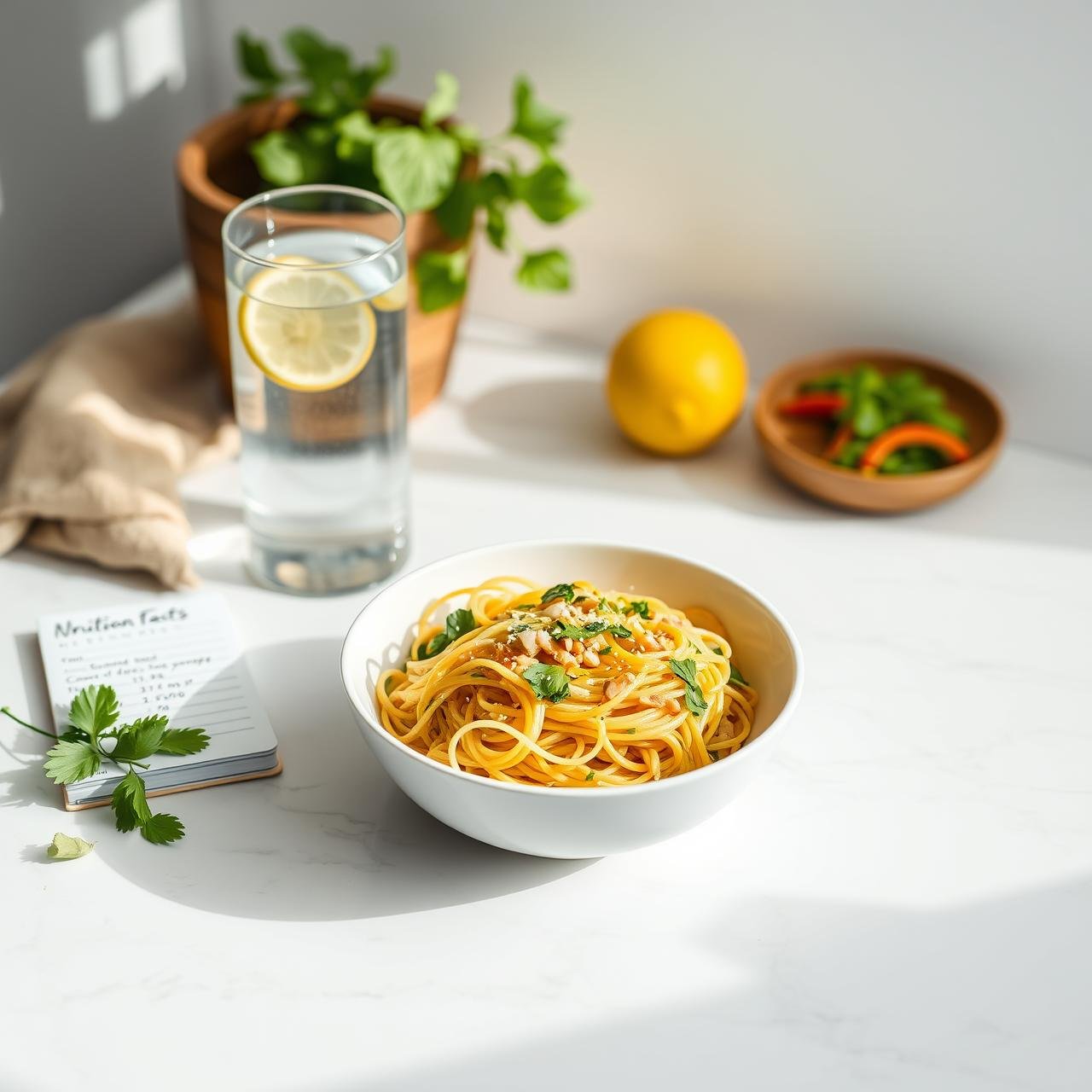
This table provides an estimated nutritional breakdown per serving, assuming the recipe serves four. Please note that these values are approximate and can vary based on specific ingredients used (e.g., type of protein, brand of fish sauce).
| Nutrient | Amount Per Serving |
|---|---|
| Calories | approx. 410 kcal |
| Protein | 28 g |
| Fat | 18 g |
| Carbohydrates | 35 g |
| Fiber | 8 g |
| Net Carbs | 27 g |
| Sugar | 15 g |
| Sodium | 950 mg |
Storing and Reheating Your Creation
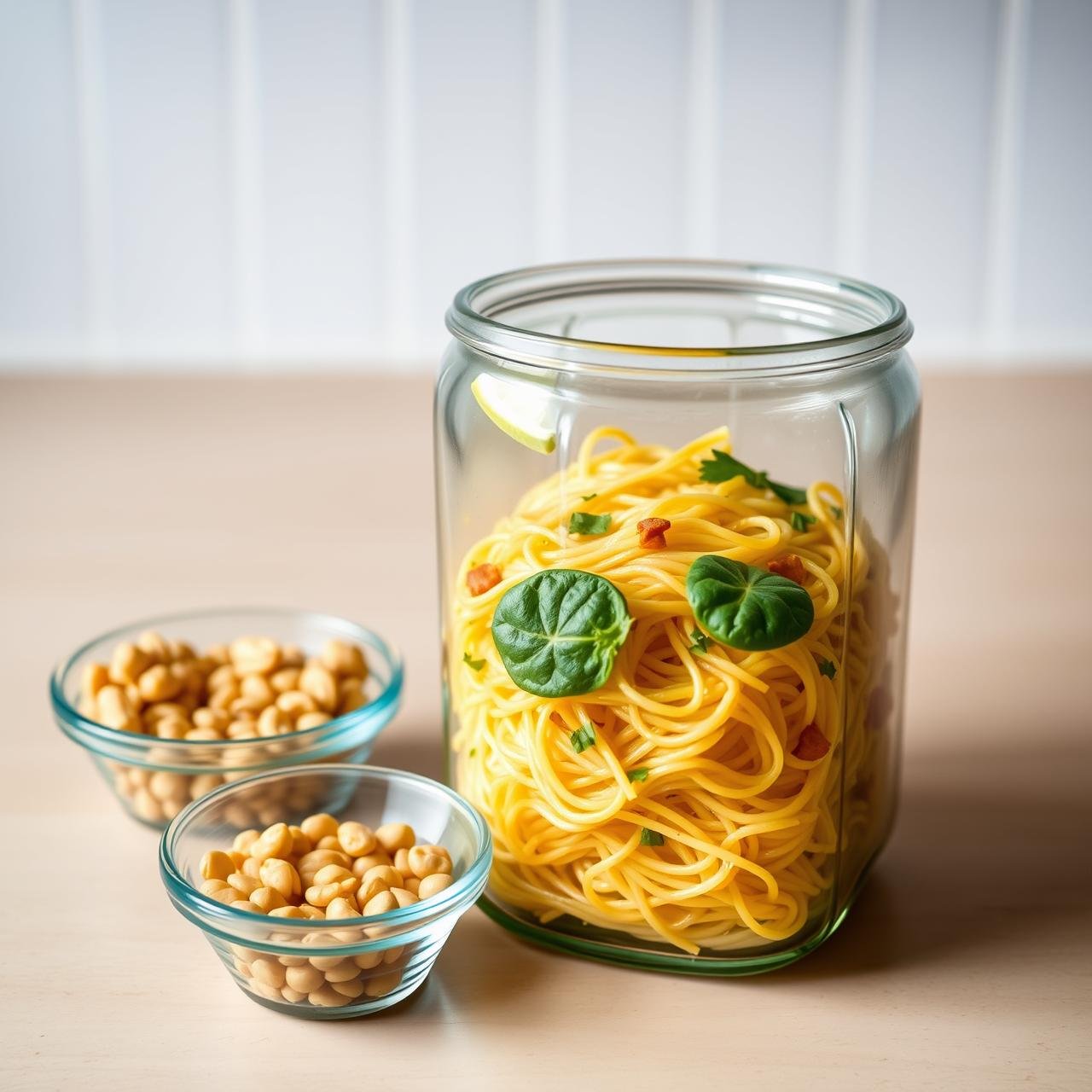
While this dish is undeniably best when enjoyed fresh, leftovers are still a delicious treat. Here’s how to store and reheat it properly:
- Storage: Allow the Pad Thai to cool completely, then transfer it to an airtight container. It will keep in the refrigerator for up to 3 days. I recommend storing the chopped peanuts separately to maintain their crunch.
- Reheating: The best way to reheat is in a skillet over medium heat. Add a splash of water or broth to prevent it from drying out and gently toss until warmed through. Microwaving works in a pinch, but it can sometimes make the squash a bit softer. Reheat in 30-second intervals, stirring in between, until hot. Garnish with fresh peanuts and a squeeze of lime after reheating to bring it back to life.
Conclusion
There you have it—a Pad Thai that’s bursting with all the authentic, crave-worthy flavors you love, but reimagined in a way that fuels your body and delights your senses. By swapping noodles for nature’s own spaghetti, you’ve created a dish that is as virtuous as it is vibrant. This recipe is more than just a healthy alternative; it’s a testament to the fact that clean eating can be exciting, satisfying, and incredibly delicious. So the next time that takeout craving strikes, step into your kitchen with confidence. You have everything you need to create a meal that’s fresher, healthier, and arguably more delicious than anything that could be delivered to your door.