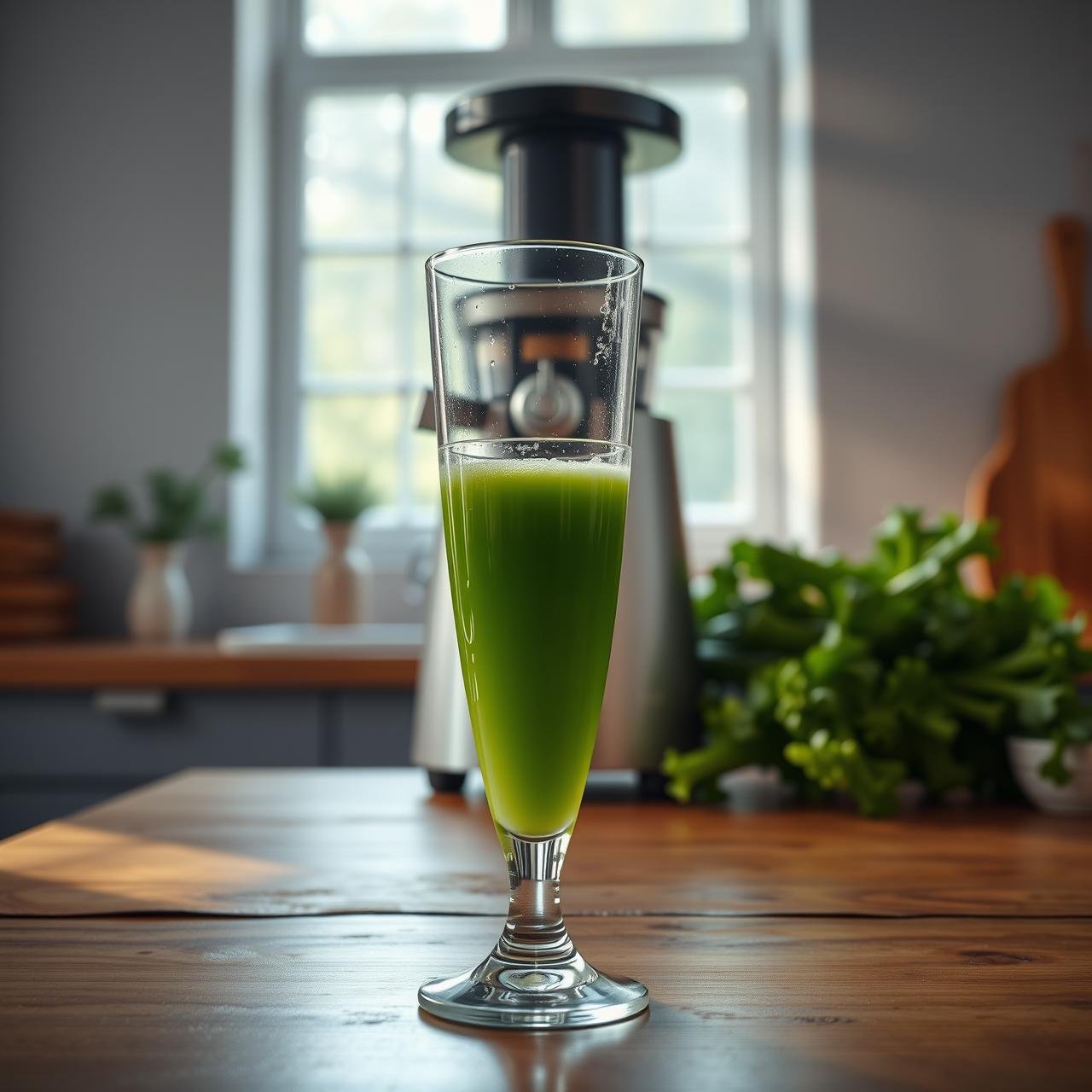
My Morning Celery Juice Routine: The Detailed Recipe That Reset My Gut
There was a time when my mornings felt like a gamble. Would I wake up feeling energetic or sluggish? Clear-headed or foggy? My digestion was a constant source of low-grade discomfort—a subtle but persistent bloating that I had come to accept as ‘normal.’ I tried everything from complex supplement regimens to restrictive diets, but nothing seemed to offer consistent relief. Then, I heard the whispers in the wellness community about a simple, almost laughably basic routine: drinking pure celery juice on an empty stomach. Skeptical but desperate, I decided to commit. What unfolded over the next few weeks wasn’t just a change; it was a complete reset. This isn’t just a recipe; it’s the story of how a single, humble vegetable, transformed into a vibrant green elixir, became the cornerstone of my morning and the key to finally healing and understanding my gut. It brought a sense of clean, rustic clarity to my body that I hadn’t felt in years, and I’m here to share the exact, detailed process with you.
The ‘Why’ Behind the Green Elixir: More Than Just Watery Stalks
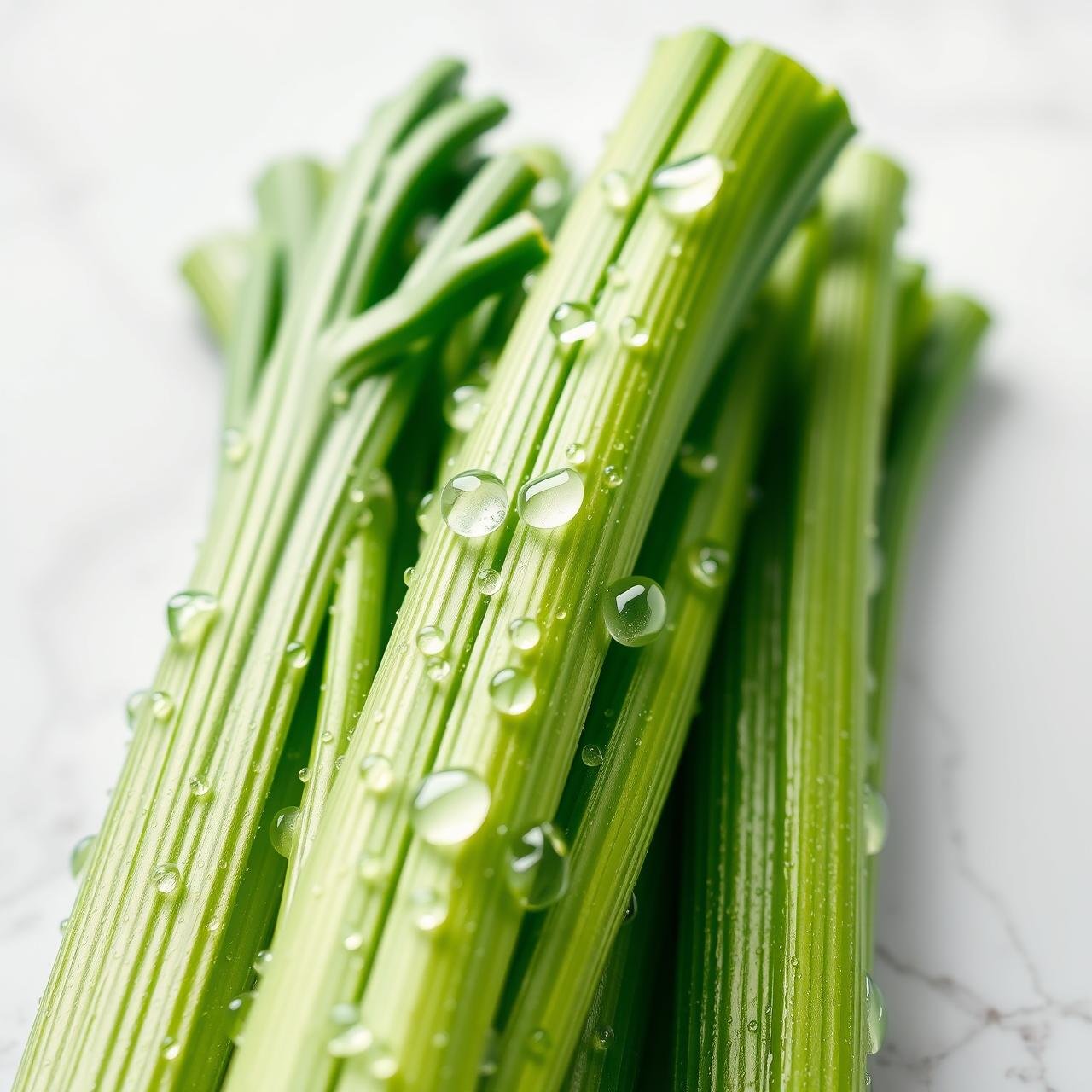
Before we dive into the how-to, let’s talk about the ‘why.’ What is it about this crunchy, often overlooked vegetable that holds such purported power? Celery juice is not just celery-flavored water; it’s a concentrated source of unique nutrients that become more bioavailable when the fiber is removed through juicing. The magic lies in its composition.
At the heart of celery’s benefits are its unique sodium cluster salts. These are not the same as table salt; they are a specific type of mineral salt that is believed to bind to toxins, pathogens, and troublemakers in the gut, helping to flush them from your system. They also play a crucial role in restoring the hydrochloric acid in your stomach. Strong stomach acid is fundamental for breaking down proteins and killing off harmful pathogens that might enter with your food. Over time, stress, poor diet, and age can weaken our stomach acid, leading to issues like acid reflux and poor digestion. A daily dose of 16 ounces of celery juice can help replenish it, creating a more robust digestive fire.
Furthermore, celery is a powerhouse of hydration. It’s rich in electrolytes, which help your cells hydrate more efficiently than water alone. It’s also packed with vitamins and minerals, including Vitamin K (essential for bone and heart health), Vitamin C, potassium, and folate. Its anti-inflammatory properties, thanks to phytonutrients like apigenin and luteolin, can help soothe an inflamed gut lining and calm systemic inflammation throughout the body. For me, this translated into less bloating, clearer skin, and a steady, calm energy that lasted throughout the day.
Gearing Up: The Essential Toolkit for Perfect Celery Juice
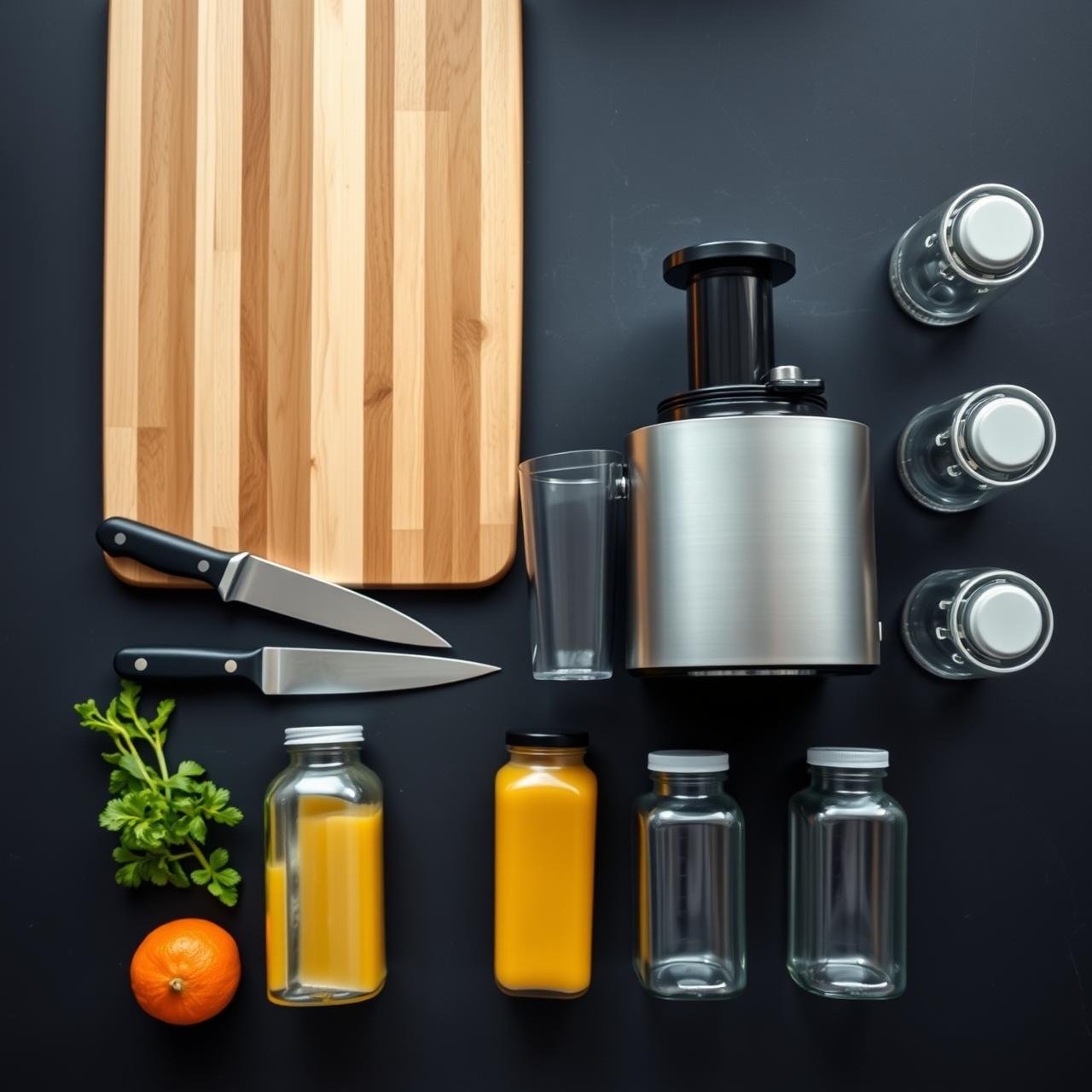
A great routine starts with the right tools. While you don’t need a professional kitchen, a few key pieces of equipment will make your daily celery juice ritual smooth, efficient, and enjoyable. The juicer is the most important decision, as it directly impacts the quality and yield of your juice.
Juicer Showdown: Masticating vs. Centrifugal
The type of juicer you use matters. Here’s a quick breakdown to help you choose:
| Juicer Type | How It Works | Pros | Cons |
|---|---|---|---|
| Masticating (Cold Press) | Slowly ‘chews’ and grinds produce to extract juice. | – Higher juice yield – Preserves more nutrients due to low heat – Creates a smoother, less foamy juice – Quieter operation |
– More expensive – Slower juicing process – Can have more parts to clean |
| Centrifugal | Uses a fast-spinning blade to shred produce and fling it against a mesh filter. | – Less expensive – Very fast juicing process – Fewer parts, often easier to clean |
– Lower juice yield – Heat from friction can degrade some nutrients – Produces a foamier juice that separates quickly |
My Recommendation: If you are serious about juicing and want the maximum nutritional benefit, a masticating juicer is the superior choice. The slow, cold-press process ensures you get every last drop of nutrient-dense juice. However, if you’re on a budget or just starting, a centrifugal juicer will absolutely get the job done! The best juicer is the one you’ll use consistently.
Other Kitchen Essentials
- A Good Chef’s Knife: For chopping the celery into manageable pieces for your juicer.
- Large Cutting Board: To provide ample space for prep.
- Colander: For thoroughly washing your celery stalks.
- Large Glass Jar or Pitcher: To catch the fresh juice. I recommend glass to avoid any potential leaching from plastic.
- Fine-Mesh Strainer (Optional): If you prefer an ultra-smooth, pulp-free juice.
The Star of the Show: Selecting the Best Celery
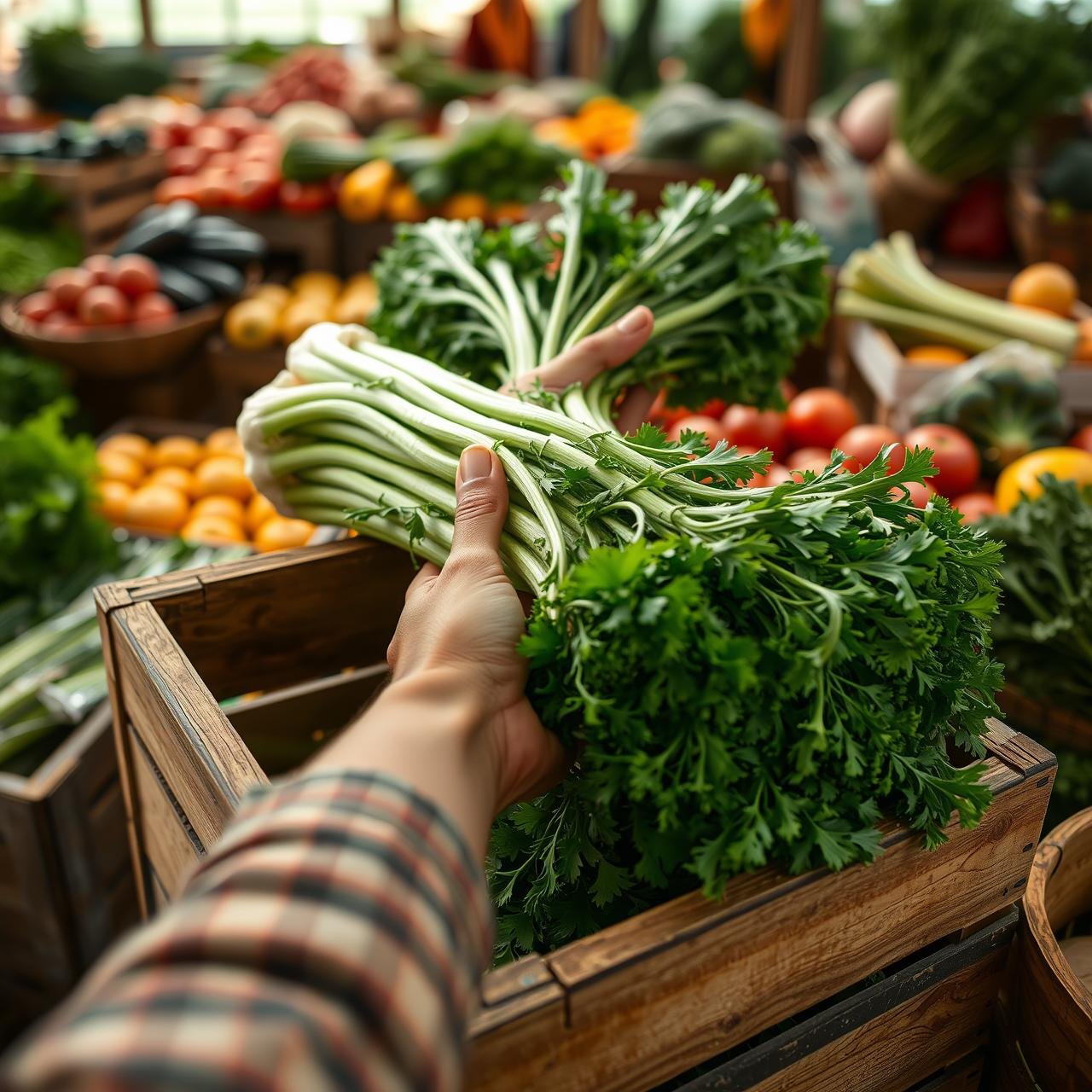
The quality of your juice begins with the quality of your produce. Not all celery is created equal, and learning to select the best bunches will elevate your juicing experience from good to exceptional. This is where the gourmet foodie in you can shine.
Organic vs. Conventional
Celery consistently ranks on the Environmental Working Group’s ‘Dirty Dozen’ list, meaning it’s one of the vegetables most likely to contain high levels of pesticide residue. For this reason, I strongly, strongly recommend using organic celery whenever possible. Since you are concentrating the vegetable into a potent juice, you’ll also be concentrating any chemicals it was grown with. Investing in organic is an investment in a cleaner, purer juice for your body.
What to Look For at the Store:
- Vibrant Color: Look for bright, vibrant green stalks. Avoid any bunches that look pale, yellowed, or have brown spots.
- Firm, Crisp Stalks: The stalks should be firm and snap when you bend them. Limp, rubbery celery has lost much of its water content and will produce less juice.
- Fresh Leaves: If the leaves are still attached, they should look fresh and green, not wilted or yellow. The leaves are packed with nutrients and can be juiced right along with the stalks, though they add a more bitter flavor.
- Compact Bunch: A tightly packed bunch where the stalks are close together is usually a sign of freshness.
A Chef’s Tip: Don’t be afraid to buy multiple bunches at once when you find a good batch, especially if it’s on sale. I’ll show you how to properly store and batch-prep your juice in a later section to make your routine incredibly efficient.
The Morning Ritual: My Step-by-Step Celery Juicing Method
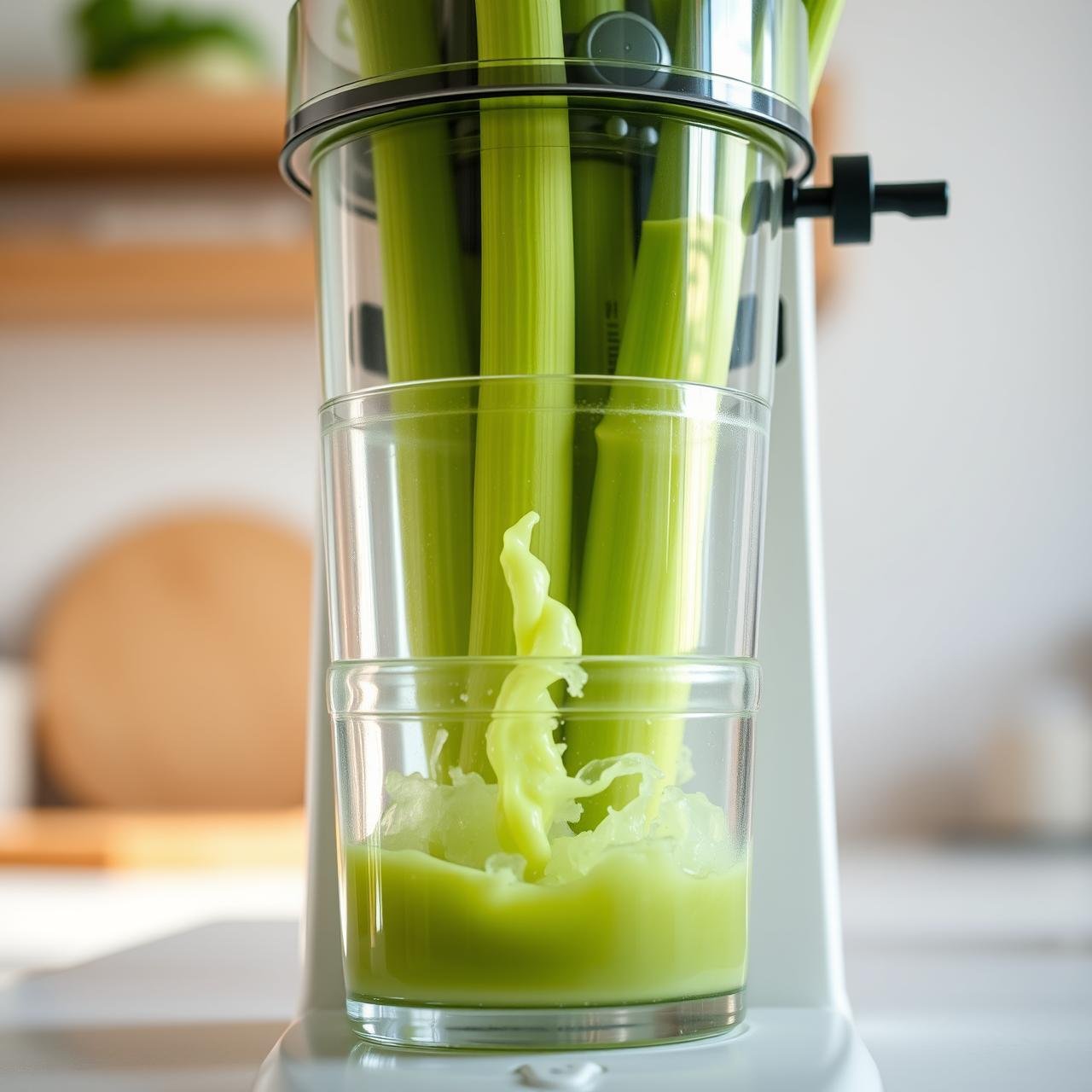
This is where the magic happens. My morning routine is a quiet, meditative process that sets a positive tone for the entire day. The goal is to create 16 ounces (about 475ml) of pure, fresh celery juice. This typically requires one large bunch of celery.
- Wash Thoroughly: Separate the stalks from the base. Place them in a colander and wash them under cool, running water. I use a vegetable brush to gently scrub away any dirt or residue, especially near the base where soil can get trapped.
- Trim Both Ends: Using your chef’s knife, trim off the very bottom of the base (about half an inch) where the roots were. Then, trim off the very top of the stalks where the leaves get thin and wispy. You can choose to juice the main leaves, but I find they make the juice overly bitter, so I trim most of them off and save them for making stock.
- Chop for Your Juicer: Chop the celery stalks into manageable pieces. For my masticating juicer, I chop them into 1- to 2-inch pieces. This prevents the long fibers from wrapping around the auger and clogging the machine. If you have a centrifugal juicer with a wide chute, you may only need to chop them in half.
- Juice with Patience: Turn on your juicer and begin feeding the celery pieces into the chute one handful at a time. Don’t rush the process. Allow the juicer to work its magic and fully extract the juice from each piece before adding more. You’ll see the vibrant, emerald-green juice collecting in your pitcher and the pale, dry pulp being ejected separately.
- Measure and Serve: Once all the celery is juiced, give the pitcher a gentle swirl. Measure out 16 ounces into a glass.
- Drink Immediately on an Empty Stomach: This is the most critical step. For maximum benefits, drink your celery juice first thing in the morning on a completely empty stomach. This allows the nutrients and mineral salts to go to work without being hindered by other digesting foods. Wait at least 15 to 30 minutes before consuming anything else, like your coffee or breakfast.
Chef’s Notes & Pro-Tips for a Flawless Routine
After years of making this juice every single day, I’ve picked up a few tricks to overcome common hurdles and enhance the experience. Here are my most valuable tips for success.
Taming the Flavor
Pure celery juice has a strong, salty, and slightly bitter flavor that can be intense for beginners. While the ideal is to drink it straight, if you’re struggling, you can add one small cucumber or one apple to the juicer to sweeten it slightly. The goal is to gradually reduce the amount of apple/cucumber until you can enjoy the pure celery juice on its own.
Common Juicing Mistakes to Avoid
- Not Washing Properly: A gritty juice is an unpleasant juice. Take the extra minute to wash thoroughly.
- Juicing Limp Celery: This will result in a disappointing yield and a less-potent flavor. If your celery has gone a bit limp, you can revive it by trimming the ends and standing it in a jar of ice water for 30 minutes.
- Drinking it With Food: Consuming celery juice with or right after other food dilutes its potent gut-healing effects. Always maintain that 15-30 minute window.
What If I Don’t Have a Juicer?
No juicer? No problem! You can still make high-quality celery juice with a high-speed blender. This method is fantastic for budget cooks or those who don’t want another appliance.
- Chop one bunch of celery and place it in your blender.
- Add 1/4 cup of filtered water to help it blend.
- Blend on high until it’s as smooth as possible, like a green smoothie.
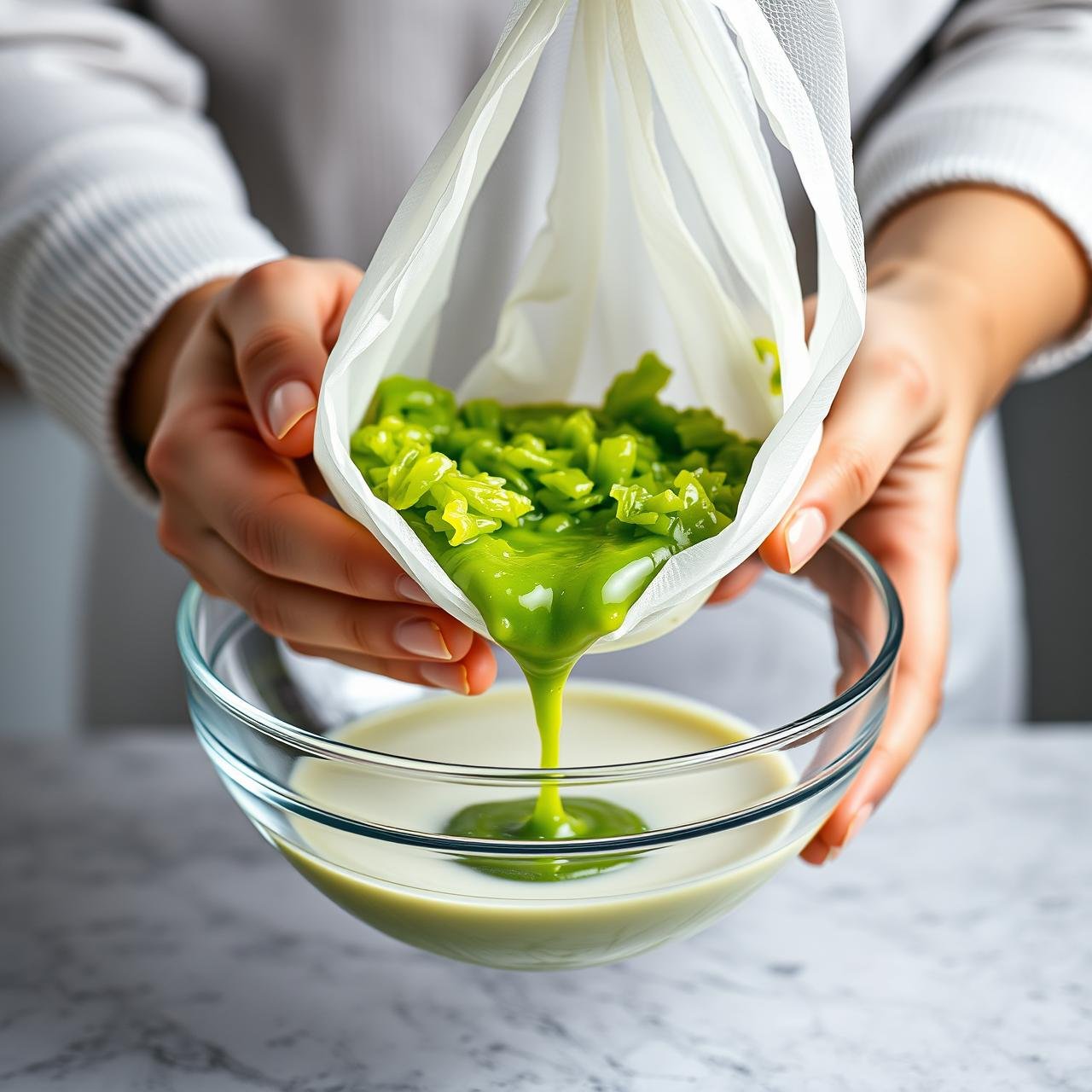
- Place a nut milk bag or a few layers of cheesecloth over a large bowl or pitcher.
- Pour the blended celery mixture into the bag and squeeze firmly with your hands to strain all the juice out, leaving the pulp behind in the bag.
- Discard the pulp (or save it for crackers or compost) and enjoy your juice!
The Nutritional Payoff: What’s Inside Your Glass?
Understanding the nutritional profile of what you’re consuming can be incredibly motivating. A 16-ounce serving of celery juice is low in calories but incredibly dense in micronutrients that support your body’s functions, especially digestion and hydration.
| Nutrient | Amount | % Daily Value (DV) |
|---|---|---|
| Calories | ~85 kcal | 4% |
| Carbohydrates | ~18 g | 6% |
| Sugars | ~9 g | N/A |
| Sodium | ~320 mg | 14% |
| Potassium | ~1040 mg | 22% |
| Vitamin K | ~118 mcg | 98% |
| Vitamin A | ~1780 IU | 60% |
| Vitamin C | ~12 mg | 13% |
| Folate | ~144 mcg | 36% |
As you can see, a single glass provides nearly your entire daily requirement for Vitamin K, which is vital for blood clotting and building strong bones. The high level of Potassium, a crucial electrolyte, helps regulate fluid balance, nerve signals, and muscle contractions. This electrolyte-rich profile is why celery juice is so profoundly hydrating on a cellular level. It’s not just about the water content; it’s about providing the minerals your body needs to effectively use that water. This nutritional density is the engine behind the gut reset, providing your body with the raw materials to reduce inflammation, balance your inner ecosystem, and function at its best.
Batching & Storage: Making Your Routine Effortless
Let’s be realistic: not everyone has time to wash, chop, and juice every single morning. For this routine to be sustainable, it needs to be efficient. This is where batching comes in. While freshly made is always best, you can juice in advance without significant nutrient loss if you do it correctly.
The Golden Rule of Storage
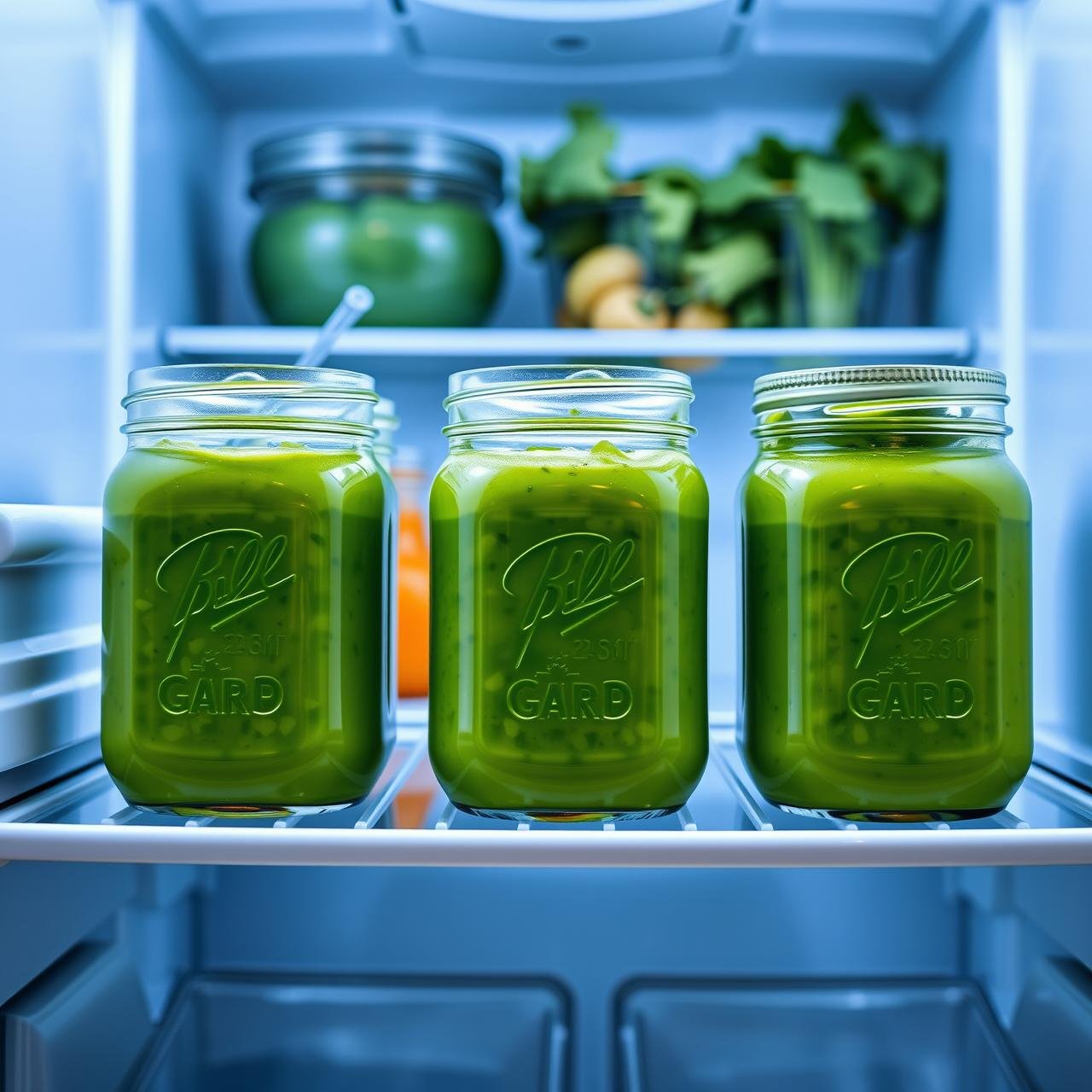
The key to storing juice is to minimize its exposure to air, which causes oxidation and degrades nutrients. The best way to do this is by storing it in a glass jar with a truly airtight lid. Mason jars are perfect for this.
My 2-Day Batching Method:
- Juice Double: Simply follow the recipe, but use two large bunches of celery instead of one. This should yield approximately 32 ounces of juice.
- Fill to the Brim: Pour the juice into your airtight glass jars, filling them all the way to the very top. Leaving no air gap at the top is the most important trick to prevent oxidation.
- Seal Tightly & Refrigerate: Screw the lids on tightly and place the jars in the back of your refrigerator immediately, where the temperature is coldest and most stable.
- Consume Within 48-72 Hours: Your juice will stay fresh and potent for up to 72 hours (3 days), but I find the flavor and quality are best within 48 hours.
This simple batching process turns a daily 15-minute task into a 20-minute task every other day. It’s a small change that makes a huge difference in consistency, especially on busy weekday mornings. For the budget-conscious cook, this also allows you to take advantage of sales on organic celery, buying several bunches at a time to process and store for the next few days.
Conclusion
Embracing this celery juice routine has been one of the most profound and simplest acts of self-care I’ve ever adopted. It’s more than just a health trend; it’s a morning ritual that grounds me, nourishes me from the inside out, and has fundamentally changed my relationship with my body. The bloating and digestive uncertainty that once plagued my days have been replaced by a calm, comfortable, and energized baseline. It taught me that sometimes, the most powerful shifts don’t come from complex protocols, but from consistently returning to simple, whole, and natural sources of wellness. I invite you to try it for yourself—not as a magic cure-all, but as a beautiful and powerful tool to support your body’s innate ability to heal and find balance. Start with one bunch, one glass, and one morning at a time. Your gut will thank you.