Spicy Shrimp Aguachile: The Raw Detox Dish You Must Try
Imagine a dish so vibrant it electrifies the palate, so fresh it feels like a reset for your entire system. This isn’t a culinary fantasy; this is Shrimp Aguachile. Hailing from the sun-drenched coastal state of Sinaloa, Mexico, aguachile—literally translating to ‘chile water’—is the epitome of clean, rustic, and powerfully flavorful cuisine. It’s a cousin to ceviche, but with a bolder, spicier, and more immediate personality. While ceviche marinates slowly, aguachile is served almost immediately, preserving the crisp, snappy texture of the shrimp, which is ‘cooked’ in a potent, bright green marinade of fresh lime juice, chiles, cilantro, and garlic.
This isn’t just a recipe; it’s an experience. It’s the perfect dish for a hot summer day, a light and invigorating appetizer, or a full-blown healthy meal that leaves you feeling energized and satisfied. We’re going to walk you through every step, from selecting the absolute freshest shrimp to balancing the fiery heat of the chiles with the cool crunch of cucumber and the sharp bite of red onion. Prepare to create a show-stopping, mouth-watering dish that celebrates the power of simple, pristine ingredients.
The Soul of Aguachile: A Symphony of Fresh Ingredients
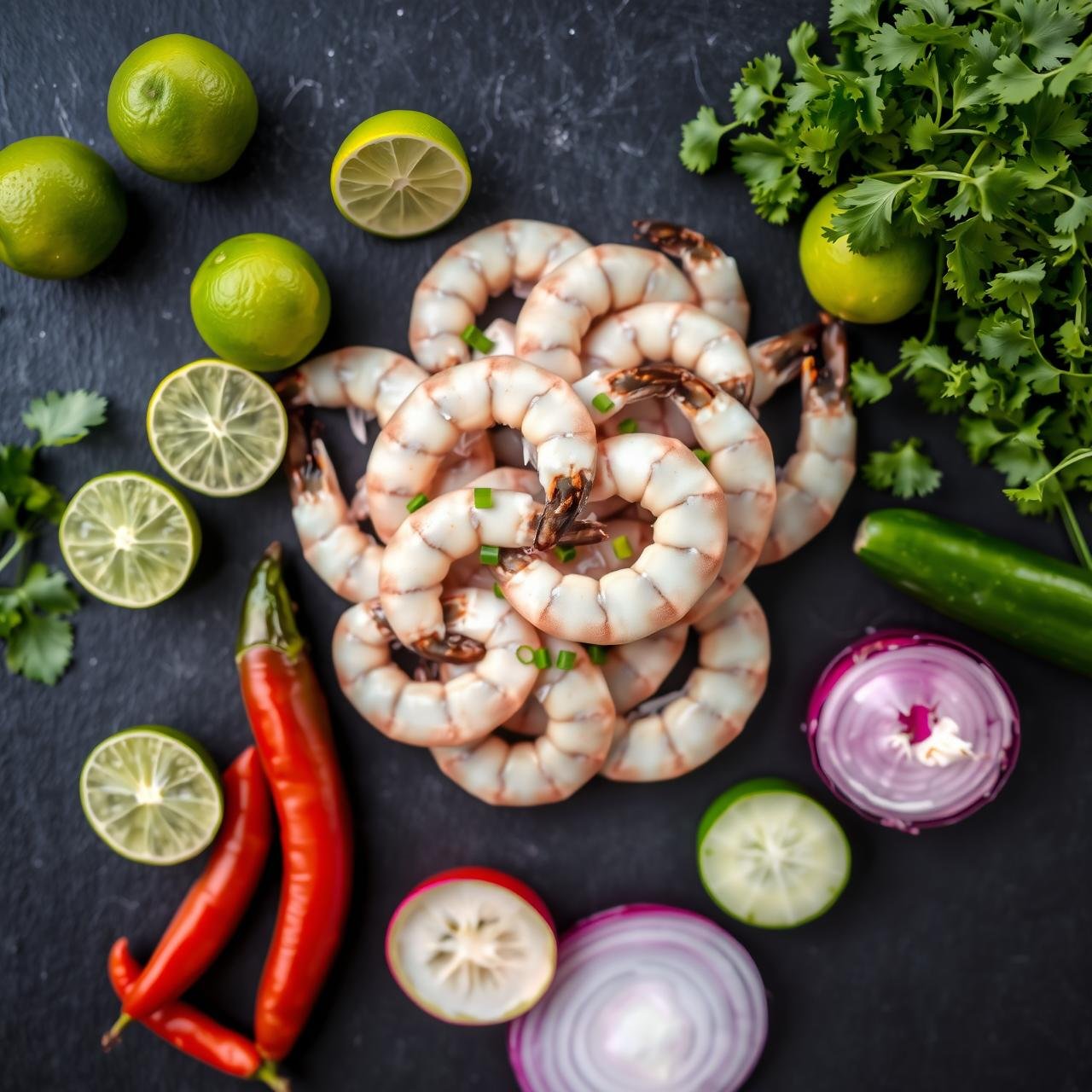
The brilliance of aguachile lies not in complex techniques, but in the uncompromising quality of its components. This dish is a direct reflection of the ingredients you choose, so sourcing the best is paramount. Think of it as a culinary ensemble where each player has a vital role.
The Star: Pristine, Raw Shrimp
The shrimp is the undeniable centerpiece. For aguachile, you must use high-quality, raw shrimp. Look for shrimp labeled ‘sushi-grade’ or ‘sashimi-grade’ if available, as this indicates they are intended for raw consumption. If not, the freshest wild-caught or sustainably farmed shrimp you can find is the next best thing. They should smell clean and of the ocean, with no hint of ammonia. For the best texture, purchase shrimp that are peeled and deveined, with the tails on or off based on your presentation preference. A size of 16-20 count per pound is ideal—large enough to be succulent and meaty, but small enough to ‘cook’ through evenly in the lime juice.
The Acidic ‘Fire’: Fresh Lime Juice
This is the cooking medium. The citric acid in the lime juice denatures the proteins in the shrimp, changing the texture from translucent and soft to opaque and firm, similar to cooking with heat. Only freshly squeezed lime juice will do. Bottled juice contains preservatives and lacks the bright, aromatic punch of fresh limes. You’ll need a significant amount, so buy more limes than you think you need. Key limes can be used for a slightly more floral and intense flavor, but standard Persian limes are perfectly suitable.
The Green Heat: Chiles and Cilantro
This is the ‘chile water’ that gives the dish its name. The traditional choice is serrano peppers for their clean, sharp heat that doesn’t overwhelm the other flavors. For a milder version, you can substitute jalapeños (removing the seeds and membranes will tame the fire significantly). For the brave, a habanero can be added for a fruitier, more intense spice. Fresh cilantro is non-negotiable, providing a cooling, herbaceous counterpoint to the heat. Use the leaves and the tender stems, as the stems pack a huge amount of flavor.
The Supporting Cast: Onion, Cucumber, and Avocado
These ingredients provide texture, coolness, and balance. Thinly sliced red onion adds a sharp, pungent bite and a beautiful pop of color. Soaking the sliced onions in cold water for about 10 minutes can mellow their raw intensity if you prefer. Cucumber brings a refreshing, cool crunch that is absolutely essential for cutting through the spice and acidity. Persian or English cucumbers are best as they have thin skin and fewer seeds. Finally, creamy, ripe avocado, often served alongside or mixed in at the very end, provides a rich, buttery element that beautifully coats the palate and balances the entire dish.
Essential Kitchen Tools for Aguachile Mastery
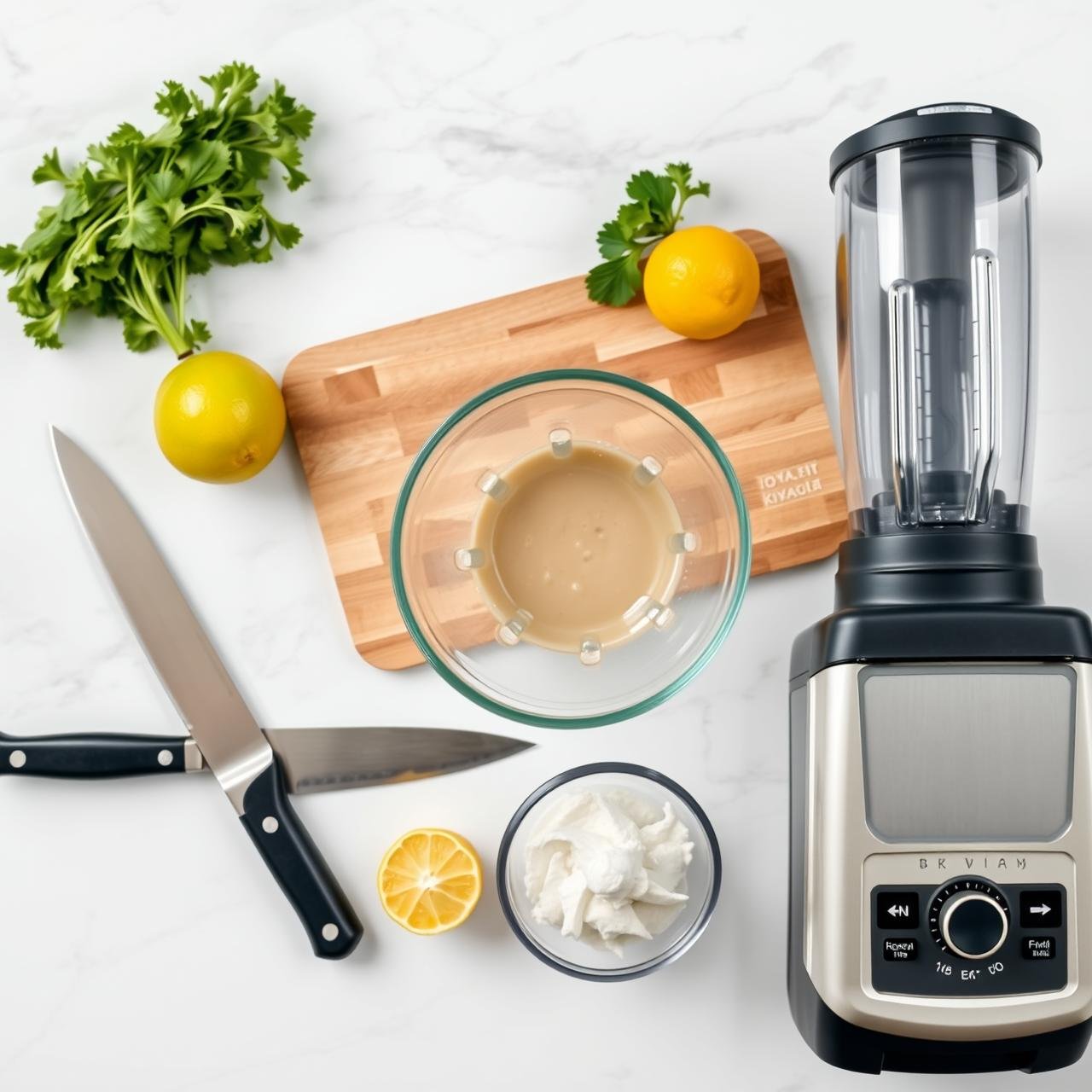
You don’t need a host of fancy gadgets to make exceptional aguachile. The process is rustic and straightforward, relying more on fresh ingredients than on complicated equipment. Here are the key tools that will make your preparation seamless.
| Tool | Purpose |
|---|---|
| Sharp Chef’s Knife | Crucial for thinly slicing the onion and cucumber, butterflying the shrimp, and chopping the chiles and cilantro. A sharp knife ensures clean cuts and prevents bruising. |
| Large Cutting Board | Provides ample space for prepping all your ingredients. Consider using a separate board for the shrimp to prevent cross-contamination. |
| Blender or Molcajete | A high-speed blender is the modern, efficient way to create a smooth and homogenous ‘chile water’. For a truly traditional and rustic texture, a stone molcajete (mortar and pestle) can be used to grind the chiles, garlic, and cilantro. |
| Large Non-Reactive Bowl | Essential for marinating the shrimp. Use a glass, ceramic, or stainless steel bowl. Avoid aluminum or copper, as these metals can react with the lime juice and impart a metallic taste. |
| Citrus Juicer | A simple hand press or reamer will make quick work of juicing the large quantity of limes required for this recipe. |
| Fine-Mesh Sieve (Optional) | If you prefer a very smooth, refined chile water without any pulp or bits, you can strain the blended liquid through a fine-mesh sieve. |
The Ultimate Spicy Shrimp Aguachile Recipe
Yields: 4-6 servings | Prep time: 20 minutes | Marinating time: 15-30 minutes
This recipe strikes a perfect balance between fiery, tangy, and fresh. Remember, aguachile is best enjoyed immediately after it’s made, so have your guests ready and your tostadas on standby!
Ingredients
- 1 lb large raw shrimp (16-20 count), peeled, deveined, and butterflied
- 1.5 cups freshly squeezed lime juice (from about 12-15 limes), divided
- 3-5 serrano chiles, stems removed (use fewer for less heat)
- 1 large bunch of fresh cilantro, washed
- 2 cloves garlic, peeled
- 1/2 large red onion, sliced paper-thin
- 1 large English or Persian cucumber, peeled, seeded, and sliced into half-moons
- 1 ripe avocado, sliced or diced for serving
- Sea salt and freshly ground black pepper to taste
- Tostadas or tortilla chips, for serving
Step-by-Step Instructions
- Prepare the Shrimp: Ensure your shrimp are properly cleaned and deveined. To butterfly them, make a shallow cut down the back where you removed the vein, cutting about three-quarters of the way through. This increases the surface area, allowing the shrimp to ‘cook’ more quickly and evenly in the lime juice. Place the butterflied shrimp in a single layer in your large non-reactive bowl.
- The Initial ‘Cook’: Pour 1 cup of the fresh lime juice over the shrimp. Season generously with sea salt. Stir gently to ensure all shrimp are coated. The shrimp should begin to turn pink and opaque. Let them marinate for a minimum of 15 minutes and up to 30 minutes in the refrigerator. Any longer and the texture can become tough.
- Create the Aguachile (Chile Water): While the shrimp marinates, prepare the flavor base. In a blender, combine the serrano chiles, the bunch of cilantro (stems included for intense flavor), garlic cloves, and the remaining 1/2 cup of lime juice. Add another generous pinch of salt. Blend on high speed until the mixture is a completely smooth, vibrant green liquid. Taste it—it should be intensely spicy, tart, and salty. Adjust seasoning if needed.
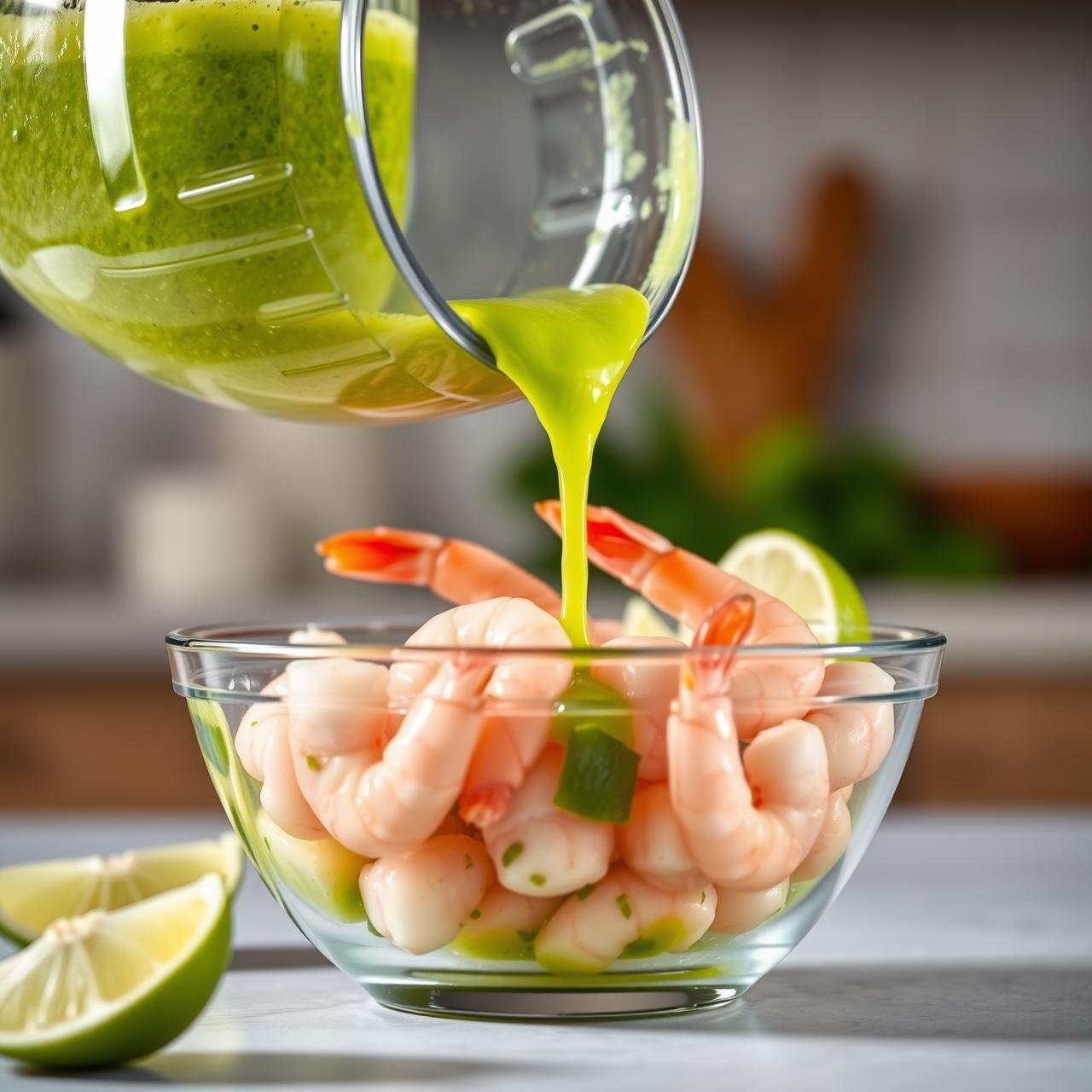
- Combine and Marinate: After the shrimp has marinated for 15-30 minutes and is mostly opaque, pour the blended green aguachile liquid over the shrimp and its lime juice. Add the thinly sliced red onion and the sliced cucumber. Stir everything together gently to combine.
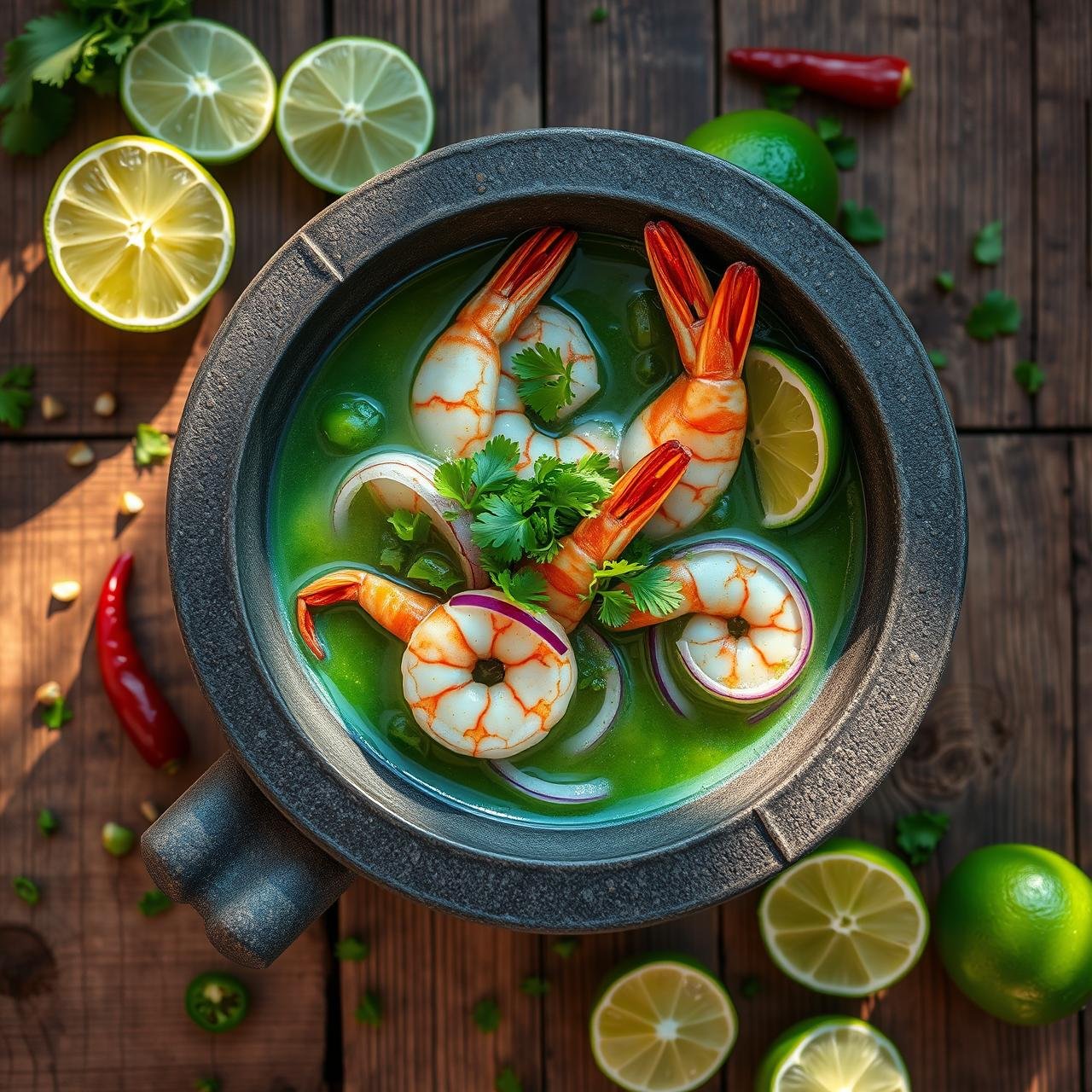
- Serve Immediately: This is the most crucial step. Aguachile is meant to be served fresh and cold. Ladle the shrimp, vegetables, and plenty of the vibrant broth into bowls or a large serving platter like a molcajete. Garnish with fresh slices of creamy avocado. Serve with crispy tostadas or high-quality tortilla chips on the side for scooping.
Chef’s Secrets for Aguachile Perfection
How to Control the Spice Level
The heat of serrano peppers can vary. The best way to control the spice is to start with fewer chiles in your blender. You can always add more, but you can’t take them out. For a milder flavor, remove the seeds and white membranes from the chiles before blending. For a truly mild version, substitute with one or two jalapeños, deseeded. Conversely, for an extra fiery kick, add a small piece of a habanero pepper for a fruity, intense heat.
The Art of Slicing
The texture of aguachile is defined by its components. Use a mandoline (with extreme caution!) or a very sharp knife to get your red onion and cucumber paper-thin. This allows them to meld with the other flavors without overwhelming a bite with a thick, raw chunk. For the onion, giving it a 10-minute soak in ice water after slicing will crisp it up and remove some of its harsh, sulfuric bite, resulting in a cleaner flavor.
Creative Variations and Add-Ins
While the classic recipe is divine, don’t be afraid to experiment. Here are a few ideas:
- Scallop Aguachile: Substitute half the shrimp with fresh, high-quality bay or sea scallops, sliced into thin coins.
- Fruity Twist: Add diced mango or pineapple for a touch of sweetness that pairs beautifully with the spice and acidity.
- Smoky Flavor: Add a drop of liquid smoke or a pinch of smoked paprika to the blender for a deeper, more complex flavor profile. You can also char the chiles and garlic on a dry skillet before blending.
- Aguachile Negro: A popular variation that uses Maggi sauce, soy sauce, and Worcestershire sauce to create a dark, umami-rich marinade.
Presentation is Key
We eat with our eyes first, and aguachile is a visual masterpiece. Serving it in a traditional stone molcajete not only looks stunning but also helps keep the dish cold. Garnish generously with extra cilantro leaves, a final squeeze of fresh lime, and perhaps a drizzle of high-quality extra virgin olive oil just before it hits the table. Arrange the avocado slices artfully on top rather than mixing them in to prevent them from getting mushy.
Serving, Pairing, and Storing Your Aguachile
The Perfect Accompaniments
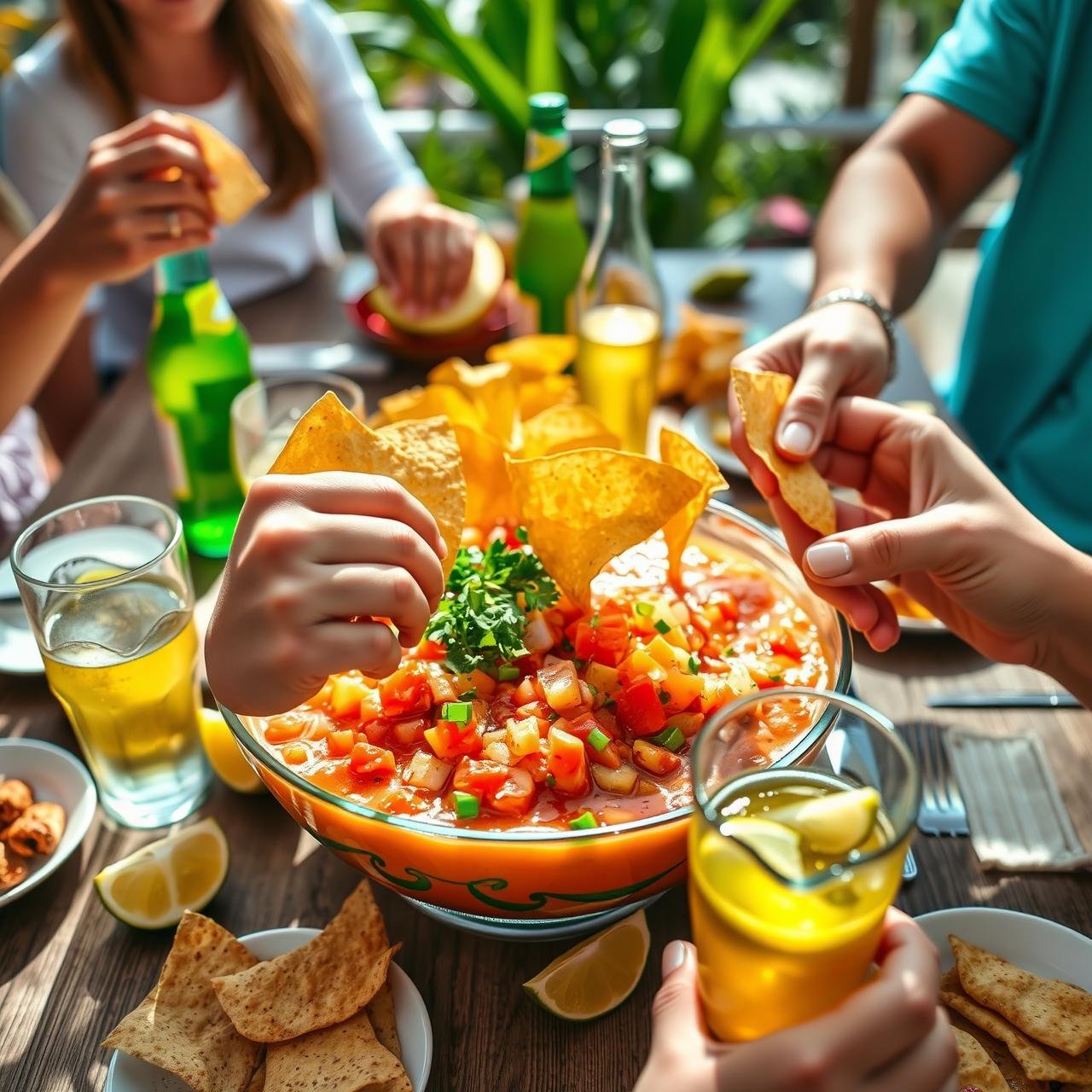
Aguachile is traditionally served with vehicles for scooping up every last drop of the delicious, spicy broth. Crispy corn tostadas are the classic choice. You can spread a thin layer of mayonnaise on the tostada before topping it with aguachile for a creamy counterpoint. High-quality, thick-cut tortilla chips are also an excellent option. For a truly refreshing meal, serve alongside a cold Mexican lager like a Pacifico or Modelo Especial, or a crisp Sauvignon Blanc. The beer’s light carbonation and the wine’s acidity both cut through the richness and heat beautifully.
A Note on Food Safety
It is crucial to understand that while the lime juice denatures the proteins and firms up the shrimp, it does not kill all bacteria in the same way that heat does. This is why using the absolute freshest, highest-quality shrimp you can find is non-negotiable. Purchase your shrimp from a reputable fishmonger. If you are pregnant, elderly, or have a compromised immune system, you may want to consider using quickly blanched shrimp instead of raw shrimp for this recipe.
Storage: A Dish Best Eaten Now
Frankly, aguachile does not make for good leftovers. It is a dish defined by its immediacy and freshness. The longer it sits, the more the shrimp’s texture will degrade, becoming tougher and chewier as the acid continues to work on it. The cucumber and onion will also lose their crispness. If you must store it, place it in an airtight container in the coldest part of your refrigerator and consume it within 4-5 hours. Do not attempt to keep it overnight.
| Nutrient | Amount per Serving (approx. 1/4 of recipe) |
|---|---|
| Calories | ~250 kcal |
| Protein | 24g |
| Fat | 10g (mostly from avocado) |
| Carbohydrates | 15g |
| Sodium | ~450mg |
| Vitamin C | High |
Conclusion
Spicy Shrimp Aguachile is more than just a dish; it’s a celebration of freshness, a jolt to the senses, and a testament to the beauty of simple, high-quality ingredients. It’s a culinary journey to the coast of Mexico that you can take in your own kitchen. With its bracing acidity, clean heat, and the satisfying snap of fresh shrimp, it’s the ultimate raw detox dish that nourishes and excites in equal measure. Whether you’re a seasoned foodie, a health enthusiast, or simply a home cook looking for your next show-stopper, this recipe provides a truly unforgettable experience. So gather your freshest ingredients, embrace the spice, and prepare to fall in love with the vibrant, electrifying world of aguachile.