Greek Gigantes Plaki: The Savory Baked Bean Dish That Beats Cravings
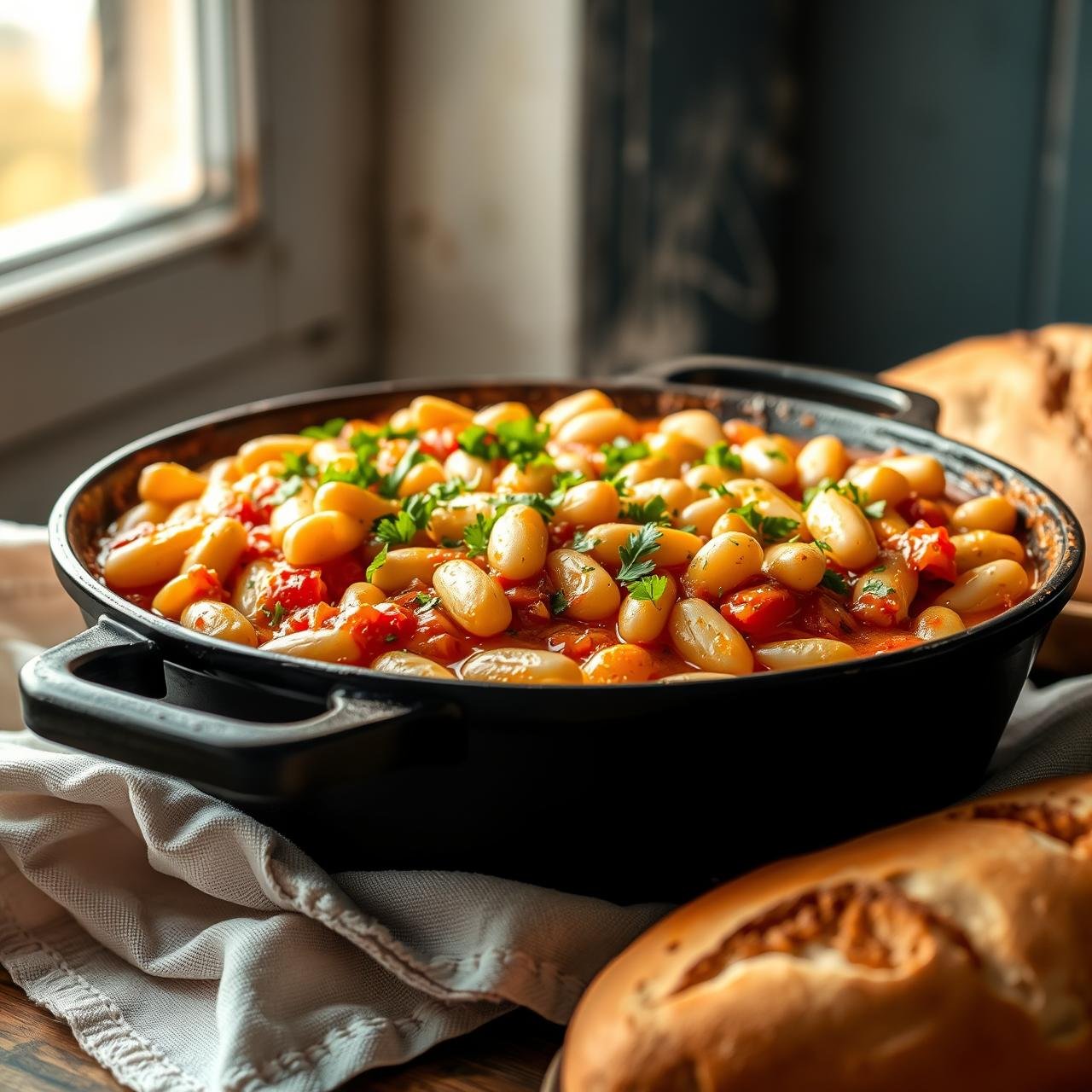
Imagine a dish so hearty it warms you from the inside out, so flavorful it transports you to a sun-drenched Greek taverna, and so wholesome it nourishes your body and soul. This is the magic of Gigantes Plaki. Far from the sugary canned baked beans you might know, this traditional Greek masterpiece is a slow-baked symphony of giant, creamy beans, a savory tomato sauce infused with herbs, and the liquid gold of extra virgin olive oil. It’s the kind of rustic, homestyle cooking that feels both humble and luxurious at the same time.
Gigantes Plaki (Γίγαντες Πλακί) translates to ‘giant beans baked in the oven.’ It’s a staple of Greek cuisine, celebrated for its simple, clean flavors and incredible nutritional benefits. This dish is naturally vegetarian (and easily made vegan), packed with protein and fiber, making it a perfect meal for health enthusiasts and gourmet foodies alike. Whether you’re a seasoned home cook looking for an authentic Mediterranean recipe or a budget-conscious cook seeking a meal that delivers incredible flavor without breaking the bank, Gigantes Plaki is your answer. Prepare to fall in love with the most satisfying baked bean dish you’ve ever tasted.
The Heart of Greek Comfort: What Are Gigantes Beans?
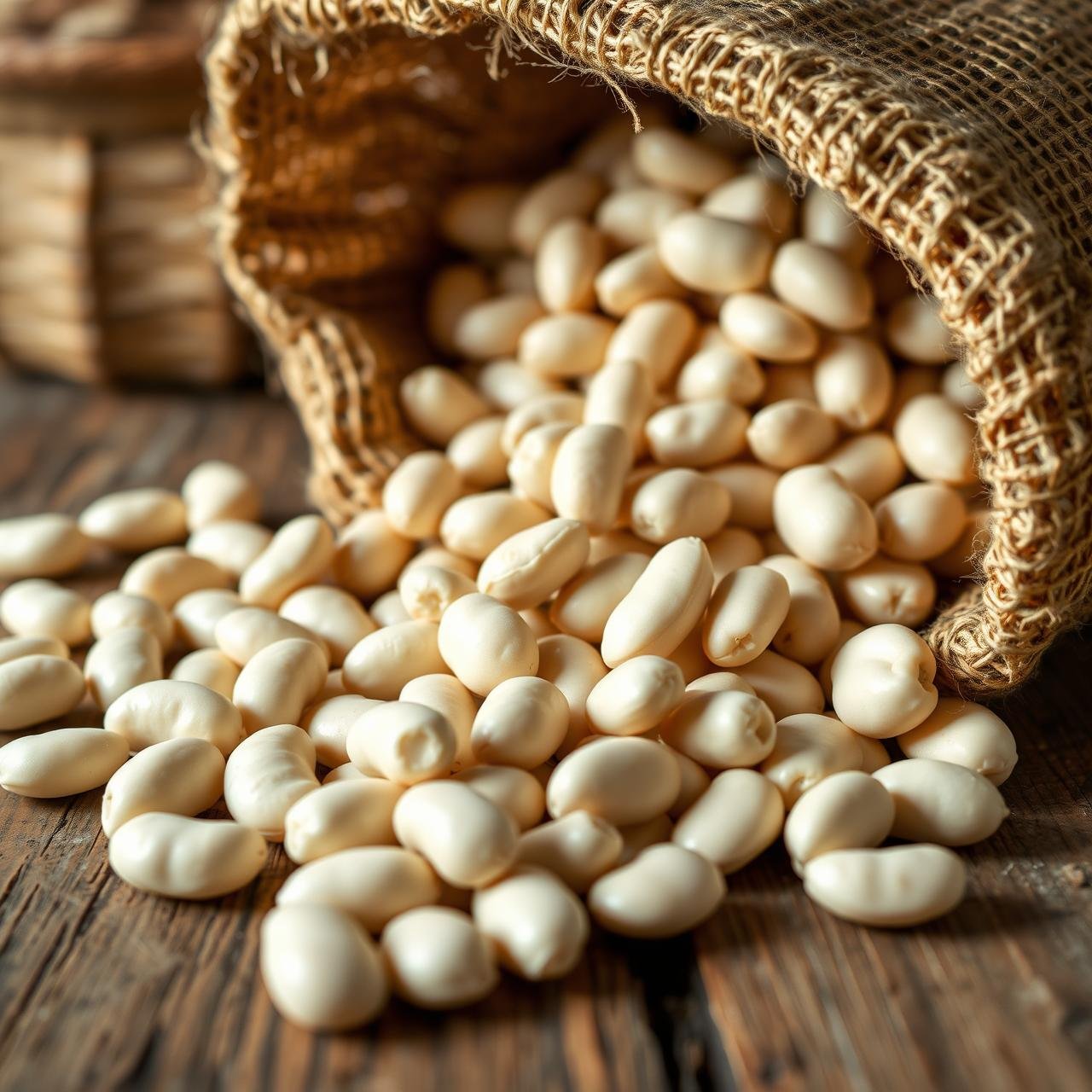
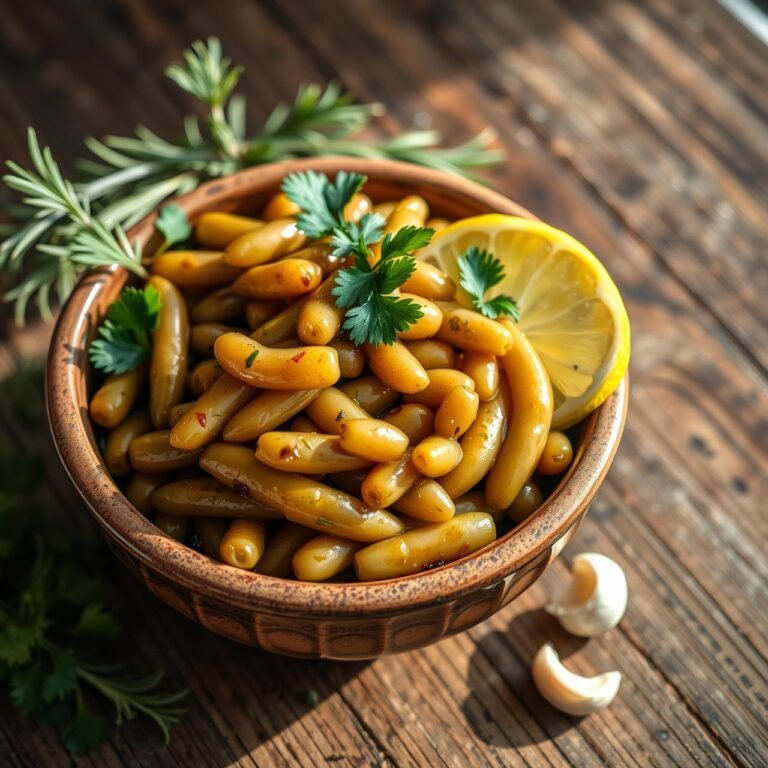
The star of this dish, without question, is the ‘gigantes’ beans. These are not your average white beans. Gigantes are a variety of runner bean, celebrated for their impressive size, thin skin, and incredibly creamy, buttery texture when cooked. They are a Protected Geographical Indication (PGI) product, traditionally grown in specific regions of Northern Greece, like Prespes. Their ability to absorb the flavors of the sauce without turning to mush is what makes them so special.
While authentic Greek gigantes beans offer the best experience, they can sometimes be tricky to find. If you can’t locate them, you can substitute with other large white beans. Look for large lima beans or butter beans as the next best option. The key is to find a bean that is large enough to hold its shape and deliver that satisfyingly creamy bite. The ‘Plaki’ method itself refers to baking a dish in a savory tomato-based sauce with olive oil and herbs, a technique used for fish and vegetables throughout Greece. In this recipe, the beans and the plaki sauce come together to create a culinary harmony that is deeply rooted in the principles of the Mediterranean diet: simple, fresh ingredients, prepared with love.
Essential Equipment for Perfect Plaki
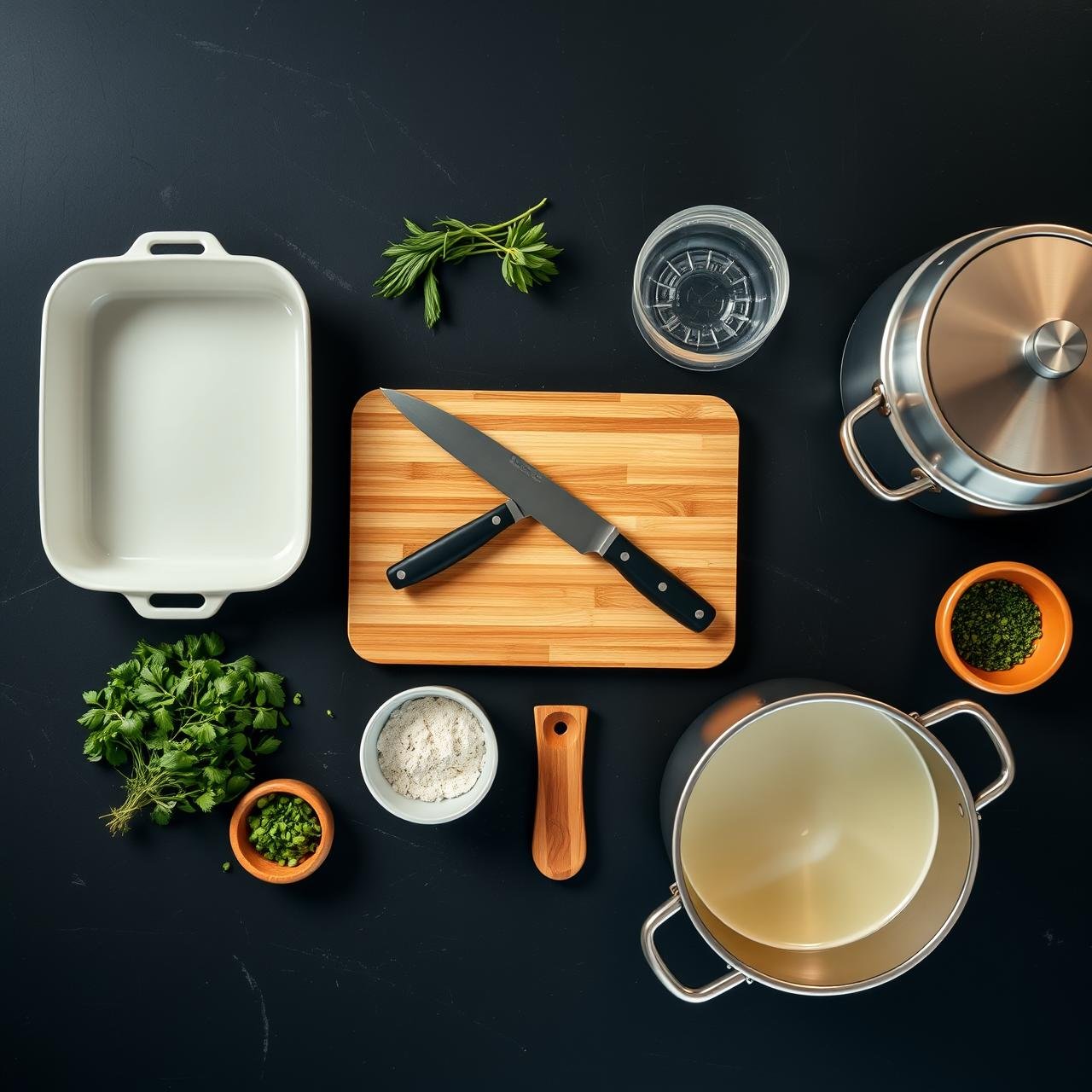
You don’t need a professional kitchen to make incredible Gigantes Plaki, but having the right tools will make the process smoother and yield better results. This is a straightforward, rustic dish, and the equipment reflects that.
| Equipment | Purpose & Chef’s Note |
|---|---|
| Large Bowl | For soaking the beans overnight. This is a crucial first step to ensure even cooking. |
| Large Pot or Dutch Oven | For parboiling the beans before they go into the oven. A heavy-bottomed pot ensures even heat distribution. |
| Large Sauté Pan | To build the aromatic tomato sauce. A wide pan allows the vegetables to caramelize properly, deepening the flavor. |
| 9×13 inch (or similar) Baking Dish | A ceramic, glass, or cast-iron baking dish is perfect. It needs to be large enough to hold the beans and sauce without overcrowding. |
| Cutting Board & Chef’s Knife | For prepping your aromatics like onions, garlic, and fresh herbs. |
| Measuring Cups & Spoons | For accurate measurement of ingredients, especially the olive oil and seasonings. |
Gathering Your Ingredients: Quality is Key
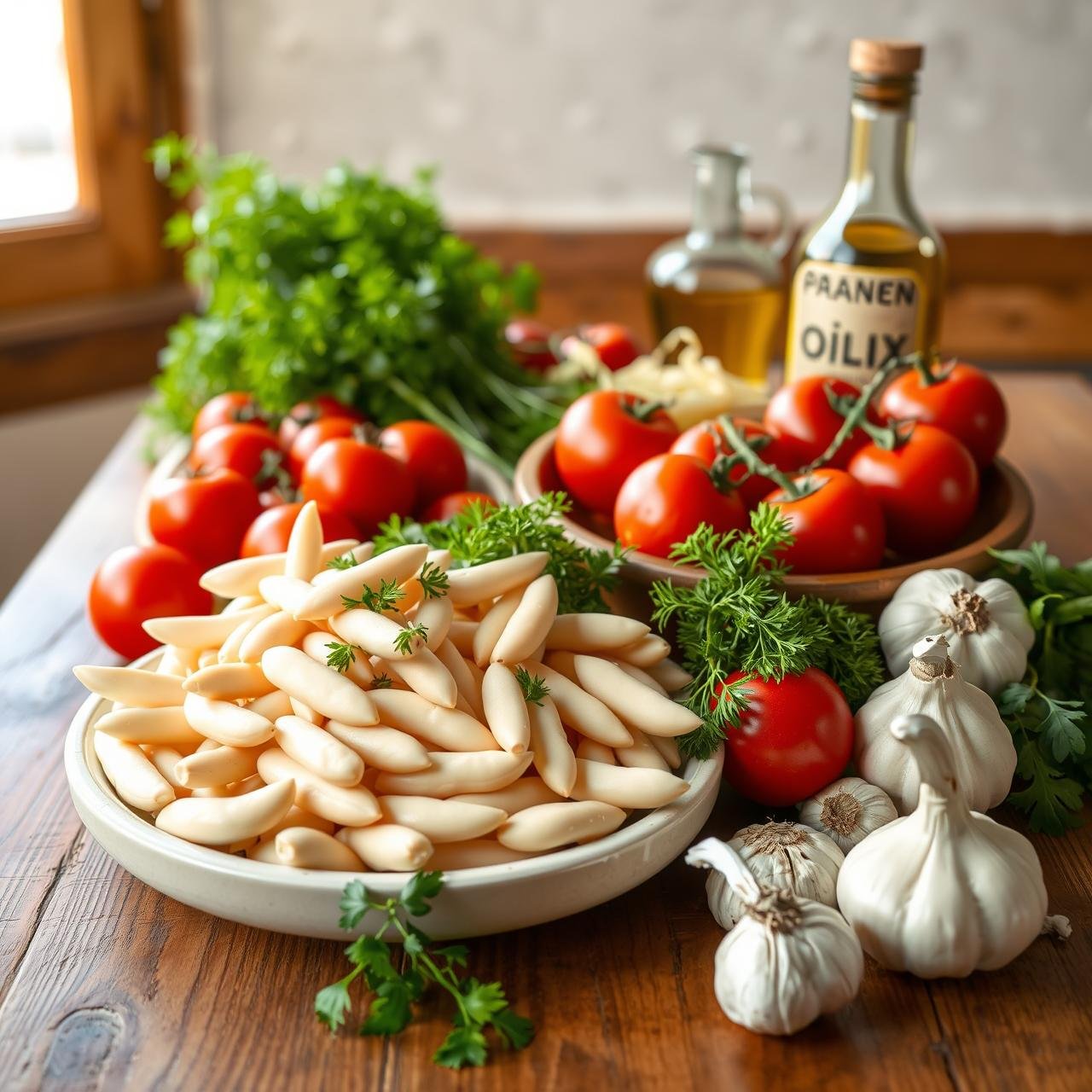
The beauty of Gigantes Plaki lies in its simplicity, which means the quality of each ingredient truly shines. Using fresh, high-quality components will elevate your dish from good to unforgettable.
- Gigantes Beans: 1 lb (about 500g), dried. If unavailable, substitute with large lima or butter beans.
- High-Quality Extra Virgin Olive Oil: 1 cup, divided. This is a key flavor component, not just a cooking fat. Use a good Greek olive oil if possible.
- Yellow Onions: 2 large, finely chopped. They provide a sweet, aromatic base for the sauce.
- Garlic: 4-6 cloves, minced. Adjust to your personal taste; more is always welcome!
- Carrots: 2 medium, finely chopped. Adds a touch of sweetness and color.
- Celery: 2 ribs, finely chopped. Provides a savory, vegetal backbone to the sauce.
- Crushed Tomatoes: 1 (28-ounce) can of good quality crushed or pureed tomatoes. San Marzano tomatoes are an excellent choice for their low acidity and rich flavor.
- Tomato Paste: 2 tablespoons. This deepens the tomato flavor and adds richness (umami).
- Vegetable Broth or Water: 2-3 cups, as needed. For cooking the beans and adjusting sauce consistency.
- Fresh Dill: 1/2 cup, chopped. Its bright, slightly anise-like flavor is classic in this dish.
- Fresh Parsley: 1/2 cup, chopped, plus more for garnish. Adds freshness and color.
- Dried Oregano: 1 tablespoon. Use high-quality Greek oregano for the most authentic flavor.
- Sugar: 1 teaspoon (optional). Helps to balance the acidity of the tomatoes.
- Sea Salt & Freshly Ground Black Pepper: To taste. Be generous with the seasoning.
- Red Pepper Flakes: 1/4 teaspoon (optional), for a gentle hint of warmth.
Step-by-Step Instructions: The Art of Slow Cooking
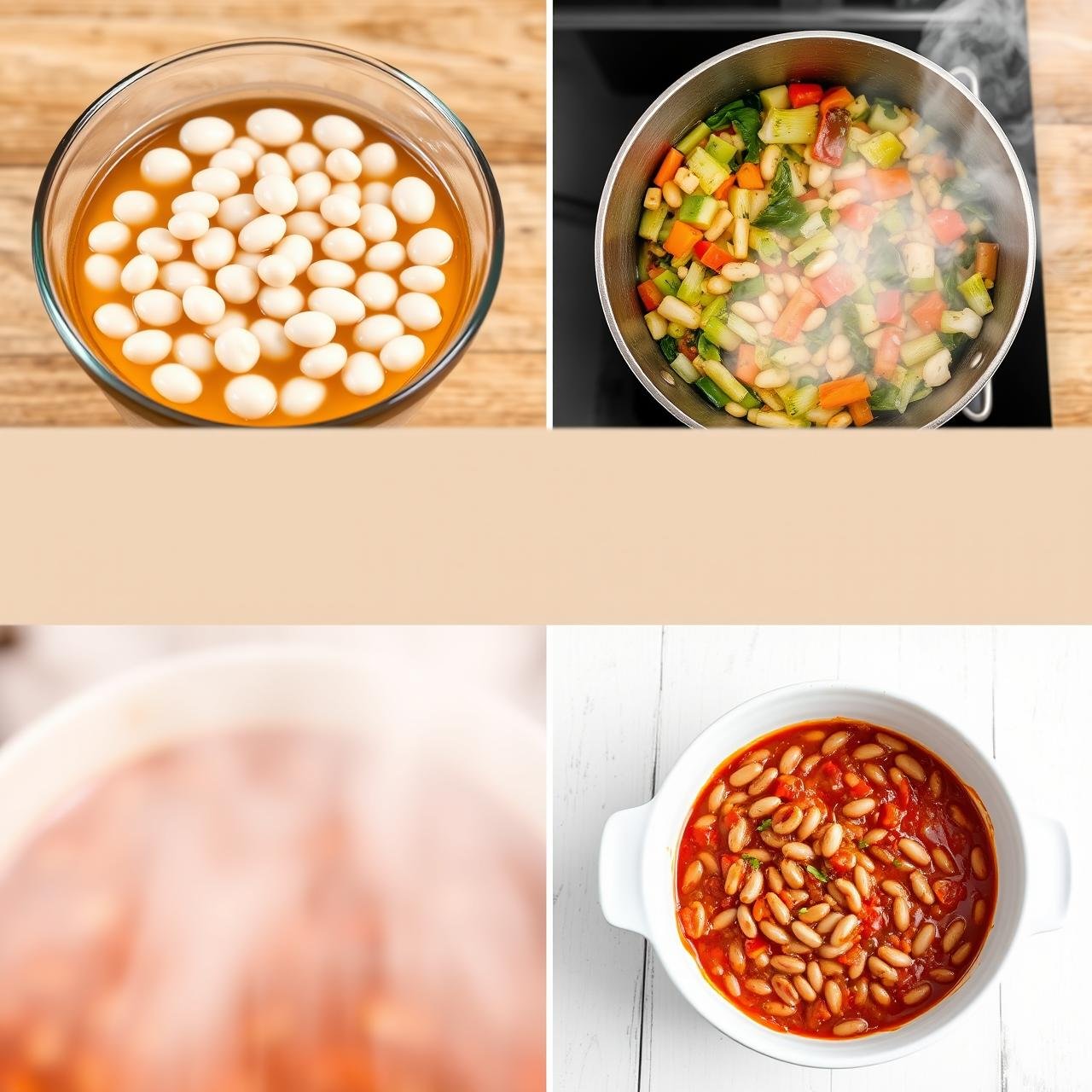
Patience is a key ingredient in this recipe. Each step is designed to build layers of flavor, resulting in a dish that is deeply comforting and delicious. Follow these instructions carefully for perfect, creamy beans every time.
Step 1: Soaking the Beans
- Rinse and Sort: Place the dried gigantes beans in a colander and rinse them under cold water. Pick through them to remove any stones or debris.
- Overnight Soak: Transfer the beans to a large bowl and cover with at least 4 inches of cold water. The beans will more than double in size, so ensure the bowl is large enough. Let them soak for at least 8 hours, or preferably overnight.
Step 2: Parboiling for Tenderness
- Drain and Rinse: Drain the soaked beans and rinse them well.
- Initial Boil: Place the beans in a large pot or Dutch oven and cover with fresh water. Bring to a boil over high heat, then reduce the heat to a gentle simmer.
- Simmer: Cook the beans for 45-60 minutes. They should be tender but not falling apart—they will finish cooking in the oven. The goal here is to give them a head start. Skim off any foam that rises to the surface. Once done, drain the beans, reserving about 1 cup of the cooking liquid.
Step 3: Building the Aromatic ‘Plaki’ Sauce
- Preheat Oven: Preheat your oven to 350°F (175°C).
- Sauté Aromatics: In a large sauté pan or Dutch oven, heat 1/2 cup of the olive oil over medium heat. Add the chopped onions, carrots, and celery (the ‘soffritto’). Sauté for 8-10 minutes, until the vegetables are soft, translucent, and fragrant.
- Add Garlic and Tomato Paste: Stir in the minced garlic and cook for another minute until fragrant. Be careful not to burn it. Add the tomato paste and cook, stirring constantly, for 2 minutes. This step caramelizes the paste and removes any raw taste, adding immense depth.
- Create the Sauce: Pour in the crushed tomatoes, the reserved bean cooking liquid, dried oregano, sugar (if using), and red pepper flakes (if using). Season generously with salt and pepper. Bring the sauce to a simmer and cook for 10 minutes, allowing the flavors to meld together.
- Finish with Herbs: Remove the sauce from the heat and stir in the chopped fresh dill and parsley. Taste and adjust seasoning as needed.
Step 4: The Final Bake
- Combine and Arrange: Gently fold the parboiled beans into the tomato sauce. Transfer the entire mixture to your 9×13 inch baking dish, spreading it into an even layer.
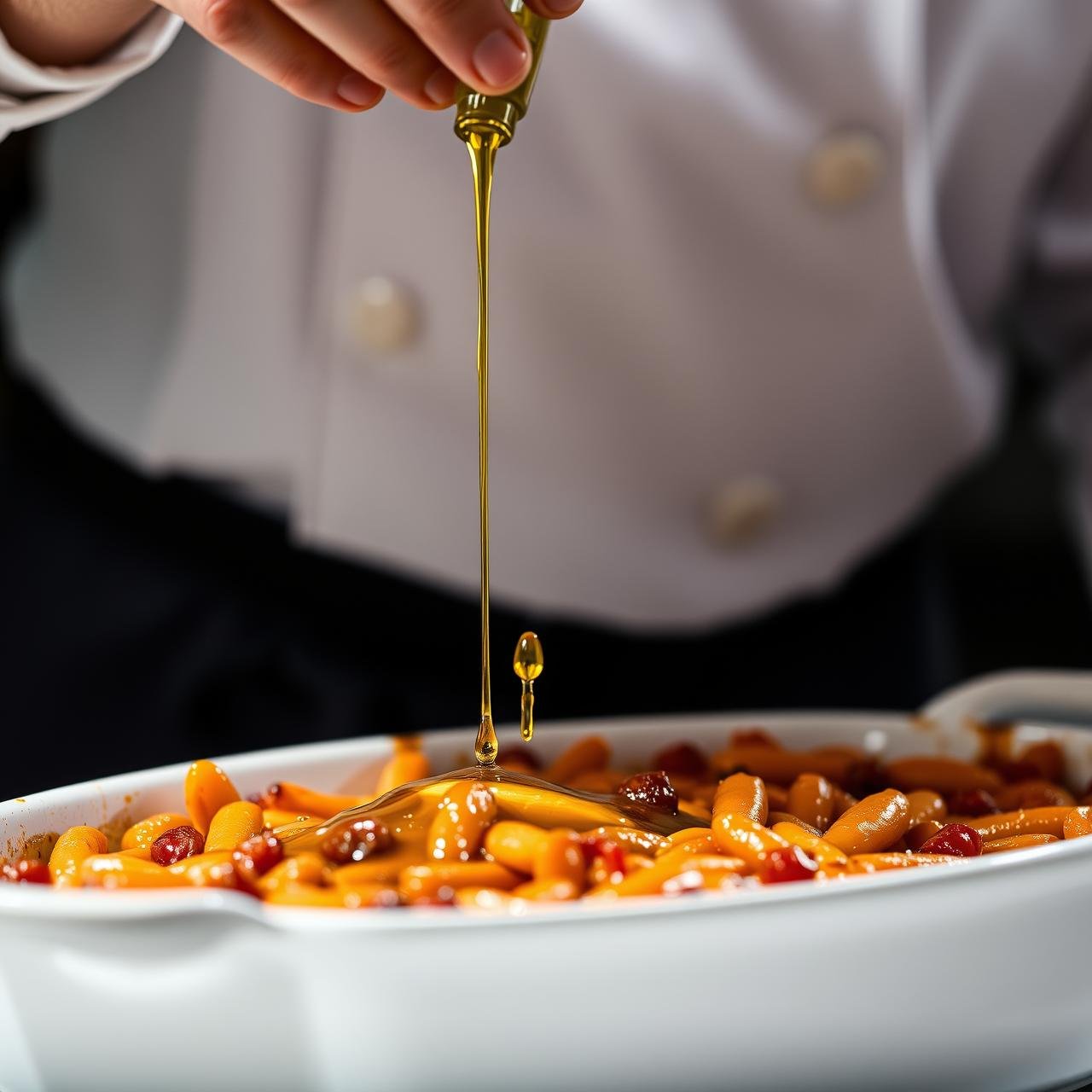
- Add Liquids: Pour enough vegetable broth or water around the edges so the liquid comes about halfway up the beans. Drizzle the remaining 1/2 cup of olive oil evenly over the top. This might seem like a lot of oil, but it’s essential for the flavor and texture of the final dish.
- Bake to Perfection: Cover the dish with foil and bake for 45 minutes. Then, remove the foil and continue to bake for another 30-45 minutes, or until the beans are completely tender and creamy, and the sauce has thickened and caramelized around the edges. If the top seems to be drying out, you can add a splash more broth or water.
- Rest and Garnish: Let the Gigantes Plaki rest for at least 15 minutes before serving. This allows the flavors to settle. Garnish with a sprinkle of fresh parsley and another drizzle of high-quality olive oil.
Chef’s Tips for Gigantes Perfection
Don’t Skip the Soak
Soaking the beans is non-negotiable. It rehydrates them, ensures they cook evenly, and makes them easier to digest. An overnight soak is ideal for the creamiest results.
Control the Bean’s Texture
The goal is a bean that is meltingly tender on the inside but still holds its shape. The parboiling step is key. Check them frequently; you want them tender to the bite but with a slight firmness remaining, as they will have a long bake in the oven.
The Magic of Good Olive Oil
This dish uses a generous amount of olive oil, and for good reason. It emulsifies with the tomato and bean starches to create a luscious, rich sauce. Don’t be shy, and use a flavorful, fruity extra virgin olive oil for the best taste.
Flavor Layering is Everything
Take your time when building the sauce. Allowing the onions, carrots, and celery to soften and sweeten properly creates a deep flavor base. Toasting the tomato paste is another professional trick that adds a huge amount of savory depth.
Serving Suggestions
Gigantes Plaki is fantastic on its own, served warm or at room temperature. It’s also incredible with a side of crusty bread for dipping, a block of salty feta cheese, some Kalamata olives, and a simple green salad with a lemon vinaigrette to cut through the richness.
Nutritional Profile: A Wholesome Indulgence
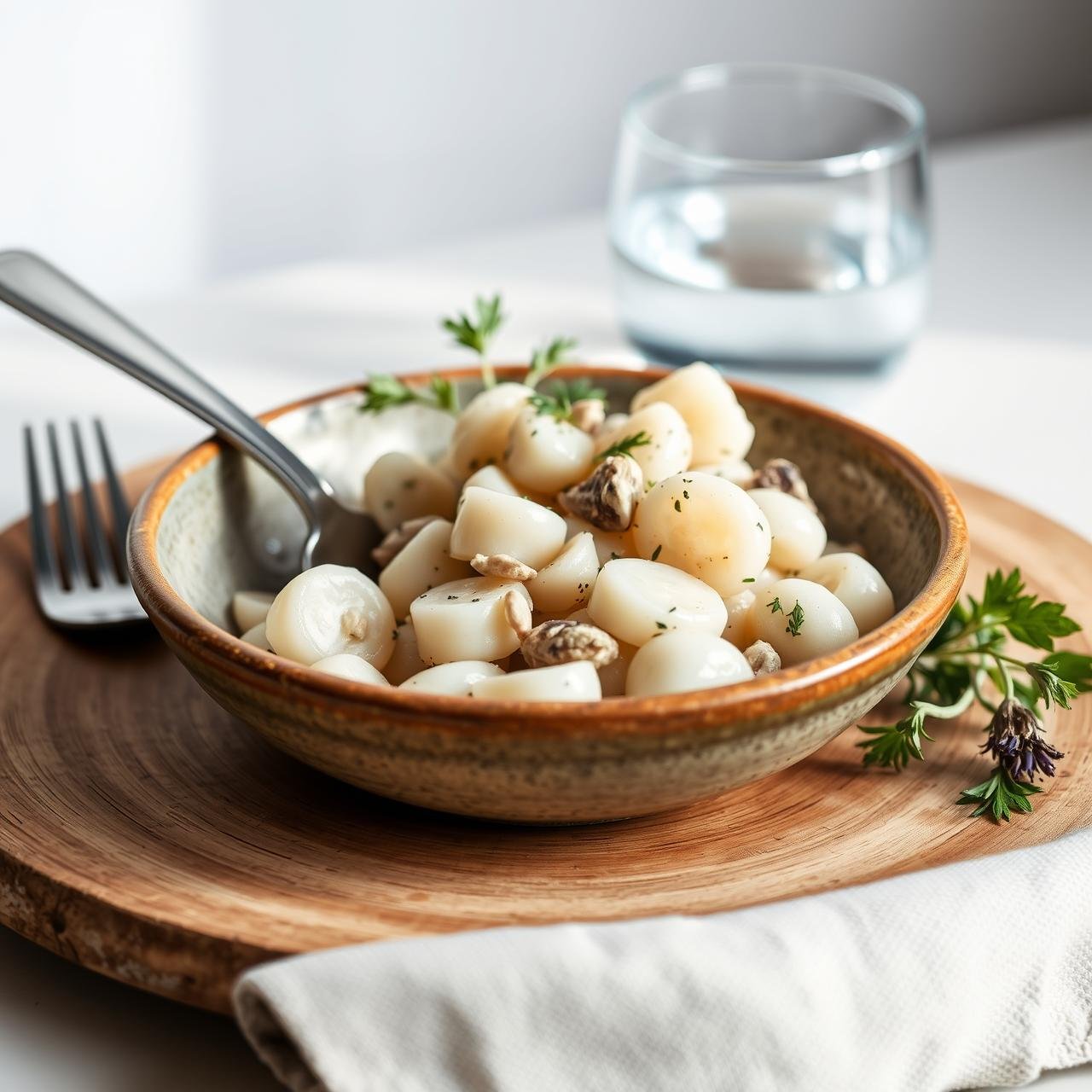
Gigantes Plaki is a prime example of how indulgent comfort food can also be incredibly nutritious. It’s a powerhouse of plant-based protein, fiber, and essential nutrients.
| Nutrient | Amount per Serving (Approx.) |
|---|---|
| Calories | 450 kcal |
| Protein | 18 g |
| Carbohydrates | 60 g |
| Fiber | 15 g |
| Fat | 18 g |
| Saturated Fat | 2.5 g |
| Sodium | 550 mg |
| Iron | 30% DV |
Disclaimer: Nutritional information is an estimate and can vary based on the specific ingredients and portion sizes used.
Storing, Freezing, and Reheating Your Gigantes Plaki
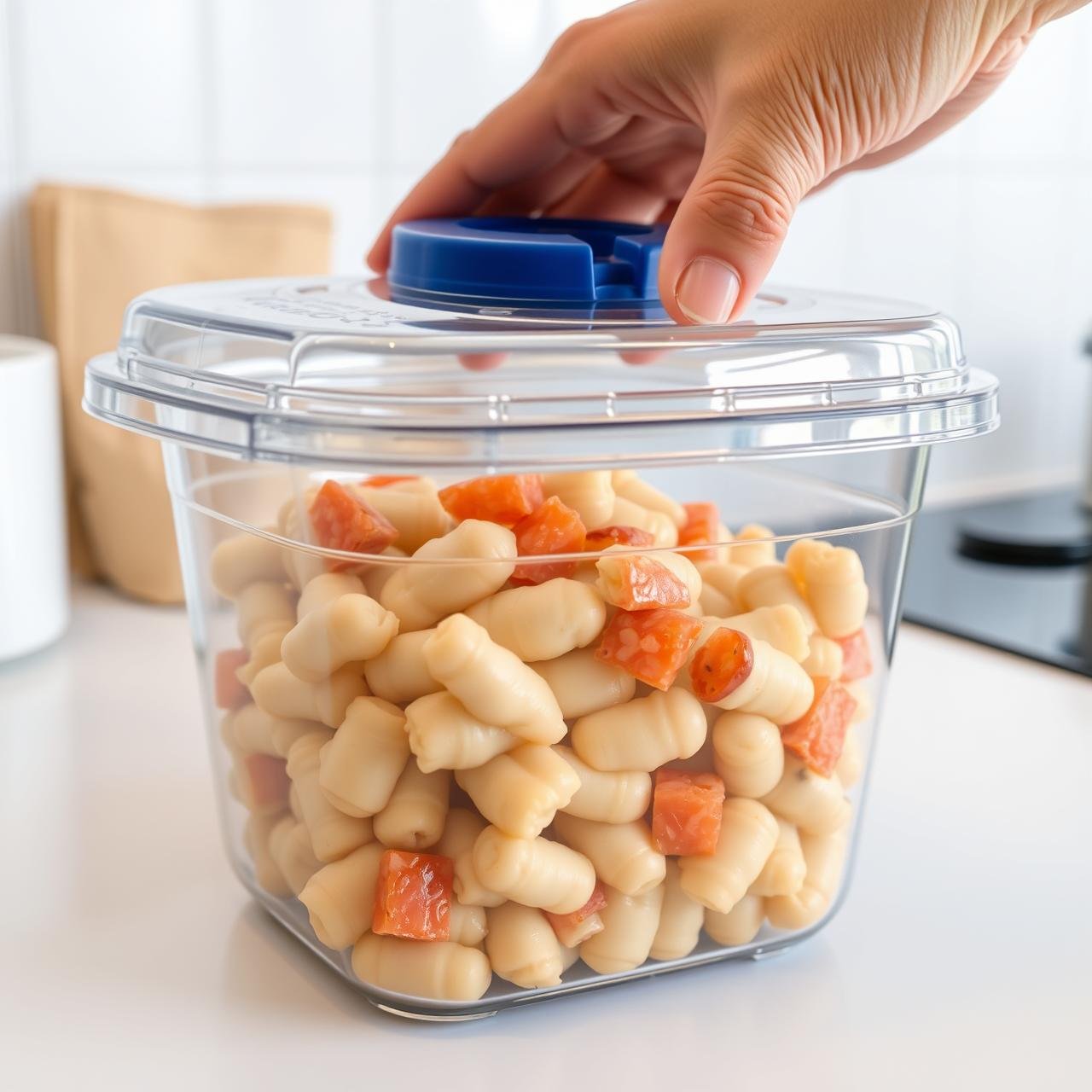
One of the best things about this dish is that the flavors continue to develop over time, making the leftovers arguably even more delicious. Here’s how to store them properly.
Refrigeration
Allow the Gigantes Plaki to cool completely to room temperature. Transfer it to an airtight container and store it in the refrigerator for up to 5 days. The sauce will thicken, and the flavors will meld beautifully.
Freezing
Gigantes Plaki freezes exceptionally well, making it a perfect dish for meal prep. Cool the dish completely, then transfer it to freezer-safe containers or heavy-duty freezer bags. It can be frozen for up to 3 months. To prevent the beans from breaking, be gentle when packing them.
Reheating
To reheat from the refrigerator, you can warm individual portions in the microwave or place the entire dish in a 325°F (160°C) oven, covered, until heated through. You may need to add a splash of water or broth to loosen the sauce. If reheating from frozen, it’s best to thaw it overnight in the refrigerator first for the best texture.
Conclusion
Greek Gigantes Plaki is more than just a recipe; it’s a celebration of rustic, wholesome, and deeply flavorful cooking. It’s a testament to the power of simple, high-quality ingredients transformed by time and patience into something truly special. The creamy, buttery beans bathed in a rich, herby tomato sauce offer a comforting embrace that satisfies cravings and nourishes the body. Whether you serve it as a main course with crusty bread and feta or as part of a larger meze spread, this dish is sure to become a beloved staple in your kitchen. We invite you to embrace the slow, rewarding process of making this authentic Greek classic and share the warmth and flavor with those you love.