Restaurant-Style Chana Masala: High Protein Vegan Curry for Weight Loss
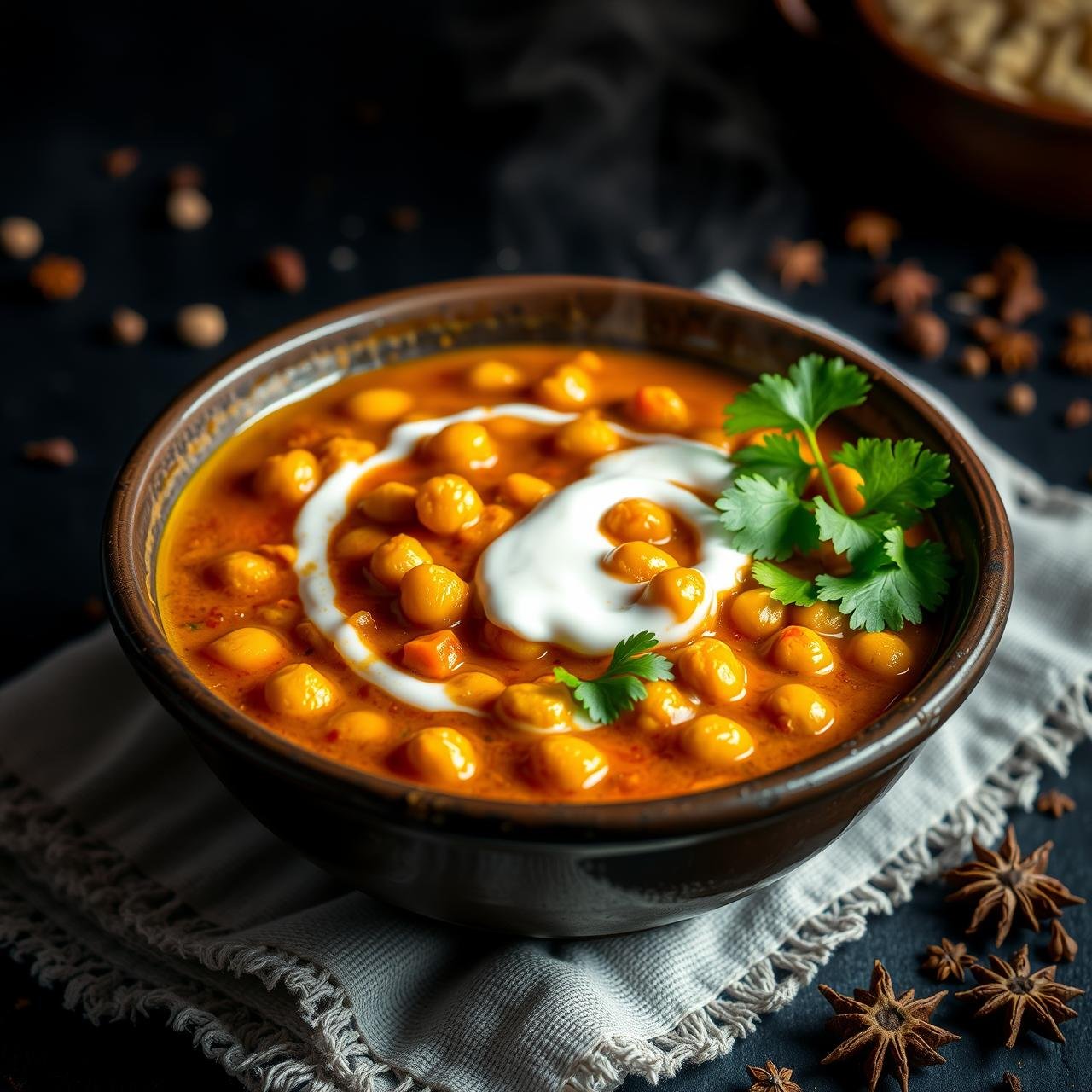
There’s a certain magic to the Chana Masala you savor at a great Indian restaurant. It’s a rich, complex, and deeply satisfying curry where humble chickpeas are transformed into something truly extraordinary. The gravy is never watery; instead, it’s a thick, luscious sauce that clings to every chickpea, bursting with layers of toasted spices. Many of us have tried to replicate this at home, only to be met with a dish that’s good, but not quite *that*. What if I told you that you could not only recreate that authentic, restaurant-quality flavor but do so with a recipe that’s intentionally designed to be high in protein, completely vegan, and supportive of your weight loss goals?
This isn’t just another chickpea curry recipe. This is a culinary deep-dive into the techniques and ingredients that elevate Chana Masala from a simple weeknight meal to a gourmet experience. We’ll explore the art of building flavor from the ground up—from blooming whole spices to creating a fragrant onion-tomato masala that forms the soul of the dish. Forget bland, one-note curries; prepare for a robust, tangy, and perfectly spiced masterpiece that nourishes your body and delights your palate. It’s hearty, homestyle cooking with a chef’s touch, proving that healthy, clean eating can be incredibly delicious and satisfying.
The Heart of Flavor: Why This Chana Masala Shines

What truly separates a restaurant-quality Chana Masala from an average one? It’s all about the depth and complexity of flavor, achieved through specific techniques. The secret lies in a multi-layered approach to building the masala (the spice base).
The Foundation: Blooming the Spices
We begin by ‘blooming’ or ‘tempering’ whole spices like cumin seeds, cloves, and cinnamon in hot oil. This technique, known as tadka or chaunk, is fundamental in Indian cooking. It unlocks the essential oils trapped within the spices, infusing the entire dish with an aromatic foundation that you simply can’t get from pre-ground powders alone.
The Body: The Onion-Tomato Bhuna
The core of our curry is a slow-cooked base of finely chopped onions, ginger, and garlic, sautéed until deeply golden brown. This isn’t a quick five-minute job; patience here is key. This process, called bhuna, caramelizes the natural sugars in the onions, creating a sweet, savory depth that is irreplaceable. We then introduce tomatoes and cook them down until the oil begins to separate from the mixture—a visual cue that the masala is perfectly cooked and ready to absorb the ground spices.
The Soul: A Balanced Spice Blend
Our recipe uses a carefully balanced blend of ground spices, including a special ingredient: chana masala powder. This commercial blend often contains unique souring agents like dried pomegranate seeds (anardana) or black salt (kala namak), which provide that signature tangy kick. By combining this with individual spices like coriander, turmeric, and Kashmiri red chili powder (for color without excessive heat), we create a harmonious and robust flavor profile.
The Protein Powerhouse
From a health perspective, chickpeas (chana) are a phenomenal ingredient. They are packed with plant-based protein and dietary fiber, two critical components for weight management. Protein helps build and maintain lean muscle mass, which boosts metabolism, while fiber promotes satiety, keeping you feeling full and satisfied for longer. This combination helps curb cravings and reduce overall calorie intake, making this curry a delicious and strategic choice for anyone on a health-conscious journey.
Your Culinary Toolkit: Essential Equipment
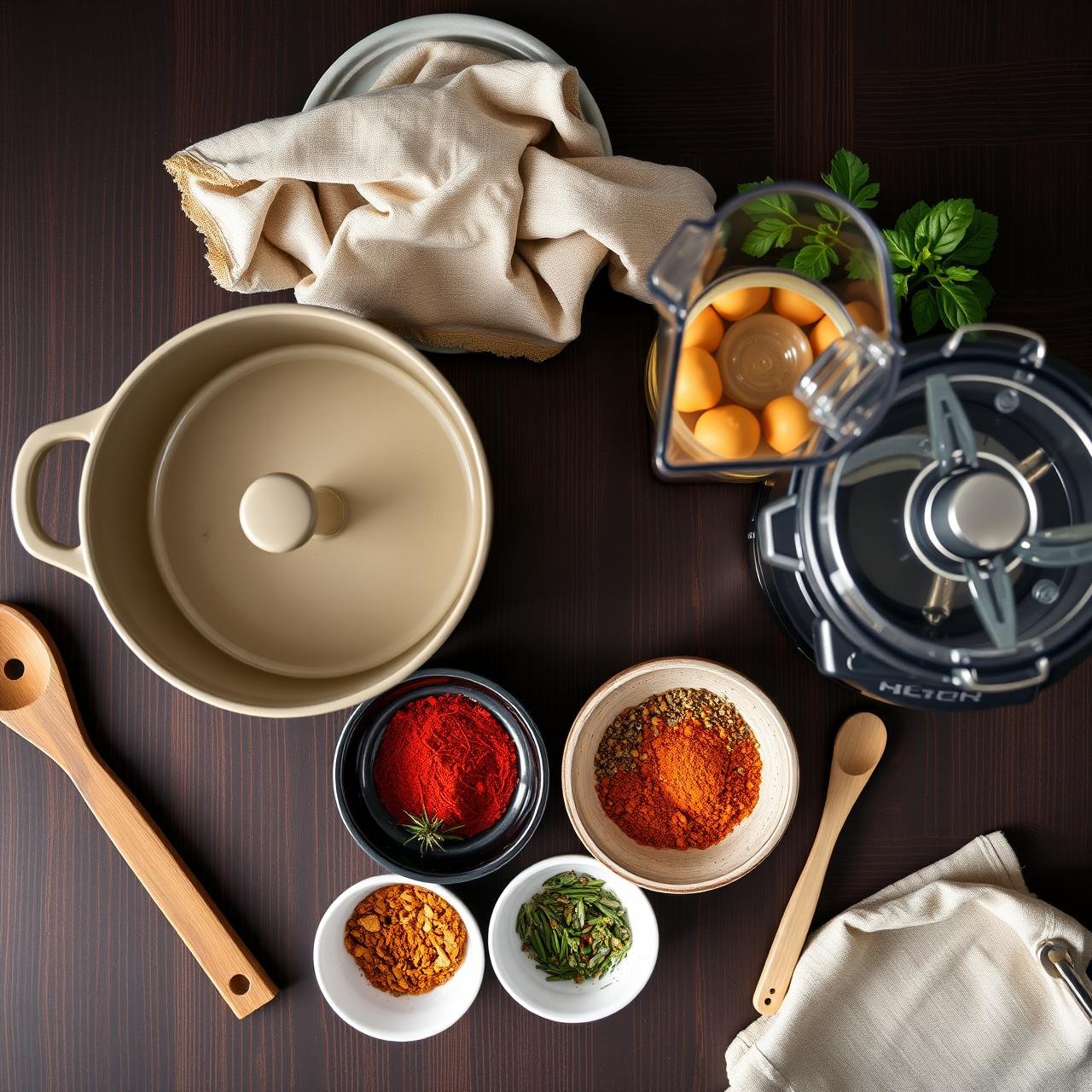
Having the right tools makes the cooking process smoother and more enjoyable. You don’t need a professional kitchen, but these items are highly recommended for achieving the best results.
| Equipment | Purpose |
|---|---|
| Heavy-Bottomed Pot or Dutch Oven | Provides even heat distribution, crucial for sautéing the masala base without scorching. A 5-quart pot is ideal. |
| High-Speed Blender or Food Processor | Essential for creating a smooth paste from the onions, tomatoes, ginger, and garlic, which results in that luxurious, restaurant-style gravy. |
| Spice Grinder (Optional) | For the absolute freshest flavor, grinding your own whole spices like cumin and coriander is a game-changer. |
| Measuring Spoons and Cups | Accuracy is key in spice-heavy recipes to ensure a balanced flavor profile. |
| Wooden Spoon or Silicone Spatula | Perfect for scraping the bottom of the pot to prevent sticking and incorporate all the browned bits (fond) into the sauce. |
A Symphony of Spices: The Ingredient List

The quality of your ingredients will directly impact the final dish. Use fresh spices where possible, and don’t be afraid to seek out an Indian grocery store for the most authentic chana masala powder.
For the Chickpeas:
- 2 cans (15-ounce each) of chickpeas, rinsed and drained (or 1.5 cups of dried chickpeas, soaked overnight and cooked until tender)
- 1 black tea bag (like English Breakfast or Assam) – optional, for color and depth
- 1/2 teaspoon baking soda (if cooking dried chickpeas)
For the Masala Base (Bhuna):
- 2 tablespoons avocado oil or other neutral high-heat oil
- 1 teaspoon cumin seeds
- 1 black cardamom pod
- 1 cinnamon stick (2-inch piece)
- 2 whole cloves
- 1 large bay leaf
- 2 medium yellow onions, roughly chopped
- 1 tablespoon freshly minced ginger
- 4-5 cloves garlic, minced
- 1-2 green chilies (like serrano), slit lengthwise (adjust to taste)
For the Wet Masala & Spices:
- 3 medium ripe tomatoes, roughly chopped
- 2 tablespoons chana masala powder
- 1 tablespoon ground coriander
- 1 teaspoon turmeric powder
- 1/2 to 1 teaspoon Kashmiri red chili powder (for color)
- 1/2 teaspoon garam masala
- 1 teaspoon sea salt (or to taste)
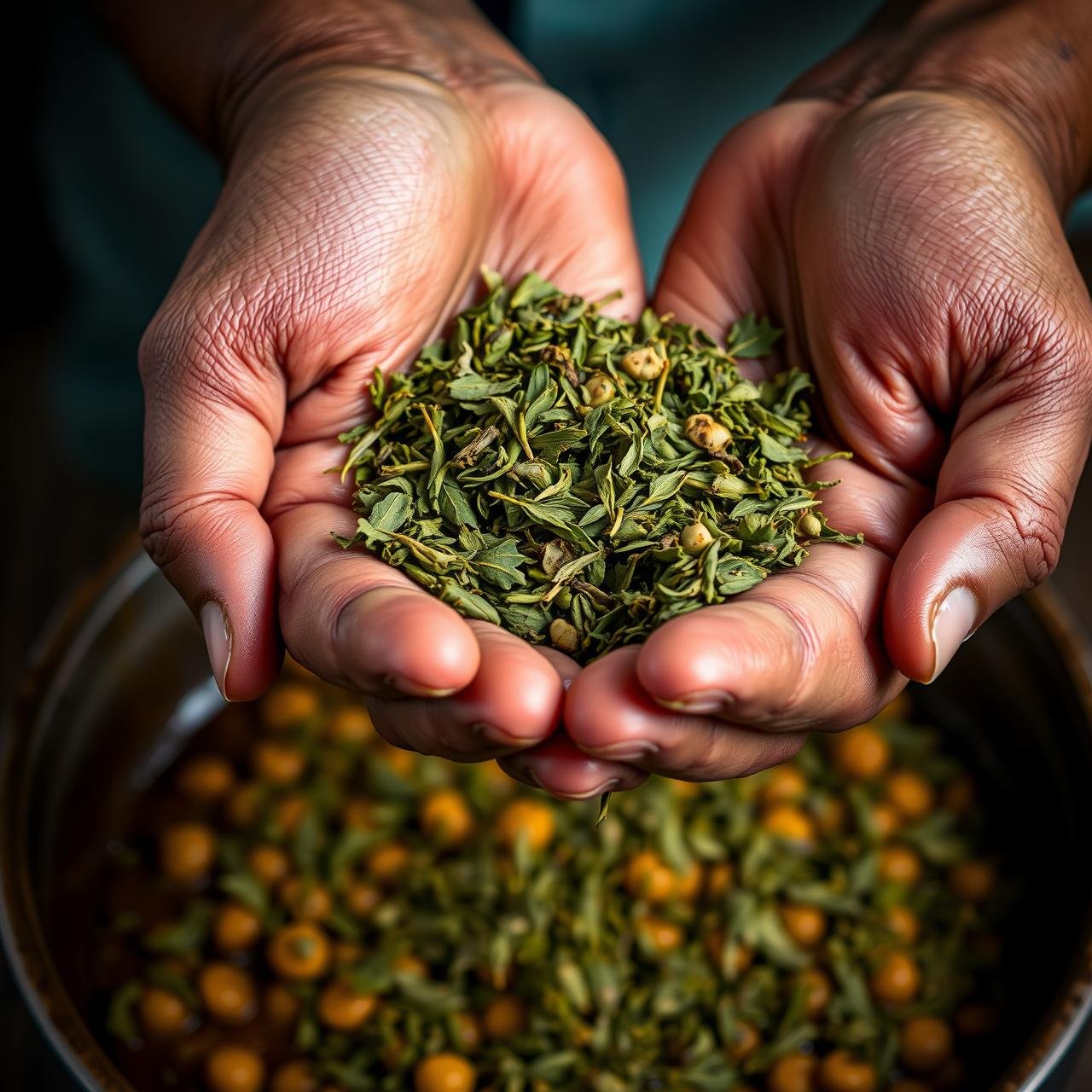
- 1 tablespoon dried fenugreek leaves (kasuri methi)
For Garnish:
- Fresh cilantro, chopped
- Thinly sliced red onion
- Wedges of lemon or lime
- A dollop of vegan yogurt (optional)
Crafting the Curry: A Step-by-Step Guide
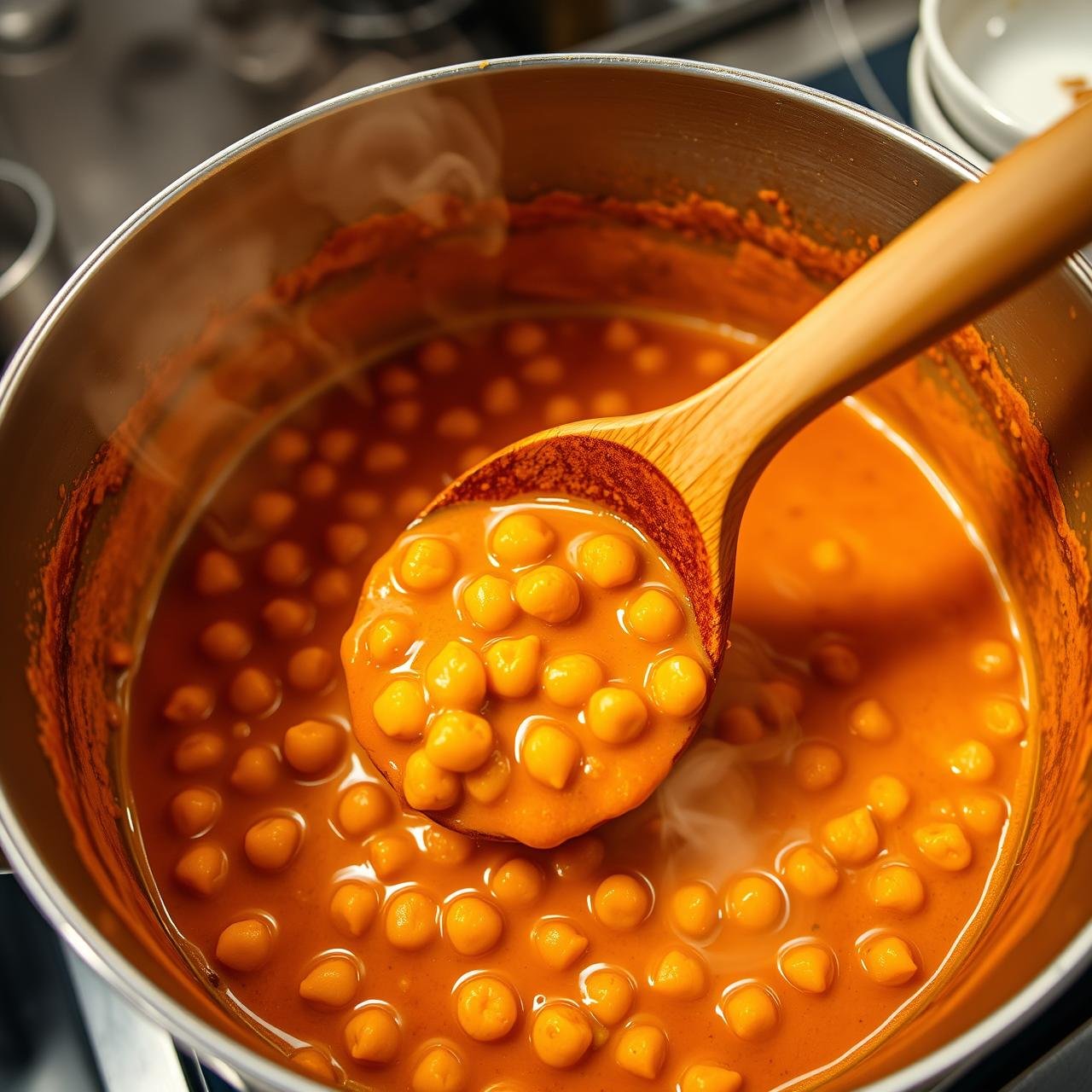
Follow these steps closely to build layers of flavor. The key is patience, especially during the sautéing process. This is where the magic happens.
-
Prepare the Chickpeas:
If using dried chickpeas, soak them overnight, then cook them in a pressure cooker or on the stovetop with the black tea bag and baking soda until very tender. The tea bag imparts a deep, dark color reminiscent of restaurant versions. Discard the tea bag. If using canned chickpeas, simply rinse and drain them well. Set aside.
-
Bloom the Whole Spices:
Heat the 2 tablespoons of oil in your heavy-bottomed pot over medium heat. Once shimmering, add the 1 teaspoon of cumin seeds. When they sizzle and become fragrant (about 30 seconds), add the black cardamom, cinnamon stick, cloves, and bay leaf. Sauté for another 30 seconds until aromatic.
-
Create the Onion Base:
Add the chopped onions to the pot. Sauté, stirring occasionally, for 10-15 minutes. You are looking for a deep golden-brown color. Don’t rush this step! This caramelization is the foundation of your curry’s flavor. Once browned, add the minced ginger, garlic, and green chilies. Cook for another 2 minutes until the raw smell is gone.
-
Form the Masala Paste:
Transfer the cooked onion mixture to your blender. Add the chopped tomatoes and blend until you have a completely smooth, thick paste. This technique is a restaurant secret for a velvety gravy.
-
Cook the Masala:
Return the blended paste to the same pot. Cook over medium heat, stirring frequently, for about 8-10 minutes. The paste will darken in color, thicken considerably, and you’ll see the oil start to separate from the edges. This indicates the masala is perfectly cooked.
-
Introduce the Ground Spices:
Turn the heat to low. Add the 2 tablespoons of chana masala powder, 1 tablespoon of ground coriander, 1 teaspoon of turmeric, and the Kashmiri red chili powder. Stir constantly for 1 minute to toast the spices and prevent them from burning. This deepens their flavor.
-
Combine and Simmer:
Add the cooked chickpeas to the pot along with 1.5 cups of water (or the reserved chickpea cooking liquid for extra flavor). Add the 1 teaspoon of salt. Stir everything together well. Bring the curry to a boil, then reduce the heat to low, cover, and let it simmer for at least 20-25 minutes. This allows the chickpeas to absorb all the wonderful flavors of the masala. Lightly mash a few chickpeas against the side of the pot with your spoon to help thicken the gravy naturally.
-
The Finishing Touches:
Just before serving, stir in the 1/2 teaspoon of garam masala. Take the 1 tablespoon of kasuri methi (dried fenugreek leaves) and crush it between your palms as you sprinkle it into the curry. This releases its unique, savory aroma. Stir and cook for one final minute.
-
Serve and Garnish:
Ladle the hot Chana Masala into bowls. Garnish generously with fresh cilantro, thinly sliced red onion, and a squeeze of fresh lemon or lime juice to brighten all the flavors. Serve hot with brown rice, quinoa, or whole wheat roti.
Secrets from the Chef’s Kitchen: Pro Tips & Variations
Achieving the Perfect Texture:
The consistency of the gravy is paramount. If your curry is too thin, allow it to simmer uncovered for an extra 10 minutes to reduce. For a thicker, creamier texture without adding dairy, you can blend a small handful of the cooked chickpeas with a little water and stir the resulting paste back into the curry.
Balancing Flavors:
Taste your Chana Masala before serving and adjust. Is it missing a little brightness? A squeeze of lemon juice will fix that. Does it need more depth? A pinch more garam masala or a tiny bit of jaggery (or maple syrup) can balance the tanginess of the tomatoes. The ability to taste and adjust is the mark of a great home cook.
Flavor-Boosting Variations:
- Spinach (Palak Chana): Add 2-3 cups of fresh baby spinach during the last 5 minutes of simmering for a boost in nutrients and color.
- Potato (Aloo Chana): Add one small, diced potato along with the chickpeas and let it simmer until tender for a heartier, more filling curry.
- Creamy Vegan Version: For an extra-rich, decadent curry, stir in 1/4 cup of full-fat coconut milk or cashew cream at the very end of cooking.
Make-Ahead Tip:
Chana Masala tastes even better the next day! The flavors meld and deepen overnight. This makes it a perfect dish for meal prepping. Cook a large batch on the weekend to enjoy for healthy lunches or quick dinners during the week.
Fueling Your Goals: Nutritional Breakdown
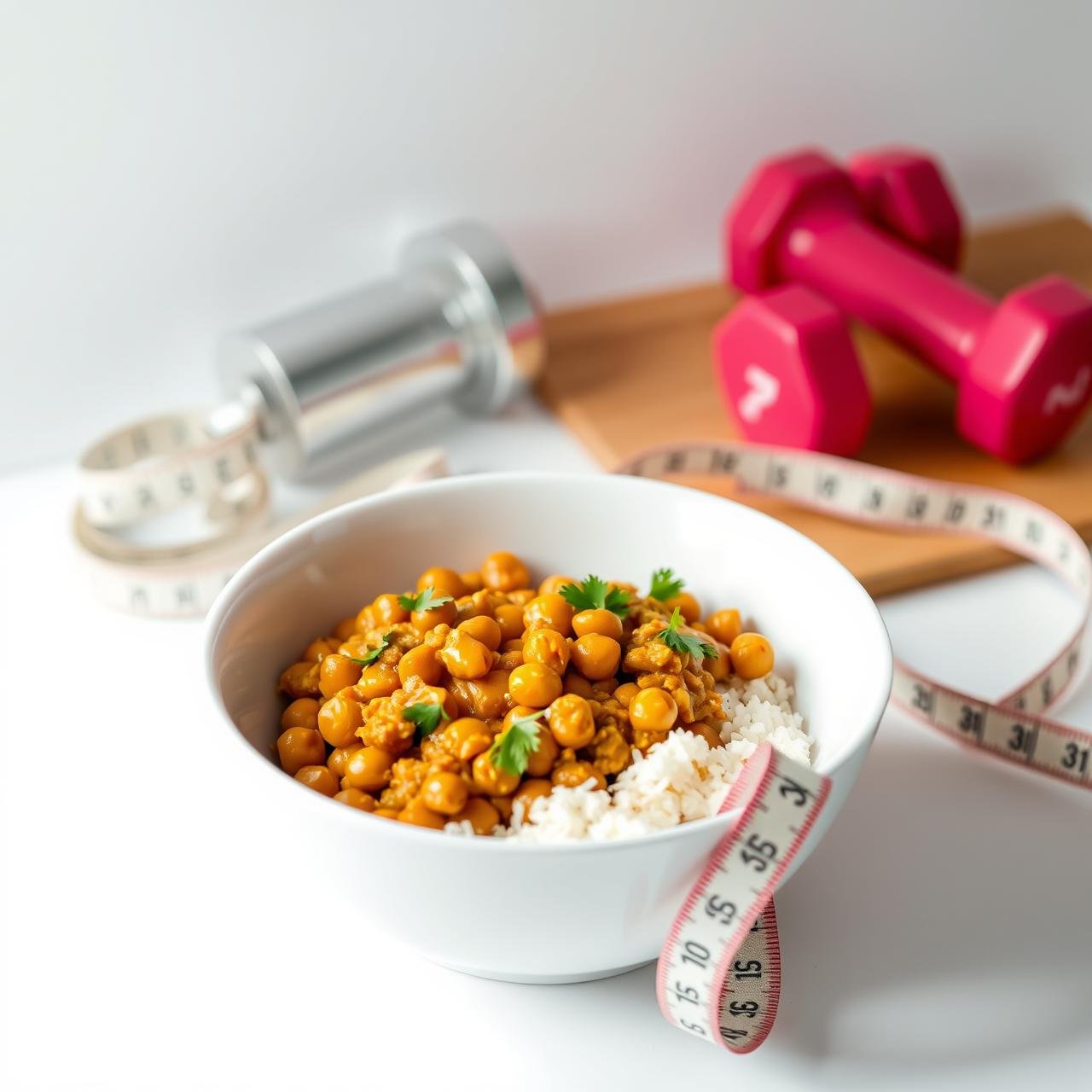
This Chana Masala is not only delicious but also a nutritional powerhouse, perfectly aligned with a healthy lifestyle and weight loss objectives. The combination of high protein and high fiber from the chickpeas creates a meal that is both filling and metabolically beneficial. Here is an approximate nutritional breakdown per serving (recipe makes about 4 servings).
| Nutrient | Amount per Serving (Approx.) | % Daily Value* |
|---|---|---|
| Calories | 350 kcal | 18% |
| Protein | 15 g | 30% |
| Carbohydrates | 50 g | 17% |
| – Dietary Fiber | 14 g | 56% |
| – Sugars | 8 g | – |
| Fat | 10 g | 15% |
| – Saturated Fat | 1.5 g | 8% |
| Sodium | 650 mg | 27% |
| Iron | 5 mg | 28% |
| Potassium | 600 mg | 17% |
*Percent Daily Values are based on a 2,000 calorie diet. Your daily values may be higher or lower depending on your calorie needs. This is an estimate and can vary based on specific ingredients used.
Preserving the Perfection: Storage & Reheating
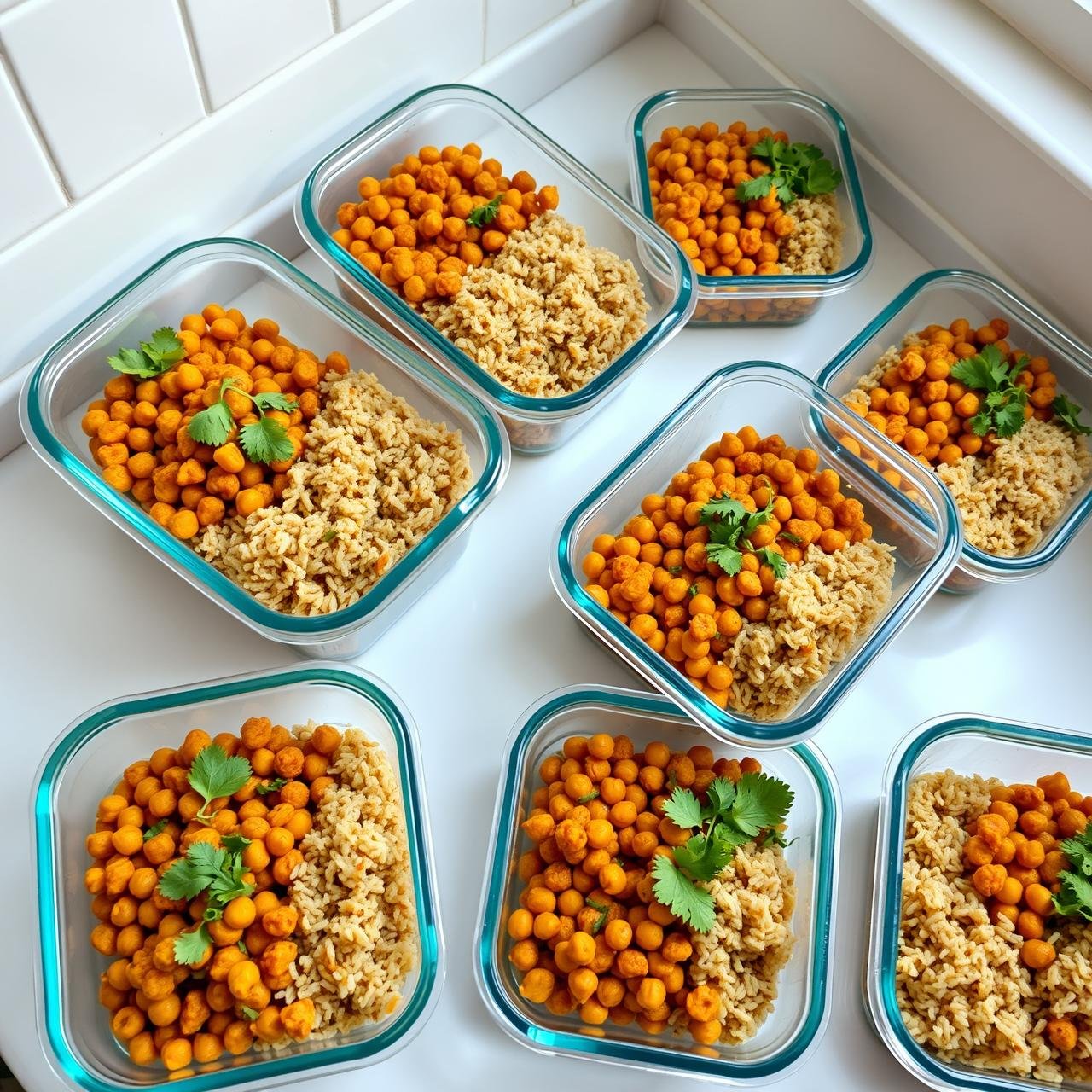
One of the best qualities of this Chana Masala is how well it stores, making it an ideal recipe for batch cooking and meal prepping. As mentioned, the flavors actually improve over time.
Refrigeration:
Allow the curry to cool completely to room temperature. Transfer it to an airtight container and store it in the refrigerator for up to 4-5 days. The gravy will thicken as it chills.
Freezing:
This curry freezes beautifully. Once cooled, portion it into freezer-safe containers or reusable freezer bags. It can be stored in the freezer for up to 3 months. To prevent freezer burn, ensure you leave as little air as possible in the container.
Reheating:
- From Refrigerator (Stovetop): Gently reheat the Chana Masala in a saucepan over medium-low heat. You may need to add a splash of water or vegetable broth to loosen the gravy to your desired consistency. Stir occasionally until heated through.
- From Refrigerator (Microwave): Place a serving in a microwave-safe bowl, cover, and heat for 2-3 minutes, stirring halfway through, until hot.
- From Freezer: For best results, thaw the curry overnight in the refrigerator before reheating using the stovetop or microwave method. If you’re in a rush, you can use the defrost setting on your microwave or reheat it directly from frozen on the stovetop over low heat, adding a splash of water and stirring frequently.
Conclusion
You have now journeyed through the steps of creating a truly exceptional, Restaurant-Style Chana Masala. By embracing techniques like blooming spices and patiently developing the bhuna base, you’ve unlocked the secrets to a curry that is leagues beyond the ordinary. This dish stands as a testament to the fact that food can be both a profound pleasure and a powerful tool for wellness. It’s a high-protein, fiber-rich vegan meal that will keep you feeling full, energized, and completely satisfied, making your health and weight loss goals feel less like a chore and more like a delicious adventure. So, tie on your apron, fill your kitchen with these incredible aromas, and enjoy the rich, rustic, and wholesome taste of an authentic curry made with your own hands.