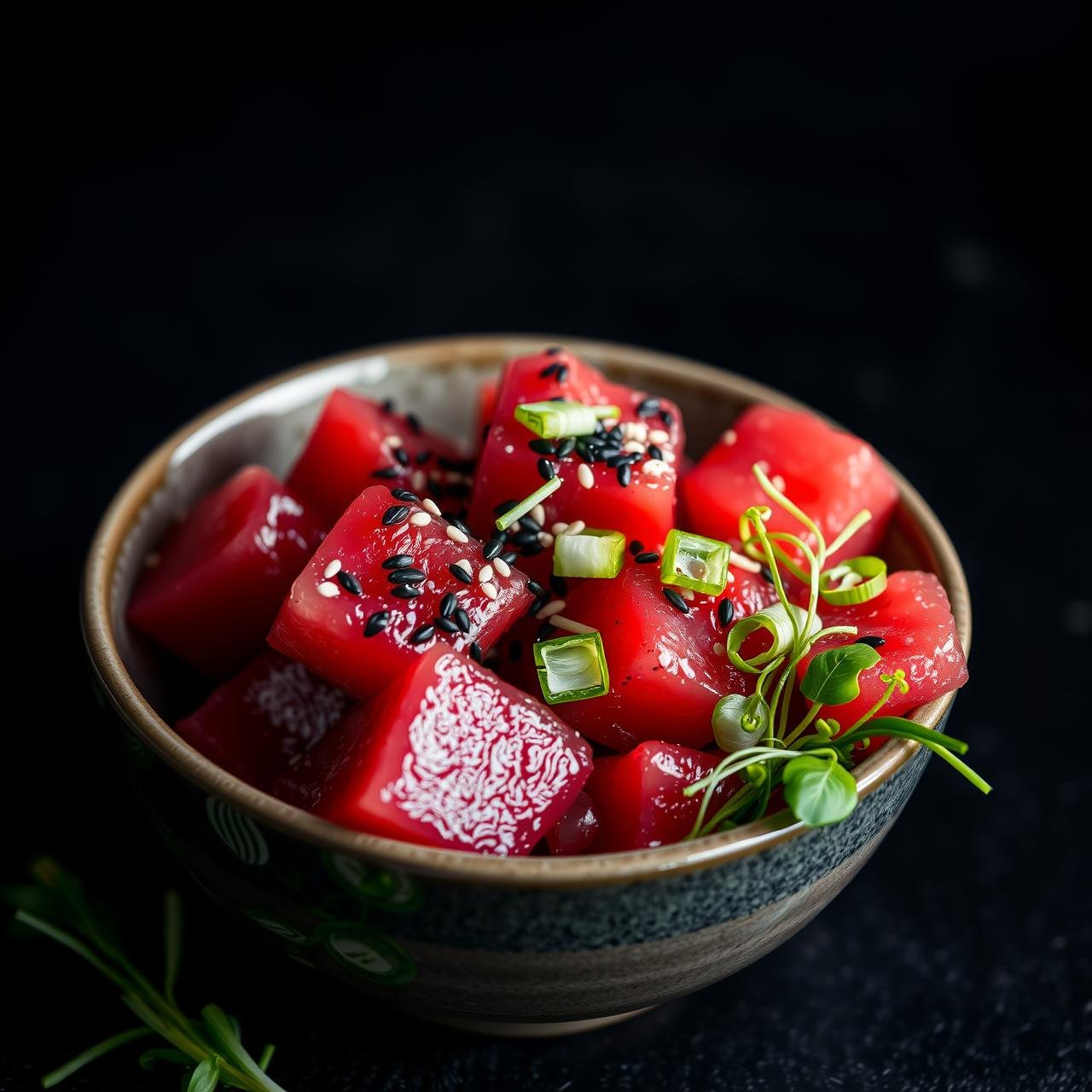
This Watermelon Lookalike Tastes Just Like Tuna Tartare (Vegan Viral Hit)
In the ever-evolving world of plant-based cuisine, a new star has emerged from the most unexpected of places: the humble watermelon. A viral sensation has swept across social media, showcasing a culinary marvel that looks strikingly like classic tuna tartare but is crafted entirely from this refreshing summer fruit. You might be skeptical—how can a sweet, watery melon possibly mimic the savory, complex profile of fresh tuna? The answer lies in a brilliant, yet simple, culinary technique that transforms both its texture and taste into something truly extraordinary.
This is not merely a novelty dish; it’s a testament to the boundless creativity of modern cooking. It’s a healthy, clean, and budget-friendly appetizer that will astonish your guests and delight your palate. In this definitive guide, we will walk you through every step, from selecting the perfect watermelon to mastering the umami-rich marinade. Prepare to unlock a new dimension of flavor and learn the secrets behind this sensational vegan hit.
The Culinary Alchemy: How Watermelon Mimics Tuna
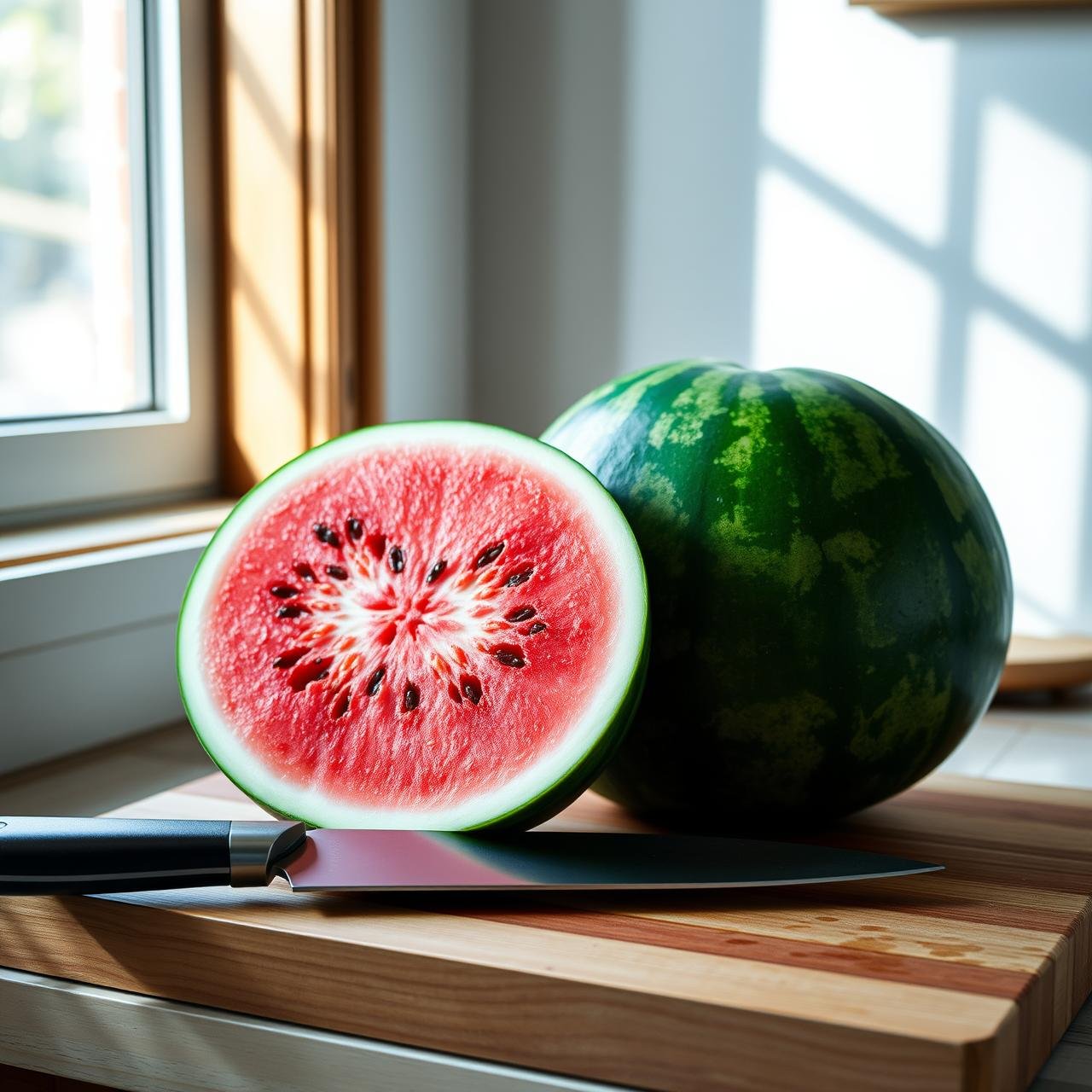
The magic of this recipe hinges on a fundamental principle: the manipulation of texture and the infusion of flavor. Raw watermelon is over 90% water, giving it a crisp, crystalline structure. To achieve the dense, slightly chewy bite of high-quality tuna, we must first remove a significant portion of that water.
This is accomplished through a slow roast in the oven. As the watermelon cubes bake at a low temperature, water evaporates, causing the flesh to condense and firm up. The natural sugars within the fruit begin to concentrate, but they don’t have a chance to fully caramelize and become overly sweet. The result is a tender, toothsome morsel that is remarkably similar in mouthfeel to raw fish. Once this textural transformation is complete, the now-receptive watermelon is ready to absorb our savory marinade. This savory bath, packed with umami-rich ingredients like tamari, sesame, and a hint of the ocean from seaweed, penetrates the dehydrated fruit, completing its stunning metamorphosis from sweet melon to savory ‘tuna’.
Gather Your Tools: The Chef’s Essentials

You don’t need a professional kitchen to create this masterpiece. The beauty of this recipe lies in its accessibility. Here are the essential tools you’ll need, most of which are likely already in your cupboards.
| Equipment | Purpose |
|---|---|
| Chef’s Knife | A sharp, sturdy knife is crucial for neatly dicing the watermelon into uniform cubes. |
| Large Baking Sheet | Provides ample space for the watermelon cubes to roast in a single layer without steaming. |
| Parchment Paper | Prevents the watermelon from sticking to the pan and makes for an easy cleanup. |
| Large Mixing Bowl | For whisking the marinade and gently tossing the roasted watermelon. |
| Small Bowl or Jar | Ideal for mixing the marinade ingredients thoroughly before dressing the ‘tuna’. |
| Whisk or Fork | To emulsify the marinade, ensuring all the flavors are perfectly blended. |
The Pantry & The Market: Assembling Your Flavor Palette
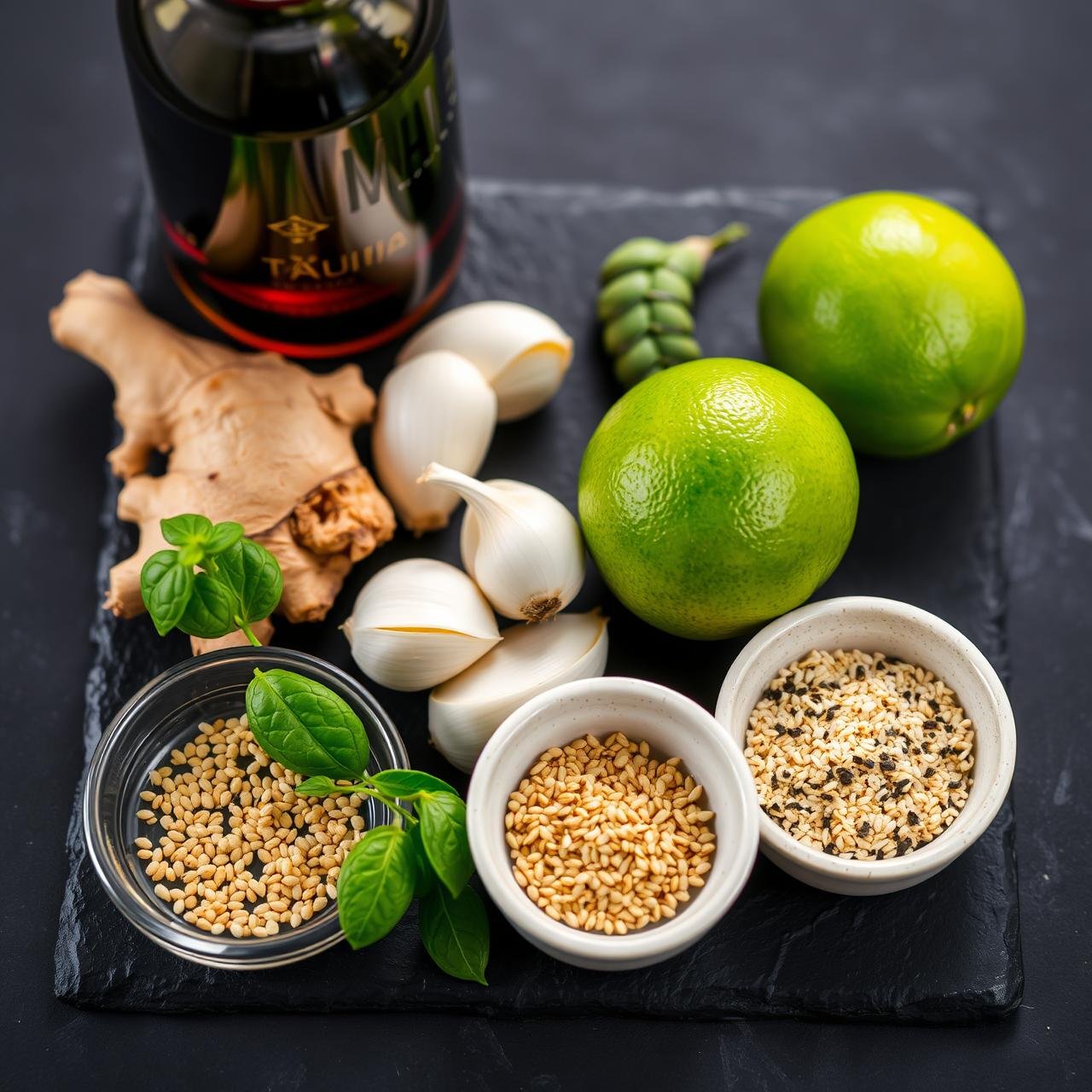
The success of this dish is built on a foundation of quality ingredients. The watermelon provides the texture, but the marinade provides the soul. Here is what you’ll need to create that signature ‘tuna’ flavor.
For the Watermelon ‘Tuna’
- 1 small, seedless watermelon (about 4-5 pounds)
For the Umami Marinade
- 1/4 cup tamari or high-quality soy sauce
- 2 tablespoons toasted sesame oil
- 1 tablespoon rice vinegar
- 1 tablespoon fresh lime juice
- 1 teaspoon grated fresh ginger
- 1 clove garlic, minced
- 1 teaspoon nori flakes or 1/2 sheet of nori, finely crumbled (optional, for an ‘ocean’ flavor)
- 1/2 teaspoon sriracha or chili garlic sauce (optional, for heat)
For Garnish & Serving
- 1 tablespoon toasted sesame seeds (black and white)
- 2 scallions, thinly sliced
- Freshly cracked black pepper
- Wonton crisps, cucumber slices, or avocado for serving
A Note on Ingredients
Choosing Your Watermelon: Look for a seedless watermelon that feels heavy for its size and has a uniform shape. A deep, hollow sound when tapped indicates ripeness. The ‘field spot’—the creamy yellow patch where it rested on the ground—should be present, signaling it ripened in the sun.
Tamari vs. Soy Sauce: While both work, tamari offers a deeper, less salty, and more complex flavor. It is also typically gluten-free, making the dish accessible to more people.
The Method: From Fruit to ‘Fish’ in Simple Steps
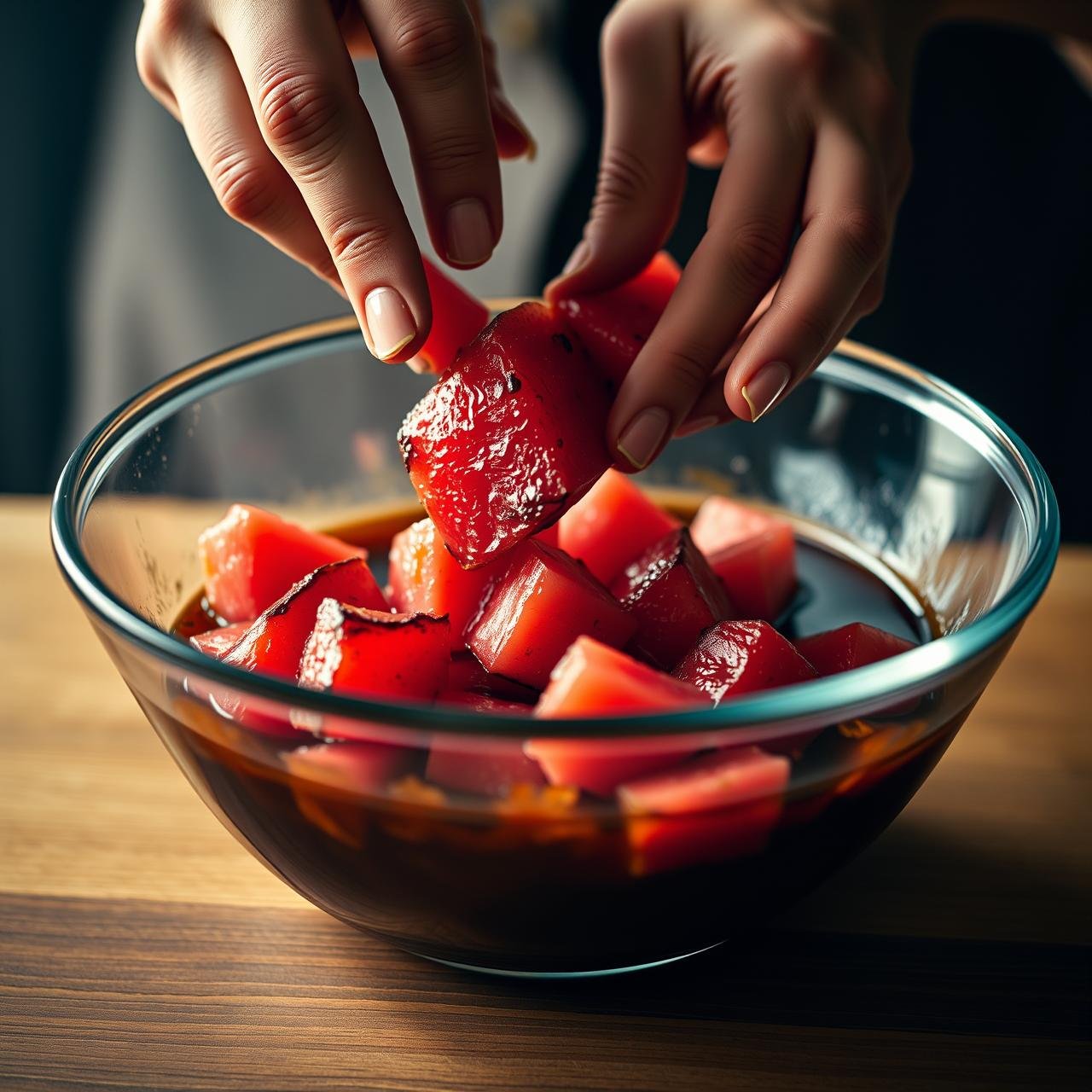
Follow these instructions carefully to achieve the perfect texture and flavor balance. The process is straightforward but requires a little patience during the roasting phase—it’s well worth the wait.
- Preheat and Prepare: Preheat your oven to 350°F (175°C). Line a large baking sheet with parchment paper.
- Dice the Watermelon: Slice the watermelon, remove the rind, and cut the red flesh into uniform 1/2-inch to 3/4-inch cubes. Uniformity is key for even cooking. You should have about 4-5 cups of diced watermelon.
- The First Roast: Spread the watermelon cubes in a single, even layer on the prepared baking sheet. Ensure they are not crowded, as this will cause them to steam instead of roast. Bake for 1.5 to 2 hours. Every 30 minutes, gently toss the cubes to ensure they cook evenly. They are ready when they have shrunk by about half, darkened in color, and have a firm, slightly chewy texture, similar to gummy candy.
- Cool Completely: Remove the watermelon from the oven and let it cool on the baking sheet to room temperature. This step is crucial; adding warm watermelon to the marinade can affect the final texture.
- Create the Marinade: While the watermelon cools, whisk together all the marinade ingredients in a large mixing bowl: tamari, toasted sesame oil, rice vinegar, lime juice, grated ginger, minced garlic, and optional nori flakes and sriracha. Whisk until well combined.
- Marinate the ‘Tuna’: Once the roasted watermelon cubes are completely cool, gently add them to the bowl with the marinade. Use a spatula to fold them in carefully, ensuring every piece is coated.
- Chill and Infuse: Cover the bowl and refrigerate for at least 30 minutes, or up to 2 hours, to allow the flavors to meld and penetrate the watermelon.
- Serve and Garnish: Just before serving, give the tartare a final gentle stir. Serve chilled, garnished with a generous sprinkle of toasted sesame seeds, sliced scallions, and a grind of black pepper. It is excellent on its own, with wonton crisps, on thick slices of cucumber, or paired with creamy avocado.
Elevating Your Dish: Pro Tips & Variations

Don’t Rush the Roast
The roasting step is the most critical part of this recipe. It’s tempting to pull the watermelon out early, but patience is your greatest asset here. The full 1.5-2 hour roast is what creates that uncanny tuna-like chew. Under-roasting will result in a soft, watery texture that won’t hold up to the marinade.
Taste and Adjust Your Marinade
A great chef always tastes their food. Before adding the watermelon, taste the marinade. Does it need more acidity? Add a squeeze more lime. More heat? A dash more sriracha. More saltiness? A splash more tamari. Your palate is the final judge, so trust it.
Serving and Presentation
Presentation elevates any dish from simple to spectacular. For a classic tartare look, press the mixture into a small round mold or a measuring cup on a plate, then gently lift it off to create a perfect cylinder. Surround it with your chosen accompaniments. The contrast of the ruby-red ‘tuna’ against creamy avocado or crisp white wonton chips is visually stunning.
Flavor Variations to Explore
- Spicy Mayo Drizzle: Whisk together vegan mayonnaise with a bit of sriracha and a squeeze of lime juice for a creamy, spicy topping.
- Herbal Infusion: Add finely chopped fresh cilantro or mint to the marinade for a bright, herbaceous lift.
- Tropical Twist: Incorporate finely diced mango or pineapple into the finished tartare for a sweet and savory experience.
A Look at the Nutrition: The Healthy Side of a Viral Hit

This viral sensation isn’t just a treat for the taste buds; it’s also a wonderfully light and healthy option. It’s naturally vegan, gluten-free (if using tamari), and packed with the hydrating benefits of watermelon, even after roasting. It’s a low-fat, low-calorie appetizer that feels indulgent without any of the guilt.
| Nutrient | Estimated Amount per Serving |
|---|---|
| Calories | ~95 kcal |
| Fat | 5g |
| Carbohydrates | 11g |
| – Sugars | 8g |
| Protein | 2g |
| Sodium | 480mg |
| Potassium | 250mg |
| Vitamin C | 15% DV |
*Nutritional information is an estimate and may vary based on ingredient brands and portion sizes.
Planning Ahead: Storage and Preparation

While this watermelon tartare is undeniably best when enjoyed fresh on the day it’s made, a little planning can streamline the process.
Make-Ahead Components
You can roast the watermelon cubes up to 24 hours in advance. Once they have cooled completely, store them in an airtight container in the refrigerator. You can also whisk the marinade together and store it separately in a sealed jar in the fridge for up to 3 days. When you’re ready to serve, simply combine the chilled watermelon cubes with the marinade, let them infuse for 30 minutes, and serve.
Storing Leftovers
If you have any leftovers, they can be stored in an airtight container in the refrigerator for up to 2 days. Be aware that the watermelon will continue to soften slightly as it sits in the marinade. The flavor will still be delicious, but the texture is optimal on the first day. We do not recommend freezing this dish, as it would completely alter the delicate texture of the watermelon.
Conclusion
The viral watermelon ‘tuna’ tartare is a shining example of how plant-based cooking continues to push boundaries, transforming everyday ingredients into something truly special. It proves that with a little technique and a lot of imagination, we can create dishes that are not only delicious and visually stunning but also healthy, sustainable, and accessible to home cooks on any budget. This recipe is more than just a passing trend; it’s a delightful culinary experience that challenges our perceptions of flavor and texture. So, the next time you see a watermelon, we hope you’ll see not just a sweet fruit, but the potential for a sophisticated, savory masterpiece waiting to be unlocked. We encourage you to embrace the magic, try this recipe, and share the delicious surprise with your friends and family.