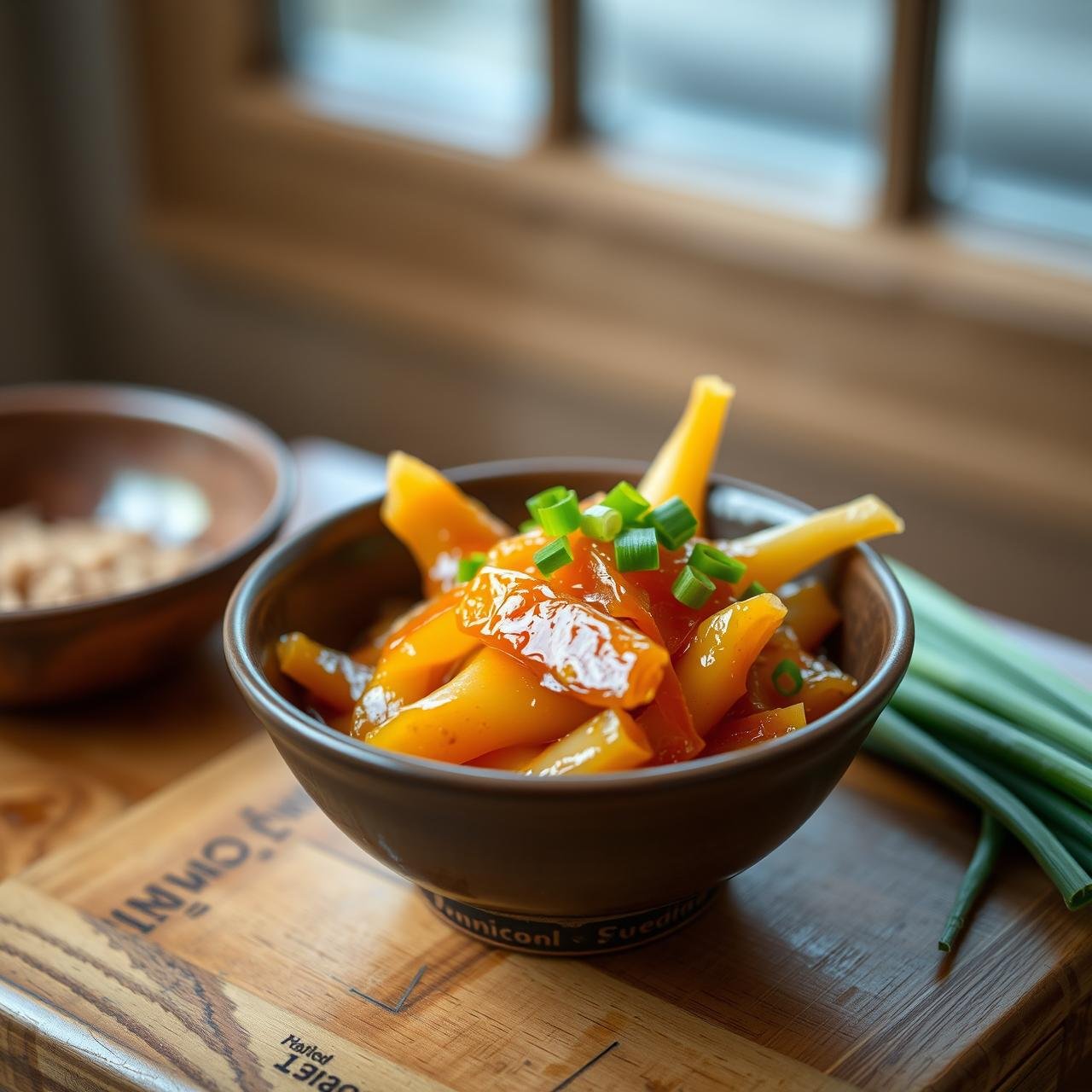
Melt-in-Your-Mouth Braised Daikon Radish (Low Calorie Side)
There is a quiet elegance in Japanese home cooking, a philosophy of transforming simple, humble ingredients into dishes of profound flavor and comfort. At the heart of this tradition lies the daikon radish, a vegetable often overlooked in Western kitchens. Raw, it possesses a sharp, peppery bite. But when treated with patience and a gentle simmer, it undergoes a remarkable metamorphosis. This is the story of Daikon no Nimono, or simmered daikon—a dish where the crisp root vegetable becomes so impossibly tender and succulent that it truly melts in your mouth.
This recipe for Melt-in-Your-Mouth Braised Daikon Radish is more than just a side dish; it’s a lesson in culinary alchemy. It’s a testament to how a slow, gentle braise in a savory-sweet broth of dashi, soy sauce, and mirin can coax out an incredible depth of flavor. Each slice of daikon becomes a translucent, flavor-soaked sponge, delivering a wave of umami with every bite. Not only is it a cornerstone of rustic Japanese cuisine, but it’s also incredibly light, low in calories, and wonderfully budget-friendly, making it a perfect addition to a healthy, clean-eating lifestyle. Prepare to be amazed by the sophisticated potential of this modest root vegetable.
The Unsung Hero: Why Daikon Radish Deserves a Place on Your Plate
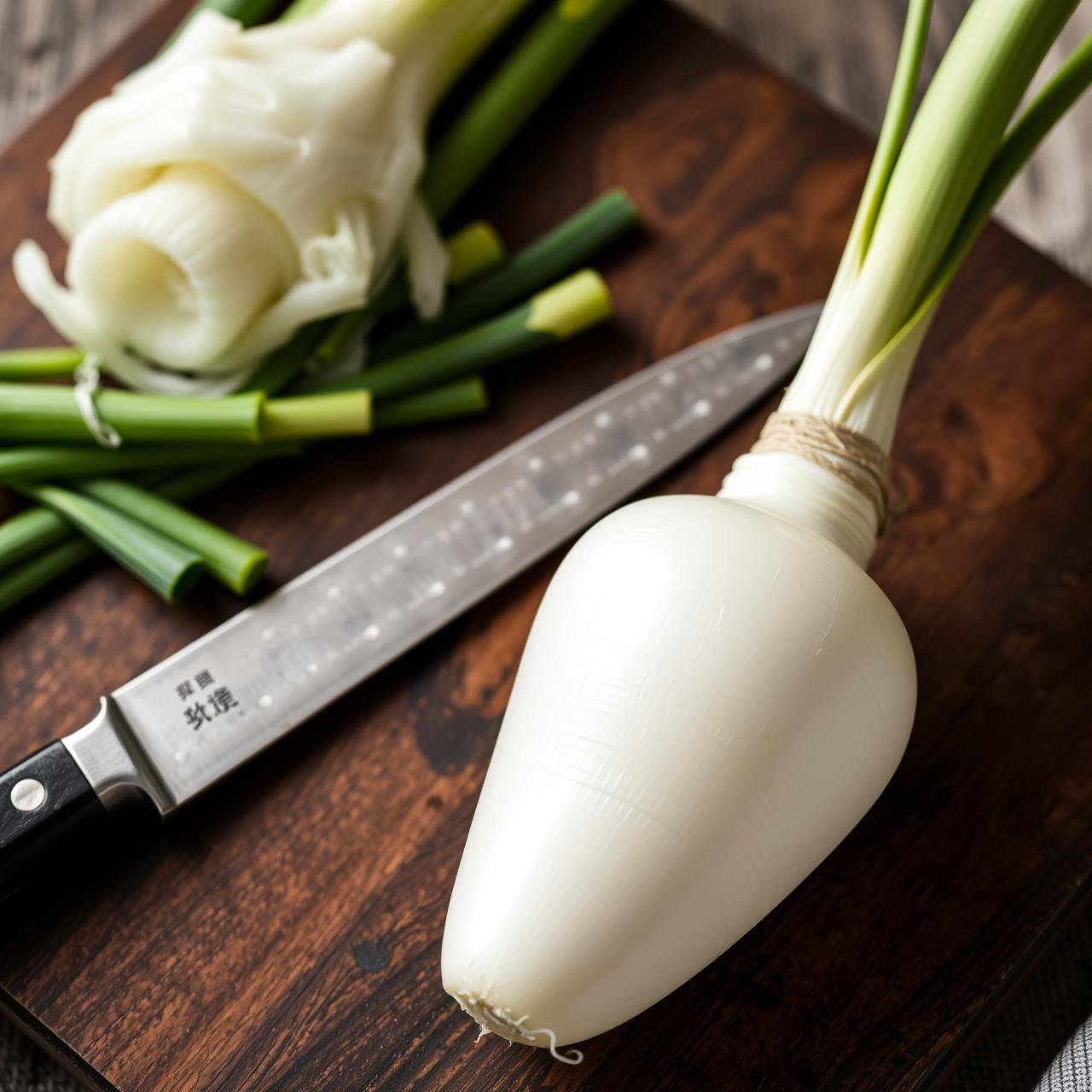
Daikon, which translates to ‘big root’ in Japanese, is a variety of winter radish characterized by its large size, long white shape, and milder flavor compared to its smaller, red counterparts. While it’s a staple across Asia, it remains an underappreciated gem in many parts of the world. Let’s explore why it’s time to bring this versatile vegetable into the spotlight.
Nutritional Powerhouse
From a health perspective, daikon is a champion. It is exceptionally low in calories and carbohydrates, making it an ideal choice for weight management and low-carb diets. It’s packed with Vitamin C, a powerful antioxidant that supports the immune system. Furthermore, daikon contains digestive enzymes like amylase and protease, which can aid in the breakdown of starches and proteins, promoting better gut health. Its high water and fiber content also contribute to a feeling of fullness and regularity.
From Crisp and Peppery to Soft and Savory
The true magic of daikon lies in its culinary versatility. Served raw, often grated as ‘daikon oroshi,’ it provides a sharp, refreshing counterpoint to rich or fried foods like tempura. Its crisp texture is perfect for salads and pickles (tsukemono). However, cooking completely transforms its character. The peppery heat mellows into a subtle, sweet earthiness, and its dense flesh becomes incredibly tender and absorbent. This unique quality makes it the perfect candidate for simmering and braising, as it eagerly soaks up all the flavors of the surrounding broth.
Essential Tools and Pantry Staples
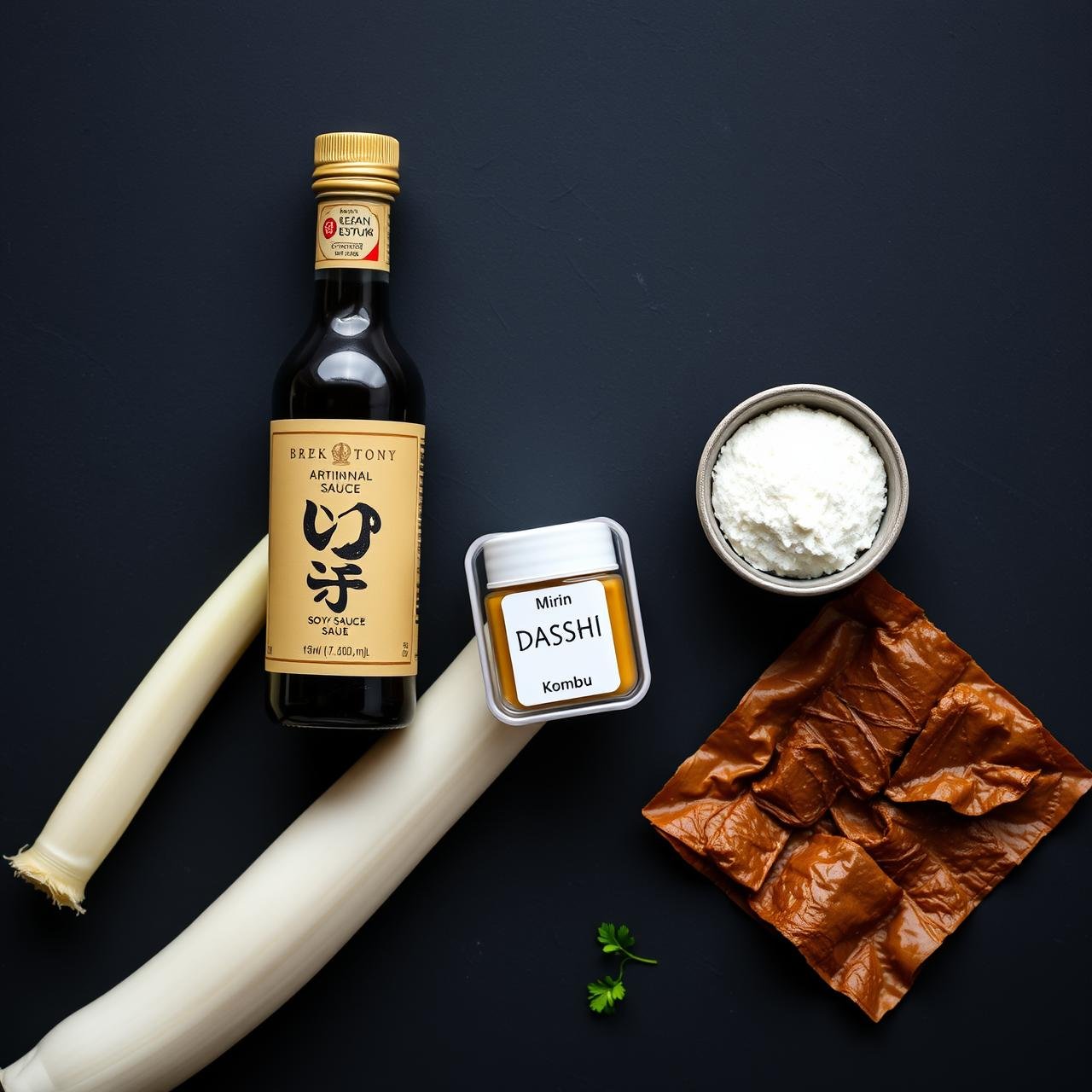
This recipe relies on a few key Japanese pantry items to build its signature umami flavor. While simple, the quality of these ingredients will directly impact the final dish. Here’s what you’ll need to assemble.
Essential Equipment
You don’t need any fancy gadgets for this rustic dish. The beauty is in its simplicity. Ensure you have:
- A medium-sized, heavy-bottomed pot or Dutch oven: One that is wide enough to hold the daikon slices in a single layer for even cooking. A lid is essential.
- A sharp chef’s knife: For peeling and cutting the daikon into uniform, thick rounds.
- A cutting board: A stable surface for preparing your vegetable.
- Otoshibuta (Drop Lid) or Parchment Paper: A drop lid sits directly on the surface of the simmering liquid, ensuring the ingredients stay submerged and cook evenly. If you don’t have one, a circle of parchment paper with a small hole cut in the center works perfectly.
Pantry Ingredients for the Perfect Braise
- Daikon Radish: Look for a firm, heavy daikon with smooth, unblemished skin. A piece about 6-8 inches long is ideal.
- Water from Rinsing Rice (Kome no Togijiru) or Plain Water: The cloudy water from the first rinse of Japanese short-grain rice is traditionally used for parboiling daikon. The starches in the water help to remove bitterness and mellow the radish’s flavor. If unavailable, plain water with a tablespoon of uncooked rice will also work.
- Dashi: This is the foundational Japanese stock and the soul of the dish. You can make it from scratch with kombu (kelp) and katsuobushi (bonito flakes) or use a high-quality instant dashi powder for convenience. For a vegetarian version, use kombu-shiitake dashi.
- Soy Sauce (Shoyu): Use a good quality Japanese soy sauce, such as Kikkoman or Yamasa. It provides the primary savory, umami flavor.
- Mirin: A sweet Japanese rice wine that adds a mild sweetness, a beautiful gloss, and helps to balance the saltiness of the soy sauce.
- Sake (Optional): A splash of cooking sake adds depth and complexity, helping to round out the flavors. If you omit it, you can add a touch more mirin and dashi.
- Sugar: Just a small amount to enhance the sweetness of the mirin and create a perfectly balanced broth.
Mastering the Method: A Step-by-Step Guide to Braised Daikon
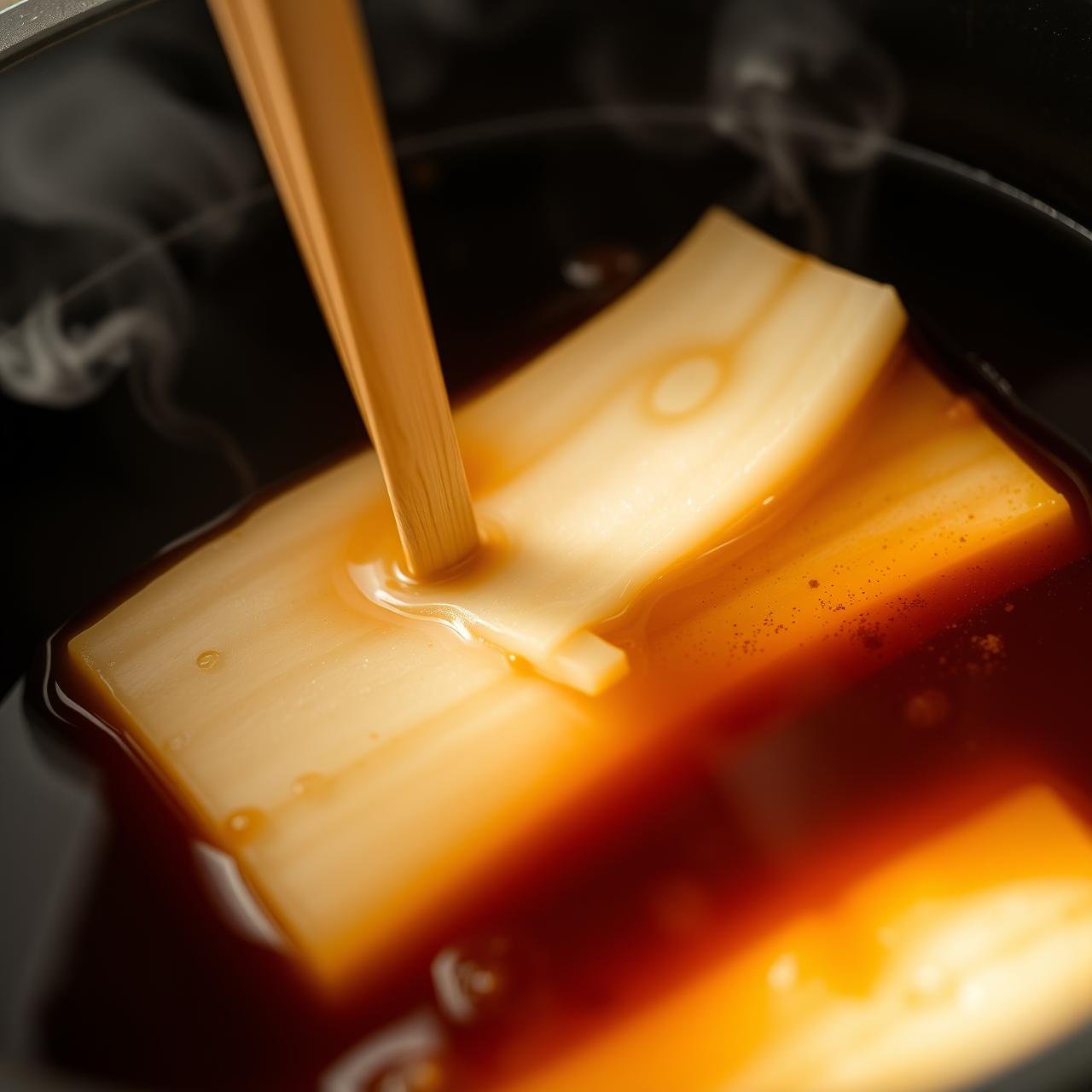
Follow these steps with care and patience. The slow, gentle cooking process is the key to achieving that coveted melt-in-your-mouth texture.
-
Step 1: Prepare the Daikon
Using your chef’s knife, trim the ends of the daikon. Peel the tough outer skin; a vegetable peeler works well, but be thorough, removing the fibrous layer just beneath the skin. Cut the daikon into thick rounds, about 1 to 1.5 inches thick. For larger pieces, you can also cut them into half-moons. To help them cook evenly and absorb more flavor, lightly score a crosshatch pattern (kakushi-bōchō) on one side of each slice, about 1/4 inch deep. Finally, bevel the sharp edges of each round with your knife (mentori). This small step prevents the delicate pieces from breaking apart during the long simmer.
-
Step 2: The Preliminary Simmer (Parboiling)
Place the prepared daikon pieces in your pot in a single layer. Cover them with the rice water (or plain water with a spoonful of uncooked rice). Bring the pot to a boil over medium-high heat, then reduce the heat to maintain a gentle simmer. Cook for about 15-20 minutes, or until a bamboo skewer or toothpick can be inserted into the daikon with little resistance. This crucial step removes any harshness or bitterness from the radish. Once done, carefully drain the daikon and rinse gently under cool water.
-
Step 3: Create the Braising Liquid
Wipe the pot clean and return the parboiled daikon to it. Add the 2 cups of dashi stock, 3 tablespoons of soy sauce, 2 tablespoons of mirin, 1 tablespoon of sake (if using), and 1 tablespoon of sugar. The liquid should come about three-quarters of the way up the sides of the daikon pieces.
-
Step 4: The Slow Braise
Bring the braising liquid to a simmer over medium heat. Once it begins to bubble gently, reduce the heat to low. Place your otoshibuta or parchment paper circle directly onto the surface of the daikon. Cover the pot with its regular lid. Let it simmer very gently for 45 minutes to 1 hour. The key is a very low heat; you should see only faint, lazy bubbles. The daikon is ready when it is deeply colored by the broth and completely tender.
-
Step 5: The Final Rest
This is perhaps the most important step for maximum flavor. Turn off the heat and let the daikon cool down completely in the braising liquid, for at least 30 minutes, or even several hours. As it cools, the daikon will absorb even more of the delicious, savory broth, becoming intensely flavorful. You can serve it at room temperature or gently reheat it before serving.
Chef’s Notes & Pro-Tips for Perfection
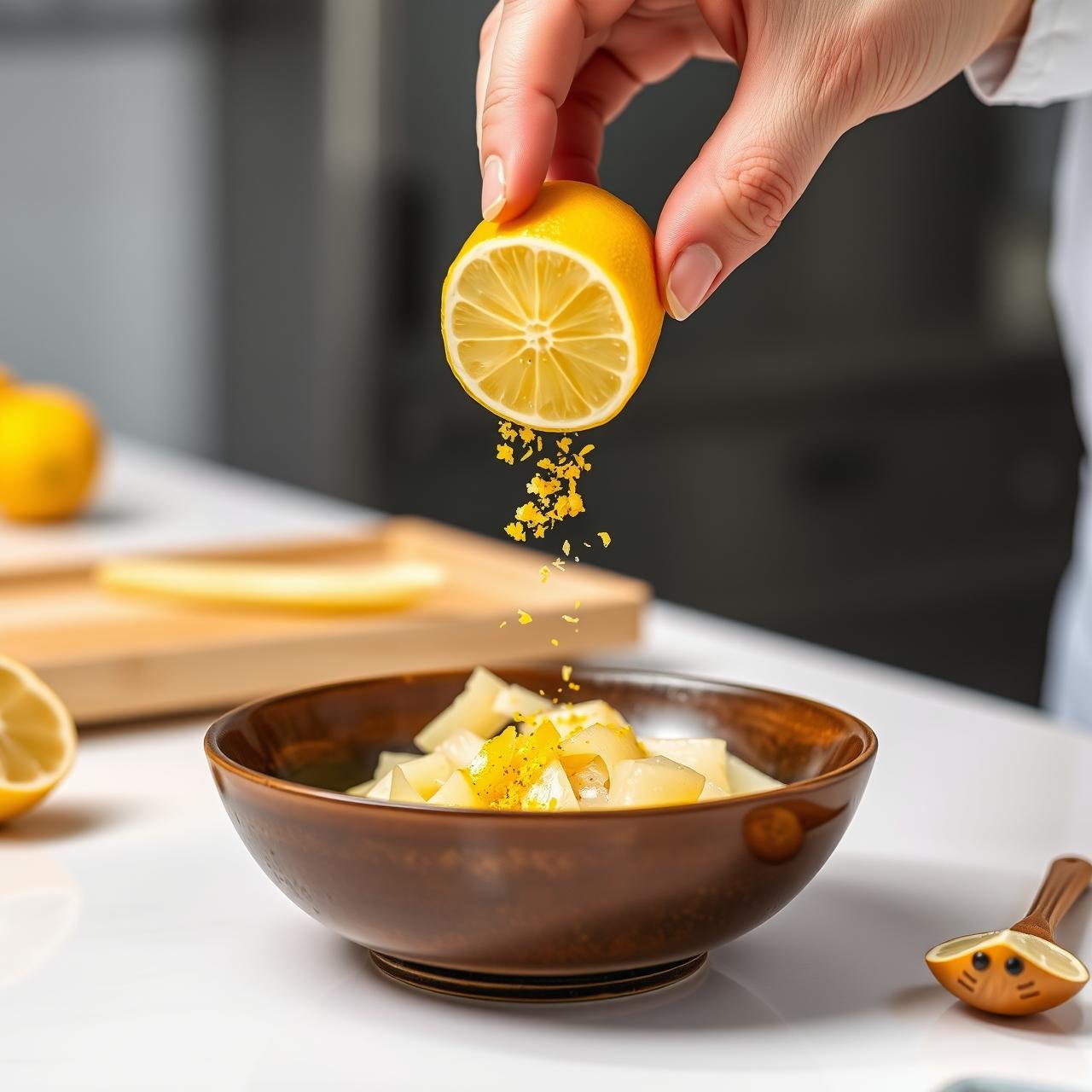
A few insider tips can elevate your braised daikon from simply good to truly exceptional.
- Don’t Skip the Parboil: Using rice water to pre-cook the daikon is a traditional technique for a reason. It neutralizes the radish’s natural pungency and creates a cleaner, more refined taste in the final dish.
- Patience is a Virtue: The magic happens during the cool-down. The flavor intensifies significantly as the daikon rests in the broth. This is a fantastic dish to make ahead of time; it’s often even better the next day.
- Choosing the Right Daikon: Select a daikon that feels heavy for its size and has taut, smooth skin. Avoid any that are soft, shriveled, or have dark spots. The upper part of the radish (closer to the leaves) is typically sweeter and less pungent than the tip.
- Flavor Variations: Feel free to customize the braise. Add a few slices of fresh ginger for a warming spice. A thin strip of yuzu or lemon peel added at the end of cooking can provide a bright, citrusy aroma. For a richer dish, you can braise the daikon with pieces of pork belly or chicken thigh.
- Achieving a Deeper Color: For a darker, more visually striking finish, you can use a darker soy sauce (koikuchi shoyu) or let the daikon sit in the broth overnight in the refrigerator.
Nutritional Information
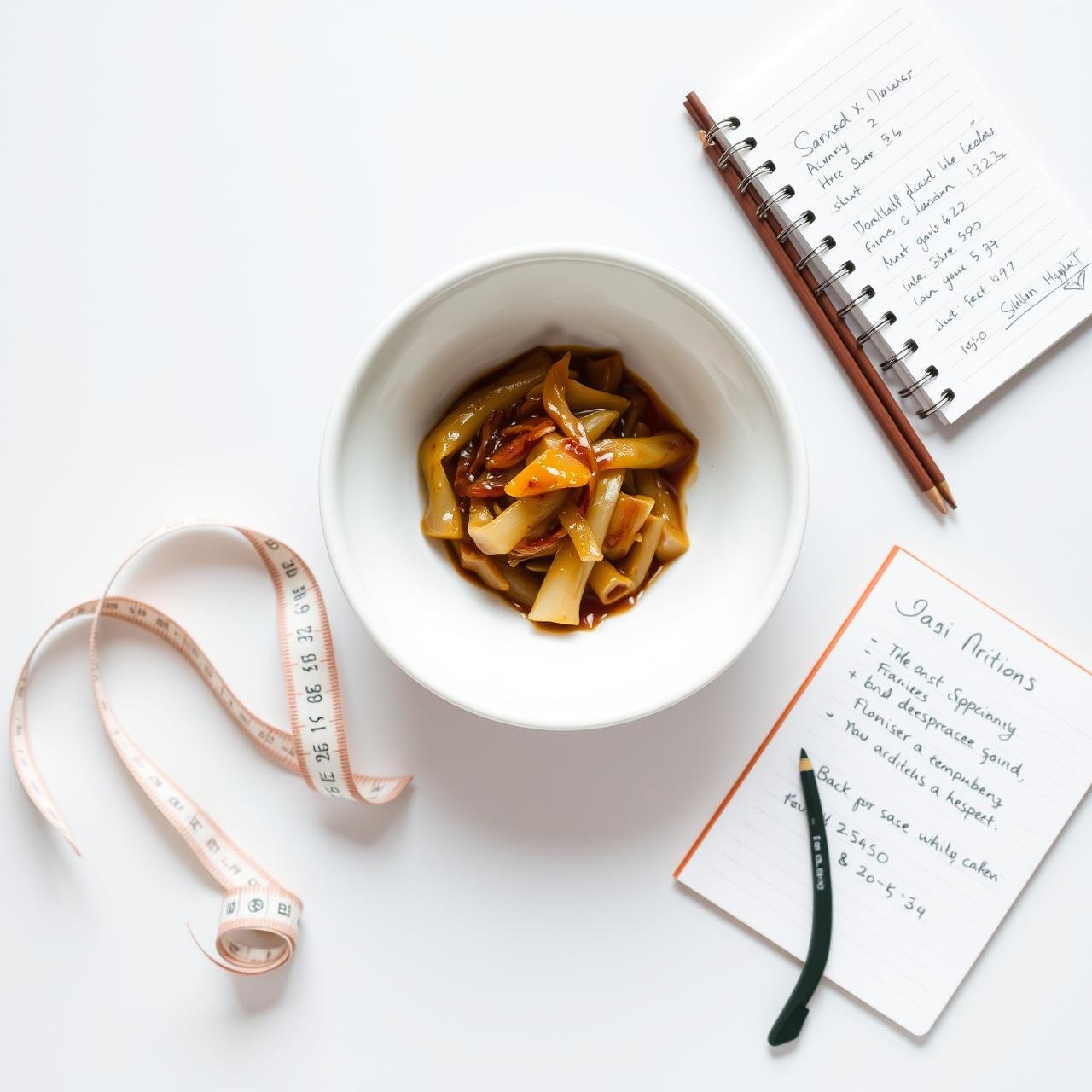
This dish is as nourishing as it is delicious. The following is an approximate nutritional breakdown per serving, assuming the recipe serves four.
| Nutrient | Amount per Serving |
|---|---|
| Calories | ~65 kcal |
| Carbohydrates | 11 g |
| Protein | 2 g |
| Fat | 0.2 g |
| Sodium | ~550 mg |
| Fiber | 2.5 g |
| Vitamin C | ~30% of RDI |
Disclaimer: These values are estimates and can vary based on the specific ingredients and portion sizes used. The sodium content is primarily from the soy sauce and can be reduced by using a low-sodium variety.
Serving Suggestions & Pairings

Braised daikon is a versatile side dish that complements a wide range of meals. Serve 2-3 pieces per person, drizzled with a little of the braising liquid.
Garnishes
A simple garnish adds a final touch of freshness and flavor. Consider:
- Finely chopped scallions or chives for a mild, oniony bite.
- A tiny dollop of karashi (Japanese hot mustard) for a sharp kick.
- A sprinkle of shichimi togarashi (Japanese seven-spice blend) for warmth and complexity.
- Freshly grated yuzu zest for a fragrant, citrusy aroma.
Perfect Pairings
This dish shines as part of a traditional Japanese meal set (ichiju sansai). Pair it with:
- Steamed Rice: A bowl of fluffy, short-grain Japanese rice is the perfect canvas for the savory daikon and its broth.
- Grilled Fish: The simple, clean flavor of salt-grilled mackerel (Shioyaki Saba) or salmon is a classic accompaniment.
- Miso Soup: A warm bowl of miso soup completes the comforting meal.
- Other Side Dishes: Serve alongside a spinach salad with sesame dressing (Gomae) and some Japanese pickles (Tsukemono) for a balanced and satisfying spread.
Storage and Reheating Instructions
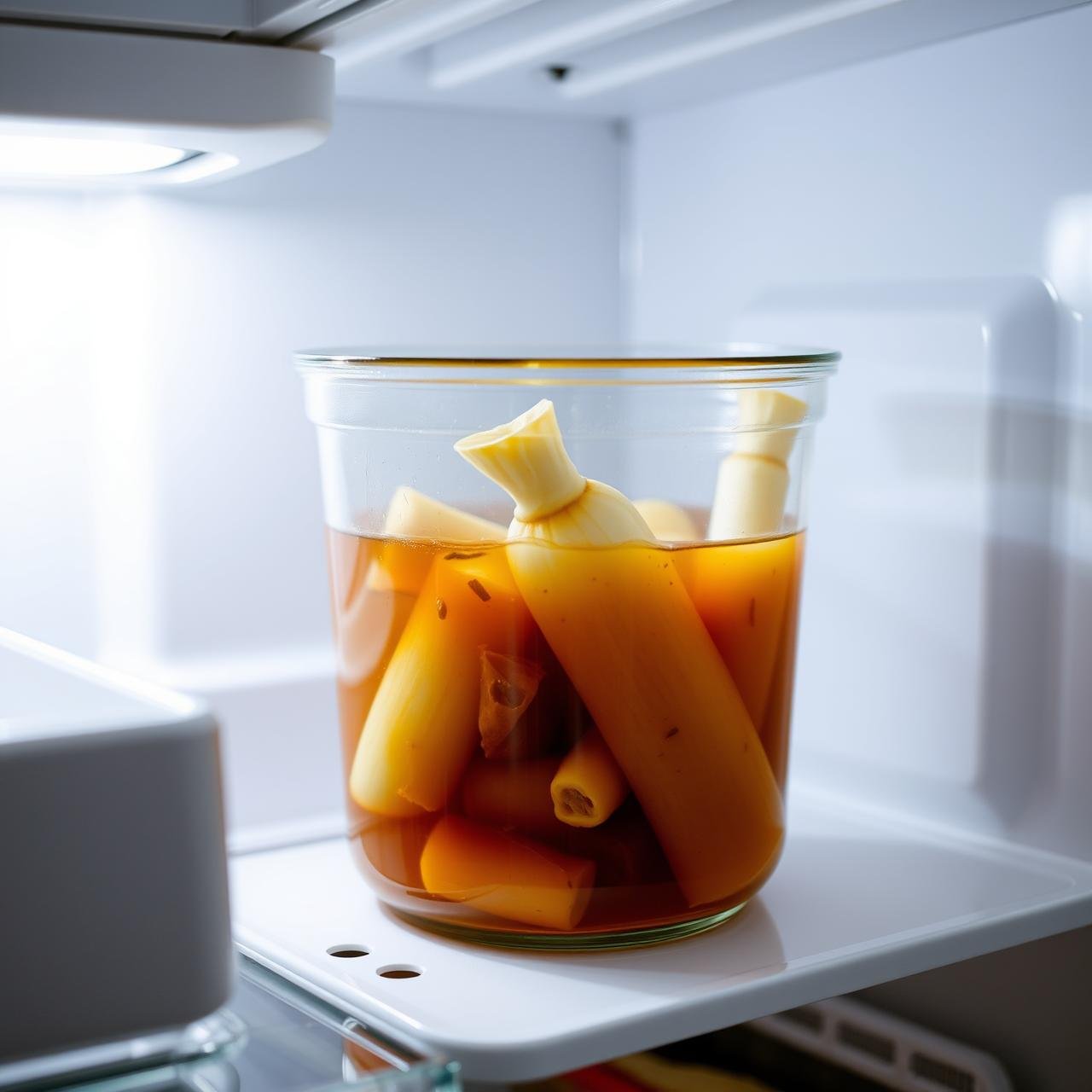
One of the best qualities of this dish is that it stores beautifully and its flavor deepens over time, making it an excellent option for meal prep.
Storage
Allow the braised daikon to cool completely to room temperature. Transfer the daikon and its braising liquid to an airtight container. It can be stored in the refrigerator for up to 3-4 days. The daikon will continue to soak up the broth, becoming even more flavorful by the second day.
Reheating
While it can be enjoyed at room temperature, it’s also delicious when served warm. To reheat, place the daikon and some of its liquid in a small saucepan. Gently warm over low heat until just heated through. Avoid boiling, as this can cause the delicate daikon to fall apart. Alternatively, you can microwave it in a microwave-safe bowl in short 30-second intervals at a lower power setting until warm.
Conclusion
The journey of a daikon radish from a crisp, pungent root to a tender, savory morsel is a beautiful example of culinary patience and respect for ingredients. This Melt-in-Your-Mouth Braised Daikon is more than a recipe; it’s a comforting ritual that yields a dish that is both deeply satisfying and refreshingly light. It’s an elegant, healthy, and budget-conscious side that proves that the most profound flavors often come from the simplest of places. We invite you to embrace the slow simmer, to fill your kitchen with the warm, savory aroma of the braise, and to discover the humble magic of daikon for yourself.