
Gut Health Goldmine: Spicy Cucumber Kimchi Salad For Weight Loss
In the world of culinary wellness, few foods offer the potent combination of explosive flavor and profound health benefits quite like kimchi. While most are familiar with the classic cabbage variety, I invite you to explore its crisp, refreshing cousin: Oi Kimchi, or Spicy Cucumber Kimchi. This isn’t just a side dish; it’s a gut health goldmine, a crunchy and satisfying salad that can become a cornerstone of a healthy, weight-conscious lifestyle. The magic lies in fermentation, an age-old preservation technique that transforms simple vegetables into probiotic powerhouses. This process cultivates beneficial bacteria that are essential for a balanced gut microbiome, which in turn influences everything from digestion and immunity to mood and metabolism. When you combine this natural probiotic boost with the metabolism-stoking heat of Korean chili and the hydrating, low-calorie crunch of fresh cucumbers, you create something truly special. This recipe is more than just a set of instructions; it’s an invitation to connect with your food, to understand the science of flavor, and to craft a dish that nourishes you from the inside out. Prepare to create a condiment that’s as delicious as it is beneficial—a vibrant, spicy, and utterly addictive addition to your culinary repertoire.
The Science of Flavor: Why This Salad Works for Your Health
Understanding the ‘why’ behind a recipe elevates the cooking process from a simple task to a mindful practice. This Spicy Cucumber Kimchi Salad is a perfect example of culinary synergy, where each ingredient plays a critical role in both flavor and function. Let’s break down the science behind this healthful dish.
The Probiotic Powerhouse
The cornerstone of kimchi’s health benefits is fermentation. As the salted cucumbers and paste sit at room temperature, naturally present lactic acid bacteria (LAB), such as Lactobacillus, begin to multiply. These microbes consume the natural sugars in the vegetables and produce lactic acid. This not only preserves the kimchi, creating its signature tangy flavor, but also populates it with billions of live, beneficial probiotics. A healthy gut microbiome is linked to improved digestion, enhanced nutrient absorption, a stronger immune system, and even reduced inflammation. By incorporating this kimchi into your diet, you are directly seeding your gut with the ‘good guys’ it needs to thrive.
Metabolism-Boosting Spice
The fiery heart of this salad comes from gochugaru, Korean chili flakes. This isn’t just for flavor; gochugaru contains a compound called capsaicin, which is responsible for its heat. Scientific studies have shown that capsaicin can provide a temporary boost to your metabolism by increasing thermogenesis—the rate at which your body burns calories to produce heat. While it’s not a magic bullet for weight loss, regular consumption of spicy foods can contribute to better energy expenditure and may also help reduce appetite, making you feel fuller for longer.
Hydration and Fullness from Cucumbers
Cucumbers are over 95% water, making them an incredibly hydrating food. Proper hydration is crucial for all bodily functions, including metabolism and digestion. Furthermore, they are exceptionally low in calories but high in fiber, particularly in their skin. This combination of water and fiber adds bulk to your meals without adding significant calories, promoting a feeling of satiety. This can help prevent overeating and support weight management efforts by keeping you feeling full and satisfied.
Your Culinary Toolkit: Essential Equipment

You don’t need a professional kitchen to create phenomenal kimchi. The process is rustic and relies on simple, functional tools. Here is everything you’ll need to get started. Having your station prepped and ready will make the entire process smooth and enjoyable.
| Equipment | Purpose |
|---|---|
| Large Mixing Bowl | For salting the cucumbers and later mixing them with the kimchi paste. Glass or stainless steel is ideal. |
| Cutting Board & Sharp Knife | Essential for uniformly chopping the cucumbers and other vegetables. A sharp knife ensures clean cuts and prevents bruising. |
| Colander | To thoroughly drain the cucumbers after the salting process, which is crucial for a crunchy final product. |
| Small Bowl | For mixing the ingredients for the kimchi paste before combining with the cucumbers. |
| Large Airtight Glass Jar (approx. 2 quarts) | The vessel for fermentation and storage. Glass is non-reactive and allows you to watch the fermentation magic happen. |
| Gloves (Optional but Recommended) | To protect your hands from the chili paste, which can stain and irritate the skin. |
The Building Blocks: Fresh and Flavorful Ingredients

The quality of your kimchi is directly tied to the quality of your ingredients. Seek out the freshest produce you can find for the best texture and flavor. This recipe yields approximately 2 quarts of kimchi.
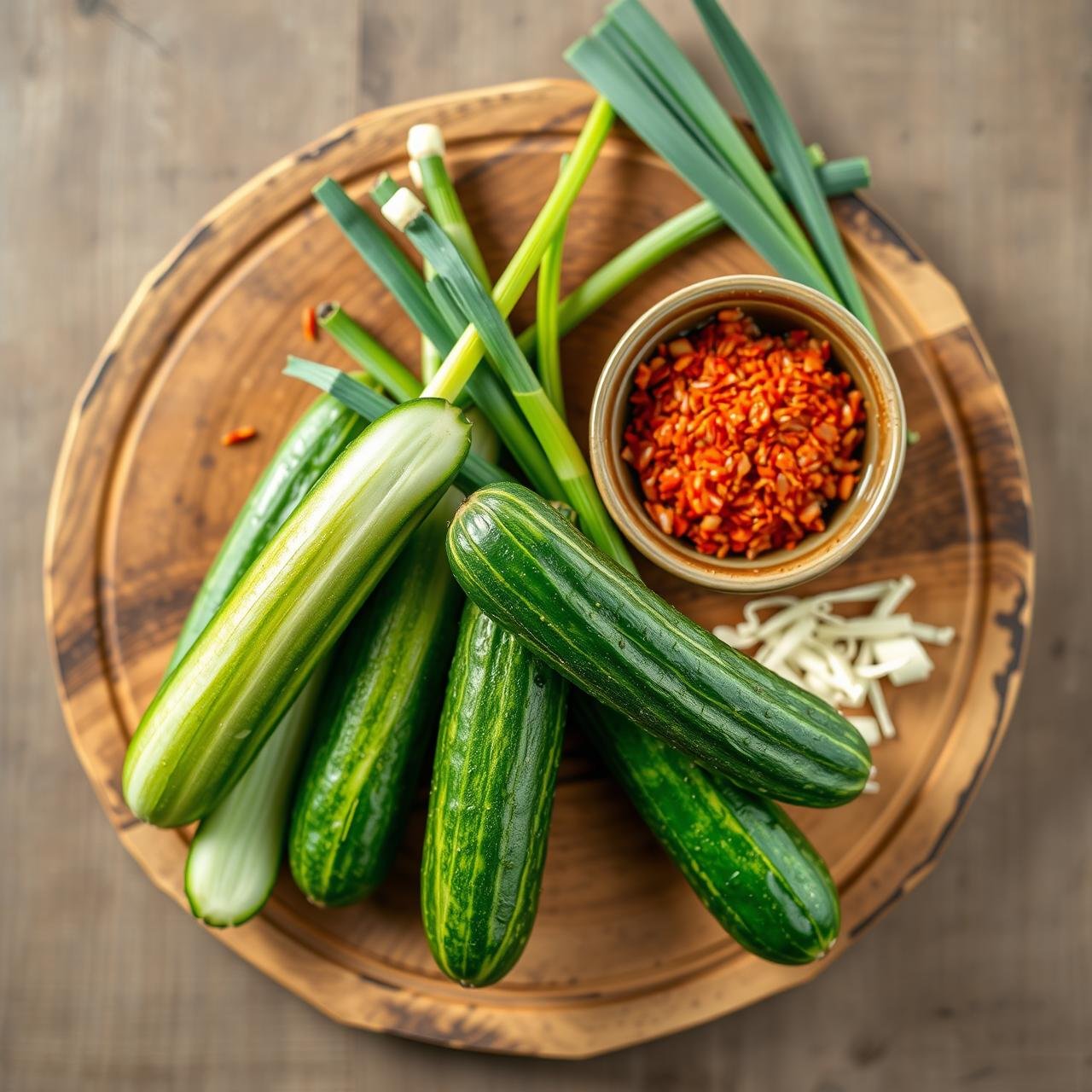
- 8-10 Kirby cucumbers (about 2.5-3 pounds), washed well
- 1/2 cup Korean coarse sea salt (do not substitute with iodized table salt)
- 1 cup gochugaru (Korean coarse red chili flakes)
- 1/2 cup fish sauce (use a high-quality brand for best flavor)
- 1/4 cup minced garlic (about 8-10 cloves)
- 1 tablespoon grated fresh ginger
- 1 tablespoon granulated sugar or honey (to feed the bacteria)
- 1 bunch of scallions, cut into 1-inch pieces
- 1/2 a small onion, thinly sliced
Notes on Sourcing Ingredients
The most crucial ingredient here is gochugaru. Look for it at Asian markets or online. It has a unique fruity, smoky heat that is distinct from other chili powders. Using standard chili powder or cayenne will drastically change the flavor profile. Similarly, Korean coarse sea salt is preferred because it dissolves slowly and has a mineral content that aids in the fermentation process. If you can’t find it, use non-iodized coarse sea salt or kosher salt.
Crafting Your Kimchi: A Step-by-Step Guide
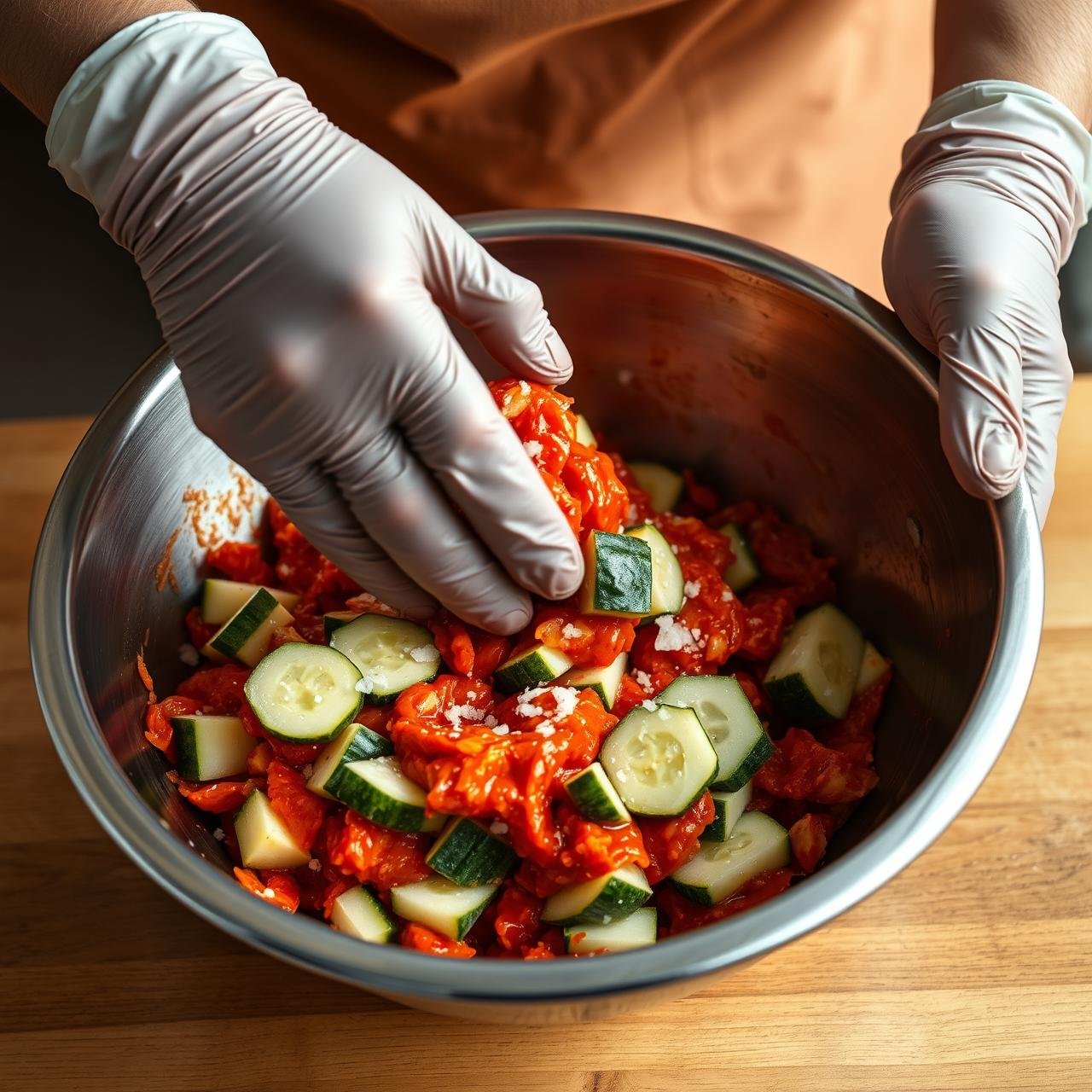
Follow these steps carefully to ensure a crunchy, flavorful, and perfectly fermented cucumber kimchi. The process is divided into two main stages: salting the cucumbers and mixing the kimchi.
- Prepare the Cucumbers: Wash the Kirby cucumbers thoroughly. Trim off the ends. You can cut them into spears, thick rounds (about 1/2-inch thick), or chunks. The key is consistency in size for even salting.
- Salt the Cucumbers: Place the cut cucumbers in your large mixing bowl. Sprinkle the 1/2 cup of coarse sea salt over them and toss gently to coat. Add enough water to just barely cover the cucumbers. Let them sit at room temperature for about 2 hours, tossing gently every 30 minutes. This process draws out excess water, which is the secret to crunchy kimchi.
- Rinse and Drain: After two hours, the cucumbers should be pliable and salty. Pour them into a colander and rinse them thoroughly under cold running water two to three times to remove the excess salt. Drain them completely, shaking the colander to get rid of as much water as possible. You can gently pat them dry with a paper towel for best results.
- Make the Kimchi Paste: While the cucumbers are draining, prepare the paste. In your small bowl, combine the gochugaru, fish sauce, minced garlic, grated ginger, and sugar. Mix until it forms a thick, uniform paste.
- Combine Everything: Return the drained cucumbers to your large (and now clean) mixing bowl. Add the sliced onion and scallions. Scrape all of the kimchi paste into the bowl. Put on your gloves and gently but thoroughly mix everything together until every piece of cucumber is evenly coated in the red paste.
- Pack the Jar: Carefully pack the coated cucumber mixture into your large glass jar. Press down gently as you go to remove any large air pockets. Leave about 1-2 inches of headspace at the top of the jar to allow for expansion during fermentation.
- Ferment: Seal the jar tightly. Place it on a small plate or tray (to catch any potential overflow) and leave it on your counter at room temperature for 24 to 48 hours. You may see some bubbling, which is a great sign that fermentation is active. The exact time will depend on the temperature of your kitchen.
- Refrigerate: After the initial counter-top fermentation, transfer the jar to the refrigerator. It’s ready to eat right away, but the flavor will continue to develop and deepen over the next week.
From My Kitchen to Yours: Chef’s Secrets for Kimchi Perfection
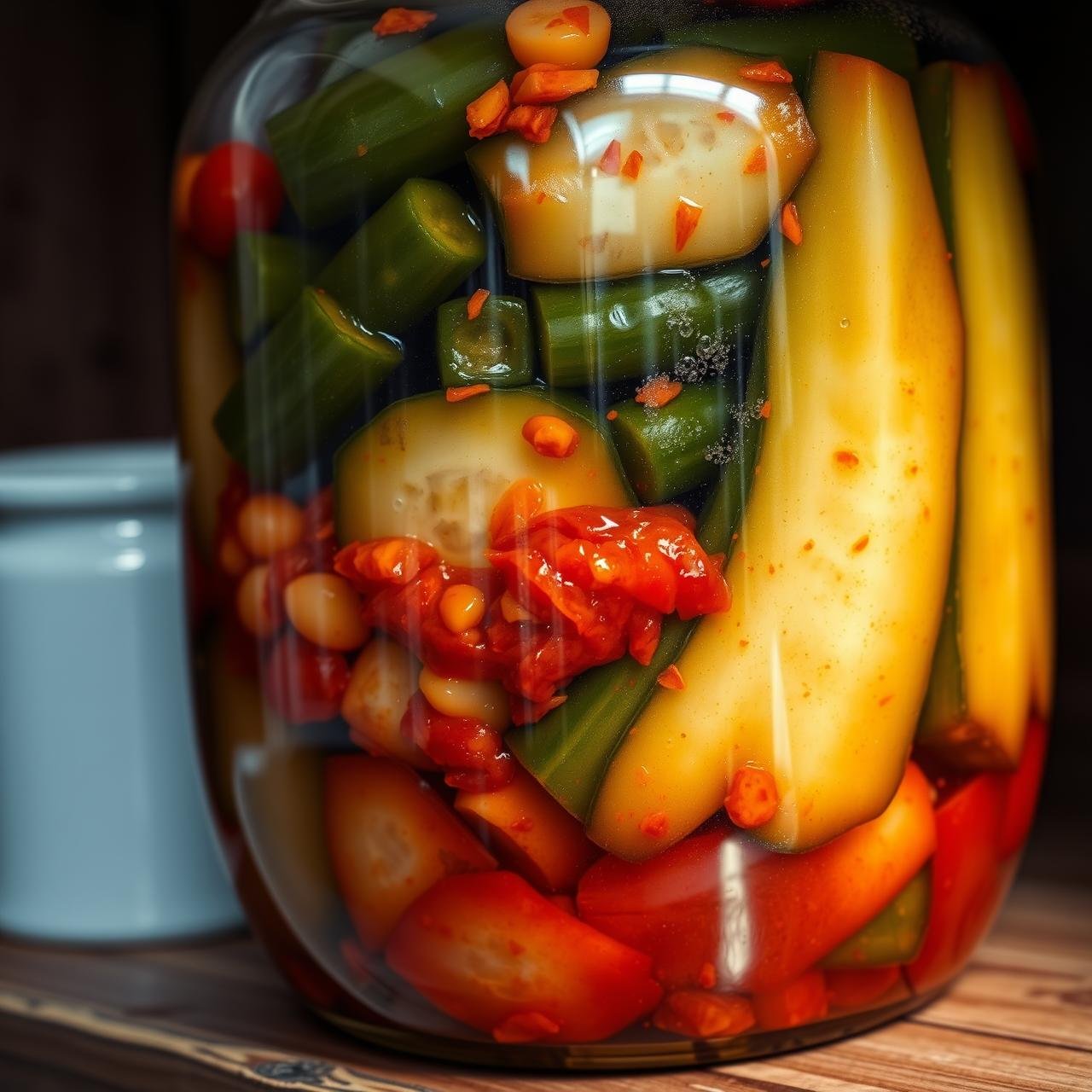
Making kimchi is as much an art as it is a science. Over time, you’ll develop a feel for it. Here are some tips to help you master the craft from your very first batch.
Getting the Salt Right
The salting step is non-negotiable for texture. If your final kimchi is too salty, you likely didn’t rinse the cucumbers enough after brining. If it’s soggy, you may not have salted them long enough or used enough salt. Kirby cucumbers are ideal because their low seed content and thick skin help them stay crisp.
Adjusting the Spice Level
My recipe provides a medium-spicy result. If you prefer milder kimchi, reduce the gochugaru to 3/4 cup. For a truly fiery experience, increase it to 1 1/4 cups. You are in control of the heat, so adjust to your personal preference.
The Fermentation Game: How Long is Long Enough?
Taste your kimchi after 24 hours on the counter. It should have a slight tang. If you prefer a more sour, deeply fermented flavor, you can let it sit for the full 48 hours or even a bit longer in a cooler kitchen. Once it’s in the fridge, the fermentation slows down dramatically but doesn’t stop. The kimchi will become more sour and complex over time.
Creative Variations
Don’t be afraid to customize! You can add other vegetables to the mix for more texture and flavor. Thinly sliced carrots or daikon radish matchsticks are excellent additions. Add them in with the scallions and onions. For a vegan version, you can substitute the fish sauce with a vegan fish sauce alternative or a mixture of soy sauce and mushroom broth, though the flavor will be different.
Nutritional Profile: A Healthy Choice
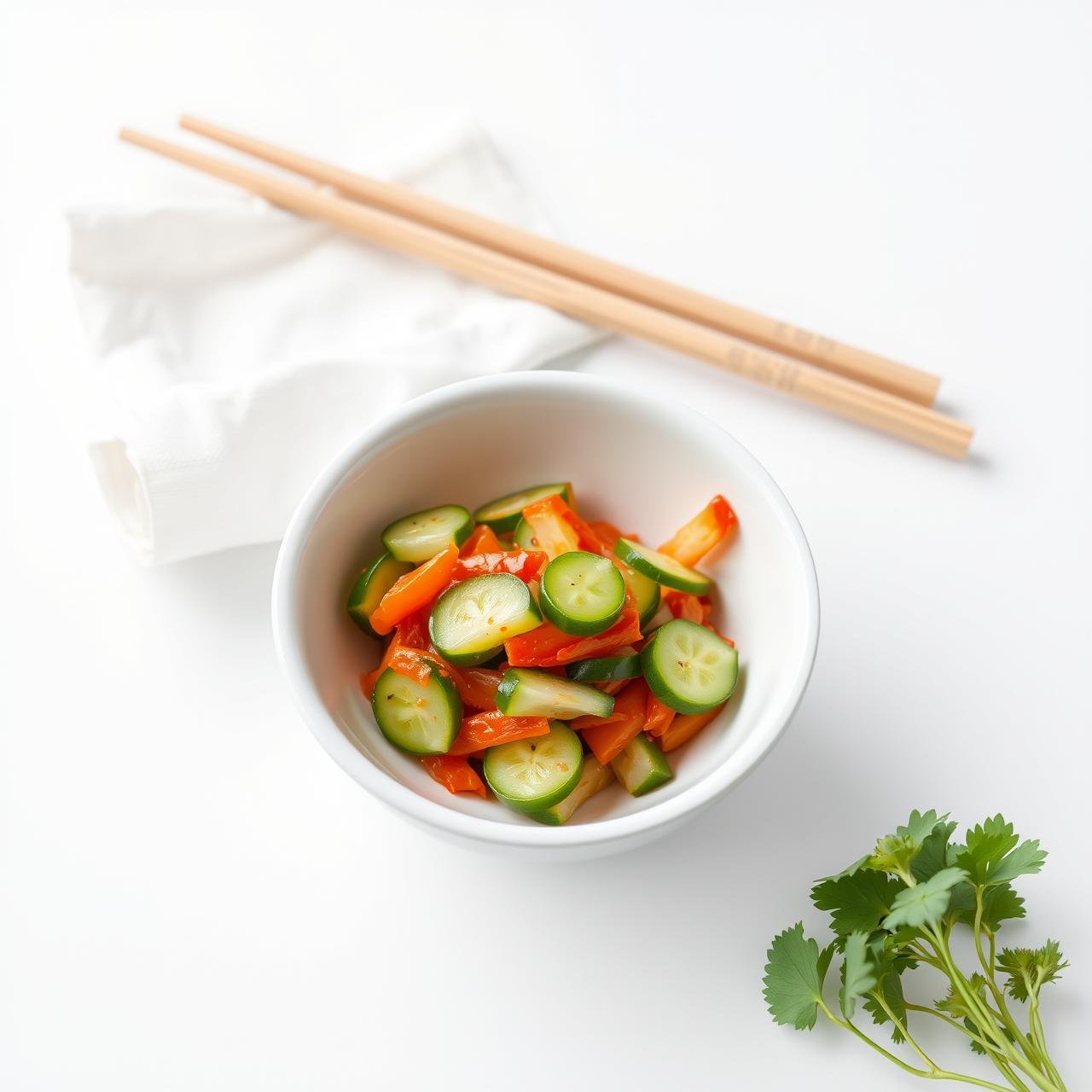
This Spicy Cucumber Kimchi is a nutritional powerhouse. It’s low in calories and fat, rich in fiber, and packed with vitamins and beneficial probiotics. Below is an estimated nutritional profile per serving (approximately 1/2 cup).
| Nutrient | Estimated Amount per Serving |
|---|---|
| Calories | ~35 kcal |
| Carbohydrates | ~6 g |
| Fiber | ~2 g |
| Sugars | ~3 g |
| Protein | ~2 g |
| Fat | ~0.5 g |
| Sodium | ~450 mg (can vary based on rinsing) |
| Probiotics | Rich in live active cultures |
Disclaimer: These values are estimates and can vary based on specific ingredients and preparation methods. The sodium content is significant, so it should be consumed in moderation as part of a balanced diet.
Storing Your Fermented Treasure for Lasting Flavor
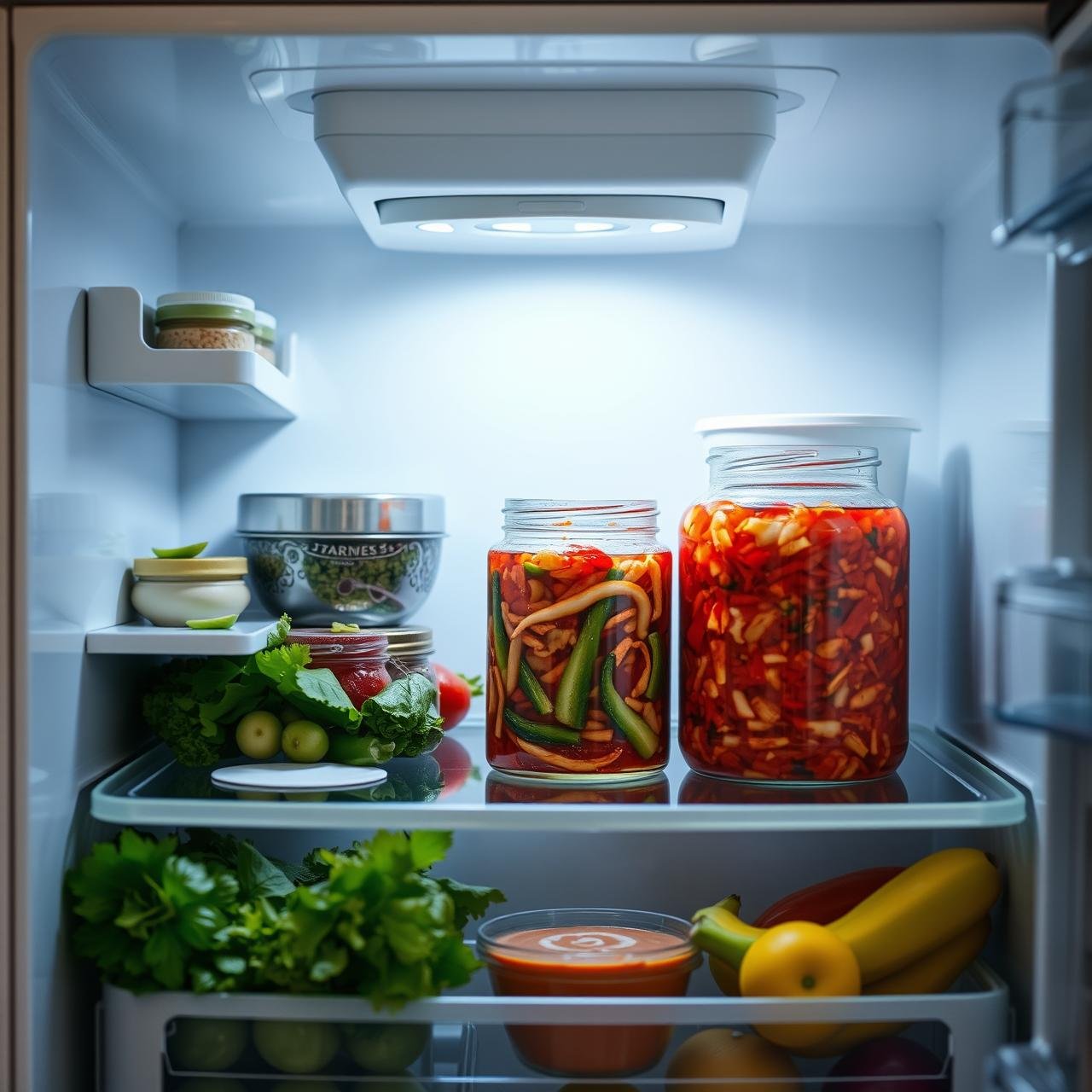
Proper storage is key to enjoying your cucumber kimchi for weeks to come. Once you’ve completed the initial room-temperature fermentation (24-48 hours), the jar must be moved to the refrigerator. The cold environment drastically slows the fermentation process, preserving the kimchi’s texture and flavor.
Always use a clean utensil when taking kimchi out of the jar to avoid introducing unwanted bacteria. Ensure the remaining kimchi is pressed down so it stays submerged in its own brine, which helps with preservation. Stored properly in an airtight jar in the refrigerator, your spicy cucumber kimchi will remain delicious and crunchy for up to 3-4 weeks. Note that unlike cabbage kimchi, which can last for months, cucumber kimchi is best enjoyed sooner rather than later as the cucumbers will naturally soften over time. The flavor will continue to get more tangy and sour, which many people, myself included, find increasingly delicious.
Conclusion
You have now unlocked the secrets to creating a truly remarkable dish that bridges the gap between vibrant flavor and functional nutrition. This Spicy Cucumber Kimchi Salad is far more than a simple recipe; it’s a testament to the power of whole foods and traditional preparation methods. By embracing the process of fermentation, you are not only creating a delicious, crunchy, and spicy condiment but also a powerful tool for supporting your digestive health and overall wellness. Enjoy it as a side dish to grilled meats, a topping for rice bowls, or simply as a refreshing and satisfying snack. I encourage you to make this recipe your own, adjust the spice, and savor the journey of its ever-evolving flavor. Welcome to the wonderful world of homemade kimchi!