Apple Pie Flavor Without The Crust: Sugar Free Stewed Apples (No Fluff)
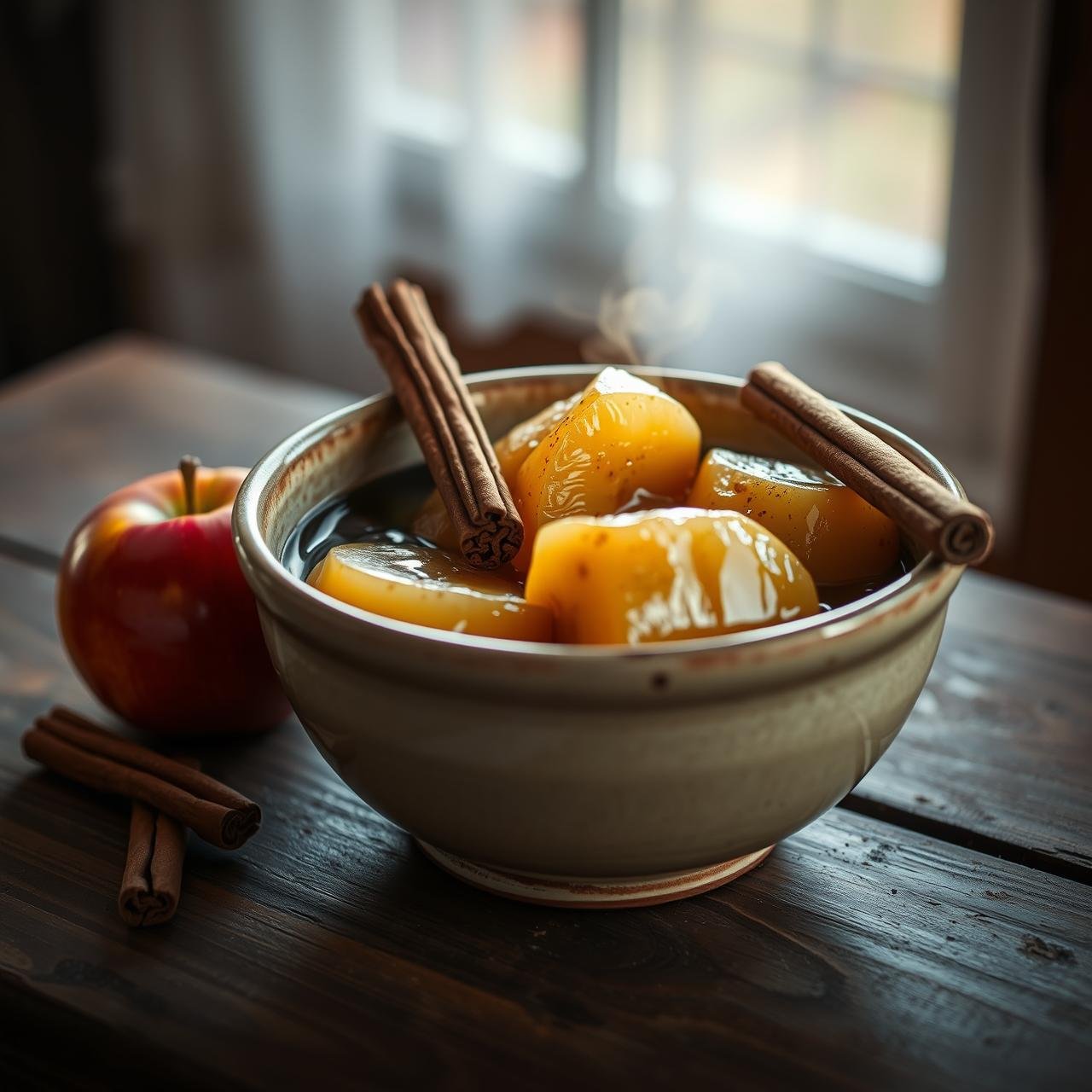
There’s a certain magic in the aroma of apples and cinnamon simmering on the stove—it’s the scent of comfort, of autumn afternoons, of home. It’s the very soul of apple pie. But what if you could capture that heart-warming flavor, that tender, syrupy bliss, without the time-consuming process of making a crust? What if you could indulge freely, without a second thought about sugar or gluten? This, my friends, is not a dream. This is the promise of these incredibly simple, utterly delicious Sugar-Free Stewed Apples. We’re stripping it all back to the basics—no fluff, no complicated steps—just pure, unadulterated apple pie flavor in its most rustic and wholesome form. Prepare to fill your kitchen with the most intoxicating aroma and your bowl with a treat that nourishes from the inside out.
Why You’ll Adore These Sugar-Free Stewed Apples
Before we dive into the craft of creating this simple masterpiece, let’s talk about why this recipe will become a staple in your culinary repertoire. It’s more than just cooked fruit; it’s a versatile, healthful celebration of nature’s candy.
Key Features:
- Intense Apple Pie Flavor: By slowly simmering the apples with classic spices, we concentrate their natural sweetness and infuse them with the warm notes of cinnamon, nutmeg, and clove. It’s every bit as satisfying as the filling of a prize-winning pie.
- Completely Sugar-Free: We rely on the inherent sweetness of the apples and a touch of a natural, zero-calorie sweetener. This makes it a perfect dessert for health enthusiasts, diabetics, and anyone looking to reduce their sugar intake without sacrificing flavor.
- Incredibly Versatile: Don’t just think of this as dessert. Spoon it over morning oatmeal, swirl it into Greek yogurt, serve it warm alongside a savory pork roast, or simply enjoy a bowl on its own. The possibilities are endless.
- Budget & Beginner Friendly: Using just a handful of common, affordable ingredients and a straightforward process, this recipe is accessible to every home cook, regardless of skill level or budget.
Choosing Your Champion: The Best Apples for Stewing
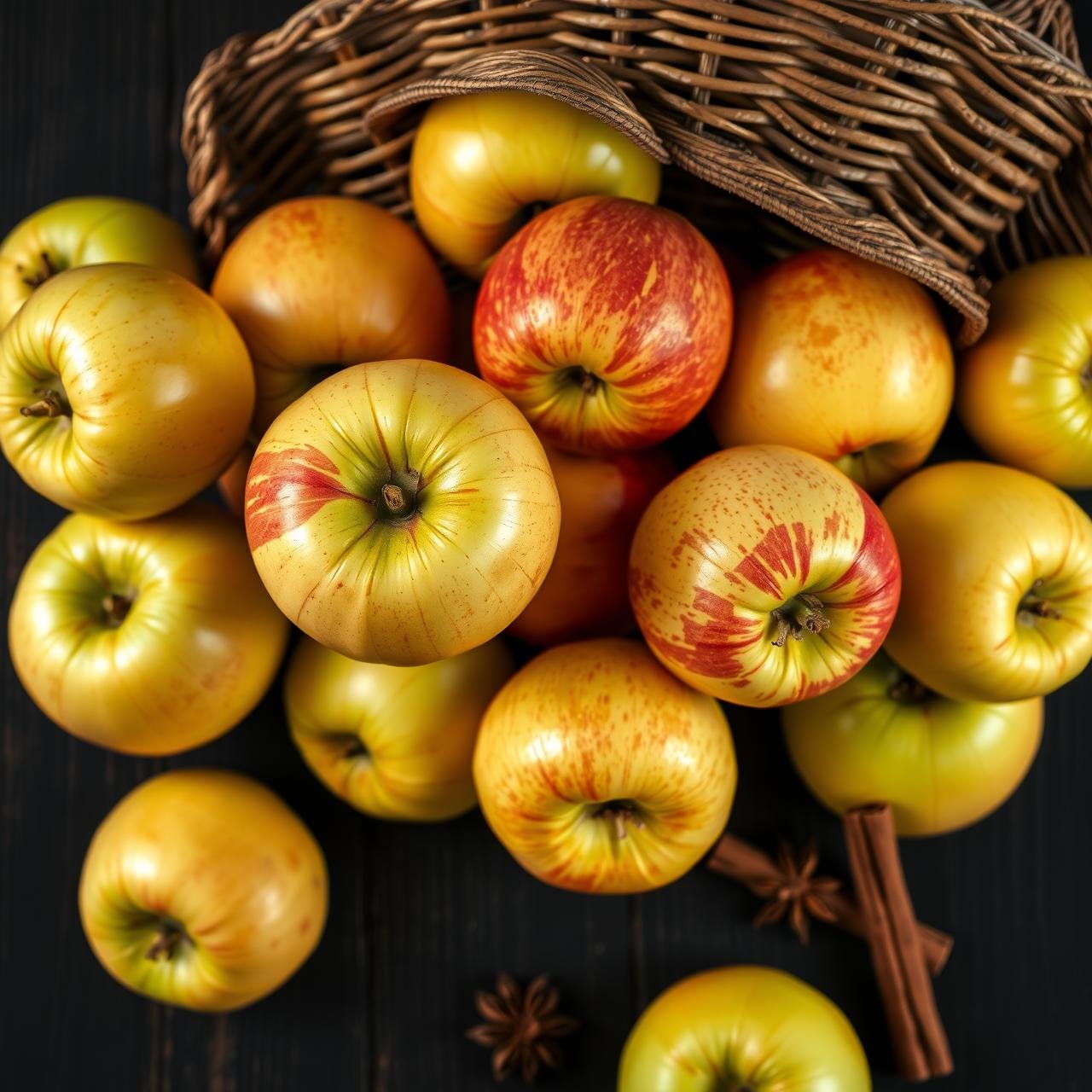
The secret to phenomenal stewed apples lies in selecting the right variety. Not all apples are created equal when it comes to cooking. Some hold their shape beautifully, offering a pleasant, tender bite, while others break down into a soft, creamy sauce. For this recipe, we want the former. A combination of two types often yields the most complex and satisfying result.
Best Apples for Holding Their Shape:
- Honeycrisp: Exceptionally crisp and juicy with a wonderful sweet-tart balance. They remain remarkably firm when cooked.
- Braeburn: Crisp, aromatic, and bursting with a rich, complex flavor that holds up well to heat.
- Gala: Mildly sweet and crisp, these apples soften nicely while still retaining some texture.
- Granny Smith: The classic baking apple for a reason. Its firm texture and pronounced tartness provide a beautiful counterbalance to sweeter apples and spices.
Apples to Use for a Softer, Sauce-Like Result:
- McIntosh: A classic fall apple that breaks down easily into a smooth, delicious sauce.
- Cortland: Similar to McIntosh, it’s tender and won’t hold its shape, making it ideal if you prefer a less chunky texture.
For the perfect balance of texture and flavor, I recommend using a mix of two parts firm-sweet apples (like Honeycrisp or Gala) to one part firm-tart apple (like Granny Smith).
Gather Your Kitchen Essentials
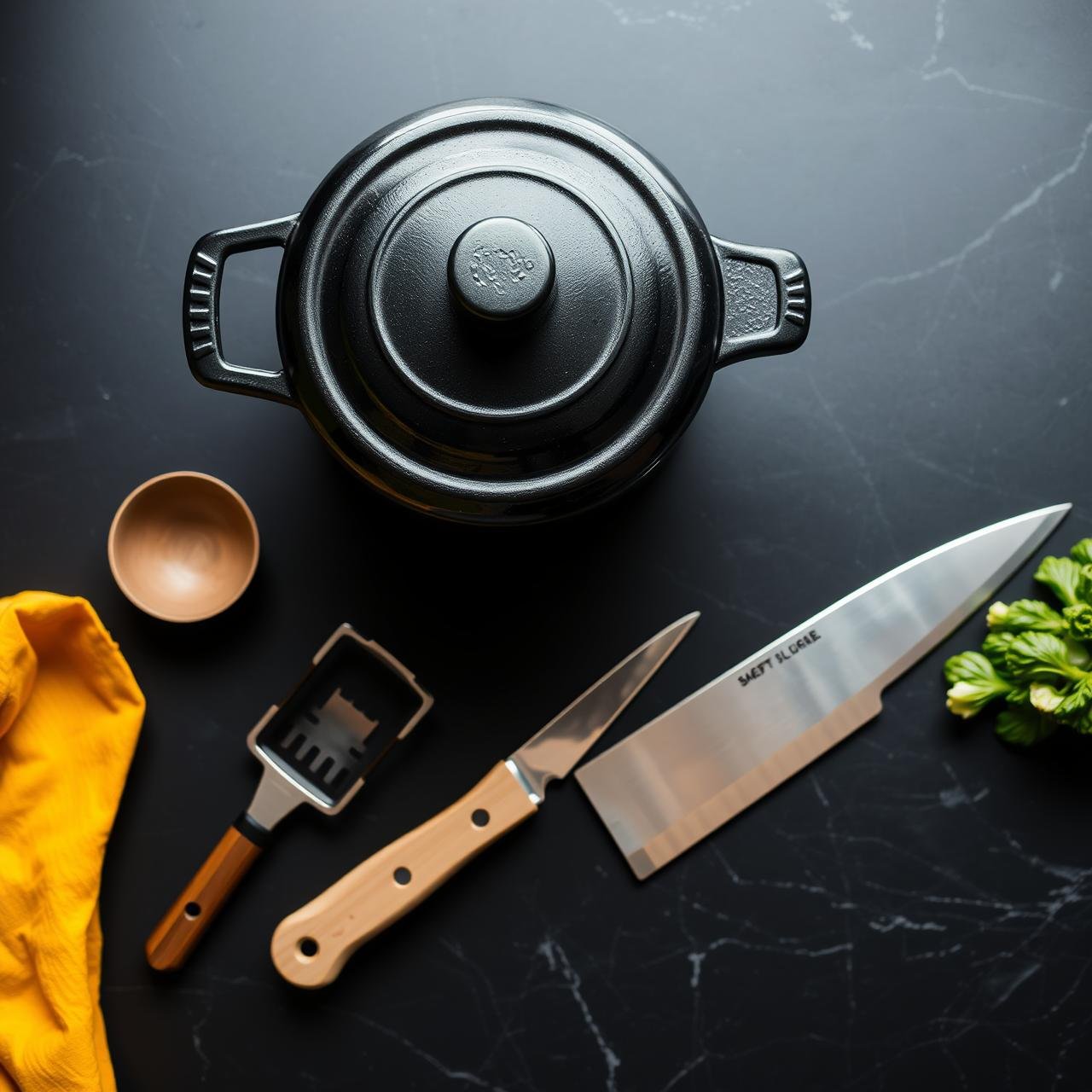
You don’t need any fancy gadgets for this rustic recipe. The beauty is in its simplicity. Here’s what you’ll need to have on hand:
- Heavy-Bottomed Pot or Dutch Oven: This is crucial for even heat distribution. A heavy bottom prevents the apples from scorching on the bottom before they are tender throughout.
- Vegetable Peeler: A sharp, comfortable peeler will make quick work of preparing the apples.
- Sharp Chef’s Knife: For coring and slicing the apples into uniform pieces.
- Cutting Board: A large, stable surface for prepping your fruit.
- Measuring Spoons and Cups: For accurate measurement of spices and liquids.
- Wooden Spoon or Silicone Spatula: For gentle stirring, ensuring you don’t break up the apple pieces as they soften.
A Symphony of Simple, Wholesome Ingredients
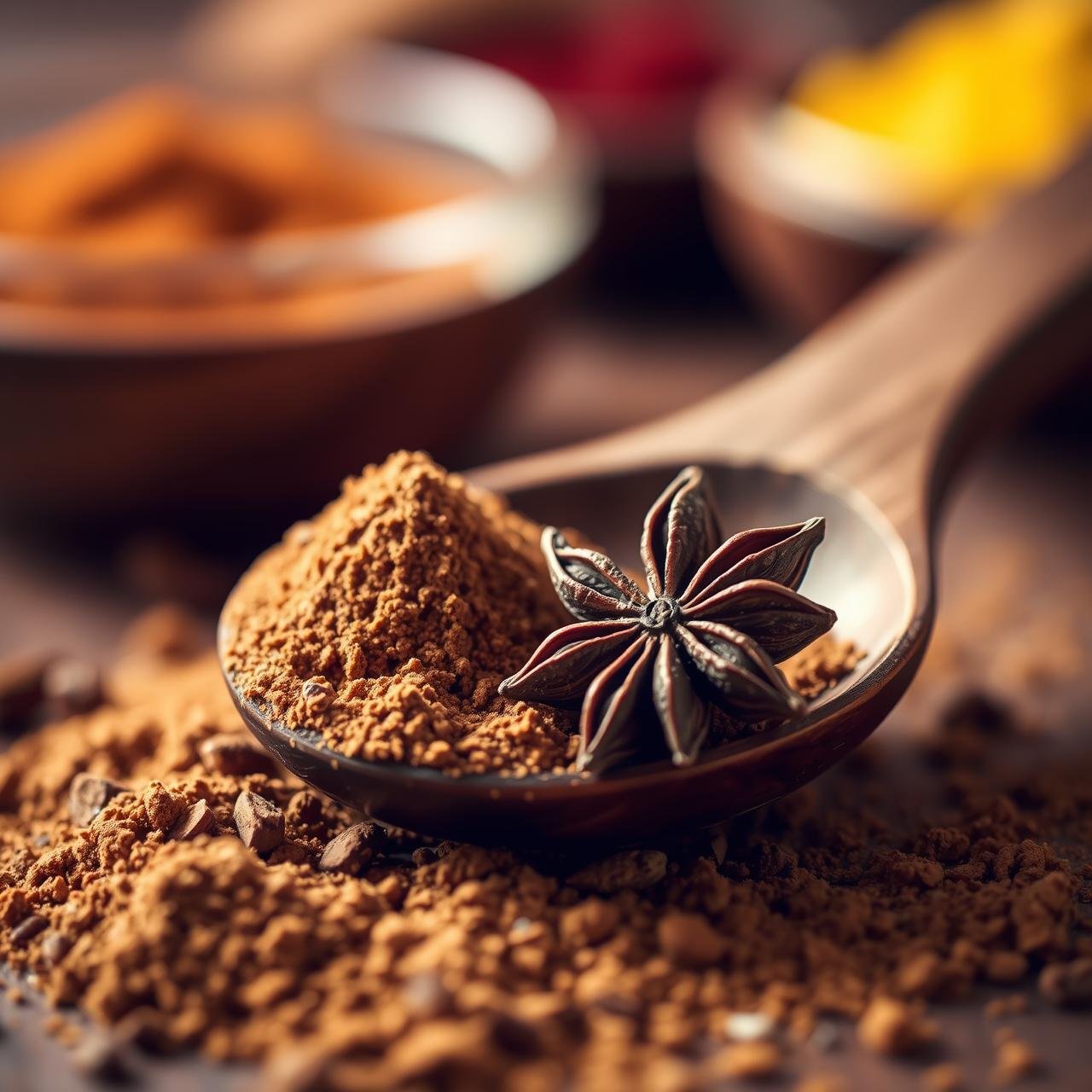
The ingredient list is short and sweet, letting the natural flavor of the apples shine through. Quality matters here, so use the best apples and spices you can find.
- 4 pounds (about 8 medium) firm, crisp apples, peeled, cored, and cut into 1-inch chunks
- 1/2 cup water or apple cider for a more intense apple flavor
- 2 tablespoons fresh lemon juice
- 1/4 cup granulated monk fruit/erythritol blend (or your preferred zero-calorie sweetener), adjustable to taste
- 1 1/2 teaspoons ground Ceylon cinnamon
- 1/4 teaspoon ground nutmeg
- 1/8 teaspoon ground cloves or allspice
- A pinch of sea salt
- 1 teaspoon vanilla extract
- Optional: 1 tablespoon cornstarch or arrowroot powder mixed with 2 tablespoons cold water (a slurry) to thicken the sauce at the end.
Crafting the Perfect Stewed Apples: Step-by-Step
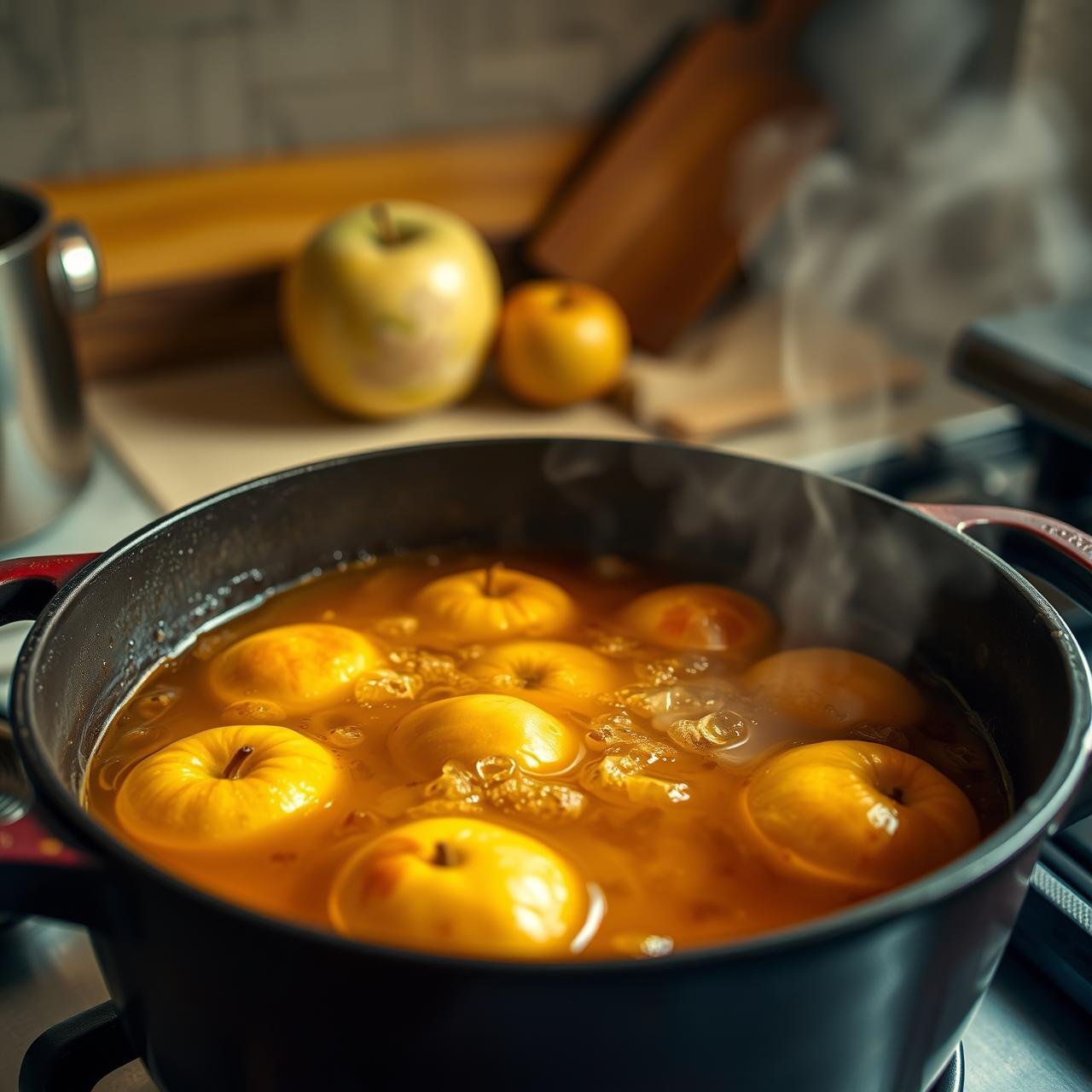
Follow these simple steps to transform your fresh apples into a warm, fragrant, and utterly irresistible treat. The process is meditative and will fill your home with the most wonderful aroma.
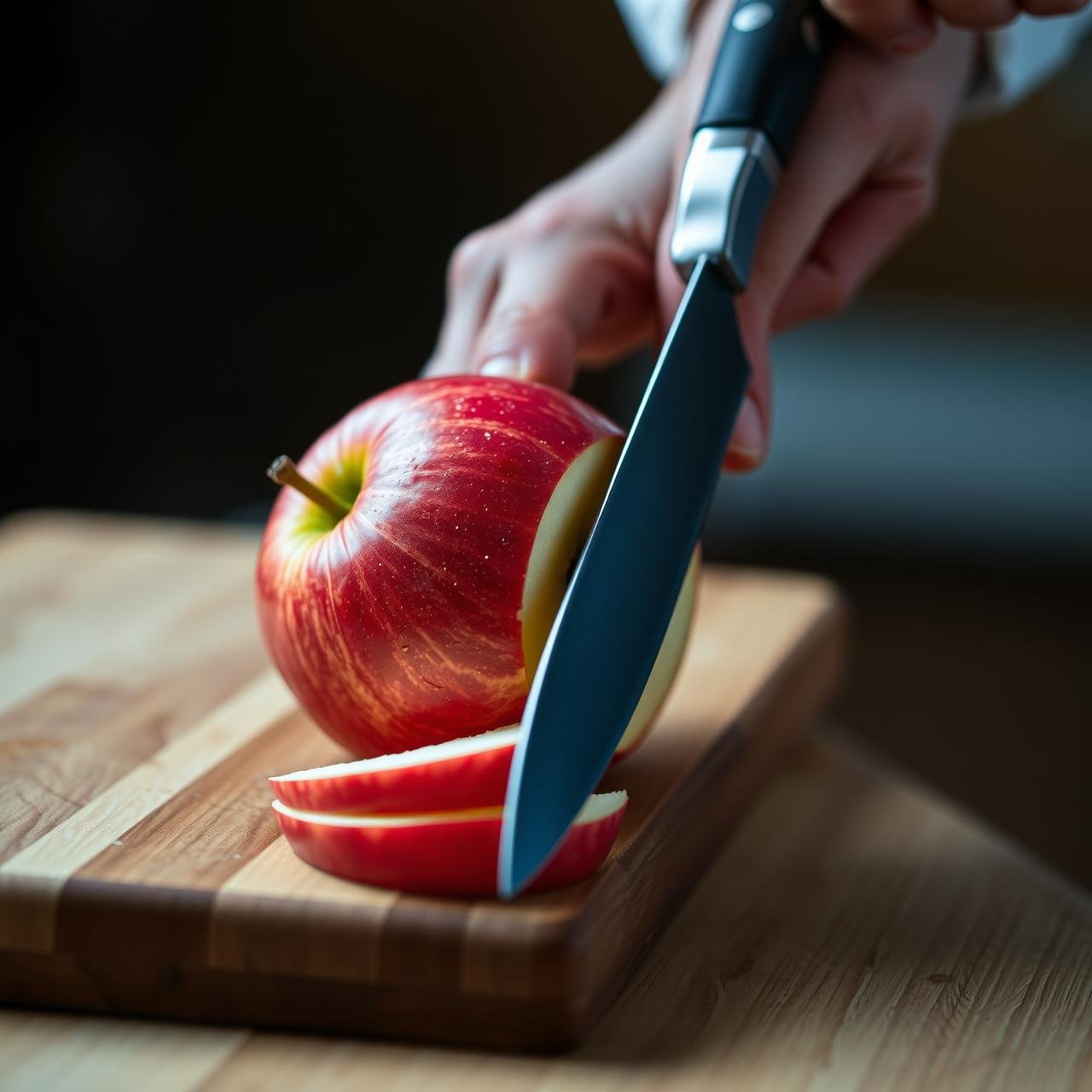
- Prep the Apples: Begin by washing your apples thoroughly. Using a vegetable peeler, remove all of the skin. Cut each apple into quarters, remove the core, and then chop the quarters into uniform chunks, about 1-inch in size. Uniformity is key to even cooking.
- Prevent Browning: As you chop the apples, place them in a large bowl. Drizzle the 2 tablespoons of lemon juice over the pieces and toss gently to coat. The acid in the lemon juice will prevent the apple flesh from oxidizing and turning brown, keeping them beautifully colored.
- Combine Ingredients: Transfer the lemon-tossed apples to your heavy-bottomed pot or Dutch oven. Add the 1/2 cup of water (or apple cider), the 1/4 cup of sweetener, ground cinnamon, nutmeg, cloves, and the pinch of sea salt.
- Gentle Simmer: Stir everything together gently to coat the apples in the spice mixture. Place the pot over medium heat and bring the liquid to a gentle simmer. Do not boil rapidly, as this can cause the apples to break down too quickly.
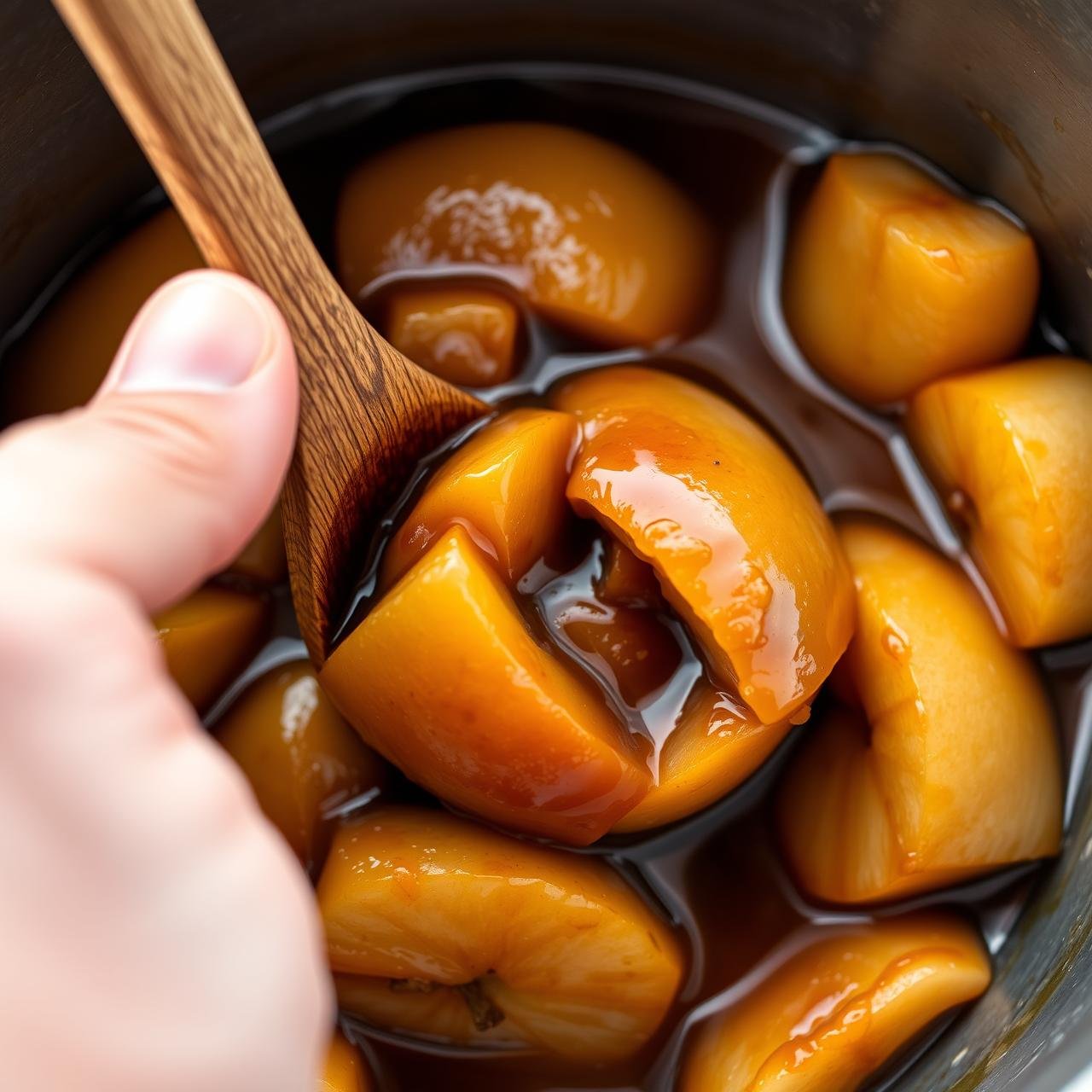
- Cook to Tenderness: Once simmering, reduce the heat to low, cover the pot, and let the apples cook for 15-25 minutes. The exact time will depend on the variety and size of your apple chunks. Stir occasionally to prevent sticking. The apples are ready when they are tender enough to be easily pierced with a fork but still hold their shape.
- Final Touches: Remove the pot from the heat. Stir in the 1 teaspoon of vanilla extract. The vanilla adds a wonderful depth and warmth to the finished dish.
- Thicken if Desired: At this point, you will have a lovely, light syrup. If you prefer a thicker, more pie-filling-like consistency, now is the time to add the optional thickener. Return the pot to low heat. Slowly pour in the cornstarch or arrowroot slurry while stirring constantly. Let it simmer for 1 minute more until the sauce has visibly thickened.
Chef’s Secrets for Flawless Stewed Apples
Even the simplest recipes have nuances that can elevate them from good to great. Here are a few professional tips and common mistakes to avoid on your journey to perfect stewed apples.
Expert Tips
- Don’t Crowd the Pan: Ensure your pot is large enough to comfortably hold all the apples without being packed too tightly. This allows them to cook evenly in the simmering liquid rather than just steaming on top.
- Taste and Adjust: Apples vary greatly in sweetness and tartness. Taste the apples halfway through cooking and at the end. You may want to add another sprinkle of sweetener or a small squeeze of lemon juice to achieve your perfect balance.
- The Power of Salt: It may seem odd to add salt to a sweet dish, but that tiny pinch is a flavor enhancer. It balances the sweetness and makes the other flavors, like cinnamon and apple, more vibrant and pronounced. Don’t skip it!
Common Pitfalls to Avoid
- Overcooking: The number one mistake is cooking the apples for too long, resulting in a mushy, applesauce-like texture. Begin checking for doneness at the 15-minute mark and remove them from the heat as soon as they are fork-tender.
- High Heat: Cooking on high heat will cause the natural sugars to burn on the bottom of the pot and will cook the outside of the apples too quickly, leaving the inside hard. A low, gentle simmer is essential.
- Skipping the Lemon Juice: This step is for more than just color. The acidity brightens the overall flavor of the dish, cutting through the sweetness and preventing it from tasting flat.
Nourishing by Nature: A Look at the Nutrition
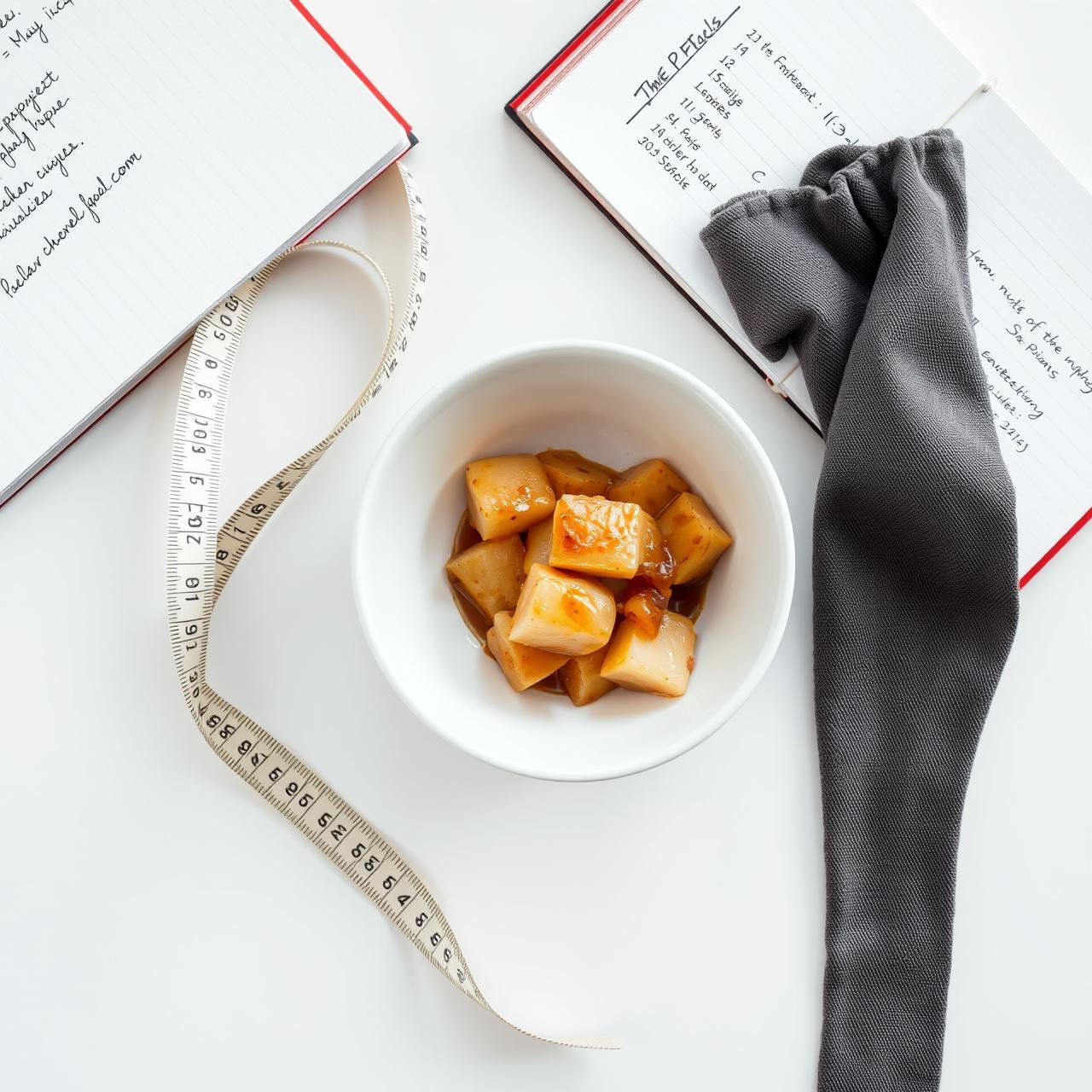
This recipe is designed to be a guilt-free indulgence, packed with fiber and nutrients from the apples and free from refined sugars. It’s a dessert you can feel good about eating. Here is an estimated nutritional breakdown per serving (recipe makes approximately 8 servings of 1/2 cup each).
| Nutrient | Amount per Serving |
|---|---|
| Calories | ~75 kcal |
| Carbohydrates | 18g |
| Fiber | 4g |
| Sugars | 13g (natural from apples) |
| Added Sugar | 0g |
| Protein | 0.5g |
| Fat | 0.2g |
| Vitamin C | ~10% DV |
Disclaimer: Nutritional information is an estimate and may vary based on the specific types of apples and sweeteners used.
Storage and Reheating Instructions
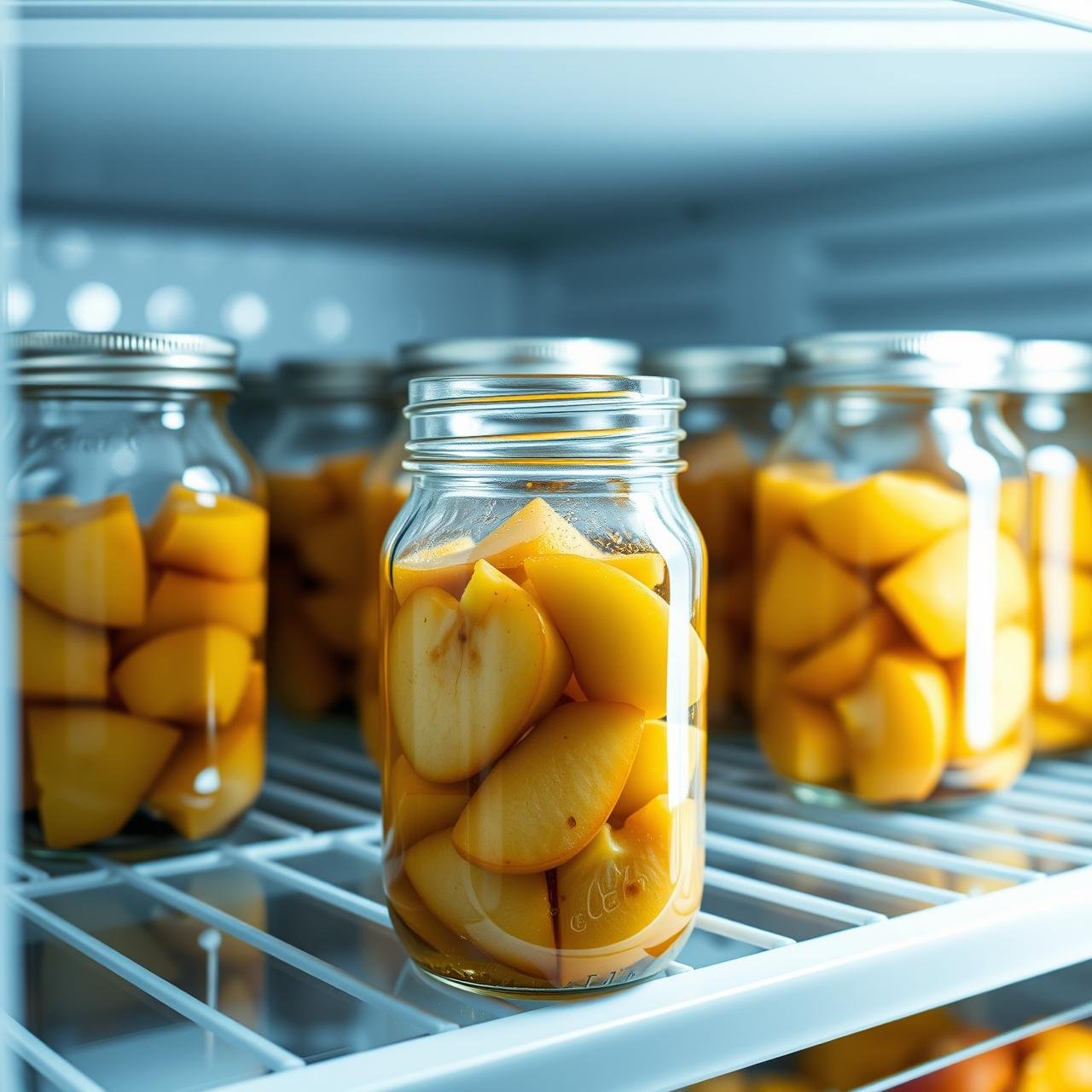
These stewed apples are fantastic for meal prepping and keep wonderfully, allowing you to enjoy a quick, wholesome treat throughout the week.
Refrigeration
Allow the stewed apples to cool completely to room temperature. Transfer them to an airtight container and store in the refrigerator for up to 5-7 days. The flavors will actually meld and deepen overnight, making them even more delicious the next day.
Freezing
For longer-term storage, these apples freeze beautifully. Once cooled, portion them into freezer-safe containers or bags, leaving about an inch of headspace for expansion. They can be frozen for up to 3 months. To use, thaw them overnight in the refrigerator.
Reheating
To enjoy them warm, you can gently reheat the stewed apples in a small saucepan over low heat until warmed through. Alternatively, you can microwave them in a microwave-safe bowl in 30-second intervals, stirring in between, until they reach your desired temperature.
Conclusion
And there you have it—the comforting, soul-soothing flavor of apple pie, captured in a simple, honest bowl of stewed apples. This recipe is a testament to the idea that wholesome, healthy food can also be deeply satisfying and incredibly delicious. It’s a versatile kitchen staple that can elevate your breakfast, transform your dessert, and fill your home with the unparalleled scent of simmering love. We invite you to make a batch, experiment with your favorite apple varieties and spices, and discover all the wonderful ways to enjoy this no-fluff, sugar-free delight. Happy cooking!