Nutrient Density King: Pan Seared Chicken Livers & Onions (Superfood Meal)
Welcome to a culinary revelation that marries rustic simplicity with unparalleled nutritional power. For too long, liver has been relegated to the forgotten corners of the butcher case, a victim of culinary misunderstanding. Today, we reclaim its rightful throne. This Pan-Seared Chicken Livers & Onions recipe is not just a meal; it’s a celebration of flavor, tradition, and one of the most nutrient-dense foods on the planet. Forget any preconceived notions of chalky textures or overpowering tastes. We are about to embark on a journey to create a dish so exquisitely creamy, savory, and deeply satisfying that it will forever change the way you view this humble organ meat.
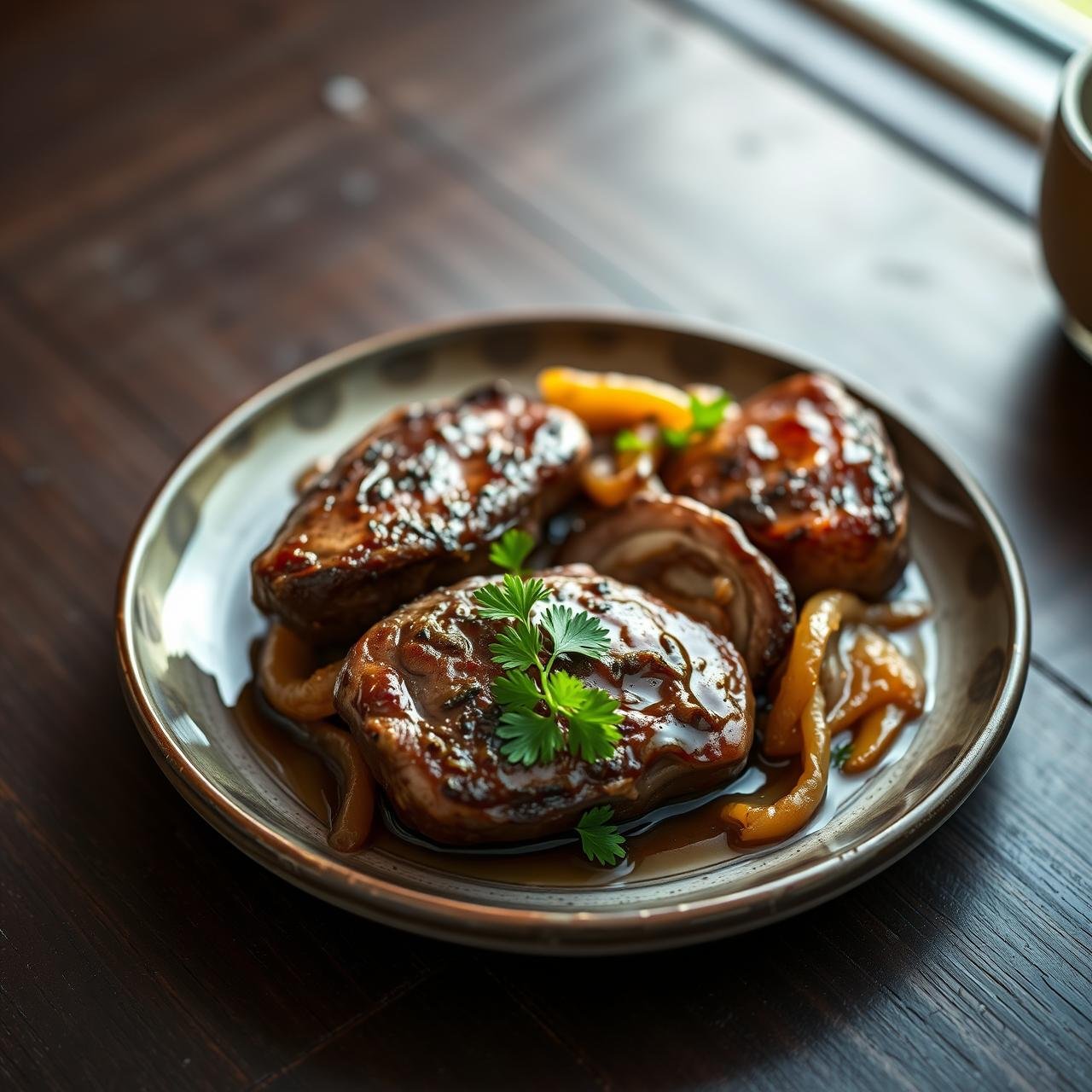
Imagine tender, velvety chicken livers with a perfectly seared, caramelized crust, melting in your mouth. Picture a cascade of sweet, jammy onions, slow-cooked to golden-brown perfection, their sweetness a divine counterpoint to the rich, earthy notes of the liver. This is comfort food elevated to a gourmet, health-conscious level. It’s a dish that speaks to our primal need for nourishment while delighting our modern palates. Whether you’re a seasoned gourmet foodie seeking bold flavors, a health enthusiast chasing nutrient density, a budget cook making every dollar count, or a home cook looking for a simple yet impressive meal, this recipe is your answer. Prepare to crown a new king in your kitchen: the undisputed champion of superfoods.
The Misunderstood Superfood: Why Chicken Livers Reign Supreme
Before we even heat the pan, let’s talk about the star of our dish. Chicken liver is, without exaggeration, a nutritional powerhouse. In the world of ‘superfoods,’ where exotic berries and ancient grains often steal the spotlight, this unassuming organ meat quietly offers a staggering concentration of essential vitamins and minerals. The term ‘nutrient density’ refers to the amount of micronutrients per calorie, and by this measure, chicken liver is practically off the charts.
A Symphony of Nutrients
Let’s break down its incredible profile:
- Vitamin A (Retinol): Chicken liver is one of the richest natural sources of preformed Vitamin A, which is crucial for vision, immune function, and cellular growth. A single serving can provide several times the recommended daily intake.
- Vitamin B12: Essential for brain health and the formation of red blood cells, B12 is found in abundance here. It’s a key nutrient for energy metabolism, fighting fatigue and keeping your nervous system in top shape.
- Iron: It provides a highly bioavailable form of iron called ‘heme iron,’ which is easily absorbed by the body. This is critical for preventing anemia and maintaining energy levels.
- Folate: Another vital B-vitamin, folate is essential for cell growth and metabolism. It’s particularly important during pregnancy for fetal development.
- Protein: It’s packed with high-quality, complete protein, containing all the essential amino acids your body needs for muscle repair and maintenance.
Beyond these headliners, it’s also a fantastic source of selenium, phosphorus, and copper. When you eat chicken livers, you’re not just filling your stomach; you’re flooding your body with the building blocks of optimal health. This recipe is designed to honor that nutritional integrity, using simple cooking methods that let the ingredients shine.
Gather Your Tools: Essential Equipment for Perfect Results
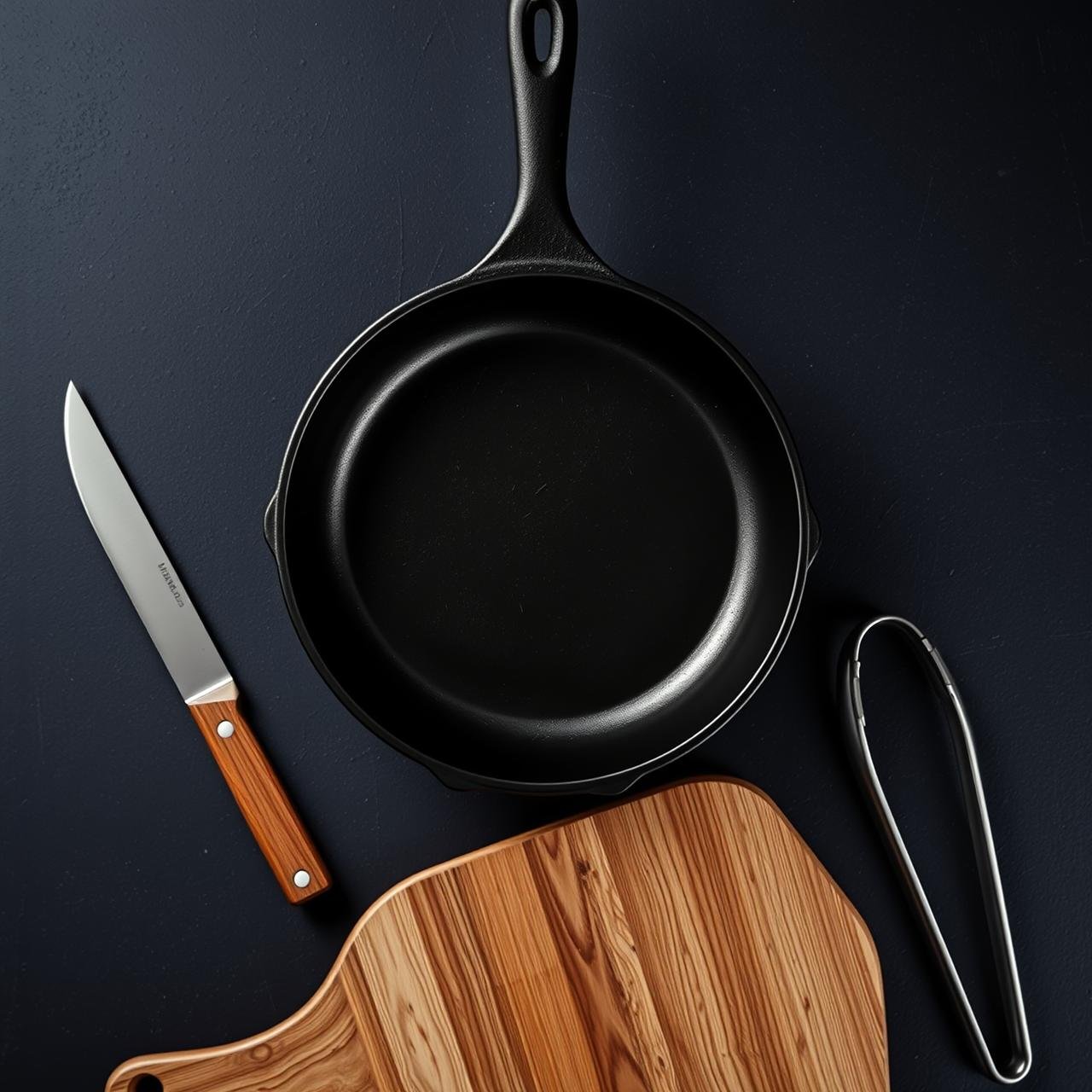
A great dish starts with the right tools. You don’t need a professional kitchen, but a few key pieces of equipment will ensure you achieve that perfect sear and flawless texture. Here’s what you’ll need to have at the ready:
| Equipment | Why It’s Important |
|---|---|
| Large Cast-Iron or Heavy-Bottomed Skillet (12-inch) | This is non-negotiable for a superior sear. Cast iron retains and distributes heat evenly, creating a beautiful, dark crust on the livers without overcooking the interior. |
| Sharp Chef’s Knife | Essential for cleanly slicing your onions and trimming the chicken livers. A dull knife will mash the ingredients rather than slice them. |
| Large Cutting Board | Provides a stable surface for all your prep work. Consider using a separate board for the raw liver to prevent cross-contamination. |
| Fish Spatula or Tongs | A thin, flexible fish spatula is ideal for flipping the delicate livers without breaking them apart. Tongs also work well. |
| Mixing Bowls | You’ll need a medium bowl for soaking the livers (optional, but recommended) and another for seasoning them before they hit the pan. |
| Paper Towels | Crucial for patting the livers completely dry. A dry surface is the secret to achieving a deep, flavorful sear instead of just steaming the meat. |
The Cast of Characters: Simple Ingredients, Extraordinary Flavor
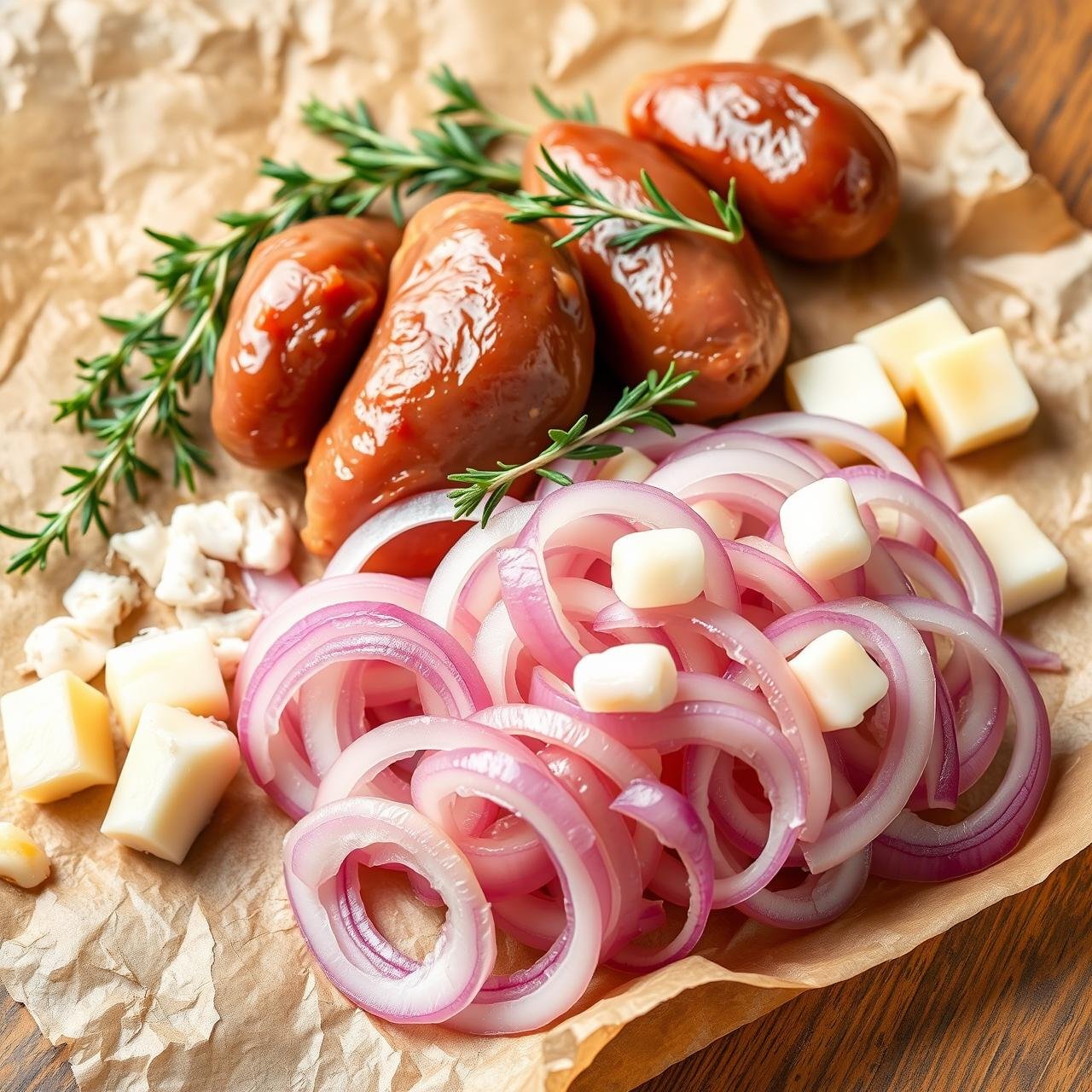
The beauty of this recipe lies in its simplicity. We use a handful of high-quality, accessible ingredients to create a dish with complex, deeply satisfying flavor. Quality matters here, so choose the freshest ingredients you can find.
For the Livers and Onions:
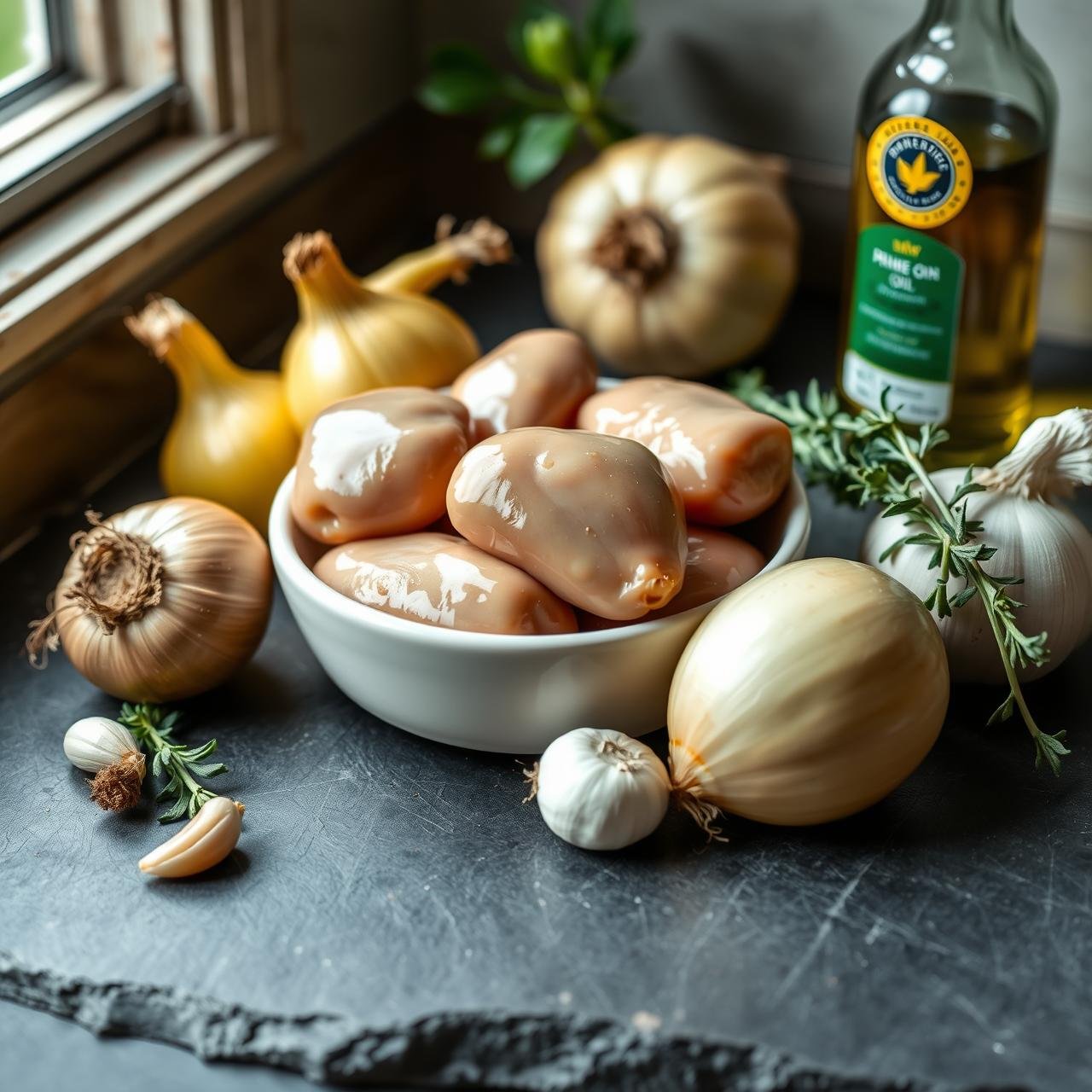
- 1.5 lbs fresh chicken livers, preferably from pasture-raised chickens
- 2 large sweet yellow onions, thinly sliced
- 4 cloves garlic, minced
- 3 tbsp unsalted butter, divided
- 2 tbsp olive oil or avocado oil
- 1/2 cup dry white wine, chicken broth, or beef broth for deglazing
- 1 tsp fresh thyme leaves (or 1/2 tsp dried)
- Sea salt and freshly cracked black pepper, to taste
Optional Enhancements & Garnishes:
- 1 tbsp balsamic vinegar or a squeeze of fresh lemon juice, for finishing
- 2 tbsp fresh flat-leaf parsley, finely chopped
- A splash of heavy cream or coconut cream for a richer sauce
A Note on Sourcing Livers: Look for livers that are plump, firm, and have a deep, glossy, reddish-brown color. Avoid any that appear pale, yellowish, or have a dry texture. Your local butcher or a well-stocked farmers’ market is often the best source.
The Culinary Dance: A Step-by-Step Guide to Perfection
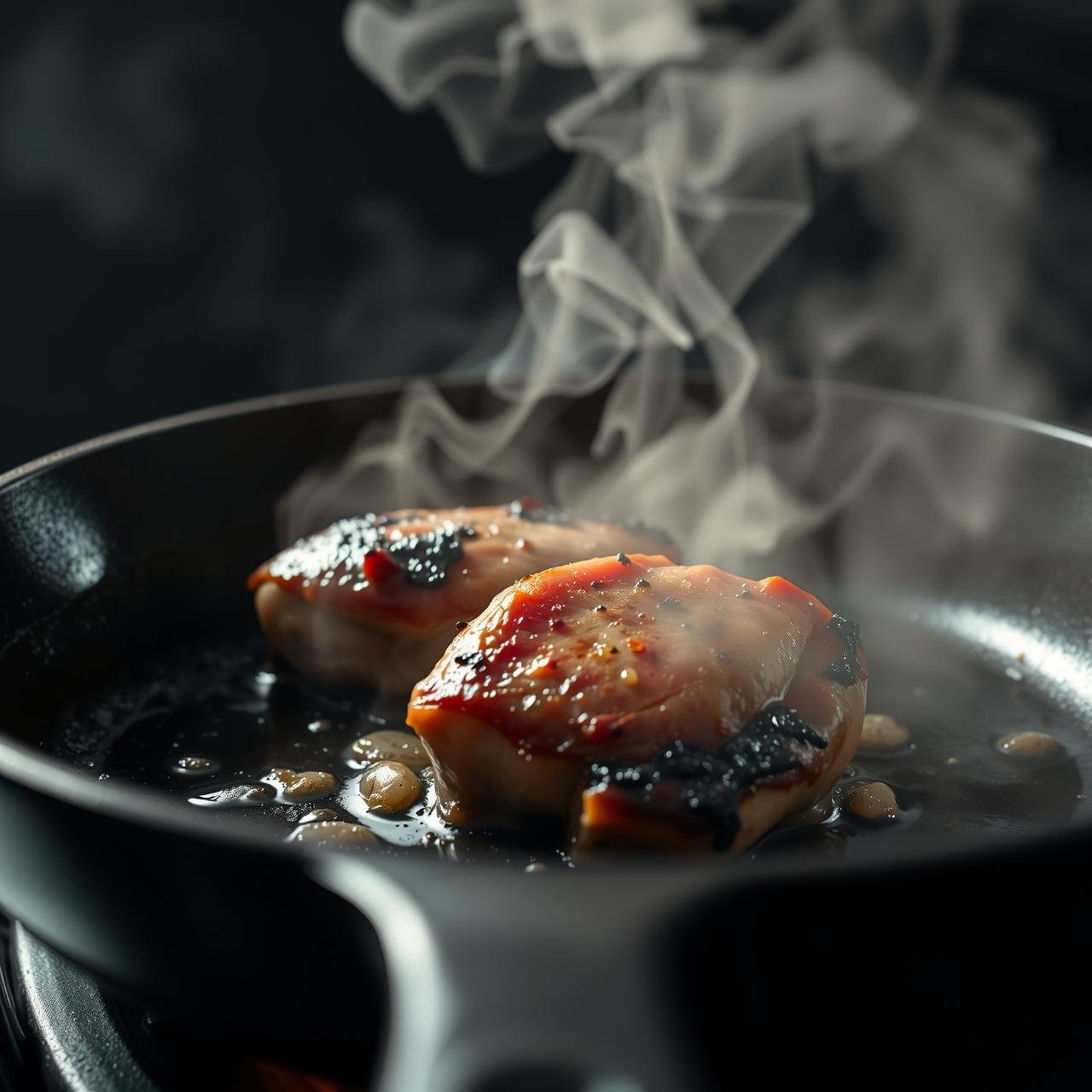
Follow these steps closely to transform your simple ingredients into a truly memorable meal. The key is in the technique: high heat for the livers and patient, slow cooking for the onions.
-
Prep the Livers:
Start by rinsing the chicken livers under cold water. Place them on your cutting board and, using your sharp knife, carefully trim away any greenish parts (remnants of the gall bladder, which are bitter) and any tough connective tissues or membranes. Pat them completely dry with paper towels. This step is critical for a good sear. Season them generously on all sides with salt and pepper.
-
Caramelize the Onions:
In your large cast-iron skillet, melt 2 tablespoons of the butter with the olive oil over medium heat. Add the thinly sliced onions and a pinch of salt. Cook slowly, stirring occasionally, for 20-25 minutes. You want them to become deeply golden, soft, and sweet. Don’t rush this process; this is where the foundational flavor of the dish is built. Once caramelized, add the minced garlic and fresh thyme and cook for another minute until fragrant. Remove the onion mixture from the skillet and set aside on a plate.
-
Sear the Livers:
Turn the heat under the skillet up to medium-high. Add the remaining 1 tablespoon of butter. Once it’s melted and foaming, carefully place the seasoned chicken livers in the pan in a single layer. Do not overcrowd the pan; work in two batches if necessary. Let them sear undisturbed for 2-3 minutes per side. You’re looking for a deep, dark brown crust. The inside should still be slightly pink and creamy. Overcooking is the number one mistake with liver, as it will become tough and grainy.
-
Deglaze and Create the Sauce:
Once all the livers are seared and removed from the pan, reduce the heat to medium. Pour your chosen liquid (white wine or broth) into the hot skillet. Use a wooden spoon or spatula to scrape up all the browned bits (the ‘fond’) from the bottom of the pan. This is pure flavor! Let the liquid simmer and reduce by about half, which should only take a minute or two.
-
Bring It All Together:
Return the cooked onions and the seared livers to the skillet. Gently toss everything together in the pan sauce. If you’re using balsamic vinegar, a squeeze of lemon, or a splash of cream, add it now. Let it all warm through for about 30 seconds. Taste and adjust seasoning with more salt and pepper if needed.
-
Serve Immediately:
Transfer the pan-seared chicken livers and onions to a warm platter. Garnish generously with fresh, chopped parsley. The contrast of the green parsley against the rich brown of the dish is visually stunning. Serve hot and enjoy immediately.
Chef’s Secrets for Five-Star Liver and Onions
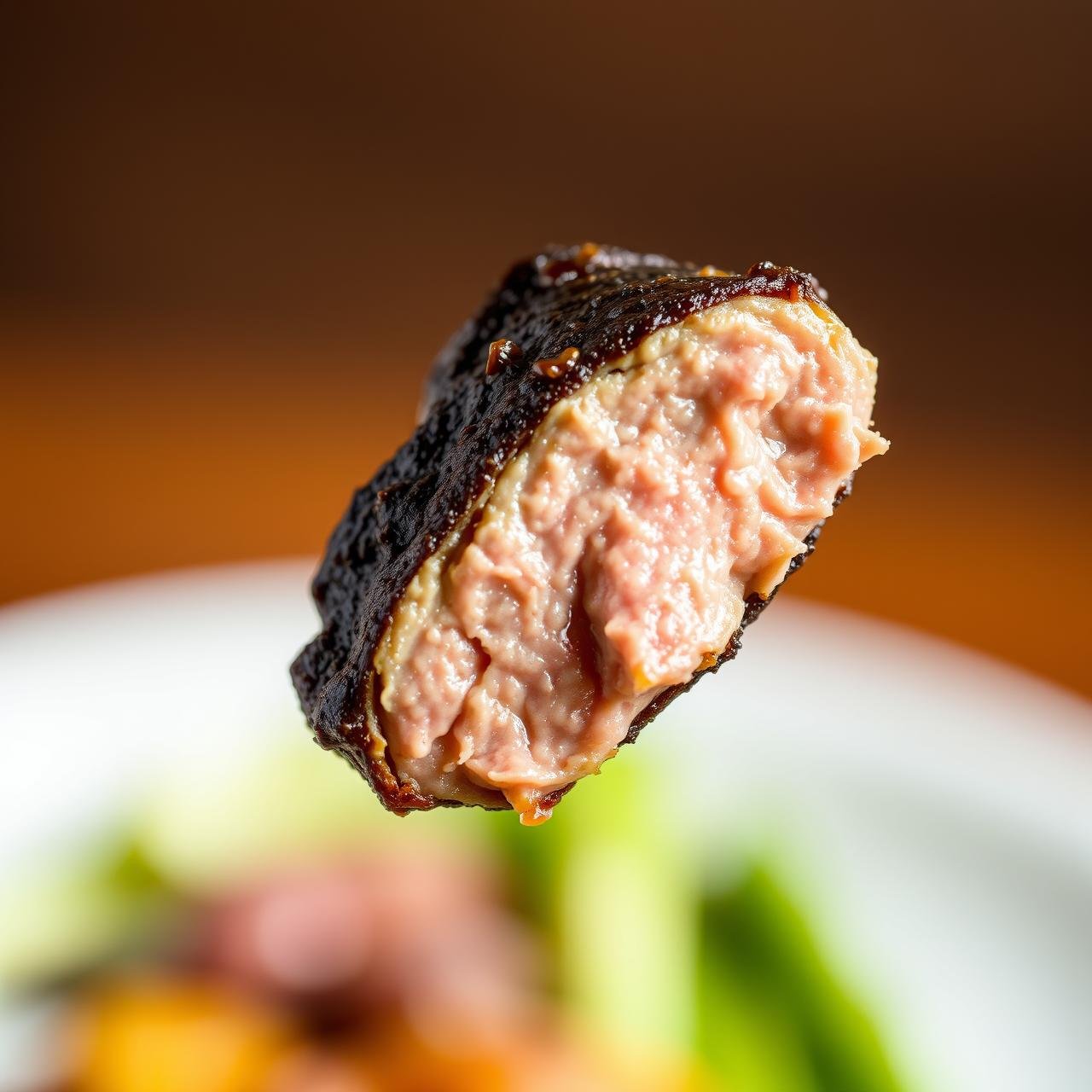
Want to elevate your dish from great to unforgettable? Here are a few professional tips and variations that can make all the difference.
- The Pre-Soak Debate: Some chefs swear by soaking livers in milk or buttermilk for 30 minutes before cooking. This can help to mellow out any strong, metallic flavors and tenderize the meat. If you’re new to liver or sensitive to its taste, this is a highly recommended step. Just be sure to rinse and pat them completely dry afterward.
- Don’t Crowd the Pan: This is a cardinal rule of searing. If you put too many livers in the skillet at once, the pan’s temperature will drop, and the livers will steam instead of sear. You’ll be left with a grey, rubbery exterior instead of a delicious crust. Cook in batches for the best results.
- Judge Doneness by Touch: The perfect chicken liver should feel like a rare steak—soft with a slight spring back. When you press it gently, it should have some give. If it feels firm all the way through, it’s likely overcooked.
- Flavor Variations: Feel free to experiment! Add a pinch of red pepper flakes with the garlic for a little heat. A few sliced mushrooms sautéed with the onions add another layer of earthy flavor. A crumble of crispy, cooked bacon on top is also a decadent addition.
- Perfect Pairings: This dish is screaming for something to soak up the delicious pan sauce. Creamy mashed potatoes, polenta, or cauliflower mash are classic choices. It’s also fantastic served over a slice of toasted sourdough bread or alongside simple steamed green beans.
Nutritional Powerhouse: A Detailed Breakdown
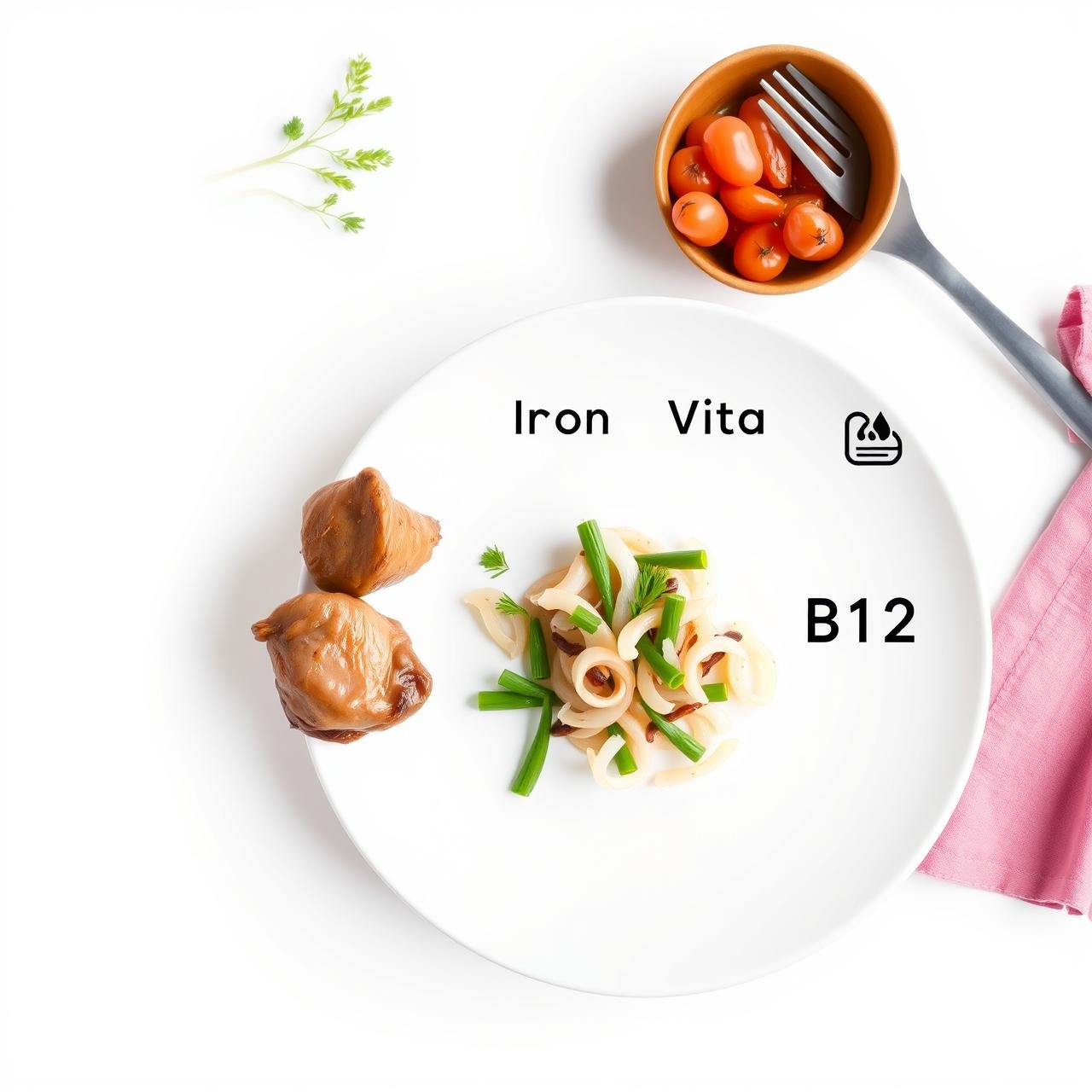
This meal isn’t just delicious; it’s a functional food that delivers a powerful dose of nutrition. The combination of liver, onions, and healthy fats creates a well-rounded, low-carbohydrate meal that supports energy, immunity, and overall vitality. Below is an estimated nutritional breakdown for one serving (recipe makes approximately 4 servings).
| Nutrient | Amount per Serving (Approx.) | % Daily Value (DV) |
|---|---|---|
| Calories | 380 kcal | 19% |
| Protein | 35 g | 70% |
| Fat | 20 g | 26% |
| Carbohydrates | 12 g | 4% |
| Iron | 15 mg | 83% |
| Vitamin A | ~25000 IU | >500% |
| Vitamin B12 | 25 mcg | >1000% |
| Folate | 800 mcg | 200% |
Disclaimer: These values are estimates and can vary based on the specific ingredients and portion sizes used. However, the percentages for key micronutrients like Vitamin A, B12, and Iron highlight the extraordinary nutritional contribution of this dish.
Savor Later: Storing and Reheating Your Creation
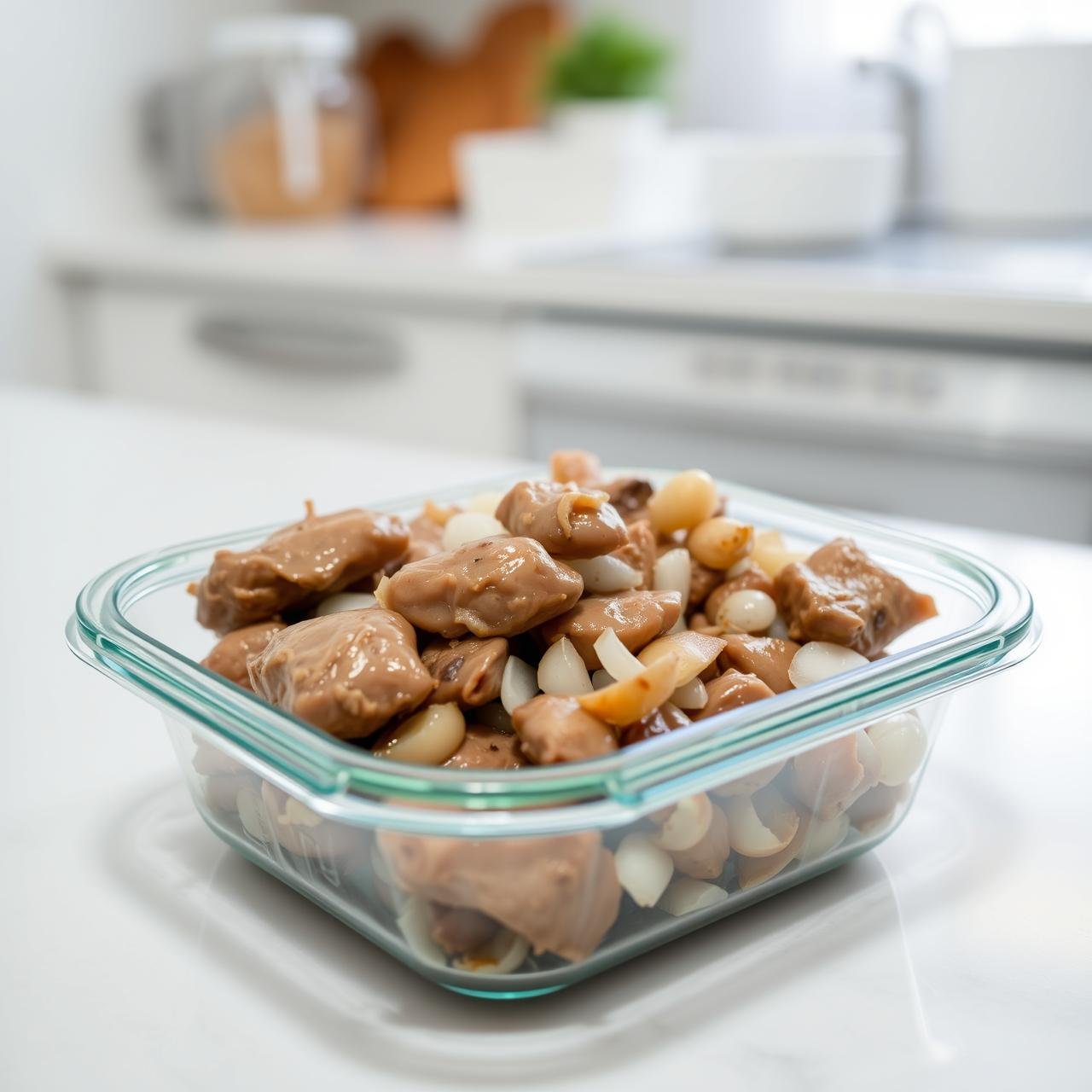
While chicken livers and onions are undeniably best when served fresh from the skillet, leftovers can still be delicious if handled with care. The primary goal is to reheat them gently to avoid turning the delicate livers tough.
Storage Instructions:
Allow the dish to cool completely to room temperature. Transfer the livers, onions, and any pan sauce to an airtight container. Store in the refrigerator for up to 3 days. I do not recommend freezing this dish, as the texture of the liver can become mealy upon thawing.
Reheating Method:
The best way to reheat is on the stovetop. Place the leftovers in a small skillet over low heat. Add a splash of broth or water to create a little steam and prevent sticking. Cover the pan and let it warm gently for 3-5 minutes, or until just heated through. Avoid the microwave if possible, as its intense heat can quickly overcook the liver and make it rubbery.
Conclusion
You’ve now mastered a dish that is a true triple threat: it’s incredibly nutritious, profoundly flavorful, and surprisingly budget-friendly. By embracing this recipe, you’re not just cooking a meal; you’re connecting with a timeless, rustic tradition of whole-food nourishment. You’ve learned how to transform a humble, often overlooked ingredient into a creamy, savory delicacy worthy of any gourmet’s table. The perfect sear, the sweet caramelized onions, and the rich, velvety texture of the liver come together in a harmony of flavors that is both comforting and exciting.
So, the next time you walk past the butcher counter, I hope you’ll look at chicken livers with new eyes. See them not as a challenge, but as an opportunity—an opportunity to fuel your body with one of the most powerful superfoods available and to delight your senses with a truly spectacular meal. Go ahead, give this recipe a try, and let the Nutrient Density King take its rightful place in your culinary repertoire.