Pan Seared Duck Breast With Blackberry Sauce: Fancy Dinner For Weight Loss
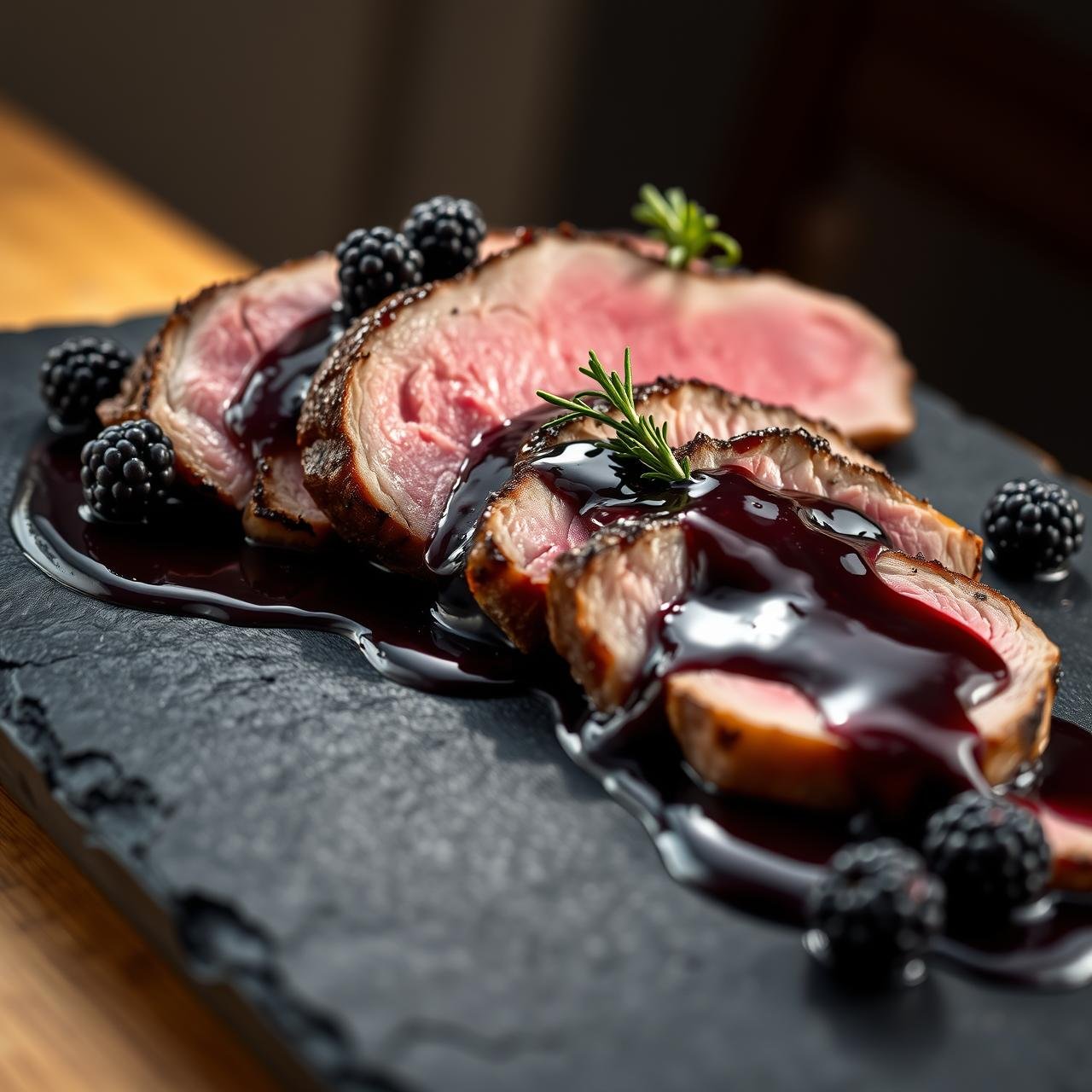
Imagine the sound: a gentle, persistent sizzle as a perfectly scored duck breast renders its liquid gold into a cold pan. The aroma fills your kitchen—rich, savory, and utterly intoxicating. This isn’t just a meal; it’s an experience. For too long, duck has been relegated to the ‘special occasion’ or ‘too difficult’ category of home cooking, often perceived as overly indulgent. Today, we’re shattering that myth. We’re embracing the luxurious, deeply flavorful world of duck breast as a powerful ally in your quest for a healthy, satisfying lifestyle.
This recipe for Pan-Seared Duck Breast with a vibrant Blackberry Sauce is the epitome of rustic elegance. It’s a dish that feels like a five-star indulgence but is secretly simple to master and surprisingly beneficial for a wellness-focused diet. Duck is a fantastic source of protein, iron, and healthy unsaturated fats—yes, that glorious rendered fat is more akin to olive oil than butter! Paired with a naturally sweetened blackberry sauce, bursting with antioxidants and flavor, you have a meal that nourishes the body and delights the palate. Forget bland, restrictive ‘diet food.’ This is about celebrating whole, beautiful ingredients and creating a memorable dinner that proves you can eat incredibly well while pursuing your weight loss goals.
Why You’ll Fall in Love with This Healthy Gourmet Dish
Before we dive into the skillet, let’s talk about what makes this recipe a true game-changer for the health-conscious home cook. It’s more than just a fancy meal; it’s a smart, delicious, and empowering choice for your weekly menu.
- Gourmet Flavor, Minimal Effort: The deep, rich flavor of duck combined with the bright, tangy blackberry sauce creates a complex taste profile that seems like it took hours to develop. The secret? It’s all about technique, not time.
- A Weight-Loss Powerhouse: Duck is exceptionally satiating due to its high protein content, which helps keep you full and satisfied, curbing cravings. The monounsaturated fats in duck skin (when rendered properly) are heart-healthy and can be a valuable part of a balanced diet.
- Naturally Low-Carb & Keto-Friendly: By using a natural sweetener or relying on the berries’ own sweetness, this dish is inherently low in carbohydrates, making it a perfect fit for keto or low-carb lifestyles.
- Budget-Friendly Luxury: While duck breast feels like a splurge, preparing it at home costs a fraction of what you’d pay in a fine-dining restaurant. It allows you to enjoy a luxurious experience without breaking the bank.
- Master a Core Chef Technique: Learning to properly render fat and sear a protein is a foundational culinary skill. This recipe is the perfect, delicious classroom for honing your technique and building kitchen confidence.
The Chef’s Toolkit: Essential Equipment
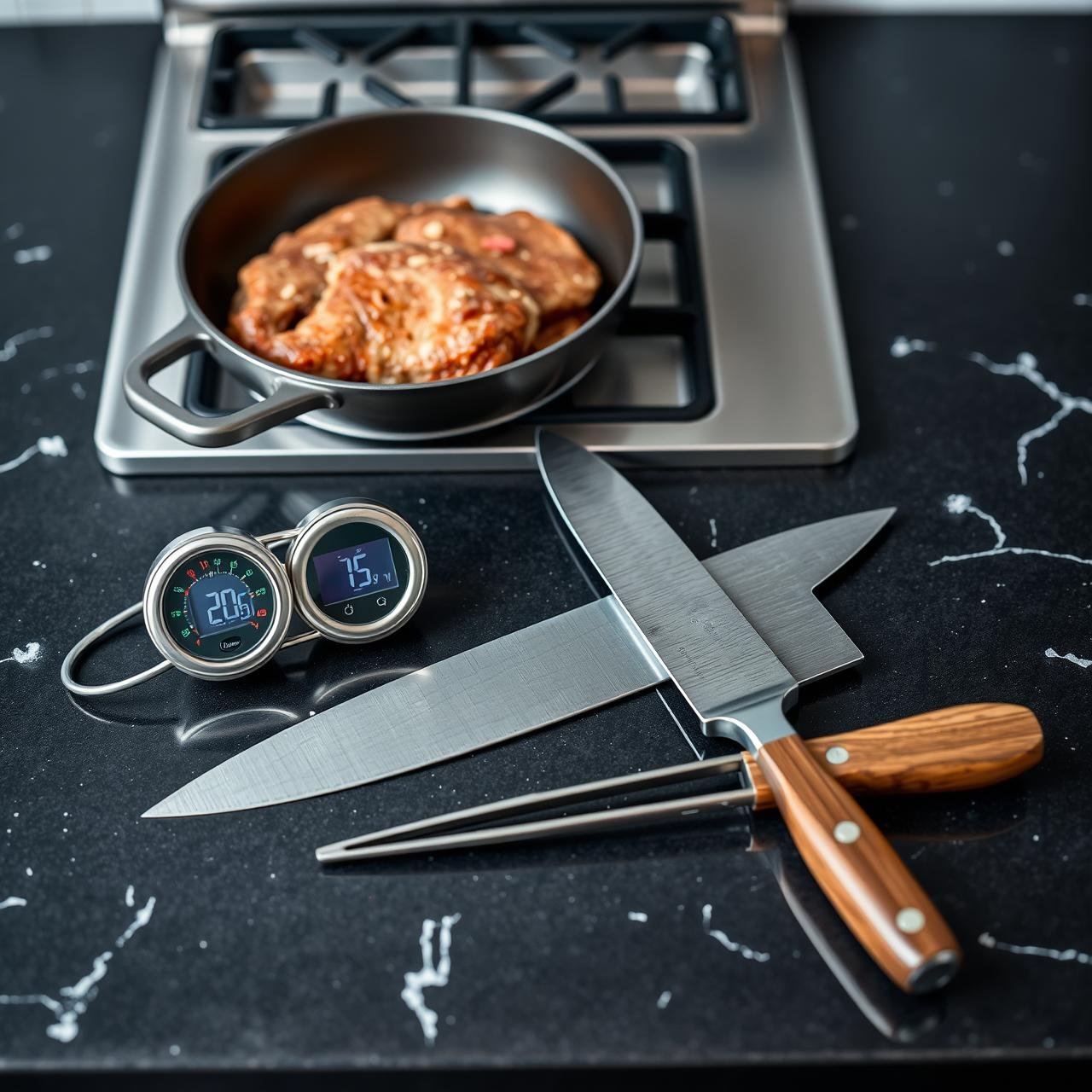
You don’t need a professionally equipped kitchen to achieve a perfect sear. The right tools, however, make the process foolproof and enjoyable. Here’s what you’ll need to pull from your cupboards.
| Tool | Why It’s Important |
|---|---|
| Heavy-Bottomed Skillet (10-12 inch) | Cast iron or stainless steel is ideal. A heavy base ensures even heat distribution, which is critical for rendering the fat slowly and achieving an evenly crisp skin without burning. |
| Sharp Scoring Knife or Utility Knife | A very sharp knife is essential for scoring the fat cap without piercing the meat underneath. This allows the fat to render out effectively. |
| Tongs | Long-handled tongs allow you to safely handle the hot duck breast, turning it and basting it without piercing the skin. |
| Digital Meat Thermometer | This is the single most important tool for guaranteeing a perfectly cooked duck breast. It takes all the guesswork out of achieving your desired doneness (e.g., medium-rare). |
| Small Saucepan | For simmering the blackberry sauce to perfection. |
| Fine-Mesh Sieve | Crucial for straining the sauce to create a smooth, velvety, professional-quality texture. |
A Symphony of Flavors: Your Ingredient List
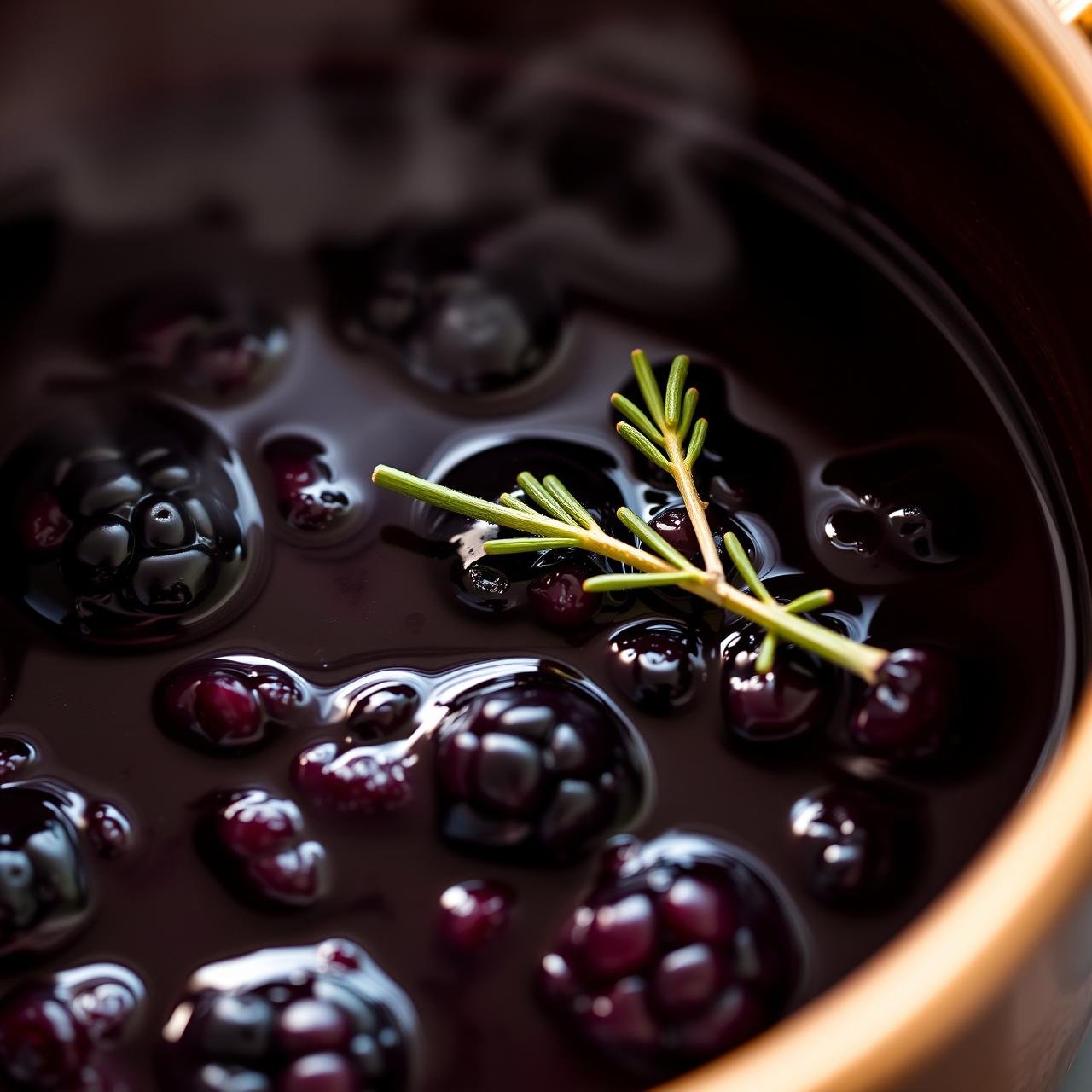
The beauty of this dish lies in its simplicity and the quality of its components. Each ingredient plays a crucial role in the final harmony of flavors.
For the Pan-Seared Duck Breast
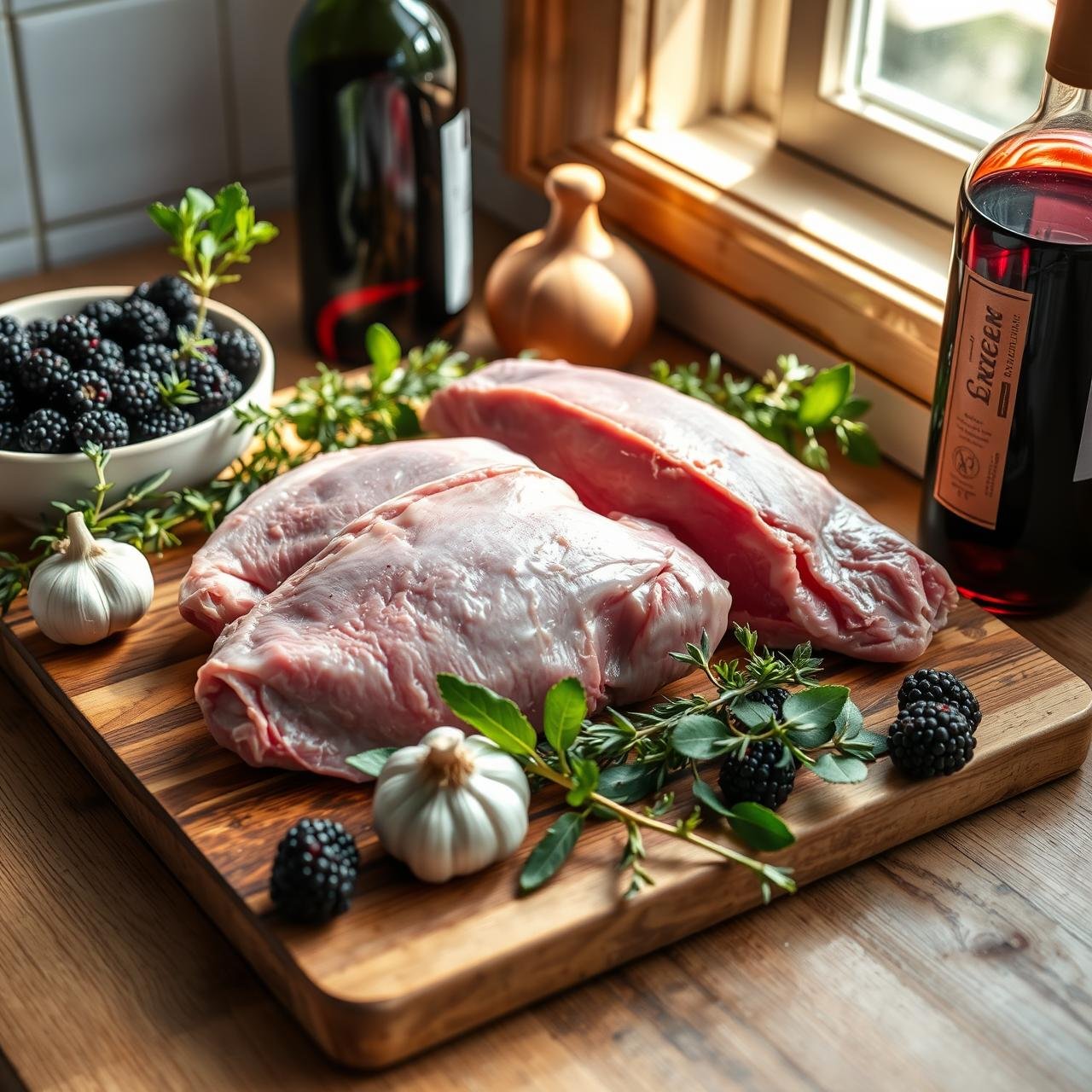
- 2 (6-8 ounce) duck breasts (Magret or Moulard are excellent choices), skin-on
- 1 teaspoon coarse sea salt (like Maldon or Fleur de Sel)
- 1/2 teaspoon freshly cracked black pepper
For the Luscious Blackberry Sauce
- 1 tablespoon reserved rendered duck fat (or olive oil)
- 1 small shallot, finely minced
- 2 cloves garlic, thinly sliced
- 1 cup (about 6 ounces) fresh or frozen blackberries
- 1/2 cup dry red wine (like a Merlot or Cabernet Sauvignon)
- 1/4 cup chicken or duck stock
- 1 tablespoon balsamic vinegar
- 1-2 teaspoons honey or maple syrup (optional, to taste, or use monk fruit for keto)
- 1 sprig fresh thyme
- 1 tablespoon cold unsalted butter (optional, for a richer finish)
Chef’s Note: When selecting your duck, look for a thick, creamy-white fat cap and deep, ruby-red meat. This indicates a quality bird that will render beautifully.
Mastering the Method: A Step-by-Step Guide
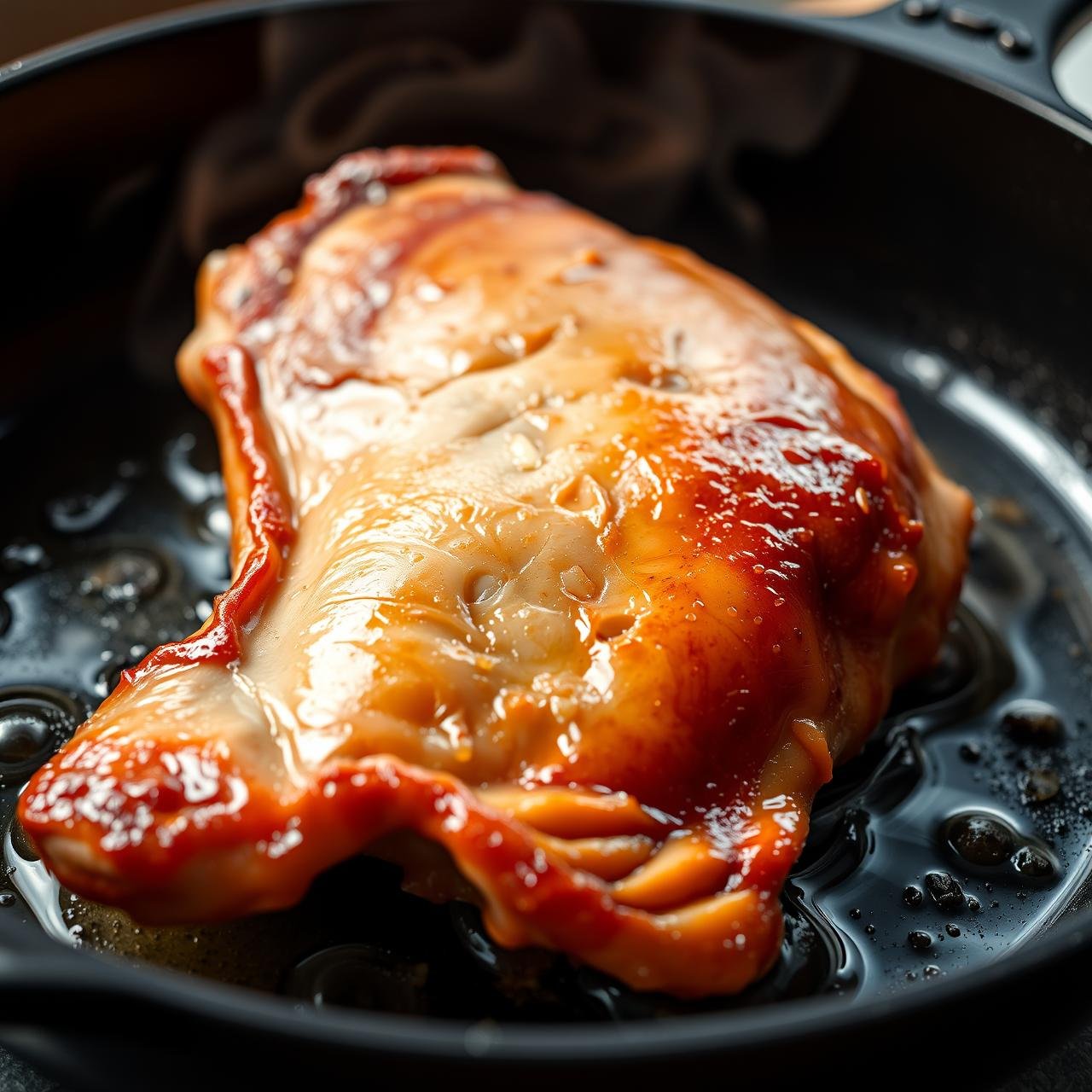
This process is a meditation in heat management and patience. Follow these steps precisely, and you will be rewarded with a duck breast that rivals any top restaurant.
-
Prepare the Duck
Pat the duck breasts completely dry with paper towels; this is non-negotiable for crispy skin. Place them skin-side up on a cutting board. Using a very sharp knife, carefully score the skin in a crosshatch pattern, making incisions about 1/4-inch apart. Be very careful to cut only through the skin and fat, not into the meat itself. Season both sides generously with coarse sea salt and freshly cracked black pepper.
-
The Cold Pan Start
Place the duck breasts, skin-side down, in a cold, dry, heavy-bottomed skillet. Do not preheat the pan. This is the most critical step. A cold start allows the fat to render out slowly and completely, resulting in an incredibly crisp skin and moist meat.
-
Render the Fat
Place the skillet over medium-low heat. You will soon hear a gentle sizzle. Let the duck cook undisturbed for 15-20 minutes. The fat will slowly melt and pool in the pan. You’re looking for the skin to become a deep, golden-brown and very crispy. Periodically, you can pour off the excess rendered fat into a heatproof jar to save for later (it’s liquid gold for roasting potatoes!).
-
Sear the Flesh
Once the skin is deeply golden and crisp, flip the duck breasts over. Sear the meat side for just 1-3 minutes, depending on the thickness and your desired doneness. For a perfect medium-rare, you are looking for an internal temperature of 130-135°F (54-57°C) on a meat thermometer.
-
Rest the Meat
Remove the duck from the skillet and transfer it to a clean cutting board. Let it rest for at least 10 minutes before slicing. This allows the juices to redistribute throughout the meat, ensuring every bite is succulent and tender. Do not skip this step!
The Crowning Glory: Crafting the Blackberry Sauce
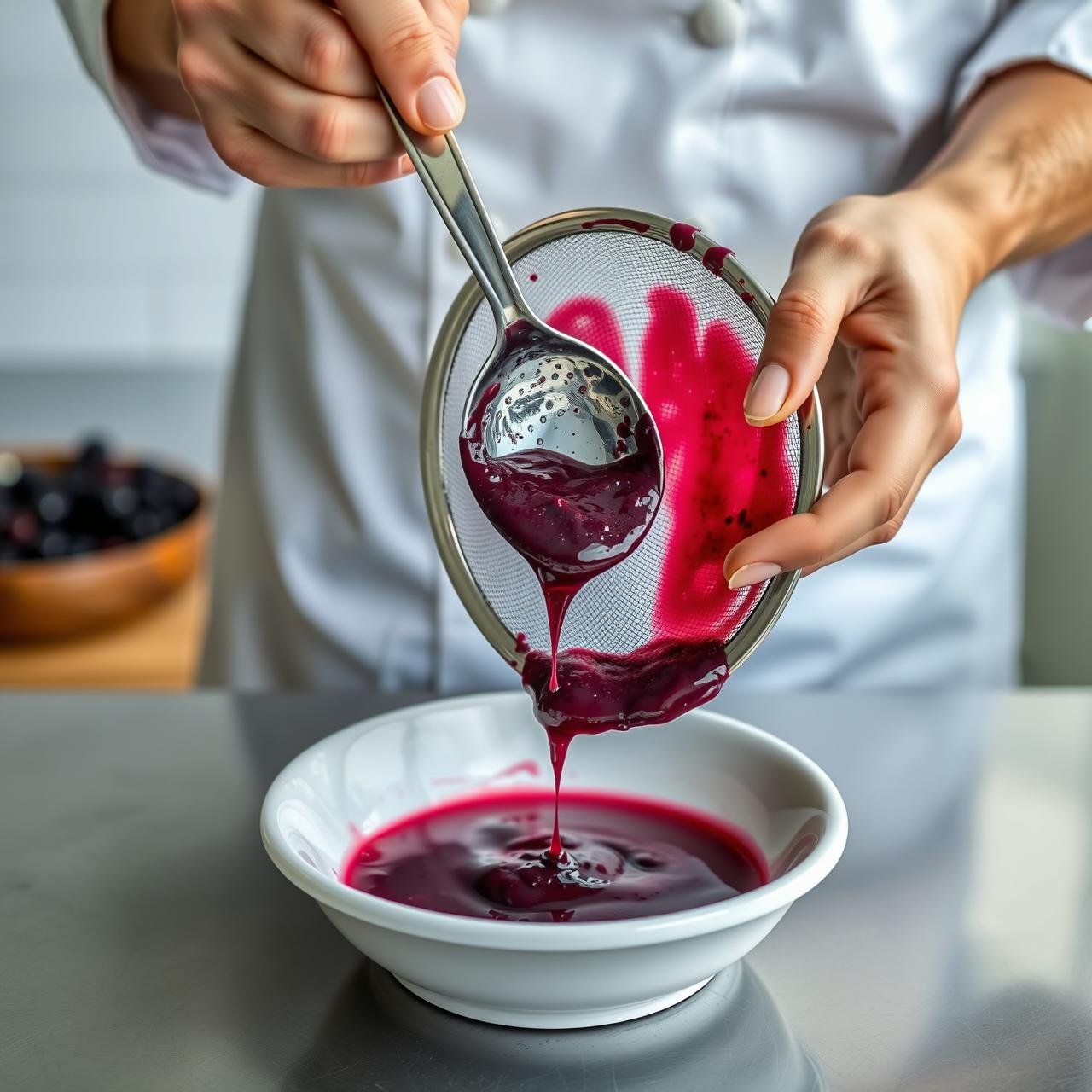
While your duck is resting, you can create the beautifully balanced sauce that will elevate the entire dish. Use the same skillet for maximum flavor.
-
Sauté the Aromatics
Pour off all but one tablespoon of the rendered duck fat from the skillet. Return the skillet to medium heat. Add the minced shallot and cook for 2 minutes until softened and fragrant. Add the sliced garlic and cook for another minute until just golden.
-
Deglaze and Build Flavor
Pour in the red wine and balsamic vinegar to deglaze the pan, scraping up any browned bits (the ‘fond’) from the bottom of the skillet with a wooden spoon. This is where the deep flavor lives! Let the wine simmer and reduce by about half, which should take about 3 minutes.
-
Simmer the Sauce
Add the blackberries, stock, and thyme sprig to the skillet. Bring to a simmer and cook for 5-7 minutes, gently crushing some of the berries with the back of your spoon to release their juices. The sauce will begin to thicken.
-
Strain and Finish
Remove the thyme sprig. For a silky-smooth, professional-grade sauce, pour the mixture through a fine-mesh sieve into a clean bowl, using the back of a spoon to press all the liquid out of the solids. Taste the sauce and season with salt and pepper. If it’s too tart, stir in a teaspoon of honey or maple syrup. For extra richness and a glossy sheen, whisk in the optional cold butter off the heat until it’s fully incorporated.
From My Kitchen to Yours: Chef’s Notes & Pro Tips
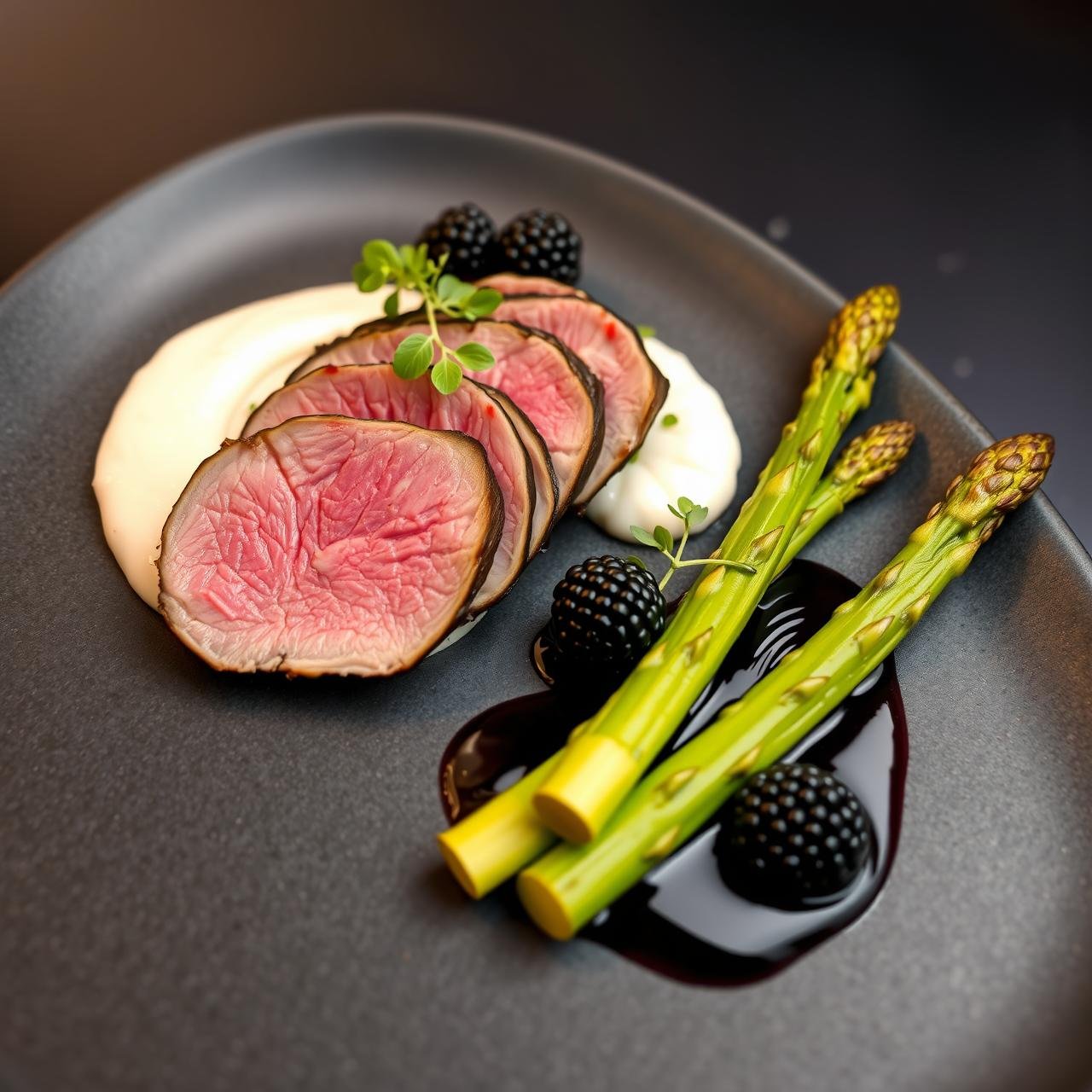
- Don’t Rush the Render: The secret to crispy skin is a slow, patient render over medium-low heat. If the heat is too high, the skin will burn before the fat has a chance to melt away.
- Save That Fat!: Rendered duck fat is a culinary treasure. Store it in a jar in the refrigerator for up to six months. Use it to roast vegetables (especially potatoes and Brussels sprouts) for an incredible flavor boost.
- Sauce Variations: Feel free to experiment! A splash of orange juice can brighten the sauce, or a pinch of red pepper flakes can add a subtle warmth. Cherries or raspberries can also be substituted for blackberries.
- Resting is Required: I cannot overstate the importance of resting the duck. Slicing into it too early will cause all the delicious juices to run out onto your cutting board, resulting in dry meat. Tent it loosely with foil if you’re worried about it getting cold.
Fueling Your Body: Nutritional Breakdown
This is an estimated nutritional profile for one serving (one 6-ounce duck breast and a portion of the sauce). Actual values may vary based on ingredient size and specific products used.
| Nutrient | Amount per Serving |
|---|---|
| Calories | ~450 kcal |
| Protein | ~35g |
| Fat | ~32g (mostly monounsaturated) |
| Carbohydrates | ~8g |
| Fiber | ~3g |
| Net Carbs | ~5g |
| Sugar | ~4g (from berries) |
Disclaimer: This information is provided as a courtesy and is not a substitute for professional medical or nutritional advice.
Serving, Storing, and Savoring Later
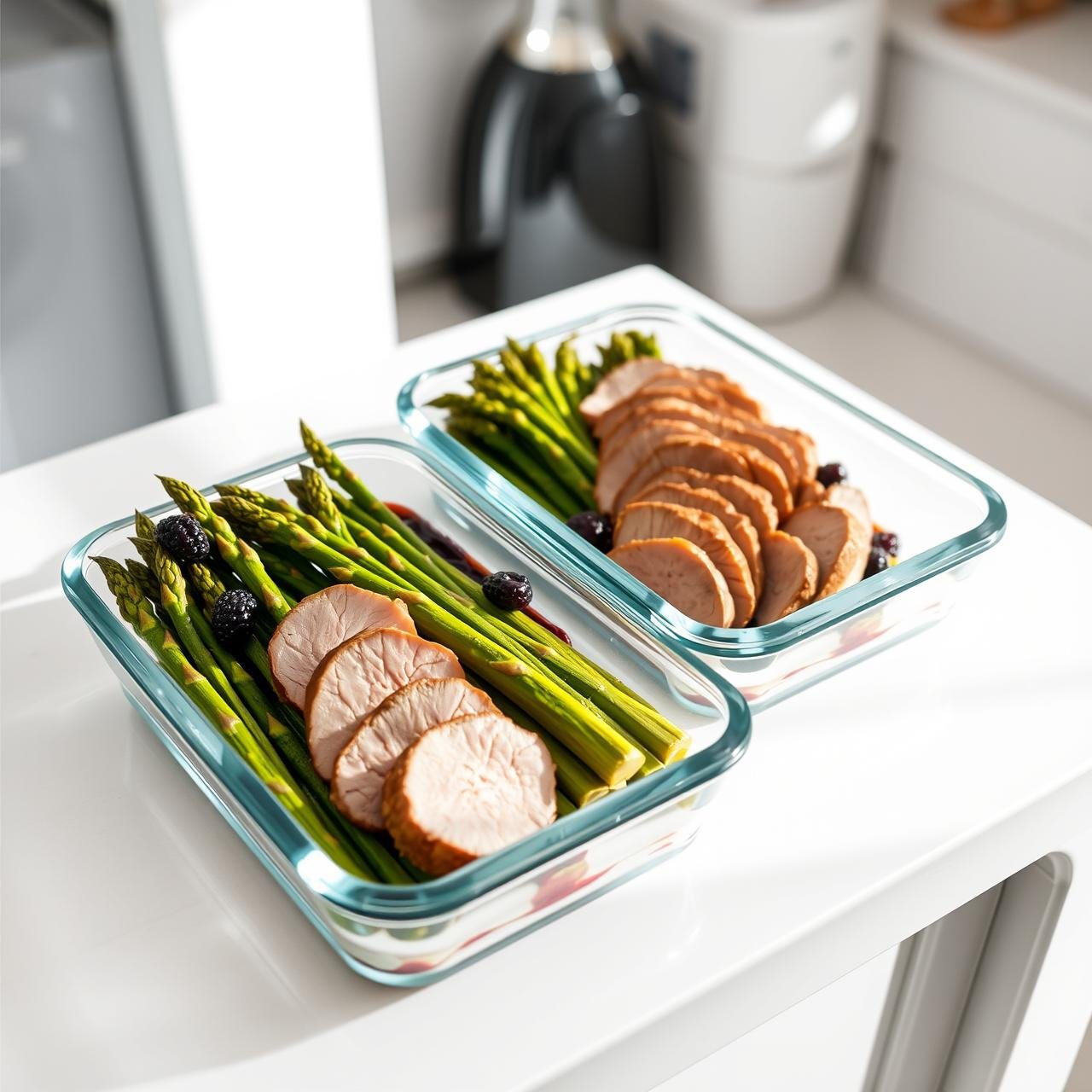
Perfect Pairings for a Balanced Meal
To keep this meal aligned with weight loss goals, pair the rich duck with light, nutrient-dense sides. A creamy cauliflower or parsnip purée is a fantastic low-carb alternative to mashed potatoes. Simple roasted asparagus, steamed green beans, or a light arugula salad with a lemon vinaigrette also complement the dish beautifully.
Storing Leftovers
Store leftover duck and sauce in separate airtight containers in the refrigerator for up to 3 days. The rendered duck fat can be stored in a sealed jar in the fridge for several months.
The Best Way to Reheat
The goal is to warm the duck without overcooking it and to re-crisp the skin. The best method is to place the duck breast skin-side up in a dry skillet over medium heat for a few minutes until the skin sizzles and crisps up again. You can also heat it in an oven or air fryer at 350°F (175°C) for 5-7 minutes. Gently reheat the sauce in a small saucepan over low heat until just warmed through.
Conclusion
You’ve just unlocked the secret to a dinner that is simultaneously decadent and nourishing, impressive and approachable. This Pan-Seared Duck Breast with Blackberry Sauce is more than a recipe—it’s a testament to the fact that eating for your health and weight loss goals can be a joyous, flavorful, and deeply satisfying journey. By mastering this one dish, you empower yourself in the kitchen, proving that you can create meals that feed your soul without compromising your wellness. So, light some candles, pour a glass of that red wine, and savor the incredible meal you made with your own two hands. You deserve it.