Baked Shrimp Saganaki: A Cheesy Low Carb Dinner Miracle
Close your eyes and imagine a sun-drenched afternoon on a Greek island. The air is warm, carrying the scent of salt from the Aegean Sea and wild oregano from the hillsides. A small, whitewashed taverna overlooks the brilliant blue water, and on your table arrives a sizzling dish, rustic and impossibly fragrant. This is the magic of Shrimp Saganaki, a dish that tastes like a holiday in a skillet. But you don’t need a plane ticket to experience it.
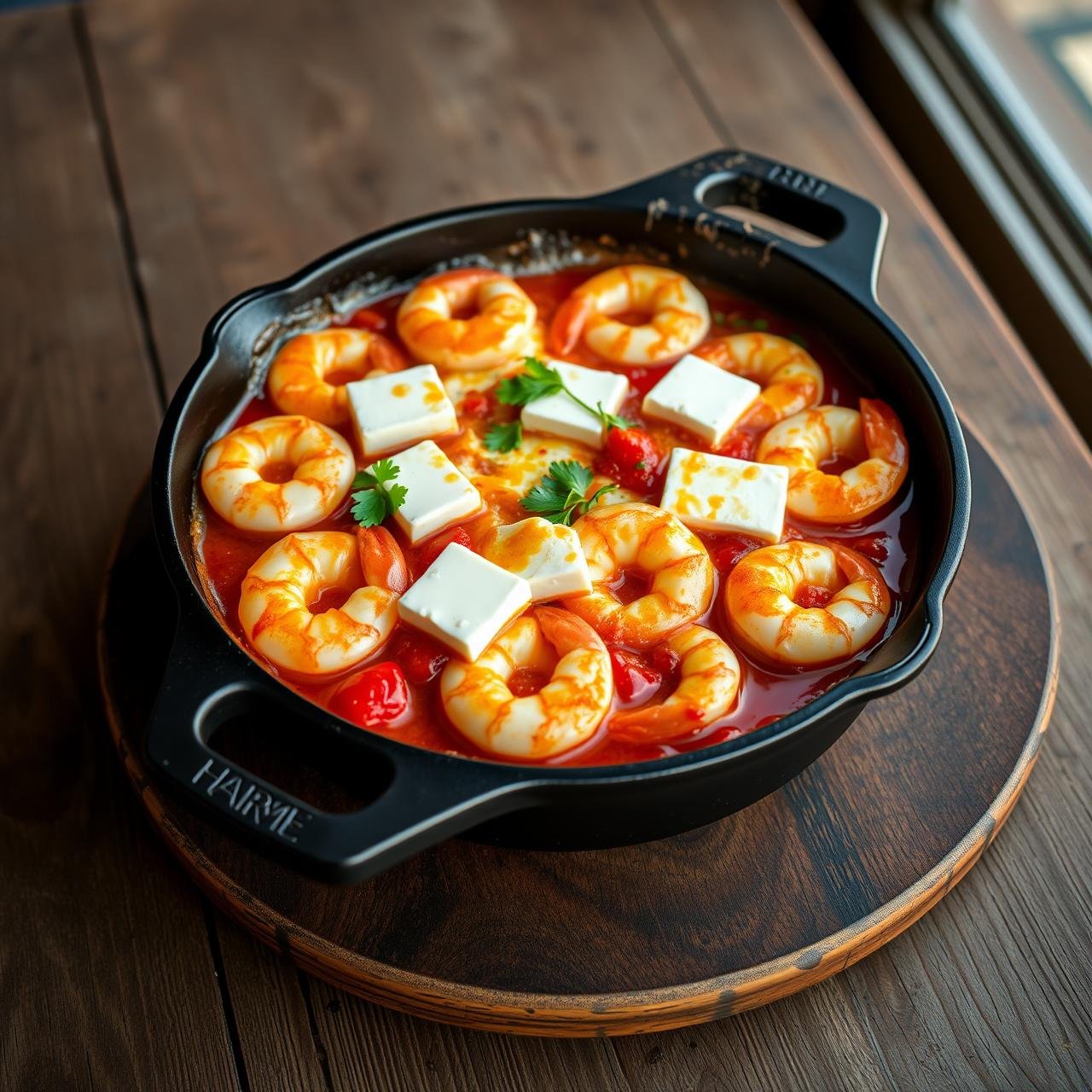
We’ve captured that very essence in this recipe for Baked Shrimp Saganaki, a modern, health-conscious take on the classic that we lovingly call a ‘cheesy low-carb dinner miracle.’ It’s a symphony of simple, yet profound flavors: sweet, plump shrimp swim in a robust sauce of sun-ripened tomatoes, pungent garlic, and a whisper of ouzo, all crowned with a generous blanket of salty, tangy feta cheese baked to a molten, golden-brown perfection. This isn’t just a meal; it’s an experience. It’s the perfect solution for anyone seeking a dinner that is both breathtakingly delicious and effortlessly aligned with a healthy, low-carb lifestyle. Prepare to fall in love with the simple, rustic elegance of the Mediterranean, right in your own kitchen.
The Heart of the Aegean on Your Plate: What is Shrimp Saganaki?
Before we dive into the cooking process, let’s talk about the soul of this dish. The word ‘Saganaki’ (σαγανάκι) doesn’t refer to the ingredients, but rather to the pan it’s traditionally cooked in: a small, heavy-bottomed, two-handled frying pan. While classic saganaki often involves pan-frying cheese, the term has expanded to include various appetizers cooked in this pan, often featuring a rich tomato sauce with seafood or cheese.
Our version takes a slightly different, more hands-off approach. By baking the dish, we allow the flavors to meld and deepen in the oven, creating a sauce that is intensely rich and flavorful. The shrimp are added towards the end, ensuring they cook to tender, juicy perfection without a hint of rubberiness. The final blast of heat under the broiler transforms the feta into a bubbly, golden crust that is utterly irresistible. This method not only simplifies the cooking process but also makes it an ideal one-pan meal for a weeknight dinner that feels like a weekend indulgence. It’s a rustic, homestyle dish that embodies the Greek philosophy of ‘meraki’—cooking with soul, creativity, and love.
The Freshest Catch: Assembling Your Ingredients
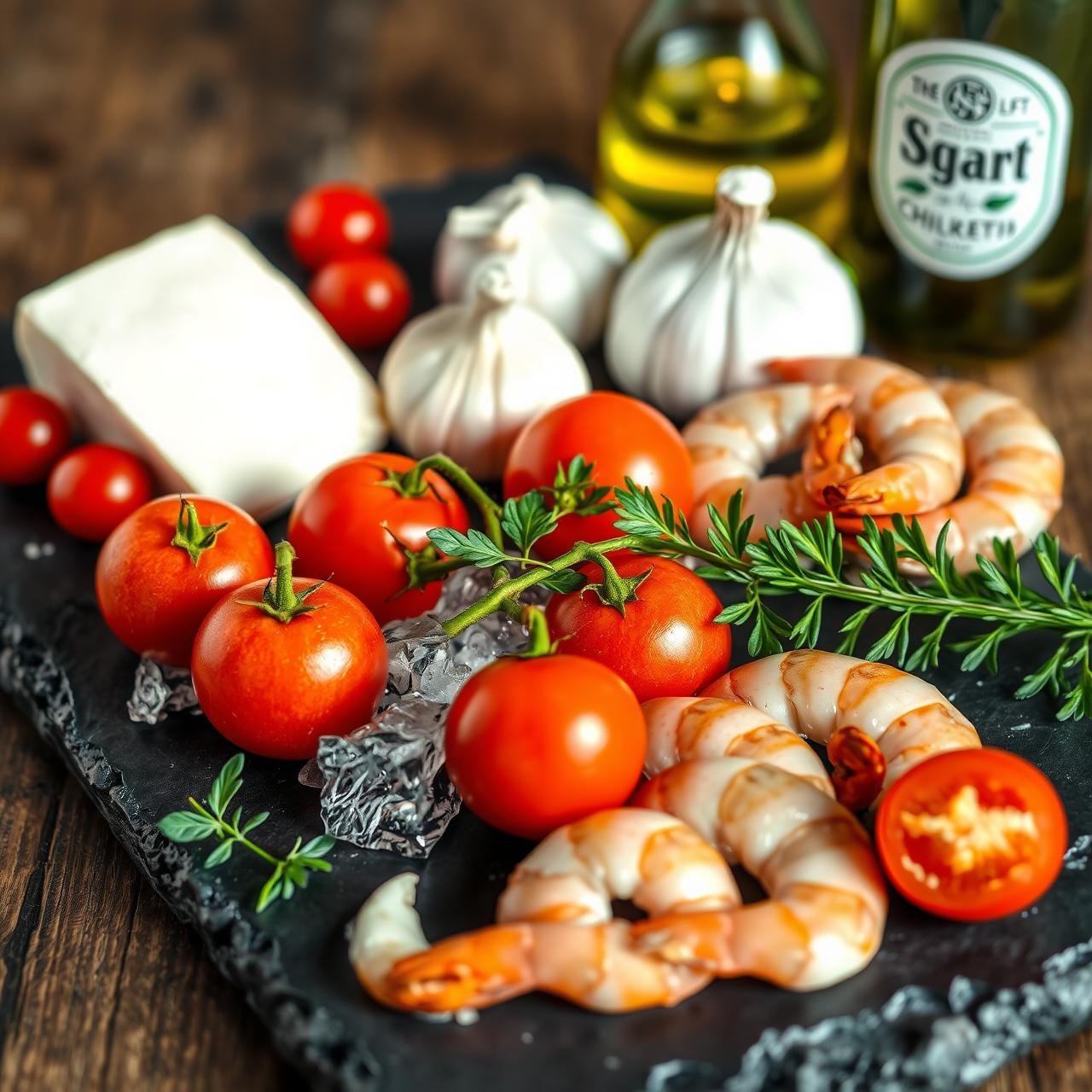
The beauty of Greek cooking lies in its reliance on fresh, high-quality ingredients. This dish is no exception. While the list is short, each component plays a starring role. Sourcing the best you can find will elevate your saganaki from good to unforgettable.
For the Perfect Saganaki, You Will Need:
- Large Shrimp: 1.5 pounds, to be precise. Look for large or jumbo shrimp (16-20 or 21-25 count per pound). They have a meatier bite and are less likely to overcook. We recommend buying them raw, peeled, and deveined to save on prep time. If using frozen, be sure to thaw them completely and pat them very dry.
- Good Quality Canned Tomatoes: One 28-ounce can of crushed or diced tomatoes. San Marzano tomatoes are the gold standard here; their lower acidity and robust, sweet flavor create a superior sauce base.
- Authentic Greek Feta Cheese: An 8-ounce block. This is non-negotiable! Look for feta made from sheep’s milk or a sheep-goat milk blend, sold in brine. It’s creamier, tangier, and far more flavorful than the pre-crumbled, dry cow’s milk varieties.
- Aromatics: 5-6 cloves of garlic, thinly sliced, and 1 medium yellow onion, finely chopped. These form the fragrant foundation of our sauce.
- Extra Virgin Olive Oil: About 1/4 cup of a good, fruity olive oil. This is a key flavor in Mediterranean cooking, so use the good stuff.
- Dry White Wine or Ouzo: 1/4 cup. White wine like a Sauvignon Blanc or Pinot Grigio will deglaze the pan and add a layer of acidity. For a truly authentic Greek flavor, a splash of Ouzo adds a subtle, anise-like aroma that is simply divine.
- Herbs & Spices: 1 teaspoon of dried oregano, 1/2 teaspoon of red pepper flakes (adjust to your heat preference), and a generous handful of fresh parsley, chopped, for garnish. Salt and freshly ground black pepper to taste.
- Optional Sweetness: 1/2 teaspoon of monk fruit sweetener or erythritol. This is a low-carb trick to balance the acidity of the tomatoes without adding sugar. A pinch of regular sugar works too if you’re not strictly low-carb.
Crafting the Miracle: A Step-by-Step Guide
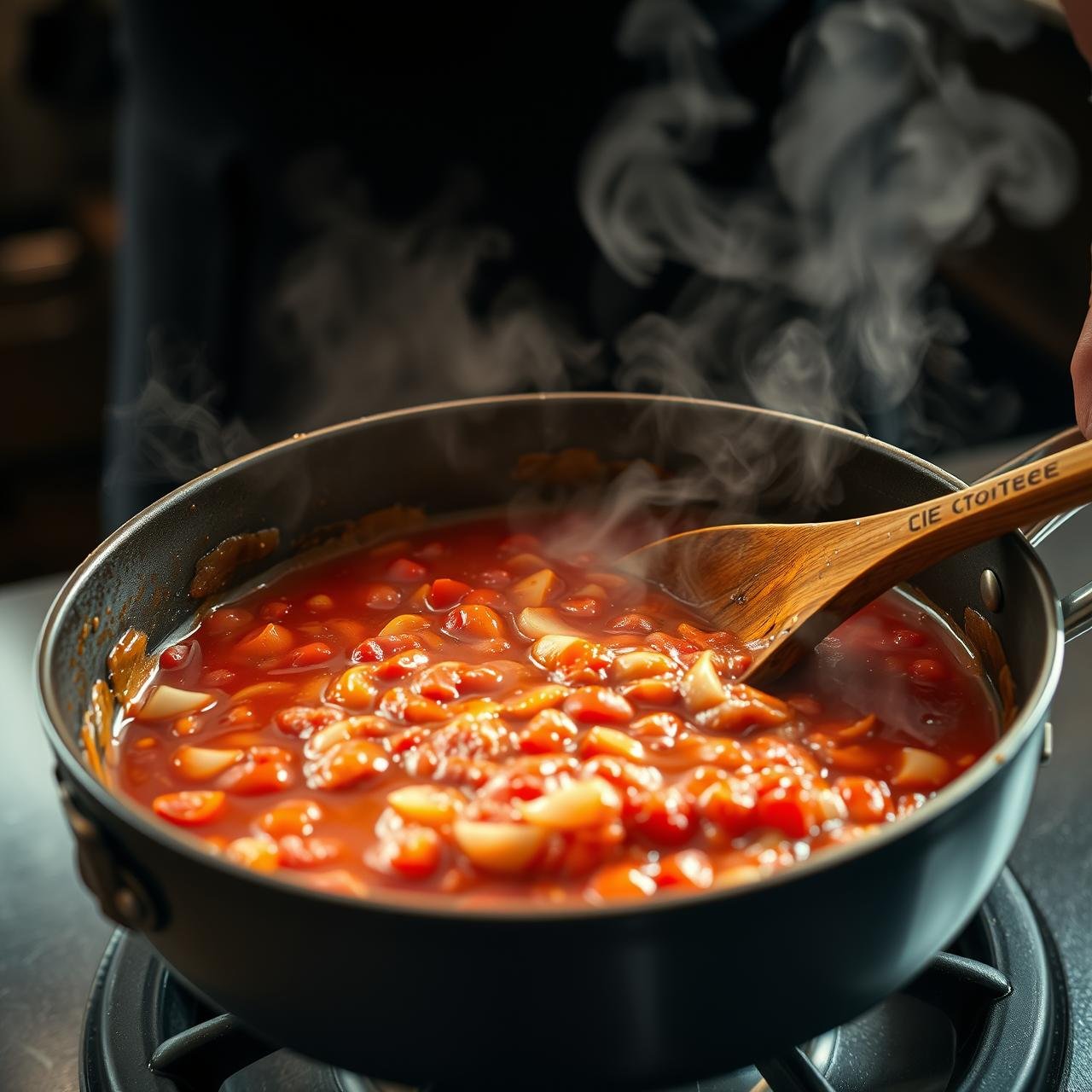
Now, let’s bring this miracle to life. Follow these steps closely, and you’ll be rewarded with a dish that sings with flavor. The process is straightforward, designed for home cooks of all levels.
- Preheat and Prepare: First, position a rack in the upper third of your oven and preheat it to 400°F (200°C). This high heat will help the sauce bubble and the flavors concentrate beautifully.
- Sauté the Aromatics: In a large, oven-safe skillet or Dutch oven, heat your olive oil over medium heat. Add the chopped onion and cook, stirring occasionally, until it softens and becomes translucent, about 5-7 minutes. Add the sliced garlic and red pepper flakes and cook for another minute until fragrant. Be careful not to burn the garlic!
- Build the Sauce: If using, pour in the white wine or ouzo to deglaze the pan. Let it bubble and cook until the liquid has reduced by about half. Stir in the crushed tomatoes, dried oregano, and the optional low-carb sweetener. Season with salt and pepper. Bring the sauce to a simmer and let it cook gently for about 10 minutes, allowing the flavors to meld together. Taste and adjust seasoning if necessary.
- The First Bake: If your skillet is not oven-safe, transfer the sauce to a 9×13 inch baking dish or a similar-sized casserole dish. Crumble about three-quarters of your feta block into the sauce and stir to combine. Place the dish in the preheated oven and bake for 15 minutes. This step is crucial for thickening the sauce and melting the feta into a creamy, savory base.
- Introduce the Shrimp: While the sauce is baking, ensure your shrimp are patted completely dry. Season them lightly with a pinch of salt and pepper. After 15 minutes, carefully remove the hot dish from the oven. Arrange the shrimp in a single layer over the sauce, nestling them in. Crumble the remaining feta cheese over the top of the shrimp.
- The Final Bake & Broil: Return the dish to the oven and bake for another 10-12 minutes, or until the shrimp are pink, opaque, and cooked through. For that glorious golden-brown, bubbly top, switch the oven setting to broil on high. Broil for 1-3 minutes, watching it like a hawk to prevent burning. The top should be beautifully browned and bubbling.
- Garnish and Serve: Remove the saganaki from the oven and let it rest for a few minutes, as it will be incredibly hot. Garnish generously with fresh, chopped parsley. Serve immediately and get ready for the compliments.
Chef’s Secrets for Saganaki Perfection
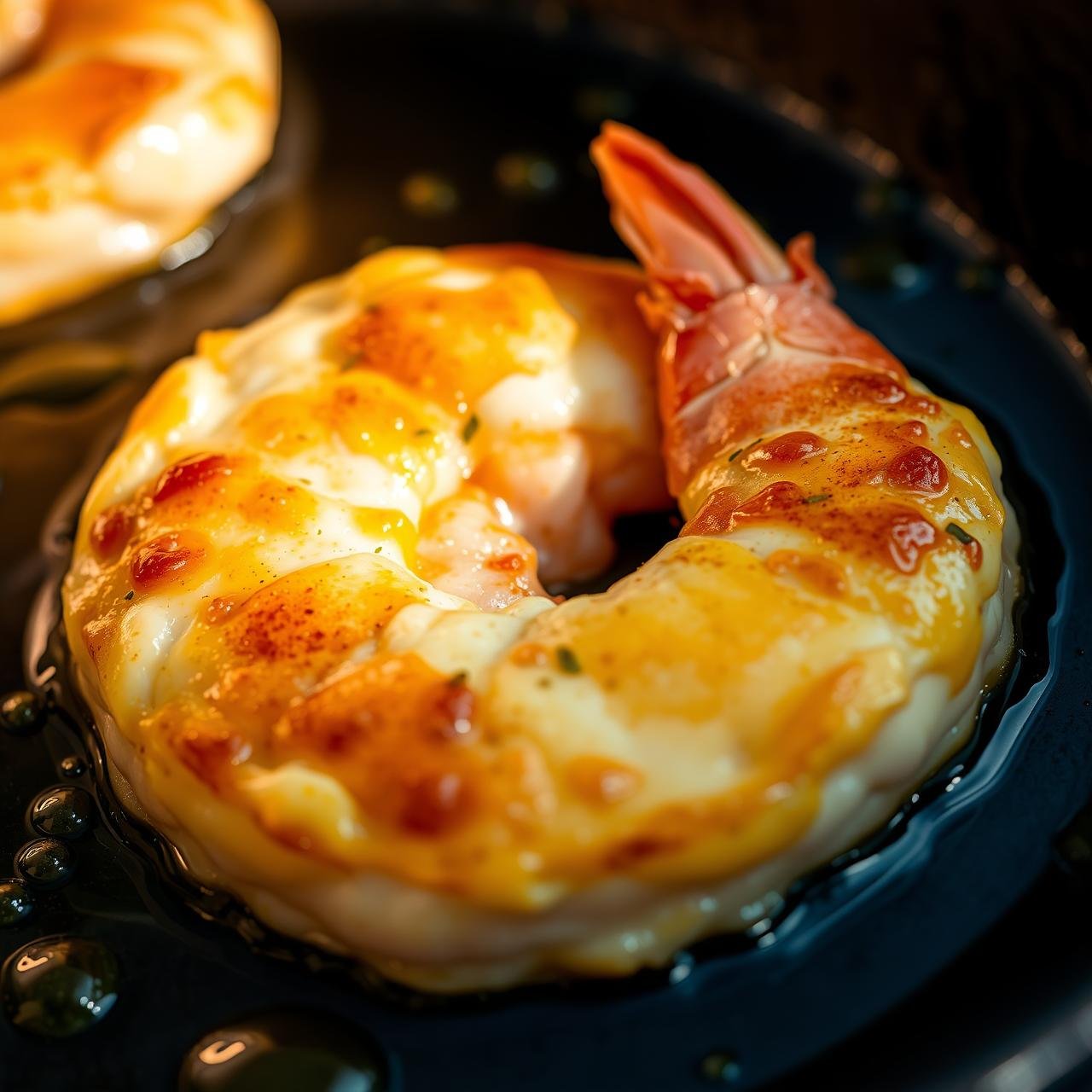
While the recipe is simple, a few professional tips can elevate your dish from delicious to divine. These are the small details that make a world of difference.
The Feta Factor
The choice of feta is paramount. As mentioned, seek out sheep’s milk feta in brine. It has a protected designation of origin (PDO) and offers a complex, tangy flavor and a much creamier texture when baked. When you crumble it, leave some larger chunks. These will soften without completely melting into the sauce, providing delightful pockets of salty, creamy cheese in every bite.
Shrimp Selection and Prep
Do not, under any circumstances, overcook the shrimp. This is the cardinal sin of seafood cookery. The shrimp should be just opaque and curled into a ‘C’ shape. If they curl into a tight ‘O’, they’re overcooked. Patting them completely dry before adding them to the sauce is also critical. Excess water will thin out your sauce and prevent the shrimp from cooking evenly.
Flavor Enhancements & Variations
Want to customize your saganaki? The recipe is a fantastic canvas.
- Add Brininess: A handful of pitted Kalamata olives or a tablespoon of capers added with the tomatoes can introduce a wonderful salty punch.
- Introduce Veggies: Sautéed bell peppers or a handful of fresh spinach wilted into the sauce can add extra nutrients and flavor.
- Spice it Up: If you love heat, don’t be shy with the red pepper flakes. You could also add a pinch of smoked paprika for a smoky depth.
- Herbaceous Notes: While parsley is a classic garnish, fresh dill or mint can also add a beautiful, fresh dimension that complements the feta and shrimp perfectly.
The Perfect Pairing: What to Serve with Shrimp Saganaki
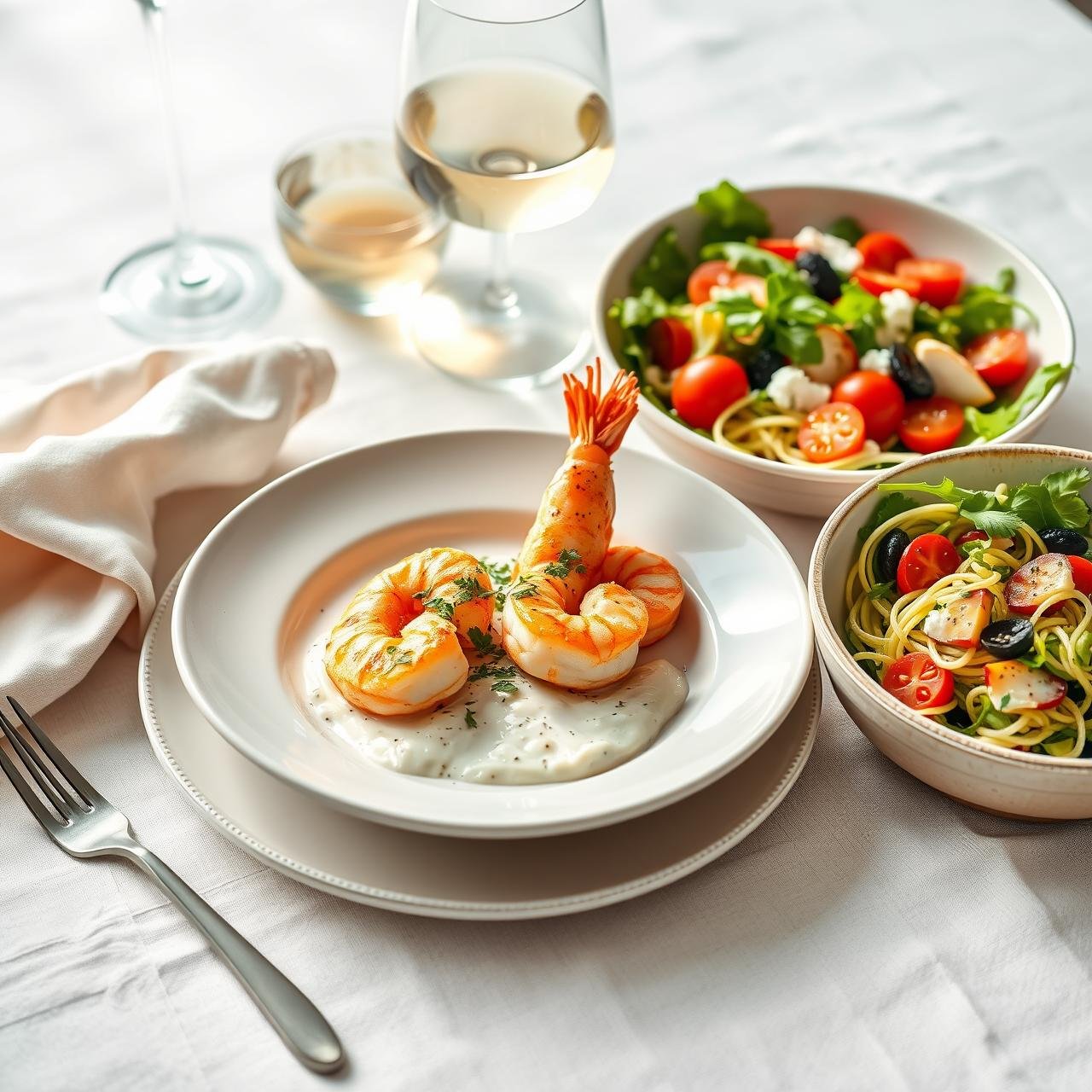
This Baked Shrimp Saganaki is a star, but every star needs a supporting cast. To keep the meal delightfully low-carb and keto-friendly, consider these pairings:
- Zucchini Noodles (Zoodles): Lightly sautéed with a bit of garlic and olive oil, zoodles are the perfect pasta substitute to soak up the incredible sauce.
- Cauliflower Rice: A fantastic neutral base that lets the saganaki’s flavors shine. Steam it or pan-fry it for a slightly nutty flavor.
- A Crisp Greek Salad: A simple salad of cucumber, tomatoes, red onion, and olives with a lemon-oregano vinaigrette provides a fresh, crunchy contrast to the rich, baked dish.
- Steamed or Roasted Vegetables: Asparagus, broccoli, or green beans tossed in olive oil and lemon juice make for a simple, healthy side.
For those not following a strict low-carb diet, there is nothing better than a loaf of crusty bread to mop up every last drop of the savory, cheesy tomato sauce. It’s a simple, rustic pleasure that should not be missed.
Nutritional Profile: A Healthy Indulgence
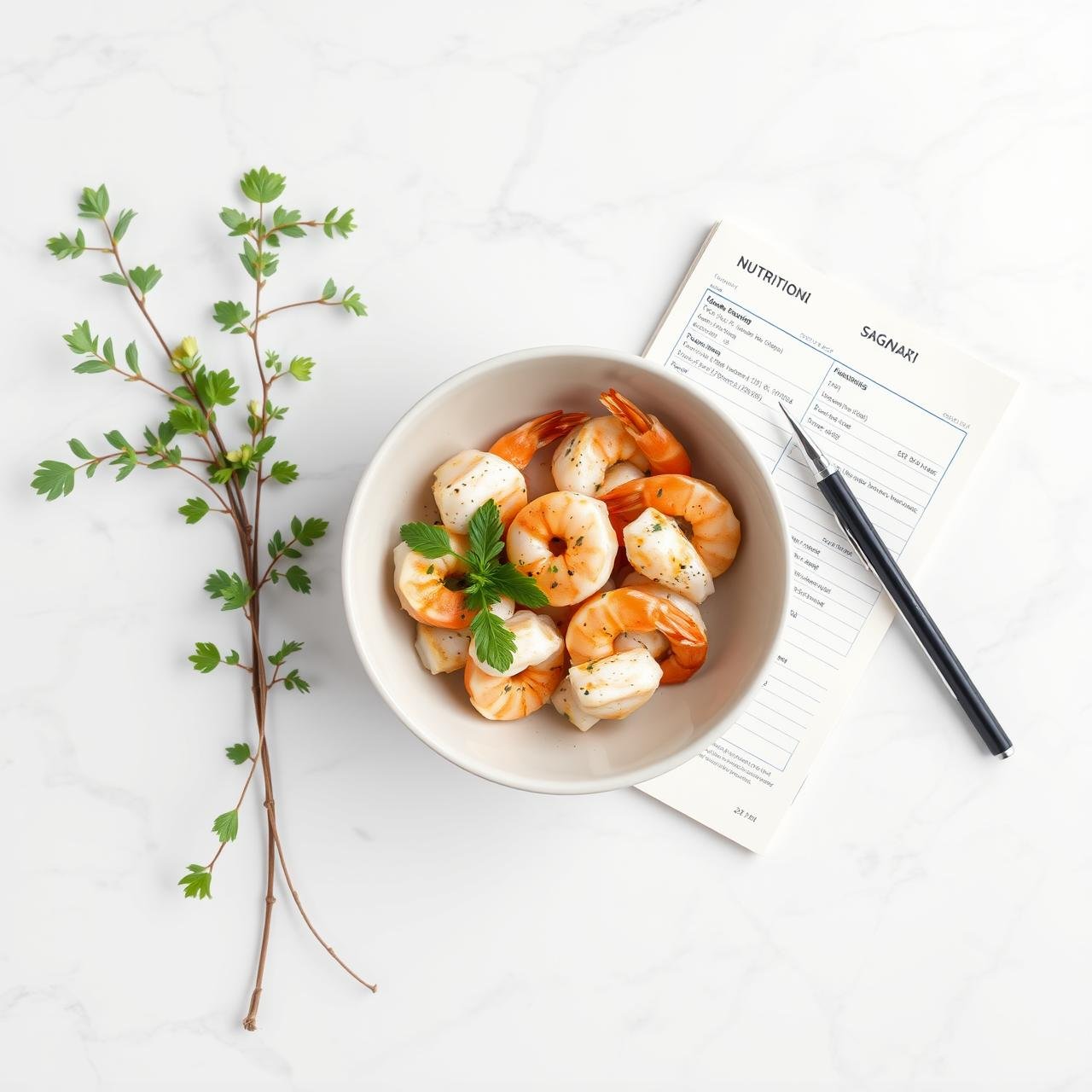
One of the most miraculous things about this dish is how indulgent it tastes while being remarkably healthy. It’s packed with protein from the shrimp and healthy fats from the olive oil and feta cheese, with minimal carbohydrates. It’s a perfect fit for a ketogenic, low-carb, or generally health-conscious lifestyle.
Here is an estimated nutritional breakdown per serving, assuming the recipe makes 4 generous servings. Please note that these values are approximate and can vary based on the specific ingredients used.
| Nutrient | Amount per Serving |
|---|---|
| Calories | ~485 kcal |
| Protein | ~42g |
| Fat | ~30g |
| Total Carbohydrates | ~11g |
| Fiber | ~3g |
| Net Carbohydrates | ~8g |
Savoring Later: Storage and Reheating Guide
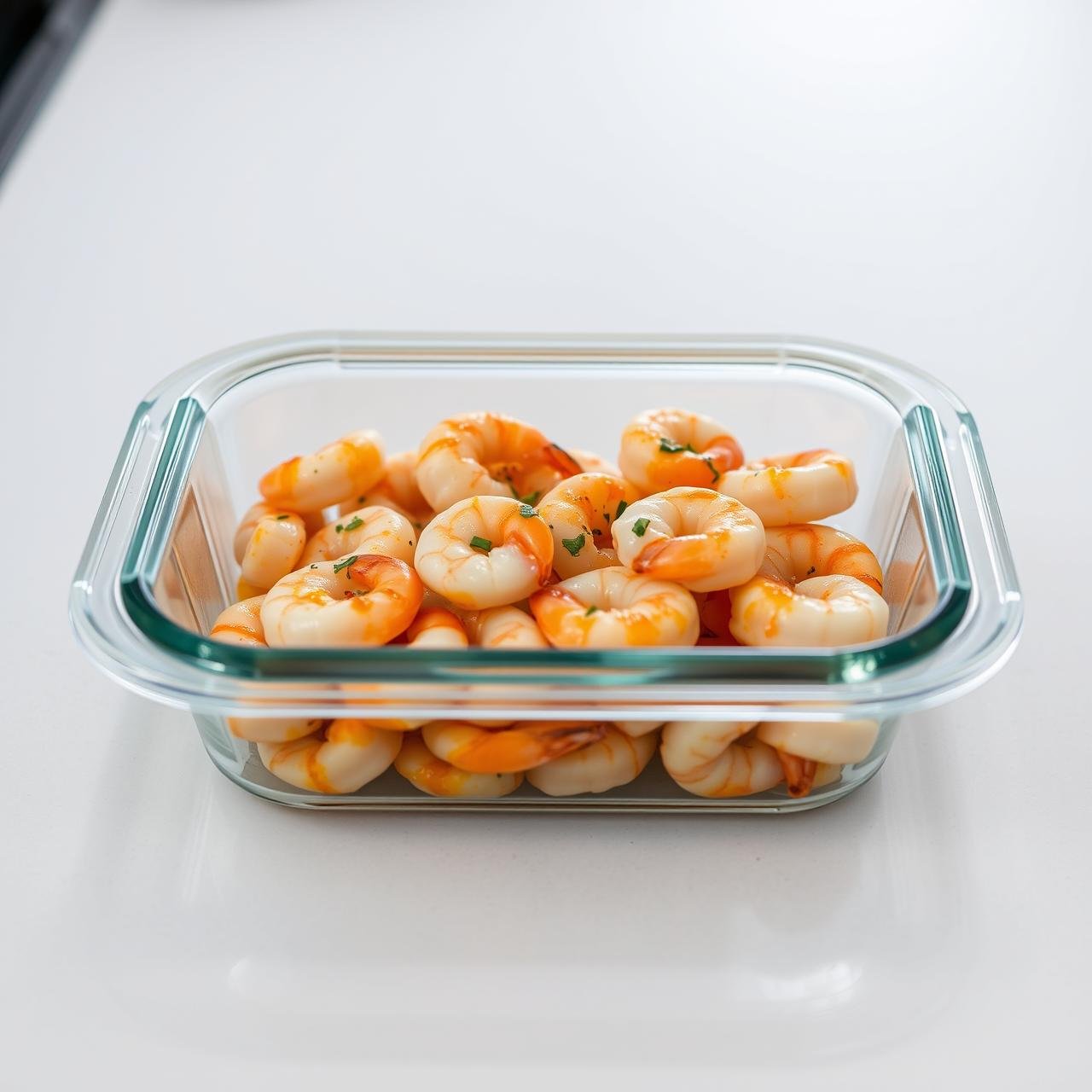
While Baked Shrimp Saganaki is undeniably best when enjoyed fresh from the oven, leftovers are still a delicious treat. To store, allow the dish to cool completely to room temperature. Transfer it to an airtight container and it will keep in the refrigerator for up to 2 days. I do not recommend freezing this dish, as the texture of both the shrimp and the feta sauce can change upon thawing.
When it’s time to reheat, avoid the microwave if possible, as it can make the shrimp rubbery. The best method is to place the leftovers in an oven-safe dish, cover with foil, and warm in a 350°F (175°C) oven for about 10-15 minutes, or until heated through. You can remove the foil for the last few minutes to help the top crisp up slightly again.
Conclusion
There you have it—a dinner that is equal parts rustic comfort, elegant delicacy, and low-carb powerhouse. This Baked Shrimp Saganaki is more than just a recipe; it’s a transportive experience. It’s proof that healthy eating doesn’t have to be boring and that a simple, one-pan meal can be impressive enough for guests yet easy enough for a Tuesday night. The rich, savory sauce, the plump, sweet shrimp, and that irresistible crown of molten feta come together to create a true culinary miracle. We invite you to bring the warmth and flavor of the Greek islands into your home. Fire up your oven, pour yourself a glass of wine, and prepare to create a meal that will nourish your body and delight your soul.