How To Make Kale Actually Taste Good: The 5-Minute Massage Technique
Kale. The word itself can be divisive. For some, it’s the undisputed king of superfoods, a verdant symbol of health. For many others, it’s a bitter, tough, and frankly unpleasant green that feels more like a chore to eat than a pleasure. If you find yourself in the latter camp, I’m here to tell you there’s a secret—a simple, almost magical technique that can fundamentally change your relationship with this leafy green. It’s not a complicated recipe or an expensive ingredient; it’s a 5-minute massage. This foundational culinary skill is the single most important step to unlocking kale’s true potential, transforming it from a fibrous, assertive green into a tender, sweet, and incredibly delicious base for salads, bowls, and more. Forget everything you thought you knew about raw kale. Prepare to learn the ‘why’ and the ‘how’ behind this game-changing method that will make you not just tolerate kale, but truly crave it.
The Science Behind the Magic: Why Massaging Kale Works
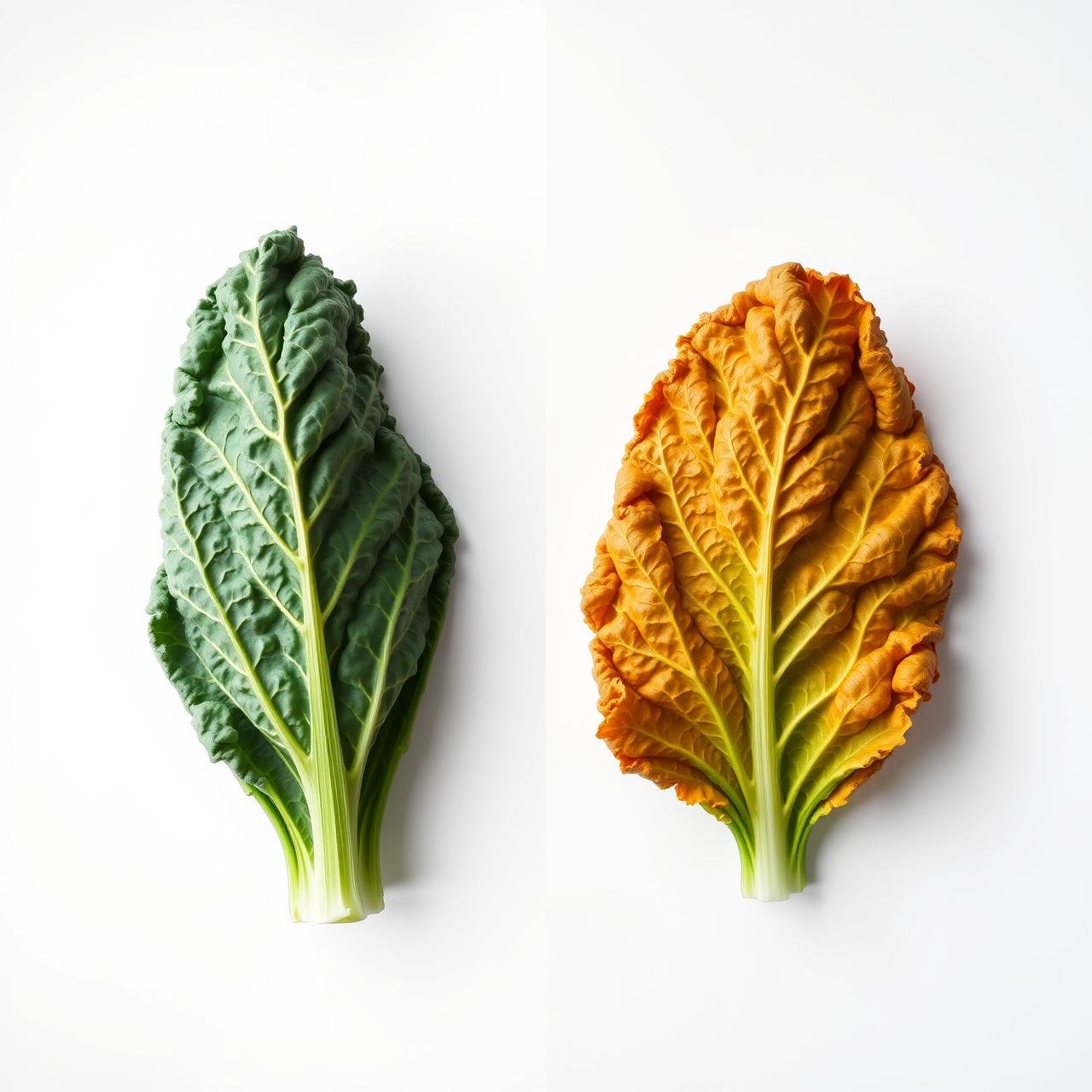
Before we roll up our sleeves, it’s crucial to understand what’s happening on a structural level when you massage kale. This isn’t just a quaint kitchen ritual; it’s applied food science that directly addresses the two main complaints about raw kale: its toughness and its bitterness.
Breaking Down the Toughness
Kale leaves are packed with cellulose, a rigid fiber that gives the plant its sturdy, robust structure. While excellent for withstanding frost in a garden, this cellulose makes the leaves tough and difficult to chew. The physical act of massaging—squeezing, rubbing, and scrunching the leaves—manually breaks down these tough cell walls. Think of it like tenderizing a tough cut of meat. You are physically disrupting the fibers, creating a much softer, more pliable, and pleasant texture. The kale will visibly wilt, shrink in volume, and take on a silkier feel, making it infinitely more enjoyable to eat raw.
Taming the Bitterness
Kale is a member of the brassica family, which also includes broccoli, cabbage, and Brussels sprouts. These vegetables contain compounds called glucosinolates, which are responsible for their characteristic sharp, sometimes bitter flavor. When you massage the leaves, especially with a bit of salt and acid like lemon juice, you begin to break down these compounds, mellowing out their aggressive bite. The process doesn’t eliminate the flavor, but rather softens its edges, allowing the kale’s more nuanced, earthy, and slightly sweet notes to come forward. It’s the difference between a harsh, one-note flavor and a well-rounded, balanced one.
Enhancing Flavor Absorption
A final, significant benefit is that this process essentially pre-dresses the kale. As you break down the cell walls, the leaves become more porous. This allows the oil, acid, and salt you’re massaging with to penetrate deeply into the leaves, seasoning them from the inside out. A non-massaged kale salad often feels like a pile of leaves with dressing sitting on top; a massaged kale salad is a cohesive dish where every single bite is perfectly seasoned and tender.
Choosing Your Kale: A Field Guide for the Best Results
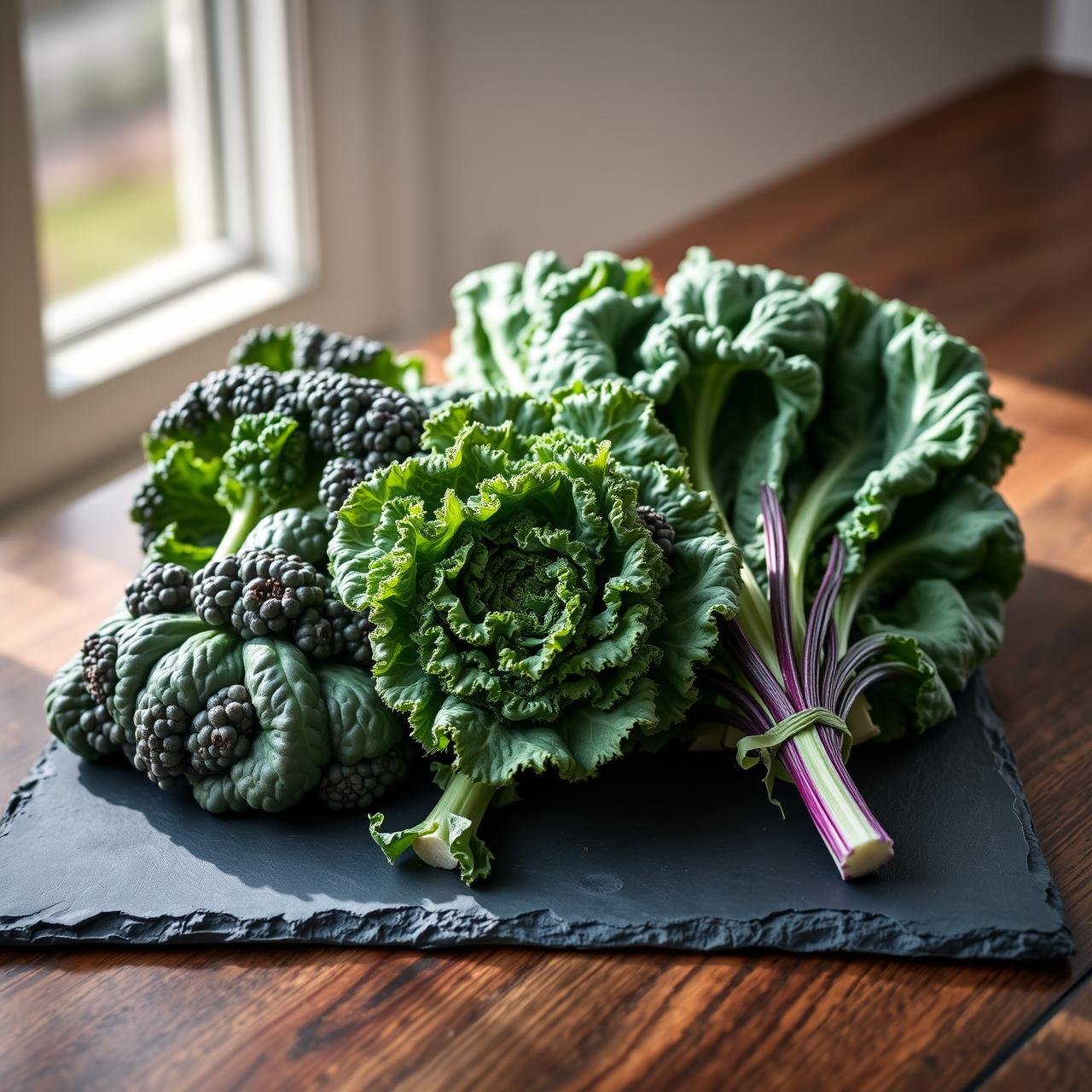
Not all kale is created equal, and the type you choose will have a direct impact on the final texture and flavor of your dish. While this technique works on any variety, some are better suited for it than others.
The Best Varieties for Massaging
- Lacinato Kale (Dinosaur or Tuscan Kale): This is the champion for raw preparations. Its long, bumpy, dark blue-green leaves are thinner and more tender than other varieties, requiring less massage time to become silky and sweet. Its flavor is deeply earthy and less bitter to begin with.
- Curly Kale: The most common variety you’ll find in any grocery store. Its ruffled, fibrous leaves are the toughest of the bunch and benefit the most from a thorough massage. It requires the full 5 minutes to break down properly, but the transformation is dramatic.
- Red Russian Kale: This variety has flat, fringed leaves with a reddish-purple stem. It’s more tender than curly kale and has a sweeter, more peppery flavor. It needs a gentler, shorter massage, around 2-3 minutes.
What to Look For at the Store
Regardless of the variety, always look for kale with vibrant, deeply colored leaves. Avoid any bunches that have yellowing, wilting, or brown spots. The stems should be firm and moist, not dry or limp. Fresh, high-quality kale will yield the best results, as older leaves can be tougher and more bitter.
The 5-Minute Kale Massage: A Step-by-Step Guide
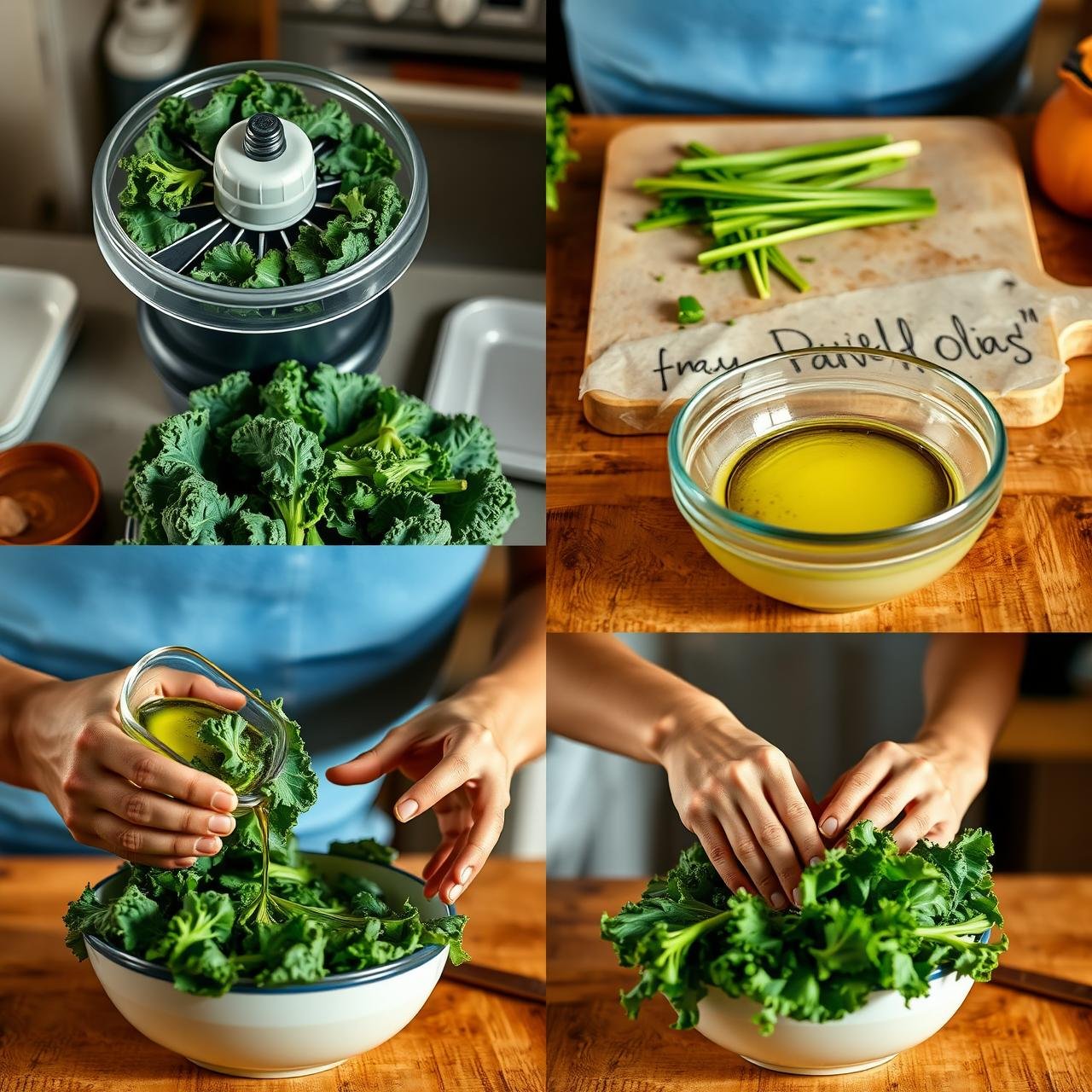
Here is the core technique. It’s simple, requires no special equipment, and once you do it, you’ll never go back to eating raw, un-massaged kale again. Follow these steps precisely for perfect results every time.
- Step 1: Wash and Thoroughly Dry. This is non-negotiable. Rinse your kale leaves under cold water to remove any grit. Then, you must dry them completely. A salad spinner is the most effective tool. If you don’t have one, pat the leaves meticulously dry with clean kitchen towels or paper towels. Wet leaves will cause your oil and acid to slide right off, preventing them from penetrating the leaves.
- Step 2: De-stem and Chop. The central rib of a kale leaf is incredibly woody and fibrous and should never be eaten raw. To remove it, you can either hold the base of the stem and pull the leaves off with your other hand, or lay the leaf flat, fold it in half, and slice the stem out with a sharp knife. Discard the stems (or save them for stocks or smoothies). Once de-stemmed, stack the leaves and chop them into bite-sized ribbons or pieces.
- Step 3: Add Your Massaging Agents. Place your chopped kale in a large mixing bowl—you need plenty of room to work. For one large bunch of kale, start with about 1 tablespoon of extra-virgin olive oil, the juice of half a lemon (about 1-2 teaspoons), and a generous pinch of fine sea salt. The oil lubricates, the acid tenderizes, and the salt seasons and helps draw out moisture.
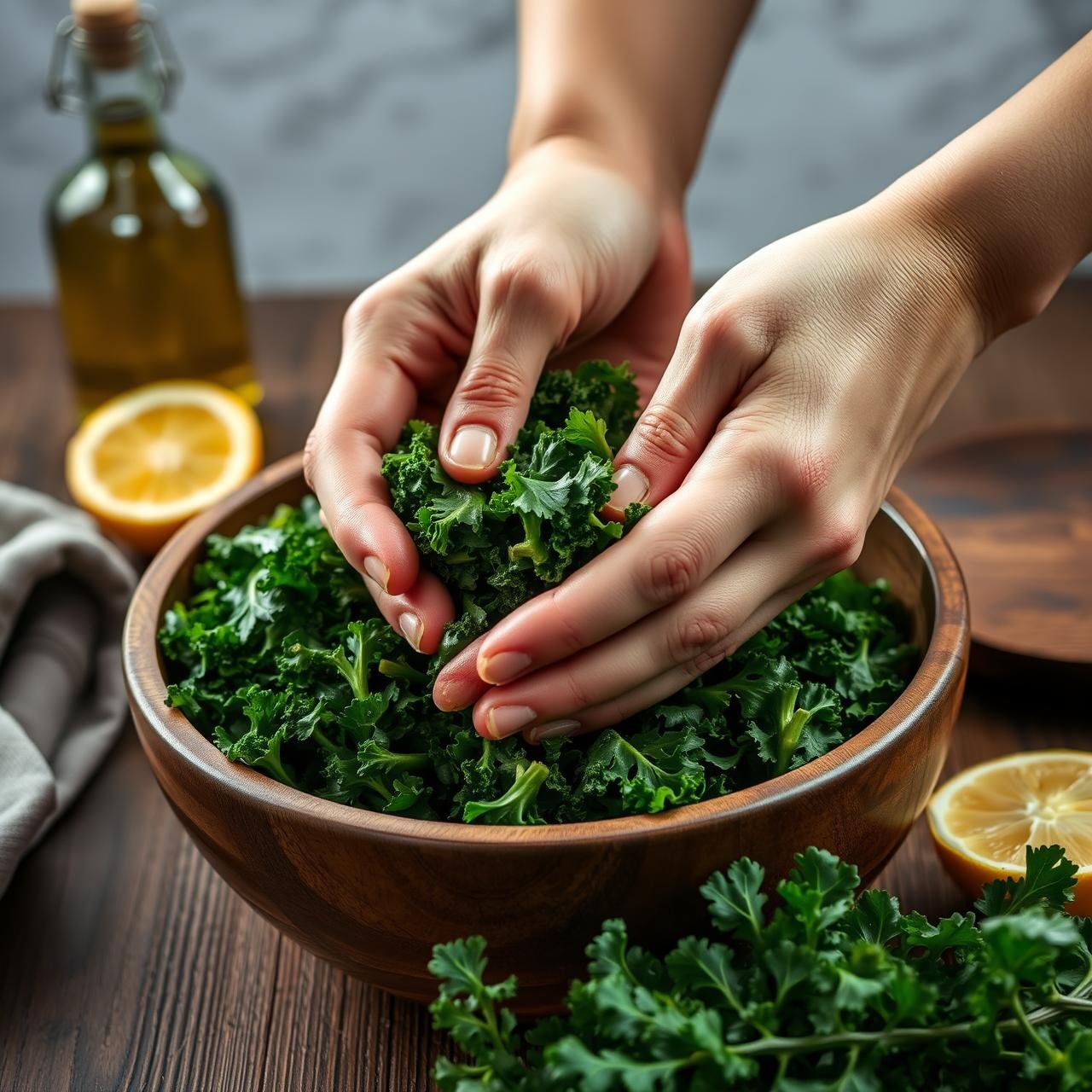
- Step 4: The Massage. This is the transformative step. Using clean hands, dive into the bowl and begin to work the oil, lemon, and salt into the leaves. Use a firm but gentle scrunching and squeezing motion. Grab handfuls and rub them between your palms. You are not trying to tear the leaves, but rather to bruise them intentionally. Set a timer for 3 to 5 minutes.
- Step 5: Observe the Transformation. You will feel and see the change happen. The kale will go from being stiff, dry, and voluminous to soft, silky, and compact. Its color will deepen to a jewel-toned, vibrant green, and it will take on a fragrant aroma. The volume in the bowl will reduce by as much as half. Once it reaches this state, it’s ready. Taste a piece; it should be tender and flavorful, not tough or aggressively bitter.
Common Mistakes to Avoid for Perfect Massaged Kale
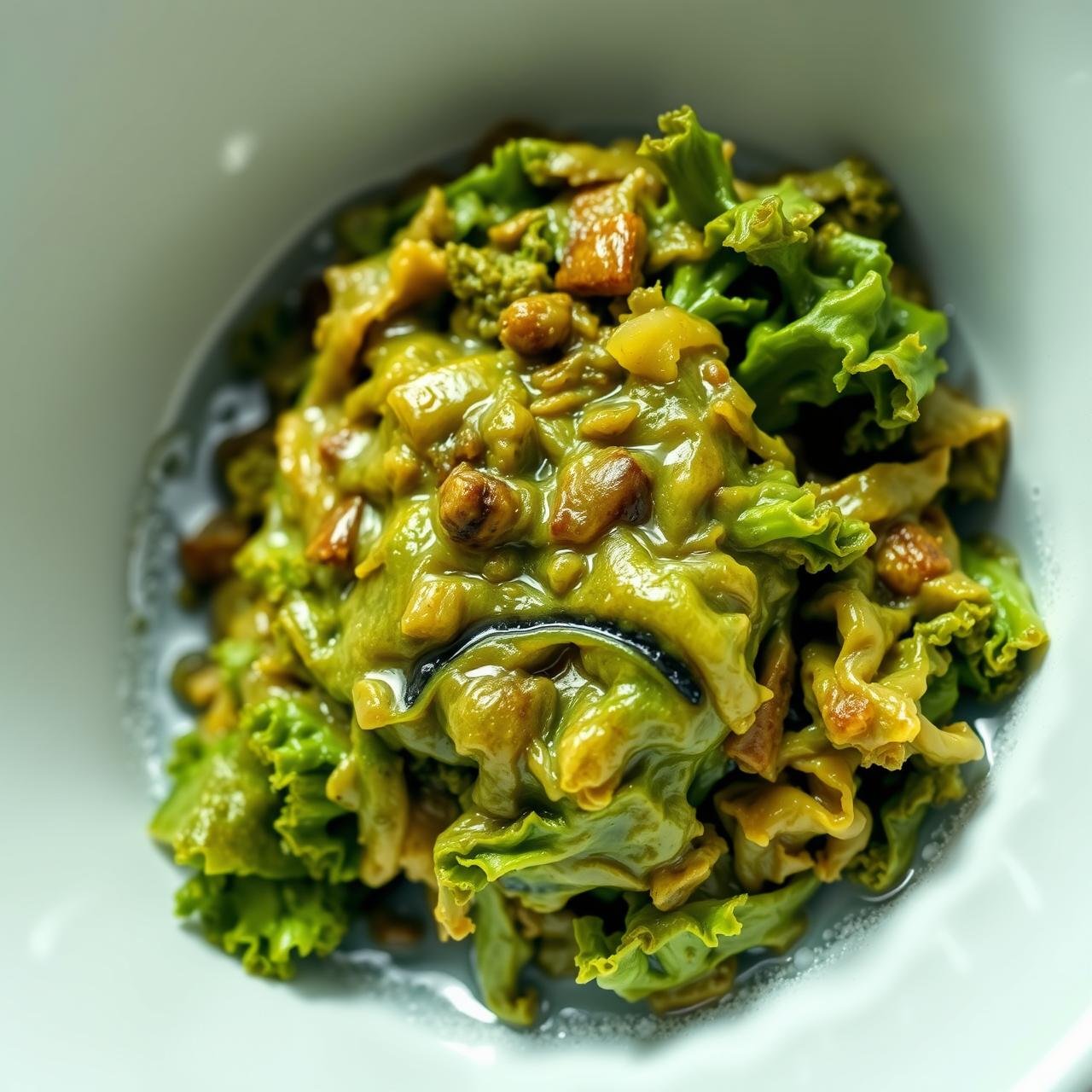
While the technique is simple, a few common missteps can stand between you and kale perfection. Be mindful to avoid these pitfalls.
| Mistake | Why It’s a Problem | The Simple Fix |
|---|---|---|
| Leaving the Stems On | The central stems are too tough and woody to be tenderized by massage. They will remain unpleasantly chewy in your final dish. | Always take the extra 30 seconds to properly de-stem each leaf before chopping. |
| Using Wet Kale | Oil and water don’t mix. If the leaves are wet, the oil and acid will not adhere, and the massage will be ineffective. You’ll end up with a watery, bland result. | Use a salad spinner or thoroughly pat the leaves dry with towels. Dryness is key. |
| Being Too Timid | A light toss is not a massage. You need to apply firm pressure to physically break down the cellulose fibers. | Don’t be afraid to get in there and really scrunch and squeeze the leaves. Use your muscles! |
| Over-Massaging | Yes, it’s possible! If you massage for too long (e.g., 10+ minutes), the kale can become overly wilted, bruised, and even mushy. | Stick to the 3-5 minute window. You’re aiming for tender and silky, not soggy. |
| Over-Seasoning at the Start | Remember that the kale will shrink significantly. Adding too much salt or dressing at the beginning can result in an overly salty or greasy final product. | Start with a small amount of oil, acid, and salt for the massage. You can always add more dressing later when you build your salad. |
Beyond the Salad: Delicious Ways to Use Your Perfect Kale
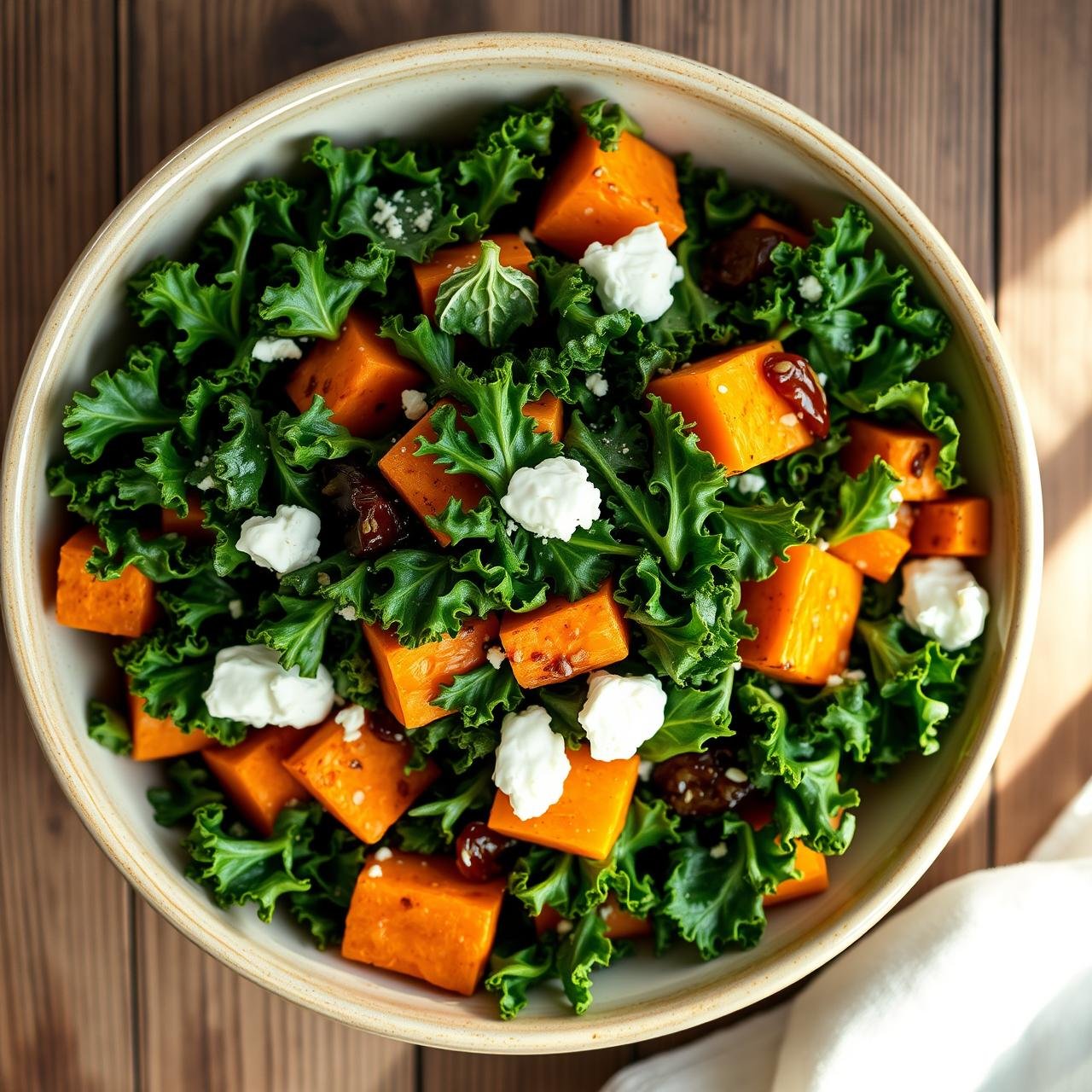
Now that you’ve mastered the art of massaging kale, a world of culinary possibilities opens up. This perfectly prepped green is a versatile ingredient that can be used in countless dishes.
The Ultimate Salad Base
This is the most obvious and rewarding application. Massaged kale is sturdy enough to hold up to heavy dressings and ingredients without getting soggy, making it perfect for meal prep. Try it in these classic combinations:
- Kale Caesar Salad: Toss with your favorite Caesar dressing, sourdough croutons, and a generous shaving of Parmesan cheese.
- Harvest Kale Salad: Combine with roasted sweet potatoes, toasted pecans, dried cranberries, goat cheese, and a maple-balsamic vinaigrette.
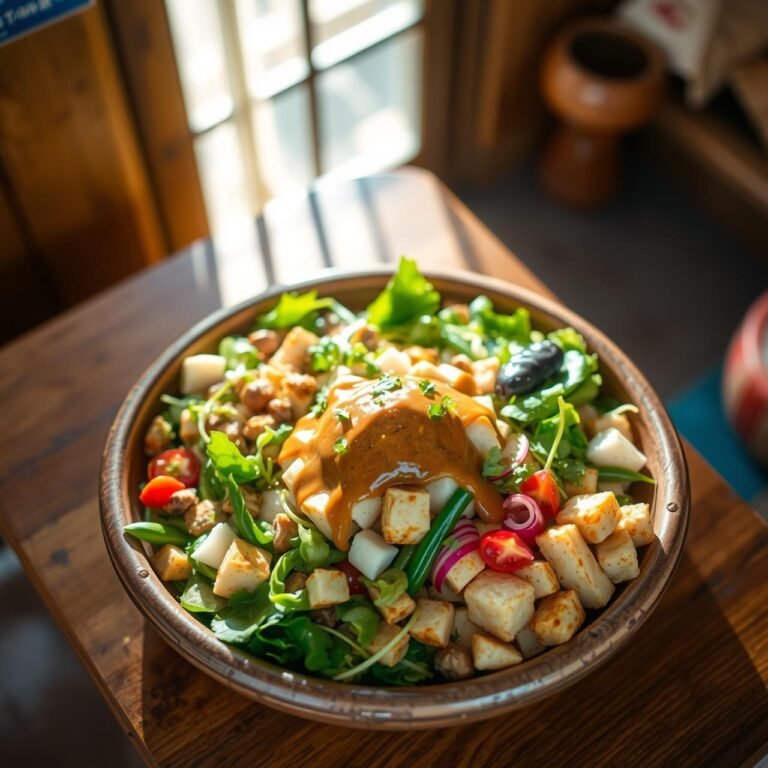
- Lemony Kale and Chickpea Salad: Mix with chickpeas, diced cucumber, cherry tomatoes, red onion, feta cheese, and a simple lemon-tahini dressing.
Elevate Your Grain Bowls
Use a bed of massaged kale as the foundation for a nutritious and satisfying grain bowl. Its tender texture pairs beautifully with grains like quinoa, farro, or brown rice. Top with a protein (grilled chicken, salmon, or tofu), roasted vegetables, and a flavorful sauce.
A Tender Bed for Proteins
Serve a pile of simply dressed massaged kale underneath a piece of pan-seared salmon, a grilled steak, or roasted chicken thighs. The residual heat from the protein will gently wilt the kale even further, and the juices will create a delicious, instant sauce.
Conclusion
The 5-minute kale massage is more than just a recipe step; it’s a fundamental technique that redefines what kale can be. By investing just a few minutes of hands-on effort, you can conquer the toughness and bitterness that gives this superfood a bad name. You’ll be rewarded with a tender, delicious, and incredibly versatile ingredient that is a genuine pleasure to eat. So, the next time you see a bunch of vibrant kale at the market, don’t shy away. Embrace this simple method, and unlock a new level of healthy, flavorful cooking in your own kitchen. You may just find yourself becoming a true kale evangelist.