Indonesian Gado Gado: Huge Salad With Spicy Peanut Dressing
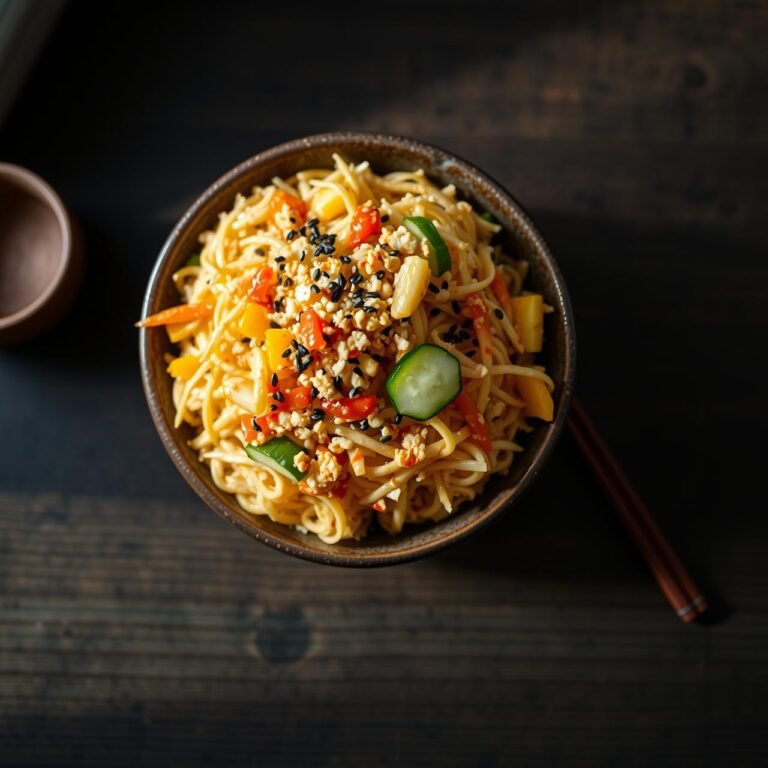
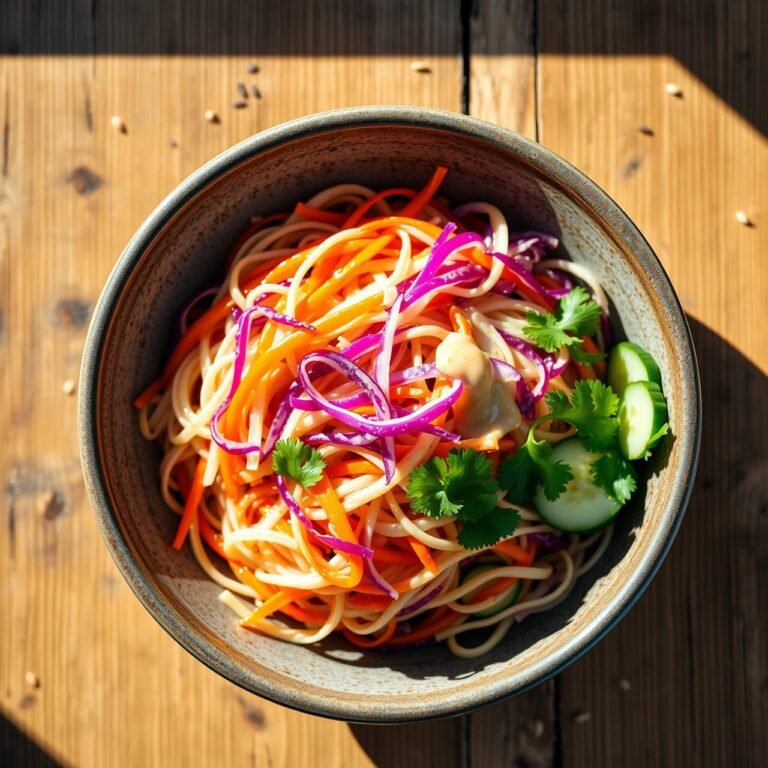
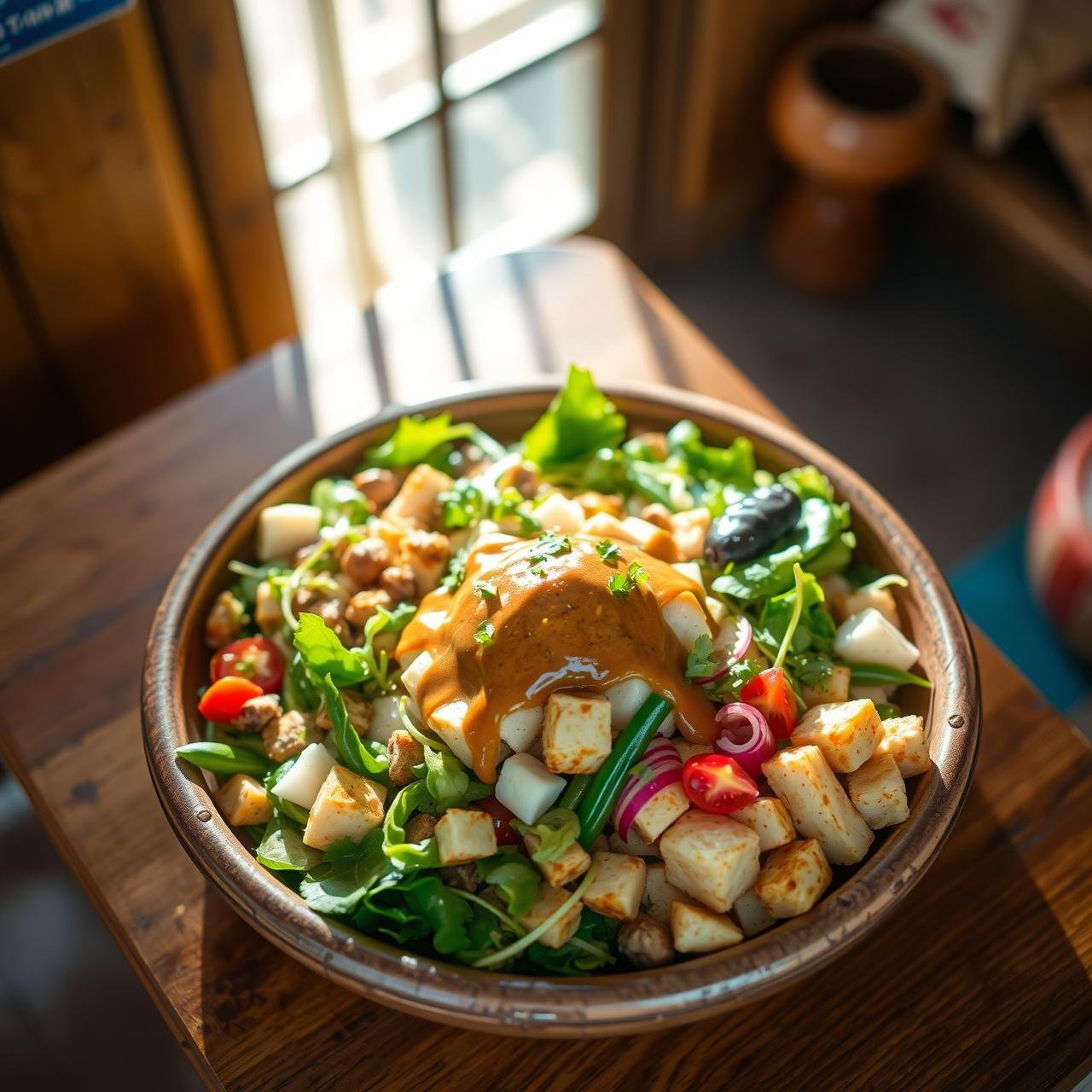
Welcome to a culinary journey to the heart of Indonesia, where we explore one of its most beloved and iconic dishes: Gado Gado. The name itself, translating to “mix-mix,” perfectly captures the essence of this magnificent dish. It’s more than just a salad; it’s a vibrant tapestry of textures, colors, and flavors, a complete and satisfying meal that celebrates the bounty of fresh produce. At its core, Gado Gado is a composition of lightly blanched or steamed vegetables, complemented by hearty proteins like hard-boiled eggs, tofu, and tempeh, all brought together by the undisputed star of the show—a luscious, complex, and utterly addictive spicy peanut dressing known as bumbu kacang.
This is not your average side salad. It is a hearty, sprawling platter meant to be shared and savored, a dish that feels both incredibly wholesome and deeply indulgent. Each bite offers a new experience: the crisp-tender snap of green beans, the soft bite of potato, the creamy yolk of an egg, the subtle sweetness of cabbage, and the nutty crunch of a fried tofu cube, all enveloped in that rich, savory-sweet peanut sauce with a gentle hum of chili heat. It’s a dish that proves that healthy eating can be exciting, flavorful, and profoundly satisfying. In this comprehensive guide, we will walk you through creating an authentic Gado Gado from scratch, from crafting the perfect peanut sauce to blanching vegetables like a seasoned chef. Prepare to create a dish that is not only a feast for the palate but also a feast for the eyes.
The Soul of Gado Gado: Crafting the Perfect Bumbu Kacang (Peanut Sauce)
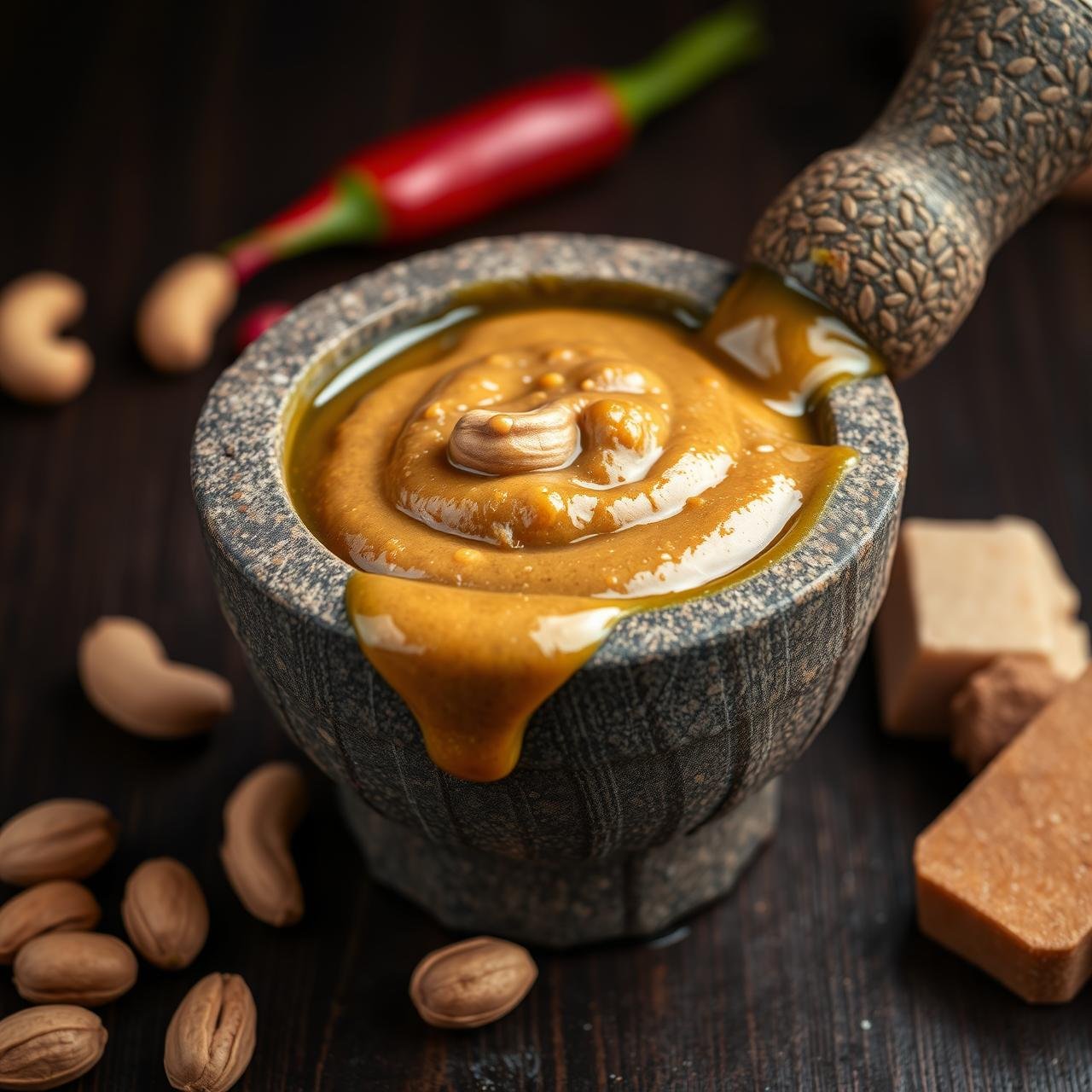
Before we assemble the salad, we must first master its soul: the bumbu kacang, or peanut sauce. This is what elevates Gado Gado from a simple plate of vegetables to a national treasure. An authentic Indonesian peanut sauce is a masterful balancing act of five key flavors: sweet, spicy, savory, sour, and umami. Forget the one-dimensional, overly sweet peanut sauces you might have tried before. This version is deep, complex, and rustic.
The foundation is, of course, peanuts. While peanut butter can be used in a pinch, starting with raw, unsalted peanuts that you roast and grind yourself provides a depth of flavor that is simply unparalleled. The sweetness comes from gula merah, or palm sugar, which has a rich, caramel-like flavor. The heat is derived from fresh chilies like bird’s eye (cabe rawit), which you can adjust to your preference. The sour note is introduced by tamarind pulp (asam jawa), which provides a unique, fruity tang that cuts through the richness. Finally, savory and umami notes are layered in with ingredients like garlic, shallots, and sometimes a touch of shrimp paste (terasi), though we will keep this recipe vegetarian-friendly. The final consistency should be thick enough to coat the vegetables but still pourable, often thinned with a bit of coconut milk or water to achieve that perfect, velvety texture.
Essential Equipment for Your Gado Gado Creation
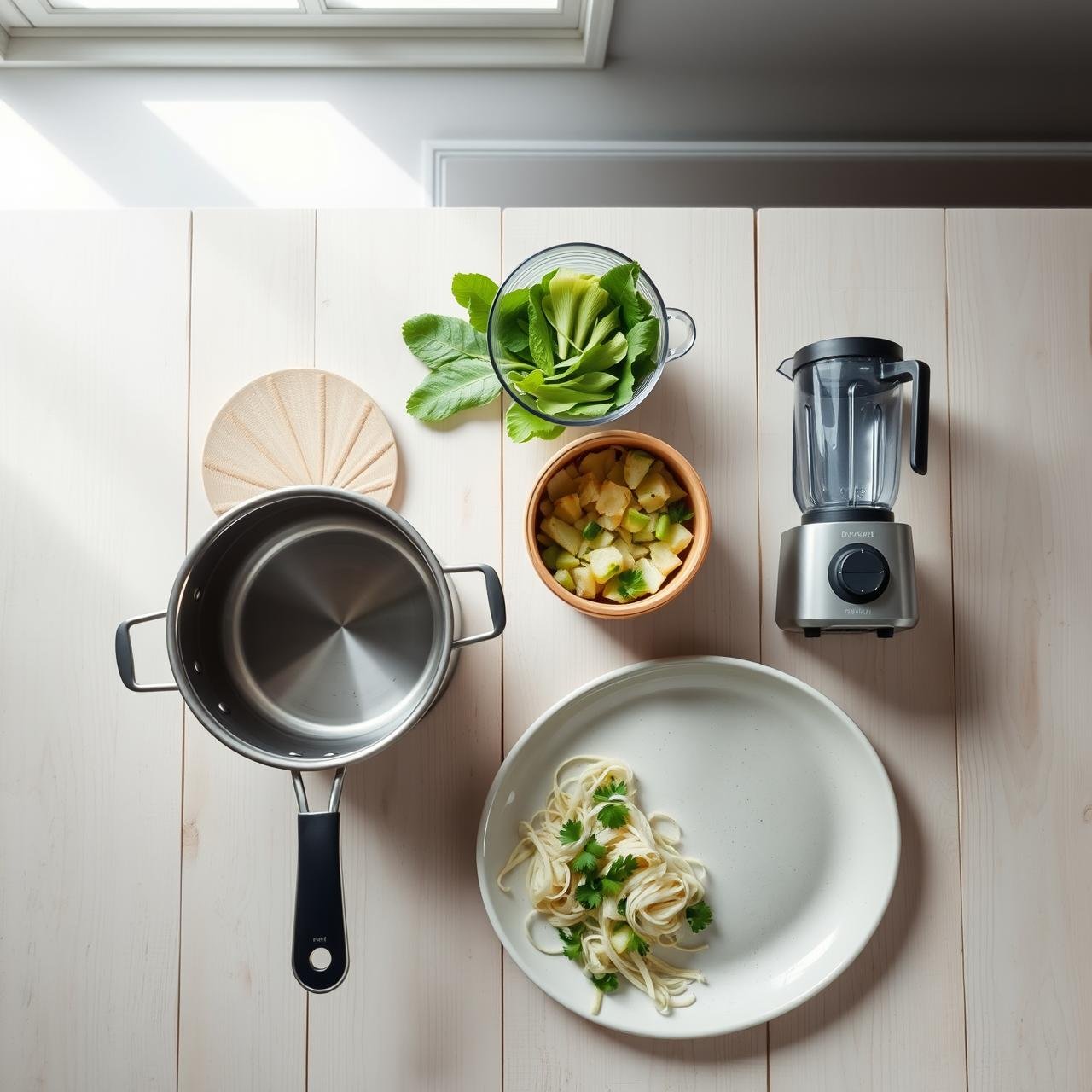
While Gado Gado is a humble, homestyle dish, having the right tools on hand will make the process smooth and enjoyable. You don’t need any highly specialized gadgets, just a few kitchen workhorses. Here is a list of recommended equipment:
| Equipment | Purpose |
|---|---|
| Large Pot or Dutch Oven | For boiling potatoes and eggs, and for blanching vegetables. |
| Steamer Basket | An alternative to blanching, steaming preserves more nutrients and provides a slightly different texture. |
| High-Powered Blender or Food Processor | The modern, efficient way to create a smooth peanut sauce. |
| Mortar and Pestle (Ulekan) | The traditional tool for grinding the peanut sauce, which releases oils and creates a superior texture. |
| Large Skillet or Wok | For frying the tofu, tempeh, and shallots to a perfect golden brown. |
| Large Serving Platter | Essential for the final presentation to showcase the beautiful arrangement of ingredients. |
| Slotted Spoon | For easily removing blanched vegetables from boiling water. |
The Building Blocks: A Symphony of Ingredients
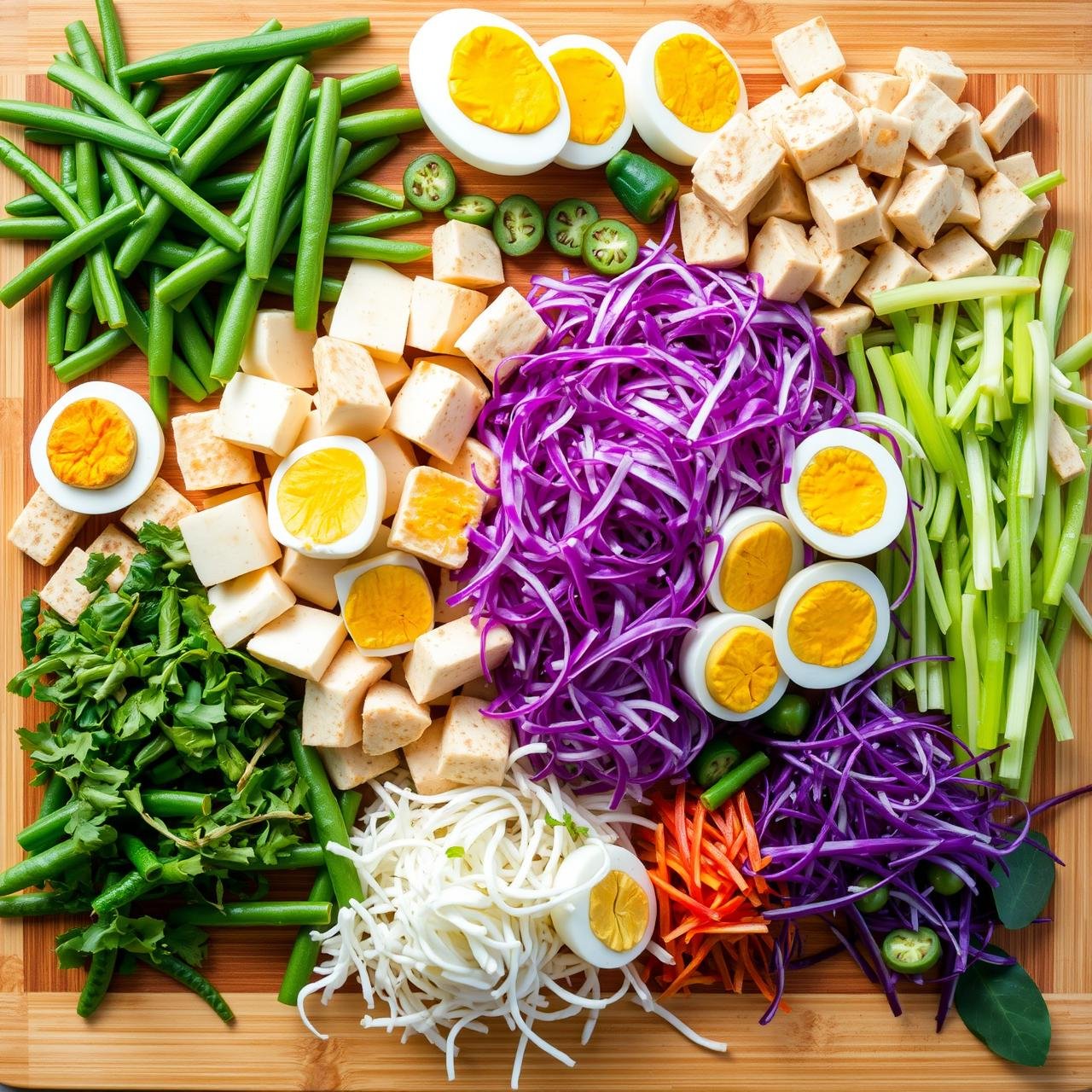
Gado Gado is endlessly customizable based on what’s fresh and available. Below is a classic, comprehensive list to guide you. Feel free to substitute based on your preferences and what you have on hand.
For the Spicy Peanut Sauce (Bumbu Kacang):
- 1.5 cups (250g) raw, unsalted peanuts, roasted
- 3-5 red bird’s eye chilies (cabe rawit), or to taste
- 2 cloves garlic, roughly chopped
- 1 shallot, roughly chopped
- 1 inch (2.5 cm) piece of kencur (sand ginger), if available
- 2 tablespoons palm sugar (gula merah), grated
- 1 tablespoon tamarind pulp, dissolved in 4 tablespoons of hot water, strained
- 1 teaspoon salt, or to taste
- 1 cup (240ml) warm water or light coconut milk, plus more as needed
- 2 tablespoons sweet soy sauce (kecap manis)
For the Salad Components:
- Proteins:
- 1 block (14 oz / 400g) firm tofu, cubed
- 1 block (8 oz / 225g) tempeh, sliced
- 4 large eggs, hard-boiled
- Vegetables:
- 200g green beans (buncis), trimmed
- 200g bean sprouts (tauge), tailed if desired
- 1/2 head of green cabbage, shredded
- 2 medium potatoes, boiled and sliced
- 1 large carrot, julienned or thinly sliced
- 1/2 English cucumber, thinly sliced
- Carbohydrates:
- 2 cups cooked rice or Lontong/Ketupat (compressed rice cakes), cubed
- Garnishes:
- Fried shallots (bawang goreng)
- Shrimp crackers (krupuk udang) or emping (melinjo nut crackers) for a vegetarian option
- Fresh cilantro or celery leaves
Step-by-Step Guide to Assembling Your Masterpiece
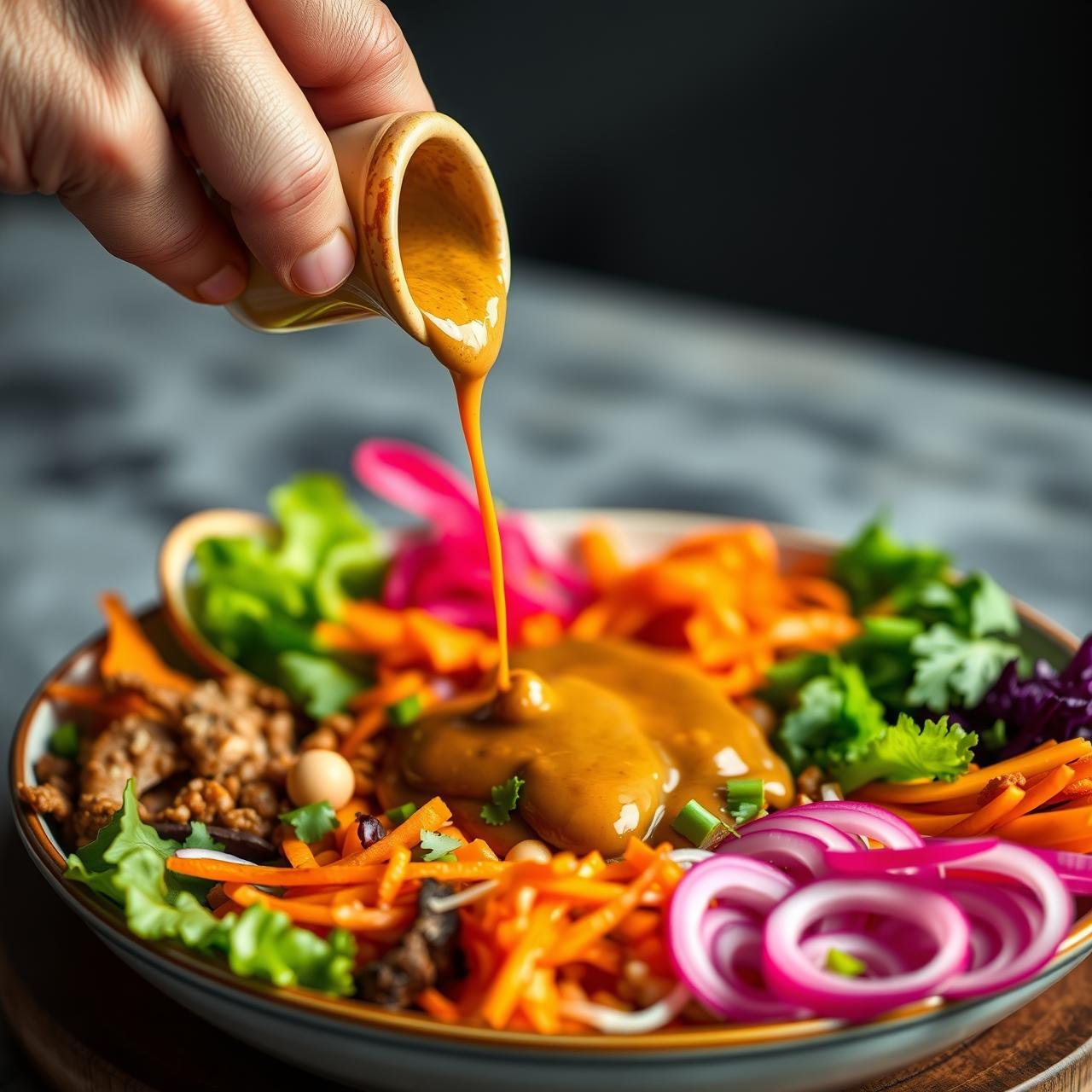
Follow these steps methodically for a beautifully composed and delicious Gado Gado. The key is to prepare each component separately before the final, grand assembly.
-
Prepare the Peanut Sauce:
If using a blender, add the roasted peanuts, chilies, garlic, shallot, and kencur. Pulse until a coarse paste forms. Add the grated palm sugar, tamarind water, salt, and sweet soy sauce. Blend again. With the blender running on low, slowly stream in the warm water or coconut milk until you reach a thick but pourable consistency. Taste and adjust seasoning. You may need more salt, sugar, or tamarind to achieve the perfect balance. If using a mortar and pestle, grind the chilies, garlic, shallots, and salt first into a paste, then add the peanuts and grind until fine, then incorporate the remaining wet ingredients.
-
Prepare the Proteins:
Place the eggs in a saucepan, cover with cold water, bring to a boil, then reduce heat and simmer for 10 minutes. Transfer to an ice bath, then peel and slice in half. While the eggs cook, heat oil in a skillet over medium-high heat. Pat the cubed tofu and sliced tempeh dry. Fry in batches until all sides are golden brown and crisp. Set aside on a paper towel-lined plate.
-
Cook the Vegetables (Blanching):
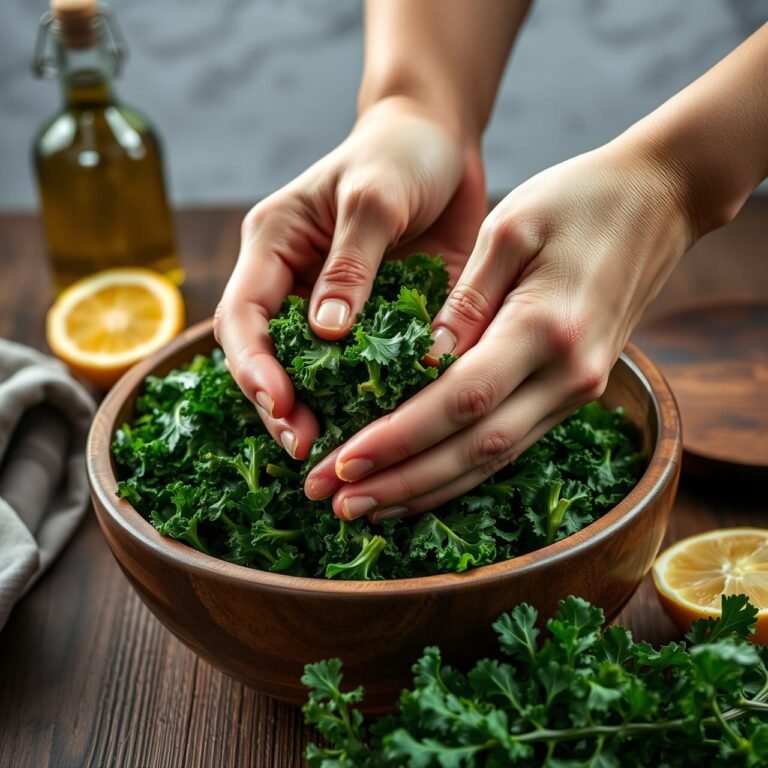
Bring a large pot of salted water to a rolling boil. Prepare a large bowl of ice water nearby. Blanch the vegetables one type at a time to ensure perfect cooking. Start with the green beans (2-3 minutes), then cabbage (1 minute), then carrots (1-2 minutes). Use a slotted spoon to transfer each vegetable immediately from the boiling water to the ice bath to stop the cooking process and lock in their color. Finally, briefly dip the bean sprouts in the hot water for just 30 seconds. Drain all vegetables well.
-
Cook the Carbohydrates:
While the vegetables are being prepared, boil the potatoes until fork-tender, about 15-20 minutes. Allow them to cool slightly before slicing. If using rice cakes (lontong), simply cube them.
-
The Art of Assembly:
This is where the magic happens. On a large platter, create a bed of the cubed rice cakes and sliced potatoes. Artfully arrange the blanched vegetables in distinct sections around the platter—a pile of green beans here, a mound of cabbage there. Nestle the fried tofu, tempeh, and halved hard-boiled eggs among the vegetables. Place the fresh cucumber slices and bean sprouts on top.
-
Serve Immediately:
You can serve the Gado Gado in two ways. Either drizzle the warm peanut sauce generously over the entire platter just before serving, or serve the sauce in a separate bowl on the side, allowing everyone to dress their own portion. Garnish lavishly with a shower of crispy fried shallots, and serve with a side of krupuk or emping for that essential final crunch.
Chef’s Notes & Pro Tips for Perfect Gado Gado
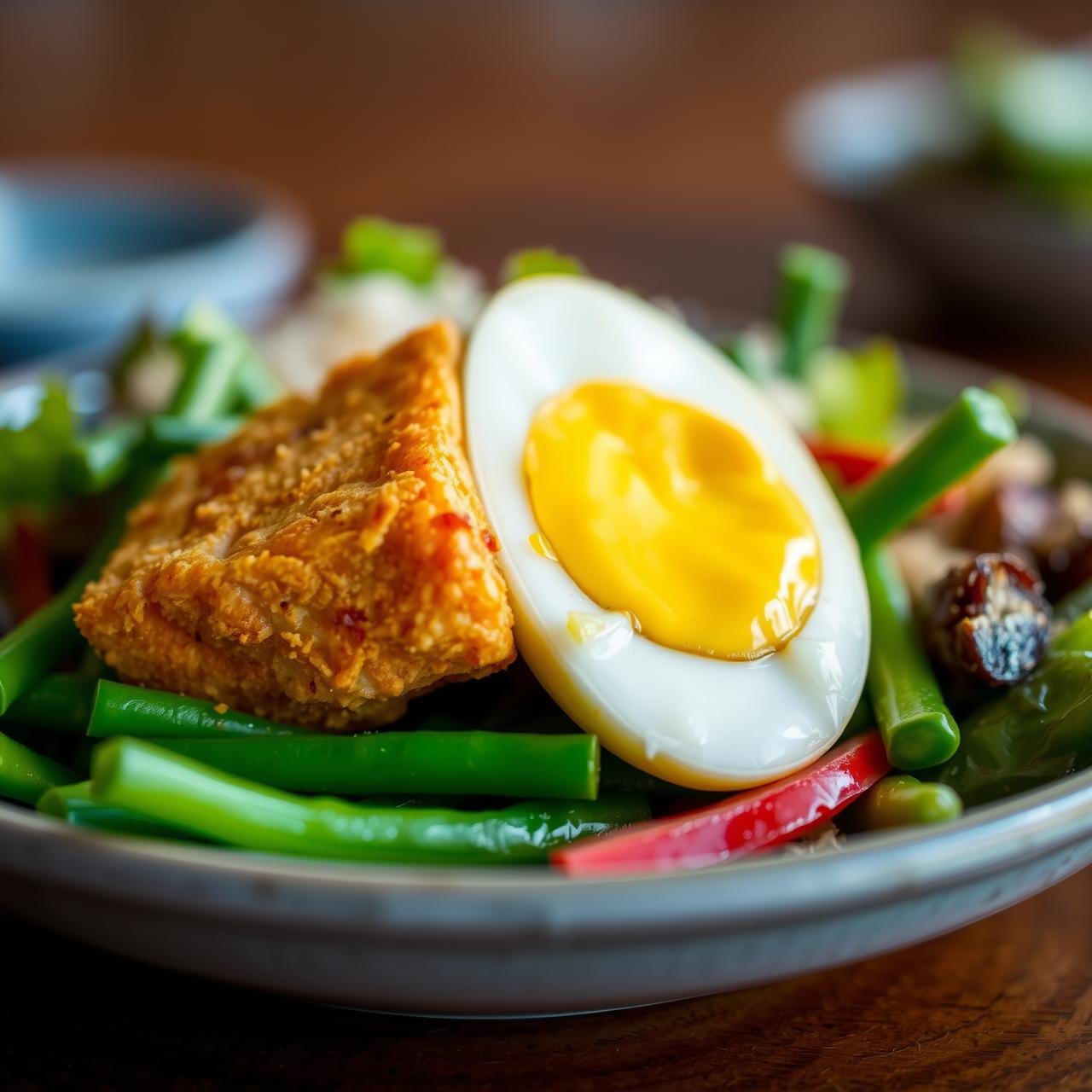
Achieving the Perfect Sauce Consistency:
The ideal peanut sauce is like thick lava—it should slowly cascade over the ingredients, not run off them. If your sauce is too thick, whisk in a tablespoon of warm water or coconut milk at a time until it’s right. If it’s too thin, you can gently simmer it in a saucepan for a few minutes to reduce and thicken, or blend in a few more roasted peanuts.
Meal Prep & Make-Ahead Strategy:
Gado Gado is fantastic for meal prep. You can prepare most components ahead of time. The peanut sauce can be made up to 5 days in advance and stored in an airtight container in the refrigerator; gently reheat it before serving, thinning with a little water if needed. The vegetables can be blanched, and the proteins can be cooked a day or two ahead. Store everything in separate containers and assemble just before eating for the freshest result.
Endless Customization:
The beauty of Gado Gado is its versatility. Don’t feel bound by the ingredient list. Try adding blanched spinach (bayam), chayote (labu siam), or bitter melon (pare). You can use fried chicken or shrimp as a non-vegetarian protein. The key is a variety of colors and textures.
The Importance of Blanching:
Blanching vegetables and then shocking them in an ice bath is a crucial restaurant technique. It does more than just cook them; it seasons them from the inside out (if you salt your water), makes their colors more vibrant, and preserves a delightful crisp-tender texture that stands up beautifully to the rich sauce.
Estimated Nutritional Information
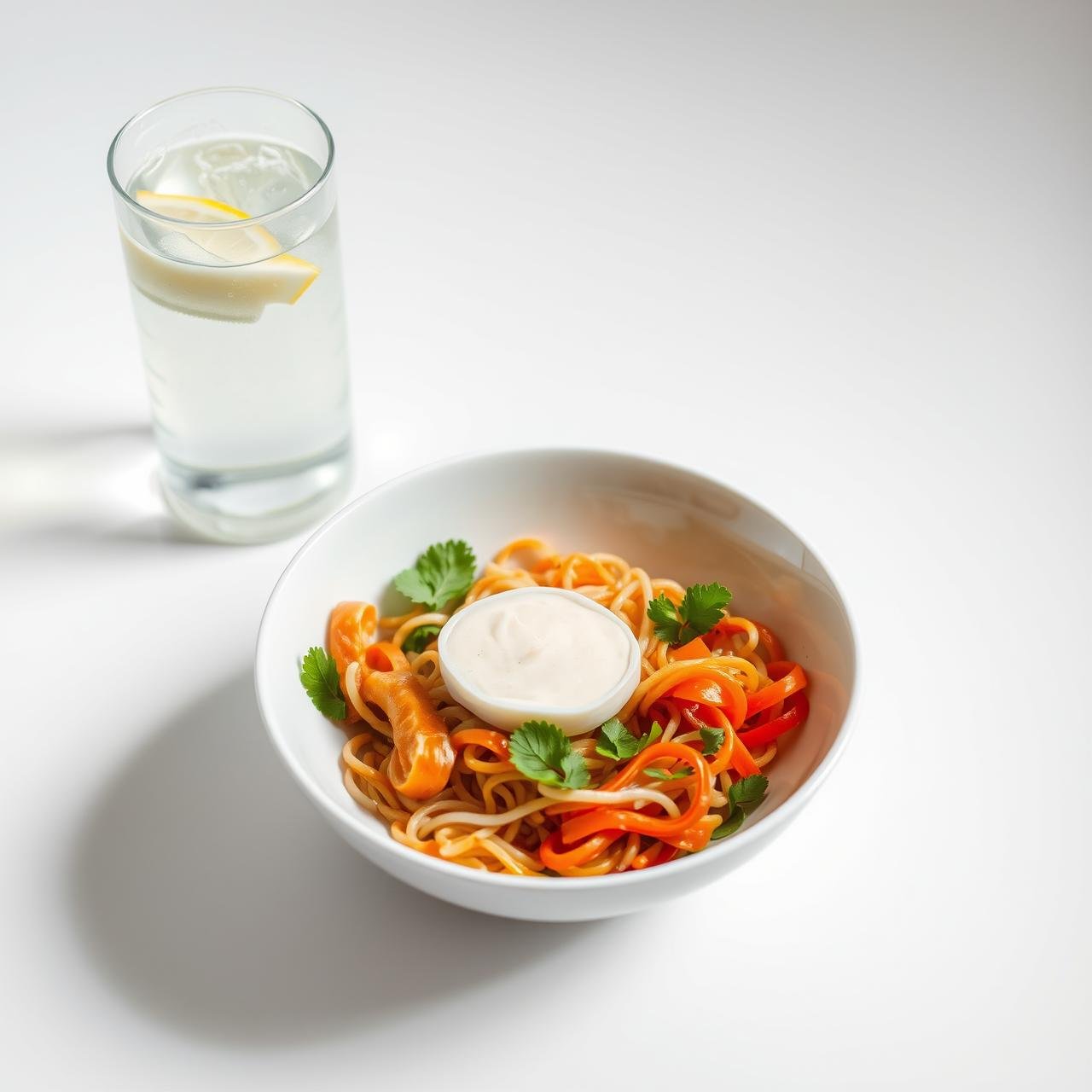
Please note that this is an approximation. The final nutritional values will vary based on the exact ingredients, portion sizes, and preparation methods used. This estimate is for one generous serving, assuming the recipe serves four.
| Nutrient | Amount per Serving |
|---|---|
| Calories | ~ 650 kcal |
| Protein | ~ 28 g |
| Fat | ~ 40 g |
| Saturated Fat | ~ 8 g |
| Carbohydrates | ~ 55 g |
| Fiber | ~ 12 g |
| Sugar | ~ 15 g |
| Sodium | ~ 700 mg |
Storage and Reheating Instructions
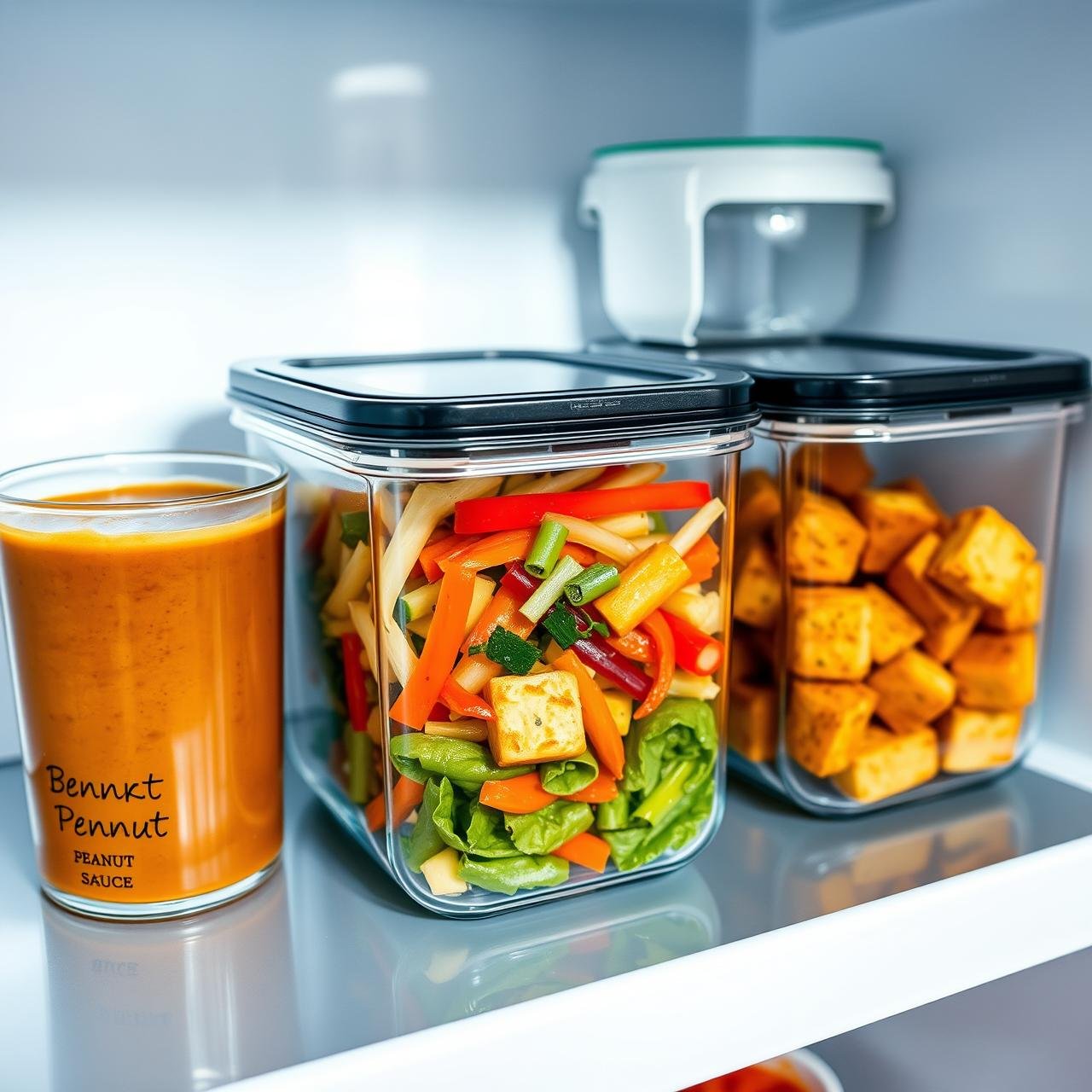
Gado Gado is best enjoyed fresh after assembly, as the sauce can cause the crisp components to soften over time. However, if you have leftovers, proper storage is key.
- Deconstruct for Storage: For best results, store the components separately in airtight containers in the refrigerator. Keep the peanut sauce in one container, the blanched vegetables in another, the fried proteins in a third, and the fresh cucumber separately.
- Shelf Life: Stored this way, the components will last for up to 3 days. The fried tofu and tempeh may lose some of their crispness but can be quickly refreshed in an air fryer or a hot oven for a few minutes.
- Reheating the Sauce: The peanut sauce will thicken considerably when chilled. To serve, gently reheat it in a small saucepan over low heat or in the microwave. Whisk in a tablespoon or two of warm water to return it to its original creamy, pourable consistency.
- Re-assembly: To enjoy leftovers, simply assemble a plate with the chilled components and pour the warm, freshly prepared sauce over the top.
Conclusion
Gado Gado is far more than a recipe; it’s a principle of cooking that celebrates balance, texture, and the simple goodness of fresh ingredients. It is a testament to the fact that a meal can be simultaneously healthy, hearty, budget-friendly, and bursting with complex flavor. By mastering the art of the bumbu kacang and the simple technique of blanching, you unlock the ability to create a show-stopping dish that is perfect for a weeknight family dinner, a potluck with friends, or a satisfying solo lunch. We encourage you to embrace the “mix-mix” spirit of this dish. Experiment with different vegetables, adjust the spice level to your liking, and make this Indonesian classic your very own. Selamat makan—enjoy your meal!