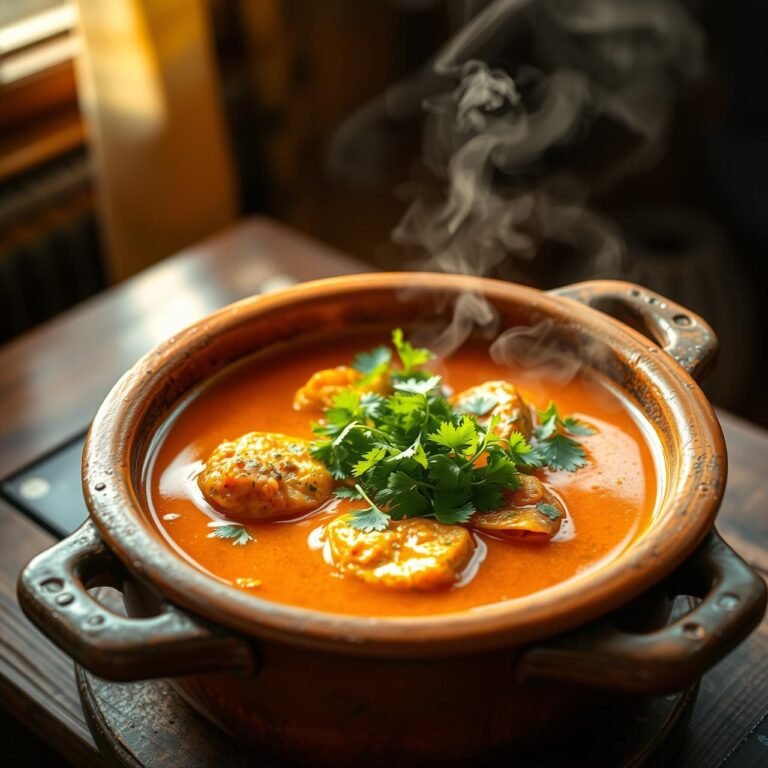
Sour Pork Sinigang: The Tamarind Soup That Melts Belly Fat
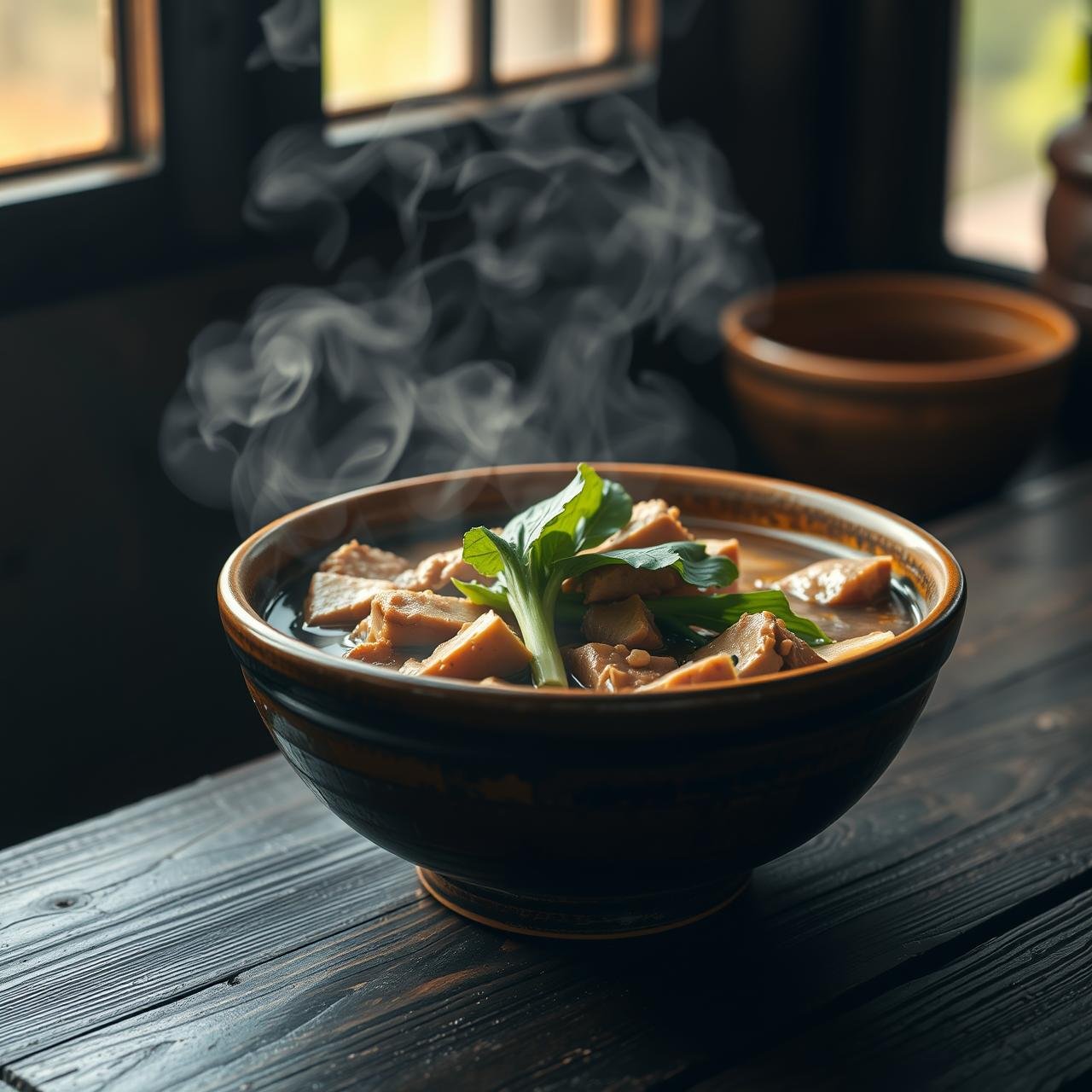
There are few dishes in the Filipino culinary canon that evoke a sense of home, comfort, and pure, unadulterated satisfaction quite like Sinigang. It’s more than just a soup; it’s a national treasure, a warm hug in a bowl, and the undisputed cure for a gloomy day. The magic lies in its signature sourness, a delightful, mouth-puckering quality known as ‘asarap na asim’—a delicious sourness that awakens the palate and cleanses the soul. Our journey today is into the heart of this classic: Sour Pork Sinigang, or Sinigang na Baboy.
But we’re also exploring a compelling angle that has foodies and health enthusiasts buzzing: the idea of this beloved soup as a partner in wellness. The title, ‘The Tamarind Soup That Melts Belly Fat,’ might sound bold, but it points to a deeper truth. While no single food is a magic bullet for weight loss, Pork Sinigang, when prepared mindfully, is a powerhouse of nutrition that aligns perfectly with a healthy, balanced lifestyle. It’s a low-calorie, high-volume meal, meaning it fills you up without weighing you down. The clear, savory broth is intensely hydrating, the lean protein from the pork supports muscle maintenance, and it’s absolutely brimming with fiber-rich vegetables. It’s a dish that proves you don’t have to sacrifice flavor or tradition to nourish your body and support your wellness goals. So, let’s grab a pot and uncover the secrets to a Sinigang that is both soul-stirringly delicious and wonderfully wholesome.
The Soul of Sinigang: A Filipino Comfort Classic
Before we even begin to slice an onion, it’s essential to understand the cultural heartbeat of Sinigang. In the Philippines, this soup is a cornerstone of family dining. It’s the centerpiece of countless Sunday lunches, the remedy for the common cold, and the celebratory dish for everyday triumphs. Its defining characteristic is its sour broth, a flavor profile that sets it apart from other world cuisines. The primary souring agent, and the most traditional, is sampalok, the tamarind fruit. When boiled, its pulp releases a tart, tangy essence that forms the soul of the soup.
However, the beauty of Sinigang lies in its versatility. Depending on the region and what’s available, the sourness can come from a variety of natural sources. Guava (bayabas) lends a sweeter, more aromatic sourness, perfect for fish sinigang. Kamias (bilimbi fruit) provides a sharper, cleaner tartness. Even unripe mangoes or a fruit called batuan can be used. This adaptability is a testament to the resourcefulness of Filipino home cooks. For this recipe, we will focus on the classic tamarind base, which provides that quintessential, deeply comforting flavor that is recognized and loved across the archipelago. It’s a taste of tradition, a heritage simmered slowly in a pot, ready to be shared.
Why This Sinigang Supports a Healthy Lifestyle
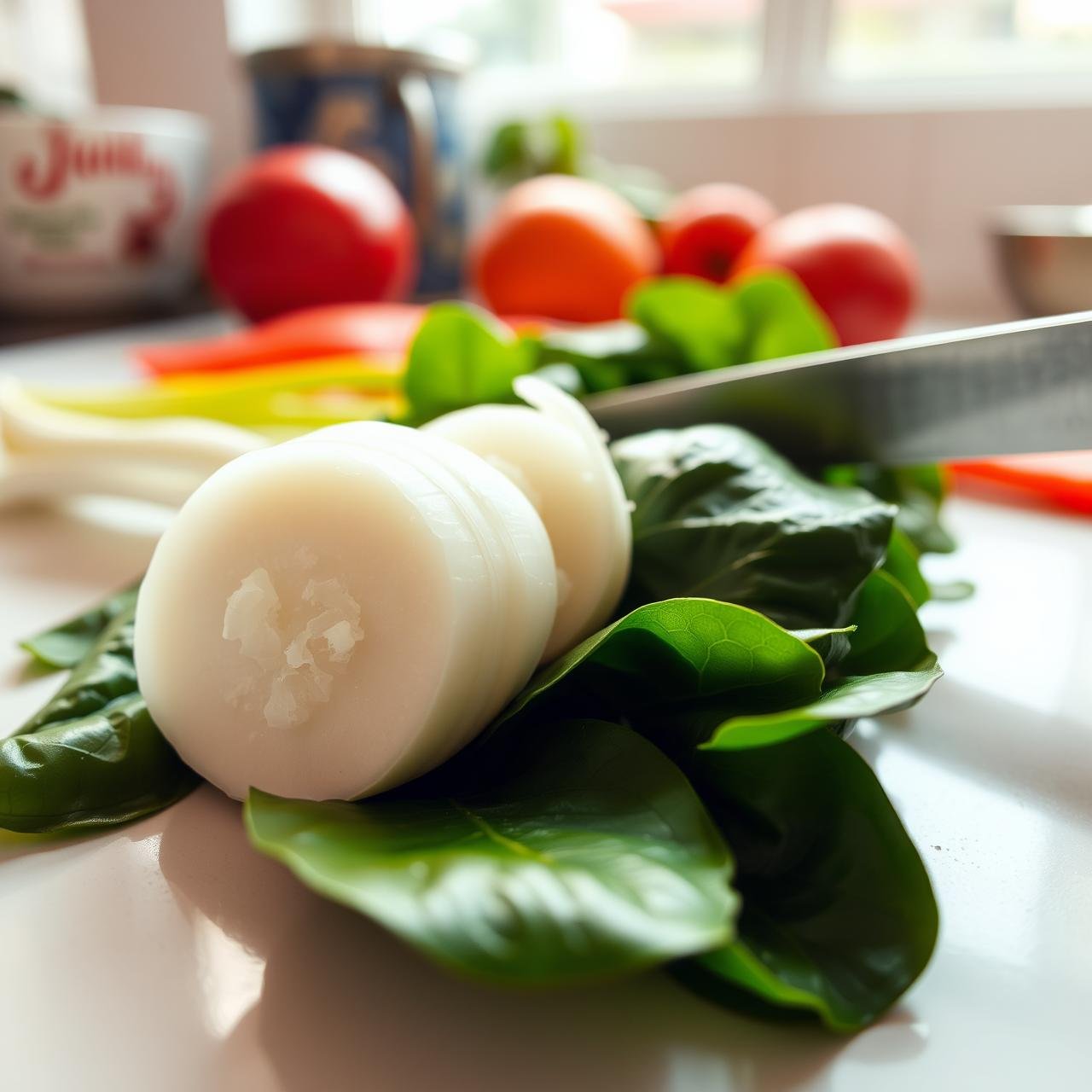
Let’s break down the ‘melts belly fat’ claim and reframe it through a nutritional, chef-like lens. The power of this Pork Sinigang lies not in magic, but in solid dietary principles. It’s a brilliant example of a high-satiety, low-energy-density food.
The Pillars of a Wholesome Bowl:
- Hydrating Broth: The soup’s base is a light, flavorful broth. Staying well-hydrated is crucial for metabolism, and starting a meal with a broth-based soup can increase feelings of fullness, leading to lower overall calorie consumption.
- Lean Protein Power: We’re using pork, but the choice of cut is key. Opting for a leaner cut like pork shoulder or even pork loin, with excess fat trimmed, provides high-quality protein. Protein is the most satiating macronutrient; it keeps you feeling full for longer and helps preserve lean muscle mass during weight loss.
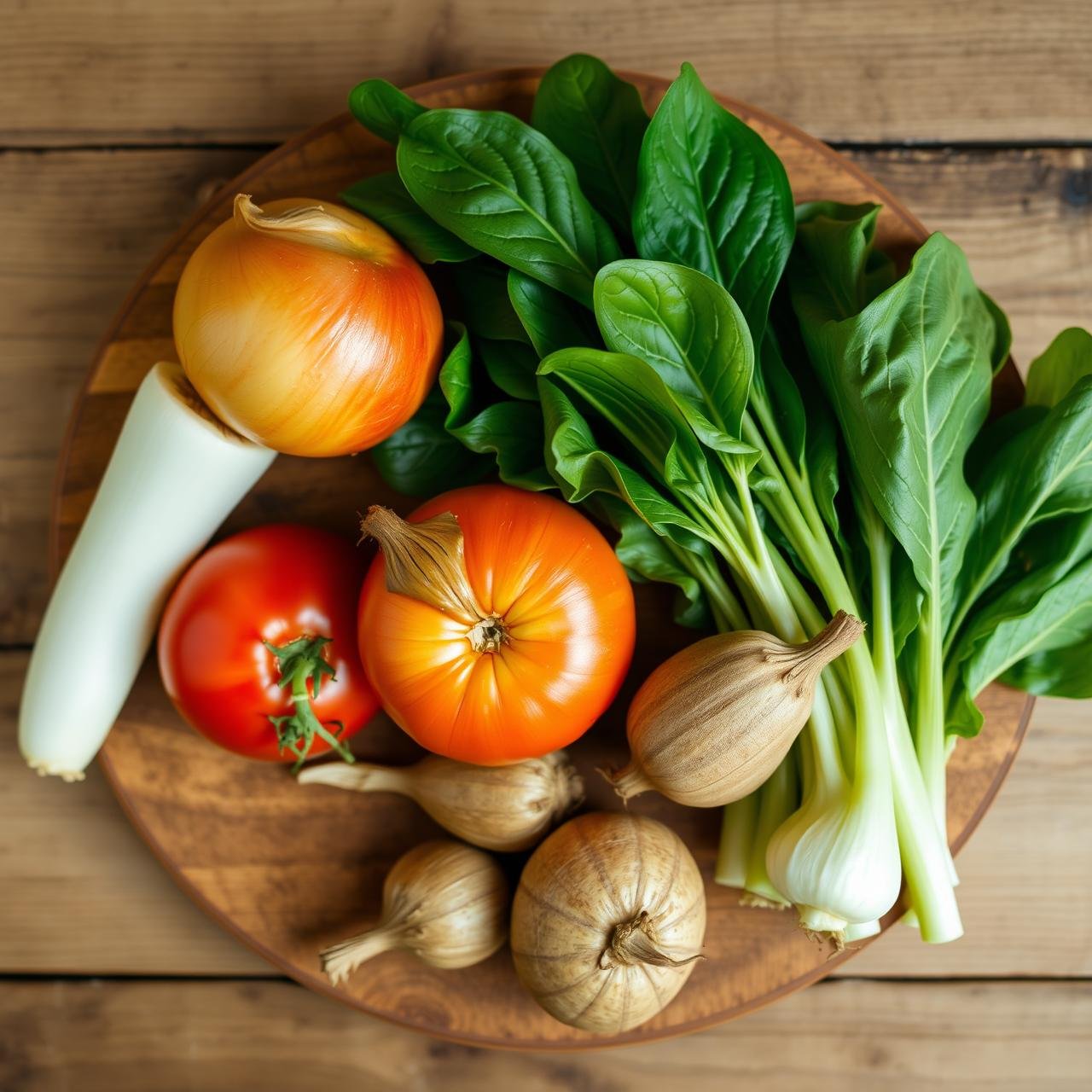
- Vegetable Overload: Sinigang is a vehicle for vegetables. We’re loading it with labanos (daikon radish), kangkong (water spinach), tomatoes, and onions. These are packed with fiber, vitamins, and minerals. Fiber adds bulk to your meal with very few calories, aiding digestion and promoting that satisfied feeling.
- The Tamarind Advantage: Tamarind is more than just a souring agent. It’s a fruit rich in polyphenols, which have antioxidant and anti-inflammatory properties. Some studies suggest it can play a role in managing body weight and blood sugar, making it a valuable ingredient in a health-conscious diet.
In essence, a large, steaming bowl of this Sinigang provides immense satisfaction, a wealth of nutrients, and a feeling of comforting fullness for a relatively low calorie count. It helps you stick to your goals not by ‘melting’ fat, but by nourishing your body so effectively that you’re less likely to reach for processed, high-calorie alternatives. It’s a strategy of abundance, not deprivation.
Gathering Your Arsenal: Equipment & Ingredients
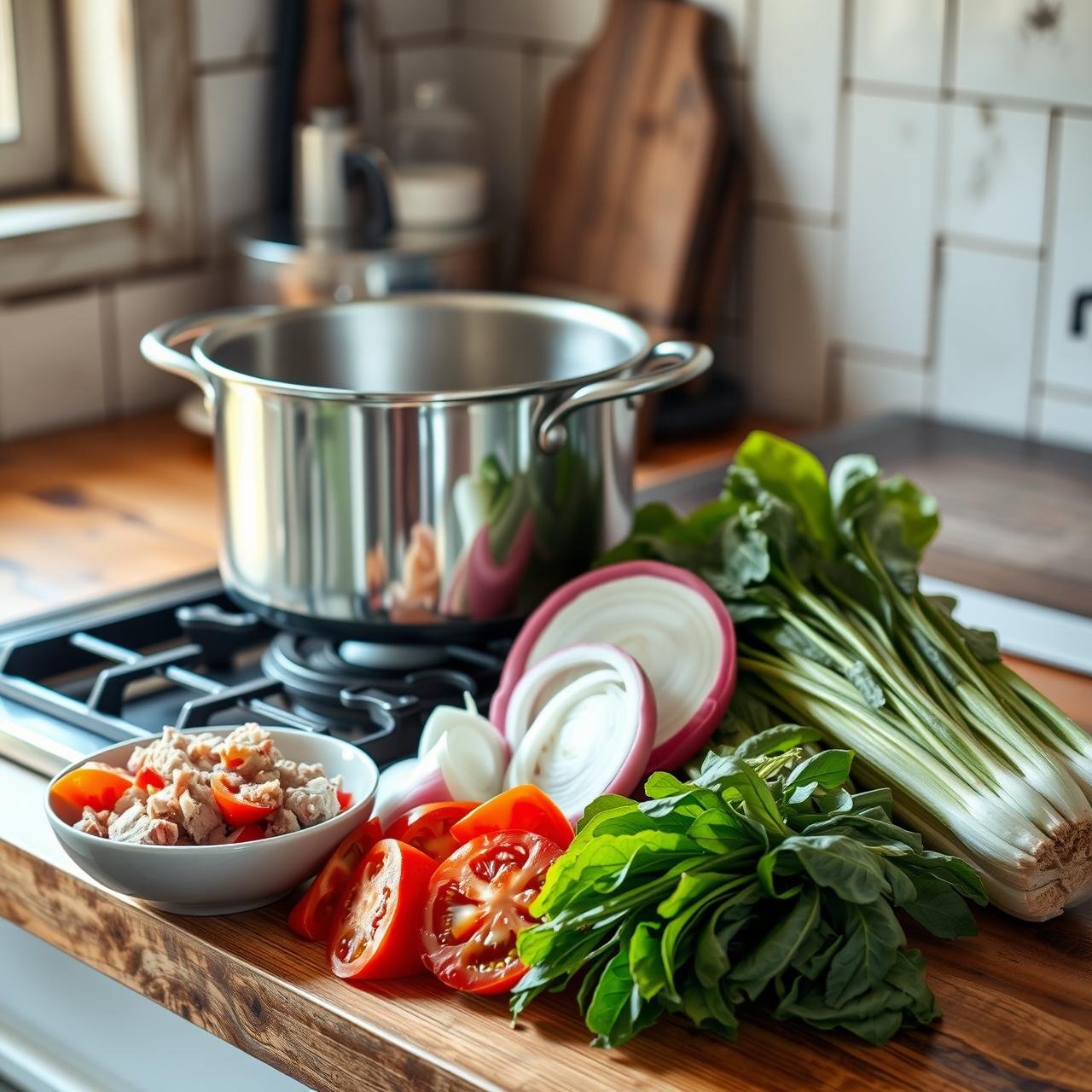
A great dish begins with great preparation. Before the simmer, we gather our tools and ingredients. This recipe is designed for accessibility, using ingredients found in most Asian markets or even larger supermarkets. The key is freshness—it makes all the difference in the final taste.
Essential Kitchen Tools
| Tool | Purpose |
|---|---|
| Large Stockpot or Dutch Oven | Essential for simmering the pork and building the soup. A heavy bottom ensures even heat distribution. |
| Chef’s Knife & Cutting Board | For uniform chopping of pork and vegetables. |
| Skimmer or Large Spoon | To remove any scum that rises to the surface while boiling the pork, ensuring a clear broth. |
| Small Bowl | For mashing the tamarind (if using fresh) or dissolving the mix. |
The Freshest Finds: Ingredients List
This recipe serves approximately 4-6 people. Preparation time is about 20 minutes, and cook time is about 1 hour to 1.5 hours.
- 2 lbs bone-in pork shoulder or pork belly, cut into 2-inch cubes. (For a leaner option, use pork loin, but reduce simmer time).
- 8 cups water or rice wash (hugas bigas, the water from rinsing rice, for a more traditional, slightly cloudy broth).
- 1 large yellow onion, quartered.
- 2 large ripe tomatoes, quartered.
- 1 large daikon radish (labanos), peeled and sliced into ½-inch thick rounds.
- 1 bunch water spinach (kangkong), tough stems removed, or substitute with bok choy.
- 2-3 long green peppers (siling haba), left whole for flavor without intense heat.
- 1 packet (40g) tamarind soup base mix (like Knorr or Mama Sita’s). Alternatively, use about 15-20 whole fresh tamarind pods, boiled and mashed.
- 2 tbsp fish sauce (patis), plus more to taste.
- Salt and freshly ground black pepper to taste.
The Art of the Simmer: Your Step-by-Step Guide to Perfect Sinigang
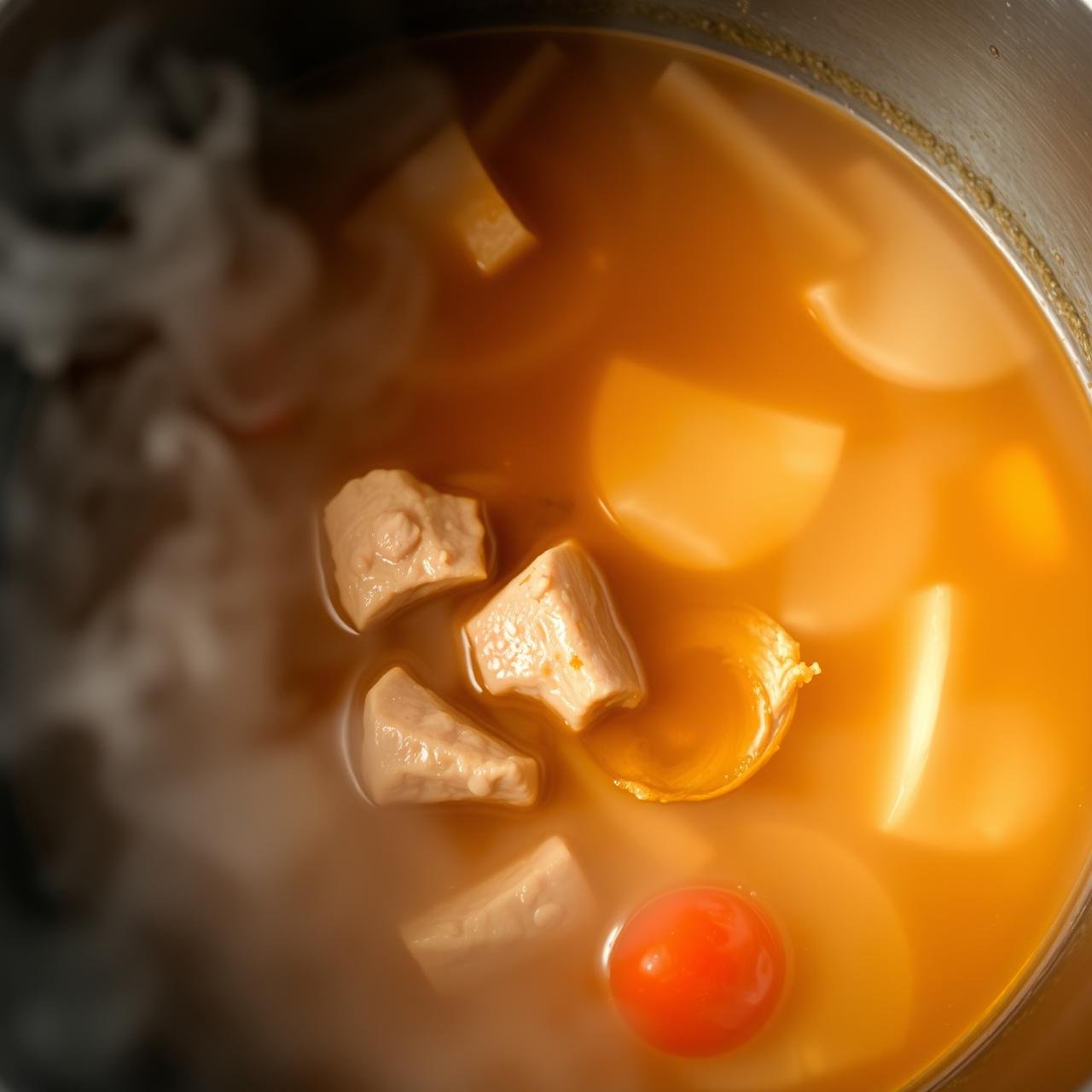
Patience is the secret ingredient in a truly magnificent Sinigang. The process is a slow, deliberate layering of flavors, starting with a rich pork broth and ending with a perfectly balanced sour soup. Follow these steps closely for a foolproof result.
- Create the Base Broth: Place the cubed pork in your large stockpot and add the 8 cups of water or rice wash. Bring to a rolling boil over high heat. As it boils, you’ll see scum or impurities rise to the surface. Use your skimmer to carefully remove and discard this foam. This is a crucial step for a clean, clear-tasting broth. Once the scum is removed, lower the heat to a gentle simmer.
- Tenderize the Pork: Add the quartered onion into the pot. Cover and let it simmer gently for at least 1 hour, or until the pork is fork-tender. The meat should be soft and yielding, practically melting. This slow simmer is what builds the deep, savory foundation of your soup.
- Introduce the Aromatics and Sourness: Add the quartered tomatoes to the pot. Now, it’s time for the star of the show. Whisk the tamarind soup base mix into the simmering broth until it is fully dissolved. If using fresh tamarind, you would have boiled it separately, mashed the pulp in a little broth, strained it to remove seeds and skin, and then added this potent liquid to the pot. Let this simmer for about 10 minutes to allow the flavors to meld.
- Cook the Hearty Vegetables: Add the sliced daikon radish to the pot. The radish needs a bit more time to cook than the leafy greens. Continue to simmer for another 10-15 minutes, or until the radish is tender but still has a slight bite.
- Season and Finish: Season the broth with 2 tbsp of fish sauce (patis). Stir and taste. This is where you become the chef. Does it need more saltiness? Add more patis. More sourness? You can add a little more tamarind mix or a squeeze of calamansi/lime. Once the flavor is balanced to your liking, add the whole long green peppers and the bunch of water spinach (kangkong). Push the greens down into the hot broth. They will wilt very quickly. Place the lid on and turn off the heat. Let it sit for 2-3 minutes. The residual heat will perfectly cook the greens, keeping them vibrant and crisp-tender.
- Serve Immediately: Ladle the hot Sinigang into individual bowls, ensuring each person gets a generous amount of tender pork, vegetables, and that soul-quenching broth. It is best served steaming hot with a side of freshly cooked white rice.
Chef’s Secrets for Next-Level Sinigang
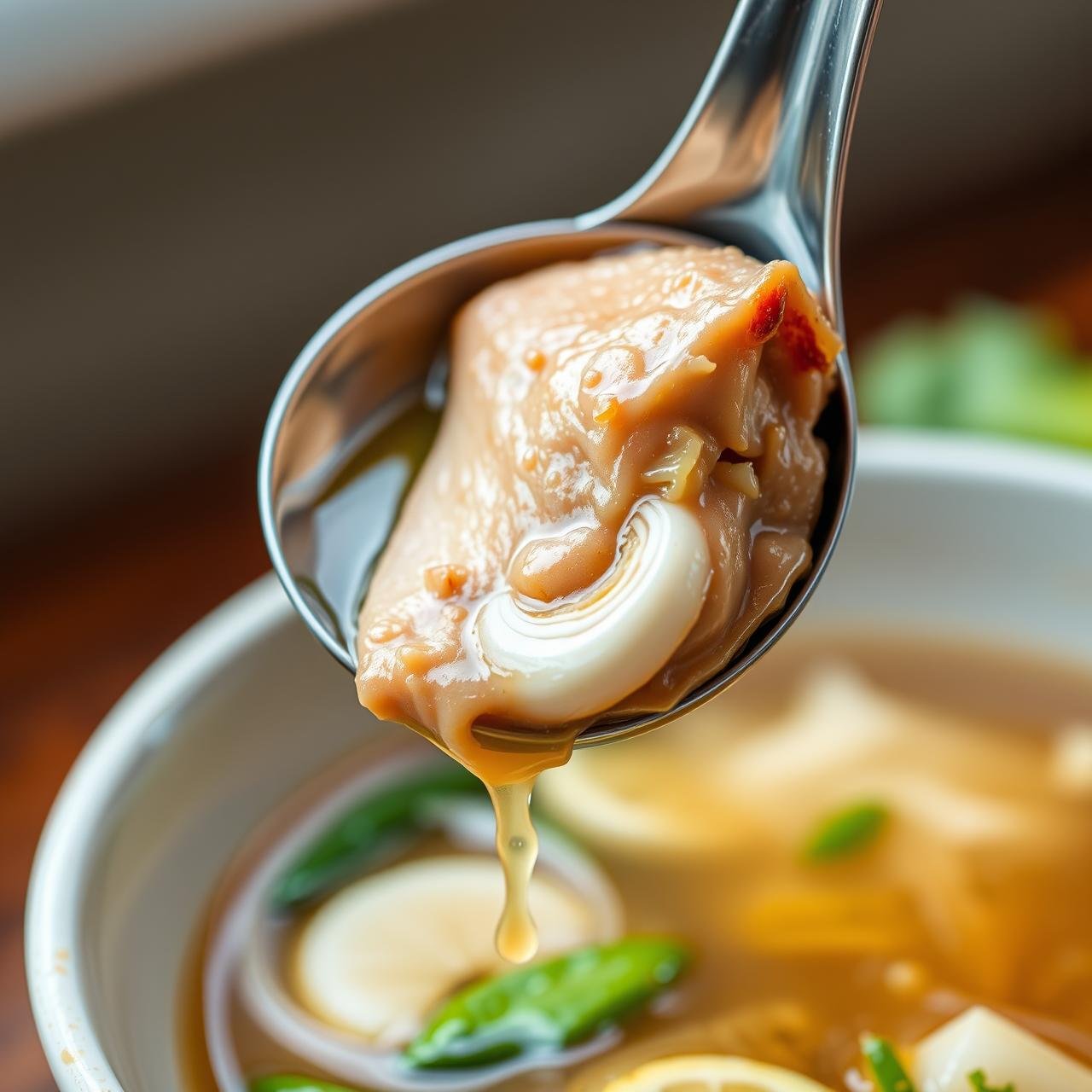
While the recipe is straightforward, a few professional tips can elevate your Sinigang from simply good to unforgettably great.
Mastering the Details:
- The Right Cut of Pork: While pork shoulder is a great lean option, for a truly traditional and succulent result, use pork belly (liempo) or pork ribs. The extra fat and collagen from the bones render down during the long simmer, creating a richer, more velvety mouthfeel. The key is the slow simmer, which melts the fat and tenderizes the meat perfectly.
- Control the ‘Asim’: Don’t just dump the entire packet of tamarind mix in at once. Start with half, stir, and taste. Gradually add more until you reach your desired level of sourness. Everyone’s preference is different. A final squeeze of calamansi or lime juice just before serving can also add a fresh, bright layer of tartness.
- Don’t Crowd the Pot: Ensure your pot is large enough to hold all the ingredients without being filled to the brim. This allows for even cooking and makes it easier to skim the broth properly at the beginning.
- Vegetable Timing is Everything: The order in which you add vegetables matters. Hearty root vegetables like daikon or taro (gabi) go in first. Quick-cooking leafy greens like kangkong or bok choy go in at the very end, often with the heat turned off, to prevent them from becoming overcooked and mushy. They should retain a vibrant color and a slight crunch.
- The Fish Sauce Finish: While you can season with salt, traditional Sinigang gets its signature savory depth from patis (fish sauce). Use a good quality brand. It adds a layer of umami that salt alone cannot replicate. Always add it towards the end of cooking and taste as you go.
Nutritional Profile: A Look Inside Your Bowl
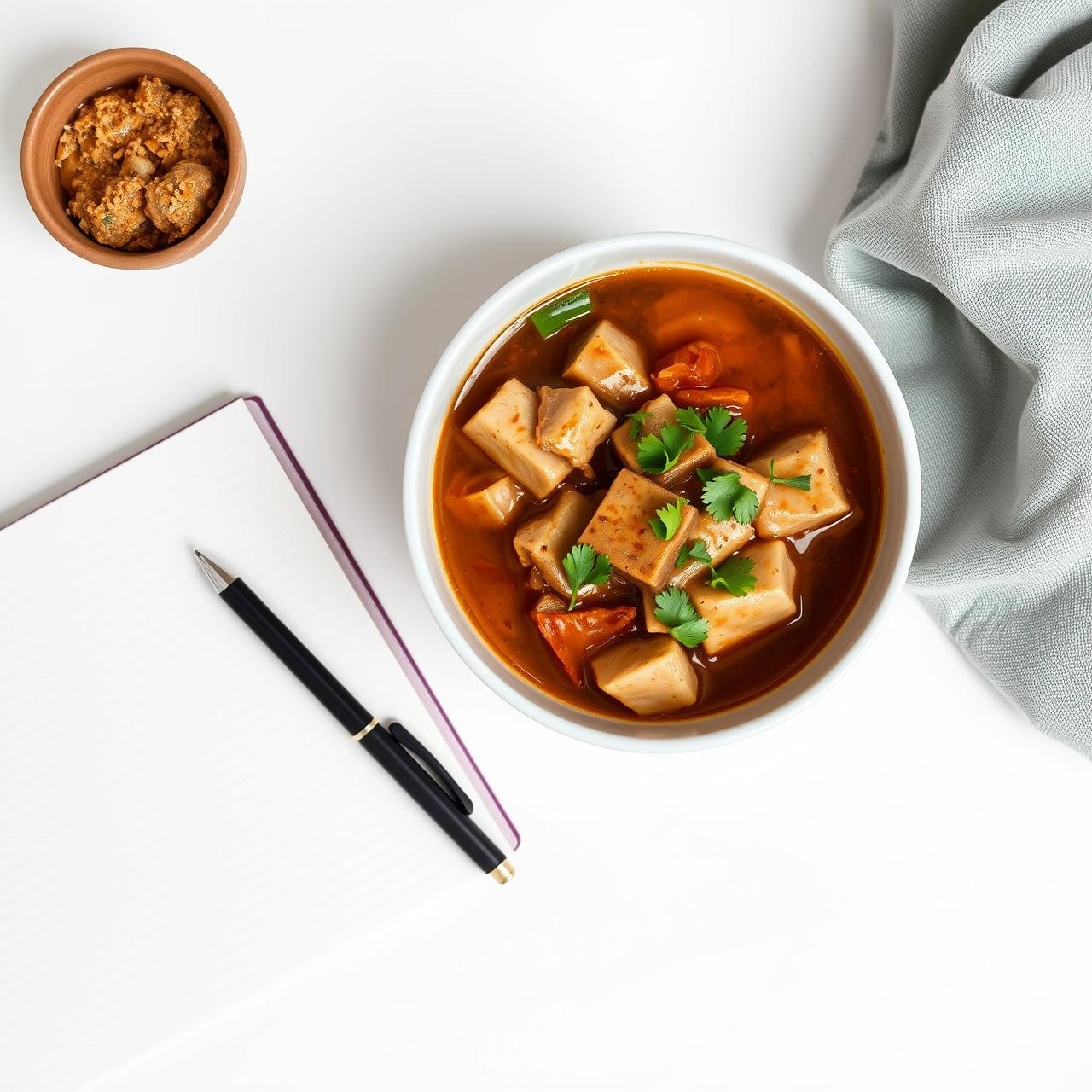
This table provides an estimated nutritional breakdown for one serving of Sour Pork Sinigang, assuming the recipe serves six. Please note that these values are approximate and can vary based on the specific cut of pork used and portion size.
| Nutrient | Amount per Serving (Approx.) |
|---|---|
| Calories | 350-450 kcal |
| Protein | 30g |
| Fat | 20g (Varies greatly with pork cut) |
| Saturated Fat | 7g |
| Carbohydrates | 12g |
| Fiber | 4g |
| Sugar | 6g |
| Sodium | 950mg (Can be reduced by using low-sodium options) |
Disclaimer: This nutritional information is an estimate and should not be considered a substitute for professional medical or dietary advice.
Savor it Later: Storing and Reheating

Sinigang is one of those magical soups that often tastes even better the next day as the flavors continue to meld and deepen. Proper storage is key to enjoying your leftovers.
Refrigeration:
Allow the Sinigang to cool completely to room temperature before storing. Transfer it to an airtight container and it will keep well in the refrigerator for up to 3-4 days. When reheating, it’s best to do so gently on the stovetop over low to medium heat. Avoid boiling it vigorously, as this can make the vegetables mushy. If the kangkong has lost its vibrancy, you can even add a fresh handful to the pot as it reheats to brighten it up.
Freezing:
Sinigang also freezes surprisingly well, but there’s a trick to it. The broth and the pork freeze perfectly. However, the vegetables, particularly the daikon and kangkong, can become very soft and lose their texture upon thawing. For the best results, if you plan to freeze a batch, consider cooking the soup with just the pork, onions, and tomatoes. Cool and freeze this base in portions. When you’re ready to eat, thaw the base, bring it to a simmer, and then add the fresh daikon and leafy greens to cook them from scratch. This method ensures your frozen Sinigang tastes almost as fresh as the day it was made.
Conclusion
Sour Pork Sinigang is far more than a recipe; it’s an experience. It’s the comforting taste of Filipino tradition, a testament to the beauty of simple, fresh ingredients, and a powerful demonstration of how satisfying healthy eating can be. We’ve journeyed through its cultural roots, demystified its health benefits, and mastered the step-by-step process to create a perfect bowl in our own kitchens. This vibrant, sour, and savory soup nourishes the body while warming the soul, proving that the best meals are often those that are both deeply delicious and inherently good for us.
Now the wooden spoon is in your hands. We encourage you to embrace this recipe, make it your own, and discover the joy of ‘asarap na asim’. Whether you’re a gourmet foodie seeking authentic flavors, a health enthusiast looking for nutritious meals, or a home cook wanting to put a new, exciting dish on the family table, Sinigang welcomes you. Share your creation, savor every spoonful, and let this iconic Filipino soup become a new comfort classic in your home.