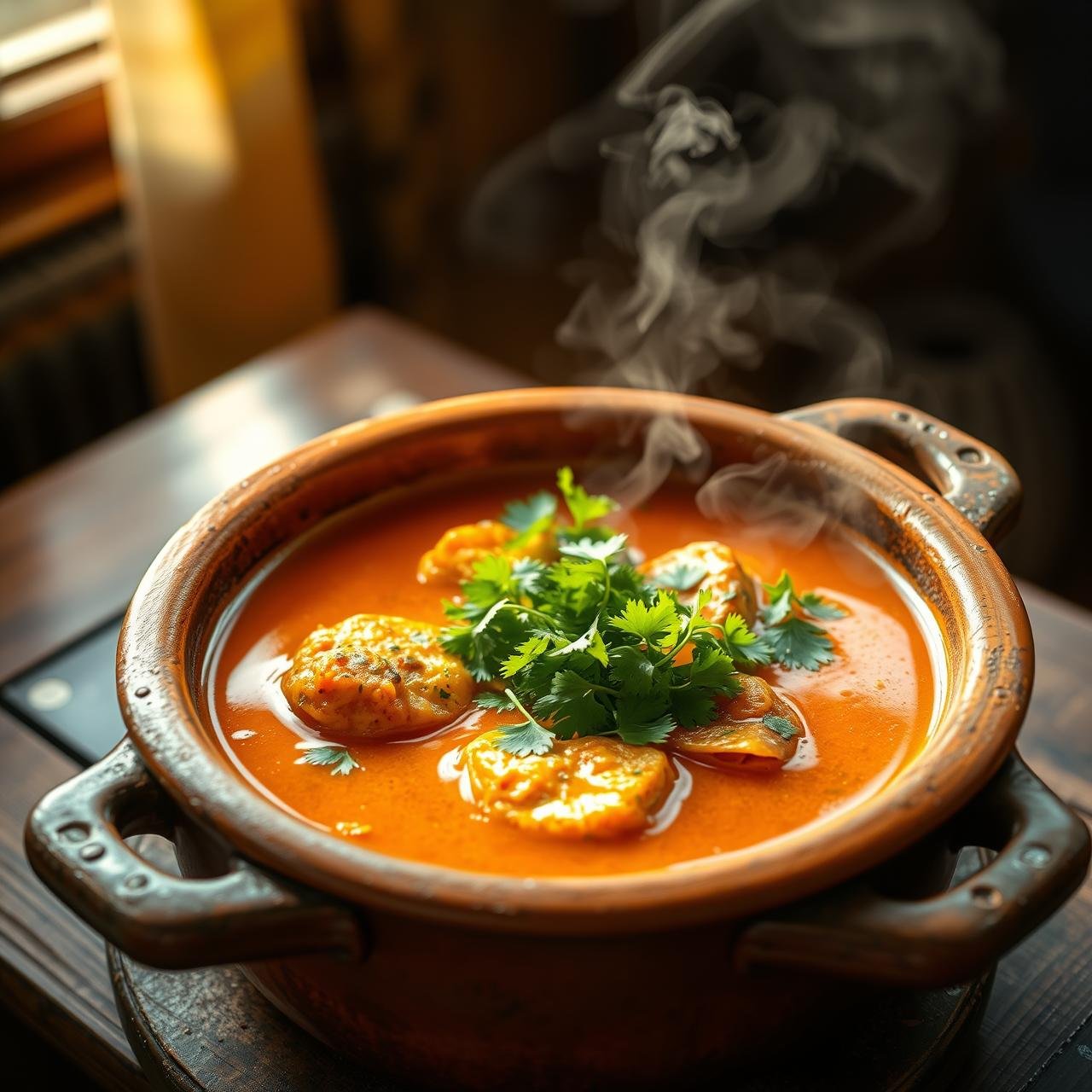
Creamy Brazilian Fish Stew (Moqueca) Without The Heavy Cream
Imagine a dish that transports you straight to the sun-drenched coast of Brazil. A dish so fragrant it fills your kitchen with the scent of the sea, coconut, and lime. A stew so vibrantly colored it’s a feast for the eyes before it even touches your lips. This is Moqueca (pronounced ‘mo-KEH-kah’), the soulful, iconic fish stew that is a cornerstone of Brazilian cuisine. But what if I told you that you could achieve its famously luscious, velvety texture—a creaminess that coats every piece of tender fish—without using a single drop of heavy cream?
Welcome to a healthier, yet equally indulgent, version of this classic. This recipe for Creamy Brazilian Fish Stew unlocks the secret to a rich, satisfying sauce using the natural power of full-fat coconut milk and a time-honored layering technique. It’s a dish that caters to everyone at the table: the gourmet foodie seeking authentic, complex flavors; the health enthusiast looking for dairy-free, wholesome meals; the budget cook transforming simple ingredients into something spectacular; and the home cook who adores a magnificent one-pot meal. We’ll delve into the heart of this dish, exploring the two famous styles—the coconut-rich Moqueca Baiana and the lighter Moqueca Capixaba—and craft our own version that captures the best of both worlds. Prepare to fall in love with a stew that is rustic yet elegant, simple yet profound, and proves that ‘creamy’ doesn’t have to mean ‘cream’.
The Heart of Moqueca: A Symphony of Fresh Ingredients
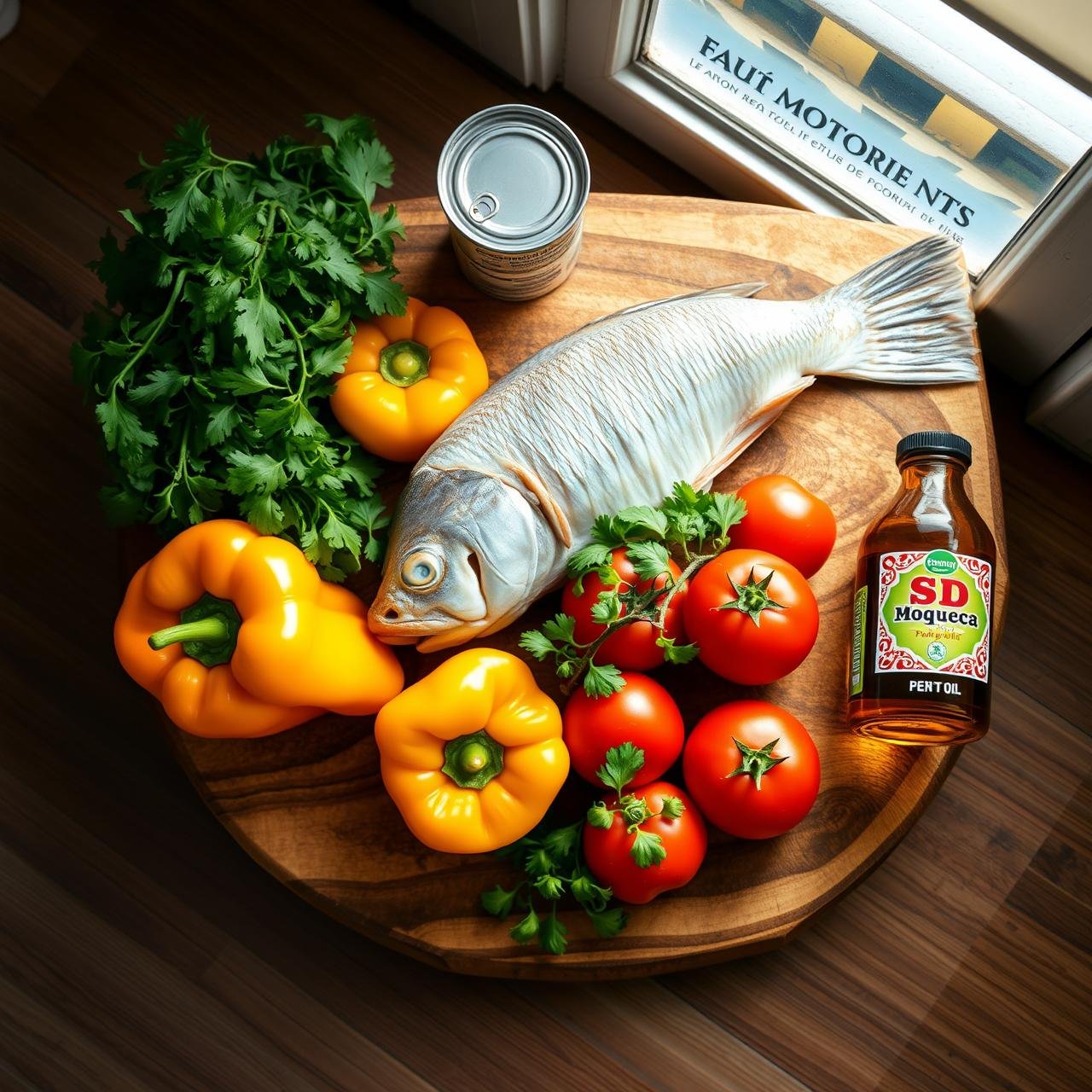
The magic of Moqueca lies in its harmony of fresh, vibrant components. Each ingredient plays a crucial role, building layers of flavor that are simultaneously complex and comforting. This isn’t just a list; it’s the cast of characters for our culinary story. Understanding their purpose is the first step to mastering the dish.
For the Fish & Marinade
- Firm White Fish: 2 lbs, such as cod, halibut, snapper, or mahi-mahi, cut into 2-inch chunks. The key is ‘firmness’. A delicate fish like tilapia would fall apart in the stew. You want hearty pieces that will become tender and flaky while holding their shape.
- Limes: 2 large, juiced. The acidic lime juice does more than add brightness; it begins to ‘cook’ the fish slightly in a process called ceviche, seasoning it from the inside out and ensuring it’s tender, not tough.
- Garlic: 4 cloves, minced. Garlic is the aromatic backbone of the marinade, infusing the fish with a pungent, savory depth.
- Salt & Black Pepper: To taste. These are fundamental. Salting the fish during the marinade ensures it’s seasoned thoroughly, not just on the surface.
For the Stew Base (The ‘Refogado’)
- Full-Fat Coconut Milk: One 13.5-ounce can. This is the non-negotiable secret to our creaminess. Do not use ‘light’ coconut milk or coconut beverage from a carton. The high fat content is what emulsifies into a rich, velvety sauce that beautifully coats the fish and vegetables.
- Onion: 1 large, thinly sliced. Sliced onions melt into the stew, providing a sweet, foundational flavor.
- Bell Peppers: 2 large, one red and one yellow, thinly sliced. These add sweetness, a subtle vegetal note, and a stunning visual pop of color that makes the dish so iconic.
- Tomatoes: 4 ripe Roma tomatoes, sliced. Ripe tomatoes break down during cooking, releasing their juices and adding body, a touch of acidity, and umami to the stew base.
- Dendê Oil (Azeite de Dendê): 2 tablespoons. This is the soul of Moqueca Baiana. This unrefined red palm oil has a distinct, earthy, and slightly floral flavor and imparts a beautiful golden-orange hue. If you cannot find it, you can substitute with 2 tablespoons of olive oil mixed with 1 teaspoon of paprika and a pinch of turmeric for color, though the unique flavor will be missed.
- Fresh Cilantro: 1 large bunch, roughly chopped, stems and leaves separated. The stems are added earlier for deep flavor, while the leaves are stirred in at the end for a burst of fresh, herbaceous aroma.
- Scallions: 4-5, chopped, for garnish. They add a final, mild oniony bite and a splash of green.
Essential Tools for Your Culinary Journey
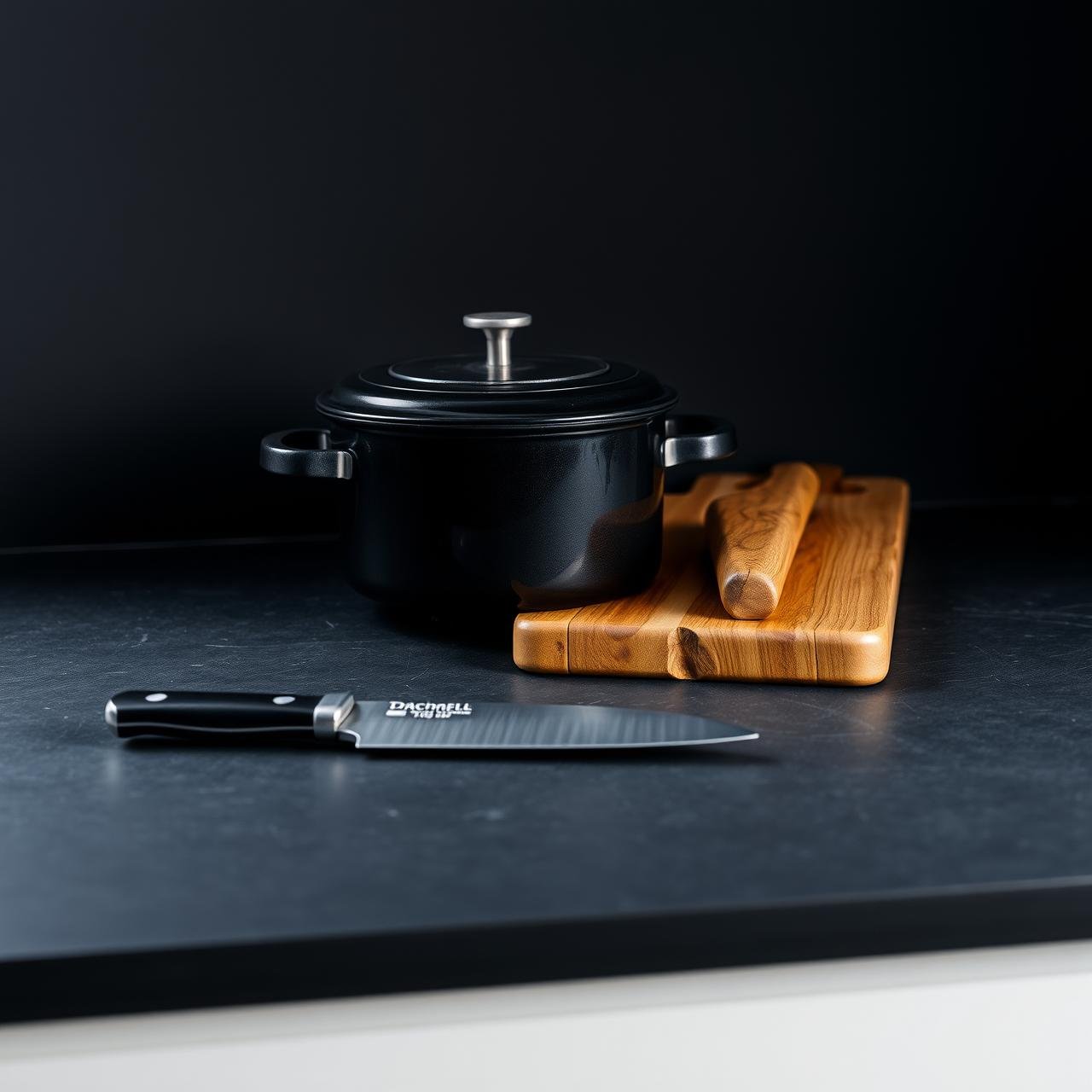
You don’t need a kitchen full of fancy gadgets to create this masterpiece. Moqueca is a rustic, homestyle dish, and the tools required are just as straightforward. The most important piece is a good-quality pot that distributes heat evenly.
| Tool | Purpose |
|---|---|
| Heavy-Bottomed Pot or Dutch Oven | Essential for even heat distribution. It prevents the vegetables on the bottom from scorching and allows the stew to simmer gently without boiling, which is key for tender fish. A traditional clay ‘panela de barro’ is authentic, but a Dutch oven is a perfect modern substitute. |
| Large Mixing Bowl | For marinating the fish. Choose a non-reactive material like glass or stainless steel, as the acidic lime juice can react with materials like aluminum. |
| Sharp Chef’s Knife | For clean, uniform slices of your vegetables and chunks of fish. Good prep work is the foundation of a great stew. |
| Cutting Board | A large, stable surface for all your chopping needs. |
Crafting the Perfect Moqueca: A Step-by-Step Guide
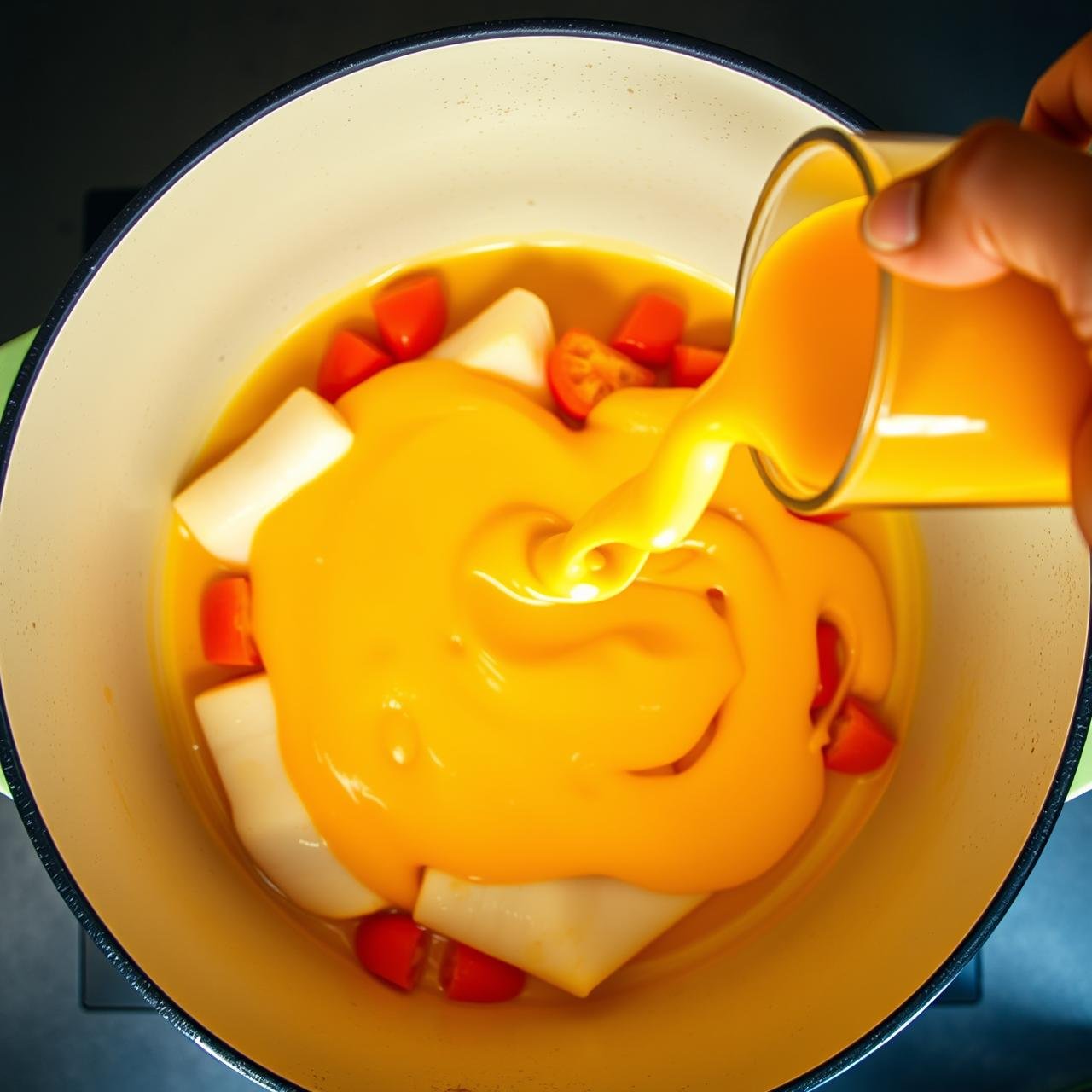
This is where the magic happens. We will build our stew in layers, a traditional technique that allows each ingredient to cook perfectly while its flavors meld into a harmonious whole. Follow these steps with care, and you’ll be rewarded with a truly spectacular dish.
- Marinate the Fish: In your large mixing bowl, combine the fish chunks, minced garlic, fresh lime juice, a generous pinch of salt, and freshly ground black pepper. Gently toss to coat every piece. Cover and let it marinate in the refrigerator for at least 30 minutes, but no longer than an hour. This step is crucial for seasoning the fish deeply and firming up its texture.
- Build the First Layer: Drizzle about 1 tablespoon of olive oil (or half your dendê oil) into the bottom of your Dutch oven over medium heat. Arrange half of the sliced onions, half of the bell peppers, and half of the sliced tomatoes to create a bed of vegetables. Sprinkle with a little salt and pepper. This layer will protect the fish from direct heat and release its flavors into the sauce from the bottom up.
- Nestle the Fish: Carefully arrange the marinated fish pieces in a single layer on top of the vegetables. Pour any remaining marinade from the bowl over the fish. Avoid overcrowding the pot; if necessary, it’s better to use a wider pot.
- Create the Top Layer: Cover the fish with the remaining sliced onions, bell peppers, and tomatoes. Scatter the chopped cilantro stems over this top layer. This creates a blanket that will steam the fish as the stew simmers.
- Pour the Coconut Elixir: In a separate bowl, whisk together the full-fat coconut milk and the 2 tablespoons of dendê oil. Once combined, pour this creamy, orange-hued mixture evenly over all the layers in the pot. The liquid should come about three-quarters of the way up the ingredients.
- Simmer to Perfection: Place the pot over medium-high heat and bring it to a gentle simmer. You’ll see small bubbles breaking the surface. As soon as it simmers, immediately reduce the heat to low, cover the pot with a tight-fitting lid, and let it cook for 15-20 minutes. The goal is to maintain a very gentle simmer, not a rolling boil. A vigorous boil can make the fish tough and cause the coconut milk to separate or ‘break’.
- The Final Flourish: After 15-20 minutes, the fish should be opaque and flake easily with a fork, and the vegetables should be tender. Turn off the heat. Gently stir in the chopped fresh cilantro leaves. Taste the sauce and adjust the seasoning. It may need another pinch of salt or a small squeeze of fresh lime juice to brighten all the flavors. Let the stew rest for 5 minutes off the heat before serving.
Chef’s Secrets for a Flawless, Creamy Stew
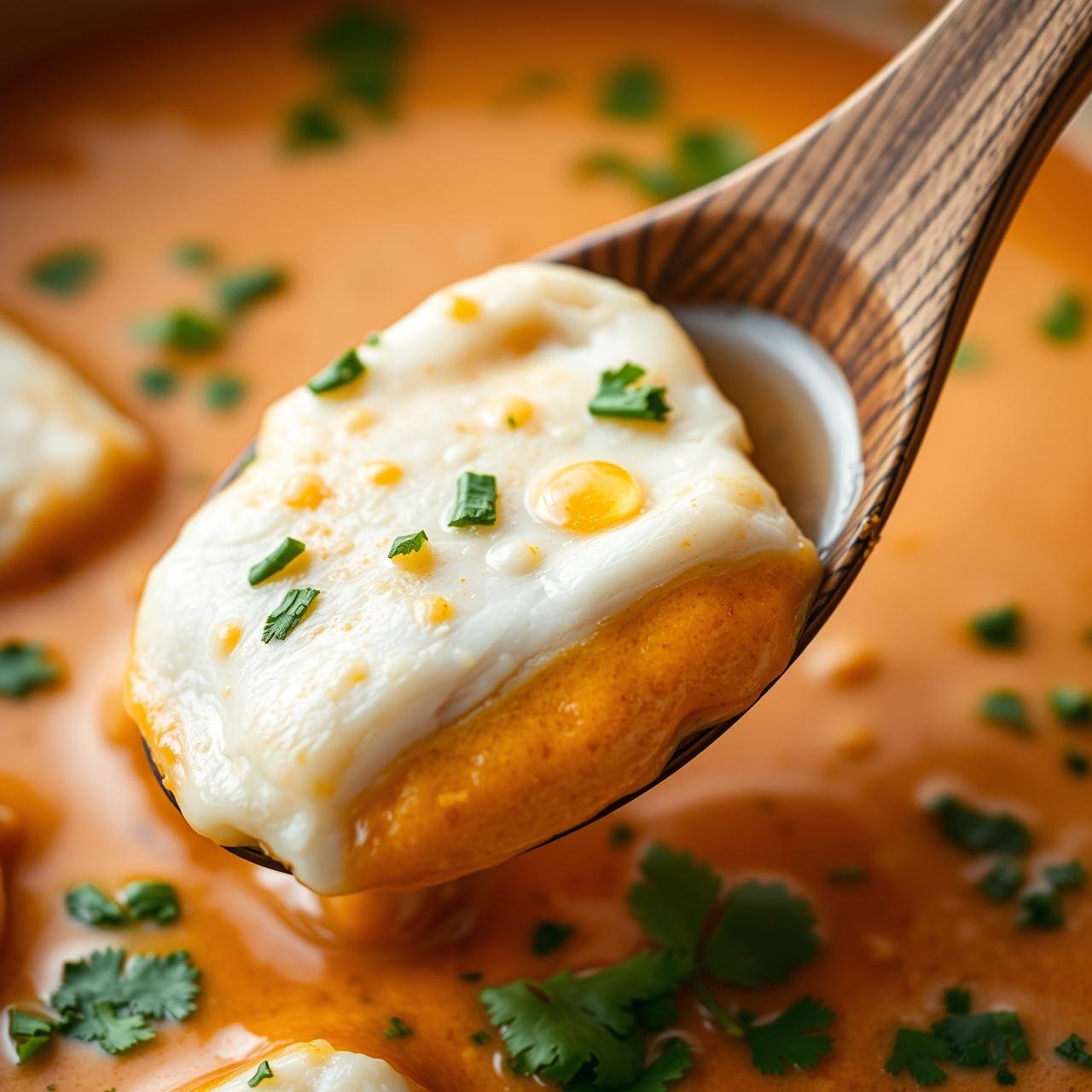
The difference between a good Moqueca and a truly unforgettable one often lies in the details. Here are some professional tips to elevate your stew from simple dinner to a culinary event.
Don’t Undermine the Marinade
That 30-minute marination period is not optional. It’s a chemical process. The salt draws out moisture, firming the fish, while the lime’s acid begins to denature the proteins on the surface. This two-pronged action results in fish that is seasoned to its core and far less likely to fall apart during cooking.
The Unbreakable Rule of Full-Fat Coconut Milk
Let’s be clear: light coconut milk is not a suitable substitute here. The creaminess of the sauce comes from the fat content emulsifying with the liquids. Using a low-fat version will result in a thin, watery broth that lacks the signature richness and may even curdle. Always shake the can well before opening to integrate the solid cream and the liquid water.
Embrace the Gentle Simmer
Boiling is the arch-nemesis of this dish. A rolling boil will do two terrible things: it will overcook the fish in moments, turning it from tender and flaky to dry and rubbery. Secondly, it will ‘break’ the coconut milk emulsion, causing the fats to separate and create an oily, unappealing texture. Keep the heat low and let the residual heat and gentle steam do the work.
Layering is Not Just for Looks
The layering technique is a form of culinary wisdom. The bottom vegetable layer acts as a protective raft, preventing the delicate fish from sticking and scorching. The top layer of vegetables releases moisture downwards, steaming the fish in a flavor-packed environment. This gentle, all-encompassing cooking method is what makes the fish so incredibly moist and tender.
Taste, Then Taste Again
A recipe provides a roadmap, but your palate is the final guide. Once the stew is cooked, take a spoonful of the broth. Is it vibrant enough? A squeeze of lime can awaken dull flavors. Is it savory enough? Add salt in small increments. Does it have that characteristic warmth? A tiny extra drizzle of dendê oil can boost the flavor. Adjusting the seasoning at the end is the mark of a confident cook.
Nutritional Profile: A Healthy Indulgence
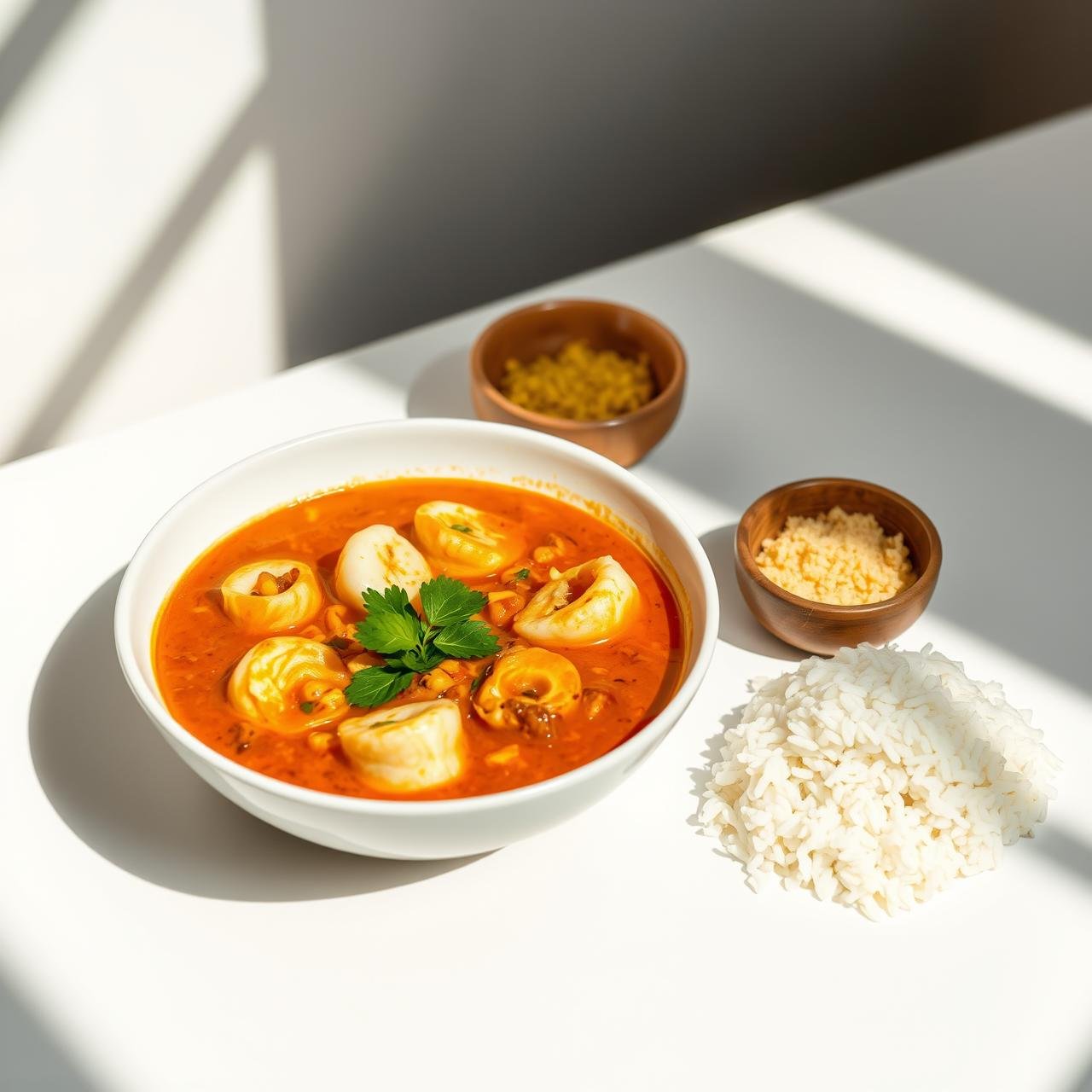
This Moqueca is a testament to the fact that indulgent, comforting food can also be incredibly nourishing. It’s packed with high-quality lean protein, healthy fats, and a rainbow of vitamins from the vegetables. Being naturally dairy-free and gluten-free, it’s an excellent choice for a wide range of dietary needs.
| Nutrient | Amount |
|---|---|
| Calories | ~410 kcal |
| Protein | ~35g |
| Fat | ~25g |
| Saturated Fat | ~15g |
| Carbohydrates | ~12g |
| Fiber | ~3g |
| Sugar | ~7g |
| Sodium | ~450mg |
Disclaimer: Nutritional information is an estimate and can vary based on the specific ingredients used, such as the type of fish and exact portion size.
Serving, Storing, and Reheating Your Moqueca
The Perfect Presentation: Serving Suggestions
To enjoy Moqueca like a true Brazilian, serving it with the right accompaniments is key. They are designed to complement the stew and make sure not a single drop of that precious sauce goes to waste.
- Fluffy White Rice: The essential base for soaking up the creamy, flavorful broth.
- Farofa: Toasted manioc (cassava) flour. This adds a delightful, slightly sandy, and savory crunch that provides a perfect textural contrast to the soft stew. You can buy it pre-made or make it by toasting the flour in a pan with a little butter or oil.
- Pirão: For a truly authentic experience, you can make pirão by mixing a few spoonfuls of the hot stew broth with manioc flour until it forms a thick, polenta-like porridge.
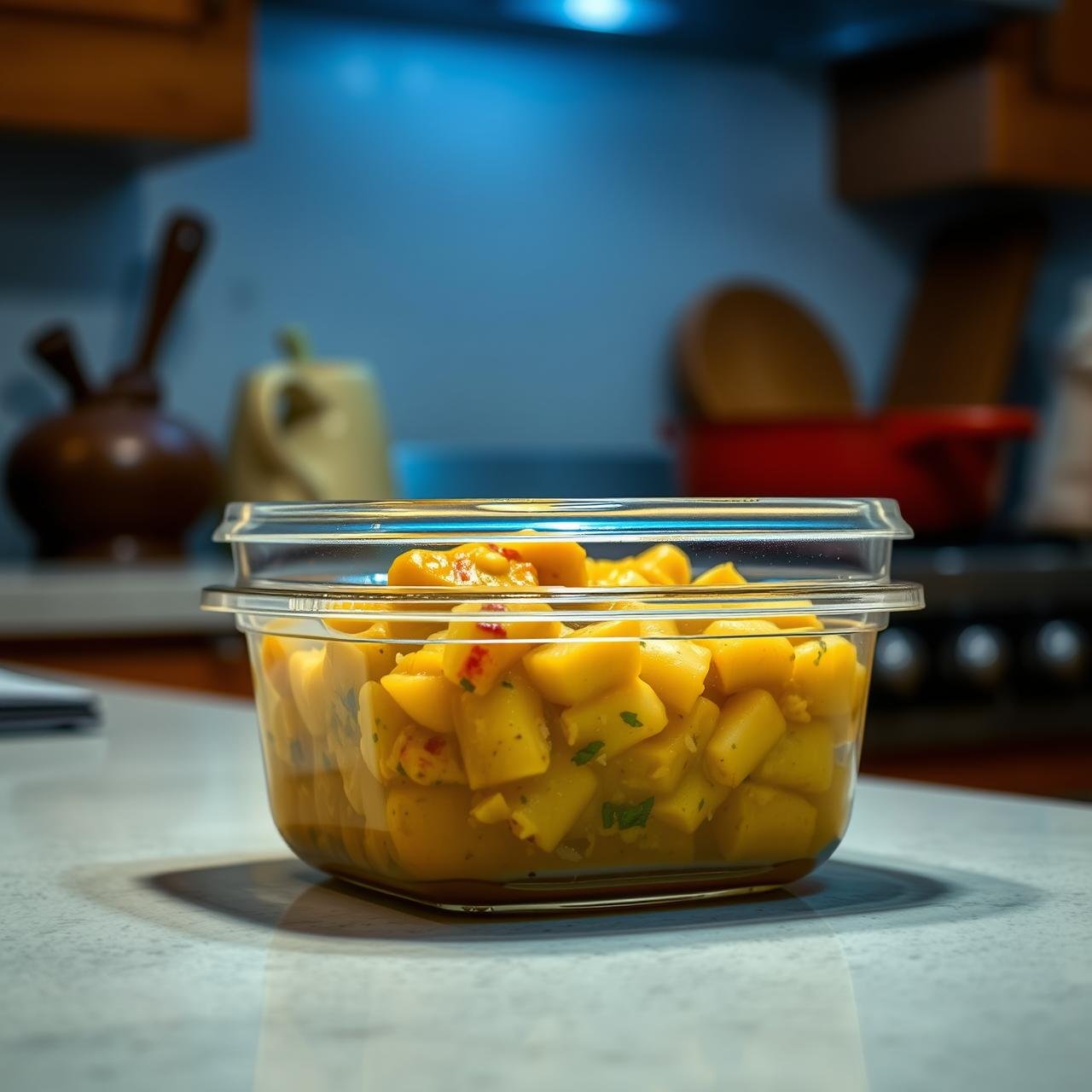
Storing Leftovers for Round Two
Moqueca is one of those magical dishes that often tastes even better the next day as the flavors continue to meld and deepen.
- Cool Down: Allow the stew to cool completely to room temperature before storing.
- Airtight Container: Transfer the cooled stew to an airtight container.
- Refrigerate: Store in the refrigerator for up to 3 days.
Reheating with Care
To preserve the delicate texture of the fish and the creamy consistency of the sauce, reheating requires a gentle touch.
- Stovetop is Best: Gently reheat the stew in a saucepan over low heat. Stir occasionally until it is warmed through. Avoid boiling it.
- Avoid the Microwave: Microwaving can overheat the fish quickly, making it tough and rubbery, and can also cause the coconut sauce to separate.
- Thin if Needed: If the sauce has thickened considerably in the fridge, you can add a small splash of water, broth, or coconut milk to thin it back to its original consistency while reheating.
Conclusion
You have now journeyed through the heart and soul of one of Brazil’s most cherished dishes. You’ve learned that achieving a deep, luxurious creaminess in a stew doesn’t require dairy, but rather the magic of coconut, the wisdom of layering, and the patience of a gentle simmer. This Moqueca is more than just a recipe; it’s a celebration of fresh ingredients, a dance of vibrant colors, and a pot full of healthy, satisfying comfort. We invite you to bring the warmth and spirit of Bahia to your own table. Share it with family, with friends, and savor the rich, complex flavors you created from scratch. Enjoy your taste of Brazil!