Crispy Pan-Fried Sardines: A Budget Superfood For Fat Loss
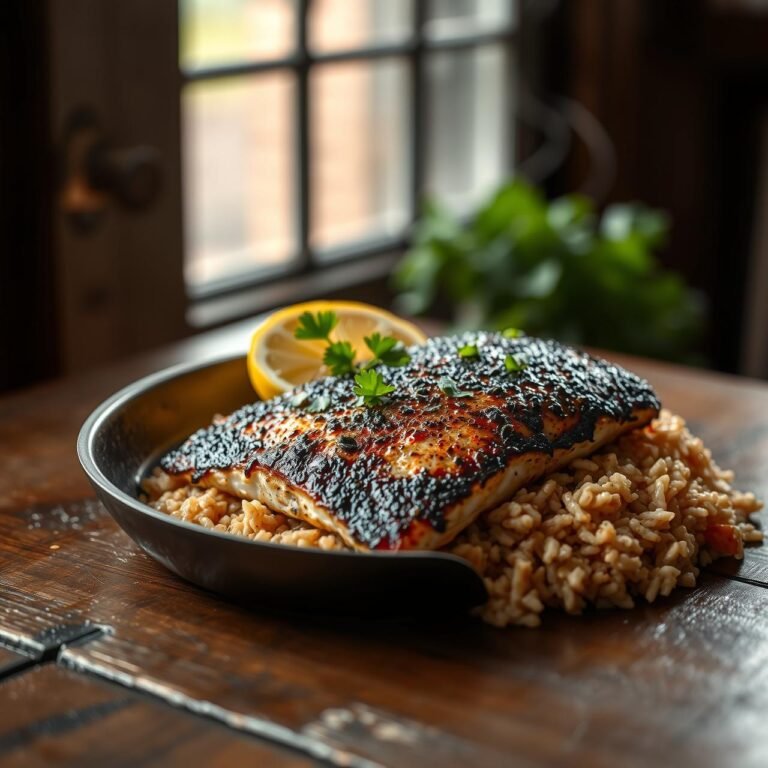
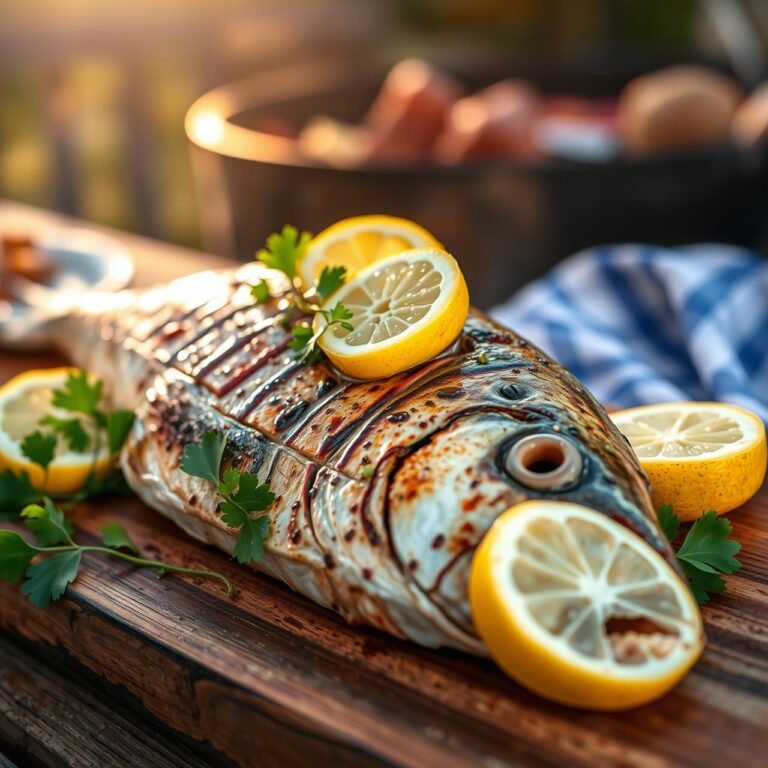
Forget everything you thought you knew about canned sardines. We’re not talking about the lackluster, mushy fish of cafeteria lore. We are about to embark on a culinary journey that transforms this humble pantry staple into a dish of profound flavor and incredible texture—Crispy Pan-Fried Sardines. Imagine a fillet so perfectly cooked its skin crackles and shatters like glass at the touch of your fork, revealing succulent, omega-rich flesh beneath. This isn’t just a meal; it’s a revelation. It’s the kind of rustic, honest cooking that nourishes the body and soul in equal measure.
But the magic doesn’t stop at the taste. Sardines are, without exaggeration, a budget superfood, especially for those with an eye on health and fat loss. In a world of expensive supplements and exotic health foods, the sardine stands as a testament to the power of simple, whole ingredients. Packed with an astonishing amount of high-quality protein to keep you full and support muscle, brimming with anti-inflammatory Omega-3 fatty acids that aid in metabolic health, and loaded with Vitamin D and Calcium (yes, from the edible bones!), these little fish offer a nutritional density that is hard to beat. For just a couple of dollars a can, you’re accessing a wealth of nutrients that can support your wellness journey without breaking the bank. This recipe is your guide to unlocking that potential in the most delicious way possible.
Why Sardines are a Secret Weapon for Health and Your Wallet
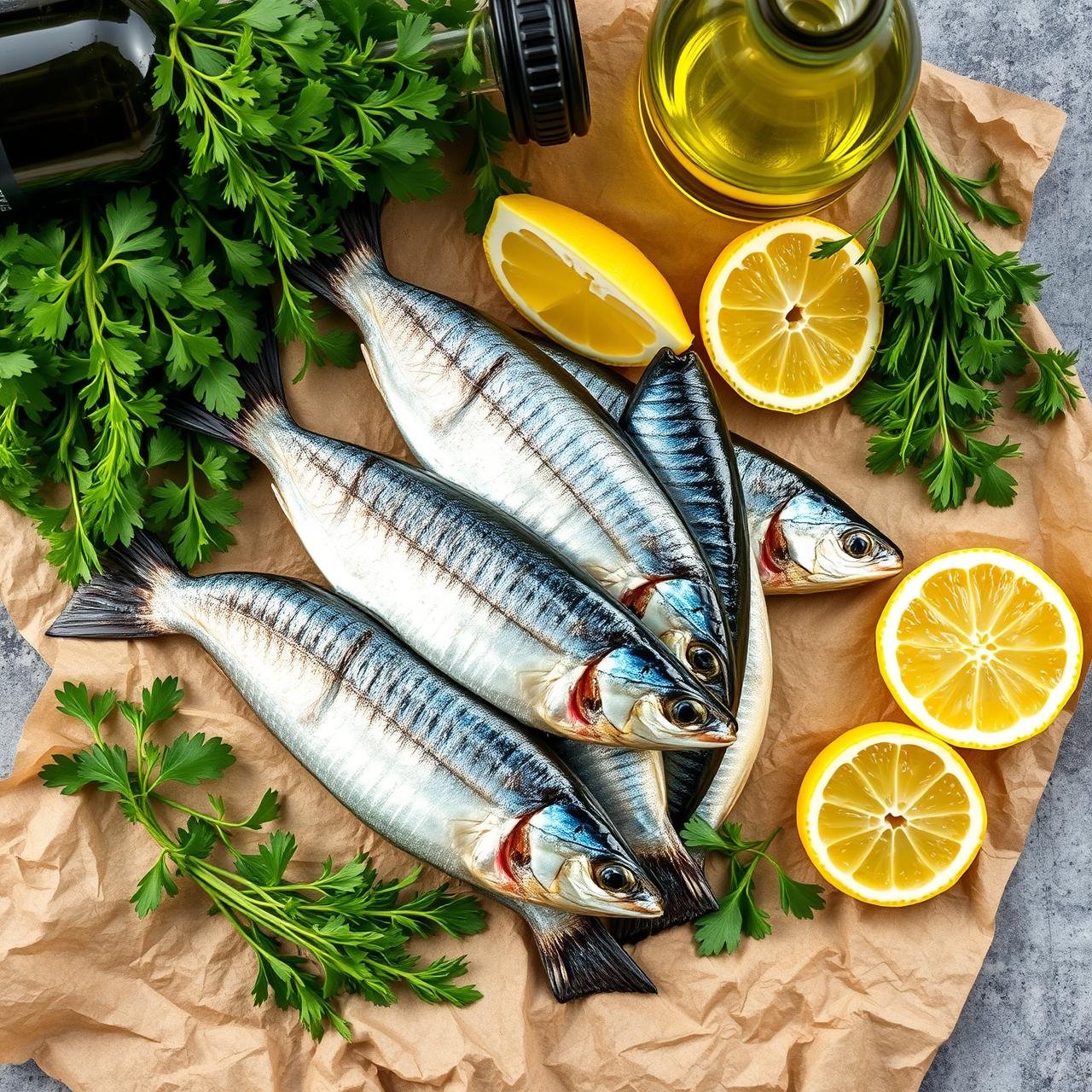
Before we even heat the pan, let’s take a moment to appreciate the unsung hero of the pantry. Sardines are often overlooked, but for the discerning home cook, health enthusiast, and budget-conscious foodie, they are a treasure trove of benefits. Understanding why they’re so good for you makes the final dish taste even better.
The Fat Loss Friendly Protein Punch
When it comes to fat loss, protein is king. It’s essential for building and maintaining lean muscle mass, which in turn keeps your metabolism humming. More importantly, protein has a high thermic effect of food (TEF), meaning your body burns more calories digesting it compared to fats and carbs. It’s also incredibly satiating. A single serving of sardines can provide upwards of 20 grams of high-quality protein, helping to crush hunger cravings and keep you feeling full and satisfied for hours. This makes it far less likely you’ll reach for unhealthy snacks between meals.
Omega-3s: The ‘Good Fat’ Powerhouse
The conversation around fat loss isn’t just about eating less fat; it’s about eating the right fats. Sardines are one of the world’s best sources of the marine omega-3 fatty acids, EPA and DHA. These essential fats are celebrated for their potent anti-inflammatory properties, which can help reduce the chronic inflammation often associated with weight gain. Furthermore, studies suggest that omega-3s can improve insulin sensitivity and support a healthy metabolism, making your body more efficient at using food for energy rather than storing it as fat.
More Than Just Fish: A Cocktail of Micronutrients
Beyond the macros, sardines deliver a stunning array of vitamins and minerals. They are a rare natural food source of Vitamin D, the ‘sunshine vitamin’ crucial for hormone regulation and bone health. When you eat sardines with the soft, edible bones, you’re also getting a massive, highly bioavailable dose of Calcium—often more than a glass of milk! Add to that significant amounts of Vitamin B12 for energy, iron for oxygen transport, and selenium for antioxidant support, and you have a nutritional profile that rivals the most expensive supplements on the market.
The Ultimate Budget Superfood
Let’s be practical. Healthy eating can feel expensive. This is where sardines truly shine. A can of high-quality sardines costs a fraction of what you’d pay for fresh salmon, grass-fed beef, or even chicken breast, yet it delivers a superior or comparable nutritional punch. This incredible affordability makes it possible to incorporate top-tier nutrition into your diet daily, proving that you don’t need a massive budget to fuel your body for optimal health and fat loss.
Choosing Your Tinned Treasures: A Guide to the Best Sardines
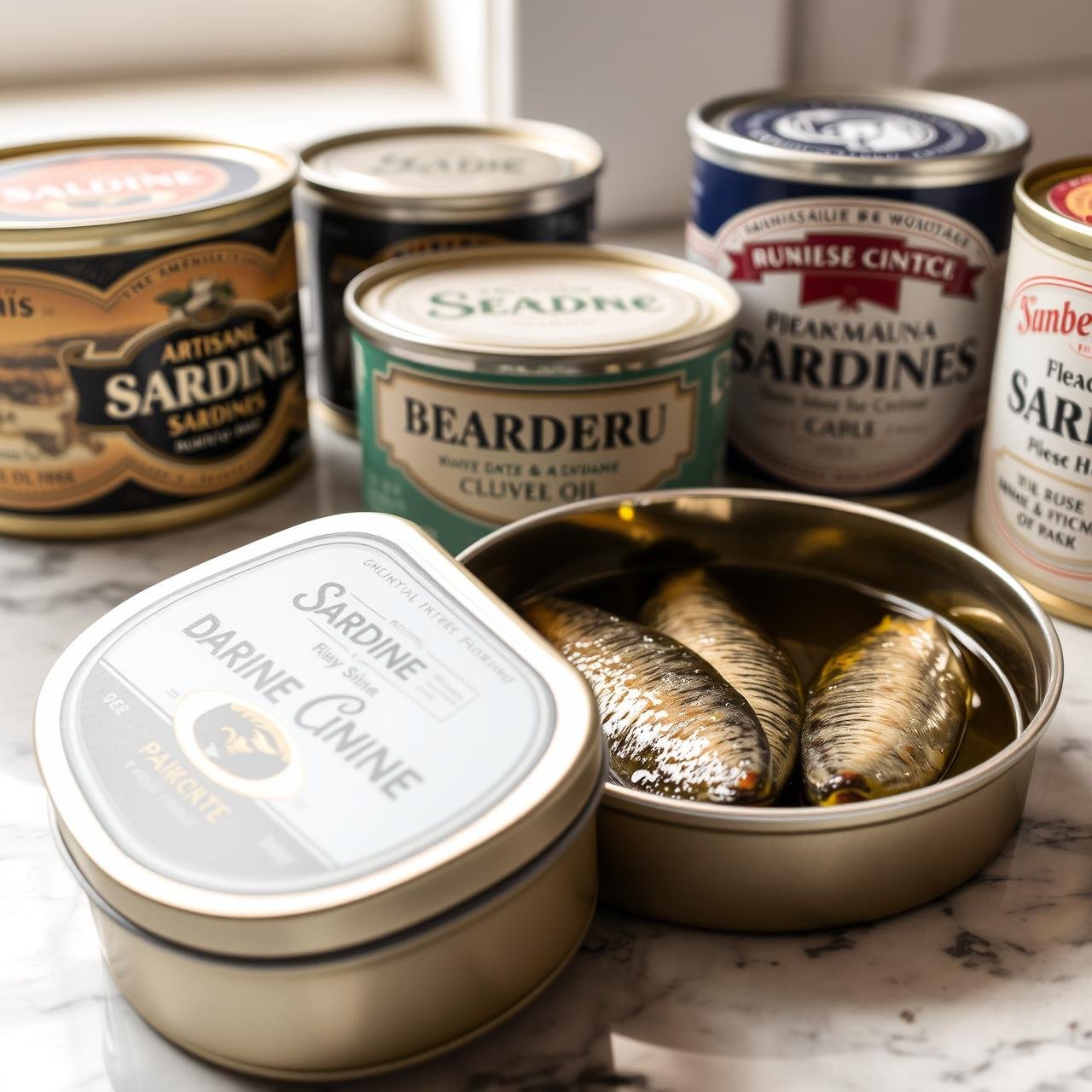
The quality of your final dish begins in the grocery aisle. The world of tinned sardines is vast and varied, and selecting the right can is the first step towards culinary excellence. Not all sardines are created equal.
Oil-Packed vs. Water-Packed
For this crispy pan-fried recipe, sardines packed in olive oil are non-negotiable. The oil infuses the fish with a rich, savory flavor and a supple texture that water-packed varieties simply cannot match. The fish essentially marinates in the tin, becoming more delicious over time. When you drain them, they retain enough of this flavorful fat to help them crisp up beautifully in the pan. Water-packed sardines can be a bit dry and lackluster, better suited for mashing into salads with other ingredients.
Skin-On and Bone-In: Don’t Be Afraid!
For maximum flavor, texture, and nutritional benefit, always choose skin-on, bone-in sardines. The skin is what crisps up to that glorious, potato-chip-like texture we’re aiming for. It protects the delicate flesh from overcooking and holds a ton of flavor. The bones are so fine and pressure-cooked that they become completely soft and edible, melting in your mouth. They are also your single best source for that amazing, bioavailable calcium. Boneless, skinless sardines will fall apart in the pan and lack the textural contrast that makes this dish so special.
What to Look For on the Label
- Origin: Look for sardines sourced from Portugal, Spain, France, or Morocco, as these countries have a long and storied tradition of producing high-quality tinned fish.
- Ingredients: The ingredient list should be simple: Sardines, Olive Oil (preferably extra virgin), and Salt. Avoid brands with a long list of additives or those packed in cheaper vegetable oils like soybean or sunflower oil.
- Type of Fish: Look for ‘Brisling’ or ‘Pilchard’ sardines. Brisling are smaller and more delicate, while Pilchards are slightly larger and meatier. Both are excellent choices.
Essential Equipment for the Perfect Fry
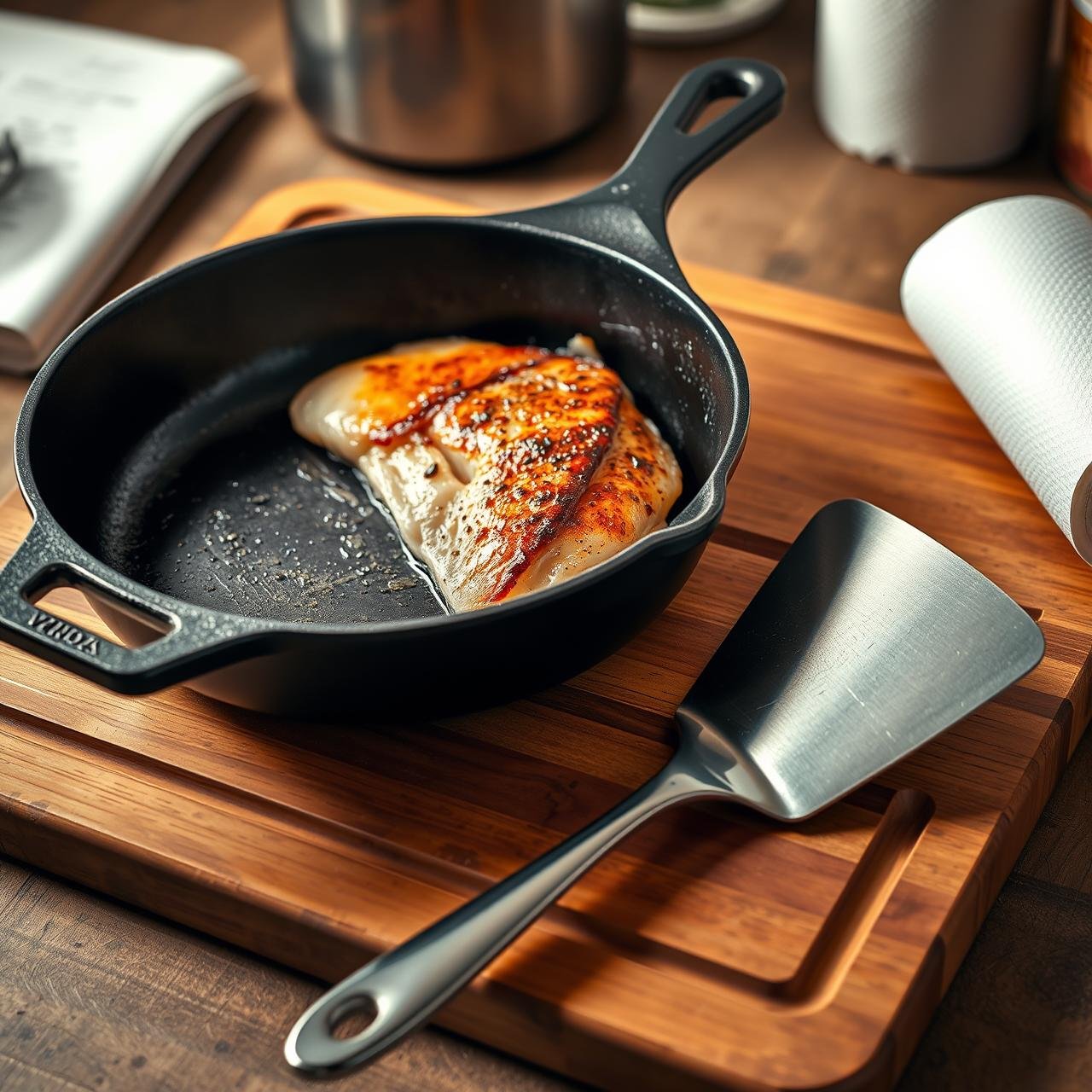
You don’t need a professional kitchen to achieve a chef-quality result. The beauty of this recipe lies in its simplicity. Here are the few key tools that will ensure your success.
| Equipment | Chef’s Note |
|---|---|
| Cast-Iron or Stainless Steel Skillet | A heavy-bottomed skillet is crucial for even heat distribution and retention. This ensures the sardines get a deep, even sear without burning. Non-stick pans can work, but they often don’t achieve the same level of crispiness. A 10 to 12-inch pan is ideal. |
| Fish Spatula (Offset Spatula) | This is your most important tool. Its thin, flexible head is designed to slide cleanly under delicate items like fish fillets without breaking them apart. Essential for flipping the sardines. |
| Paper Towels | An absolutely critical, non-negotiable step is to pat the sardines completely dry. Moisture is the enemy of crispiness. We’ll use paper towels to blot away any excess oil or water. |
| Tongs | Useful for gently placing the sardines into the hot pan and removing them once cooked. |
Ingredients for Perfectly Crispy Sardines
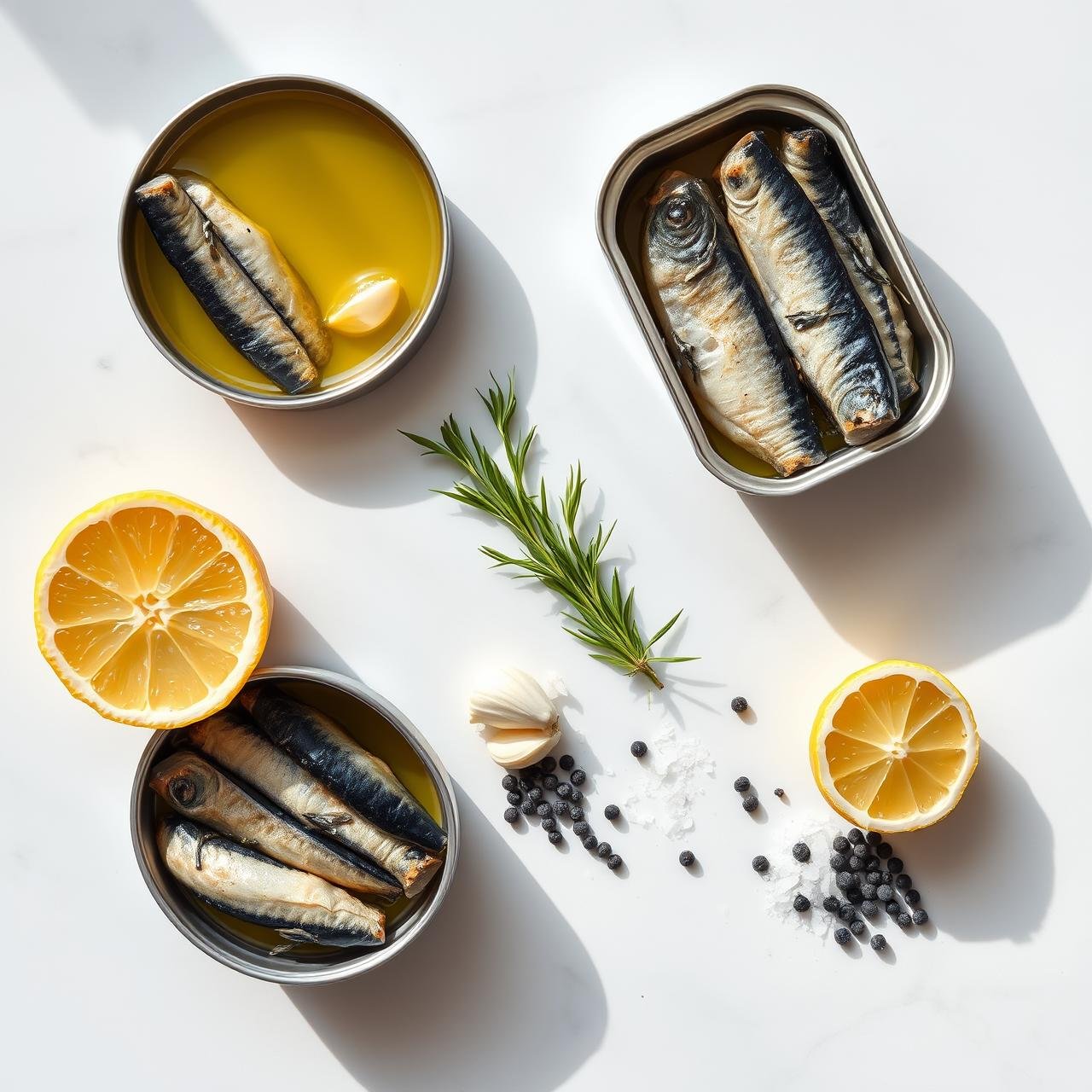
This recipe celebrates the sardine itself, using just a few simple, high-quality ingredients to enhance its natural flavor without overpowering it. This is rustic cooking at its finest.
- Sardines: 2 cans (approx. 4 oz each) of high-quality, skin-on, bone-in sardines packed in olive oil.
- High-Quality Olive Oil: 1 to 2 tablespoons of extra virgin olive oil for the pan. We don’t need much, as the fish will release some of its own oil.
- Garlic: 2-3 cloves, peeled and lightly smashed. This infuses the oil with a gentle, aromatic flavor without the risk of burning minced garlic.
- Fresh Herbs (Optional): A sprig of fresh rosemary or a few sprigs of thyme. These add a wonderful, woodsy aroma as the fish cooks.
- Kosher Salt or Flaky Sea Salt: To taste. We’ll season the fish just before cooking.
- Freshly Ground Black Pepper: A generous amount to add a touch of spice.
- Lemon: 1 whole lemon, cut into wedges for serving. The bright acidity is the perfect finishing touch to cut through the richness of the fish.
- Fresh Parsley: A small handful, finely chopped, for garnish. It adds a touch of freshness and color.
The Art of the Pan-Fry: Step-by-Step Instructions
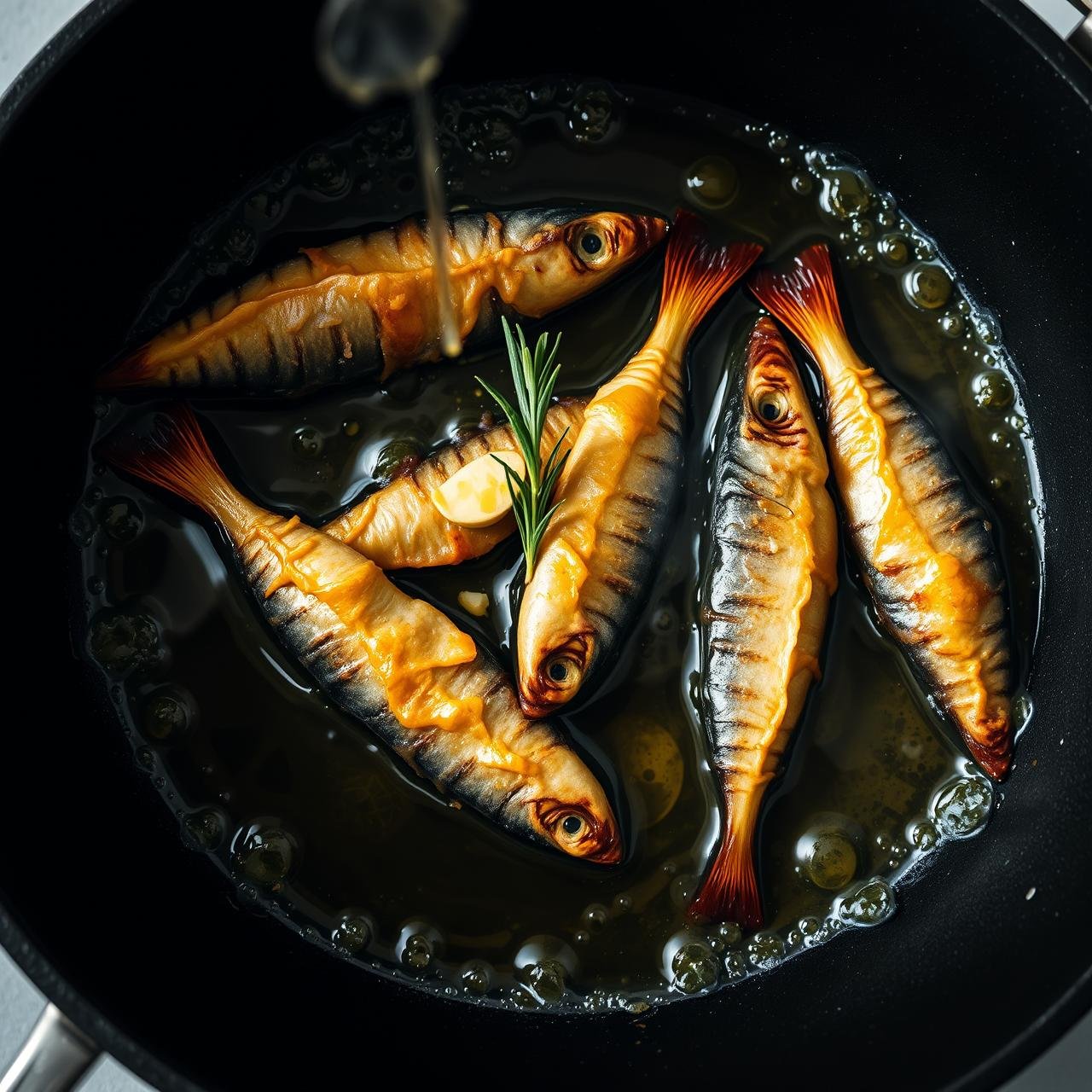
This is where the magic happens. The process is quick—we’re talking less than 10 minutes from start to finish—so have all your ingredients ready. The key is a hot pan and dry fish. Follow these steps precisely for a shatteringly crisp result every time.
-
Step 1: Prepare the Sardines
Carefully open the cans of sardines. Using a fork or your fish spatula, gently lift the sardines out of the tin, trying to keep them whole. Let any excess oil drip back into the can (you can save this flavorful oil for salad dressings!). Place the sardines on a plate lined with 2-3 layers of paper towels. Use another paper towel to gently but thoroughly pat the tops and sides of the fish. This is the most crucial step for crispy skin. Any moisture left on the fish will cause it to steam instead of fry.
-
Step 2: Season Generously
Once the sardines are bone-dry, season them on both sides with a good pinch of kosher salt and a generous amount of freshly ground black pepper. Be gentle so you don’t break the delicate fillets.
-
Step 3: Heat the Skillet
Place your cast-iron or stainless steel skillet over medium-high heat. Let the pan get hot for a minute or two. Add 1-2 tablespoons of olive oil. The oil should shimmer but not smoke. If it smokes, it’s too hot. Add the smashed garlic cloves and the optional herb sprig to the oil. Let them sizzle for about 30-45 seconds until they become fragrant. This infuses the oil with flavor.
-
Step 4: Sear the Sardines
Gently place the seasoned sardines into the hot skillet, skin-side down. Be sure not to overcrowd the pan; cook in two batches if necessary. You should hear an immediate, aggressive sizzle. This is the sound of a beautiful crust forming. Cook for 2-3 minutes on the first side without moving them. Resisting the urge to poke and prod is key. Let the pan do the work. You’ll see the edges of the skin turning golden brown and crisp.
-
Step 5: The Flip and Finish
Using your fish spatula, carefully slide it under each sardine and flip it over. The skin should release easily from the pan and be beautifully golden brown and crispy. Cook for another 1-2 minutes on the second side, just to heat through. The fish is already cooked, so we’re just focused on texture and temperature.
-
Step 6: Serve Immediately
Remove the sardines from the pan and place them on a serving plate. Squeeze a generous amount of fresh lemon juice over the top while they’re still sizzling hot. Garnish with a sprinkle of fresh, chopped parsley. The dish is best enjoyed immediately while the skin is at its peak crispiness.
Chef’s Secrets for Next-Level Sardines
Don’t Drown the Fish
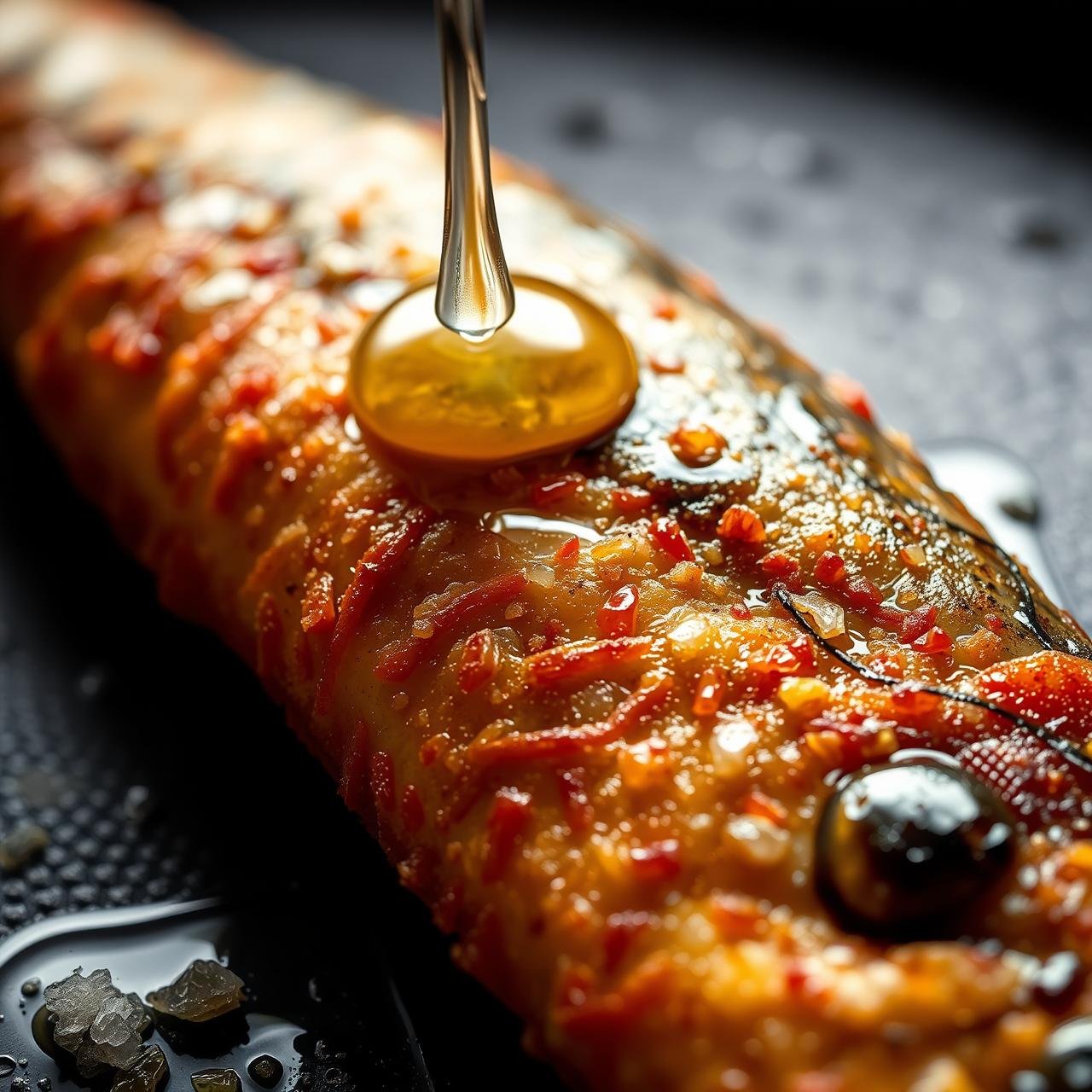
You only need enough oil to coat the bottom of the pan. This is a pan-fry, not a deep-fry. Too much oil will make the sardines greasy rather than crispy.
A Touch of Spice
For a little kick, add a pinch of red pepper flakes to the oil along with the garlic. It pairs beautifully with the richness of the fish and the brightness of the lemon.
The Flour Dusting Trick
For an extra layer of guaranteed crispiness, you can very lightly dust the dried sardines in a thin layer of flour (all-purpose, rice flour, or chickpea flour for a gluten-free option) before pan-frying. Shake off any excess thoroughly. This creates an even more robust crust.
Save the Oil!
The leftover oil in the tin is liquid gold. It’s packed with sardine flavor and omega-3s. Don’t throw it away! Use it to make a vinaigrette, toss with pasta, or drizzle over roasted vegetables.
Serving Suggestions: Beyond the Plate
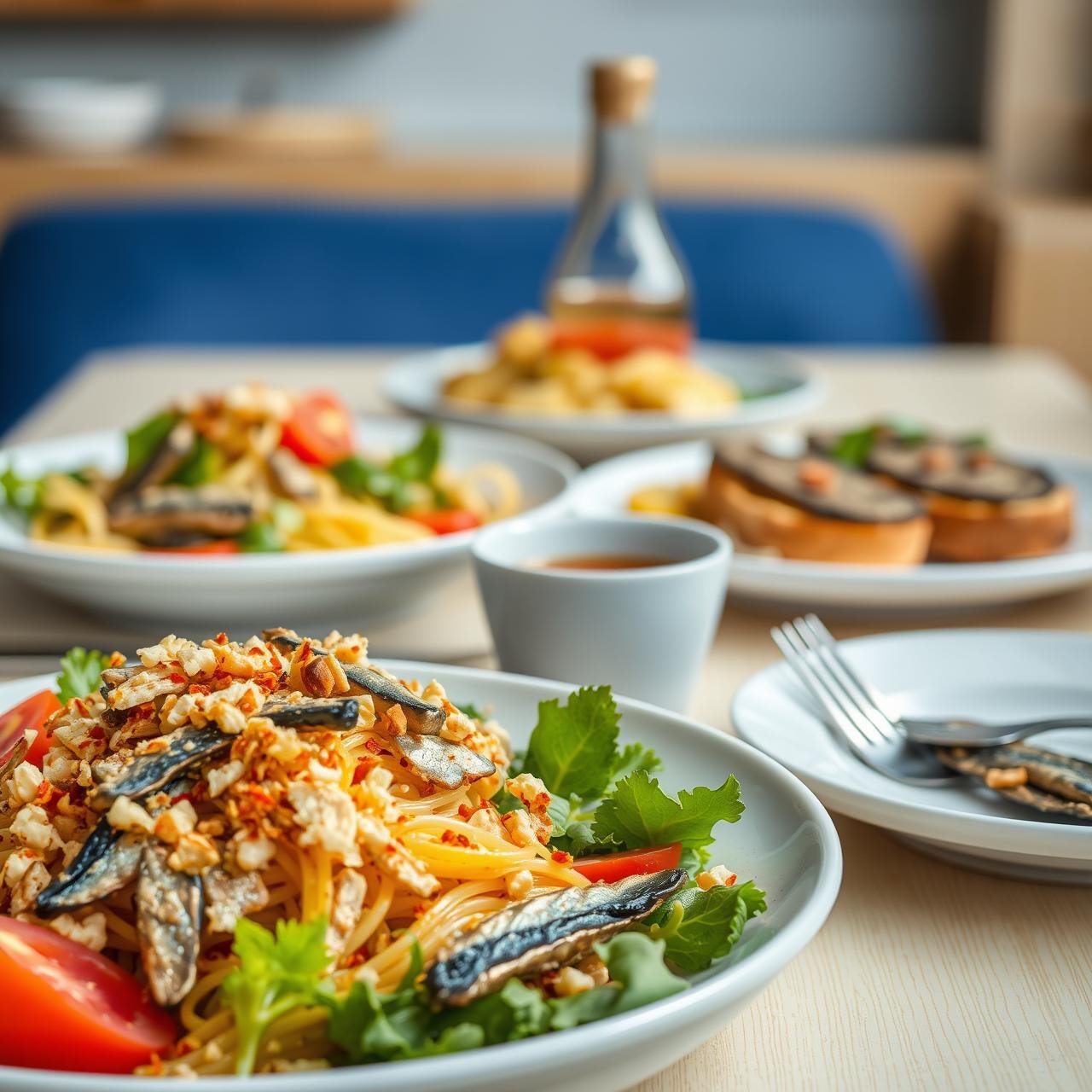
While these crispy sardines are magnificent on their own, they truly shine as a component of a larger meal. Here are some rustic, healthy, and delicious ways to serve them:
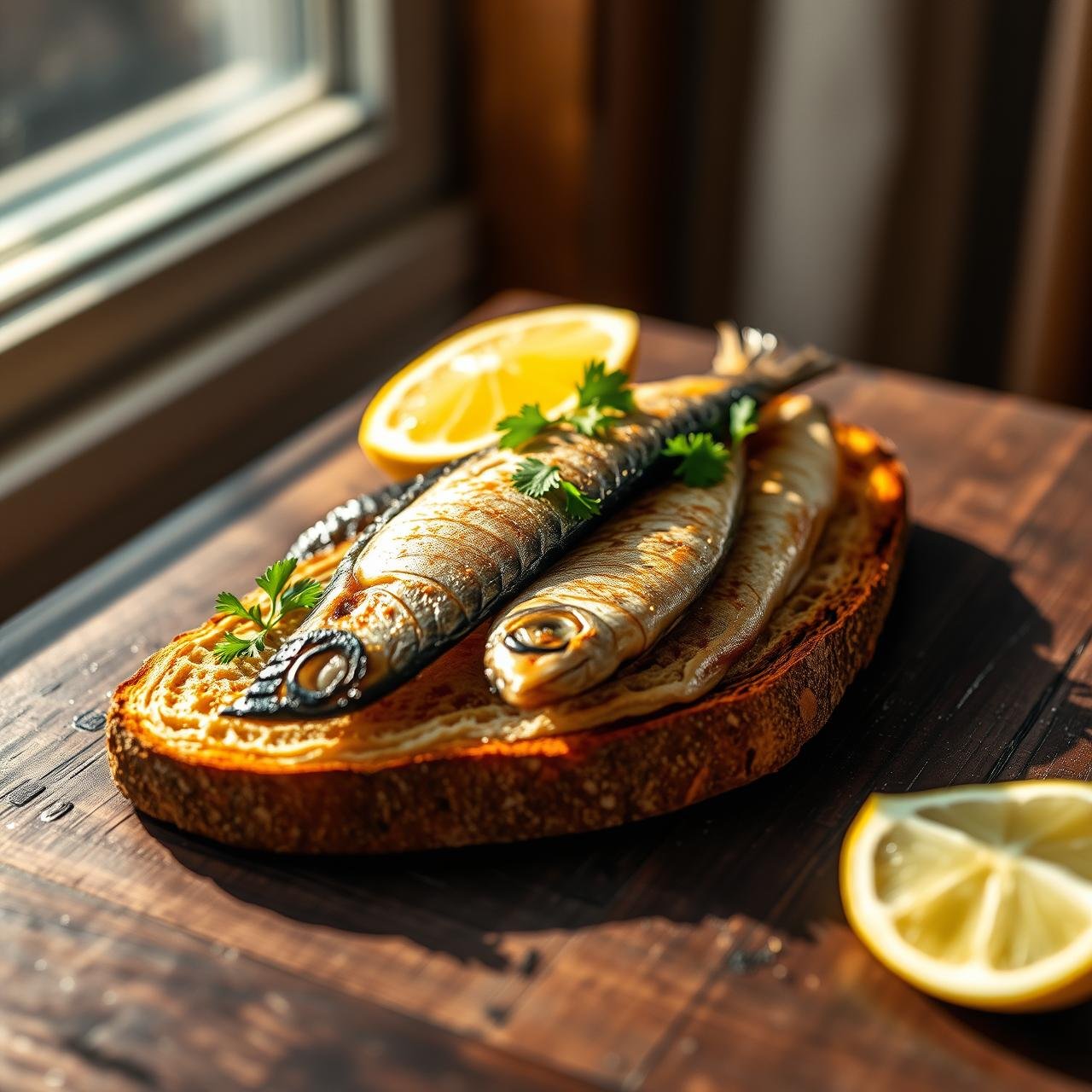
- The Classic Toast: The ultimate way to enjoy them. Serve atop a thick slice of toasted sourdough or rustic whole-grain bread that has been rubbed with a raw garlic clove. Add a smear of good butter or a drizzle of olive oil.
- Simple Salad: Break the warm, crispy sardines over a bed of peppery arugula or mixed greens. Add some cherry tomatoes, thinly sliced red onion, and a simple lemon-dijon vinaigrette.
- Pasta Aglio e Olio: Toss the sardines (and the flavorful oil from the pan) with hot spaghetti, more garlic, red pepper flakes, and a big handful of parsley for a quick and incredibly satisfying pasta dish.
- With Grains and Veggies: Serve alongside a scoop of quinoa or farro and some simple roasted vegetables like broccoli or bell peppers for a balanced, nutrient-dense meal bowl.
- As a Tapas: Serve on a platter with olives, roasted peppers, and crusty bread as part of a Spanish-inspired tapas spread.
Nutritional Powerhouse: A Closer Look
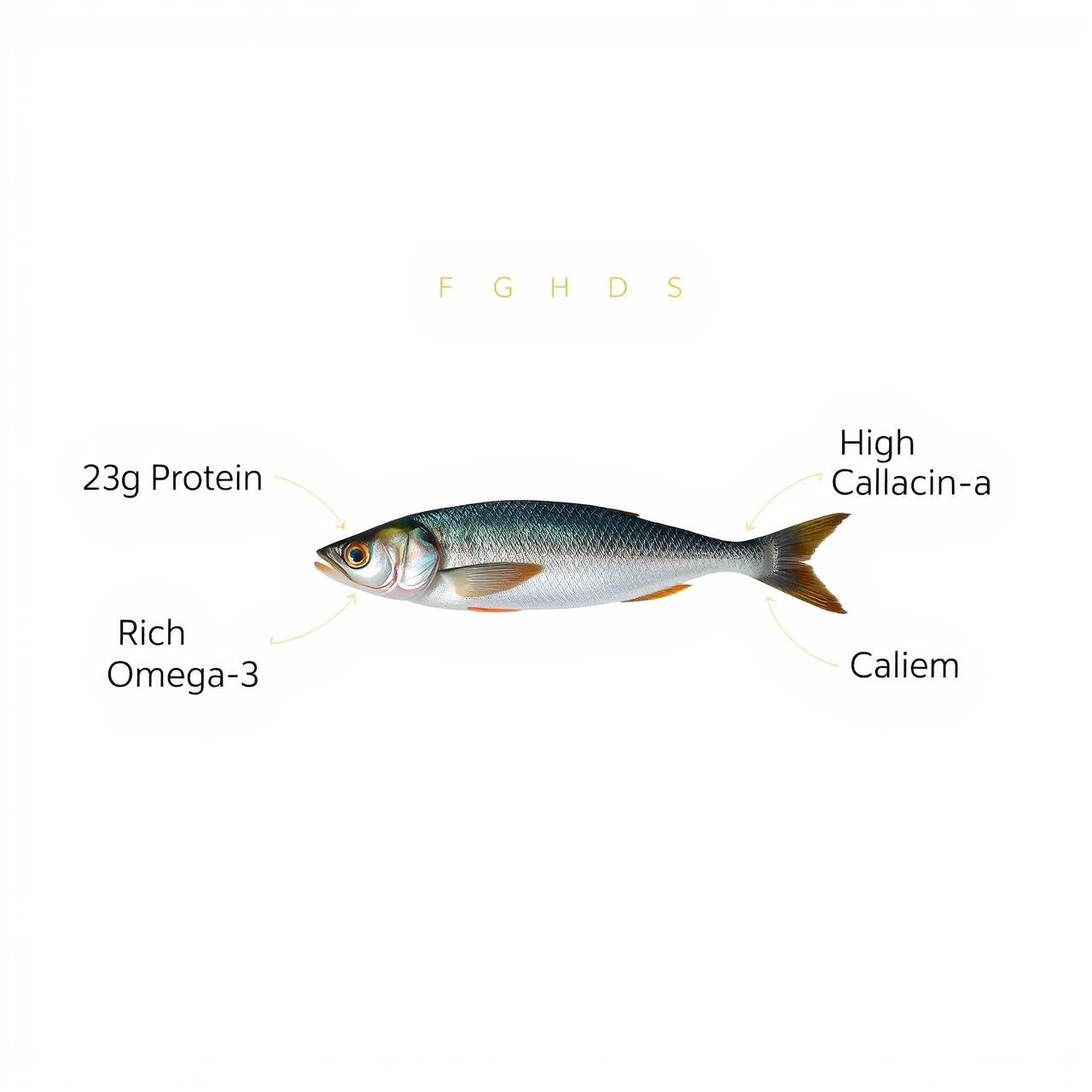
This table provides an estimated nutritional breakdown for one serving (one 4oz can of sardines, prepared as directed). Actual values may vary based on the specific brand of sardines and amount of oil used.
| Nutrient | Amount per Serving | % Daily Value* |
|---|---|---|
| Calories | ~250-300 kcal | 13-15% |
| Protein | 23 g | 46% |
| Total Fat | 18 g | 23% |
| Saturated Fat | 3 g | 15% |
| Omega-3 Fatty Acids | ~1,500-2,000 mg | N/A |
| Carbohydrates | <1 g | 0% |
| Calcium | 350 mg | 27% |
| Vitamin D | 170 IU | 21% |
| Iron | 2.7 mg | 15% |
| Sodium | 350 mg | 15% |
Storing and Reheating
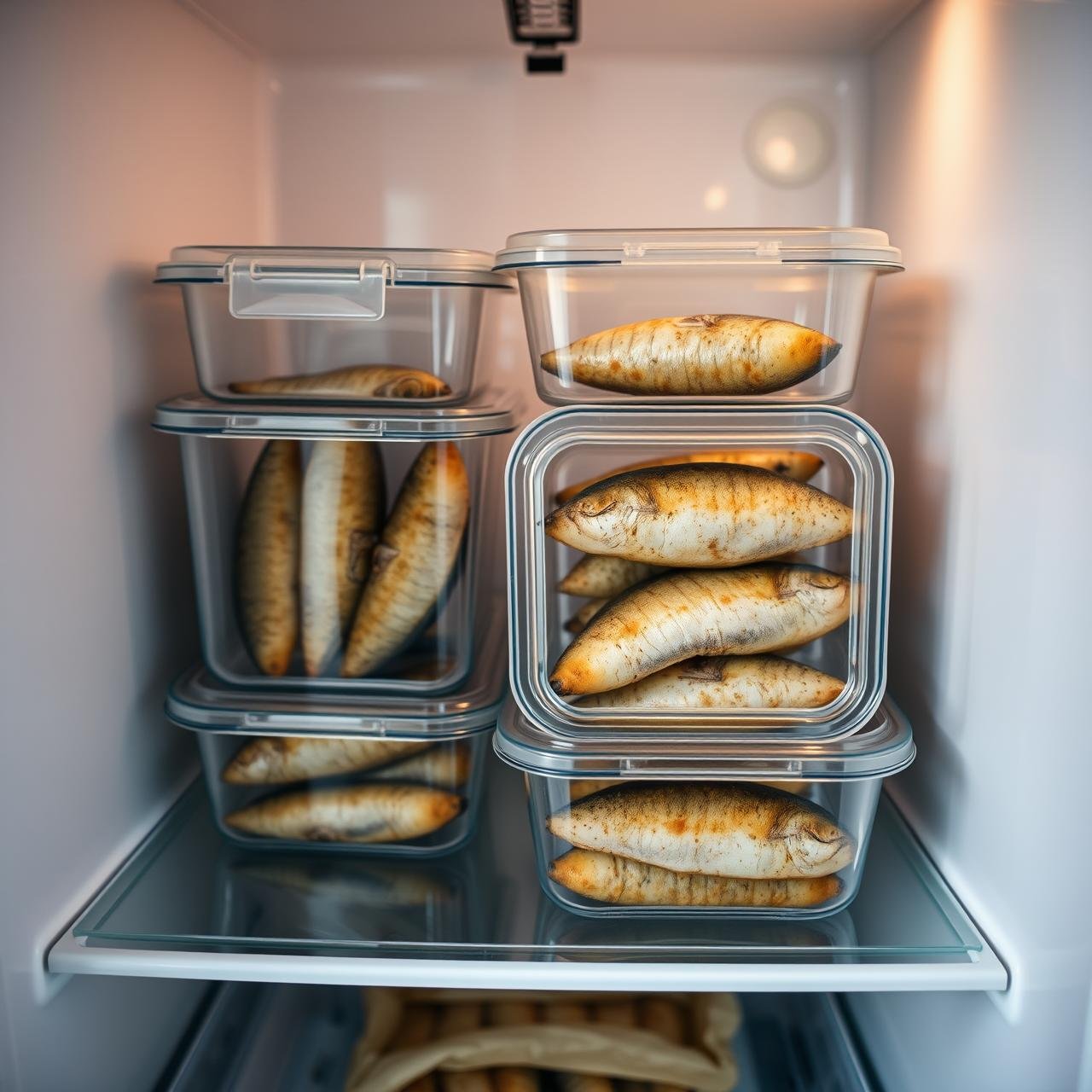
While crispy pan-fried sardines are unquestionably best enjoyed fresh from the skillet, leftovers can still be delicious.
Storage
Store any leftover sardines in an airtight container in the refrigerator for up to 2 days. Be aware that they will have a strong aroma, so a well-sealed container is a must.
Reheating (The Right Way)
Do not use a microwave to reheat unless you want a rubbery, sad fish and an aroma that lingers for days. The best way to revive them is to use the same method you used to cook them:
- Heat a small amount of oil in a skillet over medium heat.
- Once hot, add the sardines and heat for 1-2 minutes per side, just until warmed through.
This method will help to re-crisp the skin slightly. While it won’t be as shatteringly crisp as when first cooked, it’s far superior to any other method. Alternatively, you can enjoy them cold, flaked over a salad.
Conclusion
There you have it—a dish that is simultaneously rustic and elegant, incredibly nutritious, astonishingly affordable, and unbelievably quick to prepare. Crispy Pan-Fried Sardines are a testament to the fact that you don’t need complicated techniques or expensive ingredients to create food that is deeply satisfying and profoundly good for you. It’s a perfect weeknight meal, a protein-packed lunch, or a healthy snack that punches far above its weight class.
So, the next time you walk past that humble tin of sardines in the grocery store, I hope you see it in a new light. See it not just as a pantry staple, but as a key to a delicious, crispy, and healthful meal that supports your body, your budget, and your fat loss goals. Embrace this mighty little fish; your palate and your wallet will thank you.