Eating Cactus For Weight Loss? Authentic Nopales Salad Detailed Recipe
The quest for healthy, effective weight loss foods often leads us down familiar paths: leafy greens, lean proteins, and whole grains. But what if one of nature’s most resilient and unique plants held a key to a healthier diet? Enter the nopal, or prickly pear cactus. You may have seen it in Mexican markets or as a decorative plant, but its culinary and health potential is immense. The question, ‘Can eating cactus help with weight loss?’ is not just intriguing; it’s backed by nutritional science.
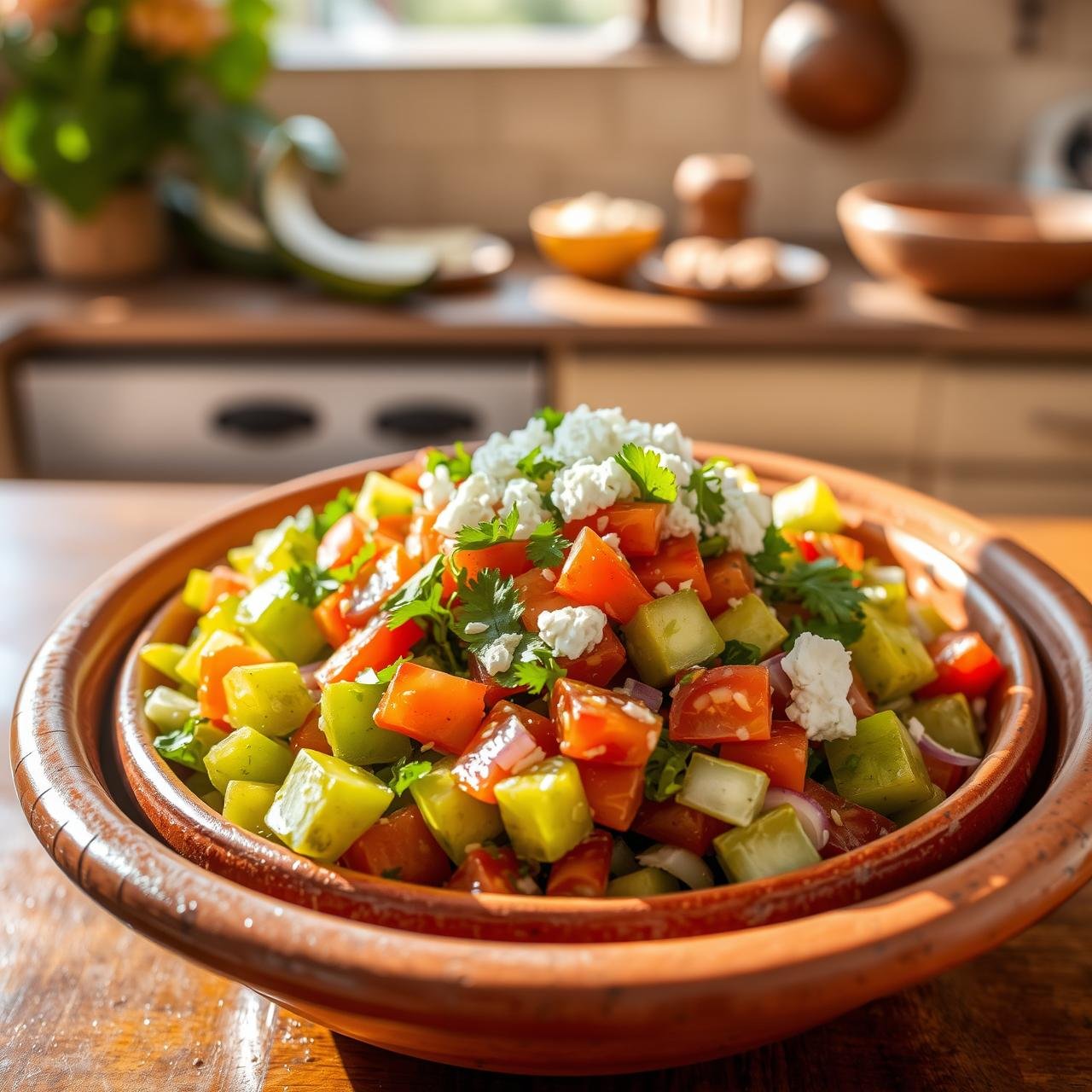
Nopales are incredibly low in calories and carbohydrates but exceptionally high in dietary fiber, vitamins, and minerals. The soluble fiber helps slow digestion, promoting a feeling of fullness (satiety) that can prevent overeating. It also helps regulate blood sugar levels, preventing the energy spikes and crashes that lead to cravings. Packed with antioxidants and anti-inflammatory compounds, this humble cactus is more than just a novelty food; it’s a nutritional powerhouse. In this guide, we will not only explore the science behind nopales for weight management but also provide you with a detailed, step-by-step recipe for an authentic and delicious Ensalada de Nopales (Nopales Salad). This refreshing, rustic dish is the perfect way to introduce this incredible ingredient into your kitchen and onto your plate.
The Nutritional Powerhouse: Why Nopales Aid Weight Management
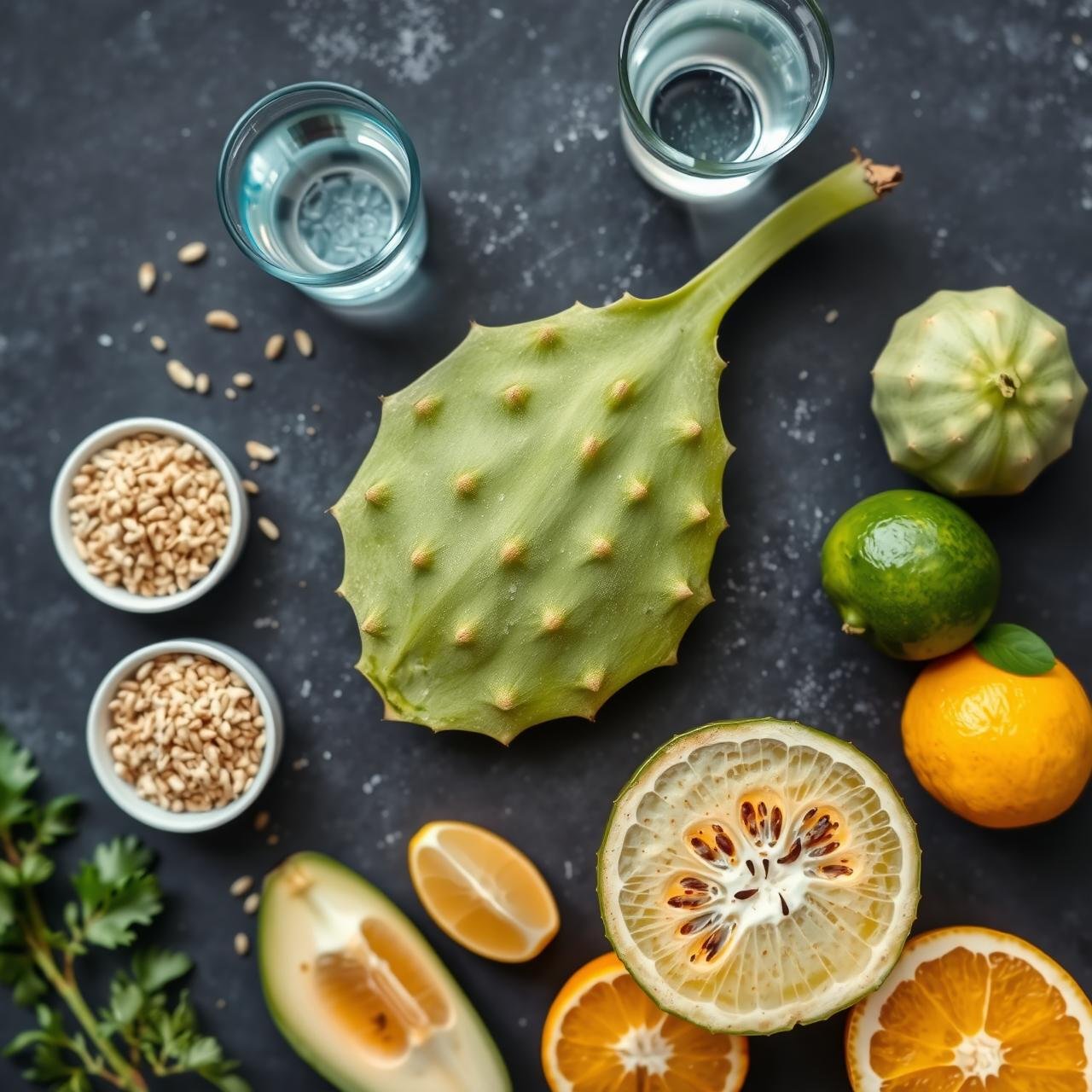
Before we step into the kitchen, it’s essential to understand the ‘why’ behind using nopales as a dietary tool. Their effectiveness isn’t magic; it’s rooted in a robust nutritional profile that aligns perfectly with healthy eating and weight loss principles.
High in Fiber, Low in Calories
The single most significant advantage of nopales is their fiber-to-calorie ratio. A one-cup serving of cooked nopales contains approximately 2-3 grams of dietary fiber but only about 15-25 calories. This fiber, a mix of soluble and insoluble types, is critical for digestive health and satiety. The soluble fiber forms a gel-like substance in the stomach, which slows down the absorption of sugar and helps you feel full for longer. This mechanism is a cornerstone of appetite control, making it easier to maintain a calorie deficit without feeling deprived.
Blood Sugar Regulation
The fiber in nopales, particularly pectin, has been studied for its ability to help stabilize blood glucose levels. By slowing the absorption of carbohydrates, it prevents sharp spikes in blood sugar and subsequent insulin surges. Stable blood sugar means fewer cravings for sugary or high-carb snacks, which is a major victory for anyone trying to manage their weight.
Rich in Vitamins and Minerals
While low in calories, nopales are dense in essential micronutrients. They are an excellent source of Vitamin C, an antioxidant that supports the immune system, and Vitamin A, crucial for vision and cell growth. Furthermore, they provide a significant amount of calcium, not for bone health as we typically think of it, but in a form (calcium oxalate) that requires careful preparation (boiling helps reduce it). They also contain potassium and magnesium, which are vital for muscle function and hydration.
Hydration and Antioxidants
Nopales have a high water content, which contributes to hydration and adds volume to meals without adding calories. They are also rich in antioxidants, such as flavonoids and betalains, which help combat oxidative stress in the body. Reducing inflammation and cellular damage is a key component of overall health, which goes hand-in-hand with sustainable weight management.
From Paddle to Plate: How to Prepare Fresh Nopales
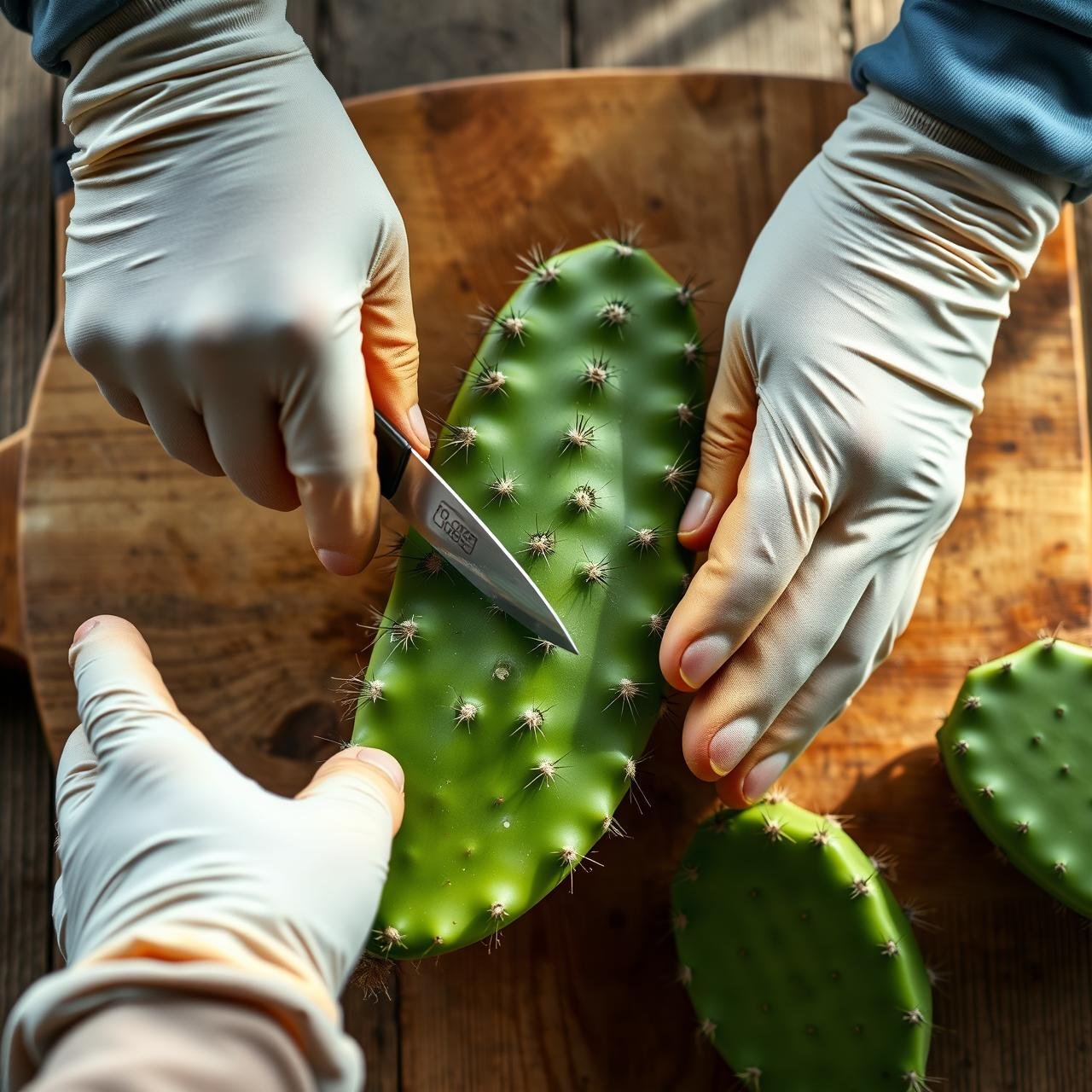
The thought of preparing a cactus can be intimidating, but the process is straightforward once you know the steps. Removing the spines and cooking the nopales correctly is key to achieving the perfect texture and flavor for your salad. You can often buy them already cleaned (despinados) at Latin American markets, but doing it yourself ensures maximum freshness.
Choosing Your Paddles
Look for nopal paddles (or ‘pencas’) that are bright green, firm, and smooth. Avoid any that are limp, wrinkled, or have a dull, yellowish color. Smaller, younger paddles are generally more tender and less fibrous.
De-Spining the Nopales (If Necessary)
- Safety First: Hold the nopal paddle firmly by its base with a thick kitchen towel or tongs. You can also wear thick gardening or rubber gloves for protection.
- Scrape, Don’t Peel: Place the paddle flat on a cutting board. Using a sharp paring knife or a vegetable peeler, carefully scrape against the direction of the spines to remove them. You’ll see small, raised bumps (areoles) where the spines and hair-like glochids grow; make sure to shave these off completely.
- Trim the Edges: Once both sides are clean, use your knife to trim off the thick, tough outer edge of the paddle all the way around.
- Rinse Thoroughly: Give the cleaned paddles a good rinse under cold running water to wash away any remaining spines or debris.
Cooking the Nopales
Cooking nopales serves two purposes: it tenderizes them and helps remove some of their natural mucilage (known as ‘baba’), which has a texture similar to okra. The traditional method is simple boiling.
- Dice the Paddles: Cut the cleaned nopales into your desired shape for the salad, typically small 1/2-inch squares or thin strips.
- Boil with Aromatics: Place the diced nopales in a pot and cover with water. To enhance flavor and help cut the slime, add a quarter of a white onion, 2-3 cloves of garlic, and a pinch of salt. Some traditional cooks also add a few tomatillo husks, which are believed to help reduce the mucilage.
- Cook Until Tender: Bring the water to a boil and cook for about 15-20 minutes, or until the nopales are tender-crisp and have turned from a bright green to a softer, olive-green color. Do not overcook, or they will become mushy.
- Drain and Rinse: Drain the cooked nopales in a colander and rinse them thoroughly under cold water. This final rinse washes away any excess mucilage. Your nopales are now perfectly prepped and ready for the salad.
Essential Equipment
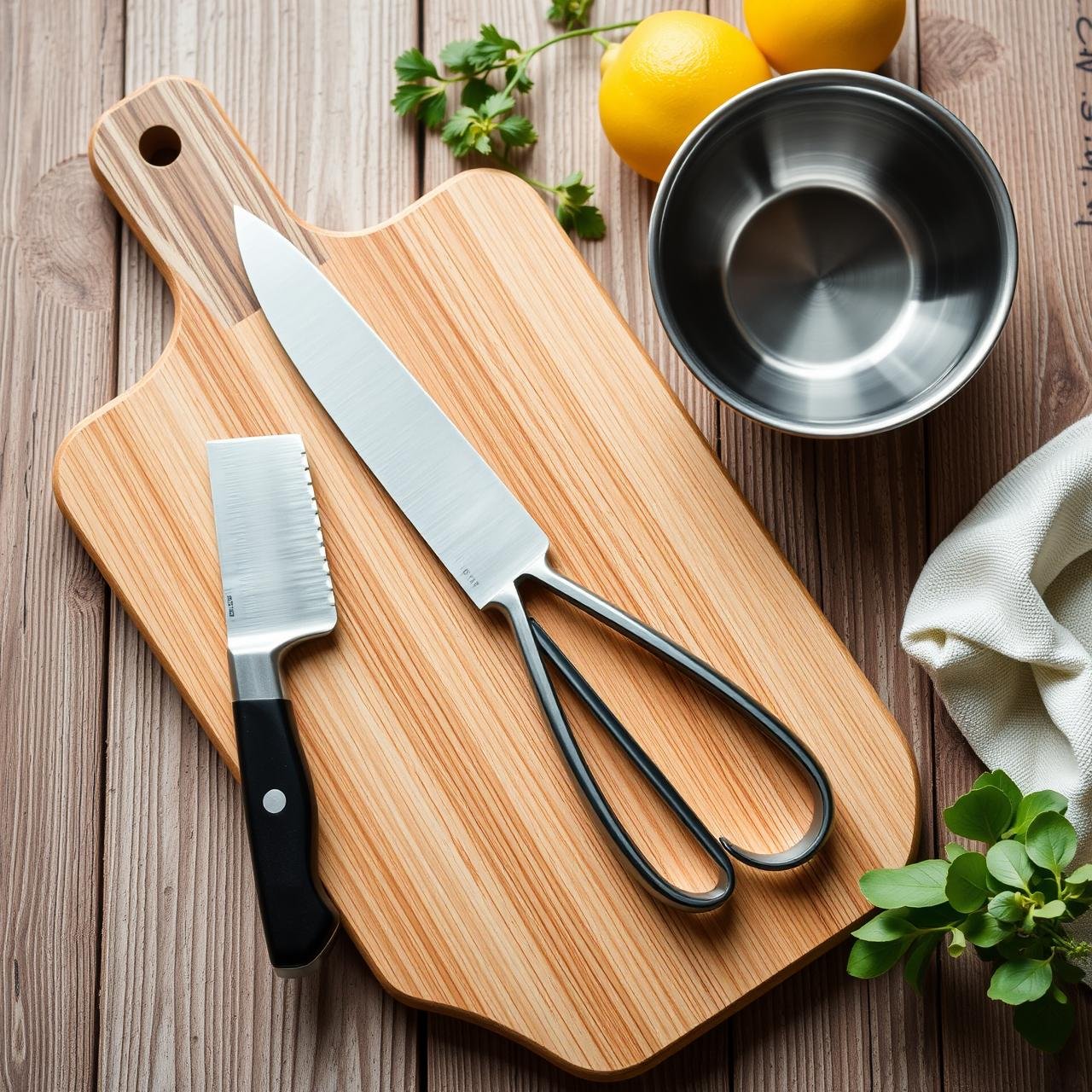
You don’t need any fancy gadgets to prepare this rustic salad. Here are the basic kitchen tools you’ll need.
| Equipment | Purpose |
|---|---|
| Chef’s Knife or Paring Knife | For de-spining, trimming, and dicing the nopales and vegetables. |
| Large Cutting Board | Provides a stable surface for preparation. |
| Tongs or Thick Gloves | Essential for safely handling the spiny cactus paddles. |
| Medium-sized Pot | For boiling and cooking the nopales. |
| Colander | For draining and rinsing the cooked nopales. |
| Large Mixing Bowl | For combining all the salad ingredients. |
Authentic Ensalada de Nopales: The Ingredients
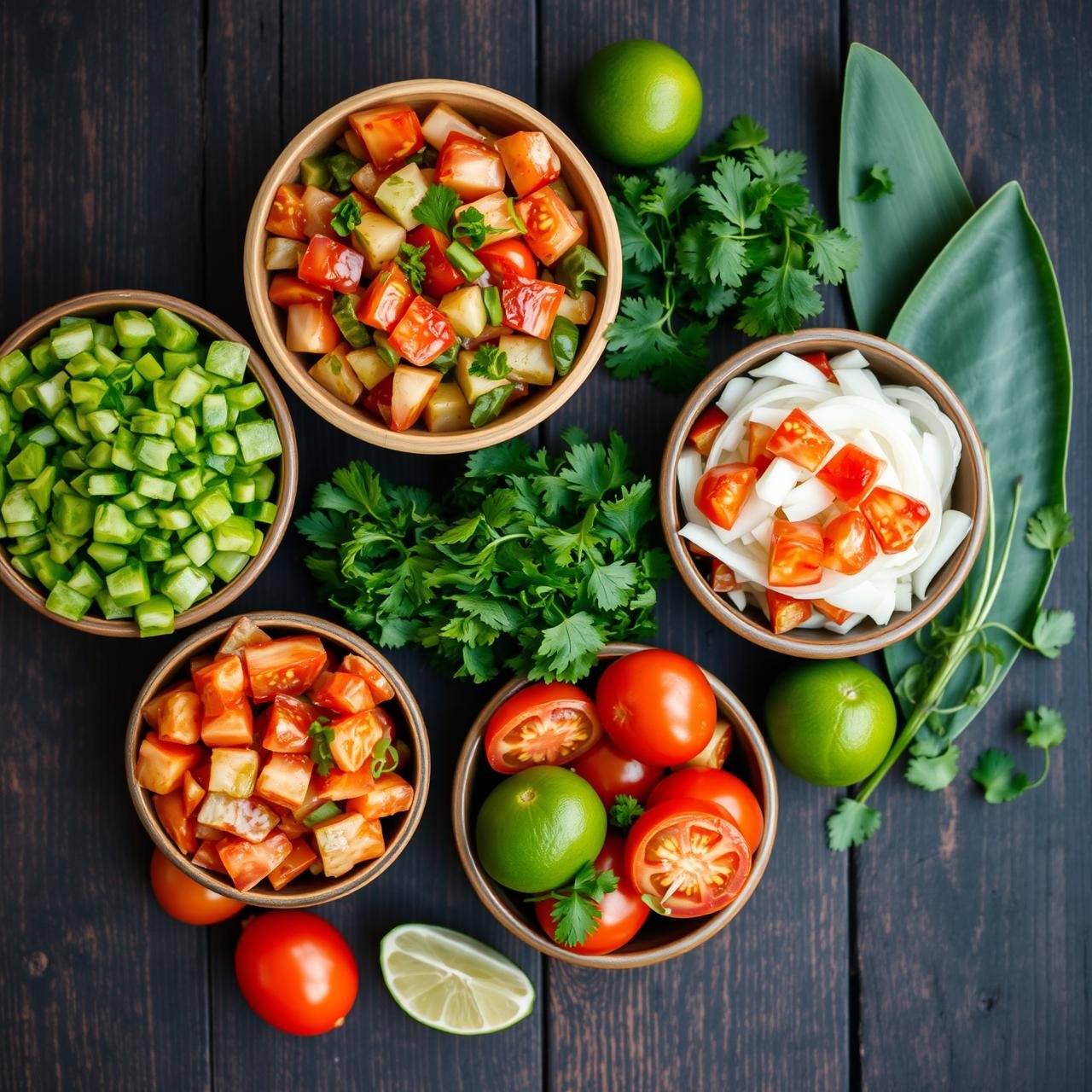
This recipe focuses on fresh, simple ingredients that allow the unique flavor of the nopales to shine. The combination is a classic in Mexican home cooking, balancing earthy, savory, and bright notes.
- For the Nopales:
- 1 lb (about 450g) fresh nopal paddles, cleaned and diced
- 1/4 white onion
- 2 cloves garlic
- 1/2 teaspoon sea salt
- For the Salad Assembly:
- 2 large Roma tomatoes, finely diced
- 1/2 medium white onion, finely diced
- 1/2 cup fresh cilantro, roughly chopped
- 1-2 serrano or jalapeño chiles, finely minced (optional, adjust to your spice preference)
- 2 tablespoons fresh lime juice (about 1 large lime)
- 1 tablespoon olive oil (optional, for richness)
- 1/2 teaspoon dried oregano (preferably Mexican oregano)
- Salt and freshly ground black pepper to taste
- For Garnish (Optional):
- 1/4 cup crumbled queso fresco or cotija cheese
- 1/2 avocado, diced
Step-by-Step Instructions for the Perfect Salad
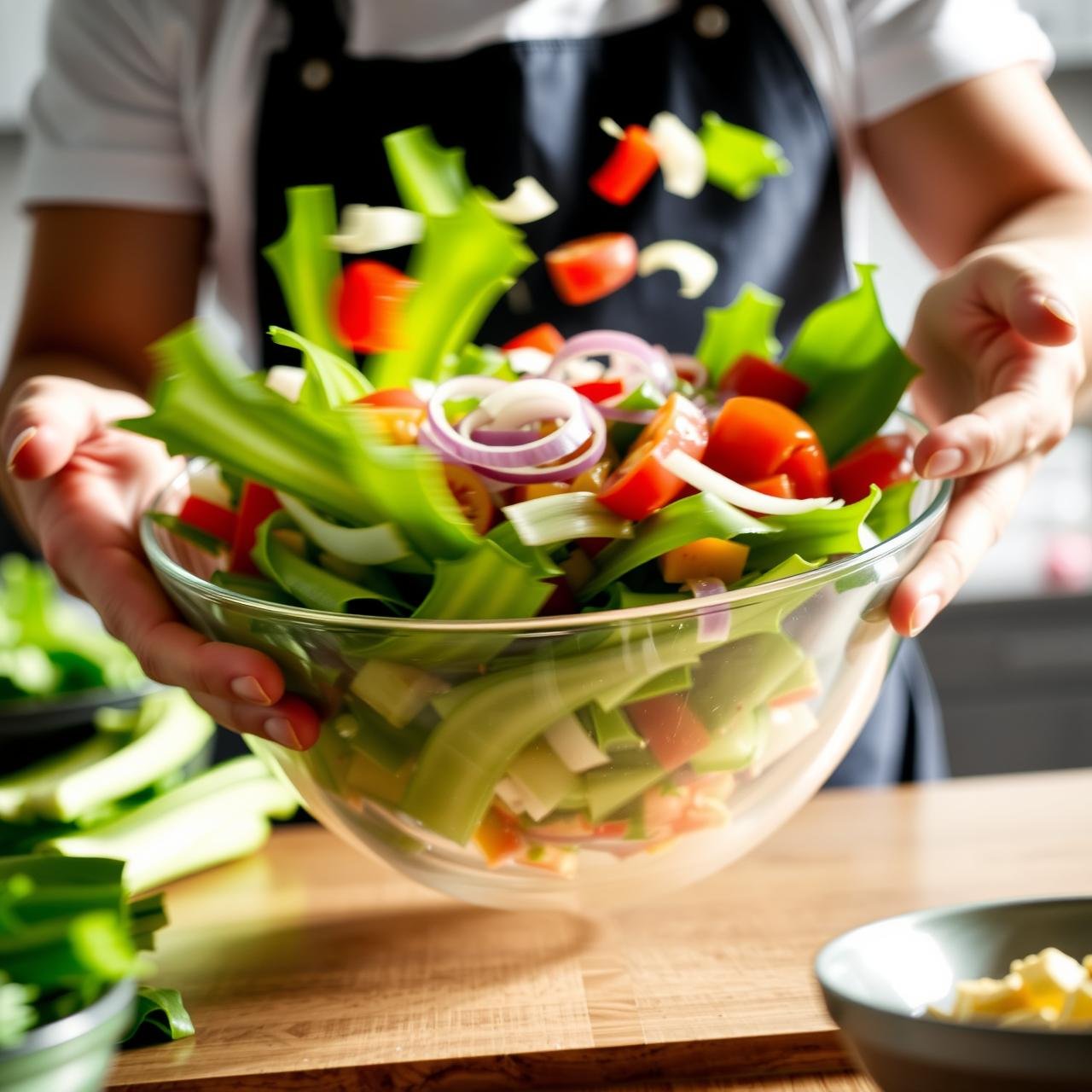
Follow these steps carefully to build a salad with the perfect balance of texture and flavor. The key is in the proper cooking of the nopales and the fresh chop of the vegetables.
- Cook the Nopales: Place the diced nopales, quartered onion, garlic cloves, and salt into a medium pot. Cover with water by about an inch. Bring to a boil over medium-high heat. Reduce heat and simmer for 15-20 minutes, until the cactus is tender.
- Drain and Cool: Drain the cooked nopales in a colander and discard the onion and garlic. Rinse the nopales thoroughly under cold running water to remove any residual slime and to cool them down quickly. Shake the colander well to remove as much water as possible. Set aside.
- Prepare the ‘Pico de Gallo’ Base: In a large mixing bowl, combine the finely diced Roma tomatoes, diced white onion, chopped cilantro, and minced serrano or jalapeño chile (if using). This mixture forms the fresh, zesty base of the salad.
- Combine Ingredients: Add the cooled, drained nopales to the bowl with the tomato mixture. Drizzle with the fresh lime juice and the optional olive oil. Sprinkle with the dried oregano, a generous pinch of salt, and freshly ground black pepper.
- Toss Gently: Using a large spoon, gently toss all the ingredients together until they are well combined. Be careful not to mash the ingredients; you want to maintain the distinct textures.
- Taste and Adjust: This is the most crucial step. Taste the salad and adjust the seasoning as needed. It might need another squeeze of lime for brightness, a bit more salt to enhance the flavors, or more chile for heat. The perfect balance is a personal preference.
- Let it Marinate (Optional but Recommended): For the best flavor, cover the bowl and let the salad rest in the refrigerator for at least 30 minutes. This allows the flavors to meld together beautifully.
- Serve: Just before serving, gently stir the salad again. Garnish with crumbled queso fresco and diced avocado if desired. Serve as a side dish, a light lunch, or on top of tostadas.
Chef’s Tips for Success and Variations
Taming the ‘Baba’ (Mucilage)
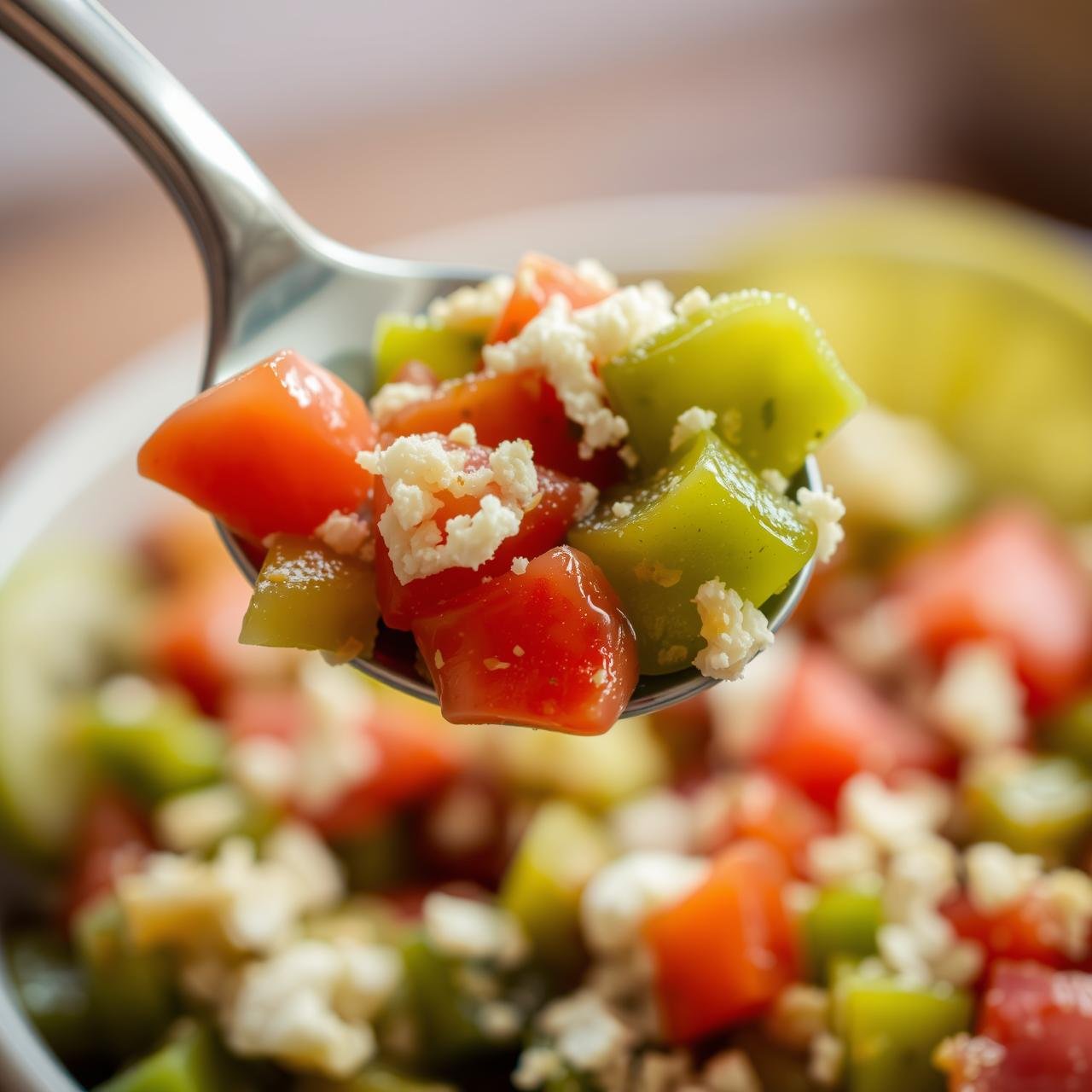
While rinsing helps, some people are still sensitive to the texture. For an even less slimy result, after boiling and rinsing, you can spread the nopales on a baking sheet and let them air dry for 20-30 minutes before adding them to the salad. Another method is to pan-sear the boiled nopales in a dry, hot skillet for a few minutes until any excess moisture evaporates.
Flavor Enhancements
Don’t be afraid to experiment. For a smokier flavor, you can grill the nopal paddles whole before dicing them. A pinch of ground cumin can add a lovely earthy depth. Toasted pumpkin seeds (pepitas) can be added for a wonderful crunch.
Serving Ideas
This salad is incredibly versatile. Serve it as a side dish for grilled chicken or steak. Use it as a filling for tacos or quesadillas. Spoon it over crispy tostadas with a layer of refried beans. For a more substantial vegetarian meal, mix in a cup of cooked black beans or corn.
Nutritional Information
The following is an estimated nutritional breakdown for one serving of the salad (approximately 1 cup). Actual values may vary based on ingredient size and optional additions.
| Nutrient | Amount per Serving |
|---|---|
| Calories | ~ 65 kcal |
| Carbohydrates | 8g |
| Dietary Fiber | 4g |
| Sugars | 3g |
| Protein | 2g |
| Fat | 3g (with olive oil) |
| Sodium | ~ 250mg |
| Vitamin C | ~ 30% of RDI |
| Vitamin A | ~ 15% of RDI |
Storage and Make-Ahead Tips
Storing Leftovers
Leftover Ensalada de Nopales can be stored in an airtight container in the refrigerator for up to 3 days. The flavors will continue to meld, and it’s often even better the next day. Note that the tomatoes will soften over time. If you plan to add avocado, it’s best to add it just before serving to prevent it from browning.
Make-Ahead Instructions
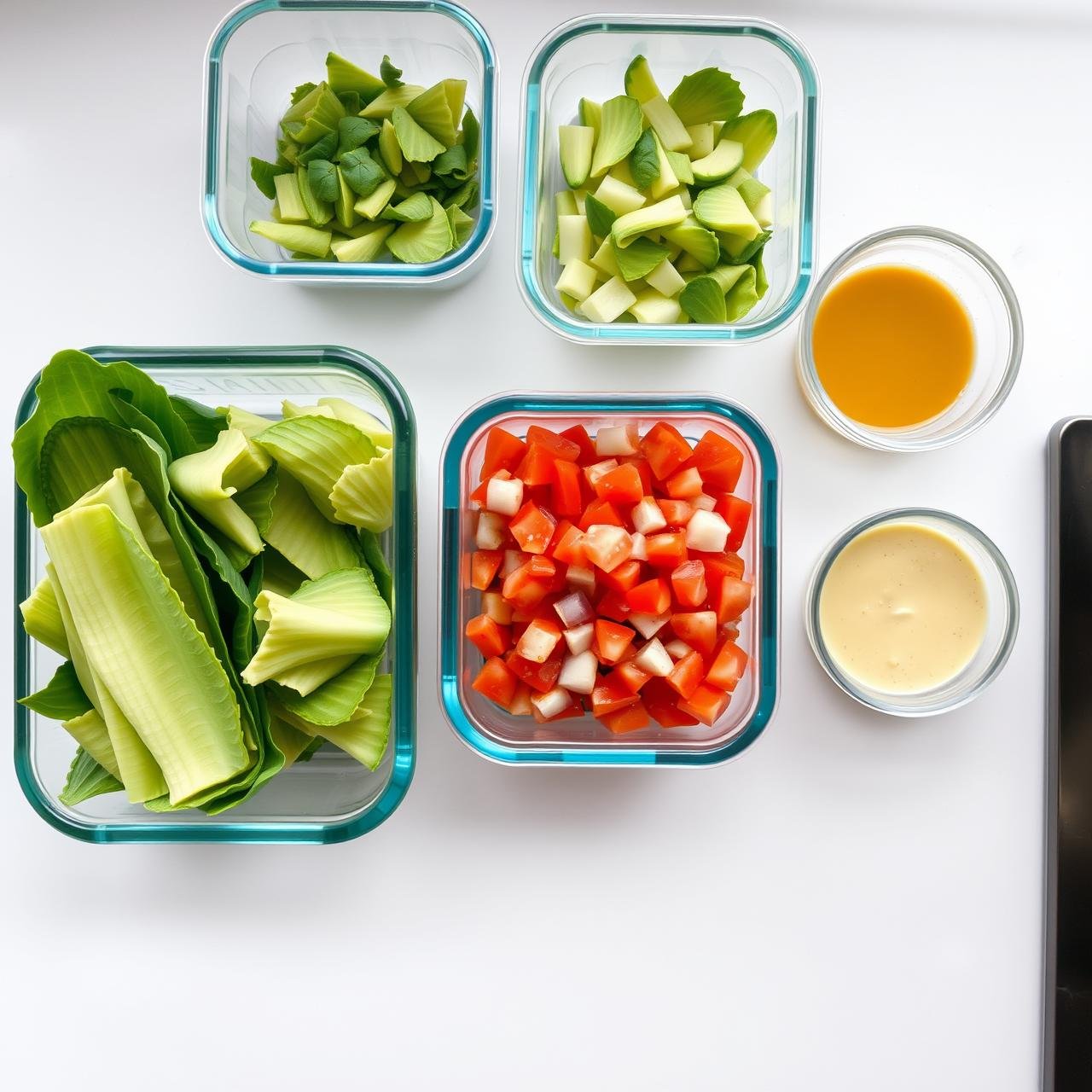
You can easily prepare components of this salad in advance. The nopales can be cooked, drained, and stored in an airtight container in the fridge for up to 4 days. The vegetables (tomato, onion, chile) can be chopped and stored separately. When you’re ready to eat, simply combine everything, add the lime juice and seasonings, and toss. This makes it a fantastic option for meal prep or for quickly assembling a dish for a gathering.
Conclusion
Embracing nopales is about more than just trying a new ingredient; it’s about connecting with a tradition of rustic, healthy, and resourceful cooking. As we’ve seen, the prickly pear cactus is a formidable ally in weight management, offering high fiber, low calories, and a wealth of nutrients that support a healthy body. This Authentic Nopales Salad recipe is your gateway to enjoying these benefits in the most delicious way possible.
It’s a dish that is at once humble and vibrant, simple to prepare yet complex in flavor. It’s proof that food designed to help you reach your health goals can and should be exciting, satisfying, and deeply nourishing. So, the next time you see those green paddles in the market, don’t be intimidated. Take them home, and with a little preparation, transform them into a beautiful Ensalada de Nopales that will nourish your body and delight your palate.