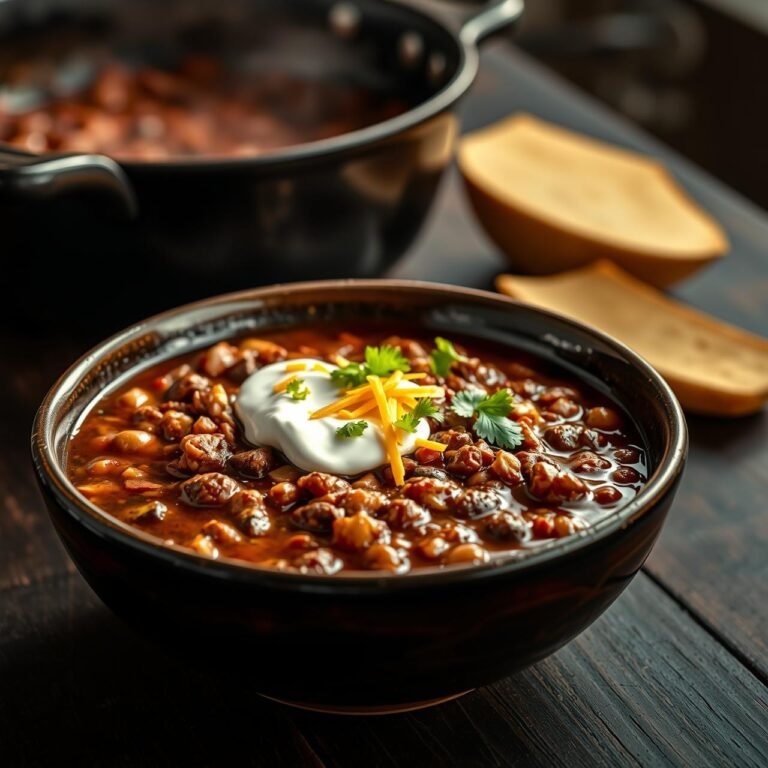
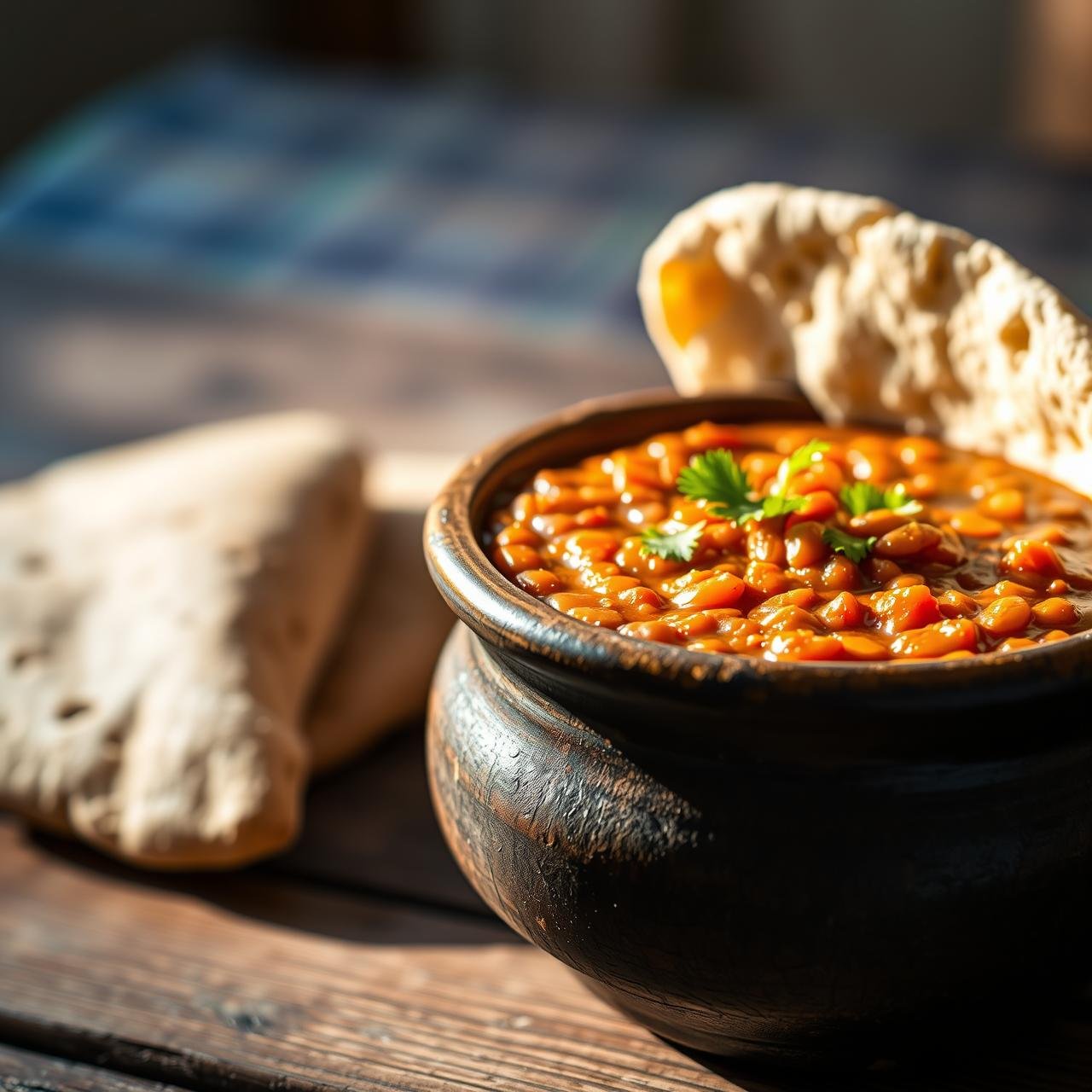
Spicy Ethiopian Red Lentil Stew (High Fiber & Vegan)
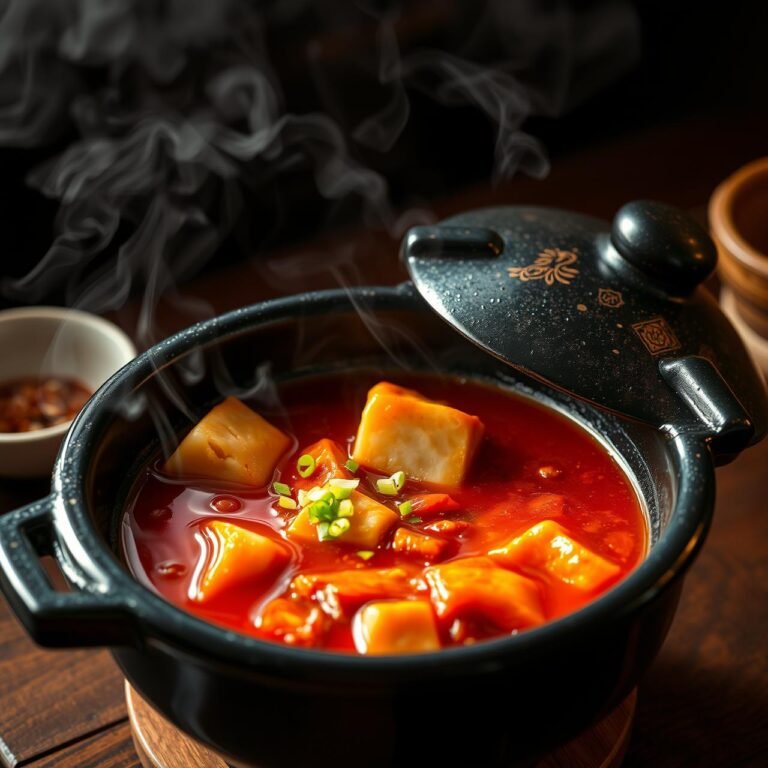
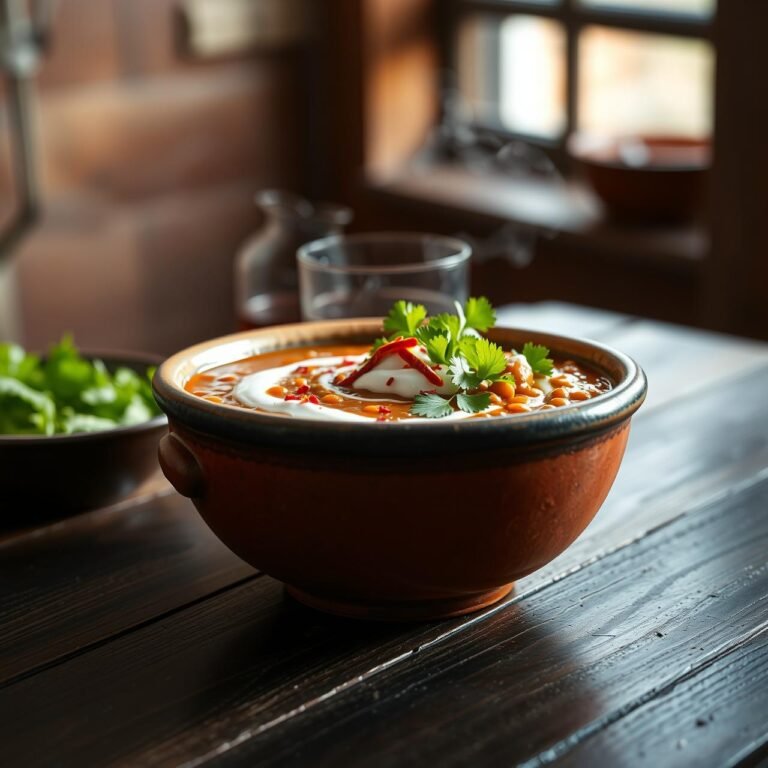
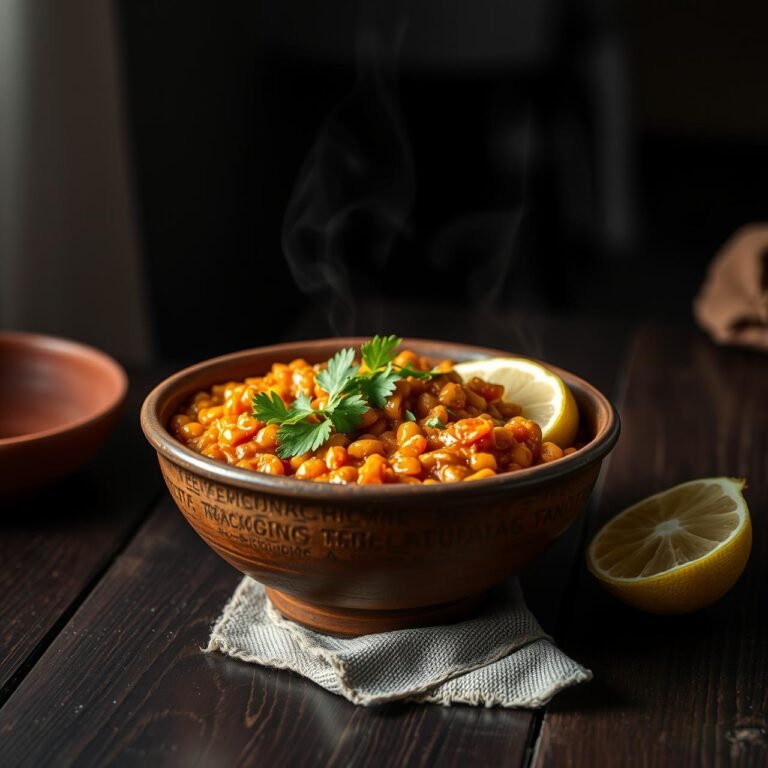
Journey with me into the heart of Ethiopian cuisine, where vibrant spices and humble ingredients transform into meals that are both profoundly comforting and exhilaratingly flavorful. Today, we’re crafting one of the most beloved dishes from this culinary tradition: Misir Wot, a spicy and deeply satisfying red lentil stew. This isn’t just food; it’s a warm embrace in a bowl, a dish that nourishes the body and soul in equal measure.
Misir Wot is a cornerstone of Ethiopian vegetarian platters (Beyaynetu) and for good reason. It’s a testament to how simple, accessible ingredients like red lentils, onions, and garlic can be elevated to gourmet status through the magic of a unique spice blend called Berbere. The result is a stew with a rich, crimson hue, a creamy texture, and a complex flavor profile that dances between earthy, spicy, and subtly sweet. It’s naturally vegan, packed with plant-based protein, and bursting with dietary fiber, making it a champion for health enthusiasts. Yet, its reliance on pantry staples makes it a hero for budget-conscious cooks. Whether you’re a seasoned home chef or new to the wonders of African cooking, this recipe will guide you to creating an authentic, mouth-watering pot of Misir Wot that will fill your kitchen with an intoxicating aroma and your table with joy.
The Soul of the Stew: Understanding Berbere
What is Berbere?
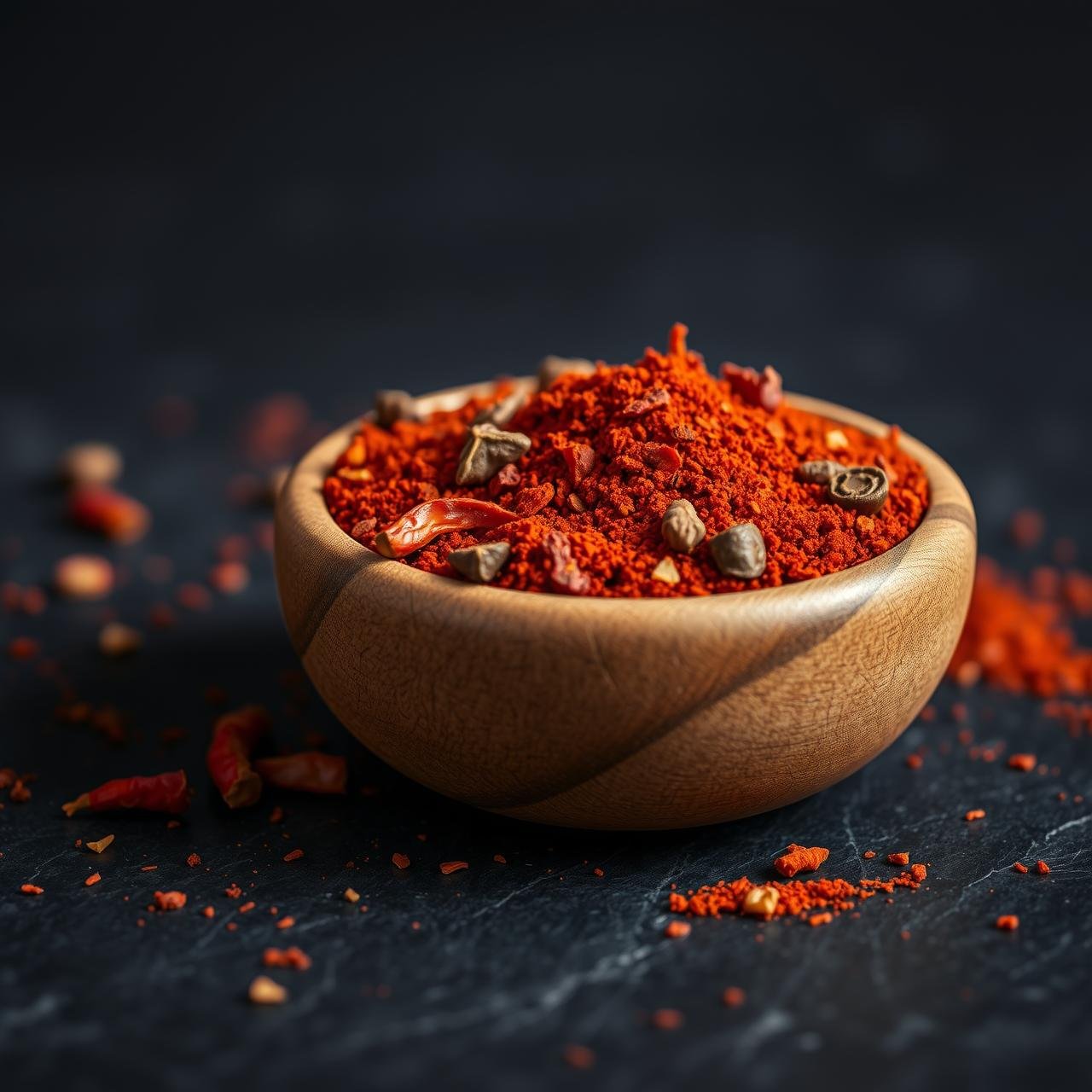
Before we begin, we must pay respect to the heart and soul of this dish: Berbere. This is not merely a spice; it’s the quintessential flavor of Ethiopia. Berbere is a complex, aromatic, and fiery blend of spices that forms the foundation for many wots (stews). While recipes vary from family to family, it typically includes a base of chili peppers, garlic, ginger, basil, and fenugreek, along with a host of other warming spices like coriander, cardamom, and cinnamon. The result is a symphony of flavor that is at once spicy, savory, and fragrant.
Where to Find It
For the most authentic taste, sourcing high-quality Berbere is key. You can find it in specialty spice shops, international markets, or online. Look for brands that list chili peppers as the first ingredient and have a vibrant, deep red color. While you can make your own blend at home, using a pre-made, authentic Berbere is a fantastic and convenient way to dive into this recipe. It’s the single most important ingredient for achieving that unmistakable Ethiopian flavor, so it’s worth seeking out the good stuff!
Your Culinary Toolkit: Essential Equipment
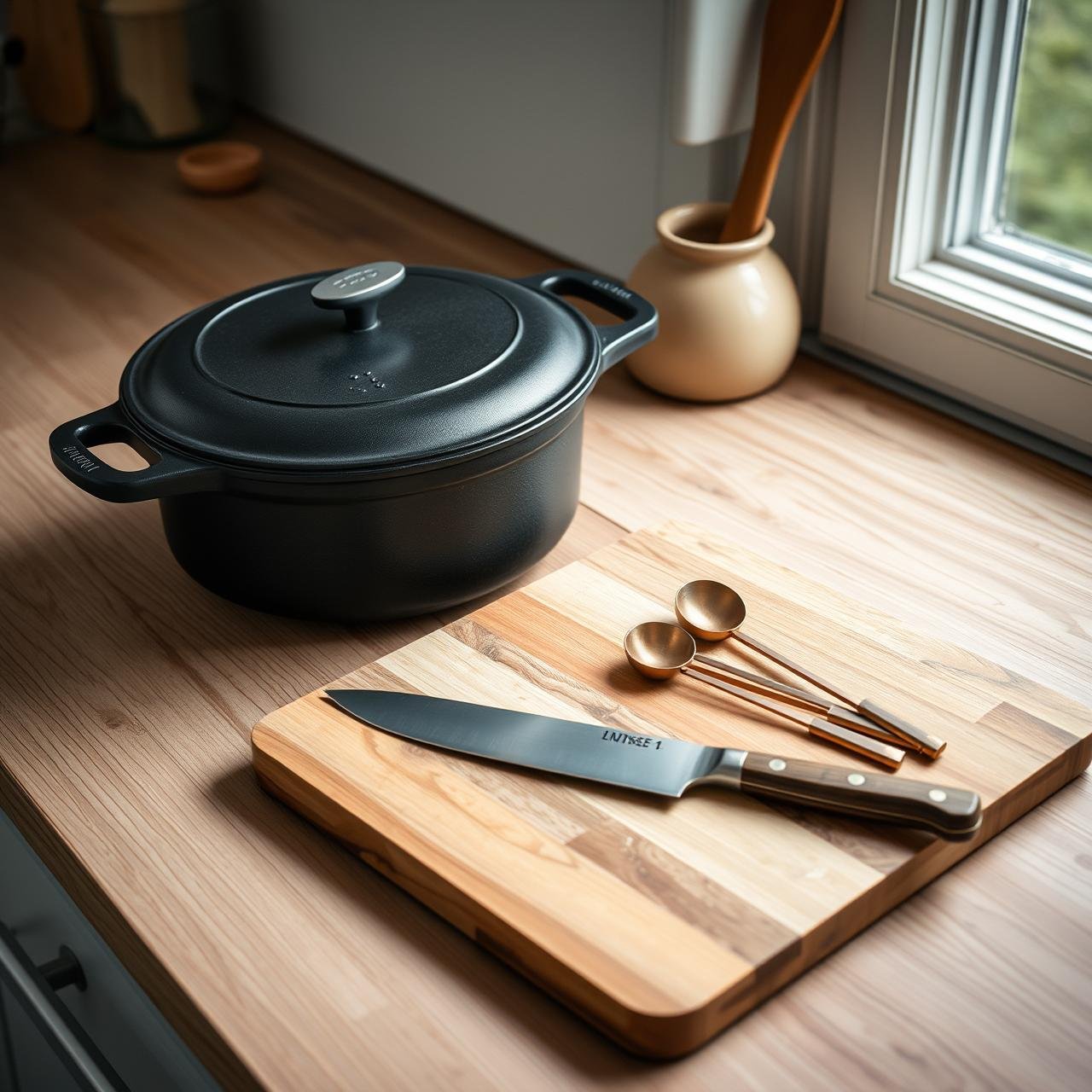
You don’t need any highly specialized equipment to create this rustic stew. A few kitchen basics will set you up for success. Having everything ready before you start, a practice known as ‘mise en place’, makes the cooking process smooth and enjoyable.
| Equipment | Purpose |
|---|---|
| Large Pot or Dutch Oven | A heavy-bottomed pot ensures even heat distribution, preventing the onions from burning and the lentils from sticking. A 5-quart capacity is ideal. |
| Cutting Board & Chef’s Knife | For preparing the onion, garlic, and ginger. |
| Measuring Cups & Spoons | For accurate measurement of all ingredients, which is key to a balanced flavor. |
| Wooden Spoon or Spatula | For stirring the stew and scraping up any flavorful bits from the bottom of the pot. |
A Symphony of Simple Ingredients
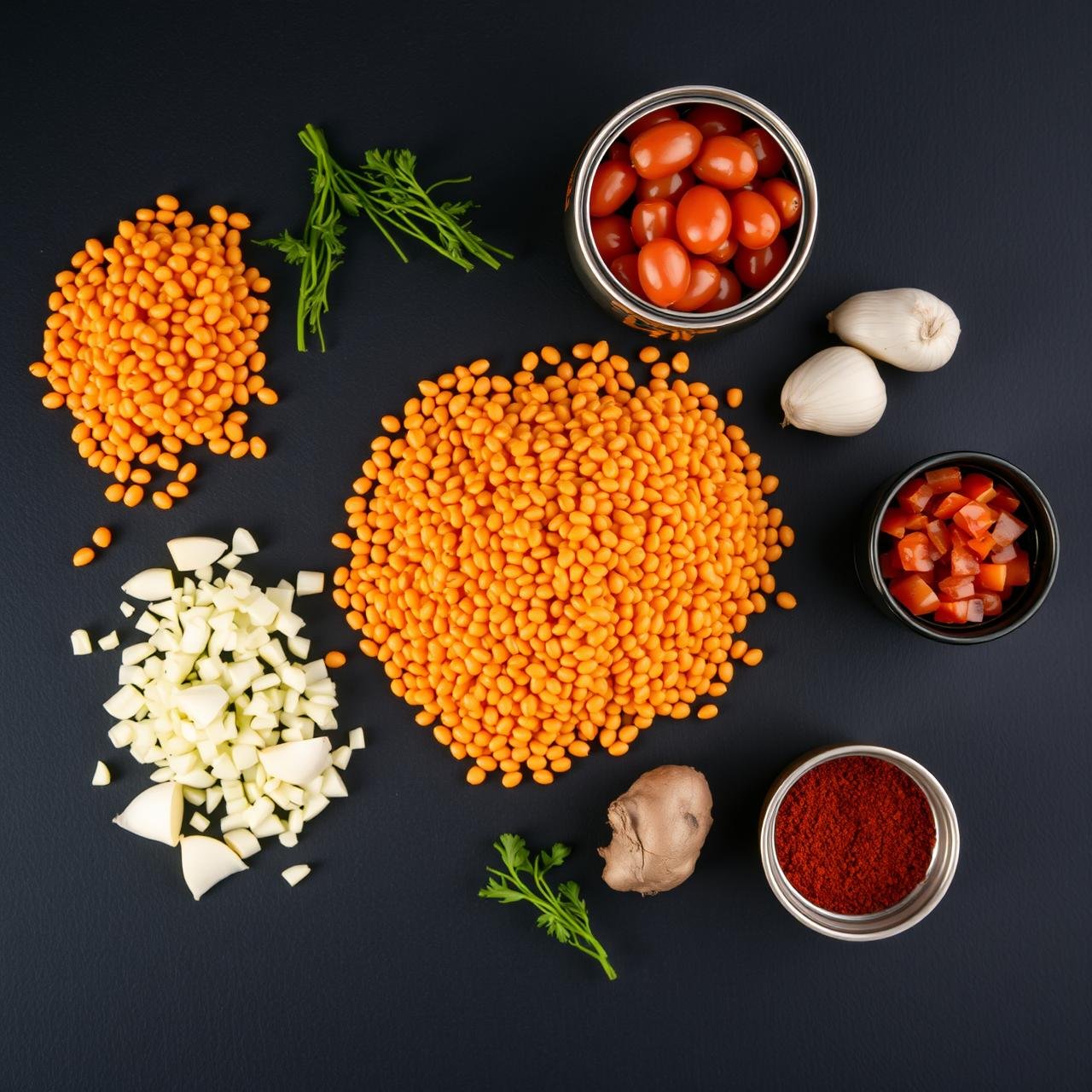
The beauty of Misir Wot lies in its humble ingredient list. Each component plays a vital role in building layers of flavor and texture. For the best results, use fresh, high-quality ingredients.
- 2 tablespoons Niter Kibbeh (Ethiopian Spiced Clarified Butter) or Olive/Avocado Oil: Niter Kibbeh adds an incredible, authentic layer of flavor. For a fully vegan dish, a quality olive or avocado oil works beautifully.
- 2 large Yellow Onions: Finely chopped. This is the foundation of the stew’s sweetness and body. Don’t rush the cooking process here!
- 6-8 cloves Garlic: Minced. Provides a pungent, aromatic depth.
- 1 tablespoon Fresh Ginger: Grated. Adds a fresh, zesty heat that complements the Berbere.
- 1/4 cup Berbere Spice Blend: The star of the show. Adjust to your personal spice preference, starting with 3 tablespoons if you’re cautious.
- 1 tablespoon Tomato Paste: Adds a concentrated, umami-rich tomato flavor and helps deepen the color.
- 1 1/2 cups Split Red Lentils (Misir): Picked over for any debris and rinsed thoroughly until the water runs clear. Red lentils break down beautifully, creating a thick, creamy stew.
- 4 cups Vegetable Broth or Water: Use a low-sodium vegetable broth for more flavor, or simply water.
- 1 (14.5 ounce) can Diced Tomatoes: Undrained. These add moisture, acidity, and texture to the stew.
- 1/2 teaspoon Salt: Or to taste. Adjust at the end, as the broth and Berbere blend may contain salt.
- Fresh Cilantro or Parsley: For garnish (optional).
Crafting the Stew: A Step-by-Step Guide
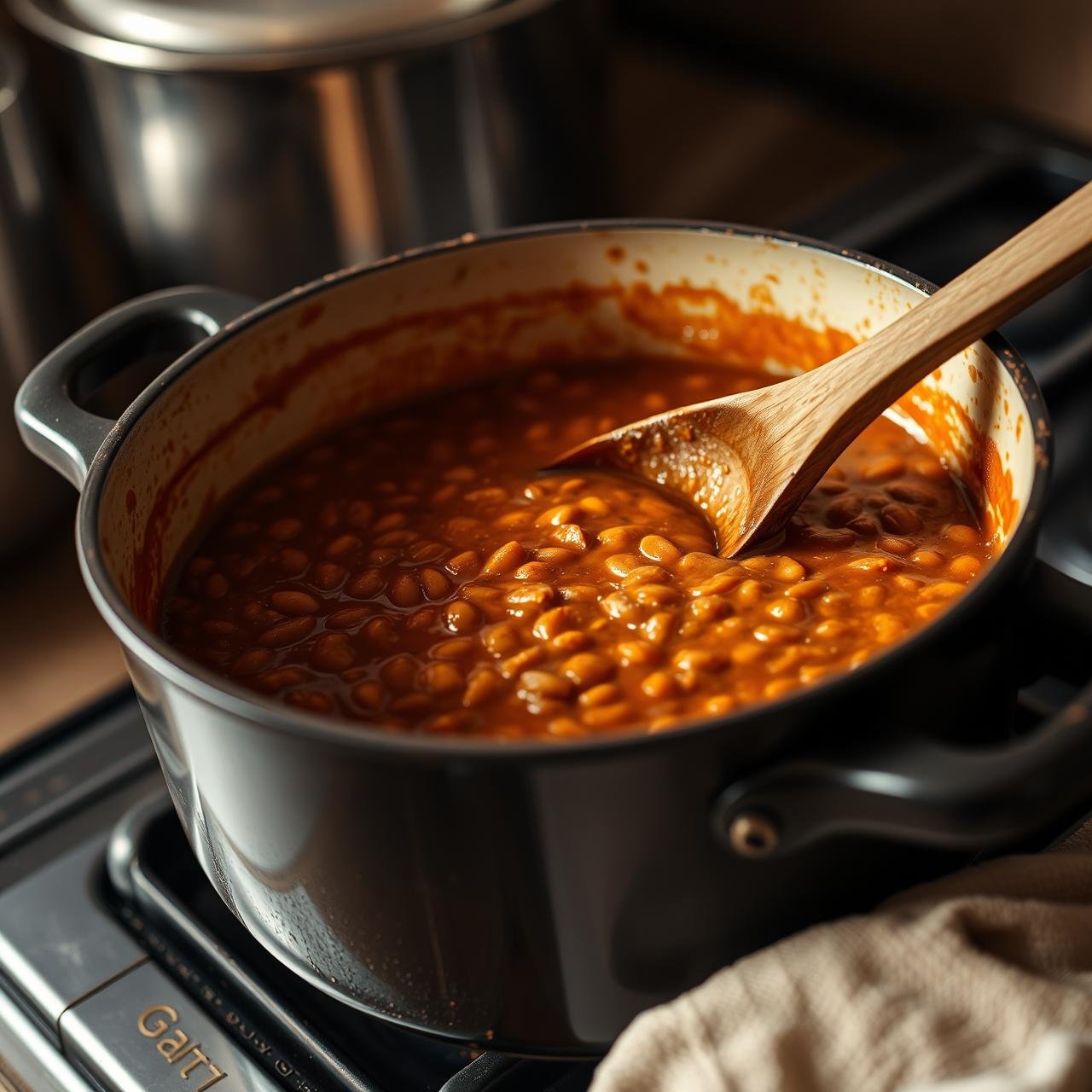
Follow these steps closely to build the deep, complex flavors that make this stew so special. The key is patience, especially when cooking the onions.
-
Build the Flavor Base
In your large pot or Dutch oven, heat the oil over medium heat. Add the finely chopped onions and a pinch of salt. Cook slowly, stirring frequently, for 15-20 minutes. You’re not trying to brown them quickly; you want them to soften, turn translucent, and become deeply sweet. This slow cooking process, known as ‘sweating’, is crucial for the stew’s texture and flavor foundation.
-
Bloom the Aromatics
Once the onions are very soft, add the minced garlic and grated ginger. Stir continuously for about 1-2 minutes until they become fragrant. Be careful not to let the garlic burn. Next, add the Berbere spice blend and tomato paste. Continue to stir constantly for another 2 minutes. This step, called ‘blooming’, toasts the spices and deepens their flavor, releasing their essential oils and creating an intoxicating aroma.
-
Incorporate the Lentils and Liquids
Pour in the undrained diced tomatoes, using your spoon to scrape up any flavorful bits stuck to the bottom of the pot. Add the rinsed red lentils and the 4 cups of vegetable broth (or water). Stir everything together until well combined.
-
Simmer to Perfection
Increase the heat to bring the stew to a boil. Once it’s boiling, reduce the heat to low, cover the pot, and let it simmer gently. Stir occasionally to prevent the lentils from sticking to the bottom. Let it cook for 25-30 minutes, or until the lentils are tender and have broken down, creating a thick, creamy consistency. The stew should be thick but still spoonable. If it becomes too thick for your liking, you can add a splash more broth or water to reach your desired consistency.
-
Final Seasoning
Once the lentils are cooked, taste the stew and adjust the seasoning. Add salt as needed. If you desire more heat, you can stir in a little more Berbere at this stage.
From My Kitchen to Yours: Chef’s Secrets for Success
Don’t Rush the Onions
I cannot stress this enough. The long, slow cooking of the onions creates a sweet, jammy base that balances the heat of the Berbere. Rushing this step will result in a stew that lacks depth. Put on some music, pour a drink, and enjoy the process.
Rinse Your Lentils Well
Rinsing split red lentils removes dust, debris, and excess starch. This not only cleans them but also helps prevent the stew from becoming foamy or gummy. Rinse under cold water until the water runs clear.
Control the Heat
Berbere blends vary in their spice level. If you are sensitive to heat, start with a smaller amount (e.g., 3 tablespoons) and you can always add more at the end. It’s much easier to add heat than to take it away. You can also serve the stew with a side of plain yogurt (or a vegan alternative) to cool the palate.
Achieving the Perfect Texture
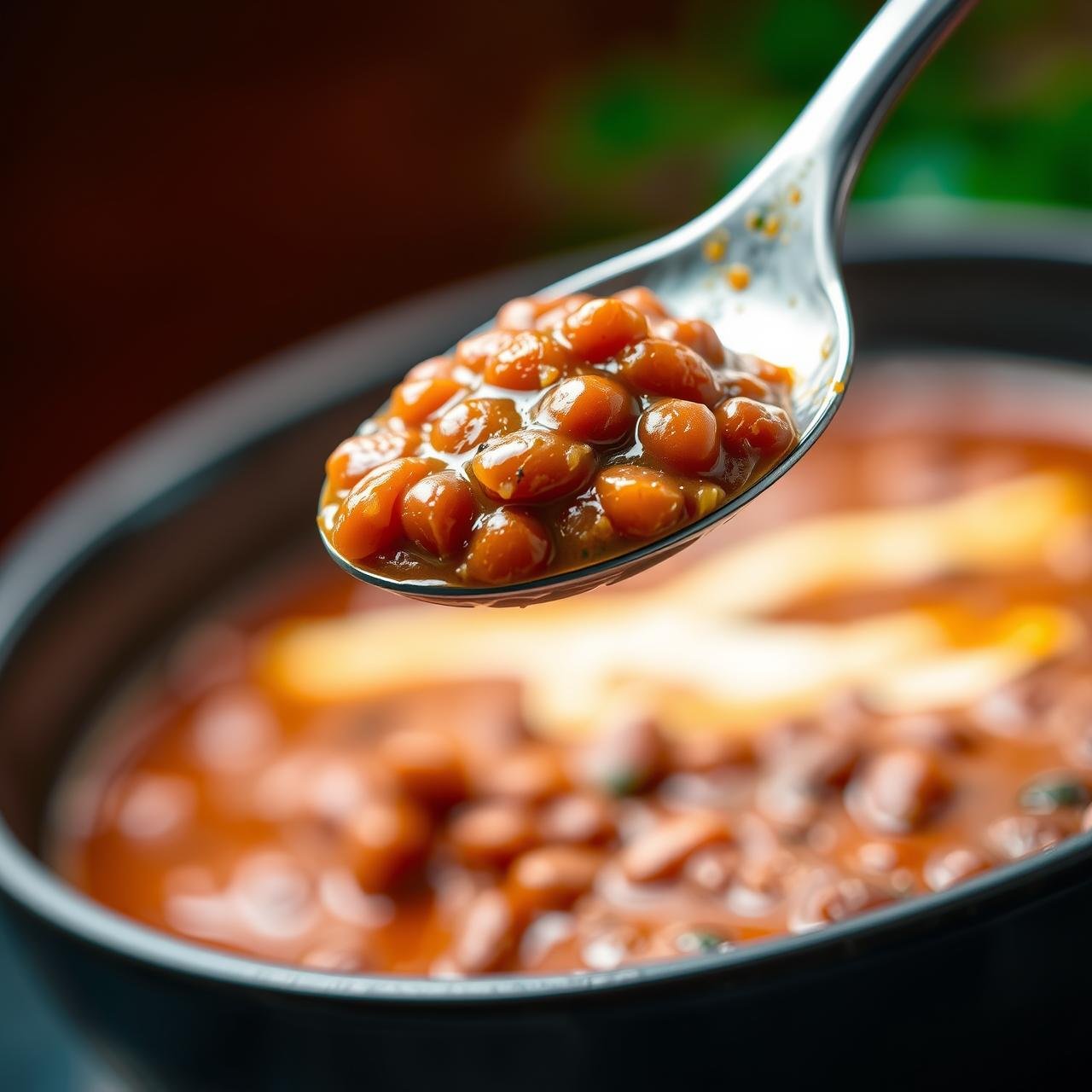
The ideal Misir Wot is thick and creamy, not watery. The red lentils will naturally thicken the stew as they break down. If your stew is too thin after 30 minutes, simply let it simmer uncovered for another 5-10 minutes to allow some of the liquid to evaporate. Conversely, if it’s too thick, stir in a bit of hot water or broth until it’s just right.
Nutritional Powerhouse: A Closer Look

This stew isn’t just delicious; it’s a nutritional champion. It’s a fantastic source of plant-based protein, dietary fiber, iron, and folate. The fiber from the lentils promotes digestive health and helps keep you feeling full and satisfied for hours.
| Nutrient | Amount per Serving (approx. 1.5 cups) |
|---|---|
| Calories | ~380 kcal |
| Protein | ~20 g |
| Fat | ~7 g |
| Carbohydrates | ~65 g |
| Fiber | ~25 g |
| Iron | ~40% of DV |
| Folate | ~90% of DV |
Disclaimer: Nutritional information is an estimate and can vary based on the specific ingredients and quantities used.
Serving, Storing, and Savoring
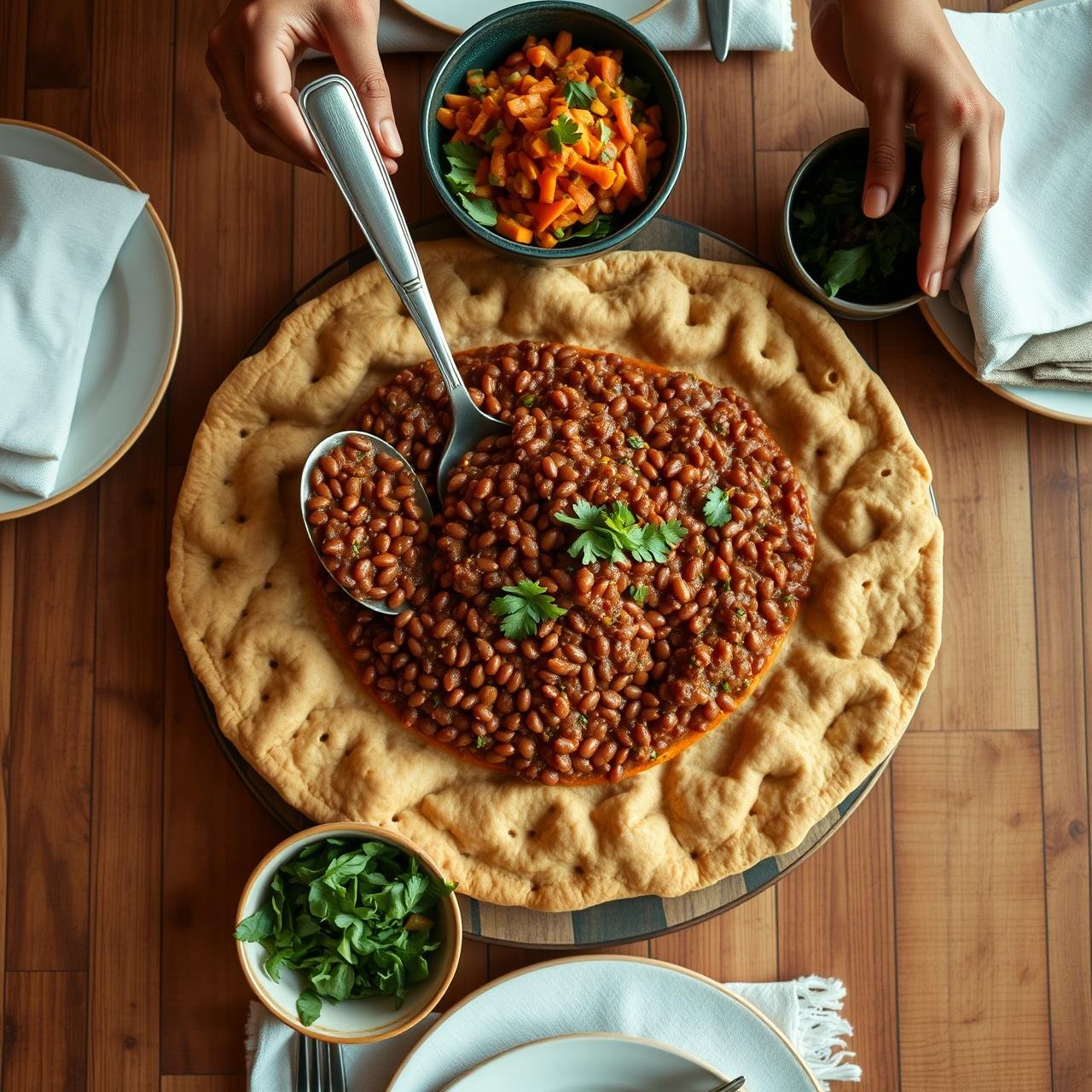
Traditional Serving Suggestions
The most authentic way to enjoy Misir Wot is with Injera, a spongy, tangy Ethiopian flatbread made from teff flour. The bread serves as both a plate and a utensil. Simply tear off a piece of injera and use it to scoop up the delicious stew. The sourness of the injera perfectly complements the rich, spicy flavor of the wot.
Modern Pairings
If you don’t have access to injera, don’t worry! This stew is incredibly versatile. It’s wonderful served over:
- Fluffy basmati or jasmine rice
- Nutty quinoa or brown rice
- Creamy polenta
- With a side of warm, crusty bread or naan for dipping
Storing and Reheating
Misir Wot is a fantastic dish for meal prep, as the flavors continue to meld and deepen overnight.
- Refrigeration: Store leftovers in an airtight container in the refrigerator for up to 5 days.
- Freezing: This stew freezes beautifully. Allow it to cool completely, then transfer it to freezer-safe containers or bags. It can be frozen for up to 3 months.
- Reheating: Thaw frozen stew in the refrigerator overnight. Reheat gently on the stovetop over low heat, adding a splash of water or broth to loosen it up as it heats. You can also reheat it in the microwave.
Conclusion
There you have it—a pot of Spicy Ethiopian Red Lentil Stew that is as nourishing as it is delicious. This recipe is a celebration of how humble ingredients can create something truly extraordinary. It’s a journey of flavor that transports you to the heart of Ethiopia, all from the comfort of your own kitchen. The deep, warming spice of the Berbere, the creamy texture of the lentils, and the sweet foundation of slow-cooked onions come together in perfect harmony. I encourage you to embrace the process, savor the aromas that will fill your home, and share this beautiful, healthful meal with people you love. Happy cooking!