Omega-3 Packed Baked Trout: A Detailed Recipe for Flat Bellies
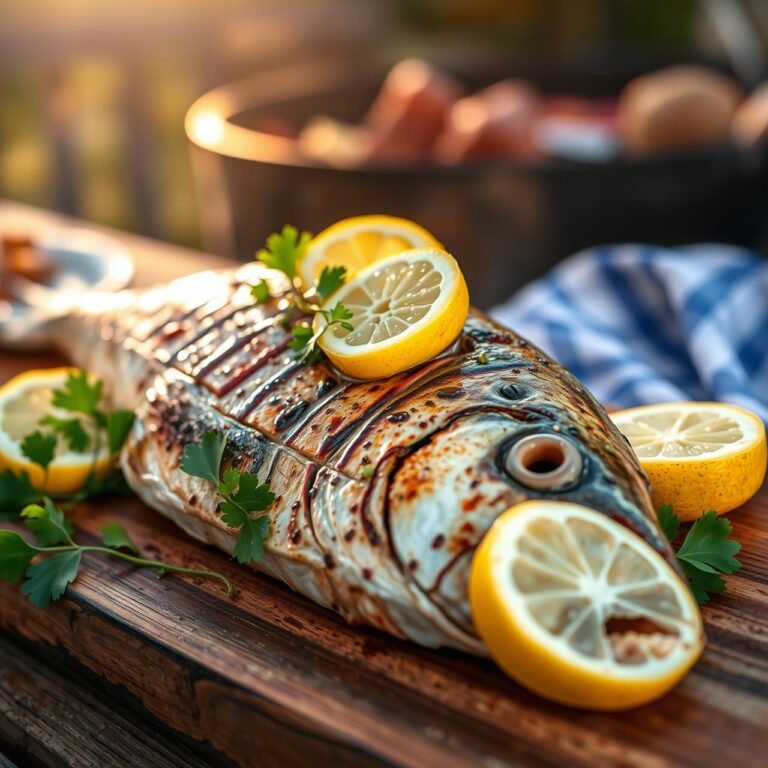
Imagine the cool, clear waters of a mountain stream, where rainbow trout dart through sun-dappled currents. It’s this pristine environment that gives us one of nature’s most perfect foods: a fish that is both incredibly delicious and brimming with health-giving nutrients. Today, we’re bringing that clean, rustic essence into your kitchen with a recipe that is as simple as it is spectacular: Omega-3 Packed Baked Trout. This isn’t just another fish recipe. It’s a culinary ritual that celebrates wholesome ingredients and mindful eating. We’ll guide you through creating a dish that boasts a tender, flaky texture and a bright, herbaceous flavor profile that sings of lemon and dill. More importantly, we’ll explore why this meal is a cornerstone of a healthy diet, particularly for those aiming for a lean, strong body and a sharp mind. Prepare to transform a humble whole trout into a gourmet experience that nourishes from the inside out.
Why This Baked Trout Recipe Is a Game-Changer for Your Health
In the world of nutrition, omega-3 fatty acids are superstars, and trout is one of their most delicious sources. This recipe isn’t just about tantalizing your taste buds; it’s a strategic move for your overall wellness. The term ‘flat belly’ isn’t about unrealistic aesthetics; it’s about reducing visceral fat and inflammation, which is where the nutritional profile of this dish truly shines.
Trout is laden with two crucial types of omega-3s: EPA (eicosapentaenoic acid) and DHA (docosahexaenoic acid). These powerful anti-inflammatory agents are linked to improved cardiovascular health, enhanced brain function, and better mood regulation. When you make this baked trout a regular part of your diet, you’re actively supporting your body’s ability to manage inflammation, a key factor in maintaining a healthy weight and metabolic rate.
Furthermore, this dish delivers a high-quality, complete protein punch. Protein is essential for building and repairing tissues, but it’s also a champion of satiety. A protein-rich meal like this keeps you feeling full and satisfied for longer, curbing cravings for less nutritious snacks and helping you maintain a healthy calorie balance. Combined with the simplicity of its preparation—requiring minimal fats and relying on the natural flavors of herbs and citrus—this recipe is the epitome of clean, effective, and utterly delicious eating.
The Culinarian’s Toolkit: Essential Equipment
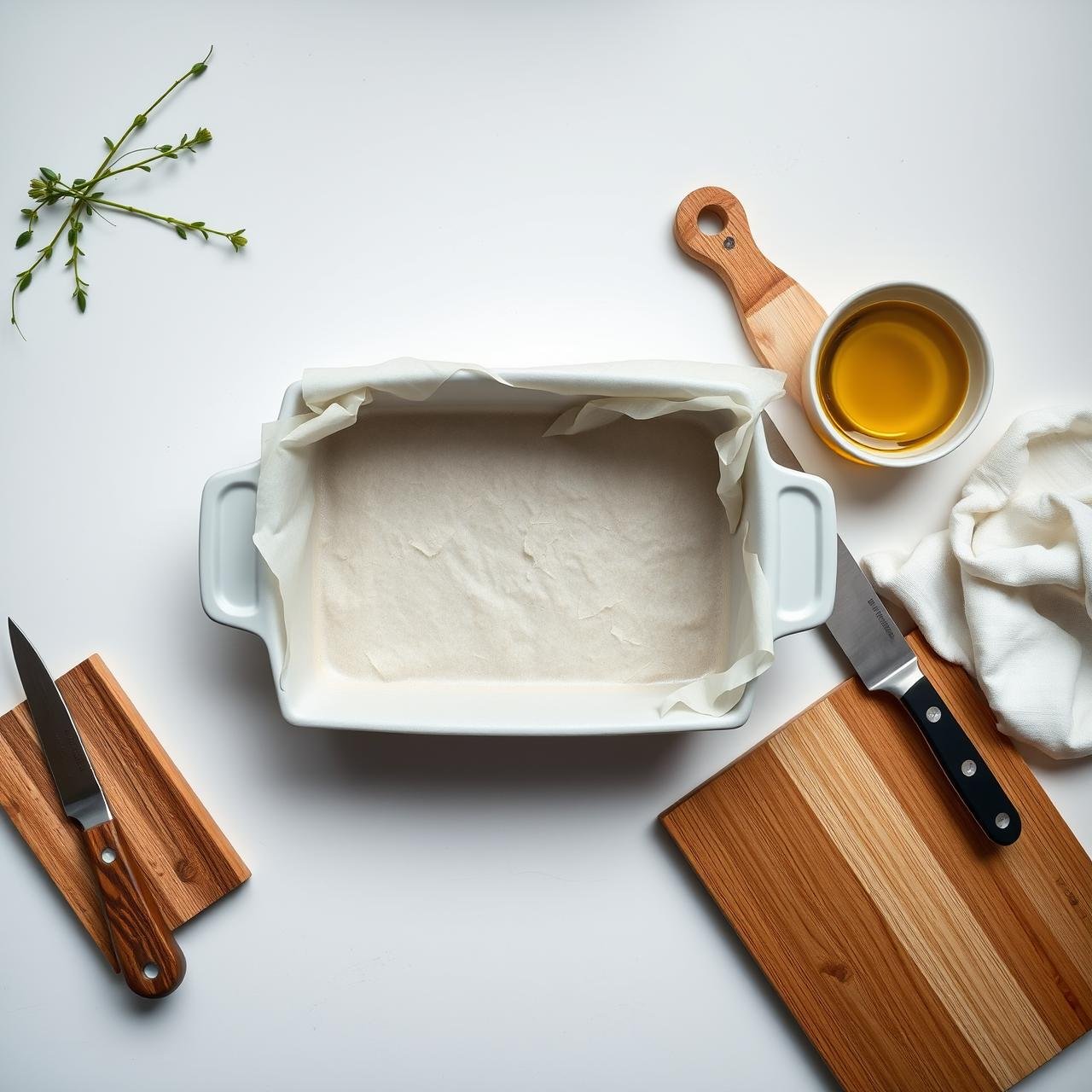
A great chef knows that the right tools make all the difference. For this recipe, you don’t need a professional kitchen, just a few key items that ensure your trout bakes to flaky perfection every time. Simplicity is key, allowing the ingredients to be the star.
| Equipment | Purpose |
|---|---|
| Baking Dish or Rimmed Baking Sheet | A ceramic, glass, or metal dish large enough to hold the fish without crowding. The rim is crucial for catching any delicious juices. |
| Parchment Paper | This is non-negotiable for fish. It prevents the delicate skin from sticking to the pan and makes cleanup incredibly easy. |
| Sharp Chef’s Knife | For cleanly slicing the lemon and chopping the fresh herbs. A sharp knife bruises the herbs less, preserving their flavor and aroma. |
| Cutting Board | A dedicated board for your fish is ideal to prevent cross-contamination. If you only have one, wash it thoroughly with hot, soapy water after use. |
| Fish Spatula (Optional) | A thin, flexible spatula is perfect for gently lifting the cooked fish from the pan to the plate without breaking it. |
A Symphony of Fresh Ingredients
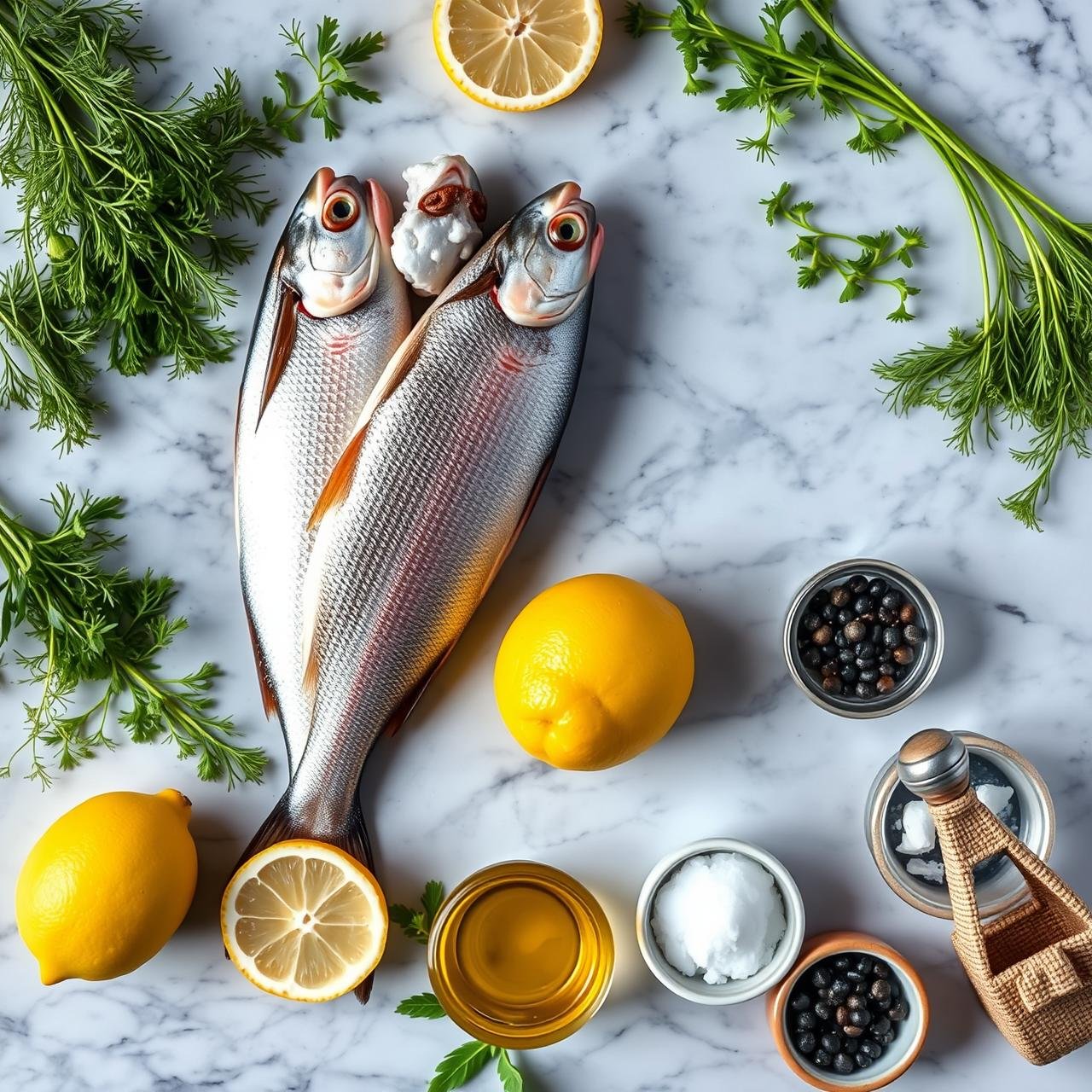
The beauty of this recipe lies in its short, high-quality ingredient list. Each component is chosen to complement and enhance the delicate, slightly sweet flavor of the trout. For the best results, seek out the freshest ingredients you can find—it will make a world of difference.
- 2 whole rainbow trout (about 1 lb each), gutted, scaled, and rinsed
- 1 large organic lemon, washed
- 1 large bunch of fresh dill, washed
- 1/2 bunch of fresh flat-leaf parsley, washed
- 4 sprigs of fresh thyme (optional, for an earthy note)
- 2 tablespoons of high-quality extra-virgin olive oil
- 1 teaspoon of coarse sea salt (like Maldon or fleur de sel)
- 1/2 teaspoon of freshly cracked black pepper
Step-by-Step to a Perfect Plate: The Culinary Guide
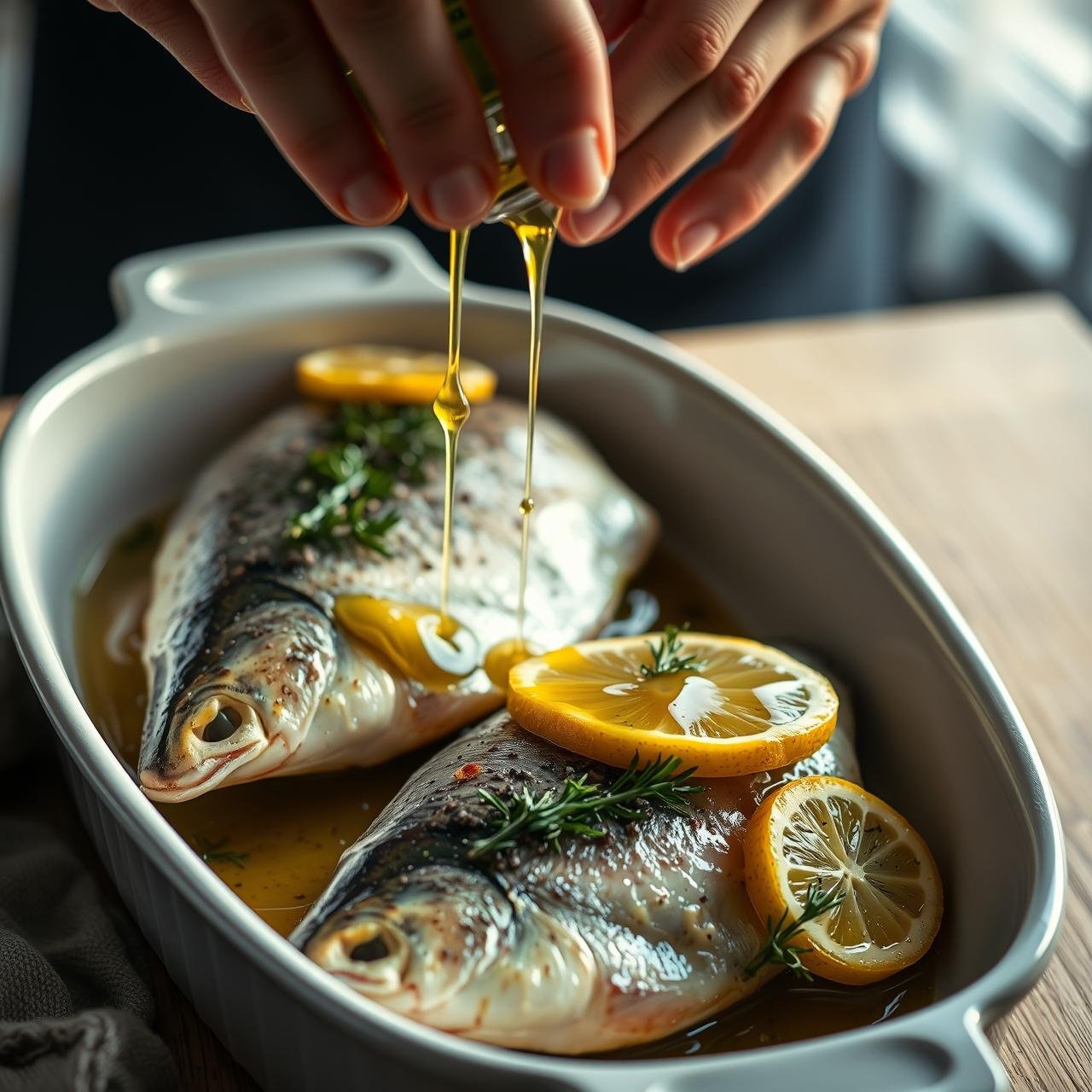
Follow these steps closely to achieve a perfectly cooked trout that is moist, flaky, and bursting with flavor. The process is straightforward, making it an ideal recipe for both novice cooks and seasoned chefs.
- Preheat and Prepare: First, position a rack in the center of your oven and preheat it to 400°F (200°C). Line your baking dish or rimmed baking sheet with a large piece of parchment paper. This will be your cooking vessel and cleanup assistant all in one.
- Prepare the Aromatics: Slice half of the lemon into thin rounds. Juice the other half into a small bowl and set aside. Roughly chop the parsley and leave the dill sprigs whole.
- Dry the Fish: Pat the trout inside and out with paper towels. This is a crucial step! A dry surface ensures the skin gets a chance to crisp up slightly and allows the seasonings to adhere properly.
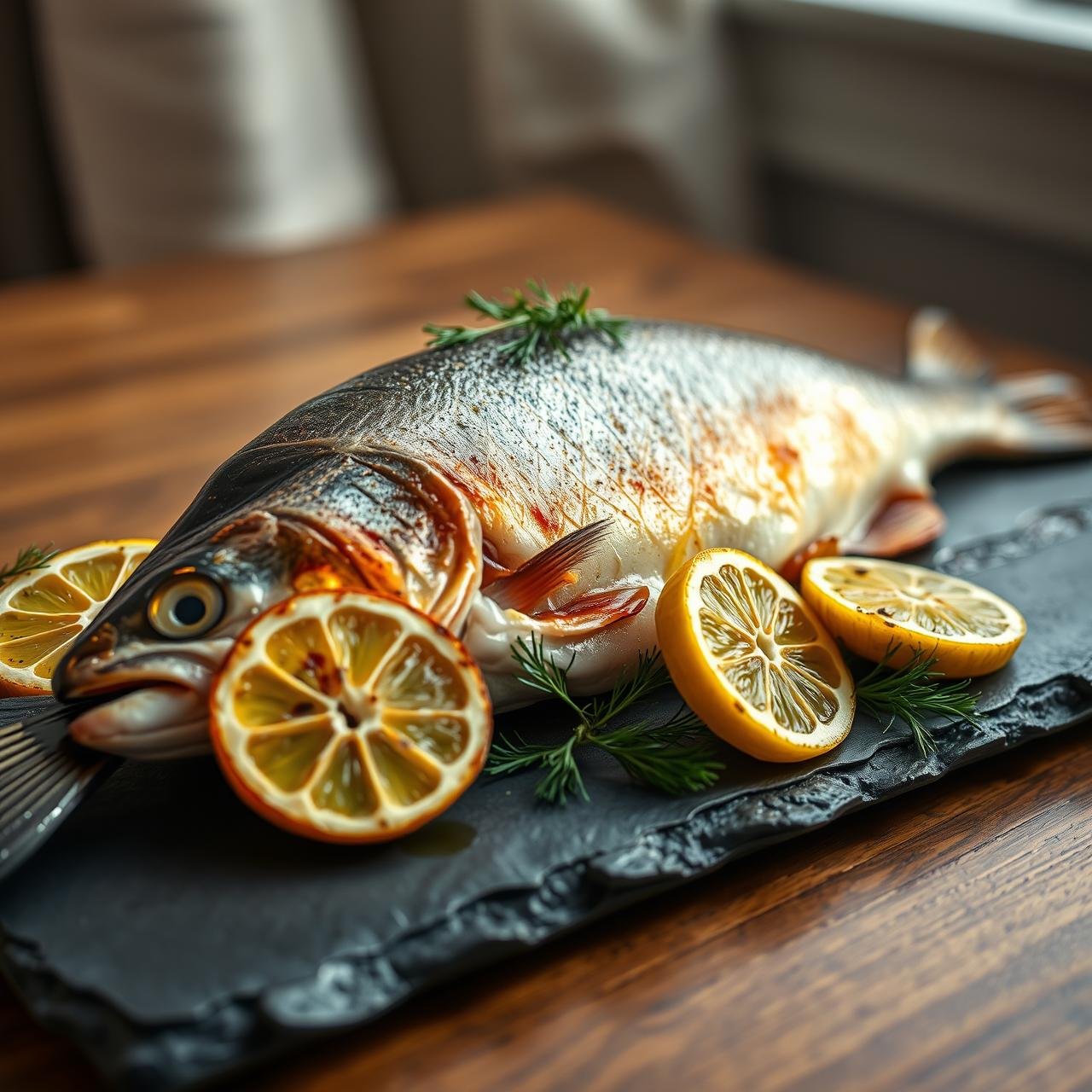
- Create the Aromatic Bed: Arrange half of the lemon slices and a few sprigs of dill on the parchment paper, creating two ‘beds’ for the fish to lie on. This infuses flavor from the bottom up and prevents sticking.
- Season Generously: Place the trout on top of the aromatic beds. Drizzle the outside of each fish with 1/2 tablespoon of olive oil, using your hands to rub it evenly over the skin. Season the skin and the inside cavity of each fish generously with the sea salt and freshly cracked black pepper.
- Stuff the Cavity: Now, fill the cavity of each trout with the remaining dill sprigs, chopped parsley, thyme sprigs (if using), and the rest of the lemon slices. Don’t overstuff; you want air to circulate.
- The Final Touches: Drizzle the remaining olive oil and the reserved lemon juice over the top of both fish.
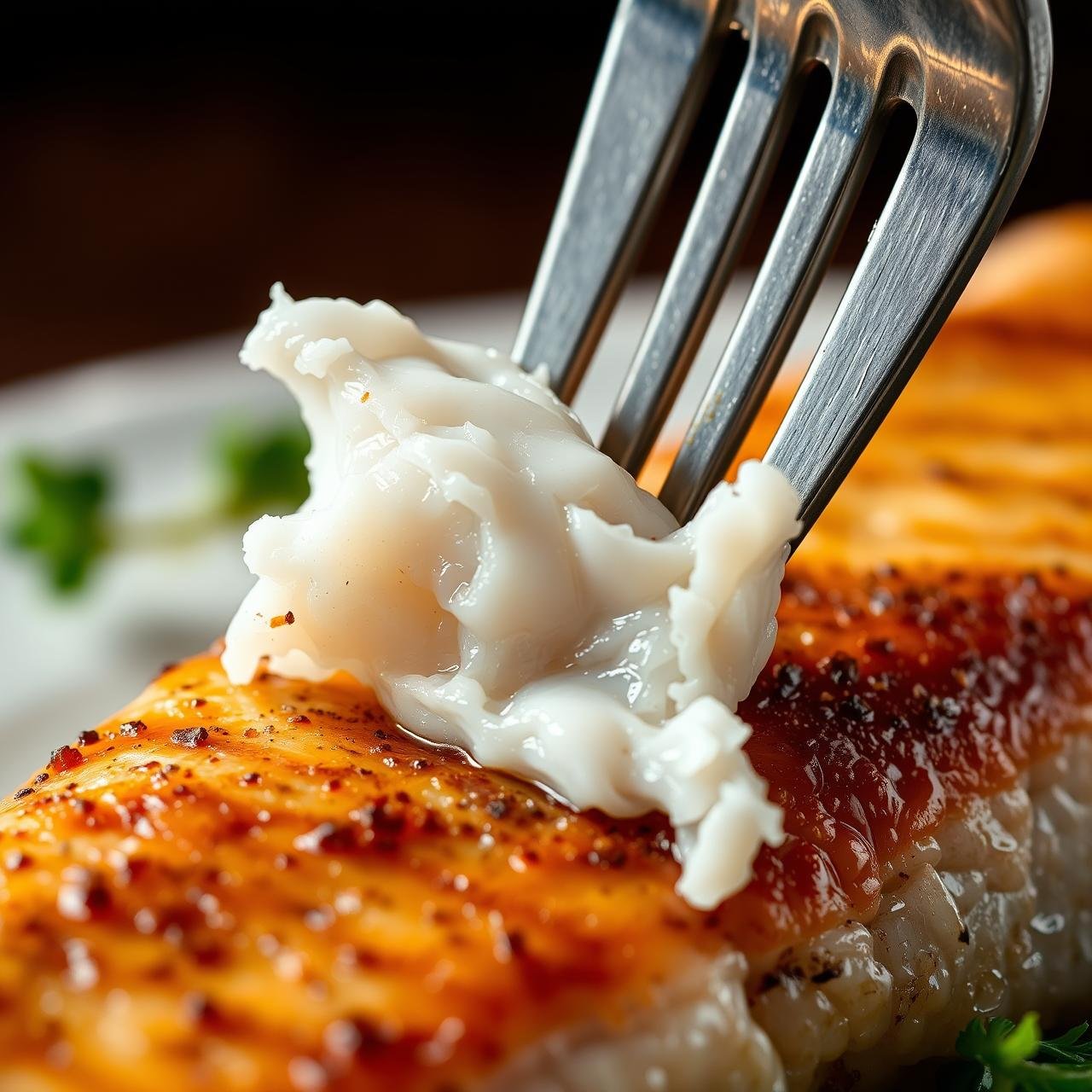
- Bake to Perfection: Transfer the baking dish to the preheated oven. Bake for 15-20 minutes. The exact time will depend on the thickness of your fish. The trout is cooked when the flesh is opaque and flakes easily when gently prodded with a fork at the thickest part. The internal temperature should read 145°F (63°C).
- Rest and Serve: Carefully remove the dish from the oven. Let the fish rest for 3-5 minutes before serving. This allows the juices to redistribute, resulting in a more succulent fish. Serve whole or fillet at the table.
From My Kitchen to Yours: Pro-Tips & Variations
Sourcing the Best Trout
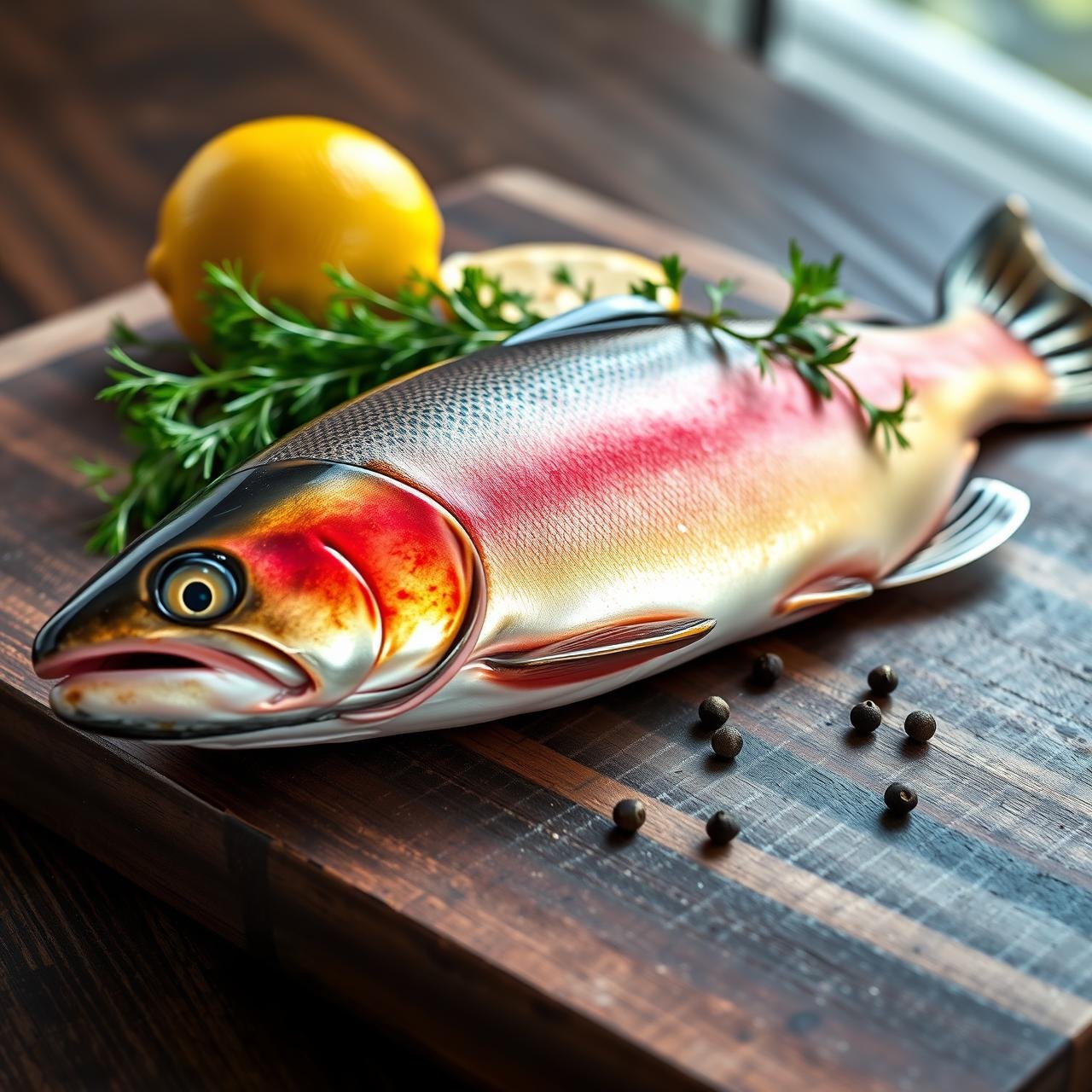
The quality of your dish begins with the quality of your fish. Look for trout with clear, bright eyes, vibrant skin, and firm flesh that springs back when touched. It should smell fresh like the ocean or a clean lake, not ‘fishy’. Ask your fishmonger when it arrived; fresh is always best.
The Cardinal Sin: Overcooking
The most common mistake when cooking fish is overcooking it. Trout is a delicate fish that cooks quickly. Start checking for doneness at the 15-minute mark. The moment it flakes easily, it’s done. Remember, it will continue to cook slightly from residual heat after you remove it from the oven.
Delicious Flavor Variations
While the classic lemon and dill combination is timeless, feel free to experiment!
- Mediterranean Twist: Add a few thinly sliced cloves of garlic and some cherry tomatoes to the pan. Garnish with capers and oregano before serving.
- Earthy & Smoky: Stuff the cavity with slices of onion and mushrooms. Add a pinch of smoked paprika to the seasoning mix.
- Spicy Kick: Add a few thin slices of jalapeño or a sprinkle of red pepper flakes into the cavity before baking.
Nutritional Profile: Power on a Plate
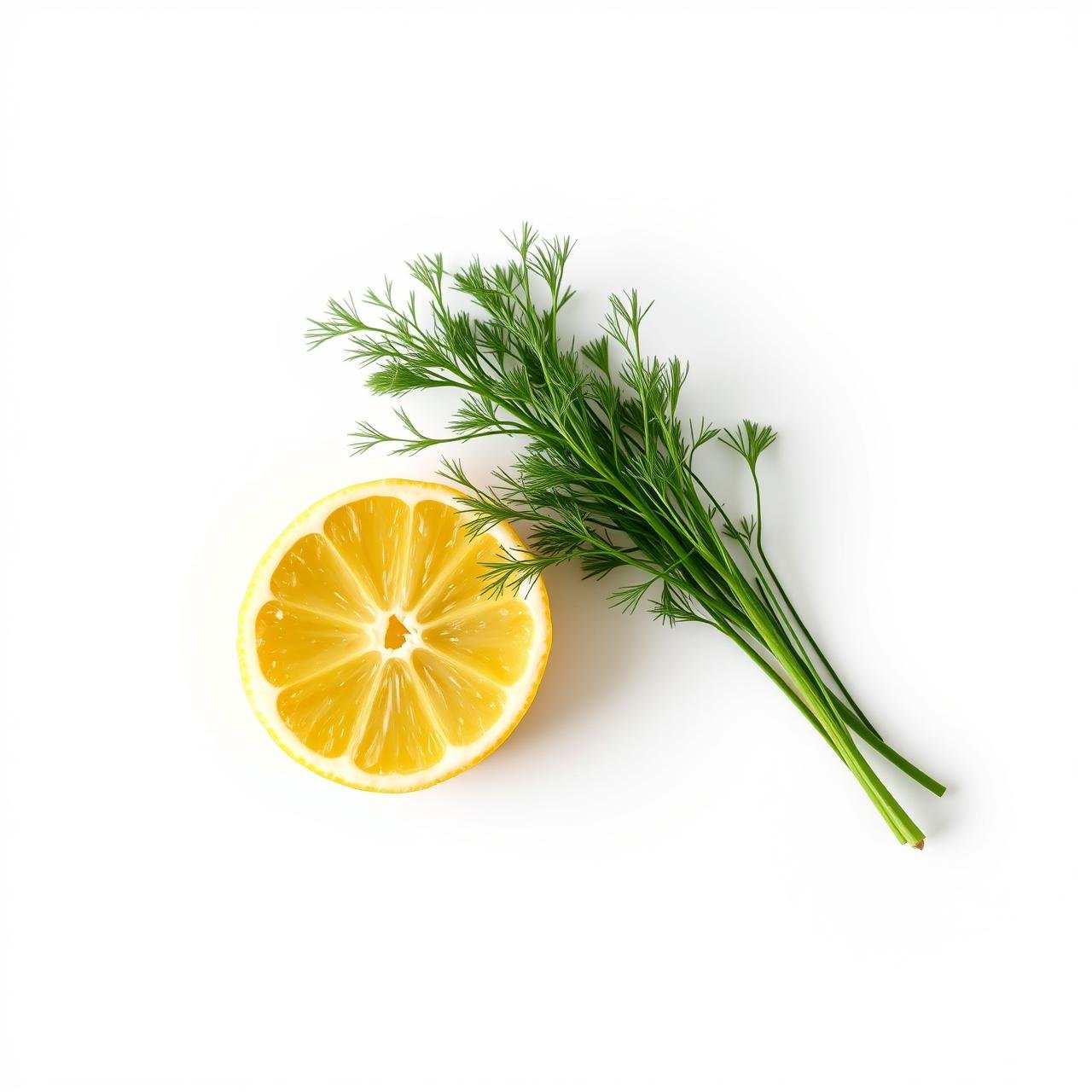
This dish is a nutritional powerhouse. Here is an approximate breakdown for one serving (one whole trout). Please note that values can vary based on the exact size of the fish and other factors.
| Nutrient | Approximate Amount per Serving |
|---|---|
| Calories | ~450 kcal |
| Protein | ~45g |
| Fat (Total) | ~30g |
| Saturated Fat | ~7g |
| Monounsaturated Fat | ~13g |
| Polyunsaturated Fat (Omega-3s) | ~4000mg (EPA + DHA) |
| Carbohydrates | ~4g |
| Fiber | ~1g |
| Sodium | ~600mg |
| Potassium | ~1000mg |
| Vitamin D | High in Vitamin D |
Crafting the Perfect Meal: Pairings & Serving Suggestions
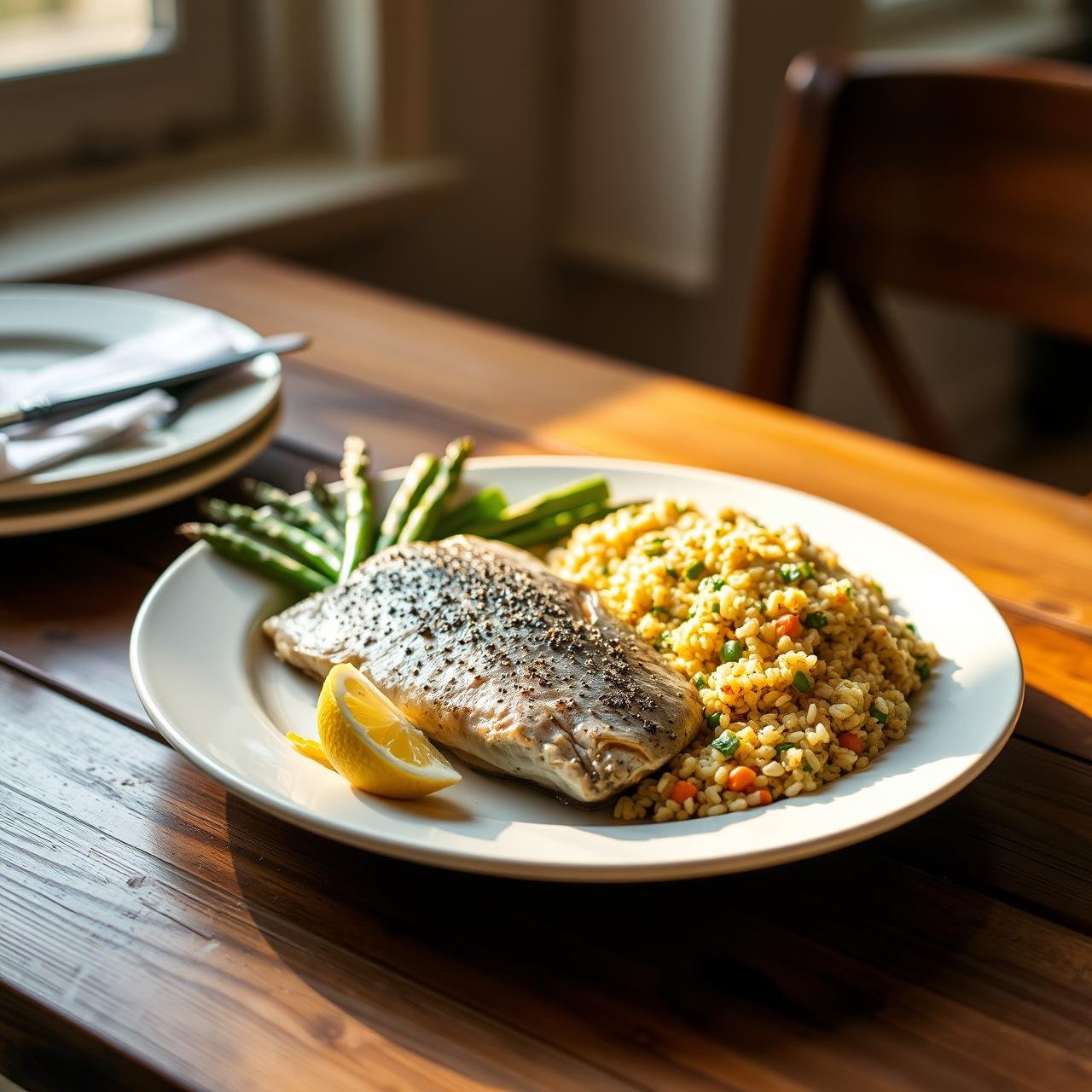
To elevate this beautiful baked trout into a complete, balanced meal, pair it with sides that complement its delicate flavor without overpowering it. The goal is a plate that is harmonious in taste, texture, and nutrition.
- For the Health Enthusiast: Serve the trout alongside a bed of fluffy quinoa and a generous portion of steamed or roasted asparagus drizzled with a touch of the pan juices. A simple arugula salad with a light vinaigrette adds a fresh, peppery bite.
- For the Gourmet Foodie: Create a more elegant presentation with a parsnip purée or creamy polenta as a base. Sautéed French green beans (haricots verts) with toasted almonds would provide a lovely textural contrast.
- For the Budget & Home Cook: Roasted baby potatoes tossed with olive oil and rosemary are a hearty and affordable classic. A side of simple sautéed spinach with garlic or a fresh cucumber and tomato salad also works beautifully.
For a beverage pairing, a crisp, dry white wine like a Sauvignon Blanc or Pinot Grigio cuts through the richness of the fish perfectly.
Preserving the Freshness: Storage and Reheating
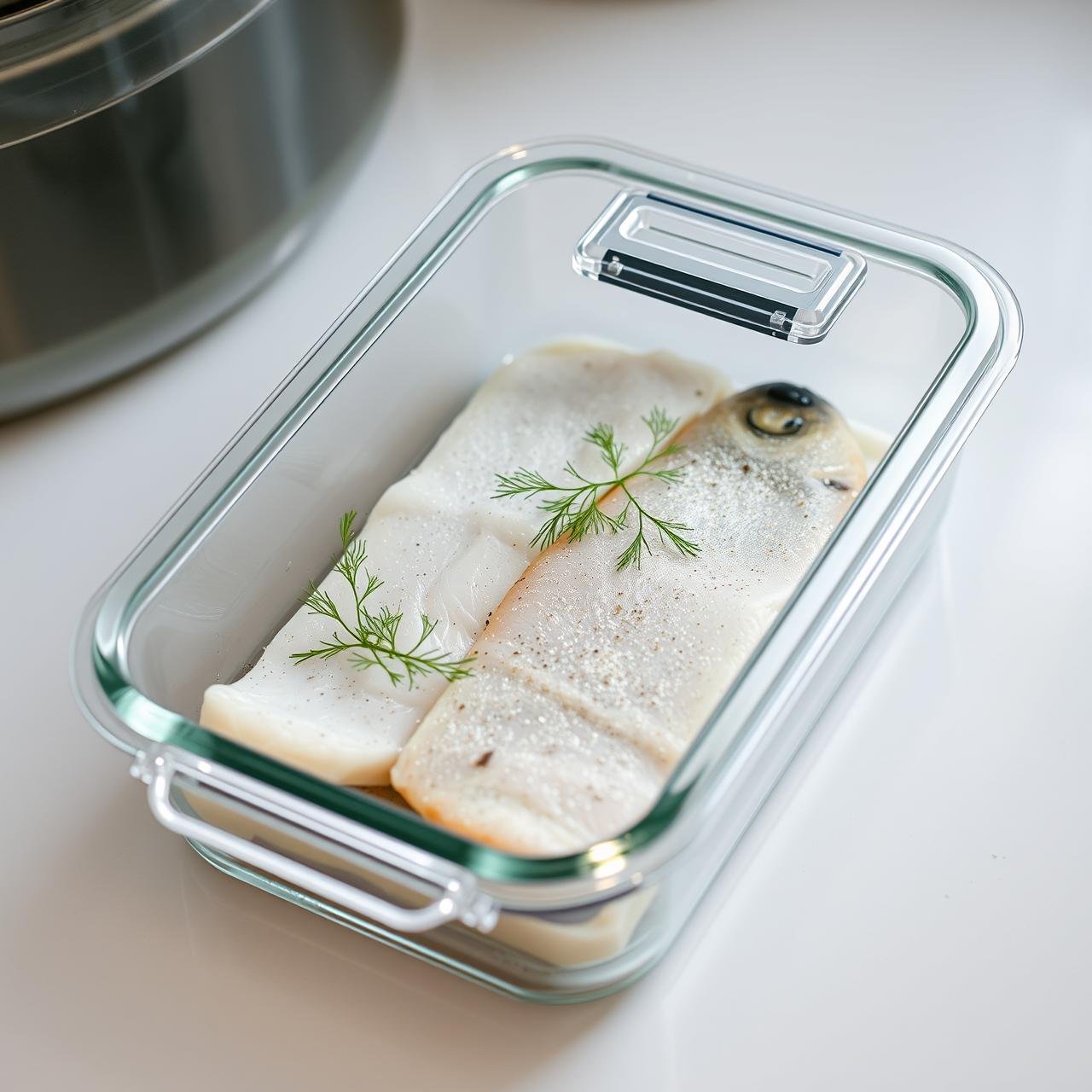
While this baked trout is best enjoyed fresh from the oven, leftovers can still be delicious if handled correctly. The key is to preserve moisture.
Storage
Once the trout has cooled completely to room temperature, gently remove the flesh from the bones. Store the flaked trout in an airtight glass container in the refrigerator for up to 2 days. Storing it off the bone makes it easier to use later.
Reheating
To avoid the dreaded dry, rubbery texture of reheated fish, avoid the microwave if possible. The best method is to gently reheat it in a covered skillet over low heat with a splash of water or broth to create steam. Alternatively, you can heat it in a low-temperature oven (around 275°F / 135°C) in a covered, oven-safe dish until just warmed through. Leftover trout is also fantastic served cold, flaked into salads or mixed with Greek yogurt and herbs to create a delicious trout salad for sandwiches or wraps.
Conclusion
There is a profound satisfaction that comes from creating a meal that is both decadently flavorful and deeply nourishing. This Omega-3 Packed Baked Trout is a testament to that philosophy. It proves that you don’t need complex techniques or a long list of ingredients to produce something truly special. With just a beautiful piece of fish and a handful of fresh aromatics, you’ve created a dish that supports your body, delights your palate, and brings a touch of rustic elegance to your table. We encourage you to embrace this recipe, make it your own with our suggested variations, and let it become a beloved staple in your healthy culinary repertoire. Here’s to good health and great food, enjoyed one delicious bite at a time.