Stop Boiling Zoodles: Try This Crunchy Zucchini Ribbon Salad (No Fluff)
The promise of zoodles was a siren’s call for the health-conscious home cook: a pasta alternative that was low-carb, gluten-free, and packed with nutrients. Yet, for many, the reality has been a soggy, watery disappointment. If you’ve ever sadly pushed a pile of limp, diluted zoodles around your plate, you are not alone. The fundamental issue lies in the technique. Boiling or pan-frying zucchini, a vegetable that is over 90% water, is often a direct path to a culinary letdown. The heat ruptures the vegetable’s delicate cell walls, releasing a flood of moisture that turns your vibrant dish into a bland, soupy mess.
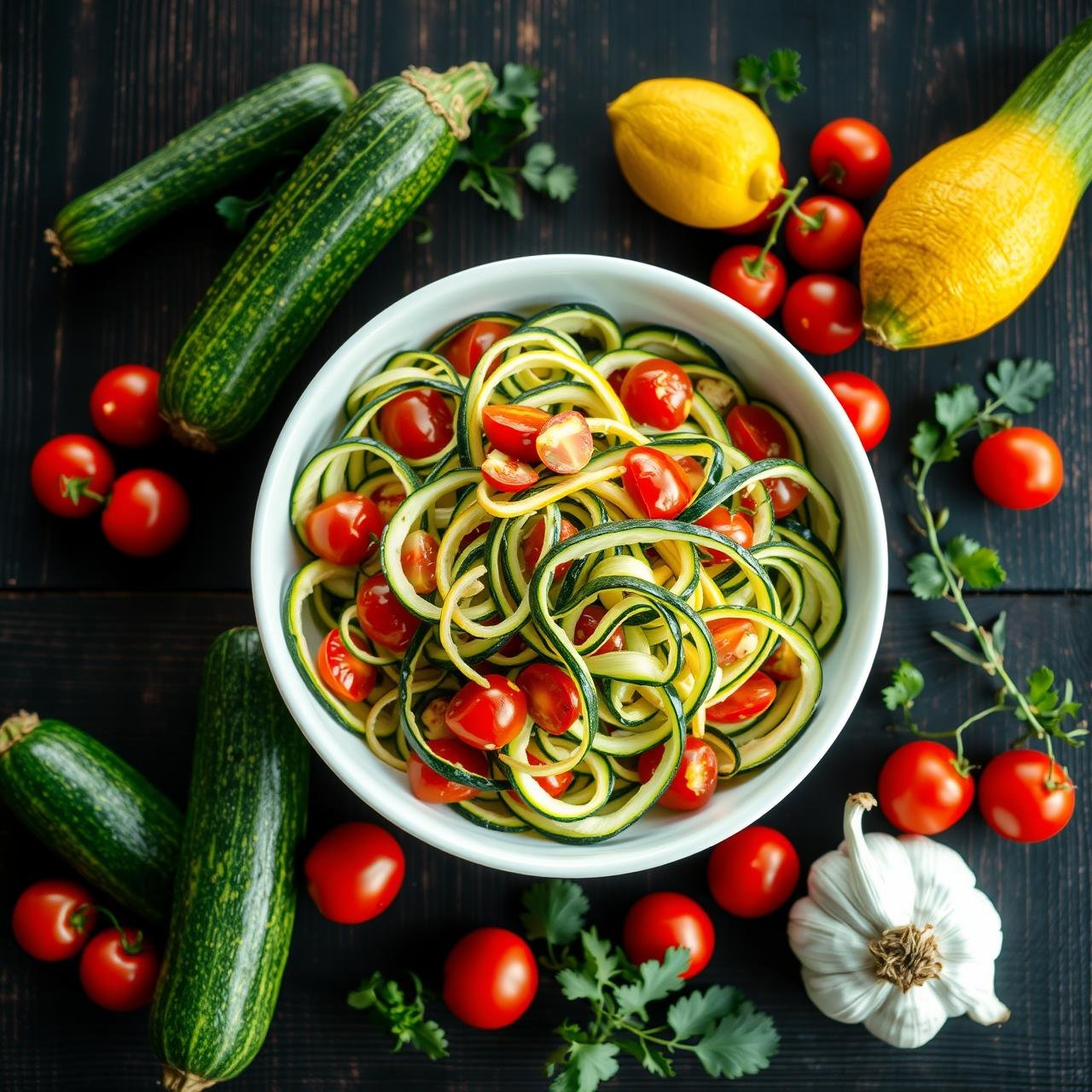
It’s time to stop the cycle of soggy zoodles. The solution is simpler, faster, and infinitely more delicious than you might imagine. Forget the stove entirely. We are embracing the raw, crisp, and refreshing nature of zucchini by transforming it into elegant, toothsome ribbons. This guide is dedicated to teaching you the definitive, no-fluff method for creating a zucchini ribbon salad with an incredible crunch and flavor that stands up to any dressing. We will delve into the science of why this technique works, provide a step-by-step recipe for a show-stopping salad, and offer chef-level tips to ensure your success every single time. Prepare to rediscover zucchini in its most glorious form.
The Culinary Problem: Why Your Zoodles Are Always Watery
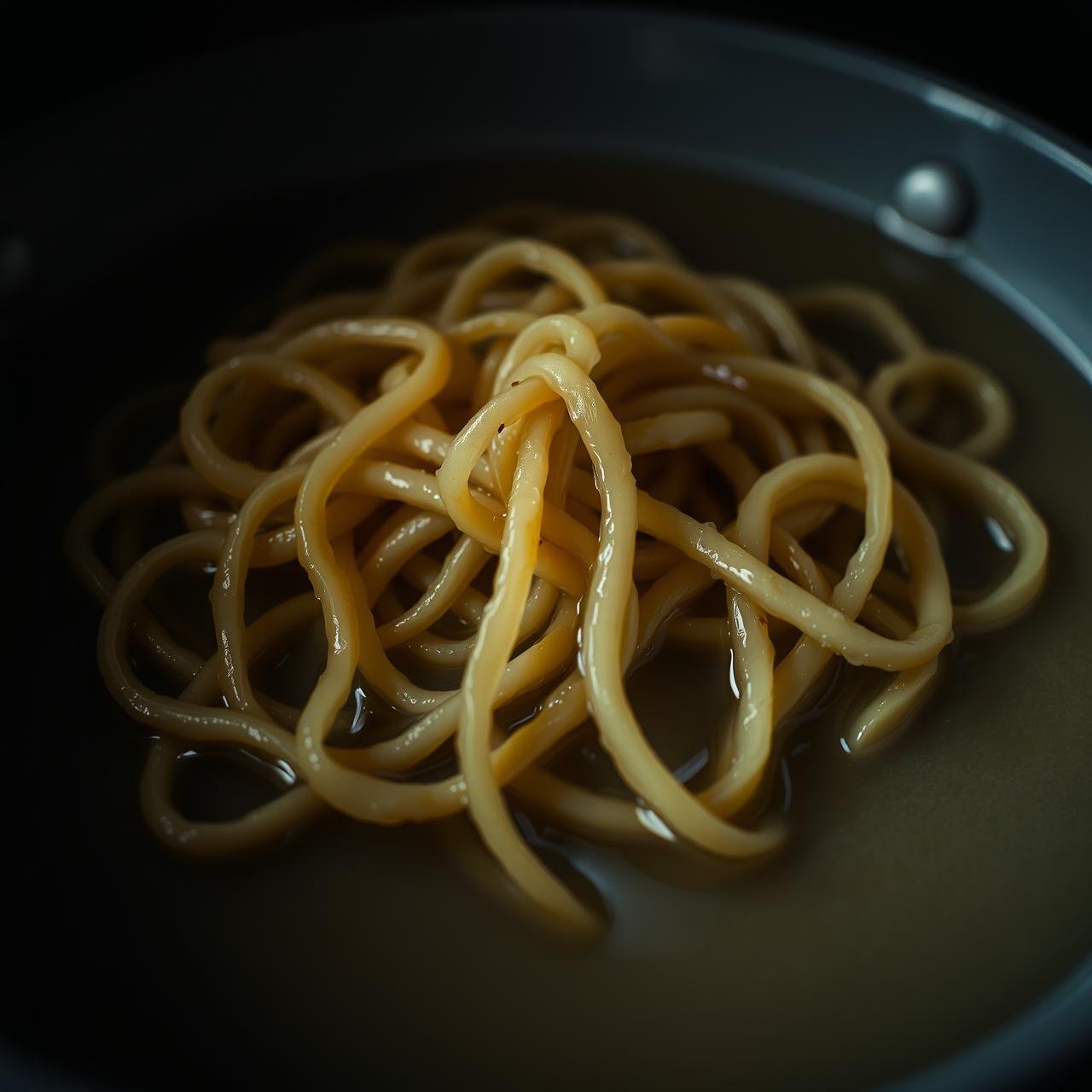
To solve a problem, one must first understand it. The perennial issue with zoodles stems directly from the cellular structure of zucchini. Think of a fresh zucchini as a collection of microscopic water balloons. When you apply heat—whether through boiling water or a hot pan—you are essentially bursting those balloons. The result is a rapid release of a significant amount of water, which pools at the bottom of your bowl, dilutes your carefully crafted sauce, and transforms the zoodles’ texture from pleasantly firm to unpleasantly mushy.
Furthermore, this process of cooking and water release also leaches out flavor and nutrients. The delicate, slightly sweet taste of fresh zucchini is lost, replaced by a blandness that requires heavy seasoning to overcome. This is why so many zoodle dishes feel like a compromise rather than a satisfying meal. The very method used to prepare them undermines their potential. The key isn’t to find a better way to cook them; it’s to realize they are often best when not cooked at all.
The Chef’s Solution: Mastering the Raw Ribbon Technique
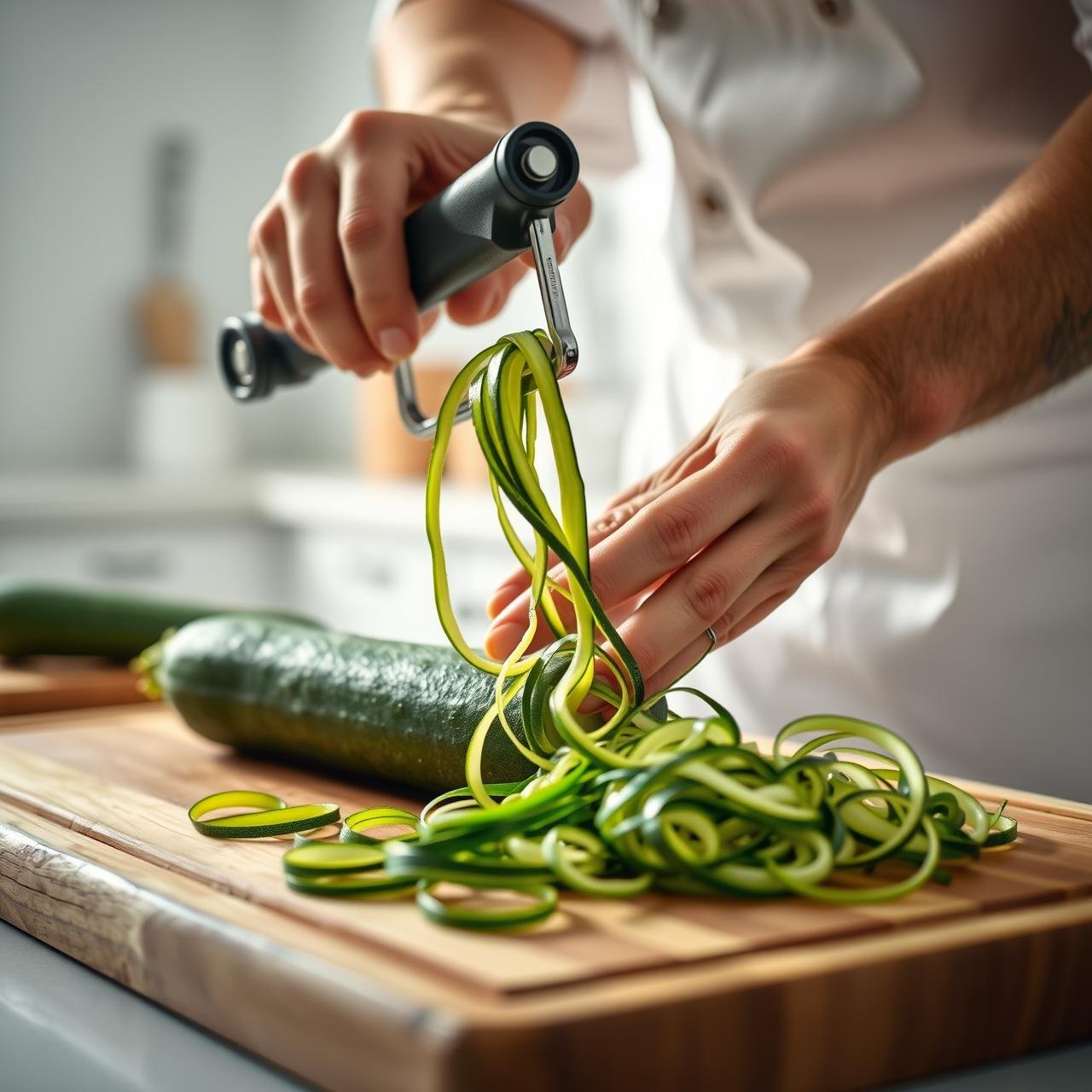
The secret to perfect zucchini texture lies in two key principles: form and preparation. Instead of spiralizing into thin strands which have little structural integrity, we create wide, sturdy ribbons. This is easily achieved with a common kitchen tool: a simple vegetable peeler.
The Power of Salting (Osmosis in Your Kitchen)
The most critical step, however, is a technique professional chefs use called ‘sweating’. Before the zucchini ribbons ever meet a drop of dressing, we toss them with salt and let them rest in a colander. This process, known as osmosis, is culinary science in action. The salt on the surface of the ribbons draws the excess water out from within the zucchini’s cells. You will be astonished at the amount of liquid that drains away—water that would have otherwise ended up in your finished dish.
After about 20-30 minutes, a gentle pat dry leaves you with ribbons that are still raw and fresh but have been ‘cured’. They are seasoned, far less watery, and possess a remarkable ‘al dente’ crunch that holds up beautifully when dressed. This single, simple step is the entire foundation of a successful, non-soggy zucchini salad.
Essential Equipment for Flawless Zucchini Ribbons
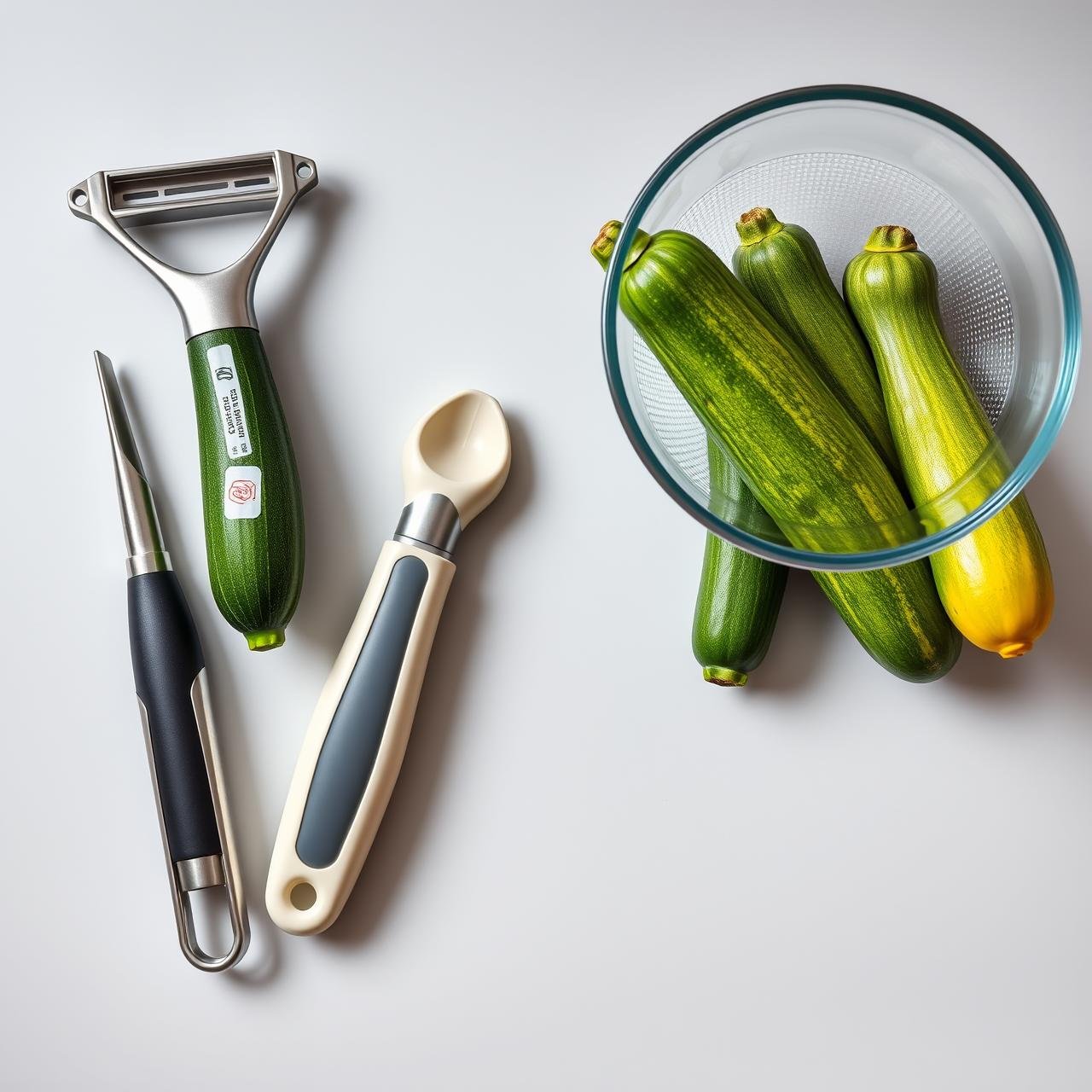
You don’t need fancy gadgets to create this stunning dish. The beauty of this recipe lies in its simplicity, and the required tools reflect that. Here is everything you’ll need to achieve salad perfection.
| Tool | Recommendation & Purpose |
|---|---|
| Vegetable Peeler | A sharp, Y-shaped peeler is highly recommended. Its wide blade creates uniform, substantial ribbons with ease. A standard swivel peeler will also work. |
| Large Colander | Absolutely essential for the ‘sweating’ process to allow the excess water to drain away effectively. |
| Large Mixing Bowl | For tossing the ingredients together without bruising the delicate ribbons or making a mess. |
| Whisk or Small Jar | For emulsifying the dressing ingredients into a smooth, cohesive vinaigrette. |
| Mandoline Slicer (Optional) | For the ambitious cook seeking paper-thin, perfectly uniform ribbons. Use with extreme caution and always with a safety guard. |
The Ultimate Crunchy Zucchini Ribbon Salad Recipe
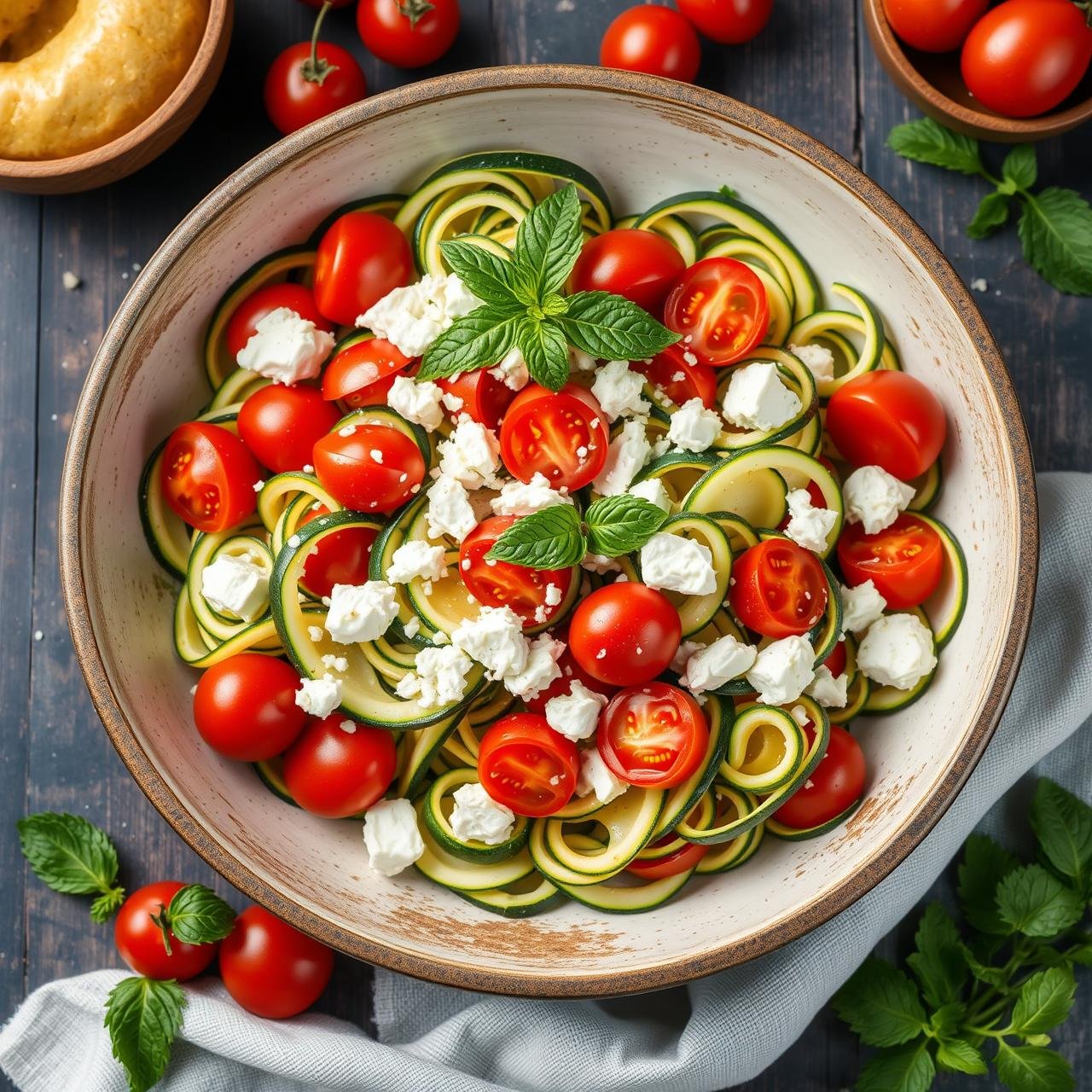
This recipe is a template for perfection—a balance of fresh, crunchy, salty, and acidic. It’s a celebration of summer produce that comes together in minutes (plus resting time) and requires absolutely no cooking.
Ingredients
- For the Salad:
- 3 medium, firm zucchini (about 1.5 pounds)
- 1 teaspoon fine sea salt
- 1 cup cherry or grape tomatoes, halved
- 1/4 cup thinly sliced red onion
- 1/2 cup crumbled feta cheese
- 1/4 cup fresh mint or basil leaves, roughly chopped
- 1/4 cup toasted pine nuts or sunflower seeds (optional, for extra crunch)
- For the Lemon Vinaigrette:
- 1/4 cup high-quality extra virgin olive oil
- 2 tablespoons fresh lemon juice (from about 1 lemon)
- 1 small garlic clove, minced or grated
- 1 teaspoon Dijon mustard
- 1/2 teaspoon honey or maple syrup (optional, to balance acidity)
- Freshly ground black pepper to taste
Step-by-Step Instructions
- Create the Ribbons: Wash and dry the zucchini. Trim off the ends. Using a Y-peeler or mandoline, shave the zucchini lengthwise into long, wide ribbons. Rotate the zucchini as you go, stopping when you reach the seedy core. (You can discard the core or save it for another use, like stocks or stir-fries).
- Sweat the Zucchini: Place the zucchini ribbons in a large colander set in the sink or over a bowl. Sprinkle evenly with the 1 teaspoon of sea salt and toss gently with your hands to distribute. Let the ribbons sit for 20-30 minutes. You will see a significant amount of water bead on the surface and drip into the sink.
- Dry the Ribbons: After sweating, gently squeeze handfuls of the ribbons to remove any remaining excess water. Lay them on a clean kitchen towel or paper towels and pat them thoroughly dry. This step is crucial for a crunchy, not watery, final product.
- Prepare the Vinaigrette: While the zucchini rests, prepare the dressing. In a small bowl or a jar with a tight-fitting lid, combine the olive oil, lemon juice, minced garlic, Dijon mustard, and optional honey. Whisk vigorously or shake the jar until the dressing is well-emulsified. Season with black pepper.
- Assemble the Salad: In a large serving bowl, combine the dried zucchini ribbons, halved cherry tomatoes, and thinly sliced red onion. Pour about three-quarters of the vinaigrette over the salad and toss gently to coat everything.
- Garnish and Serve: Top the salad with the crumbled feta cheese, fresh herbs, and toasted nuts or seeds if using. Drizzle with the remaining dressing and serve immediately for the best possible texture and flavor.
Pro Tips for Salad Variations and Success
Why You Must Not Skip the Salting Step
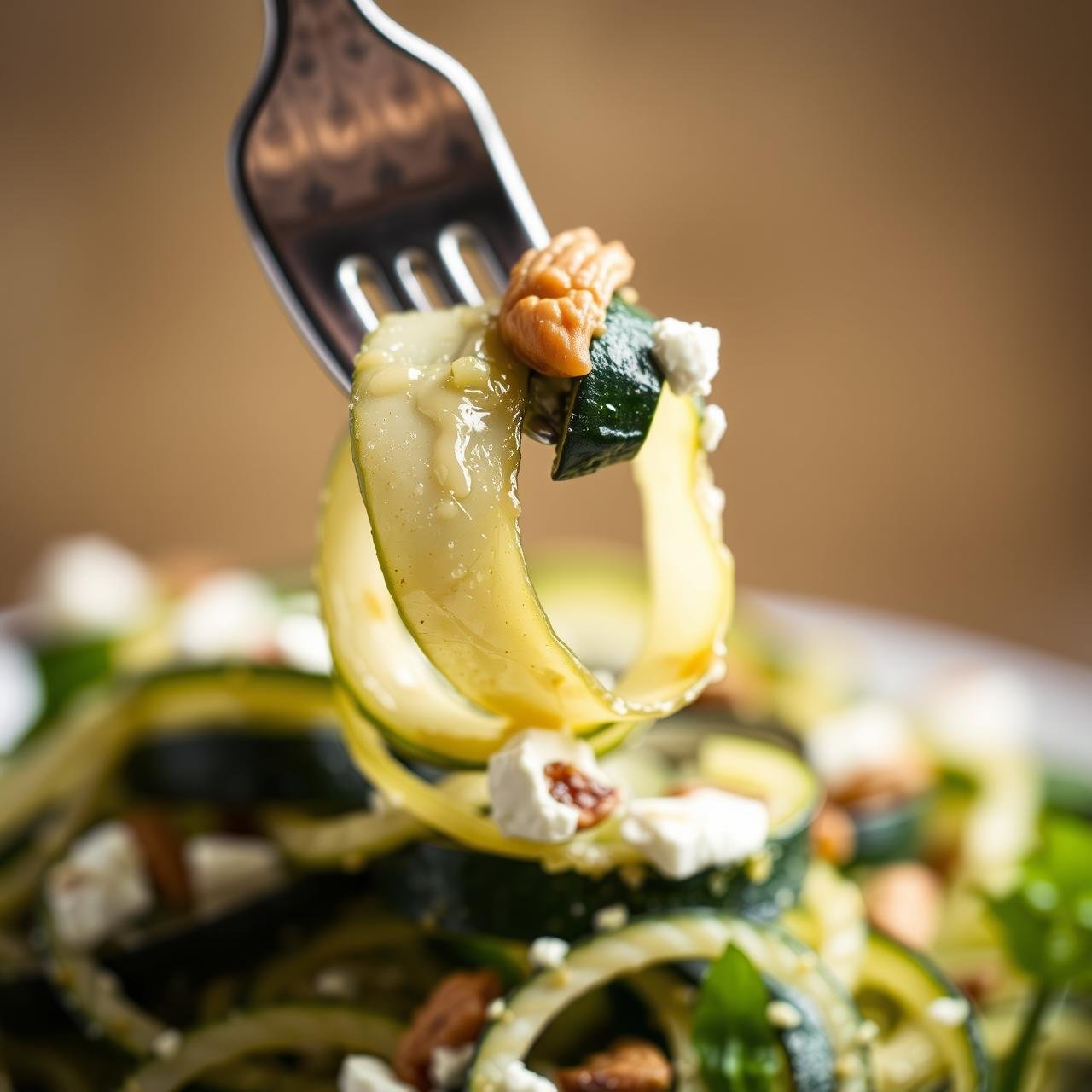
It bears repeating: salting and drying the zucchini ribbons is the single most important part of this entire process. It is the difference between a crisp, vibrant salad and a watery, disappointing one. This step concentrates the zucchini’s flavor and ensures every bite has a satisfying crunch.
Dress and Serve Immediately
While the salting process armors the zucchini against becoming instantly soggy, it’s still a raw vegetable salad. The acid in the lemon vinaigrette will begin to break down the cell walls over time, a process known as ceviche-style ‘cooking’. For peak crispness, it is best to dress the salad just before you plan to put it on the table.
Creative Variations
This recipe is a fantastic base for your culinary creativity. Consider these delicious additions:
- Add Protein: Turn this side into a main course by adding grilled chicken, shrimp, a can of drained chickpeas, or some flaky salmon.
- Switch up the Cheese: Not a fan of feta? Try shaved Parmesan, small balls of fresh mozzarella (bocconcini), or creamy goat cheese.
- Experiment with Herbs: Fresh dill, parsley, or even a little oregano would work beautifully here.
- Boost the Veggies: Thinly sliced cucumber, bell peppers, or shaved fennel would all be welcome additions.
Nutritional Profile: A Clean and Healthy Choice
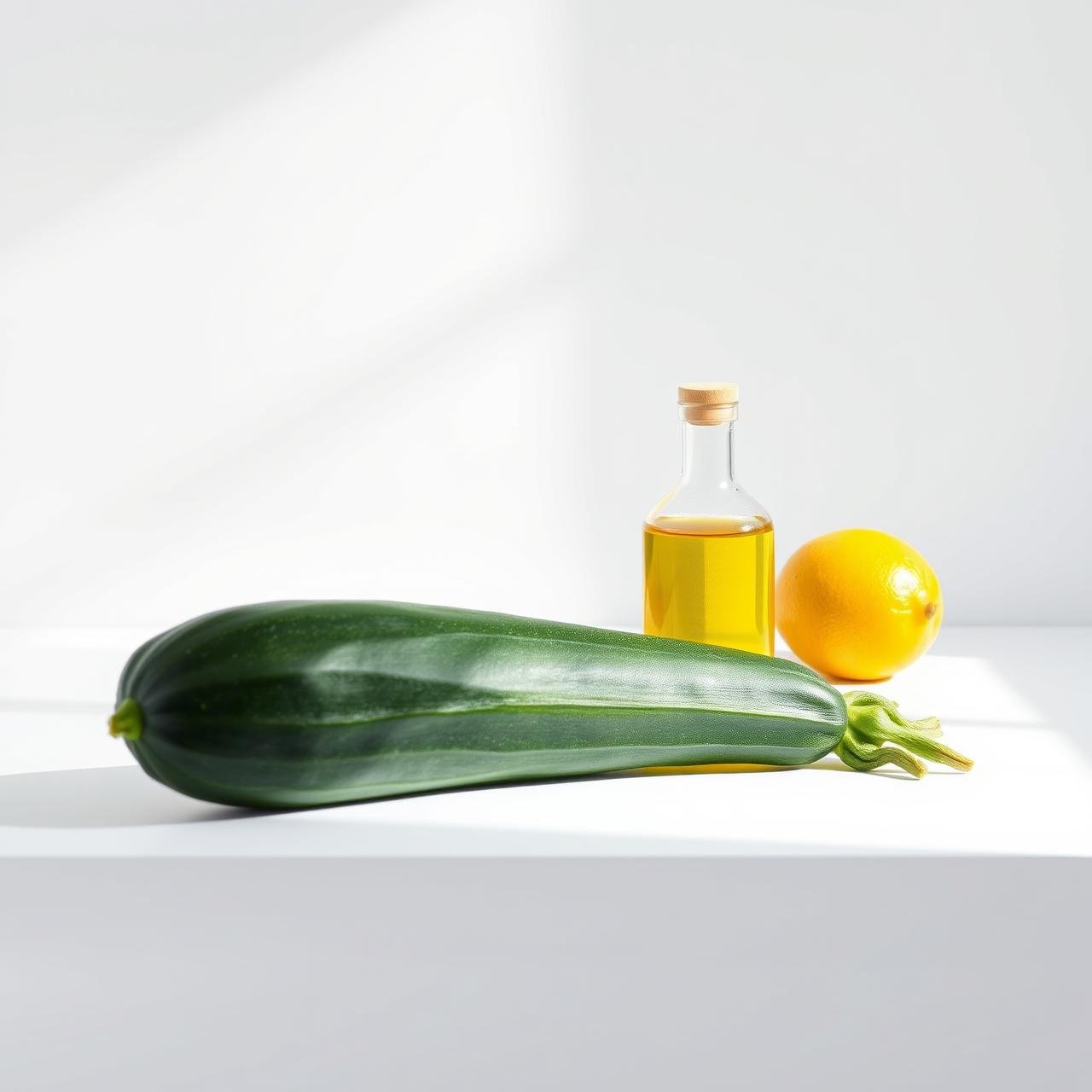
This salad isn’t just delicious; it’s a powerhouse of nutrition that aligns perfectly with a healthy, clean-eating lifestyle. It’s naturally low in calories and carbohydrates, making it an excellent choice for those following keto, low-carb, or gluten-free diets. Zucchini is a great source of Vitamin C, potassium, and antioxidants, while the healthy fats from the olive oil provide satiety.
| Nutrient | Estimated Amount Per Serving |
|---|---|
| Calories | ~185 kcal |
| Fat | 15g |
| Carbohydrates | 8g |
| Fiber | 3g |
| Net Carbs | 5g |
| Protein | 5g |
| Sodium | ~450mg |
Disclaimer: Nutritional information is an estimate and can vary based on ingredient brands, portion sizes, and specific additions.
Meal Prep and Storage Guide
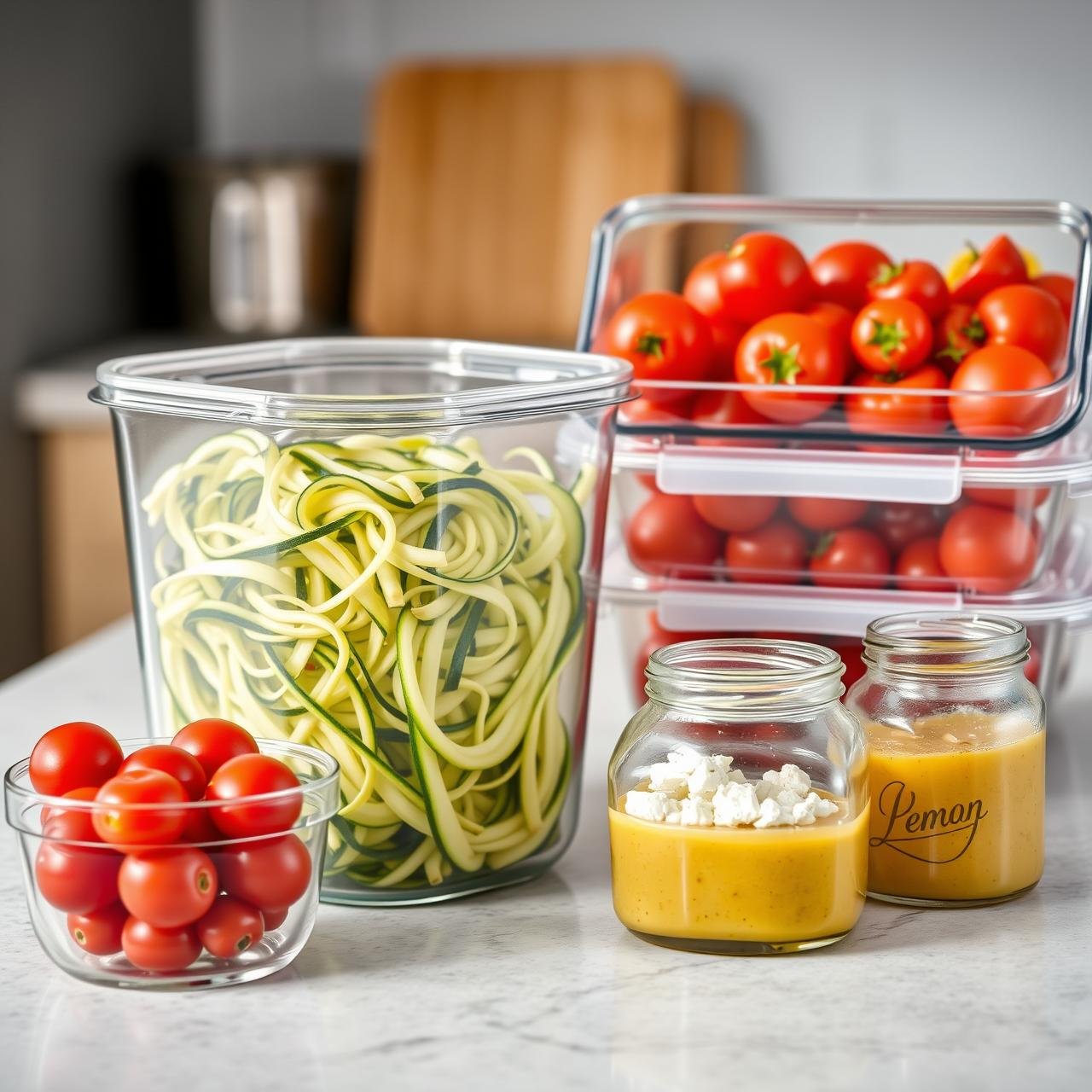
While this salad is undeniably best when served fresh, you can still leverage it for meal prep with a bit of strategy. The key is to keep the components separate until you’re ready to eat.
For Meal Prepping:
- Prepare the zucchini ribbons as directed, including the salting and drying step. Store the dried ribbons in an airtight container lined with a paper towel to absorb any residual moisture. They will keep well for up to 2 days in the refrigerator.
- Chop your other vegetables (tomatoes, onion) and store them in a separate container.
- Prepare the vinaigrette and store it in a small, sealed jar. It will last for up to a week in the fridge.
- When you’re ready to eat, simply combine the ribbons, vegetables, and dressing in a bowl, top with cheese and herbs, and enjoy.
Storing Leftovers:
Once the salad is dressed, it’s best to consume it within a few hours. If you do have leftovers, you can store them in an airtight container in the refrigerator for up to 24 hours. Be aware that the ribbons will lose much of their signature crunch and become softer, but the flavors will have melded and will still be delicious, albeit with a different texture.
Conclusion
The journey from soggy zoodles to a perfectly crisp zucchini ribbon salad is a lesson in technique over tradition. By abandoning the instinct to cook and instead embracing a simple, science-backed preparation method, we unlock the true potential of this humble vegetable. The salting process is not just a step; it is the entire secret, transforming zucchini into a worthy centerpiece of a refreshing, flavorful, and texturally delightful meal.
So, step away from the boiling pot. Put down the spiralizer if it has only brought you disappointment. Pick up your vegetable peeler and a little salt, and give this method a try. You’ll be rewarded with a stunning, healthy, and satisfying dish that will become a staple in your recipe collection, especially during the warm summer months. It’s time to stop compromising and start enjoying zucchini as it was meant to be: fresh, vibrant, and wonderfully crunchy.