20 Minute Baked Pesto Salmon (Restaurant Quality Dinner)
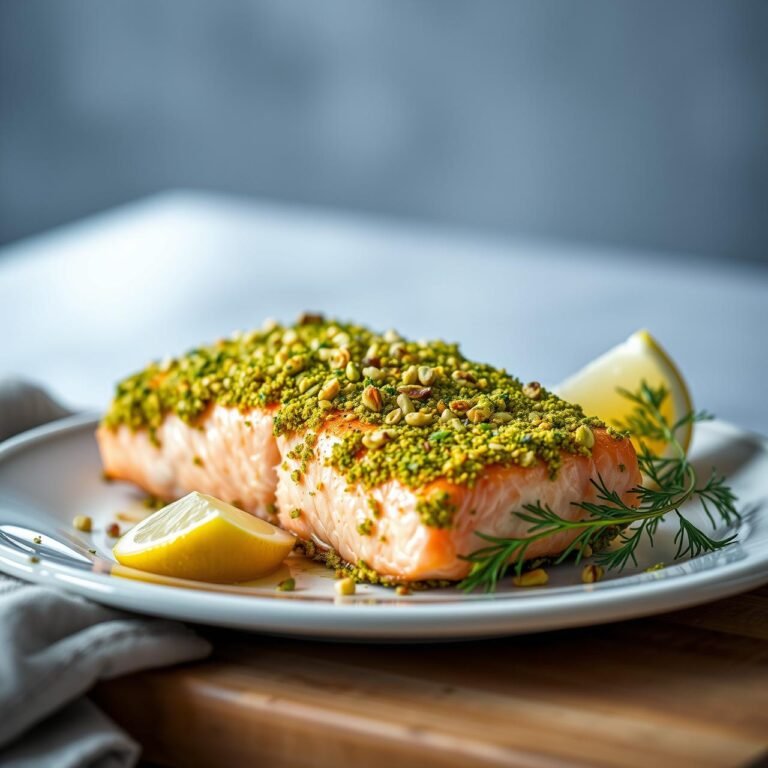
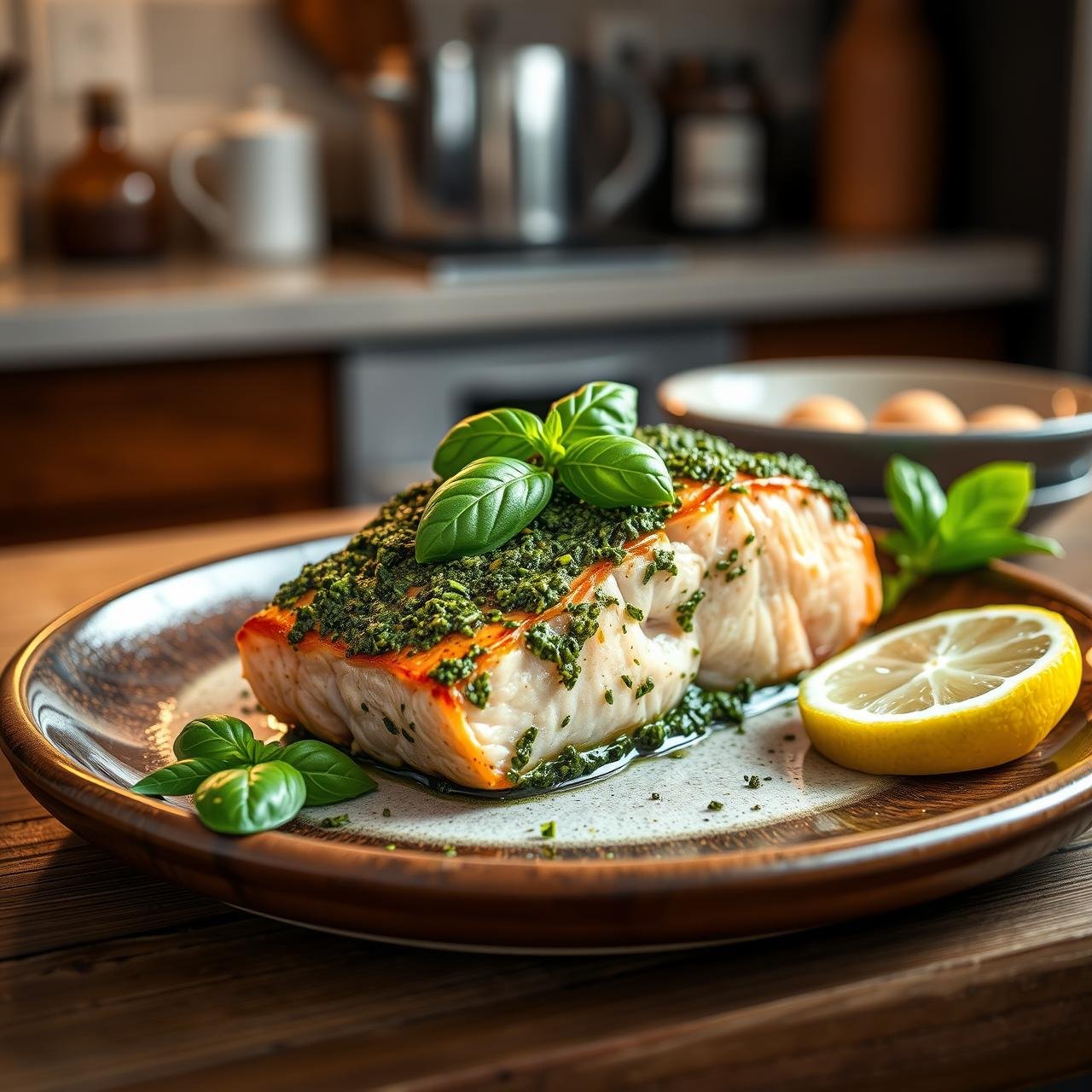
In the hustle and bustle of modern life, the weeknight dinner dilemma is all too real. We crave meals that are not only quick and easy but also deeply satisfying and nourishing—a combination that often feels like a culinary unicorn. We resort to takeout or repetitive, uninspired dishes, dreaming of a meal that tastes like a special occasion without the hours of prep. What if you could bring the elegance and flavor of a high-end restaurant dish to your table in less time than it takes to watch an episode of your favorite show? This 20-Minute Baked Pesto Salmon is the answer. It’s a symphony of simple, fresh ingredients coming together in a way that feels both rustic and refined. Imagine a succulent, flaky salmon fillet, cooked to perfection, blanketed in a rich, aromatic basil pesto with nutty parmesan and garlic. It’s healthy, it’s fast, and it delivers a ‘wow’ factor that will impress your family, your guests, and most importantly, yourself.
Why This 20-Minute Recipe is a Game-Changer
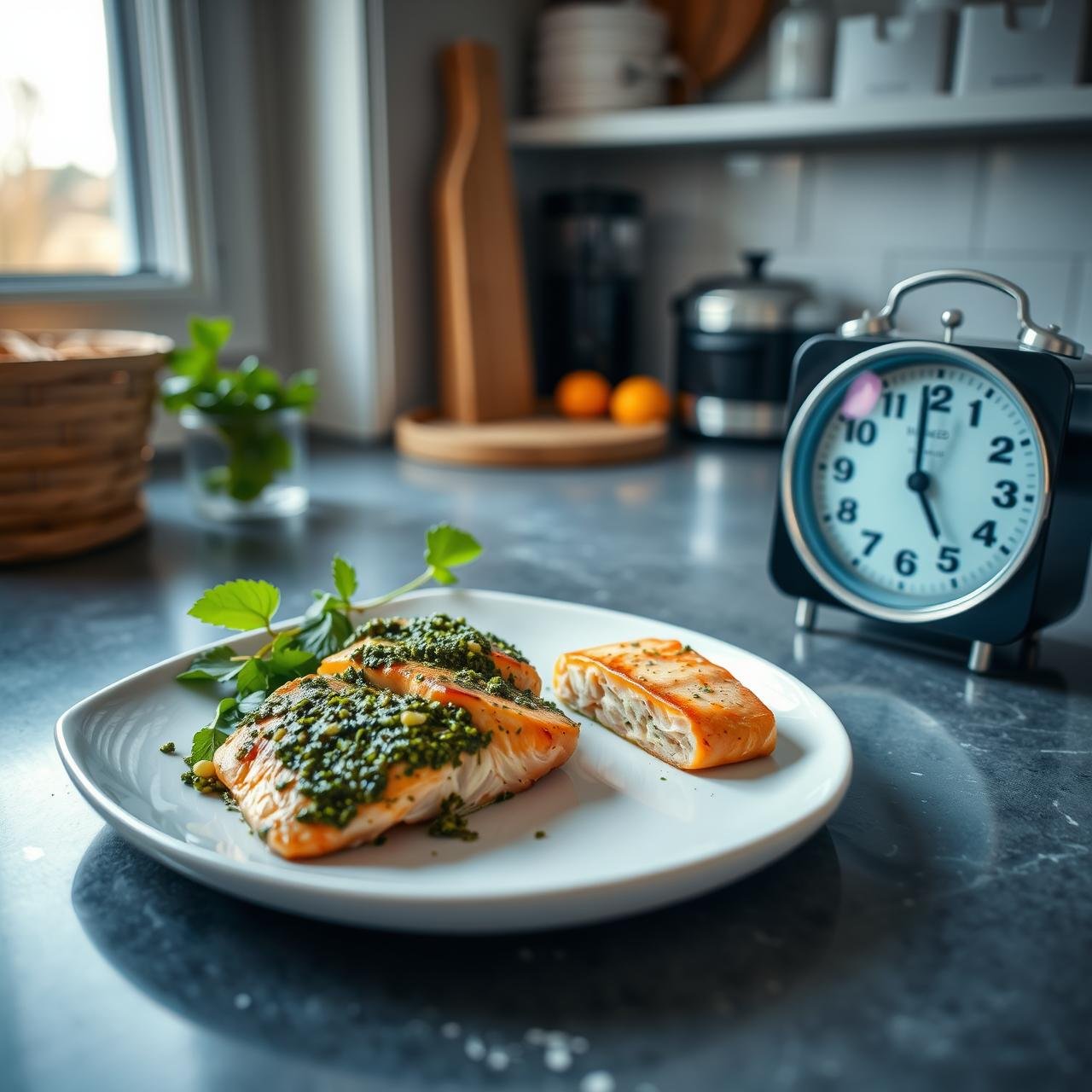
This recipe isn’t just about speed; it’s about efficiency without compromise. It masterfully balances three pillars of a perfect meal: incredible flavor, wholesome nutrition, and genuine simplicity. The vibrant, homemade-tasting pesto provides a powerful punch of fresh, herbaceous flavor that perfectly complements the rich, buttery salmon. From a health perspective, salmon is a powerhouse of omega-3 fatty acids, lean protein, and essential vitamins. Paired with a pesto made from heart-healthy olive oil, fresh greens, and nuts, it becomes a meal that nourishes your body while delighting your palate. And the simplicity? A single baking sheet and a handful of ingredients mean minimal prep and even less cleanup, making it an undisputed champion for busy weeknights.
The Star of the Show: Selecting Superb Salmon
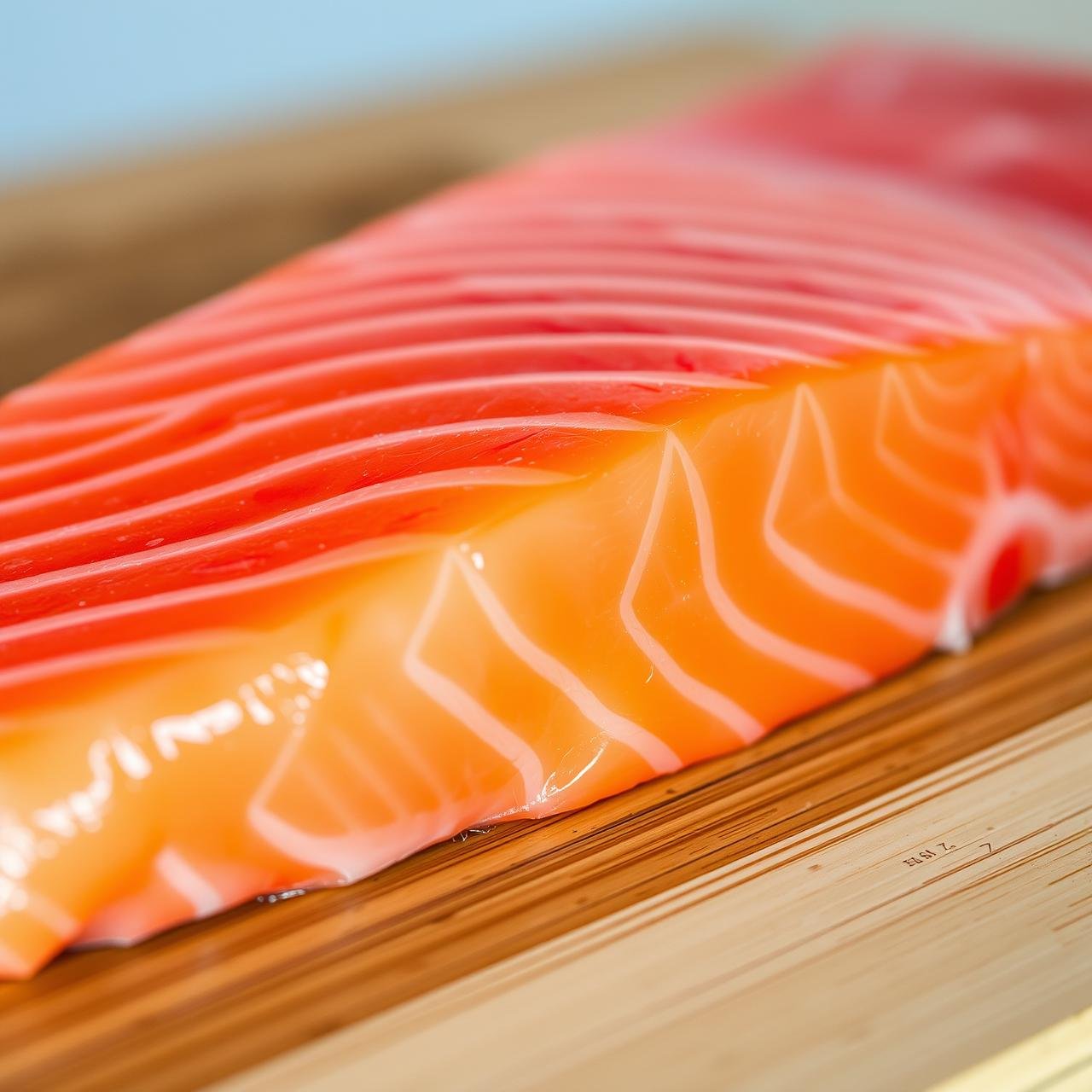
The quality of your salmon is paramount; it’s the canvas for our pesto masterpiece. When at the fish counter, look for fillets that are vibrant and moist, not dull or dry. The flesh should be firm and spring back when gently pressed. You have a few choices: King (Chinook) salmon is prized for its high fat content and rich, buttery texture, making it a luxurious option. Sockeye is leaner with a deeper red color and more assertive flavor. Coho is milder and a great all-purpose choice. Whether you choose wild-caught or sustainably farmed, aim for fillets that are about 1 to 1.5 inches thick to ensure even cooking. Leaving the skin on during baking can help keep the fillet moist and adds a wonderfully crispy texture if you sear it skin-side down first, though it’s not required for this recipe.
The Soul of the Dish: The Magic of a Great Pesto
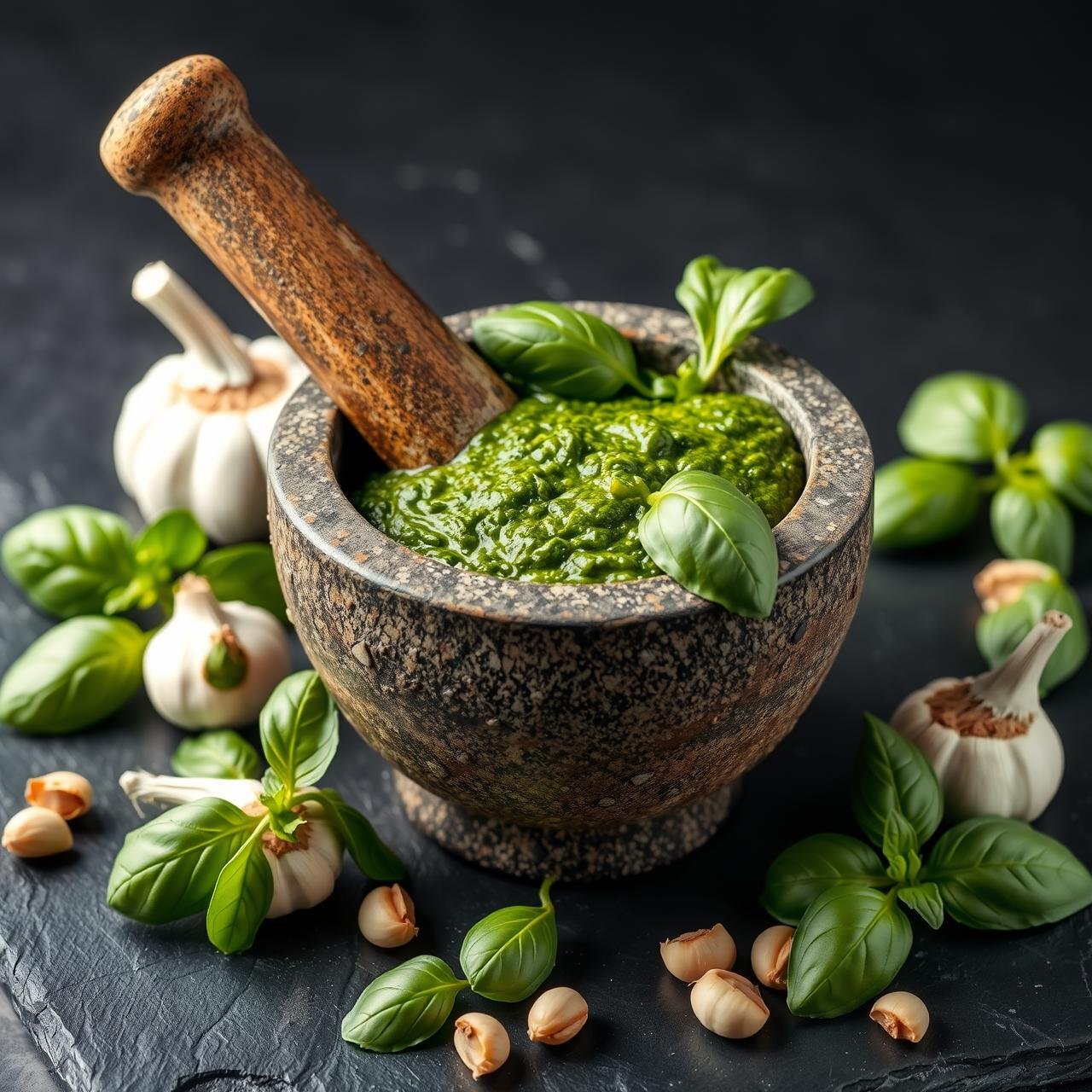
Pesto is the heart and soul of this dish, and while a quality store-bought version works in a pinch, making your own is a revelation of flavor. Traditional Pesto Genovese is a pure, uncooked sauce that celebrates its components. The fresh basil provides a sweet, peppery aroma. The garlic adds a pungent kick. Toasted pine nuts give it a creamy, buttery depth. A generous amount of genuine Parmigiano-Reggiano lends a salty, nutty complexity, and a stream of high-quality extra-virgin olive oil emulsifies it all into a luscious, vibrant sauce. The beauty of pesto is its rustic nature; it doesn’t need to be perfectly smooth. A little texture is a sign of a lovingly crafted, homemade sauce.
Your Culinary Toolkit: Essential Equipment
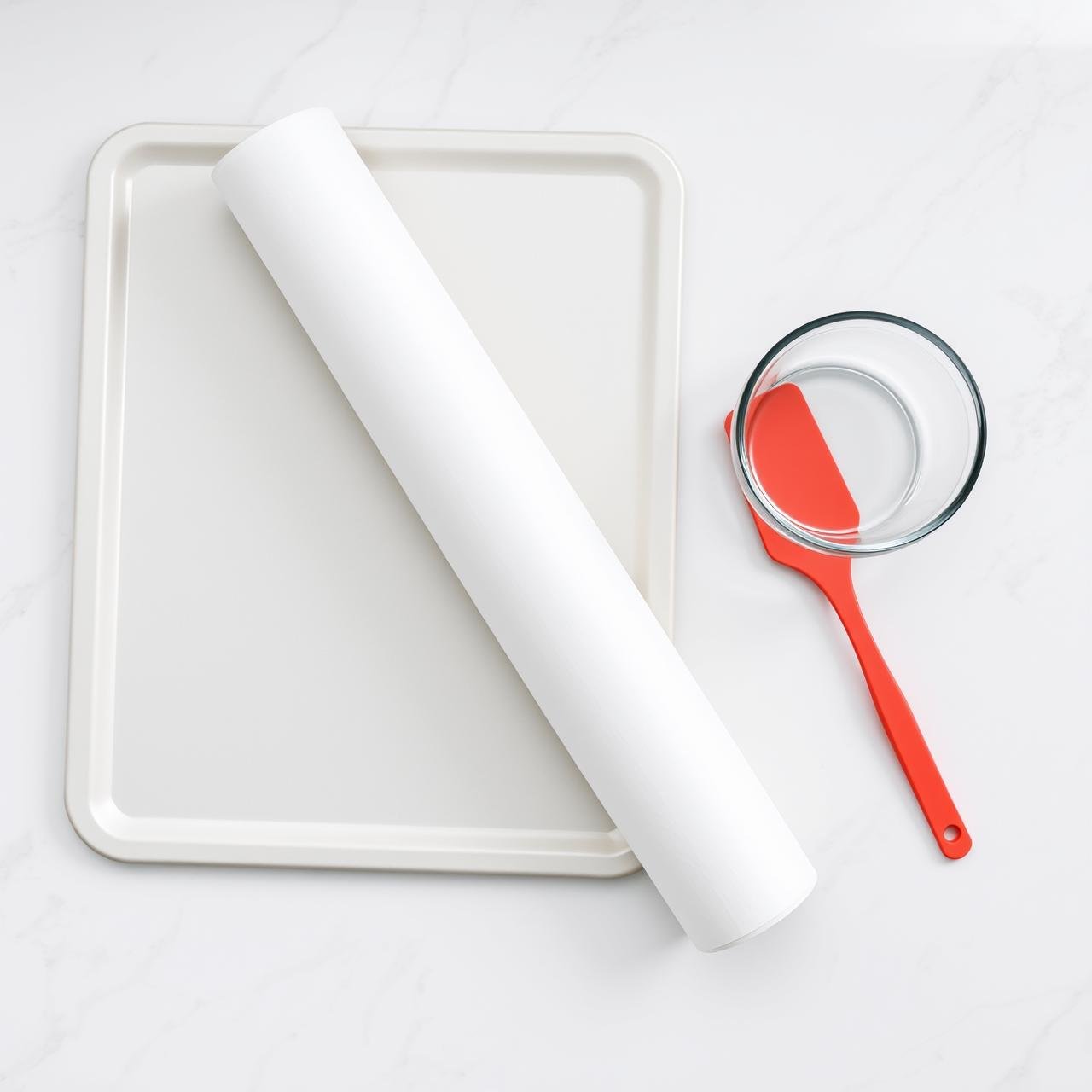
You don’t need a kitchen full of fancy gadgets to create this restaurant-quality meal. The beauty of this recipe lies in its minimalism, both in ingredients and in equipment. Here is everything you’ll need to ensure a flawless cooking process from start to finish.
| Equipment | Purpose |
|---|---|
| Baking Sheet | Provides a large, flat surface for even cooking. A heavy-duty, rimmed baking sheet prevents warping. |
| Parchment Paper | The secret to non-stick salmon and effortless cleanup. It’s a non-negotiable for this recipe. |
| Small Bowl & Spoon | For mixing your pesto (if using store-bought and adding lemon/pepper) and for spreading it evenly. |
| Spatula | A fish spatula is ideal, but any thin, flexible spatula works for safely lifting the delicate fillet. |
| Food Processor (Optional) | If making pesto from scratch, this makes the process incredibly fast and easy. |
Gathering Your Flavor Arsenal: The Ingredients
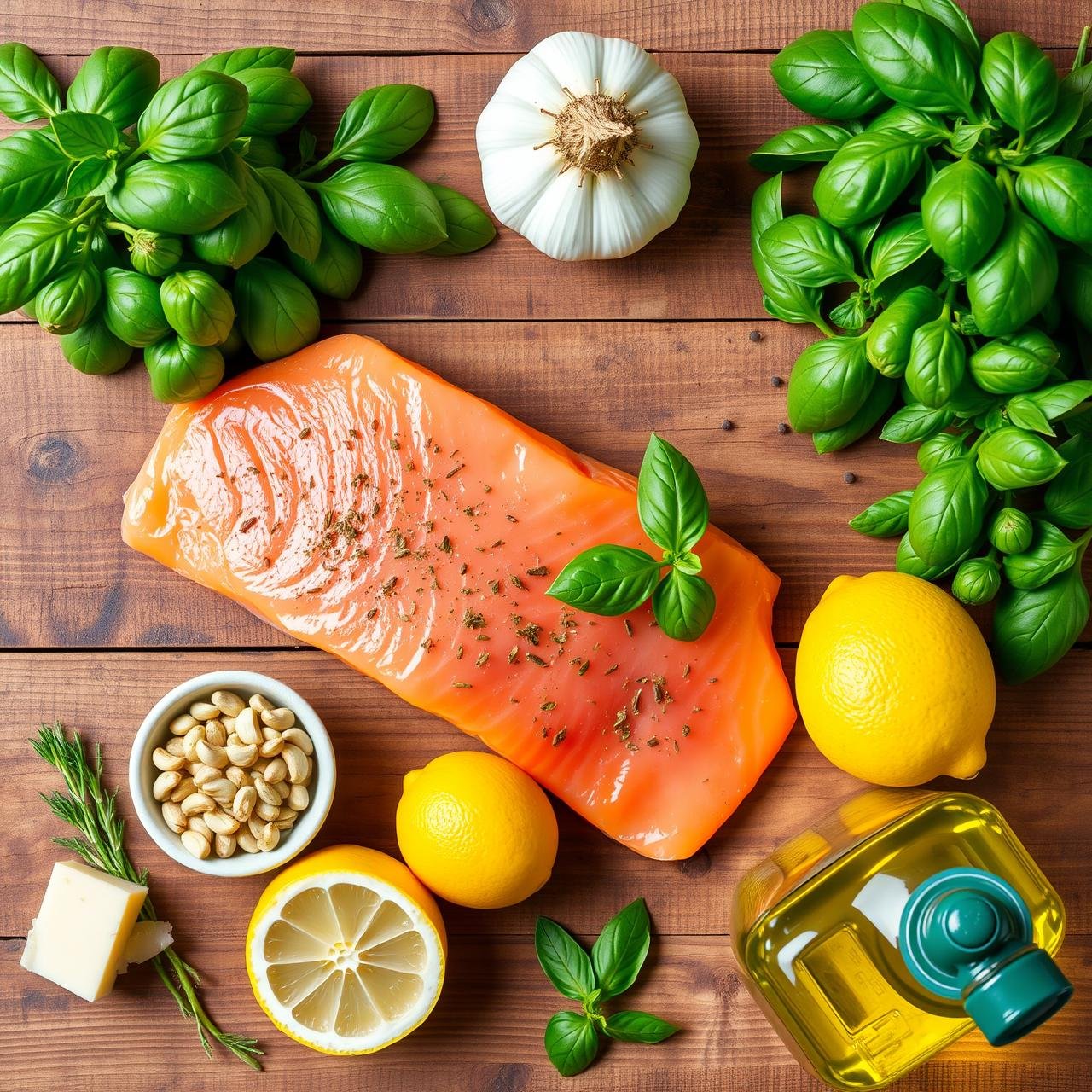
Simplicity reigns supreme here. Each ingredient is chosen to play a specific, impactful role. For the best results, use the freshest ingredients you can find.
- Salmon Fillets: Four 6-ounce fillets, about 1-inch thick, skin-on or off.
- Basil Pesto: 1/2 cup of your favorite high-quality store-bought pesto, or use our homemade guide.
- Extra-Virgin Olive Oil: 1 tablespoon, for brushing the pan or fish.
- Sea Salt: 1/2 teaspoon, or to taste. Coarse sea salt provides a nice texture.
- Freshly Ground Black Pepper: 1/4 teaspoon, or to taste.
- Lemon: 1 whole lemon, half for juice and half for slicing into wedges for serving.
- Optional Garnish: A handful of fresh basil leaves or toasted pine nuts.
Ingredient Deep Dive: The Buttery Goodness of Pine Nuts
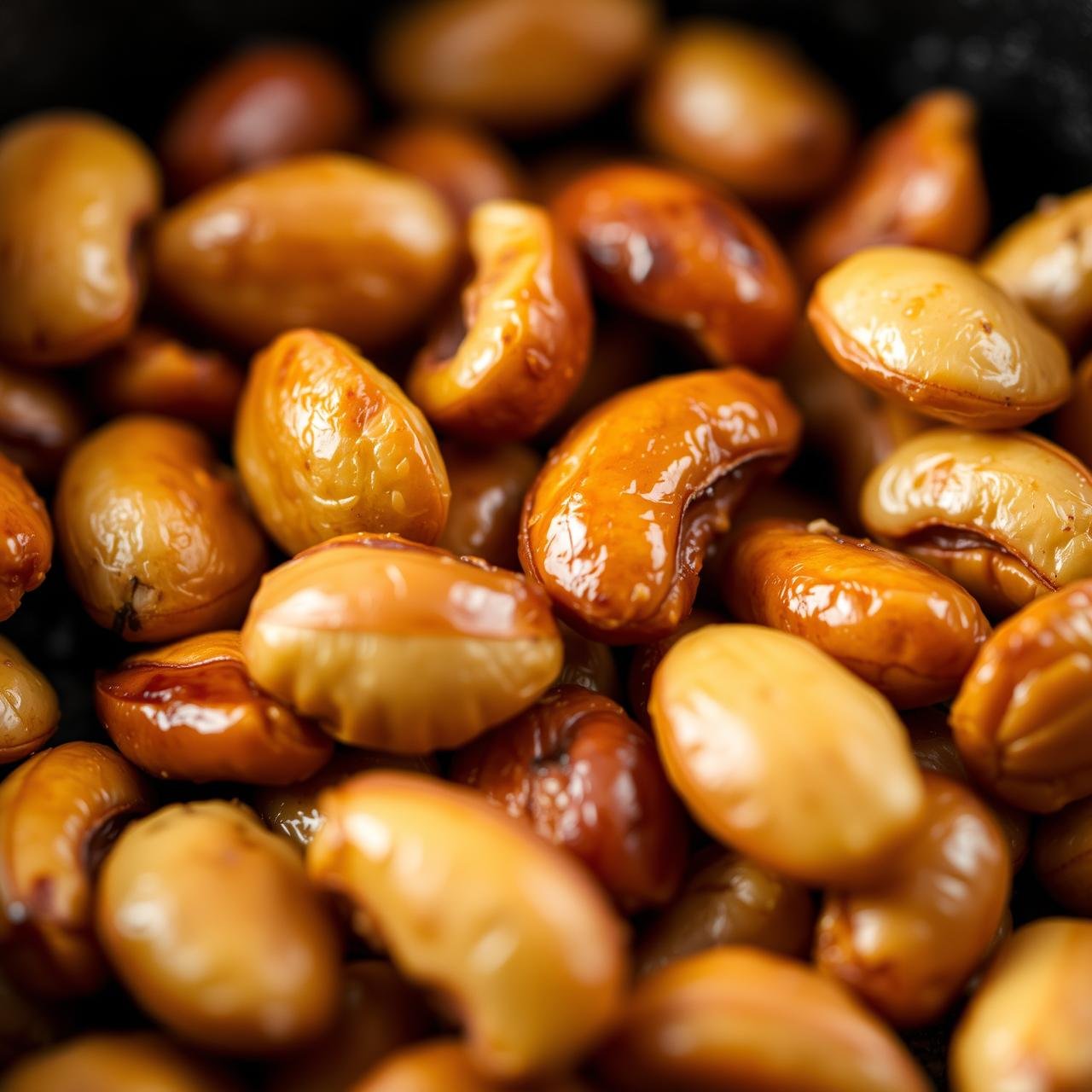
Pine nuts, or ‘pignoli’, are the traditional nut used in pesto for a reason. They are soft, with a delicate, almost buttery flavor and a subtly sweet finish. When raw, their flavor is mild, but toasting them awakens their aromatic oils and deepens their flavor into a rich, nutty profile that is simply irresistible. To toast them, simply place them in a dry skillet over medium-low heat for 2-3 minutes, tossing frequently until they are fragrant and lightly golden. Watch them like a hawk—they can go from perfect to burnt in a matter of seconds! This small step adds a tremendous layer of complexity to your pesto.
Ingredient Deep Dive: The Power of Fresh Basil
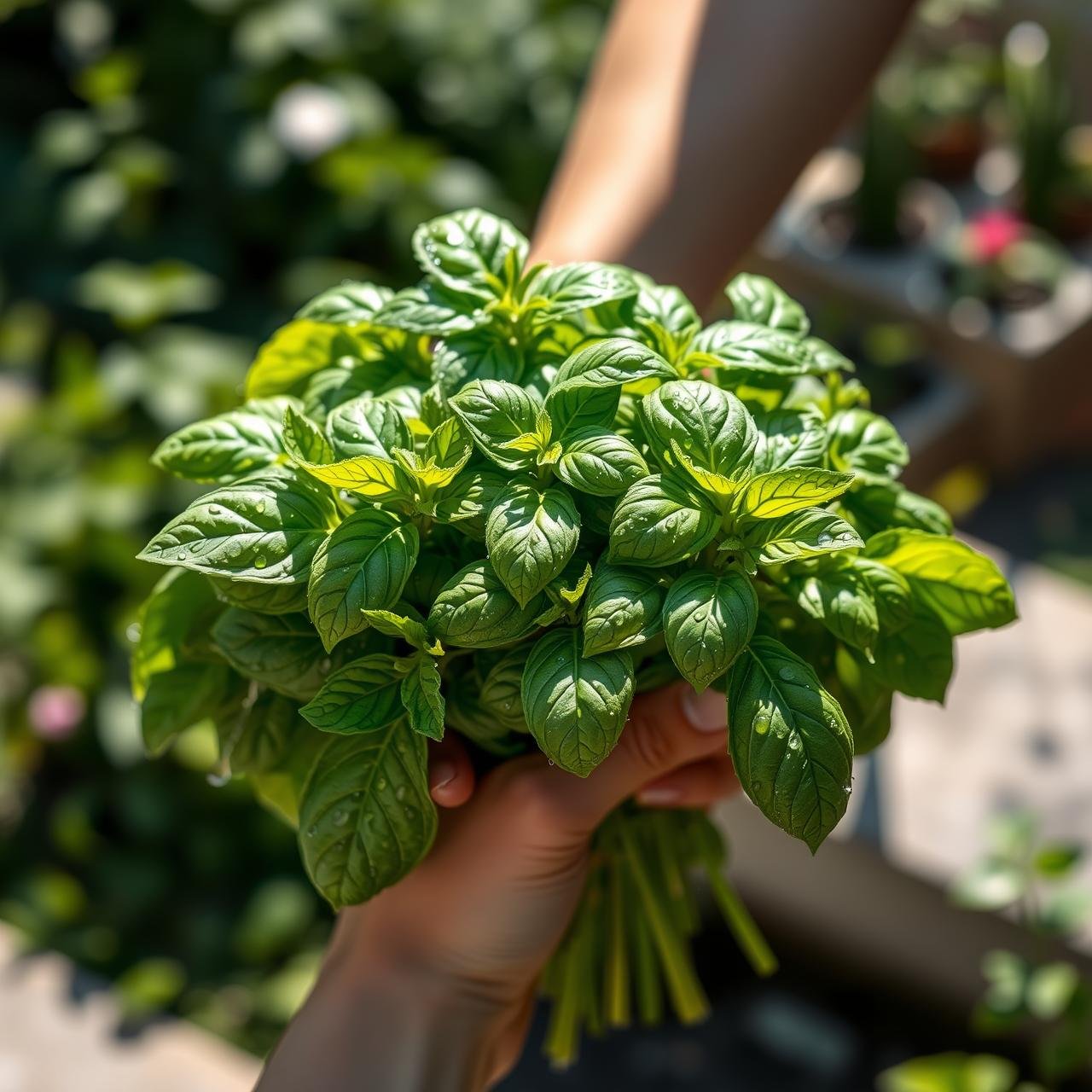
The intoxicating aroma of fresh basil is the cornerstone of a great pesto. For Pesto Genovese, the specific variety used is Genovese Basil, known for its large, tender leaves and a flavor that’s a perfect balance of sweet and peppery, without the minty notes of some other varieties. When shopping, look for vibrant green leaves with no signs of browning or wilting. To prepare it, gently wash the leaves and pat them completely dry—water is the enemy of a good pesto, as it can cause the sauce to oxidize and turn brown. The fresher your basil, the more aromatic and flavorful your final dish will be.
Ingredient Deep Dive: The Salty Bite of Parmesan
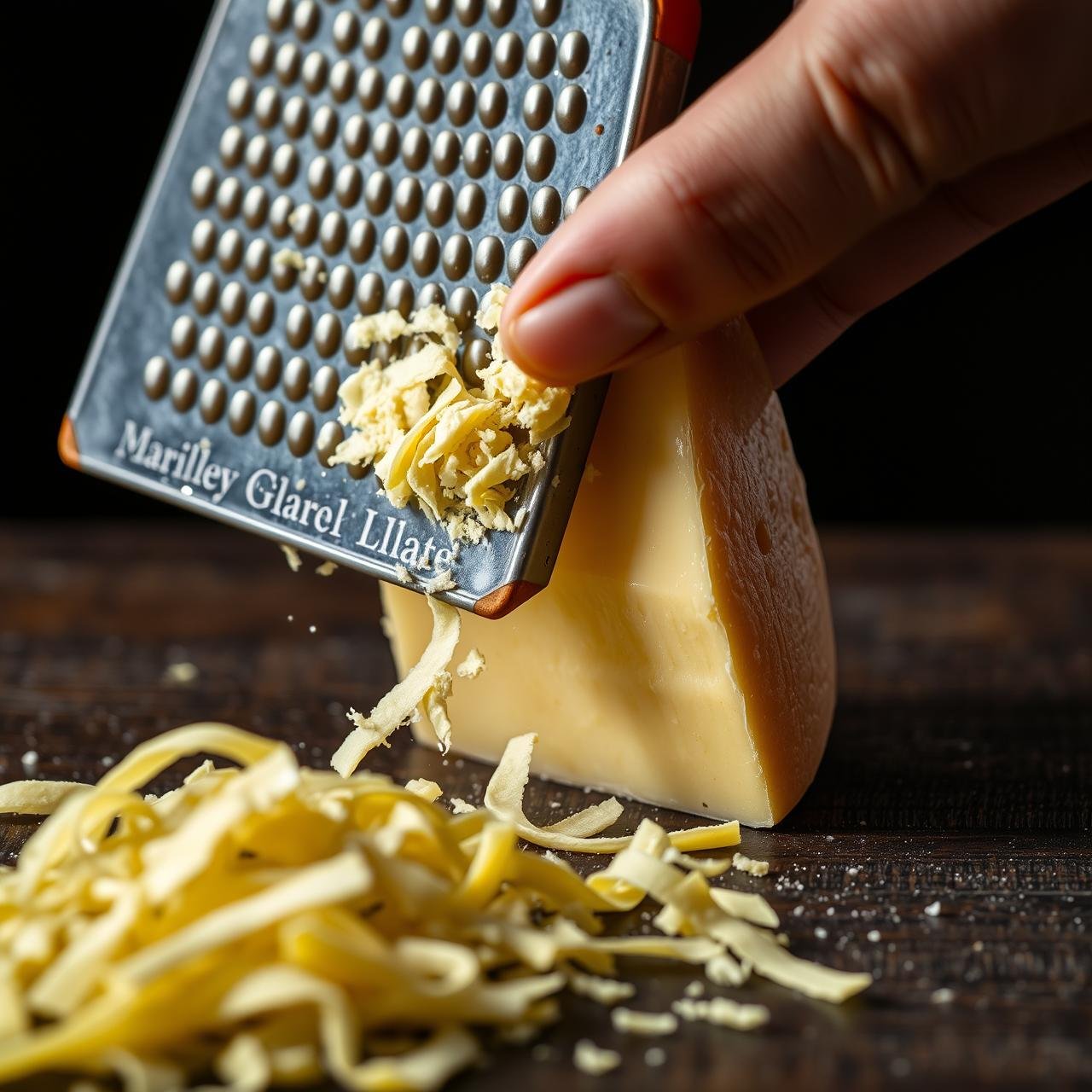
Not all Parmesan is created equal. For a truly authentic and superior flavor, seek out a wedge of Parmigiano-Reggiano D.O.P. This ‘King of Cheeses’ is aged for a minimum of 12 months, developing a complex, granular texture and deep umami flavors with nutty and salty notes. Pre-shredded cheeses often contain anti-caking agents that can create a gritty texture and dull the flavor. Buying a block and grating it yourself just before use releases its full aromatic potential and ensures a smooth, well-integrated melt into your pesto. It’s a small upgrade that makes a world of difference.
Step 1: Setting the Stage – Preheat and Prepare
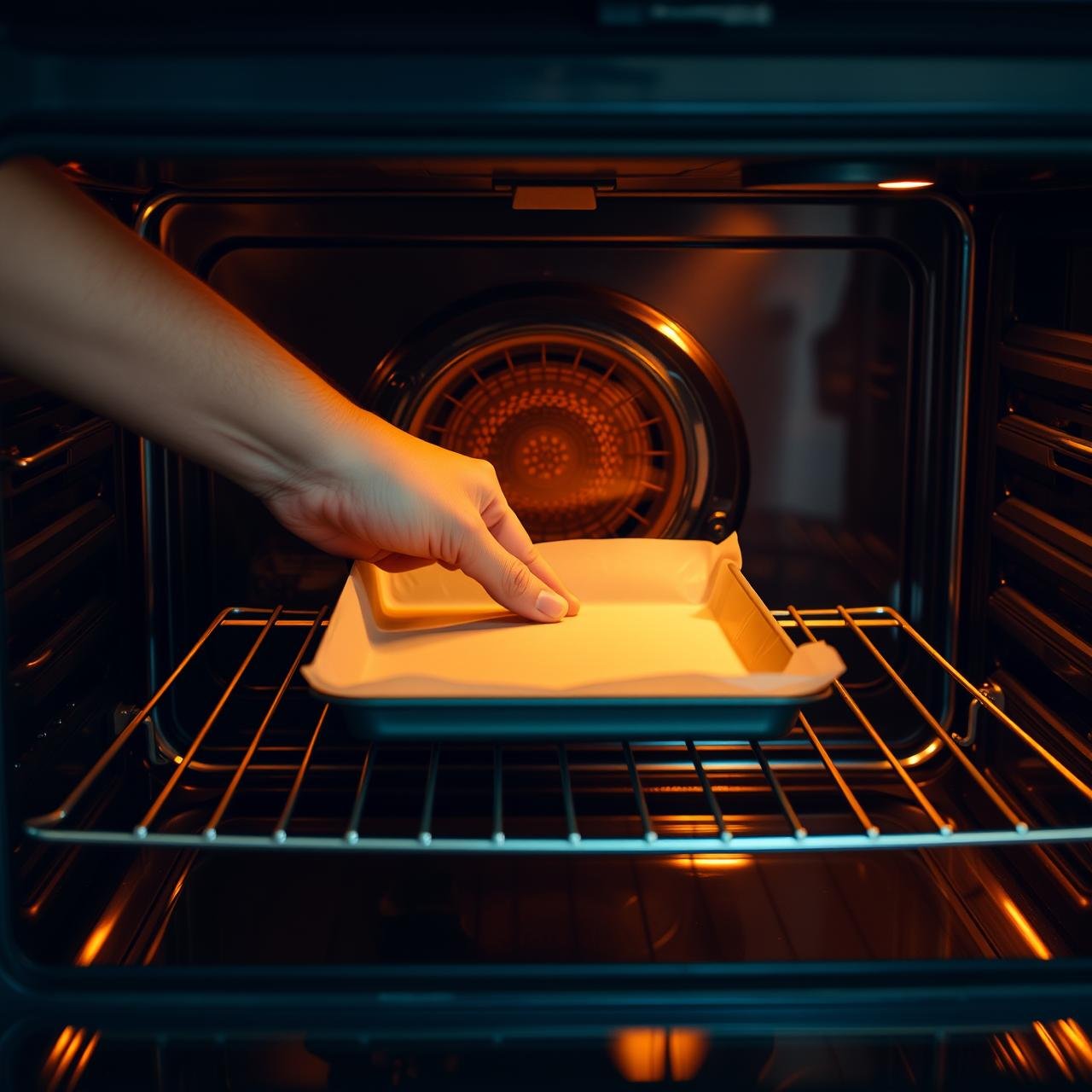
Proper preparation is the foundation of a stress-free cooking experience. Begin by adjusting your oven rack to the middle position. This ensures the salmon is surrounded by even, circulating heat, which is key to uniform cooking. Preheat your oven to a robust 400°F (200°C). This higher heat helps the salmon cook quickly, keeping it moist on the inside while creating a beautifully crusted top. While the oven heats, line a large, rimmed baking sheet with parchment paper. This simple step is a game-changer: it prevents the salmon from sticking, promotes even browning on the bottom, and makes cleanup astonishingly easy. No scrubbing required!
Step 2: The Perfect Canvas – Prepping the Salmon
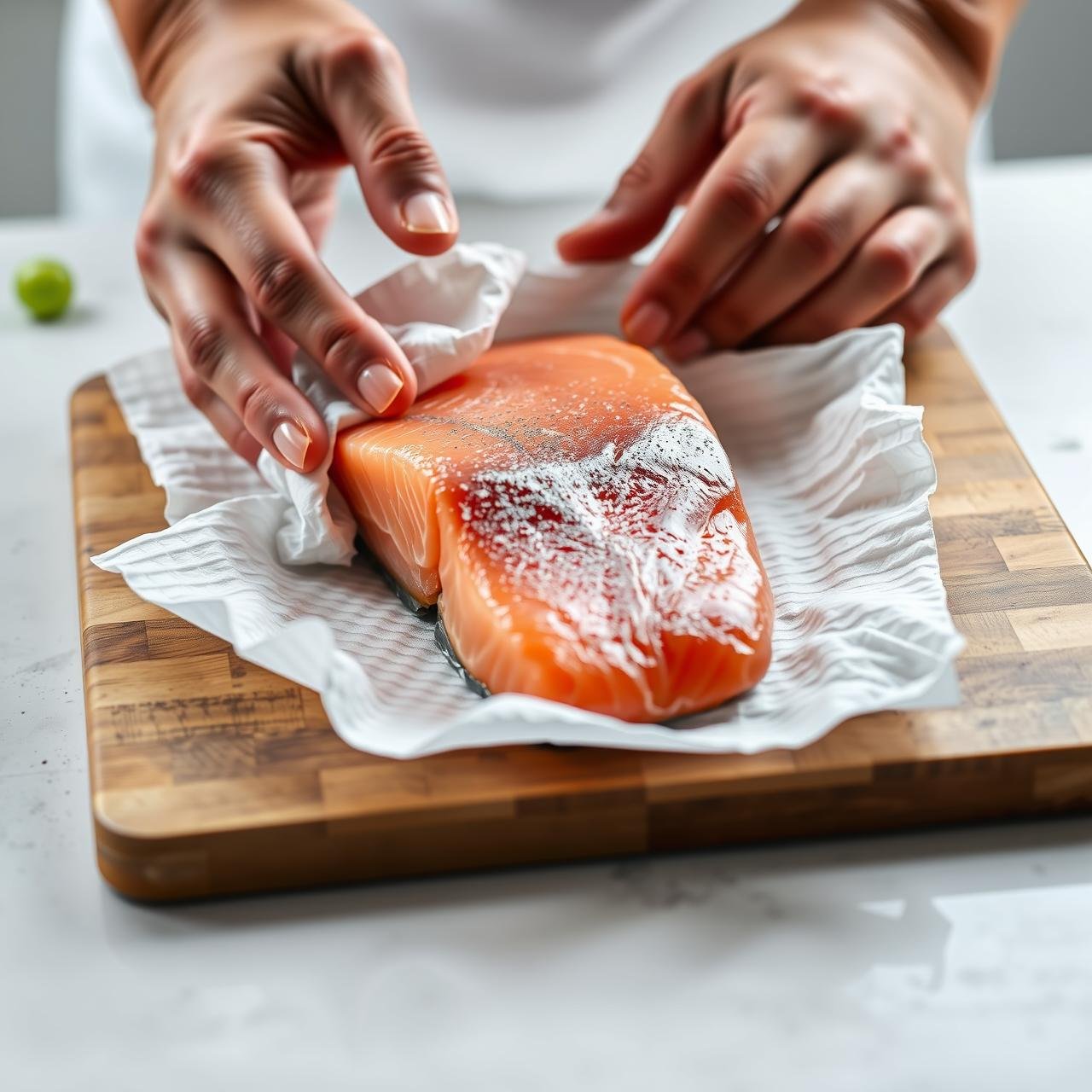
To achieve a perfect pesto crust that adheres beautifully to the fish, you must start with a dry surface. Moisture is the enemy of browning and adhesion. Take your salmon fillets and gently pat them dry on all sides with a clean paper towel. This removes any excess surface moisture, allowing the pesto to cling tightly and form a flavorful, slightly toasted topping rather than just steaming on the surface. Once dry, arrange the fillets on your prepared baking sheet, leaving an inch or two of space between each one to promote air circulation and even cooking. Season generously with sea salt and freshly ground black pepper.
Step 3: The Flavor Blanket – Applying the Pesto
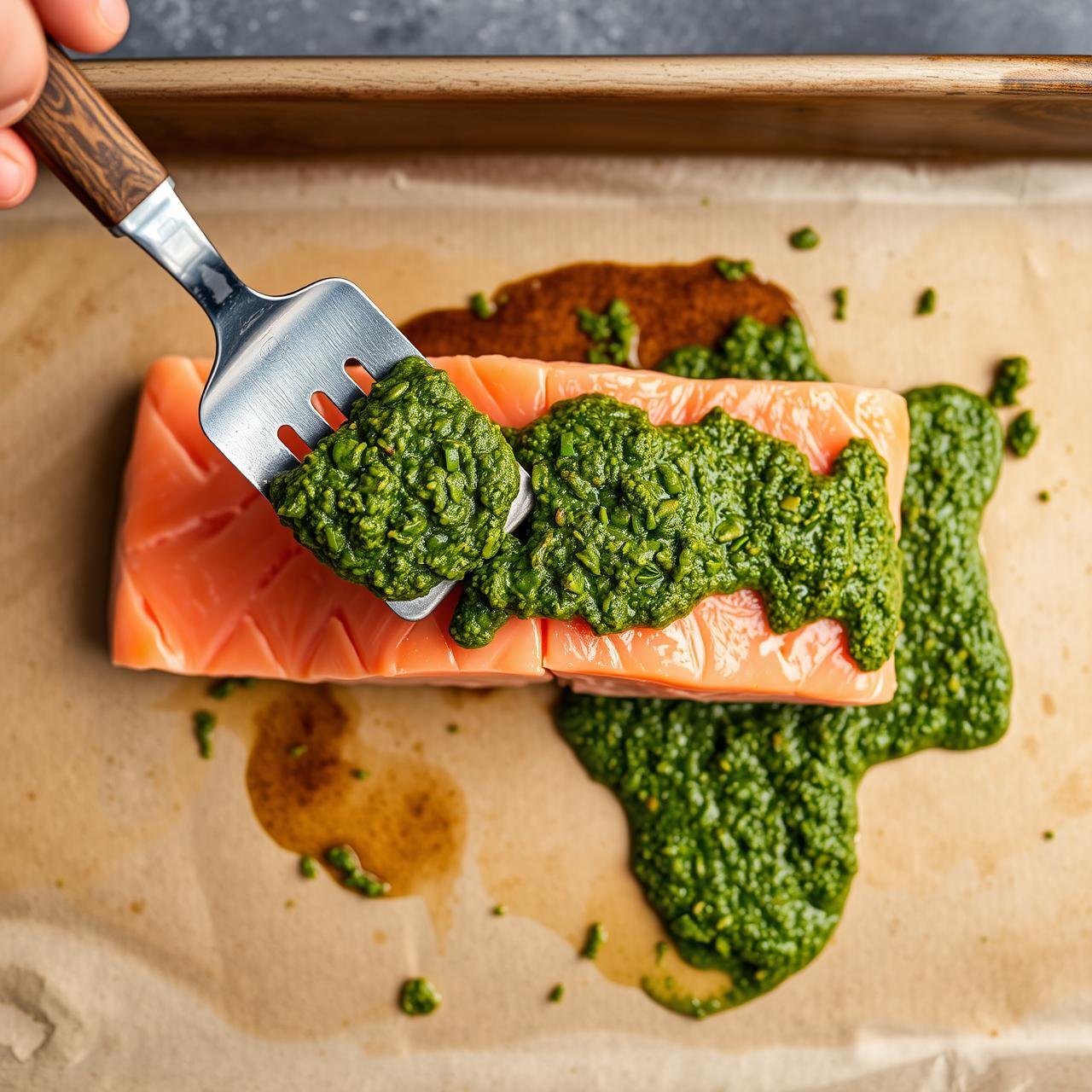
Now for the most satisfying step. Spoon a generous amount of pesto onto the top of each salmon fillet. Aim for about 2 tablespoons per fillet. Using the back of the spoon or a small spatula, spread the pesto into a thick, even layer, covering the entire top surface from edge to edge. Don’t be shy here; this layer is where all the flavor lives. A substantial blanket of pesto not only infuses the fish with its herbaceous, garlicky essence but also acts as a protective barrier, locking in moisture and ensuring the salmon below remains incredibly tender and succulent as it bakes.
Step 4: The Bake – Mastering Time and Temperature
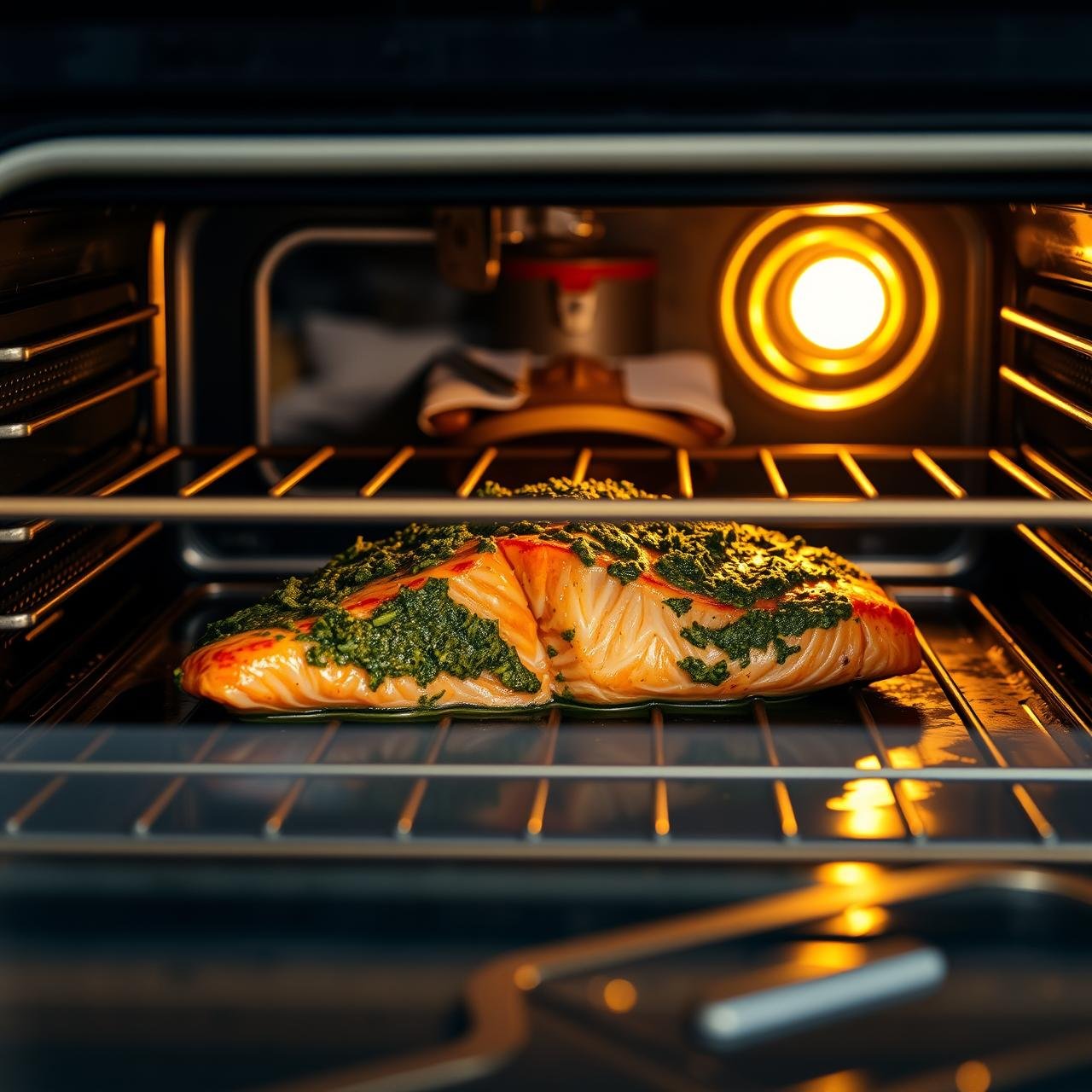
With your oven preheated to 400°F (200°C), carefully place the baking sheet on the middle rack. The baking time is crucial and will vary slightly based on the exact thickness of your fillets. As a general rule, bake for 12-15 minutes. This high-heat, short-time method is perfect for salmon. It allows the exterior to cook quickly and the pesto to toast lightly, while the interior gently cooks through to a state of tender perfection without drying out. Set a timer for 12 minutes and then check for doneness.
The Chef’s Secret: How to Tell When Salmon is Perfectly Done
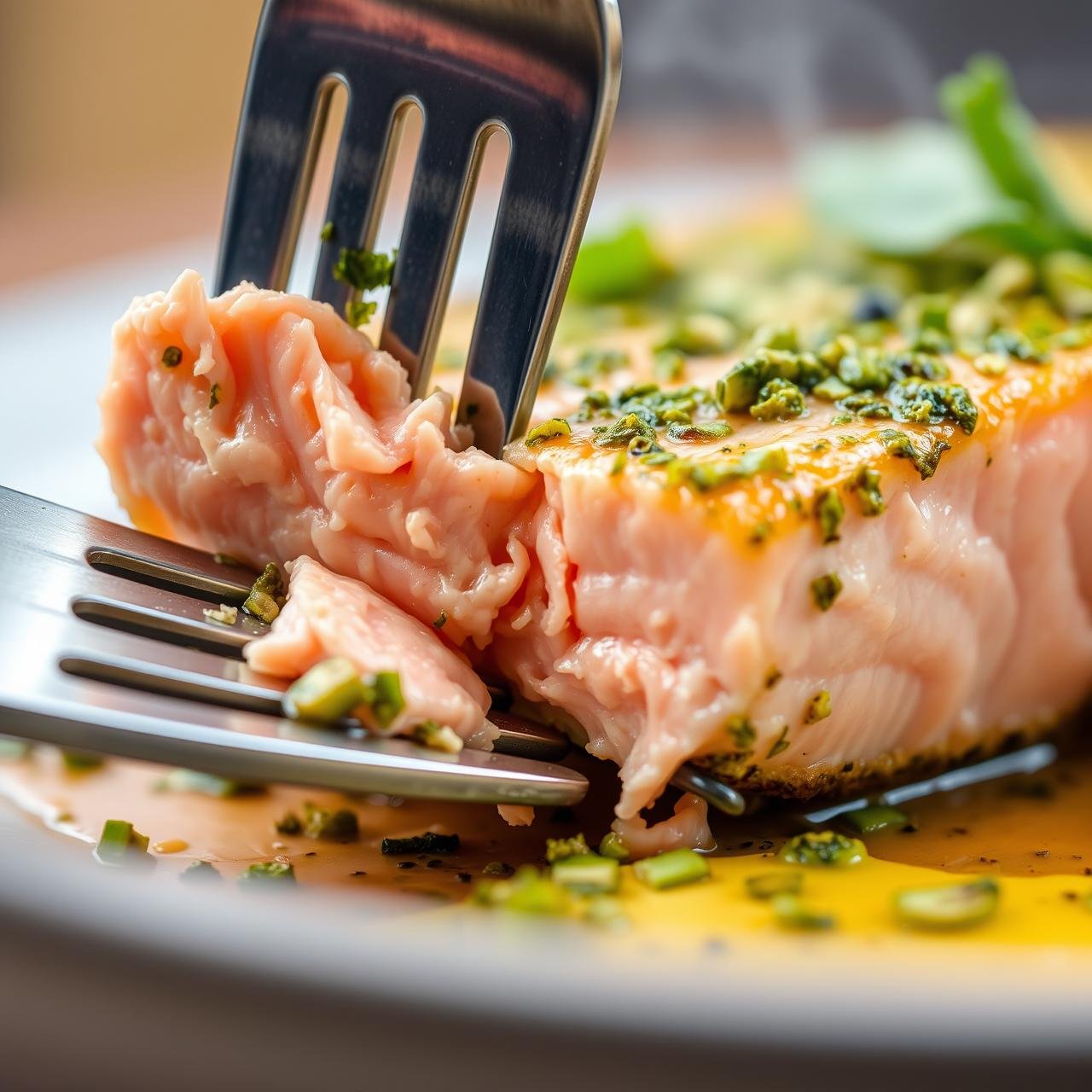
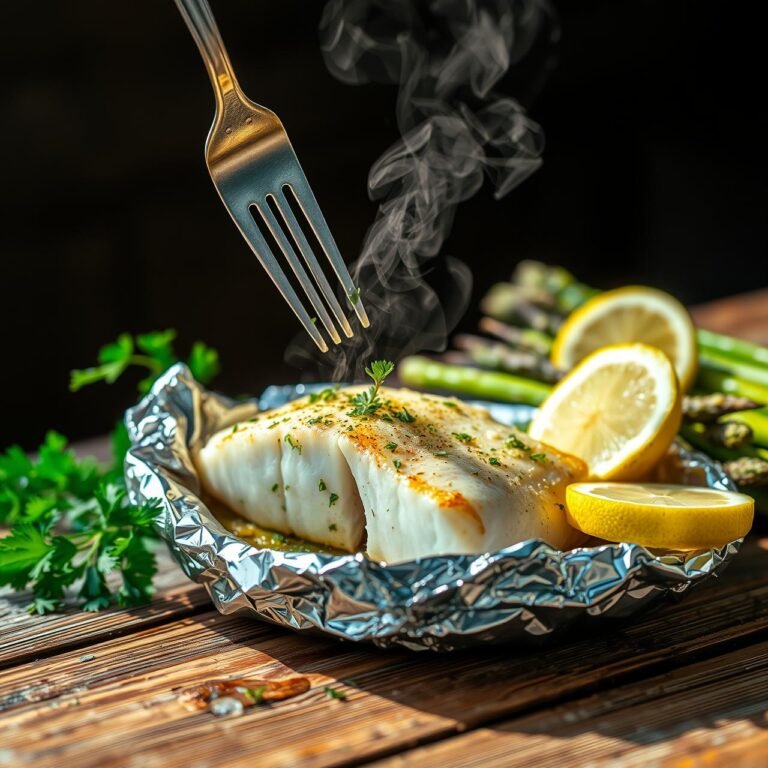
Overcooked salmon is a culinary tragedy. To avoid it, learn the signs of perfection. The most reliable method is using an instant-read thermometer inserted into the thickest part of the fillet; you’re looking for a temperature of 135-140°F (57-60°C) for a medium-well finish. If you don’t have a thermometer, use the visual fork test. Take a fork and gently press on the thickest part of the salmon. If it’s cooked, the flesh will flake easily into beautiful, opaque layers. If it resists or still looks translucent and raw in the center, it needs another minute or two in the oven. Remember, the fish will continue to cook slightly from residual heat after you remove it from the oven.
Step 5: The Final Flourish – A Burst of Acidity
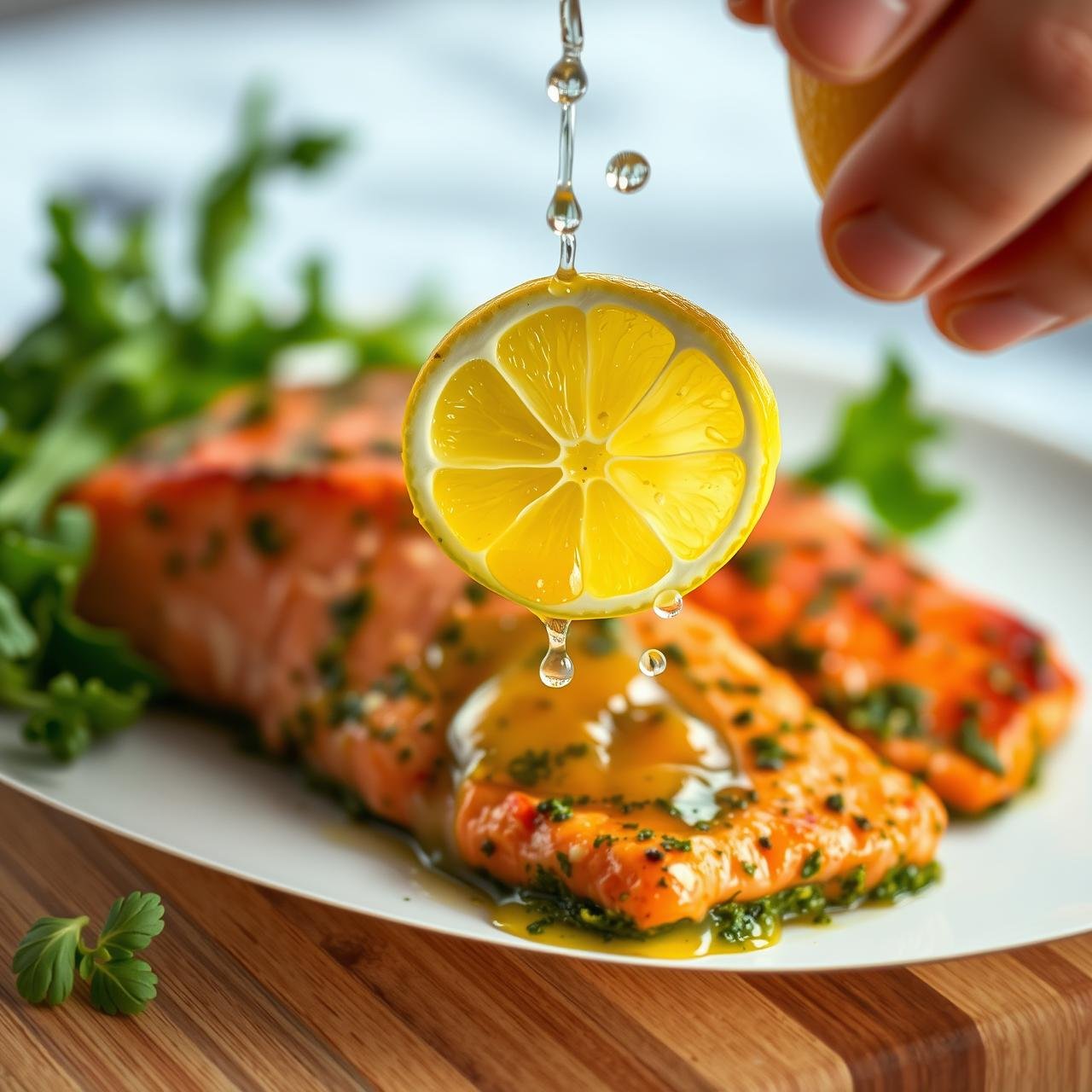
This final touch is what elevates the dish from great to extraordinary. As soon as the salmon comes out of the oven, take a fresh lemon and squeeze its bright, zesty juice over all the fillets. This seemingly small step works wonders. The acidity cuts through the richness of the salmon and the olive oil in the pesto, brightening all the individual flavors and making the entire dish taste more vibrant and balanced. It’s the fresh, clean note that ties everything together and leaves your palate feeling refreshed.
Building the Perfect Plate: What to Serve Alongside
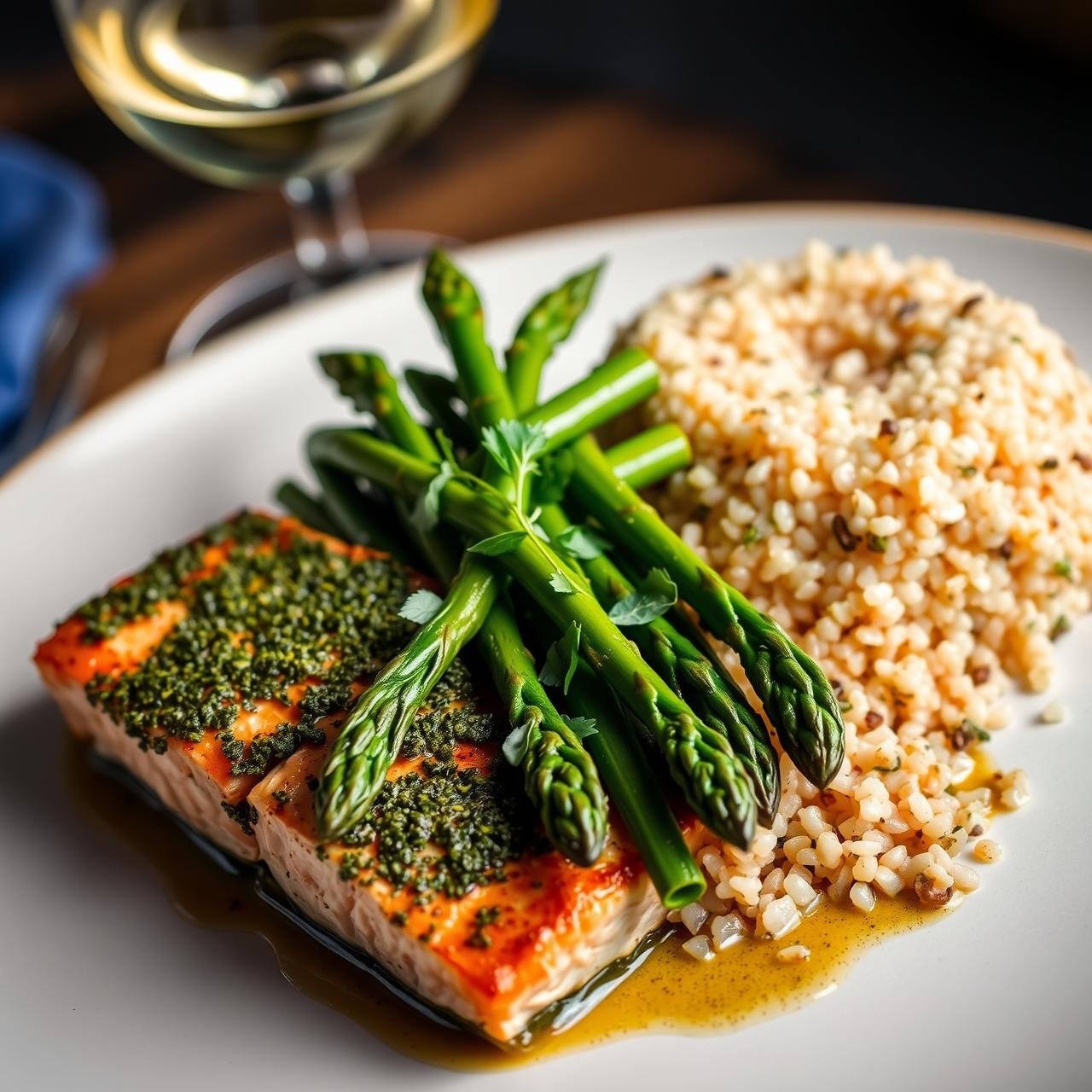
This versatile pesto salmon pairs beautifully with a wide variety of sides. For a classic and healthy pairing, serve it with roasted asparagus or broccoli tossed with a little olive oil and sea salt—you can even cook them on the same pan for the last 10 minutes of baking. For something more substantial, it’s wonderful alongside a bed of fluffy quinoa, creamy parmesan polenta, or simple orzo pasta. A fresh, crisp arugula salad with cherry tomatoes and a light vinaigrette also provides a lovely, peppery contrast to the rich fish.
A Toast to Dinner: Perfect Wine Pairings
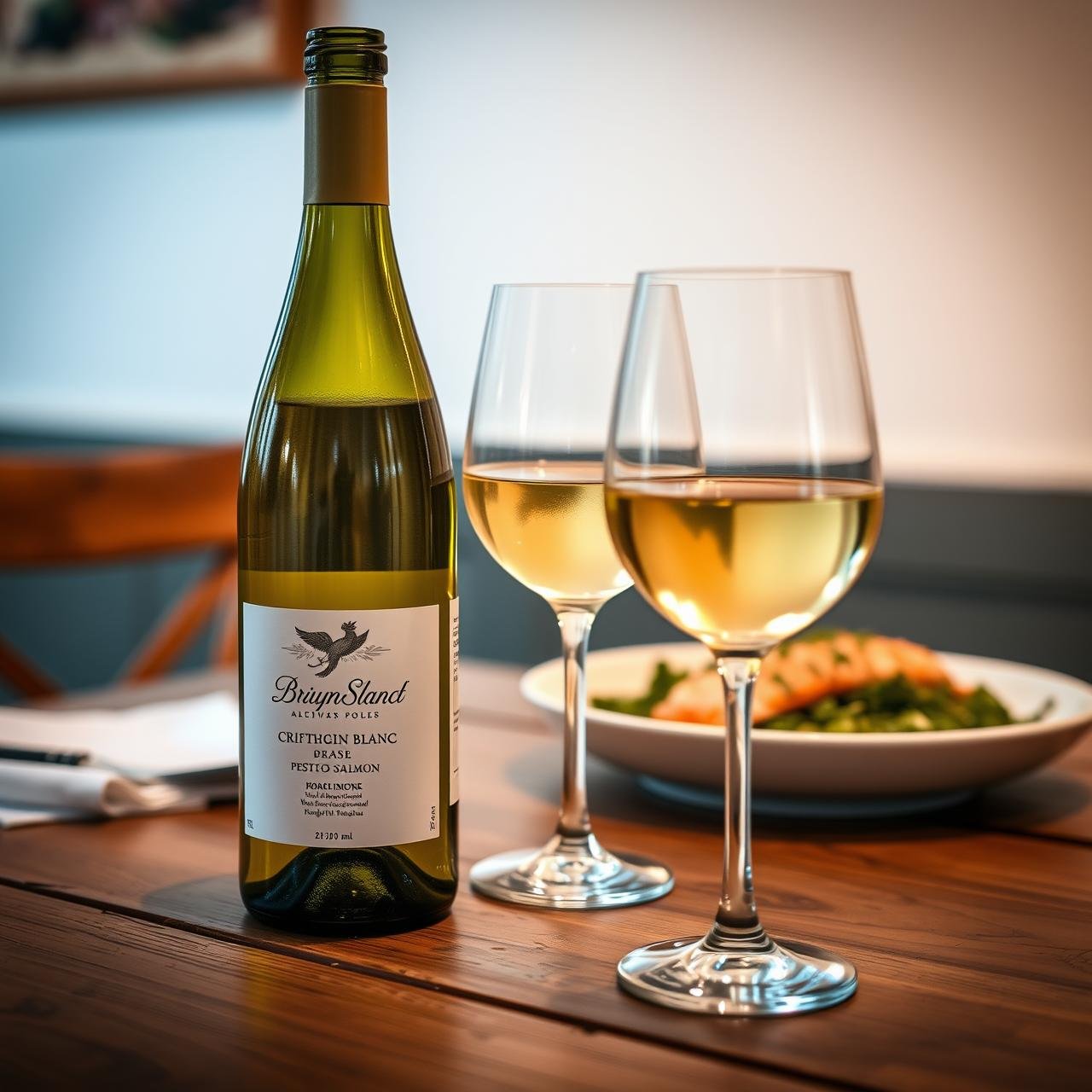
The right wine can elevate your meal to a true dining experience. For pesto salmon, you want a wine with enough acidity to complement the lemon and cut through the richness, without overpowering the delicate fish. A crisp, dry white wine is the classic choice. A Sauvignon Blanc from the Loire Valley, with its grassy, citrusy notes, is a perfect match for the herbaceous pesto. A zesty Italian Pinot Grigio or a dry Rosé from Provence would also be delightful, offering refreshing acidity and subtle fruit notes that harmonize beautifully with the dish.
Make It Your Own: Healthy Variations & Swaps
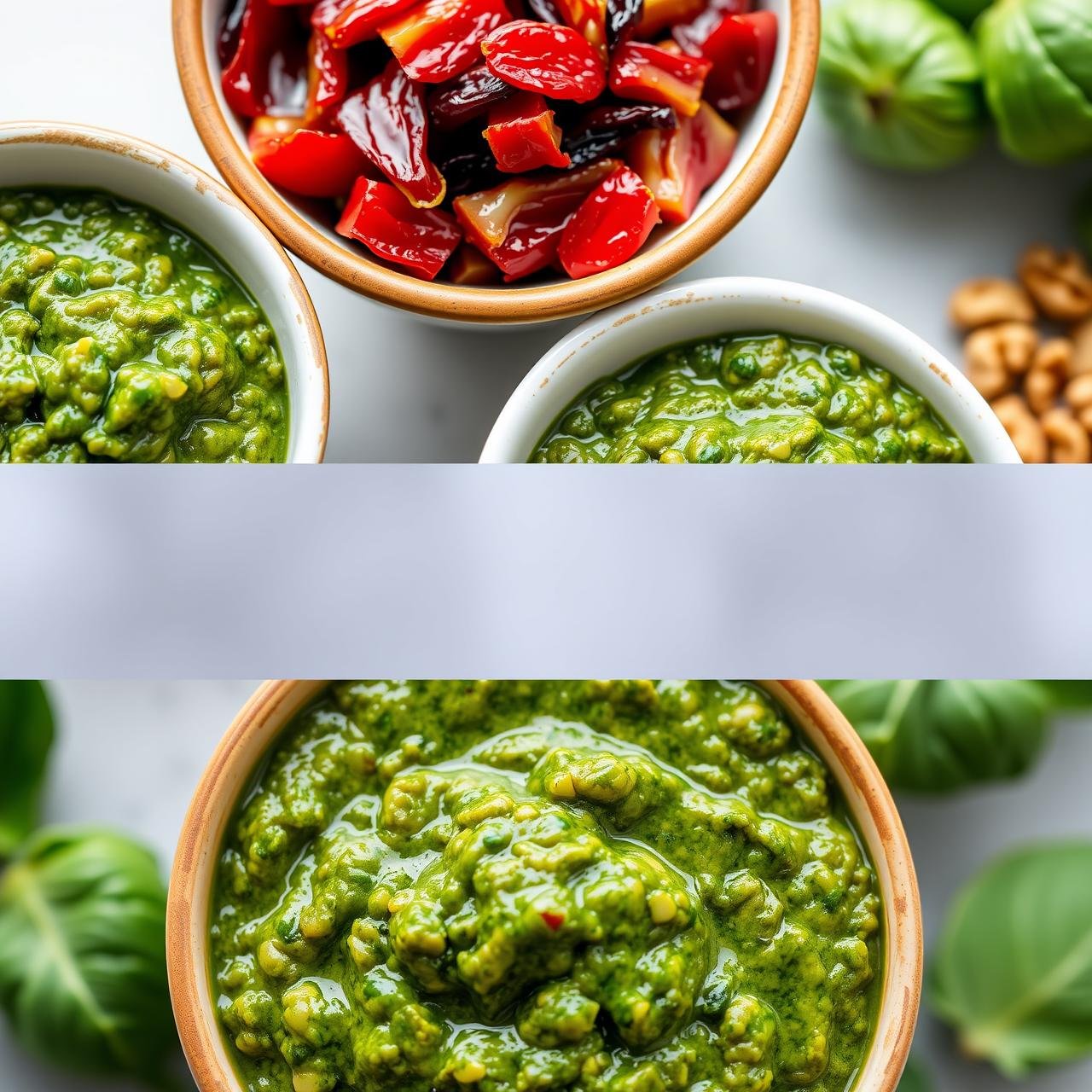
This recipe is a fantastic template for creativity. Feel free to experiment based on your preferences or what you have on hand.
Pesto Variations:
- Nut-Free: Swap the pine nuts for toasted sunflower or pumpkin seeds.
- Different Nuts: Toasted walnuts or almonds add a different, delicious character.
- Add a Twist: Blend in a few sun-dried tomatoes for a sweet and tangy Pesto Rosso, or a handful of arugula for a peppery bite.
Fish Swaps:
This method works wonderfully with other sturdy fish fillets. Try it with Cod, Halibut, or even Mahi-Mahi. Adjust baking time as needed based on the thickness of the fish.
Savoring Later: Storing and Reheating Leftovers
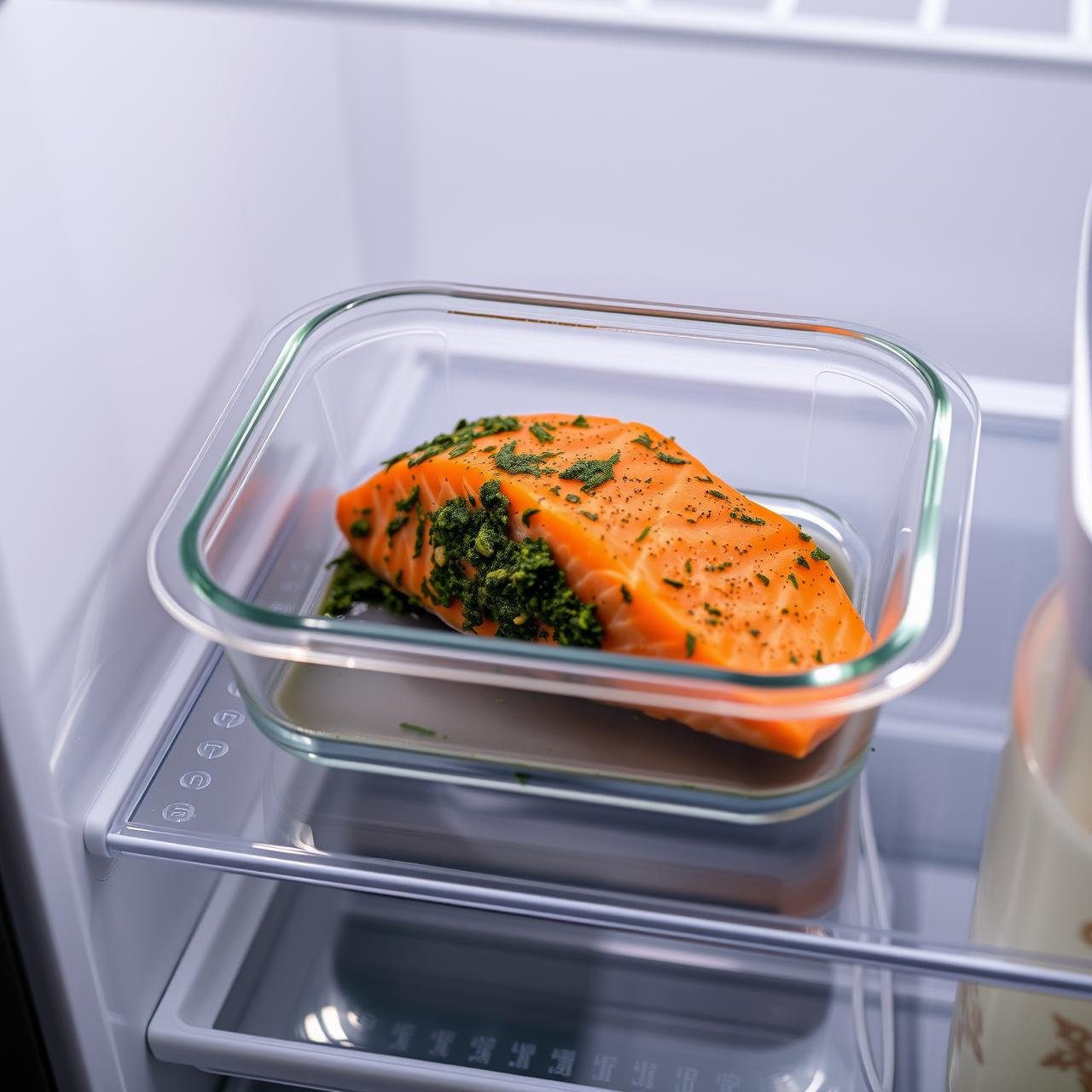
If you’re lucky enough to have leftovers, proper storage is key to enjoying them the next day. Allow the salmon to cool completely to room temperature, then store it in an airtight container in the refrigerator for up to 2 days. The best way to reheat salmon without drying it out is low and slow. Place it in a baking dish, cover with foil, and warm it in a 275°F (135°C) oven for about 10-15 minutes, or until just heated through. You can also flake the cold leftover salmon and toss it into salads, pasta, or use it to make delicious salmon cakes.
Culinary First Aid: Troubleshooting Common Problems
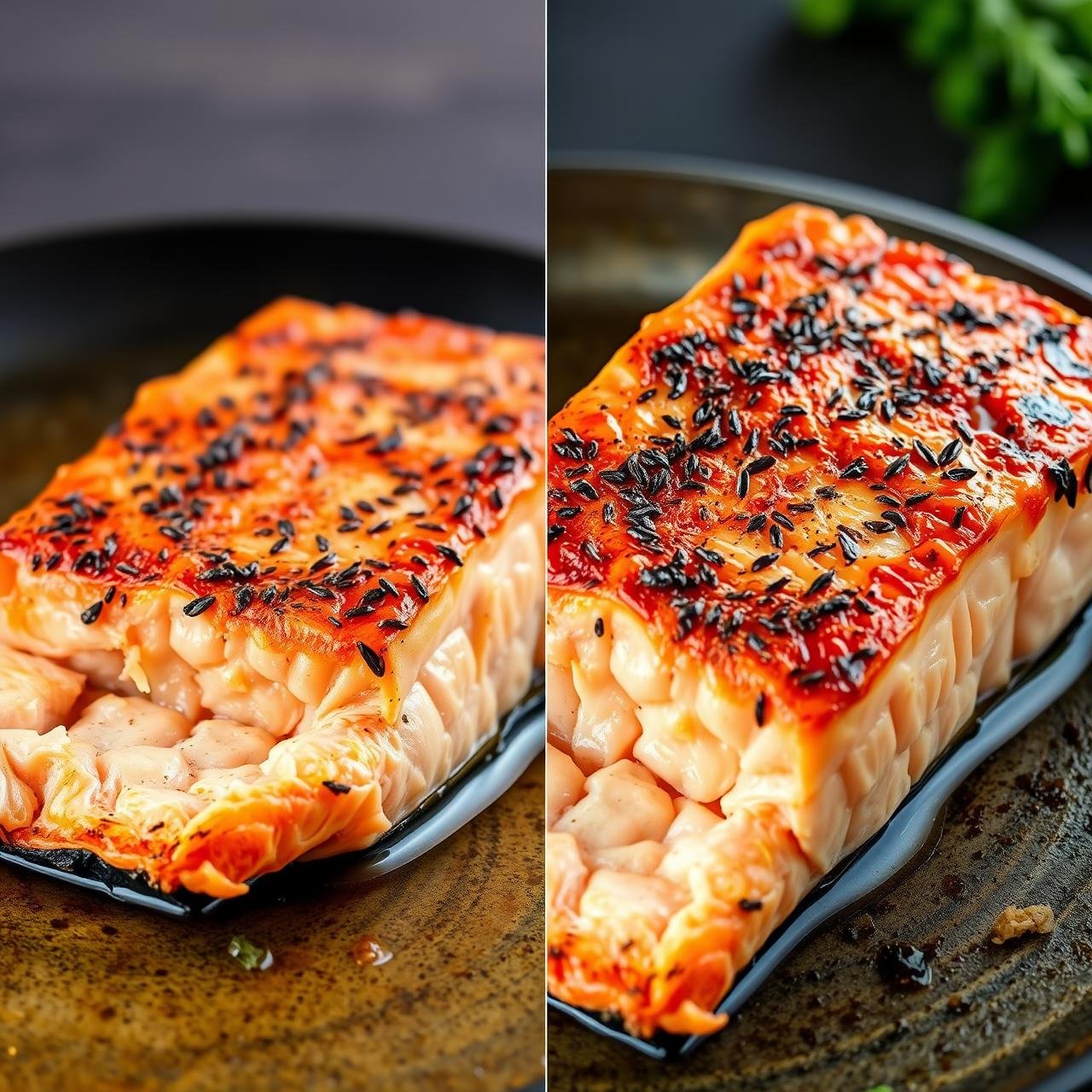
- Problem: My salmon is dry.
Solution: This is almost always due to overcooking. Next time, reduce the baking time by a couple of minutes or use an instant-read thermometer to pull it from the oven at the perfect temperature (135-140°F). - Problem: The pesto is burning on top.
Solution: Your oven might run hot, or the rack is too close to the top heating element. Ensure the rack is in the middle position. If it still browns too quickly, you can lightly tent the salmon with foil for the first half of the baking time. - Problem: The salmon stuck to the pan.
Solution: You forgot the parchment paper! It’s the single best way to guarantee your delicate fish lifts off the pan effortlessly. A well-oiled pan is a backup, but parchment is foolproof.
The Healthy Details: Nutritional Information
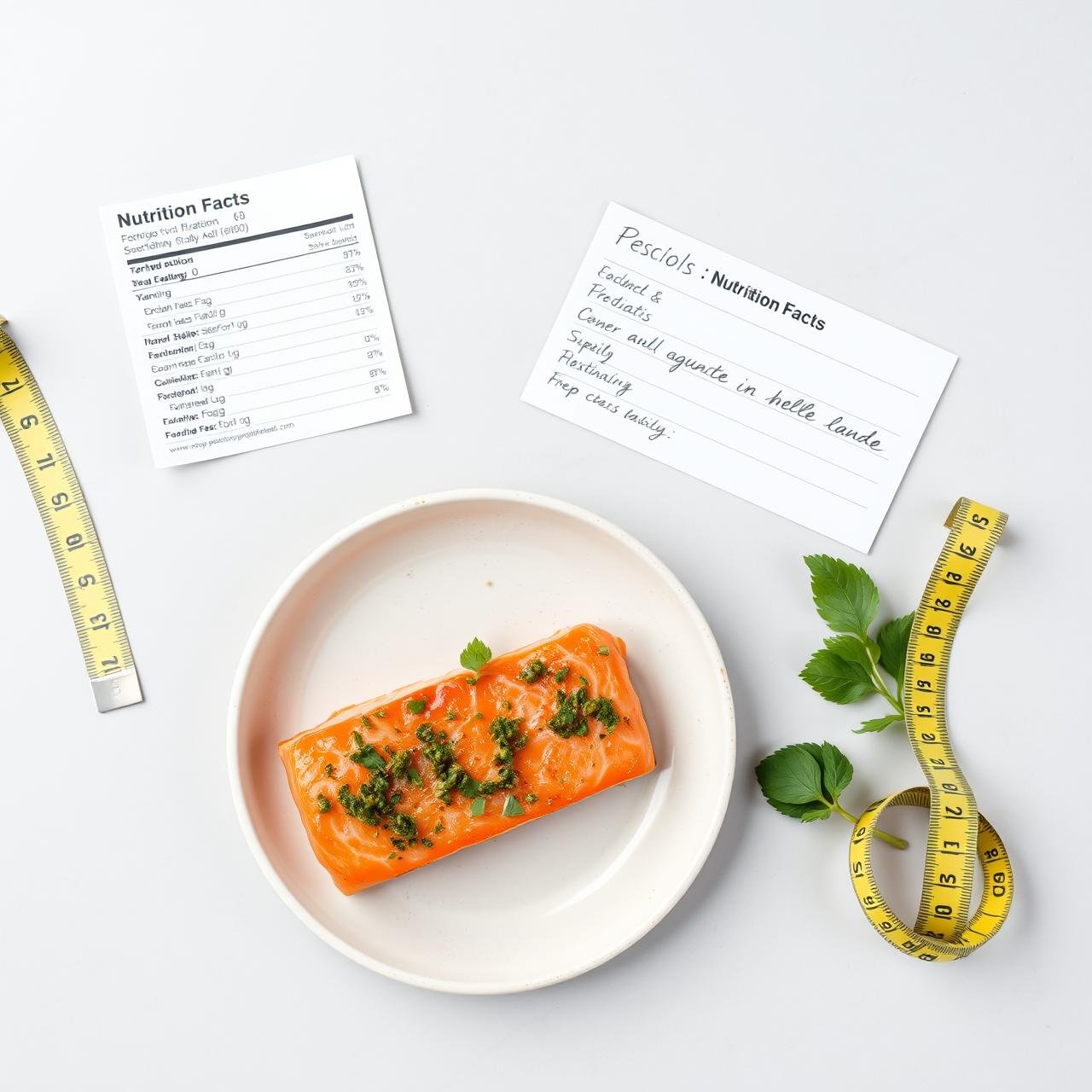
Here is an estimated nutritional breakdown for one 6-ounce serving of Pesto Salmon. Please note that these values are approximate and can vary based on the specific ingredients used, especially the type of pesto and the fat content of the salmon.
| Nutrient | Amount per Serving |
|---|---|
| Calories | ~450 kcal |
| Protein | ~38g |
| Fat | ~32g |
| Saturated Fat | ~6g |
| Carbohydrates | ~2g |
| Sodium | ~450mg |
| Omega-3 Fatty Acids | ~2500mg |
Conclusion
There you have it—a complete guide to creating a truly exceptional Baked Pesto Salmon that rivals any restaurant, all within the comfort of your own kitchen and in just 20 minutes. This recipe is more than just a set of instructions; it’s a technique and a promise. A promise that delicious, healthy, and elegant meals are accessible on even the busiest of nights. It proves that you don’t need complicated steps or a long list of ingredients to produce something spectacular. The magic lies in the quality of the ingredients and the simplicity of the method. Now it’s your turn to bring this rustic, flavorful, and incredibly satisfying dish to your own dinner table. Enjoy every flaky, delicious bite!