The High-Protein Tempeh Bowl That Actually Burns Fat
In the world of wholesome, satisfying cuisine, few dishes strike the perfect balance between incredible flavor, lean protein, and genuine health benefits quite like a well-crafted grain bowl. But we’re not just talking about any bowl. Today, we delve into a recipe specifically engineered for both palate and purpose: The High-Protein Tempeh Bowl That Actually Burns Fat. This isn’t just a meal; it’s a metabolic masterpiece. We’ve harnessed the power of tempeh, a fermented soybean cake celebrated for its dense, meaty texture and impressive protein content, and paired it with ingredients scientifically recognized for their thermogenic and fat-oxidizing properties. Forget bland, uninspired ‘diet’ food. This recipe is a testament to the fact that eating for your health goals can be a rustic, hearty, and deeply gratifying experience. Prepare to transform your perception of healthy eating, one delicious, protein-packed spoonful at a time.
Why This Bowl is a Nutritional Powerhouse
The claim ‘burns fat’ is bold, but it’s rooted in culinary science. Each component in this bowl is chosen for its specific nutritional role in supporting a healthy metabolism and promoting satiety, which is key to managing weight. Let’s break down the science behind the sizzle.
The Protein-Packed Hero: Tempeh
Tempeh is the star, boasting a complete protein profile with all nine essential amino acids. A single serving in this bowl provides over 20 grams of protein. High-protein intake is crucial for several reasons: it has a high Thermic Effect of Food (TEF), meaning your body burns more calories digesting it compared to fats and carbs. Protein also builds and maintains lean muscle mass, and the more muscle you have, the more calories you burn at rest. Furthermore, protein is incredibly satiating, keeping you full and satisfied for hours, which helps reduce overall calorie intake.
Fiber-Rich Foundation: Quinoa & Vegetables
We build our bowl on a bed of fluffy quinoa, a pseudo-cereal that’s also a complete protein. Its high fiber content, along with the vibrant mix of broccoli, bell peppers, and leafy greens, aids in digestion and helps stabilize blood sugar levels. This prevents the energy spikes and crashes that can lead to cravings for unhealthy snacks. Fiber adds bulk to your meals without adding significant calories, contributing to that feeling of fullness.
Metabolism-Boosting Dressing
The magic continues in our zesty ginger-turmeric tahini dressing. Ginger is a well-known thermogenic ingredient that can slightly increase calorie burn. Turmeric’s active compound, curcumin, has been studied for its anti-inflammatory properties, which can play a role in metabolic health. Finally, the healthy fats from tahini (sesame seed paste) are essential for hormone production and nutrient absorption, proving that you need to eat fat to burn fat.
Gathering Your Arsenal: Essential Equipment
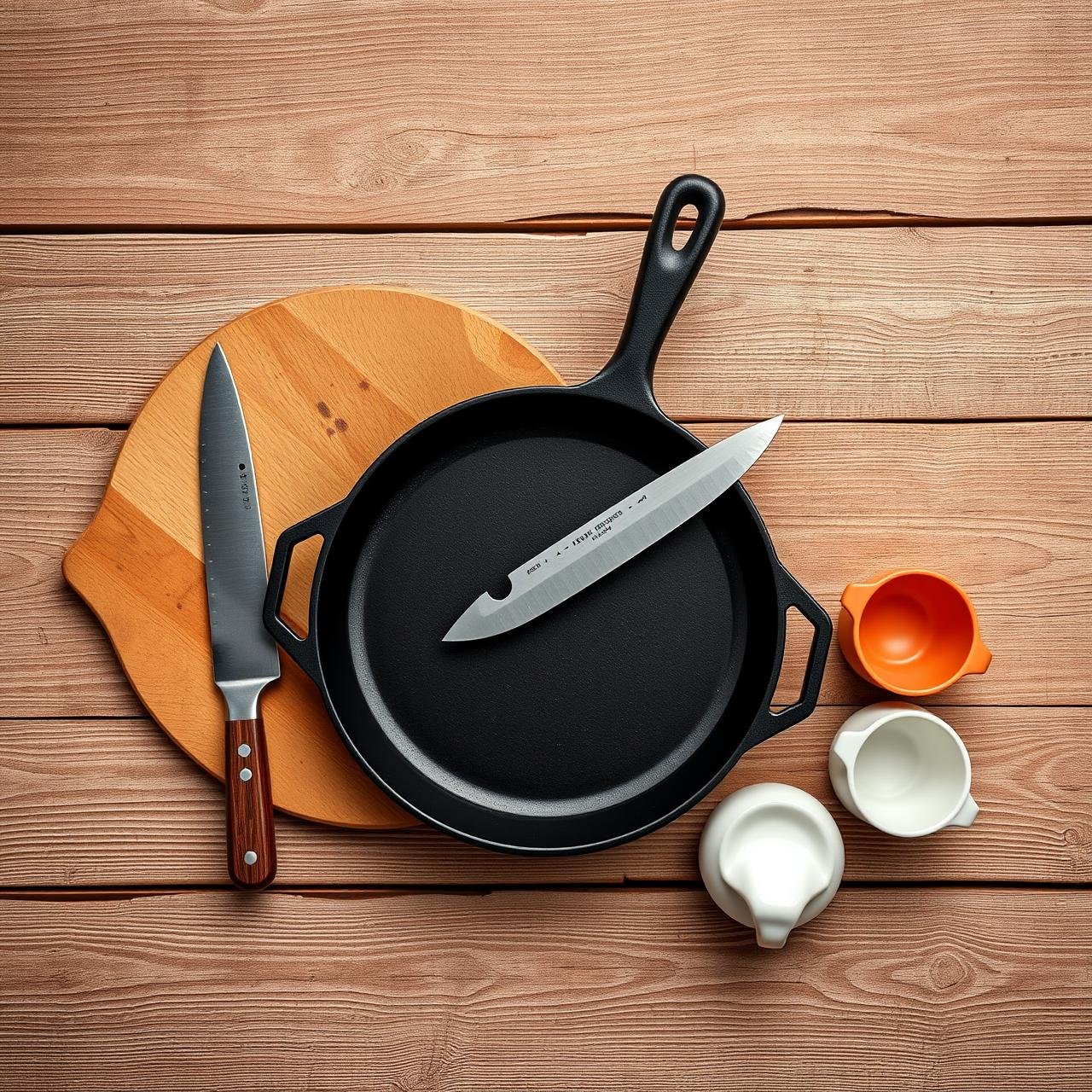
A great chef is only as good as their tools. Fortunately, this rustic bowl doesn’t require any high-tech gadgetry. Here is the basic equipment you’ll need to assemble this culinary creation.
| Equipment | Purpose |
|---|---|
| Large Skillet or Wok | For achieving that perfect golden-brown sear on the tempeh and stir-frying vegetables. Cast iron is an excellent choice for even heat distribution. |
| Medium Saucepan | To cook the quinoa to fluffy perfection. |
| Sharp Chef’s Knife | Essential for safely and efficiently chopping the tempeh and vegetables. |
| Large Mixing Bowl | For marinating the tempeh and tossing all the bowl components together. |
| Small Bowl or Jar | To whisk or shake the dressing ingredients until emulsified. |
| Measuring Cups and Spoons | For accurate ingredient portions, ensuring a balanced and flavorful result every time. |
The Anatomy of a Fat-Burning Bowl: Ingredients
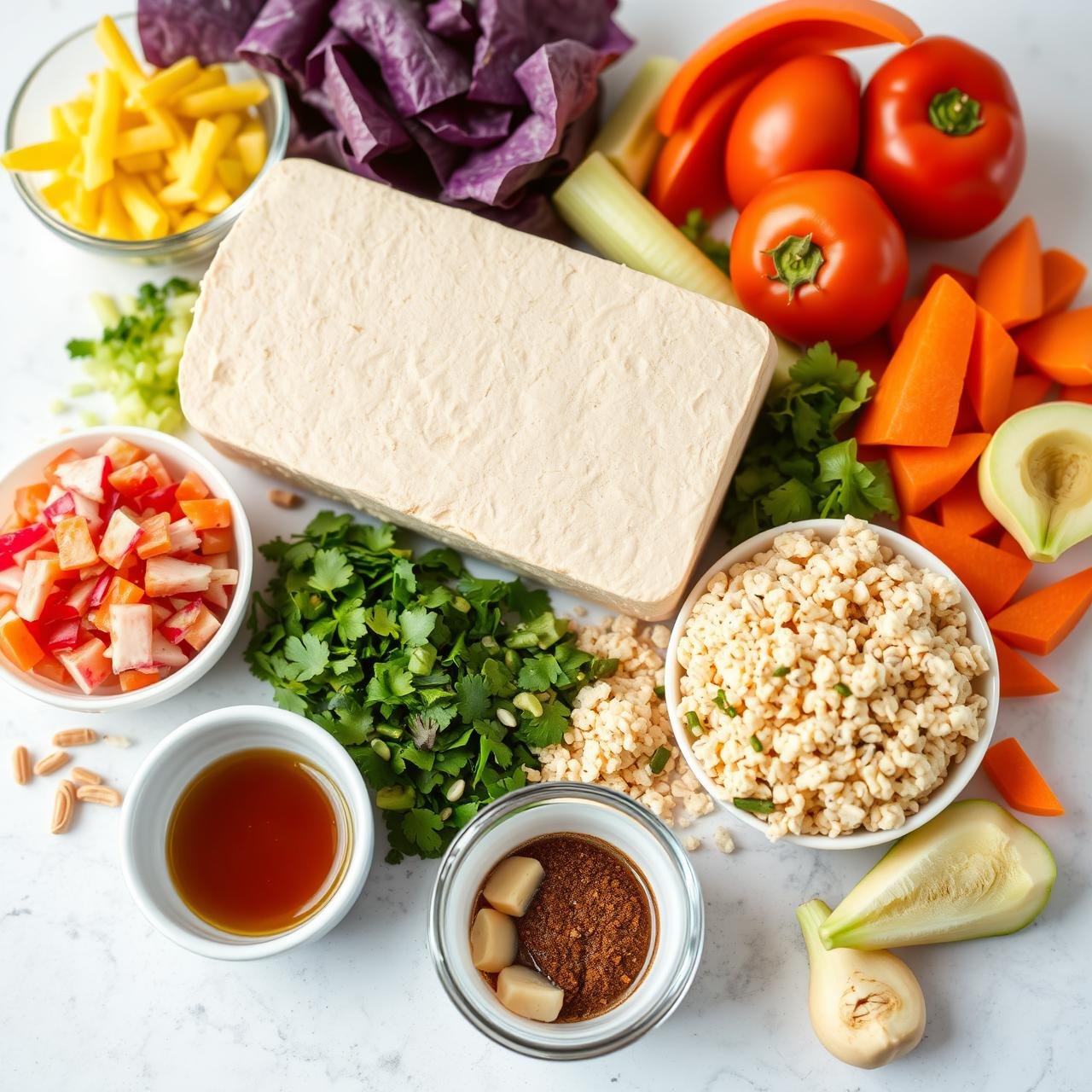
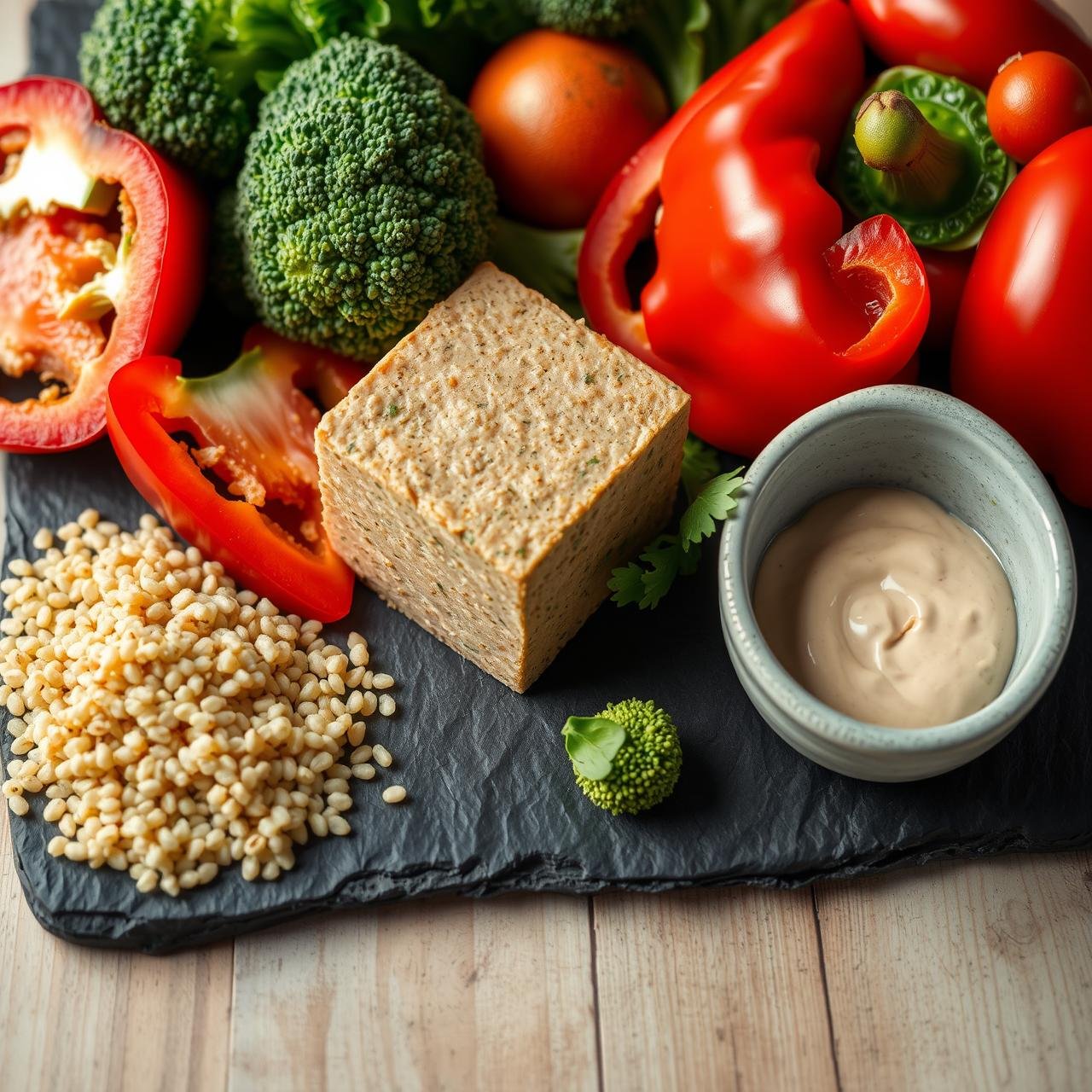
The quality of your ingredients is paramount. Opt for fresh, organic produce when possible to maximize nutrient intake and flavor. This recipe serves two generously.
For the Savory Marinated Tempeh:
- 1 block (8 oz) tempeh, cut into ½-inch cubes or triangles
- 2 tablespoons low-sodium tamari or soy sauce
- 1 tablespoon maple syrup or agave nectar
- 1 teaspoon toasted sesame oil
- 1 teaspoon grated fresh ginger
- 1 clove garlic, minced
- 1 tablespoon avocado oil or other high-heat oil, for cooking
For the Bowl Components:
- 1 cup uncooked quinoa, rinsed thoroughly
- 2 cups water or vegetable broth
- 2 cups broccoli florets
- 1 red bell pepper, thinly sliced
- 2 cups chopped kale or spinach
- 1/4 cup shredded purple cabbage, for color and crunch
- 1/4 cup shelled edamame, thawed if frozen
For the Metabolism-Boosting Tahini Dressing:
- 1/4 cup runny tahini
- 1/4 cup warm water, plus more to thin
- 2 tablespoons fresh lemon juice
- 1 tablespoon maple syrup
- 1 teaspoon grated fresh ginger
- 1/2 teaspoon ground turmeric
- A pinch of cayenne pepper (optional, for an extra metabolic kick)
- Salt and black pepper to taste
Crafting the Perfect Bowl: Step-by-Step Instructions
Follow these steps methodically for a bowl that is perfectly balanced in texture and flavor. The key is to build layers of flavor at each stage.
-
Prepare the Quinoa:
In the medium saucepan, combine the rinsed quinoa and 2 cups of water or vegetable broth. Bring to a boil, then reduce the heat to a low simmer. Cover and cook for 15 minutes, or until the water is absorbed and the quinoa is fluffy. Remove from heat and let it sit, covered, for 5 minutes. Fluff with a fork.
-
Marinate the Tempeh:
While the quinoa cooks, prepare the marinade. In the large mixing bowl, whisk together the tamari, maple syrup, toasted sesame oil, grated ginger, and minced garlic. Add the cubed tempeh and gently toss to coat everything evenly. Let it marinate for at least 10 minutes (or up to an hour in the refrigerator for deeper flavor).
-
Cook the Tempeh:
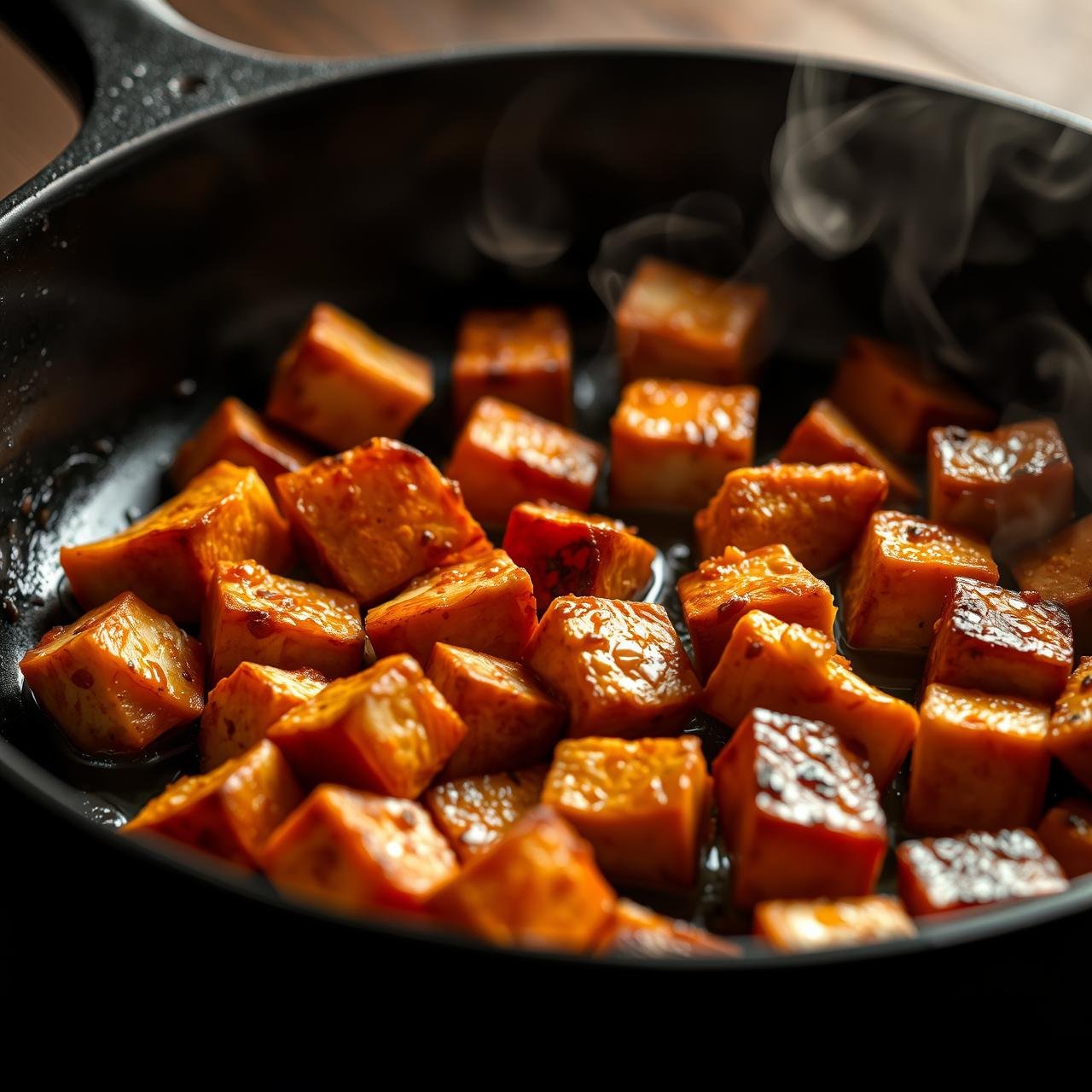
Heat the avocado oil in your large skillet over medium-high heat. Once shimmering, add the marinated tempeh in a single layer, reserving any leftover marinade. Cook for 3-4 minutes per side, until it’s deeply golden brown and slightly crispy. In the last minute of cooking, pour in the remaining marinade and let it bubble and caramelize onto the tempeh. Remove the tempeh from the skillet and set aside.
-
Sauté the Vegetables:
Using the same skillet (no need to wipe it out), add the broccoli florets and red bell pepper. Sauté for 4-5 minutes, until the vegetables are tender-crisp. You want them to retain a slight bite. In the final minute, add the chopped kale or spinach and cook just until it wilts.
-
Whisk the Dressing:
In your small bowl or jar, combine all the dressing ingredients: tahini, warm water, lemon juice, maple syrup, ginger, turmeric, and cayenne (if using). Whisk or shake vigorously until smooth and creamy. If it’s too thick, add more warm water, one teaspoon at a time, until it reaches your desired consistency. Season with salt and pepper.
-
Assemble Your Masterpiece:
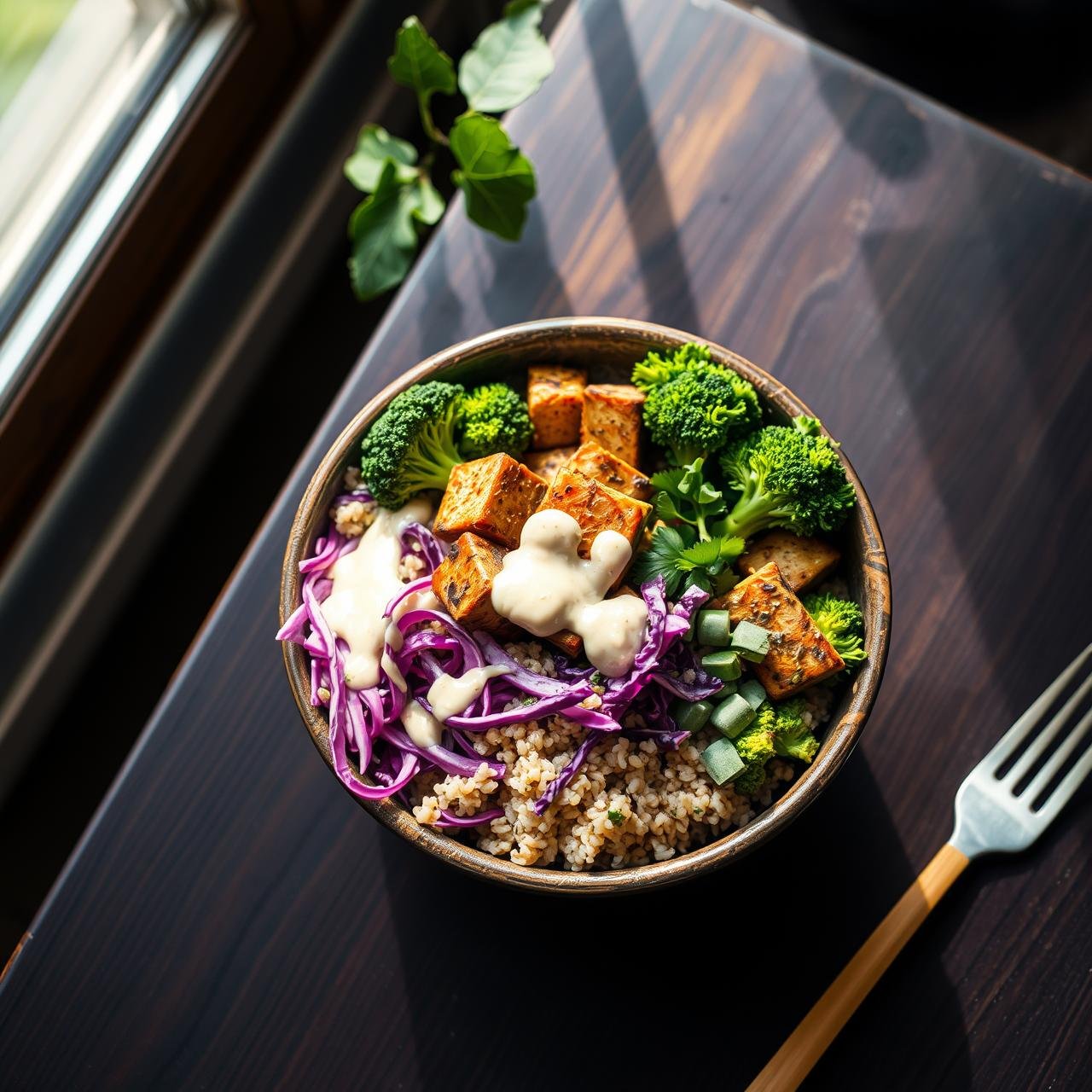
Divide the cooked quinoa between two large bowls. Top with the sautéed vegetables, the golden-brown tempeh, shredded purple cabbage, and shelled edamame. Drizzle generously with the ginger-turmeric tahini dressing. Serve immediately and enjoy the fruits of your labor.
Chef’s Secrets for Success: Pro Tips & Variations
Achieving the Perfect Tempeh Texture:
Some find tempeh to have a slightly bitter taste. To mitigate this, you can steam the tempeh block for 10 minutes before cubing and marinating it. This process softens the tempeh and opens its pores, allowing it to soak up the marinade more effectively, resulting in a more flavorful and tender bite.
Ingredient Swaps & Additions:
- Grain-Free Option: Substitute the quinoa with cauliflower rice or a bed of mixed greens for a lower-carb version.
- Different Veggies: This bowl is a canvas! Feel free to use other seasonal vegetables like Brussels sprouts, sweet potatoes (roasted separately), or mushrooms.
- Nut-Free Dressing: If you have a sesame allergy, you can create a similar dressing using sunflower seed butter instead of tahini.
- Add a Crunch: Top your finished bowl with a sprinkle of toasted pumpkin seeds or sesame seeds for added texture and healthy fats.
Meal Prep for the Week:
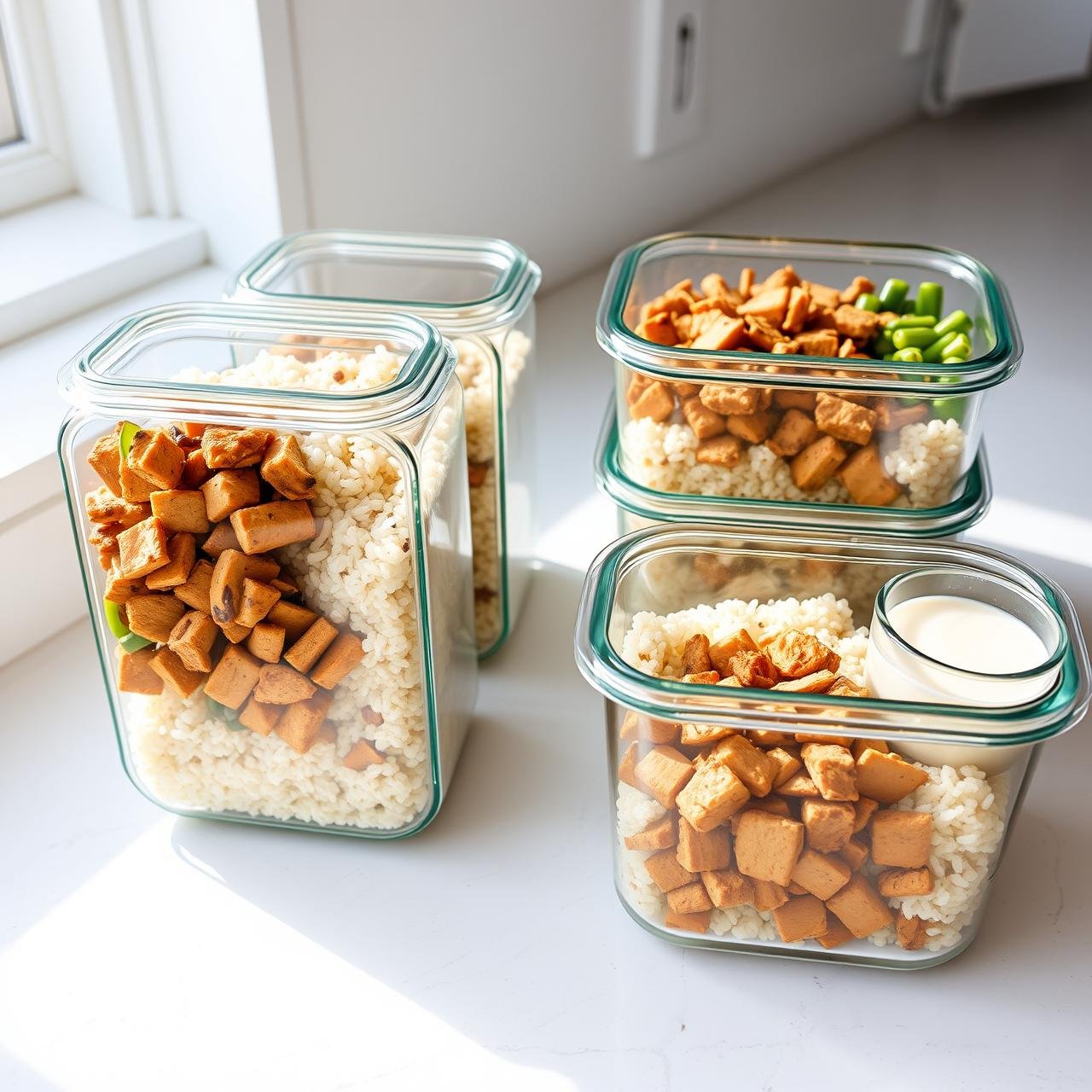
This bowl is a fantastic candidate for meal prepping. Cook the quinoa and tempeh ahead of time. Chop all your vegetables and store them in an airtight container. Prepare the dressing and keep it in a separate jar. When you’re ready to eat, you can simply assemble your bowl cold (it’s delicious!) or gently reheat the quinoa, tempeh, and veggies before adding the fresh cabbage and dressing.
Nutritional Profile: A Look at the Numbers
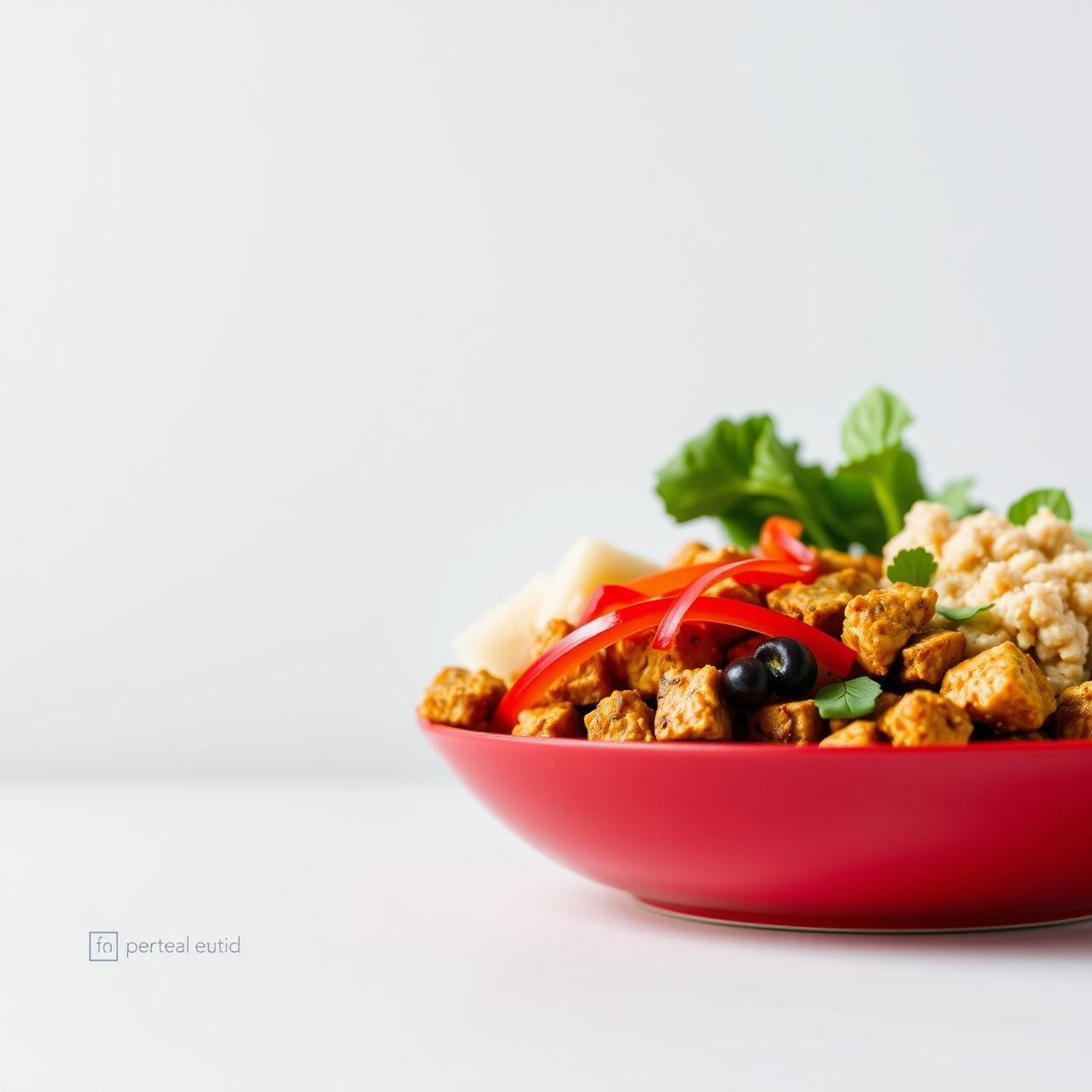
Here is an approximate nutritional breakdown per serving (recipe makes two servings). Please note that these values can vary based on the specific ingredients and brands you use.
| Nutrient | Amount per Serving | % Daily Value* |
|---|---|---|
| Calories | ~650 kcal | 33% |
| Protein | ~42 g | 84% |
| Fat | ~28 g | 36% |
| Saturated Fat | ~4 g | 20% |
| Carbohydrates | ~60 g | 22% |
| Dietary Fiber | ~15 g | 54% |
| Sugars | ~12 g | N/A |
| Sodium | ~550 mg | 24% |
| Iron | ~8 mg | 45% |
Conclusion
Creating a meal that is both profoundly nourishing and genuinely delicious is the cornerstone of a sustainable, healthy lifestyle. This High-Protein Tempeh Bowl is more than just a recipe; it’s a versatile, budget-friendly template for wholesome eating. It proves that you don’t need to sacrifice flavor or satisfaction to fuel your body and support your wellness goals. Whether you’re a seasoned plant-based eater or simply looking to incorporate more high-protein, nutrient-dense meals into your routine, this bowl is a perfect place to start. We encourage you to embrace the process, experiment with different vegetables, and make this rustic, fat-burning bowl a staple in your culinary repertoire.