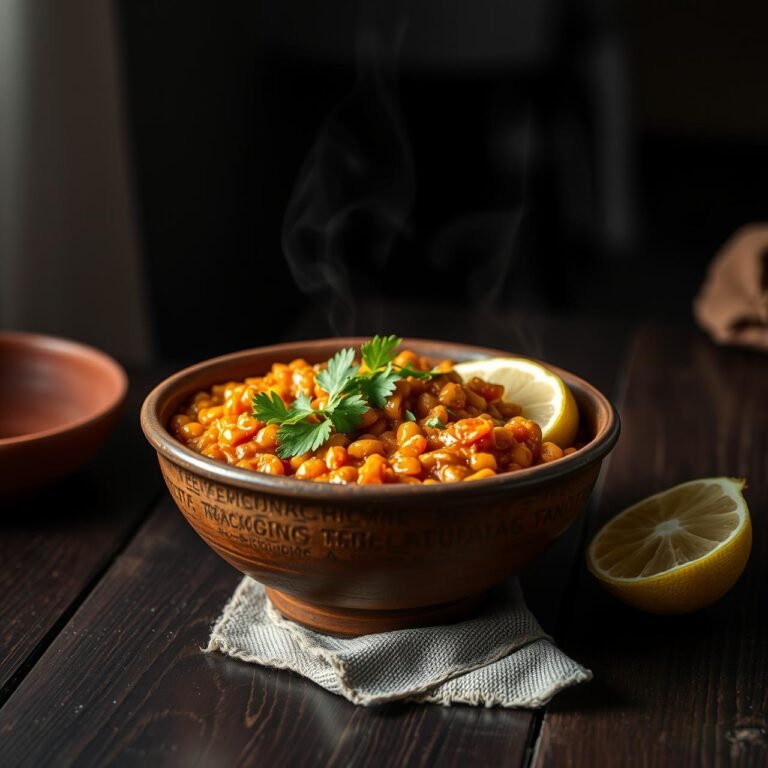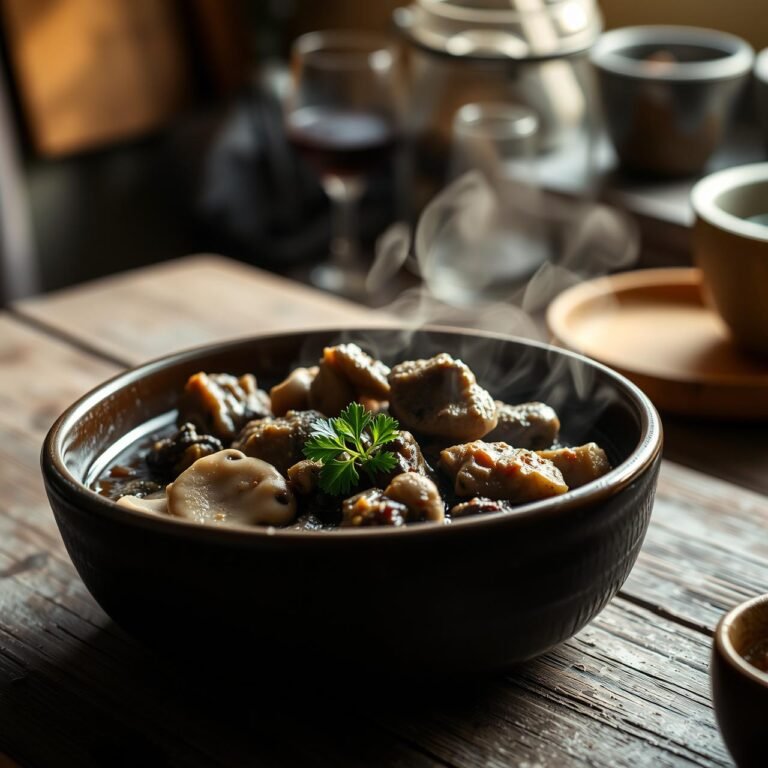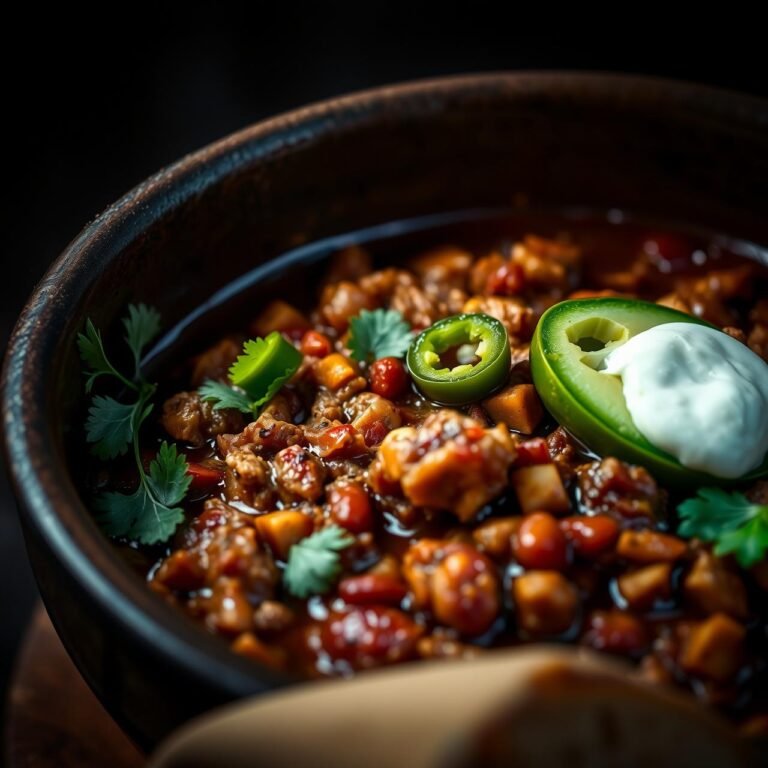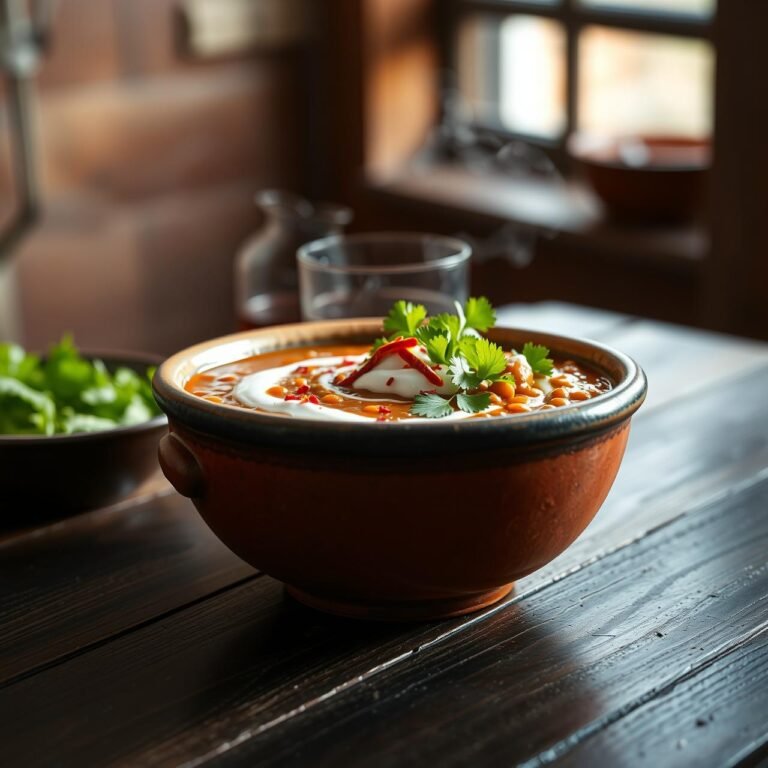
Metabolism Boosting Kimchi Stew: The Ultimate Fat Burning Dinner
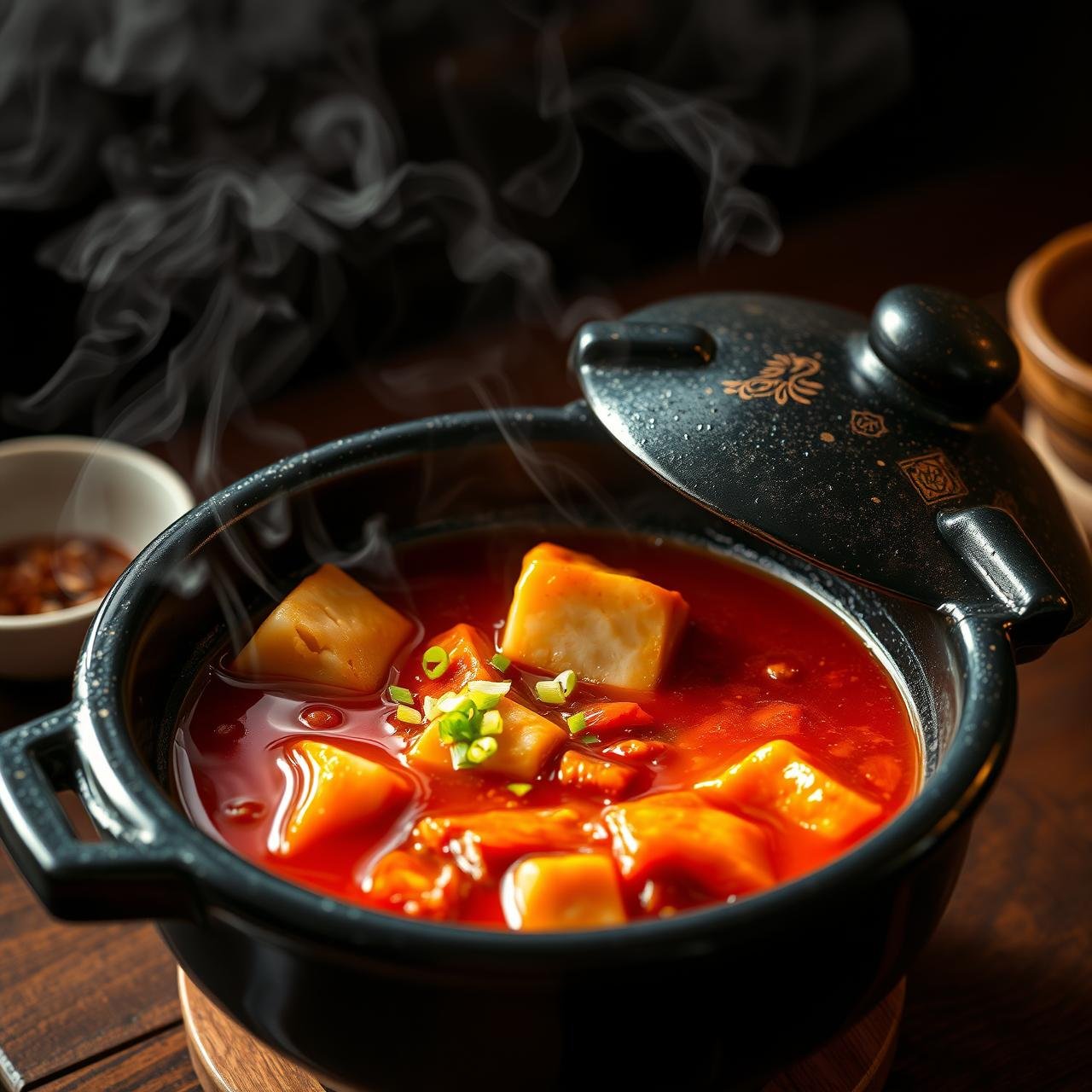
There’s a special kind of magic that happens when humble ingredients, guided by time and tradition, transform into something extraordinary. This Metabolism-Boosting Kimchi Stew, known in Korean as Kimchi Jjigae, is the perfect embodiment of that culinary alchemy. It’s more than just a soup; it’s a bubbling cauldron of history, flavor, and potent health benefits, simmered into a single, soul-warming bowl.
Imagine a chilly evening, the air crisp outside, while you’re cozied up indoors. The air in your kitchen is thick with the intoxicating aroma of garlic, ginger, and spicy, funky kimchi sizzling away. This isn’t just dinner; it’s an experience. Each spoonful delivers a complex symphony of flavors—the sharp, tangy punch of well-fermented cabbage, the deep, savory umami of the broth, the subtle sweetness that rounds it all out, and a lingering, pleasant heat that warms you from the inside out. This is the rustic heart of Korean homestyle cooking, brought directly to your table.
But this stew offers more than just comfort. It’s a powerhouse of nutrition designed to work with your body. We’ve engineered this recipe to be the ultimate fat-burning dinner, leveraging the natural properties of its star ingredients to help kick your metabolism into high gear. It’s a dish that satisfies your deepest cravings for something hearty and delicious while aligning perfectly with a healthy, clean-eating lifestyle. So, tie on your apron, and let’s dive into creating a stew that not only tastes incredible but makes you feel incredible, too.
The Science of Sizzle: Why This Stew Torches Calories
A Symphony of Thermogenic Ingredients
What makes this Kimchi Stew a ‘fat-burning’ meal? The secret lies in a principle called thermogenesis—the process of heat production in organisms. Certain foods, known as thermogenic foods, can temporarily increase your metabolic rate, causing your body to burn more calories. This stew is packed with them.
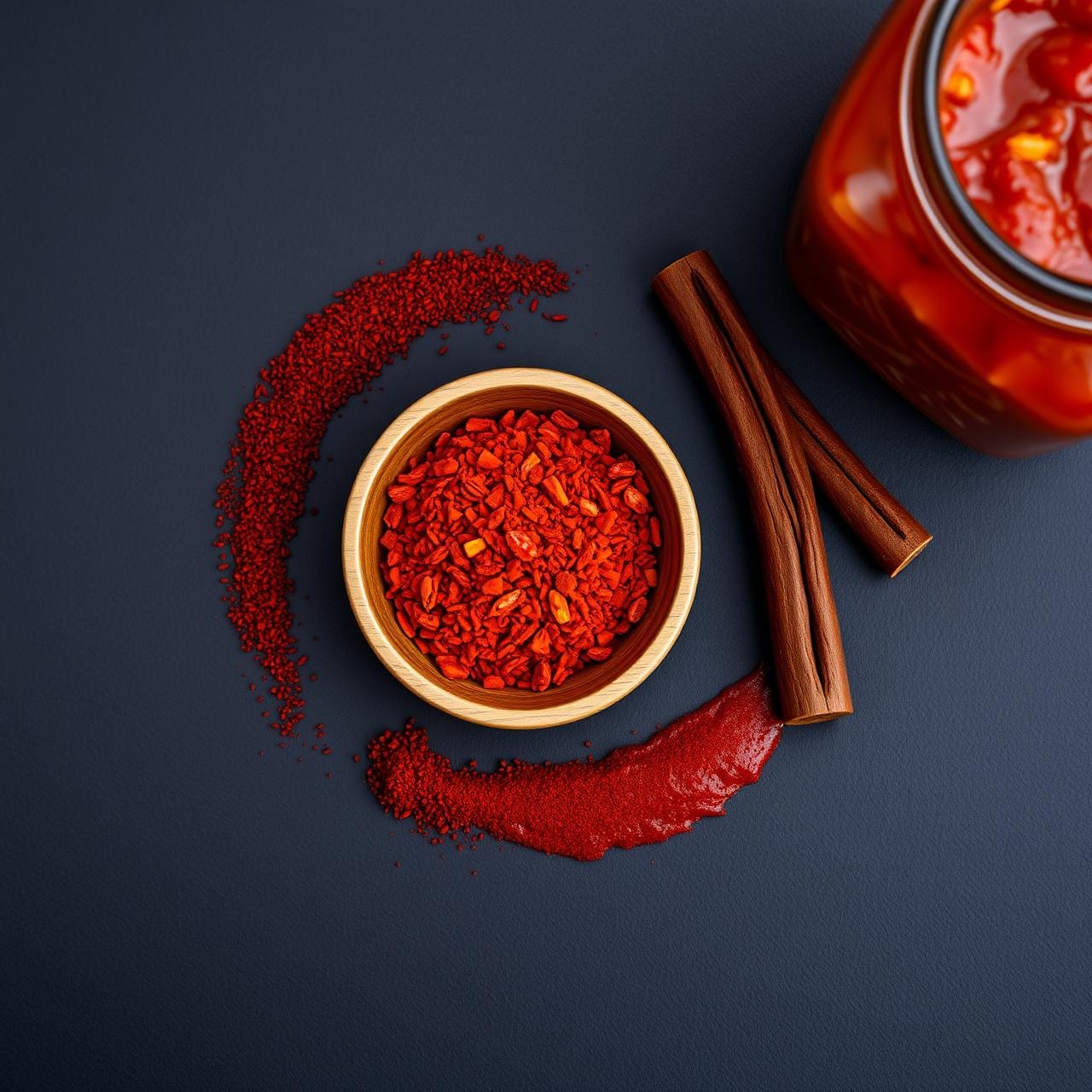
- Capsaicin from Gochugaru & Gochujang: The vibrant red hue and fiery kick of this stew come from Korean chili flakes (gochugaru) and chili paste (gochujang). These contain a compound called capsaicin, which has been extensively studied for its metabolism-boosting properties. Capsaicin can increase your body’s energy expenditure and promote fat oxidation. That gentle warmth you feel after a spicy meal? That’s thermogenesis in action!
- Probiotics from Kimchi: The star of our show, kimchi, is a fermented food teeming with beneficial bacteria, or probiotics. A healthy gut microbiome is crucial for efficient digestion and overall metabolic health. Studies suggest that the probiotics found in kimchi can help improve gut health, reduce inflammation, and may even play a role in weight management by influencing how your body harvests energy from food. For this recipe, the older and more sour the kimchi, the richer its probiotic content.
- Lean Protein Power: We use firm tofu and optional lean pork in this stew, both excellent sources of protein. Protein has a higher thermic effect of food (TEF) than fats or carbohydrates, meaning your body burns more calories just to digest it. Furthermore, protein is essential for building and maintaining muscle mass, and more muscle means a higher resting metabolic rate.
By combining these powerful elements, this stew becomes more than a meal—it’s a delicious, strategic tool for supporting your health and wellness goals, one savory spoonful at a time.
Gathering Your Culinary Arsenal: Equipment & Ingredients
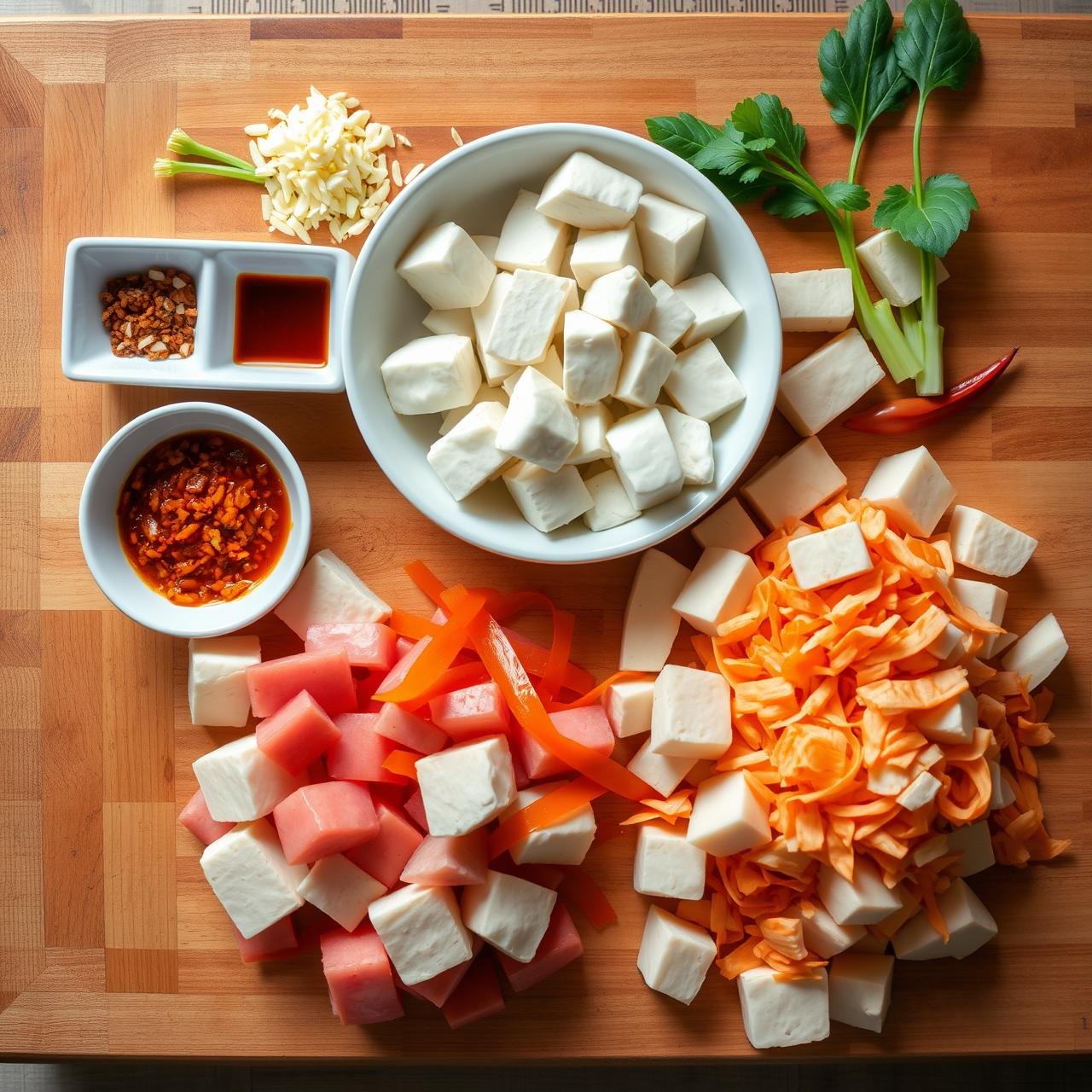
Essential Equipment
Great cooking starts with the right tools. You don’t need a professional kitchen, just a few key pieces to ensure your stew-making process is seamless and successful.
- Medium-Sized Heavy-Bottomed Pot: A 3-4 quart Dutch oven, earthenware pot (dolsot or ttukbaegi), or a sturdy soup pot is ideal. A heavy bottom ensures even heat distribution and prevents the ingredients from scorching as you build the flavor base.
- Sharp Chef’s Knife: For efficiently chopping the kimchi, aromatics, and protein.
- Large Cutting Board: To provide ample space for prep work. Using a separate board for kimchi can prevent staining.
- Measuring Cups and Spoons: For accurate flavor balancing.
- Sturdy Cooking Spoon or Ladle: A wooden or silicone spoon is perfect for sautéing and stirring.
The Heart of the Stew: Core Ingredients
The quality of your ingredients will directly translate to the depth of flavor in your final dish. Seek out the best you can find, especially when it comes to the kimchi.
- Kimchi: 2 cups (about 1 pound) of well-fermented, sour Napa cabbage kimchi, roughly chopped. The older and more ‘funky’ the kimchi, the better the stew. Don’t discard the liquid! You’ll need about 1/2 cup of the kimchi brine.
- Protein: 8 ounces of firm or extra-firm tofu, cut into 1/2-inch cubes. For a non-vegetarian version, you can add 8 ounces of pork belly or shoulder, thinly sliced. For a vegan option, use mushrooms like shiitake or king oyster.
- Aromatics: 4 cloves of garlic, finely minced, and 1 teaspoon of freshly grated ginger. These form the fragrant foundation of the stew.
- Korean Chili Paste (Gochujang): 2 tablespoons. This adds a sweet, savory, and spicy depth that is irreplaceable.
- Korean Chili Flakes (Gochugaru): 1-2 tablespoons, depending on your preferred spice level. Use the coarse variety for better texture and flavor.
- Sesame Oil: 1 tablespoon of toasted sesame oil for sautéing the kimchi. It adds a wonderful nutty aroma.
- Broth or Water: 4 cups of low-sodium chicken broth, vegetable broth, or simple dashi (anchovy or kelp broth) for a traditional umami flavor. Water works in a pinch.
- For Seasoning: 1 tablespoon of soy sauce (or tamari for gluten-free) and 1 teaspoon of sugar (optional, but it helps balance the sourness of the kimchi).
- For Garnish: 2 scallions, thinly sliced, and 1 teaspoon of toasted sesame seeds.
The Art of the Stew: Step-by-Step Instructions
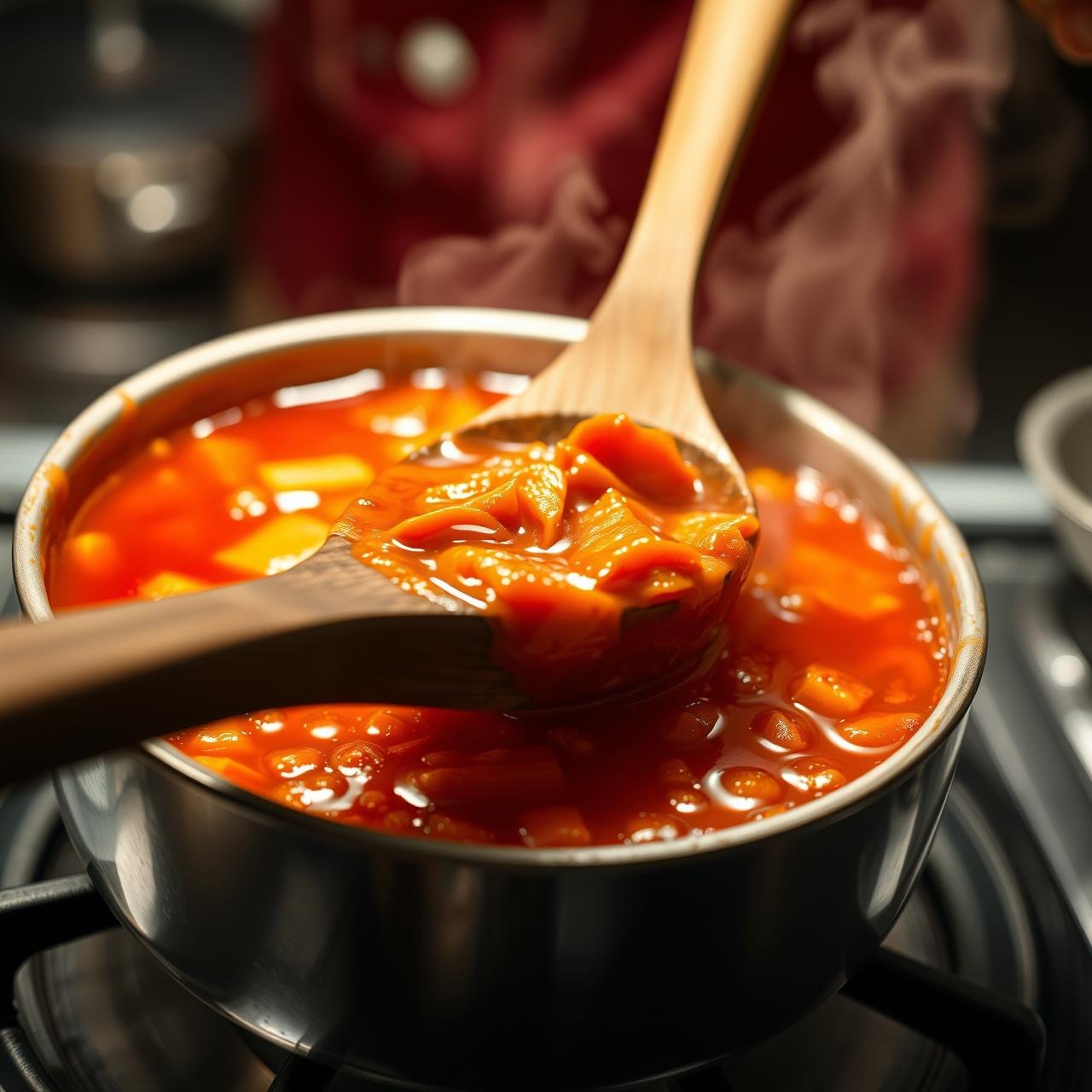
Follow these steps closely to build layers of incredible flavor. The process is straightforward, but the attention to detail at each stage is what elevates this from a simple soup to a truly memorable stew.
-
Step 1: Sauté the Kimchi
Place your heavy-bottomed pot over medium heat. Add the 1 tablespoon of toasted sesame oil. Once it’s shimmering, add the chopped kimchi. Sauté for about 5-7 minutes, stirring occasionally. You want the kimchi to soften and become slightly translucent. This step is crucial—it awakens the flavors of the kimchi and caramelizes its natural sugars, creating a deeper, less harsh sourness.
-
Step 2: Bloom the Aromatics and Spices
Add the minced garlic, grated ginger, gochujang, and gochugaru to the pot with the kimchi. Stir continuously for 1 minute. This is called ‘blooming’ the spices. The heat releases their essential oils, making the stew intensely aromatic and flavorful. Your kitchen should smell absolutely divine at this point.
-
Step 3: Add Protein and Liquids
If you’re using pork, add it now and cook until it’s no longer pink. If using tofu or mushrooms, you’ll add them later. Pour in the reserved 1/2 cup of kimchi brine and the 4 cups of your chosen broth or water. Add the soy sauce and the optional sugar. Stir everything together, scraping up any delicious browned bits from the bottom of the pot.
-
Step 4: Simmer to Perfection
Bring the stew to a boil, then reduce the heat to a gentle simmer. Cover the pot and let it cook for at least 20-25 minutes. This simmering time is essential for the flavors to meld and develop into a cohesive, robust broth. The longer it simmers, the deeper the flavor will be.
-
Step 5: Add Tofu and Finish
Gently add the cubed tofu (or mushrooms, if using) to the pot. Stir carefully to avoid breaking it up too much. Let it simmer for another 5-10 minutes, allowing the tofu to absorb the rich flavors of the broth. Taste the broth and adjust seasoning if necessary. It might need a little more soy sauce for saltiness or a pinch more sugar to balance the tang.
-
Step 6: Garnish and Serve
Ladle the hot, bubbling stew into individual serving bowls. Garnish generously with fresh, thinly sliced scallions and a sprinkle of toasted sesame seeds. The fresh crunch of the scallions provides a perfect contrast to the soft, tender ingredients in the stew. Serve immediately with a side of steamed short-grain rice.
Nutritional Powerhouse: A Breakdown
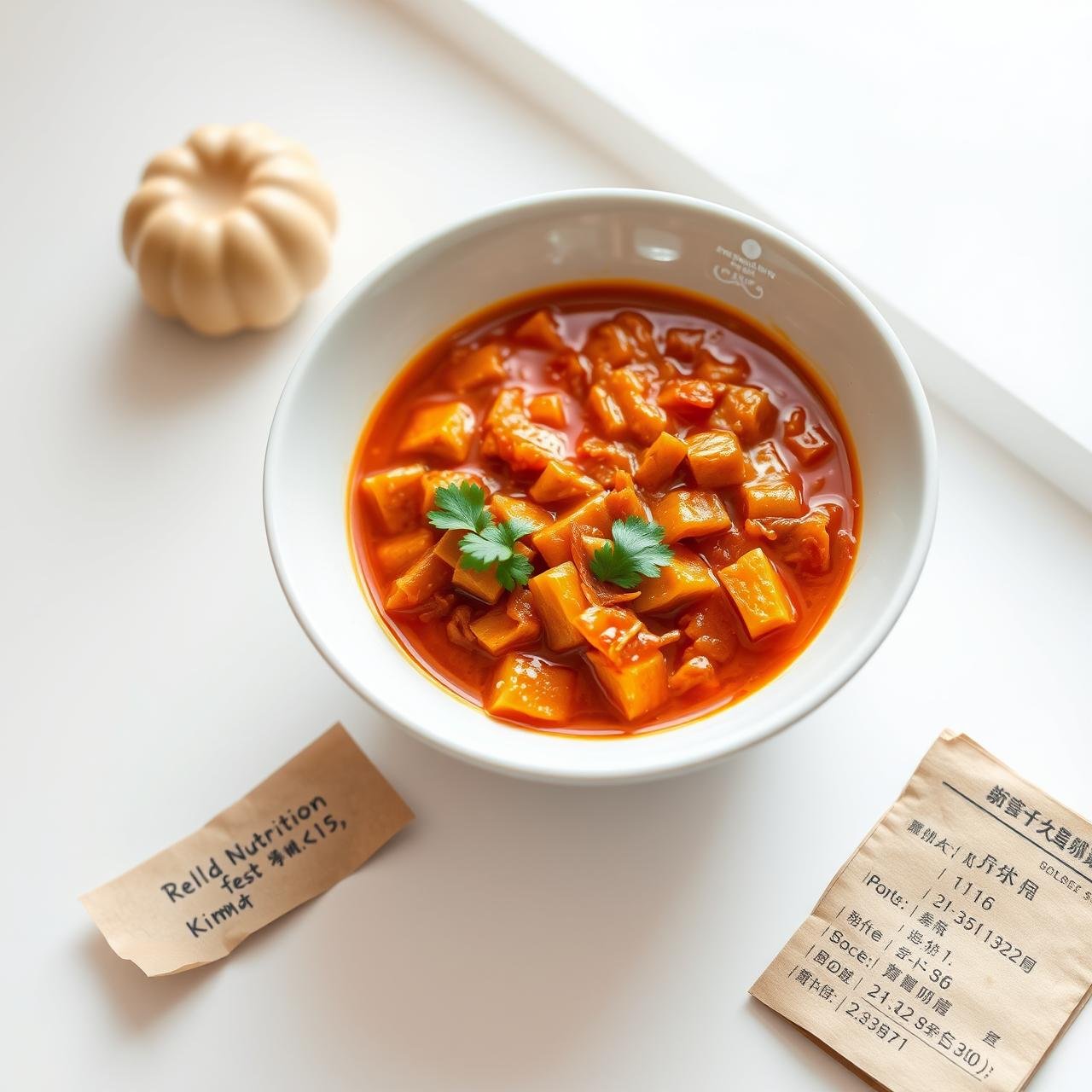
This table provides an estimated nutritional breakdown per serving, assuming the recipe makes 4 servings and is made with tofu. Actual values may vary based on specific ingredients used (e.g., using pork belly will increase fat and calorie content).
| Nutrient | Amount per Serving |
|---|---|
| Calories | ~280 kcal |
| Protein | ~18 g |
| Fat | ~15 g |
| Carbohydrates | ~19 g |
| Fiber | ~5 g |
| Sodium | ~1200 mg |
| Probiotics | High |
| Vitamins | Rich in Vitamin A, C, and K |
Chef’s Secrets & Pro-Tips for the Perfect Stew
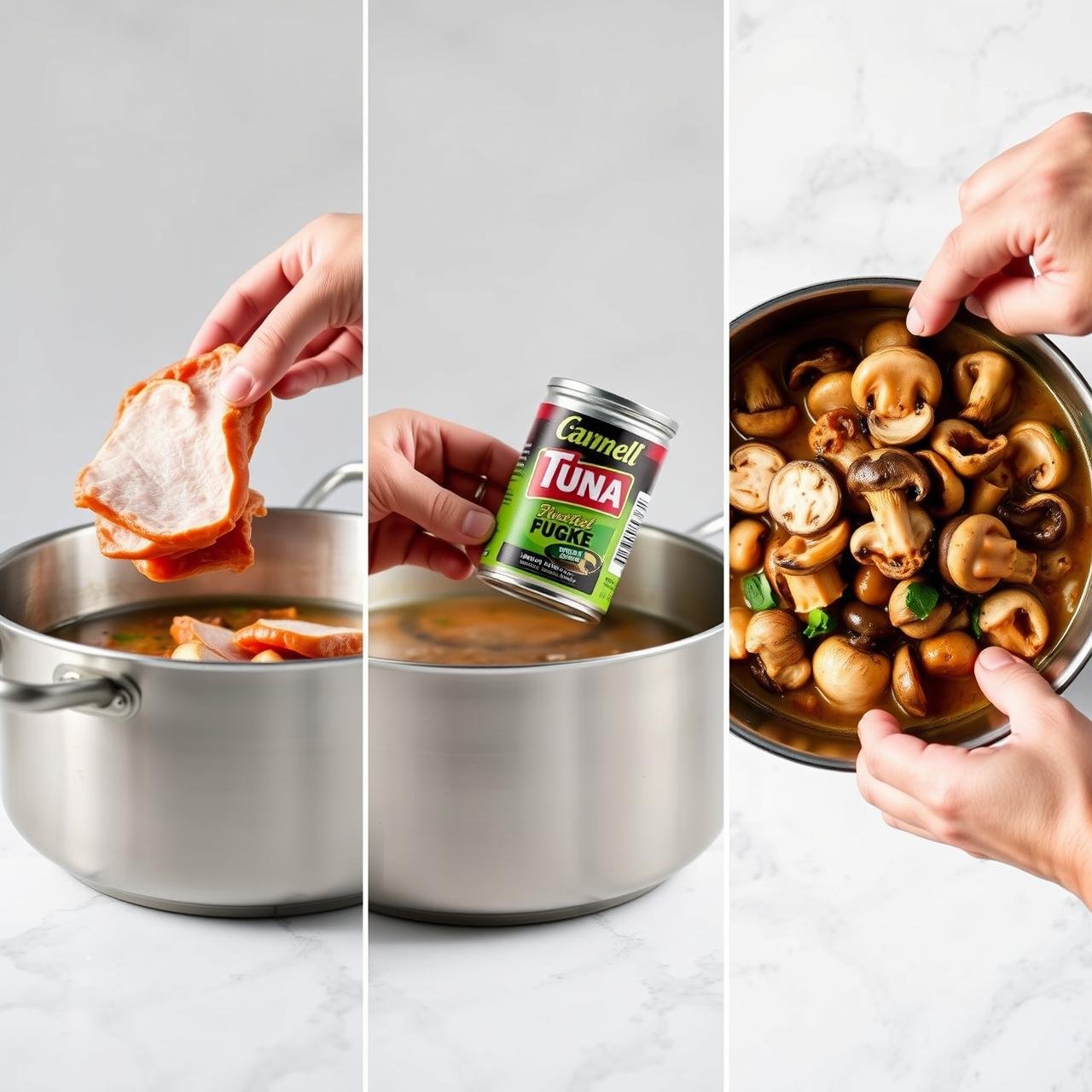
Tips for a Superior Stew
- Use Aged Kimchi: The single most important factor for a great Kimchi Jjigae is using properly fermented, sour kimchi. Fresh kimchi won’t have the same depth of flavor. If your kimchi is too fresh, you can leave it on your counter for a day or two to speed up fermentation.
- Don’t Skimp on the Brine: The cloudy, flavorful liquid at the bottom of the kimchi jar is liquid gold. It’s packed with flavor and probiotics and adds an essential layer of tanginess to the stew.
- Create a Richer Broth: For an unparalleled umami depth, use dashi—a simple Japanese or Korean broth made from dried anchovies and kelp (kombu). It provides a savory backbone that water just can’t replicate.
- Balance is Key: The sourness of kimchi can vary greatly. Don’t be afraid to balance it out. A small amount of sugar, mirin, or even a splash of apple juice can cut through the acidity and create a more rounded flavor profile.
- Pork Fat Magic: If using pork belly, render some of the fat first and use that to sauté your kimchi instead of sesame oil. This adds an incredible, savory richness to the entire dish.
Variations & Customizations
- For the Seafood Lover: Add a can of oil-packed tuna (drained) along with the tofu for a classic variation called Chamchi Kimchi Jjigae.
- Make it Vegan: Ensure your kimchi is vegan (some contain fish sauce or shrimp paste). Use vegetable broth or shiitake mushroom broth and add a variety of mushrooms like enoki, shiitake, and king oyster for a meaty texture. A dash of miso paste can also boost the umami.
- Add More Veggies: Feel free to add other vegetables like sliced onion, zucchini, or potatoes. Add heartier vegetables earlier in the simmering process.
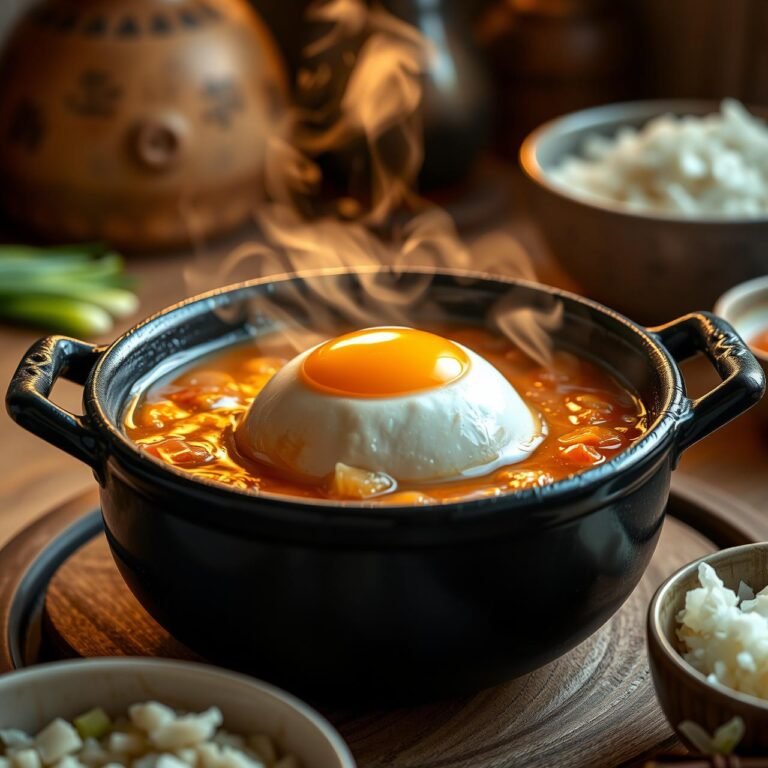
- Top it Off: A classic way to serve Kimchi Jjigae is with a raw egg cracked on top just before serving. The heat of the stew will gently cook the egg, adding a creamy richness. You can also add slices of American cheese for a modern, fusion-style creaminess.
Storing & Reheating Your Fiery Creation
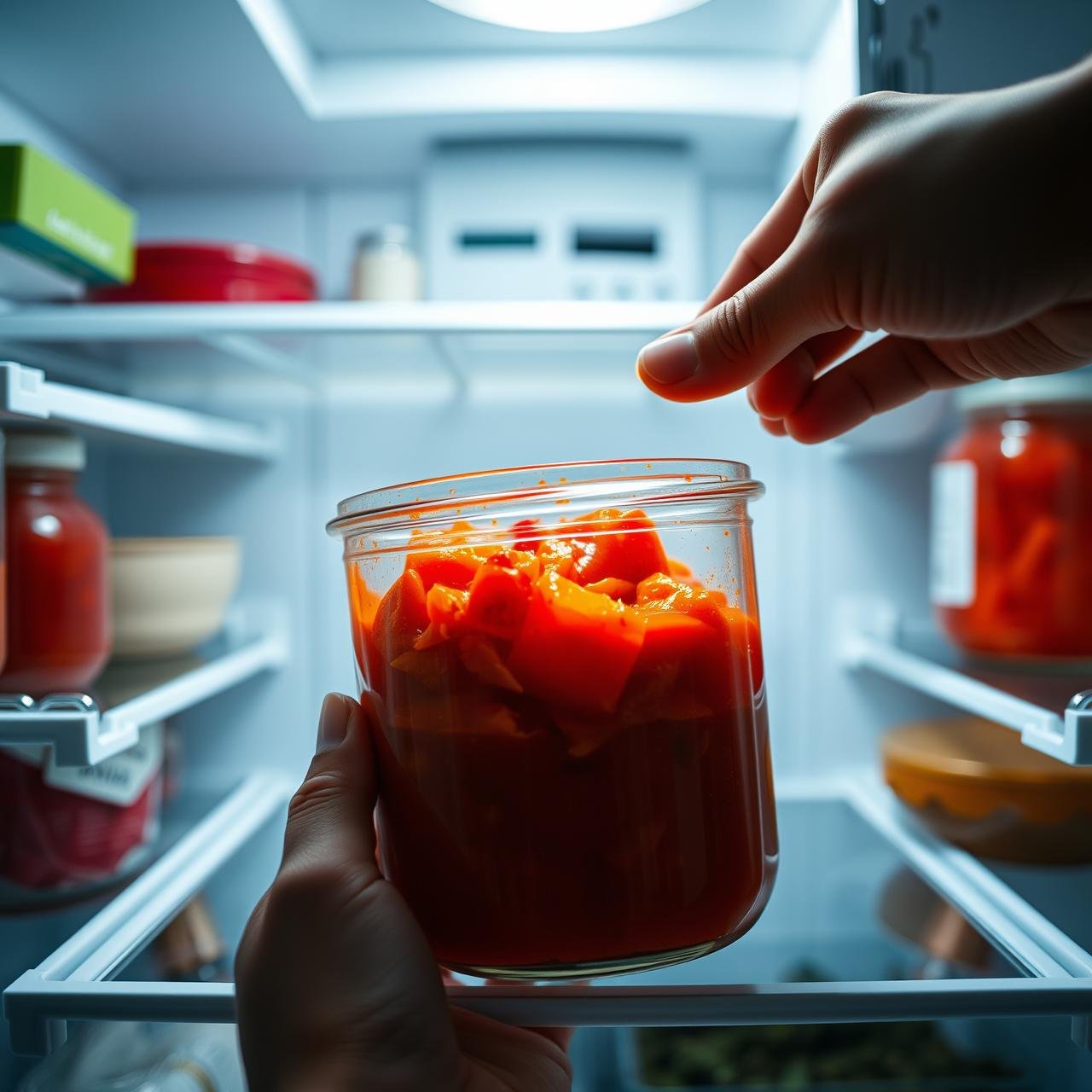
Storing Leftovers
One of the best things about Kimchi Jjigae is that its flavor often deepens and improves overnight. To store, allow the stew to cool completely to room temperature. Transfer it to an airtight container and store it in the refrigerator for up to 4 days. The kimchi will continue to ferment slowly, making the flavors even more complex and delicious the next day.
Reheating for Optimal Flavor
While you can microwave it in a pinch, the best way to reheat Kimchi Stew is gently on the stovetop. Pour the desired amount into a small saucepan and heat over medium-low heat until it’s warmed through and gently simmering. This method preserves the texture of the tofu and ensures the stew heats evenly without becoming rubbery. If the stew has thickened in the fridge, you can add a small splash of water or broth to loosen it up. Garnish with fresh scallions again before serving to bring back that fresh, vibrant bite.
Conclusion
This Metabolism-Boosting Kimchi Stew is far more than a recipe; it’s a ritual of nourishment. It’s a testament to the fact that healthy, clean eating can be incredibly flavorful, deeply satisfying, and joyfully rustic. Every bubbling, spicy, and tangy bite works to warm your soul and invigorate your body. Whether you’re a seasoned cook familiar with the depths of Korean cuisine or a curious foodie looking for your next healthy obsession, this stew is a perfect choice.
It’s a budget-friendly meal that transforms simple ingredients into a gourmet experience, a one-pot wonder that simplifies your weeknight, and a nutritional powerhouse that supports your wellness goals. We invite you to embrace the bold flavors, savor the comforting heat, and make this ultimate fat-burning dinner a cherished staple in your culinary repertoire. Enjoy the sizzle, the aroma, and the incredible feeling of eating something truly good for you.