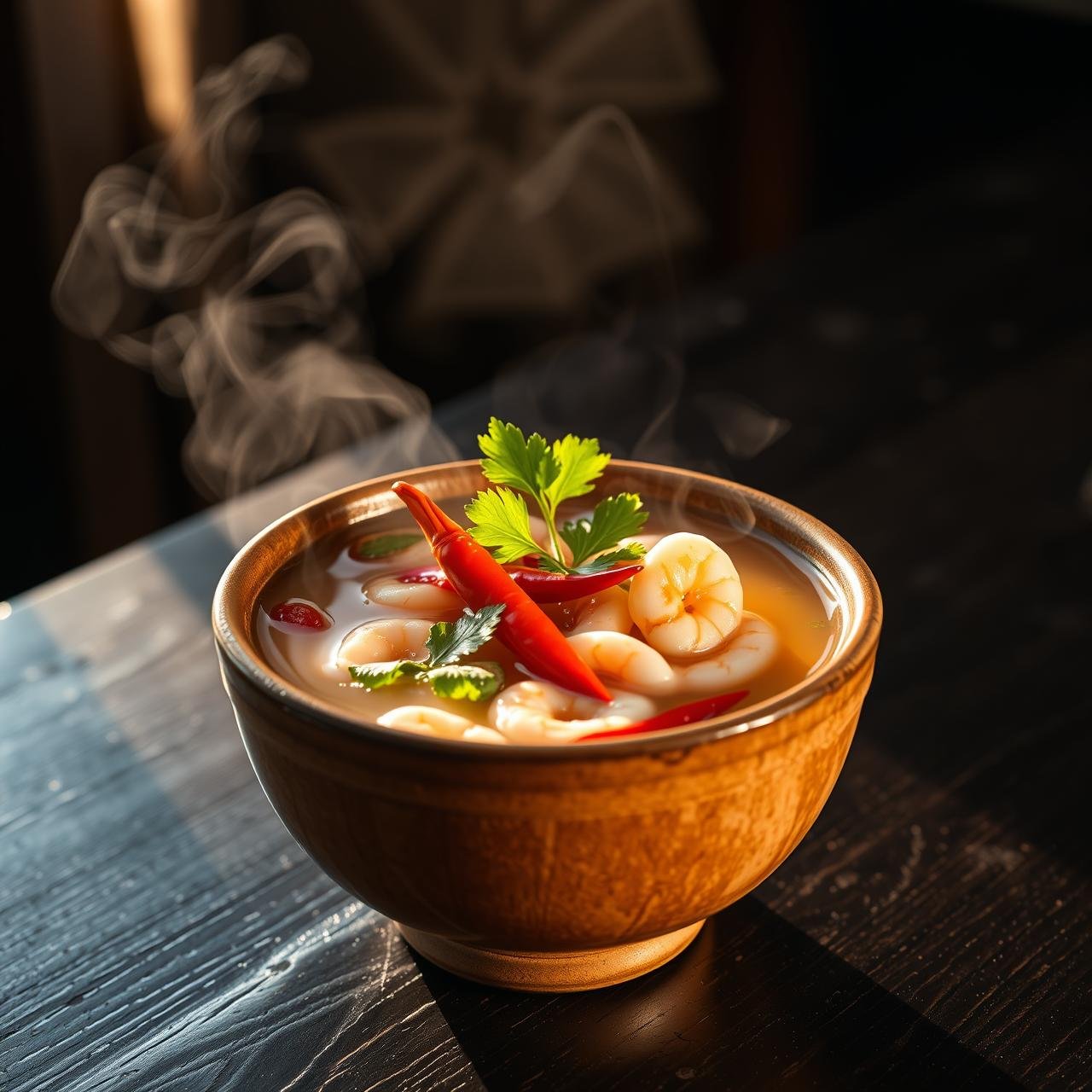
Clear Tom Yum Soup: The Metabolism-Boosting Spicy Broth Recipe
Close your eyes and imagine the aromas of a bustling Bangkok street market: the sharp, citrusy perfume of lemongrass, the earthy spice of galangal, and the unmistakable fiery kick of fresh chilies. This is the sensory journey that awaits you with every spoonful of Clear Tom Yum Soup, or Tom Yum Nam Sai. More than just a soup, it’s a vibrant, life-affirming elixir that warms you from the inside out. It’s a culinary masterpiece that perfectly balances the four essential Thai flavors: spicy, sour, salty, and a subtle hint of sweet.
While many are familiar with the creamy, coconut-milk-infused version, the original Tom Yum is this stunningly clear, light-bodied broth. It’s a rustic, homestyle preparation that allows the pure, unadulterated flavors of its incredible herbs to shine through. This version is not only intensely flavorful but also remarkably healthy. We’re talking about a low-calorie, nutrient-dense meal packed with ingredients renowned for their health benefits. The capsaicin from the chilies gives it a metabolism-boosting quality, making it a favorite among health enthusiasts. This recipe is your guide to creating a truly authentic, chef-quality Tom Yum Nam Sai in your own kitchen. Prepare to awaken your senses and nourish your body with this iconic spicy broth.
The Soul of Tom Yum: A Symphony of Aromatic Ingredients
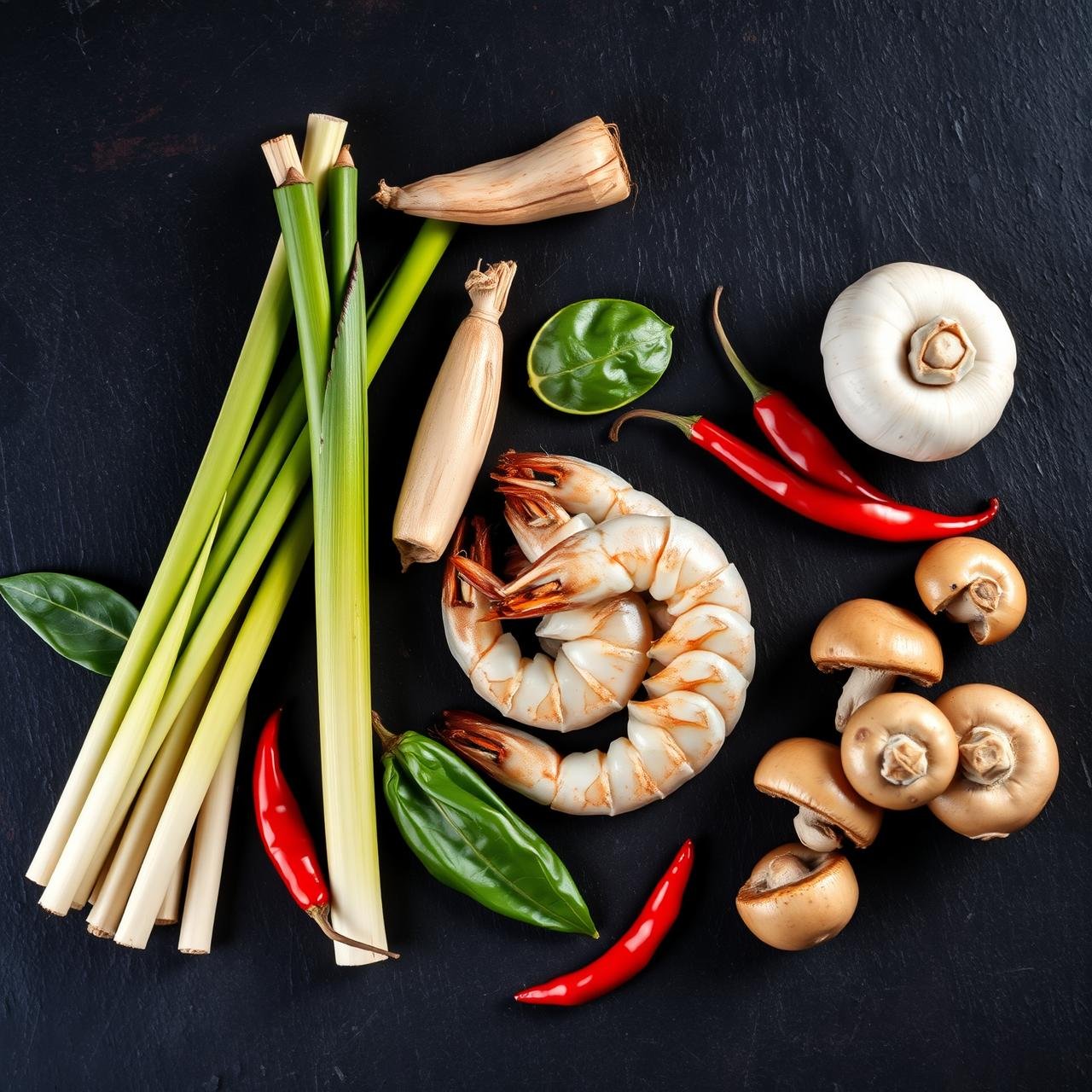
The magic of Tom Yum doesn’t come from a complex technique, but from a carefully selected ensemble of fresh, aromatic ingredients. Each component plays a crucial role in building the soup’s iconic flavor profile. Sourcing these fresh is non-negotiable for an authentic taste. Think of it as gathering instruments for an orchestra; every single one is vital for the final symphony.
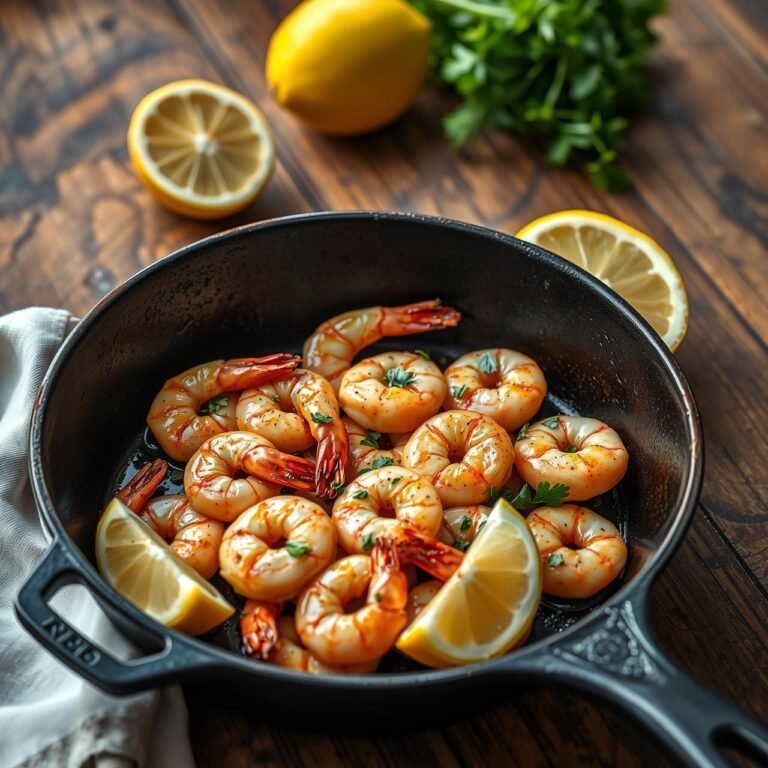
- Shrimp (Goong): We recommend 1 pound of large shrimp, peeled and deveined, with tails left on for a beautiful presentation. The shrimp shells are a secret weapon for creating a deeply flavorful broth.
- Galangal: You’ll need a 2-inch piece of this rhizome. It looks similar to ginger but has a sharper, peppery, and pine-like flavor. It’s the woody, earthy backbone of the soup. Do not substitute with ginger; the flavor is completely different.
- Lemongrass: Use 2 stalks. This fragrant grass imparts a bright, citrusy aroma and flavor that is quintessentially Thai. We’ll be bruising it to release its essential oils.
- Kaffir Lime Leaves: About 8-10 leaves are needed. These glossy, dark green leaves provide an incredibly potent and unique citrus perfume that is impossible to replicate.
- Bird’s Eye Chilies (Prik Kee Noo): Start with 5-7 chilies, or more to your heat preference. These tiny chilies pack a serious punch and provide the soup’s signature fiery heat.
- Mushrooms: 8 ounces of straw mushrooms are traditional, but cremini or oyster mushrooms, halved or quartered, work beautifully. They add a lovely umami depth and texture.
- Fish Sauce (Nam Pla): This is the primary source of saltiness and umami. Use 3 to 4 tablespoons of a high-quality brand.
- Fresh Lime Juice: The juice of 2-3 large limes provides the ‘sour’ element. It’s crucial to add this at the very end of cooking to preserve its fresh, zesty flavor.
- Chicken or Shrimp Broth: Use 6 cups of a low-sodium, high-quality broth as your base. For the best flavor, make a quick broth by simmering your reserved shrimp shells.
- A Touch of Sweetness: 1 teaspoon of palm sugar or granulated sugar is all you need to balance the sour and spicy notes.
- Fresh Cilantro: A generous handful, roughly chopped, for garnish. It adds a final layer of fresh, herbaceous flavor.
Gather Your Tools: The Simple Setup for Success
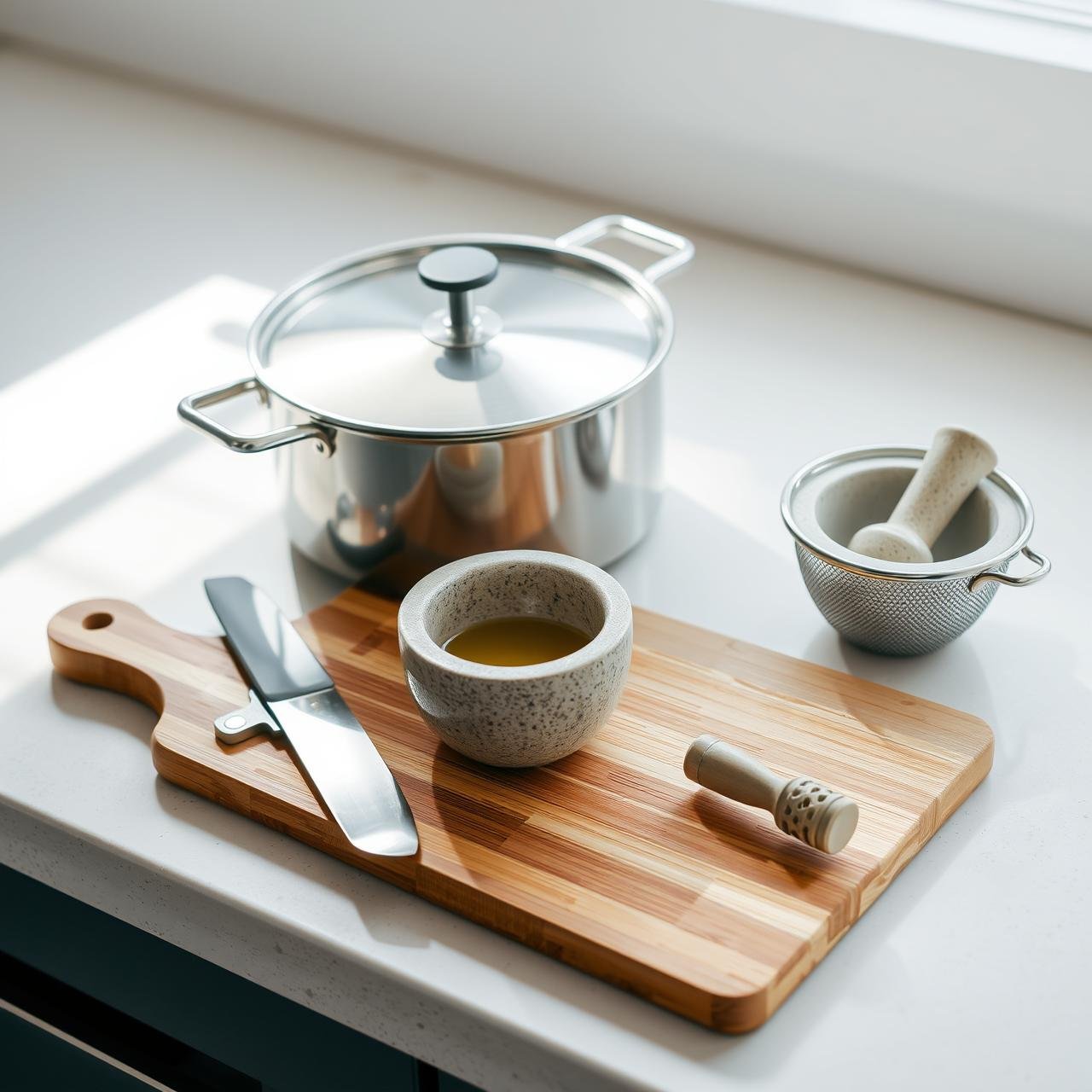
You don’t need a professional kitchen to make exceptional Tom Yum. The beauty of this rustic dish is its simplicity. Here are the essential tools you’ll want to have ready.
| Tool | Purpose |
|---|---|
| Large Stockpot or Dutch Oven | A 5-quart pot is ideal for simmering the broth and ensuring all ingredients have enough space. |
| Sharp Chef’s Knife & Cutting Board | For prepping the aromatics—slicing the galangal and chopping the lemongrass. |
| Mortar and Pestle (Optional) | While you can use the back of your knife, a mortar and pestle is perfect for bruising the chilies and releasing their potent heat and flavor. |
| Fine-Mesh Strainer | Used to remove the woody aromatics before serving, resulting in a clean, clear broth. |
| Citrus Juicer | To get the most juice from your fresh limes. |
Crafting the Perfect Broth: A Step-by-Step Guide
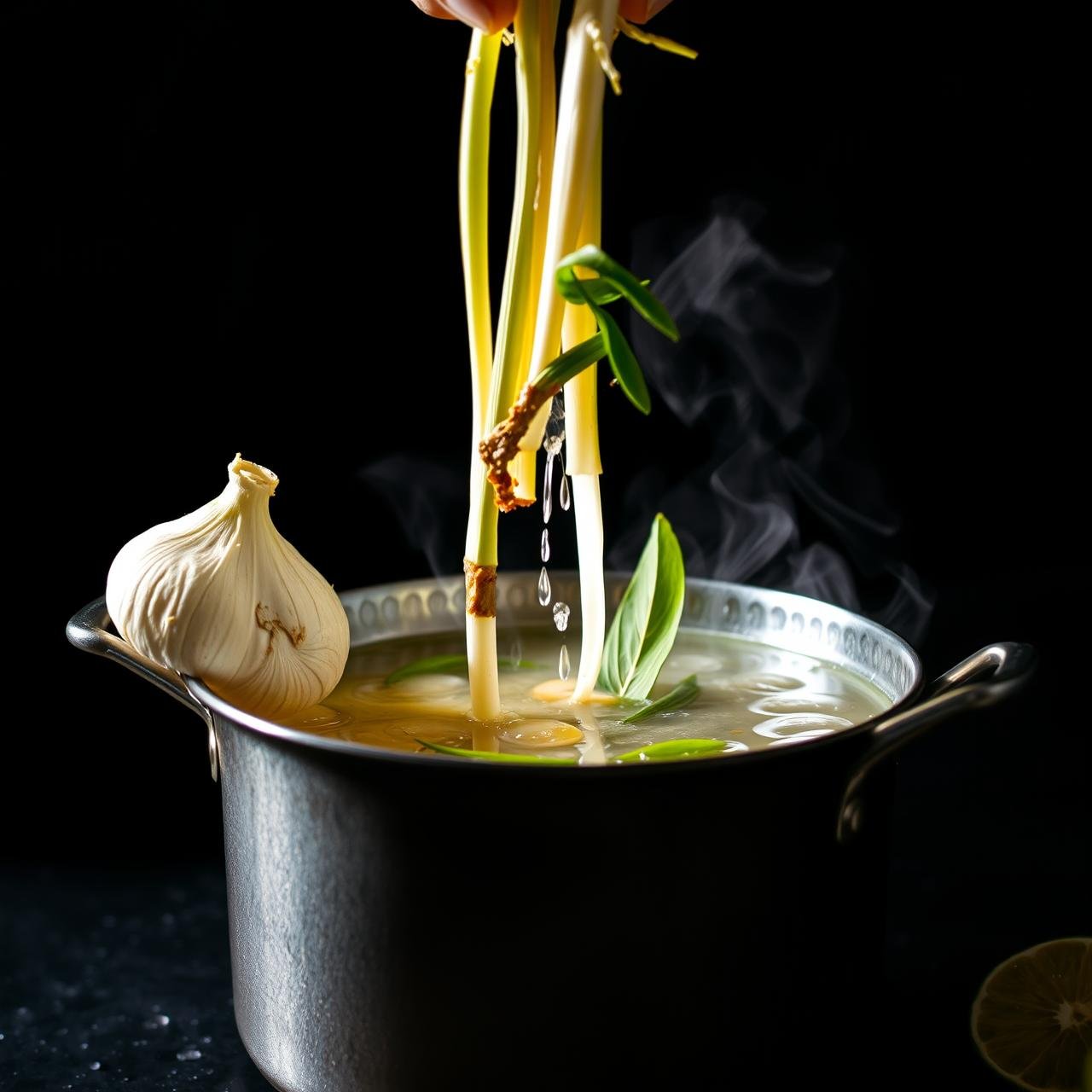
Follow these steps closely to layer the flavors and achieve that perfect balance of hot, sour, and savory. The process is quick, so have all your ingredients prepped and ready to go before you start.
-
Prepare the Aromatics:
Start by preparing your flavor base. Take the 2 stalks of lemongrass, trim off the very bottom and the dry top ends. Using the back of your chef’s knife, firmly whack the lemongrass along its length to bruise it and release its fragrant oils. Then, cut it into 2-inch pieces. Slice the 2-inch piece of galangal into thin, coin-like pieces. For the 5-7 bird’s eye chilies, gently bruise them in a mortar and pestle or with the flat side of your knife—this helps release their heat into the broth. Tear the 8-10 kaffir lime leaves in half, removing the central stem, to release their aroma.
-
Create the Aromatic Broth:
In your large stockpot, bring the 6 cups of broth to a rolling boil. If you’re making a quick shrimp stock, add the reserved shrimp shells and let them simmer for 15-20 minutes before straining them out. Once you have your clear base broth, add the prepared lemongrass, galangal, and kaffir lime leaves. Reduce the heat to a steady simmer and let the aromatics infuse the broth for about 5-7 minutes. Your kitchen will begin to fill with the most incredible Thai fragrance.
-
Add Mushrooms and Chilies:
Add the 8 ounces of mushrooms and the bruised chilies to the pot. Allow them to cook for another 2-3 minutes, just until the mushrooms are tender but still have a slight bite.
-
Cook the Shrimp:
Now it’s time for the star protein. Add the 1 pound of peeled and deveined shrimp to the simmering broth. Shrimp cook very quickly! They will only need 1-2 minutes. As soon as they turn pink and opaque, they are done. Be very careful not to overcook them, as they can become tough and rubbery.
-
The Final Seasoning (Off the Heat):
This is the most critical step for a vibrant flavor. Turn off the heat completely. Stir in the 3-4 tablespoons of fish sauce and the 1 teaspoon of palm sugar, stirring until the sugar is dissolved. Now, add the fresh juice of 2-3 limes. Adding the lime juice off the heat is a chef’s secret—it keeps its flavor bright and zesty, preventing it from turning bitter.
-
Taste and Adjust:
Ladle a small amount of broth and taste it. This is your moment to be the chef. Does it need more heat? Add another crushed chili. More saltiness? A splash more fish sauce. More sourness? A bit more lime juice. The perfect Tom Yum is a dynamic balance that suits your personal palate.
-
Serve Immediately:
Use a slotted spoon or strainer to remove the large, woody pieces of lemongrass and galangal if you wish (in traditional Thai dining, they are often left in and simply pushed aside). Ladle the hot soup into bowls, ensuring each gets a generous amount of shrimp and mushrooms. Garnish lavishly with a handful of fresh, chopped cilantro and serve steaming hot.
From Good to Gourmet: Chef’s Secrets for an Unforgettable Tom Yum
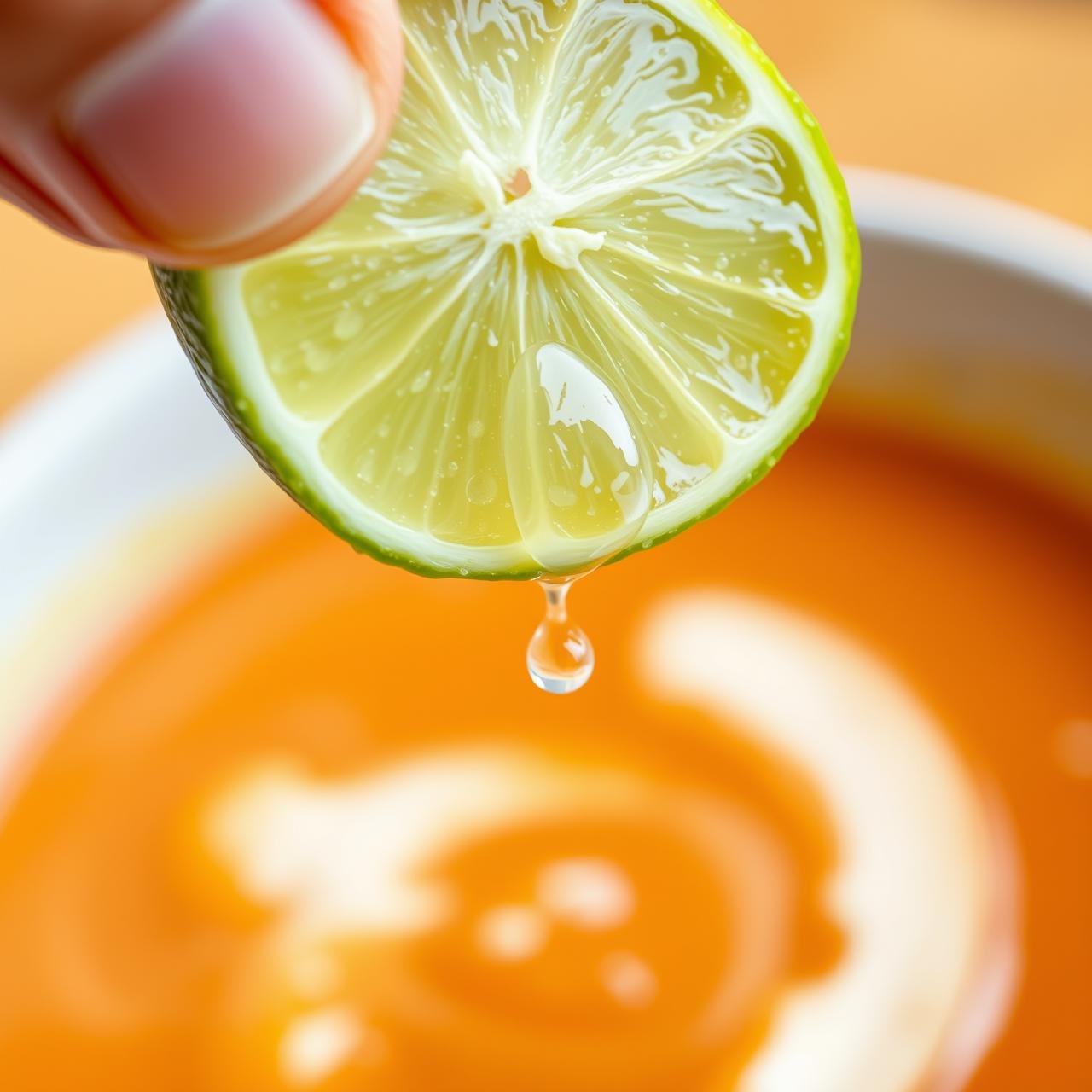
Mastering the basics is one thing, but these professional tips will elevate your Tom Yum from a simple soup to a truly memorable culinary experience.
Don’t Substitute the Core Aromatics
The trio of galangal, lemongrass, and kaffir lime leaves is the holy trinity of Tom Yum. Ginger is not a substitute for galangal, and lemon zest is a world away from the unique perfume of kaffir lime leaves. Sourcing these fresh from an Asian market is the single most important thing you can do for authentic flavor.
The Shrimp Shell Broth Trick
Never discard your shrimp shells! They are packed with flavor. For a broth that tastes like it has been simmering for hours, simply cover the shells with your chicken broth or water, bring to a boil, then reduce to a simmer for 20 minutes. Strain the shells out, and you’re left with a rich, briny, and deeply flavorful base for your soup. This is a zero-waste tip that makes a world of difference.
Balance is Everything
Thai cooking is all about the balance of flavors. When you taste your soup at the end, don’t just think ‘does it need more salt?’. Think about the entire profile. Is the sourness from the lime overpowering? A pinch more sugar can mellow it. Is the heat too intense? A little more lime juice can cut through it. Is it flat? It probably needs more fish sauce for umami. Adjust these three elements—fish sauce, lime juice, and sugar—until you find your perfect harmony.
Add Lime Juice Last and Off-Heat
We mentioned this in the recipe, but it bears repeating. Boiling lime juice destroys its volatile aromatic compounds and can make it taste bitter and ‘cooked’. Adding it at the very end, after the heat is turned off, preserves its fresh, vibrant, and zesty character, which is essential for a bright-tasting Tom Yum.
Customizing Your Protein
While Tom Yum Goong (with shrimp) is the most famous, this clear broth is an excellent base for other proteins. Try it with bite-sized pieces of chicken breast (Tom Yum Gai), firm white fish like cod or halibut (Tom Yum Pla), or a mix of seafood like squid and mussels (Tom Yum Talay). For a vegetarian version, use a hearty vegetable broth and add firm tofu and a wider variety of mushrooms.
A Bowl of Health: Nutritional Profile
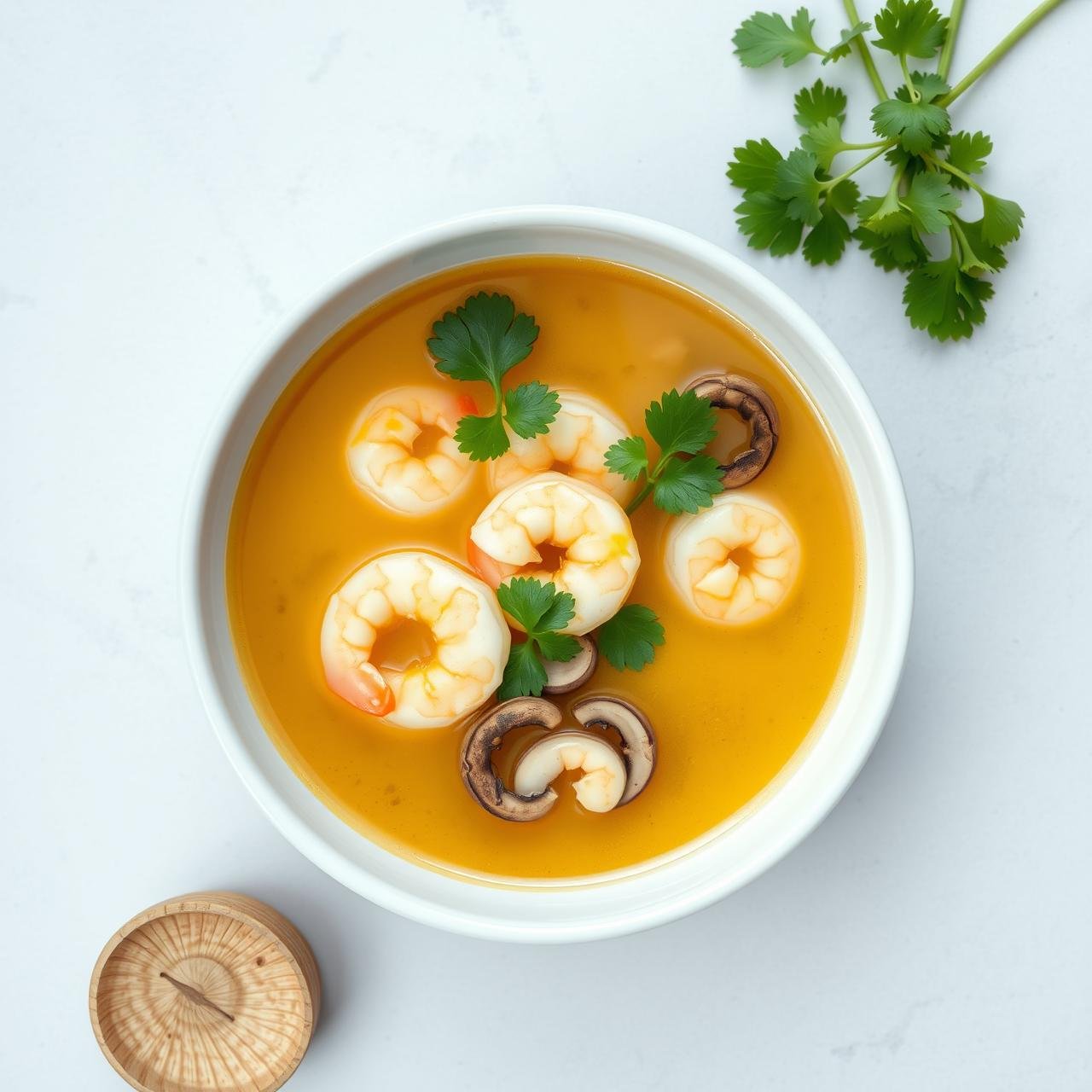
This Clear Tom Yum Soup is more than just delicious; it’s a powerhouse of nutrition and wellness. The clear broth is significantly lighter than its creamy counterpart, making it an excellent choice for a healthy, low-calorie meal. The magic lies in its fresh, whole-food ingredients, each bringing its own set of health benefits to the bowl.
The capsaicin in the bird’s eye chilies is a well-known thermogenic compound, which can give your metabolism a temporary boost. Galangal and lemongrass have long been used in traditional medicine for their anti-inflammatory and digestive properties. This soup is naturally gluten-free and can easily be made paleo-friendly. It’s a perfect dish for when you’re feeling under the weather or simply need a nourishing, revitalizing meal.
| Nutrient | Amount per Serving (approx.) |
|---|---|
| Calories | 210 kcal |
| Protein | 25g |
| Carbohydrates | 12g |
| Fat | 6g |
| Sodium | 980mg |
| Vitamin C | 45% DV |
| Iron | 15% DV |
Disclaimer: Nutritional information is an estimate and can vary based on the specific ingredients and portion sizes used.
Savor it Later: Storing and Reheating Your Spicy Broth
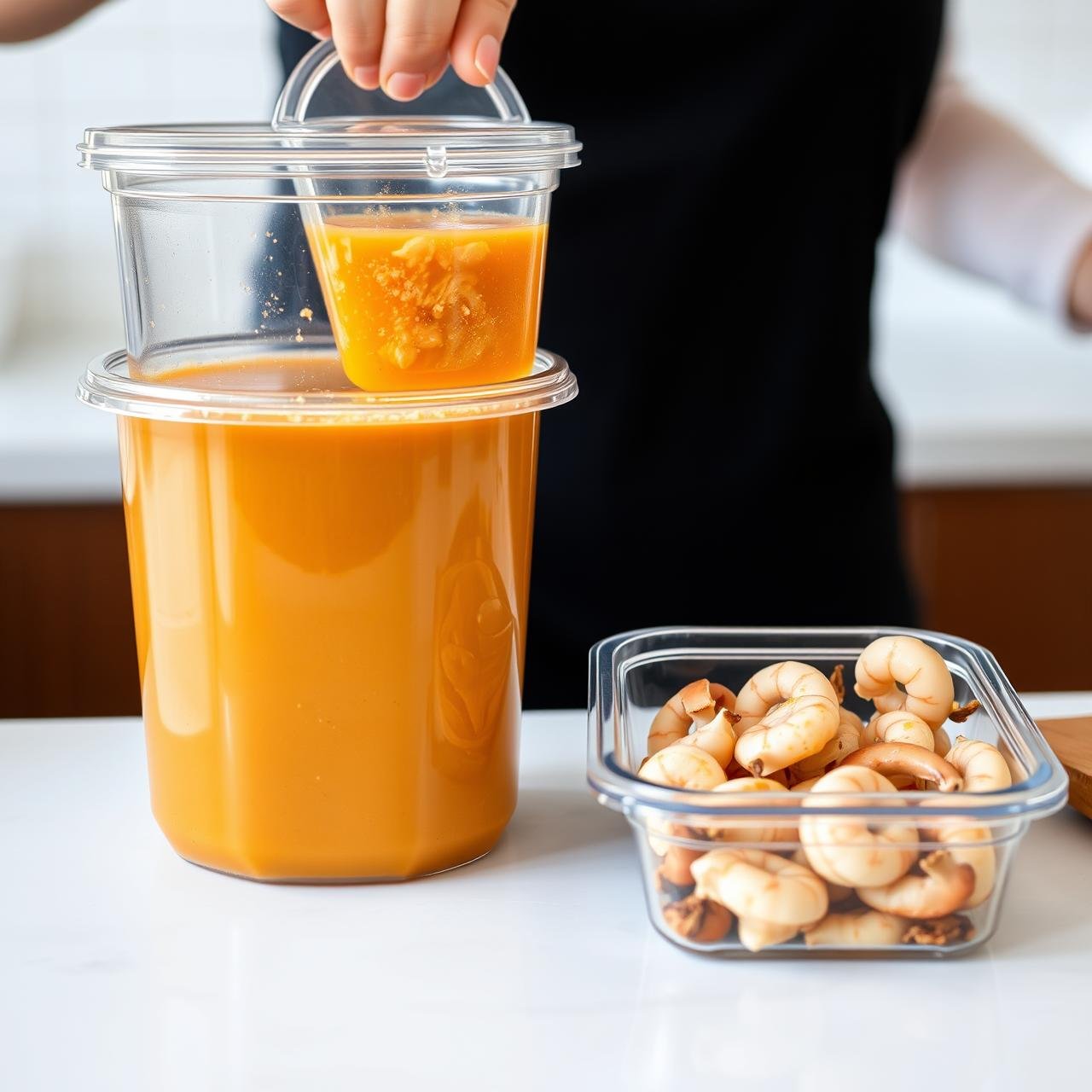
Tom Yum soup is best enjoyed fresh, especially the shrimp, which can become tough when reheated. However, with the right technique, you can certainly savor the leftovers. The key is to store the components thoughtfully.
Storage Instructions:
- Separate Components: For best results, use a slotted spoon to remove the shrimp and mushrooms from the broth. Store the broth in one airtight container and the shrimp and mushrooms in another. This prevents the shrimp from overcooking during reheating and helps the mushrooms maintain a better texture.
- Refrigeration: The separated components will keep well in the refrigerator for up to 3 days. The flavors of the broth will actually continue to meld and deepen overnight.
- Freezing: The broth freezes exceptionally well. Pour the cooled, strained broth into freezer-safe containers or bags, leaving a little room for expansion. It can be frozen for up to 3 months. I do not recommend freezing the cooked shrimp or mushrooms, as their texture will degrade upon thawing.
Reheating Instructions:
- Gently reheat the broth on the stovetop over medium-low heat until it is simmering. Avoid boiling it vigorously.
- Once the broth is hot, add the refrigerated shrimp and mushrooms back in. Let them sit in the hot broth for just a minute or two to warm through.
- Taste and refresh the flavors. Reheating can sometimes dull the vibrant sour notes. Add a fresh squeeze of lime juice and a sprinkle of fresh cilantro just before serving to bring it back to life.
Conclusion
There is a profound comfort in a bowl of Clear Tom Yum Soup. It’s a dish that engages all the senses—the fragrant steam, the vibrant colors, the fiery heat on your tongue, and the zesty finish that leaves you feeling refreshed and invigorated. By following this recipe, you’ve done more than just cook a meal; you’ve recreated a timeless piece of Thai culinary heritage. You’ve learned how to balance the fundamental flavors and unlock the potent essence of simple, fresh herbs.
Whether you’re seeking a light but satisfying dinner, a natural metabolism boost, or a remedy for a chilly day, this Tom Yum Nam Sai is the answer. We encourage you to embrace the process, trust your palate during the final tasting, and make this recipe your own. Share it with loved ones and let the warm, spicy, and sour notes transport you to the heart of Thailand, one delicious spoonful at a time.