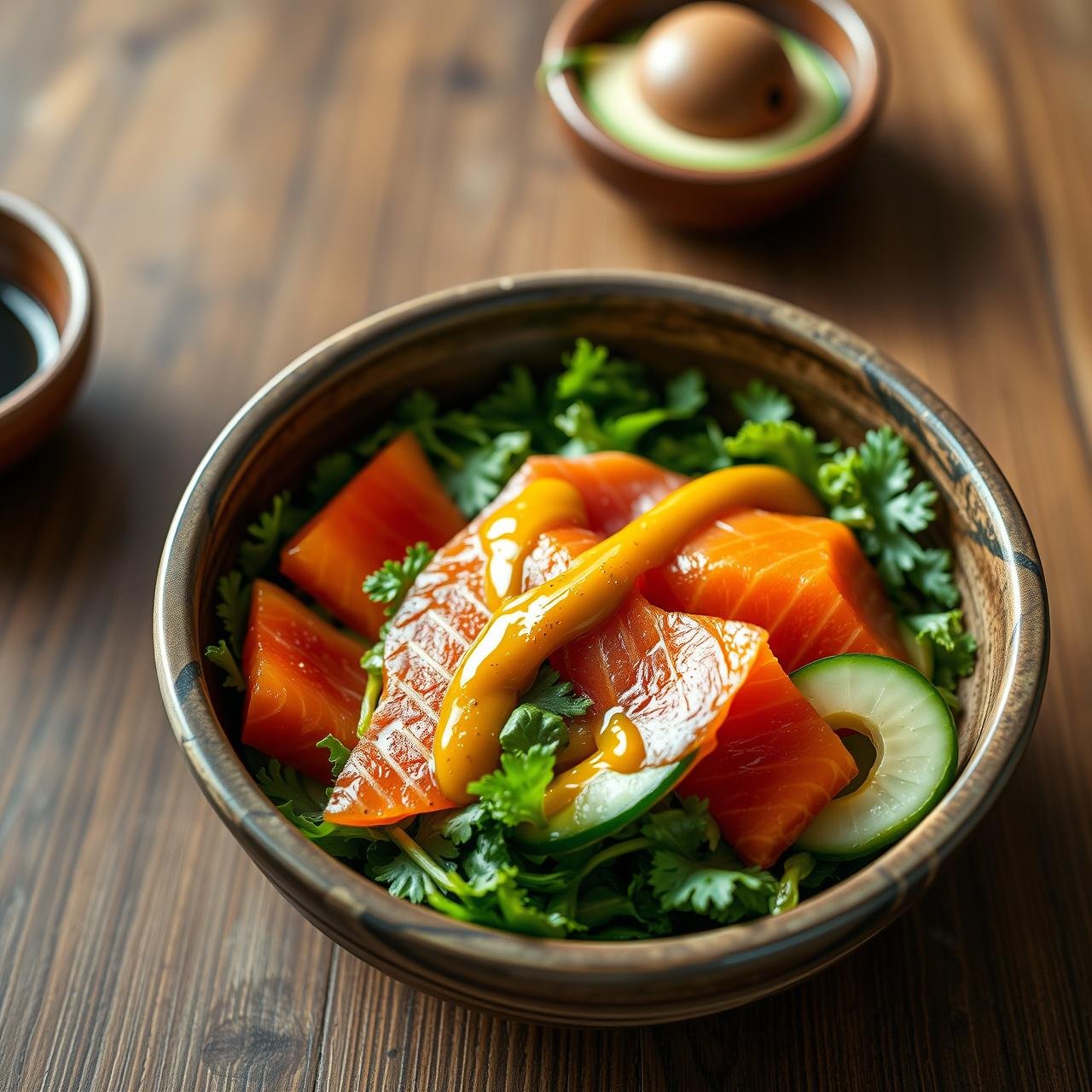
Fresh Japanese Sashimi Salad With Ginger Dressing (Zero Bloat)
In the world of cuisine, there is a unique and profound beauty in simplicity. Japanese cooking, at its core, is a celebration of this principle—honoring the natural flavor and integrity of each ingredient. This Fresh Japanese Sashimi Salad is the embodiment of that philosophy. It’s a dish that feels both luxuriously indulgent and wonderfully clean, a vibrant mosaic of textures and tastes that nourishes the body without weighing it down. We’ve specifically designed this recipe to be a ‘zero bloat’ experience, focusing on ingredients known for their digestive benefits and anti-inflammatory properties. The star of the show, alongside the pristine, ocean-fresh sashimi, is a zesty, invigorating Ginger Dressing that awakens the palate and ties everything together. Prepare to create a meal that is not just food, but a mindful, restorative experience for your senses.
The Philosophy of a ‘Zero Bloat’ Meal
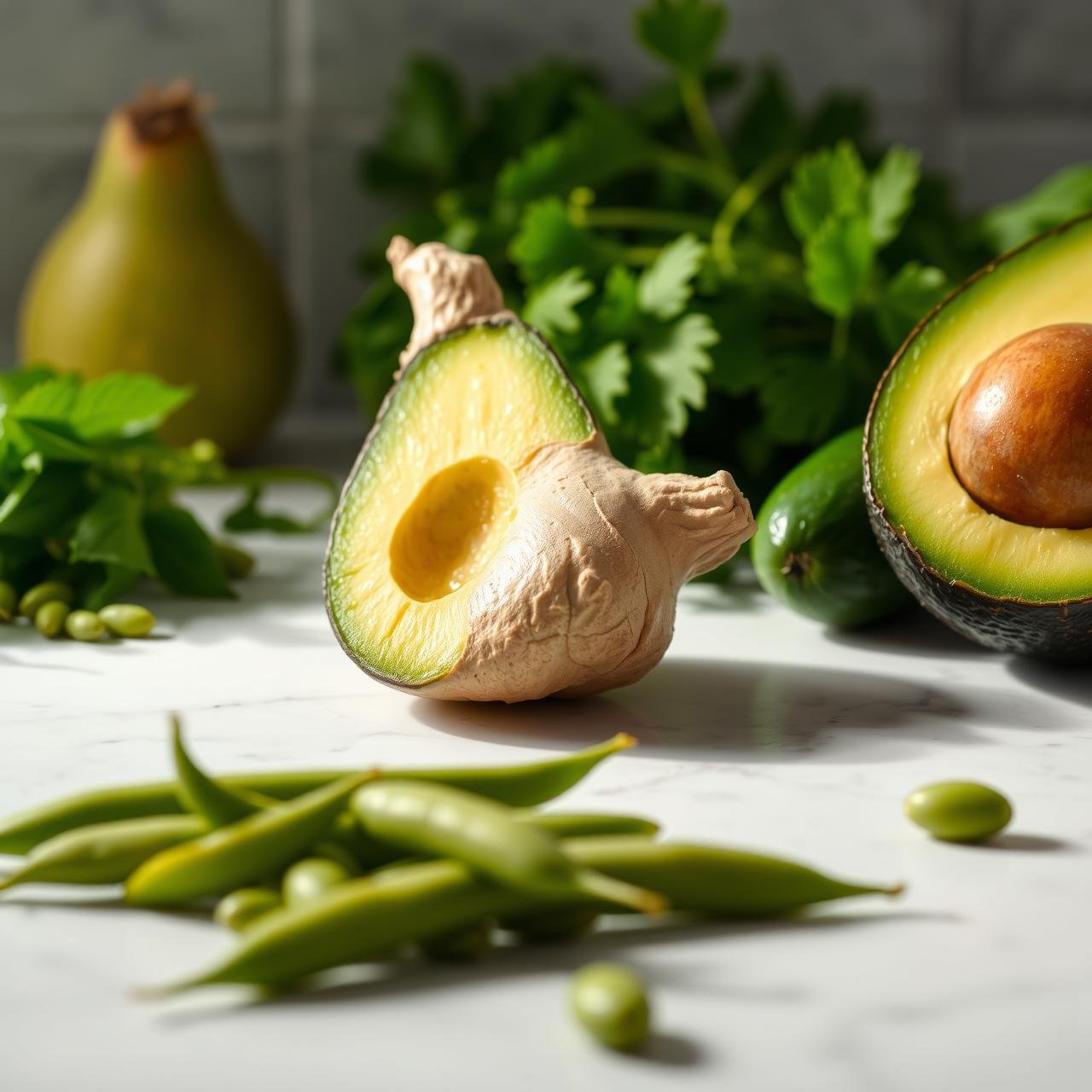
What does ‘zero bloat’ truly mean in a culinary context? It’s about making intentional choices to create a meal that is gentle on your digestive system, leaving you feeling energized and light. This isn’t about restriction; it’s about intelligent, delicious composition. We achieve this by focusing on several key principles:
- Hydrating Ingredients: We use a base of cucumber, mixed greens, and edamame, all of which have high water content. Proper hydration is crucial for preventing water retention and bloating.
- Lean Protein: Sashimi-grade fish is an excellent source of high-quality, easily digestible protein and omega-3 fatty acids, which have natural anti-inflammatory properties.
- Digestive Aids: Ginger, the hero of our dressing, is a powerhouse. It’s a well-known carminative, meaning it helps to prevent gas and soothe the intestinal tract. It stimulates digestion and can calm an upset stomach.
- Healthy Fats: The avocado provides creamy texture and heart-healthy monounsaturated fats. Unlike heavy, saturated fats that can slow digestion, these fats are beneficial and satisfying.
- Mindful Seasoning: Our dressing uses tamari (a gluten-free soy sauce alternative) and rice vinegar, which are lighter than many creamy, dairy-based or sugar-laden dressings that can contribute to digestive discomfort. We avoid excessive salt, which can lead to water retention.
By combining these elements, we create a synergistic meal where every component works together to support your well-being, proving that healthy eating can be an elegant and deeply satisfying affair.
Essential Equipment for a Perfect Sashimi Salad
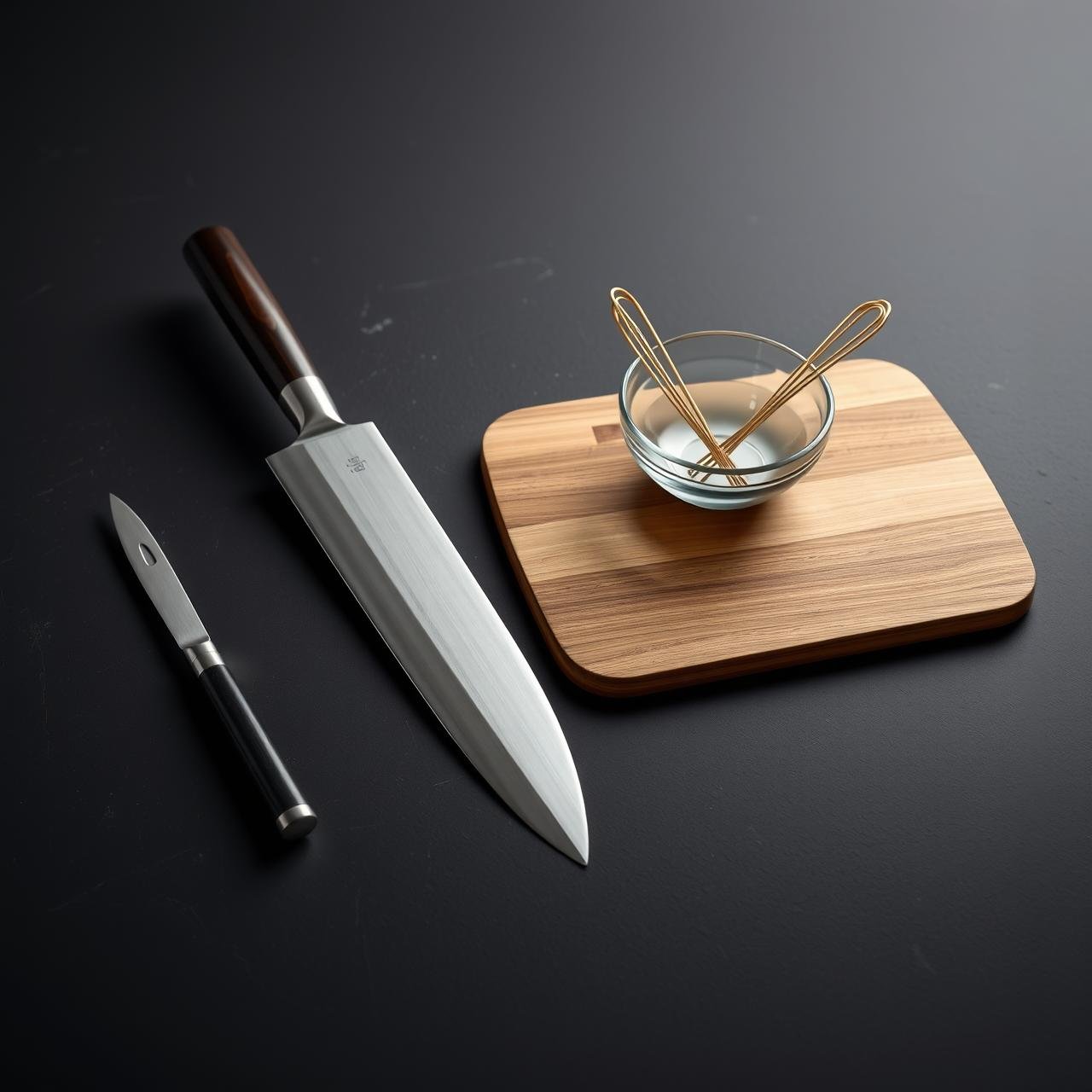
Gather Your Tools
You don’t need a professional kitchen to create this masterpiece. The right tools, however, will make the process smoother and more enjoyable, ensuring restaurant-quality results.
- An Exceptionally Sharp Knife: This is non-negotiable for slicing sashimi. A Japanese-style yanagiba is ideal, but any very sharp, long chef’s knife will work. A dull knife will tear the delicate fish flesh.
- A Sturdy Cutting Board: Use a separate cutting board for your raw fish to prevent any cross-contamination. Plastic or composite boards are easiest to sanitize.
- Mixing Bowls: You’ll need one small bowl for whisking the dressing and a large one for tossing the salad components.
- Whisk or Jar with a Lid: For emulsifying the dressing. Shaking the ingredients in a sealed jar is a simple and effective method.
- Vegetable Peeler and/or Mandoline: For creating beautiful, thin ribbons of cucumber.
- Serving Platter or Individual Bowls: Presentation is key. A wide, shallow bowl or platter allows you to arrange the components artfully.
Sourcing the Freshest Sashimi-Grade Fish
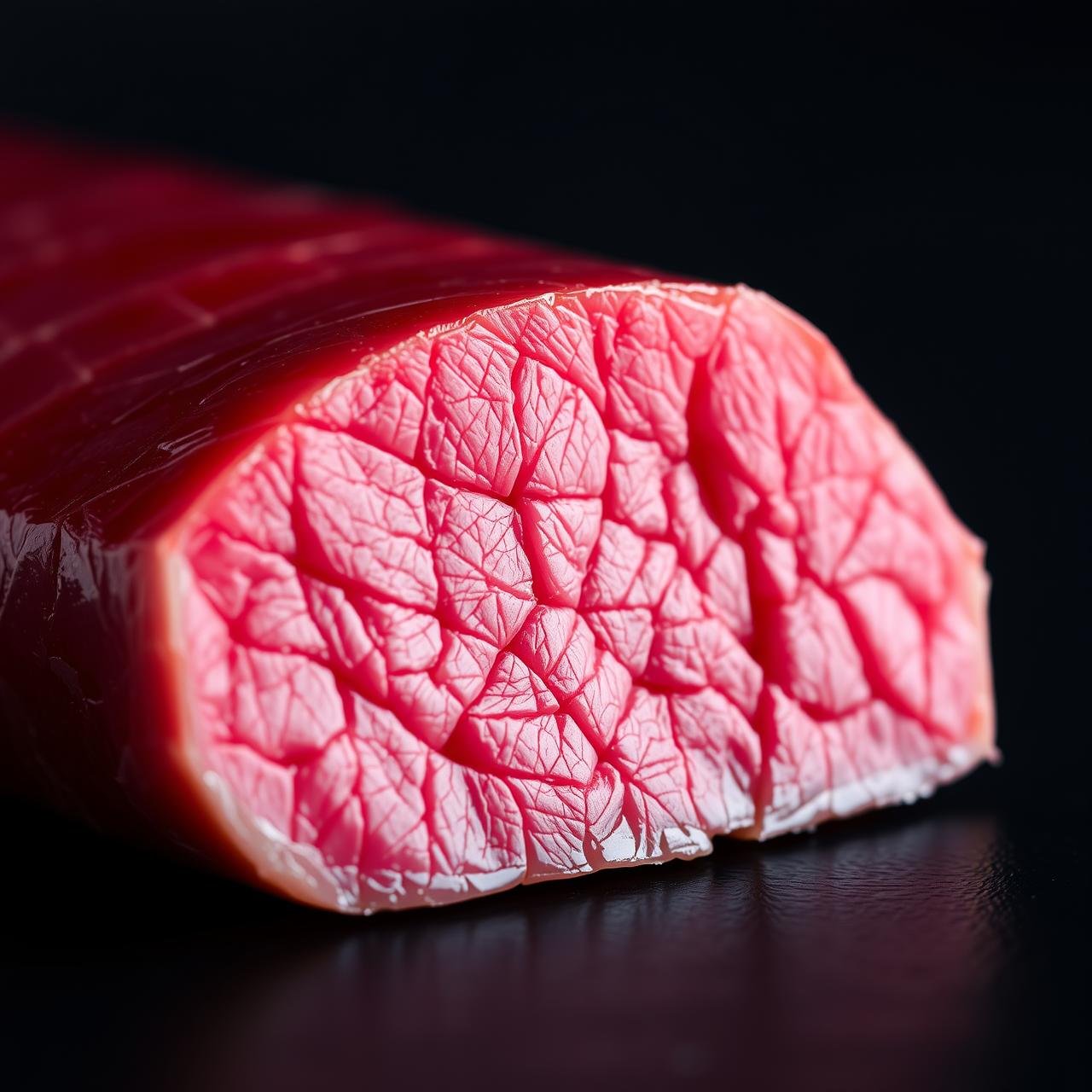
The Heart of the Dish
The quality of your salad hinges entirely on the quality of your fish. The term ‘sashimi-grade’ or ‘sushi-grade’ is not officially regulated by the FDA, but it implies that the fish is safe to be eaten raw. Here’s what to look for:
- Find a Reputable Fishmonger: Your best source is a trusted local fish market or a high-end grocery store with a knowledgeable fish counter. Japanese or Asian markets are often excellent sources. Don’t be afraid to ask questions: ‘What came in fresh today?’ and ‘Is this suitable for sashimi?’
- Look for ‘Previously Frozen’: This might sound counterintuitive, but many types of fish intended for raw consumption are flash-frozen at extremely low temperatures shortly after being caught. This process kills potential parasites and can often result in a higher quality product than ‘fresh’ fish that has been sitting on ice for days.
- Visual and Olfactory Cues: The fish should look vibrant and translucent, not dull or opaque. The flesh should be firm to the touch. Most importantly, it should smell clean and of the ocean—never ‘fishy’.
- Best Fish Varieties for This Salad:
- Tuna (Maguro): Look for Ahi or Yellowfin for a balance of flavor and affordability. It should be a deep, clear red.
- Salmon (Sake): Choose a fatty variety like King or Sockeye salmon. The flesh should be bright orange-pink with clear lines of fat.
- Yellowtail (Hamachi): A rich, buttery fish that is a true delicacy.
- Scallops (Hotate): Large, sweet sea scallops are wonderful when thinly sliced raw.
For a budget-friendly option, look for high-quality frozen tuna or salmon steaks from a trusted brand. Thaw them slowly in the refrigerator overnight before using.
Ingredients for the Ultimate Sashimi Salad
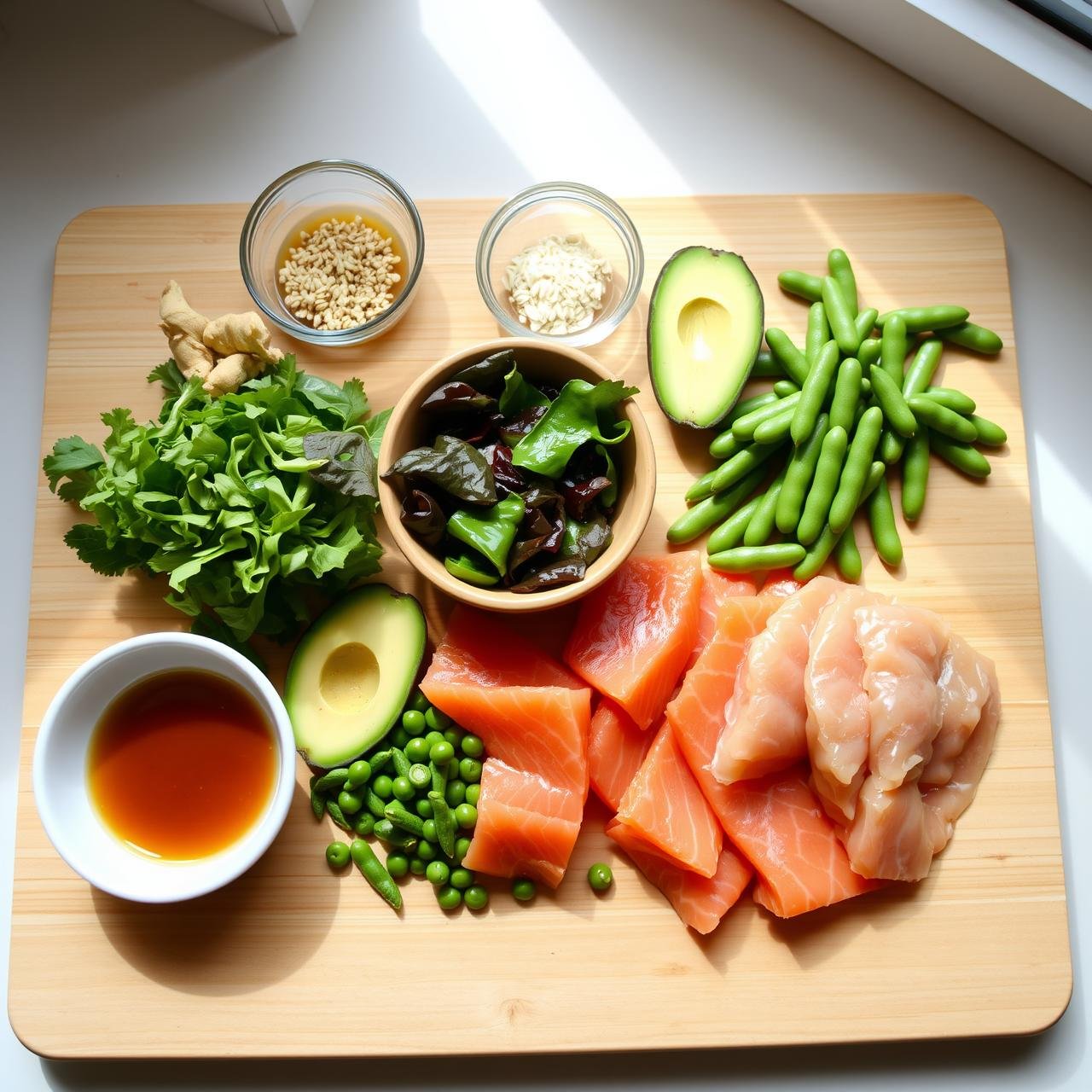
For the Ginger Dressing (Yields approx. 1 cup):
- 1/4 cup Rice Vinegar (unseasoned)
- 1/4 cup Tamari or Low-Sodium Soy Sauce
- 2 tablespoons Toasted Sesame Oil
- 1 tablespoon Mirin (Japanese sweet rice wine)
- 1 tablespoon Honey or Maple Syrup (optional, for balance)
- 1 (2-inch) piece Fresh Ginger, peeled and finely grated
- 1 clove Garlic, minced
- 1 tablespoon Toasted Sesame Seeds
- A pinch of White Pepper
For the Salad (Serves 2 as a main, 4 as an appetizer):
- 8-10 ounces Mixed Sashimi-Grade Fish (e.g., tuna, salmon), cut into 1/4-inch thick slices
- 5 ounces Mixed Spring Greens or Butter Lettuce
- 1 Large English Cucumber, peeled into ribbons or thinly sliced
- 1 Ripe Avocado, pitted and sliced
- 1 cup Shelled Edamame (cooked and cooled)
- 1/4 Red Onion, very thinly sliced (optional, for a sharp bite)
- For Garnish: Additional toasted sesame seeds, chopped cilantro or microgreens, and thinly sliced scallions.
Step-by-Step Instructions
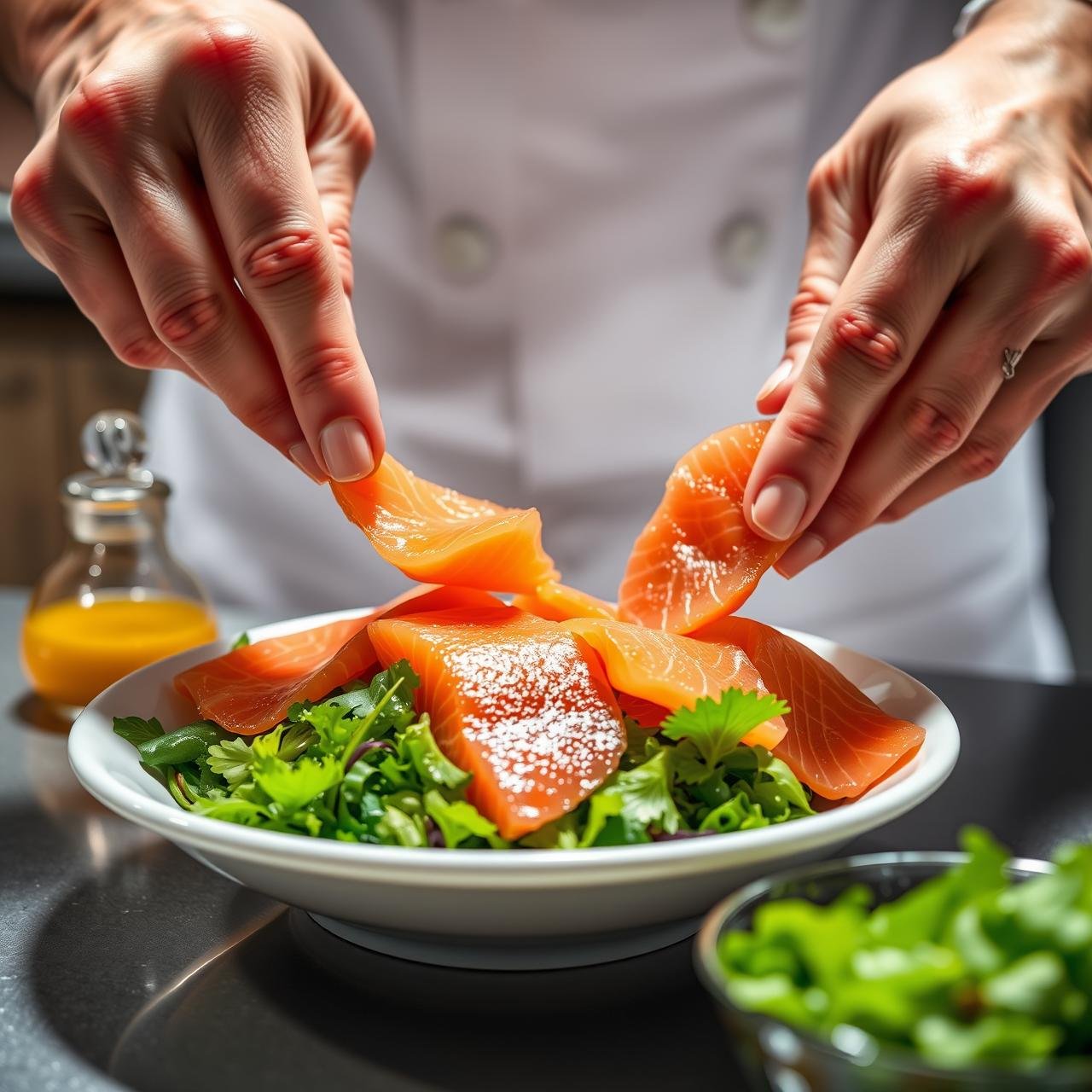
Part 1: Crafting the Perfect Ginger Dressing
This dressing is the soul of the salad. Making it first allows the flavors to meld and deepen.
- Combine Liquids: In a small bowl or a glass jar with a tight-fitting lid, combine the rice vinegar, tamari, toasted sesame oil, and mirin.
- Add Aromatics: Add the finely grated ginger and minced garlic to the liquid base. If you’re using a sweetener like honey or maple syrup, add it now.
- Emulsify: Whisk vigorously until all the ingredients are well combined and the dressing has slightly thickened. Alternatively, seal the jar and shake it energetically for about 30 seconds. This is the key to a well-balanced dressing.
- Finish and Rest: Stir in the toasted sesame seeds and a pinch of white pepper. Set the dressing aside at room temperature to allow the flavors to marry while you prepare the salad.
Part 2: Assembling the Sashimi Salad
Assembly is about layering textures and colors for a visually stunning and delicious result.
- Prepare the Base: In a large mixing bowl, gently combine the mixed greens, cucumber ribbons, shelled edamame, and thinly sliced red onion (if using). Add just a tablespoon or two of the ginger dressing and toss lightly to coat the greens. This ensures every part of the salad is flavored.
- Arrange the Foundation: Divide the lightly dressed greens among your serving plates or arrange them on a large platter, creating a voluminous, airy bed for the other ingredients.
- Layer the Components: Artfully arrange the slices of avocado around the greens. There is no need to be perfect; a rustic, natural placement is beautiful.
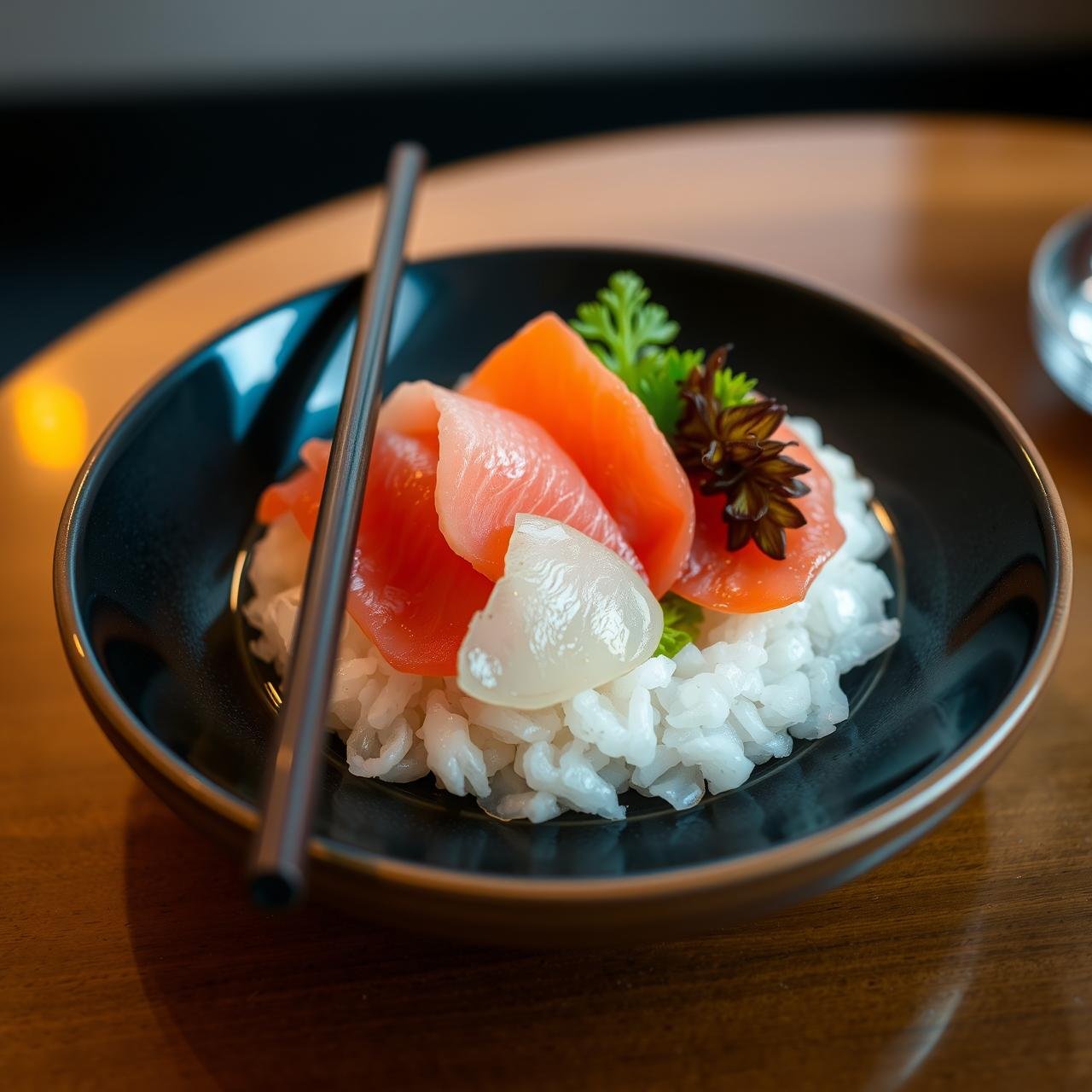
- The Star of the Show: Gently lay the slices of fresh sashimi over the greens and avocado. You can fan them out, overlap them, or create small clusters of each type of fish. Be gentle to not damage the delicate slices.
- Dress and Garnish: Just before serving, drizzle a generous amount of the ginger dressing over the entire salad, ensuring you coat the fish. Garnish lavishly with extra toasted sesame seeds, fresh scallions, and cilantro or microgreens. Serve immediately for the best texture and temperature.
Chef’s Tips and Delicious Variations
Elevate Your Creation
A few simple touches can take your salad from great to unforgettable.
- Add Some Crunch: For an extra textural element, consider adding crispy fried shallots, wonton strips, or a sprinkle of furikake seasoning just before serving.
- Introduce Some Heat: If you enjoy a bit of spice, add a thinly sliced serrano or jalapeño pepper to the salad, or whisk a small amount of sriracha or chili garlic sauce into your dressing.
- Fruit for Sweetness: For a surprising and delightful twist, add segments of grapefruit or orange, or some diced mango. The sweetness and acidity pair wonderfully with the rich fish.
- Play with Your Greens: Instead of spring mix, try using shredded napa cabbage for more crunch, or peppery arugula for a different flavor profile.
- Pairing Suggestions: This salad is a complete meal on its own, but it pairs beautifully with a bowl of warm miso soup or a side of steamed short-grain rice. For a beverage, a crisp, dry sake, a Japanese lager, or a cold-brewed green tea would be an excellent choice.
Nutritional Information
This provides an estimated nutritional breakdown per serving, assuming the recipe serves two as a main course. Actual values may vary based on specific ingredients and portion sizes.
| Nutrient | Amount per Serving |
|---|---|
| Calories | ~550 kcal |
| Protein | ~35g |
| Fat | ~38g |
| Saturated Fat | ~6g |
| Carbohydrates | ~18g |
| Fiber | ~9g |
| Sugar | ~7g |
| Sodium | ~750mg |
| Omega-3 Fatty Acids | Excellent Source |
Storage and Make-Ahead Advice
Keeping it Fresh
Due to the nature of raw fish, this salad is unequivocally best enjoyed immediately after preparation. However, you can prep some components in advance to make assembly quicker.
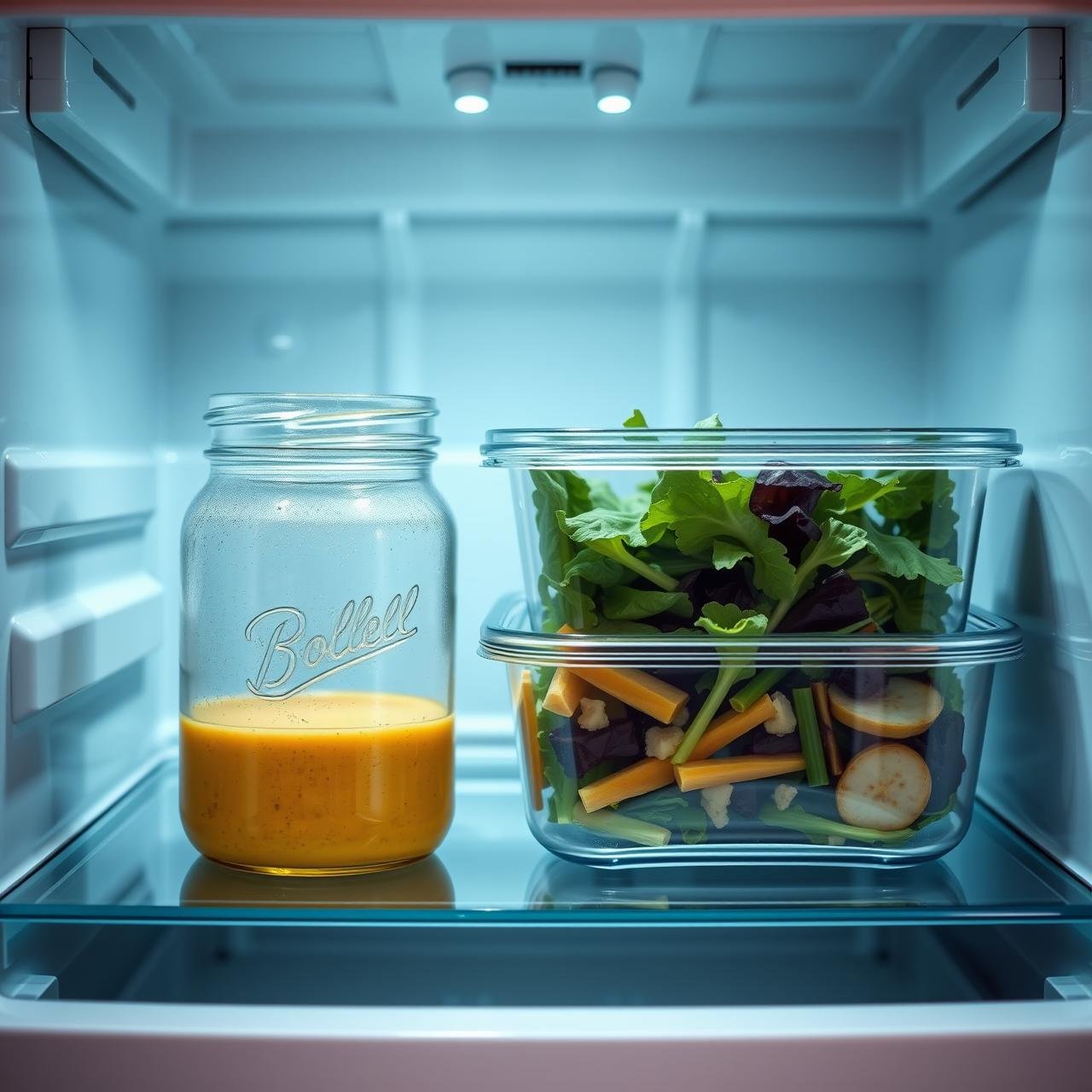
- The Dressing: The ginger dressing can be made up to 3 days in advance. Store it in an airtight jar in the refrigerator. The oil may solidify slightly; simply let it sit at room temperature for 15-20 minutes and shake well before using.
- The Vegetables: The greens, cucumber, and edamame can be prepped a day ahead. Store them in separate airtight containers in the refrigerator. Keep the greens with a paper towel to absorb excess moisture.
- The Fish and Avocado: These two ingredients must be prepared just before serving. Do not slice the fish or the avocado in advance, as they will oxidize and lose their pristine quality and texture.
- Leftovers: It is not recommended to store leftover dressed salad, especially one containing raw fish. It’s best to prepare only what you plan to eat.
Conclusion
Creating this Fresh Japanese Sashimi Salad is more than just following a recipe; it’s an exercise in appreciating the purity of high-quality ingredients. It’s a testament to the fact that food can be both profoundly delicious and incredibly good for you, leaving you satisfied, energized, and light. The bright, zesty kick of the homemade ginger dressing combined with the buttery, delicate sashimi and crisp vegetables is a culinary experience that delights all the senses. We encourage you to embrace the simplicity, source the best ingredients you can find, and enjoy the clean, vibrant flavors of this beautiful dish. It’s a perfect meal for a special weeknight dinner or a light, elegant lunch that truly celebrates the art of eating well.