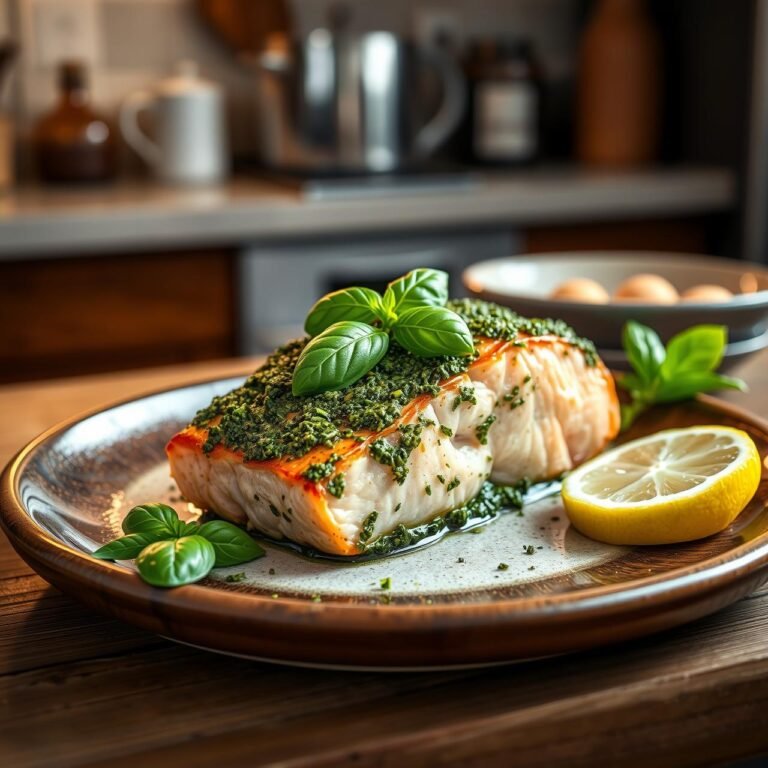
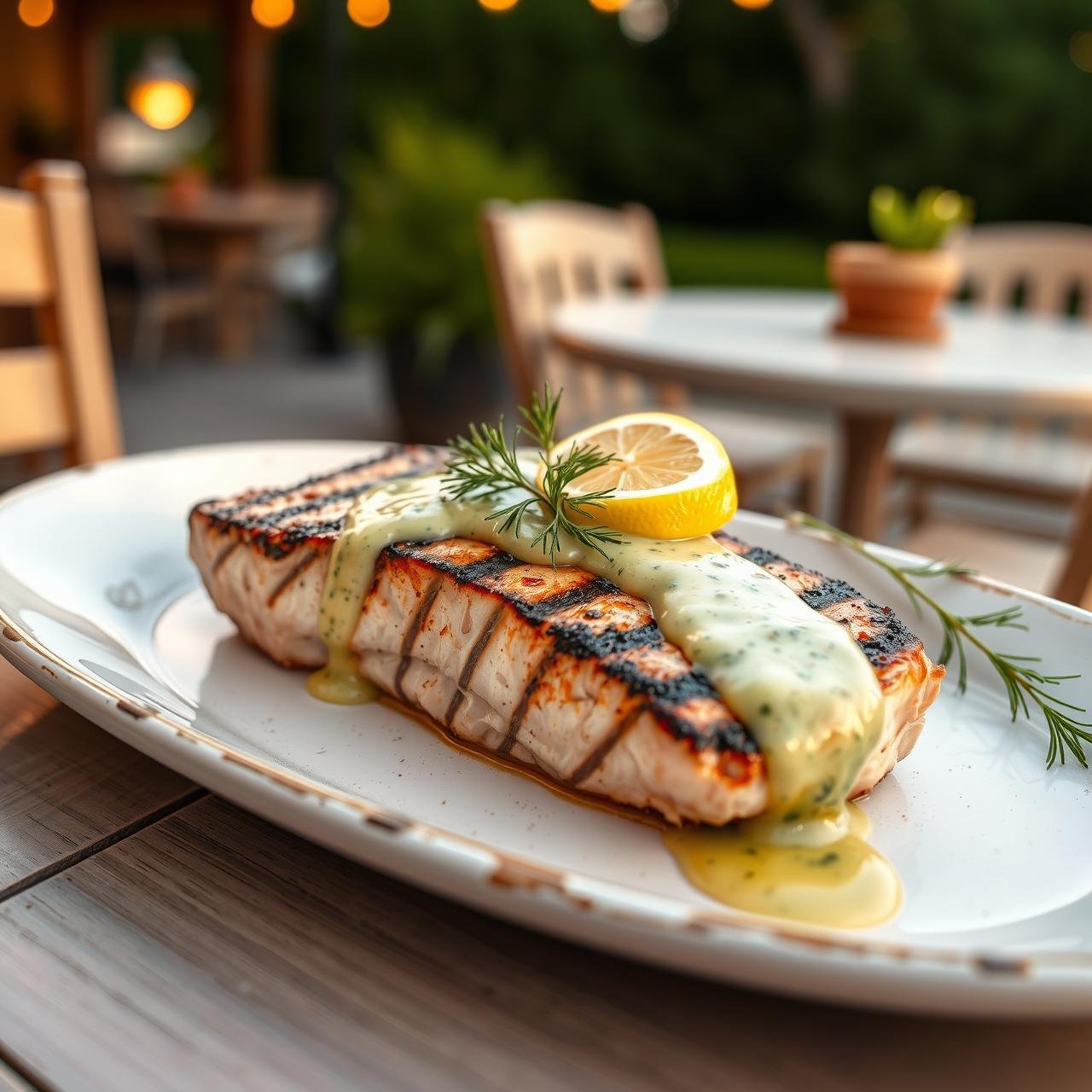
Lean Protein Powerhouse: Grilled Swordfish With Lemon Dill
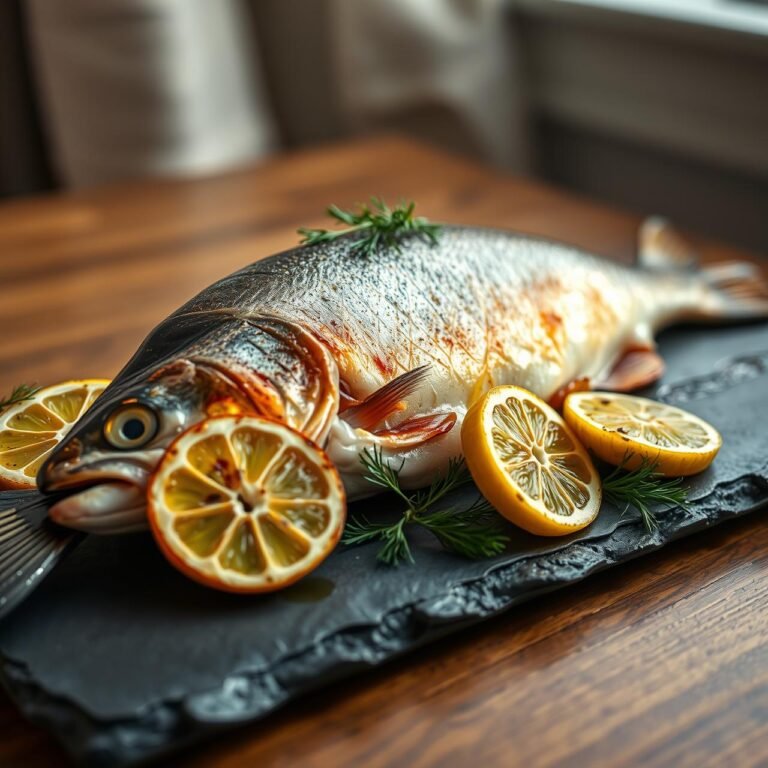
There’s a certain magic that happens when fresh seafood meets an open flame. The sizzle, the aroma, the delicate dance of smoke and flavor—it’s a rustic culinary experience that feels both primal and sophisticated. At the heart of this experience is the magnificent swordfish, often hailed as the ‘steak of the sea.’ Its firm, meaty texture makes it an ideal candidate for the grill, standing up to the heat and developing a wonderfully satisfying crust while remaining incredibly moist and tender inside.
This recipe for Grilled Swordfish with Lemon Dill is a celebration of simplicity and clean, vibrant flavors. We’re not masking the beautiful taste of the fish; we’re elevating it. A simple marinade of olive oil, garlic, and lemon infuses the steak with just enough flavor before it hits the grill. But the true star alongside the swordfish is the Lemon Dill Sauce—a bright, zesty, and herbaceous concoction that cuts through the richness of the fish and adds a layer of refreshing complexity. It’s a dish that speaks of sun-drenched coastal kitchens and leisurely al fresco meals. Whether you’re a seasoned grill master or a home cook looking for a healthy, impressive, and surprisingly simple meal, this recipe is your ticket to a gourmet experience right in your own backyard.
The Grill Master’s Toolkit: Essential Equipment
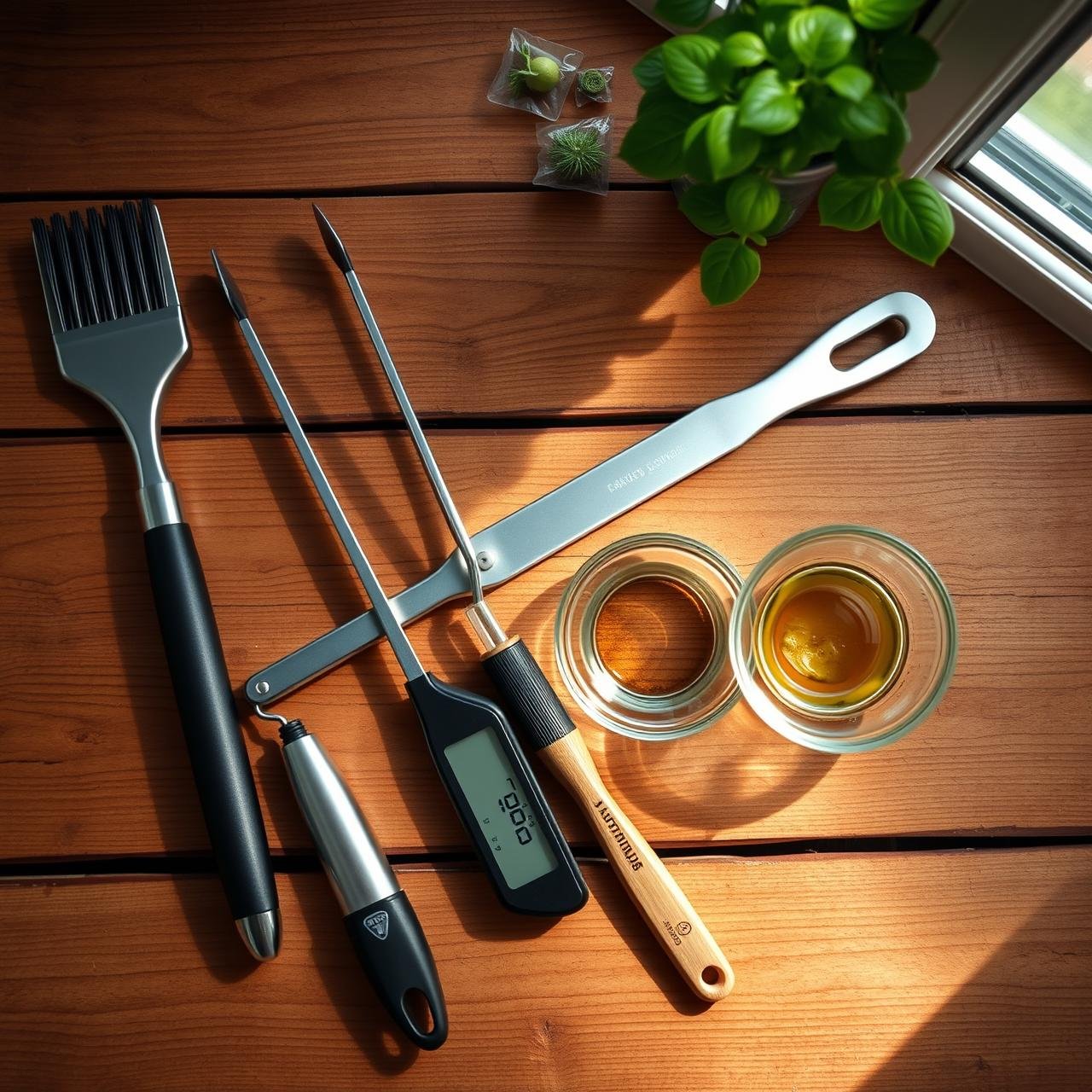
Having the right tools on hand is the first step to grilling success. It streamlines the process and ensures you have everything you need to cook the swordfish to perfection. Here’s a checklist of what you’ll want to have ready before you begin.
| Tool | Purpose |
|---|---|
| Outdoor Grill or Grill Pan | The primary cooking vessel. A gas or charcoal grill provides the best smoky flavor, but a cast-iron grill pan on the stovetop is an excellent alternative. |
| Long-Handled Tongs | Essential for safely flipping the swordfish steaks without piercing the flesh, which would release precious juices. |
| Instant-Read Digital Thermometer | The single most important tool for guaranteeing perfectly cooked fish. It eliminates guesswork and prevents dry, overcooked swordfish. |
| Basting Brush | For applying any extra marinade or oil during the grilling process. Silicone brushes are heat-resistant and easy to clean. |
| Small Bowls and Whisk | For preparing the marinade and the lemon dill sauce. |
| Cutting Board and Chef’s Knife | For chopping fresh dill, mincing garlic, and slicing lemons. |
| Fish Spatula (optional) | A wide, flexible spatula that is excellent for gently lifting the delicate fish from the grill grates. |
The Freshest Catch: Ingredients for Success
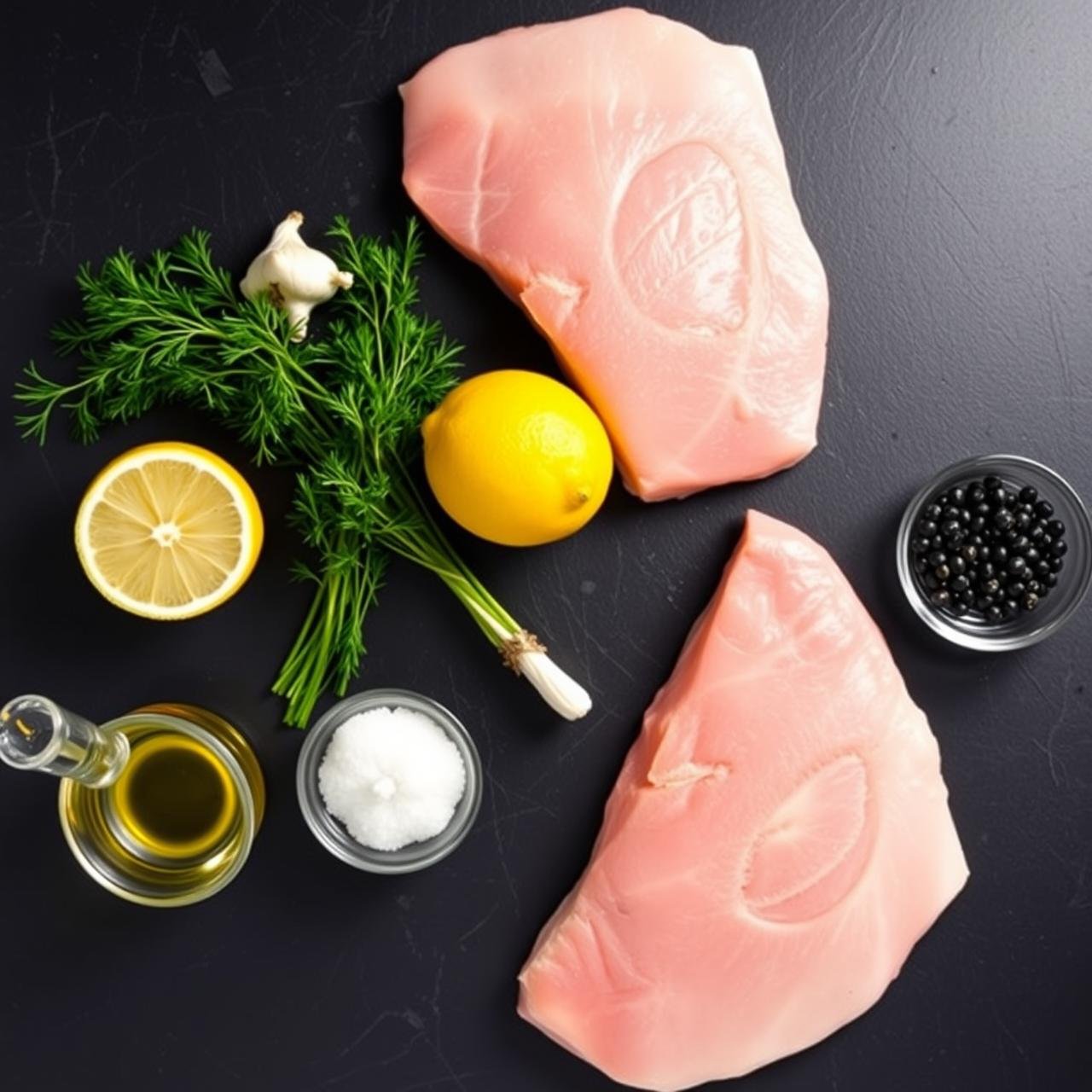
The quality of your ingredients will shine through in this simple recipe. Opt for the freshest swordfish you can find, and don’t skimp on fresh herbs and lemon—they make all the difference.
For the Grilled Swordfish:
- 2 (6-8 ounce) swordfish steaks, about 1 to 1.5 inches thick. Look for steaks that are firm, with a bright, translucent appearance.
- 2 tablespoons extra-virgin olive oil, plus more for the grill grates.
- 2 cloves garlic, finely minced.
- 1 lemon, zested and juiced (you’ll use the juice for the marinade and the sauce).
- 1/2 teaspoon sea salt, or to taste.
- 1/4 teaspoon freshly ground black pepper, or to taste.
For the Lemon Dill Sauce:
- 1/2 cup plain Greek yogurt or sour cream for a creamy base.
- 1/4 cup fresh dill, finely chopped.
- 1 tablespoon freshly squeezed lemon juice (from your zested lemon).
- 1 small shallot, minced (optional, for a mild oniony bite).
- A pinch of sea salt and black pepper.
The Art of the Grill: Step-by-Step Instructions
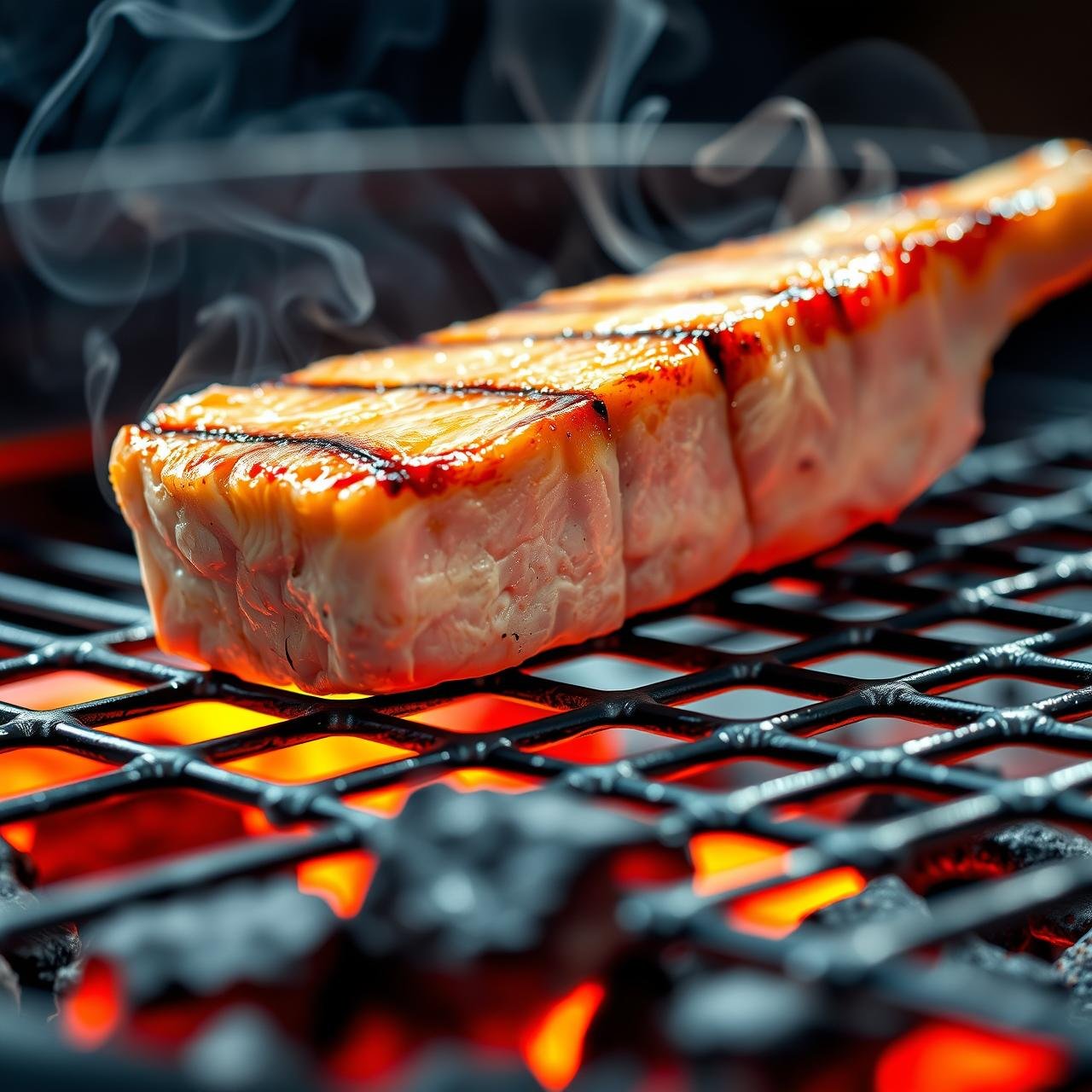
Follow these steps closely for a perfectly charred, juicy, and flavorful swordfish steak every time. The process is straightforward, focusing on preparation and precise timing.
-
Prepare the Marinade:
In a small bowl, whisk together 2 tablespoons of olive oil, the minced garlic, the zest of one lemon, and about 1 tablespoon of its juice. Season with salt and pepper.
-
Marinate the Swordfish:
Pat the swordfish steaks completely dry with paper towels; this is crucial for getting a good sear. Place them in a shallow dish or a resealable plastic bag. Pour the marinade over the steaks, turning to coat them evenly. Let them marinate at room temperature for 15-30 minutes. Avoid marinating for longer, as the acid in the lemon juice can begin to ‘cook’ the fish and alter its texture.
-
Make the Lemon Dill Sauce:
While the fish is marinating, prepare the sauce. In another small bowl, combine the Greek yogurt, chopped fresh dill, 1 tablespoon of lemon juice, and the optional minced shallot. Stir until well combined. Season with a pinch of salt and pepper to taste. Cover and refrigerate until ready to serve.
-
Preheat the Grill:
Preheat your grill to medium-high heat, aiming for a temperature around 400-450°F (200-230°C). A hot grill is essential for creating those beautiful sear marks and preventing the fish from sticking.
-
Clean and Oil the Grates:
Once the grill is hot, clean the grates thoroughly with a grill brush. Then, use a paper towel soaked in a high-smoke-point oil (like canola or avocado oil) and, holding it with tongs, wipe the grates. This creates a non-stick surface.
-
Grill the Swordfish:
Remove the swordfish from the marinade, allowing any excess to drip off. Place the steaks on the hot, oiled grates. Grill for approximately 4-6 minutes per side. The exact time will depend on the thickness of your steaks. The key is to get a good sear and then let it cook. Try to flip the fish only once to keep it intact and develop a great crust.
-
Check for Doneness:
The best way to check for doneness is with an instant-read thermometer. Insert it into the thickest part of the steak. You’re looking for an internal temperature of 130-135°F (54-57°C) for a moist, tender result. The fish will continue to cook slightly after you remove it from the grill. If you don’t have a thermometer, the fish should be opaque and flake easily with a fork.
-
Rest the Fish:
This step is non-negotiable! Transfer the grilled swordfish to a clean plate or cutting board and let it rest for 5-10 minutes before serving. This allows the juices to redistribute throughout the steak, ensuring every bite is moist and flavorful.
-
Serve and Garnish:
Serve the swordfish steaks warm, topped with a generous dollop of the chilled Lemon Dill Sauce. Garnish with extra fresh dill sprigs and lemon wedges for squeezing over the top.
Chef’s Secrets for Perfect Swordfish Every Time

Grilling fish can be intimidating, but these professional tips will build your confidence and help you master the art of cooking swordfish.
Choosing Your Swordfish
When at the fish market, look for swordfish steaks that are at least 1-inch thick. Thicker cuts are more forgiving on the grill and less likely to dry out. The flesh should be firm to the touch and have a mild, fresh sea scent. Avoid any pieces that look dull, feel soft, or have a strong ‘fishy’ odor.
The ‘Don’t Over-Marinate’ Rule
With a citrus-based marinade, less is more. The acid in lemon juice can break down the delicate proteins in fish, resulting in a mushy texture if left for too long. A short 15-30 minute marinating time is all you need to impart flavor without compromising the integrity of the fish.
Embrace the Thermometer
We can’t stress this enough: an instant-read thermometer is a game-changer for cooking fish. Swordfish goes from perfectly cooked to dry and tough in a matter of a minute. Pulling it off the heat at that sweet spot of 135°F ensures a perfect result. Remember, carryover cooking will raise the temperature another 5 degrees as it rests.
Alternative Cooking Methods
No grill? No problem. You can achieve excellent results using a cast-iron grill pan on your stovetop over medium-high heat. Follow the same cooking times. Alternatively, you can use your oven’s broiler. Place the fish on a broiler pan and broil about 4-6 inches from the heat source for 5-7 minutes per side, until cooked through.
Serving Suggestions: Completing the Masterpiece
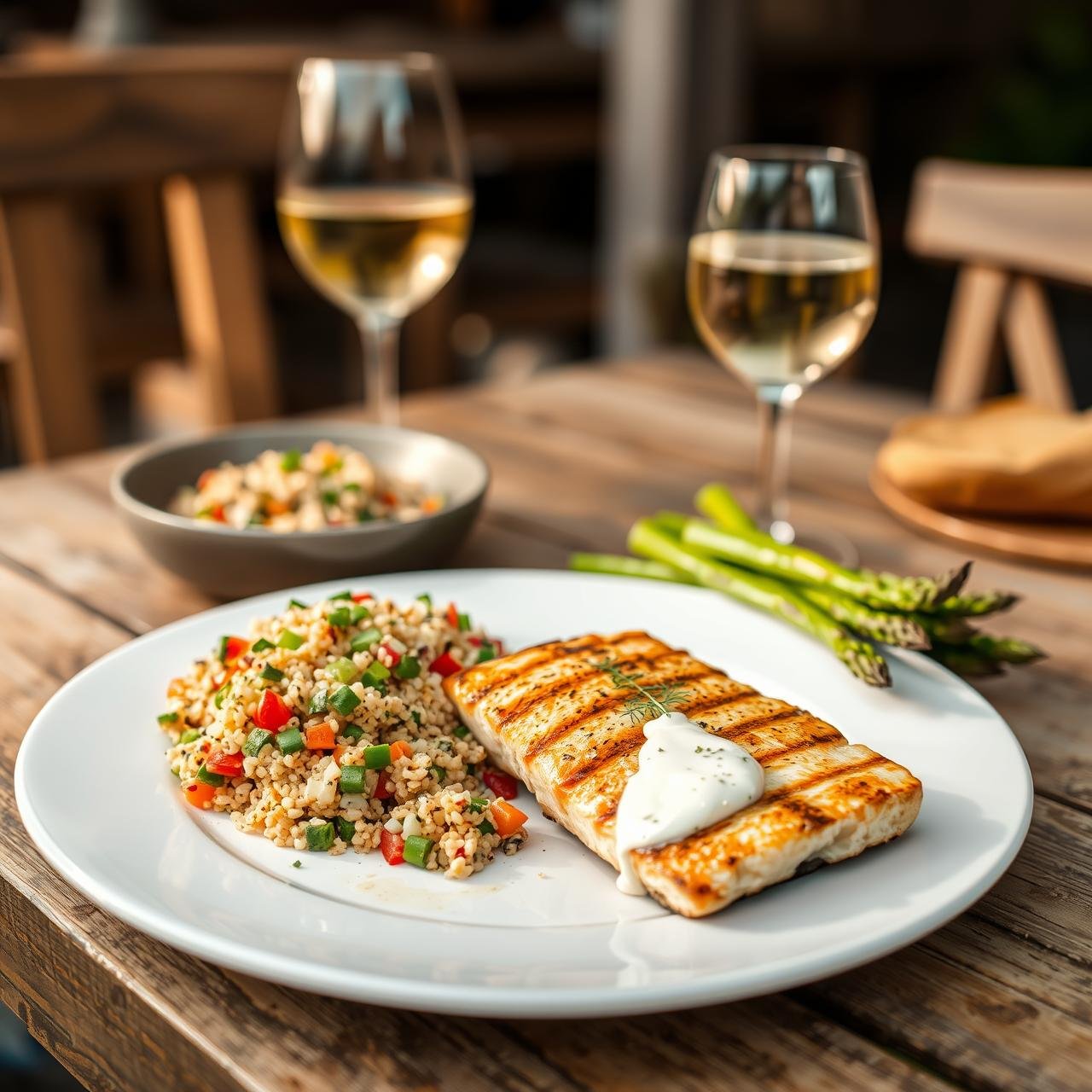
This grilled swordfish is a versatile main course that pairs beautifully with a wide variety of sides. Here are some ideas to suit any palate or dietary need:
- For the Health Enthusiast: Serve the swordfish over a bed of fluffy quinoa or alongside a heaping portion of steamed asparagus or green beans. A light and refreshing cucumber and tomato salad would also be a perfect complement.
- For a Rustic, Homestyle Meal: Pair the fish with grilled corn on the cob, slathered in butter, or some crispy roasted potatoes with rosemary. A simple side of grilled zucchini and bell peppers adds color and flavor.
- For the Gourmet Foodie: Create an elegant plate with a base of creamy parmesan polenta or a sophisticated wild rice pilaf. Sautéed spinach with garlic or a fennel and orange salad would provide a delightful contrast in flavors and textures.
- Wine Pairing: A crisp, dry white wine like a Sauvignon Blanc, Pinot Grigio, or a dry Rosé is the perfect beverage to accompany this dish. The wine’s acidity and minerality will cut through the richness of the fish and complement the lemon dill sauce beautifully.
A Healthy Indulgence: Nutritional Information
This dish isn’t just a treat for your taste buds; it’s a powerhouse of nutrition. Swordfish is an excellent source of lean protein, which is essential for muscle repair and growth. It’s also packed with Omega-3 fatty acids, known for their heart-health and anti-inflammatory benefits. Combined with the healthy fats from olive oil and the freshness of the herbs, this meal is a perfect example of clean eating at its most delicious.
| Nutrient | Amount |
|---|---|
| Calories | ~350 kcal |
| Protein | ~38 g |
| Fat | ~20 g |
| Saturated Fat | ~4 g |
| Carbohydrates | ~3 g |
| Sodium | ~450 mg |
| Omega-3s | ~1200 mg |
Disclaimer: These values are estimates and can vary based on the exact size of the swordfish steak and specific ingredients used.
Storing and Reimagining Leftovers
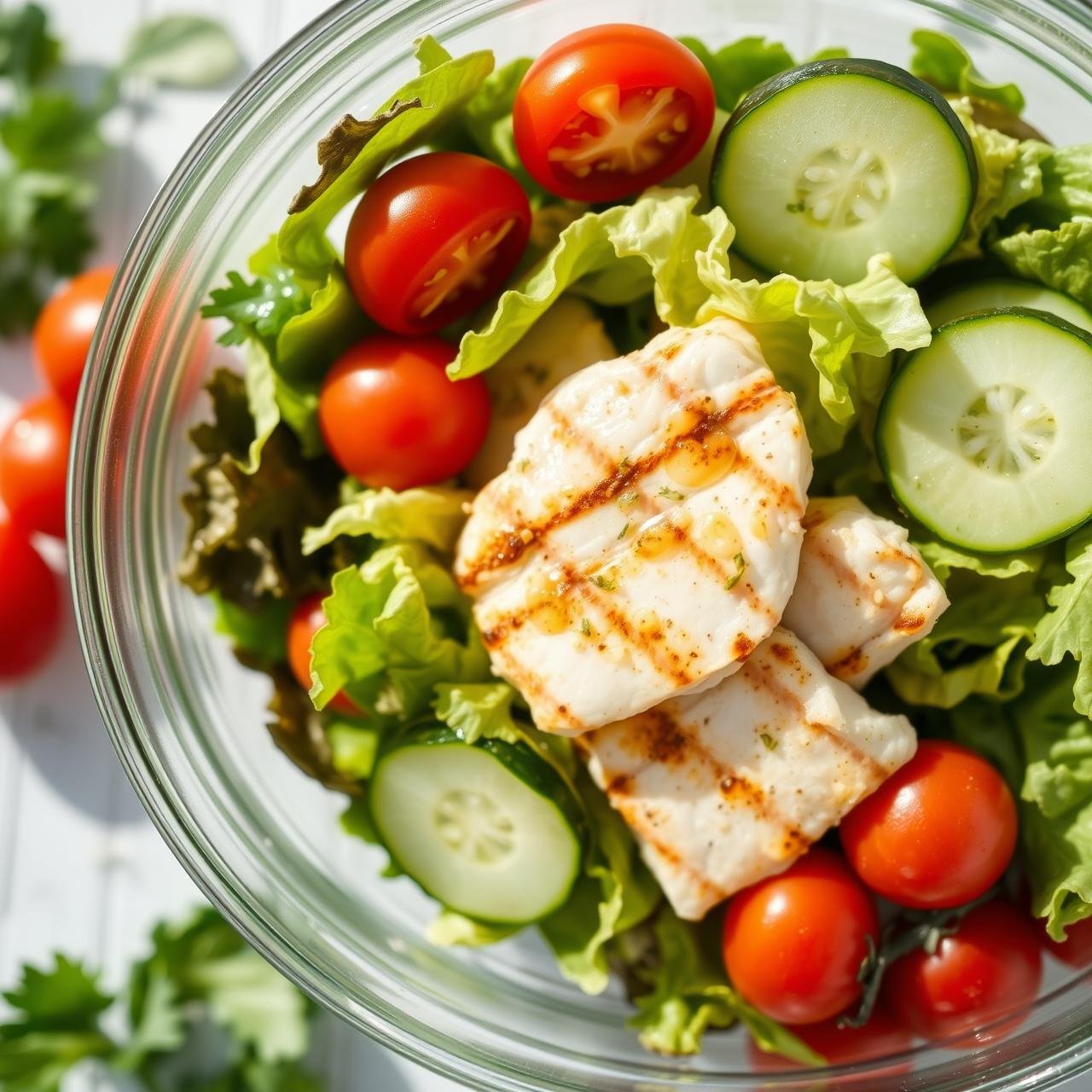
If you find yourself with leftovers, you’re in for a treat the next day. Proper storage is key to maintaining the quality of the fish.
Storage Instructions:
Allow the swordfish to cool to room temperature before storing. Place it in an airtight container and refrigerate for up to 2 days. Store the lemon dill sauce separately in its own airtight container; it will keep for up to 4 days.
Creative Leftover Ideas:
Don’t just reheat it! Leftover grilled swordfish is fantastic when repurposed:
- Swordfish Salad: Flake the chilled swordfish and toss it with mixed greens, cherry tomatoes, cucumbers, and a light vinaigrette for a delicious and healthy lunch.
- Fish Tacos: Gently warm the flaked swordfish and serve it in warm corn tortillas with shredded cabbage, a squeeze of lime, and a drizzle of the leftover lemon dill sauce.
- Pasta Toss: Break the swordfish into bite-sized chunks and toss it with cooked pasta, olive oil, garlic, capers, and a handful of fresh parsley for a quick and elegant pasta dish.
Conclusion
This Grilled Swordfish with Lemon Dill recipe is a testament to the idea that healthy, elegant food can be incredibly simple to prepare. By focusing on fresh ingredients and proper technique, you can create a meal that is bursting with clean, satisfying flavors. The smoky char of the perfectly cooked fish, paired with the cool, creamy, and zesty dill sauce, is a combination that will delight your senses and leave you feeling nourished. We encourage you to fire up your grill, embrace the simplicity of this dish, and enjoy a taste of the sea in your own home. Happy grilling!