Metabolism Boosting Poached Chicken & Grapefruit Salad (No Fluff Guide)
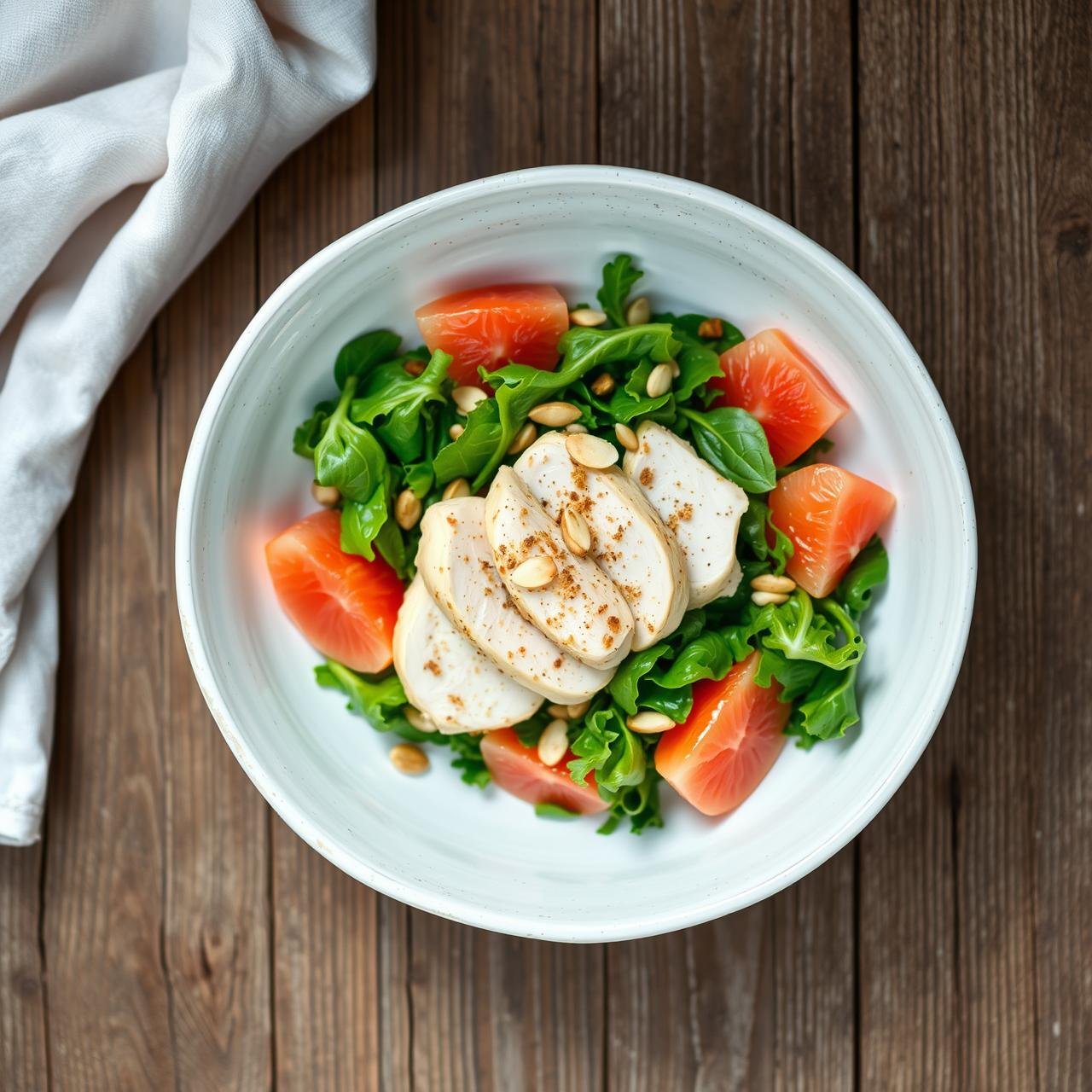
In the pursuit of a healthy lifestyle, what we eat plays a foundational role. This guide is dedicated to a single, powerful recipe: a Metabolism-Boosting Poached Chicken & Grapefruit Salad. We are stripping away the fluff and focusing on the culinary science and technique behind a meal that is not only delicious but is constructed to support your body’s metabolic processes. Forget bland diet food; this is about leveraging whole, flavorful ingredients to create a satisfying dish that works for you. This salad combines lean protein, enzyme-rich citrus, and fibrous greens into a synergistic meal perfect for a light lunch or a restorative dinner. It’s a testament to the fact that clean, health-conscious cooking can be both simple and deeply gratifying. Let’s delve into the method and the science behind this exceptional salad.
Why This Salad Works: The Nutritional Synergy
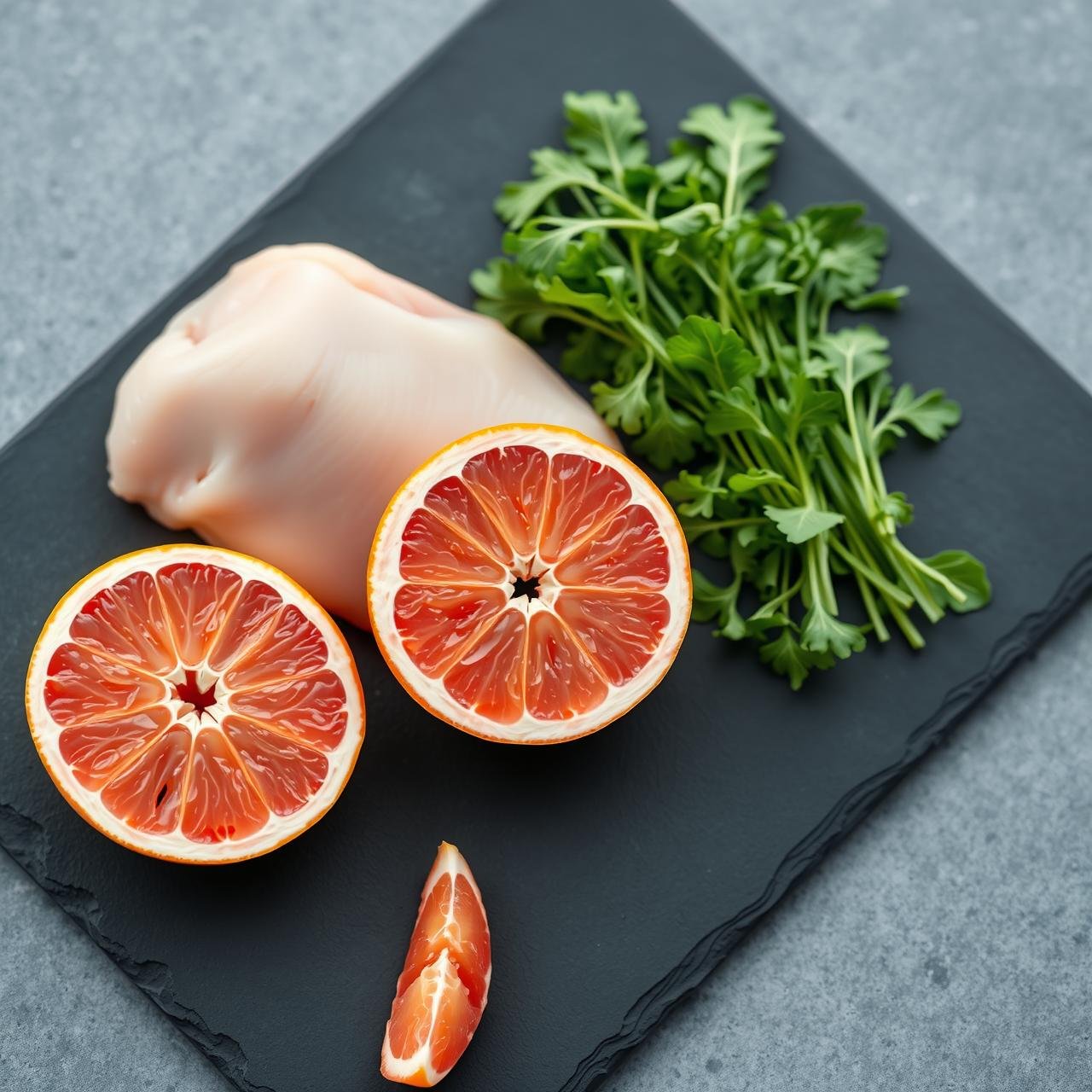
Understanding the ‘why’ behind a recipe transforms you from a cook into a culinary strategist. This salad isn’t just a random assortment of healthy ingredients; it’s a calculated combination designed for maximum nutritional impact. Each component plays a specific, science-backed role in supporting your body’s natural fat-burning capabilities.
The Power of Lean Protein
The star of our dish, poached chicken breast, is a prime source of lean protein. Protein has a higher Thermic Effect of Food (TEF) than fats or carbohydrates. This means your body expends more energy (calories) to digest, absorb, and process it. A high-protein meal can temporarily increase your metabolic rate by 15-30%. Furthermore, protein is crucial for building and maintaining muscle mass. Since muscle tissue is more metabolically active than fat tissue, having more of it means you burn more calories at rest. Poaching is the ideal cooking method here; it keeps the chicken incredibly moist and tender without adding any unnecessary fats or oils.
Grapefruit: The Metabolic Superfruit
Grapefruit is more than just a tangy addition. This citrus fruit contains a flavonoid called naringenin, which has been shown in studies to help balance blood sugar levels and improve insulin sensitivity. Stable blood sugar prevents energy crashes and cravings for unhealthy foods. Grapefruit is also packed with soluble fiber and water, which promote a feeling of fullness (satiety), helping you consume fewer calories overall without feeling deprived. Its natural enzymes can also aid in digestion, ensuring your body efficiently processes the nutrients from your meal.
Fiber and Micronutrients from Greens
The foundation of our salad is a bed of nutrient-dense greens like arugula or spinach. These leafy greens are low in calories but high in dietary fiber. Fiber is indigestible, so it adds bulk to your meal, slowing down digestion and promoting a steady release of energy. This prevents the sharp insulin spikes that can lead to fat storage. Additionally, these greens are rich in essential vitamins and minerals, such as iron, magnesium, and B vitamins, which are vital cofactors in the body’s energy production pathways. A well-nourished body is an efficient, well-functioning machine.
Gather Your Culinary Tools
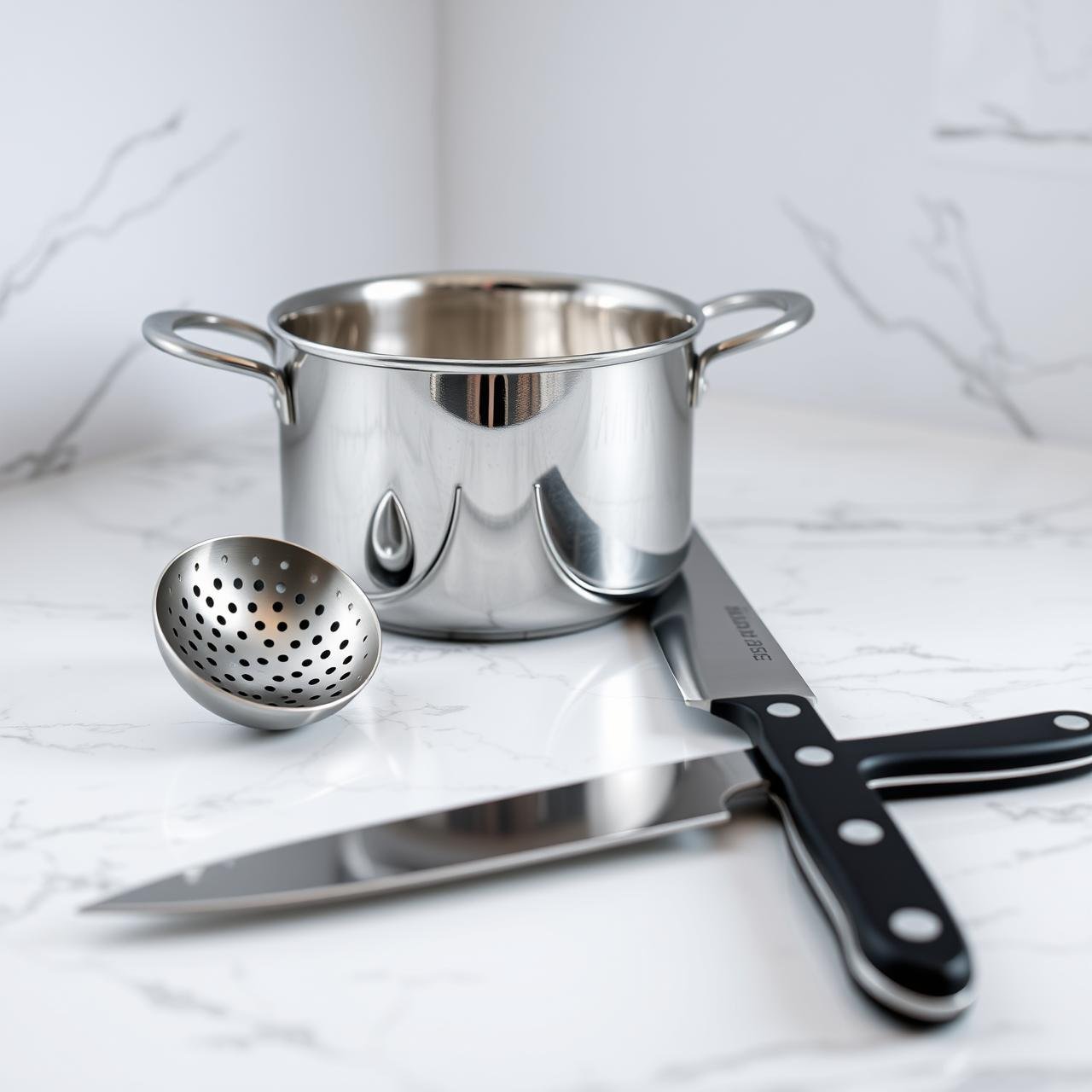
Proper preparation begins with the right equipment. This recipe requires basic kitchen tools, ensuring it’s accessible to every home cook. Having these items ready will make the process smooth and enjoyable.
- Medium Saucepan or Pot: For poaching the chicken. A 3-quart pot is typically sufficient.
- Tongs or a Slotted Spoon: For safely removing the chicken from the hot poaching liquid.
- Cutting Board and Chef’s Knife: Essential for shredding the chicken and preparing the aromatics and salad components.
- Two Forks: The simplest and most effective tool for shredding the cooked chicken.
- Small Bowl or Jar with a Lid: For mixing the vinaigrette. A simple whisk and bowl work, but a jar allows you to shake and emulsify the dressing easily.
- Large Salad Bowl: For tossing and serving the final dish.
- Measuring Cups and Spoons: For accurate ingredient portions, which is key for a balanced dressing.
Ingredients for the Poached Chicken & Grapefruit Salad
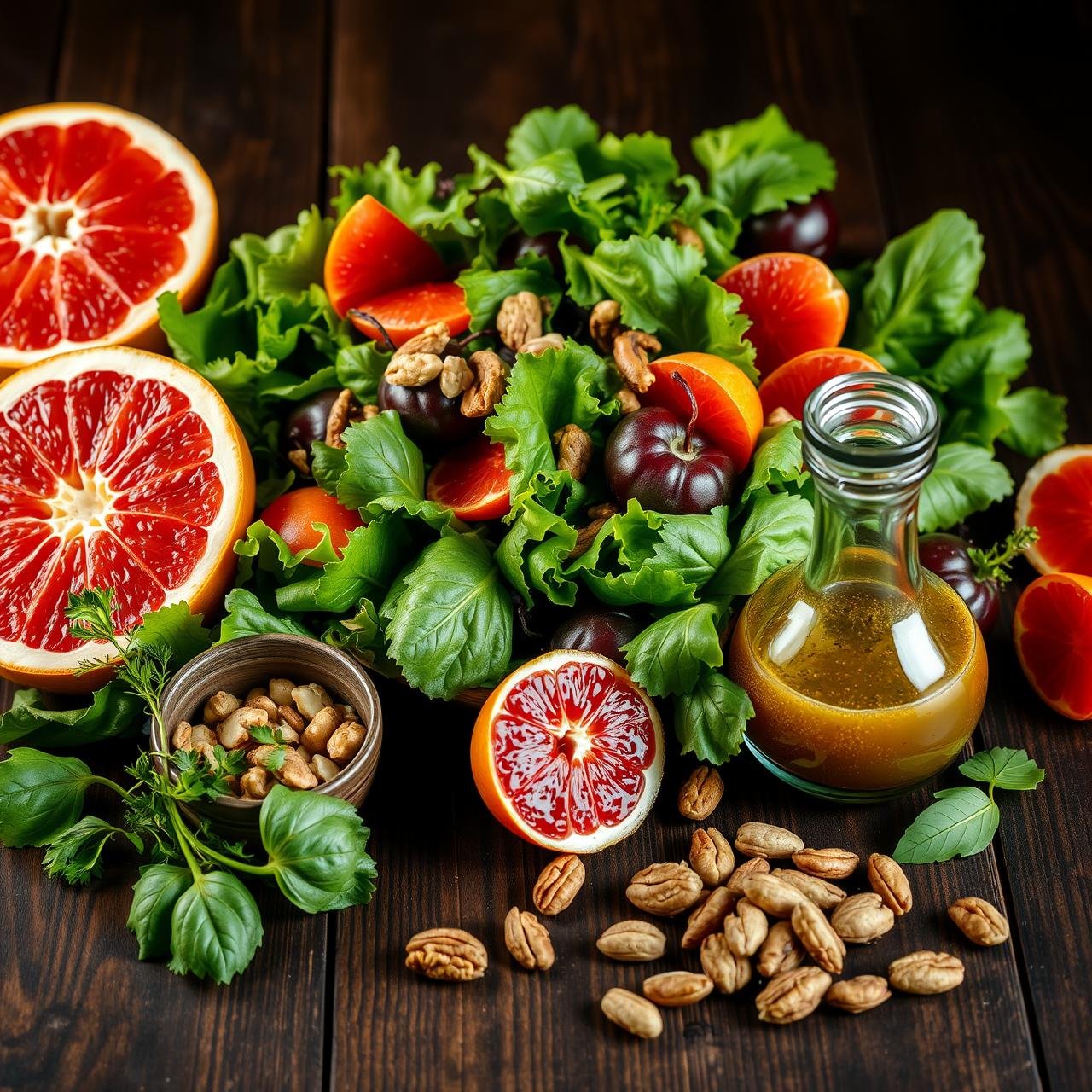
This recipe focuses on fresh, whole ingredients. Quality matters, as the simple preparation allows the natural flavors to shine. This list is portioned for two generous main-course salads.
For the Poached Chicken
- 2 (approx. 6 oz each) Boneless, Skinless Chicken Breasts
- 4 cups Water or Low-Sodium Chicken Broth (enough to cover the chicken)
- 1 Clove Garlic, smashed
- 2-3 Whole Black Peppercorns
- 1 Sprig of Fresh Thyme or a Bay Leaf (optional, for aroma)
- 1/2 teaspoon Salt
For the Salad & Vinaigrette
- 1 large Pink or Ruby Red Grapefruit
- 5 oz Arugula or Mixed Greens
- 1/4 cup Toasted Slivered Almonds or Pecans
- 1/4 Red Onion, very thinly sliced
- 2 tablespoons Extra Virgin Olive Oil
- 1 tablespoon Apple Cider Vinegar
- 1 teaspoon Dijon Mustard
- 1/2 teaspoon Honey or Maple Syrup (optional, to balance acidity)
- Pinch of Salt and Freshly Ground Black Pepper
Mastering the Method: A Step-by-Step Guide
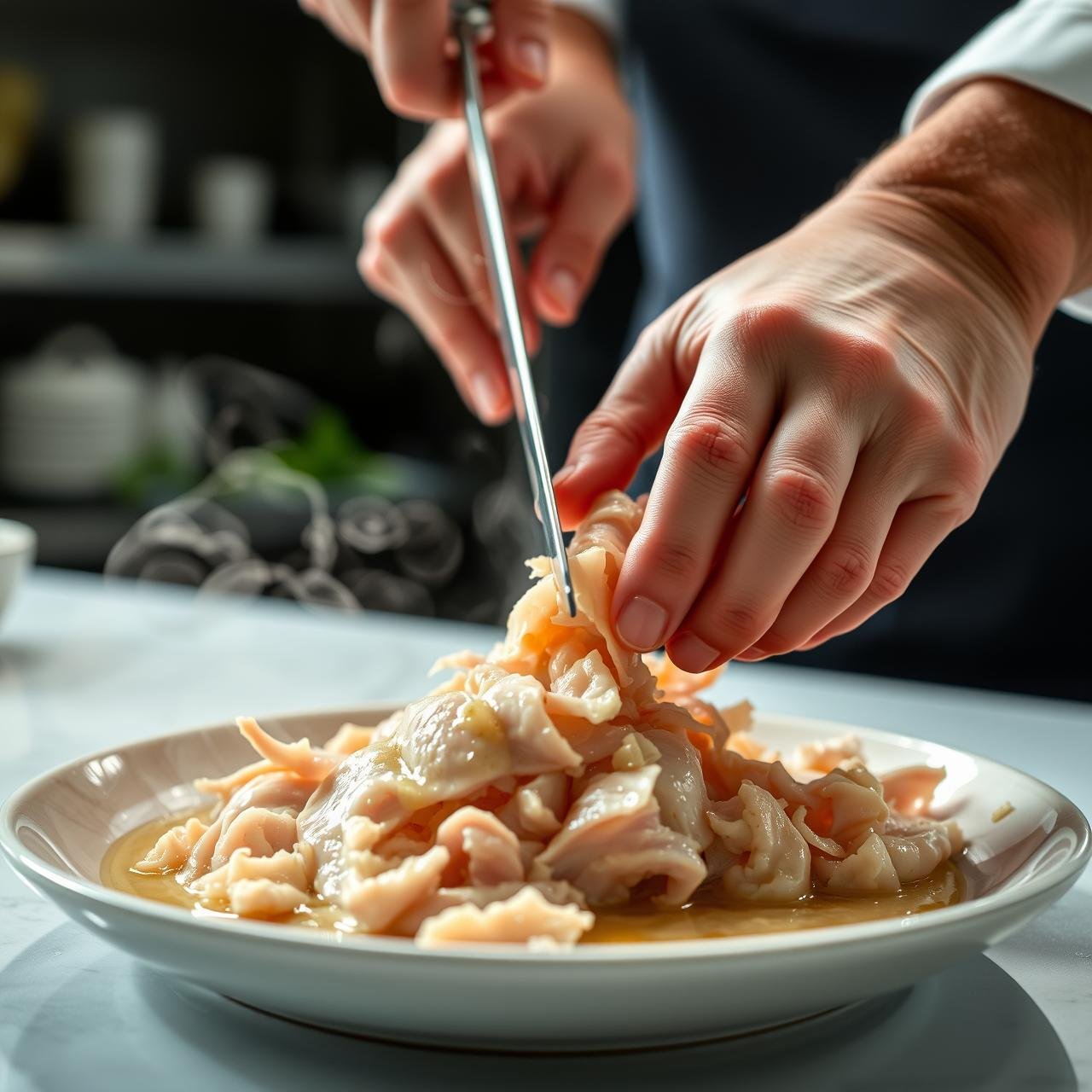
Follow these precise steps to achieve perfectly tender chicken and a beautifully balanced salad. The process is broken down into manageable stages for clarity and success.
Part 1: Poach the Chicken to Perfection
- Prepare the Poaching Liquid: In your medium saucepan, combine the water or broth, smashed garlic clove, peppercorns, salt, and thyme or bay leaf (if using). Bring the liquid to a gentle simmer over medium heat. Do not let it come to a rolling boil.
- Cook the Chicken: Gently place the chicken breasts into the simmering liquid. Ensure they are fully submerged. The temperature of the liquid will drop; allow it to return to a very gentle simmer, where only a few small bubbles break the surface.
- Simmer Gently: Reduce the heat to low, cover the pot, and let the chicken cook for 12-15 minutes. The key to tender poached chicken is a gentle, slow cook. A furious boil will result in tough, rubbery meat.
- Rest the Chicken: Turn off the heat and let the chicken breasts rest in the hot liquid, covered, for another 10 minutes. This allows the chicken to finish cooking gently and reabsorb moisture, guaranteeing a tender result.
- Shred the Chicken: Remove the chicken from the pot using tongs and place it on a cutting board. Once cool enough to handle, use two forks to pull the meat apart into bite-sized shreds. Set aside.
Part 2: Prepare the Salad Components
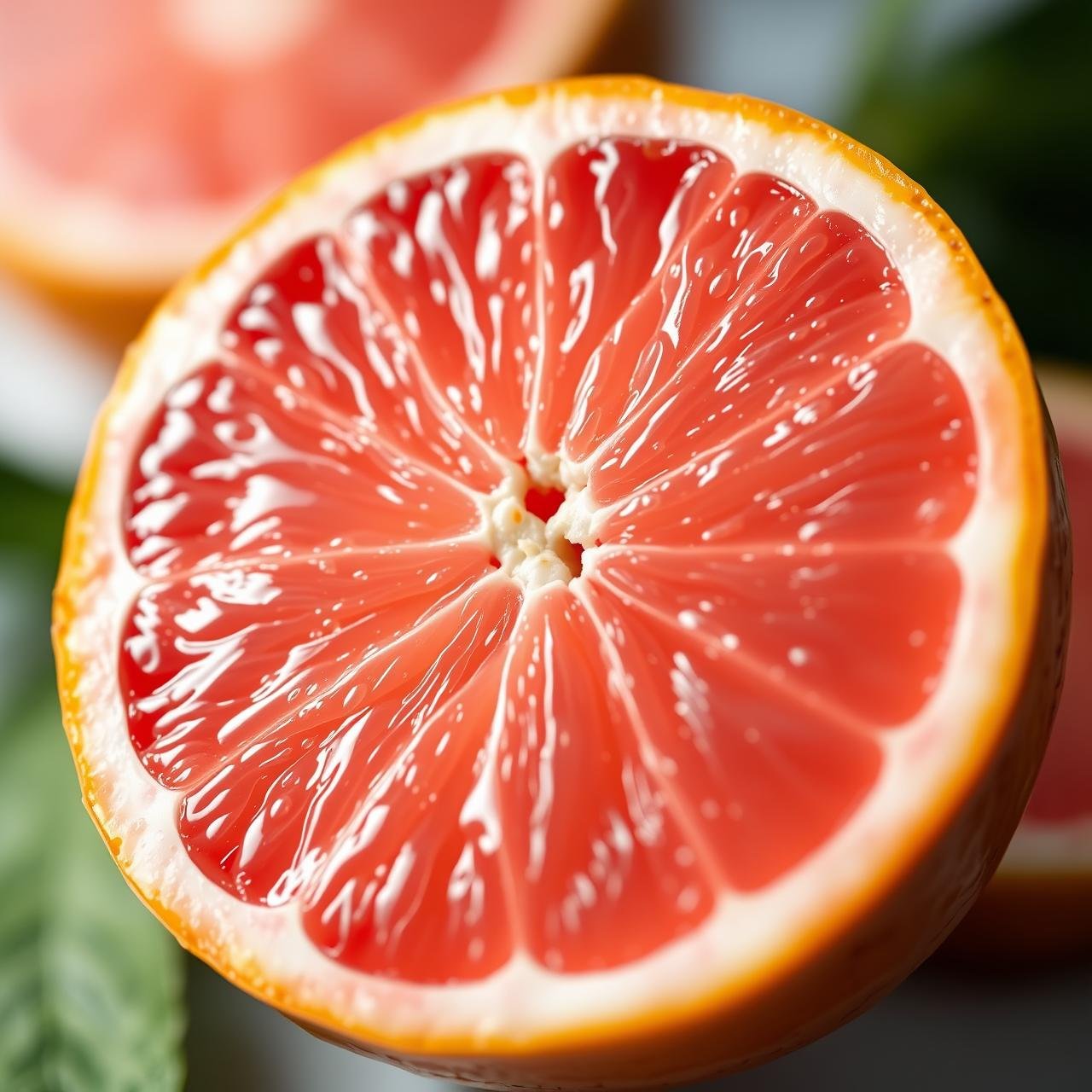
- Segment the Grapefruit: While the chicken cooks, prepare the grapefruit. Cut off the top and bottom of the fruit. Stand it on one end and, using your knife, carefully slice away the peel and white pith, following the curve of the fruit. Once peeled, hold the grapefruit over a bowl (to catch the juice) and carefully cut between the membranes to release the individual segments. Squeeze the remaining membrane over the bowl to extract any leftover juice for the vinaigrette.
- Toast the Nuts: Place the slivered almonds or pecans in a dry skillet over medium-low heat. Toast for 3-5 minutes, shaking the pan frequently, until they are fragrant and lightly golden. Remove immediately to prevent burning.
Part 3: Whisk the Vinaigrette
- Combine Ingredients: In a small bowl or jar, combine the extra virgin olive oil, apple cider vinegar, Dijon mustard, and optional honey. Add 1 tablespoon of the reserved grapefruit juice you collected earlier.
- Emulsify: Season with a pinch of salt and pepper. Whisk vigorously or seal the jar and shake until the dressing is well combined and emulsified. Taste and adjust seasoning if necessary.
Part 4: Assemble Your Salad
- Combine the Base: In your large salad bowl, add the arugula, thinly sliced red onion, and most of the toasted nuts (save some for garnish).
- Add Protein and Fruit: Gently add the shredded poached chicken and the grapefruit segments to the bowl.
- Dress and Toss: Drizzle about half of the vinaigrette over the salad. Toss gently to combine, being careful not to break up the grapefruit segments too much. Add more dressing as needed to coat the ingredients lightly.
- Serve Immediately: Divide the salad between two plates. Garnish with the remaining toasted nuts and an extra crack of black pepper.
Expert Tips for a Flawless Salad
Even simple recipes benefit from a professional touch. These tips will help you elevate your salad from good to great and allow for creative variations.
- Don’t Rush the Poach: The single most common mistake is boiling the chicken. This tightens the proteins and makes the meat tough. Maintain a bare simmer (around 170-180°F or 77-82°C) for the most succulent results. An instant-read thermometer can confirm the chicken is cooked to an internal temperature of 165°F (74°C).
- Pith is Bitter: When segmenting the grapefruit, be meticulous about removing all the white pith. It carries a bitter flavor that can overwhelm the delicate balance of the salad.
- Vinaigrette Ratio: The classic vinaigrette ratio is 3 parts oil to 1 part acid. Feel free to adjust this to your taste. If you prefer a tangier dressing, increase the apple cider vinegar or grapefruit juice.
- Ingredient Variations: This salad is a fantastic template. Swap arugula for baby spinach or butter lettuce. Use pistachios or walnuts instead of almonds. For a creamy element, add half a sliced avocado.
- Add Herbs: Fresh herbs can add another layer of flavor. Finely chopped mint, parsley, or tarragon would all be excellent additions to either the salad itself or the vinaigrette.
- Don’t Dress Ahead: Only dress the salad immediately before serving. Arugula is a delicate green and will wilt quickly once it comes into contact with the acidic vinaigrette.
Nutritional Profile (Estimated)

This provides an approximate nutritional breakdown per serving, based on the recipe yielding two servings. Actual values may vary based on specific ingredient choices and portion sizes.
| Nutrient | Amount Per Serving |
|---|---|
| Calories | ~450 kcal |
| Protein | ~40g |
| Fat | ~25g |
| Saturated Fat | ~3.5g |
| Carbohydrates | ~18g |
| Fiber | ~5g |
| Sugar | ~11g |
| Sodium | ~450mg |
Storing and Prepping for Success
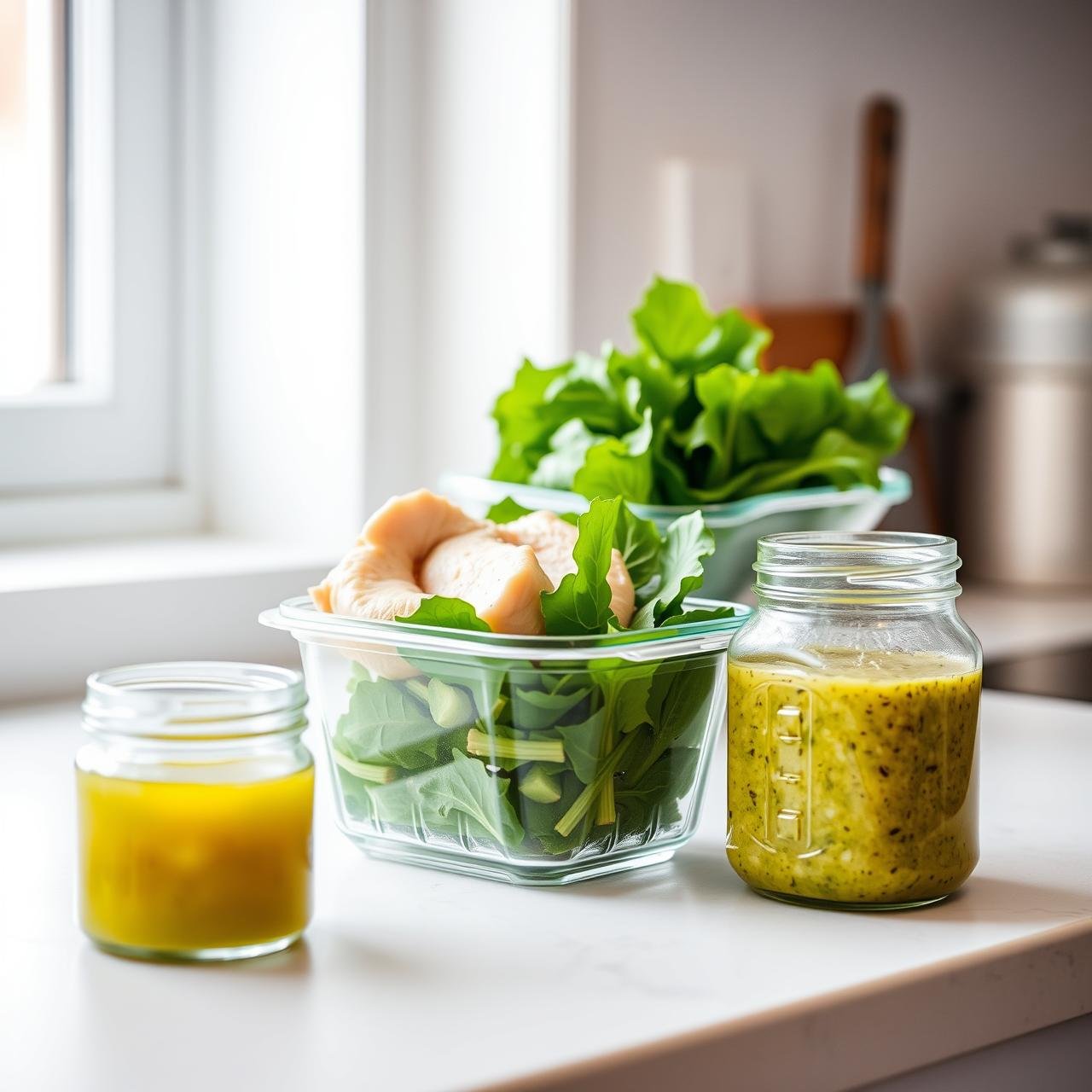
For busy home cooks and those on a budget, meal prepping is a game-changer. This salad is wonderfully suited for prepping with a few key strategies to maintain freshness and texture.
The Separate-Components Method
The key to successful salad meal prep is to store the components separately and combine them just before eating. This prevents sogginess and ensures every element is at its best.
- Poached Chicken: The chicken can be poached, shredded, and stored in an airtight container in the refrigerator for up to 4 days. It is the perfect protein to cook in a larger batch at the beginning of the week.
- Vinaigrette: The vinaigrette can be made ahead and stored in a sealed jar in the refrigerator for up to 1 week. The oil and vinegar may separate upon chilling; simply shake well before use to re-emulsify.
- Greens and Veggies: Wash and thoroughly dry your greens. Store them in a container lined with a paper towel to absorb excess moisture. Keep the sliced red onion in a separate small container.
- Nuts and Fruit: Keep the toasted nuts in a sealed container at room temperature to maintain their crunch. It is best to segment the grapefruit fresh for each salad, but you can do it a day ahead and store the segments in an airtight container in the fridge if necessary.
Assembling Your Prepped Salad
When you’re ready for a quick and healthy meal, assembly takes less than two minutes. Grab a bowl, add your pre-portioned greens, onions, chicken, and grapefruit. Shake your vinaigrette, drizzle it over the top, sprinkle with nuts, and enjoy. This makes it an ideal lunch for work or a fast, no-fuss dinner on a busy night.
Conclusion
You now possess a complete, no-fluff guide to creating a Poached Chicken & Grapefruit Salad that is as intelligent as it is delicious. By mastering the simple technique of poaching and understanding the powerful synergy of its ingredients, you’ve added a versatile and effective recipe to your culinary arsenal. This dish stands as proof that eating for your health and metabolic well-being does not require compromise on flavor, texture, or satisfaction. It’s a rustic, homestyle meal rooted in clean, simple ingredients—perfect for the modern home cook who values both taste and nutrition. Embrace this recipe as a cornerstone for light, energizing meals that leave you feeling nourished and revitalized.