The Viral High Protein Chickpea Salad That Actually Keeps You Full (No Fluff)
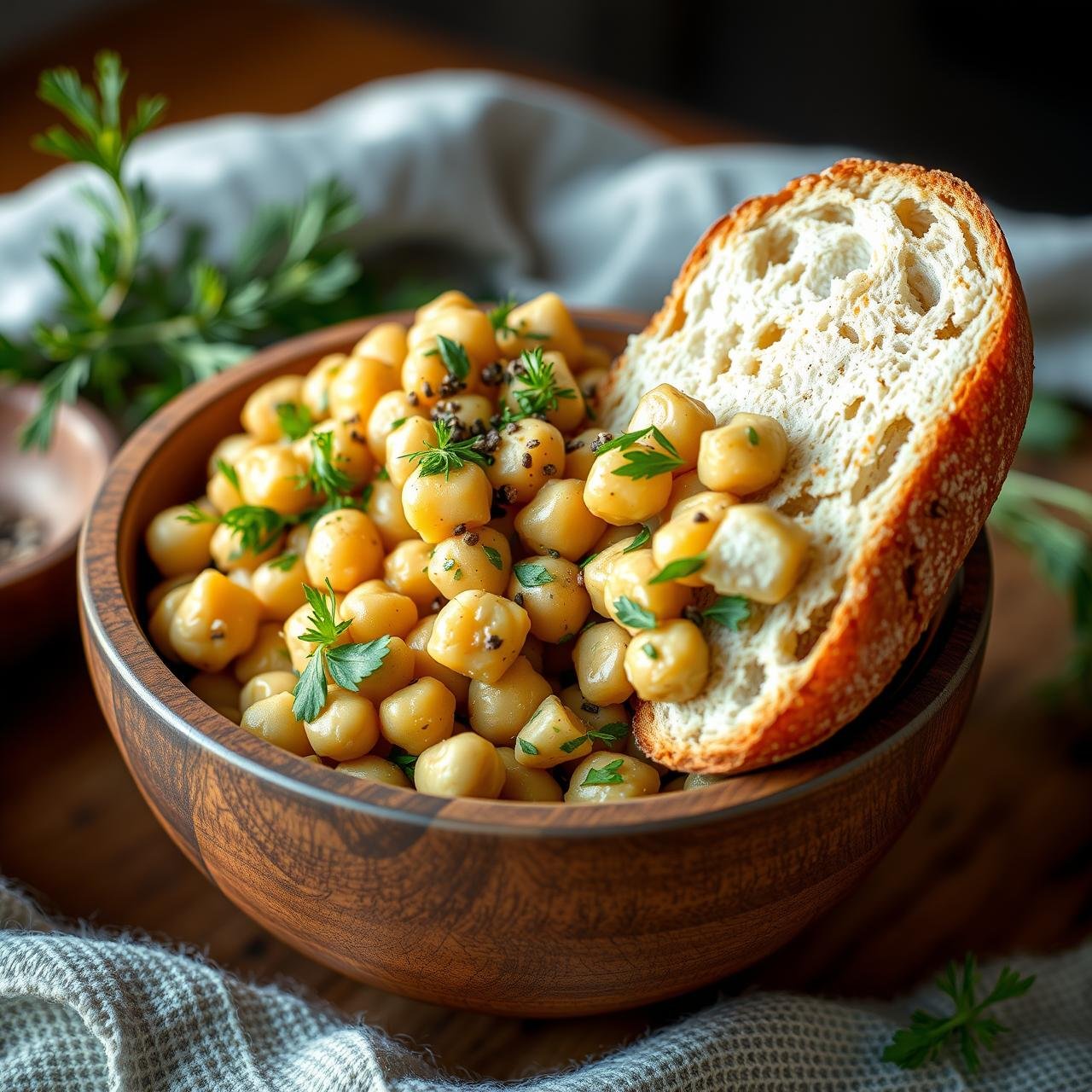
In the world of salads, there’s a common, unspoken disappointment: the promise of a healthy meal that leaves you hungry an hour later. We’ve all been there, meticulously crafting a bowl of greens only to find it lacks the substance to carry us through the afternoon. But what if a salad could be different? What if it could be robust, flavorful, and genuinely filling? Enter the viral high-protein chickpea salad—a culinary revelation that lives up to its substantial reputation. This isn’t just another fleeting food trend; it’s a foundational recipe for anyone seeking a delicious, plant-forward meal that provides lasting energy and satisfaction. Forget the empty promises of ‘light’ lunches. This recipe is the real deal, packed with protein, fiber, and texture. It’s the no-fluff, powerhouse meal you’ve been searching for, and we’re here to break down exactly how to craft it to perfection in your own kitchen.
Why This Chickpea Salad is a Nutritional Game-Changer
The brilliance of this chickpea salad lies in its intelligent ingredient synergy, designed to maximize both flavor and satiety. Unlike traditional salads that rely on mayonnaise for creaminess—often adding empty calories and unhealthy fats—this version builds its foundation on nutrient-dense components. Let’s break down the science behind its staying power.
The Protein-Fiber Power Duo
The star of the show is, of course, the humble chickpea (or garbanzo bean). Each serving provides a significant dose of both plant-based protein and dietary fiber. Protein is crucial for building and repairing tissues, but it also plays a key role in satiety by slowing down digestion and regulating hunger hormones like ghrelin. Fiber, particularly the soluble fiber found in chickpeas, forms a gel-like substance in the digestive tract. This not only aids in healthy digestion but also physically expands in your stomach, contributing to a feeling of fullness that lasts for hours. This combination is the one-two punch against the dreaded post-lunch slump and mindless snacking.
Healthy Fats and Smart Creaminess
Instead of mayonnaise, our recipe calls for a base of plain Greek yogurt or a high-quality vegan alternative like cashew cream or tahini. This swap is monumental. Greek yogurt provides an additional protein boost and probiotics for gut health. Healthy fats from sources like tahini or a touch of olive oil provide essential fatty acids and further enhance the feeling of fullness. These fats are processed by the body as long-term energy, a stark contrast to the quick, unsatisfying energy from processed ingredients. The result is a creamy, luxurious texture without compromising on health—a true culinary win-win.
Essential Equipment for the Perfect Mash
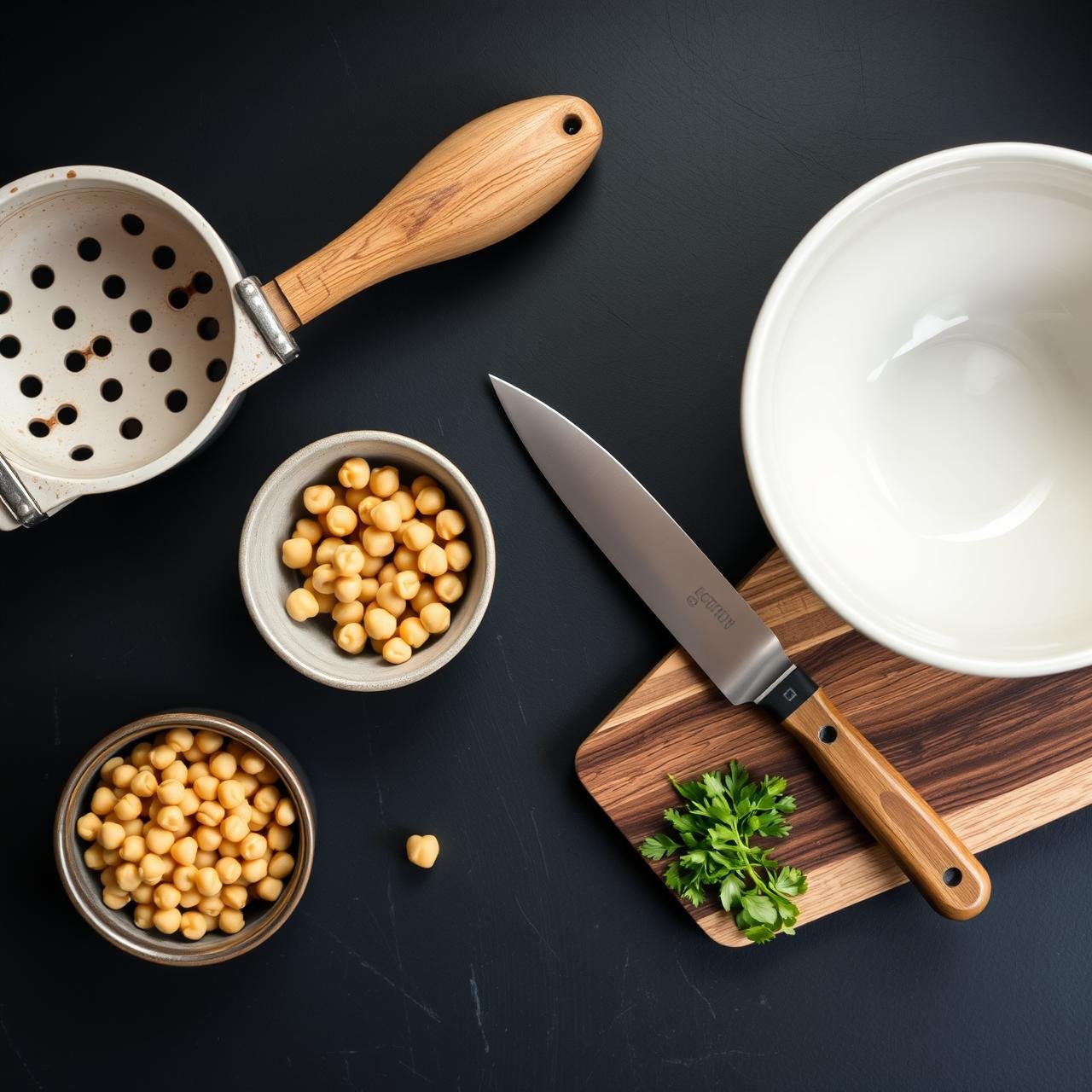
You don’t need any fancy gadgets to create this masterpiece. The beauty of this recipe is its rustic simplicity, which extends to the tools required. Here’s what you’ll need to have on hand.
| Tool | Purpose |
|---|---|
| Large Mixing Bowl | Provides ample space to mash and combine ingredients without making a mess. |
| Potato Masher or Fork | Essential for breaking down the chickpeas to your desired consistency. A masher is faster, but a fork offers more control for a chunkier texture. |
| Sharp Chef’s Knife | For finely dicing the red onion, celery, and fresh herbs. A sharp knife ensures clean cuts and prevents bruising. |
| Cutting Board | A stable surface for all your chopping needs. Wood or composite boards are recommended. |
| Silicone Spatula | Perfect for scraping down the sides of the bowl and ensuring all the creamy dressing is evenly incorporated. |
Core Ingredients: Building Blocks of Flavor and Fullness
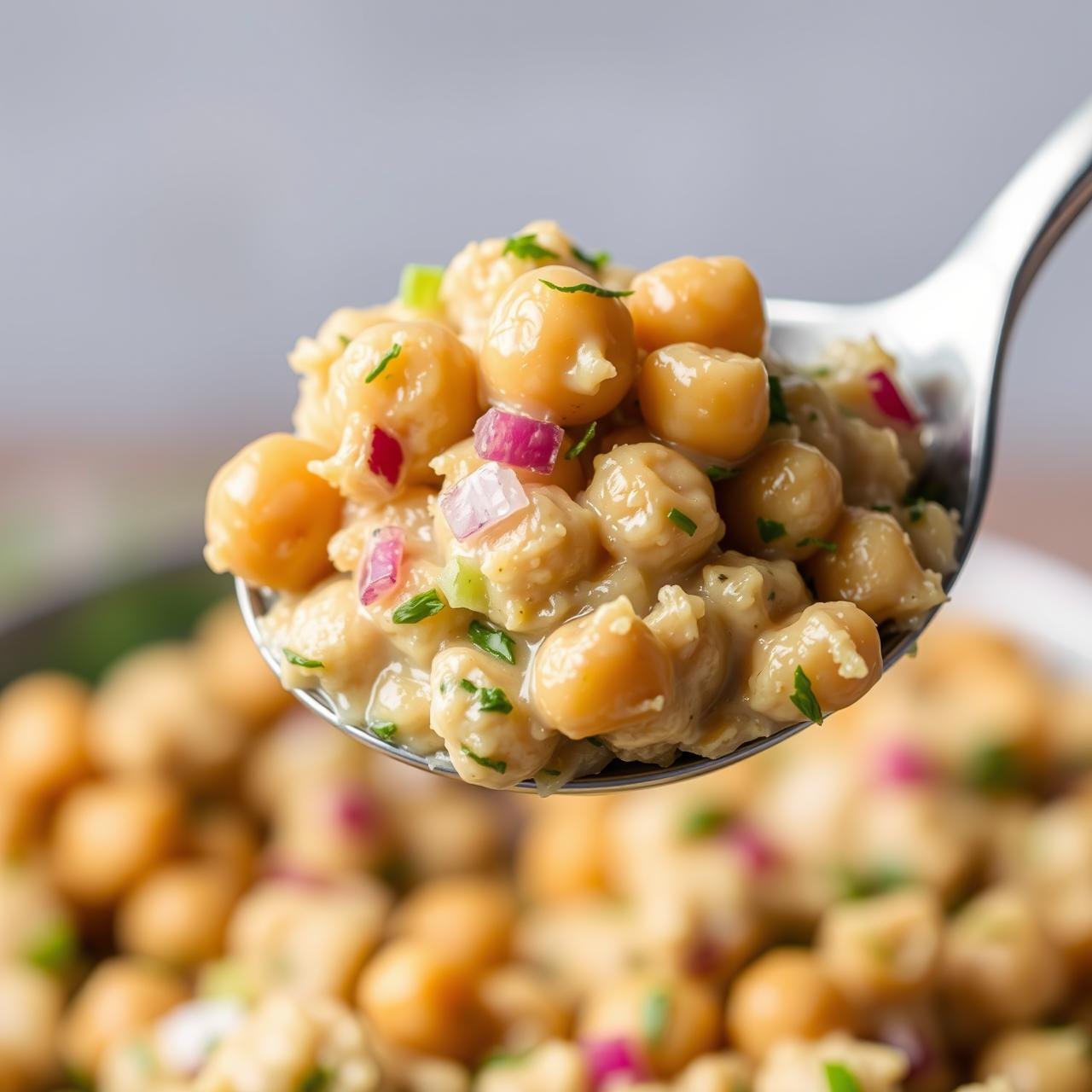
The quality of your salad is directly tied to the quality of your ingredients. While the list is simple, each component plays a critical role in the final flavor profile and texture. Here’s a detailed look at what you’ll need.
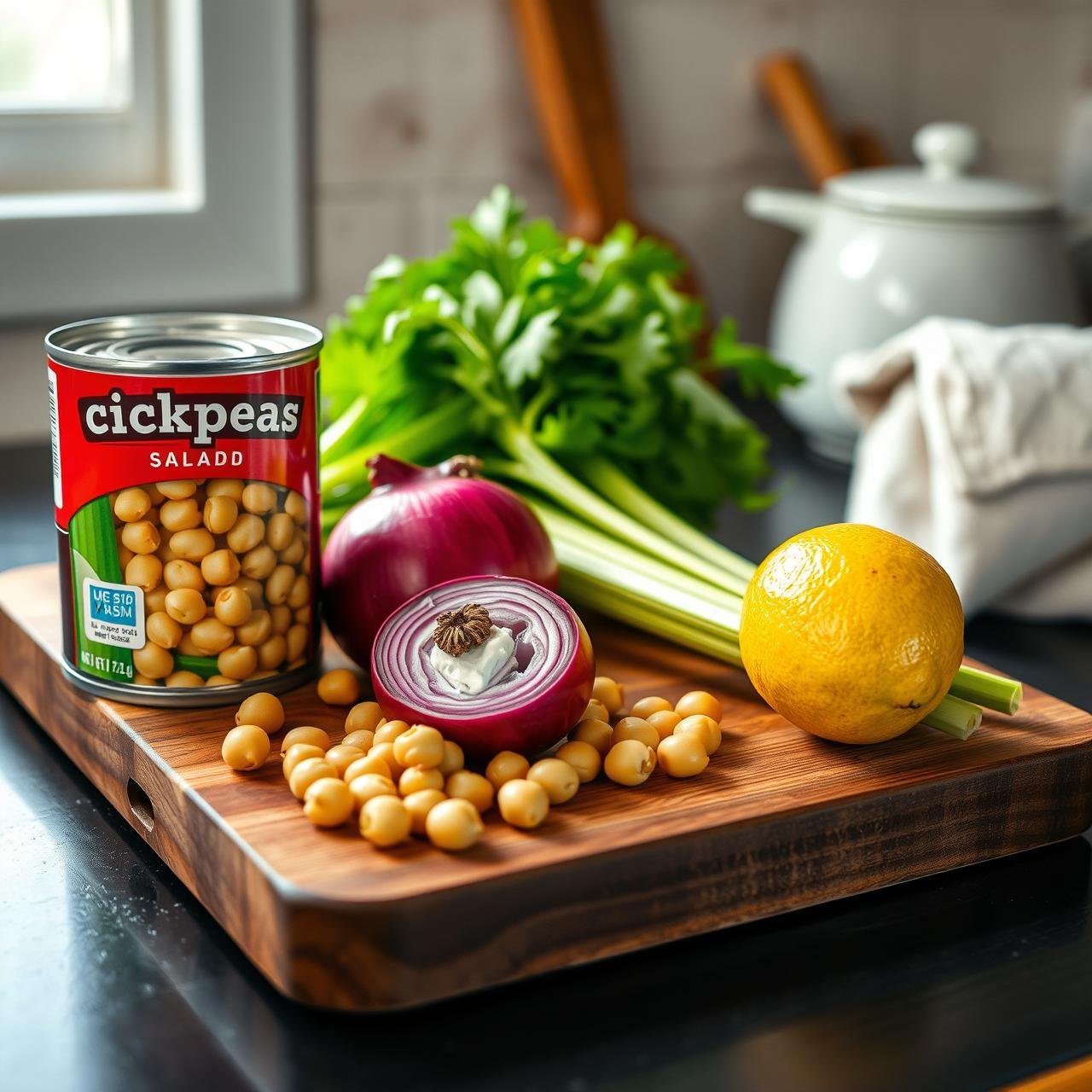
- Canned Chickpeas: You’ll need two (15-ounce) cans. Look for low-sodium or no-salt-added options. The key is to rinse and drain them thoroughly, then pat them completely dry. This removes the ‘canned’ taste and helps the dressing adhere better.
- Red Onion: About 1/2 of a medium red onion, finely diced. It provides a sharp, pungent bite that cuts through the creaminess. If you find raw onion too strong, you can soak the diced onion in cold water for 10 minutes to mellow its flavor.
- Celery: Two to three stalks, finely diced. Celery is non-negotiable for its fresh, hydrating crunch. It adds a wonderful textural contrast to the soft chickpeas.
- Plain Greek Yogurt (or Vegan Alternative): 1/2 to 3/4 cup. For a non-vegan version, full-fat or 2% Greek yogurt offers the best creaminess and a protein boost. For a vegan salad, use a thick, unsweetened cashew cream, vegan mayonnaise, or a creamy tahini paste thinned with a little water.
- Dijon Mustard: Two tablespoons. This adds a tangy, complex acidity that brightens the entire salad. Do not substitute with yellow mustard, as Dijon provides a more refined flavor.
- Fresh Lemon Juice: The juice of one medium lemon. Freshly squeezed juice is essential for its vibrant, clean acidity. It elevates all the other flavors.
- Fresh Dill: 1/4 cup, freshly chopped. Dill brings an herbaceous, slightly anise-like freshness that is the signature flavor of this salad. You can substitute with fresh parsley, but dill is highly recommended.
- Fine Sea Salt and Freshly Cracked Black Pepper: To taste, but start with 1/2 teaspoon of salt and 1/4 teaspoon of pepper. Adjust as needed after all ingredients are combined.
Step-by-Step Instructions for the Ultimate Chickpea Salad
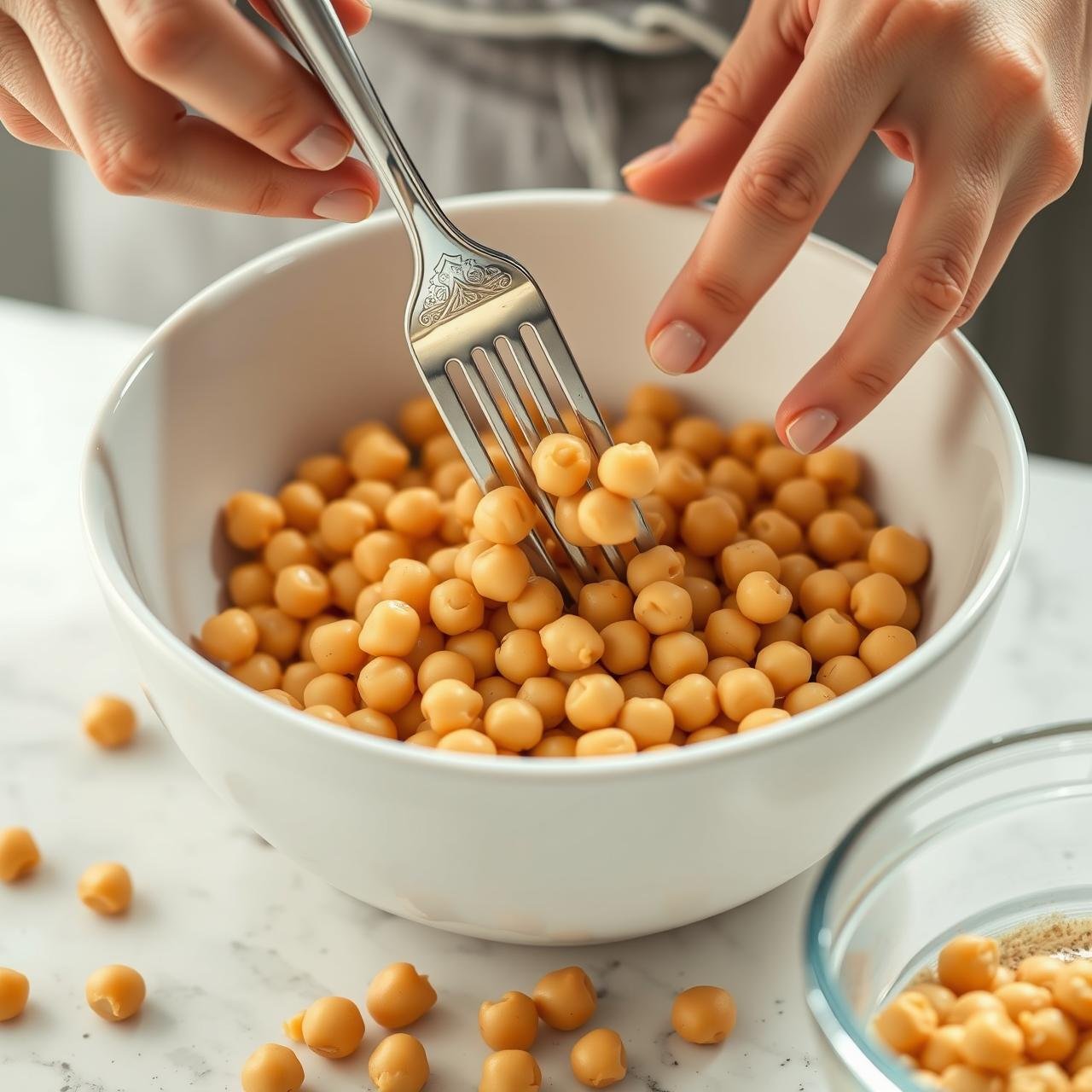
Follow these steps carefully to ensure a perfectly balanced, textured, and flavorful salad every time. The process is straightforward, focusing on technique to bring out the best in each ingredient.
- Prepare the Chickpeas: Open your two cans of chickpeas and pour them into a colander. Rinse them thoroughly under cold running water for at least 30 seconds. This removes excess sodium and the starchy liquid (aquafaba). Shake the colander well to drain, then transfer the chickpeas to a clean kitchen towel or paper towels and gently pat them completely dry. This step is crucial for achieving a less ‘mushy’ final product.
- Mash the Chickpeas: Transfer the dried chickpeas to your large mixing bowl. Using a potato masher or the back of a large fork, begin to mash them. The ideal texture is a mix of completely mashed and partially whole chickpeas. Aim for about 70% mashed and 30% left coarse. This variation creates a more interesting and satisfying mouthfeel.
- Prepare the Aromatics and Herbs: While the chickpeas rest, finely dice your red onion and celery stalks. Chop your fresh dill. The goal is to have small, uniform pieces that will distribute evenly throughout the salad, ensuring a balanced bite every time.
- Create the Creamy Dressing: In a separate, smaller bowl, combine the dressing ingredients. Whisk together the 1/2 cup of Greek yogurt (or vegan alternative), two tablespoons of Dijon mustard, and the juice of one lemon. Mix until smooth and creamy. By mixing the dressing separately, you ensure it’s well-emulsified before being added to the chickpeas.
- Combine and Season: Pour the prepared dressing over the mashed chickpeas in the large bowl. Add the diced red onion, celery, and chopped dill. Using a silicone spatula, gently fold all the ingredients together until just combined. Be careful not to overmix, as this can make the salad gummy. Now, season with 1/2 teaspoon of sea salt and 1/4 teaspoon of black pepper. Mix once more, then taste and adjust the seasoning if necessary. You may want more salt, a squeeze more of lemon, or an extra dollop of yogurt for creaminess.
- Chill and Meld: This step is highly recommended, though not strictly required if you’re short on time. Cover the bowl and refrigerate the salad for at least 30 minutes to an hour. This chilling period allows the flavors to meld and deepen, resulting in a much more cohesive and delicious final product. The salad will taste even better the next day.
Chef’s Tips for Customization and Perfection
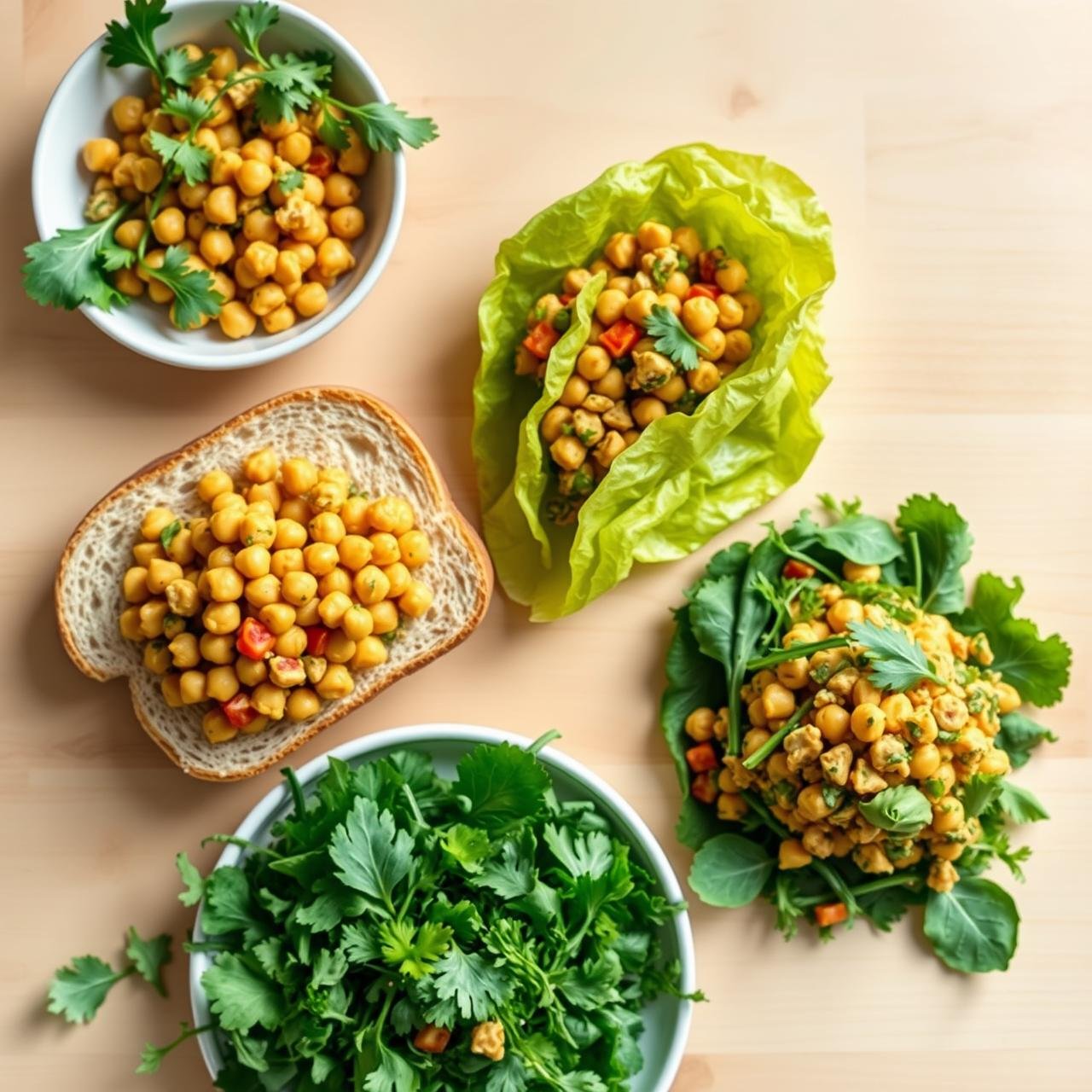
Once you’ve mastered the base recipe, you can start experimenting. A great recipe is a template for creativity. Here are some professional tips to elevate your chickpea salad and tailor it to your personal taste.
Achieving the Perfect Texture
The texture is just as important as the flavor. If you prefer a smoother, more pâté-like consistency, feel free to use a food processor. Pulse the chickpeas a few times until they are broken down, but be careful not to turn them into hummus. For a chunkier, more rustic salad, stick with the hand-mashing method and be sure to leave plenty of whole or half chickpeas intact.
Flavor Customization and Add-Ins
Think of the base recipe as your canvas. Here are some excellent additions to consider:
- For a Briny Kick: Add one tablespoon of drained capers or finely chopped dill pickles.
- For a ‘Tuna’ Vibe: Mix in one tablespoon of kelp granules or crumbled nori sheets. This gives a subtle umami, oceanic flavor reminiscent of a classic tuna salad.
- For Extra Crunch: Toasted sunflower seeds, pepitas, or chopped walnuts add a wonderful nutty flavor and textural contrast. Add these just before serving to maintain their crunch.
- For a Hint of Sweetness: A small amount of finely diced apple or a handful of red grapes can add a surprising and delightful sweetness that balances the savory notes.
Serving Suggestions & Pairings
This salad is incredibly versatile. Here are our favorite ways to enjoy it:
- The Classic Sandwich: Serve it between two slices of toasted, hearty whole-grain or sourdough bread with a layer of crisp lettuce and sliced tomato.
- As a Healthy Wrap: Spoon it into large lettuce cups (butter or romaine work well) or a whole-wheat tortilla for a lighter, low-carb option.
- A Protein-Packed Salad Topper: Add a generous scoop on top of a bed of mixed greens, arugula, or spinach for a supercharged salad-on-a-salad.
- With Crackers or Veggies: Serve it as a dip with whole-grain crackers, cucumber slices, or bell pepper strips for a healthy and satisfying snack.
Nutritional Information (Estimated)
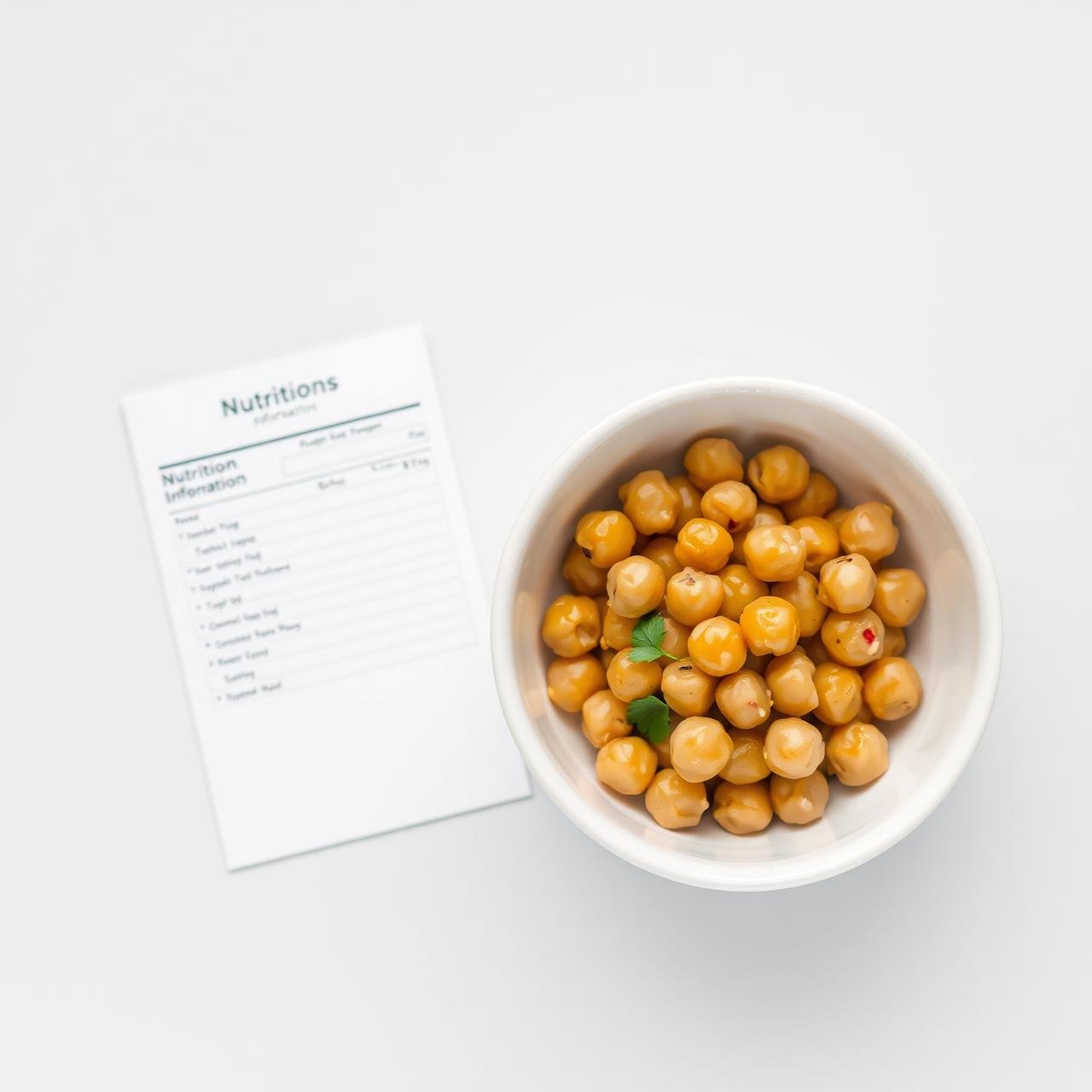
The following is an estimated nutritional breakdown per serving, assuming the recipe makes approximately four servings. Actual values may vary based on specific ingredients and portion sizes used.
| Nutrient | Amount per Serving |
|---|---|
| Calories | ~350 kcal |
| Protein | ~18 g |
| Carbohydrates | ~45 g |
| Dietary Fiber | ~12 g |
| Sugars | ~7 g |
| Fat | ~12 g |
| Saturated Fat | ~2 g |
| Sodium | ~450 mg |
This nutritional information is provided as a courtesy and should not be construed as a guarantee. It is a calculated estimate based on the ingredients listed.
Storage and Meal Prep Mastery
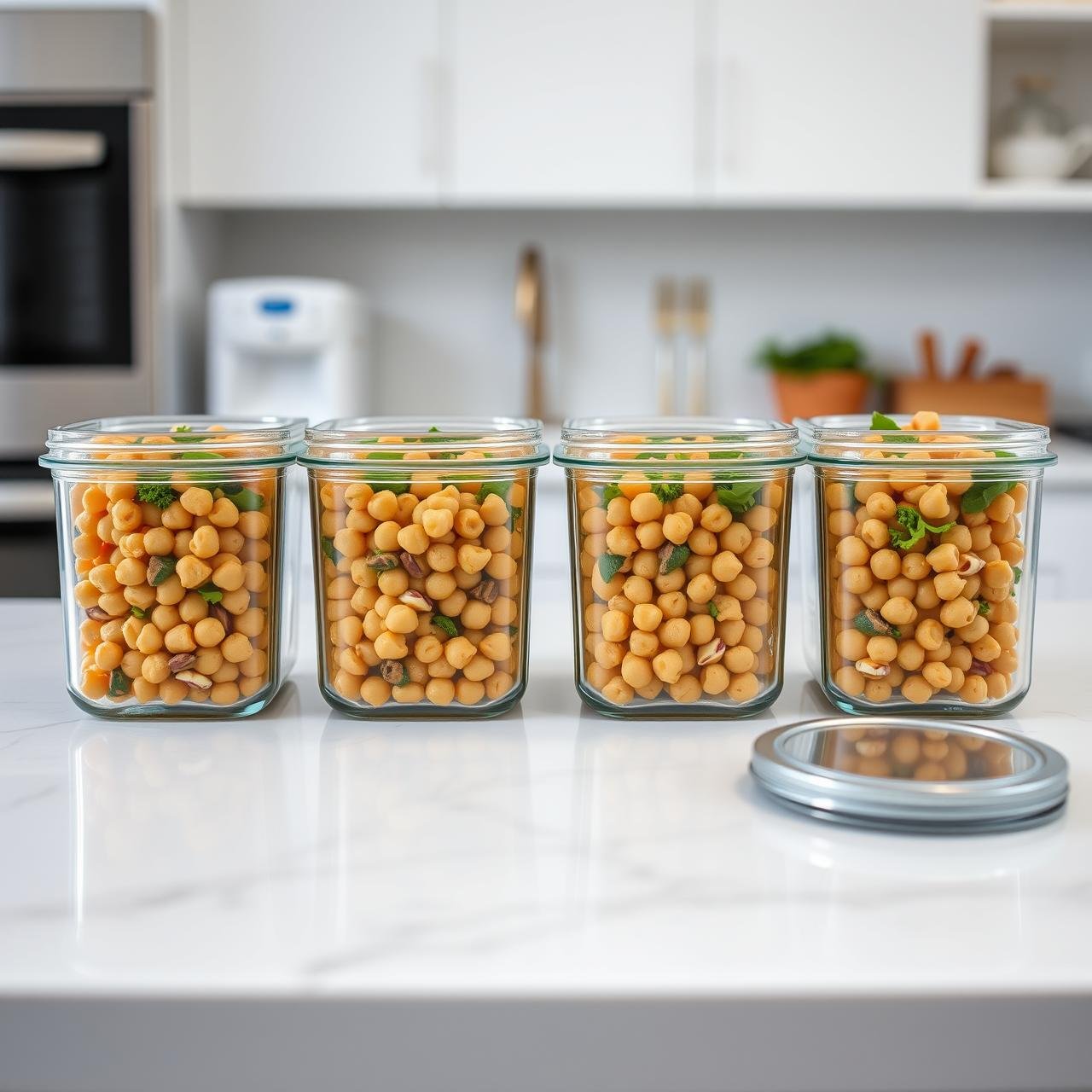
This high-protein chickpea salad is a meal prepper’s dream. Not only does it hold up well in the refrigerator, but its flavors actually improve over time as they meld together. To ensure maximum freshness and safety, proper storage is key.
Refrigeration Instructions
Transfer any leftover salad into an airtight container. Glass containers are preferable as they don’t absorb odors or stain. Stored correctly, the chickpea salad will stay fresh in the refrigerator for up to 4 to 5 days. The celery will maintain most of its crunch for the first few days. If you notice any excess liquid separating after a day or two, simply give the salad a gentle stir before serving.
Meal Prep Strategy
To prepare this for a week of lunches, you can make a full batch on a Sunday. Portion it out into individual containers. If you plan to use it for sandwiches, it’s best to store the salad separately and assemble the sandwich just before eating. This prevents the bread from becoming soggy. By having these pre-portioned, protein-packed meals ready to go, you set yourself up for a week of healthy, satisfying, and stress-free lunches.
Conclusion
The viral high-protein chickpea salad is more than just a recipe; it’s a solution. It’s the answer to the quest for a meal that is at once wholesome, delicious, budget-friendly, and profoundly satisfying. By harnessing the power of simple, whole-food ingredients, you can create a dish that nourishes your body and keeps you full and energized for hours. Whether you’re a seasoned home cook or just beginning your culinary journey, this recipe offers a reliable, versatile, and delicious staple for your repertoire. We encourage you to embrace its simplicity, experiment with customizations, and discover for yourself why this no-fluff salad has earned its place as a modern classic.