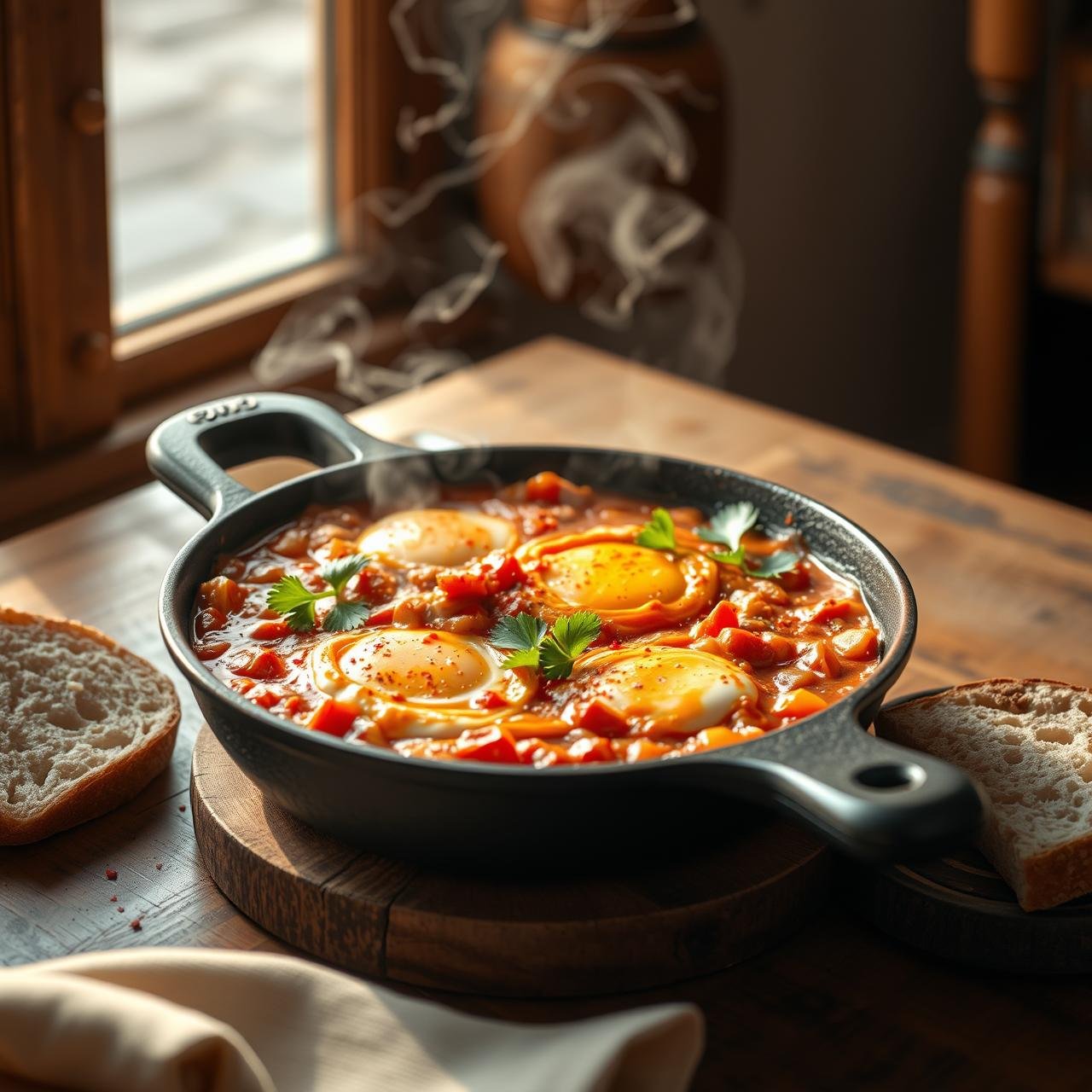
Menemen: The Juicy Turkish Egg Dish Better Than Shakshuka
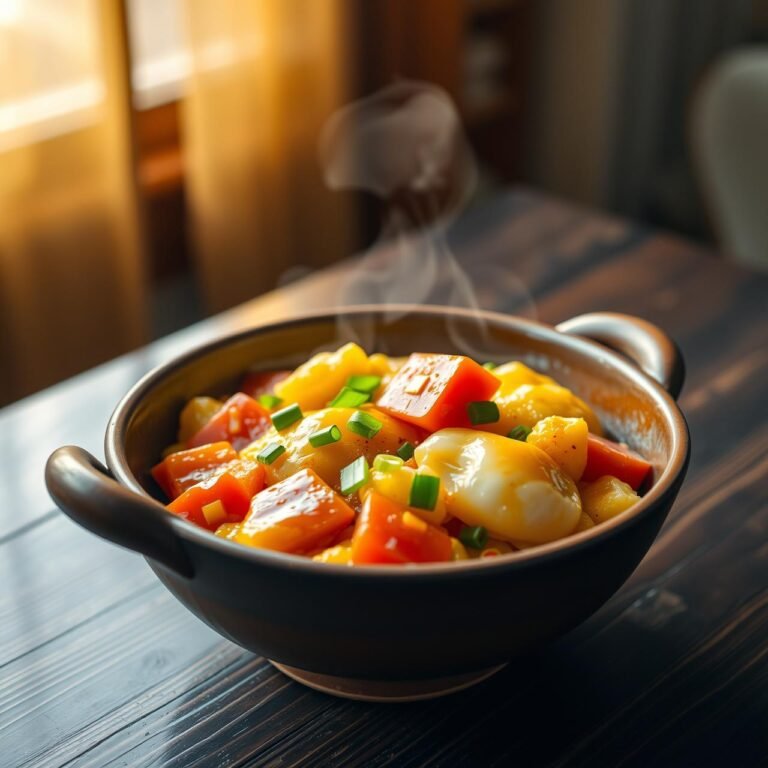
In the world of hearty, tomato-and-egg-based breakfasts, Shakshuka has long reigned supreme in the Western culinary scene. But I invite you to travel eastward, to the bustling kitchens and vibrant breakfast tables of Turkey, to meet its arguably more delicious, comforting, and versatile cousin: Menemen. This isn’t just another egg dish; it’s a national treasure. Menemen is a savory, juicy, and deeply satisfying scramble of eggs, tomatoes, and peppers, cooked down into a luscious, scoopable meal that sings with flavor. Unlike Shakshuka’s distinct poached eggs, Menemen’s charm lies in its harmonious, silky texture where the eggs are gently swirled into the sauce, creating a dish that is simultaneously light and rich. Forget what you thought you knew about breakfast skillets. Today, we delve into the art of authentic Turkish Menemen and explore exactly why this humble dish might just be better than its more famous counterpart.
The Soul of Turkish Breakfast: What is Menemen?
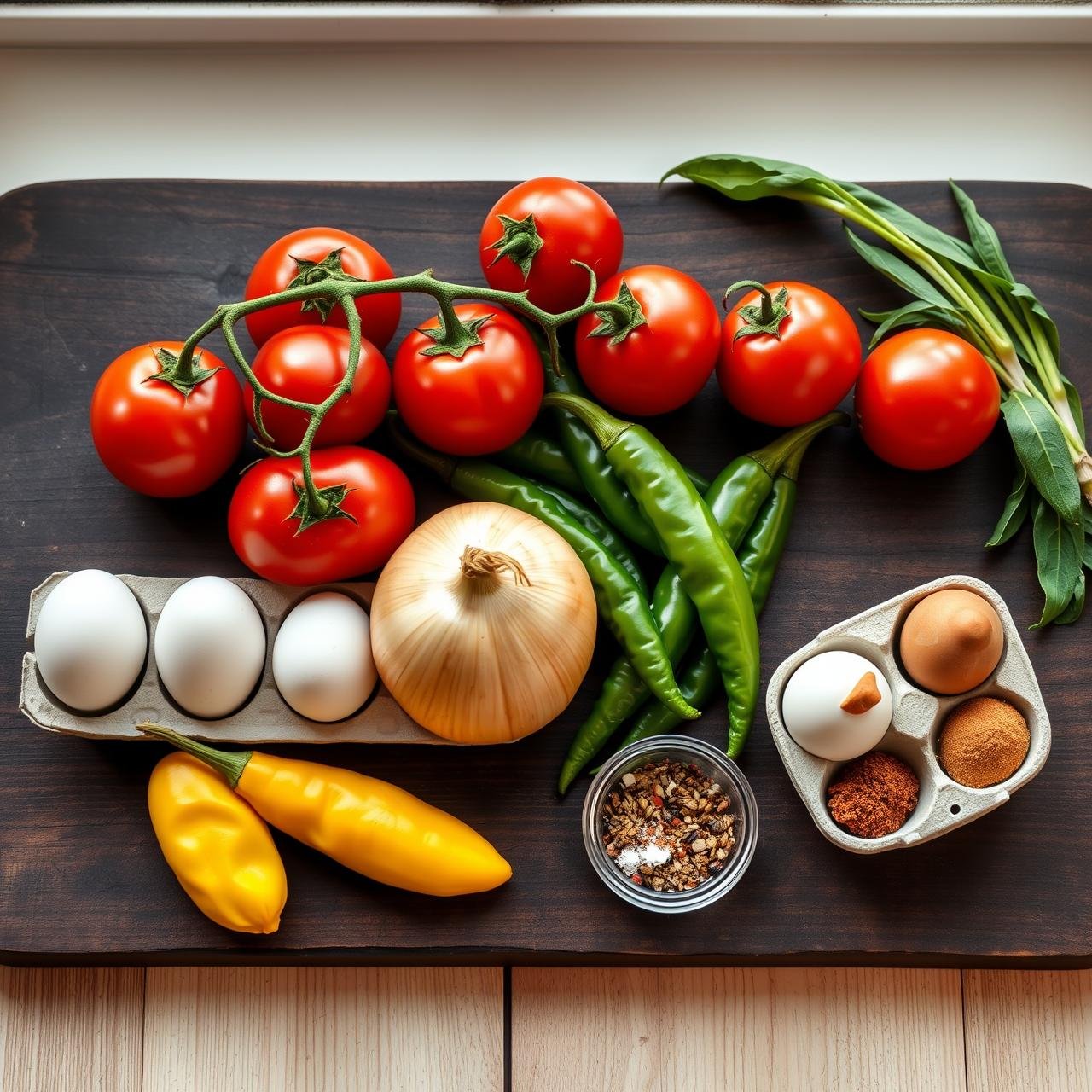
At its core, Menemen is a testament to the Turkish philosophy of using simple, high-quality ingredients to create something extraordinary. Named after the Menemen district of İzmir in Turkey’s Aegean region, this dish is a cornerstone of the traditional Turkish breakfast (kahvaltı). It consists of eggs, tomatoes, green peppers, and spices, all cooked together in a single pan, typically a two-handled skillet called a sahan.
The magic of Menemen lies in its texture. The tomatoes and peppers are first sautéed until they break down into a thick, fragrant sauce. Then, the eggs are cracked directly into the pan and gently stirred, not vigorously scrambled. This slow, gentle cooking allows the eggs to form soft, silky curds that weave through the juicy tomato base. The result is less of an ‘eggs-on-top-of-sauce’ dish and more of a unified, succulent whole. It’s traditionally served family-style, straight from the pan, with an abundance of fresh, crusty bread for dipping. For Turks, Menemen is more than just food; it’s a comforting ritual, a dish that signifies shared meals and leisurely mornings.
Menemen vs. Shakshuka: A Tale of Two Dishes
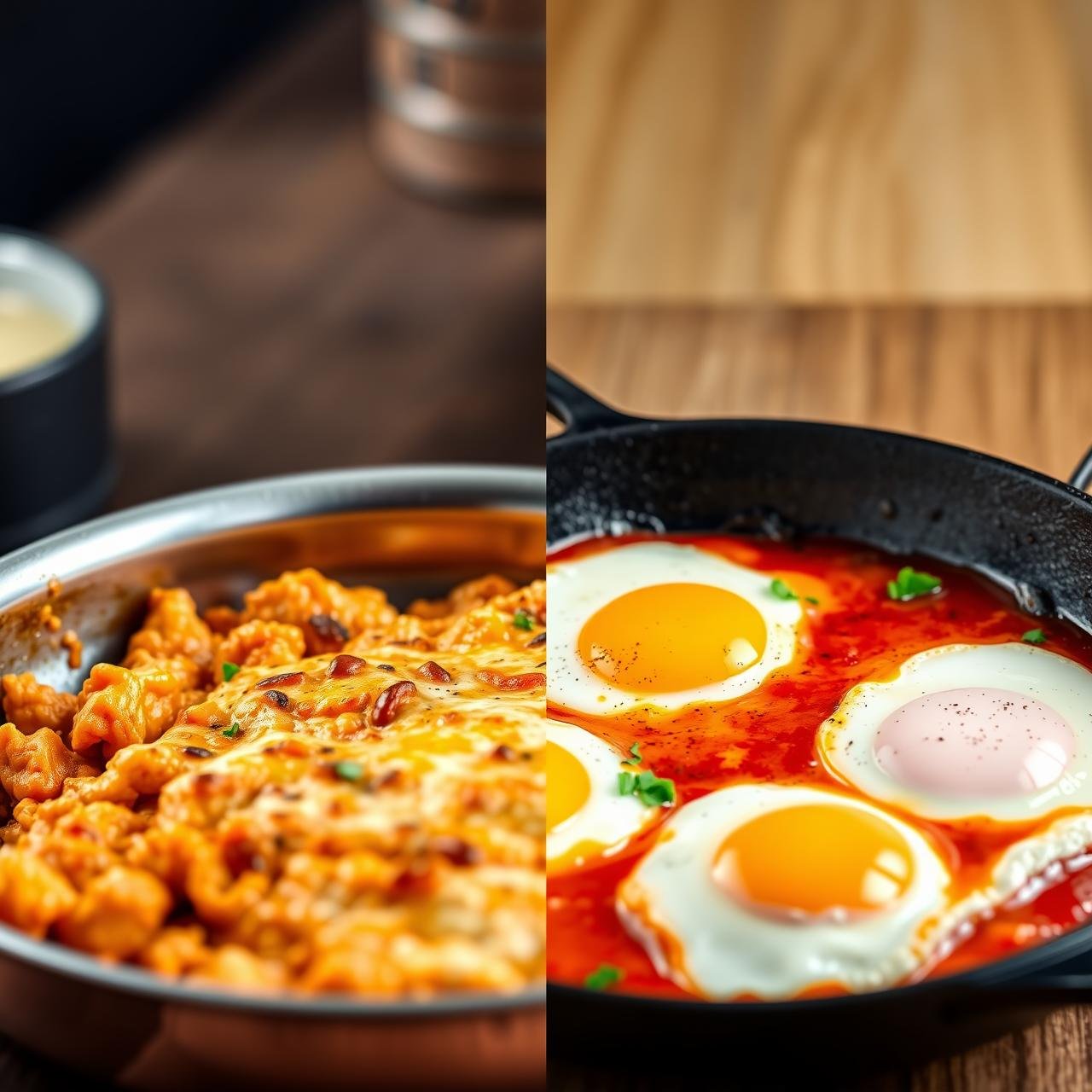
While both Menemen and Shakshuka feature eggs cooked in a tomato-pepper sauce, their preparation, texture, and flavor profiles are distinctly different. Understanding these differences is key to appreciating what makes Menemen so special.
The Egg-ssential Difference
The most significant distinction lies in the treatment of the eggs. In Shakshuka, eggs are cracked into wells made in the sauce and poached whole, leaving the yolks runny and the whites set. In Menemen, the eggs are stirred directly into the sauce, creating a soft, creamy, almost custardy scramble that is fully integrated with the vegetables. This creates a more uniform and scoopable texture.
The Flavor Base
Shakshuka, with its North African and Middle Eastern roots, often features a more complex spice profile, commonly including cumin, paprika, and cayenne, and sometimes harissa for a fiery kick. Menemen, on the other hand, celebrates simplicity. Its flavor is built on the sweetness of ripe tomatoes and the gentle heat of Turkish green peppers (sivri biber), seasoned simply with salt, black pepper, and perhaps a pinch of red pepper flakes (pul biber) for warmth.
The Onion Debate
A famous (and playful) debate in Turkey is whether authentic Menemen should contain onions (soğanlı menemen) or not (soğansız menemen). Many purists argue for the latter, letting the tomato and pepper shine. However, many households and restaurants add finely chopped onions at the beginning for an extra layer of savory sweetness. Our recipe embraces the onion for a richer flavor base.
| Feature | Menemen (Turkish) | Shakshuka (North African/Middle Eastern) |
|---|---|---|
| Eggs | Gently scrambled or swirled into the sauce | Poached whole in wells within the sauce |
| Texture | Soft, creamy, juicy, and integrated | Distinct set whites and runny yolks over a chunky sauce |
| Primary Spices | Salt, black pepper, red pepper flakes (pul biber) | Cumin, paprika, cayenne, coriander, caraway |
| Core Vegetables | Tomatoes, green peppers (often sivri biber), optional onion | Tomatoes, bell peppers, onion, garlic |
| Serving Style | Served hot in the pan with crusty bread for dipping | Served hot in the pan with pita or challah for dipping |
The Anatomy of Perfect Menemen: Key Ingredients
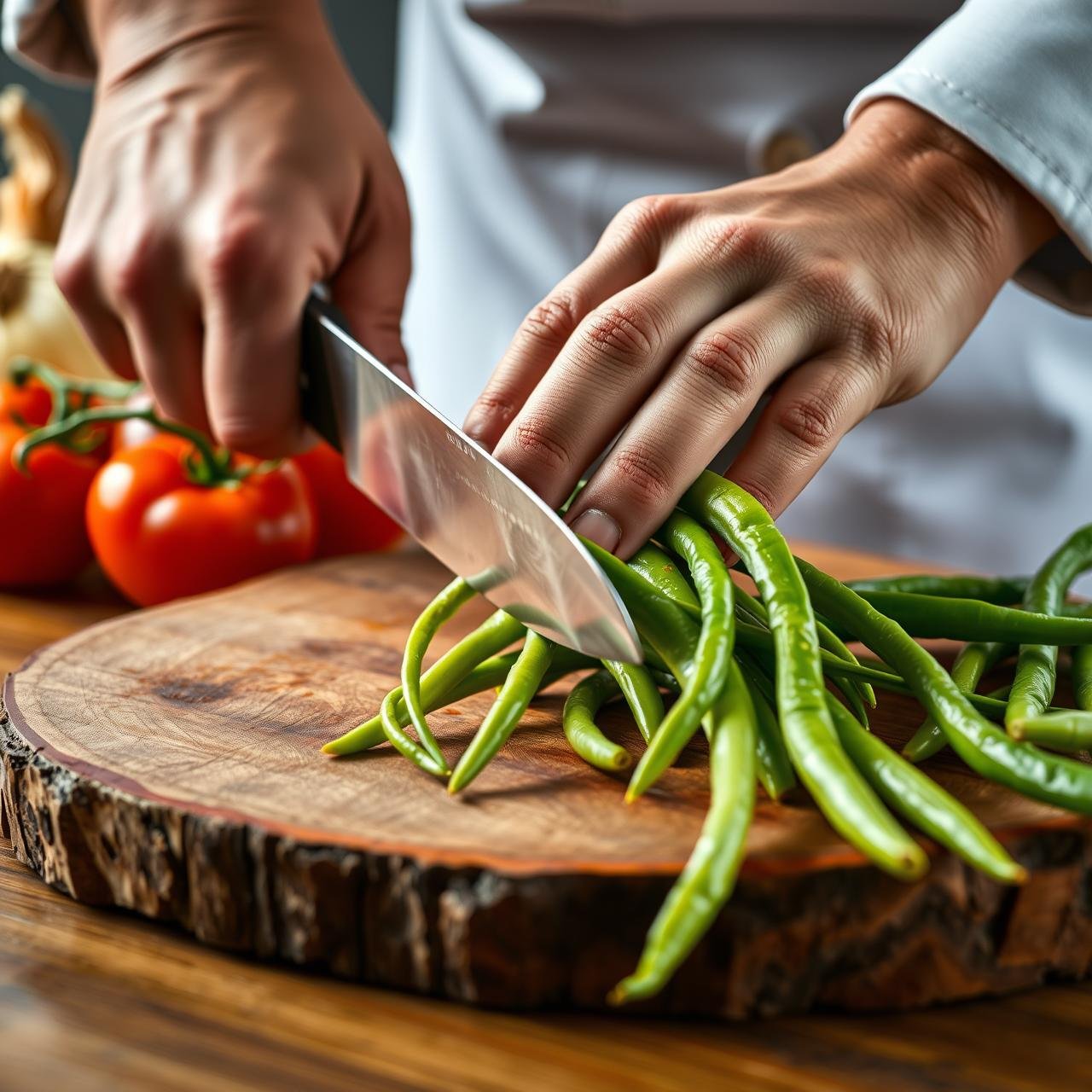
The beauty of Menemen is its simplicity, which means the quality of each ingredient is paramount. You don’t need much, but what you use matters.
- Tomatoes: This is the star of the show. For the best flavor, use 4 large, ripe, in-season tomatoes. Roma or plum tomatoes work well due to their lower water content, but any flavorful, juicy tomato will do. In the off-season, a 28-ounce (800g) can of high-quality whole peeled tomatoes, crushed by hand, is an excellent substitute.
- Peppers: Authentic Menemen uses Turkish green peppers, like sivri biber (long, light green, mild) or çarliston peppers. If you can’t find them, 2-3 Italian frying peppers (Cubanelle) or even 1 green bell pepper, finely chopped, are good alternatives.
- Onion: As discussed, this is optional but highly recommended for depth of flavor. You’ll need 1 medium yellow onion, finely chopped.
- Eggs: Use 4 large, high-quality, fresh eggs. The better the egg, the richer the final dish.
- Fat: 2 tablespoons of unsalted butter or a combination of butter and olive oil provides the best flavor. Butter adds a richness that complements the eggs beautifully.
- Seasoning: Simple is best. 1 teaspoon of salt (or to taste), 1/2 teaspoon of black pepper, and 1 teaspoon of Turkish red pepper flakes (pul biber) or Aleppo pepper for a mild, fruity heat.
- Garnish (Optional): A handful of freshly chopped flat-leaf parsley adds a fresh, clean finish.
Step-by-Step Guide to Authentic Menemen
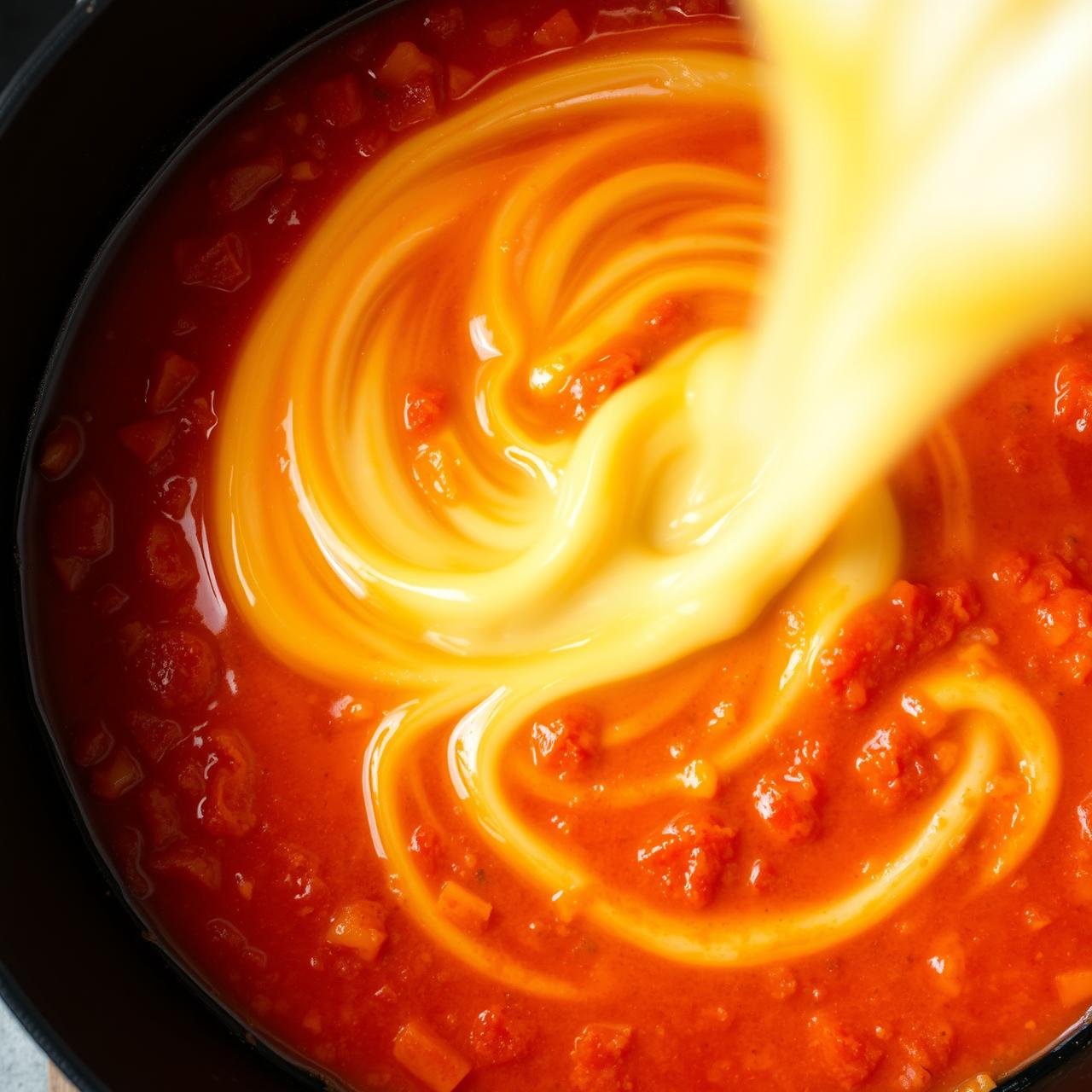
Follow these steps closely to achieve the perfect, juicy, and silky Menemen. The key is patience—allow the vegetables to cook down properly before adding the eggs.
-
Sauté the Aromatics
In a 10 or 12-inch skillet (a traditional sahan or cast-iron works best) over medium heat, melt the 2 tablespoons of butter. Add the 1 finely chopped medium onion and cook, stirring occasionally, for about 5-7 minutes until softened and translucent.
-
Cook the Peppers
Add the 2-3 chopped green peppers to the skillet. Continue to cook for another 5 minutes, until the peppers have softened and are fragrant.
-
Simmer the Tomatoes
Add the 4 large, diced tomatoes (or the can of crushed tomatoes) to the pan, along with the 1 teaspoon of salt and 1/2 teaspoon of black pepper. Stir everything together. Bring the mixture to a gentle simmer, then reduce the heat to medium-low. Let it cook for 15-20 minutes, stirring occasionally, until the tomatoes have broken down completely and the sauce has thickened significantly. You want a jammy, cohesive sauce, not a watery one. This step is crucial for developing deep flavor.
-
Introduce the Eggs
Once the sauce is thick, crack the 4 large eggs directly into the pan. Let them sit for about 30 seconds to slightly set. Then, using a spatula or wooden spoon, gently break the yolks and slowly swirl the eggs into the tomato sauce. Do not scramble them vigorously. The goal is to create large, soft, silky ribbons of egg throughout the sauce.
-
The Final Cook
Continue to cook, gently stirring and folding, for 2-3 minutes, or until the eggs are just set but still very moist and creamy. Be careful not to overcook them; Menemen should be juicy and soft, not dry and rubbery. Remove from the heat immediately.
-
Garnish and Serve
Sprinkle the Menemen with the 1 teaspoon of red pepper flakes (pul biber) and a generous amount of freshly chopped parsley. Serve immediately, directly from the pan, with plenty of crusty bread for scooping.
Chef’s Tips for Elevating Your Menemen
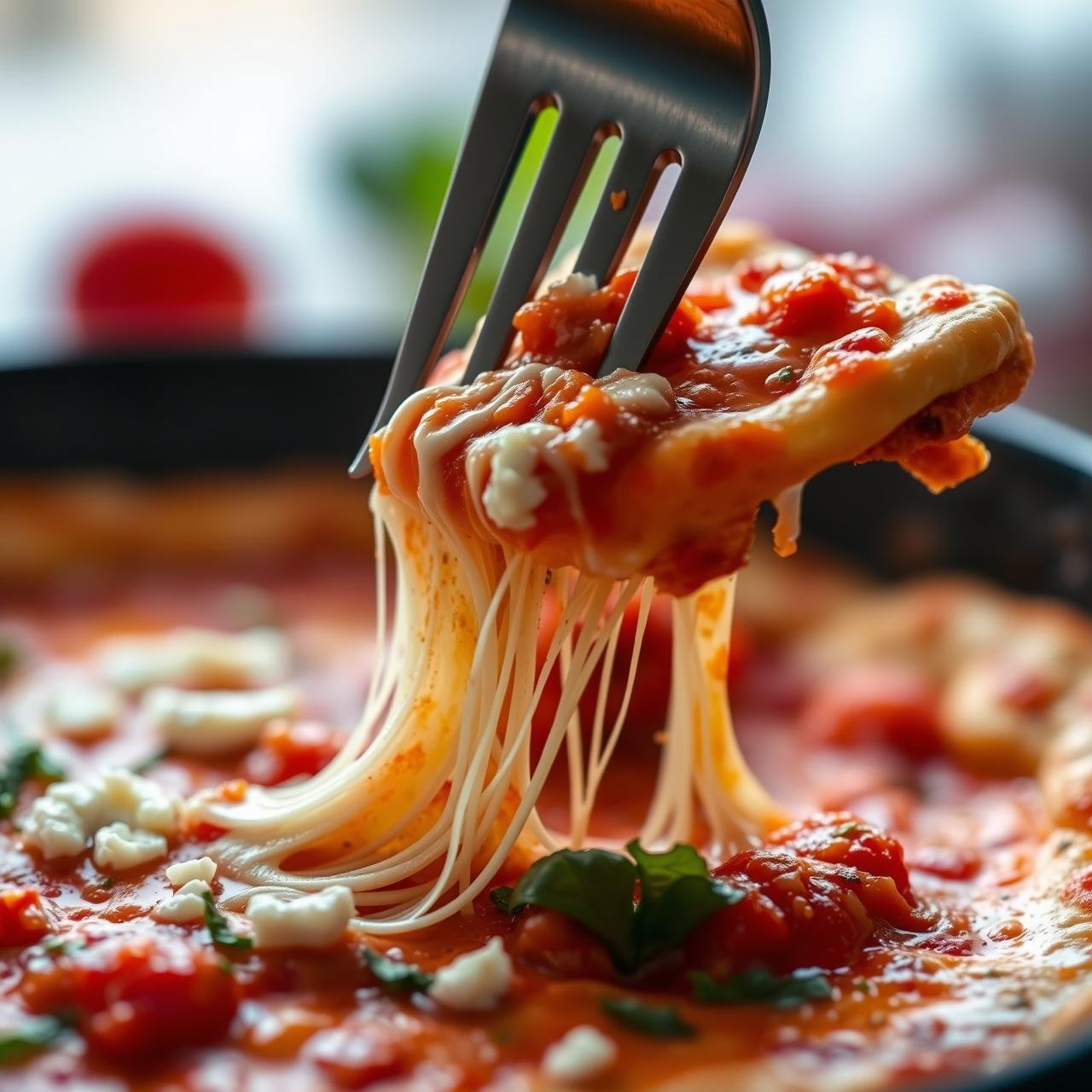
Once you’ve mastered the classic recipe, Menemen becomes a wonderful canvas for creativity. Here are some variations and professional tips to take your dish to the next level.
Popular Variations:
- Peynirli Menemen (With Cheese): During the last minute of cooking, crumble about 1/2 cup of feta cheese (beyaz peynir) over the top and gently fold it in. The salty, briny cheese melts slightly and adds a wonderful tang.
- Sucuklu Menemen (With Turkish Sausage): Sucuk is a spicy, dry Turkish beef sausage. Thinly slice some sucuk and pan-fry it before you start the onions. Remove the sausage, cook the Menemen in the flavorful rendered fat, and then add the crispy sucuk back in at the end.
- Pastırmalı Menemen (With Cured Beef): Pastırma is a highly seasoned, air-dried cured beef, similar to pastrami. Add thin slices during the last minute of cooking to gently warm them through.
Tips for Perfection:
- Control the Juice: If your fresh tomatoes are exceptionally watery, you can scoop out some of the seeds before dicing them. Alternatively, let the sauce simmer for a few extra minutes to reduce and concentrate the flavors.
- Don’t Over-Scramble: The key to a silky texture is minimal stirring. Think ‘folding’ or ‘swirling’ rather than ‘scrambling’. You want distinct, soft curds of egg, not a uniform mush.
- Serve Immediately: Menemen is best enjoyed piping hot, straight from the skillet. The residual heat will continue to cook the eggs, so taking it off the heat when it’s slightly underdone ensures it will be perfect by the time it reaches the table.
- The Right Bread is Crucial: The experience of eating Menemen is intrinsically linked to the bread used to scoop it up. A Turkish pide, a crusty sourdough, or a simple baguette are all excellent choices.
Nutritional Information
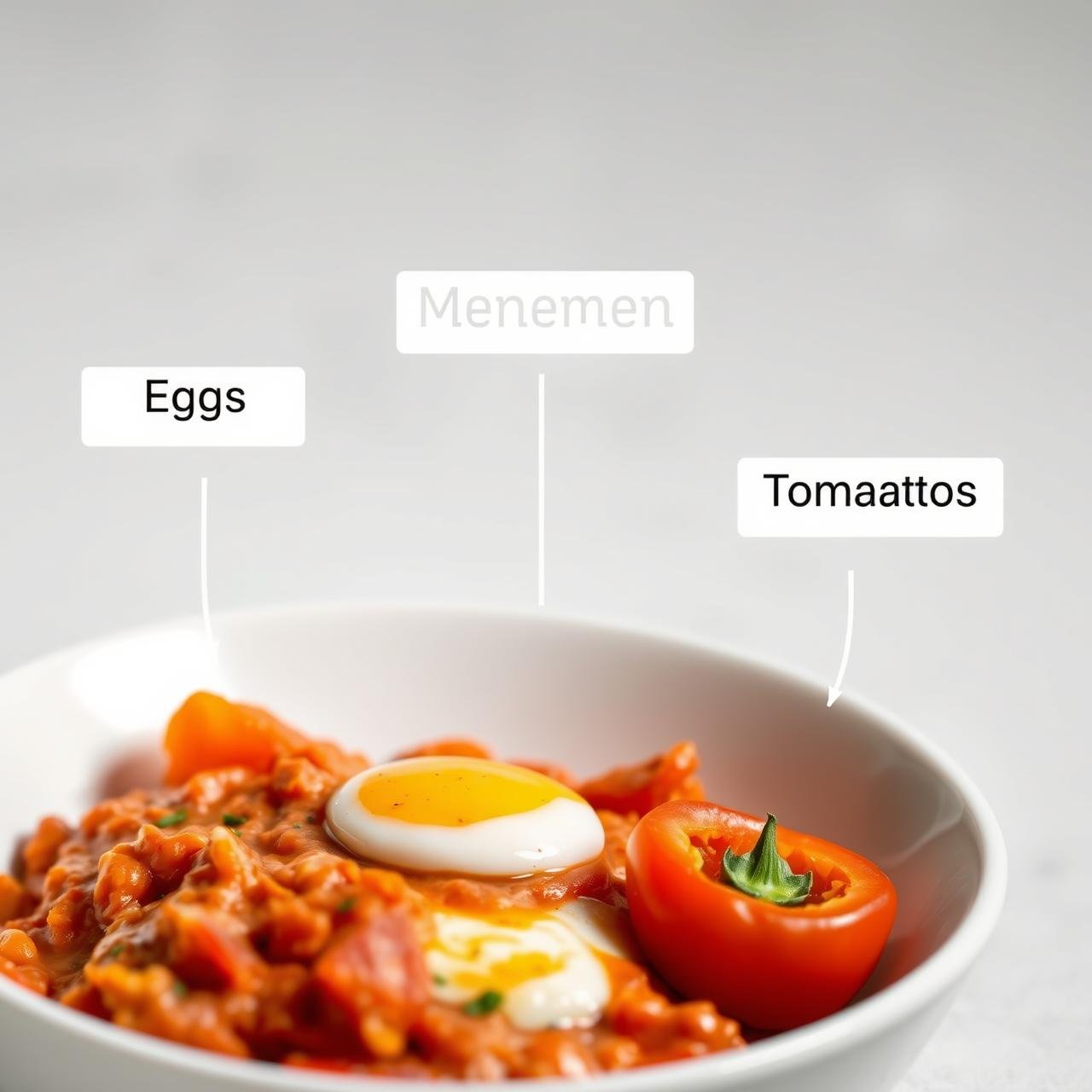
This provides an estimated nutritional breakdown for one serving of the classic Menemen recipe (recipe serves 2-3). Actual values may vary based on specific ingredients used.
| Nutrient | Amount per Serving |
|---|---|
| Calories | ~285 kcal |
| Protein | 15 g |
| Fat | 20 g |
| Saturated Fat | 8 g |
| Carbohydrates | 12 g |
| Fiber | 4 g |
| Sugar | 7 g |
| Sodium | ~650 mg |
Storing and Reheating Menemen
While Menemen is undeniably best when fresh, leftovers can still be enjoyed. Here’s how to properly store and reheat it:
- Storage: Allow the Menemen to cool completely to room temperature. Transfer it to an airtight container and store it in the refrigerator for up to 2 days. Due to the texture of the eggs, freezing is not recommended as it can become watery and rubbery upon thawing.
- Reheating: The best way to reheat Menemen is gently in a non-stick skillet over low heat. Add the Menemen to the pan and stir occasionally until it’s warmed through. You can add a splash of water or a tiny knob of butter if it seems a bit dry. Avoid using a microwave, as it can overcook the eggs and make them tough.
Conclusion
Menemen is more than just a recipe; it’s an experience. It’s the sizzle of vegetables in a pan, the vibrant colors coming together, and the communal joy of dipping bread into a shared meal. Its beauty lies in its rustic simplicity and the sublime, creamy texture that sets it apart. While the debate between Menemen and Shakshuka may continue, there is no denying the unique comfort and profound flavor packed into this Turkish classic. It’s a budget-friendly, wholesome, and incredibly versatile dish that deserves a permanent spot in your breakfast rotation. So next time you’re craving a savory, satisfying start to your day, I urge you to give Menemen a try. You may just find it’s not only better than Shakshuka—it’s one of the best egg dishes in the world.