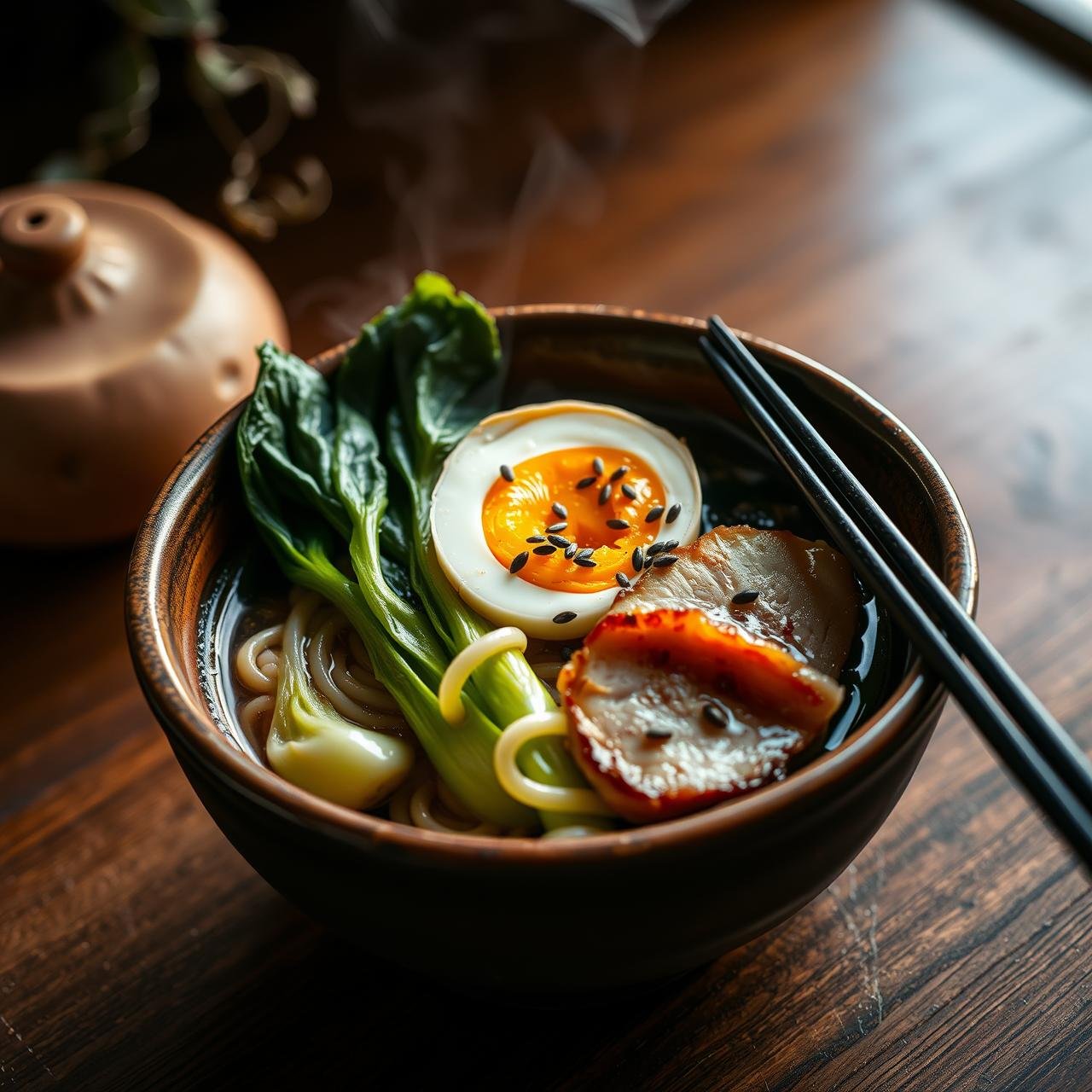
15-Minute Spicy Miso Shirataki Ramen: Zero Carb Comfort Food
There are evenings when the soul craves something deeply comforting, a warm embrace in a bowl that whispers of tradition and flavor. Yet, the modern clock ticks relentlessly, often leaving us to choose between health, taste, and time. What if you could have all three? Enter the culinary marvel that is Spicy Miso Shirataki Ramen—a dish that delivers the profound, savory satisfaction of authentic ramen in a mere 15 minutes, all while being virtually free of carbs. This isn’t a shortcut that sacrifices quality; it’s a smart, clean approach to one of the world’s most beloved dishes. We’re trading heavy, traditional noodles for the miraculous, plant-based shirataki, creating a lighter yet equally fulfilling experience. Prepare to transform your weeknight dinner routine with a recipe that is as nourishing for the body as it is soothing for the spirit.
The Magic of Shirataki: Your Zero-Carb Noodle Hero
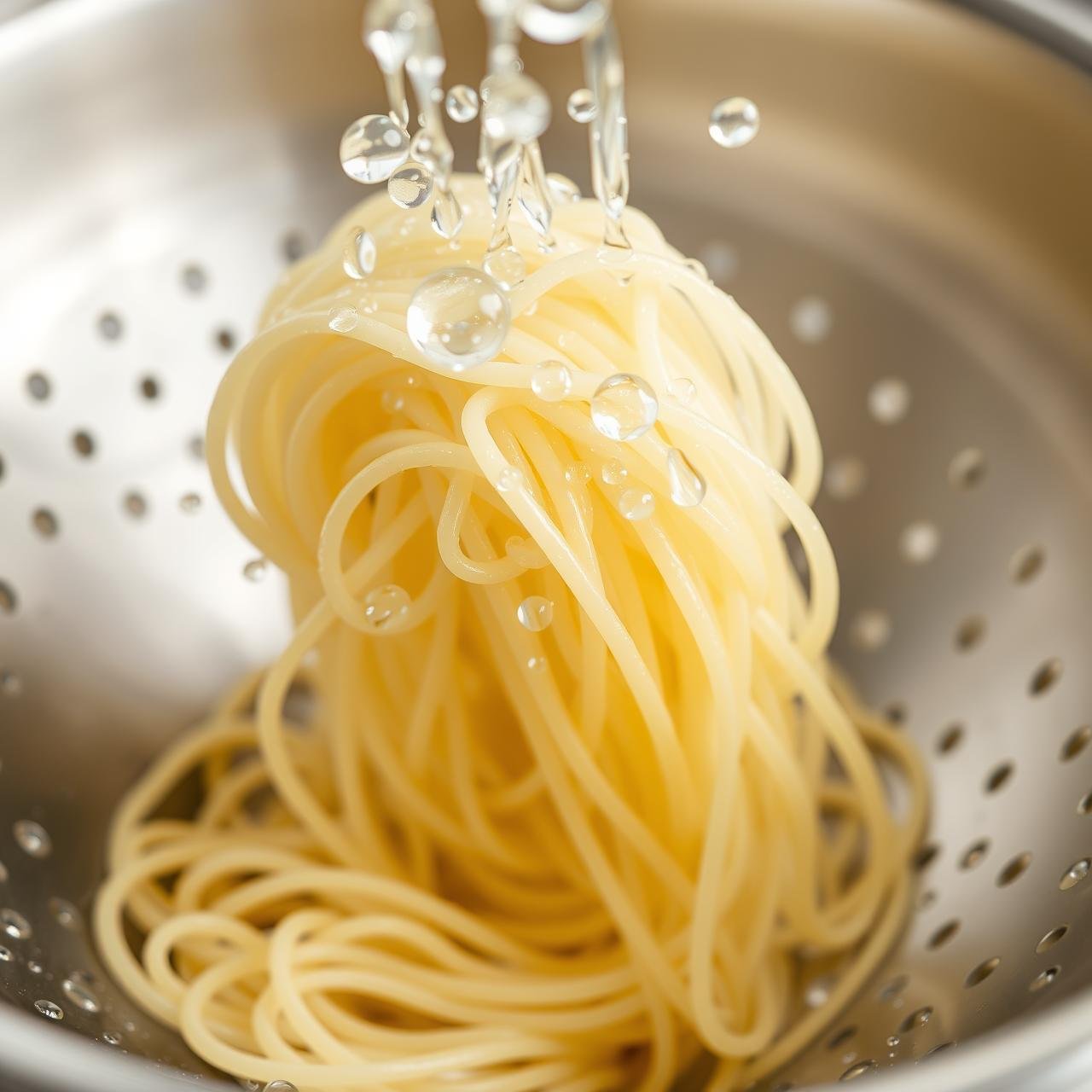
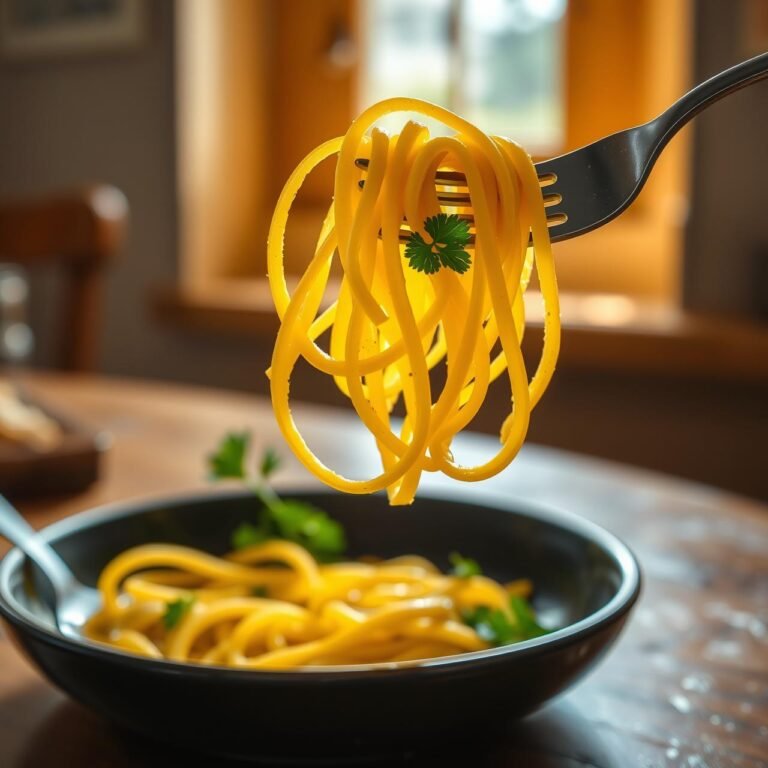
Before we dive into the broth, let’s pay homage to the star of our low-carb show: the shirataki noodle. Hailing from Japan, these translucent, gelatinous noodles are made from the konjac yam. Their name, translating to ‘white waterfall,’ beautifully describes their appearance. But their true magic lies in what they lack—calories, carbs, and gluten. Composed almost entirely of water and glucomannan fiber, they are the perfect canvas for flavor. The fiber helps promote feelings of fullness, making this ramen surprisingly satisfying. The key to unlocking their potential is a simple preparation technique we’ll cover, which transforms their texture from slightly rubbery to delightfully chewy and slurp-worthy, ready to absorb every drop of our spicy miso broth.
The Soul of Ramen: Building the Perfect Miso Broth
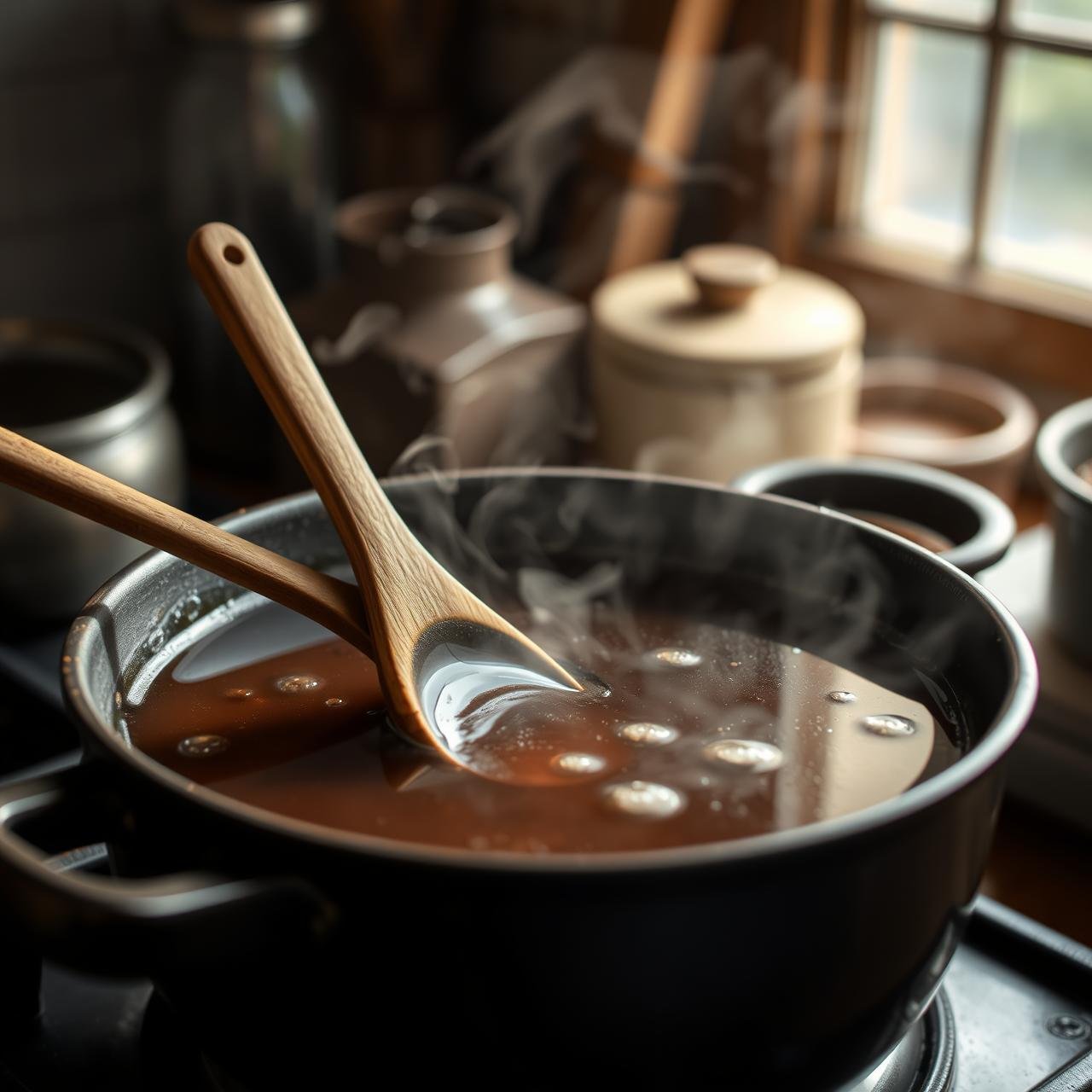
A great ramen is defined by its broth, and ours is a symphony of savory, spicy, and umami notes that tastes like it has been simmering for hours. The foundation is built on white or red miso paste, a fermented soybean product that lends a salty, funky depth. We elevate this with a splash of soy sauce for saltiness, a touch of mirin for sweetness, and the fiery kick of gochujang (Korean chili paste) or your favorite chili garlic sauce. This combination creates a complex, deeply flavorful, and soul-warming broth that clings to every noodle and topping. It’s the kind of broth that makes you close your eyes with the first spoonful, a testament to the power of well-balanced, clean ingredients.
Gather Your Provisions: A Curated Ingredient List
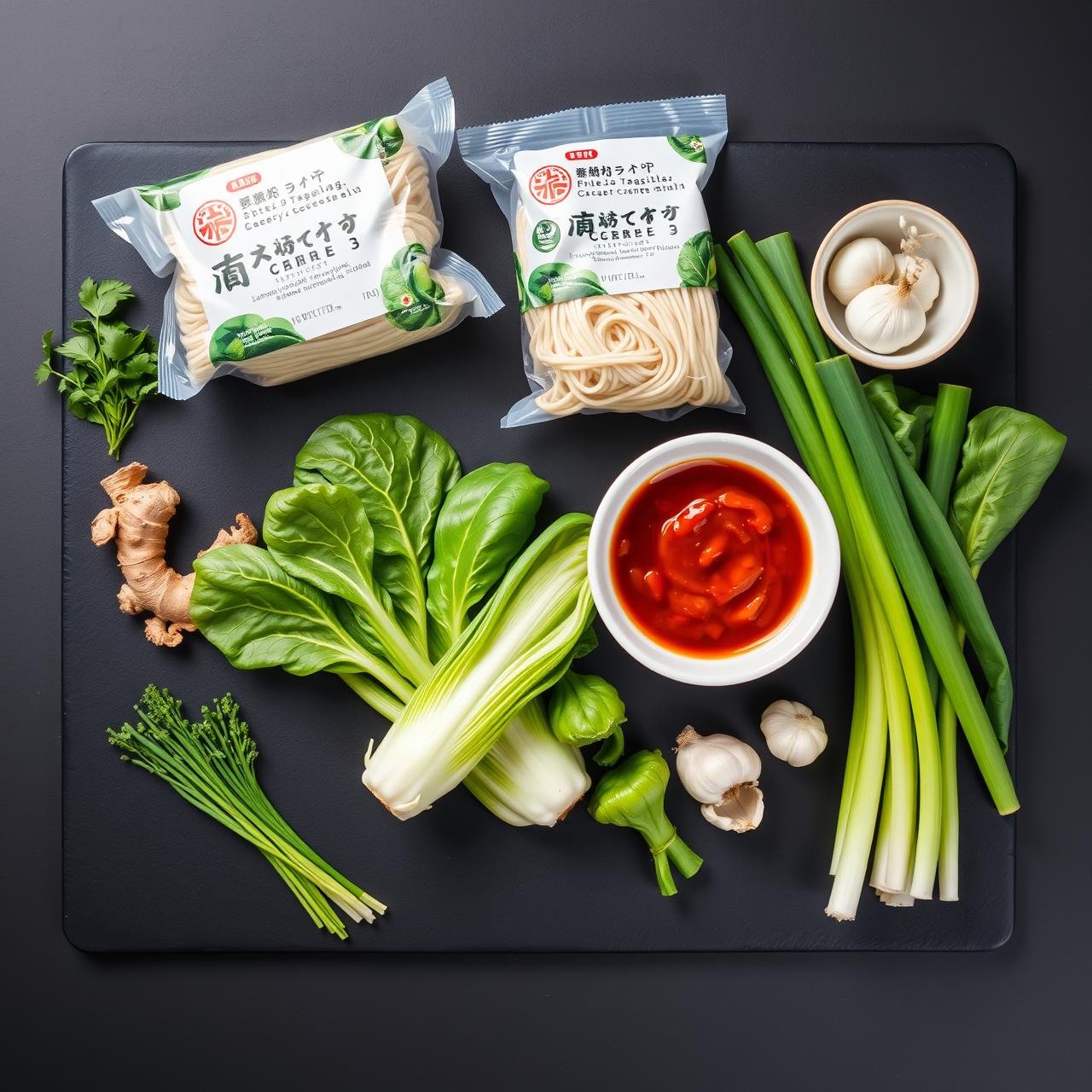
Quality ingredients are the cornerstone of a chef-like result, even in a quick recipe. Here is what you’ll need to assemble this masterpiece. Many of these items are pantry staples in a health-conscious, flavor-forward kitchen.
- For the Ramen Base:
- 2 packages (7 oz / 200g each) shirataki noodles
- 1 tbsp sesame oil
- 2 cloves garlic, minced
- 1 inch ginger, freshly grated
- 2 scallions, whites and greens separated, thinly sliced
- For the Spicy Miso Broth:
- 4 cups low-sodium chicken or vegetable broth (or dashi for a more traditional flavor)
- 3 tbsp white or red miso paste
- 1-2 tbsp gochujang or chili garlic sauce (adjust to your spice preference)
- 1 tbsp soy sauce or tamari
- 1 tsp mirin (optional, for a hint of sweetness)
- For Toppings & Protein (Choose your favorites):
- 6 oz thinly sliced pork, firm tofu, or cooked shrimp
- 2 heads baby bok choy, halved
- 2 soft-boiled eggs, halved
- 1 sheet nori, cut into strips
- 1 tsp toasted sesame seeds
- A drizzle of chili oil for extra heat
Your Culinary Toolkit: Essential Equipment
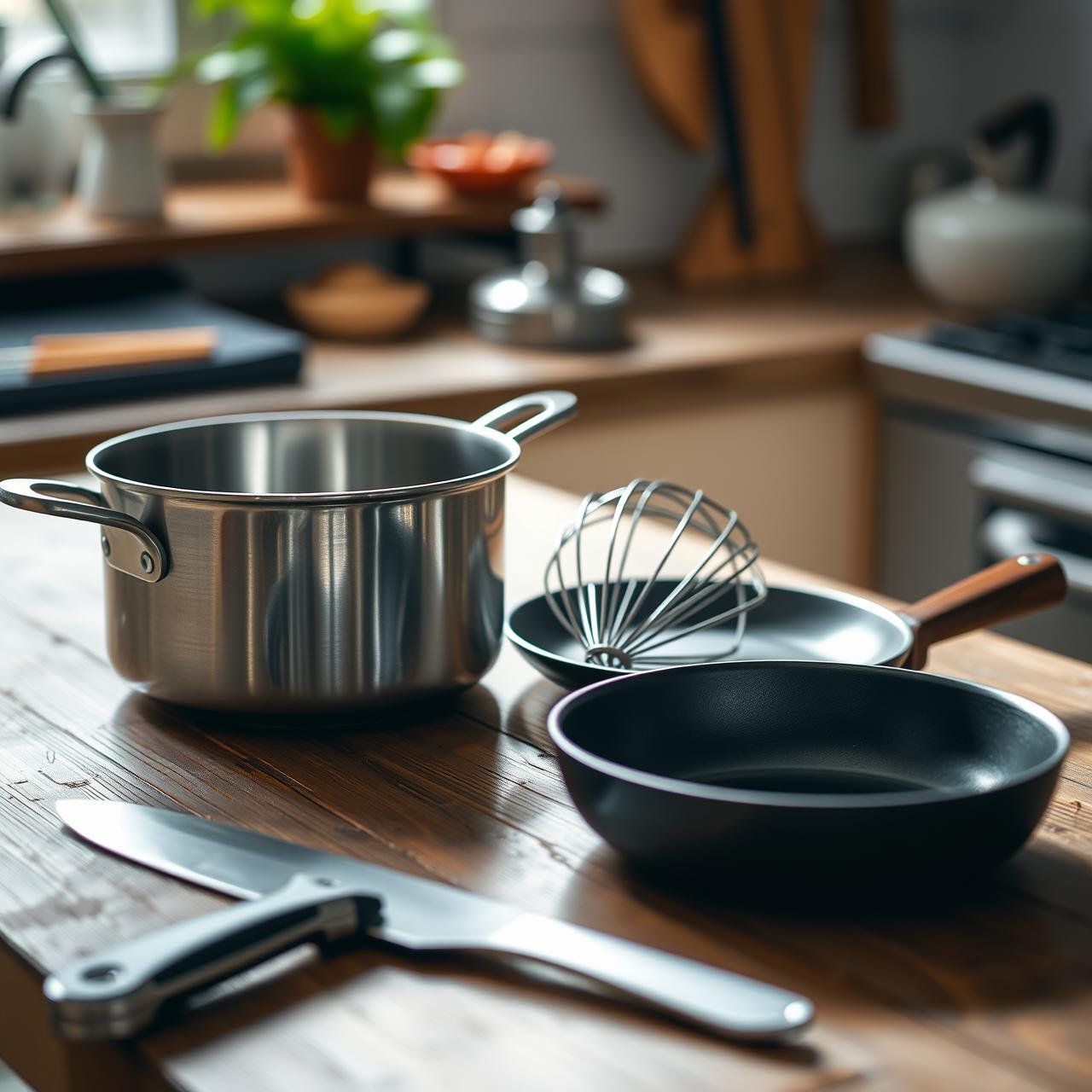
You don’t need a professional kitchen to whip up this dish. Simplicity is key. Having these tools ready will make the 15-minute process seamless and enjoyable.
| Tool | Purpose |
|---|---|
| Medium-sized Pot or Dutch Oven | For building the broth and cooking the ramen. |
| Small Non-stick Skillet | Essential for dry-frying the shirataki noodles to achieve the perfect texture. |
| Fine-mesh Sieve or Colander | For thoroughly rinsing the shirataki noodles. |
| Whisk | For smoothly incorporating the miso and gochujang into the broth. |
| Sharp Knife & Cutting Board | For prepping aromatics and toppings with precision. |
Step 1: Taming the Shirataki
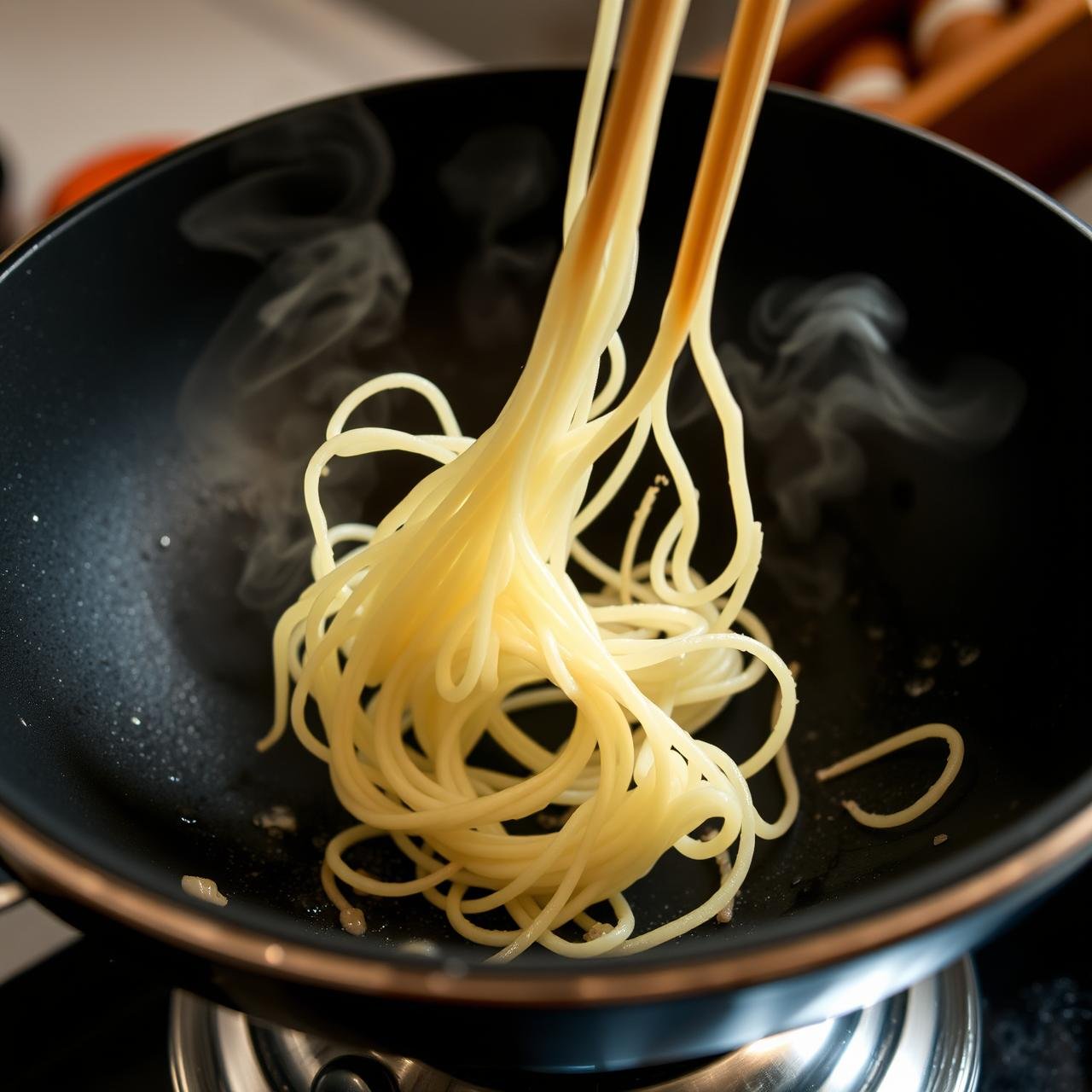
This is the most crucial step for noodle perfection. Shirataki noodles are packed in a liquid that has a distinct aroma. Getting rid of it is easy and essential for a clean-tasting dish.
- Rinse Thoroughly: Open the packages of shirataki noodles and empty them into a fine-mesh sieve. Rinse under cold running water for at least 2 full minutes. This washes away the initial aroma.
- Dry-Fry for Texture: Heat a small, non-stick skillet over medium-high heat. Do not add any oil. Add the rinsed noodles to the hot, dry pan. Sauté for 3-5 minutes, until you hear a slight squeaking sound and all excess moisture has evaporated. This step dramatically improves their texture, making them more noodle-like and less rubbery. Set aside.
Step 2: Building the Aromatic Foundation
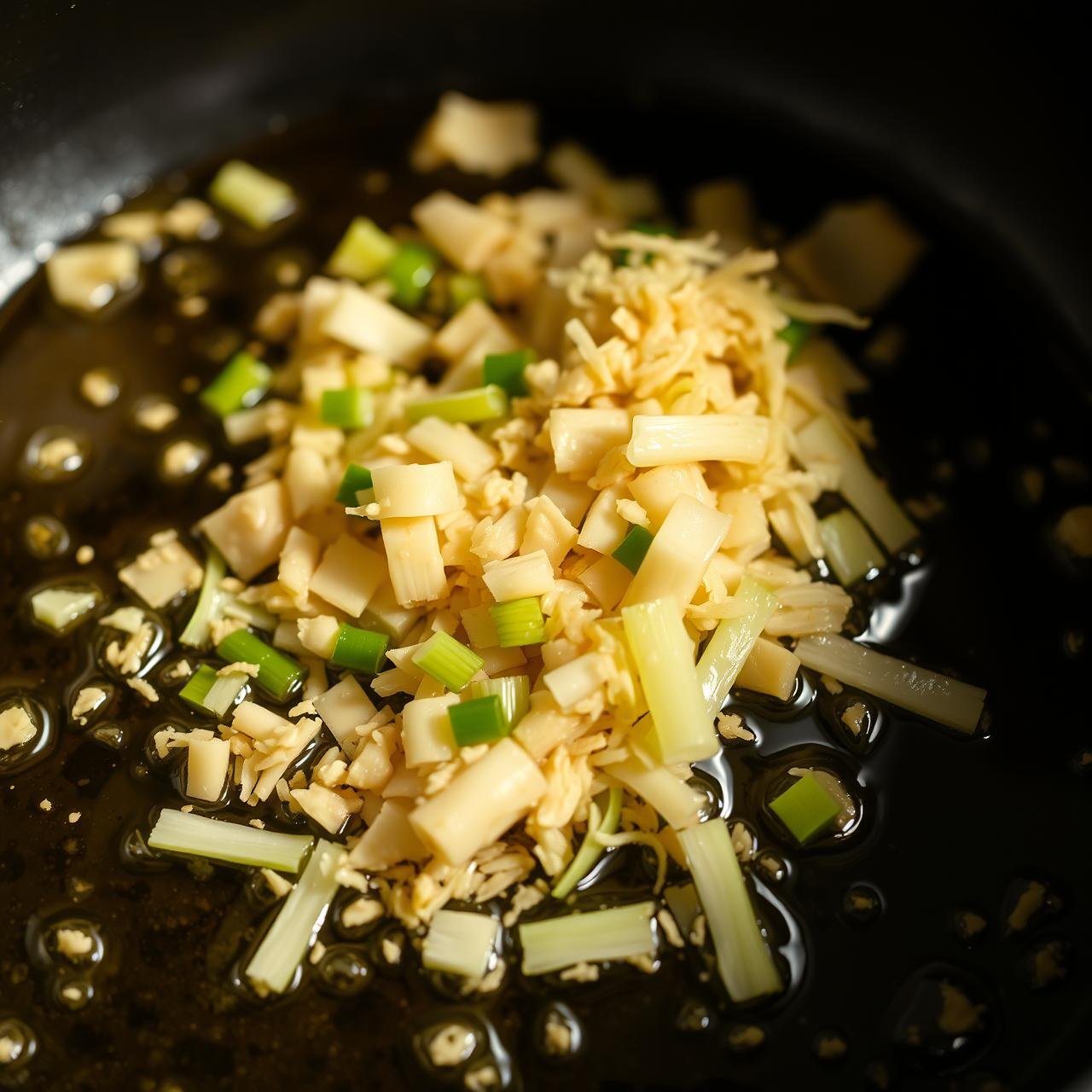
The flavor journey begins here, with the holy trinity of many Asian cuisines. This step awakens the foundational flavors that will permeate the entire dish.
- Heat the Oil: Place your medium-sized pot over medium heat and add the 1 tbsp of sesame oil. Allow it to heat until it shimmers slightly.
- Sauté the Aromatics: Add the minced garlic, grated ginger, and the sliced whites of the scallions to the hot oil. Stir frequently for about 60 seconds until they become fragrant. Be careful not to let the garlic burn, as it will turn bitter. The kitchen should now be filled with an irresistible aroma.
Step 3: Blooming the Pastes for Maximum Flavor
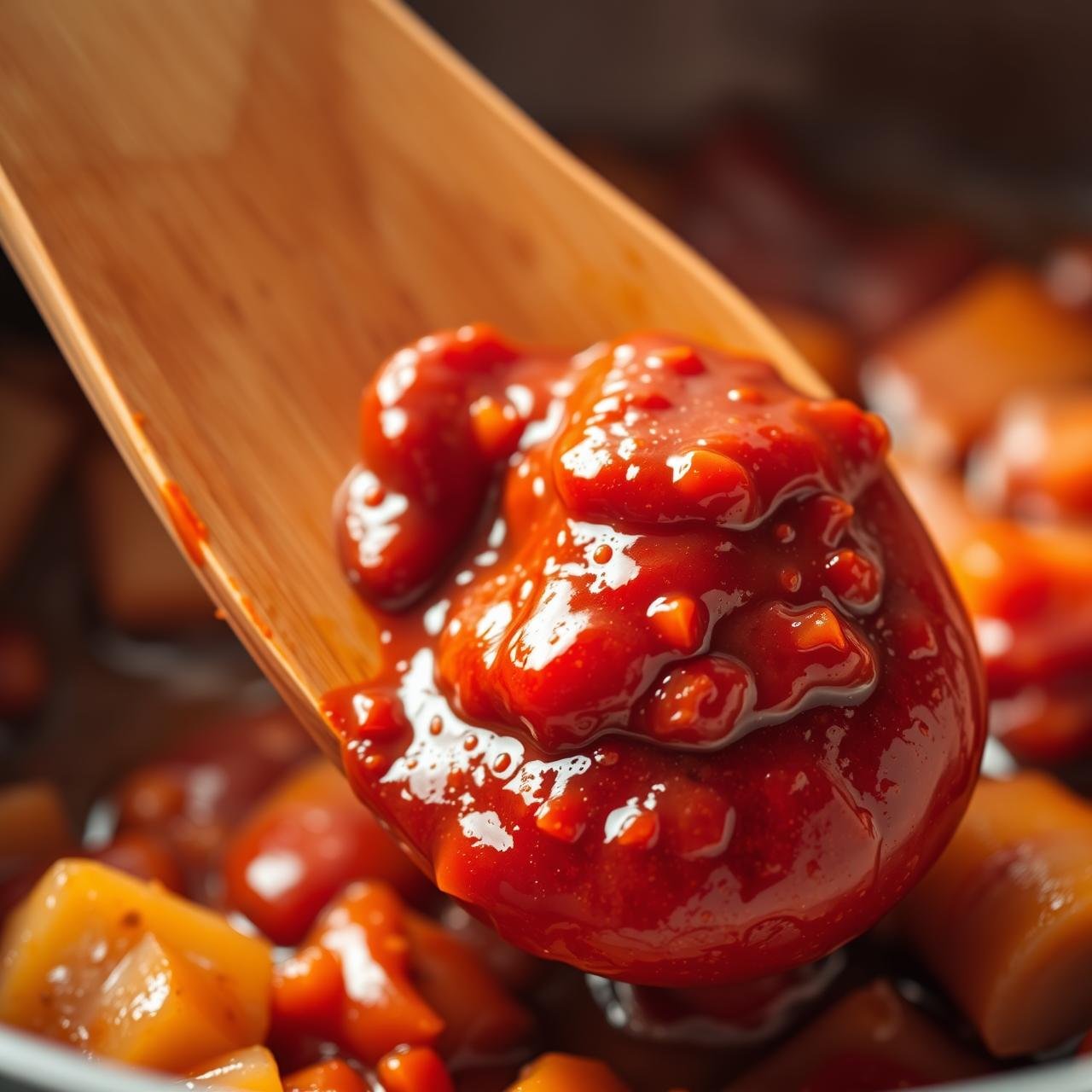
Here, we use a classic chef’s technique to unlock the deepest flavors of our miso and gochujang. ‘Blooming’ the pastes by briefly cooking them with the aromatics intensifies their umami and spicy notes.
- Add the Pastes: Add the 3 tbsp of miso paste and 1-2 tbsp of gochujang directly to the pot with the sautéed aromatics.
- Stir and Cook: Using your spoon or a spatula, continuously stir the pastes into the aromatics for about 1 minute. The mixture will become thick and deeply fragrant. This toasting process mellows any raw taste and creates a more complex flavor profile for the final broth.
Step 4: Creating the Savory Broth
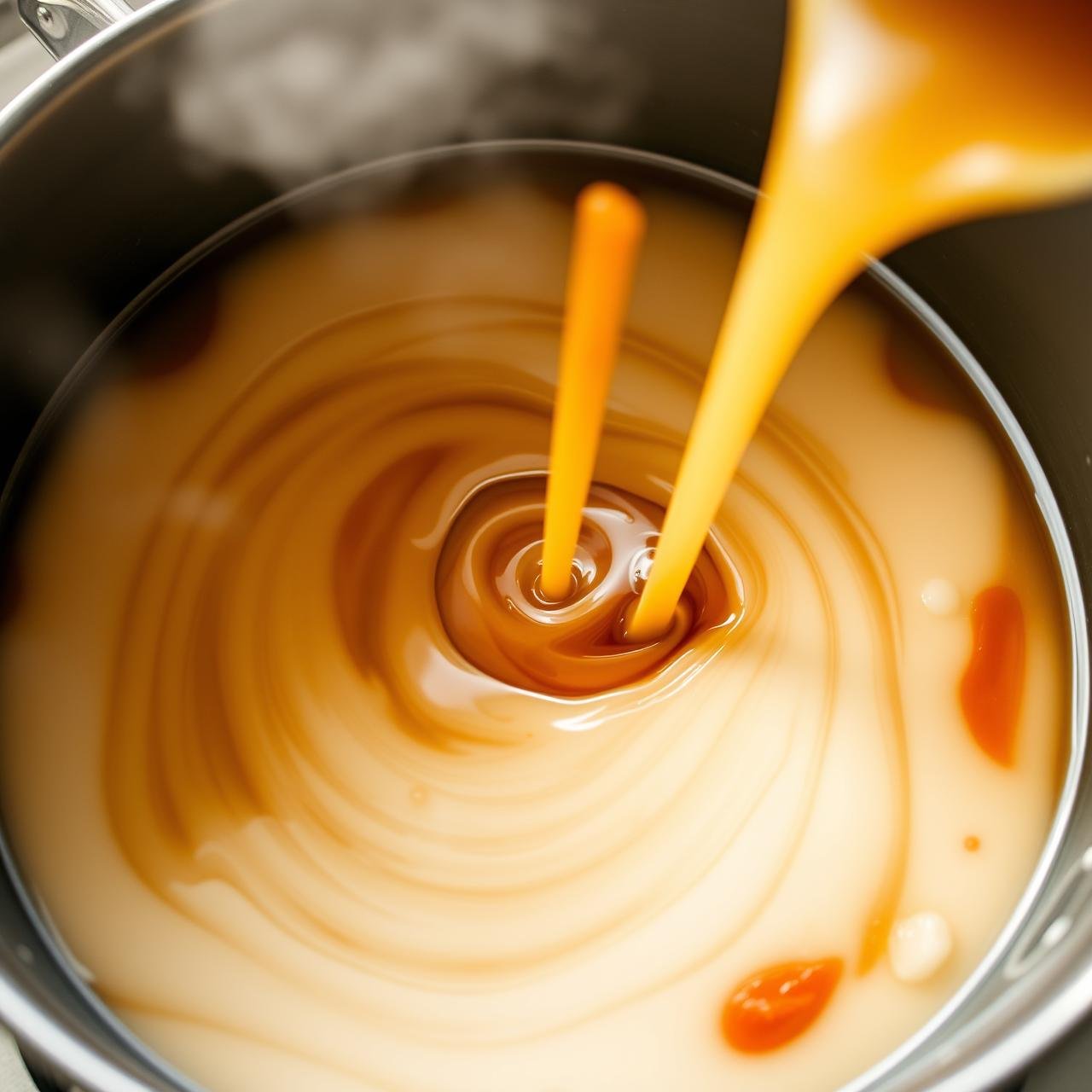
Now it’s time to transform our flavor base into a luscious, slurpable broth. The key is to incorporate the liquid slowly to ensure the paste dissolves completely.
- Deglaze and Whisk: While the pot is still on medium heat, pour in about a cup of your chicken or vegetable broth. Use a whisk to stir vigorously, dissolving the miso-gochujang mixture completely into the liquid and scraping up any flavorful bits from the bottom of the pot.
- Add Remaining Liquids: Once the paste is fully dissolved, pour in the remaining 3 cups of broth, the soy sauce, and the mirin (if using). Stir everything together.
- Bring to a Simmer: Increase the heat and bring the broth to a gentle simmer. Do not bring it to a rolling boil, as this can diminish the delicate flavors of the miso.
Step 5: Cooking the Protein and Vegetables
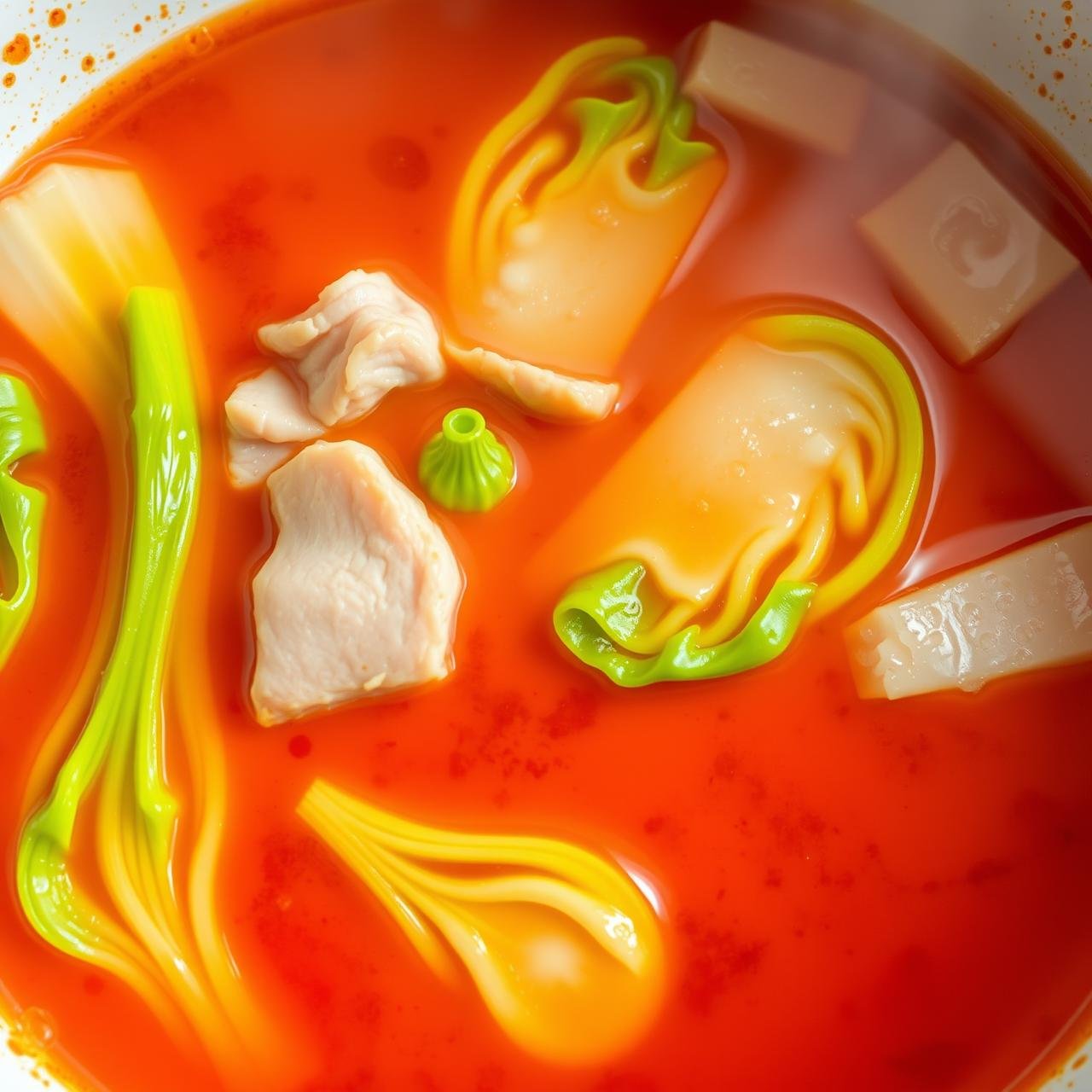
This ramen is a complete meal in a bowl. We’ll quickly cook our chosen protein and vegetables directly in the flavorful broth, infusing them with savory goodness and minimizing cleanup.
- Add Protein: If using thinly sliced pork or tofu, add it to the simmering broth. It will cook through in just 2-3 minutes. If using pre-cooked shrimp, add them in the last minute of cooking just to heat through.
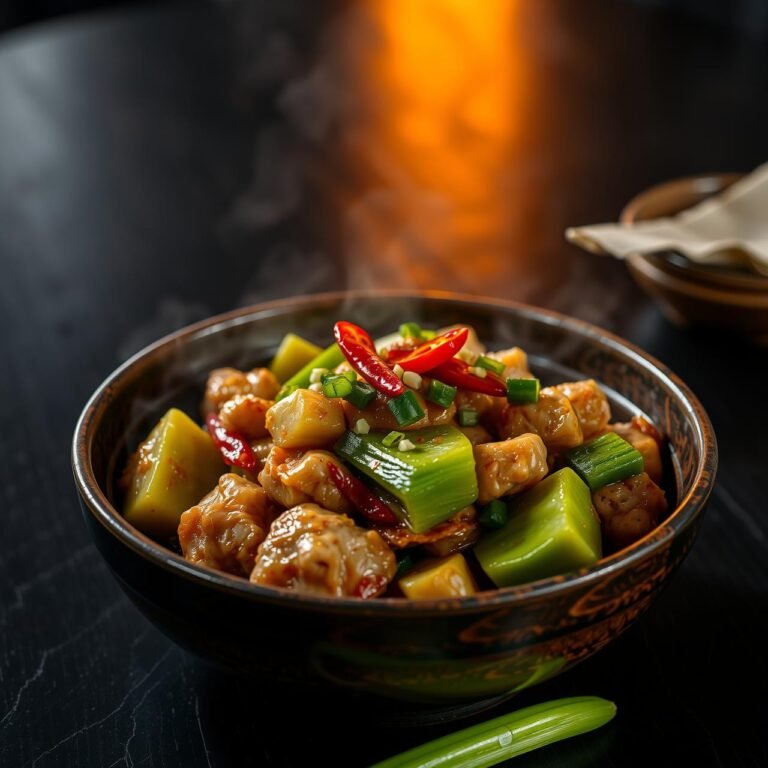
- Wilt the Greens: Add the halved baby bok choy to the pot. Press them down gently to submerge them in the broth. They will wilt perfectly in about 2 minutes, retaining a slight, pleasant crunch.
Step 6: The Final Assembly
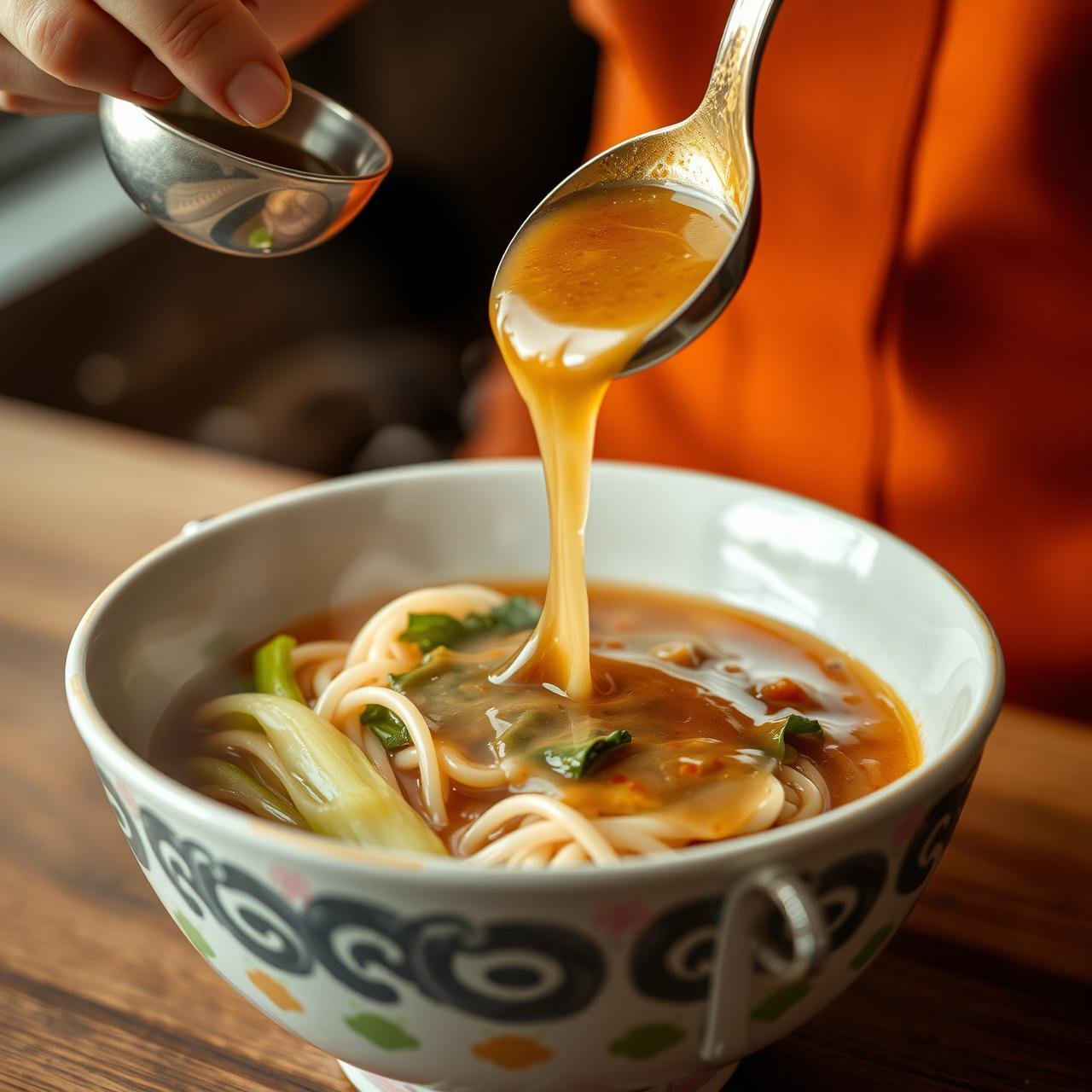
The moment has arrived! It’s time to bring all the elements together to create your perfect, steaming bowl of zero-carb comfort.
- Combine Noodles and Broth: Add the prepared shirataki noodles to the pot. Stir gently to coat them with the broth and allow them to heat through for about 1 minute.
- Serve Immediately: Using tongs and a ladle, divide the noodles, protein, and vegetables between two large ramen bowls. Pour the hot, spicy miso broth over the top until the ingredients are generously covered.
Garnishing Like a Pro: The Finishing Touches
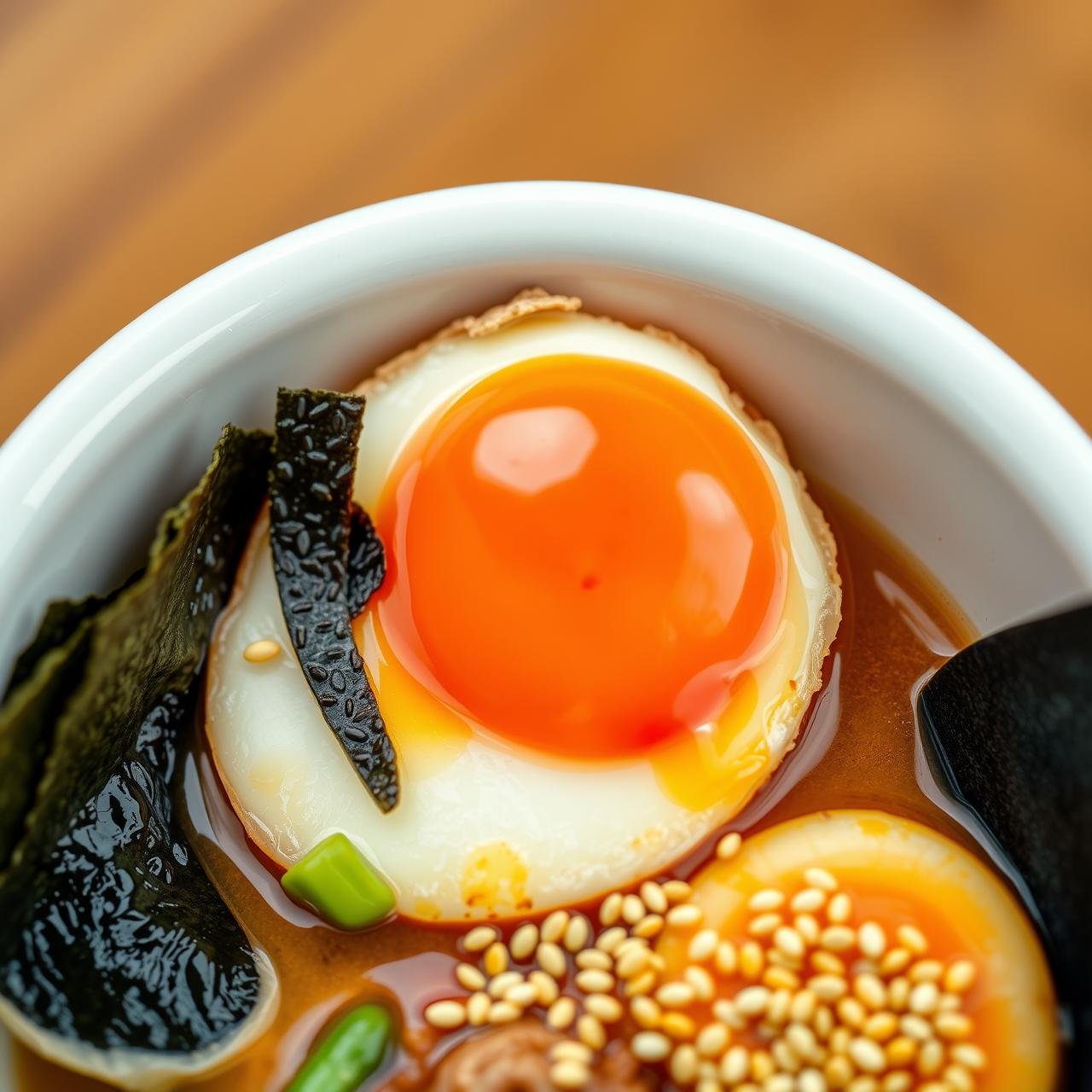
Garnishes are not just for looks; they are essential layers of flavor and texture that elevate your ramen from a simple soup to a gourmet experience. This is where you can add your personal, artistic touch.
- The Jammy Egg: Place a halved soft-boiled egg in each bowl, yolk-side up. The creamy yolk will enrich the broth as you eat.
- Crisp Nori: Tuck a few strips of roasted seaweed (nori) into the side of the bowl.
- Aromatic Seeds: Sprinkle generously with toasted sesame seeds for a nutty crunch.
- Fresh Greens: Garnish with the sliced green parts of the scallions you set aside earlier for a fresh, oniony bite.
- Extra Heat: For the spice lovers, a final drizzle of high-quality chili oil adds a beautiful look and a final punch of heat.
Customize Your Heat: From Mild to Fiery
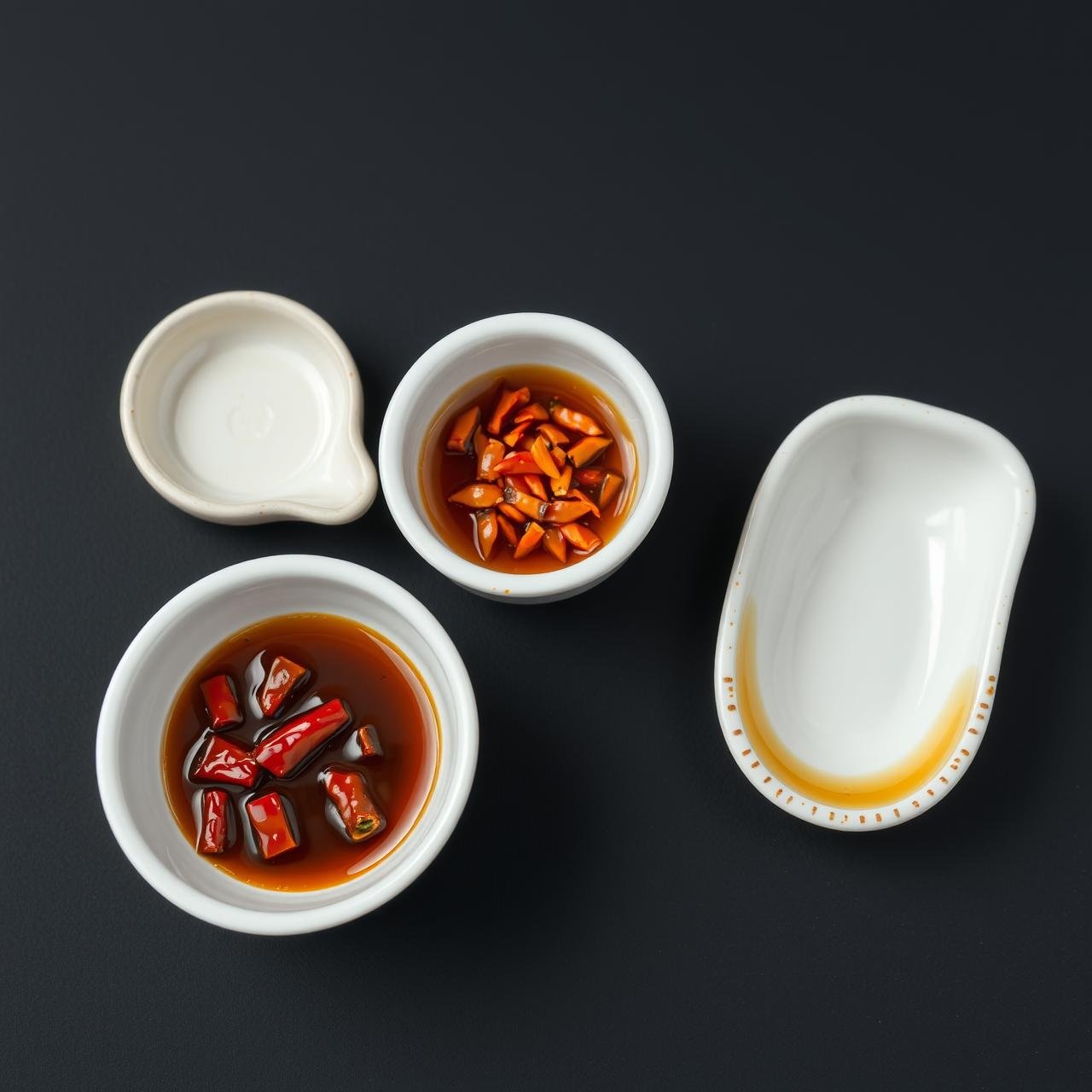
Everyone’s tolerance for spice is different. This recipe is wonderfully adaptable, allowing you to tailor the heat level to your exact preference without sacrificing flavor.
- For a Milder Ramen: Start with just 1 teaspoon of gochujang or use a milder chili garlic sauce. You can also use a sweet miso paste (like white miso) which is less assertive than red.
- For a Medium Kick: Follow the recipe as written with 1-2 tablespoons of gochujang. This provides a pleasant, warming heat that complements the broth.
- For a Fire-Lover’s Dream: Increase the gochujang to 3 tablespoons. You can also add a pinch of red pepper flakes along with the aromatics and finish with a generous drizzle of a potent chili oil, such as one with chili crisp.
A Chef’s Secrets: Tips for Ramen Perfection
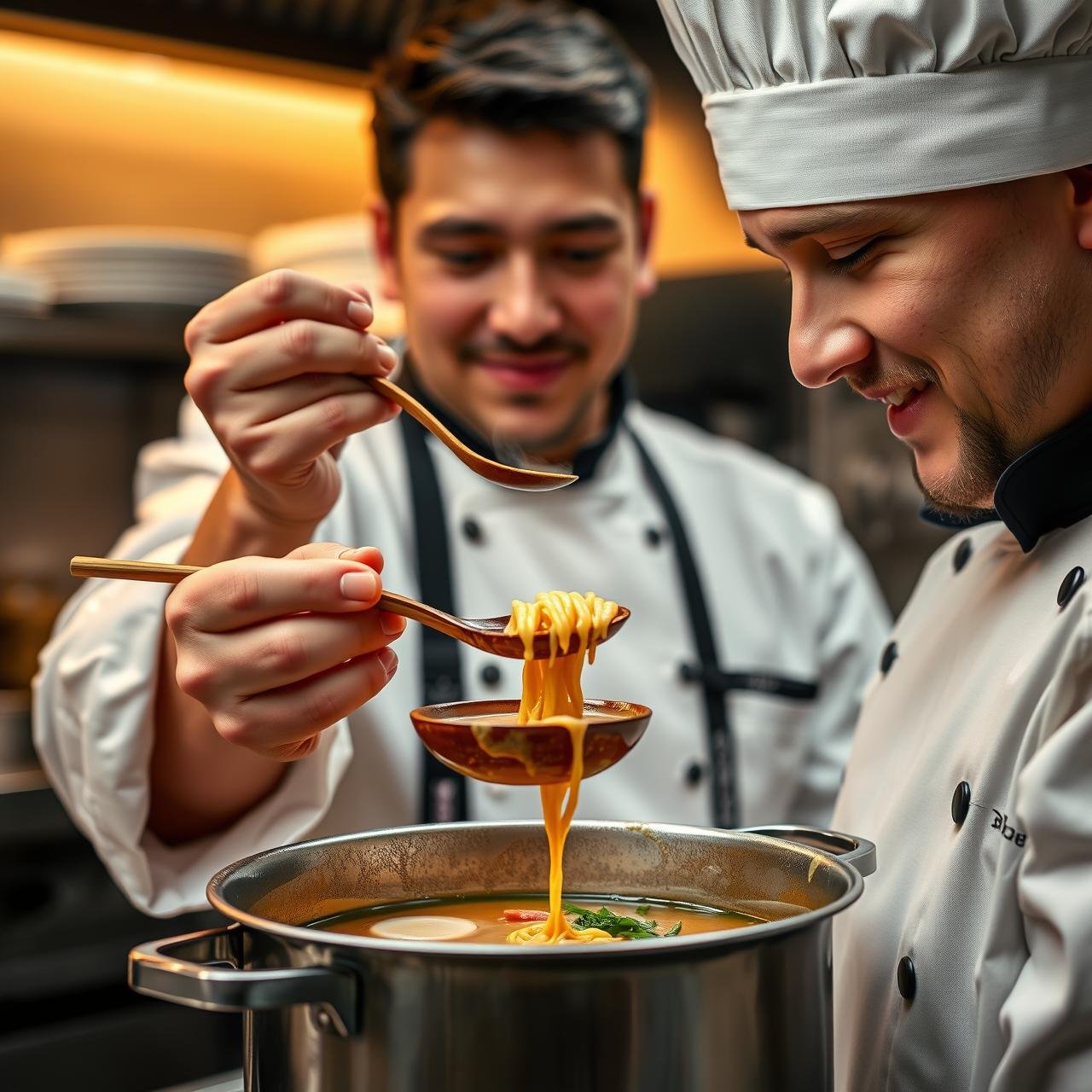
Little details make a big difference. Here are a few insider tips to ensure your ramen is spectacular every single time.
- Don’t Boil the Miso: Always add miso to a simmer, not a rolling boil. Boiling can kill the beneficial probiotics in miso and alter its delicate flavor.
- Taste and Adjust: Before serving, taste your broth. Does it need more salt (soy sauce)? More heat (chili sauce)? More depth (a tiny bit more miso)? Adjusting seasoning at the end is the hallmark of a great cook.
- Prep Ahead: To make this even faster, you can pre-chop your aromatics and vegetables. You can also soft-boil eggs ahead of time and keep them in the fridge for up to two days.
- Use Quality Broth: Since the broth is the soul of the dish, using a high-quality, flavorful chicken or vegetable broth (or traditional dashi) will make a noticeable difference.
Smart Storage: Enjoying Ramen the Next Day
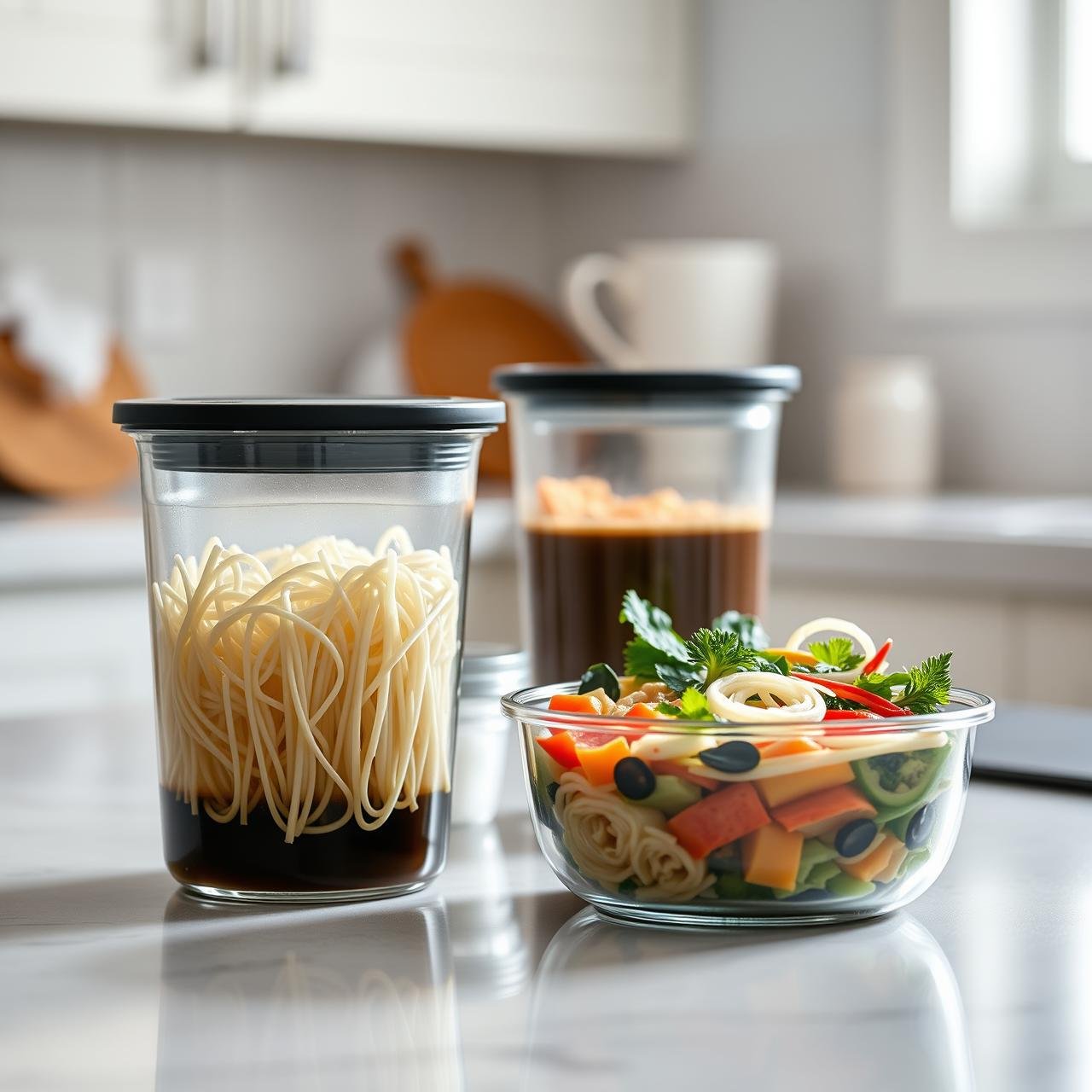
While ramen is best enjoyed fresh, leftovers can still be delicious if stored correctly. The key is to keep the components separate to maintain their integrity.
- Store Separately: Store the broth in one airtight container and the noodles, protein, and vegetables in another. Store any crunchy or fresh garnishes like nori and scallions separately.
- Reheating: To reheat, bring the broth to a simmer on the stovetop. Once hot, add the noodles and other ingredients to warm through for a minute or two. Do not microwave the noodles, as it can make them rubbery. Assemble in a bowl with fresh garnishes as if you were making it for the first time.
Nutritional Snapshot: Healthy & Guilt-Free

This ramen isn’t just fast and delicious; it’s a nutritional powerhouse that fits seamlessly into a low-carb, keto, or generally healthy lifestyle. Here is an estimated nutritional breakdown per serving (recipe makes 2 servings).
| Nutrient | Estimated Amount per Serving |
|---|---|
| Calories | ~350 kcal |
| Net Carbohydrates | ~8g |
| Fiber | ~5g |
| Protein | ~25g |
| Fat | ~22g |
| Sodium | ~1200mg |
Disclaimer: Nutritional information is an estimate and can vary based on the specific ingredients and brands used.
Conclusion
In the time it takes to decide on takeout, you’ve created a bowl of Spicy Miso Shirataki Ramen that rivals any restaurant offering. This recipe is more than just a meal; it’s a declaration that healthy eating can be exciting, fast, and deeply satisfying. It’s proof that comfort food doesn’t have to be a guilty pleasure. Whether you’re a dedicated health enthusiast, a gourmet foodie on a time crunch, or a home cook looking to expand your repertoire, this zero-carb ramen is a game-changer. Keep this recipe in your back pocket for those busy weeknights when you need a nourishing, restorative meal that feels like a warm, spicy hug in a bowl.